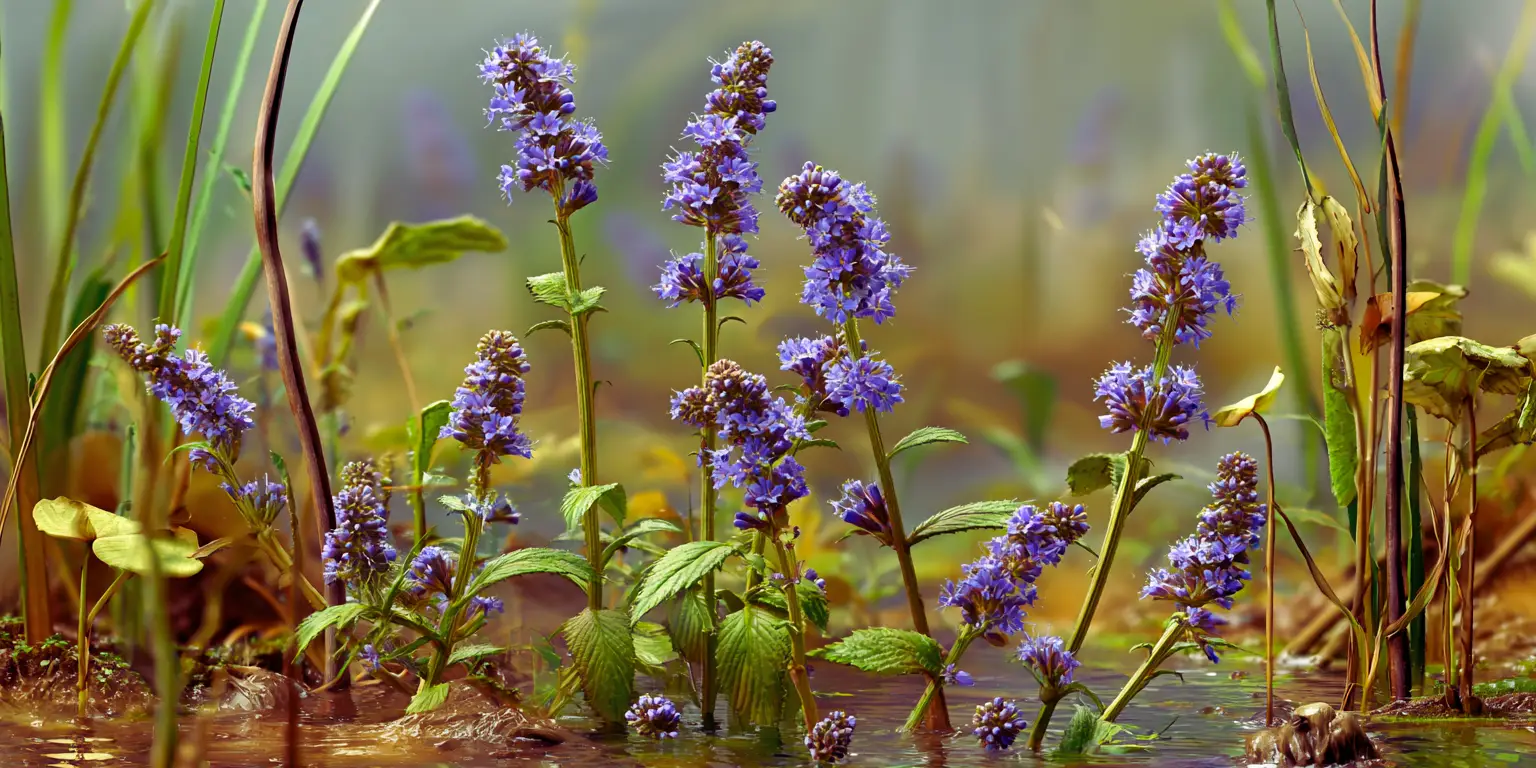
Verbena hastata
species (blue vervain) · wild origin / n/a / native to North America
At‑a‑glance
- Group/Class: species (blue vervain)
- Height × spread: 3-5 ft × 1-2 ft (90-150 cm × 30-60 cm)
- Bloom window: mid summer to early fall
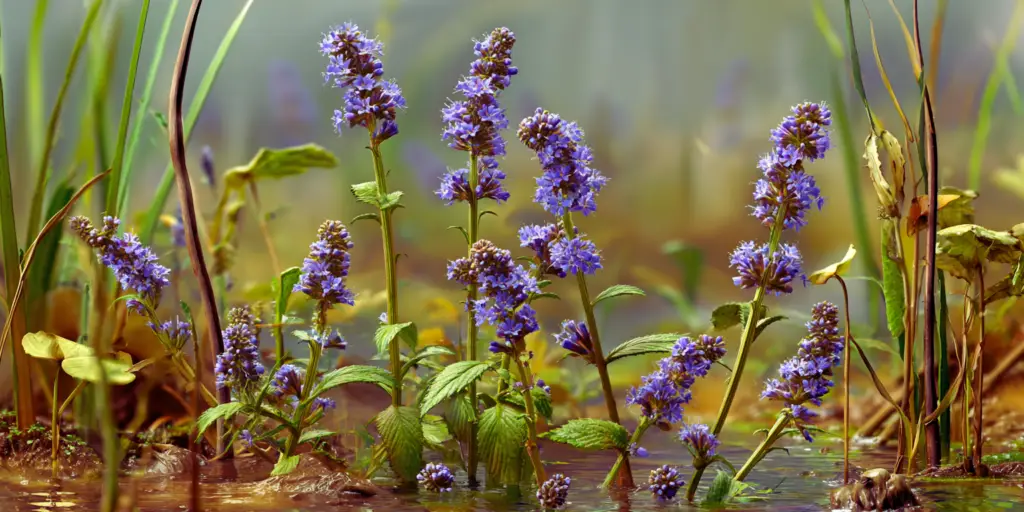
- Color & flower form: violet-blue spikes on candelabra-branched stems; florets open bottom to top
- Fragrance: 0 none
- USDA hardiness: zones 3-9
- Breeder / Year / Origin: wild origin / n/a / native to North America
- Cut-flower notes: stems are fairly stiff; vase life varies by handling
- Pet safety: unknown / sources differ
How it differs
- Far more cold-hardy and moisture-tolerant than bedding verbenas.
- Tall, upright spires instead of domed clusters or trailing forms.
- Native species suited to naturalistic plantings.
- Readily self-seeds in open soil.
Strengths
- Long midsummer bloom that attracts many pollinators.
- Very winter hardy across northern regions.
- Tolerates average to wet soils, including heavy clay with drainage.
- Provides strong vertical accents in mixed plantings.
Care in one minute
Plant in full sun; allow regular moisture, especially in summer.
Deadhead to limit reseeding or to encourage a tidier look.
Stake if plant height or wind exposure demands support.
Fertilize lightly; rich soil can make stems lanky.
Cut back in late winter or early spring as new growth appears.
Watch‑outs
- Can self-seed and wander in open meadows.
- May lean if plants grow above 5 feet or in partial shade.
- Often short-lived; allow some reseeding to maintain stands.
Best uses (tags)
Provenance note
A widespread North American native vervain. Many sources list zones 3-9 and note its preference for moist meadows and stream margins.
References
- Missouri Botanical Garden – Verbena hastata
- Lady Bird Johnson Wildflower Center – Verbena hastata
- USDA PLANTS Profile – Verbena hastata
Similar Flowers
Enjoying our flower guides? Add YourFlowersGuide as a preferred source on Google. It helps more readers find us.
Add to Preferred Sources