
Contents
Hellebore
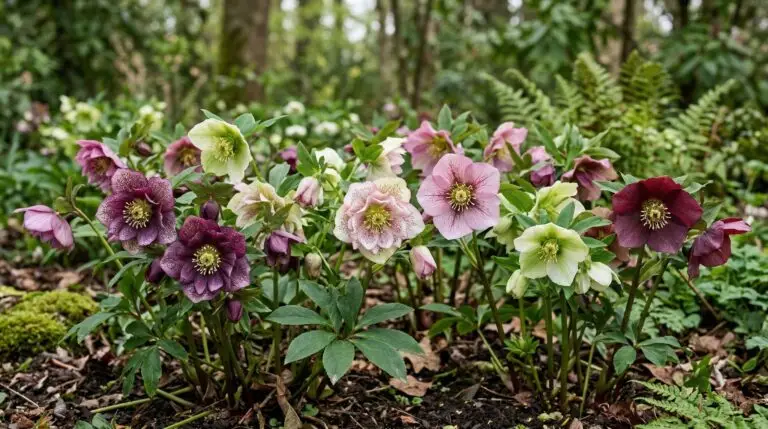
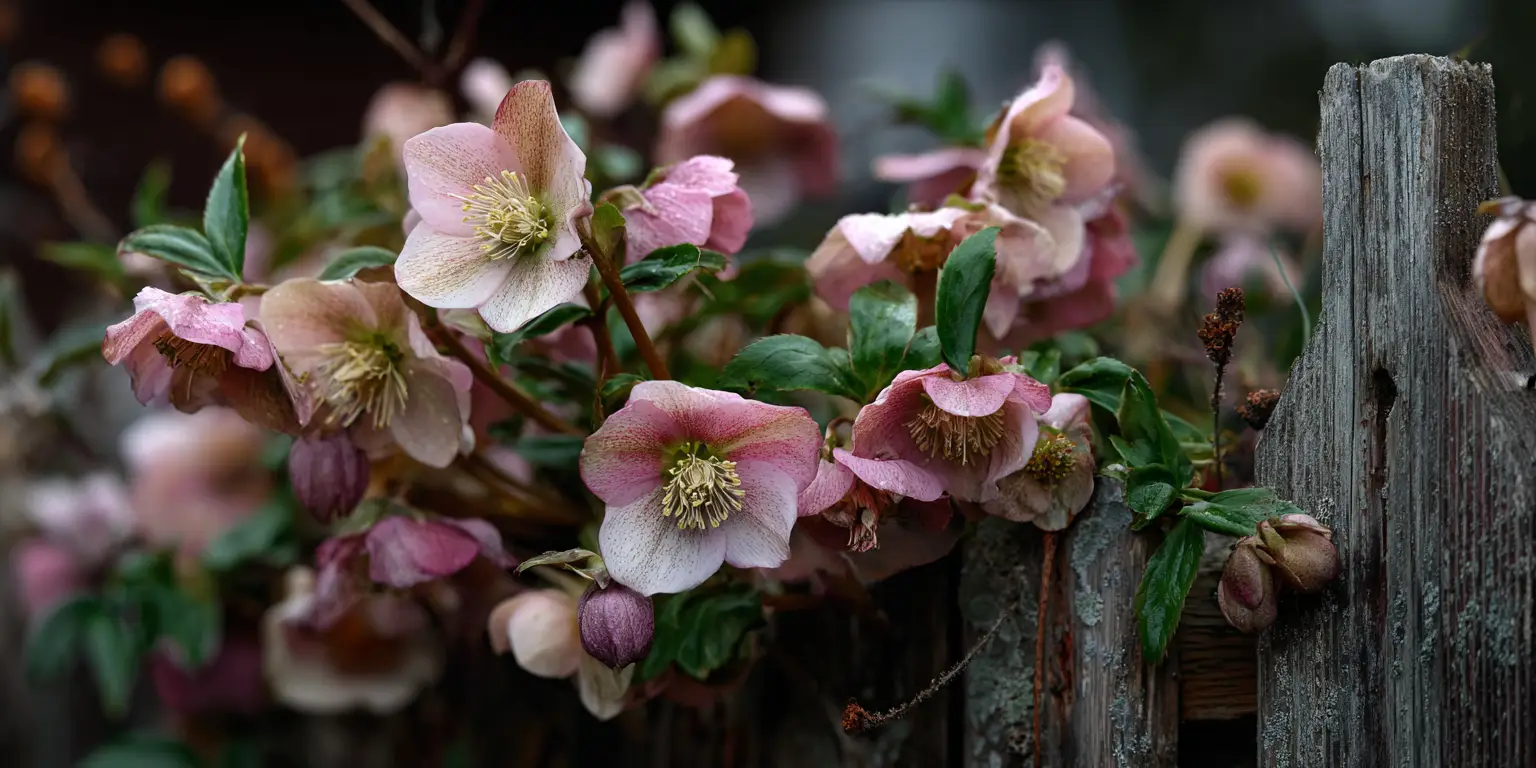
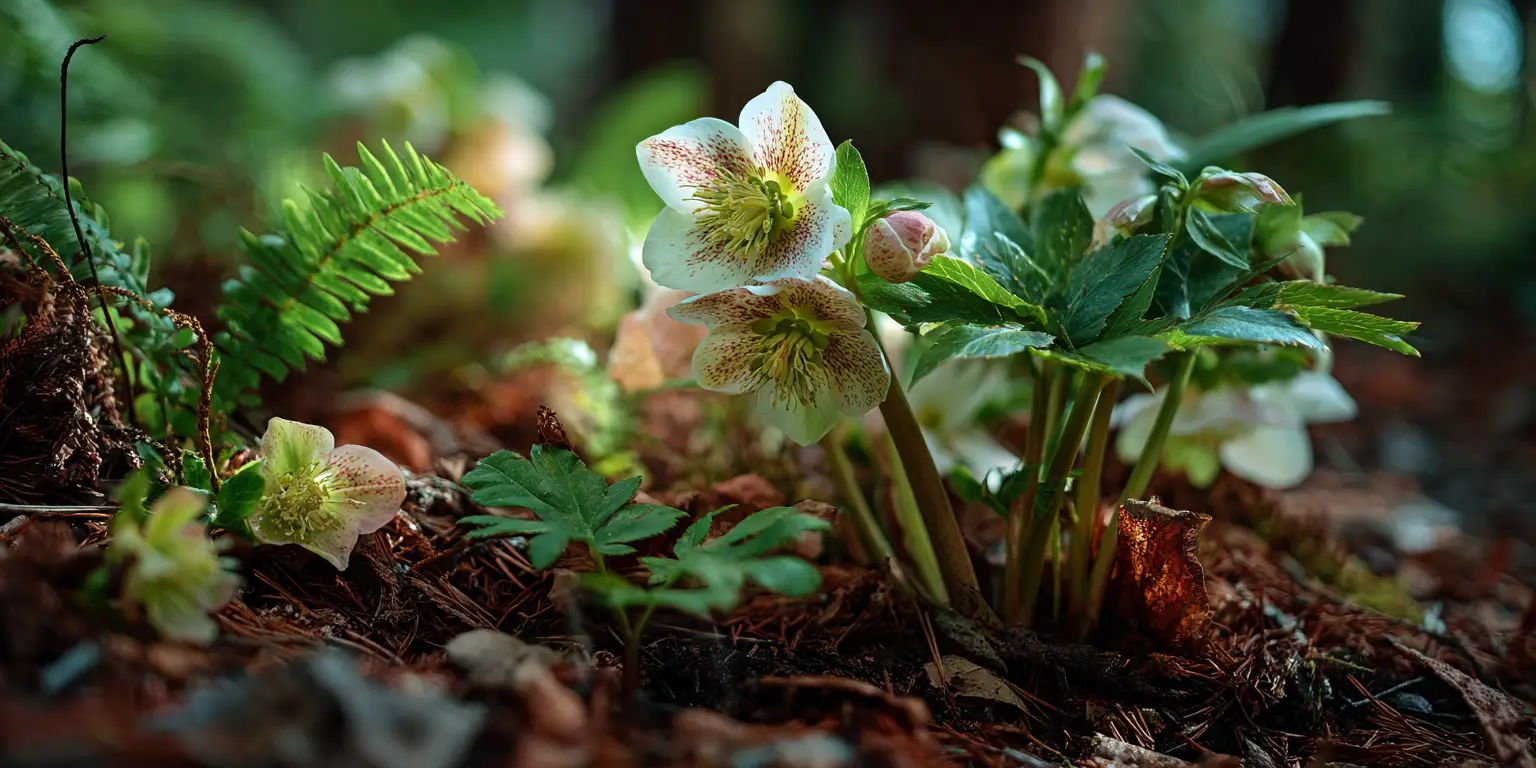
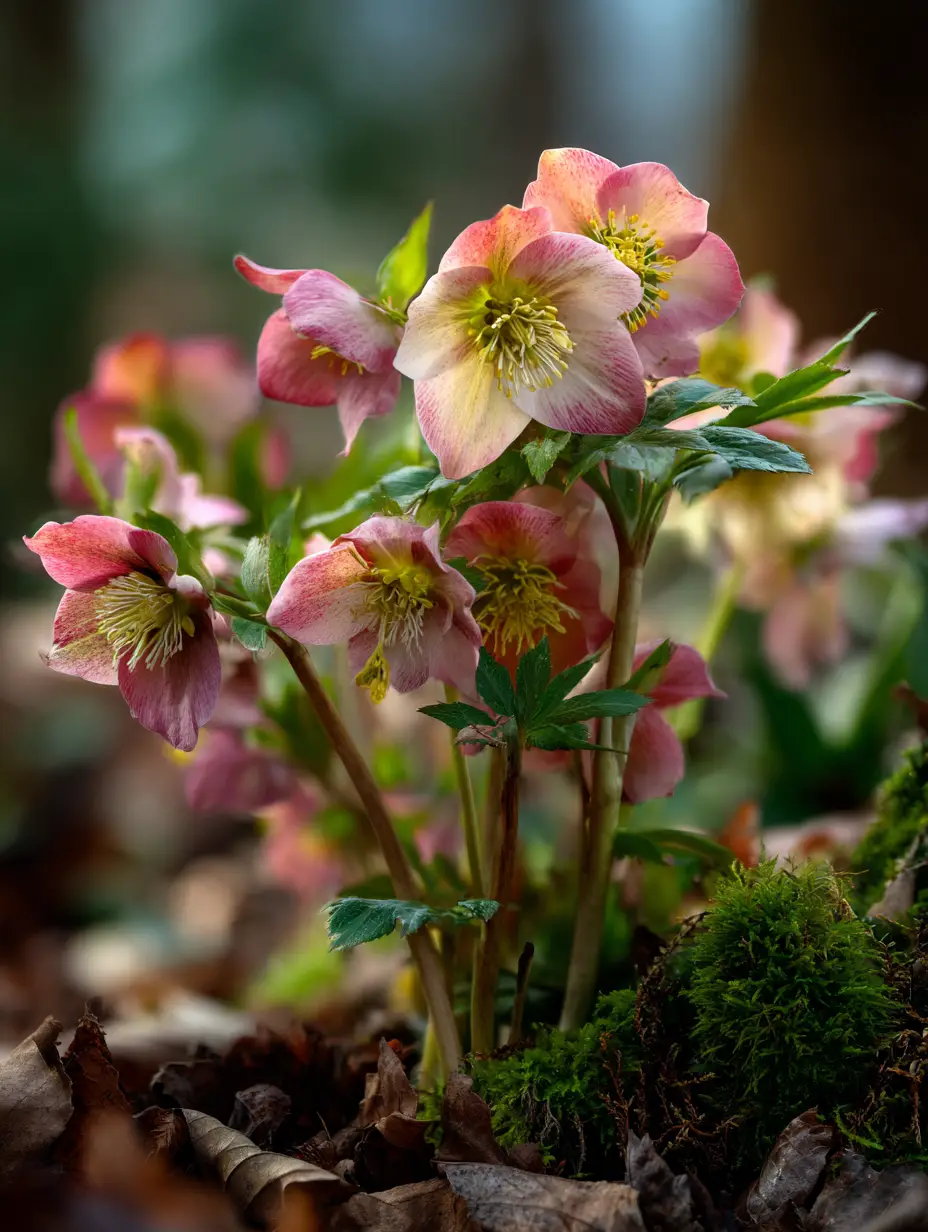
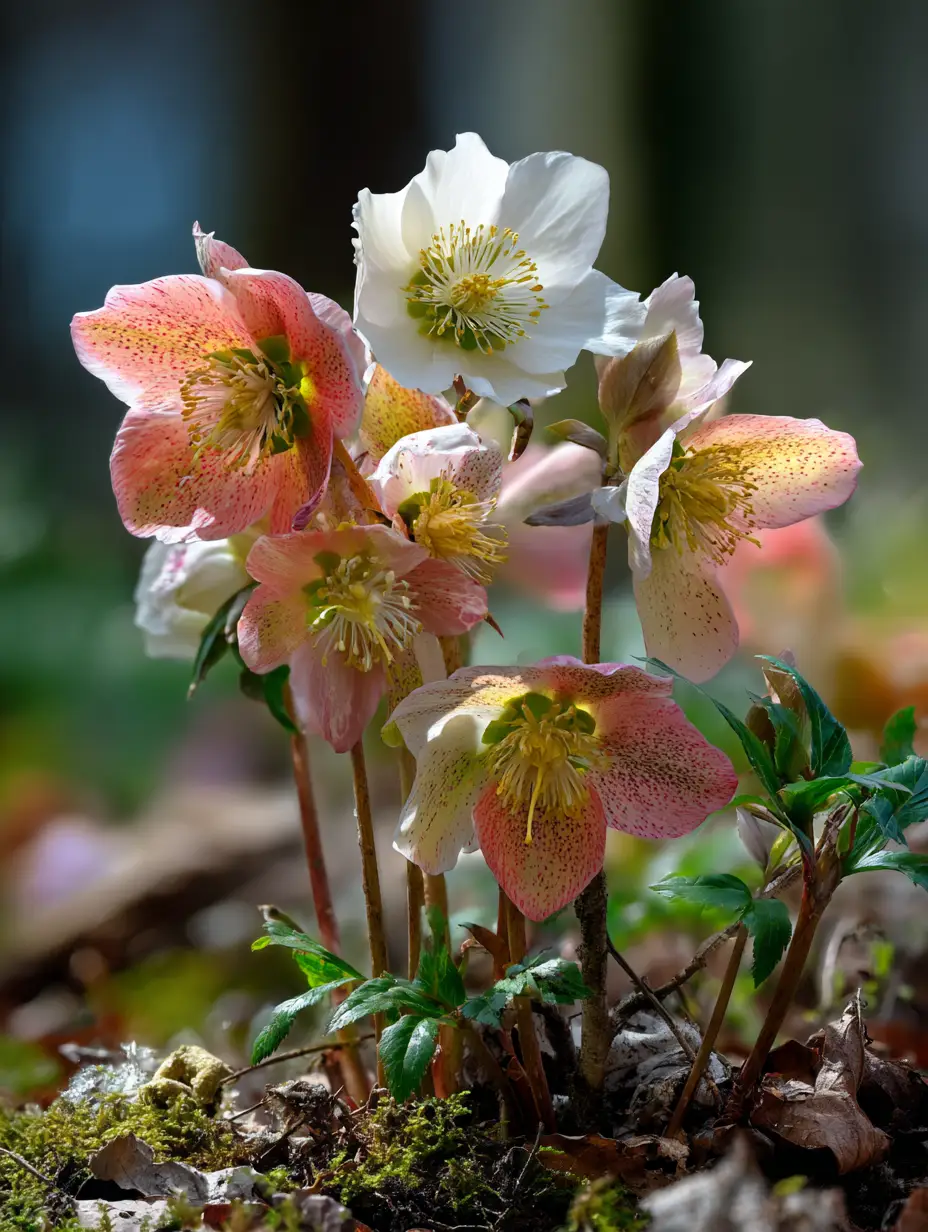
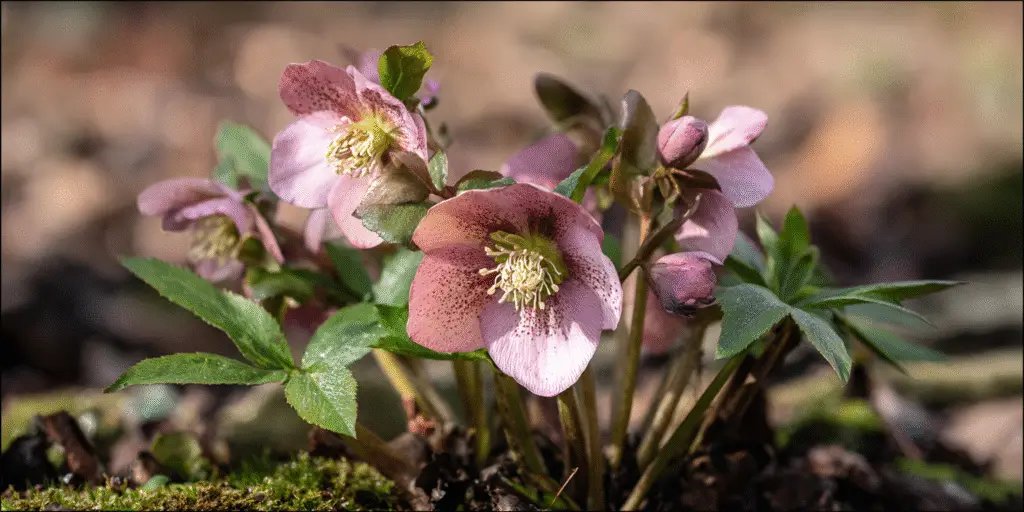
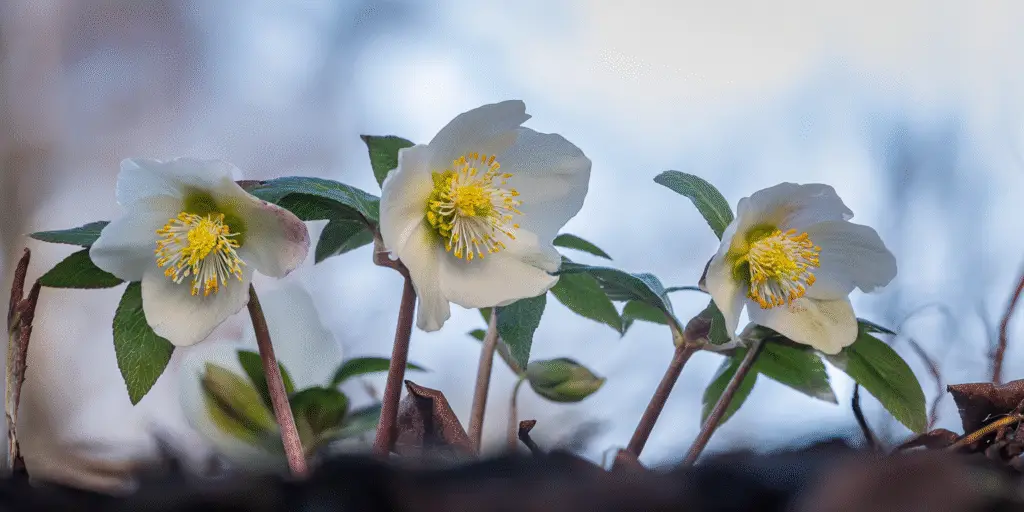
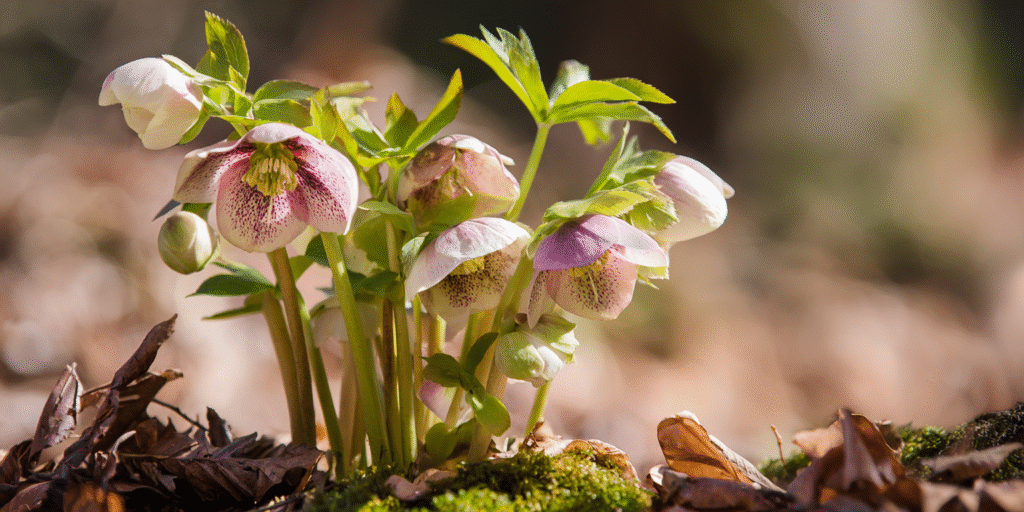
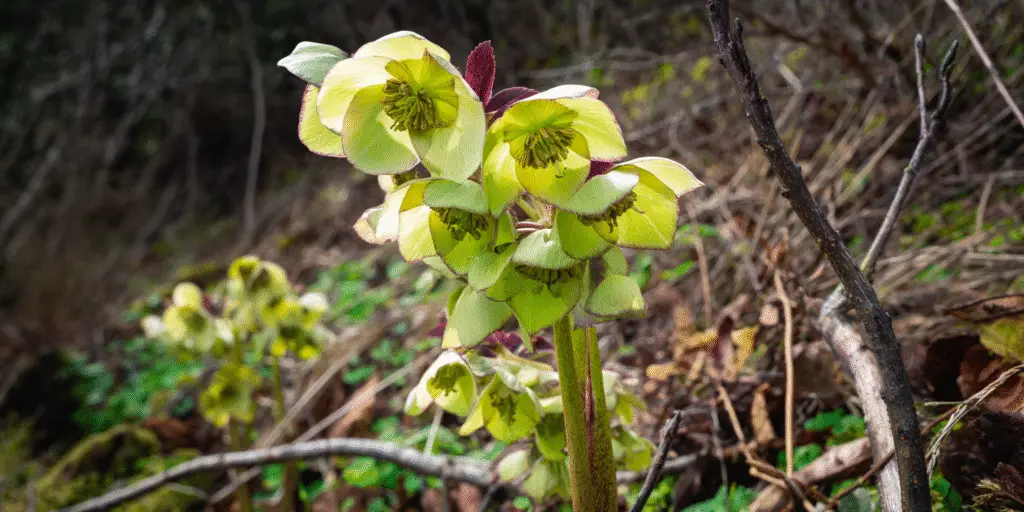
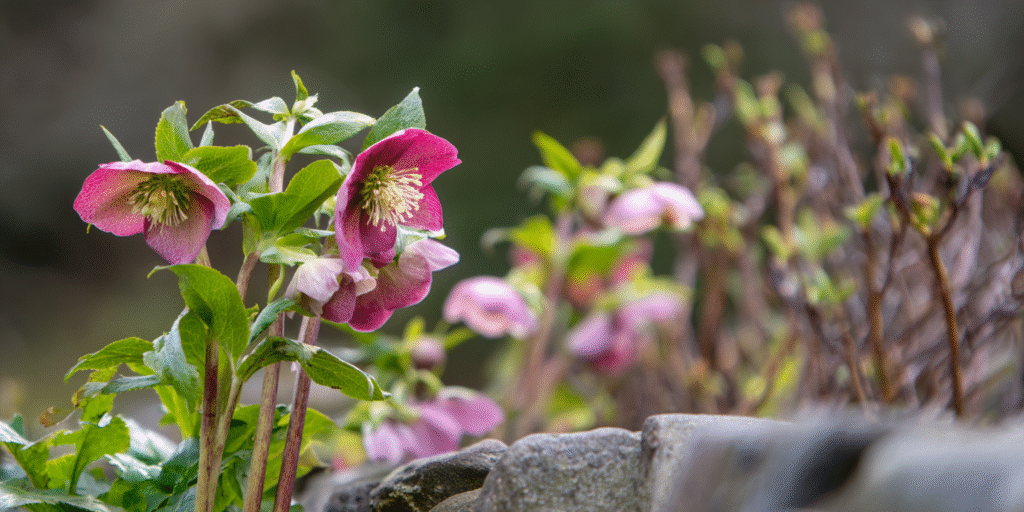
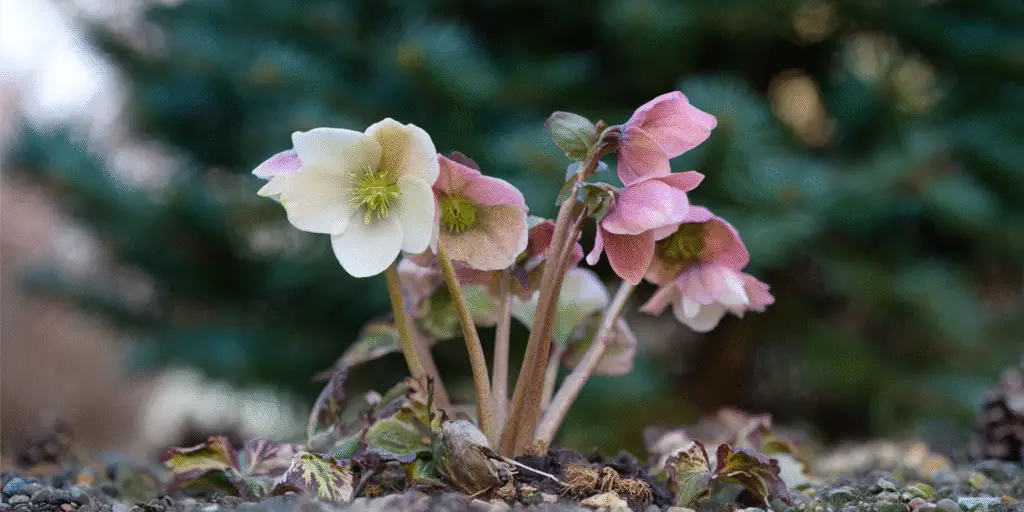
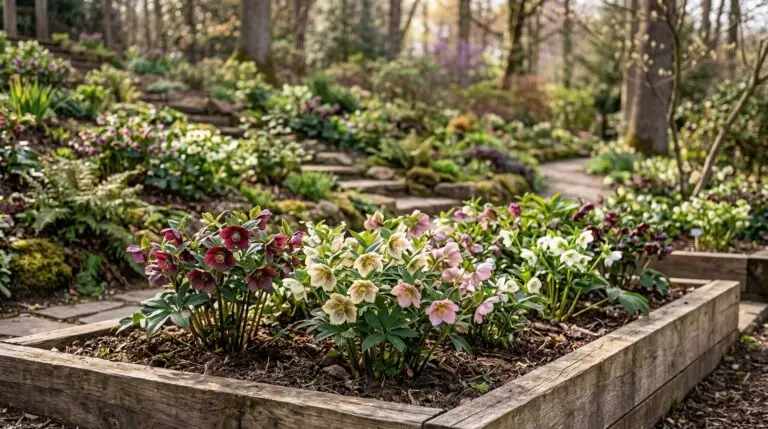
The Hellebore (genus Helleborus) is a hardy perennial that often blooms in late winter and early spring, when the garden is still quiet. These bushy, clump-forming plants are in the buttercup family (Ranunculaceae) and include about 20 species native to parts of Europe, Asia, and North Africa. Many hellebores are evergreen, with leathery, dark green leaves that hold through winter and give the planting bed structure year-round. Their nodding, rose-like flowers appear in clusters above the foliage, sometimes while patches of snow are still on the ground. Flower color varies widely: white, pink, and deep purple are common, and some hybrids are so dark they read as near-black in shade. Hellebores look especially good with other early bloomers like camellias and spring bulbs such as tulips. Because they ask for little once established and handle cold weather well, hellebores are a reliable choice for woodland and shade gardens.
A clear, step-by-step guide to soil, planting, watering, feeding, pruning, and winter care. Includes zone timing, container tips, companions, and quick fixes for common problems.
Bouquet Ideas
Explore simple, beautiful bouquet ideas for the home, gifts, and special occasions from romantic mixes to clean, minimal styles. Each idea includes suggested flower combinations, color palettes, and sizes, with photos for quick inspiration.
🌱 Taxonomy and origin
Hellebores make up the genus Helleborus in the buttercup family (Ranunculaceae). Gardeners often call them Christmas rose or Lenten rose, even though they are not roses. They are closer relatives of anemones and buttercups. Most wild species come from the mountainous woodlands of Europe and western Asia. Helleborus niger (Christmas rose, sometimes called black hellebore) is native to alpine areas of central and southern Europe. Helleborus orientalis (Lenten rose) comes from Greece, Turkey, and the Caucasus. A few species range into the wider Mediterranean region and North Africa. Breeders have produced many garden hybrids, commonly grouped as Helleborus x hybridus, to expand flower colors and improve performance. The name Helleborus traces to Greek roots often translated as “food” and “to injure or destroy,” a nod to the plant’s long-known toxicity. Even with all the hybridizing, hellebores still share the same general origin: temperate forests and meadows across Eurasia.
🌸 Bloom time
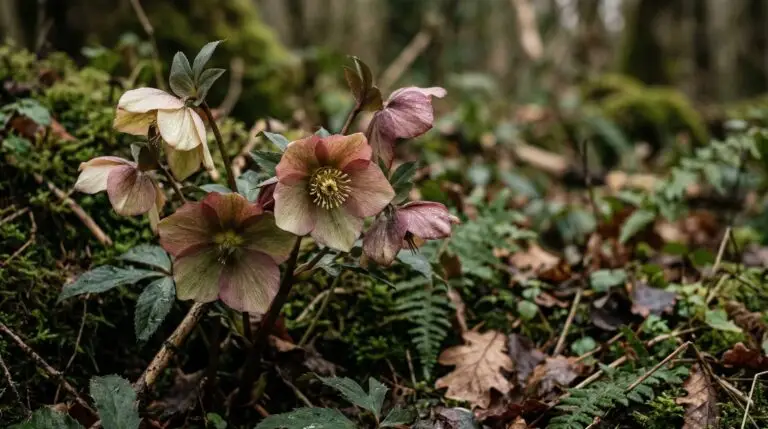
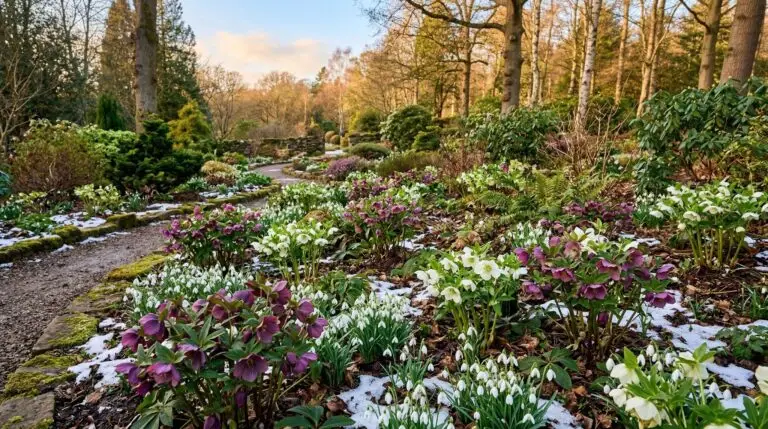
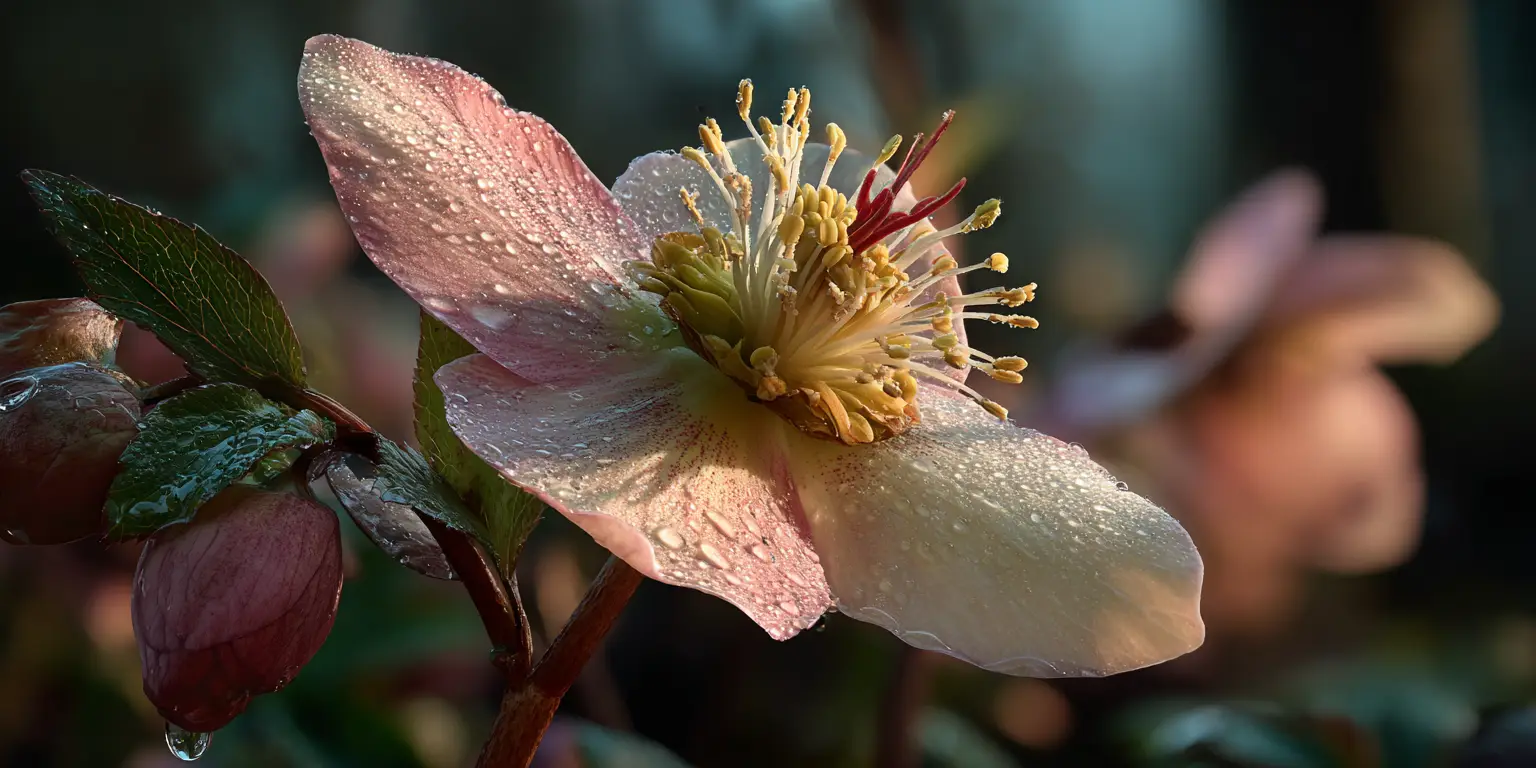
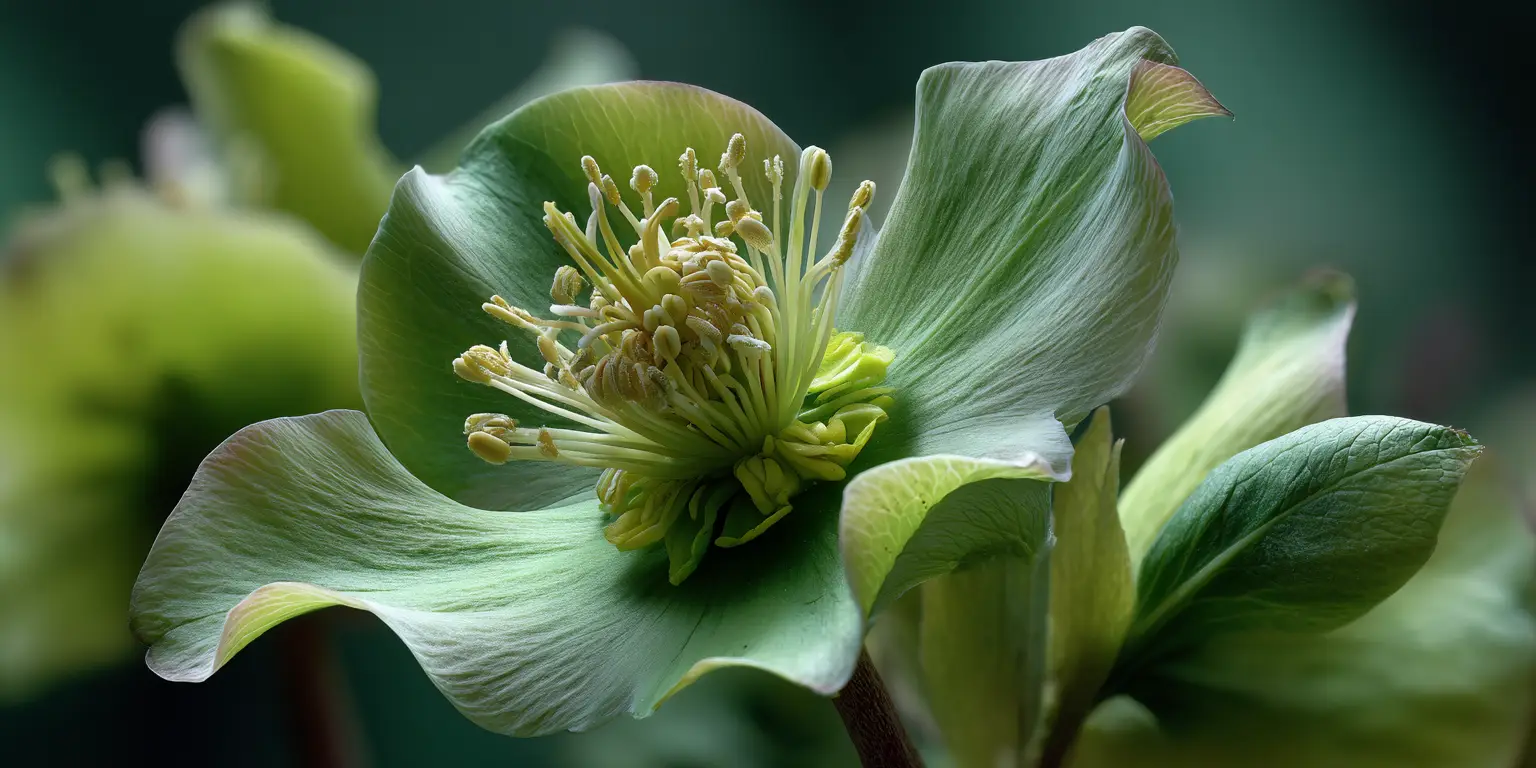
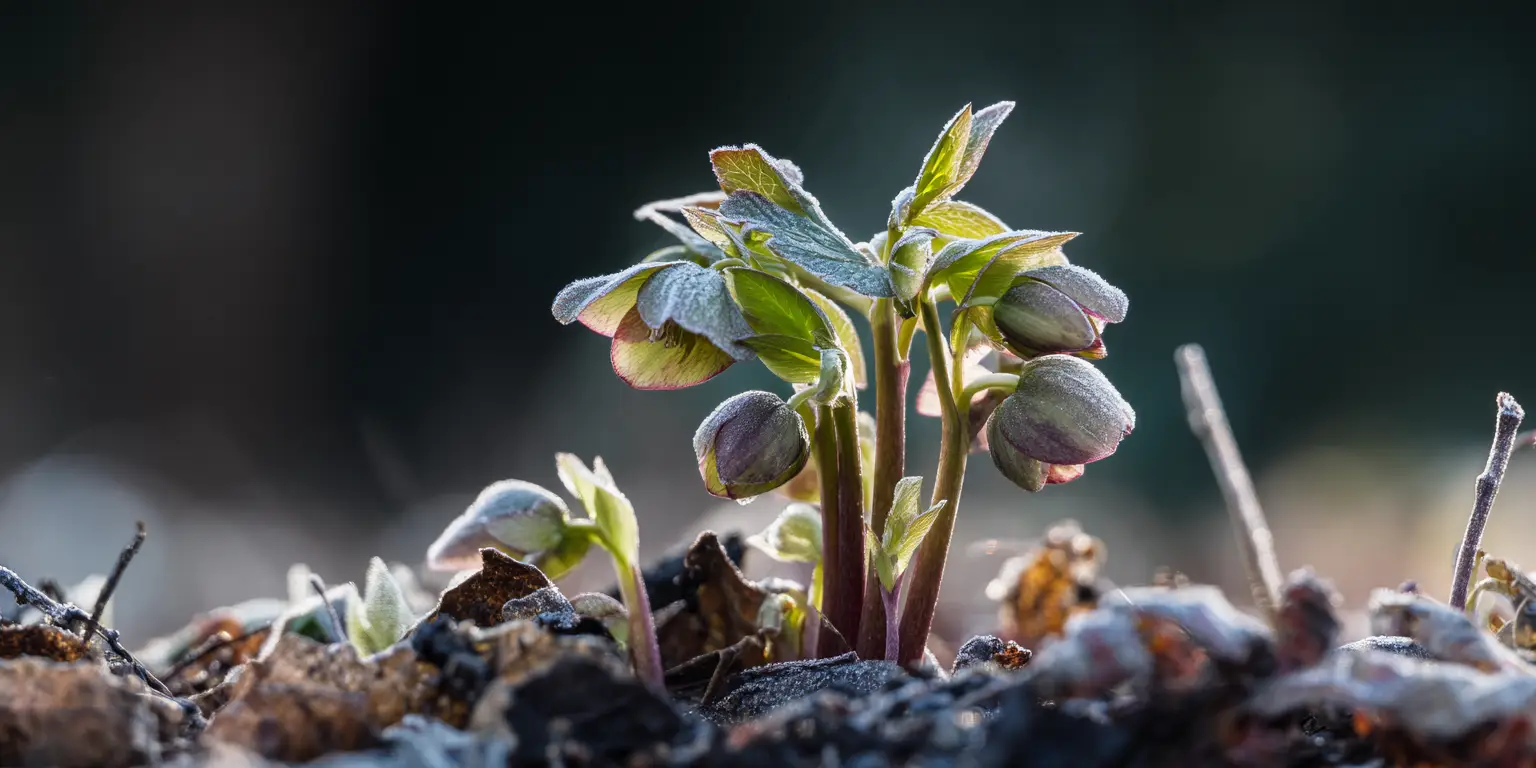
One of the best things about hellebores is how early they flower. In many gardens they open in late winter and keep going into early spring. Buds often appear in January or February, and bloom can last 6 to 8 weeks. In mild winters, Christmas rose (Helleborus niger) may start as early as December. Hybrids sold as Lenten roses usually peak from late winter through March and into April. The flowers often sit above frosty ground or a light dusting of snow. What looks like petals are actually sepals, and they stay attractive for weeks while seed pods begin to form in the center. That long-lasting display helps bridge the gap between winter and spring.
📏 Height and spread
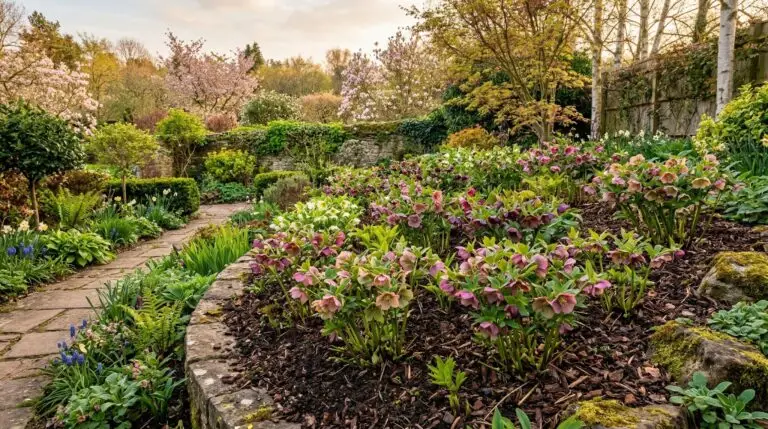
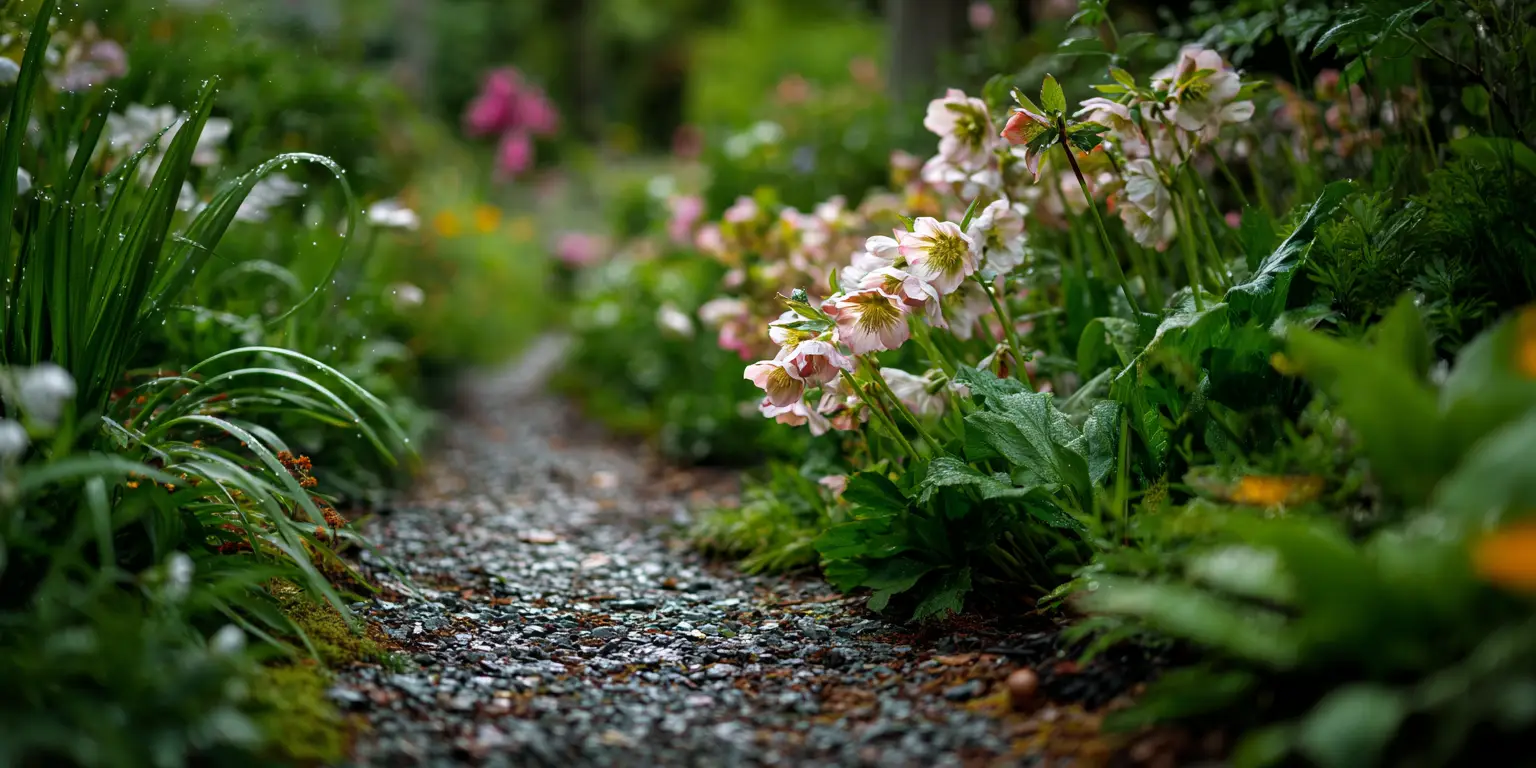
Hellebores are compact perennials. Most types reach about 1 to 1.5 feet tall (30 to 45 cm) in bloom, and a few can approach 2 feet (60 cm). The divided leaves form a clump near the ground, and flower stems rise just above the foliage, which is why blooms often nod. A mature plant usually spreads 1 to 2 feet (30 to 60 cm) wide. Clumps widen slowly over the years, but hellebores are not invasive. They work well at the front of a shaded border or along a woodland path where the flowers are easy to see up close. In groups, they create a low carpet of evergreen foliage with late-winter flowers.
☀️ Light
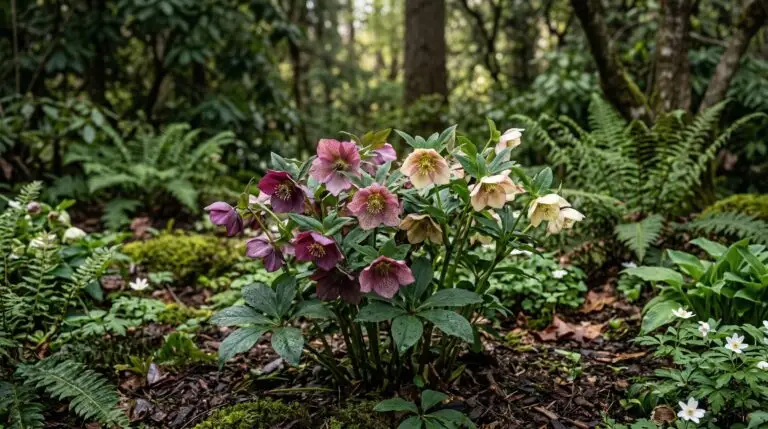
Hellebores do best in partial shade. Think of the light under deciduous trees: bright in winter and early spring, then filtered once leaves fill in. Morning sun with afternoon shade is ideal. Deep shade is tolerated, but bloom can be lighter over time. In cooler climates, some gardeners grow hellebores in more sun, as long as soil stays evenly moist. They share these conditions with other shade-tolerant plants such as bigleaf hydrangea (Hydrangea macrophylla). If you can give hellebores filtered light and shelter from harsh afternoon sun, they will usually flower well and keep their foliage in good shape.
💧 Water
Hellebores like steady moisture while they are growing and blooming in late winter and spring. Aim for soil that stays evenly moist but drains well. Letting the bed dry out during bud formation can lead to droopy flowers. On the other hand, soggy soil around the crown invites rot. Once established, hellebores handle short dry spells, especially in summer when growth slows, but they look best with occasional deep watering during long hot stretches. A layer of mulch helps hold moisture and keeps soil temperatures more even.
🌍 Soil and pH
Rich, loose soil that holds moisture and still drains well is ideal. In the wild, hellebores grow in humus-rich woodland soils and in areas with limestone, so they respond well to organic matter. Work compost or leaf mold into the planting area to improve texture and feed the plant. Heavy clay can be a problem if it stays wet; raised beds or added grit can help drainage. For pH, hellebores generally prefer neutral to slightly alkaline soil (around 7.0 or a bit higher). They tolerate mildly acidic soil (around pH 6) if other conditions are good, but strongly acidic ground tends to reduce vigor and flowering.
❄️ USDA hardiness
Most hellebore species and hybrids are cold-hardy and reliable in USDA Hardiness Zones 4 to 9. Some, including Christmas rose, can survive in sheltered spots of Zone 3, especially with insulating snow. In warmer zones (8 to 9), they need shade and consistent moisture to get through summer. In frost-free climates beyond Zone 9, hellebores often struggle because they benefit from a cooler winter cycle. In cold regions, planting near shrubs or structures can help protect foliage from drying winter winds.
🌼 Propagation and longevity
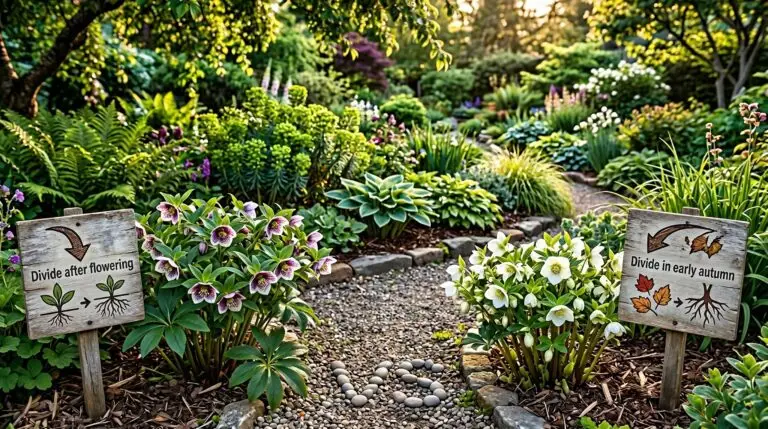
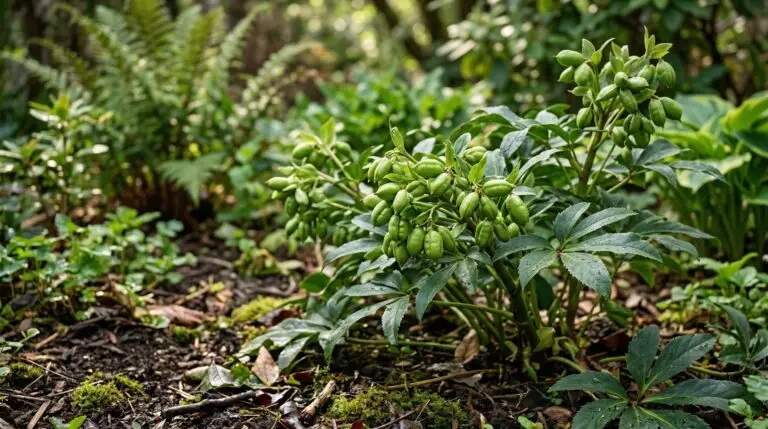
There are two main ways to propagate hellebores: seed and division. Many hellebores self-seed, and small seedlings sometimes appear around an established clump. If you want to collect seed, harvest when pods begin to split in late spring or early summer and sow soon after, while seed is fresh. Germination usually improves with a period of cold. Seedlings from hybrids can vary in flower color, so they may not match the parent plant. If you want an exact copy of a favorite plant, division is more dependable. Divide clumps in early spring after flowering or in early fall. Cut through the crown so each piece has several buds and roots, replant promptly, and water well. Divisions often take a season to fully settle in before they bloom strongly again.
Hellebores are long-lived perennials. In a good spot, a plant can thrive for 10 years or more, and 20 years is not unusual. Clumps often increase in size and flower more heavily as they mature, which is why many gardeners leave them undisturbed. If a plant becomes crowded after many years, division can refresh it and provide new starts. A few species, such as Helleborus foetidus, live for a shorter time but usually self-seed to keep a planting going.
👃 Fragrance
Most hellebore flowers have little to no scent. If you lean in close you might notice a faint green or earthy smell, but they are not known for fragrance. One exception is Helleborus odorus, sometimes called fragrant hellebore, which can carry a mild sweet scent. Helleborus foetidus is nicknamed stinking hellebore, but its flowers are not strongly scented unless you are very close. In general, choose hellebores for early color and tough performance, not for perfume.
⚠️ Toxicity and pet safety
All parts of the hellebore plant are poisonous, including leaves, stems, roots, and flowers. They contain several toxic compounds (including glycosides such as helleborin) that can cause illness if eaten by people or animals. Symptoms can include mouth irritation, nausea, vomiting, and diarrhea. Serious cases are uncommon because the plant tastes unpleasant, so most pets and people do not eat much of it.
If a child or pet chews on hellebore, drooling and stomach upset are possible. Contact a medical professional or veterinarian for advice if ingestion is suspected. Plant hellebores where small children and curious pets are unlikely to nibble them. The same bitter, toxic compounds also make hellebores deer-resistant and usually unappealing to rabbits. Sap can irritate sensitive skin, so wearing gloves when cutting back old leaves or dividing clumps is a good habit.
🌿 Vase life
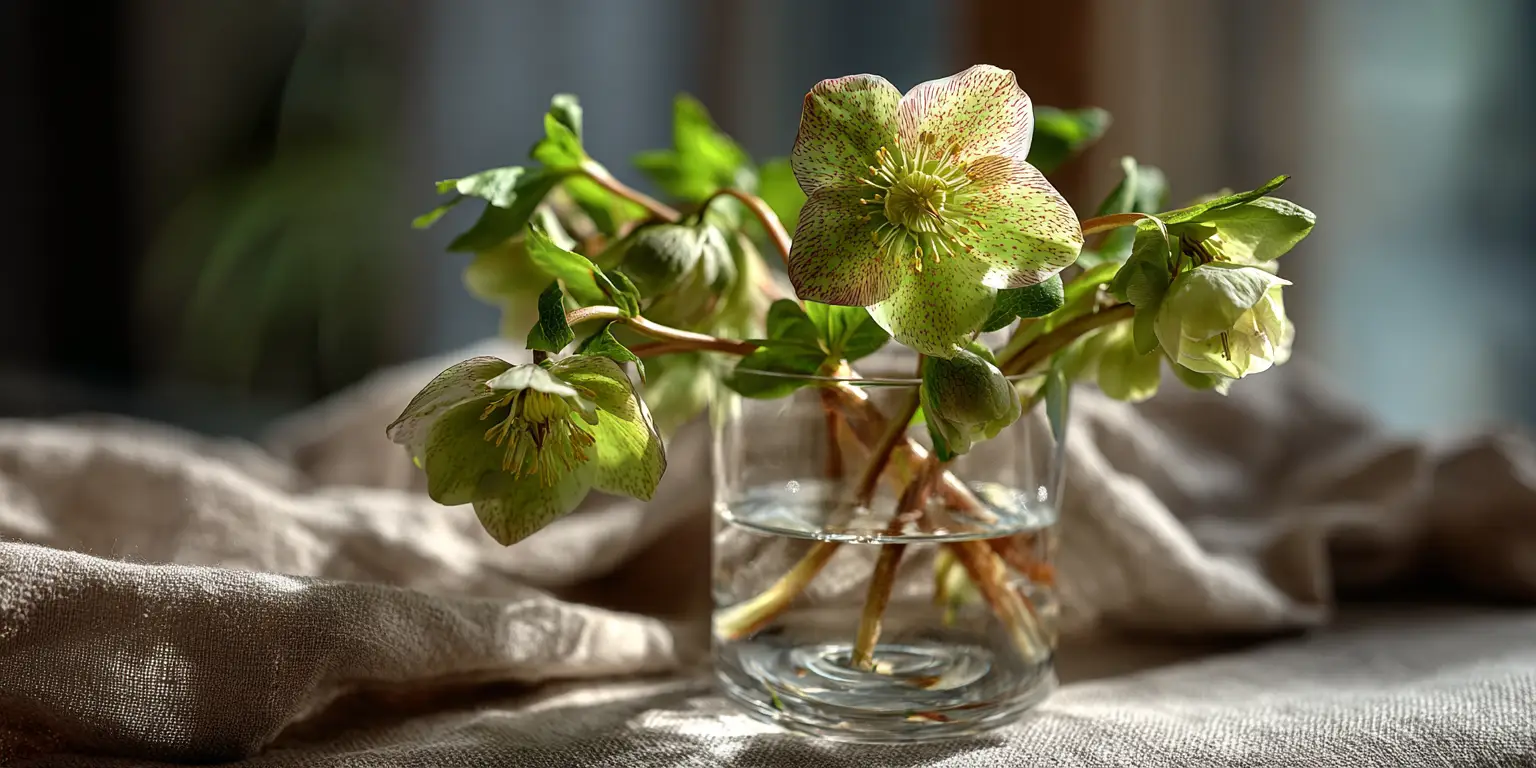
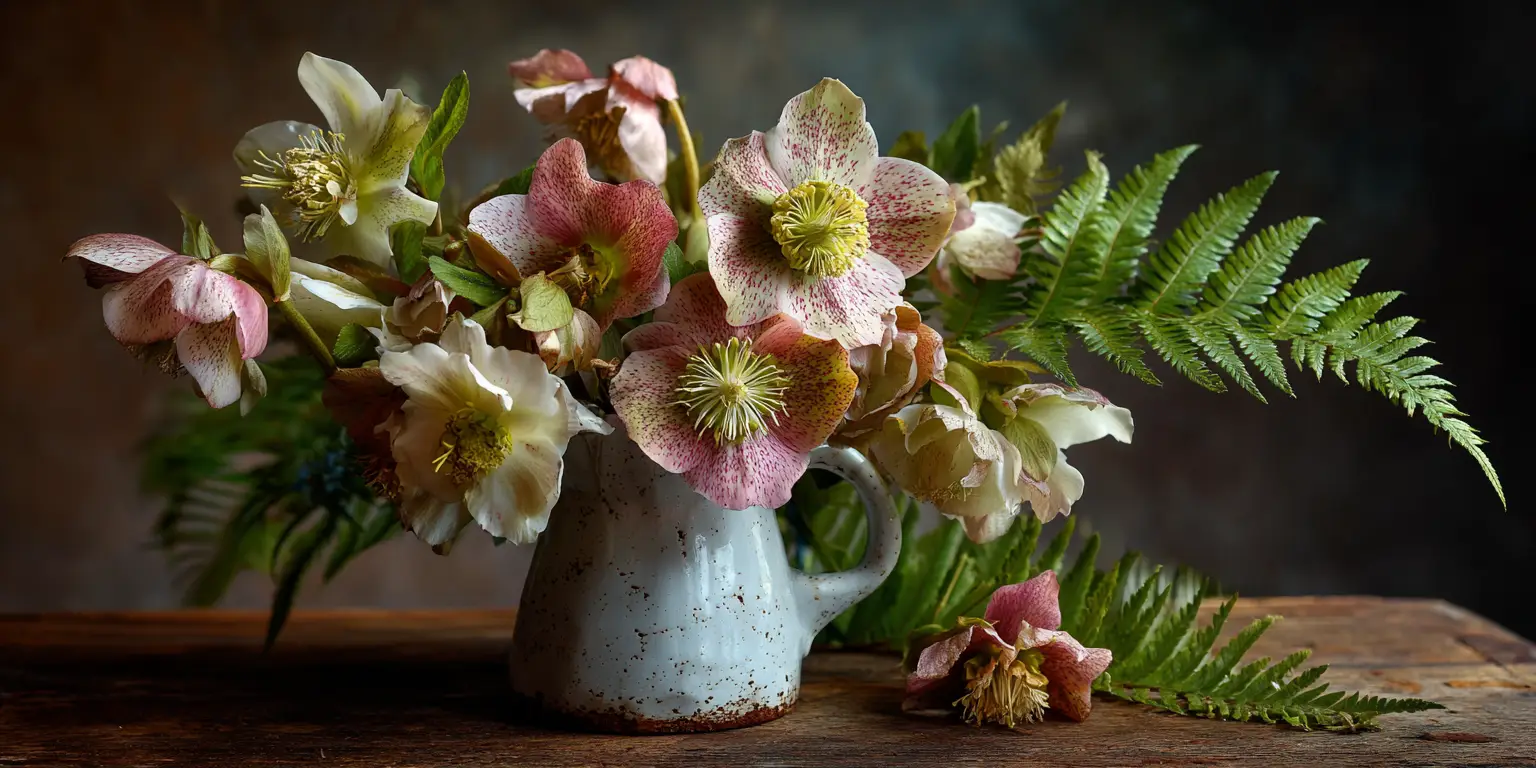
Hellebores can be used as cut flowers for late-winter arrangements, but timing matters. Newly opened blooms often wilt quickly indoors. For better vase life, cut stems once the flower has matured, usually after pollination when the stamens have dropped and you can see the seed pod beginning to form. At that stage the sepals are firmer and the head is less likely to flop.
Use clean, sharp pruners, recut the stem, and place it in water right away. Some florists use brief heat treatment on the cut end to reduce wilting, but careful handling is essential and it is not required for home arrangements. Keep hellebores in a deep vase of fresh water in a cool room, away from heat and direct sun. With good conditioning, hellebore stems often last about 5 to 7 days, and sturdy varieties may go longer.
🐛 Pests and diseases
Hellebores usually have few pest problems. Deer and rabbits avoid them, but aphids sometimes gather on new growth in spring, especially on flower stems and under leaves. A strong spray of water often knocks them off. Slugs and snails can chew foliage in damp shade; reducing hiding places and hand-picking on moist evenings helps. Beyond that, most insects leave hellebores alone.
Most disease issues come down to wet, still conditions. Fungal leaf spot can cause brown or black blotches on leaves. It is mostly cosmetic, and removing spotted leaves and cleaning up old debris reduces spread. Good air flow and avoiding overhead watering also help. Crown rot is more serious and usually starts in waterlogged soil, so drainage matters. A rarer problem is “black death” (a virus sometimes called hellebore net necrosis), which can cause black streaks and stunted growth. There is no cure, so infected plants should be removed to protect the rest of the planting.
FAQ
When is the best time to plant hellebores?
Fall and early spring both work. Many gardeners plant in fall so roots can settle in over winter and the plant is ready to grow as soon as weather warms. Early spring planting is fine too, just keep new plants watered while they establish. If you can, avoid planting in the heat of summer.
Why isn’t my hellebore flowering?
Age is a common reason. Plants grown from seed often need 2 to 3 years (sometimes longer) before they bloom. For established plants, very deep shade can reduce flowers, and a recent move or division can cause a skipped season while the plant recovers. Hellebores also need a normal winter chill to set buds. Go easy on high-nitrogen fertilizer, which pushes leafy growth at the expense of flowers.
Will hellebores spread in my garden?
Slowly, yes. A healthy clump widens over time, and many plants drop seed, so you may see a few seedlings nearby. They are easy to lift and move once they are big enough. Hellebores do not spread aggressively, but they can naturalize into a small colony if you let seedlings stay.
Can I grow hellebores in containers?
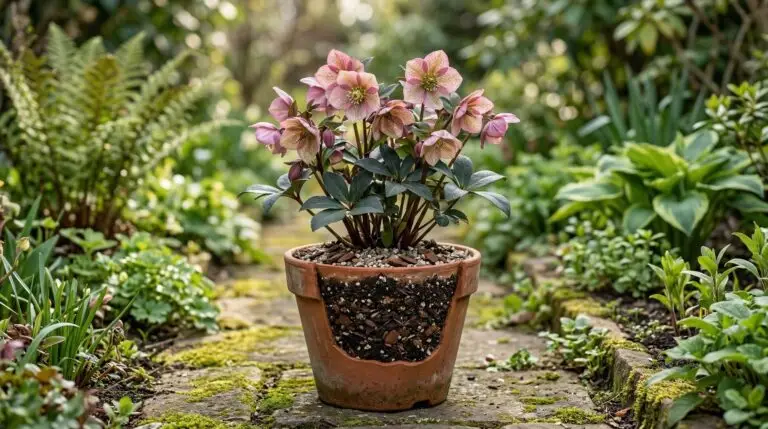
Yes, as long as the pot is deep and drains well. Use a quality potting mix that holds moisture without staying soggy, and place the container in partial shade. Check water more often than you would in the ground, since pots dry out faster. In very cold winters, protect the container so the root ball does not freeze solid.
Are hellebores deer-resistant?
Usually. The leaves and stems taste bitter and contain toxins, so deer and rabbits tend to avoid them. In extreme hunger, any plant can be sampled, but hellebores are one of the more dependable choices in deer-prone areas.
Do I need to prune or cut back hellebores?
Not much, but a yearly tidy-up helps. Many gardeners cut back the older leaves in late winter or very early spring, just as buds and flower stems start to show. This makes the flowers easier to see and can reduce leaf spot problems. After flowering, you can remove spent stems. During the season, trim any leaves that turn brown or tattered.
Interesting tips
- Legend of the Christmas rose: A long-running story says the Christmas rose (Helleborus niger) appeared in snow where a young girl cried because she had no gift to bring to the newborn Jesus.
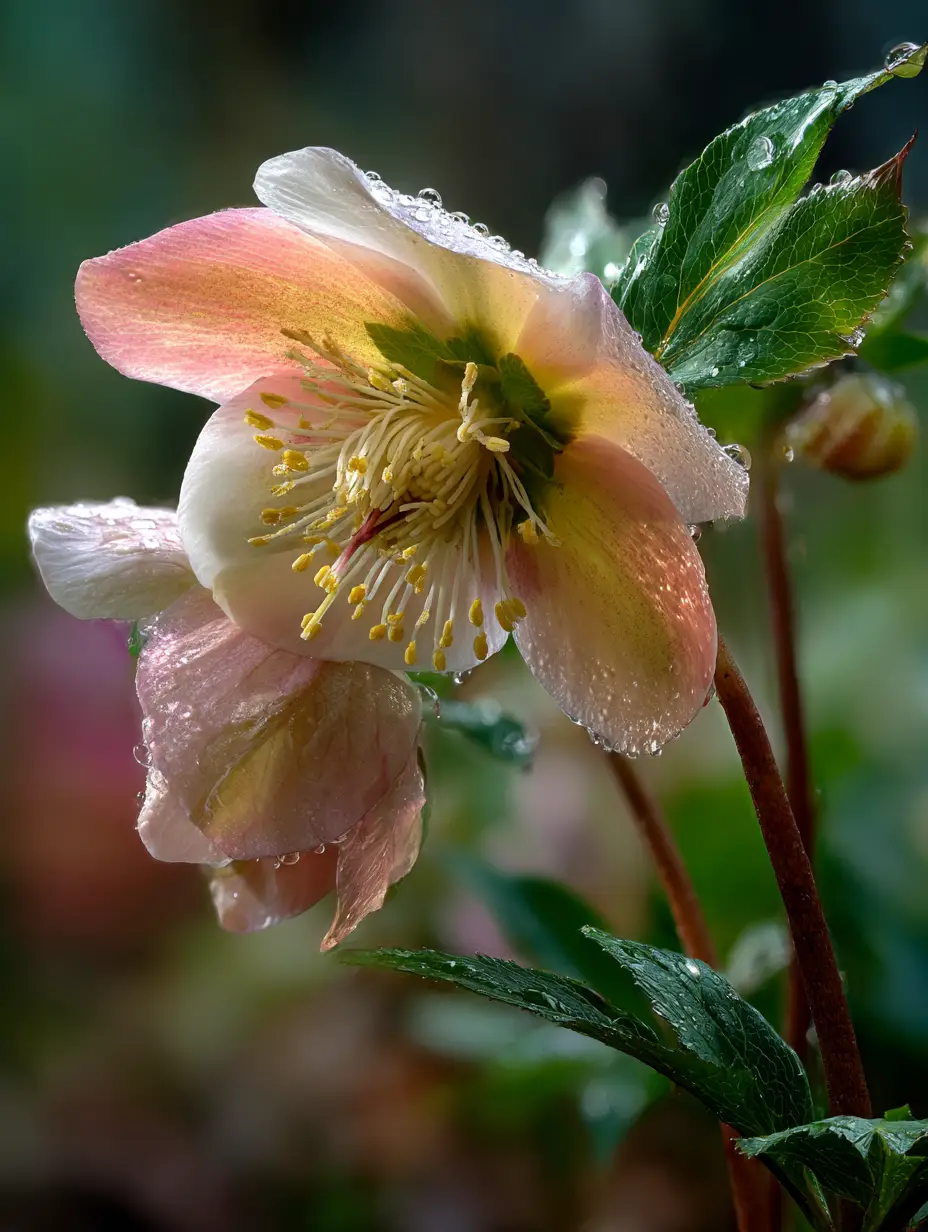
- Petals that aren’t petals: The colorful “petals” on a hellebore are actually sepals. They protect the true flowers (small nectaries in the center) and stay on the plant for weeks, which is why hellebore blooms last so long.
- Companion for spring bulbs: Hellebores pair well with early bulbs like snowdrops and daffodils. As spring moves on, hellebore leaves expand and help hide the fading bulb foliage.
- A toxic plant with a long history: Ancient writers noted hellebore’s strength. It was used in herbal medicine as a purgative, and some old accounts even mention it being misused as a poison during wartime. Either way, it is a reminder that this is a plant to admire, not to ingest.
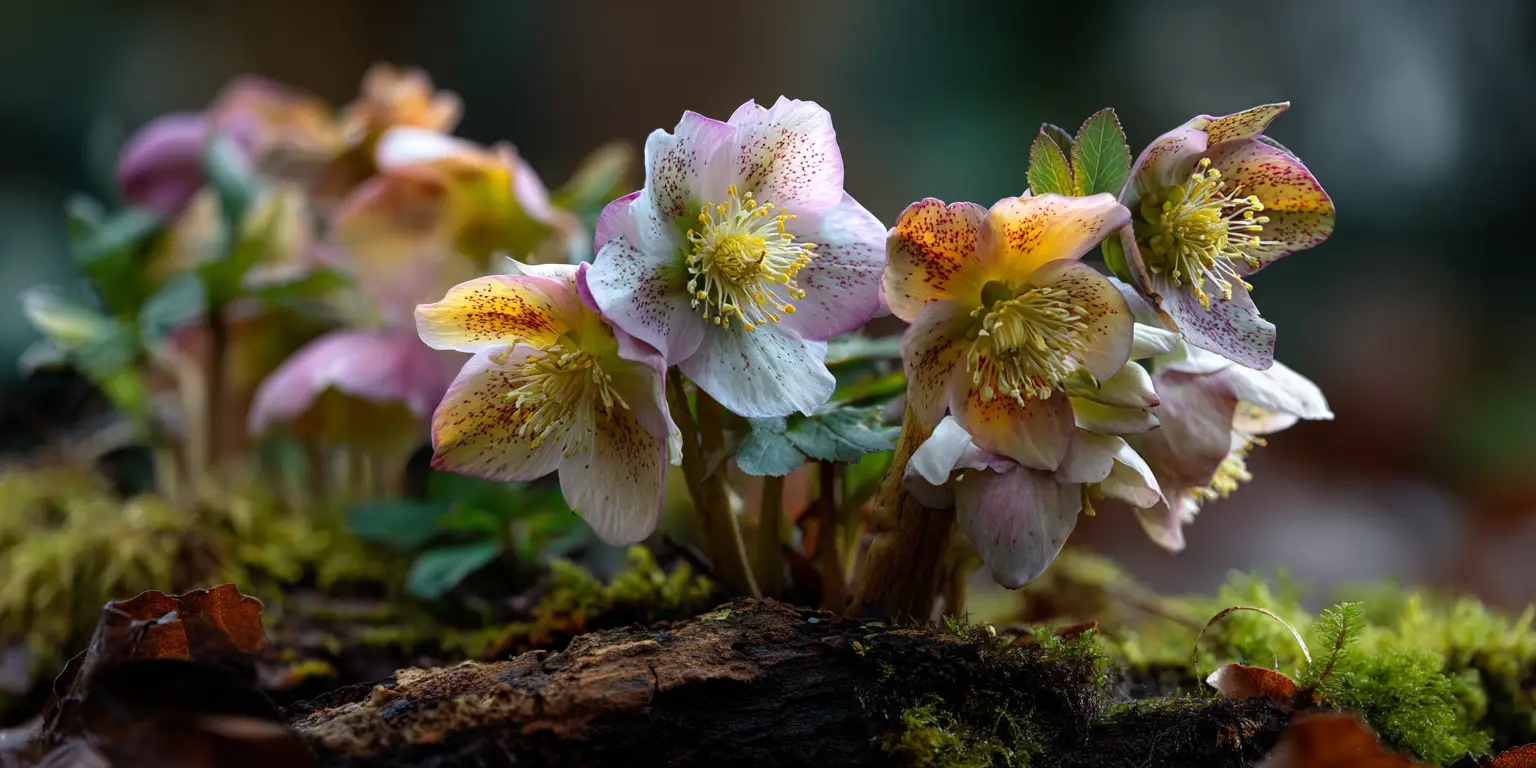
- Breeding brings new colors: Modern breeding has produced hellebores in a wide range of colors and forms, including soft yellow-green, peach, deep maroon, and near-black. Some varieties are speckled or double, and a few have more upward-facing flowers. If you like collecting plants, hellebores offer plenty of variety while still keeping the same tough, winter-blooming habit.
Related Guides & Flowers
- Virginia Bluebells (Mertensia virginica) – Spring woodland ephemeral with nodding bells that pair beautifully with hellebores in shade borders.
- Forget-Me-Nots (Myosotis spp.) – Low, soft spring color under trees; good living mulch around hellebores.
- Bellflower (Campanula spp.) – Many species thrive in part shade with bell-shaped blooms that echo hellebore form.
- Gentian (Gentiana spp.) – Cool-loving blues for dappled light; fits woodland palettes near hellebores.
- Great Blue Lobelia (Lobelia siphilitica) – Moist, part-shade perennial; late-season blue spikes that extend interest after hellebore bloom.
- Begonia (Begonia spp.) – Shade-tolerant bedding color that fills summer gaps around evergreen hellebore clumps.
- Camellia (Camellia spp.) – Evergreen shrub with winter to early spring flowers; matches the season and shade needs.
- Azaleas (Rhododendron spp.) – Spring shrubs for filtered light; classic woodland companions behind hellebore groups.
References
- NC State Extension Plant Toolbox – Helleborus (genus overview) – Growth habit, bloom window, and clear toxicity notes to people and pets; common pests and diseases.
- University of Wisconsin – Madison Extension – Lenten Rose (Helleborus × hybridus) – Taxonomic clarity on hybrid naming, garden use, and cultivar range; practical culture for shade beds.
- Missouri Botanical Garden – Helleborus orientalis Plant Finder – Concise profile with size, bloom timing, flower form, and landscape notes.
- ASPCA – Hellebore (Helleborus niger) Toxicity – Veterinary-oriented reference confirming toxicity to dogs, cats, and horses with listed clinical signs.
- UC Agriculture & Natural Resources – Coastal Gardener: Hellebores – Extension overview on hardiness, drought tolerance once established, deer resistance, and handling precautions.
Written by: Your Flowers Guide editorial team
We are a small independent group of flower lovers who research and review each guide using trusted horticultural and educational sources. Learn more about us