
Contents

Alstroemeria

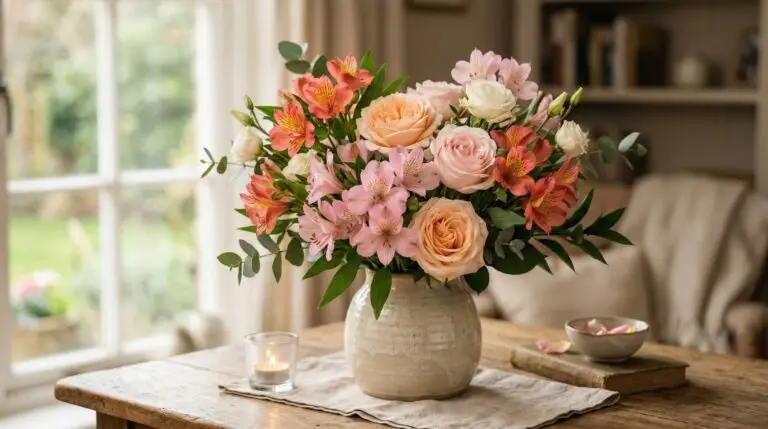
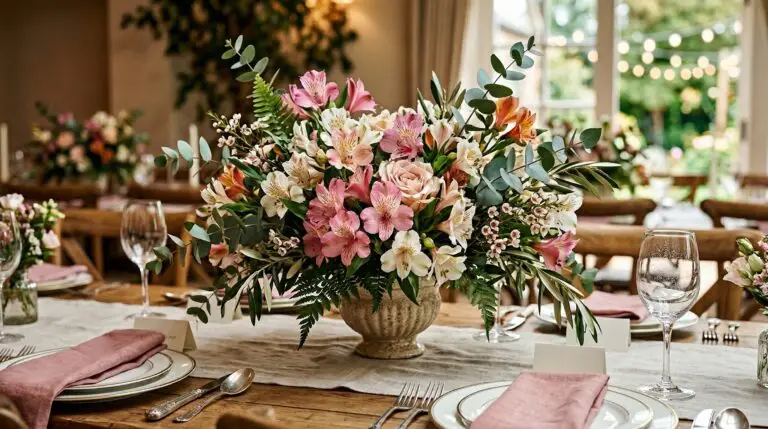
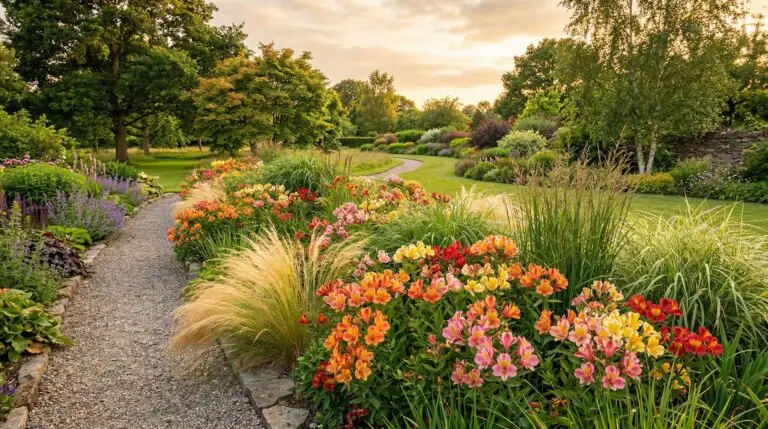
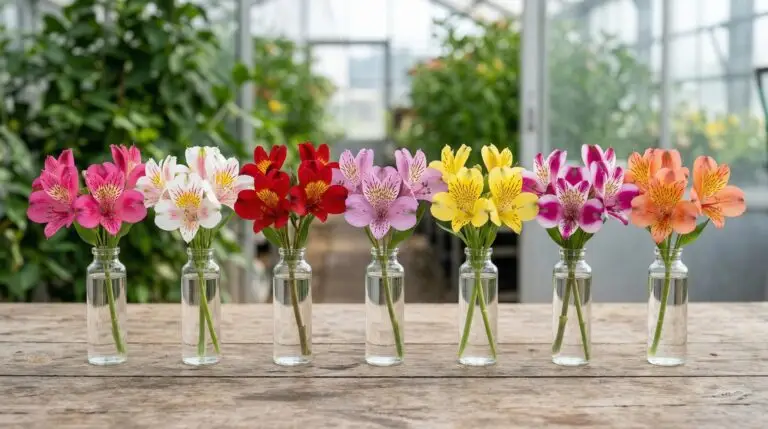
Alstroemeria is a vibrant perennial flower that stands out among popular types of flowers for its exceptionally long-lasting blooms and versatile uses. Commonly known as the Peruvian lily or Lily of the Incas, this plant produces clusters of lily-like blossoms marked with attractive freckles and streaks. Its blooms come in a rainbow of colors, from pink flowers and purple flowers to fiery oranges, reds, and sunny yellow flowers. Notably, true blue flowers are absent from the Alstroemeria palette, though some varieties offer hints of lavender or violet tones. Gardeners and florists prize Alstroemeria for its ability to brighten bouquets and flower beds alike. These blooms are a staple in mixed arrangements, often paired with classics like roses, peonies, and tulips to add pops of color and texture. Even bold blossoms such as sunflower stems can be complemented by the addition of Alstroemeria, which softens arrangements and extends their visual appeal. Beyond aesthetics, this flower is valued for being relatively low maintenance in suitable climates, rewarding growers with abundant blooms from early summer onward. Its winning combination of beauty, durability, and a symbolic meaning of friendship and devotion makes Alstroemeria a cherished choice for many occasions.

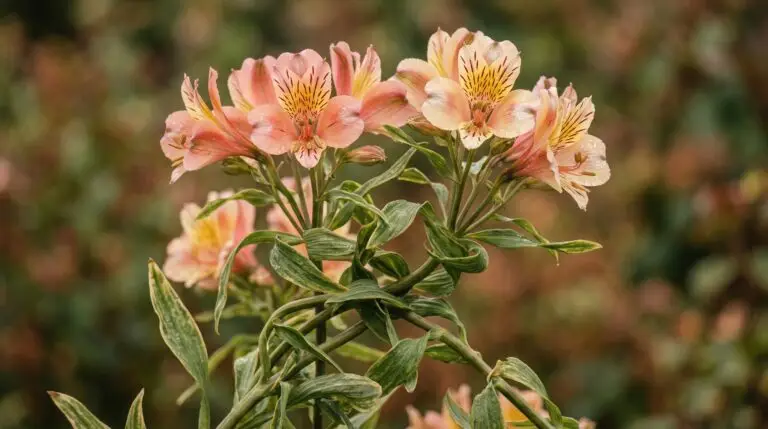
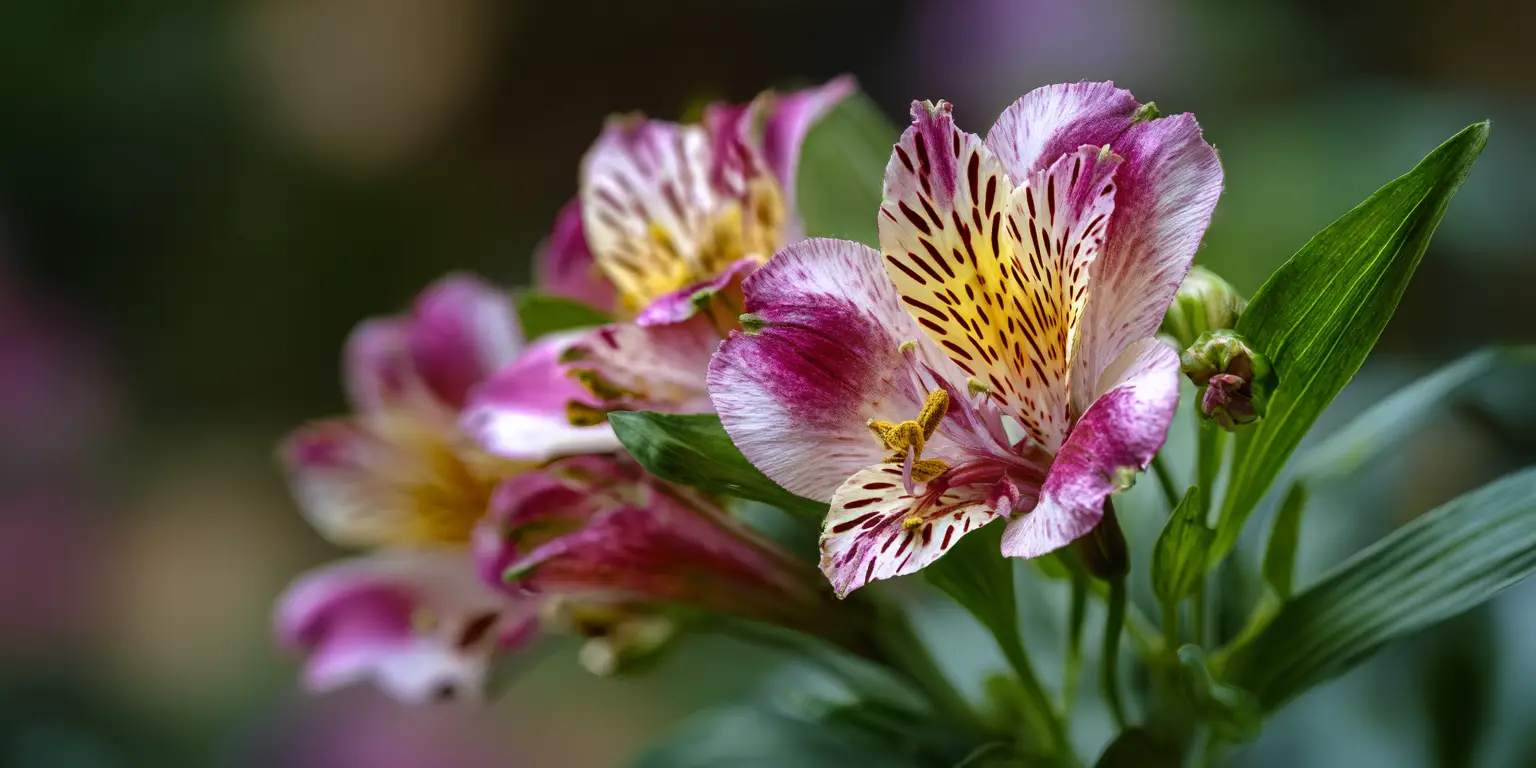
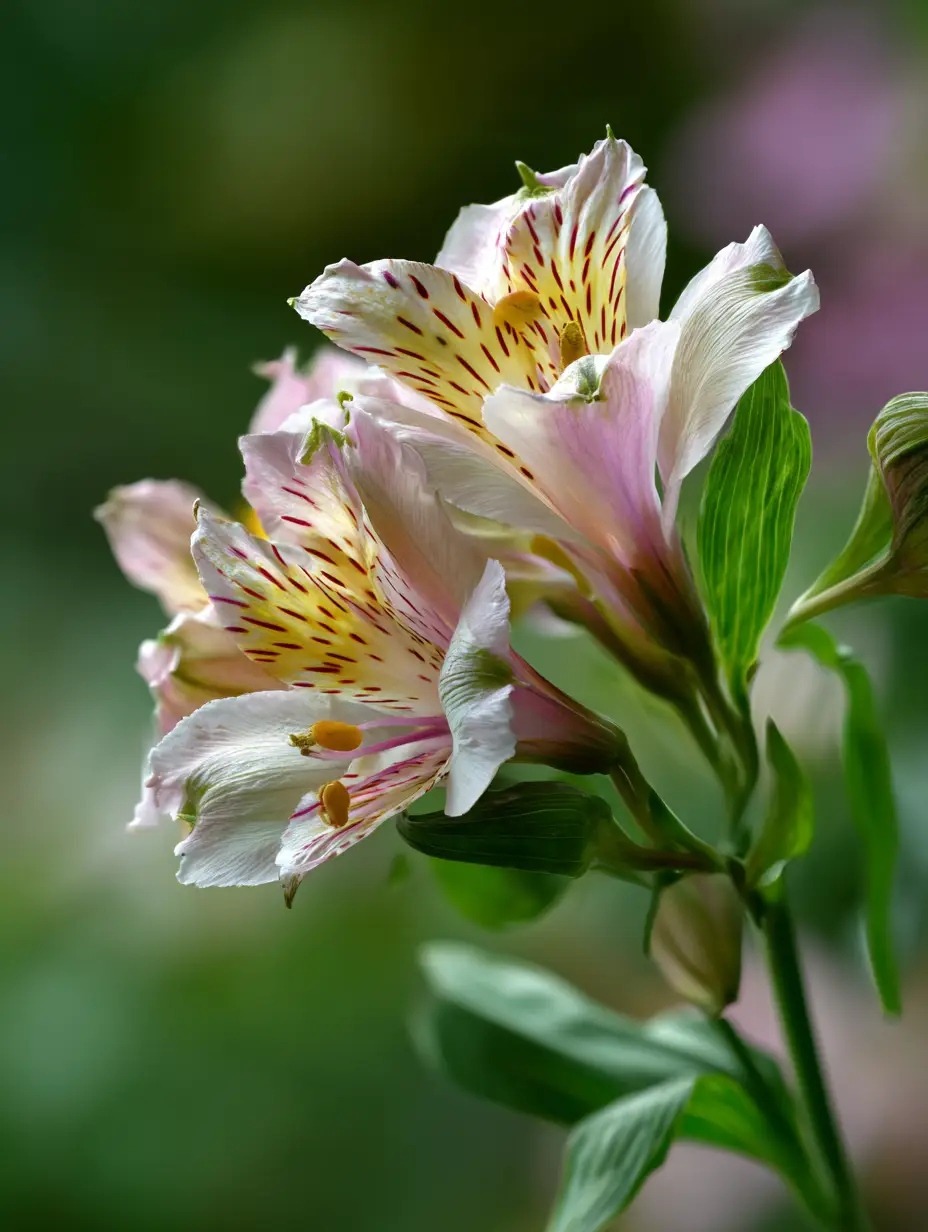
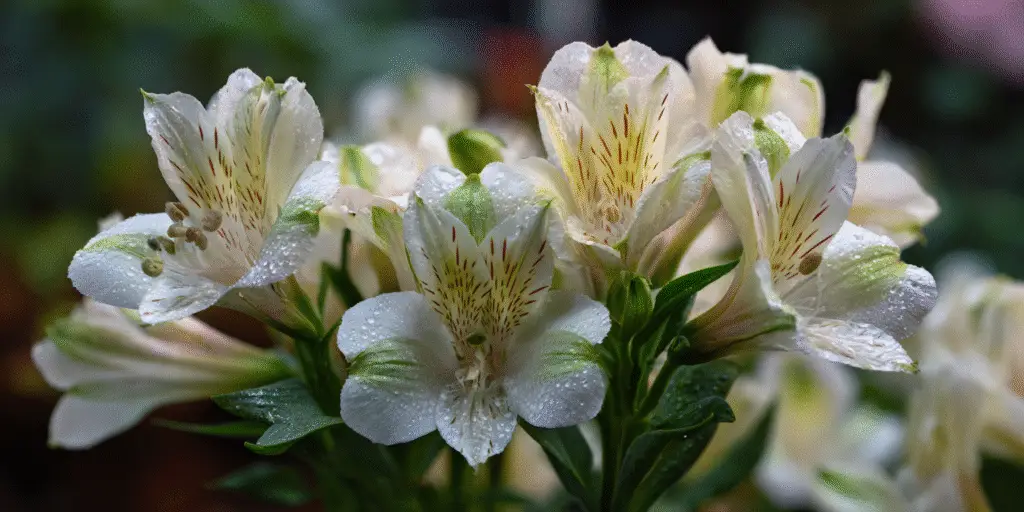
Alstroemeria pale pink petals with speckles, macro close-up.

A clear, step-by-step guide to soil, planting, watering, feeding, pruning, and winter care. Includes zone timing, container tips, companions, and quick fixes for common problems.

Bouquet Ideas

Explore simple, beautiful bouquet ideas for the home, gifts, and special occasions from romantic mixes to clean, minimal styles. Each idea includes suggested flower combinations, color palettes, and sizes, with photos for quick inspiration.

🌱 Taxonomy and origin

Alstroemeria is a genus of flowering plants in its own family, Alstroemeriaceae. It was named by Carl Linnaeus in honor of his friend, Swedish botanist Clas Alströmer, who sent seeds of the plant from South America to Europe in the mid-18th century. Despite the common name “Peruvian lily,” Alstroemeria is not a true lily (not in the genus Lilium) and is unrelated to the calla lily. All Alstroemeria species are native to South America, primarily in the Andes regions. There are dozens of wild species found in countries like Chile, Brazil, Peru, and Argentina. In its native habitats, some species grow during cool winters (in Chile) while others thrive in warm, wet summers (in Brazil). Over time, these flowers were introduced globally and have adapted to gardens in many countries. In fact, Alstroemeria has naturalized in parts of North America, and today it is grown worldwide for its ornamental value. Modern gardeners usually plant hybrid cultivars bred for showy colors and improved hardiness, reflecting a long history of cultivation beyond the plant’s South American origins.

🌸 Bloom time

Alstroemeria is known for a long blooming season, providing color in the garden for an extended period. In most climates, flowering begins in late spring or early summer once the weather warms. Established plants often start sending up flower stems by June. Unlike many perennials that have one short bloom period, Alstroemeria can bloom continuously or in waves from early summer through late summer, and sometimes into fall. By regularly removing spent flowers (deadheading) and providing good care, you can encourage the plant to keep producing new blossoms. In regions with mild temperatures, some varieties of Alstroemeria will flower non-stop without a significant pause. However, during extreme heat spells in mid-summer, blooming may slow down until cooler weather returns. On the other hand, in frost-free tropical or subtropical areas, these plants might even bloom in multiple flushes year-round. Generally, by the second year after planting, Alstroemeria reaches peak bloom performance, rewarding gardeners with abundant flowers for months on end.

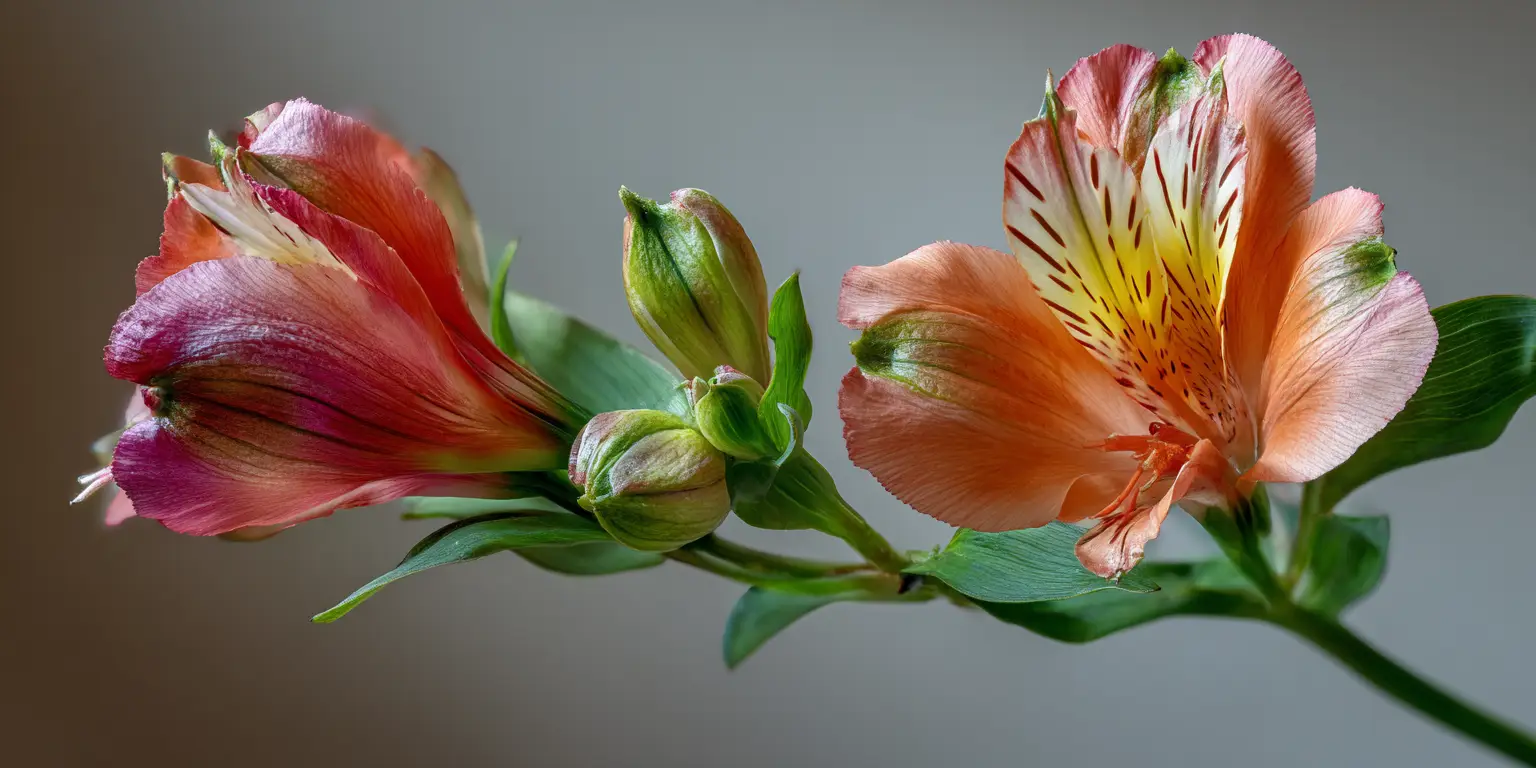
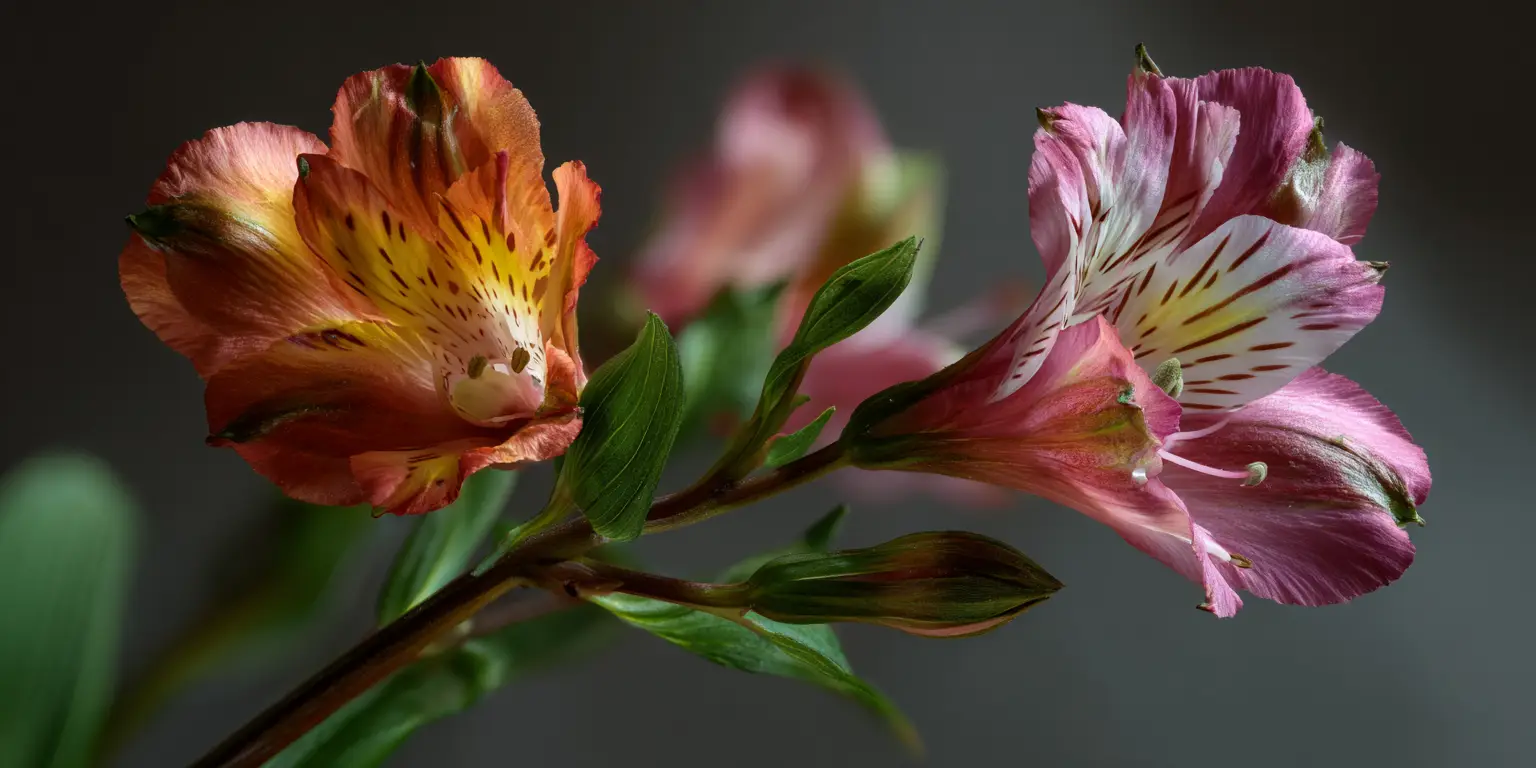
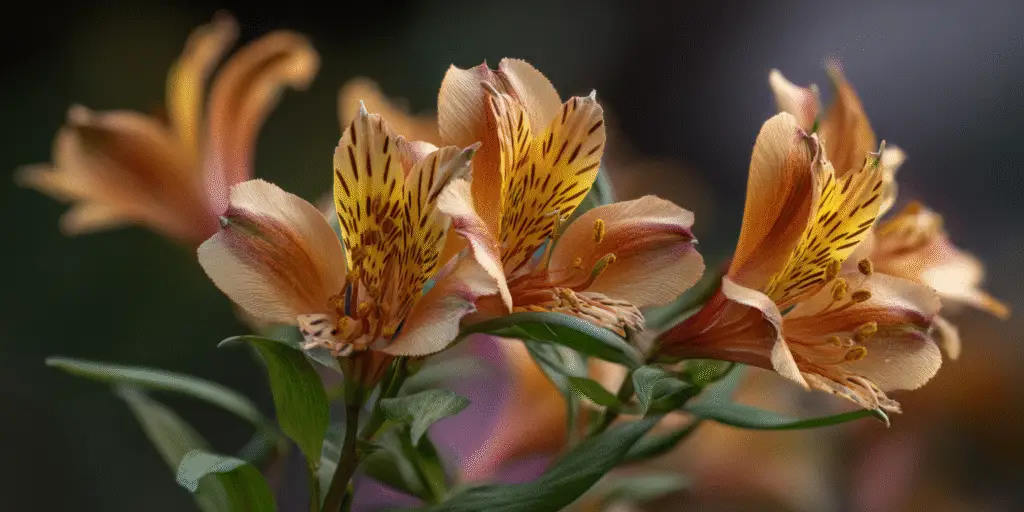
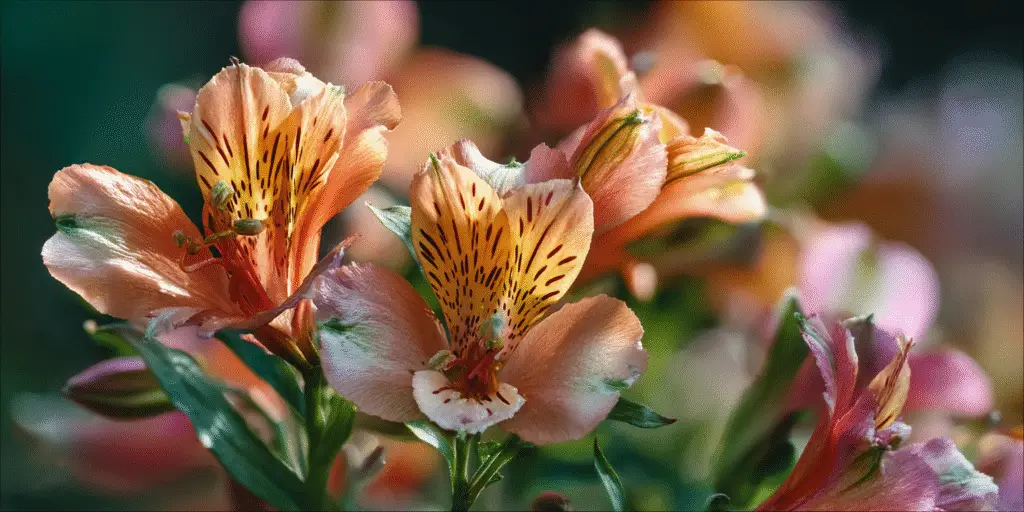
Alstroemeria orange and red blooms, buds, studio macro profile.

📏 Height and spread

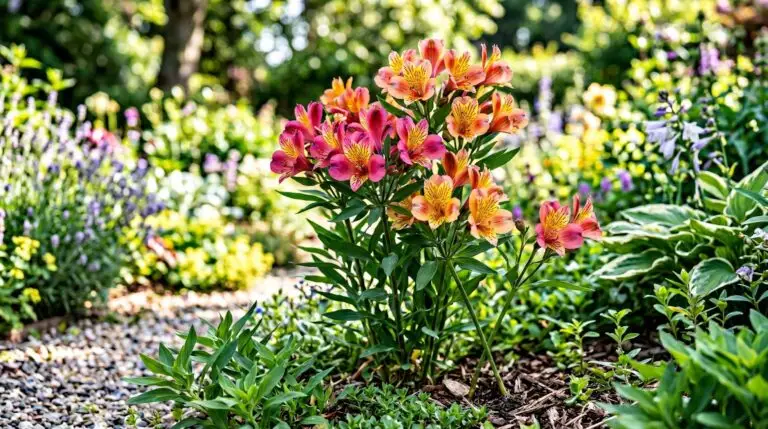
Peruvian lilies are relatively compact in growth, making them suitable for many garden settings. Most garden Alstroemeria varieties reach about 2 to 3 feet tall when in bloom, with their flower stems rising above the foliage. There are also dwarf cultivars that stay around 12 to 18 inches tall, ideal for containers or front-of-border plantings. The plant’s foliage forms a lush clump of lance-shaped leaves, from which the tall flower stems emerge. In terms of spread, each Alstroemeria plant gradually expands via its tuberous roots. A single clump may spread to about 1 to 2 feet wide over a few growing seasons as new shoots sprout up around the original plant. Although they multiply, they generally do not become invasive. Their spread is steady and clumping rather than fast-running. Gardeners typically space Alstroemeria plants about 12 to 18 inches apart to allow each clump room to grow. If a clump becomes too crowded after several years, it can be dug up and divided to manage its size and reinvigorate flowering. Overall, the moderate height and controlled spread of Alstroemeria make it easy to incorporate into mixed flower beds, borders, or patio containers.

☀️ Light

Alstroemeria grows best with ample sunlight. In most areas, full sun (at least 6 hours of direct sun per day) promotes the strongest stems and most abundant blooms. Like many summer-blooming perennials such as phlox, these plants revel in bright light. However, in regions with very hot or intense summer sun, Alstroemeria benefits from a bit of afternoon shade. Too much heat can stress the plant, so providing relief from the harshest sun, either by situating them where they get morning sun and light afternoon shade, or by planting taller neighboring plants that cast some shade will help. In moderate climates with cool or mild summers, they can handle full sun all day without issue. If grown in too much shade, Alstroemeria tends to produce more foliage and fewer flowers, and the stems may stretch or flop due to lack of light. Striking the right balance is key: plenty of sun for energy, with protection during peak heat in warmer zones. This ensures lush growth and a profusion of blossoms throughout the season.

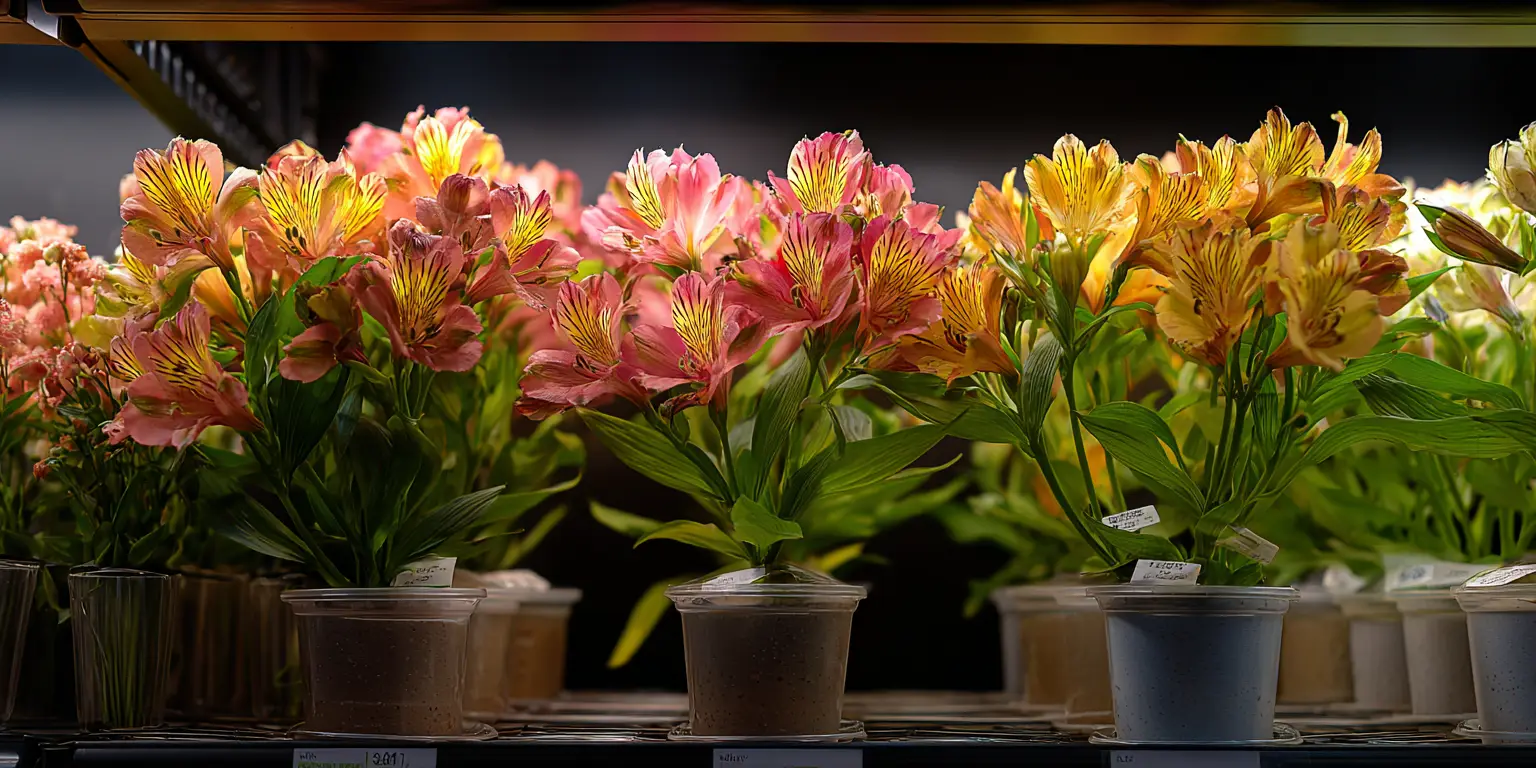
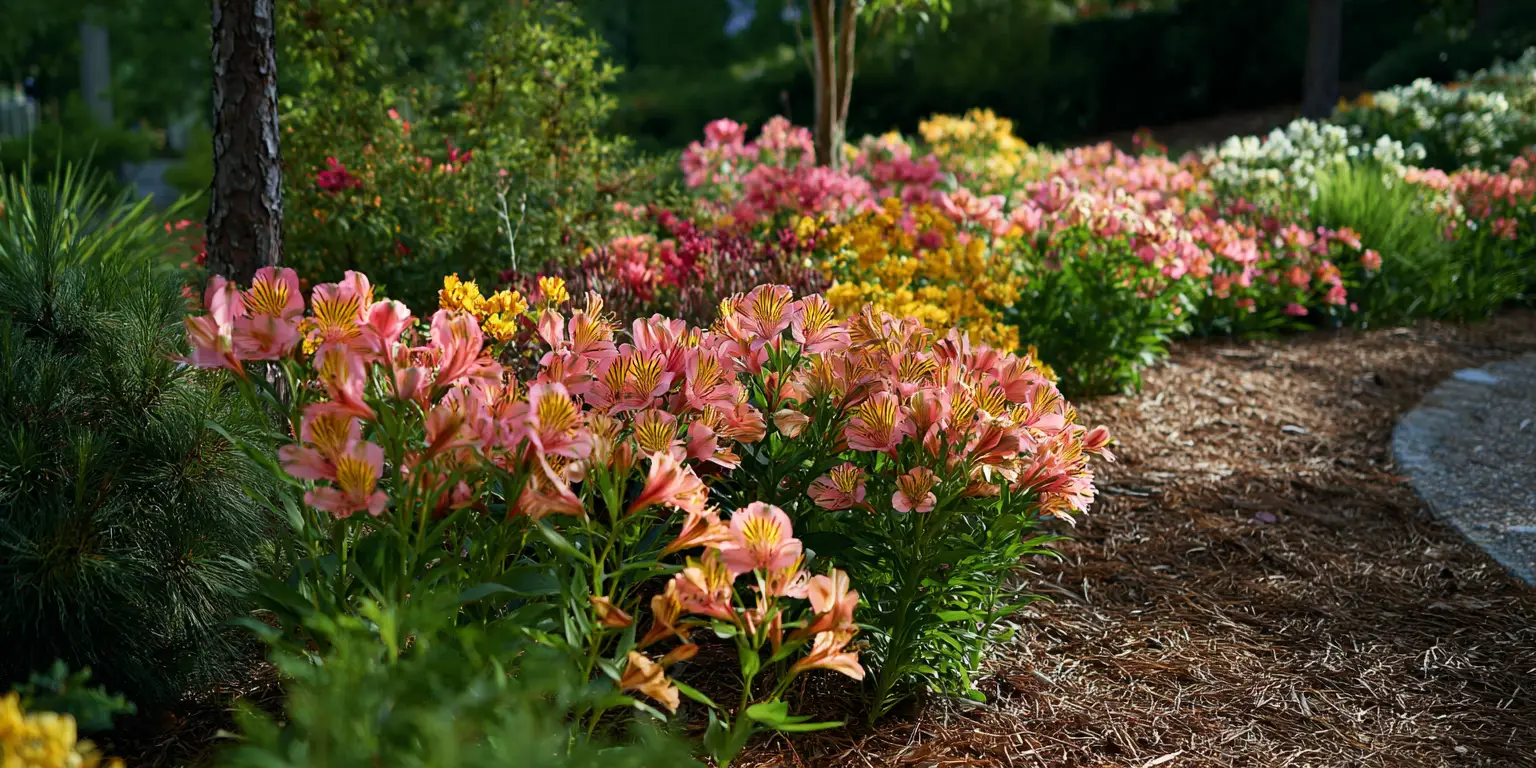
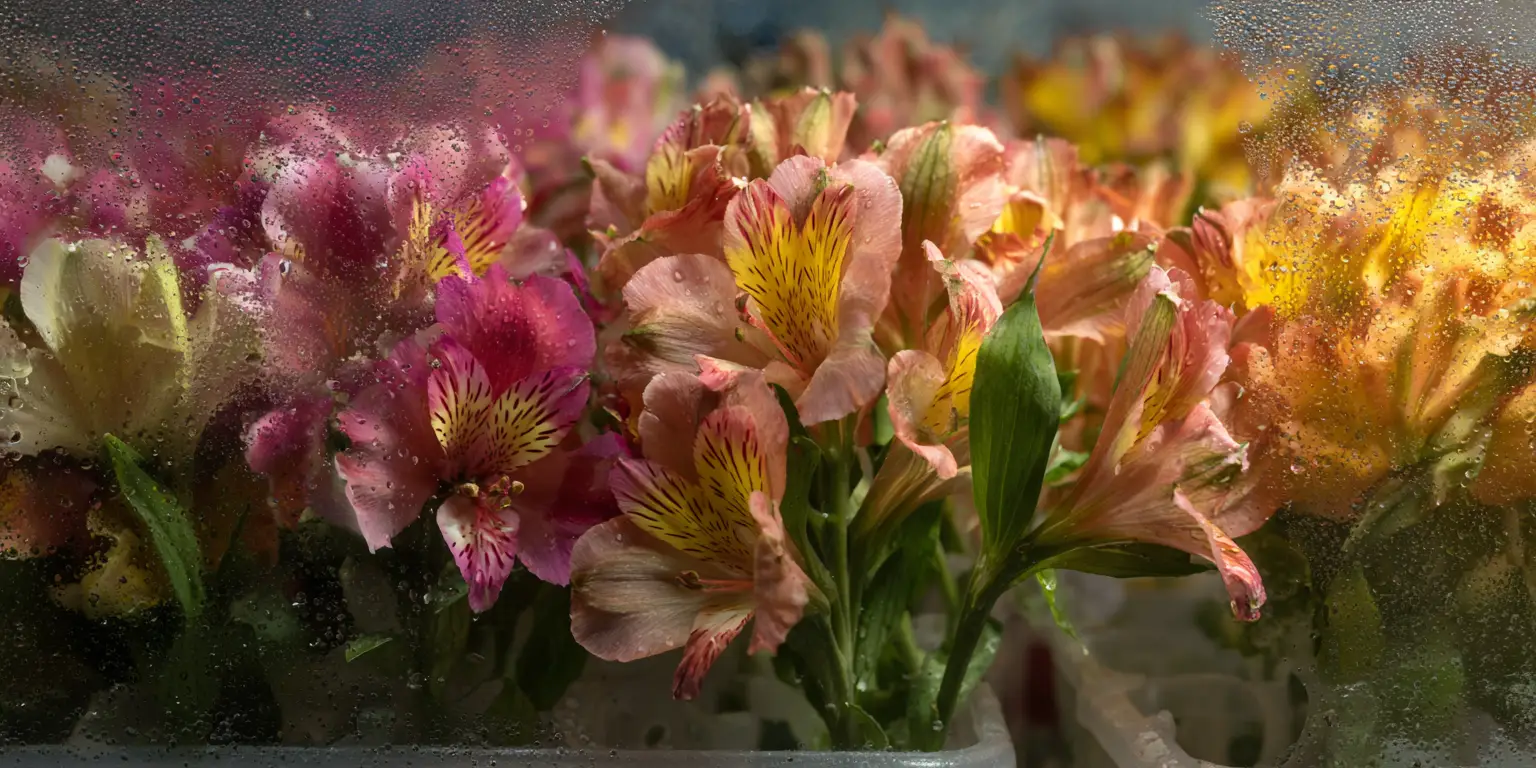
Alstroemeria potted plants on store shelf, fluorescent lighting.

💧 Water

Consistent moisture is important to keep Alstroemeria healthy and flowering profusely. These plants prefer a moderate watering routine – neither drought-loving nor waterlogged. In general, aim to keep the soil evenly moist during the active growing and blooming season. Water deeply whenever the top inch of soil feels dry, ensuring the water reaches the tuberous roots. During hot summer periods, Alstroemeria will appreciate watering about once or twice a week, especially if grown in containers or in very fast-draining soil. At the same time, good drainage is crucial because soggy, waterlogged soil can cause the fleshy roots to rot. Avoid letting the plants sit in standing water. Once established, Alstroemeria can tolerate brief dry spells by storing water in its tubers, but prolonged drought will lead to fewer blooms and may send the plant into dormancy. A layer of mulch around the base can help conserve soil moisture and keep the roots cool. When watering, try to water at the base of the plant rather than overhead to keep the foliage dry, which helps prevent fungal diseases. By maintaining a consistent, moderate watering schedule, you’ll support continuous blooming and robust growth.

🌍 Soil and pH

Plant Alstroemeria in well-draining soil that is rich in organic matter. Good drainage is essential because the tuberous roots will rot in waterlogged conditions. A loose, loamy soil that retains moisture but still drains excess water away is ideal. Before planting, it helps to work compost or aged manure into the soil to improve fertility and structure. In heavy clay soils, consider mixing in coarse sand, fine bark, or perlite to loosen the texture and prevent water from pooling around the roots. In very sandy soils, adding compost will help retain enough moisture for the plants. Alstroemeria is not extremely picky about soil pH, but it thrives in the slightly acidic to neutral range. Aim for a pH roughly between 6.0 and 7.0 for best nutrient availability. Most garden soils fall in this window, so unless your soil is highly acidic or very alkaline, you likely won’t need major pH adjustments. If needed, a soil test can guide you in adding lime to raise pH or sulfur to lower pH. In general, if you provide a moderately fertile, well-draining soil, Alstroemeria will establish well and reward you with vigorous growth and abundant flowers.

Alstroemeria Flower

❄️ USDA hardiness

Alstroemeria is best grown in regions with moderate winters. Most cultivars are reliably perennial in USDA Hardiness Zones 7 through 10, where they can survive seasonal frosts and return each year. Gardeners in Zone 7 should still provide winter protection, such as mulching over the plant’s roots after the first hard frost, because the tubers sit relatively shallow and could be harmed by severe cold. Some newer hybrids boast improved cold tolerance and may persist in Zone 6, especially with heavy mulch and a sheltered microclimate (for instance, near a house foundation). There are even cases of specially bred varieties surviving in Zone 5 conditions when given exceptional protection and very well-draining soil to prevent freeze damage, though this is not common.

In regions colder than Zone 6, Alstroemeria is usually treated as an annual or lifted for the winter. If you garden in a cold climate, you can dig up the tubers in fall before the ground freezes. Store them in a cool, dry place (for example, packed in peat moss in a garage or basement that stays around 35-45°F) and replant the tubers in spring after the danger of frost has passed. This overwintering method is similar to how tender bulbs like dahlias or gladiolus are saved. Conversely, in very warm climates (Zones 9 and above), Alstroemeria may not go fully dormant in winter and can even produce flowers almost year-round. In these mild areas, the plant might slow its growth in the coolest months but generally acts as an evergreen perennial. Overall, understanding your USDA zone and taking appropriate precautions will ensure your Alstroemeria thrives from year to year.

🌼 Propagation and longevity

Propagation

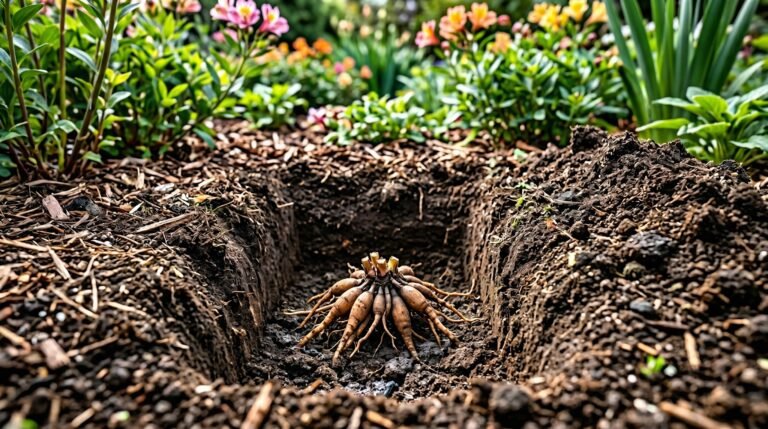
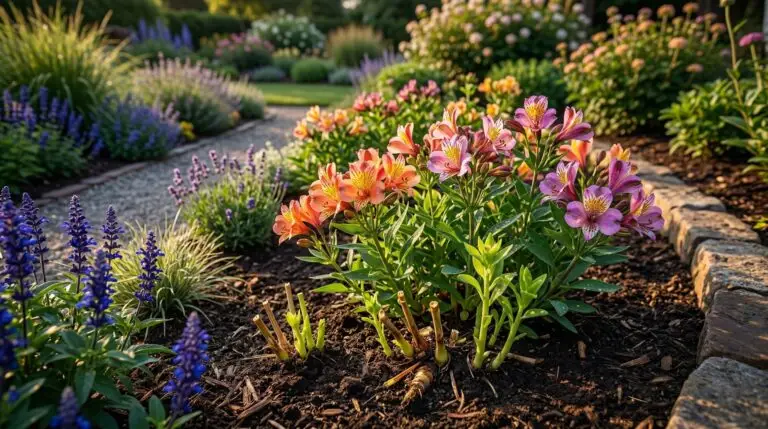
Alstroemeria plants are most commonly propagated by division of their tuberous roots. Over time, a healthy plant will form a clump of many tubers and stems. The best time to divide is in early spring, just as new growth begins (or in fall after flowering, in mild climates). To divide, carefully dig up the clump, taking care not to break the brittle tubers. Separate the clump into sections, ensuring each piece has a few healthy tubers and at least one growing shoot. Replant the divisions immediately at the same depth they were before, and water them well. It may take a season for divided plants to re-establish and bloom heavily again, but division is a reliable way to multiply Alstroemeria or rejuvenate old plantings. Avoid dividing too frequently. Let clumps grow for a few years before splitting them for best results. Aside from division, it is possible to grow Alstroemeria from seeds, but this method is slow and not often used. Seeds have low germination rates and may take two or more years to produce flowering plants, so most gardeners prefer vegetative division or simply purchasing established plants.

Longevity

When it comes to lifespan, Alstroemeria is a very long-lived perennial. A well-cared-for clump can persist for many years, often a decade or more, returning each season with fresh growth. In fact, under the right conditions, the tubers will continue to resprout indefinitely, making Alstroemeria an enduring presence in the garden. To help your plants live a long life, maintain good care practices: provide suitable light, soil, and water, and protect them in winter if you’re in a marginal zone. If an Alstroemeria clump becomes overcrowded or starts to flower less after several years, it may benefit from being dug up and divided. Splitting the clump not only propagates new plants, but also reinvigorates the original by reducing competition among tubers. Other than occasional division every few years, Alstroemeria does not require any special rejuvenation. Unlike some perennials that decline with age, many Alstroemeria plantings will thrive and bloom year after year as long as they are kept healthy. Barring issues like disease or deep frost kill, you can expect your Alstroemeria patch to flourish for the long term, providing beautiful blooms for many seasons.

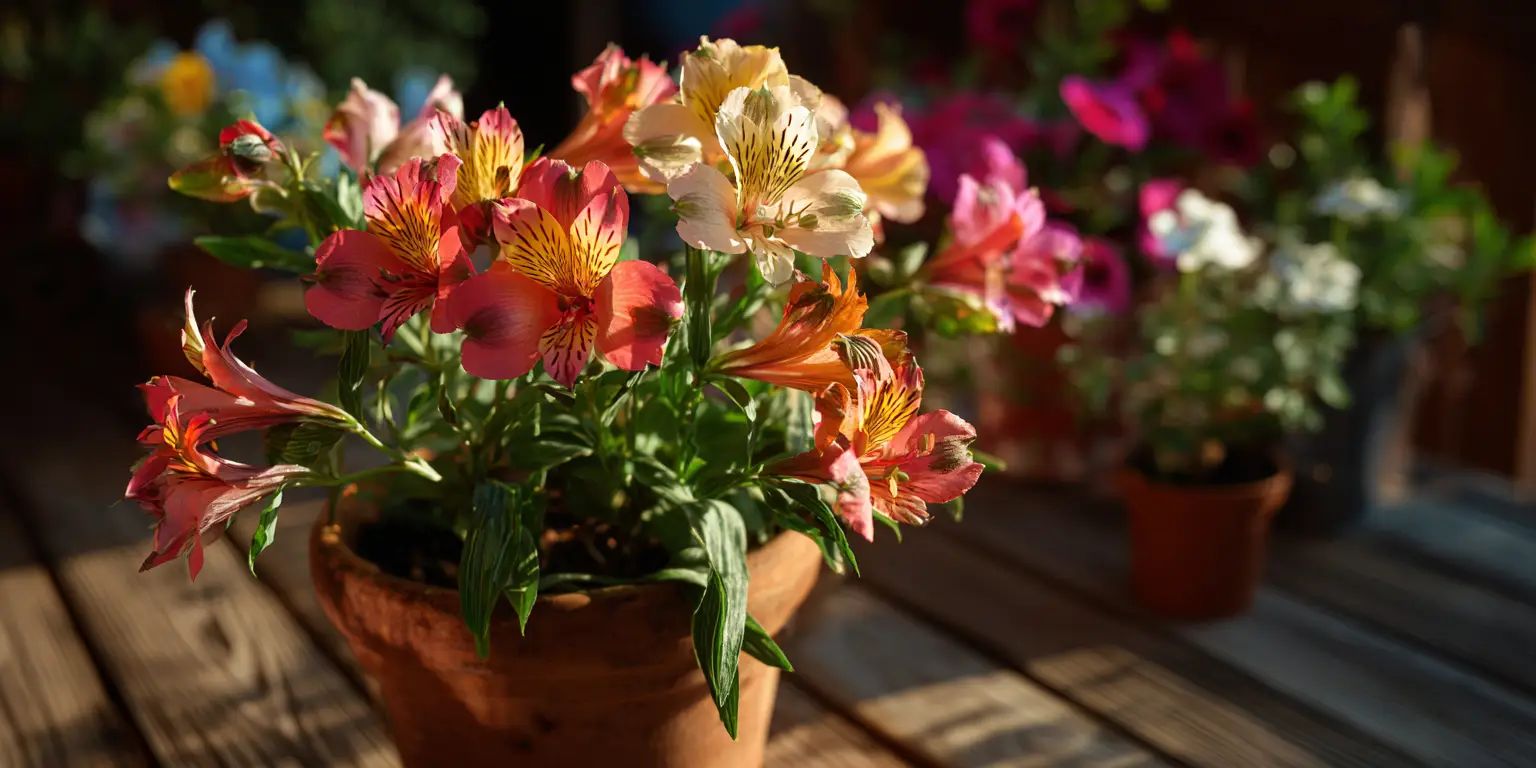
Potted Alstroemeria on patio table, evening sun.

👃 Fragrance

One notable characteristic of Alstroemeria flowers is their lack of fragrance. These blooms are generally considered fragrance-free or have only the faintest of scents, barely perceptible to most people. Unlike many other popular garden flowers (for example, roses or gardenias) that are prized for their perfume, Alstroemeria’s appeal lies entirely in its visual beauty and long-lasting nature rather than aroma. This can be a benefit for those who are sensitive to strong floral scents or for arrangements intended for scent-free environments (such as hospital rooms or dining tables). When you sniff a Peruvian lily, you may notice a very subtle, light floral note at best, but often there is no detectable smell. The plant expends its energy producing vivid colors and nectar to attract pollinators, instead of fragrance. In summary, if you are looking for dramatic color without overwhelming scent, Alstroemeria is an excellent choice, providing brilliant blooms without perfuming the air.

⚠️ Toxicity and pet safety

Alstroemeria is generally considered a low-toxicity plant, which is reassuring for gardeners with pets or children. According to the ASPCA, Peruvian lilies are non-toxic to cats, dogs, and horses. Unlike true lilies (genus Lilium), which can be deadly to cats, Alstroemeria does not contain the same harmful compounds. This means that if a pet were to nibble on an Alstroemeria flower or leaf, it is unlikely to cause serious poisoning. That said, ingesting any plant material can still lead to mild gastrointestinal upset. If a cat or dog chews on Alstroemeria, they might experience drooling, vomiting, or diarrhea, but serious reactions are rare. As a precaution, monitor your pet if you suspect they’ve eaten the plant, but significant toxicity is not expected. It’s always wise to discourage pets from eating ornamental plants even if they are deemed “non-toxic.”

For humans, Alstroemeria is also regarded as only mildly irritating rather than poisonous. You should not eat the plant, but accidental ingestion of a small piece would typically only cause minor stomach discomfort at worst. The more common issue with Alstroemeria is skin irritation. The sap and tissues contain a compound that can cause allergic contact dermatitis in sensitive individuals. Florists and gardeners who handle a lot of Alstroemeria (and related flowers like tulips) sometimes develop redness or rash on their hands, a condition nicknamed “Peruvian lily rash.” To be safe, wear gloves when pruning, picking, or dividing Alstroemeria, especially if you know you have sensitive skin. In summary, this plant is considered safe to grow around pets and people, with basic precautions: prevent curious nibbling and protect your skin from potential irritation.

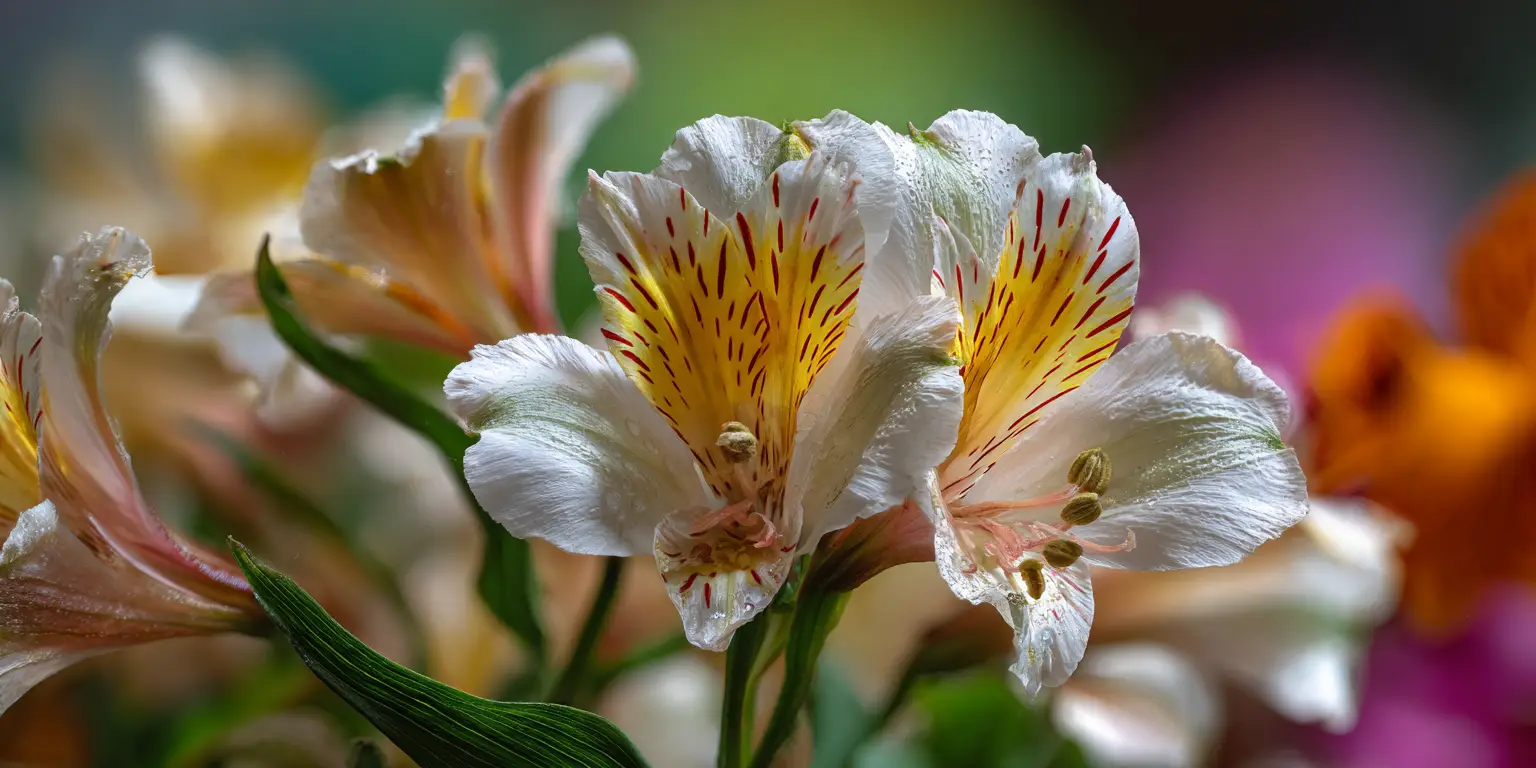
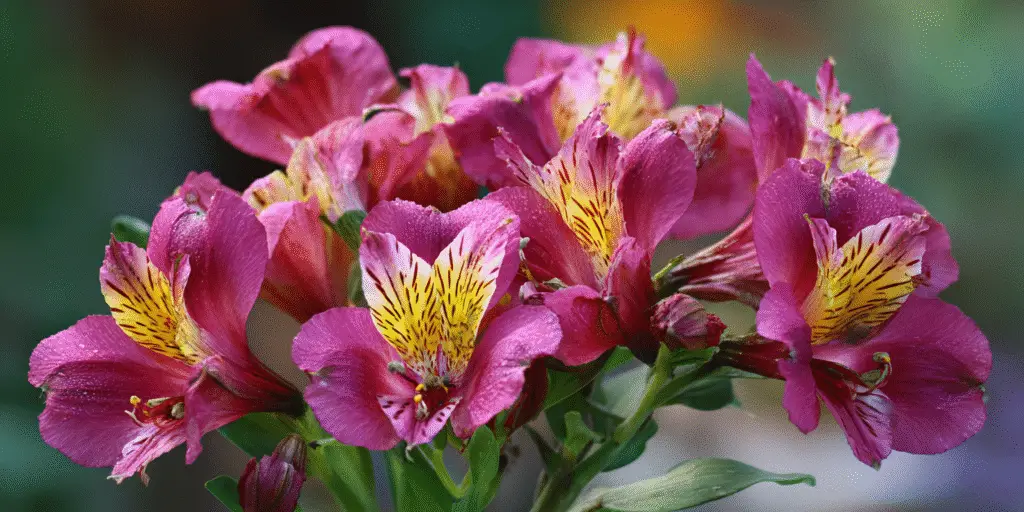
Alstroemeria magenta-white flower with yellow throat, macro.

🌿 Vase life

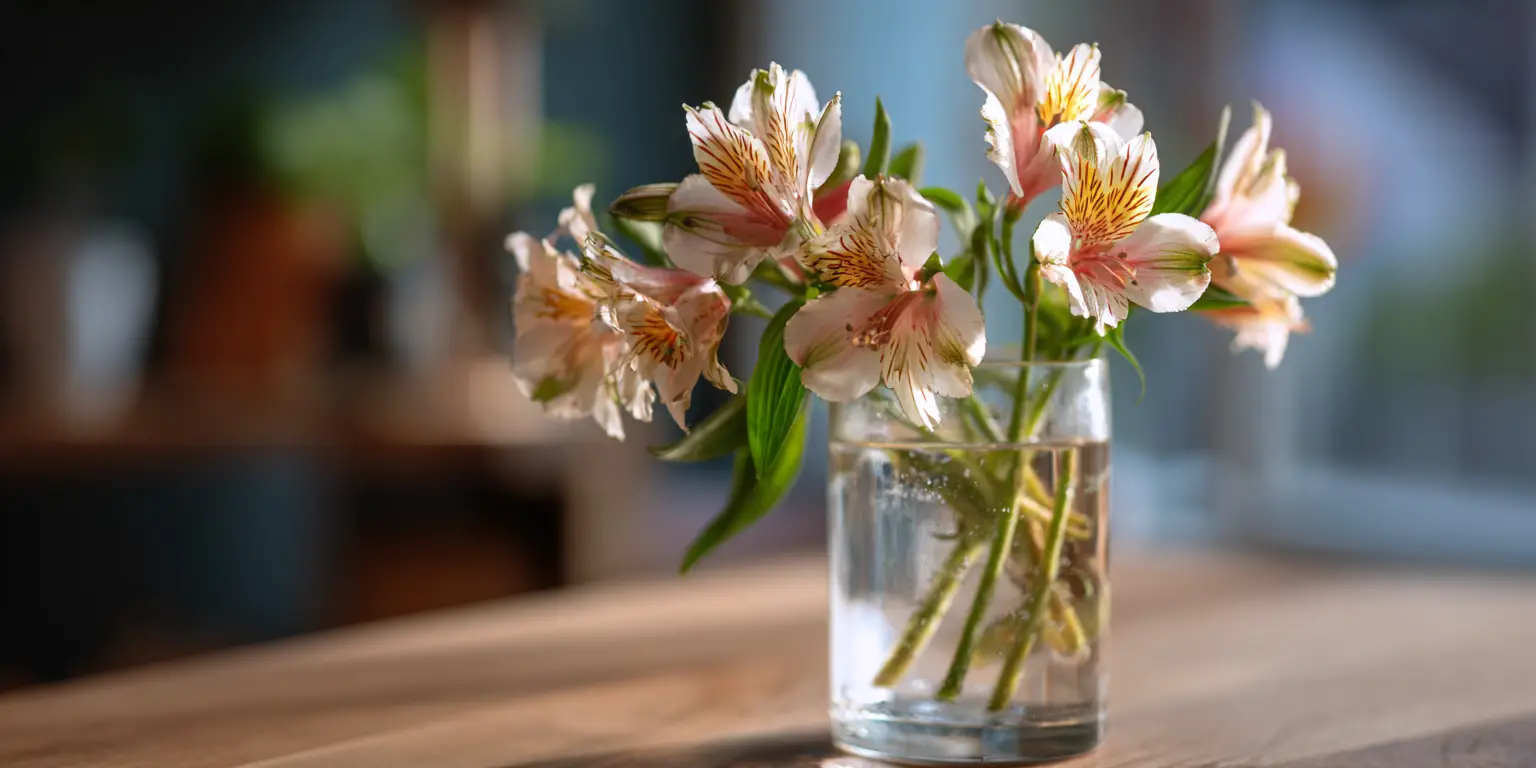
One of the reasons Alstroemeria is so popular in the floral industry is its exceptionally long vase life. When used as cut flowers, the blooms can last around one to two weeks (sometimes even longer) with proper care. Each stem typically carries several buds and blossoms, which tend to open in succession. This means an arrangement of Alstroemeria will remain attractive for many days, as new buds continue to unfurl while older flowers fade. For the longest-lasting bouquet, it’s best to harvest Alstroemeria stems when the first one or two blooms on a stem have opened and the remaining buds are still closed (but showing color). Many gardeners actually pull Alstroemeria stems from the base rather than cut them-this technique removes the entire stem and is thought to stimulate the plant to produce more flowers.

Once you have your cut stems, prepare them for the vase by stripping off any leaves that would be below the water line (this prevents excess bacteria in the water). Place the stems in a clean vase filled with fresh water. If you have floral preservative, mix it into the water according to instructions, as it can further extend the life of the blooms. Keep the arrangement in a cool room away from direct sunlight, drafts, and heat sources. It’s a good practice to change the water and trim a small piece off the stem ends every couple of days to maintain water uptake. With these steps, Alstroemeria will reward you with one of the longest vase lives of any cut flower, keeping your bouquet bright and cheery far longer than most types of flowers.

🐛 Pests and diseases

Alstroemeria is relatively trouble-free in the garden, with few serious pests or diseases. One notable advantage is that these plants are generally deer-resistant – deer and rabbits typically leave them alone, which is a relief for gardeners in areas with hungry wildlife. Of the insect pests, slugs and snails are among the most common bothers, especially targeting young, tender shoots and leaves. If you notice irregular holes in the foliage or slime trails, you may need to set out slug bait or hand-pick these nocturnal pests. Aphids can sometimes cluster on new growth or flower buds, sucking sap and potentially transmitting viruses. A strong spray of water or a gentle insecticidal soap can control aphid infestations. In hot, dry conditions, keep an eye out for spider mites (which cause speckled, yellowing leaves) or thrips that can damage blooms. Regularly inspecting your plants will help catch any pest issues early, but overall Alstroemeria does not tend to suffer heavy insect damage.

In terms of diseases, most problems arise from prolonged wetness or poor drainage. The foliage and flowers can develop Botrytis blight (gray mold) in cool, damp weather – you’ll see a fuzzy gray or brown mold on decaying leaves and petals. To prevent this, avoid overhead watering and ensure good spacing for air circulation. Remove any spent flowers or dead leaves to reduce fungal spores. The plant’s tubers are susceptible to root rot if the soil stays waterlogged; if your Alstroemeria wilts and collapses despite adequate water, it may indicate rotting roots. Planting in well-draining soil and not overwatering are key preventive measures. Alstroemeria can also contract certain mosaic viruses (often spread by insects like aphids), which show up as streaky or mottled patterns on leaves or petals. Unfortunately, there is no cure for viral diseases – affected plants should be removed to prevent spread. The good news is that with proper care and site conditions, Alstroemeria is largely disease-free in the home garden. Keeping the plants healthy with appropriate watering and sanitation will go a long way in avoiding any pest or disease issues.

Flower photos

FAQ

Yes. Alstroemeria are perennial plants in regions with mild winters. In USDA Zones 7-10, they will survive the winter underground and re-sprout each spring, blooming again year after year. In colder zones, they typically do not overwinter outdoors (unless given special protection), so they would need to be dug up and stored or treated as annuals. But in the proper climate, you can count on Alstroemeria coming back reliably every year after a winter rest.

They do spread gradually, but they are not considered invasive. Alstroemeria grow from tubers that multiply over time, forming a larger clump. You may notice the plant expanding a bit wider each year and producing more stems. However, it doesn’t spread aggressively or take over gardens. It stays pretty much where you plant it, expanding at a moderate pace. If the clump gets too large for your liking, you can dig up and divide the tubers to control its size. It also self-seeds only sparingly in most gardens, so volunteer seedlings are not usually a big issue. Overall, it’s a well-behaved plant that’s easy to keep in bounds.

They prefer plenty of sun. Full sun (around 6 hours or more of direct sunlight per day) typically yields the best flowering. If you give Alstroemeria a sunny spot, you’ll get stronger, stockier plants and lots of blooms. That said, in very hot climates or during intense summer heat, some afternoon shade is beneficial to prevent stress. The ideal situation is full sun in the morning and early afternoon, with a bit of light shade late in the day if your summers are scorching. In contrast, if you plant Alstroemeria in too much shade, it will likely produce fewer flowers and the stems might become leggy as they stretch for light.

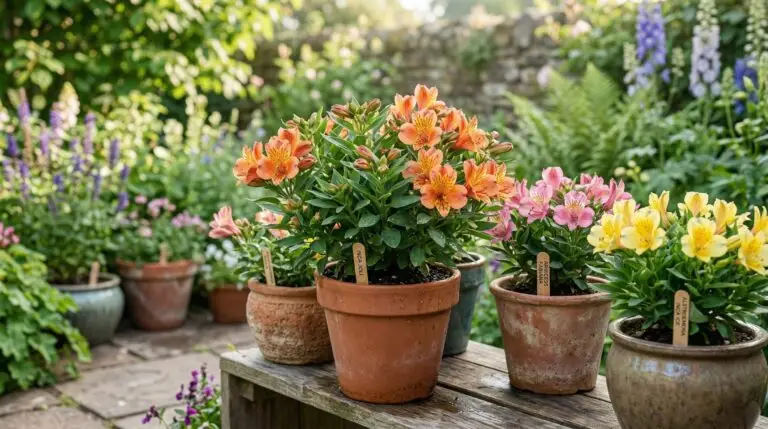
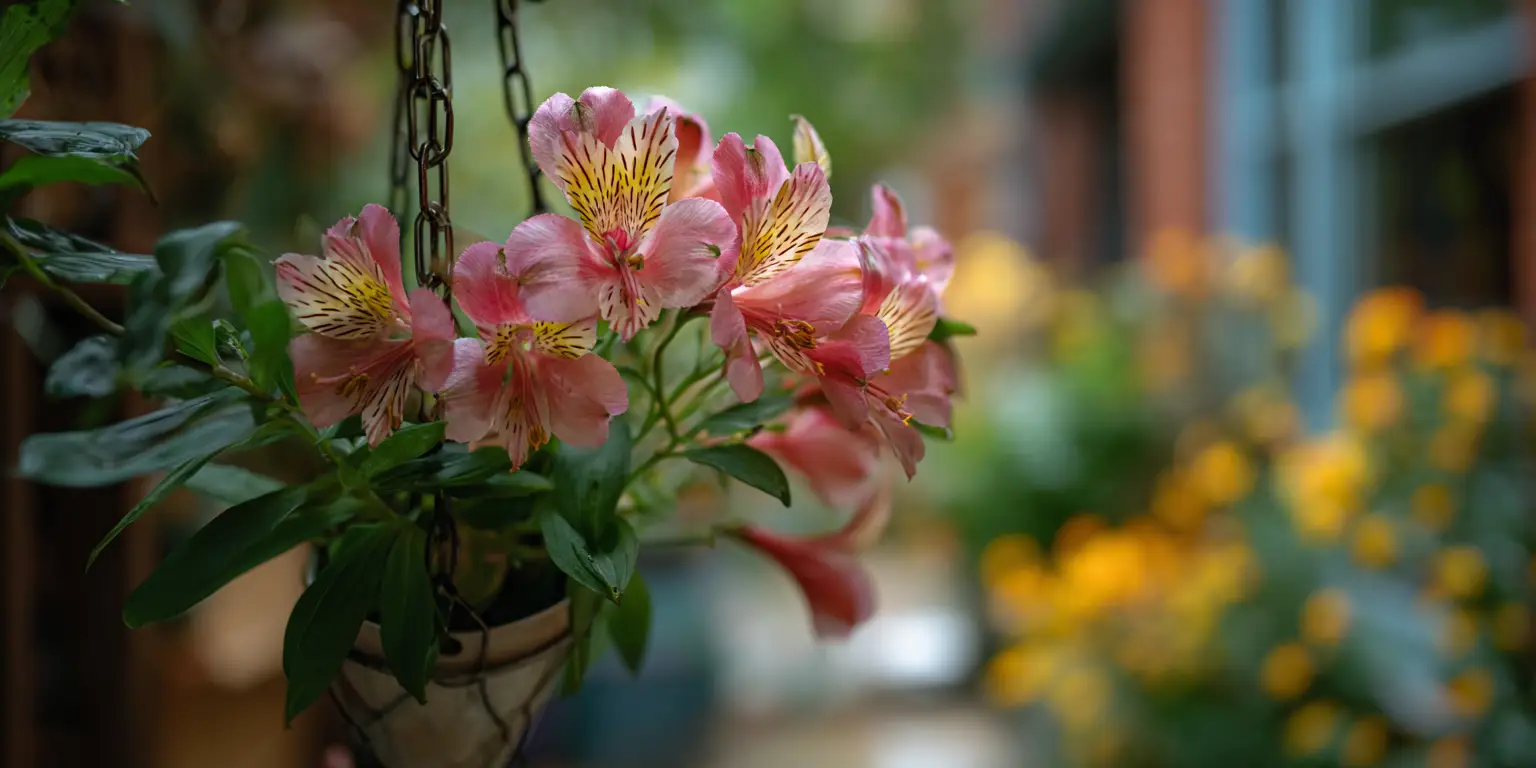
Yes, Alstroemeria can be grown successfully in containers. Choose a large pot (at least 12 inches deep and wide) to give the tuberous roots plenty of room. Ensure the pot has drainage holes because good drainage is vital. Use a high-quality potting mix that retains moisture but drains well. Potted Alstroemeria will need regular watering since containers dry out faster than garden soil, but be careful not to overwater. Place the pot in a position where the plant gets ample sunlight (or part sun if your climate is very hot). Many gardeners enjoy growing dwarf varieties of Alstroemeria in pots on patios or balconies. In cold winter areas, you can even move the pot into a sheltered, frost-free location during winter to help the plant survive until spring. With the right care, container-grown Alstroemeria will bloom beautifully.

Absolutely. Alstroemeria is a favorite in wedding arrangements and bouquets. The flowers come in a wide range of colors, making it easy to match any wedding color scheme, from soft pastels to vibrant jewel tones. They also have a meaningful symbolism of friendship, devotion, and prosperity, which is a lovely sentiment for a marriage celebration. Florists often include Alstroemeria as a cost-effective accent alongside larger blooms like roses or peonies. Their long vase life means bouquets and centerpieces will stay fresh throughout the event. Many wedding flowers guide resources recommend Alstroemeria as a versatile filler or even a focal flower for casual bouquets. Overall, they are an excellent choice for weddings, combining beauty, significance, and affordability.

No, Alstroemeria cannot be propagated from stem cuttings in the way many shrubs or houseplants can. Unlike a plant such as hydrangea macrophylla that can root from a cutting, Alstroemeria’s stems won’t form new roots. The primary ways to propagate Alstroemeria are by dividing its tuberous roots or by growing from seed. Division is by far the quickest and most reliable method: you dig up an established clump and split the tubers to create new plants. Growing from seed is slow and unpredictable for this plant. If you’re looking to multiply your Alstroemeria, it’s best to wait until the plant has formed a good clump and then divide it, rather than trying cuttings.

Yes, to some extent. Alstroemeria’s bright, colorful flowers and the nectar they produce can attract pollinators like butterflies, bees, and even hummingbirds. Gardeners have observed hummingbirds visiting the tubular blossoms, especially red, orange, or pink varieties. While Alstroemeria might not be the single most attractive plant to pollinators (compared to, say, a butterfly bush or a native wildflower), it certainly can play a supporting role in a pollinator-friendly garden. Its mid-season blooms provide an additional nectar source. If you enjoy seeing wildlife in your garden, planting Alstroemeria among other nectar-rich flowers will help draw in a variety of winged visitors.

Alstroemeria carries several positive meanings. Commonly, it is said to symbolize friendship, loyalty, and devotion. The flower’s enduring freshness (it lasts a long time even after being cut) is often associated with lasting friendship and support. In some cultures, Alstroemeria also signifies prosperity or good fortune. These symbolic meanings, combined with the flower’s beauty, make it a popular choice for gifting to friends and loved ones. Whether or not you pay attention to floriography (the language of flowers), it’s nice to know that Alstroemeria conveys a warm sentiment.

Anthuriums will bloom reliably if their basic needs are met. To encourage flowering, make sure the plant is getting bright, indirect light (insufficient light is the top reason for no blooms). Feeding with a high-phosphorus fertilizer during the growing season can also boost flower production – even a balanced houseplant fertilizer applied at half-strength every few weeks in spring and summer helps. Keep the plant slightly root-bound; Anthuriums often bloom better when a bit snug in their pot. Lastly, maintain warm temperatures and good humidity. If all these conditions are in place and your Anthurium is mature, it should reward you with its distinctive blooms. Patience is key, as each bloom can take weeks to form and open. Removing any spent flowers promptly can also direct the plant’s energy toward new buds.

Interesting tips

  • Be patient in the first year: Alstroemeria often puts its energy into establishing roots during its initial growing season. It’s not unusual for a young plant to produce only a few flowers in year one. By the second year, once the tubers are well established, you’ll likely see a dramatic increase in blooms.
  • Feed lightly for more flowers: Avoid over-fertilizing, especially with high-nitrogen fertilizers, which can lead to lush foliage but few flowers. Instead, use a balanced, slow-release fertilizer in spring or mix in some compost around the plant. This will provide steady nutrients to support flowering. Too much fertilizer won’t help – Alstroemeria is not a heavy feeder.
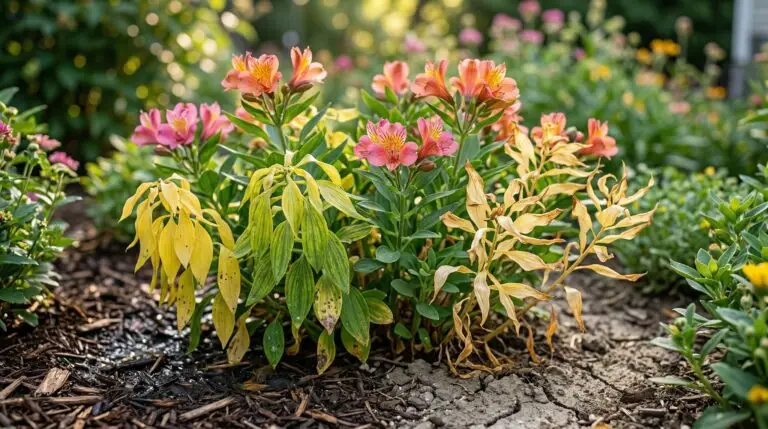
  • Watch out for summer dormancy: Don’t be alarmed if your Alstroemeria plants slow down or the leaves yellow in the peak of summer heat. Some varieties may go semi-dormant during very hot, dry periods as a protective measure. Keep the soil slightly moist and trim away spent foliage. When temperatures cool, the plants should bounce back with new growth and possibly another flush of blooms.
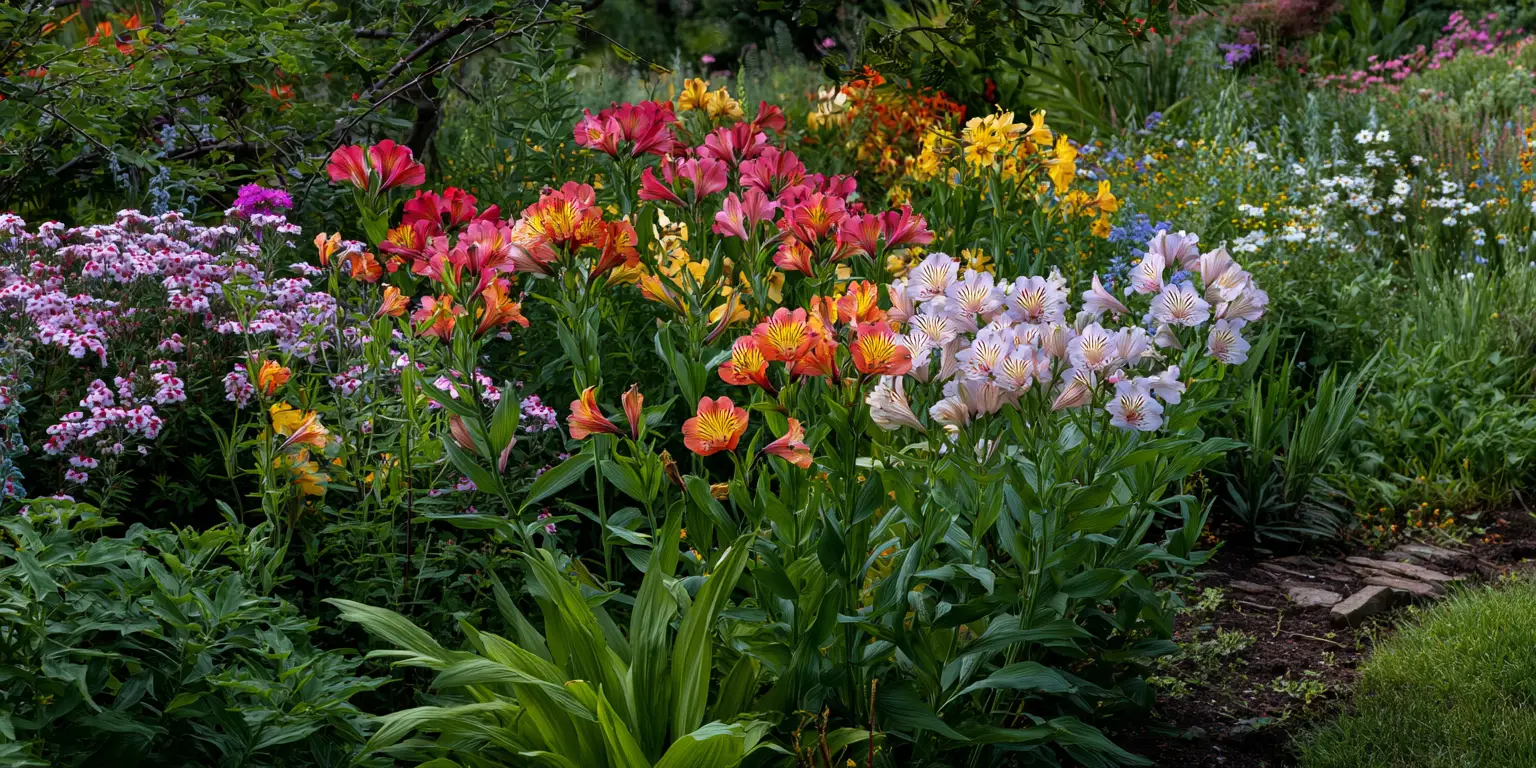
  • Companion planting for season-long color: Pair Alstroemeria with other garden plants to extend the bloom display. For example, you can plant them near spring-blooming lilacs or peonies that will flower earlier in the season. The Alstroemeria will take over with its summer blossoms once the lilacs and peonies are done. Likewise, late-bloomers like phlox can continue the show after Alstroemeria’s peak, ensuring continuous color. Adding fragrant companions such as lavender nearby can also introduce a pleasant scent to complement the beauty of Alstroemeria.
  • Harvest and deadhead to encourage blooms: Frequently cutting Alstroemeria stems for indoor arrangements (or simply removing the spent flowers) will encourage the plant to produce more blooms. The ideal method is to gently pull the entire stem out from the base rather than just snipping off the top. This not only gives you longer stems for the vase but also signals the plant to send up fresh flower shoots. Regular deadheading prevents seed formation and directs the plant’s energy back into growing new flowers.
Related Guides & Flowers
  • Lily (Lilium) – classic lily look for comparison with Peruvian lily. 

  • Calla Lily – elegant stems used widely in bouquets. 

  • Ranunculus – ruffled spring cut flower with long vase life. 

  • Love-in-a-Mist (Nigella) – light, lacy cut flower and seed pods for texture. 

  • Globe Thistle (Echinops) – sculptural, long-lasting spheres for modern bouquets. 

  • Gentian – saturated blues for cool-tone palettes. 

  • Agapanthus – umbels of blue or white that echo Alstroemeria’s clustered effect. 

References