Contents
Alstroemeria
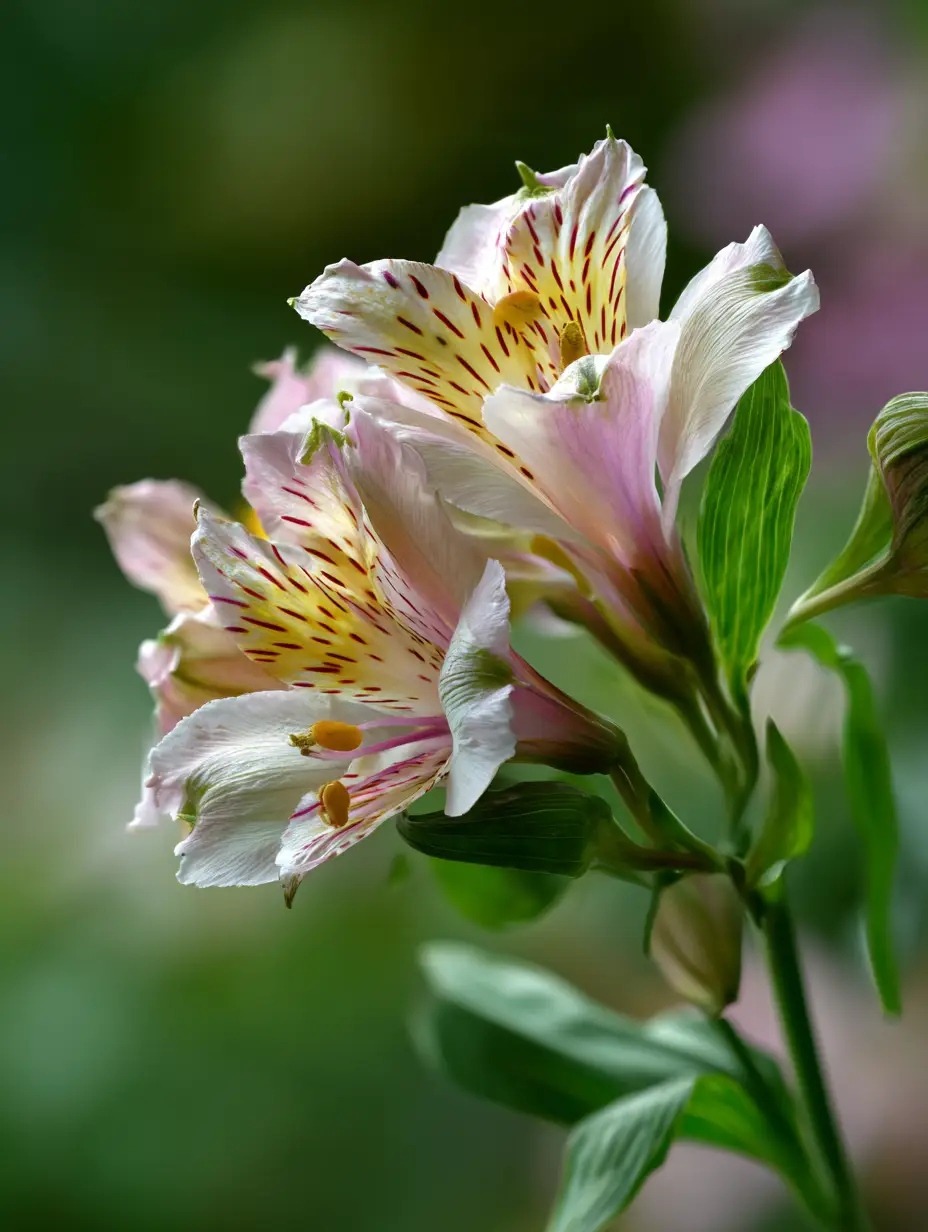
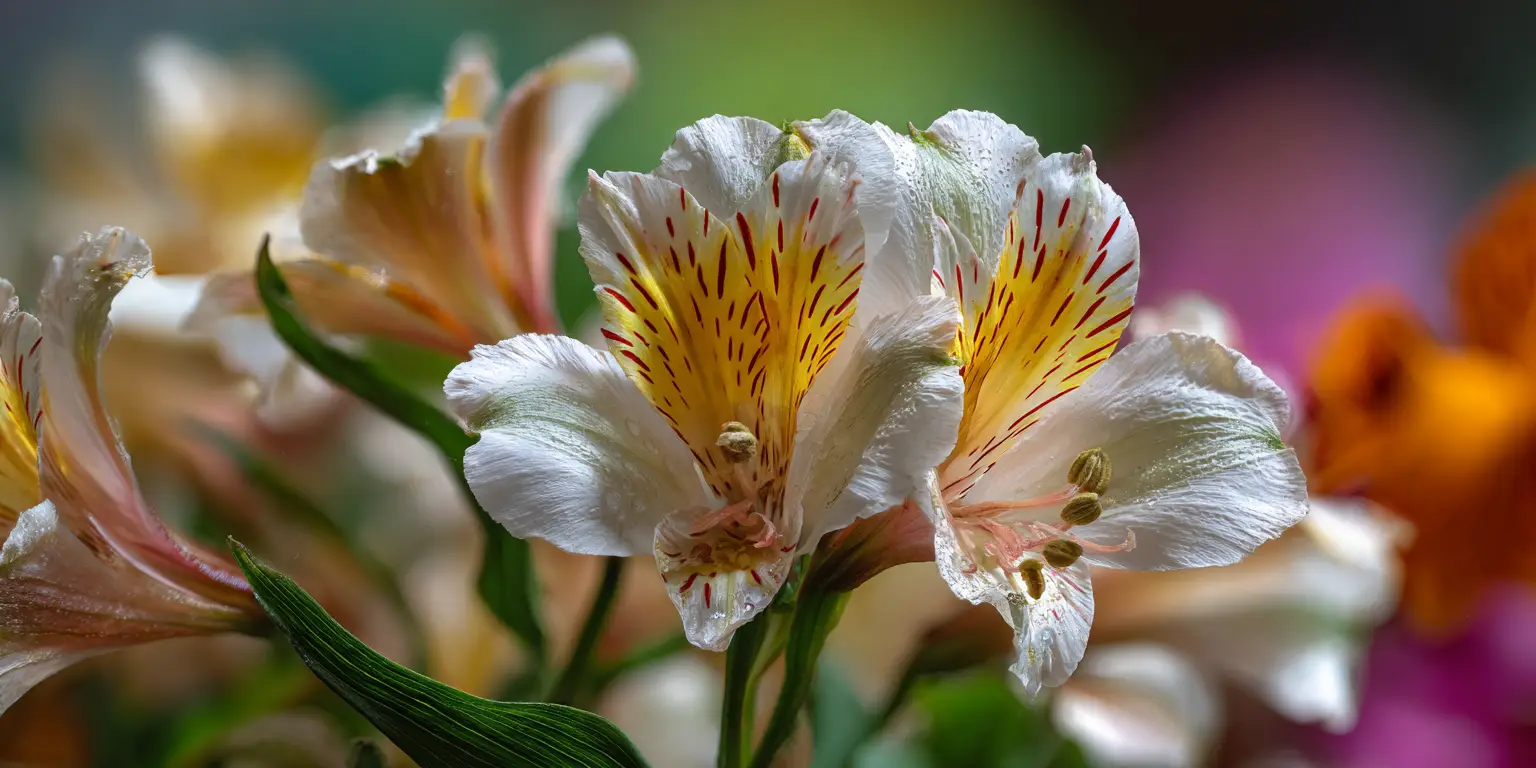
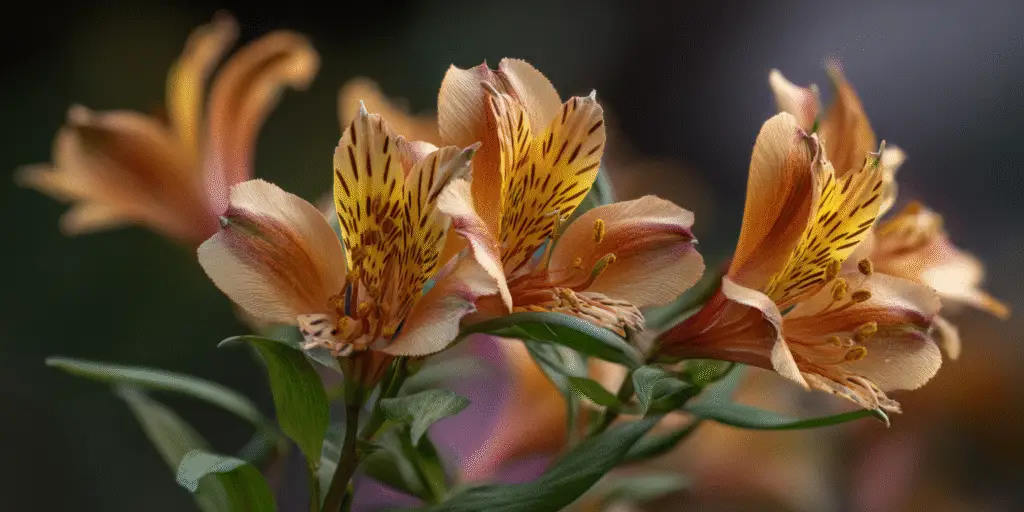
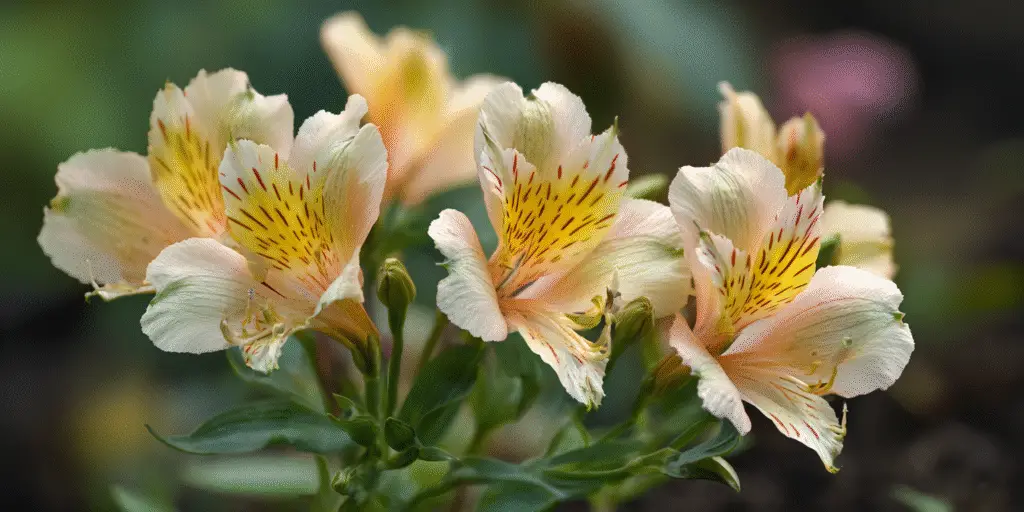
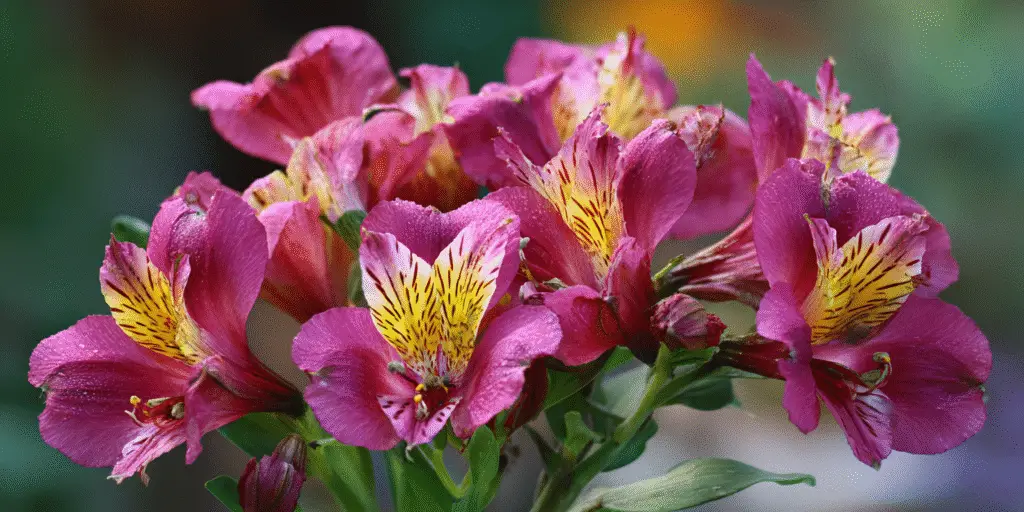
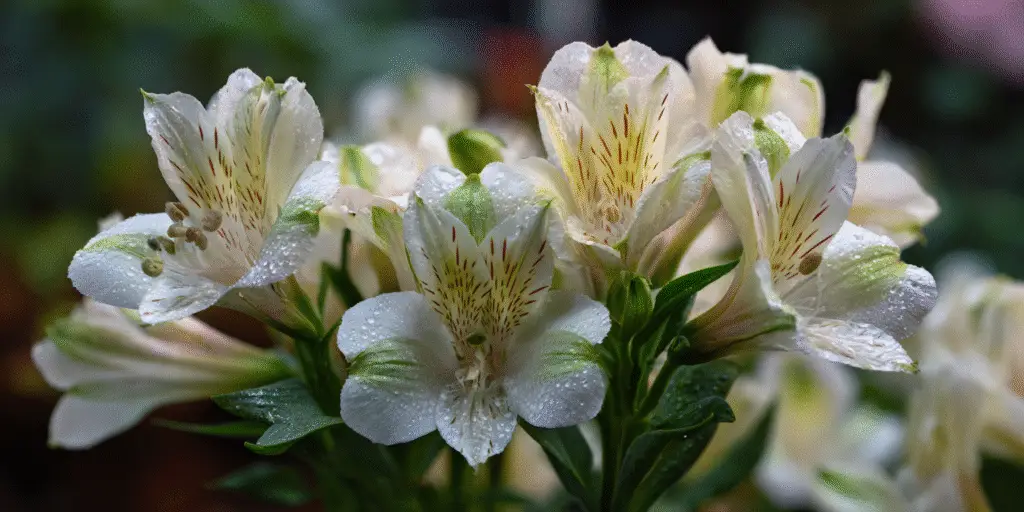
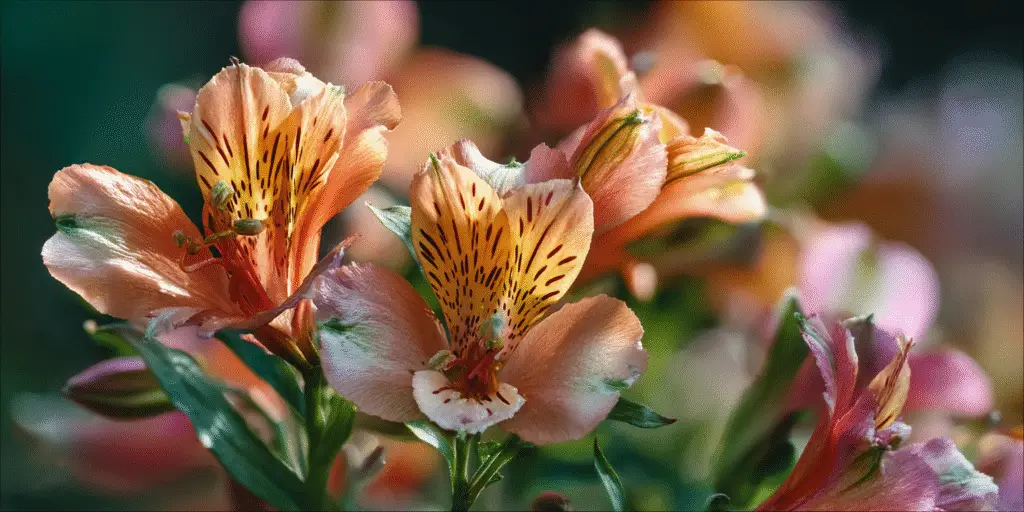
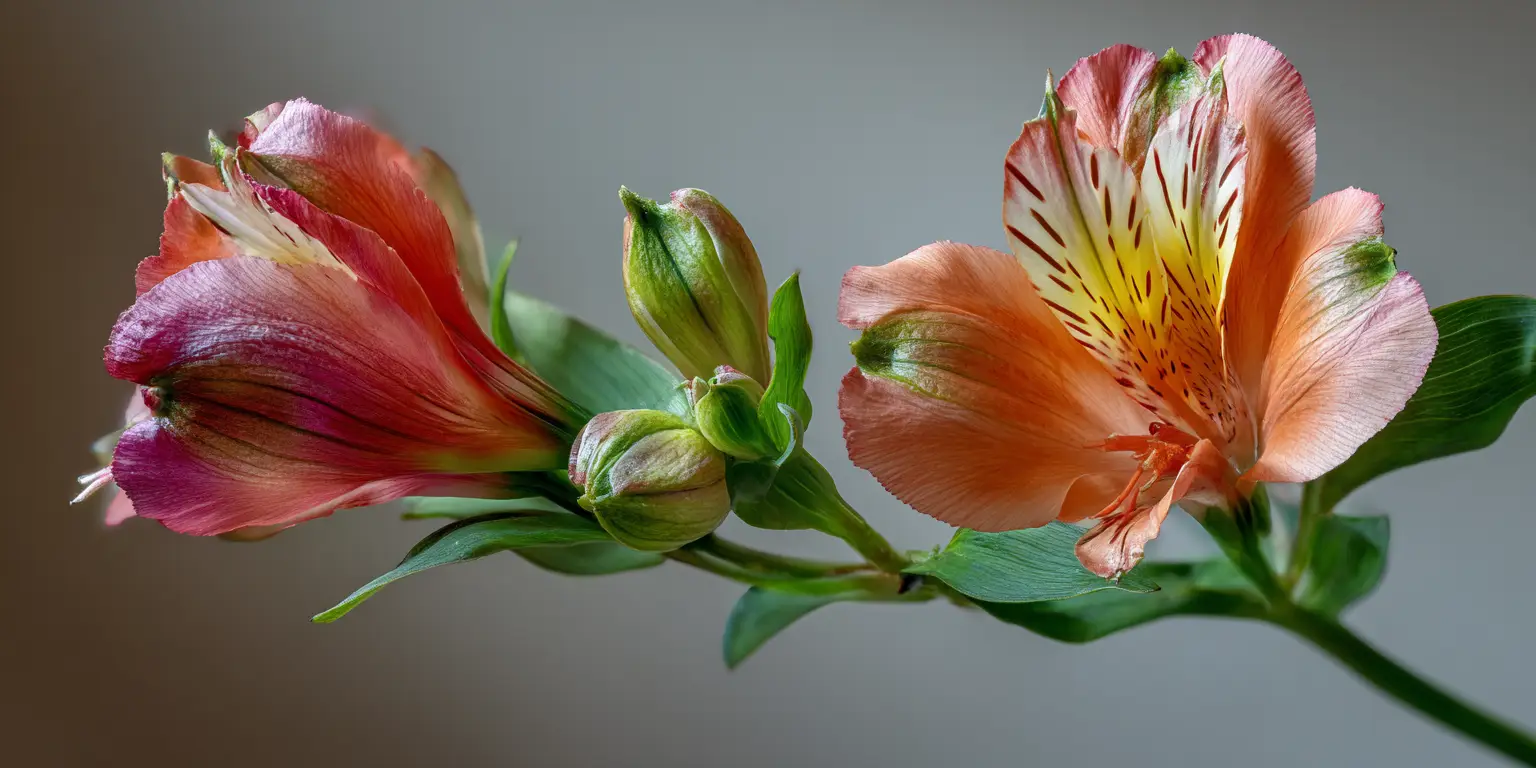
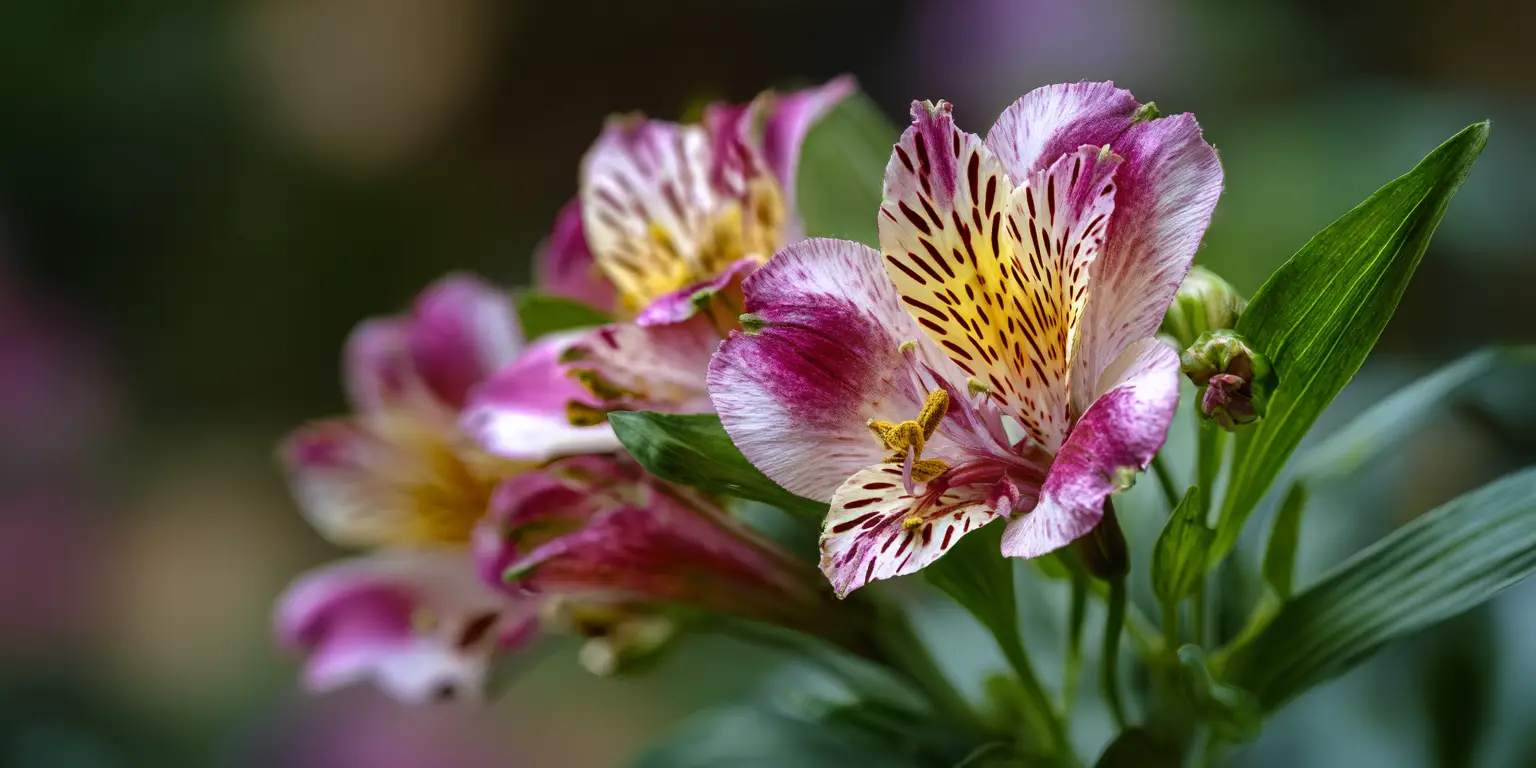
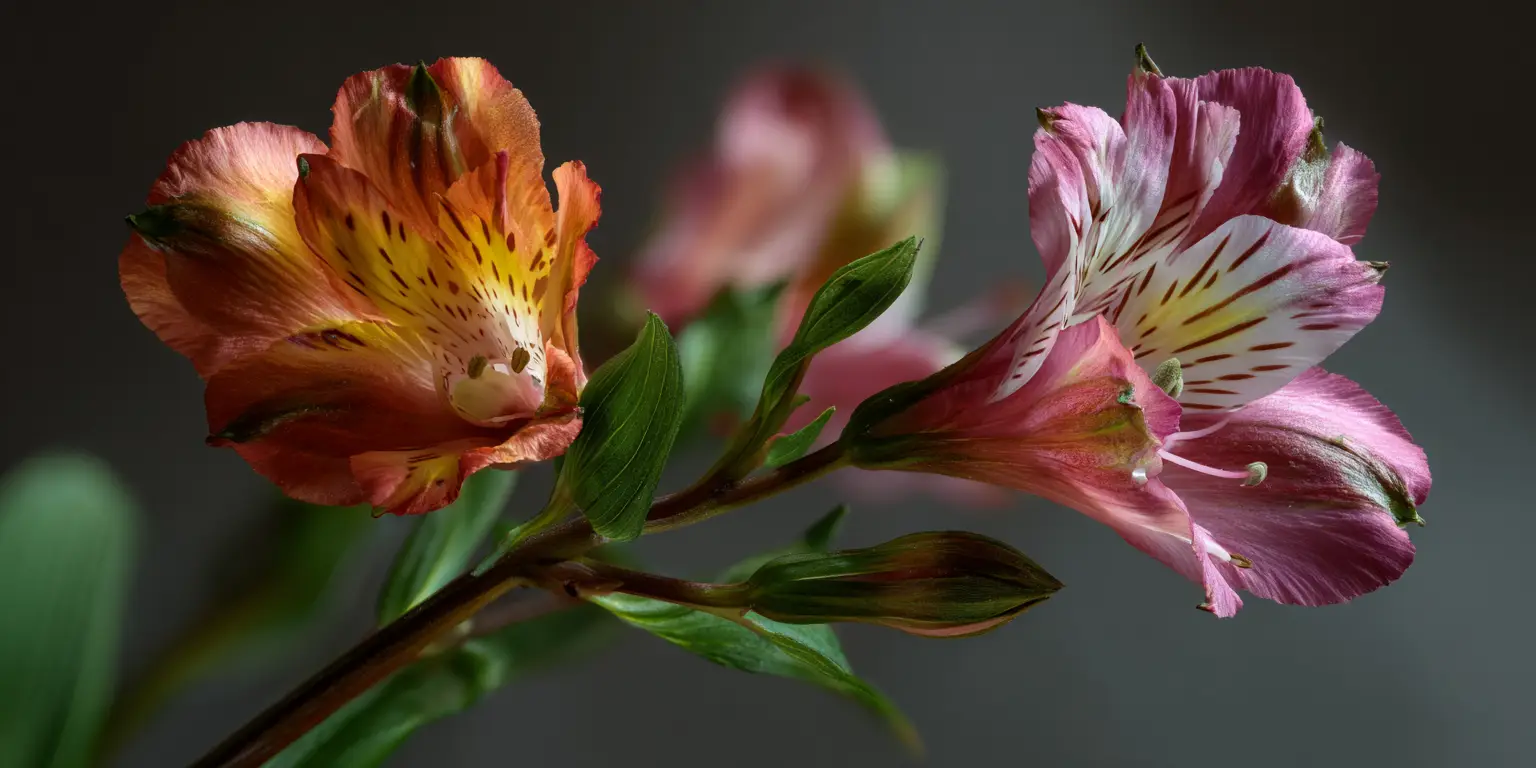
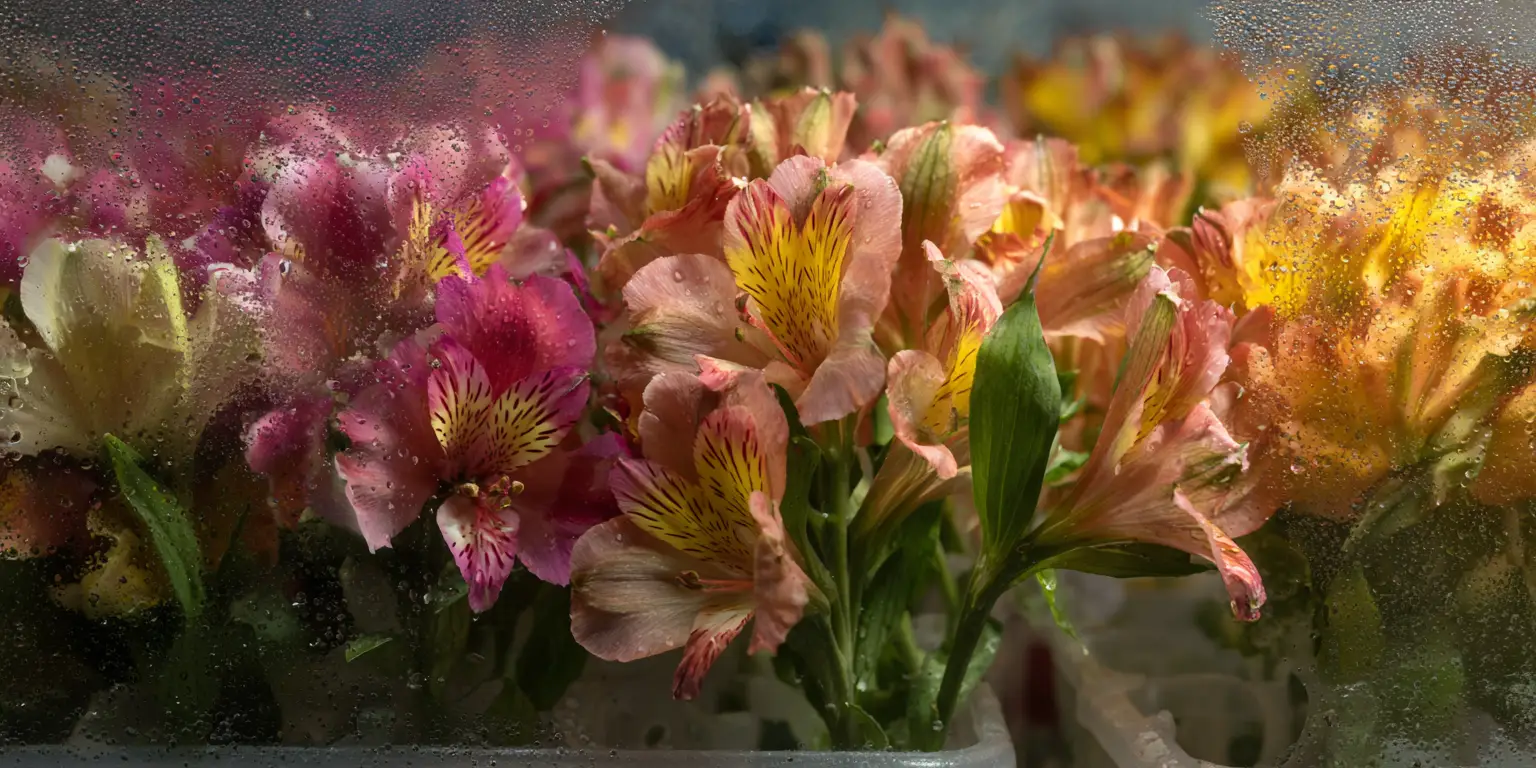
Alstroemeria is a perennial with long stems and clusters of lily-shaped blooms marked with speckles or streaks. Florists often call it Peruvian lily or lily of the Incas. The flowers come in many colors, including white, cream, yellow, orange, pink, red, and purple. True blue Alstroemeria is not typical, although breeders have produced some cooler lavender tones.
In the garden, Alstroemeria is dependable once it settles in. The stems are sturdy, the leaves make a neat clump, and the plant blooms in waves through the warm season. In bouquets, it mixes easily with roses, peonies, tulips, and sunflowers. Many people also associate Alstroemeria with friendship and devotion, which is one reason it shows up in gift arrangements.
A clear, step-by-step guide to soil, planting, watering, feeding, pruning, and winter care. Includes zone timing, container tips, companions, and quick fixes for common problems.

Bouquet Ideas
Explore simple, beautiful bouquet ideas for the home, gifts, and special occasions from romantic mixes to clean, minimal styles. Each idea includes suggested flower combinations, color palettes, and sizes, with photos for quick inspiration.
🌱 Taxonomy and origin
Alstroemeria belongs to the family Alstroemeriaceae. Carl Linnaeus named the genus after his friend Clas Alströmer, a Swedish baron and botanist who collected plants during his travels.
Even though the blooms look lily-like, Alstroemeria is not a true lily in the genus Lilium. It is native to South America, especially the Andean regions and nearby areas of Chile, Peru, Brazil, and Argentina. Wild species grow in different climates, from cool mountain slopes to milder coastal zones, which helps explain the range of garden performance across varieties.
Today, most plants sold for gardens and cut flowers are hybrids selected for strong stems, long vase life, and a steady bloom cycle.
🌸 Bloom time
In most U.S. gardens, Alstroemeria blooms from late spring into summer. In mild climates, it can start earlier and continue well into fall. If you remove fading blooms and keep the plant from drying out, it often sends up new stems for a second flush.
Blooming can slow during extreme heat. In that case, the plant may rest and then pick up again when nights cool down. Plants usually bloom more heavily starting in their second year, once the root system has thickened.
📏 Height and spread
Most garden Alstroemeria grows about 2 to 3 feet (60 to 90 cm) tall, with a spread of about 1 to 2 feet (30 to 60 cm). Compact types may stay closer to 12 to 18 inches (30 to 45 cm), which suits containers and the front of a border.
Alstroemeria grows from fleshy, tuber-like roots. It expands gradually, forming a larger clump over time. Give plants about 12 to 18 inches (30 to 45 cm) of space so stems have room and air can move through the foliage.
☀️ Light
Alstroemeria flowers best in full sun, about 6 or more hours a day. In hot regions, light afternoon shade can help the blooms last longer and reduce stress on the plant.
Too much shade usually means fewer flower stems and taller, weaker growth. If a plant is leafy but stingy with blooms, light is often the first thing to adjust.
💧 Water
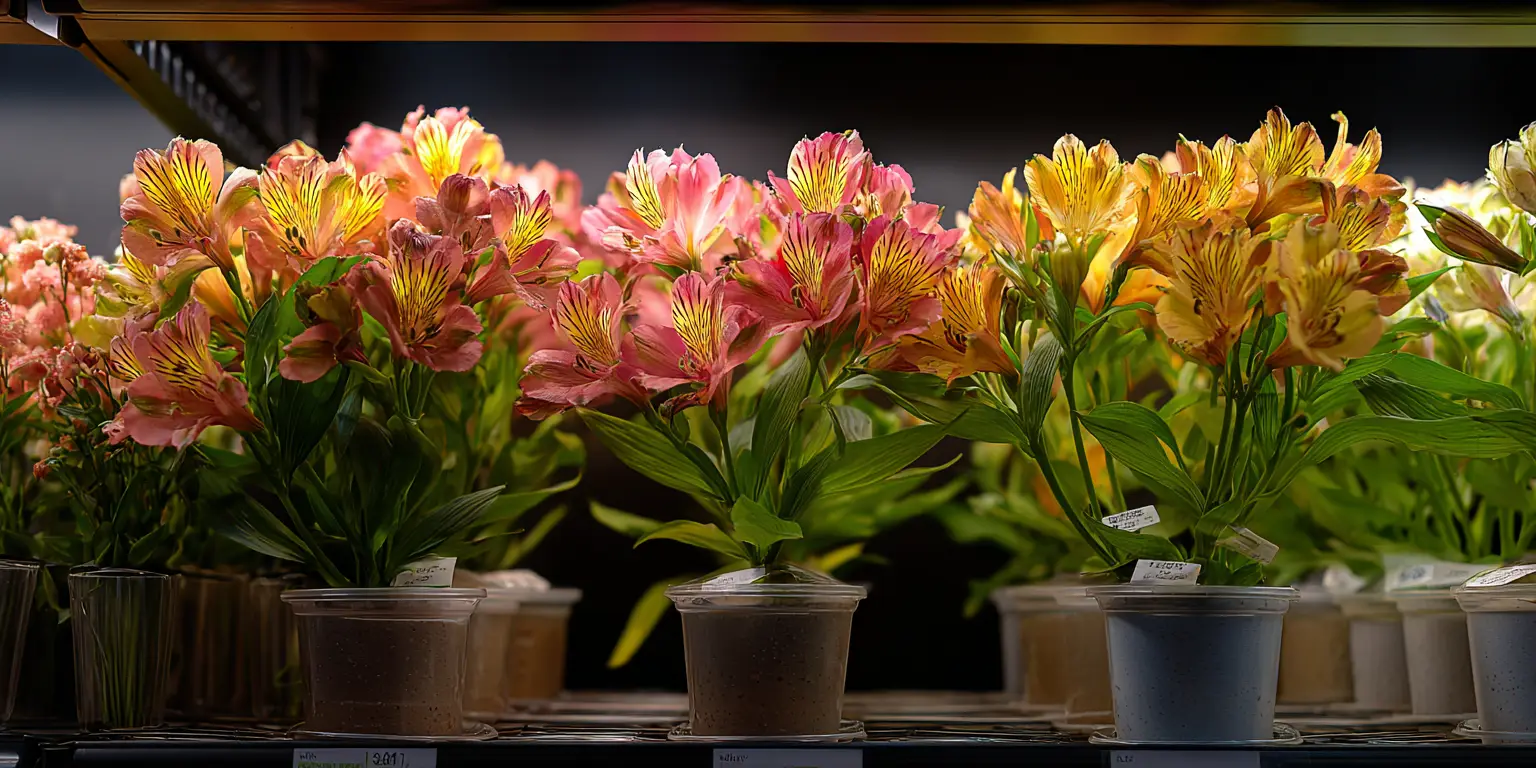
Aim for evenly moist soil, not soggy soil. Water when the top inch (2.5 cm) feels dry, then soak the root zone so moisture reaches the deeper roots.
Once established, Alstroemeria tolerates short dry spells, but regular watering supports steadier blooms. Mulch helps keep roots cool and reduces how often you need to water.
Avoid wetting the foliage late in the day. A watering wand or drip line keeps moisture where the plant needs it and can reduce leaf disease.
🌍 Soil and pH
Alstroemeria prefers well-draining soil enriched with organic matter. If your soil is heavy clay, mixing in compost and planting on a slight mound can help prevent root rot.
A slightly acidic to neutral pH, around 6.0 to 7.0, is a good target. If plants struggle in otherwise decent conditions, a basic soil test can point to pH or nutrient issues.
❄️ USDA hardiness
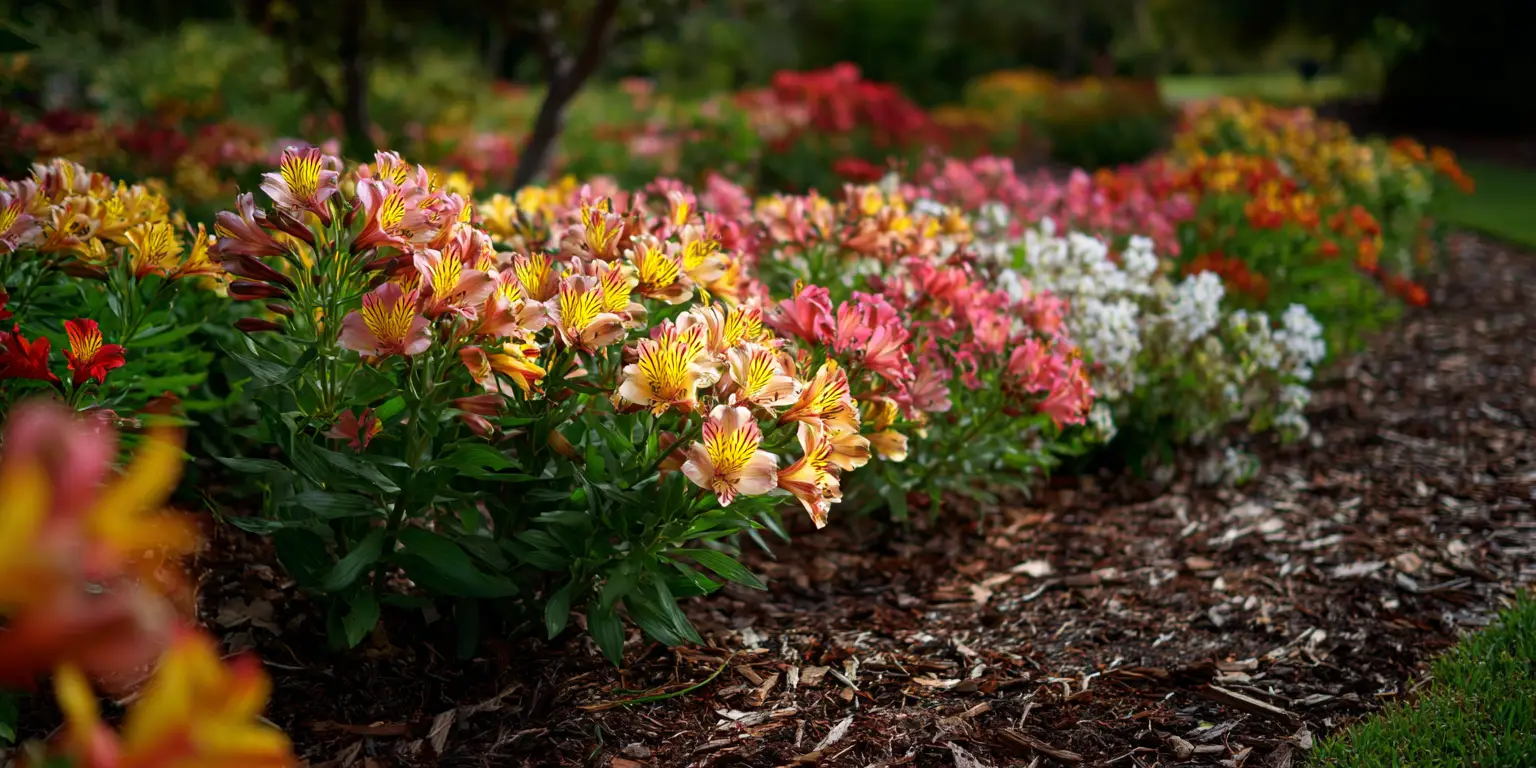
Most Alstroemeria types are hardy in USDA Zones 7 to 10. In Zone 7, a thick winter mulch helps protect the roots. Some hybrids handle Zone 6 with protection, but performance varies by cultivar and winter conditions.
In colder regions, many gardeners grow Alstroemeria as an annual or lift and store the roots after frost. Store them in a cool, dry place around 35 to 45 F (2 to 7 C), then replant after the last frost.
In warm areas, plants may stay green through winter and can bloom for long stretches, especially if summers are not extremely hot.
🌼 Propagation and longevity
Propagation
Division is the simplest way to propagate Alstroemeria. In early spring or fall, dig up a mature clump and gently separate sections of the root system. Replant divisions at the same depth and water well.
The roots can be brittle, so work slowly and avoid unnecessary shaking or snapping. Even small divisions can recover, but they may take a season to return to full bloom.
Longevity
Once established, Alstroemeria can live for many years. Plants often spend their first year building roots, then flower more heavily in later seasons. If a clump becomes crowded or flowering drops, dividing it can refresh growth and improve bloom production.
👃 Fragrance
Most Alstroemeria has little to no fragrance. That makes it useful for bouquets when you want color and longevity without a strong scent.
⚠️ Toxicity and pet safety
According to the ASPCA, Alstroemeria is listed as non-toxic to cats, dogs, and horses. Still, any plant can cause stomach upset if a pet eats a lot of it.
Some people get skin irritation from the sap, sometimes called “Peruvian lily dermatitis.” If you have sensitive skin, wearing gloves when cutting or dividing plants can help.
🌿 Vase life
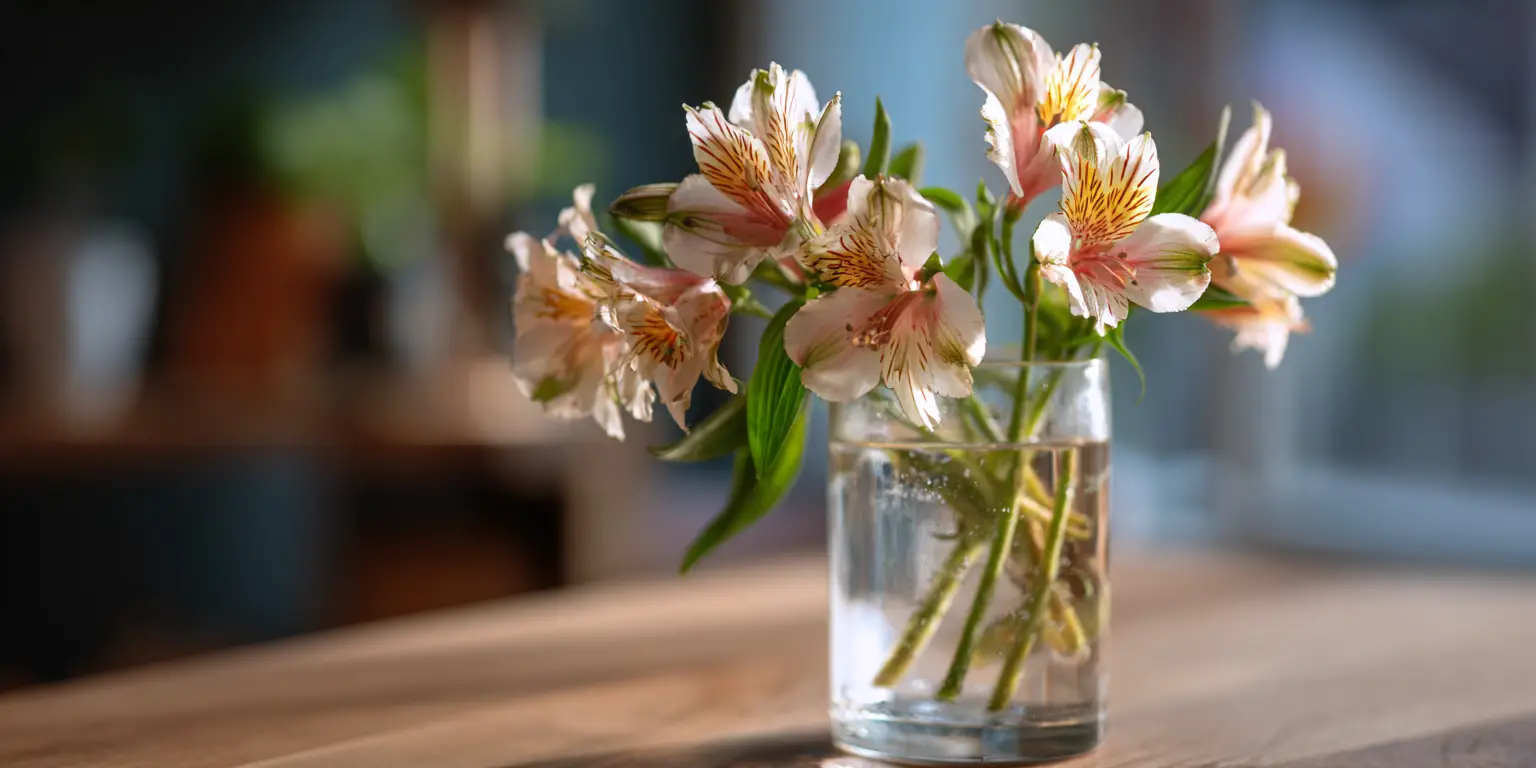
Alstroemeria is known for excellent vase life, often 1 to 2 weeks with basic care. For the longest life, harvest stems when the first flower on the stem is starting to open and the rest are still in bud.
Instead of cutting, many growers pull stems gently from the base. This encourages new stems from the crown. Strip leaves that would sit below the waterline, change the water every couple of days, and keep the vase away from heat and direct sun.
🐛 Pests and diseases
In the garden, Alstroemeria is often deer-resistant. Common pests include aphids, spider mites, and thrips, especially in hot, dry weather. Slugs and snails may chew young shoots.
Root rot is the main problem in poorly drained soil. Gray mold (botrytis) can show up in crowded plantings during wet spells. Good spacing, clean watering, and removing damaged foliage usually prevent most issues.
Viruses such as mosaic can cause streaking or distortion. If a plant shows persistent symptoms, removal is often the safest option to protect nearby plants.
FAQ
Do Alstroemeria come back every year?
Yes. Alstroemeria are perennial plants in regions with mild winters. In USDA Zones 7-10, they will survive the winter underground and re-sprout each spring, blooming again year after year. In colder zones, they typically do not overwinter outdoors (unless given special protection), so they would need to be dug up and stored or treated as annuals. But in the proper climate, you can count on Alstroemeria coming back reliably every year after a winter rest.
Do Alstroemeria spread or become invasive?
They do spread gradually, but they are not considered invasive. Alstroemeria grow from tubers that multiply over time, forming a larger clump. You may notice the plant expanding a bit wider each year and producing more stems. However, it doesn’t spread aggressively or take over gardens. It stays pretty much where you plant it, expanding at a moderate pace. If the clump gets too large for your liking, you can dig up and divide the tubers to control its size. It also self-seeds only sparingly in most gardens, so volunteer seedlings are not usually a big issue. Overall, it’s a well-behaved plant that’s easy to keep in bounds.
Do Alstroemeria prefer sun or shade?
They prefer plenty of sun. Full sun (around 6 hours or more of direct sunlight per day) typically yields the best flowering. If you give Alstroemeria a sunny spot, you’ll get stronger, stockier plants and lots of blooms. That said, in very hot climates or during intense summer heat, some afternoon shade is beneficial to prevent stress. The ideal situation is full sun in the morning and early afternoon, with a bit of light shade late in the day if your summers are scorching. In contrast, if you plant Alstroemeria in too much shade, it will likely produce fewer flowers and the stems might become leggy as they stretch for light.
Can I grow Alstroemeria in pots?
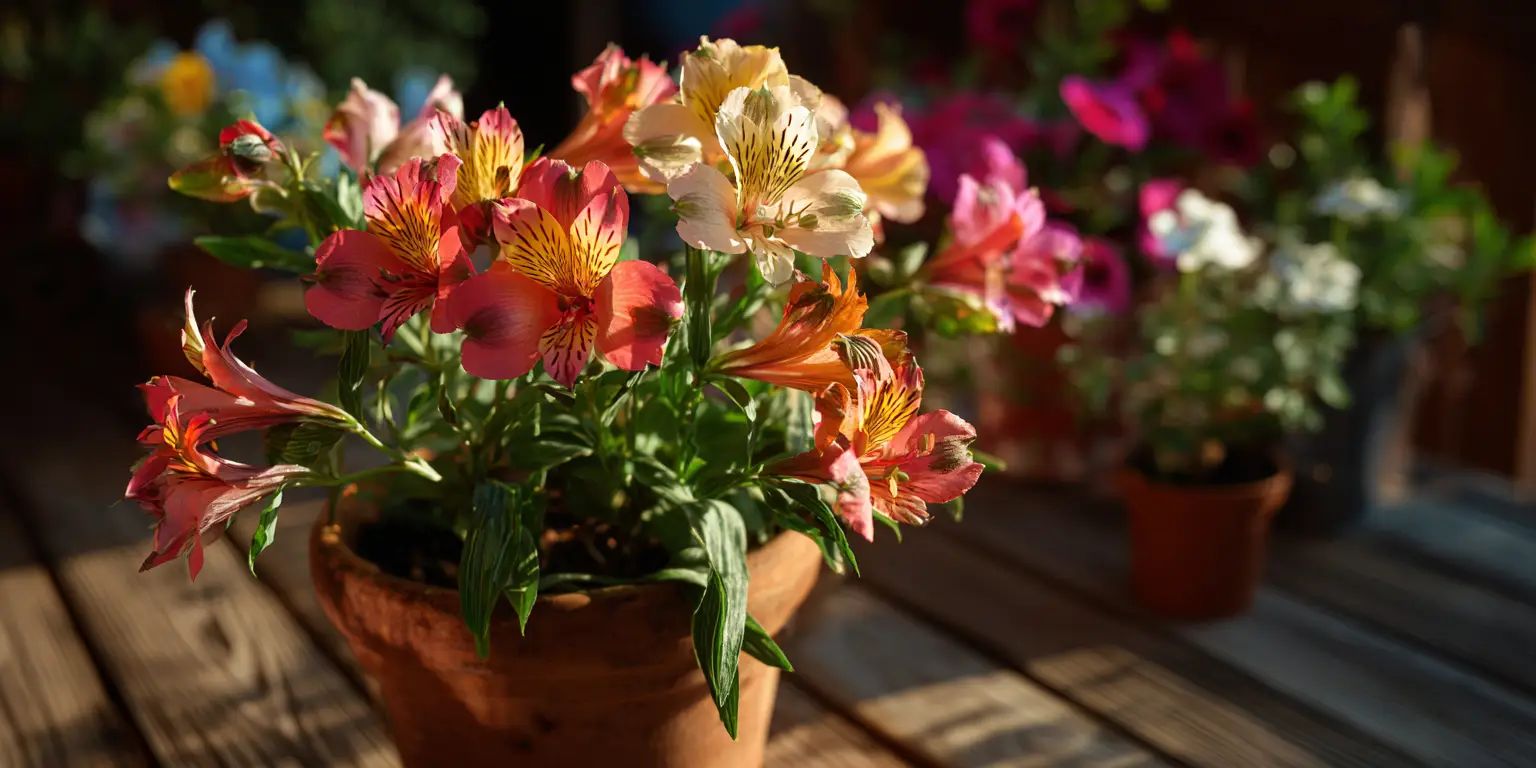
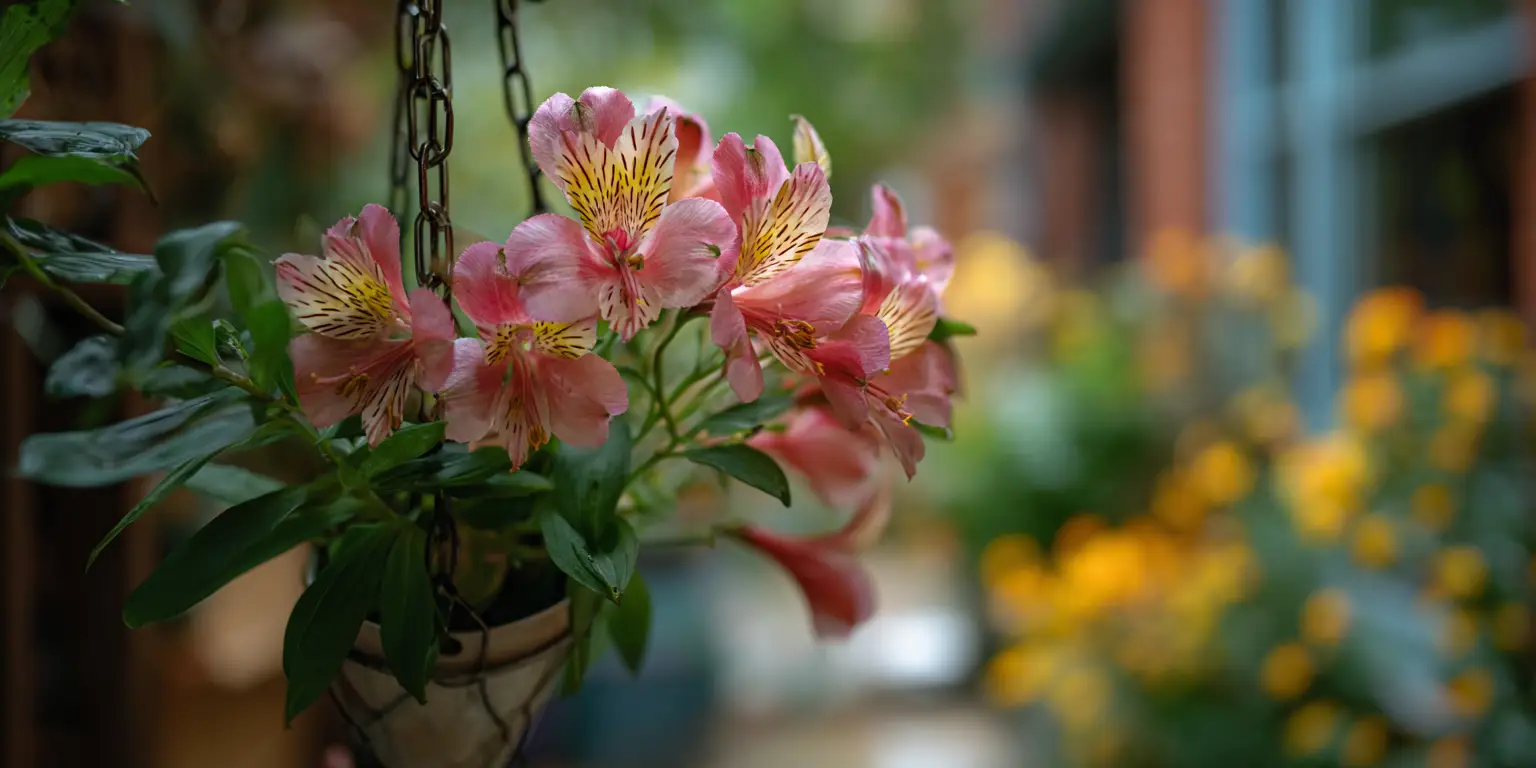
Yes, Alstroemeria can be grown successfully in containers. Choose a large pot (at least 12 inches deep and wide) to give the tuberous roots plenty of room. Ensure the pot has drainage holes because good drainage is vital. Use a high-quality potting mix that retains moisture but drains well. Potted Alstroemeria will need regular watering since containers dry out faster than garden soil, but be careful not to overwater. Place the pot in a position where the plant gets ample sunlight (or part sun if your climate is very hot). Many gardeners enjoy growing dwarf varieties of Alstroemeria in pots on patios or balconies. In cold winter areas, you can even move the pot into a sheltered, frost-free location during winter to help the plant survive until spring. With the right care, container-grown Alstroemeria will bloom beautifully.
Are Alstroemeria good for weddings?
Absolutely. Alstroemeria is a favorite in wedding arrangements and bouquets. The flowers come in a wide range of colors, making it easy to match any wedding color scheme, from soft pastels to vibrant jewel tones. They also have a meaningful symbolism of friendship, devotion, and prosperity, which is a lovely sentiment for a marriage celebration. Florists often include Alstroemeria as a cost-effective accent alongside larger blooms like roses or peonies. Their long vase life means bouquets and centerpieces will stay fresh throughout the event. Many wedding flowers guide resources recommend Alstroemeria as a versatile filler or even a focal flower for casual bouquets. Overall, they are an excellent choice for weddings, combining beauty, significance, and affordability.
Can I propagate Alstroemeria from cuttings?
No, Alstroemeria cannot be propagated from stem cuttings in the way many shrubs or houseplants can. Unlike a plant such as hydrangea macrophylla that can root from a cutting, Alstroemeria’s stems won’t form new roots. The primary ways to propagate Alstroemeria are by dividing its tuberous roots or by growing from seed. Division is by far the quickest and most reliable method: you dig up an established clump and split the tubers to create new plants. Growing from seed is slow and unpredictable for this plant. If you’re looking to multiply your Alstroemeria, it’s best to wait until the plant has formed a good clump and then divide it, rather than trying cuttings.
Do Alstroemeria attract butterflies or hummingbirds?
Yes, to some extent. Alstroemeria’s bright, colorful flowers and the nectar they produce can attract pollinators like butterflies, bees, and even hummingbirds. Gardeners have observed hummingbirds visiting the tubular blossoms, especially red, orange, or pink varieties. While Alstroemeria might not be the single most attractive plant to pollinators (compared to, say, a butterfly bush or a native wildflower), it certainly can play a supporting role in a pollinator-friendly garden. Its mid-season blooms provide an additional nectar source. If you enjoy seeing wildlife in your garden, planting Alstroemeria among other nectar-rich flowers will help draw in a variety of winged visitors.
What do Alstroemeria flowers symbolize?
Alstroemeria carries several positive meanings. Commonly, it is said to symbolize friendship, loyalty, and devotion. The flower’s enduring freshness (it lasts a long time even after being cut) is often associated with lasting friendship and support. In some cultures, Alstroemeria also signifies prosperity or good fortune. These symbolic meanings, combined with the flower’s beauty, make it a popular choice for gifting to friends and loved ones. Whether or not you pay attention to floriography (the language of flowers), it’s nice to know that Alstroemeria conveys a warm sentiment.
How do I get my Anthurium to bloom?
Anthuriums will bloom reliably if their basic needs are met. To encourage flowering, make sure the plant is getting bright, indirect light (insufficient light is the top reason for no blooms). Feeding with a high-phosphorus fertilizer during the growing season can also boost flower production – even a balanced houseplant fertilizer applied at half-strength every few weeks in spring and summer helps. Keep the plant slightly root-bound; Anthuriums often bloom better when a bit snug in their pot. Lastly, maintain warm temperatures and good humidity. If all these conditions are in place and your Anthurium is mature, it should reward you with its distinctive blooms. Patience is key, as each bloom can take weeks to form and open. Removing any spent flowers promptly can also direct the plant’s energy toward new buds.
Interesting tips
- Be patient in the first year: Alstroemeria often puts its energy into establishing roots during its initial growing season. It’s not unusual for a young plant to produce only a few flowers in year one. By the second year, once the tubers are well established, you’ll likely see a dramatic increase in blooms.
- Feed lightly for more flowers: Avoid over-fertilizing, especially with high-nitrogen fertilizers, which can lead to lush foliage but few flowers. Instead, use a balanced, slow-release fertilizer in spring or mix in some compost around the plant. This will provide steady nutrients to support flowering. Too much fertilizer won’t help – Alstroemeria is not a heavy feeder.
- Watch out for summer dormancy: Don’t be alarmed if your Alstroemeria plants slow down or the leaves yellow in the peak of summer heat. Some varieties may go semi-dormant during very hot, dry periods as a protective measure. Keep the soil slightly moist and trim away spent foliage. When temperatures cool, the plants should bounce back with new growth and possibly another flush of blooms.
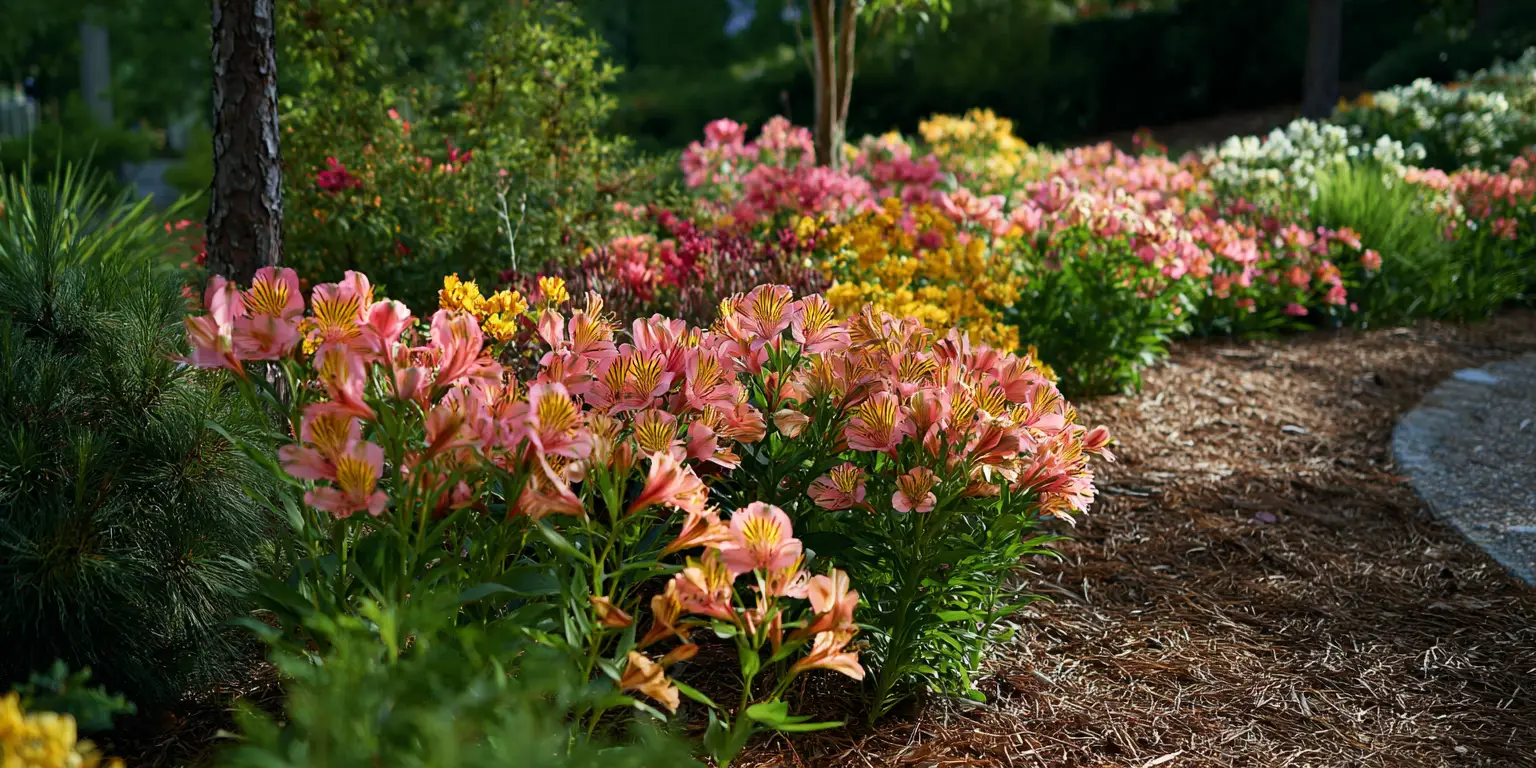
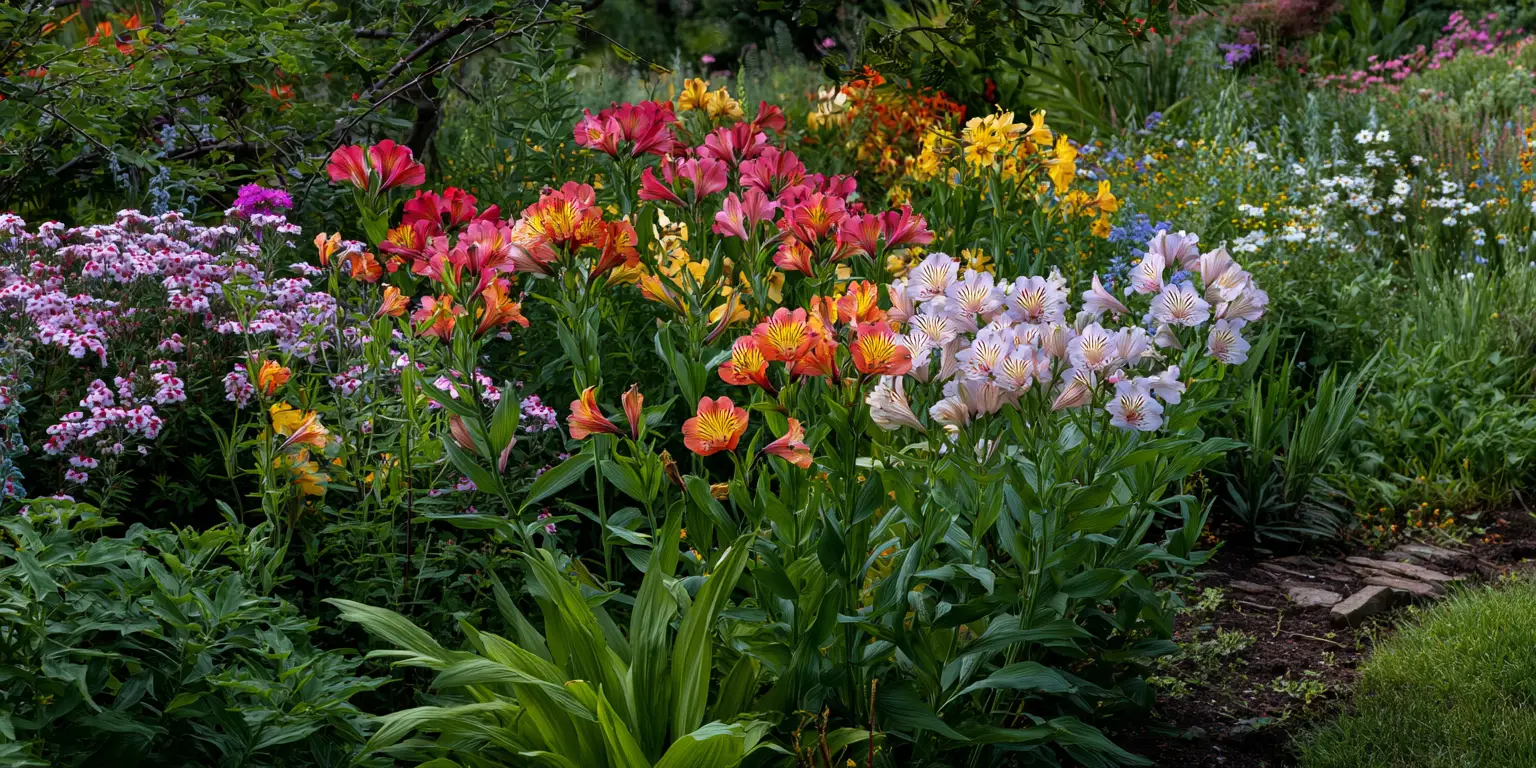
- Companion planting for season-long color: Pair Alstroemeria with other garden plants to extend the bloom display. For example, you can plant them near spring-blooming lilacs or peonies that will flower earlier in the season. The Alstroemeria will take over with its summer blossoms once the lilacs and peonies are done. Likewise, late-bloomers like phlox can continue the show after Alstroemeria’s peak, ensuring continuous color. Adding fragrant companions such as lavender nearby can also introduce a pleasant scent to complement the beauty of Alstroemeria.
- Harvest and deadhead to encourage blooms: Frequently cutting Alstroemeria stems for indoor arrangements (or simply removing the spent flowers) will encourage the plant to produce more blooms. The ideal method is to gently pull the entire stem out from the base rather than just snipping off the top. This not only gives you longer stems for the vase but also signals the plant to send up fresh flower shoots. Regular deadheading prevents seed formation and directs the plant’s energy back into growing new flowers.
Related Guides & Flowers
Lily (Lilium) – classic lily look for comparison with Peruvian lily.
Calla Lily – elegant stems used widely in bouquets.
Ranunculus – ruffled spring cut flower with long vase life.
Love-in-a-Mist (Nigella) – light, lacy cut flower and seed pods for texture.
Globe Thistle (Echinops) – sculptural, long-lasting spheres for modern bouquets.
Gentian – saturated blues for cool-tone palettes.
Agapanthus – umbels of blue or white that echo Alstroemeria’s clustered effect.
References
- North Carolina State Extension: “Alstroemeria”
Authoritative plant profile with cultural notes and clear warning about florist’s contact dermatitis due to tuliposides. - UC Agriculture & Natural Resources (Master Gardeners): “Peruvian Lily”
Practical home-garden care and propagation by division, spacing, and mulching tips. - Missouri Botanical Garden Plant Finder: “Alstroemeria aurea”
Cultural requirements, sun and soil preferences, and USDA hardiness guidance. - ASPCA Animal Poison Control: “Peruvian Lily”
Clarifies that Alstroemeria is non-toxic to cats, dogs, and horses, useful for differentiating from true lilies.