The pairing · pick a flower
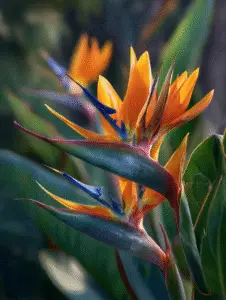 Bird of paradise+
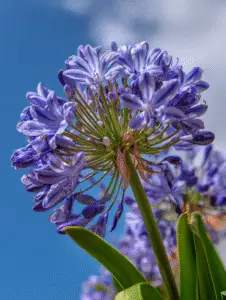 AgapanthusPartial
Strappy foliage and blue or white globe flowers sit low in front of the clump, echoing the blue tongue in the bloom while sharing the same sun-to-part-shade range and moderate water.
Bird of paradise+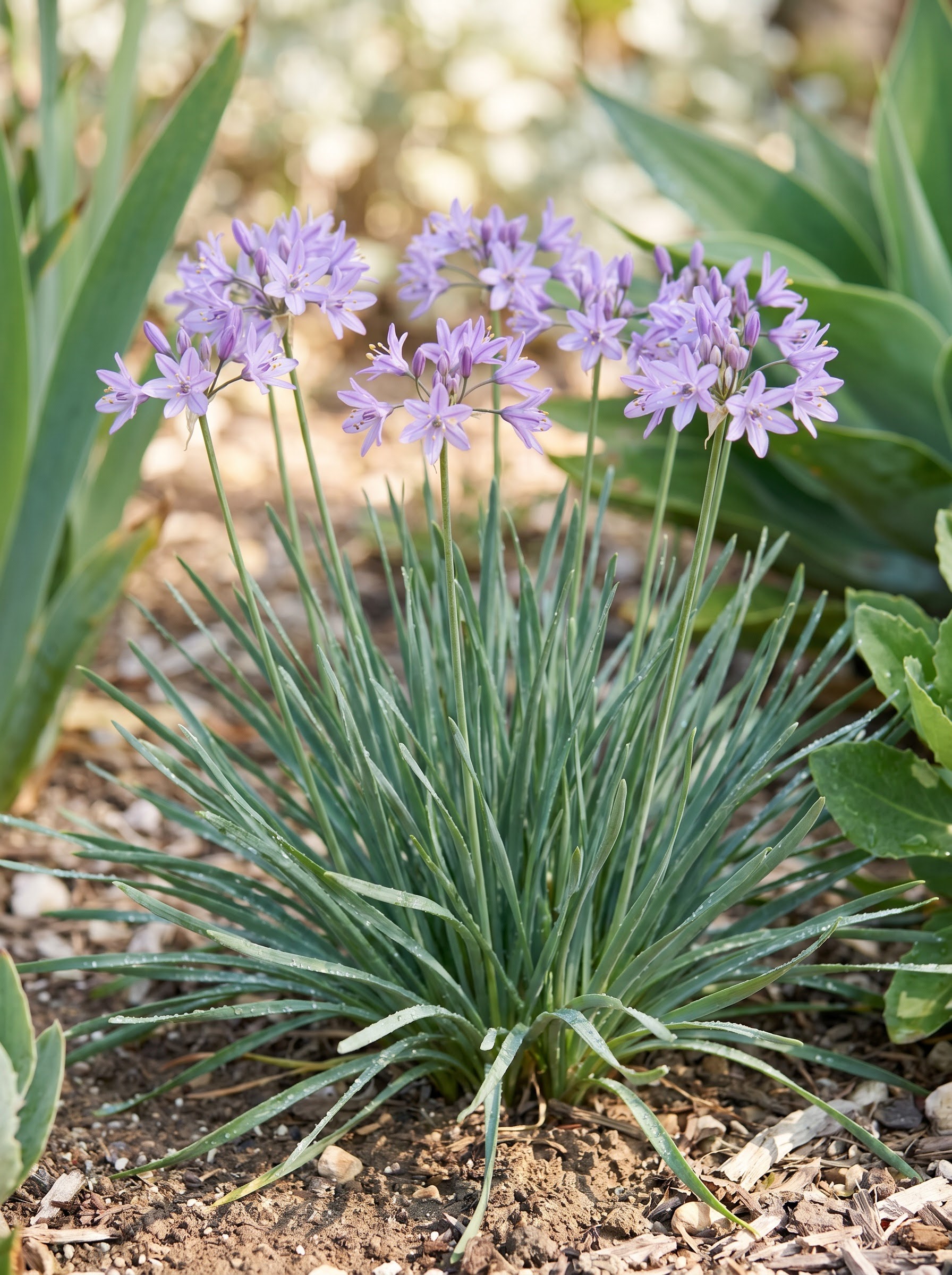 Society garlicFolklore
A South African native like Strelitzia itself, drought-tolerant once rooted in, with grassy foliage and small lavender-pink clusters that work as a low, easy-care foreground plant.
Bird of paradise+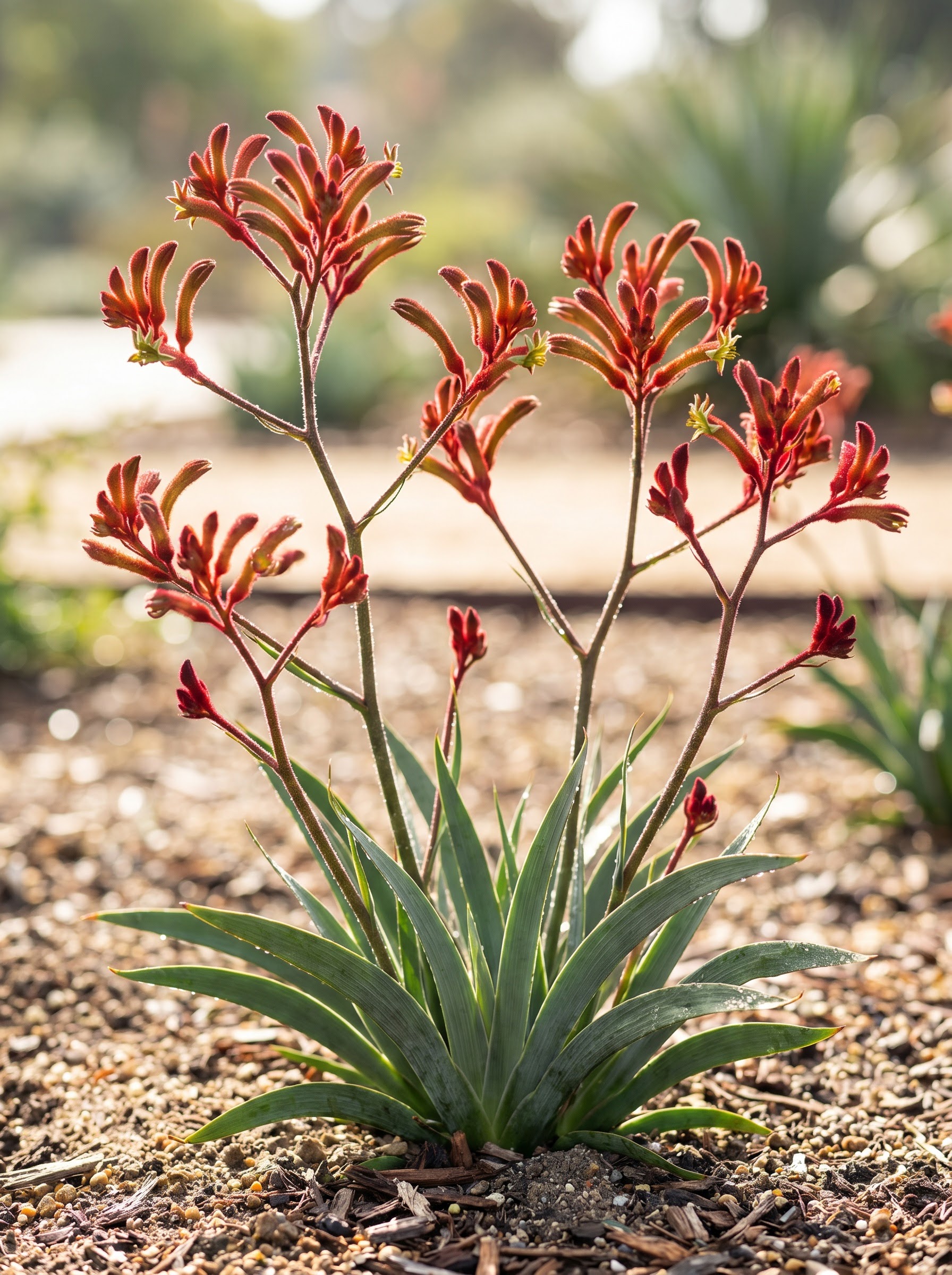 Kangaroo pawFolklore
Upright colorful spikes on strappy foliage give a real form contrast to the broad paddle leaves, but kangaroo paw wants leaner, better-drained soil than Strelitzia's regular moisture preference.
Bird of paradise+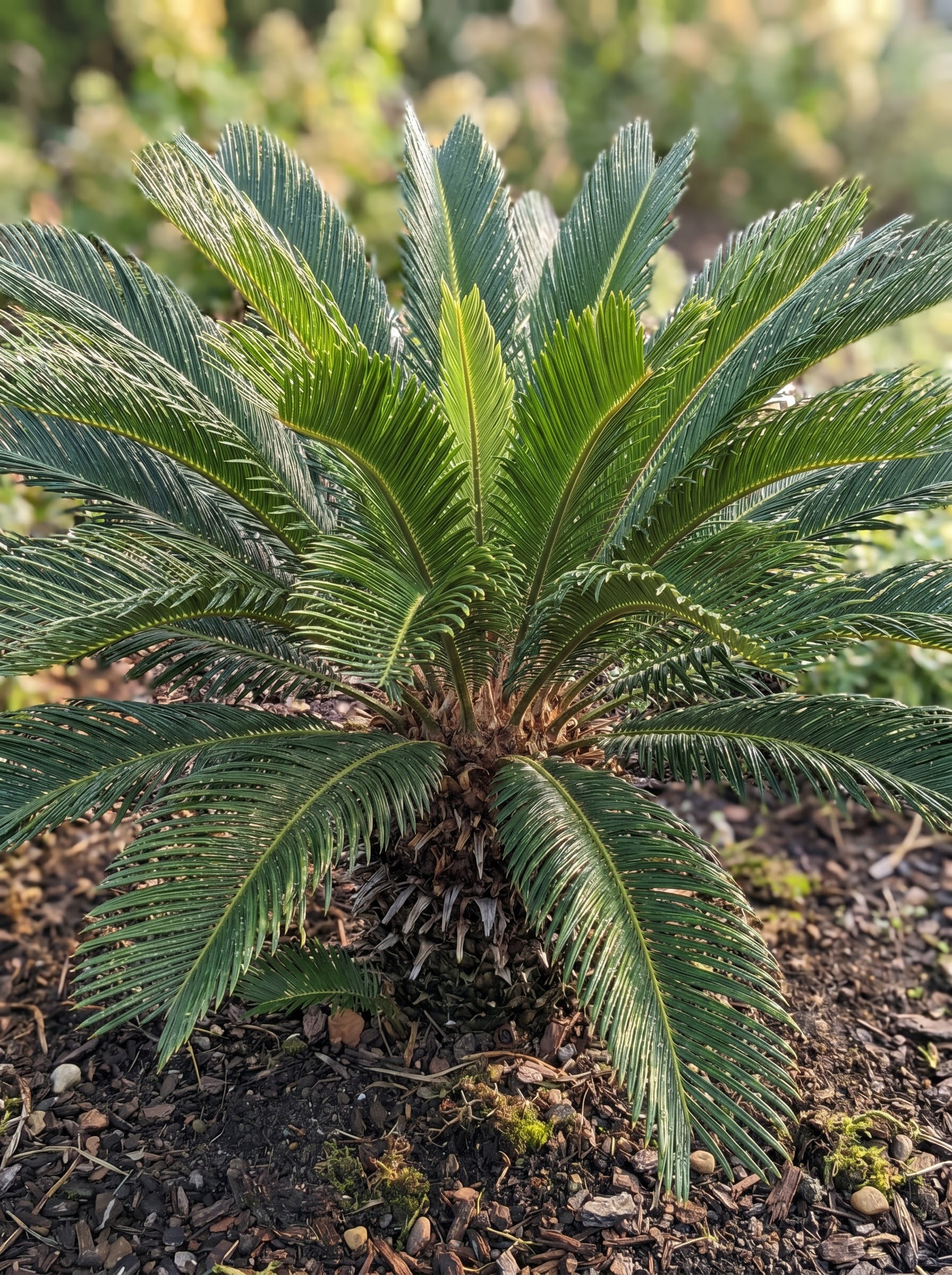 Sago palmFolklore
Fine, feathery fronds contrast the coarse paddle leaves and share warm-zone hardiness and drought tolerance once established, though sago palm is itself toxic and worth flagging in a pet-safe bed.
Bird of paradise+ DaylilyFolklore
Adaptable across sun and part shade and a wide water range, with strappy foliage that plays the same low foreground role as agapanthus and gives long, easy-care color at the clump's feet; worth noting for cat owners that the ASPCA lists daylily itself as toxic to cats, though not to dogs.
Bird of paradise+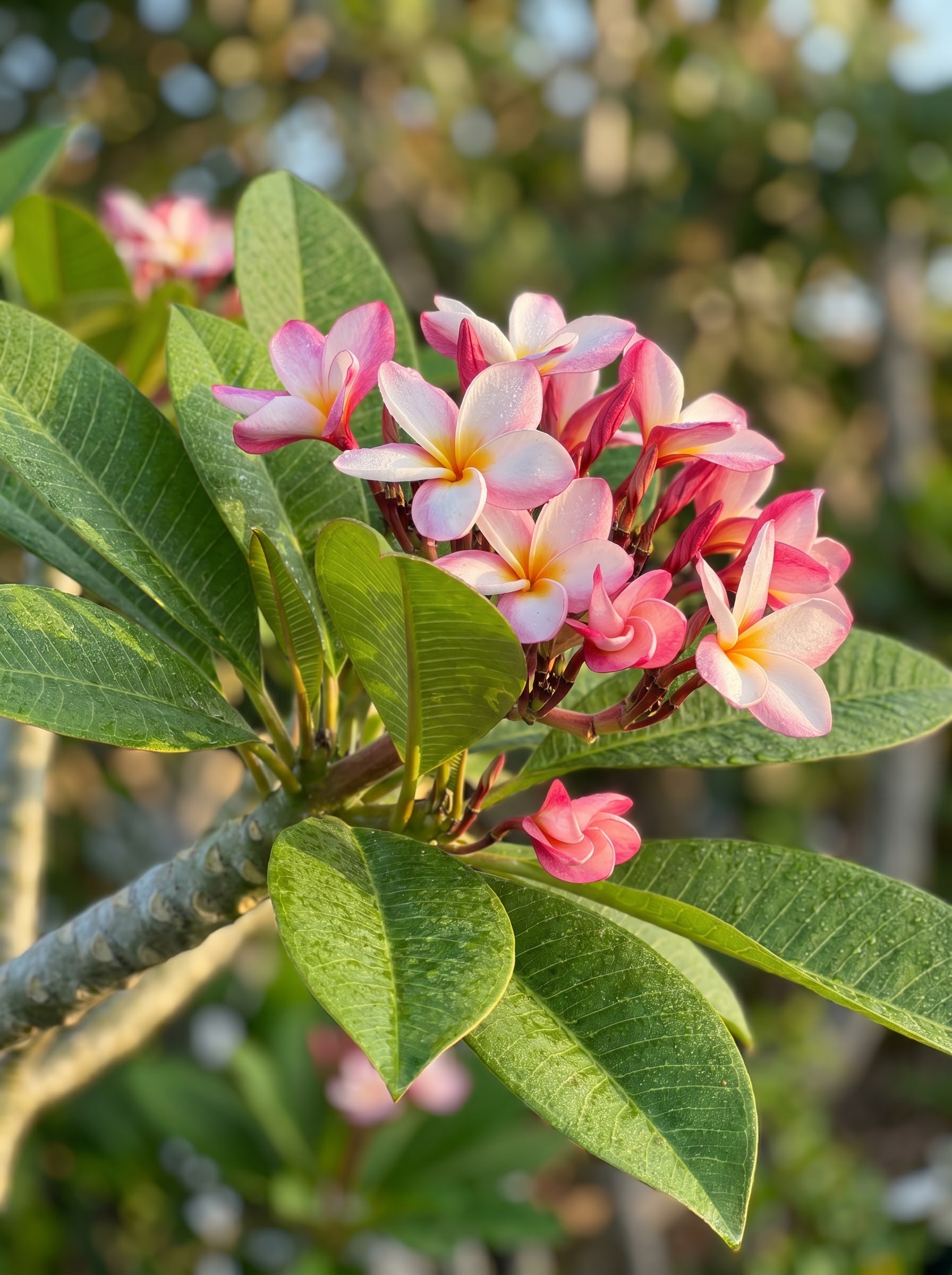 PlumeriaPartial
A small flowering tree that genuinely creates the dappled afternoon shade UF/IFAS says helps bird of paradise flower taller and larger, not just a design pairing but a real light-condition match.
Bird of paradise+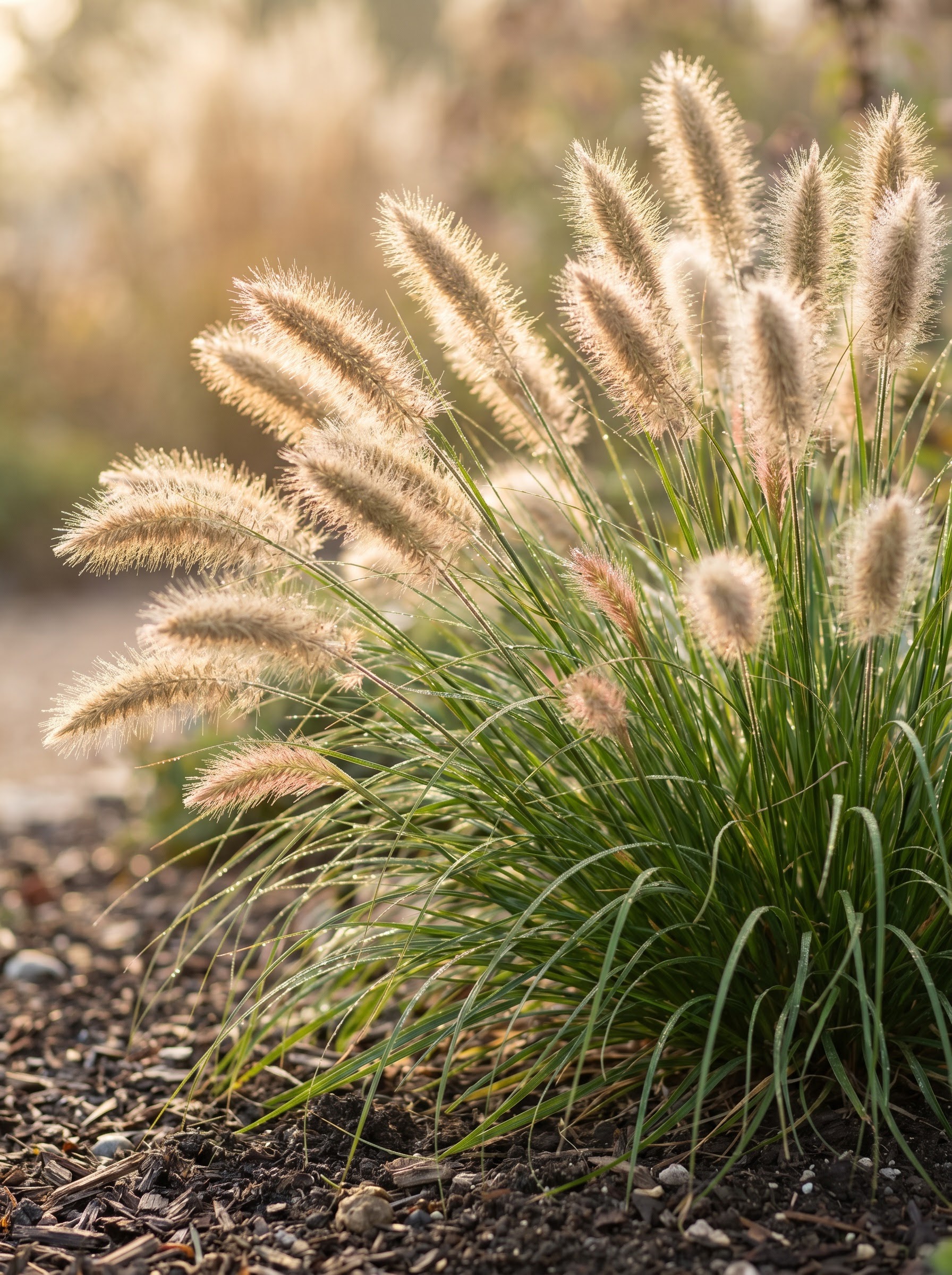 Dwarf fountainPartial
Fine, feathery seed plumes soften the clump's coarse, upright form and share the same moderate water and full-sun-to-part-shade range without competing hard for space.
Bird of paradise+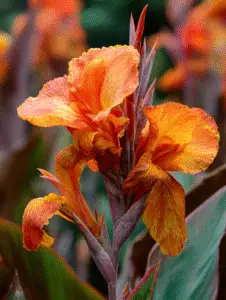 Canna lilyPartial
Bronze foliage and bright orange blooms echo the warm tones of the sepals, and canna actually wants slightly more consistent moisture, arguably a closer water match than several other leads here.
Bird of paradise+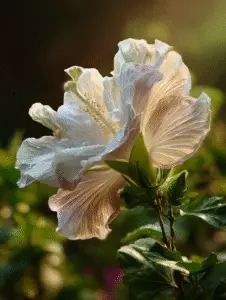 HibiscusFolklore
Bright pink or magenta blooms planted slightly behind the clump give a cool-toned backdrop that makes the orange sepals pop forward, a repeated color-contrast trick in tropical border design.
Bird of paradise+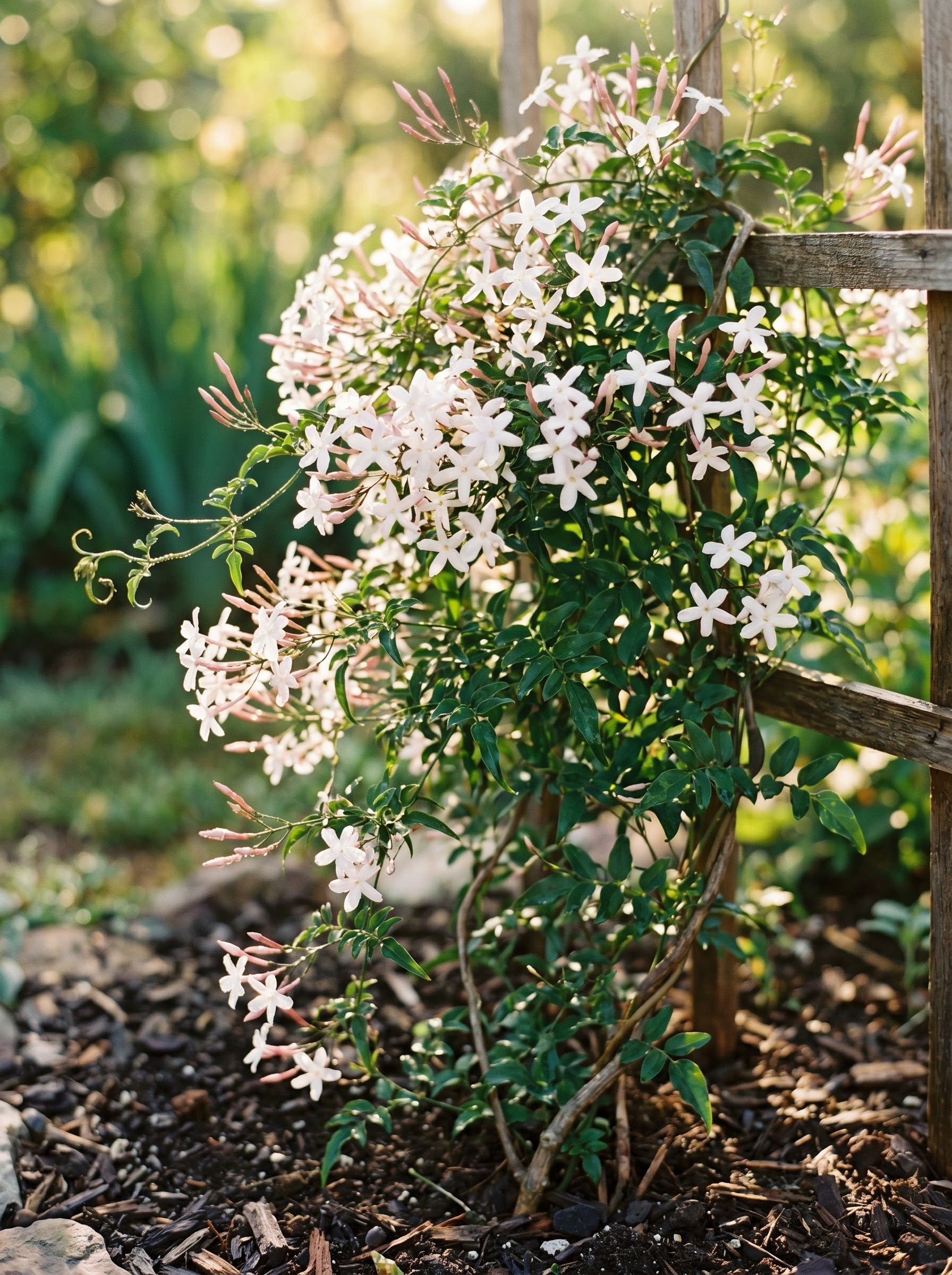 JasmineFolklore
A delicate, twining habit on a trellis or fence contrasts sharply with the stiff, upright paddle leaves and adds fragrance the clump itself doesn't offer.
Bird of paradise+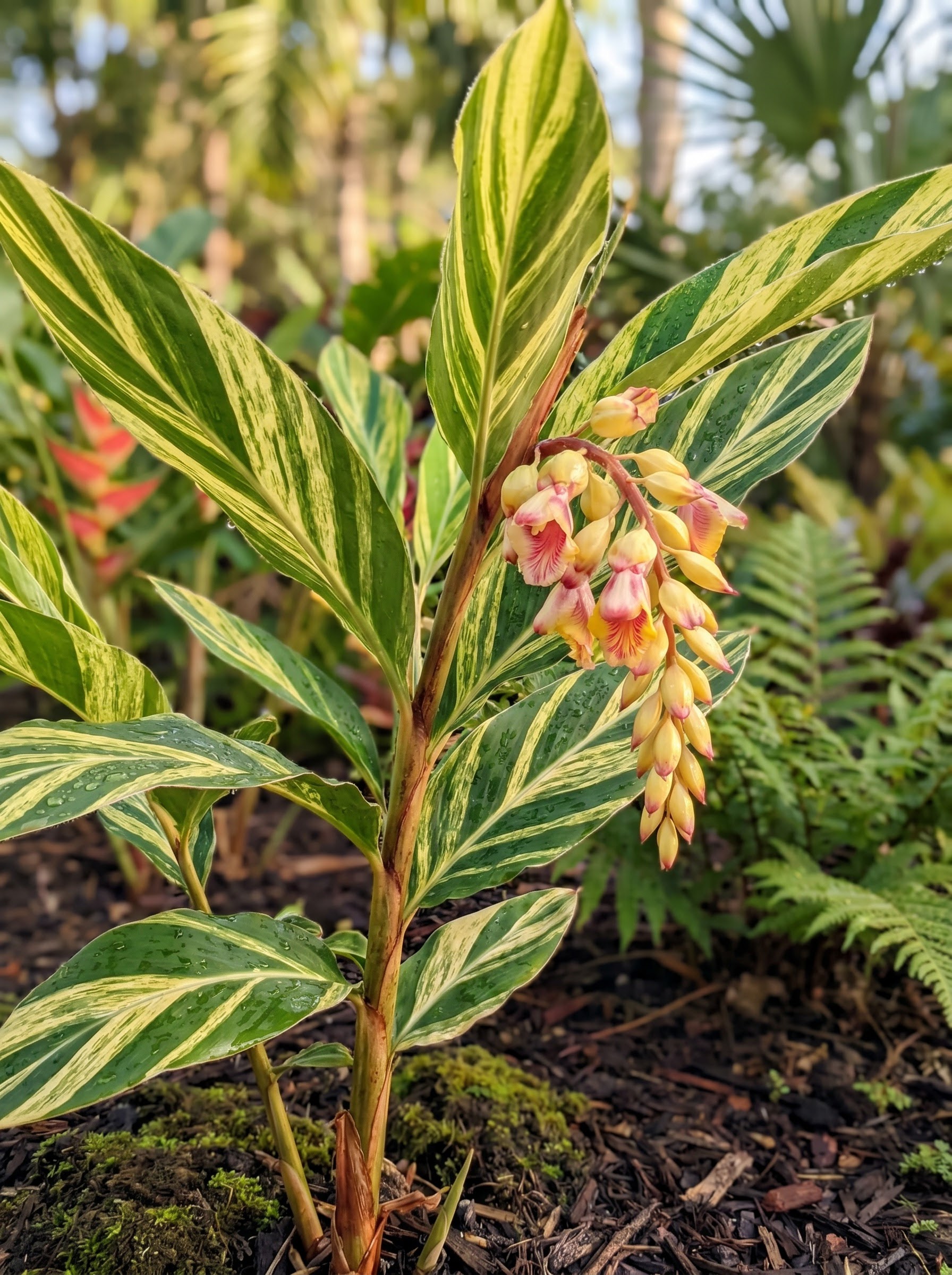 Variegated shellFolklore
Bright, striped foliage breaks up the solid green mass of the clump and shares the same warm-zone moisture and shade tolerance, working as a patterned middle-tier backdrop.
All Bird of paradise companions
11 flower companions, best match first
What not to plant near Bird of paradise
Most bad neighbours are not evil, they just want the opposite light, water or root run. Here is what to keep away, and what to do instead.
True desert cacti and agave watered on the same irrigation schedule
Bird of paradise wants regular moisture through the growing season, and true xeric plants sited close enough to share its irrigation will sit wet and rot. This is not a blanket ban on succulents, since UF/IFAS-adjacent guidance allows clumping aloes as dry-edge understory in low-irrigation regions; the real conflict is a true desert cactus watered on Strelitzia's schedule.
Companions planted at seedling spacing without room for the mature clump
The rhizome clump expands outward and suckers over time; UF/IFAS recommends spacing plants at least 6 ft apart so blooms, which develop along the exterior, have room to form. A companion sited too close at planting time gets shaded, crowded, or physically displaced as the clump matures over the following years.
Dense mat-forming groundcover piled against the crown
The rhizome crown needs air; UF/IFAS recommends mounding soil around the root ball for drainage in poor soil rather than burying the base, and keeping a 2 to 3 inch mulch-free ring around the stems, since a thick groundcover mat held tight against the stem base traps moisture at the exact point overwatering causes root rot on this plant.
Deep, permanent shade-only plants under heavy tree canopy
Bird of paradise flowers best with at least some direct or bright shifting light; UF/IFAS notes full-shade siting produces fewer, smaller flowers on shorter stems, so a bed sited for a genuinely shade-loving companion will underperform the clump's own bloom.
Other pet-toxic ornamentals stacked in the same bed (for households with pets or livestock)
Bird of paradise itself is confirmed toxic to dogs, cats, and horses as a GI irritant; pairing it with another toxic plant such as sago palm compounds the risk in a bed pets can reach, even though this is a household-safety note rather than a plant-health conflict.
The best companions for bird of paradise, explained
Bird of paradise reads as a full-sun tropical at a glance, but the plant itself argues otherwise. University of Florida extension trials found that clumps grown in partial shade came up taller and produced larger flowers than clumps grown in full sun, where growth stays more compact and the flower stems run shorter. That single fact reshapes the whole companion list: the strongest pairings are not blazing-sun specialists but plants that share this wider, shadier-than-expected comfort zone, then contrast the clump’s stiff, upright paddle leaves with a different form. Agapanthus and daylily do the classic foreground job, low strappy clumps of foliage that soften the bare lower stems a mature Strelitzia develops as its oldest leaves die back, while their blue, white, or warm-toned blooms sit at a completely different height and texture than the bird’s own canoe-shaped flowers, though daylily is worth a second look in a cat household, since the ASPCA lists it as toxic to cats even though it’s safe around dogs. Canna lily goes further and actually echoes the color, its bronze foliage and orange blooms picking up the same warm tone as the sepals, a pairing the site’s own landscape design coverage already leans on for exactly this reason.
The more interesting move is overhead. Plumeria, planted a real distance out so its canopy eventually falls across part of the bed by afternoon, is not just a design flourish, it recreates the dappled shade condition the UF/IFAS data links to taller growth and bigger flowers. Hibiscus works the opposite trick at the back of the bed, its cooler pink or magenta blooms making the orange sepals read more vividly by contrast rather than competing with them. Fine-textured plants like dwarf fountain grass or society garlic earn their place by doing the opposite of what the bold paddle leaves do, feathery instead of broad, low instead of upright, and that contrast is most of what makes a tropical border look composed instead of just planted. None of this is exotic reasoning. It is the same shared-conditions-plus-contrast logic that works on any structural plant, applied honestly to a flower whose actual light preference surprises most people who assume tropical automatically means full, unbroken sun.
Grown as a houseplant, the companion question changes entirely, and most outdoor-focused advice simply ignores it. Indoors, a bird of paradise wants bright indirect light and a dry-between-waterings rhythm, and the plants that group well with it in a pot are peace lily, philodendron, spider plant, and fern, all of which share that same light and watering pattern and none of which have anything to do with agapanthus or plumeria. Peace lily’s glossy dark leaves and white blooms sit well against the blue-green paddles; philodendron brings a looser, trailing or climbing form; spider plant’s thin arching leaves are the clearest textural opposite to the stiff upright habit; and fern adds the finest-textured foil of the group, alongside a genuine humidity benefit, since both plants do better with the higher humidity a grouped houseplant corner or a pebble tray provides. Croton is sometimes added to this indoor list for its color, but it is fussier about drafts and consistent conditions than the others, worth trying only once the easier four are established.
What not to plant near bird of paradise
The clump is unusually pest- and disease-resistant on its own, so most of what goes wrong here is mechanical, not chemical, and the honest avoid list reflects that. The clearest conflict is water rhythm. Bird of paradise wants consistent moisture through the growing season and only tapers off in winter, which means a true desert cactus or agave sited close enough to share its irrigation schedule will sit wet and is likely to rot. This is not a blanket case against succulents broadly, since a clumping aloe works fine as a dry-edge understory plant in a low-irrigation region, but the plants at real risk are the ones built for genuinely arid conditions and then watered on a tropical schedule anyway.
Scale is the second honest conflict, and it is the one most companion guides skip entirely because it only shows up years after planting. The clump forms from thick rhizomes that sucker outward over time, and UF/IFAS recommends spacing plants at least 6 feet apart so the flowers, which develop mainly along the plant’s exterior, have room to form. A companion planted tight against a young clump at what looks like generous spacing today can end up shaded, crowded, or physically displaced once the rhizomes have filled that space in, which is a timing problem rather than a soil-competition one. The fix is simple and rarely followed: plant companions at the radius the clump will eventually occupy, not the radius it occupies on the day you buy it.
The crown itself is the third pressure point. Overwatering and poor drainage are the named causes of root rot on this plant, and a dense, mat-forming groundcover pushed up against the base traps exactly the moisture that causes it. Mounding soil for drainage and keeping any groundcover or mulch a few inches clear of the stems avoids the problem without giving up a living-mulch companion altogether. And because bird of paradise itself is confirmed toxic to dogs, cats, and horses as a gastrointestinal irritant, households with pets or livestock near the bed have a real reason to think twice about stacking a second toxic plant, like sago palm, right next to it, even though that is a household-safety note rather than a plant-health conflict; the site’s own guide to flowers safe for cats and dogs is a useful next stop for a pet-forward bed. No allelopathy or soil-poisoning effect has been documented for Strelitzia in any extension source, so unlike a black walnut or a sunflower, there is no chemical avoid-list here at all, only water, space, and the crown.
Do they like the same conditions?
Light is where the honest answer cuts against assumption. Bird of paradise tolerates full sun and often gets planted there by default, but UF/IFAS’s own data shows part-shade plants growing taller with larger flowers, and other extension sources describe it as tolerating understory conditions where direct, unbroken sun can actually scorch the leaves rather than help them. The practical range to design around is full sun to partial shade, with a genuine lean toward morning sun and afternoon shade producing the best bloom, not merely the most tolerable one. That is an unusually wide light range for a plant that reads as a classic tropical, and it is exactly what makes plumeria’s overhead canopy a real conditions match rather than a decorative add-on.
Water follows a similar honest nuance. The clump is drought-tolerant once established, which is a real and often-cited trait, but that resilience is not the same as a preference. Extension guidance consistently recommends regular moisture during the warm growing season and a taper in winter, which puts bird of paradise closer to a moderate-water tropical than a true xeric plant. Soil pH, by contrast, is genuinely forgiving. North Carolina State’s plant database lists acid, neutral, and alkaline soils all as tolerated, which means pH is a soft constraint here, not the kind of hard filter it would be for a blueberry or an azalea. The one non-negotiable is drainage: fertile, organic-rich soil that does not stay waterlogged, since standing water at the root zone is the specific failure mode named across every source consulted, not overwatering broadly but poor drainage specifically.
How to plant them together
Layer the bed by height and function rather than by whatever looks full at the nursery. Low, strappy plants like agapanthus, daylily, or society garlic go at the front, close enough to hide the bare lower stems a mature clump develops but never crammed against the crown itself, 12 to 24 inches out depending on the plant’s own mature spread. Mid-height texture such as dwarf fountain grass, canna lily, or variegated shell ginger fills the space between that foreground and the clump’s own considerable height, usually 18 inches to 3 feet out, chosen specifically to contrast the coarse paddle leaves with something finer or more colorful. Anything meant to supply overhead shade, plumeria being the clearest example, needs real distance from the start, 8 to 10 feet, planted with the mature canopy’s eventual reach in mind rather than the sapling’s current size.
The 6-foot spacing UF/IFAS gives for the clump itself is the number that governs everything else in the bed, since it marks how far the rhizomes will eventually spread. Treat that radius as reserved space from day one rather than filling it with companions sized for the young plant, and expect to divide or relocate anything that ends up in the clump’s path a few years down the line, which is normal management rather than a planning failure. In a container, the calculus is simpler: give the pot to the bird of paradise alone, since its own rhizomes will crowd a shared container faster than most companions can establish, and keep true companion planting for the ground or for a cluster of separate pots placed near each other rather than one shared root zone.
Does companion planting actually work for bird of paradise?
Some of it, yes, in the specific and provable sense that plants sharing this clump’s real light and water range will simply grow well next to it, and that a canopy tree like plumeria can measurably change the light condition in a way UF/IFAS’s own data links to better bloom. That is proven horticulture, not folklore, and it is the strongest, most defensible part of this page. The claim that any particular companion actively helps the bird of paradise itself, beyond sharing its conditions and looking good beside it, is a different matter and mostly does not hold up. No extension source ties agapanthus, canna lily, or any of the other pairings here to a pest-suppression, pollinator, or soil-health benefit specific to Strelitzia; what holds up is shared culture and honest design contrast, which is real value, just not the mystical kind some companion-planting lists imply.
The scale and water-mismatch avoids, by contrast, are about as proven as garden advice gets: the 6-foot spacing recommendation and the drought-tolerant-but-not-xeric water profile both come directly from documented extension guidance, not tradition or repetition. So the honest verdict splits cleanly. Trust the shared-conditions logic and the spacing math completely. Treat any specific "this plant boosts that plant" claim beyond good siting and design as exactly what it is, a popular pairing with no evidence behind the extra benefit, which is still worth planting if you like how it looks, just not worth believing for a reason it doesn’t actually have.
FAQ
What can I plant in front of bird of paradise?
Low, strappy foliage plants work best for hiding the bare lower stems a mature clump develops. Agapanthus, daylily, and society garlic are the most common choices, all sharing the clump’s sun-to-part-shade range and moderate water needs while staying well under its height.
What should you not plant near bird of paradise?
True desert cacti or agave watered on the same schedule are the clearest conflict, since they will likely rot in the clump’s regular moisture. Dense groundcover pushed against the crown and companions planted without room for the clump’s eventual 6-foot spread are the other two real risks, alongside a pet-safety note if you’re also considering another toxic plant like sago palm.
Does bird of paradise need full sun or shade?
Neither exclusively. UF/IFAS data shows plants in partial shade growing taller with larger flowers than plants in full sun, so morning sun with afternoon shade is genuinely the better target for bloom size, not just a shade-tolerant compromise.
Is bird of paradise toxic to dogs and cats?
Yes. The ASPCA lists Strelitzia reginae as toxic to dogs, cats, and horses, causing mild nausea, vomiting, and drowsiness, mainly from the fruit and seeds. It is a distinct, less severe plant from Caesalpinia or Poinciana gilliesii, which also goes by the name bird of paradise and is considerably more toxic.
What houseplants pair well with bird of paradise indoors?
Peace lily, philodendron, spider plant, and fern are the standard indoor grouping, chosen because they share the bright-indirect-light and dry-between-waterings rhythm bird of paradise wants as a houseplant, a genuinely different answer set from the outdoor landscape pairings.
Sources
- UF/IFAS Extension, Nassau County: Fact Sheet, Bird of Paradise
- UF/IFAS Ask IFAS, ENH79/MG106: Bird-of-Paradise
- UF/IFAS Gardening Solutions: Bird of Paradise
- NC State Extension Gardener Plant Toolbox: Strelitzia reginae
- Clemson HGIC: Bird of Paradise
- ASPCA: Toxic and Non-Toxic Plants, Bird of Paradise Flower