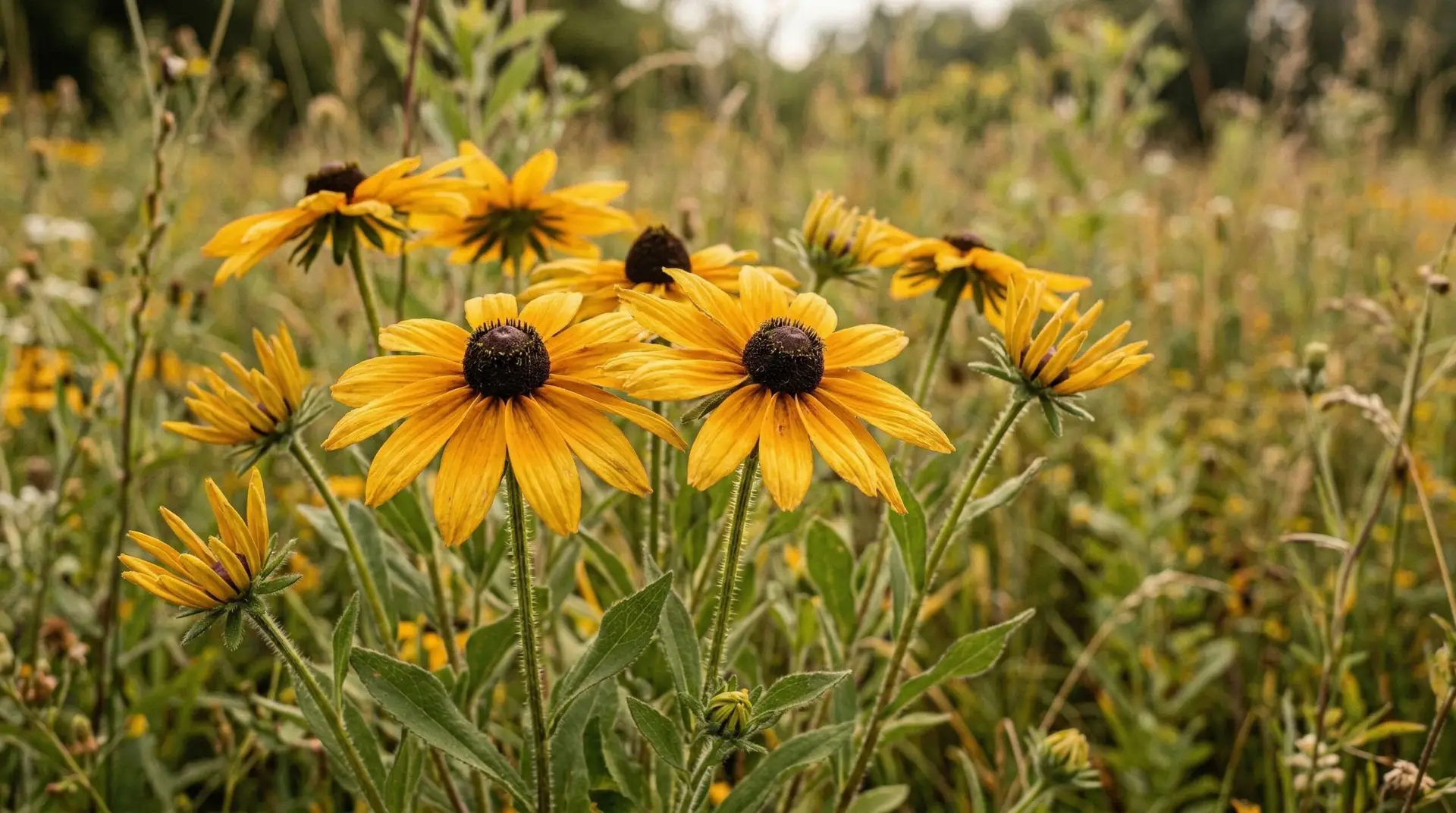
The story of the Black-eyed Susan begins far from the American prairies where it grows wild. In the early eighteenth century, English poet John Gay wrote a ballad about a weeping woman named Susan who boarded a departing ship to bid farewell to her sailor, Sweet William. The poem captured the public imagination and crossed the ocean with early colonists. When those settlers encountered a golden wildflower with a dark, mournful center growing across the American plains, they remembered the crying woman from the ballad. They named the bright yellow bloom after her, while assigning the name Sweet William to a different, contrasting flower. This legend laid the foundation for the black eyed susan flower language, which speaks of waiting, longing, and eventual reunion. The dark center of the flower became a permanent reminder of Susan’s tearful eyes watching the sea.
Long before European settlers applied their folklore to the prairies, Native American tribes knew this plant intimately. As the soil warms in spring, the seeds of Rudbeckia hirta wake up and send their rough, hairy leaves toward the sun. Indigenous healers gathered these sturdy plants for centuries, recognizing their medicinal value in treating colds, snakebites, and swelling. They steeped the roots into teas to wash sores and used the juice from the stems to relieve earaches. The plant proved itself useful in every stage of its growth, offering practical healing rather than just visual beauty. This deep history of utility grounds the rudbeckia symbolism in ideas of protection and physical resilience. The flower did not just survive the harsh conditions of the open plains, but it actively provided care for the people who shared its environment.
Before it earned its poetic common name, the scientific community gave the plant a title rooted in mentorship and respect. Carl Linnaeus, the famous botanist who formalized the modern system of naming organisms, chose the name Rudbeckia to honor his teacher, Olof Rudbeck. Rudbeck and his father were both professors who built the first botanical garden in Sweden and dedicated their lives to studying the natural world. By giving this resilient American wildflower his mentor’s name, Linnaeus permanently linked the plant to the concept of passing down wisdom from one generation to the next. The rudbeckia symbolism carries this quiet current of academic gratitude and enduring legacy. When a gardener divides a clump of these flowers to share with a new neighbor, they are participating in that same tradition of passing knowledge forward. The plant physically multiplies and spreads, just as a good teacher’s influence expands through their students over time.
When midsummer arrives and the heat begins to bake the earth dry, the Black-eyed Susan finally reveals its golden petals. The plant thrives when many other garden varieties wilt and surrender to the sun. This stubborn refusal to fade in difficult conditions gave the flower its primary meaning as a symbol of encouragement. Gardeners pass these seeds to friends who are facing long trials or difficult seasons in their own lives. Watching the bright yellow heads push through cracked, dry soil provides a quiet motivation to keep going when resources run low. The flower asks for very little water or attention, yet it returns a massive yield of bright, cheerful faces. This exchange between the harsh environment and the generous bloom perfectly captures the black eyed susan meaning of perseverance and steady support.
A symbol of justice and the Maryland state flower
The flower’s association with justice developed through its connection to the state of Maryland. In 1918, lawmakers chose the Black-eyed Susan as the official state flower because its yellow and black colors matched the coat of arms of Lord Baltimore, the founding proprietor of the Maryland colony. Lord Baltimore established the colony as a haven for religious freedom, a place where people could escape persecution and find fair treatment under the law. The flower absorbed this history, becoming a living emblem of equity and justice in the language of flowers. When planted near courtrooms or public buildings, the blooms remind passersby of the ongoing work required to maintain a fair society. The dark, unblinking center of the flower resembles a watchful eye, keeping steady vigil over the surrounding garden beds. This watchful presence reinforces the idea that justice requires constant attention and unwavering focus.
As the days shorten and summer bleeds into autumn, the Black-eyed Susan continues to hold its ground in the garden bed. It shares this late-season endurance with its close botanical relatives, creating a reliable patch of color as other plants retreat. You will often see them growing happily alongside a towering sunflower, both tracking the changing light with their heavy, seed-filled heads. They also mingle effortlessly with the purple petals of a coneflower, creating a classic prairie pairing that anchors the autumn garden. These late bloomers form a community of resilient native plants that feed migrating birds and late-season pollinators. The Black-eyed Susan anchors this group with its bright, clear yellow, offering a final burst of energy before the frost arrives. The autumn symbolism of the flower centers on this final harvest of light, gathering as much warmth as possible before the cold sets in.
The cycle of seeds and winter rest
The story of the flower does not end when the yellow petals finally drop away in late November. The dark central cones remain standing on stiff stems, turning brown and woody as the snow begins to fall. These dry seed heads provide vital food for finches and chickadees throughout the lean winter months. The gardener who leaves these stems standing until spring participates in an ancient cycle of provision and survival. Each dark cone contains hundreds of tiny seeds, some of which will fall to the frozen earth and wait for the thaw. When you look out at a winter garden and see those black cones wearing tiny caps of snow, you are looking at the promise of next year’s encouragement. The Black-eyed Susan finishes its yearly cycle exactly as it began, waiting patiently in the dark for the right moment to return.
More About Black-eyed Susan
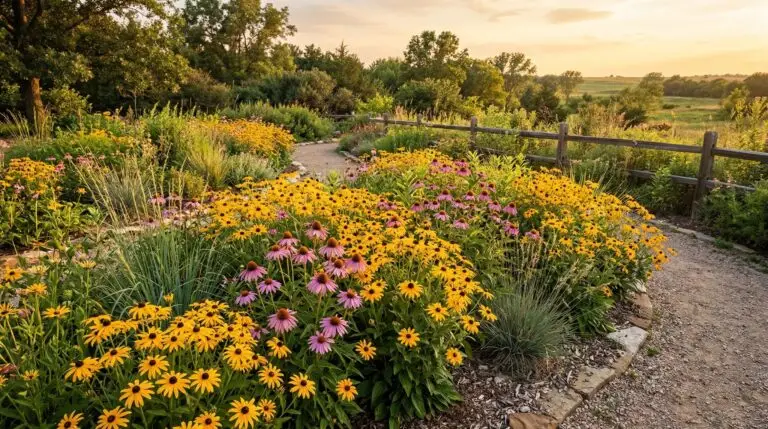
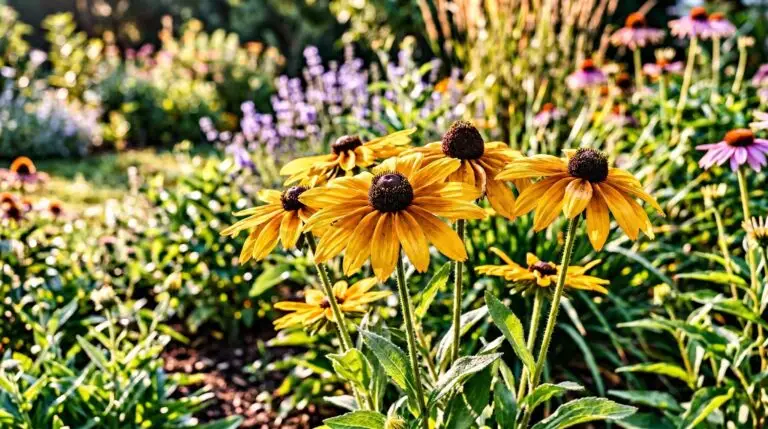
Black eyed Susan and coneflower planted together for the ultimate prairie garden
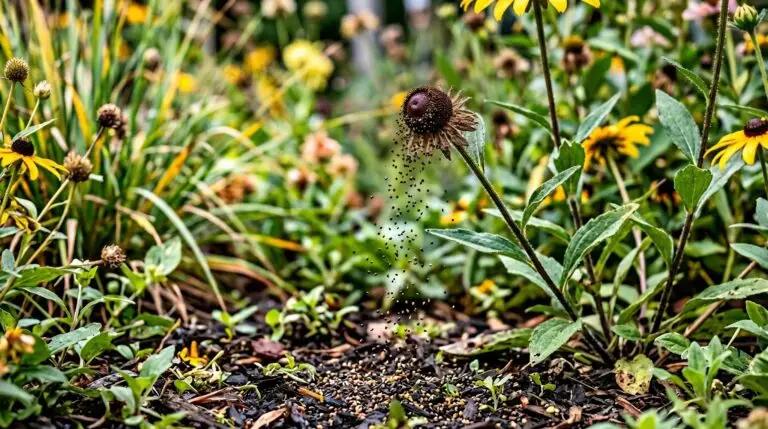
How to keep black eyed Susans from taking over your garden while still enjoying them

Naturalizing black eyed Susans along roadsides and meadows for wild beauty
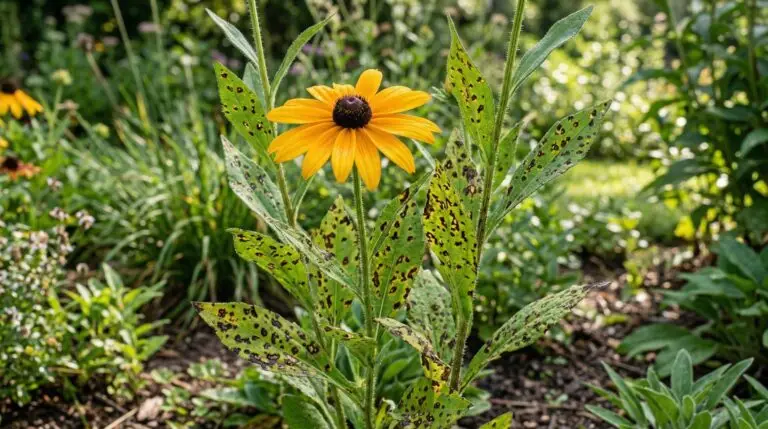
Black eyed Susan problems including leaf spot and aphids and organic solutions
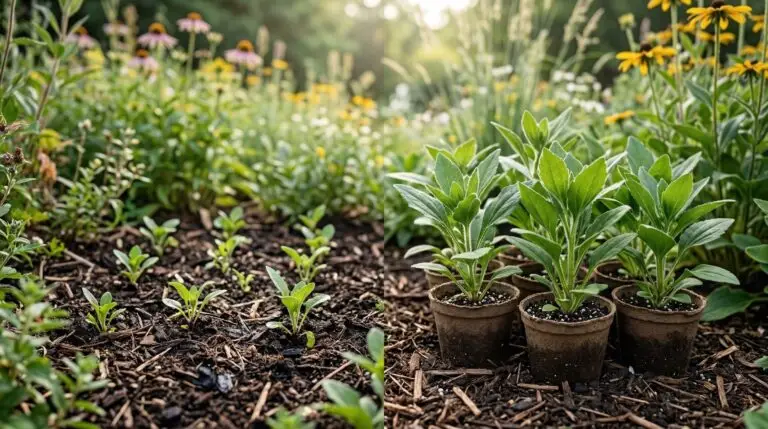
How to grow black eyed Susans from seed for masses of golden summer blooms
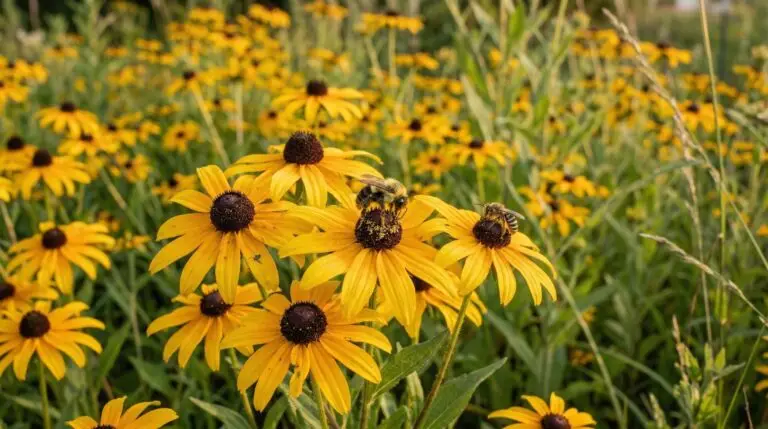
Why black eyed Susans are one of the best native plants for pollinator gardens
Using black eyed Susans as cut flowers for cheerful late summer bouquets
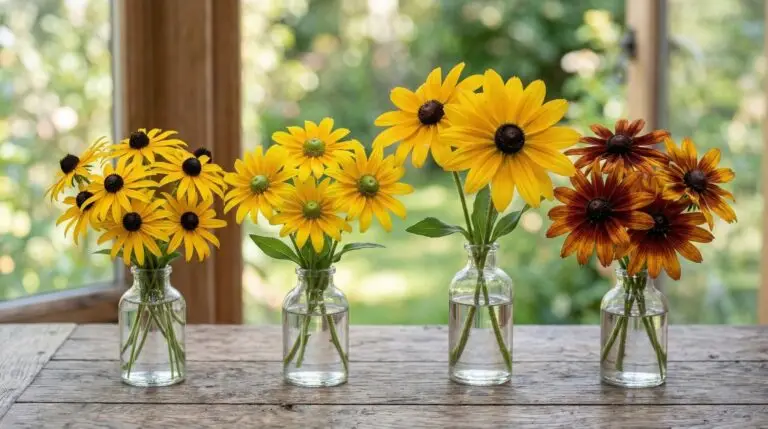
Black eyed Susan varieties from classic Goldsturm to dramatic Cherokee Sunset
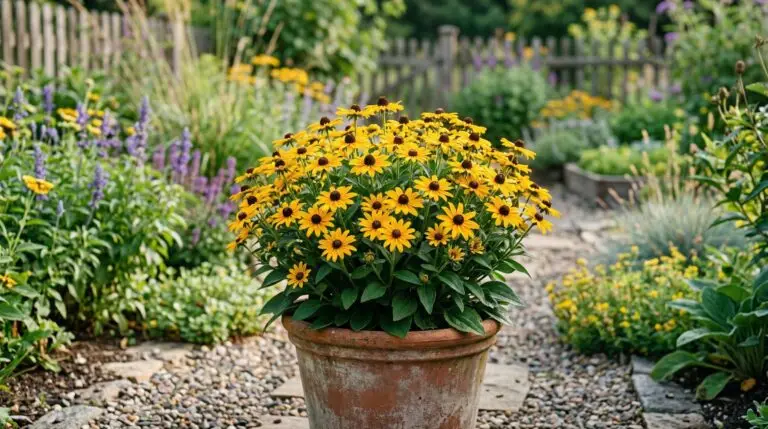
Growing black eyed Susans in containers for sunny decks and apartment balconies
Enjoying our flower guides? Add YourFlowersGuide as a preferred source on Google. It helps more readers find us.
Add to Preferred Sources