The pairing · pick a flower
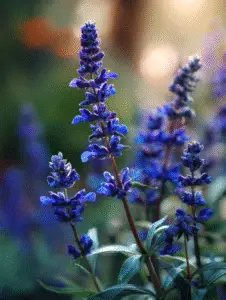 Blue Salvia+
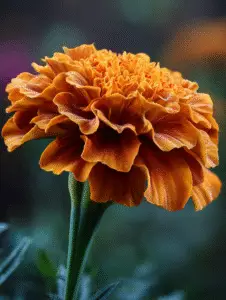 MarigoldProven
Wisconsin Extension names this exact pairing: the upright blue flower spikes combine well with yellow or pink flowers on mounding or spreading plants such as marigold, and marigold shares salvia's preference for full sun and well-drained soil without needing rich, heavily fertilized ground.
Blue Salvia+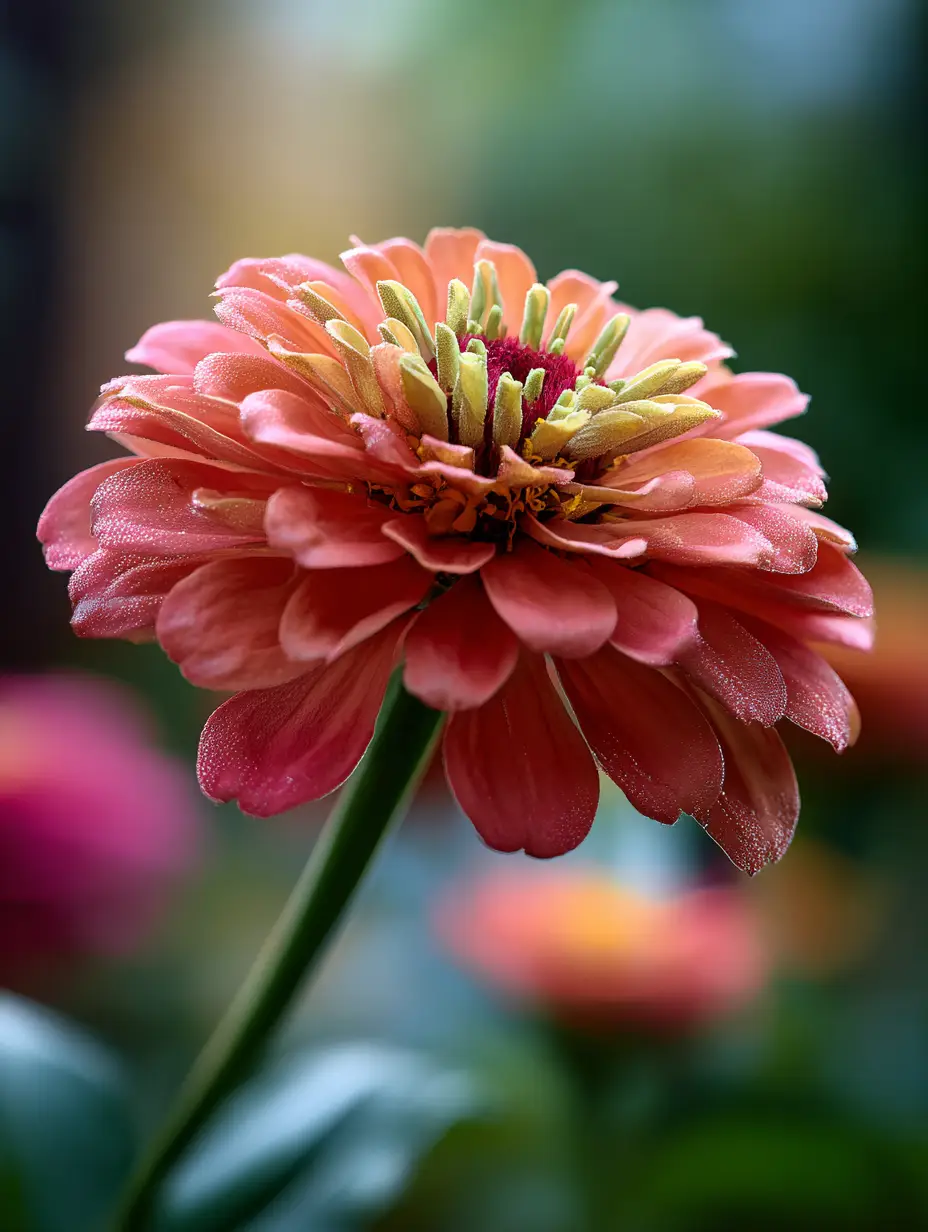 ZinniaProven
Wisconsin Extension recommends tall zinnias with mealycup sage for a colorful low seasonal hedge, and both share the same full-sun, well-drained, cutting-garden habit.
Blue Salvia+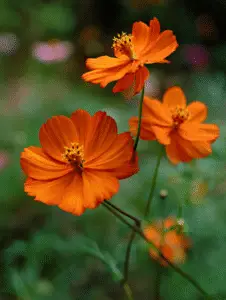 CosmosProven
Named alongside zinnia by Wisconsin Extension for the same low seasonal hedge combination, cosmos shares blue salvia's tolerance for poor, dry soil and actually performs worse when the bed is rich.
Blue Salvia+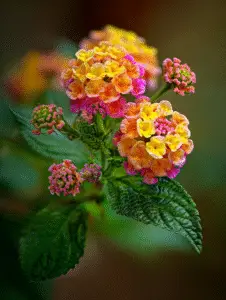 LantanaProven
Wisconsin Extension lists lantana by name as a warm-color spreading partner for mealycup sage, and lantana's own tolerance for full sun and poor, well-drained soil matches blue salvia's lean-soil preference.
Blue Salvia+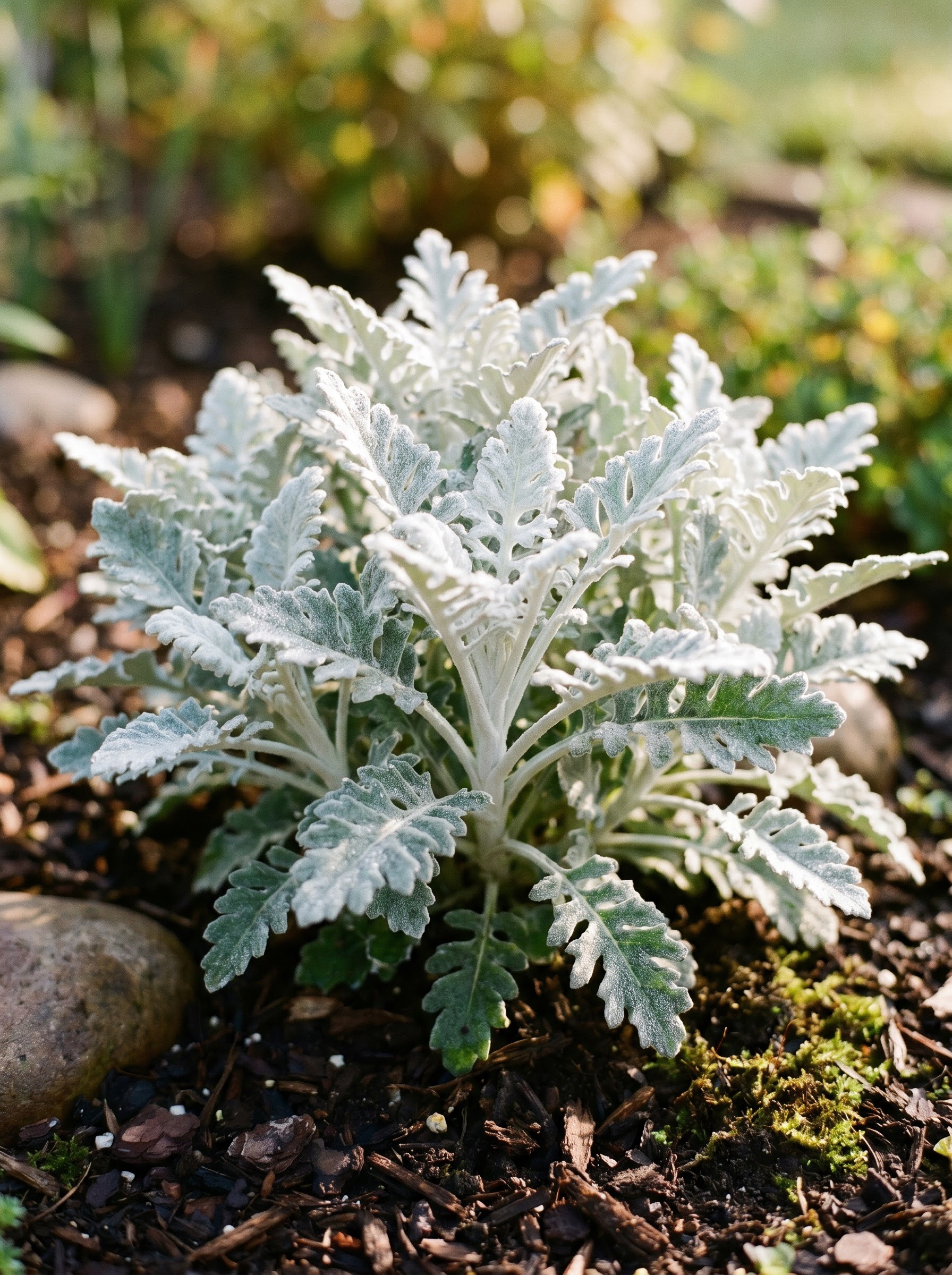 Dusty millerProven
Wisconsin Extension pairs dusty miller's silvery leaves with blue salvia by name as a foliage-contrast combination, and both plants want the same full sun, light, well-drained soil.
Blue Salvia+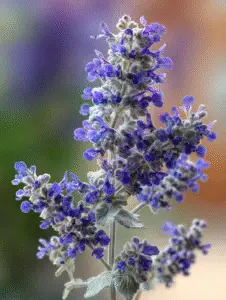 CatmintPartial
No source names this exact pairing, but NC State Extension confirms catmint is drought tolerant once established and adapts to clay, loam, sand or shallow rocky soil as long as it drains well, the same lean, full-sun culture blue salvia needs, which is why gardeners commonly plant the two together in dry, sunny beds.
Blue Salvia+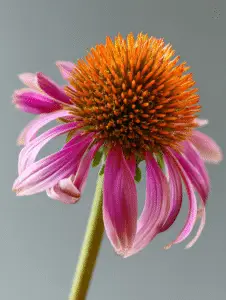 ConeflowerPartial
Clemson's own factsheets confirm both plants independently want full sun, well-drained soil, and minimal fertilizer, so the pairing works on shared culture even though no source names them together directly.
Blue Salvia+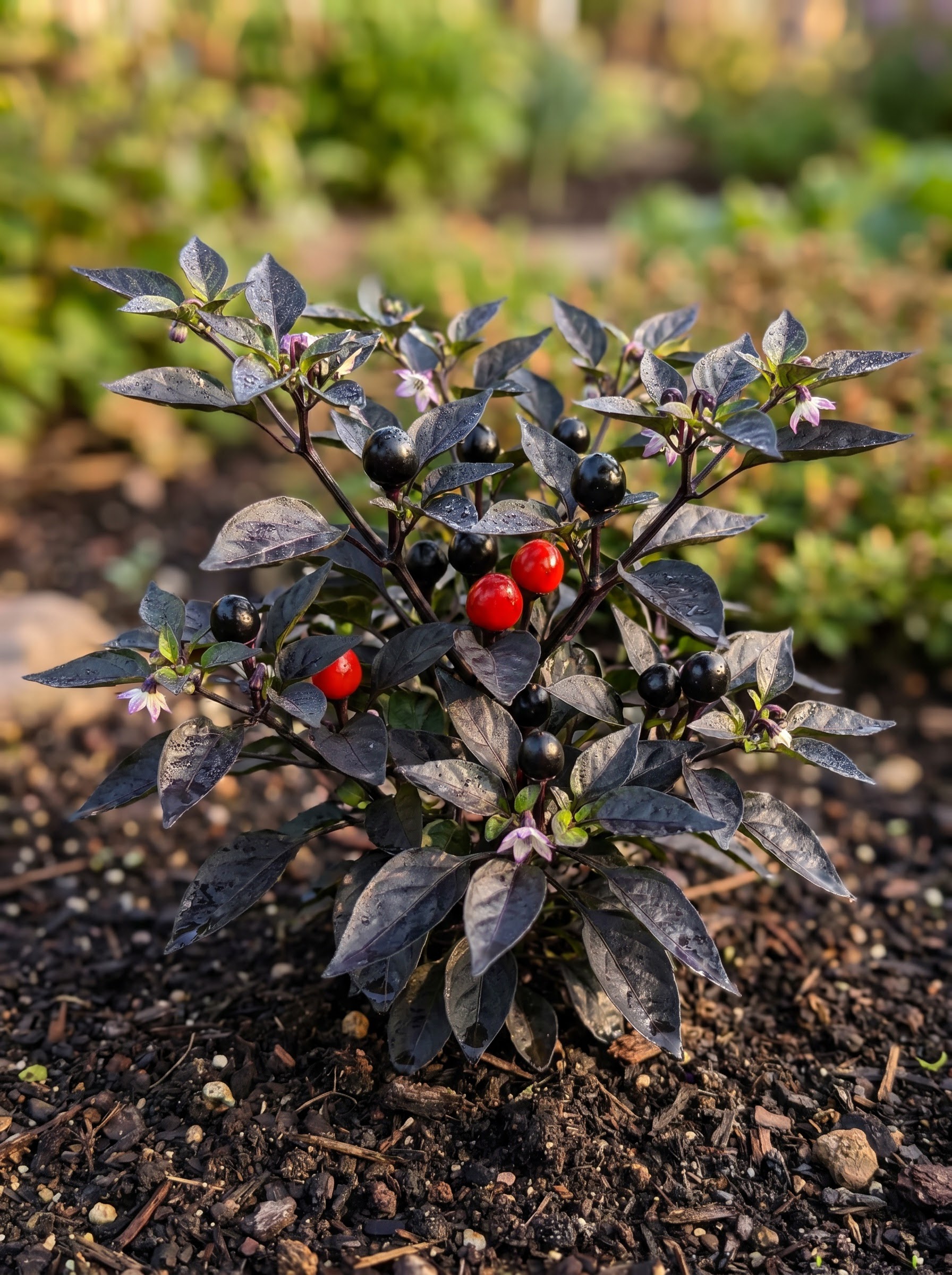 Ornamental pepperProven
Wisconsin Extension names 'Black Pearl' by name as a dark-foliage foil to blue salvia's grey-green leaves, though Missouri Botanical Garden notes the pepper actually prefers richer, more organic soil than salvia does.
All Blue salvia companions
8 flower companions, best match first
What not to plant near Blue salvia
Most bad neighbours are not evil, they just want the opposite light, water or root run. Here is what to keep away, and what to do instead.
Impatiens
Impatiens want partial to full shade and consistently moist soil, the near-opposite of blue salvia's full-sun, dry-leaning preference; one plant is always being watered or lit wrong in the same bed.
Coral bells (Heuchera)
Coral bells want moist, well-drained, slightly acidic soil amended with organic matter and dislike heavy clay, while blue salvia performs best in soil that is lean and not overly moist; keeping both happy in the same square foot is a losing trade.
Rich-soil, heavy-feeding bedding annuals (tuberous begonias and other weekly-fertilize plants)
Blue salvia is a light feeder that gets weak, leggy stems and fewer flower spikes in soil that is kept rich and regularly fertilized; a companion that needs the whole bed fed on a schedule works against the salvia's own preference for lean soil.
Bog sage and other consistently-wet-soil plants
Some plants sold as blue-flowered salvias, like bog sage (Salvia uliginosa), are a genuine outlier that wants damp to boggy soil, the opposite of Salvia farinacea's dry-leaning needs; wet soil around the crown also raises the risk of root rot.
Dense, wide-spreading companions crowded against the base
Crowding cuts the airflow around the salvia's stems, and NC State Extension names powdery mildew and downy mildew as risks for Salvia farinacea specifically, noting that well-drained soil and good air circulation are required to keep the plant healthy.
The best companions for blue salvia, explained
True blue is the rarest color in the garden, and that single fact drives most of what makes a good neighbor for blue salvia. Wisconsin Extension, the source behind most of the pairings on this page, names a specific, tested lineup for *Salvia farinacea*: marigold, lantana, and other warm-toned mounding flowers to sit against the blue spikes, tall zinnias and cosmos to build a colorful low hedge alongside it, and dusty miller’s felted silver leaves to make the blue read even bluer. Each of those companions was chosen for a reason beyond color, too. Blue salvia performs best in soil that is not overly fertile or moist, turning weak and leggy when the bed is kept rich and wet, and marigold, zinnia, cosmos, and lantana all share that same tolerance for average or even poor ground, so none of them push the bed toward the rich, regularly fertilized conditions that make salvia’s stems stretch and its bloom spikes thin out. Dusty miller asks for the same full sun and quick drainage, which is why the pairing works as more than a color trick.
Two companions earn their place through matching culture rather than a source that names the exact pair. No extension source pairs catmint with blue salvia directly, but NC State’s own toolbox confirms catmint is drought tolerant once established and adapts to clay, loam, sand or rocky soil as long as it drains well, the same lean, full-sun culture blue salvia needs, and its soft, aromatic mounds soften the salvia’s stiffer upright spikes in practice. Coneflower is a logical match built from two separate factsheets rather than one that ties them together directly: Clemson’s own pages on salvia and on echinacea each independently call for full sun, well-drained soil, and minimal fertilizer, and both plants pull in butterflies over a long summer bloom. Neither pairing is weaker for lacking a single citation that names them as a pair, since the underlying conditions match is the real reason any companion planting succeeds or fails. A more unusual pick, the black-leaved ornamental pepper ‘Black Pearl’, is also named directly by Wisconsin Extension as a foliage-contrast partner, its near-black leaves setting off the true blue harder than ordinary green ever could, though it wants slightly richer soil than the salvia does, worth a note rather than a reason to skip it.
What not to plant near blue salvia
The plants to avoid near blue salvia are not toxic or aggressive toward it. They simply want the opposite conditions, and a bed forced to serve both ends up serving neither. Impatiens is the clearest case: it wants partial to full shade and soil kept consistently moist, while blue salvia wants full sun and soil that dries out somewhat between waterings. Iowa State Extension confirms the split directly, describing impatiens as performing best in moist, well-drained soil in partial shade with two to four hours of filtered or morning sun, exactly the opposite of what keeps a salvia bed healthy. Coral bells sit in the same trap. NC State’s own plant toolbox describes heuchera as wanting moist, well-drained, slightly acidic soil worked with organic matter, and it dislikes heavy clay outright, a profile built for a shadier, richer bed than the one blue salvia actually thrives in.
Heavy feeders deserve a softer but still real warning. Tuberous begonias and other bedding annuals that need weekly fertilizing push the whole bed toward richness, and Wisconsin Extension states plainly that blue salvia grown in wet, over-fed soil turns weak and leggy, trading flower spikes for extra leaves. The fix is not to skip heavy feeders entirely, just to feed them in their own amended spot rather than fertilizing the whole bed on their schedule. There is also a naming trap worth knowing about: some plants sold loosely as blue salvia are not *Salvia farinacea* at all. Bog sage, *Salvia uliginosa*, is a real outlier in the genus that Clemson describes as thriving in damp to boggy soil, the opposite of what this page’s plant wants, so a gardener who buys "blue salvia" expecting *farinacea*’s dry-leaning habit and gets bog sage instead will end up fighting the plant’s actual needs. Finally, crowding itself becomes an avoid mechanism regardless of which plant is doing the crowding: NC State Extension lists powdery mildew and downy mildew among Salvia farinacea’s disease risks and specifically calls for good air circulation to prevent them, so even a genuinely good companion turns into a problem if it is planted hard against the base.
Do they like the same conditions?
Every pairing on this page gets tested against the same ruler: full sun for six to eight or more hours, soil that drains well and is not kept rich, and an even but not soggy watering routine. Blue salvia is unusually forgiving about soil type itself. Wisconsin Extension notes it adapts to nearly all types of soils, including heavy clay and sandy ground, as long as drainage is adequate, so the soil-type question that dominates advice for pickier plants barely matters here. What matters far more is richness. Clemson and Wisconsin both independently state that mealycup sage performs best in soil that is not overly fertile or moist, which flips the usual companion-planting worry on its head. Most advice warns against pairing a dry-lover with something that needs constant moisture. Here, blue salvia is the dry-lover, and the plants to watch for are the moisture-hungry, heavily fed ones.
Soil pH turns out to be a minor consideration rather than a real constraint. Blue salvia sits comfortably in a slightly acidic to neutral range, and nearly every sun-loving companion on this page, from marigold to zinnia to lantana, tolerates that same band without adjustment. The plants that actually clash with blue salvia clash on sun and moisture, not pH, which is why impatiens and coral bells land on the avoid list for wanting shade and consistent dampness rather than for wanting acid soil specifically. It is also worth being honest about a real tension in how blue salvia gets grown. Some university sources describe salvia broadly as unsuited to containers because of mature plant size, while compact modern cultivars of *Salvia farinacea*, the kind most gardeners plant in beds and pots today, are documented elsewhere as container-friendly. Both things are true at once. The size of the specific cultivar decides the question, not the species name alone.
How to plant them together
Space most companions eight to eighteen inches from the salvia’s base, tightening to eight to twelve inches for low, narrow plants like dusty miller and opening to eighteen to twenty-four inches for wider spreaders like catmint or lantana, which can reach two to three feet across at maturity. The goal is airflow as much as it is avoiding root competition. Wisconsin Extension and NC State’s own Salvia farinacea toolbox both name powdery mildew as a disease risk, and NC State specifically ties prevention to good air circulation, so that risk climbs fast when a wide-spreading neighbor is allowed to close in around the crown. Layer by height rather than planting everything at one level: tall zinnias and coneflower work well behind or beside the salvia’s own eighteen-to-thirty-inch spikes, while dusty miller, marigold, and catmint stay low and can sit closer to the front of the bed without shading the salvia out.
In containers, the thriller-filler-spiller formula holds up well for the compact cultivars bred for pots, salvia standing tall in the center with lantana trailing over the rim and dusty miller or marigold filling the gaps. A ten to twelve inch pot suits one salvia plant comfortably, and a larger pot stays more even through summer heat, since containers dry out faster than open ground and lose the soil buffer that beds have. Skip fertilizing the container on a strict weekly schedule the way many bedding-annual combinations call for. A single light feeding at planting, followed by occasional feeding only if growth stalls, keeps the salvia from bolting into leafy growth at the expense of its flower spikes. If a companion in the same pot, like ‘Black Pearl’ pepper, genuinely wants richer soil, work a little extra compost into its own planting hole rather than enriching the whole container.
Does companion planting actually work for blue salvia?
Some of it, yes, provably. The marigold, zinnia, cosmos, lantana, and dusty miller pairings are not garden folklore dressed up as fact. Wisconsin Extension names each of them directly for *Salvia farinacea*, and the mechanism behind why they work, matching soil richness and drainage, holds up independently across every source consulted for this page. The pollinator benefit is just as solid: blue salvia’s tubular flowers are documented as a draw for bees, butterflies, and hummingbirds, and pairing it with other nectar-rich, full-sun bloomers like coneflower and lantana genuinely extends the food source across more of the season rather than concentrating it in one narrow bloom window.
Where honesty requires a little more nuance is the catmint and coneflower pairings, which rest on matching culture rather than a single source naming the exact combination. That is not the same as folklore. Folklore is a claim with no real mechanism behind it at all, like the old idea that marigolds chemically repel garden pests through their scent alone, a claim that has far weaker evidence than the shared-conditions logic used here. What actually determines whether companion planting works for blue salvia is simpler than most listicles make it sound: match the sun, match the drainage, feed lean, and give the crown room to breathe. Everything else, the color contrasts and the silver-foliage tricks, is real design value layered on top of a bed that was already going to succeed on its own terms.
FAQ
What can I plant in front of blue salvia?
Dusty miller and marigold both stay low, tolerate the same lean, well-drained soil, and never shade the salvia out, which makes them the two most reliable front-of-bed choices documented for this pairing.
What should you not plant near blue salvia?
Skip shade-and-moisture plants like impatiens and coral bells, and go easy on heavy feeders like tuberous begonias, since blue salvia performs best in soil that stays lean and on the drier side rather than rich and consistently moist.
Can I grow blue salvia in a container with other flowers?
Yes, for compact modern cultivars. A ten to twelve inch pot works well with a trailing companion like lantana and a filler like dusty miller or marigold, though larger, older-style salvia types are better suited to open garden beds.
Does blue salvia need rich soil or regular fertilizing?
No, and this genuinely surprises gardeners used to feeding bedding annuals weekly. Blue salvia is a light feeder that grows weak and leggy with fewer flower spikes when the soil is kept too rich or too moist, so lean soil and occasional feeding actually produce a better plant.
What is the best plant to make blue salvia’s color stand out?
Dusty miller’s silver foliage is the extension-documented answer. Its pale, felted leaves sit right next to the salvia’s true blue spikes and make the color read more saturated than it does against plain green foliage.
Sources
- Mealycup sage, Salvia farinacea (Wisconsin Horticulture, UW-Madison Extension)
- Salvia farinacea (NC State Extension Gardener Plant Toolbox)
- Salvia (Clemson HGIC)
- Echinacea (Coneflower) (Clemson HGIC)
- Nepeta x faassenii (NC State Extension Gardener Plant Toolbox)
- Heuchera (NC State Extension Gardener Plant Toolbox)
- Growing Impatiens in the Home Garden (Iowa State University Extension and Outreach)
- Capsicum annuum ‘Black Pearl’ (Missouri Botanical Garden Plant Finder)