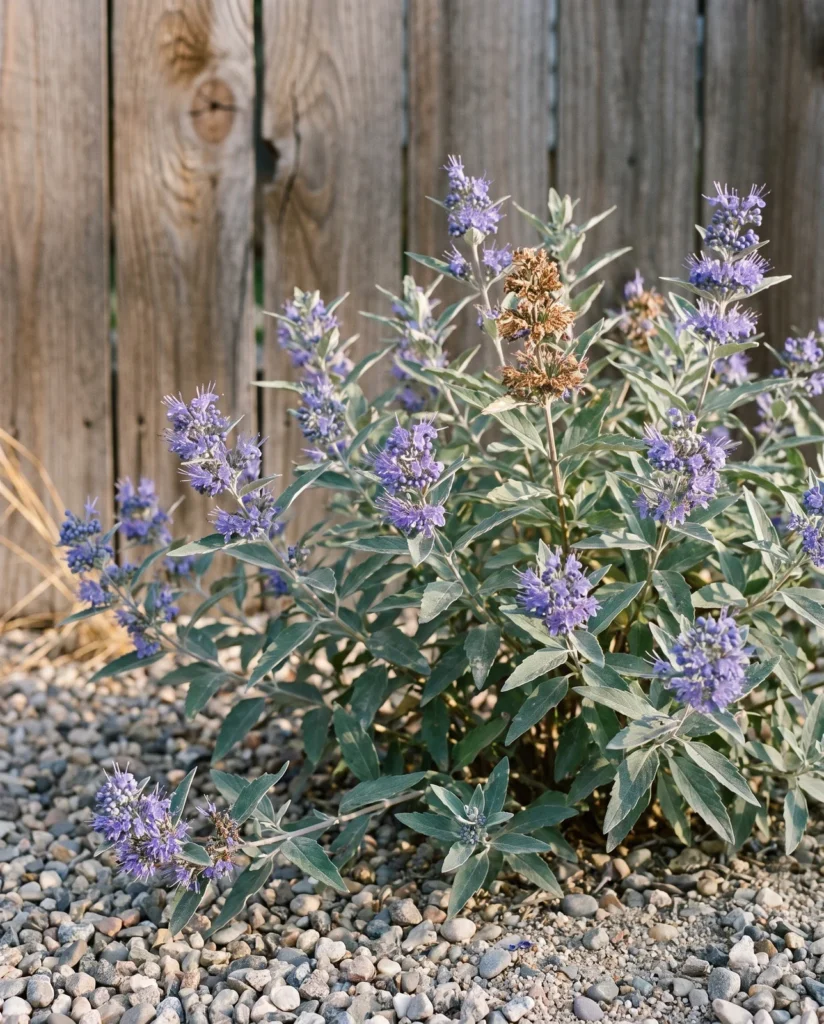
What bluebeard is and the three names it sells under
Bluebeard is a low, mounding deciduous shrub that sells under three names: bluebeard, blue mist shrub, and blue spirea. The third name often misleads, since the plant has no botanical relation to true spirea. Whichever name appears on the nursery pot, plants on offer are usually the hybrid Caryopteris x clandonensis, which has largely replaced wild species in gardens.
Botanists place Caryopteris in the mint family, Lamiaceae, though it was formerly often placed in Verbenaceae. You can spot that mint connection in the garden by its paired, aromatic leaves. The genus name draws from the Greek pteron, meaning wing, for the winged fruit capsules found on the shrub. Across all seven species in the genus, plants range from 3 to 13 feet tall and 3 to 16 feet wide, far larger than the compact hybrid.
The hybrid began as an accidental cross discovered in cultivation between two wild species. Its parent Caryopteris incana comes from southern China, Taiwan, Korea, and Japan, while Caryopteris mongholica is native to southern Siberia, Mongolia, and northern China. Arthur Simmonds collected the seed that produced the hybrid at Clandon, near Surrey in England, in 1930. Botanists formally named it in 1933, taking clandonensis from that English village. The shrub was still an unusual plant in American gardens in the 1960s, but has since become familiar, especially in xeriscaping.
What bluebeard looks like through the season
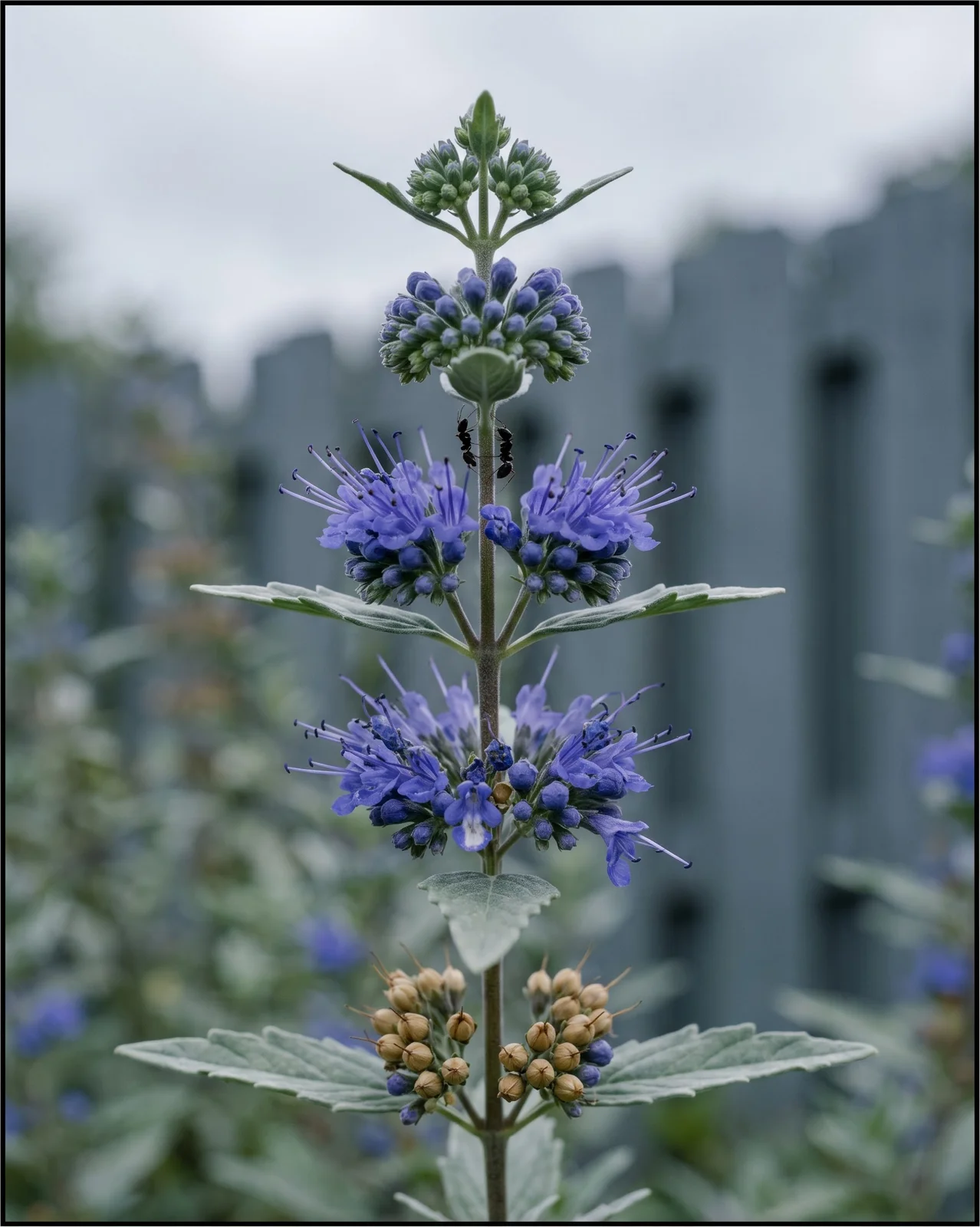
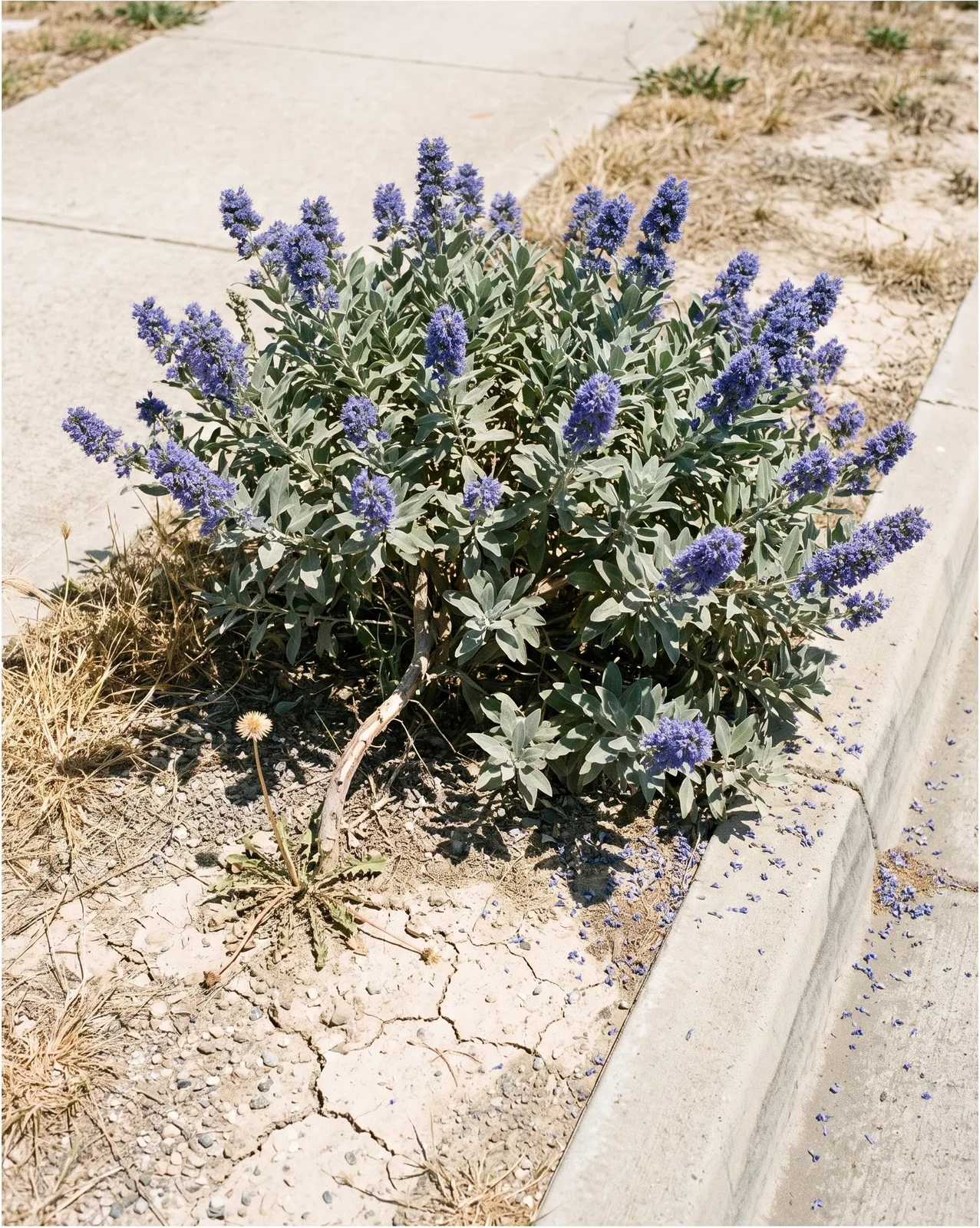
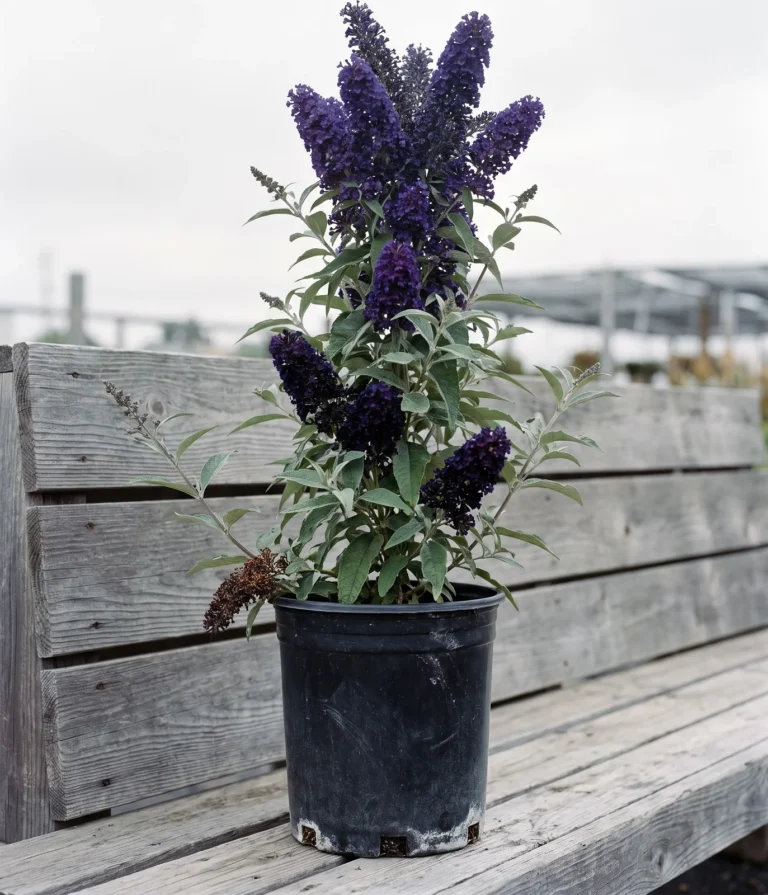
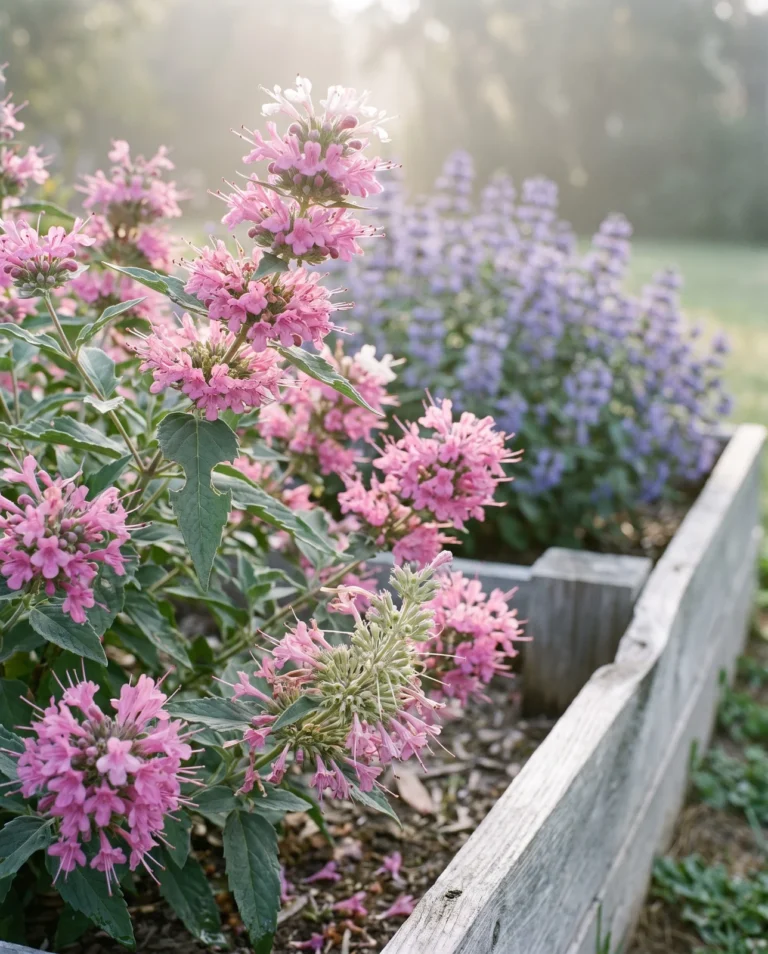
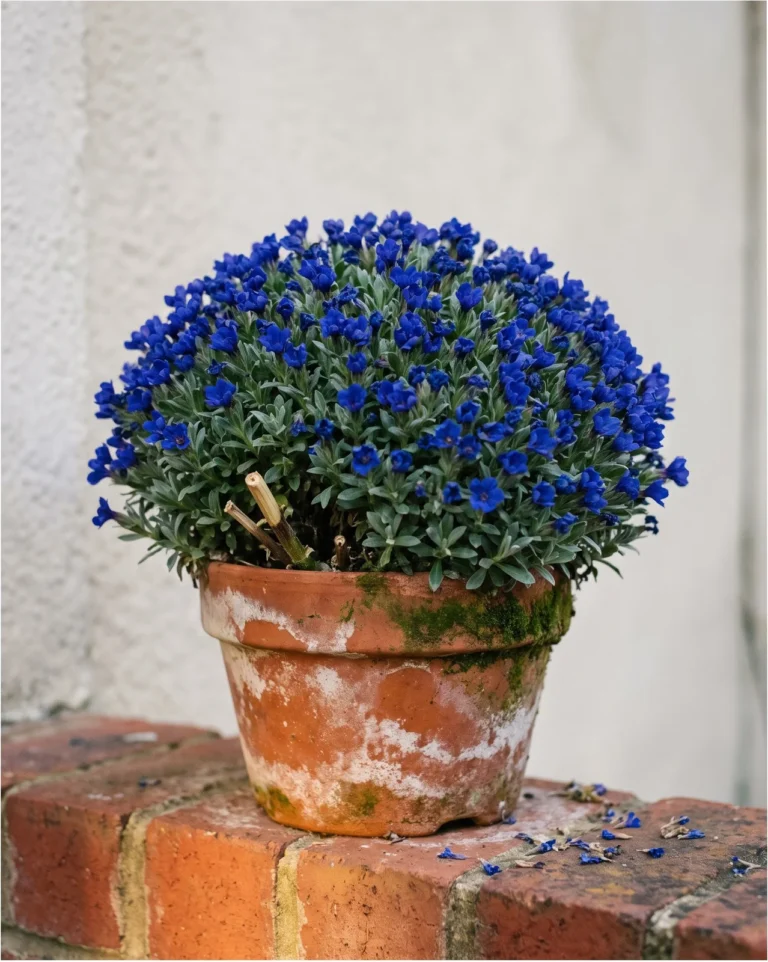
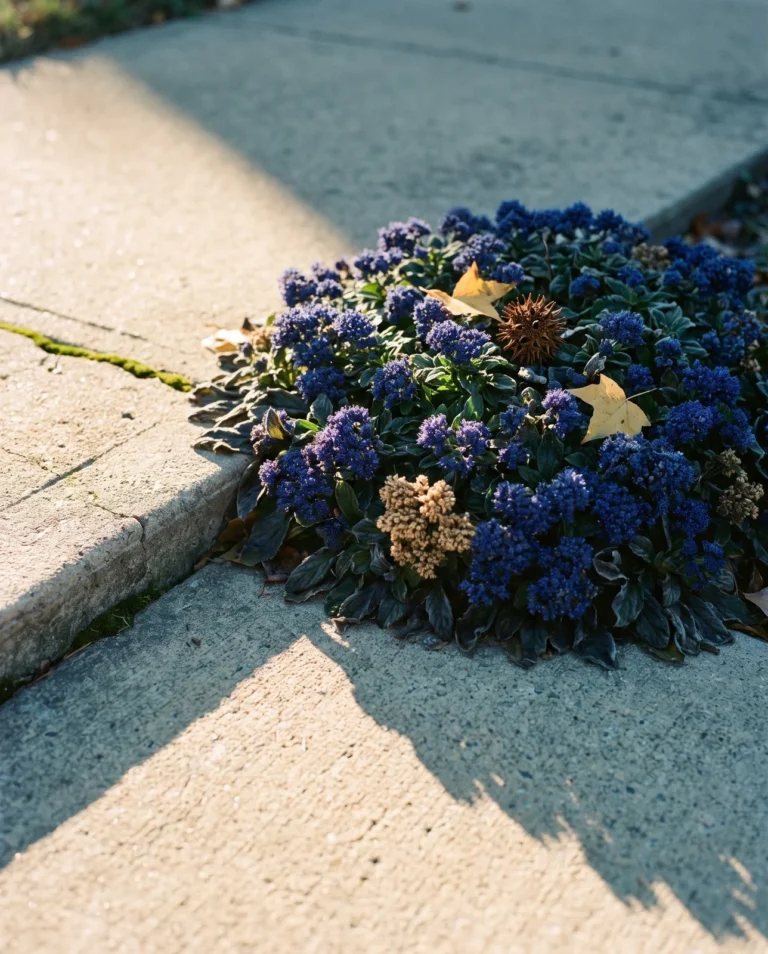
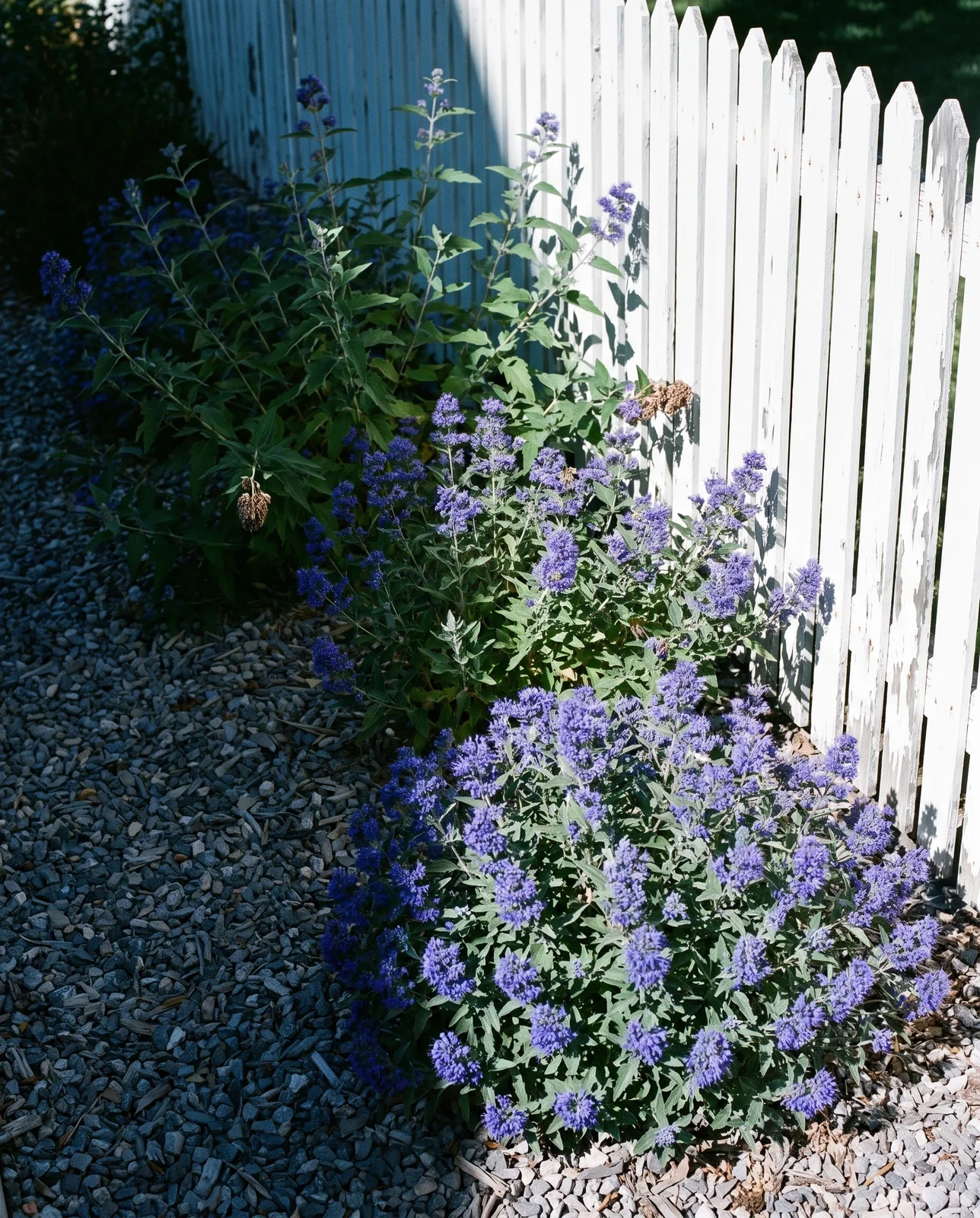
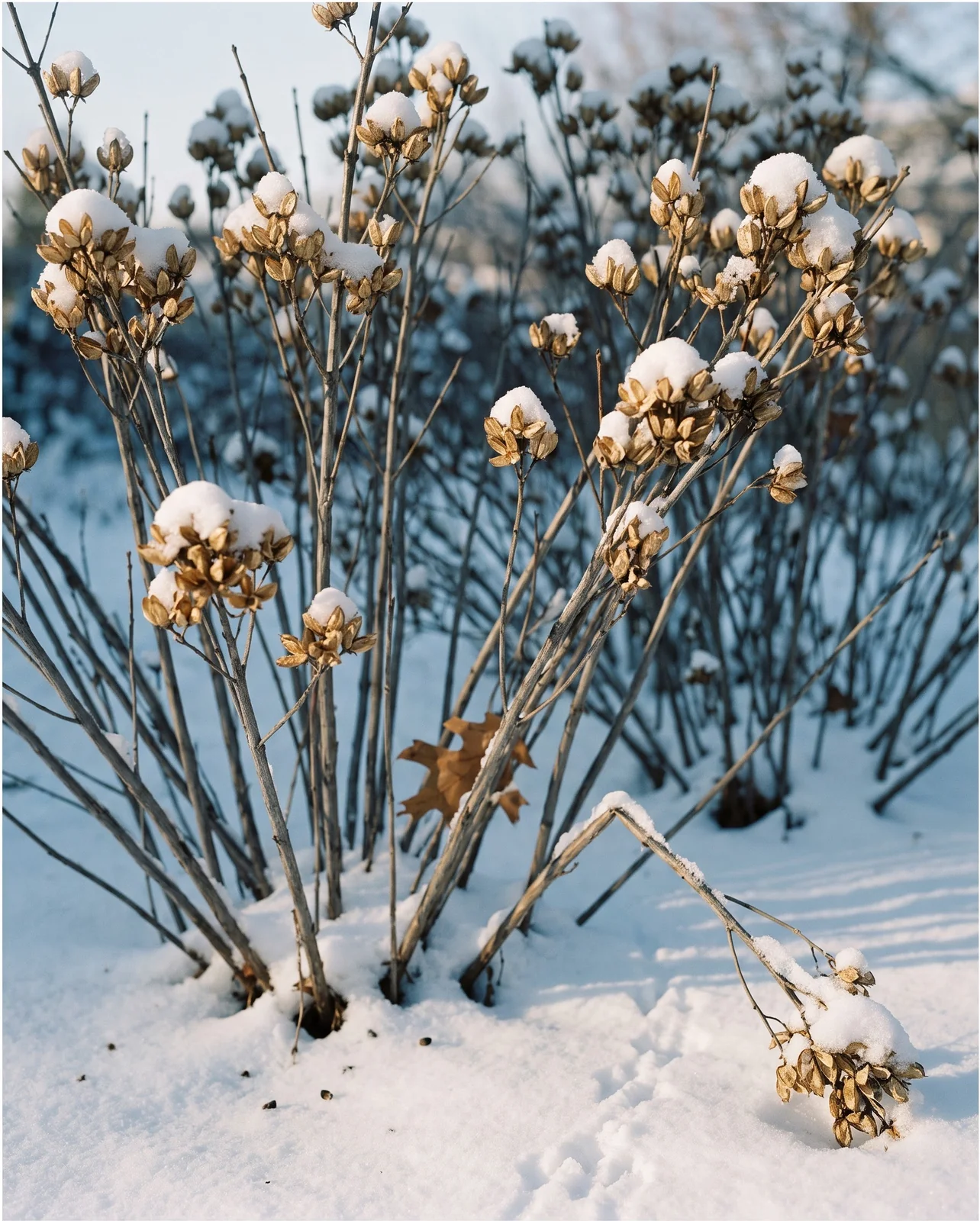
Bluebeard comes into its own in late summer, with selections like 'Dark Knight' blooming from July through September. In full flower, 'Dark Knight' puts on a profuse, shrub-covering bloom of fragrant, deep bluish-purple flowers that pair naturally with late-season asters. Rich blue is the usual shade across the group, though the cultivar Beyond Pink'd blooms in pink. After the flowers fade, clusters of tan seed capsules stay on the branches and keep their ornamental interest through winter.
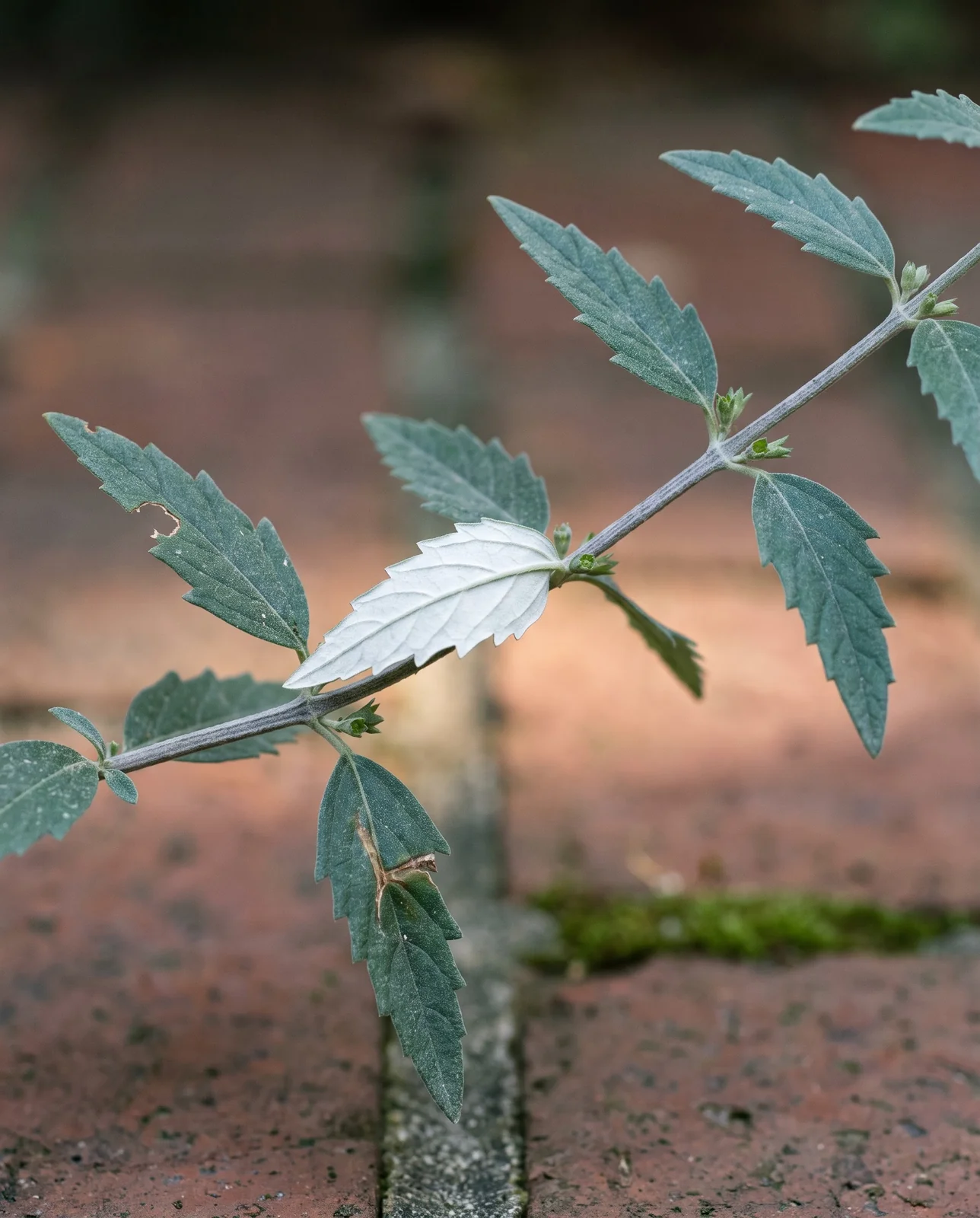
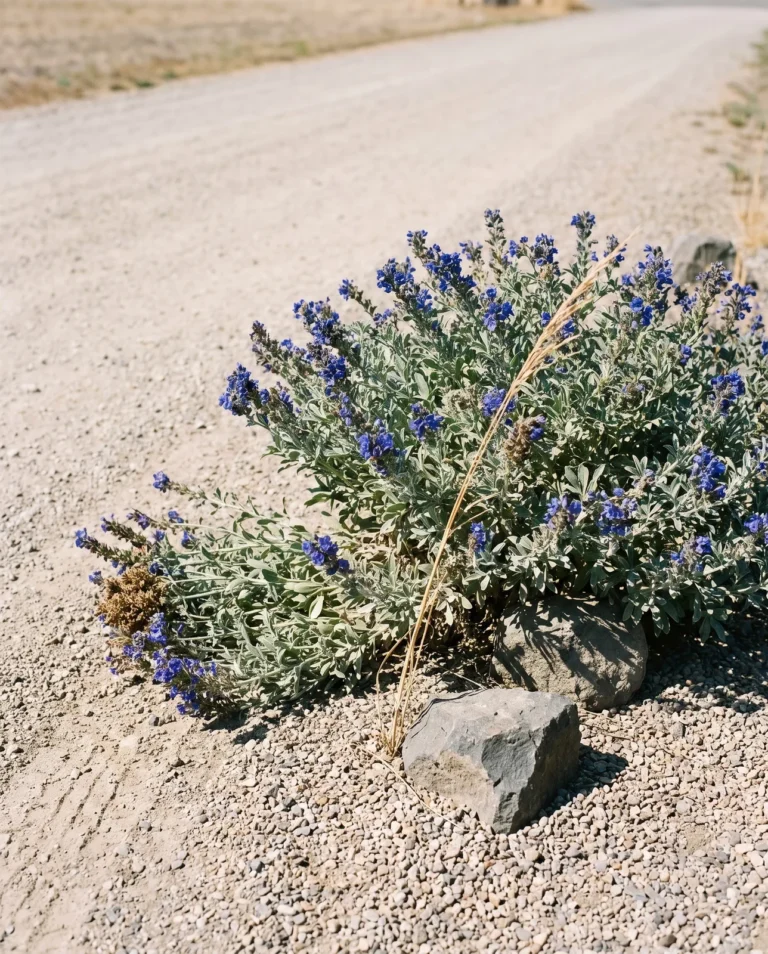
The shrub carries simple, opposite, lance-shaped leaves about 1 to 2 inches long. They are dull blue-green above and whitish underneath, fragrant when crushed, and show no fall color. The plant forms a low mound about 2 to 3 feet high and wide. With a fast to moderate growth rate, it quickly fills its space and sits comfortably among silver-leaved, dry-ground companions.
Hardiness zones and why the published numbers disagree
Hardiness ratings for bluebeard span USDA zones 4 through 9, and the spread comes down to what survives winter. The species covers zones 6a through 9b. Cultivars like 'Dark Knight' take zones 5 to 9, while Beyond Midnight spans zones 5a through 9b. Most cultivars and the species prove reliably hardy to zone 5, surviving winter lows of minus 10 to 20 degrees Fahrenheit.
The root of the disagreement is that the top growth and the root system tolerate different temperatures. The roots are winter hardy to zone 5, but top growth is only reliably hardy to zone 7. Below zone 6, and through the cold winters of zones 5 and 6, stems often die to the ground while roots survive to push up new growth in spring. The woody stems can die back in winter, particularly in colder climates and on heavy soils. In cold-winter areas, you simply cut bluebeard to the ground each spring, a routine that fits naturally alongside Russian sage.
The coldest rating on the shelf usually traces back to a different species entirely. A distinct plant sold as bluebeard, Caryopteris divaricata, tolerates zones 4a to 9b, enduring colder winters than the standard hybrid. Botanists reclassified it into its own genus as Tripora divaricata, a genus established in 1999 that includes only this single known species. Gardening books and catalogs still refer to it by its old name. Where you plant matters as much as the temperature. In the Chicago region, bluebeard needs full sun and sandy, well-drained soil, since it does not do well in heavy clay soil in winter.
The spring cutback and the fall pruning question
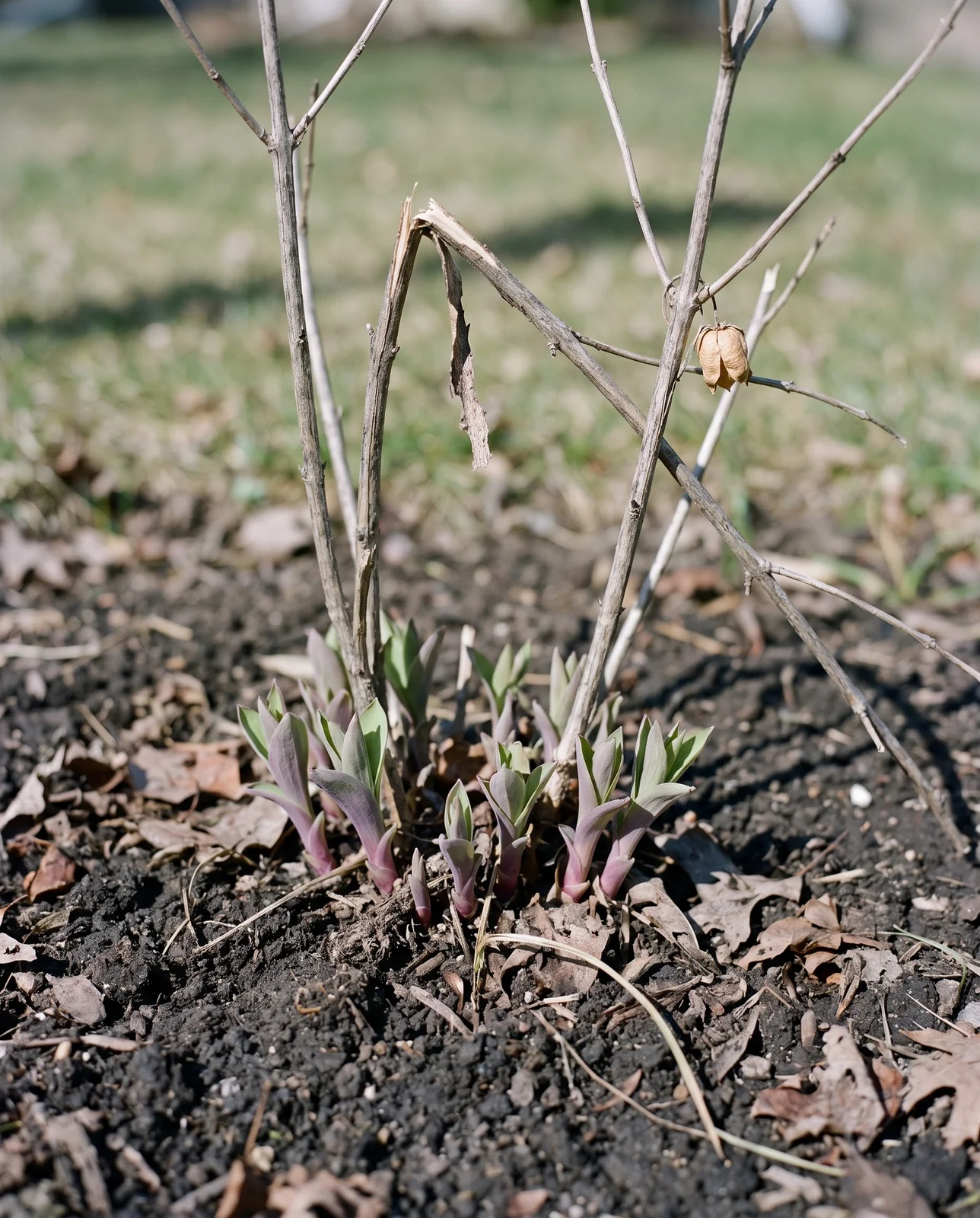
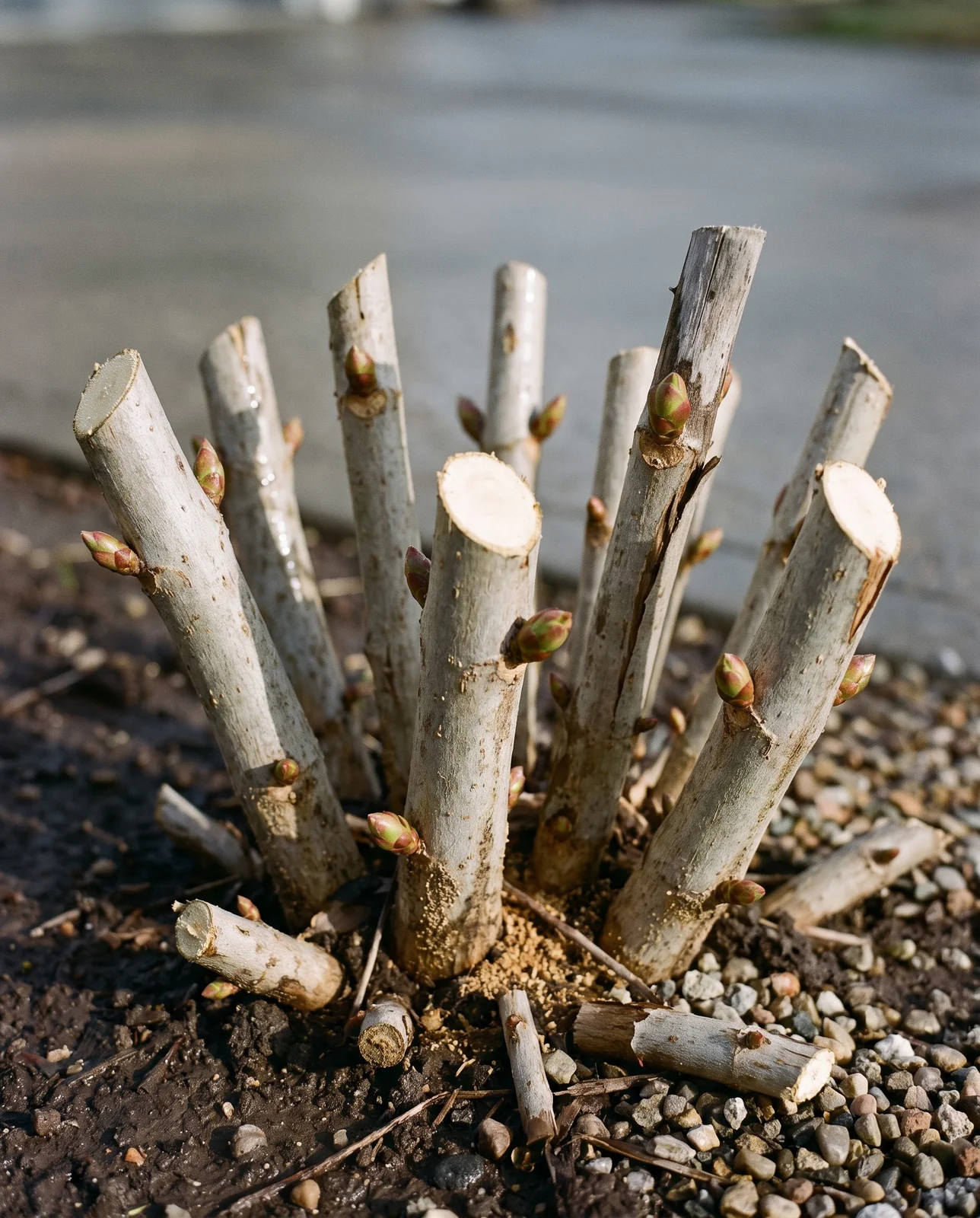
Bluebeard blooms on new wood produced during the current season, so spring pruning will not hurt your flower display. Cutting the shrub back in late winter clears away dead stems, improves its form, and encourages sturdy, dense growth. In colder regions, you can treat bluebeard as a perennial by cutting it straight to the ground every spring.
The secret to a good cut is waiting for the shrub to wake up. Do not cut into any thick, woody stems until new growth begins to emerge in spring. Once that green growth appears, cut the plant back to just above where large, healthy buds are emerging. Waiting for those swelling buds tells you exactly where living tissue starts and dead wood ends.
Fall pruning requires caution, because cutting stems late in the season can invite winter damage. Do not prune in fall or early winter, as this encourages tender new growth that frost will kill. You may give the shrub an optional light trim in late autumn once it has gone dormant, specifically to remove old flowers and limit seed spread. Save any hard structural cuts for late winter, when the worst of the cold has passed.
Why a healthy bluebeard sets no flowers
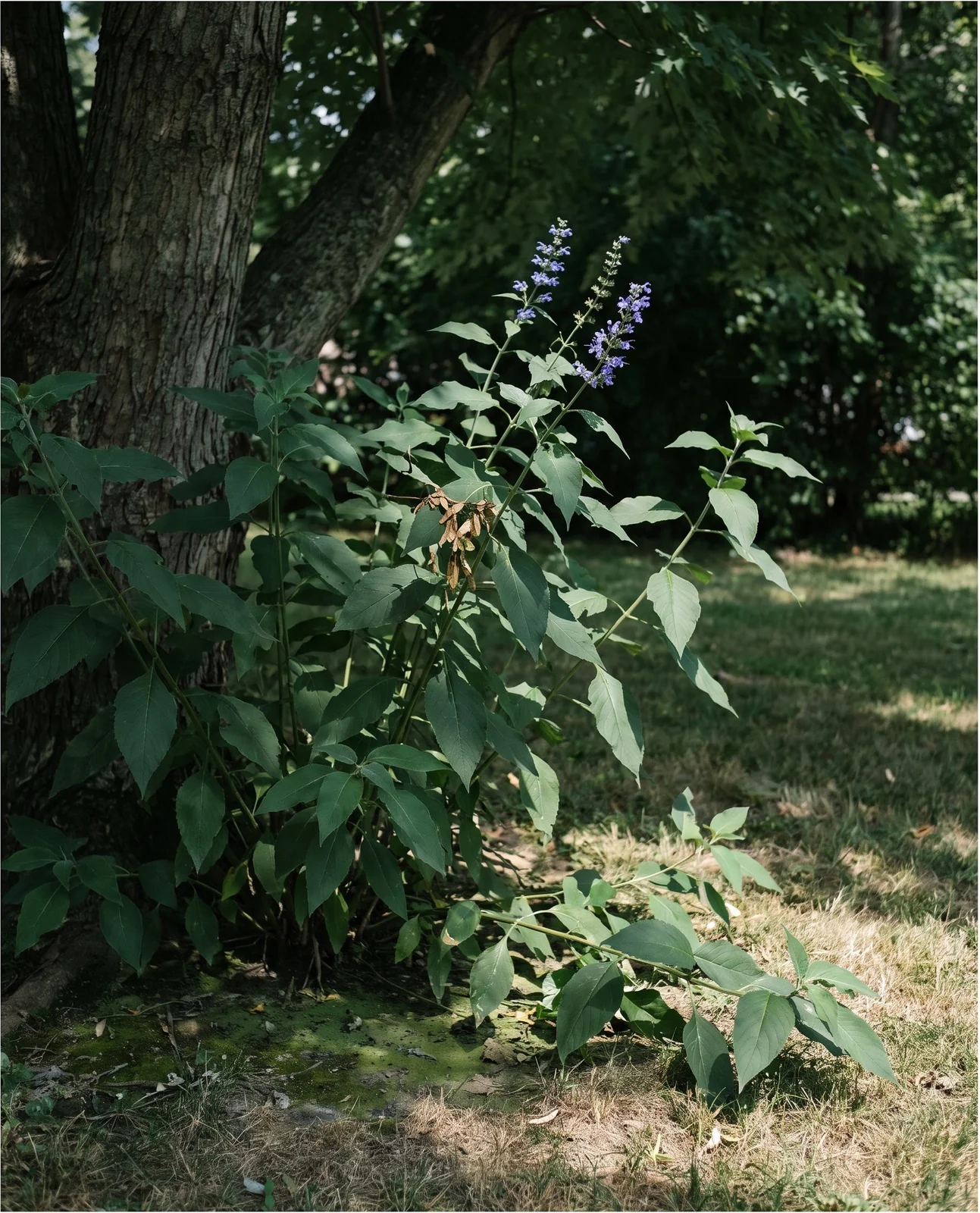
A healthy bluebeard that fails to bloom is usually dealing with shade, excess fertilizer, or poorly timed pruning. The shrub may not set buds if it is struggling in the shade, stretching with lush leaves but few flowers. Fertilizer also works against blossoms, since applying too much nitrogen could cause the plant not to set buds. Pruning too late in summer also poses a risk, as pruning the shrub severely just prior to blooming may reduce the flowering volume that season.
Neglecting the annual cut also reduces flowers over time. Bluebeard grows vigorously and can become crowded and tangled if not pruned regularly. Regional climate can also limit blooms without any fault in your care. In the warmest regions, the shrub may not receive sufficient winter chilling to flower reliably. At the cold end, extreme cold in zones colder than its hardiness range can kill canes outright, though the plant usually regenerates from the roots. In colder zones where the plant dies back to the ground each winter, its size is smaller because regrowth from the roots occurs later each spring.
Working through a bluebeard that will not flower
Work through these four checks to pinpoint why your shrub is missing blooms. Most flowering problems trace back to sunlight or pruning timing.
What yellow leaves on bluebeard are telling you
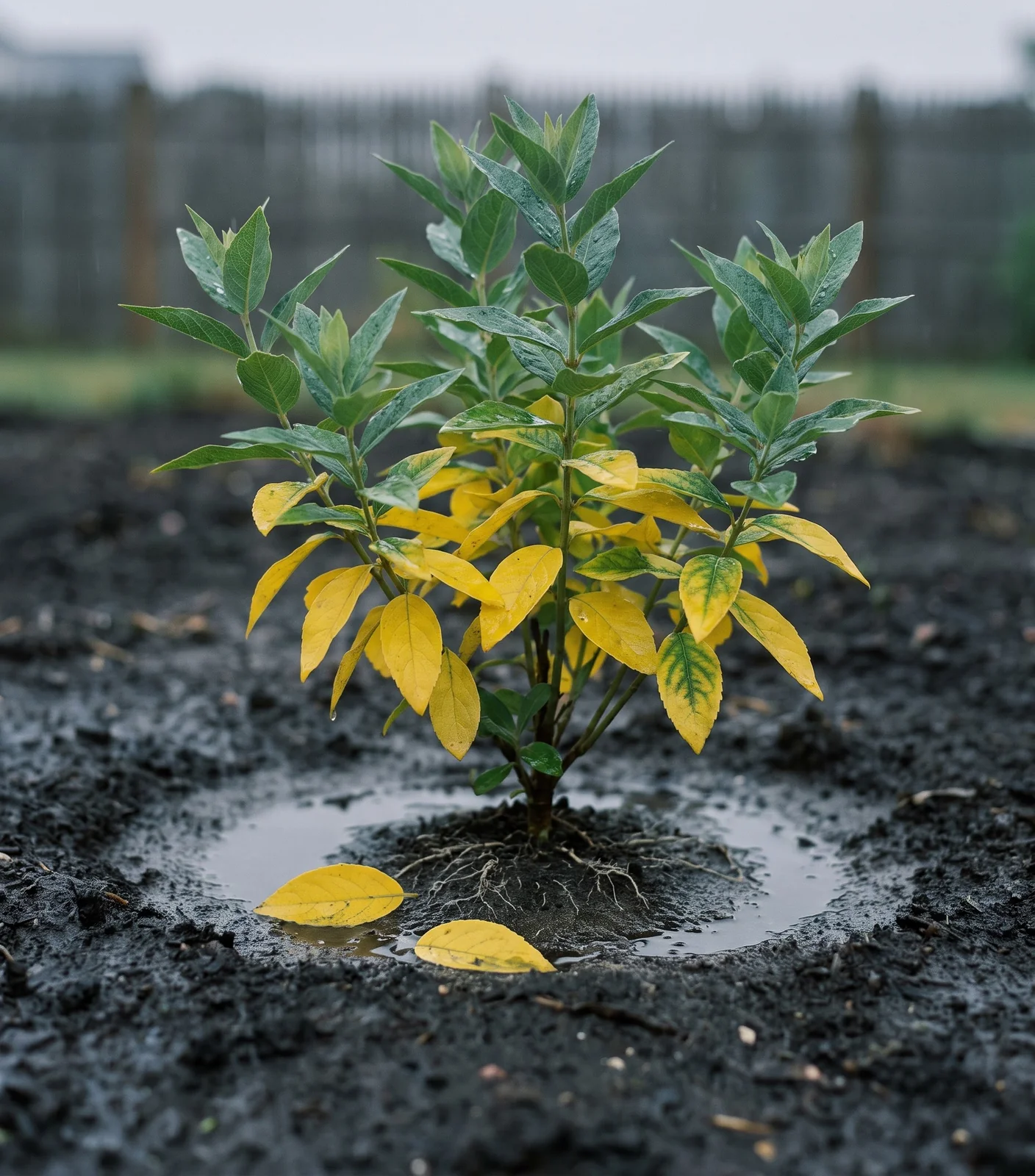
Yellow leaves on bluebeard tell you that water is lingering around the roots. When lower leaves turn yellow on a young shrub within a few weeks of planting, moisture in the root zone is usually the trouble. Saturated soil causes root rot, and the plant declines if the ground stays waterlogged. Dark softening or discoloration spreading upward from the soil line confirms that root or crown rot is already underway.
Drought does not cause the foliage to turn yellow. Bluebeard is very drought-tolerant, though in prolonged dry spells it does best with occasional watering. Underwatering leads to wilting and dry, crispy leaves, while overwatering can cause yellowing foliage, mushy stems and root rot. When lower leaves turn yellow, waterlogged soil around the roots is usually the reason.
How long the shrub has been in the ground helps explain what went wrong. A newly planted bush is usually reacting to a waterlogged hole or being set too deep. On an established shrub, yellowing points to slow drainage across the bed. No serious problems trouble the shrub, except that crowns may rot in wet, poorly drained soil. Browning through the middle and top of the bush can also signal dieback from root rot or a stem canker.
The problems that actually turn up
Bluebeard has no significant insect pests or diseases, though root and crown rot can develop if the soil is not properly drained. Listed from the most common complaint down, with symptoms, causes and what to do.
Symptoms: stems stay dry and bare well into late spring. Cause: winter chill or cold, wet soil killing the crown; in some gardens only two out of six plants may survive. What to do: plant in sharply draining soil, and wait for warm weather in late spring before deciding the plant is lost.
Symptoms: young seedlings appear in the soil around the parent bush. Cause: the shrub reseeds readily, and in some gardens the seeds can spread aggressively. What to do: pull the volunteers to give away to neighbors, or collect the seed heads to shake where you want more plants.
Symptoms: a powdery white film forms across the foliage during humid weather. Cause: powdery mildew can appear in humid conditions with poor air circulation, particularly on crowded, unpruned plants. What to do: renewal pruning improves airflow and prevents the problem.
Symptoms: light stippling or sticky residue on new leaves. Cause: occasional spider mites or aphids may appear in very hot or dry conditions. What to do: nothing, as these pests are rarely severe enough to require treatment.
Which bluebeard to buy, cultivar by cultivar
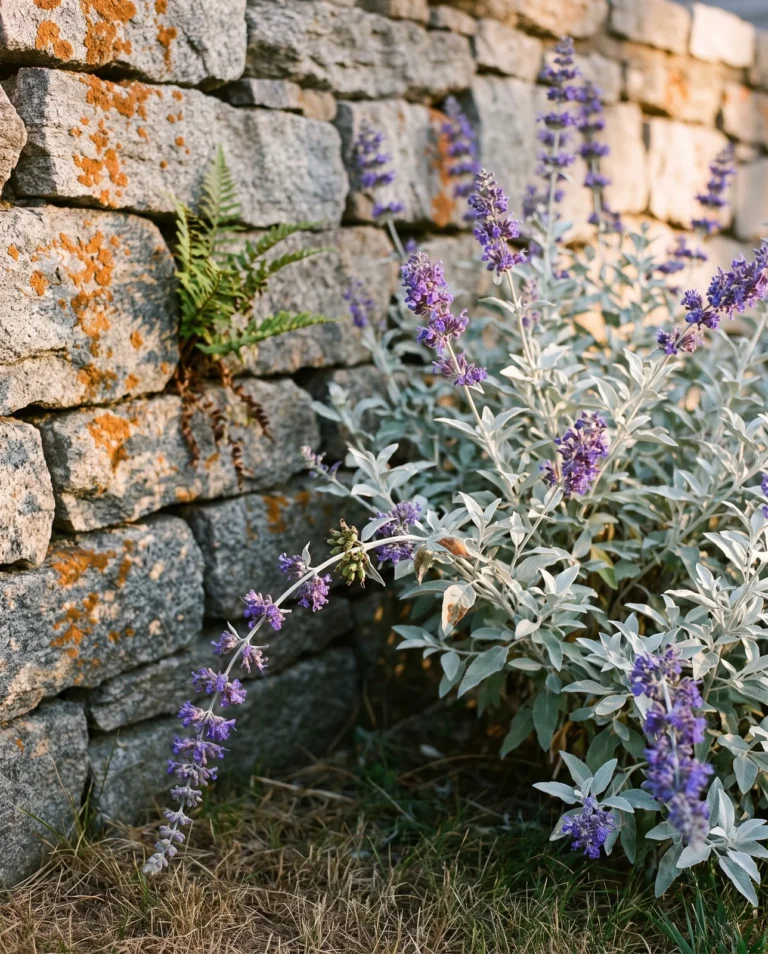
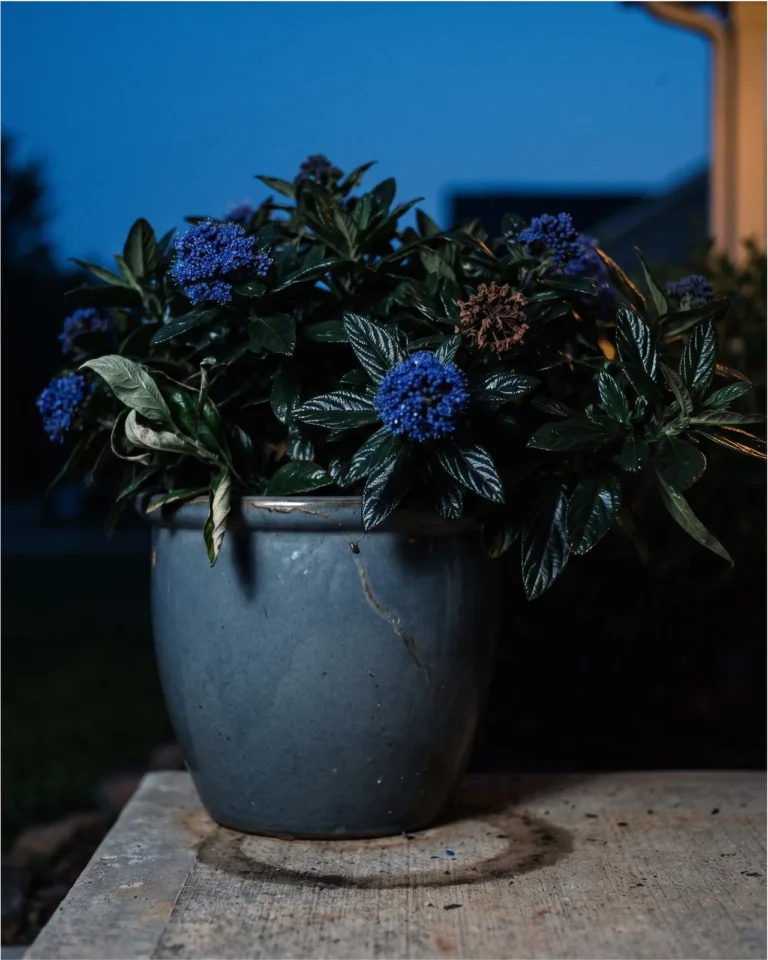
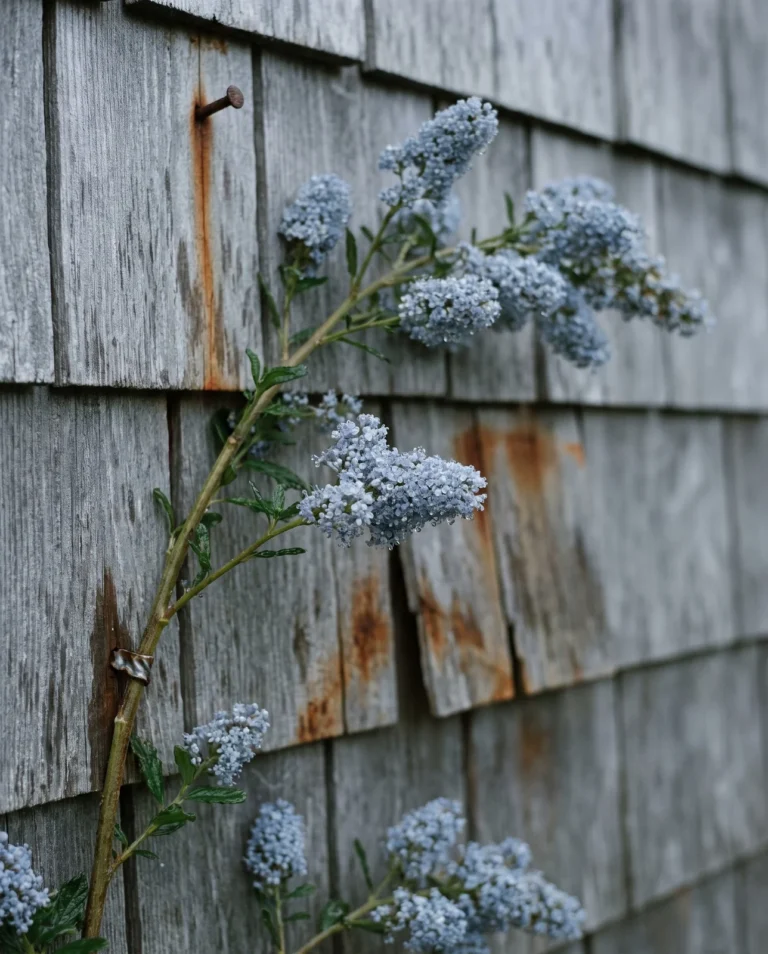
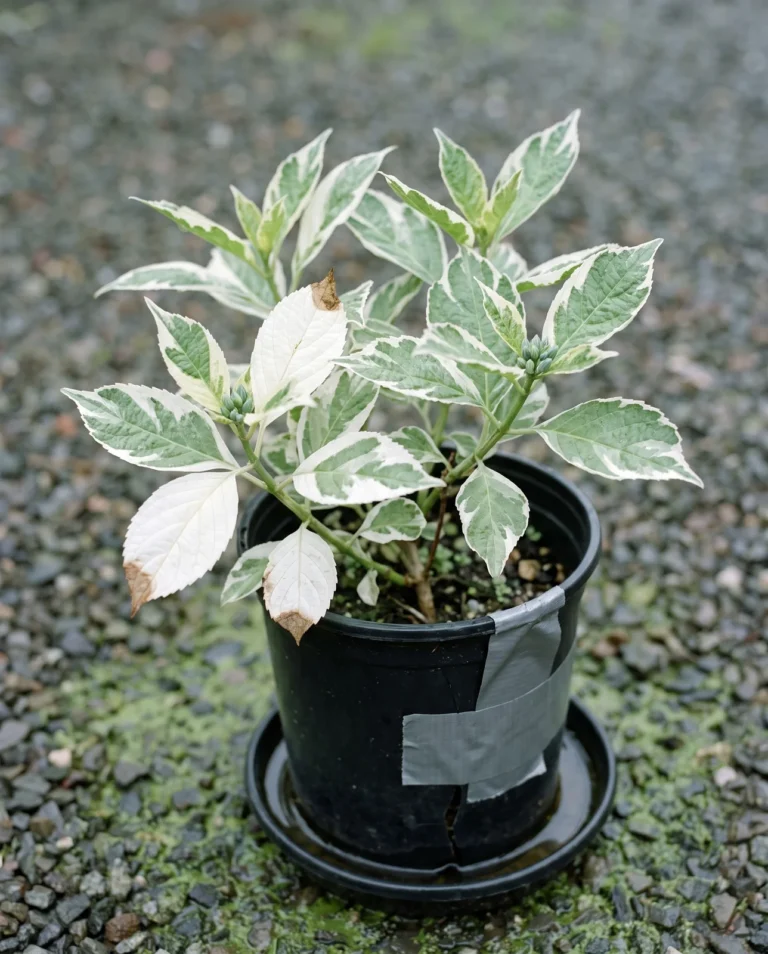
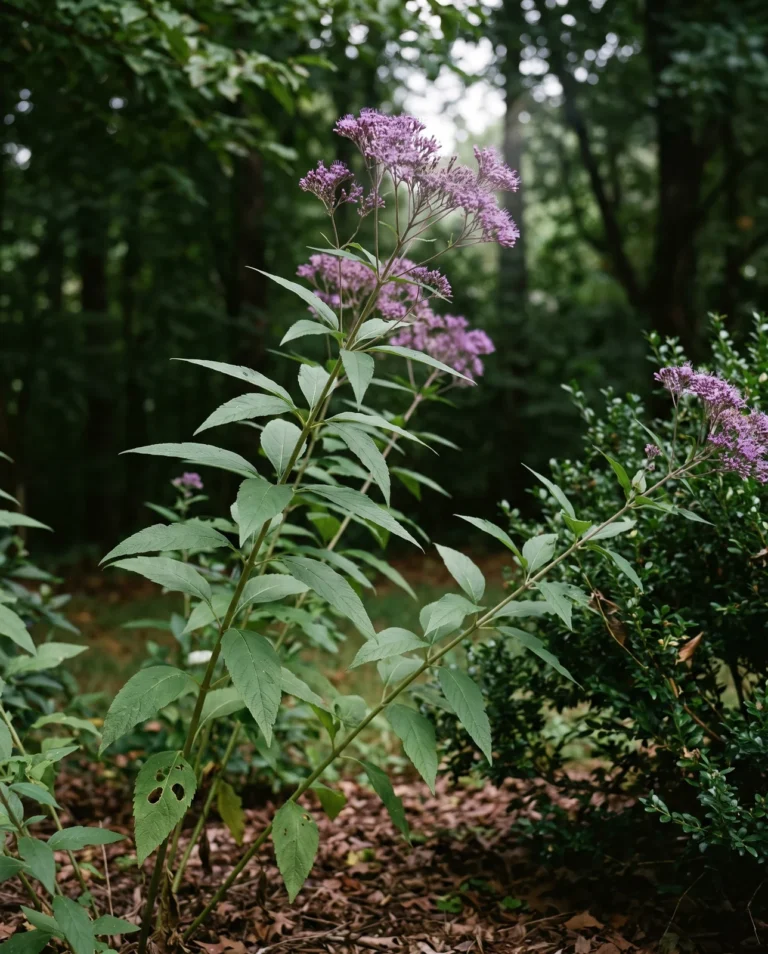
Nearly every named bluebeard blooms in some shade of blue, so picking the right one comes down to height and leaf color. Here is how the main selections compare in the garden, finishing with a different perennial often sold under the same name.
Where to plant bluebeard, and when to use a pot
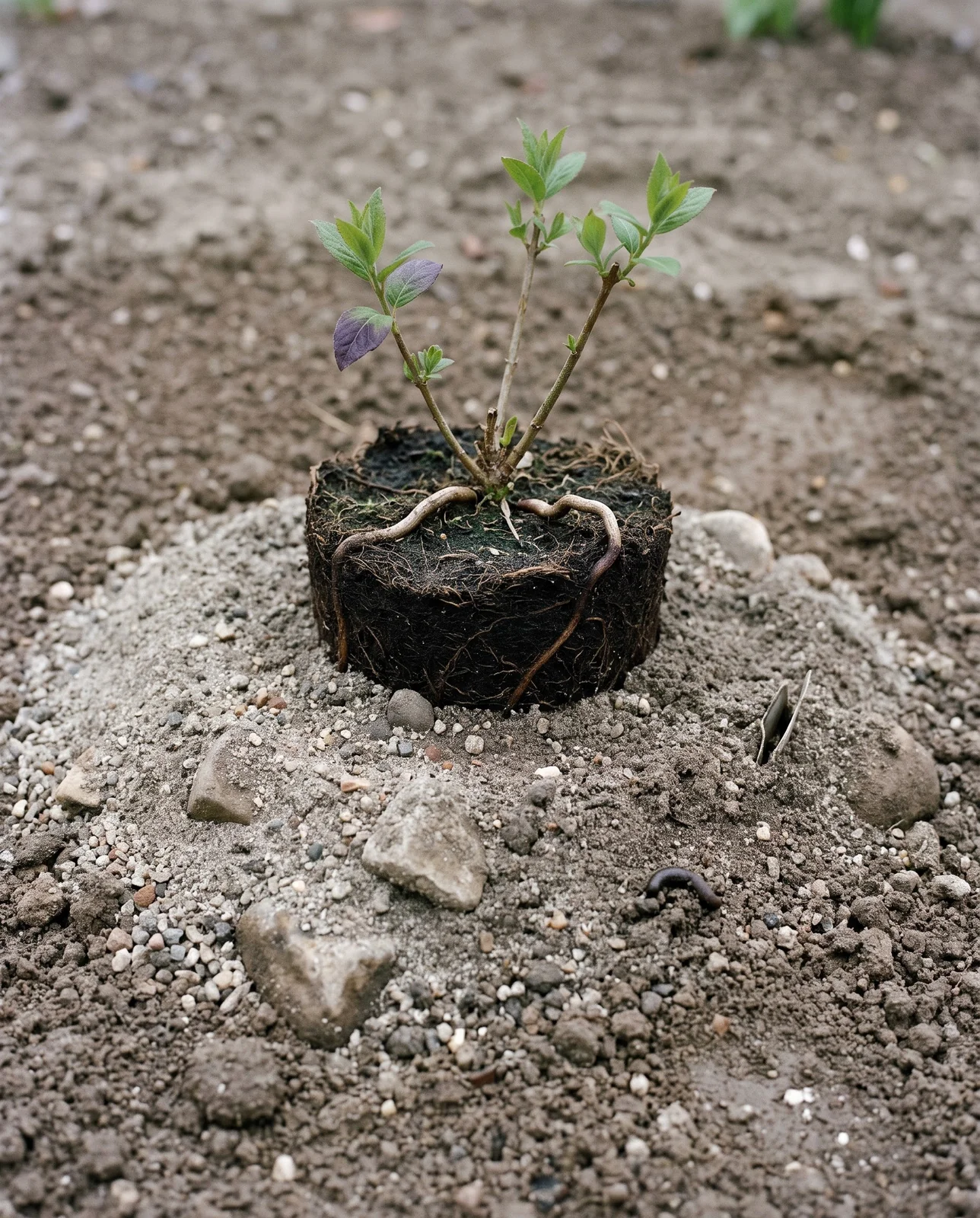
In cooler regions, bluebeard can be grown in containers so gardeners in zone 5 and colder can move the plant indoors before frost. Pick a pot at least 12 to 15 inches wide, which gives the roots ample space while still fitting through a doorway. When planting directly in open beds, setting the right depth is what matters most. Setting the bush deeper than it grew in its nursery container can trap moisture around the crown, so keep the top of the root ball level with the surrounding soil.
How much sun bluebeard needs
Bluebeard needs full sun, meaning 6 or more hours of direct sunlight a day. For a bed that gets only half a day of sun, Caryopteris divaricata is the plant to choose. Its variegated form tolerates partial shade as well as full sun.
The soil question is really a drainage question
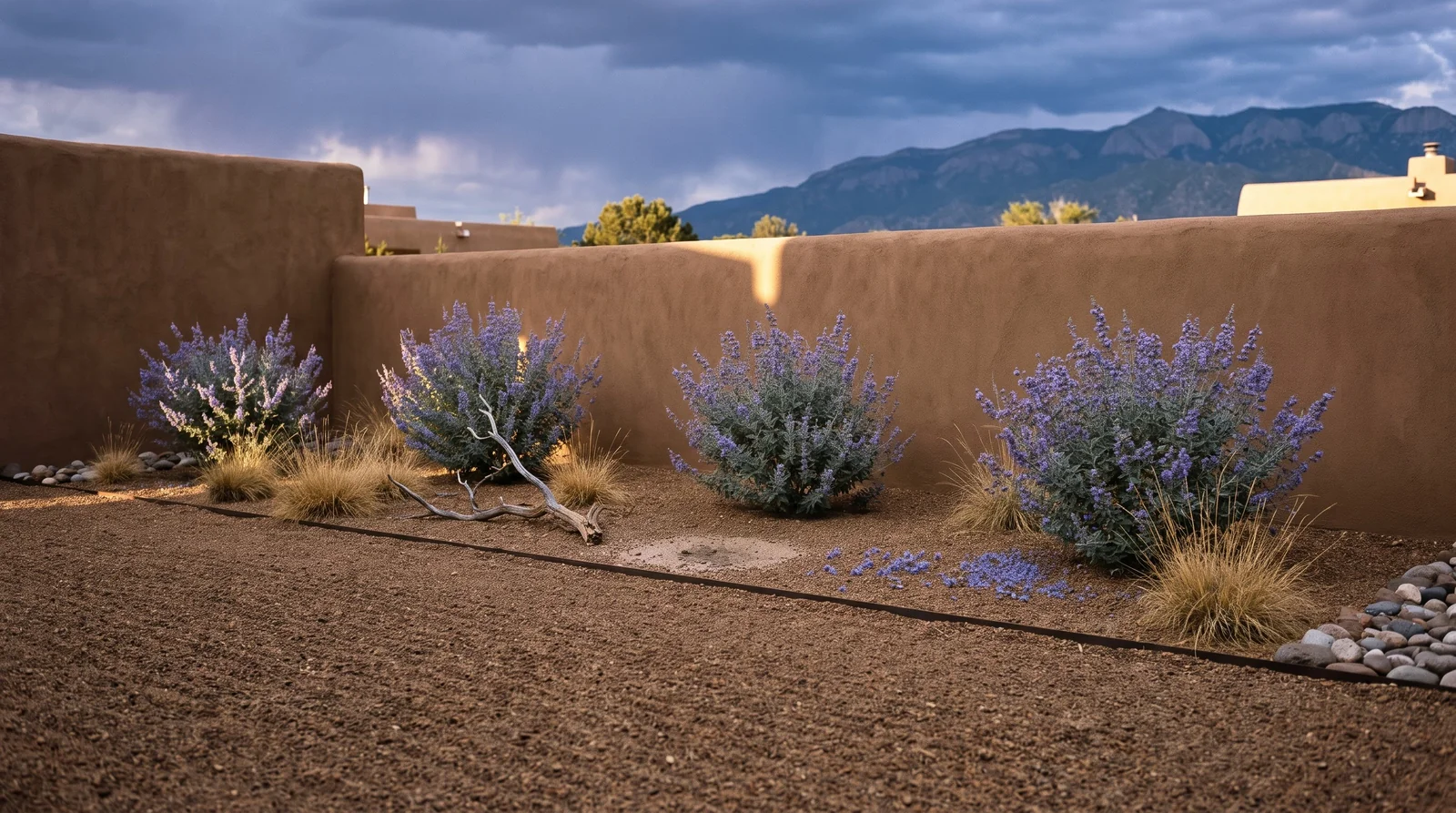
Drainage matters far more than soil chemistry when growing bluebeard. The plant can tolerate acid to alkaline soil, with a pH from 5.0 to 8.0. Heavy, wet clay soil should be avoided. While the shrub tolerates some drought, it has no tolerance for wet, poorly drained ground. A gritty raised bed that already suits lavender gives bluebeard the exact dry footing it wants.
Watering, and how little of it there is
Once bluebeard settles into the garden, watering is something you rarely need to think about. Established shrubs can go weeks without supplemental water, even in summer. That toughness makes bluebeard a natural companion for catmint along dry, sunny borders. In a dry Colorado garden, it proved heat tolerant, drought tolerant, and even tolerant of road salt.
Why feeding it works against the flowers
Fertilizing bluebeard usually works against the flowers you planted it for. Very rich soil or excess fertilizer can promote lush foliage at the expense of flowers, leaving you with a leafy bush and few blooms. Too much fertilizer also results in lanky growth, creating weak stems that flop open in the middle. Once established, the shrub requires no supplemental feeding and does best in moderately fertile soil that sits on the neutral to slightly alkaline side.
What it does for bees and butterflies
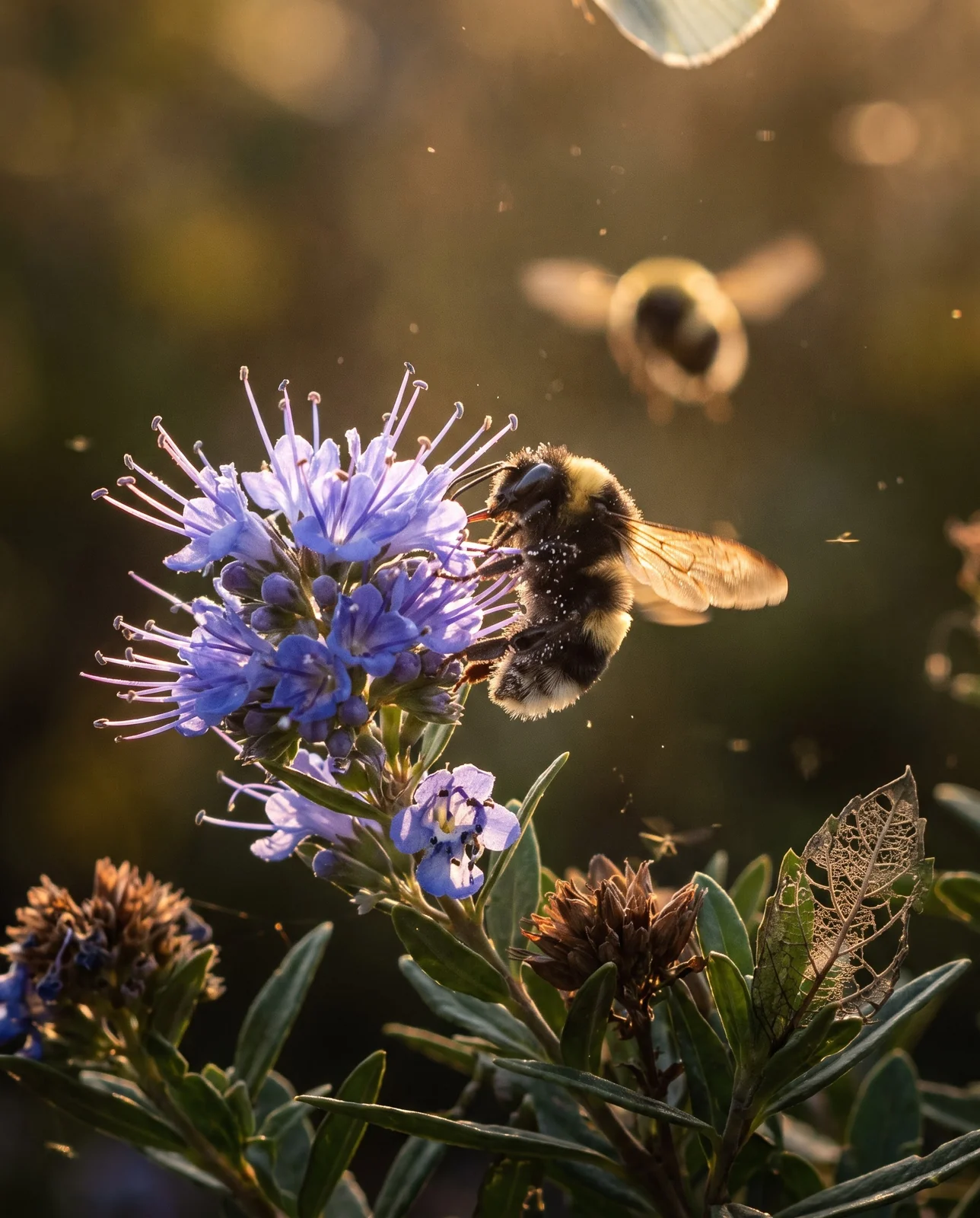
Bluebeard draws crowds of pollinators because it blooms late in the summer. The flowers attract butterflies, bumblebees and other beneficial insects, and hummingbirds visit them as well. The cultivar 'Arthur Simmonds' is a magnet for bees and butterflies when in flower from mid-summer through fall.
Is bluebeard invasive?
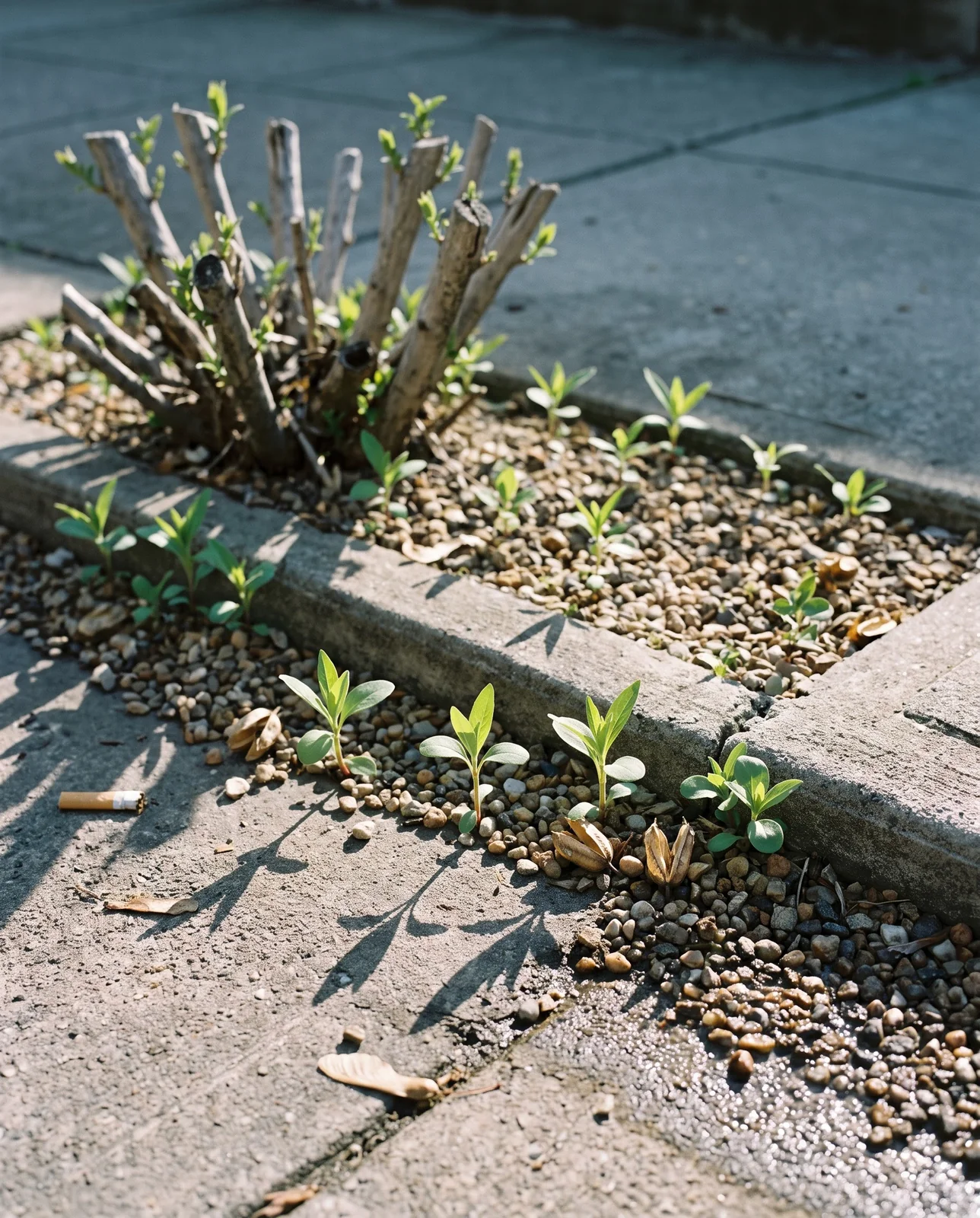
Bluebeard is not considered invasive in most gardens, though it can seed itself around. The Washington State Noxious Weed Control Board lists it as a non-invasive alternative to butterfly bush. Still, self-seeding is a recognized habit for this shrub. Weed records list it as a garden thug, a cultivation escape, and naturalized, reflecting its status as a naturalized species in the USDA PLANTS database.
Winter care and the plant that looks dead in spring
Winter care for bluebeard is simple, and seeing bare, dry stems in spring is nothing to worry about. Skip winter mulch around the base, because heaping material over the crown traps moisture and increases the chance of rot. When spring arrives, the shrub may look completely dead with no visible green anywhere on the stems, and that appearance is normal for it. In zone 5 it may need cutting back after winter in any case, and new shoots will soon follow once the soil warms.
What to expect year by year
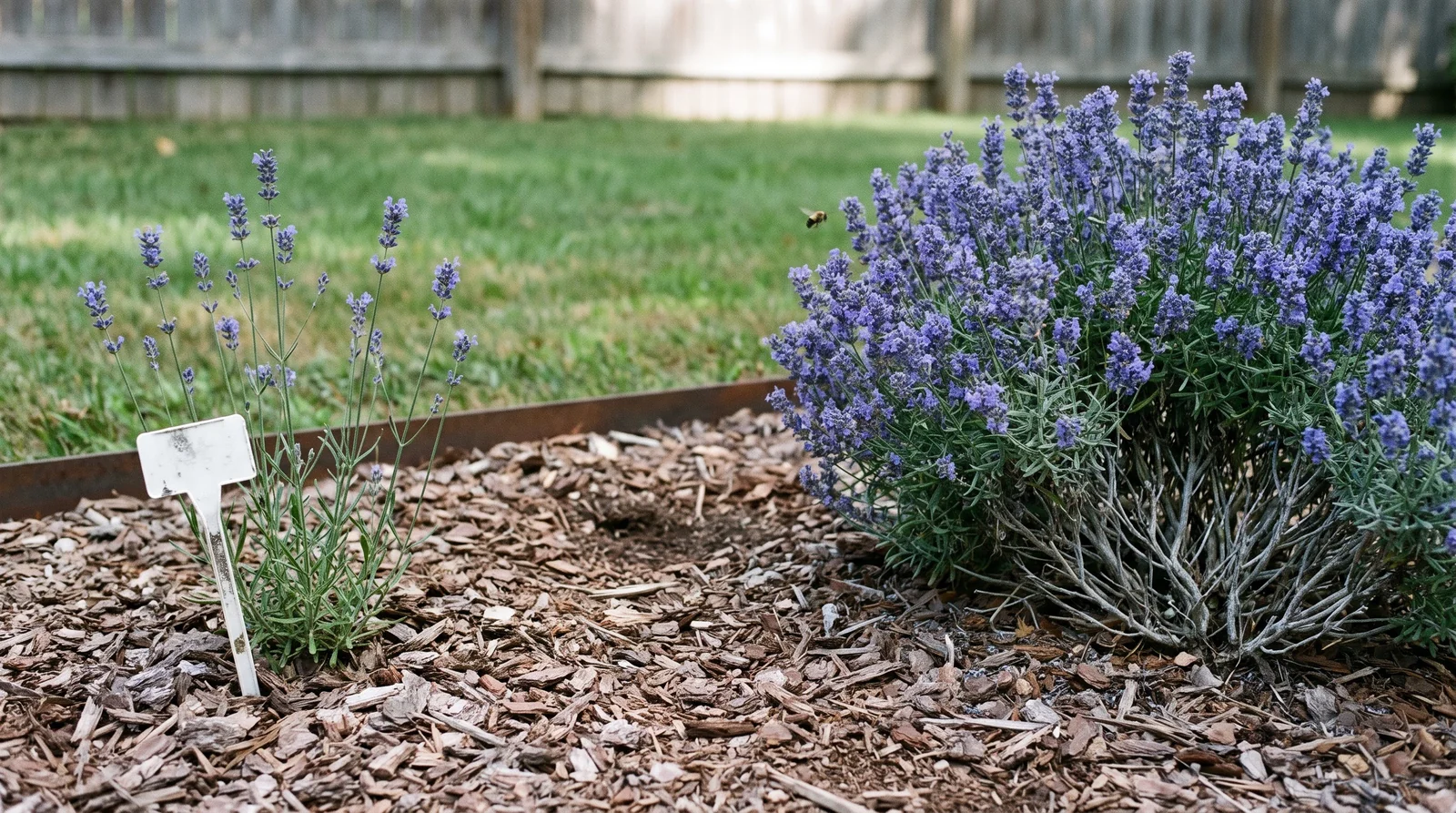
Bluebeard's size from year to year depends largely on what winter leaves standing and how hard you cut it back in spring. It grows at a moderate to rapid pace. When winter takes the top down, that speed goes into rebuilding the shrub from the base. Even when it dies back to the ground, the plant re-emerges from the roots in spring and grows a full plant by late summer. The same cultivar can look like a low mound in one garden and a waist-high shrub two streets away.
FAQ
Is bluebeard toxic to dogs or cats?
The ASPCA has no entry for bluebeard, blue mist shrub, blue spirea, or Caryopteris. With no clear answer either way, treat it as unknown around pets that chew.
Is bluebeard a shrub or a perennial?
It is a low, mounding, deciduous shrub. In colder gardens, it may be treated as a perennial by cutting it to the ground each spring.
Do you cut back bluebeard?
Yes. Cut the shrub back in late winter to improve its form and remove dead stems, because the blooms appear on new growth.
Which bluebeard is the hardiest?
No single cultivar stands out as hardier than the rest. Both 'Arthur Simmonds' and 'Dark Knight' grow in zones 5 to 9.
What zone does bluebeard grow in?
Bluebeard grows across zones 5 to 9, or zones 6a through 9b. The split comes down to which part of the plant faces the cold: roots are winter hardy to zone 5, but top growth is only reliably hardy to zone 7.
How big does bluebeard get?
Bluebeard usually grows 2 to 3 feet high and spreads 2 to 3 feet wide. Cultivars can stretch that range, from compact forms at 1.5 to 2 feet up to taller varieties reaching 4 feet.
Do deer eat bluebeard?
Deer generally pass bluebeard by. Cultivars like Beyond Midnight and 'Dark Knight' are deer resistant, and 'Dark Knight' resists rabbits as well.
Why are the lower leaves on a new bluebeard turning yellow?
Yellow leaves near the base within a few weeks of planting indicate a moisture problem in the root zone. Check the planting depth first. Setting the shrub deeper than it grew in the nursery can trap moisture around the stem and crown, promoting rot at the base.
Is the plant sold as Caryopteris divaricata the same thing?
No. It is spreading bluebeard, a clumping perennial with 5 foot stalks that reach 60 inches tall. That makes it a much taller plant than the common shrub.
Is blue mist spirea the same plant as bluebeard?
Yes. Bluebeard, blue mist shrub, and blue spirea are all common names for the same plant. Despite that name, it is not a spirea at all and is not even remotely related to true Spiraea.
Interesting tips
- Where the plant sold as Caryopteris divaricata comes from is unsettled. It may come from the Himalayan mountains of Nepal, or from Japan, Korea and several Chinese provinces.
- The hybrid has carried several botanical names over the years. Gardeners have fifteen named cultivars to choose from, including 'Arthur Simmonds', 'Kew Blue', 'Blue Balloon' and 'Worcester Gold'.
Related Guides & Flowers
Blue salvia
Another long-blooming blue for full sun, and an easy neighbor in the same dry bed.
Sedum
The other late plant for gritty ground, opening as the border winds down.

Coneflower
A sun perennial that carries the pollinator traffic through midsummer.

Types of flowers
The full index of flowers on the site, sorted by type and season.
Enjoying our flower guides? Add YourFlowersGuide as a preferred source on Google. It helps more readers find us.
Add to Preferred Sources