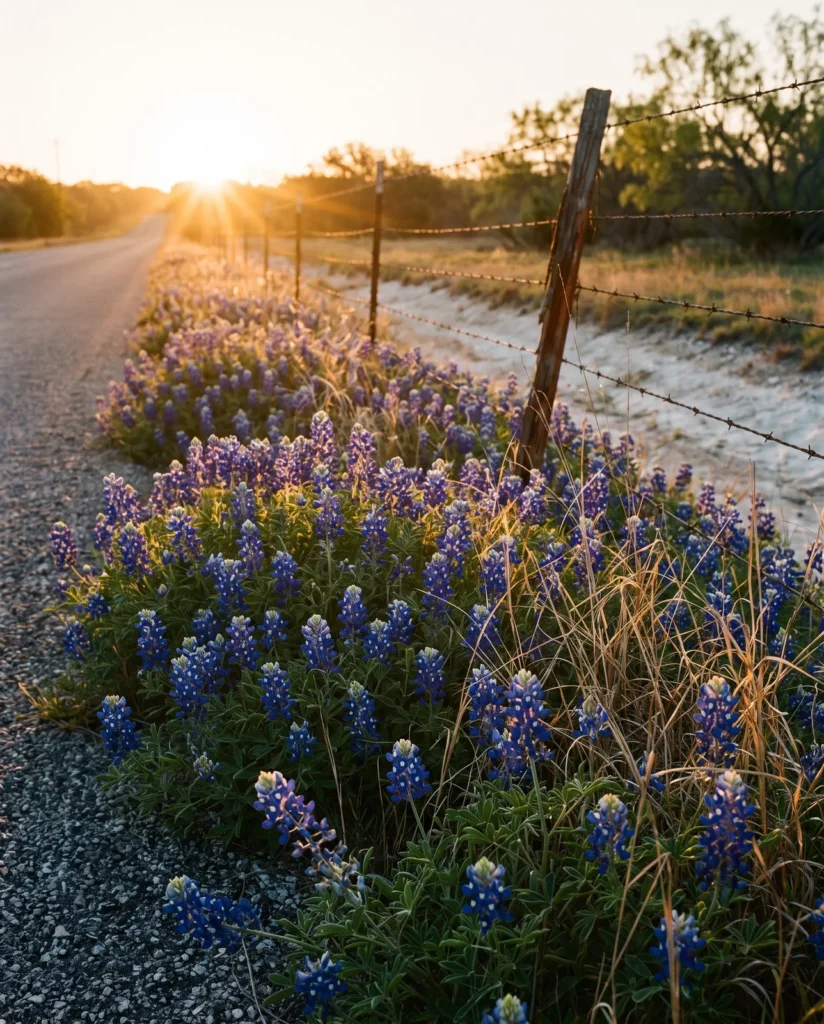
What a bluebonnet is and which species carry the name
A bluebonnet is a Texas lupine, and the name covers a group of species the state adopted together. The Texas Legislature named Lupinus subcarnosus the state flower on March 7, 1901, then amended the act on March 8, 1971 to take in Lupinus texensis and any other variety of bluebonnet. That amendment is why the seed sold in every rack is the state flower without ever having been named in the original law. Which species the name reaches still varies. The Big Bend Lupinus harvardii, the Trans-Pecos Lupinus concinnus and the dune bluebonnet Lupinus plattensis are usually counted in, and six Lupinus species carry the designation in total. Older names survive in Texas speech: buffalo clover, wolf flower, and in Spanish el conejo, the rabbit.
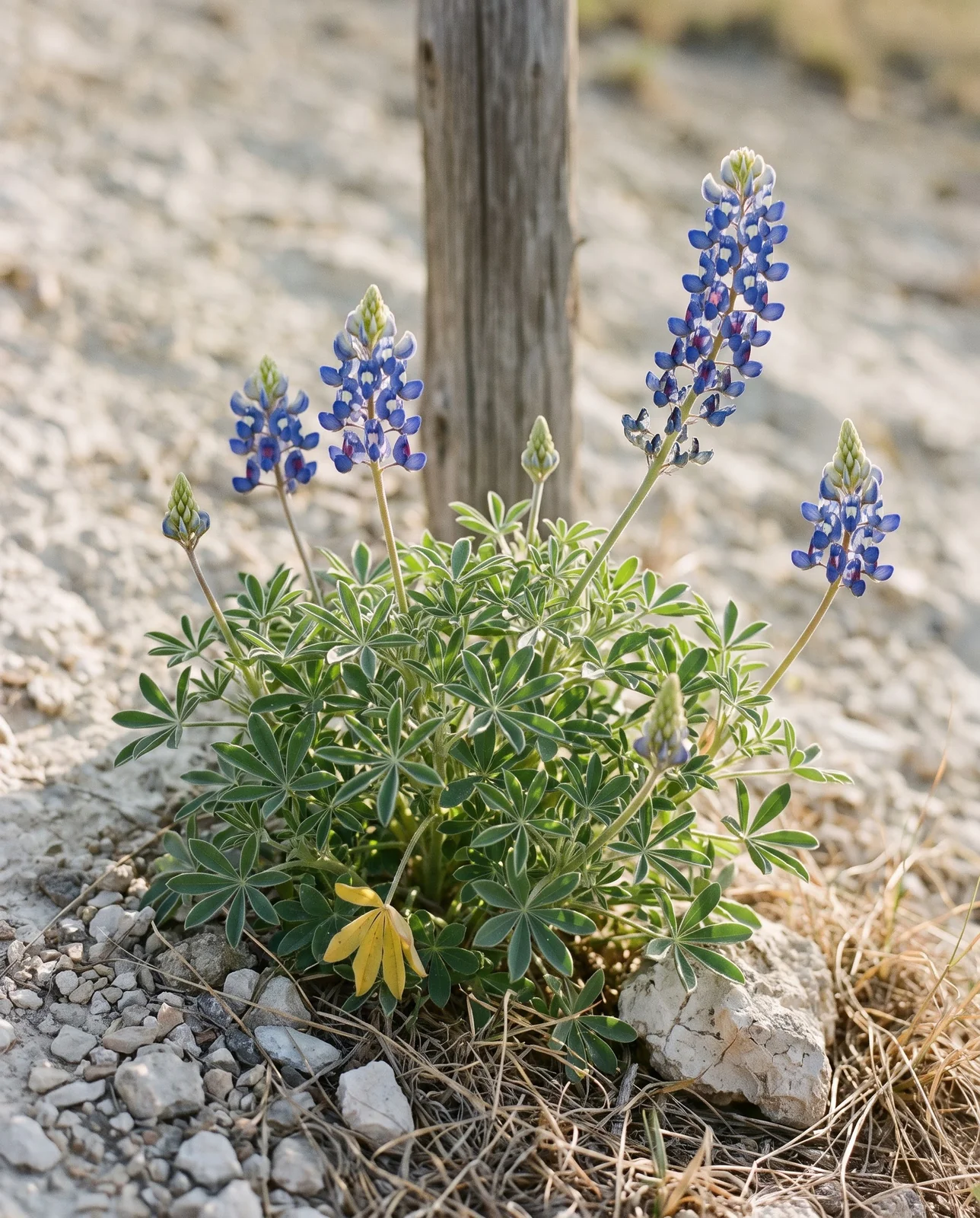
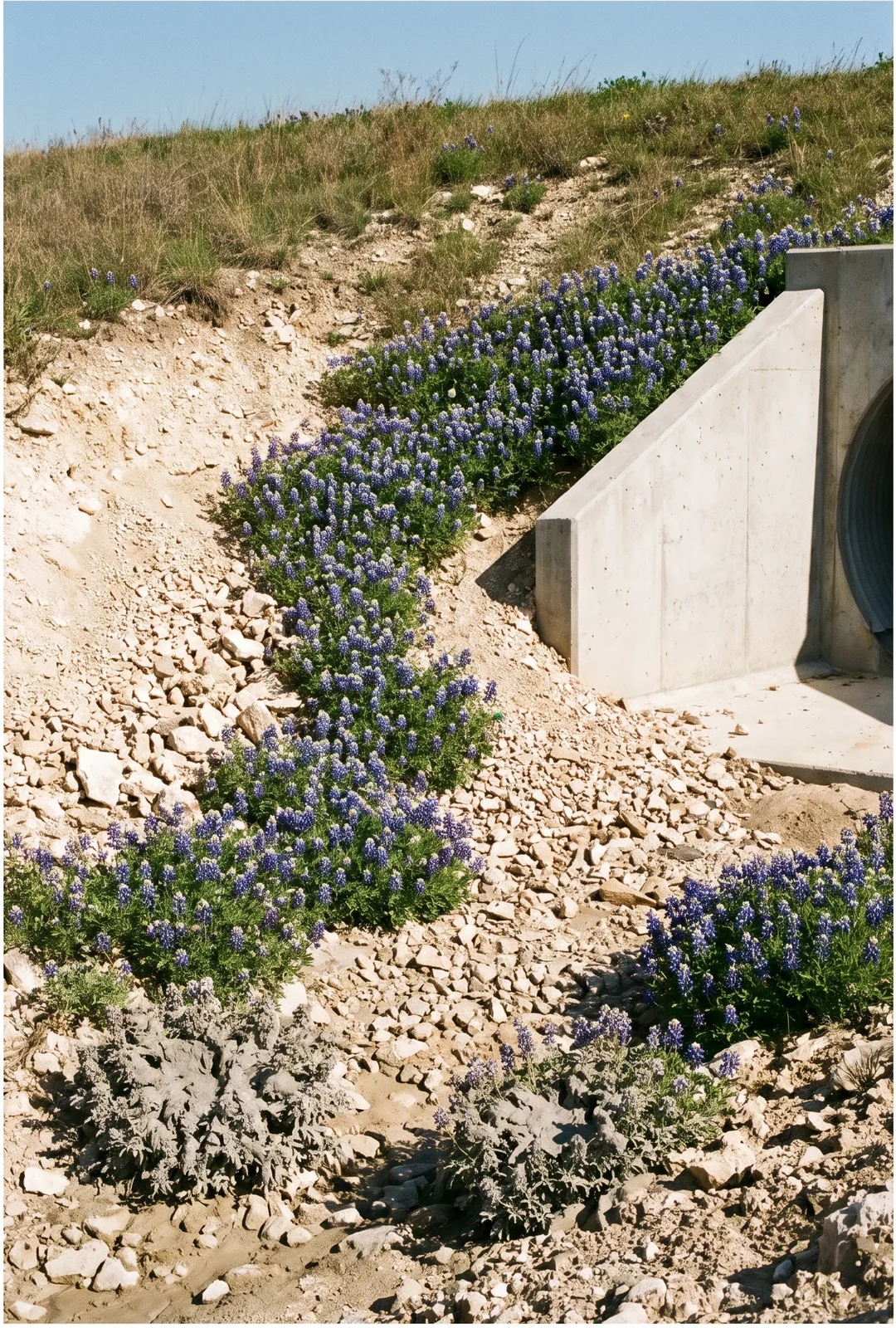
Height depends on soil and climate, so picture a range. Most plants stand 6 to 18 inches tall, and the largest run to 1 to 3 feet in both height and spread. The plant is herbaceous and native to prairie, roadside and woodland edge across seven Texas ecoregions. A scraped highway shoulder reproduces those conditions by accident.
The other bluebonnets, which are not flowers at all
The word bluebonnet belongs to a great deal of Texas that has nothing to do with the plant. It is attached to a supplement brand, an electric utility, a feed company, a county news outlet and a car dealership. The one that fools people is Bluebonnet Learning, a K-12 reading and mathematics curriculum on a Texas government domain. None of it concerns the wildflower, the state flower, or the other blue flowers of the Texas spring.
Do bluebonnets come back every year
Bluebonnets come back, and the plant that comes back is a new one grown from seed the old one dropped. Lupinus texensis runs a one-year cycle: it germinates in fall, sits through winter, flowers in spring, sets seed and dies. It starts as a small gravel-like seed and finishes as a pod full of them. So next spring is settled by what happens to this spring's pods.
The perennial idea comes from hardiness zones. Commercial care listings print zones 4 to 8 for bluebonnets, and one of them calls the plant a perennial outright. The temperature that actually matters belongs to the seedling standing out in the field over winter, and bluebonnet plants freeze at 10 degrees Fahrenheit. That number decides whether a fall sowing works where you live, which is a different question from whether roots survive a winter.
When you can mow, and why the pods decide it
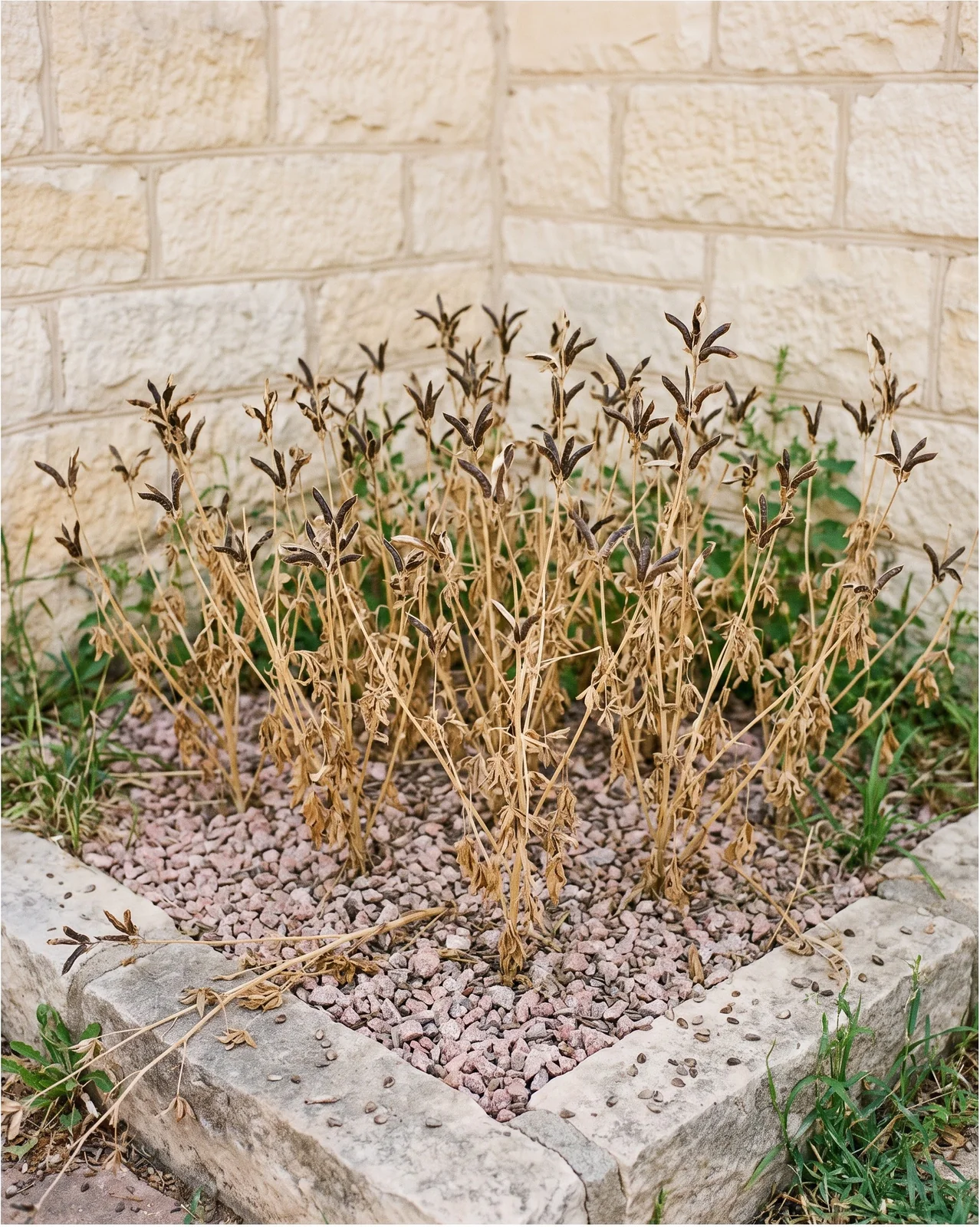
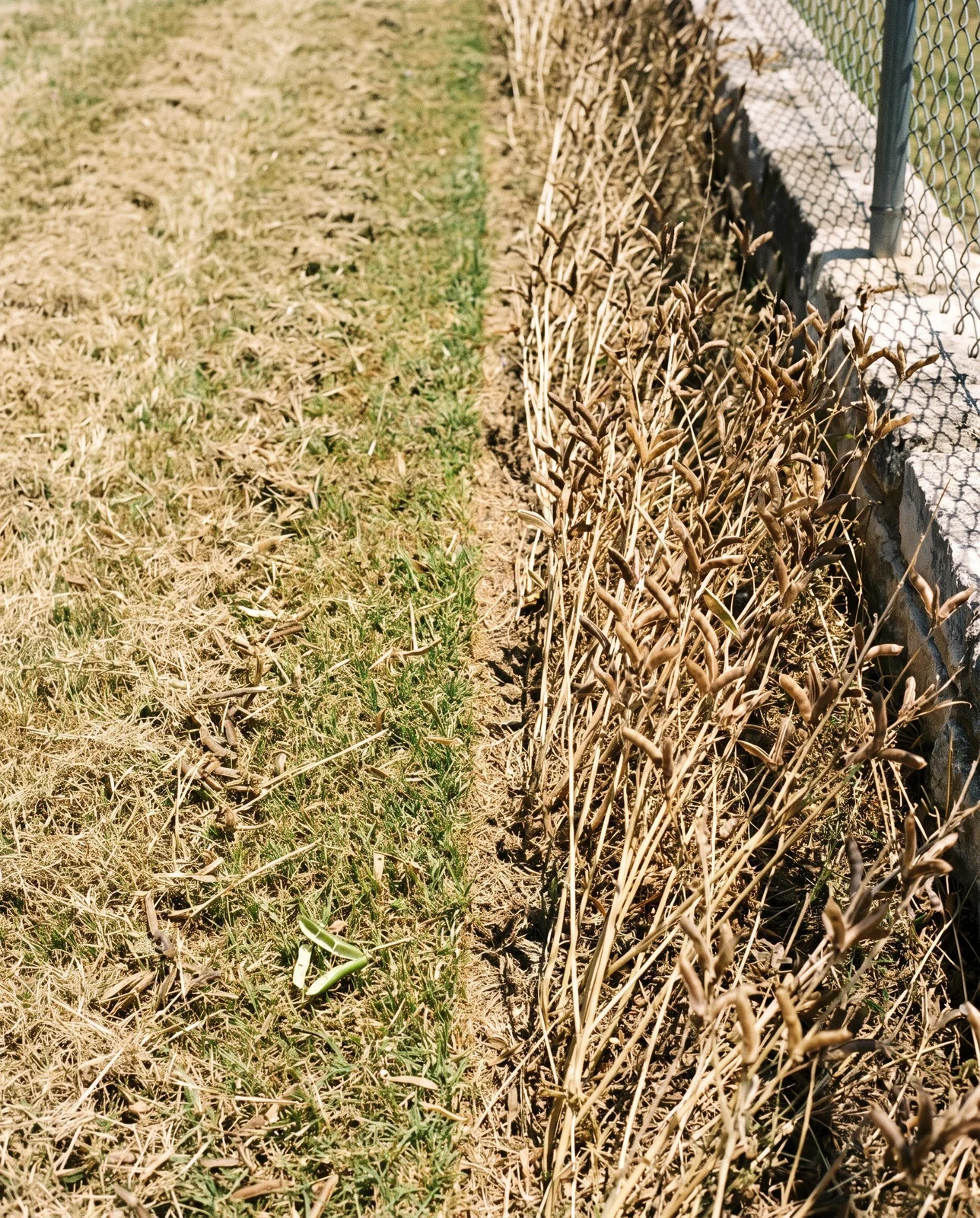
Mow nothing until the pods have ripened and shed, because next spring's stand comes entirely from the seed these plants drop. Pods turn from light green to goldish yellow, then to light tan or cream, and finally to a darkened brown. They do not all ripen together, so collecting by hand means several trips to the same patch. The common mistake is mowing the wilted flowers before the plant has set seed at all. That falls in the weeks when the patch looks worst and is doing its most important work. Brown pods across most of the stand are the signal that mowing costs nothing.
The collision people run into is with a mowing rule written for turf. An association inspector in Sun City, Georgetown ordered a resident to mow an established bluebonnet stand down. Elsewhere a homeowners association mowed down a 76-year-old man's patch after citing it as a violation for excessive weeds, and he spent an hour sitting in his truck crying about it. Neither case turned on the plant, but on a tidiness clause that reads a seeding wildflower as neglect. Read the covenant before the flowers fade, and ask in writing for the few weeks between bloom and brown pods. If the answer is no, take the pods that have already turned and the stand survives the mower in a paper bag.
When to sow bluebonnet seed, and how deep
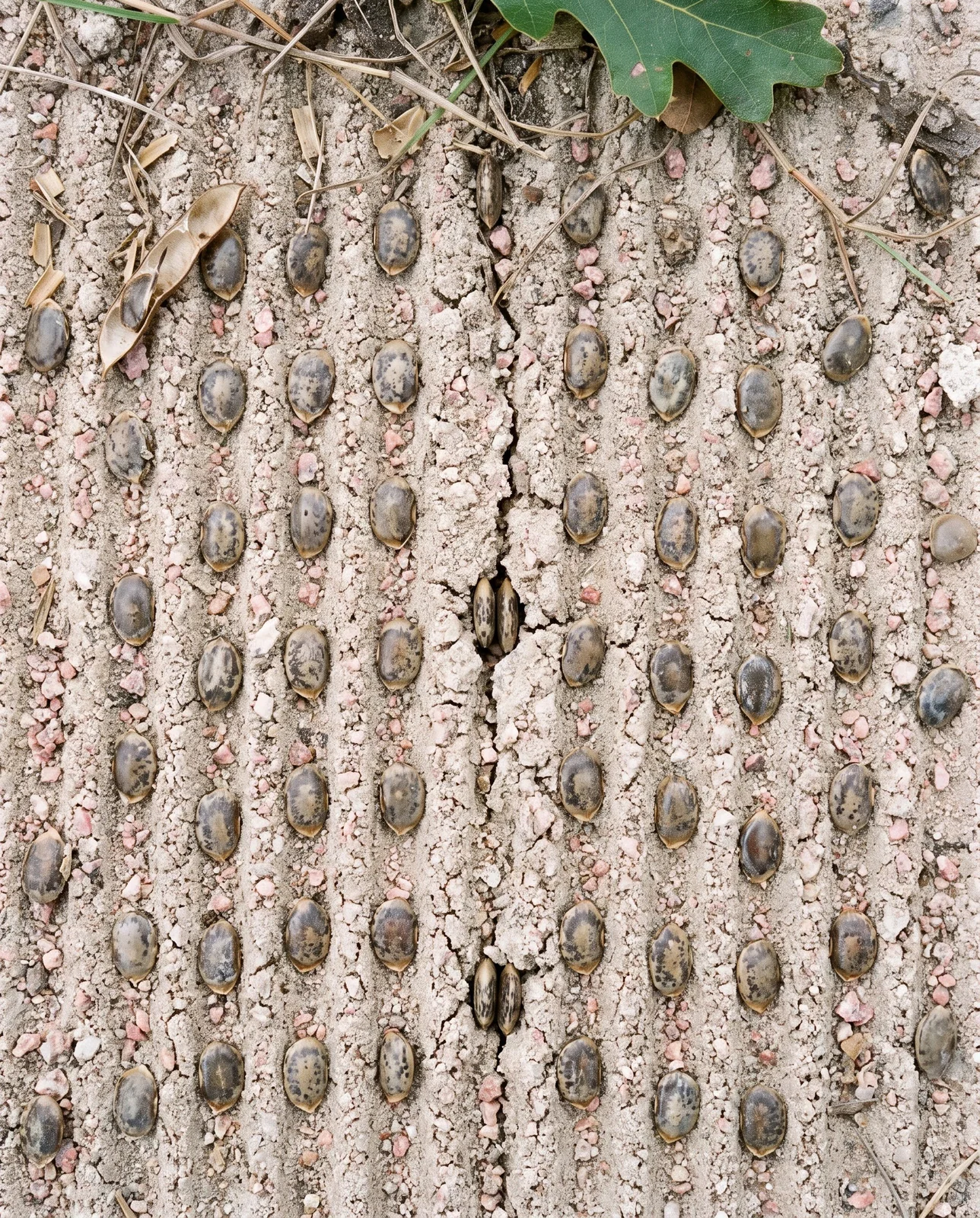
Sow in fall. Seed may go in the ground from September 1 through December 15. The advice concentrates in the middle of that run: late September through early November for scarified seed, October or November otherwise, with early October leaving plants the most time to establish. Late summer works too, since bluebonnets germinate with early fall's rains. A fall sowing buys a winter of root growth before a spring of flowers.
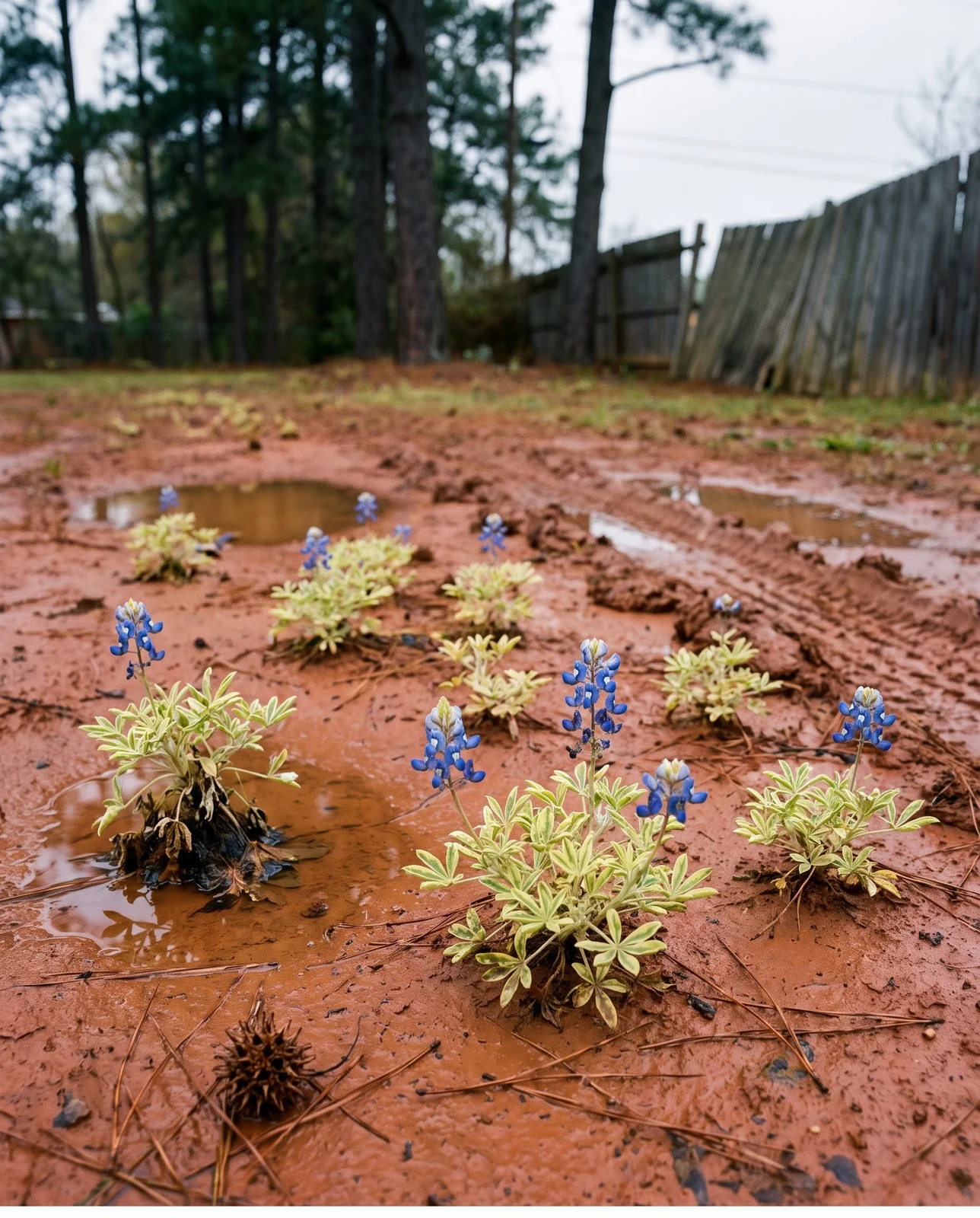
Bluebonnets grow best in alkaline soil of moderate fertility that drains, and they need full sun for best growth, with eight hours of direct sun as the figure. Soil pH matters less than drainage, and anywhere from 6 to 8 suits the plant. Acid ground can be limed six inches deep. Texture matters least of all: the plant tolerates clay, dry ground, limestone, loam and sand, and grows well in all soils except very loose sands.
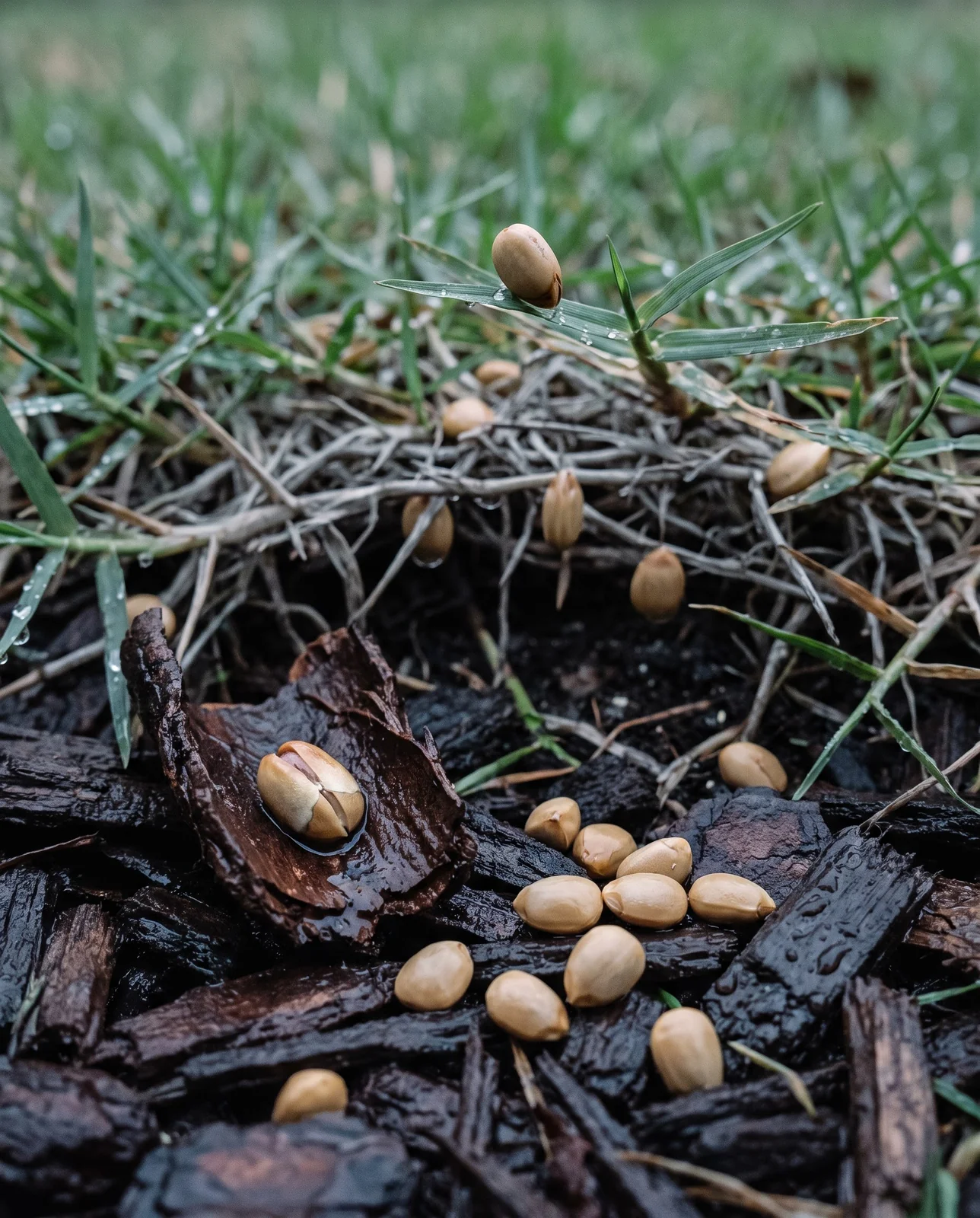
Rate and depth are both disputed. About five seeds per square foot is the standard rate, and 8 to 10 gives a faster, fuller stand. Sold by weight it runs 35 pounds per acre, one ounce covering 78 square feet. Depth splits three ways. Seed can go on top uncovered so it sits in full light, about a quarter of an inch deep and covered, or scattered and then raked in lightly or pressed down with a board. All three end with the seed touching soil, and seed that never touches soil never germinates. Thin crowded seedlings to about 6 to 8 inches apart.
Sowing by situation
Open Texas ground is the default case. Transplants, containers and colder states each run on their own calendar.
Should you scarify bluebonnet seed
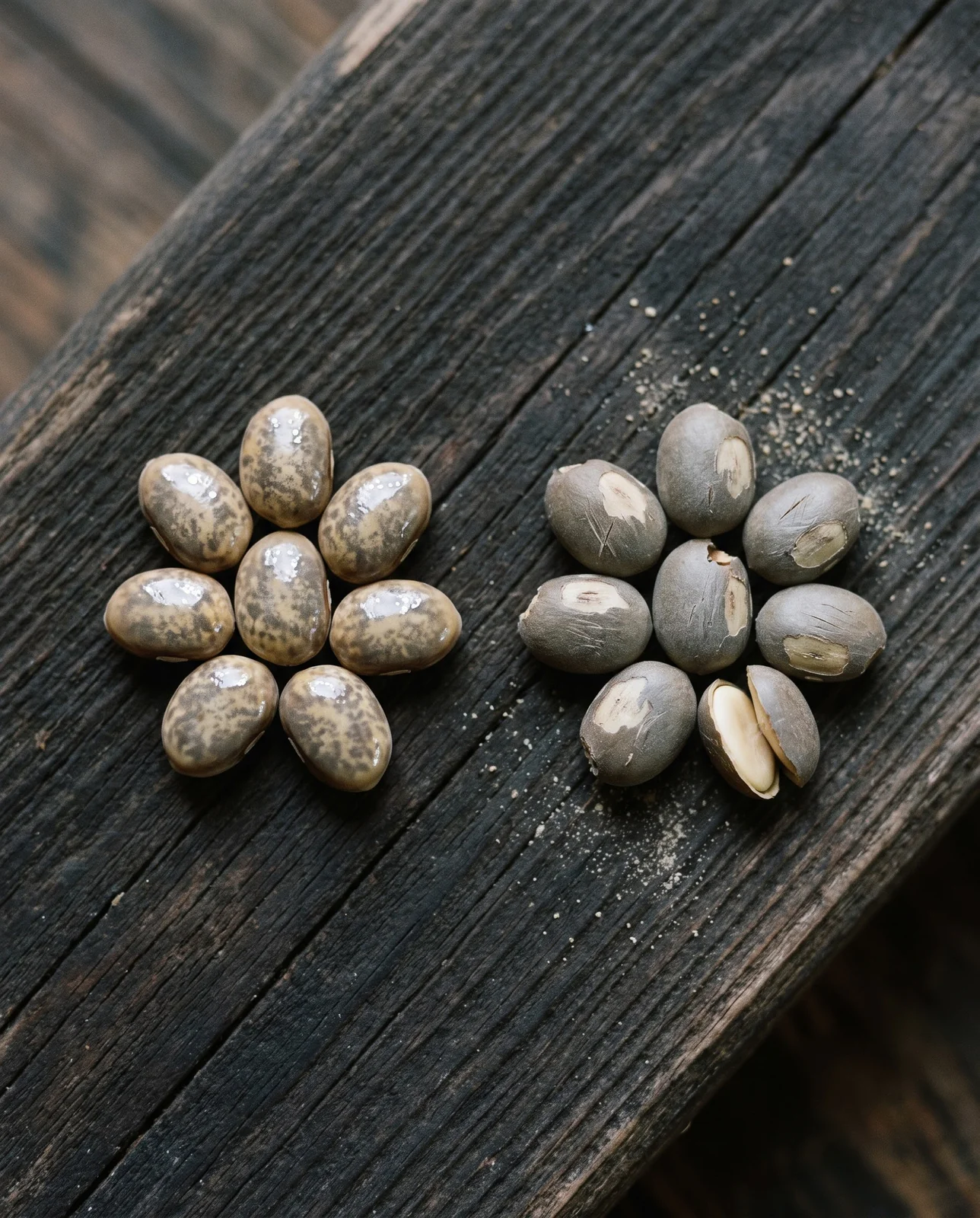
The decision turns on whether you can water the patch through its first weeks. The Lady Bird Johnson Wildflower Center advises against scarifying bluebonnet seed that will not be receiving water during dry periods in winter and early spring. Scarifying stimulates all of the seeds to germinate at once and leaves no residual seed for later years in a drought, and the treatment itself can damage some seeds. It takes a seed lot that was spreading its risk across several seasons and spends it all on one fall.
The other camp treats scarification as the normal step and never mentions that caution. Texas A&M AgriLife Extension gives scarified seed its own sowing window, and October instructions build the step in as the default. Scarifying means a very hard seed coat softened or roughened in some way to promote faster, more uniform germination. Germination of non-scarified seed is sometimes less than 20 percent, while properly scarified seed germinates within 10 days after planting.
The two camps are describing different gardens. Where a hose reaches and the first weeks can be watered, fast and even germination is the whole point of the treatment. Where the patch will live on whatever rain arrives, that same speed is the hazard, because everything comes up together and nothing is held back for a drier year.
Scarify or leave the coat alone
Work down these in order and stop at the first answer that settles it.
Why the seed never came up
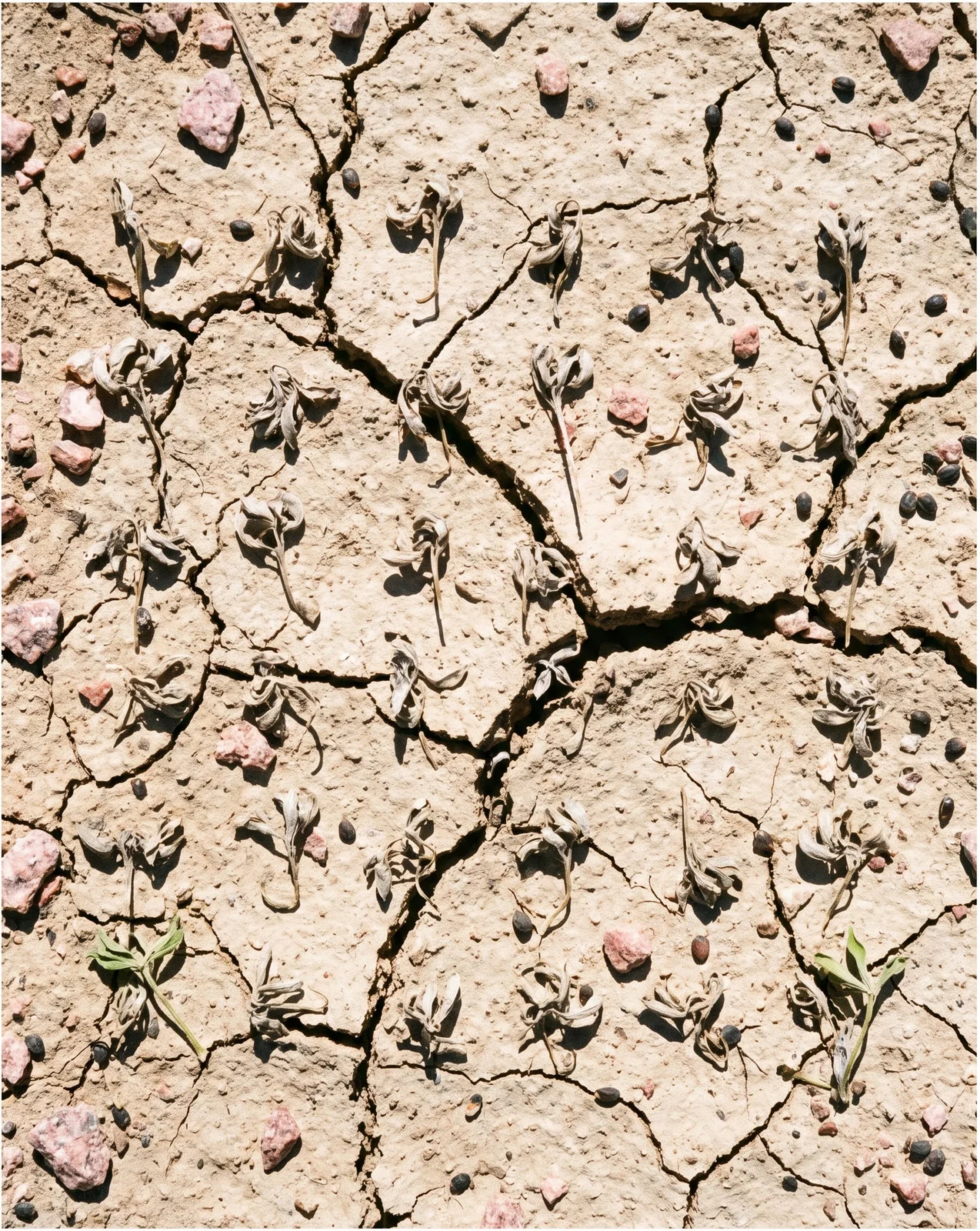
Most bluebonnet seed that fails to appear is dormant and behaving normally. Only about 20 percent of the seed shed in a season is capable of germinating that year, and the other 80 percent comes up the following year or the year after. An empty first season is ordinary behavior for a hard-coated legume and says little about the seed you bought. Buying a second packet is usually the wrong response to a blank patch.
After dormancy the causes run in a short order. Seed that never reached soil comes first, since it must be lightly covered or raked into the ground. Seed broadcast over thick turf, mulch or leaf litter sits above the surface it needs to root into. Sowing too late comes next, and once the fall window has nearly closed the advice switches from seed to transplants. A dry fall overrides all of it, and the spring after one is thin for that reason alone. A patch that comes up and then refuses to bloom is a separate failure, blamed on a lack of soil rhizobium. Those bacteria form root nodules that convert atmospheric nitrogen into a form the plant can use.
Where bluebonnets grow, and where they struggle
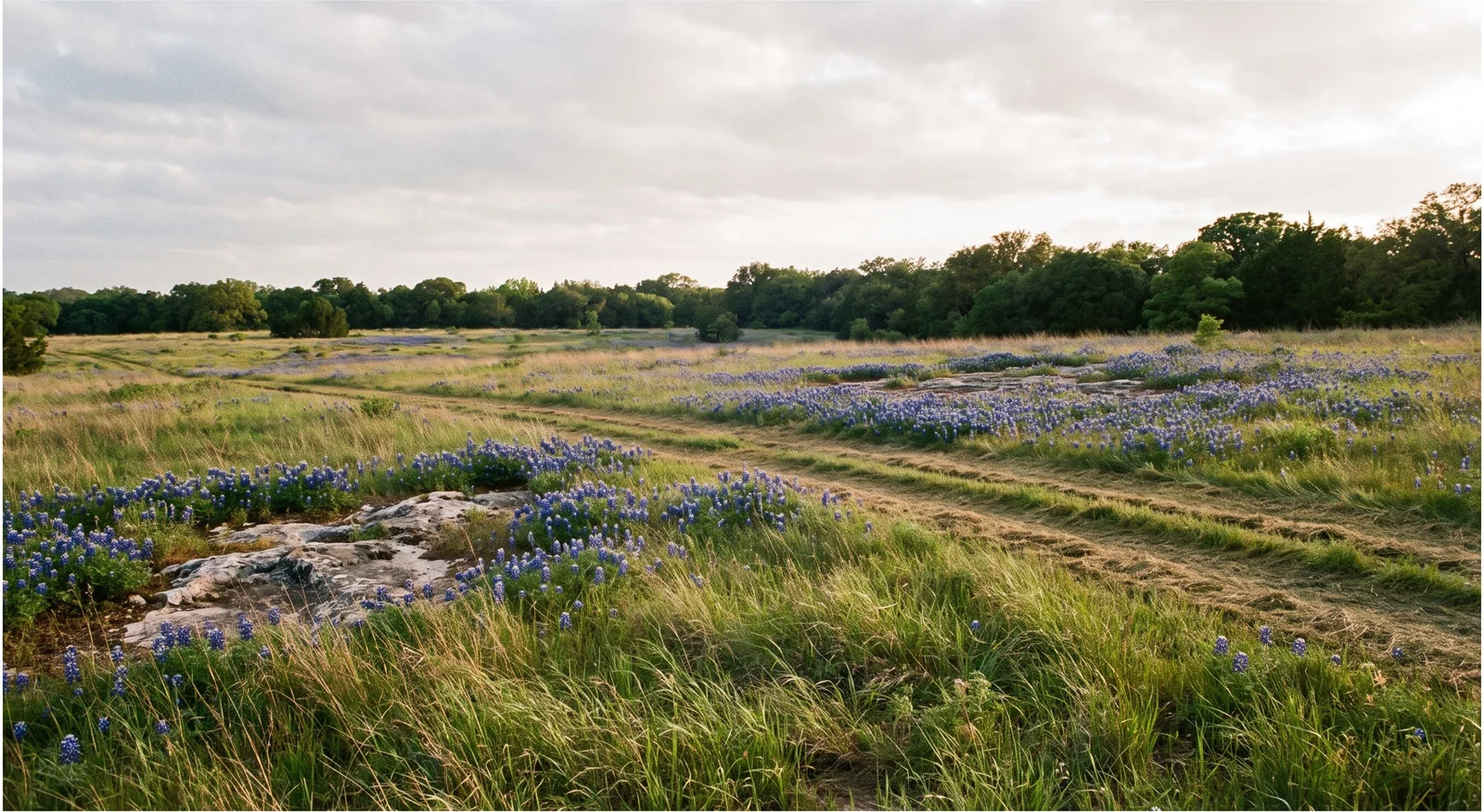
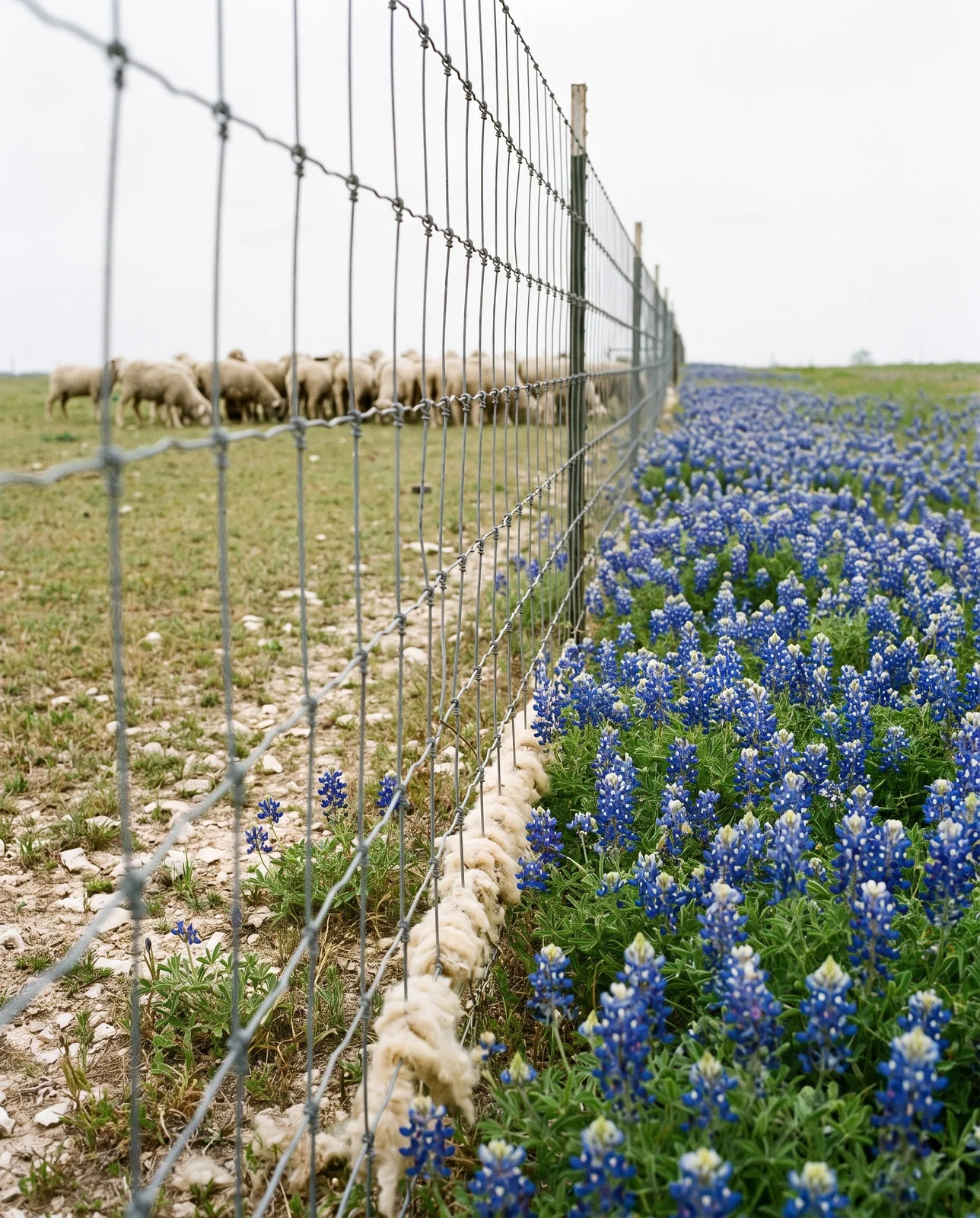
Bluebonnets grow on open, sunny ground across Texas, and what limits a stand is grazing and rain more than soil type. The plant tolerates clay, dry ground, limestone, loam and sand, and grows well in all soils except very loose sands. Grazing sorts the rest. The alkaloids in lupines deter deer, and cattle and horses avoid eating bluebonnets almost completely, so a cattle pasture keeps its blue through spring while everything around it gets cropped. Sheep and goats are the exception, since they find bluebonnets tasty and will clear a pasture of them. Deer break their own rule where it is dry, and in the drought-prone Hill Country they eat bluebonnets routinely.
Texas is not the only state where the species grows. Lupinus texensis also grows in Florida, Louisiana and Oklahoma, a wider footprint than the flower's Texas identity suggests. Texas species lists give the Big Bend plant as Lupinus harvardii and as L. havardii. The accepted botanical spelling is havardii, the epithet honoring the surgeon and botanist Valery Havard. It is the same plant either way, known as the Big Bend bluebonnet and the Chisos bluebonnet. Where the Texas species will not take, gardeners fall back on other self-sowing annuals, poppies among them.
Why the roadsides are full of them
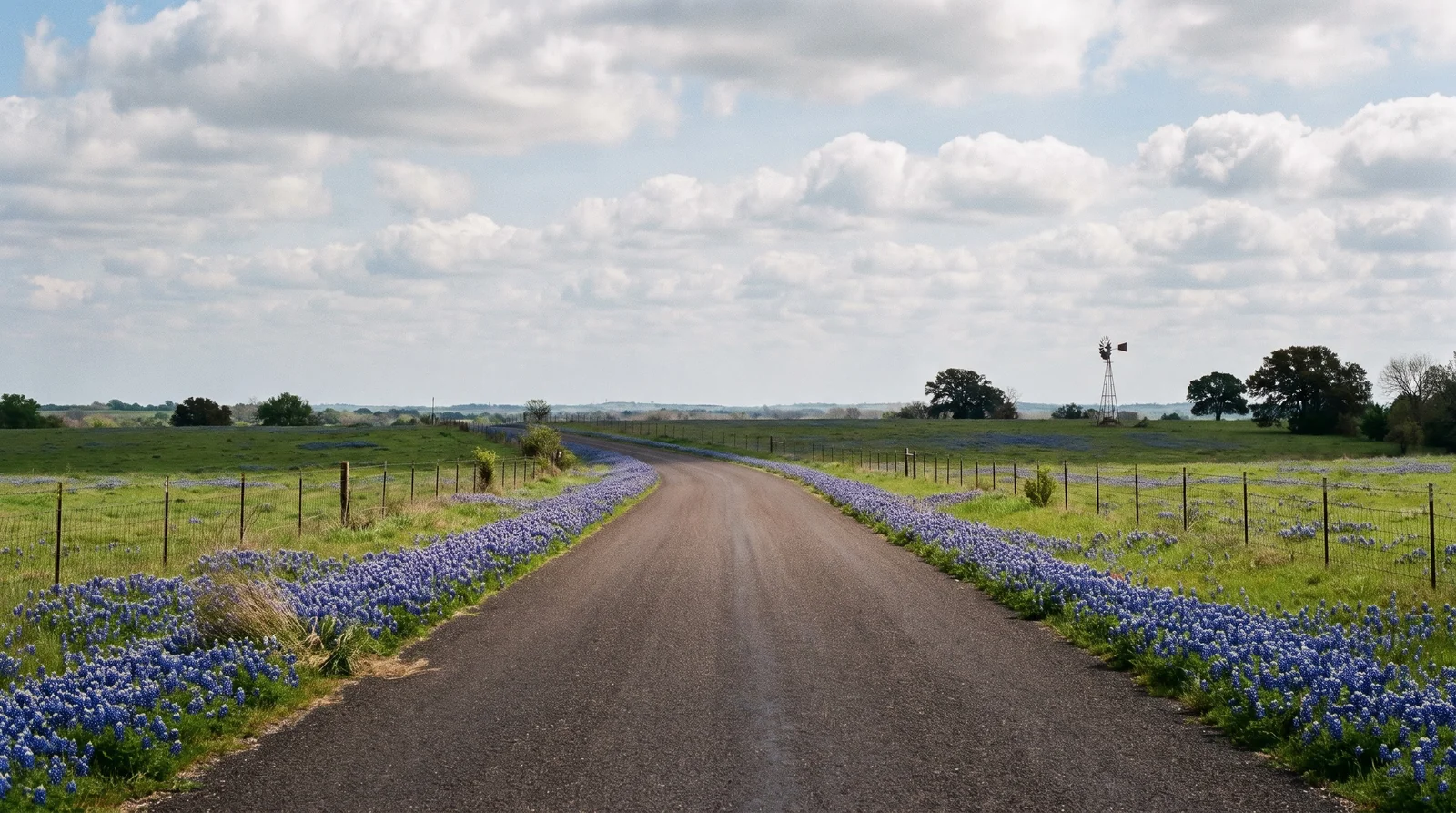
The shoulders are full of bluebonnets because the state put them there. A landscaping and beautification program begun by the state highway department in the 1930s extended the flower's range, and that work is why bluebonnets now grow along most major highways in Texas. A roadside stand is a maintained planting that looks like an accident of habitat. The same decade did more than sow seed. In 1933 the legislature adopted a state flower song called Bluebonnets, written by Julia Booth and Lora Crockett, and in the same year it made picking the flower a crime. The blue on the shoulder and the belief that touching it is against the law came out of the same few years of Texas government.
Is it illegal to pick bluebonnets in Texas
No Texas statute now singles out bluebonnets, and the belief that one does remembers a law that was real. The Texas Wildflower Protection Act was enacted on June 9, 1933, written by State Representative Emmett Morse of Houston. It made it unlawful to pick bluebonnets and other wildflowers on enclosed or state-mandated land without permission, and it carried a fine of one dollar to ten dollars. The act was erased in 1973 during a revision of the criminal code, which is why the belief has outlived the statute by decades. The Texas State Law Library's librarians report finding no such law on the books today. The political scientist Brandon Rottinghaus says the same for the two places people actually pick, that no Texas statute flatly bans picking bluebonnets in a pasture or roadside field.
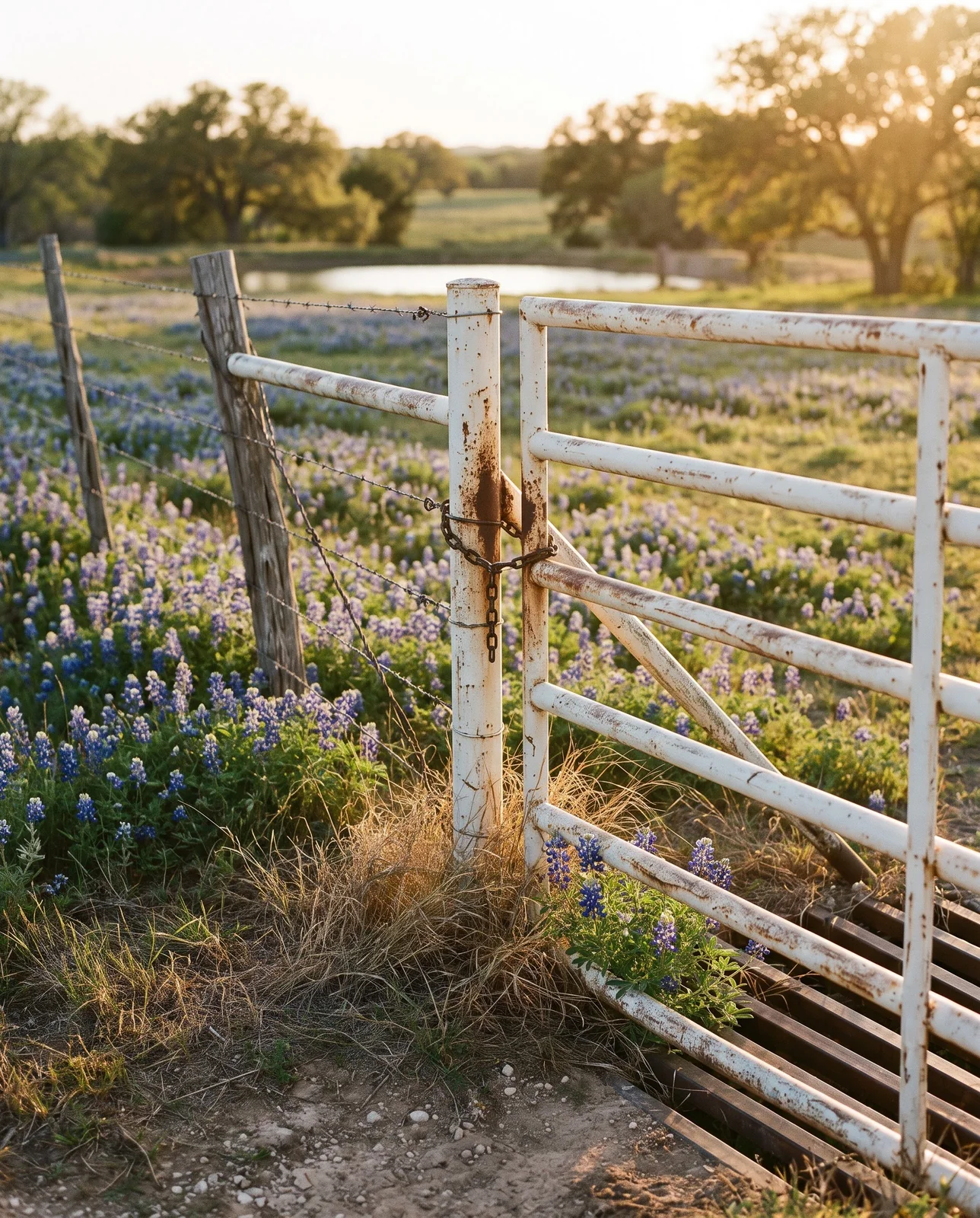
Three limits apply across the state, and none of them mentions bluebonnets. Picking, cutting or destroying any plant life on state park grounds is against the law, and the same holds inside a state or national park. On private land the offense is trespass. Entering or remaining on another person's property, including agricultural land, without effective consent is criminal trespass, and picking there without permission can be prosecuted that way. On a highway shoulder the concern is damage and safety. Picking a few roadside flowers may not be illegal, while digging up large clumps or driving a vehicle into a field of them is a different matter.
Where the rules actually bite
Situation by situation: what the rule says, and what kind of rule it is.
Why the myth outlived the law
The belief survives because it started as a statute and the repeal was quiet. It now sits with urban legends, one of a numbered set of Texas myths that everybody claims to know already. Three practical warnings travel with it, and none belongs in a courtroom. A highway shoulder is a bad place to park and walk. The ground past the fence belongs to somebody. A flower taken home is a pod that never forms. Two of those have hardened into real rules, permission on private property and no picking inside a state park, and coverage of the myth lands on exactly that pair. The third belongs to whoever wants a stand in the same spot next spring.
Are bluebonnets toxic to people and pets
Bluebonnet has no entry in the national pet-toxicity database. The ASPCA's toxic and non-toxic plant list carries no page for bluebonnet or for lupine under any name. Being absent from a pet-safety list is a different thing from having been examined and cleared, so bluebonnet sits among the flower types a household has to judge by the genus.
What is documented sits in the genus and in grazing animals. Several lupine species are poisonous to livestock, producing death in sheep and crooked calf disease in cattle, and many of them carry quinolizidine or piperidine alkaloids toxic to stock. Alkaloid content is highest in the seeds, so plants in the seed stage in late summer are the most dangerous, and the risk to a pregnant cow or heifer runs through the late first or early second trimester. Two conditions get mixed up: lupine poisoning, a nervous syndrome from alkaloids in bitter lupines, and lupinosis, a liver disease from a fungus on dead lupines grazed in summer and autumn. Sheep are the usual victims, cattle and horses are affected occasionally, and pigs, goats and donkeys are susceptible as well. All of that is pasture scale, with lupine seeds poisonous when eaten in quantity, which leaves caution as the honest position for a household.
In a pot, and outside Texas
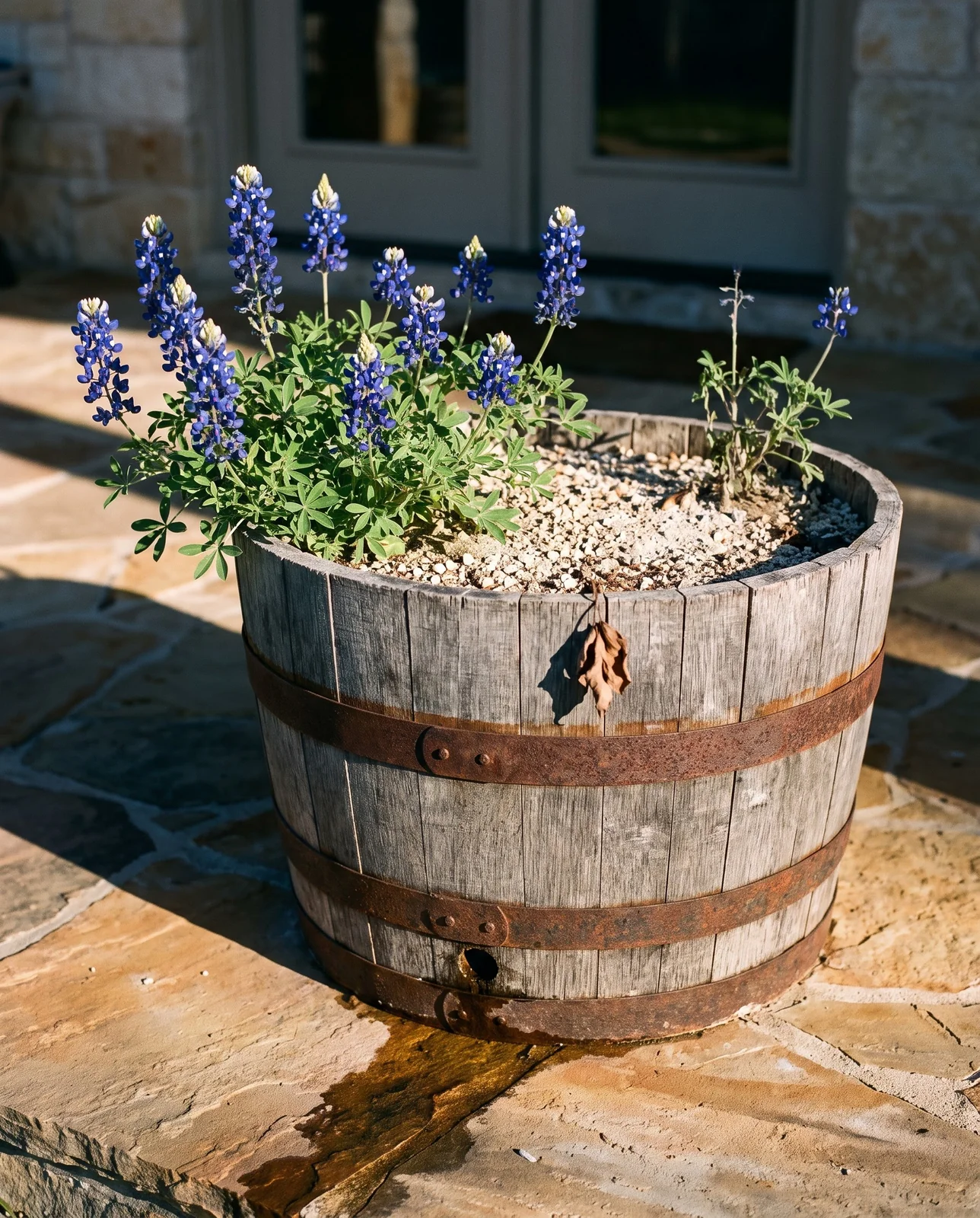
Container growing follows from the root. The taproot goes down immediately and the plant resents having it disturbed. Sow straight into the container it will flower in, because a seedling raised in a cell tray and potted on later is handled the way this plant likes least. Keep the mix lean: the plant is adapted to poor ground and needs no fertilizer at all. A pot also needs the better part of a day in direct sun, so an indoor bluebonnet is a bad idea. How to carry a potted plant through a cold winter is the one question nobody answers.
Outside Texas the plant grows and the calendar inverts. Northern growers are told to skip fall sowing entirely because the seedlings cannot take the winter, and where a freeze would kill tender seedlings the recommendation is a spring sowing. The seed then needs cold stratification or scarification to break down the tough outer shell, because the winter that would have done that work is out of the plan. The other route is a greenhouse, raising transplants through winter and setting them into beds and pots in spring. Whether a spring-sown stand in a cold state reseeds itself the way a Texas stand does goes unanswered.
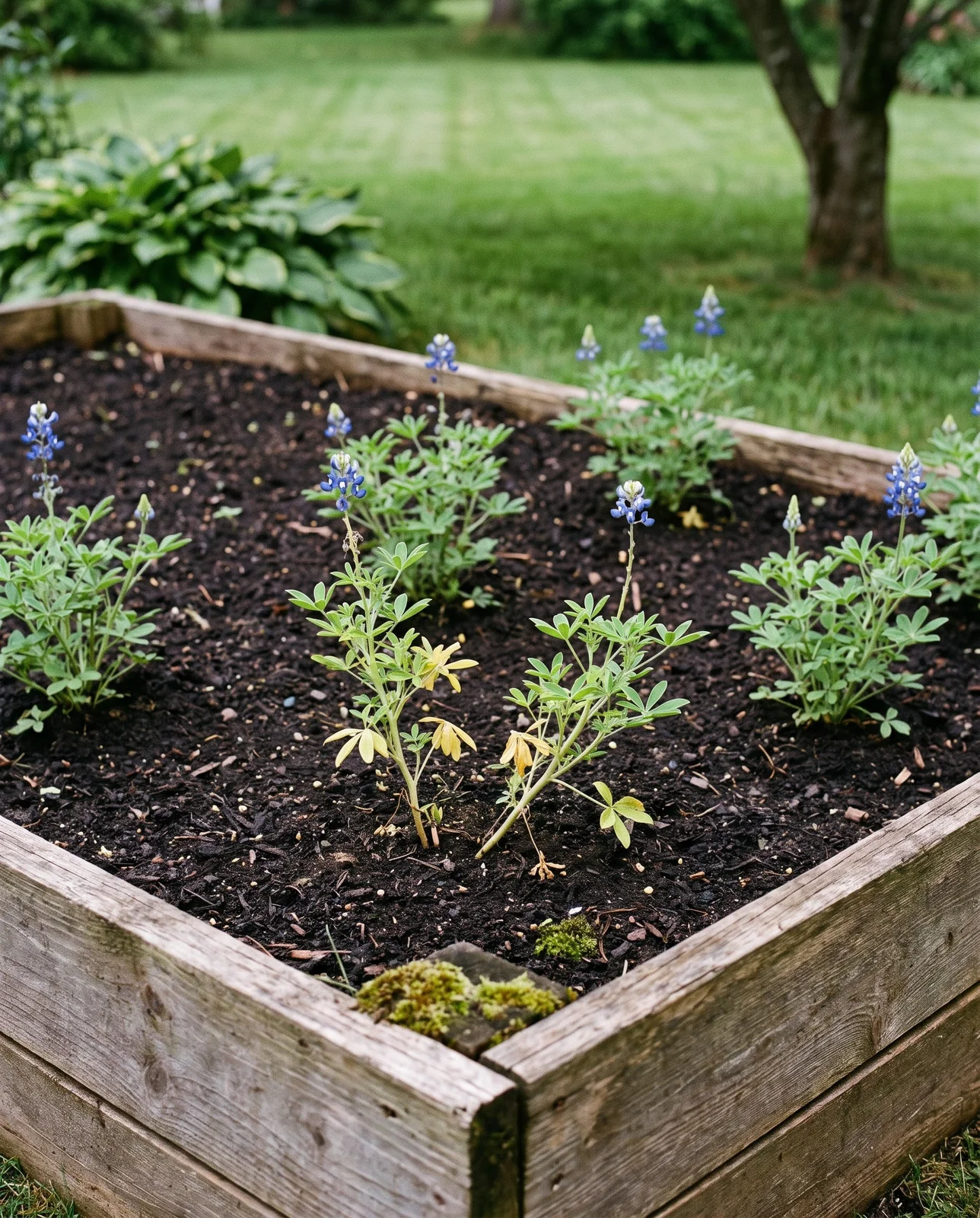
What actually goes wrong, by how often it comes up
The complaints that come up most often, and what to do about each.
Seed left lying on turf, mulch or leaf litter never reaches the soil it has to root into. Rake it in or cover it lightly. If it was covered and nothing showed, the seed is dormant and the patch belongs to a later spring.
The cost is the whole following season, because pods do not all ripen at the same time and one early pass takes every pod that was still green. Wait for brown.
Sow straight into the final container, since the taproot resents disturbance, keep the mix lean and give it 8 to 10 hours of sun. Wintering a potted plant is the part nobody covers.
Heavy wet clay defeats stands on a soil the plant's own tolerance list includes. Drainage is what it is asking for, so use the grittiest, most sloped corner you have.
Cold-climate growers are told to treat it as a spring-planted annual, which quietly drops the self-seeding that makes a Texas stand permanent. Collect the brown pods yourself and sow them again.
A tidiness clause reads a seeding wildflower as neglect, and a stand can be cited as excessive weeds and cut. Read the covenant before the flowers fade.
Fast germination followed by a dry spell with no rain behind it. Scarifying stimulates all of the seeds to germinate at once and leaves no residual seed for a drought year, so treated seed has to be watered through its first weeks.
Five things people believe about bluebonnets
Each of these changes how somebody treats the plant, which is worth settling.
The myth: It is illegal to pick bluebonnets in Texas.
The reality: The law it remembers was repealed in 1973, and no current statute has replaced it. What remains attaches to the ground: permission on private land, and no picking inside a state park.
The myth: Bluebonnets are perennials that come back from the same roots.
The reality: The species runs a one-year lifecycle, whatever the hardiness zones 4 to 8 on care listings suggest. The stand returns from seed and from nothing else.
The myth: You have to scarify the seed or nothing will grow.
The reality: Germination of untreated seed is sometimes under 20 percent, and that is the seed working as designed, since the remainder comes up in later years. Scarifying is also advised against for seed that will not be watered through dry periods.
The myth: Bluebonnets only grow in Texas.
The reality: It also grows in Florida, Louisiana and Oklahoma. Growers in colder states raise it from greenhouse transplants set out in spring, or sow in spring where a winter freeze would kill fall seedlings.
The myth: A bluebonnet patch needs watering through the spring.
The reality: Watering is a decision about seed, and it belongs to the weeks right after a scarified sowing. A container gets water when the top inch or two of mix begins to dry, and nothing asks for irrigation through the bloom.
What a first year looks like
Fall into winter. Seed goes down in fall, and what comes up is a small flat rosette that sits through the cold months while the root goes down. Untreated seed may show nothing at all in that first season, which is the seed behaving normally and no verdict on the sowing.
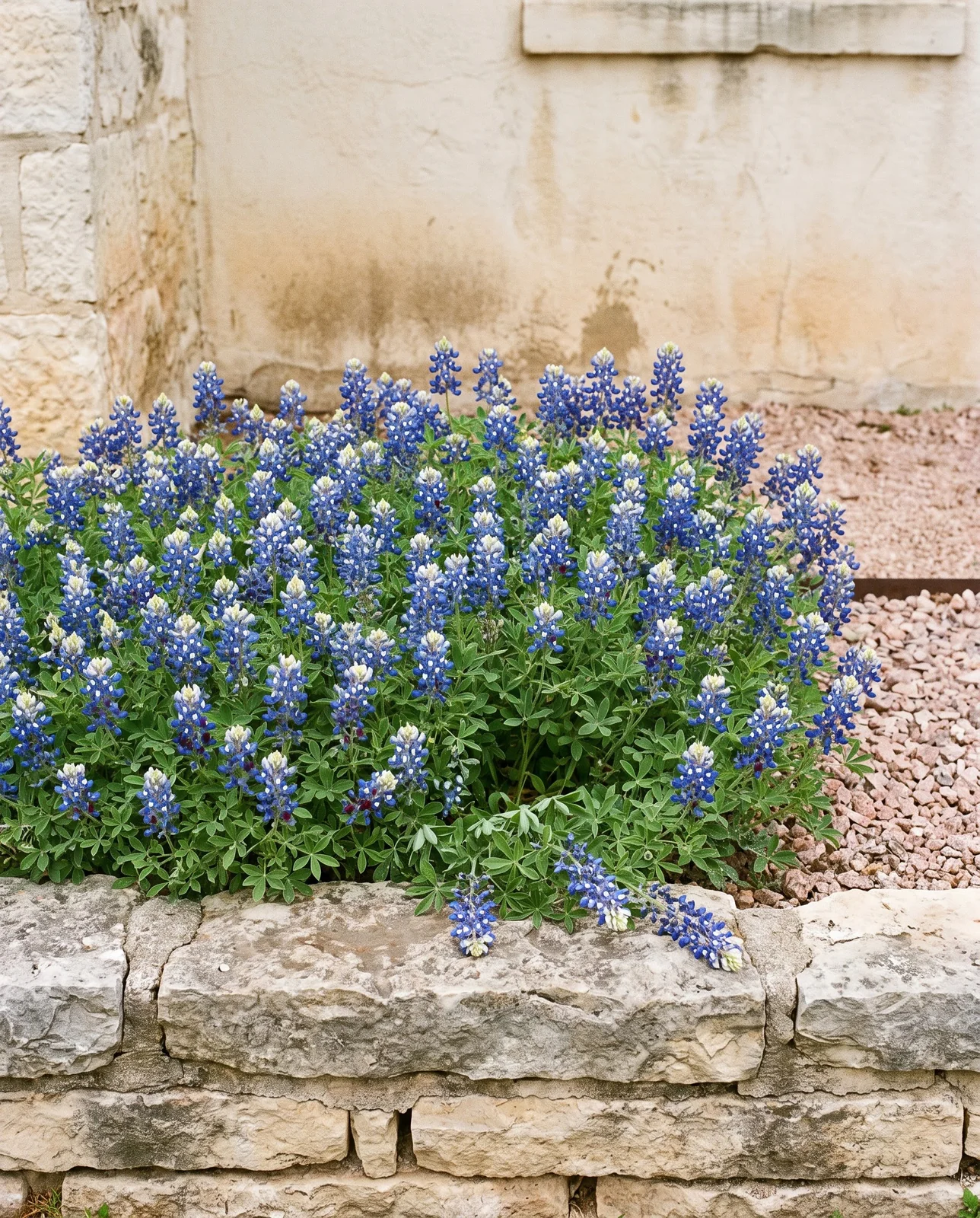
March into May. Bloom runs March, April and May, and the peak inside it is narrower: the end of March through the middle of April, leaning into April in some parts of the state. A stem carries up to 50 pea-like blue flowers with a conspicuously white tip. That white tip does a job. As each floret ages the white spot turns purplish-red and bees are much less drawn to it, a shift also called a move to red or magenta. So a spike showing color low down and white on top is still being worked.
The second spring. Everything after bloom belongs to the pods, which ripen unevenly and only build next year's stand if they are left to shed. What follows is slower than it looks, because the greater part of the seed a stand drops waits for a later year. A patch left alone thickens over several springs as that reserve empties. A patch cleared every May thins to nothing, and the mower, the inspector and the photographer with a full hand are all working on the same account.
FAQ
Are bluebonnets only grown in Texas?
No. The species is recorded in Florida, Louisiana and Oklahoma as well as Texas, and gardeners in colder states grow it as a spring-planted annual.
Why are bluebonnet flowers illegal?
They are not. The 1933 act that banned picking on enclosed or state-mandated land was repealed in 1973, and no current law has been found. A state park still bans picking any plant, and private land needs permission.
What are bluebonnets good for?
They feed soil and pollinators. The roots work with Rhizobium bacteria whose nodules convert atmospheric nitrogen into a form plants can use, and bees work the florets while the banner spot is still white.
How long do bluebonnet seeds take to germinate?
Properly scarified seed germinates within 10 days after planting. Untreated seed runs on its own clock, since only about 20 percent of the seed shed in a season can germinate that season.
How do I scarify bluebonnet seeds?
Put the seeds in the freezer overnight and then douse them with boiling water to crack the coats, or simply soak them overnight. Scratching or breaking the surface of each seed and then soaking it works as well.
Can you just scatter bluebonnet seeds?
Better to rake it in. Seed must be lightly covered or raked into the soil, though it can also go on top uncovered so it sits in full light.
What month do you plant bluebonnet seeds?
Fall, and the window is wider than most packets admit. Seed may go in from September 1 through December 15, with late September through early November ideal for scarified seed.
Will bluebonnets come back every year?
Only from seed. The plant is an annual with a one-year lifecycle, so the patch returns when the pods were allowed to ripen and shed, and disappears when they were cut off first.
Can I plant bluebonnets in my yard in Texas?
Yes, given sun and drainage. Bluebonnets want alkaline soil of moderate fertility that drains, and full sun. Clay, limestone, loam and sand are all tolerated, with very loose sand the exception.
Can you mow bluebonnets in Texas?
Yes, once the pods have gone brown. Ripening pods turn from light green to goldish yellow, then light tan or cream, then a darkened brown. Mowing the wilted flowers before the plant has set seed is the common mistake.
Interesting tips
- Color mutations are named and worth watching for: all-white flowers, pink, and the maroon selection called Alamo Fire. An ordinary blue spike can also carry a tinge of pinkish-red among the white, which comes from florets aging on the stem.
- Do not judge a patch by its scent. The flowers are called fragrant, while many people get no smell at all from them and a few call it sickly sweet.
- Count the leaflets if you want to know what you are looking at. Bluebonnet leaves are palmately compound with five leaflets, sometimes five to seven, narrow and fanning from a single point like fingers on a hand.
Related Guides & Flowers

Lupinus texensis
The species entry for the plant itself, for readers who came for the botany behind the common name.
Lupines and soil nitrogen
What the root nodules on a bluebonnet are doing, and what the wider genus gives back to poor ground.
Cornflowers from seed
Another annual sown straight onto open ground that rebuilds its own patch from seed it drops.
Purple flowers
The next shelf along the cool end of the color range, if a spring bed is being planted by color.
Enjoying our flower guides? Add YourFlowersGuide as a preferred source on Google. It helps more readers find us.
Add to Preferred Sources