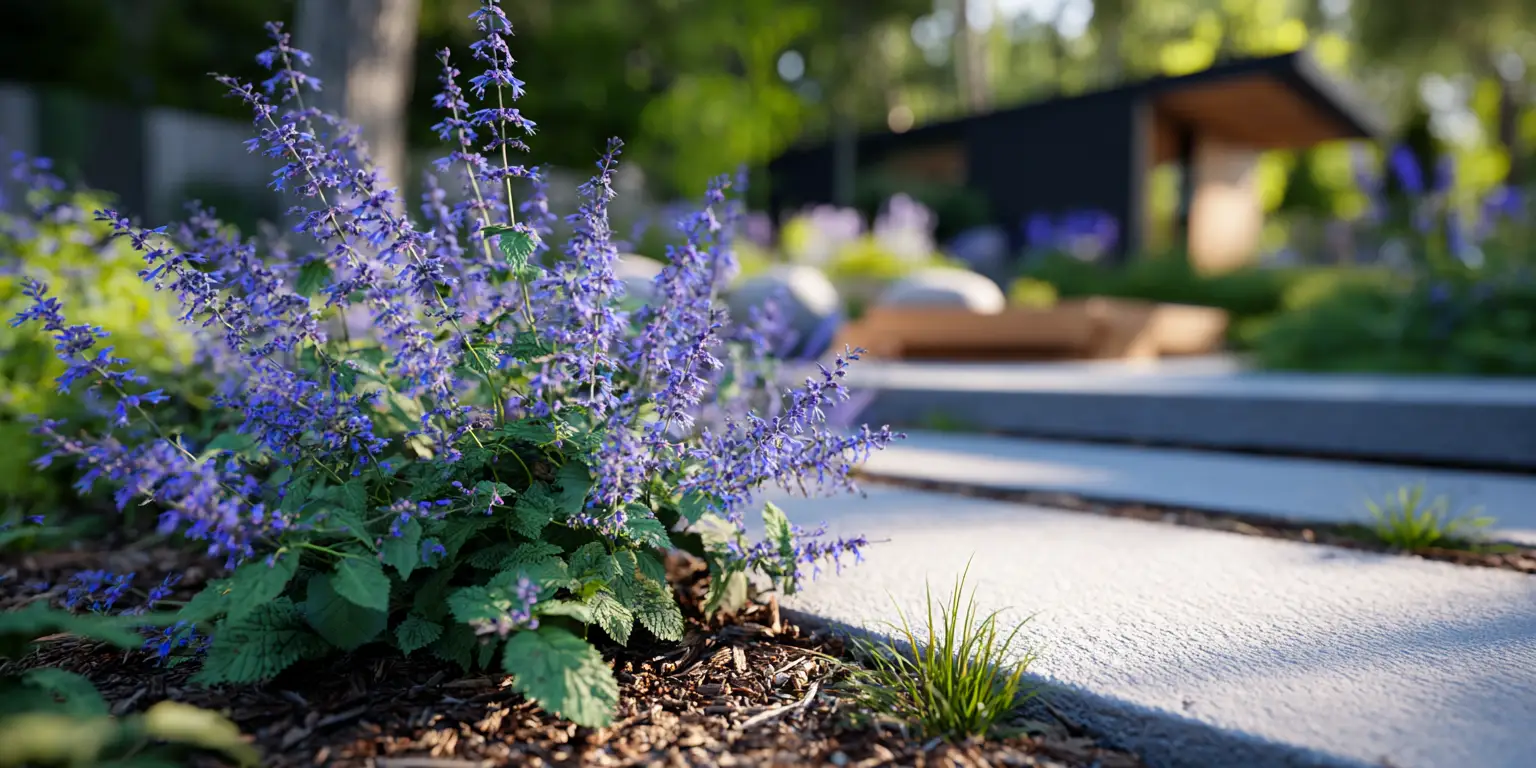
in bloom
now
through Aug
Bloom calendar
Nepeta sibirica
species catmint
At‑a‑glance
- Group/Class: species catmint
- Height × spread: 24 to 36 in × 12 to 20 in (60 to 90 cm × 30 to 50 cm)
- Bloom window: mid to late summer
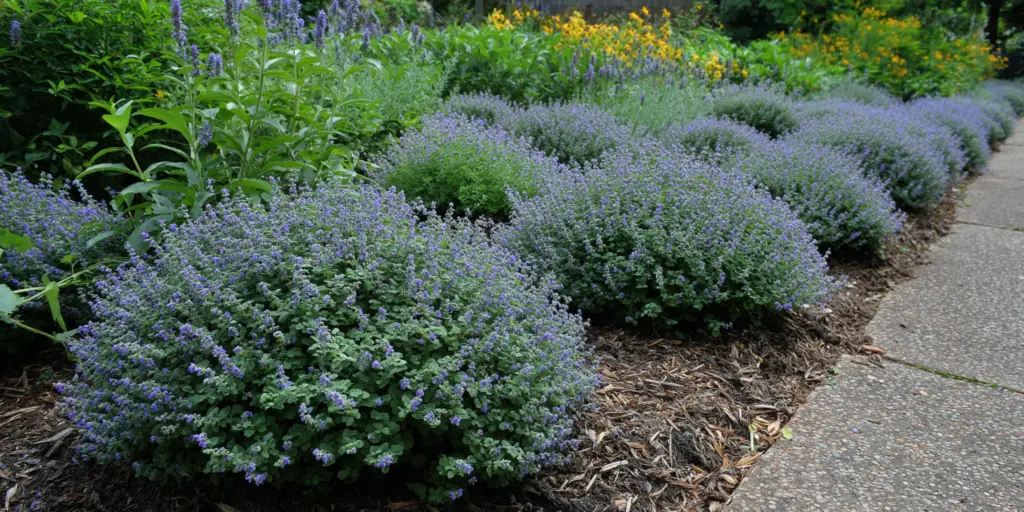
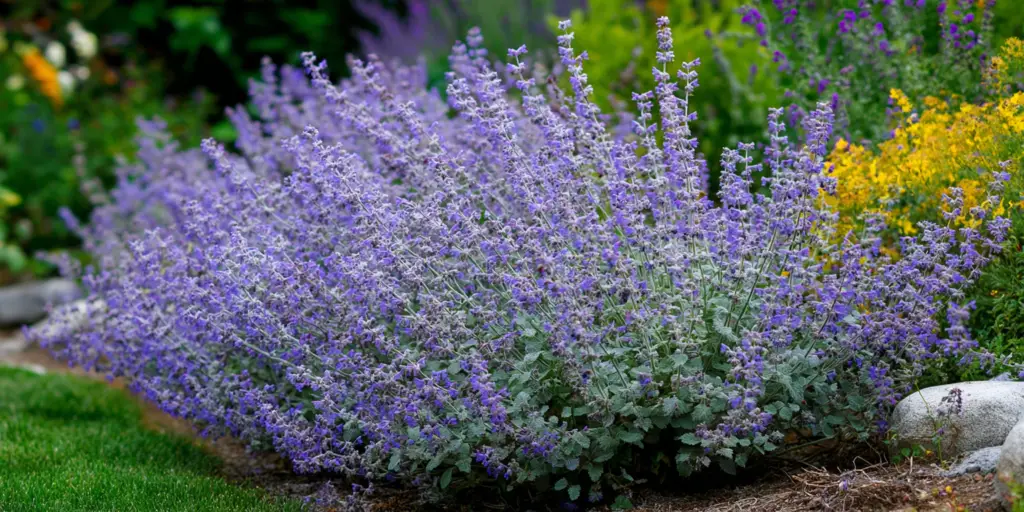
- Color & flower form: blue to lavender flowers in whorled spikes
- Fragrance: 2 noticeable
- USDA hardiness: unknown / varies by climate
- Breeder / Year / Origin: unknown, Siberia to northern China
- Pet safety: sources differ; see References
How it differs
- Taller and more upright than many garden catmints.
- Later bloom peaks in mid to late summer.
- Large flowers create stronger color blocks in borders.
- Cold hardy and suited to cooler summer regions.
Strengths
- Bold vertical effect for mid to back borders.
- Aromatic and pollinator friendly.
- Handles lean, well drained soils.
Care in one minute
Provide full sun in cool regions; in hot, humid climates give light afternoon shade.
Use well drained soil and avoid overwatering.
Water to establish; then water deeply but infrequently.
Deadhead to tidy and cut back low in late fall or early spring.
Watch‑outs
- May relax or flop on rich or wet soils.
- Powdery mildew can appear in dry summers.
- High heat and humidity can reduce vigor; give light shade.
Best uses (tags)
Provenance note
A species ranging from Siberia to northern China and grown for its taller, showier spikes.
References
- RHS – Nepeta sibirica
Similar Flowers

Enjoying our flower guides? Add YourFlowersGuide as a preferred source on Google. It helps more readers find us.
Add to Preferred Sources