What duranta is
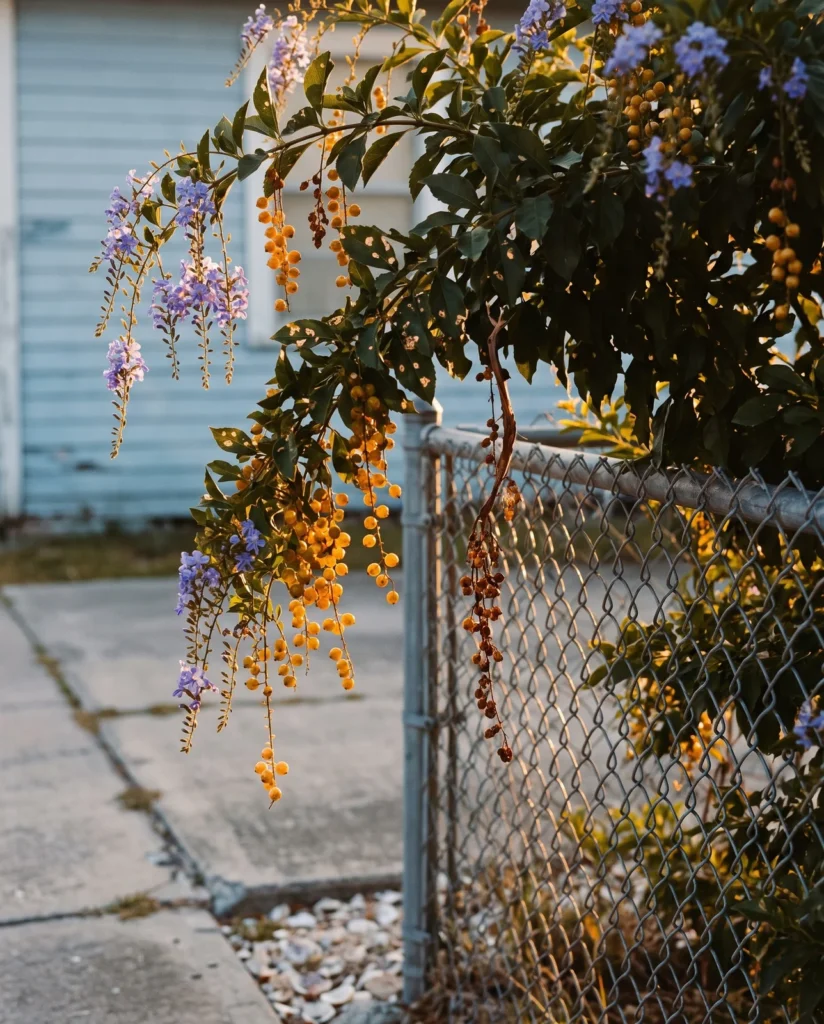
Duranta is an evergreen, sprawling shrub, or rarely a small tree, in the verbena family Verbenaceae. In nurseries it sells as golden dewdrop for its hanging fruit, pigeon berry for the birds, or sky flower for the blooms. Its botanical name honors Castore Durante, a papal physician and botanist in Rome, while erecta comes from Latin. The plant grows on multiple trunks with arching branches that droop and trail downward, spreading sideways as easily as it grows tall.
In the wild, duranta belongs to the tropical and subtropical Americas, including Florida. Whether the shrub is truly native to the southern United States remains unsettled. Preserved plant specimens from the nineteenth century suggest golden dewdrop once grew native in South Florida. The shrub grown in gardens and found wild today looks distinct from that historical form, and today's plant is not considered native to Florida. Even so, the species also counts as native within the United States in Florida and Texas. That distinction matters in the garden, because an escaped plant behaves differently from a natural native once birds spread the seeds.
The berries and the leaves are poisonous
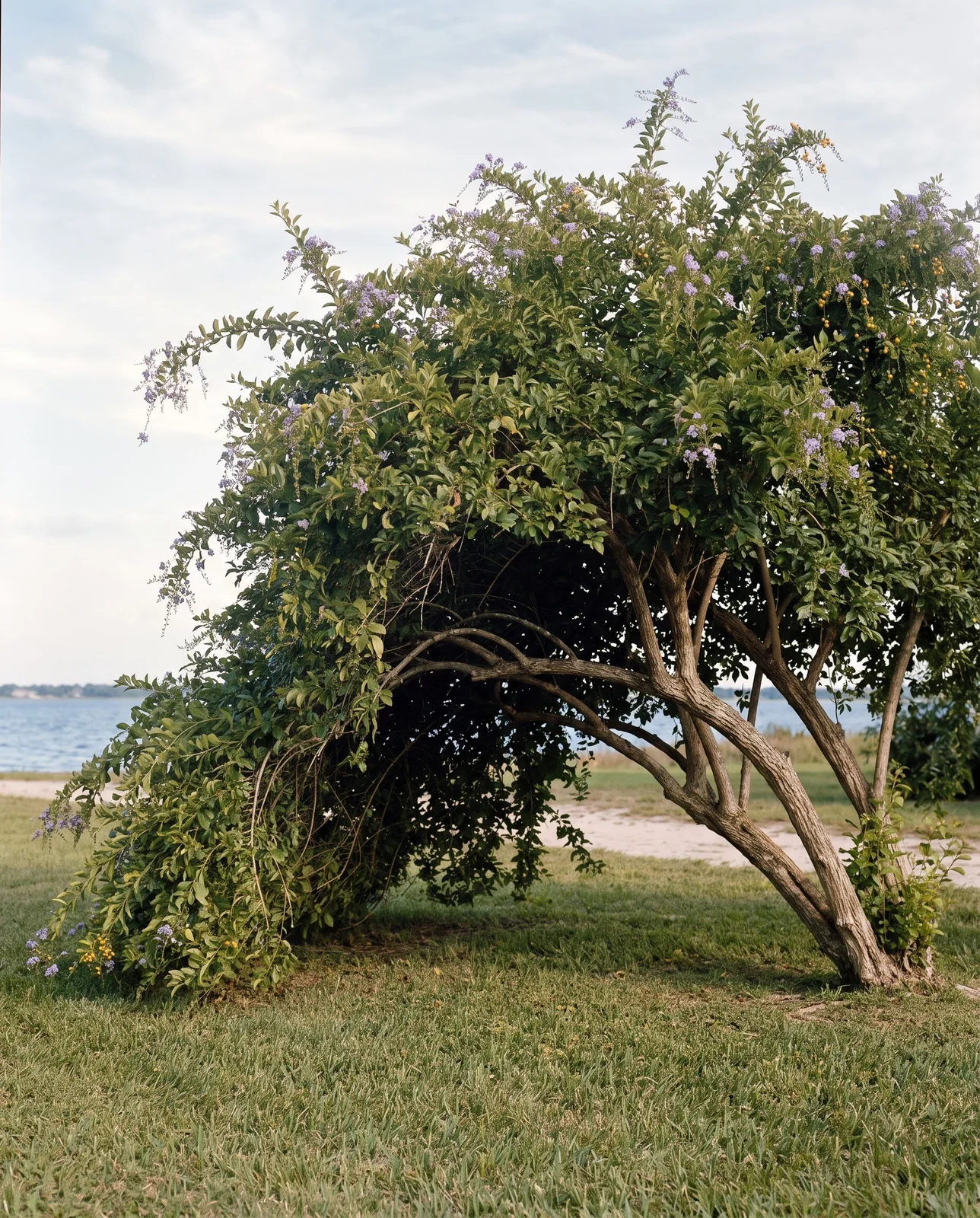
Both the leaves and berries are toxic, carrying a high poison risk for people, dogs, and cats. If eaten, the plant has been known to kill children, pets, and livestock, though it leaves wild birds unharmed. Dogs in particular find the plant attractive and may jump up into the branches to reach the berries. Life-threatening poisoning can happen in both dogs and cats, although an animal usually has to swallow a large quantity of leaves or fruit before serious effects appear. The chemistry remains unsettled: the toxins may be isoquinoline, saponin glycoside, and hydrocyanic acid, or the compound responsible may still be unidentified.
In humans, swallowing the leaves or fruit can cause severe illness, with symptoms including drowsiness, fever, nausea, vomiting, and seizures. The foliage is also known to be slightly allergenic on contact. Documented cases in humans are sparse, though warnings that children have died usually trace back to a single 1895 case of a 4-year-old boy in Australia. For pets and livestock, the danger is confirmed. The leaves and unripened berries have caused fatal poisonings in dogs and cats. Poisoning has also been documented in parrots, finches, pigs, cows, and kangaroos. Songbirds eat the fruit without ill effects.
Living with duranta safely means knowing what the fruit looks like and keeping emergency numbers close. The fruit forms half-inch, yellow-orange berries that hang in long, trailing clusters from late summer into fall. If anyone swallows any part of the plant, call the poison control center right away at 1-800-222-1222. In pets, watch for drowsiness, drooling, vomiting, diarrhea, a slowed heart rate, tremors, and convulsions, and animals that survive severe poisoning can take days to recover. Duranta does not appear on the ASPCA toxic plant list under any common name. No selection is sold as berry-free, though the gold-variegated 'Gold Edge' rarely blooms or sets fruit. Wear gloves when planting or pruning, because each leaf has a thorn and the sap can irritate skin. Gardeners who grow oleander already know this routine, keeping toxic stems and fallen fruit well away from pets.
What it looks like
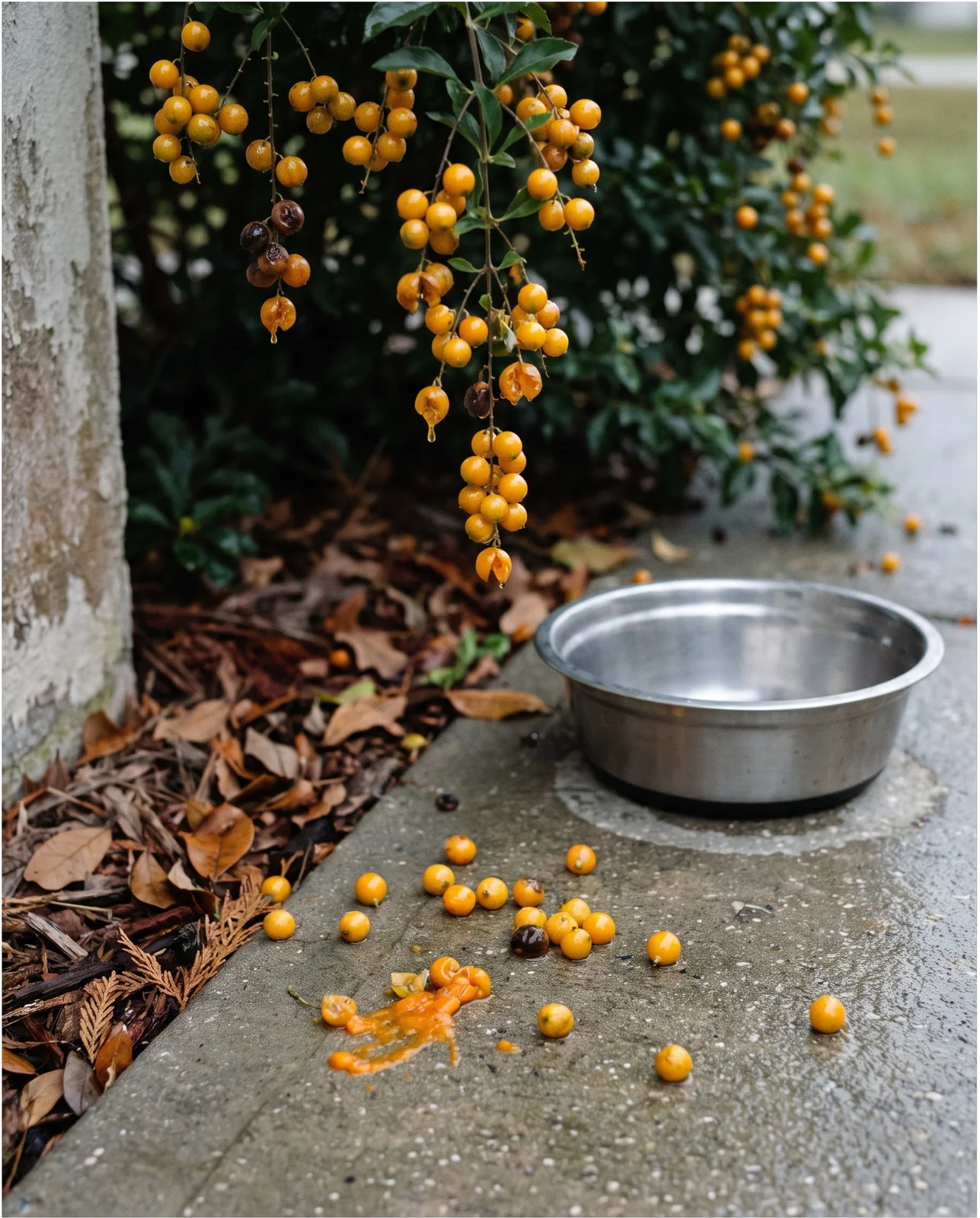
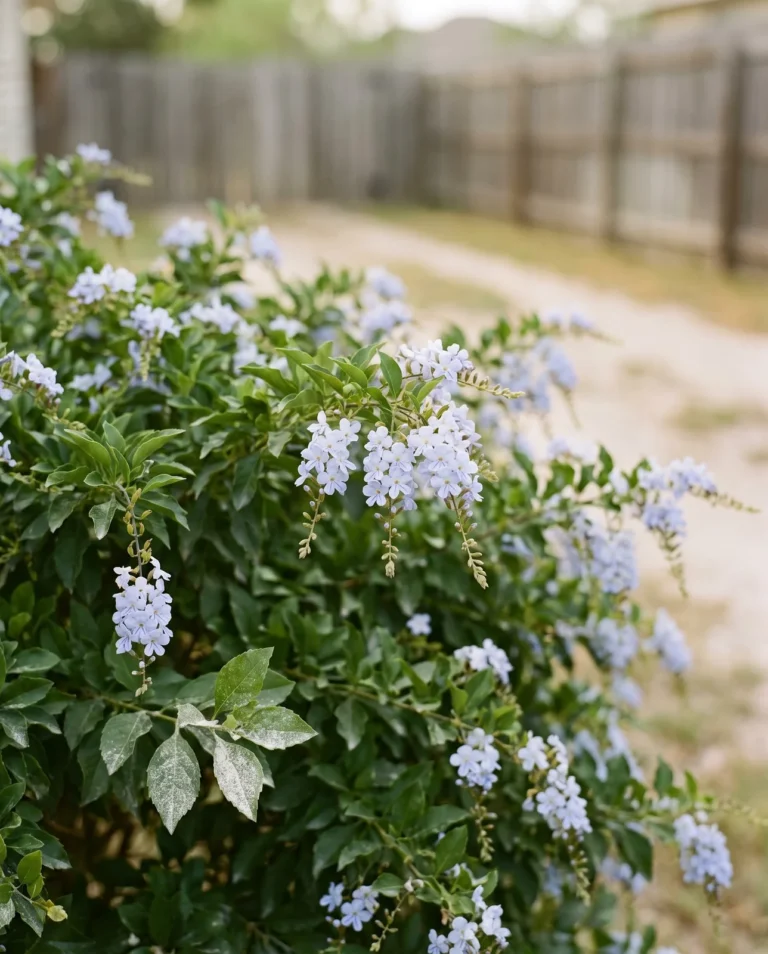
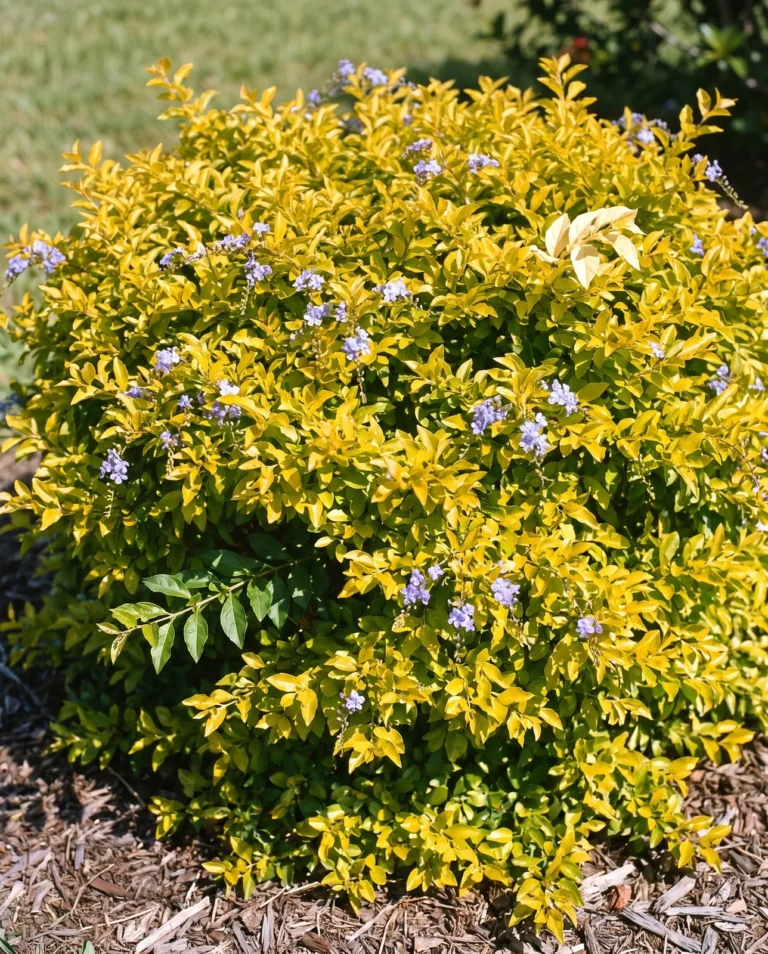
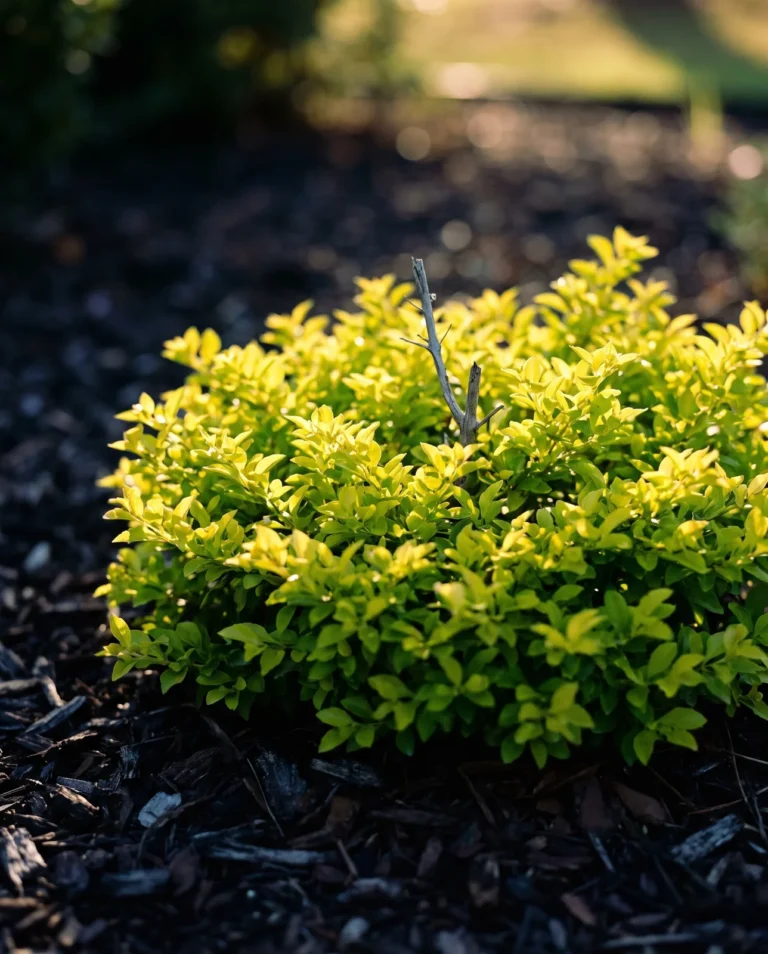
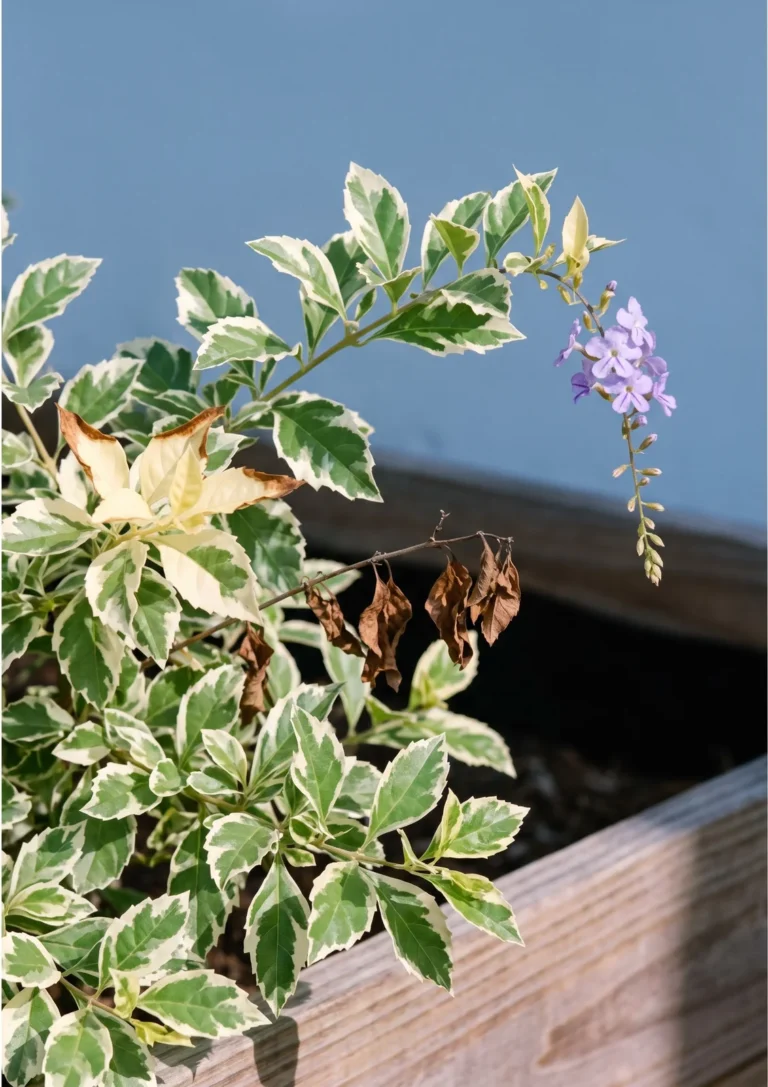
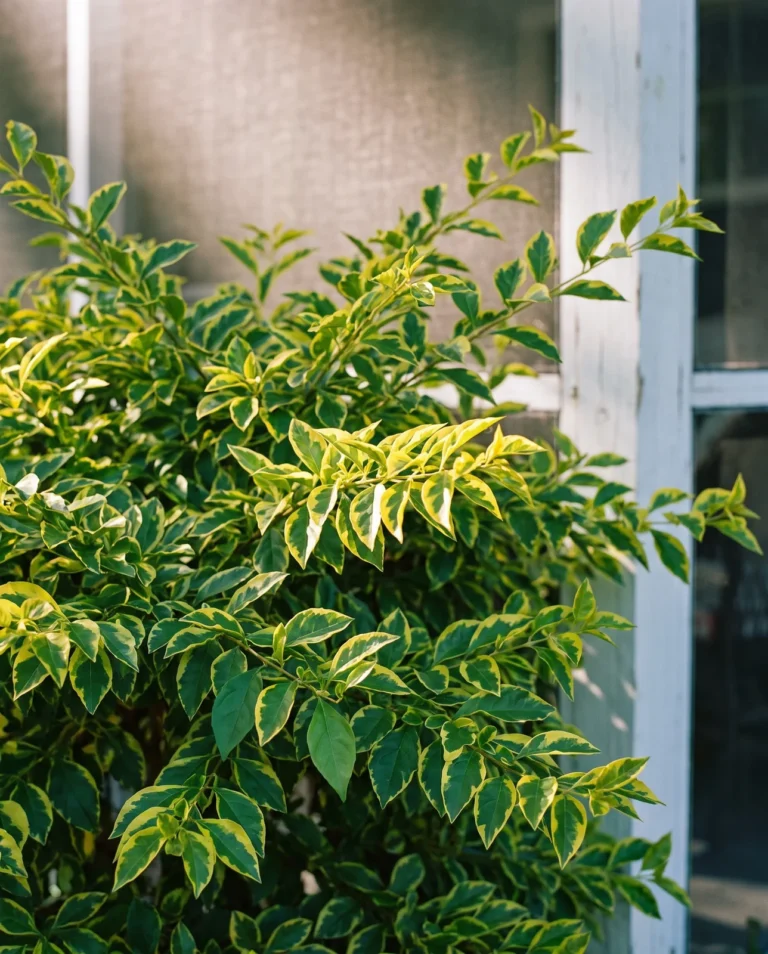
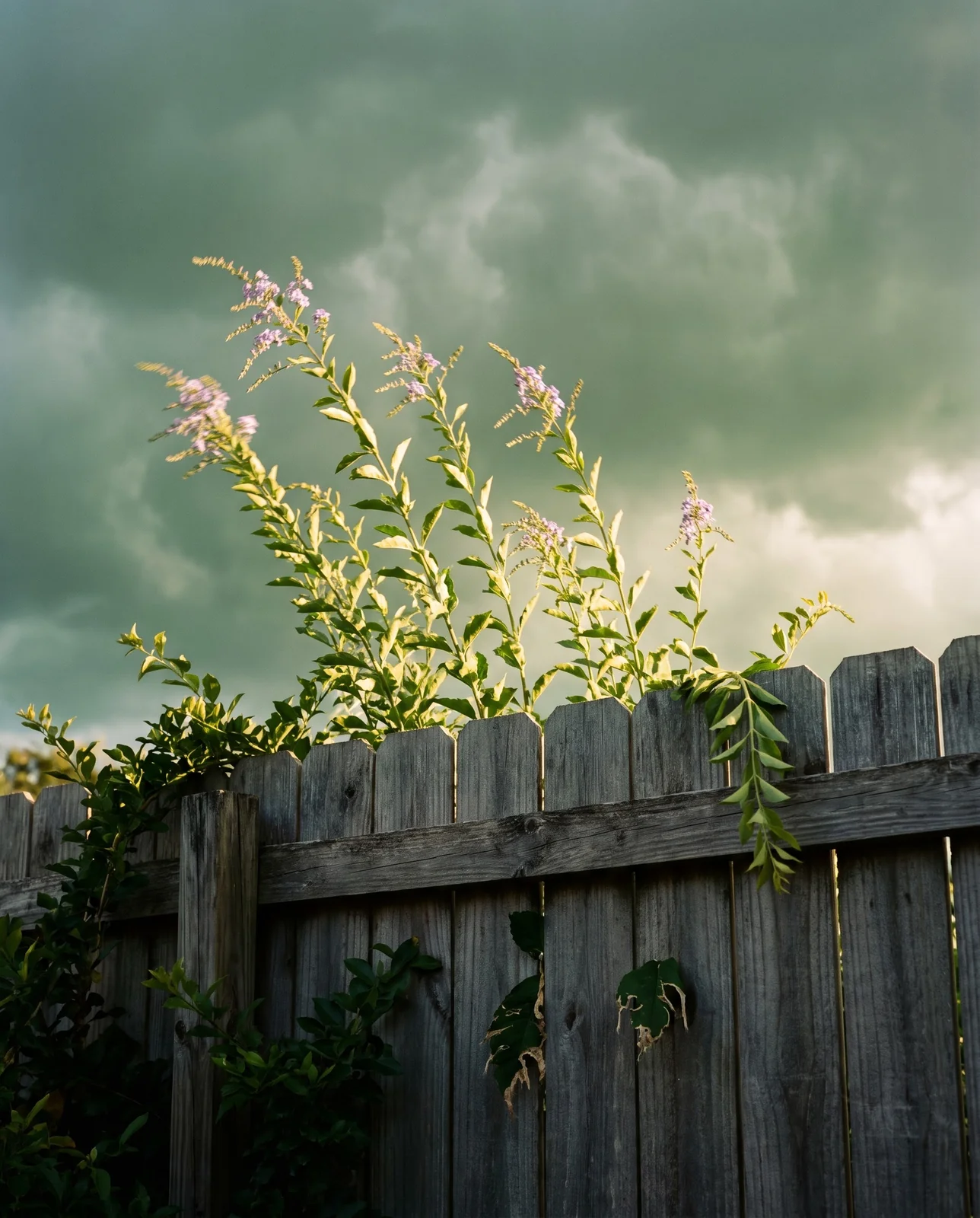
Duranta forms a spreading, fountain-shaped shrub with arching branches hung with sprays of flowers and colorful fruit. The flowers bloom blue to violet, sometimes edged in white, opening on 6-inch clusters on new growth. In fall, these blossoms give way to drooping sprays of yellow-orange fruit, each a small berry measuring up to 0.4 inches across. Foliage varies among garden selections, ranging from chartreuse to golden-yellow or leaves edged in white and yellow. On older wood, the bark turns light brown and slightly furrowed. Thorns tend to arrive with maturity. Sharp thorns usually appear along mature stems but are often absent on young plants, and each leaf carries a thorn on its underside. Across the wider genus, some species bear spines while others remain spineless.
How large the shrub grows depends on your climate and how frequently you prune. In frost-free gardens, duranta can grow 10 to 15 feet tall and 4 to 10 feet wide. With ample space, plants can reach up to 18 feet tall and 10 to 15 feet wide, or stretch to 20 feet tall and wide. In USDA zones 10 and 11, it often develops into a large shrub or small tree of 15 to 20 feet.
Hardiness, and what to do north of its zone
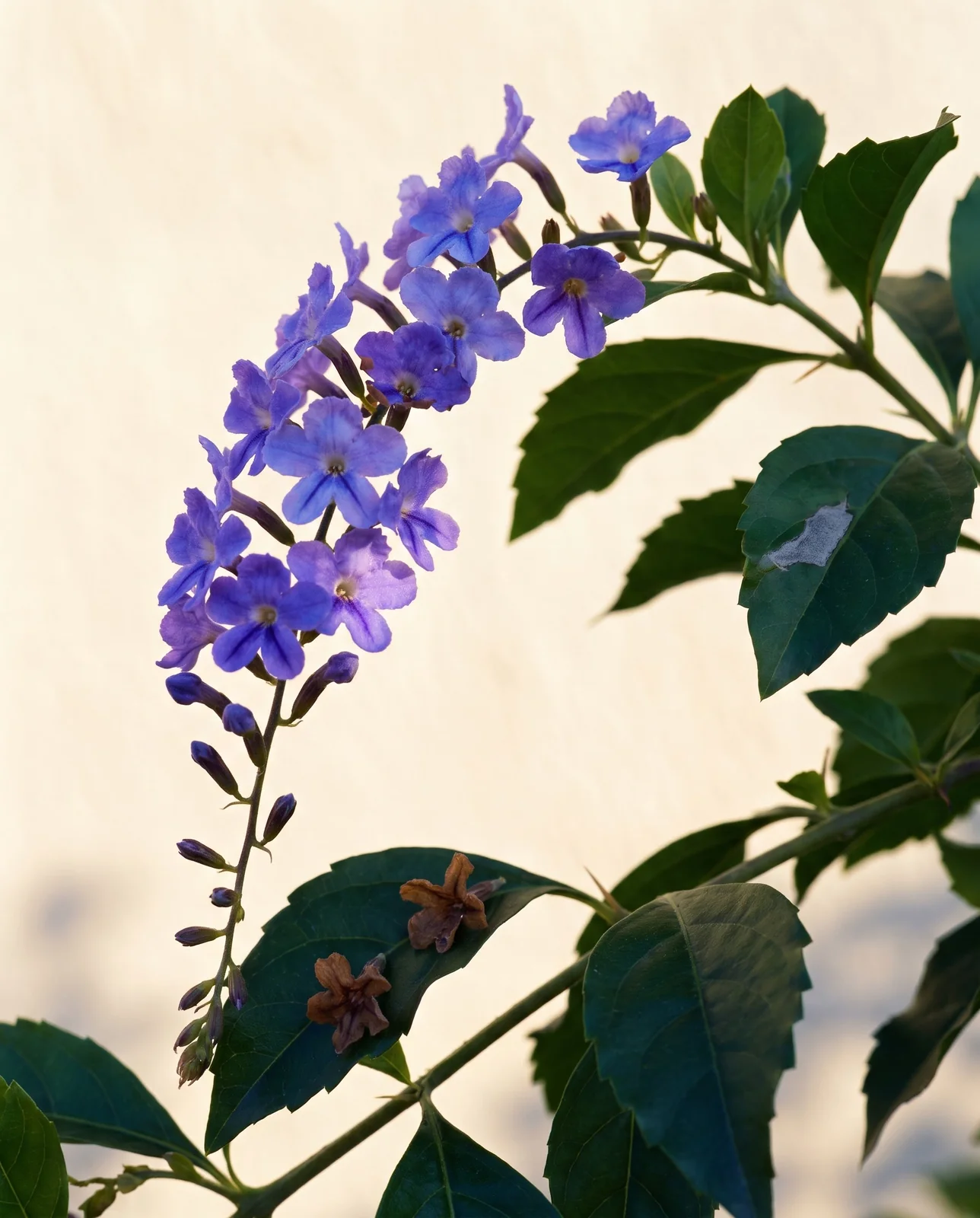
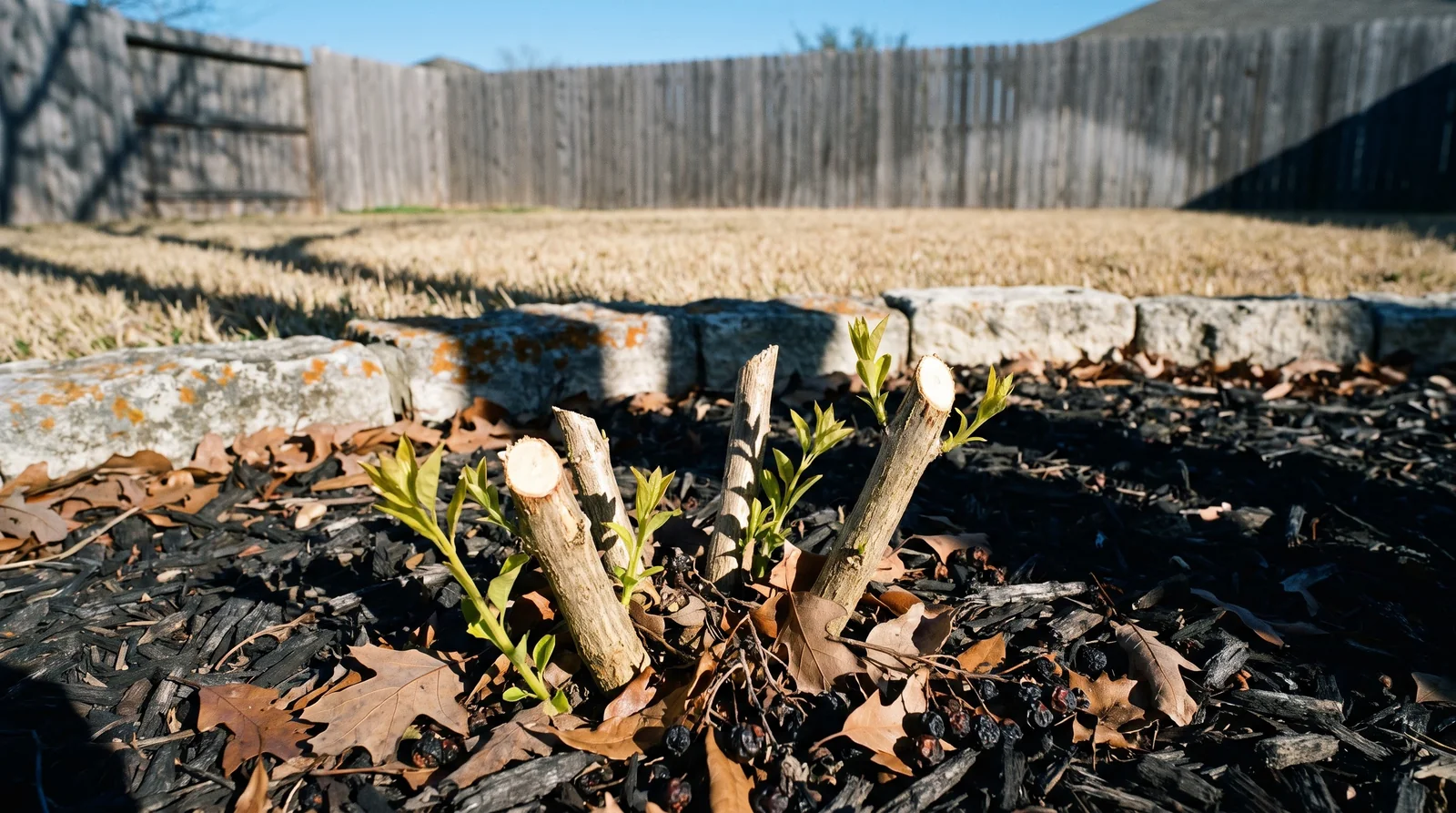
Duranta comes through winter as a living shrub only in mild climates, holding up in zones 9a through 11b or strictly zones 10 and 11. In zone 9, it functions as a 6 to 8 foot summer annual or a shrubby perennial, depending on how cold the winter gets. Gardeners grow it as a root-hardy tropical recommended as a perennial, or even an annual, in parts of Texas. Even within zone 9, winter frosts cause the plant to die back to the ground in most Central Texas gardens. Whether the top growth survives intact or dies back determines whether it picks up on its old wood or sprouts fresh from the roots each spring.
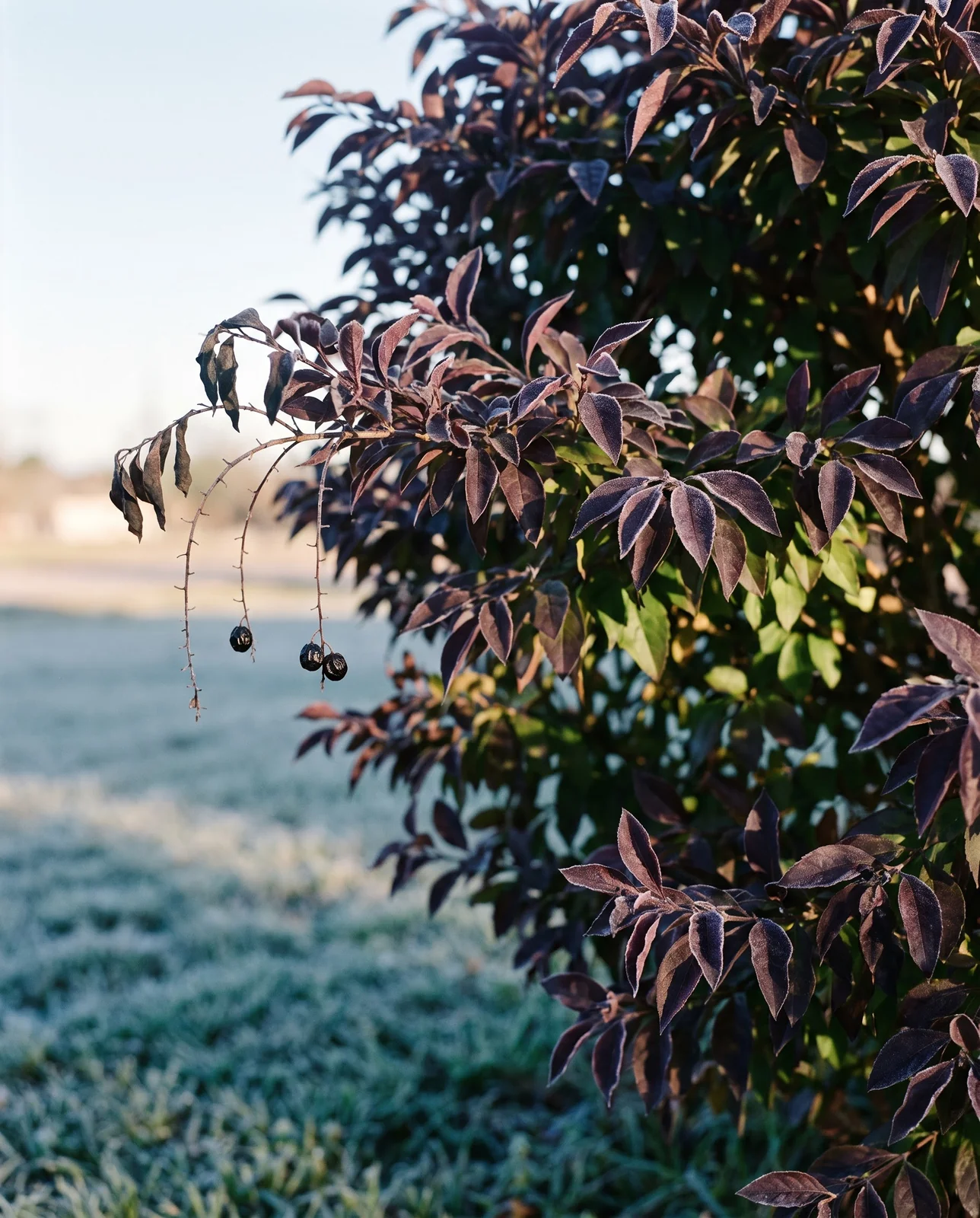
Freezing temperatures affect the branches and the root system differently. Top growth freezes when temperatures drop below the low thirties Fahrenheit, but the roots remain hardy into the low twenties. Well before freezing sets in, temperatures in the low forties can turn the leaves a purple shade without harming the plant. If frost cuts the branches back, the shrub bounces back and recovers quickly in spring. When winter kills the stems, pruning them to about 3 inches above the ground lets the plant reemerge smoothly from the roots. In colder locations, however, the shorter growing season means the shrub may not produce fruit.
North of zone 9, duranta performs as a summer annual or a patio container plant. Roots can survive and regrow in zone 8, although new shoots emerge slowly in spring. If you grow duranta in a pot, bring the container indoors before temperatures dip below 40 degrees Fahrenheit. Duranta shares that sunny indoor space easily with a potted bougainvillea until outdoor weather warms up in spring.
Selections and the winters they are rated for
Duranta selections do not all share the same winter hardiness. A named variety often carries a different zone from the straight species, so checking the tag helps you plan for cold weather.
Yellow leaves, and three different answers
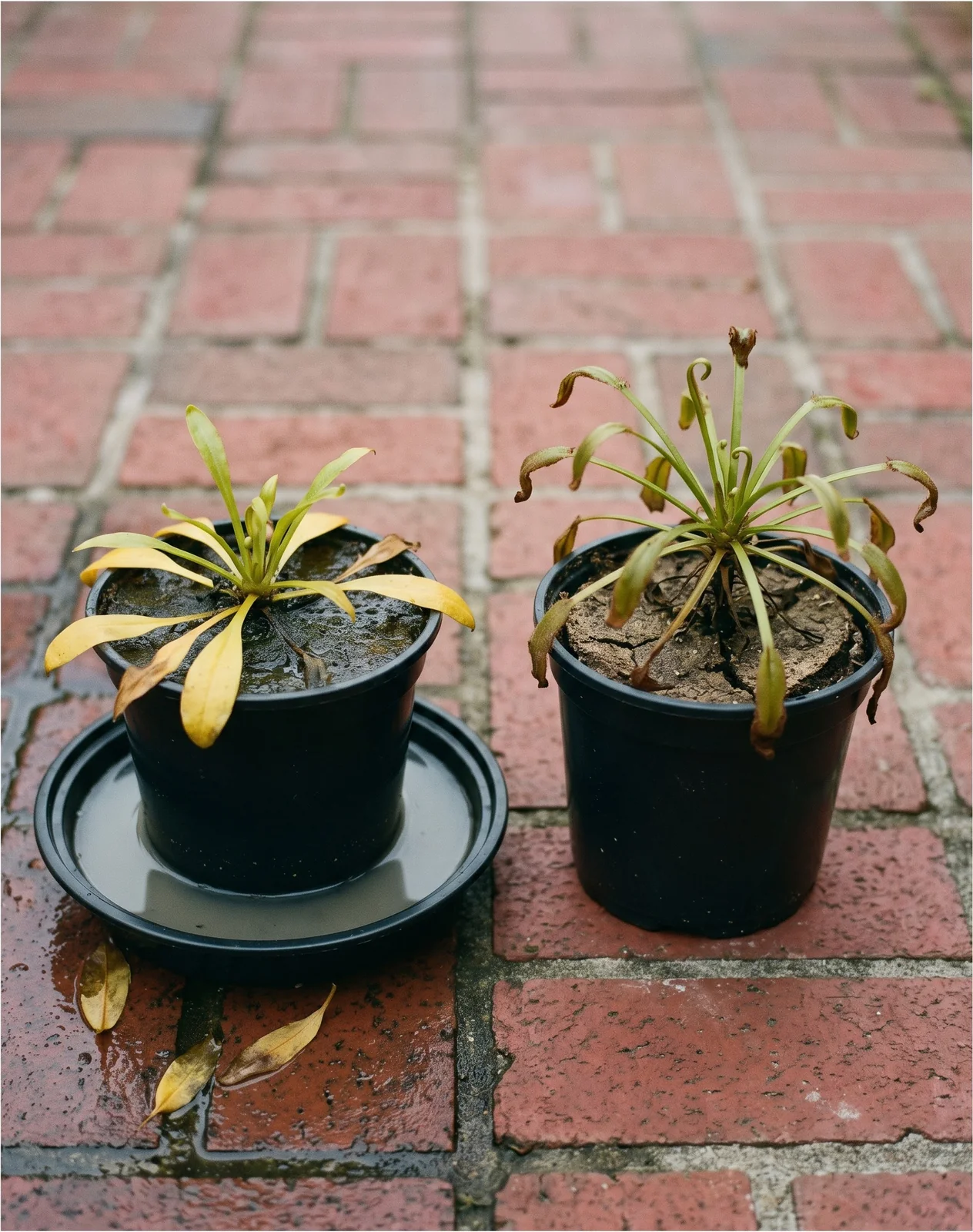
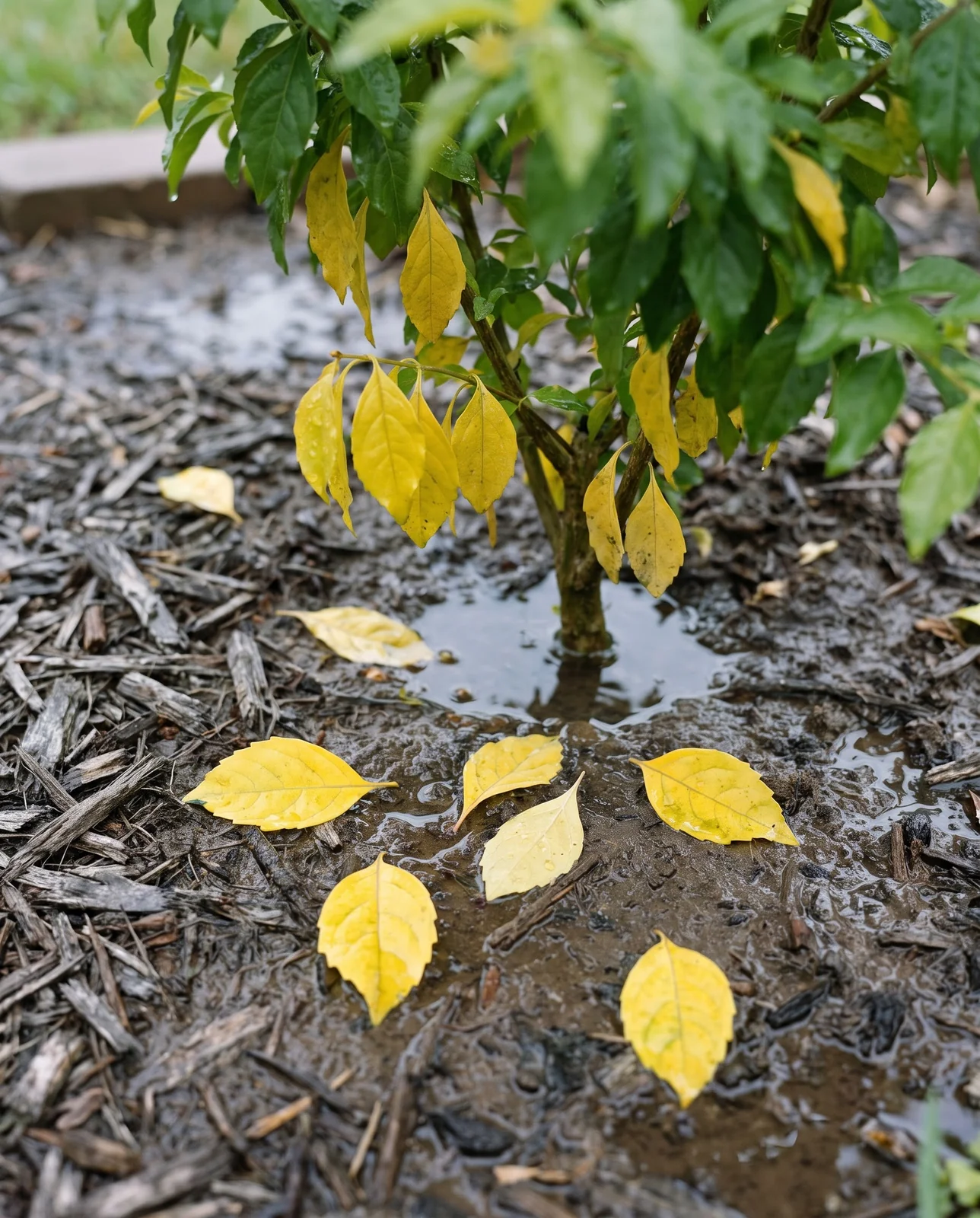
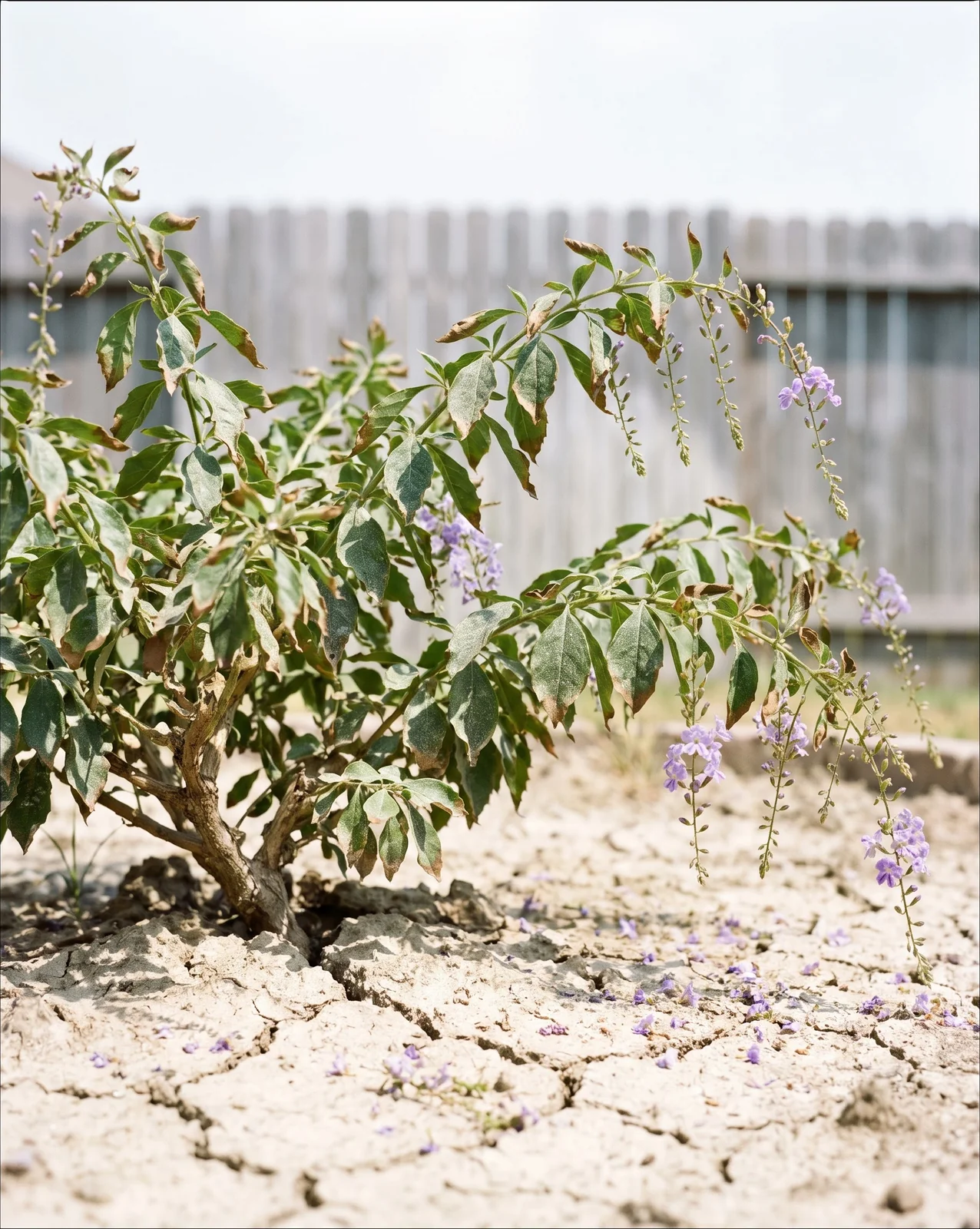
Yellow leaves on a duranta usually come from three very different problems, and each calls for an opposite fix. Overwatering or poor drainage turns leaves yellow and makes them drop, often leaving stems mushy and the soil smelling sour. When the ground stays wet, let the soil dry out and improve its aeration. Underwatering looks similar at first glance, but the stems droop and bow as the soil dries. If drought continues, leaf tips turn crispy, flowers drop in hot weather, and the foliage wilts and turns yellow.
Disease is the third cause. Small, curly, pale yellow leaves and lost growth point to an infection. Leaf spots from anthracnose often follow overhead watering, which you can fix by removing damaged leaves and watering at soil level. Tan, pale yellow, or white rings on the foliage may simply be water spots from cold water hitting the leaves.
Yellowing often comes down to a basic watering problem of too much water or not enough, and the soil needs to stay moist while draining freely. When moisture is already right, a little fertilizer can help with yellowing leaves. Checking the shrub in a steady order helps you pin down the true cause before taking action.
Reading yellow leaves in order
Work through these checks in order and stop at the first match to see what your shrub needs.
Problems that actually turn up
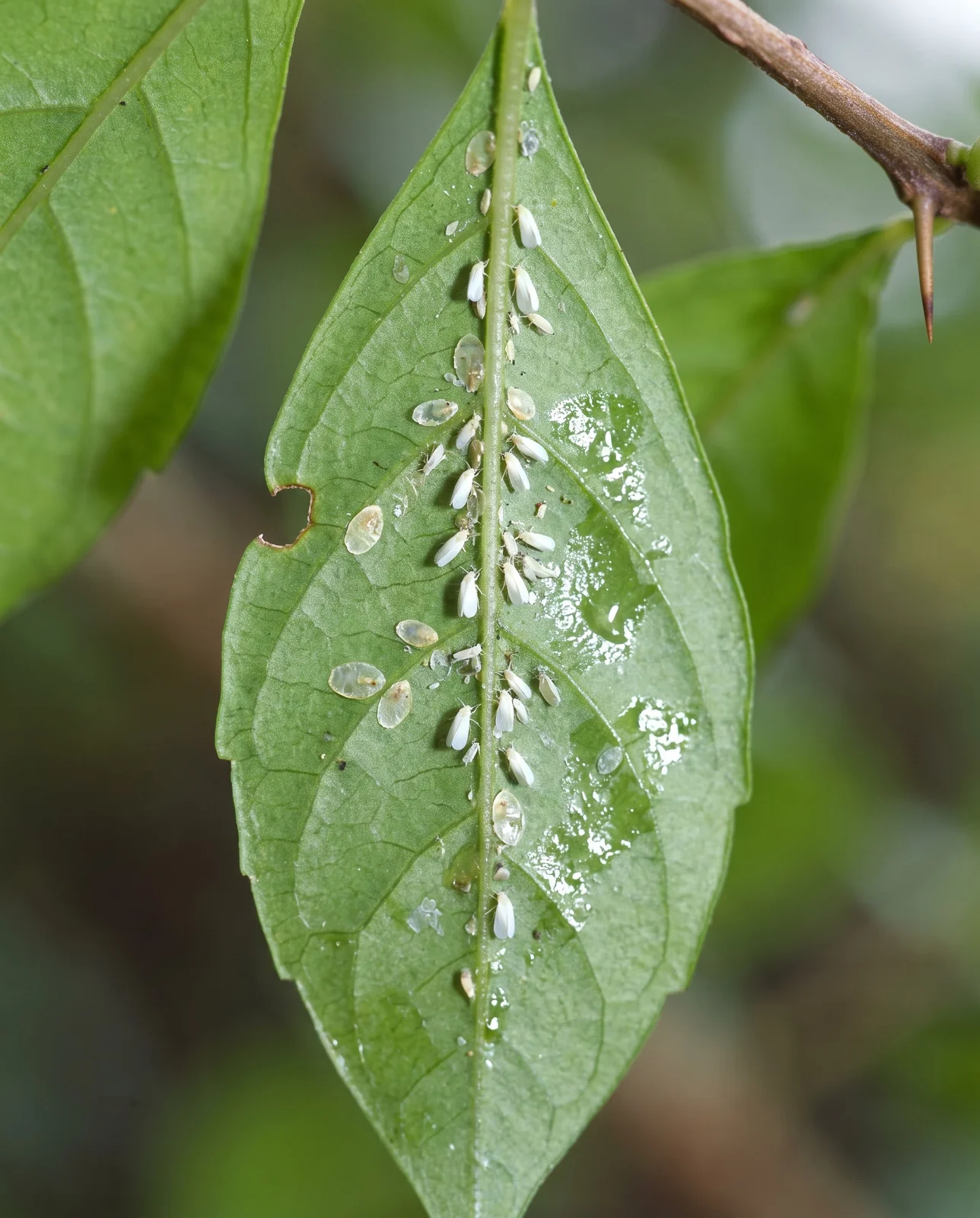
Duranta has no serious insect or disease problems beyond whiteflies. When pests or spots appear, they usually follow a few clear patterns.
Symptoms: tiny white flies fluttering around the leaves, the main insect to watch on this shrub. Cause: dry air or crowded branches. What to do: spray weekly with neem oil or insecticidal soap until the pests clear. Watch for aphids and whiteflies during propagation as well.
Symptoms: crusty scale along stems or fine webbing from spider mites, which can both appear occasionally. Cause: dry air or dense foliage. What to do: use the same treatment as for whiteflies, since that routine covers all three pests.
Symptoms: chewed foliage from caterpillars or weakened roots from nematodes, which show up as occasional pests. Cause: warm outdoor soil and seasonal feeding. What to do: monitor the plant, but action is rarely necessary because duranta is somewhat resistant to insects and disease, and pest problems are typically not serious.
Symptoms: dark spots spreading across the leaves. Cause: anthracnose, a fungal infection encouraged by overhead watering. What to do: remove damaged leaves, apply a fungicide if needed, and water directly at the soil level.
Symptoms: tan, pale yellow, or white rings marking the foliage. Cause: cold water splashing onto the leaves. What to do: keep water off the foliage and apply water directly at the soil level.
Why it will not bloom
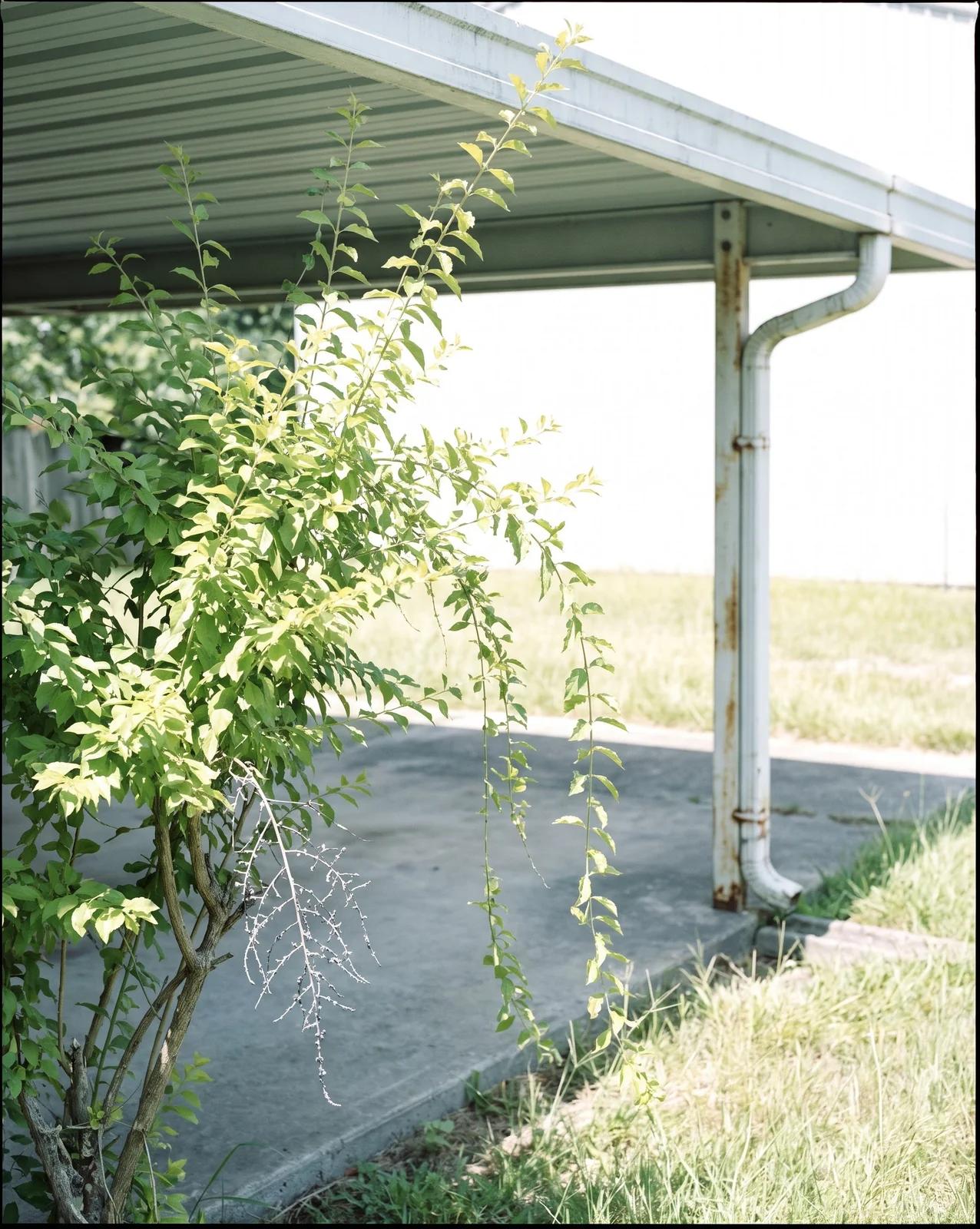
A duranta that grows well but refuses to flower is usually starved of sunlight. Full sun gives the best blooms, while partial shade cuts back both the flower clusters and the berries that follow. Sparse flowering comes down to insufficient sunlight or a lack of nutrients, and moving the plant into full sun fixes the light problem. Until the shrub receives enough sun, extra feeding will not coax out the flowers.
Pruning at the wrong time is the other common reason flowers stay away. Duranta carries a long bloom season from late spring through fall. Pruning in the right season improves flowering, because shearing in summer cuts off the very wood that would carry the sprays. If your plant already gets full sun and was left unsheared, feed it with a bloom fertilizer to supply the missing nutrients.
Pruning without losing the flowers and the berries
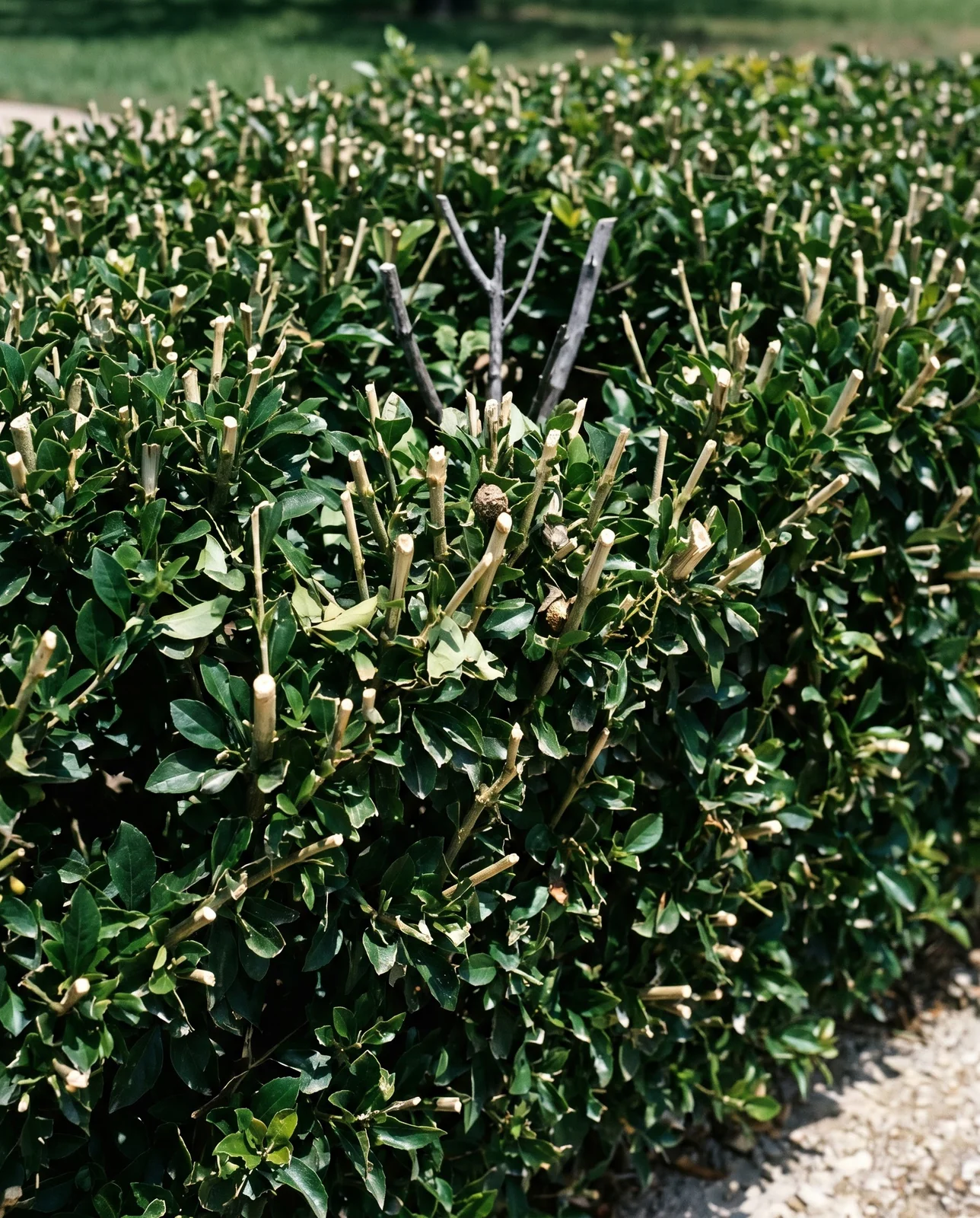
Heavy pruning shapes duranta easily, but cutting at the wrong moment strips away the flowers and fruit. The shrub responds well to heavy pruning and can become a formal hedge, an informal screen, or a small single-trunk patio tree. Flowers form on new growth, so pruning stimulates more blooms, with the sprays opening at the ends of the current season's shoots. Shearing repeatedly through the summer snips off those fresh tips, leaving the hedge with fewer flowers and less fruit.
Timing depends on the look you want. Hard prune in late winter or early spring to control size, and pinch tips to encourage bushy growth. Pruning after flowering helps keep the shrub compact without sacrificing early blooms. Wear gloves when working on older wood, since mature stems can carry small thorns. Cutting the shrub once a year preserves the sprays and leaves plenty of fruit for fall.
Where to plant it
Duranta needs full sun, loose soil that drains freely, and far more room than the pot suggests. Give the shrub plenty of space to spread. You can use that spreading habit in a border with sturdy shrubs for support, while dwarf selections work as edging or groundcover. In warm climates, duranta also serves well as a hedge, a border plant, a lawn specimen, or a small trained tree.
Salt tolerance remains unsettled: some treat duranta as salt tolerant, while others warn it cannot survive salt. In coastal gardens, set the shrub back from direct ocean spray until you see how it behaves on your site.
Watering and feeding
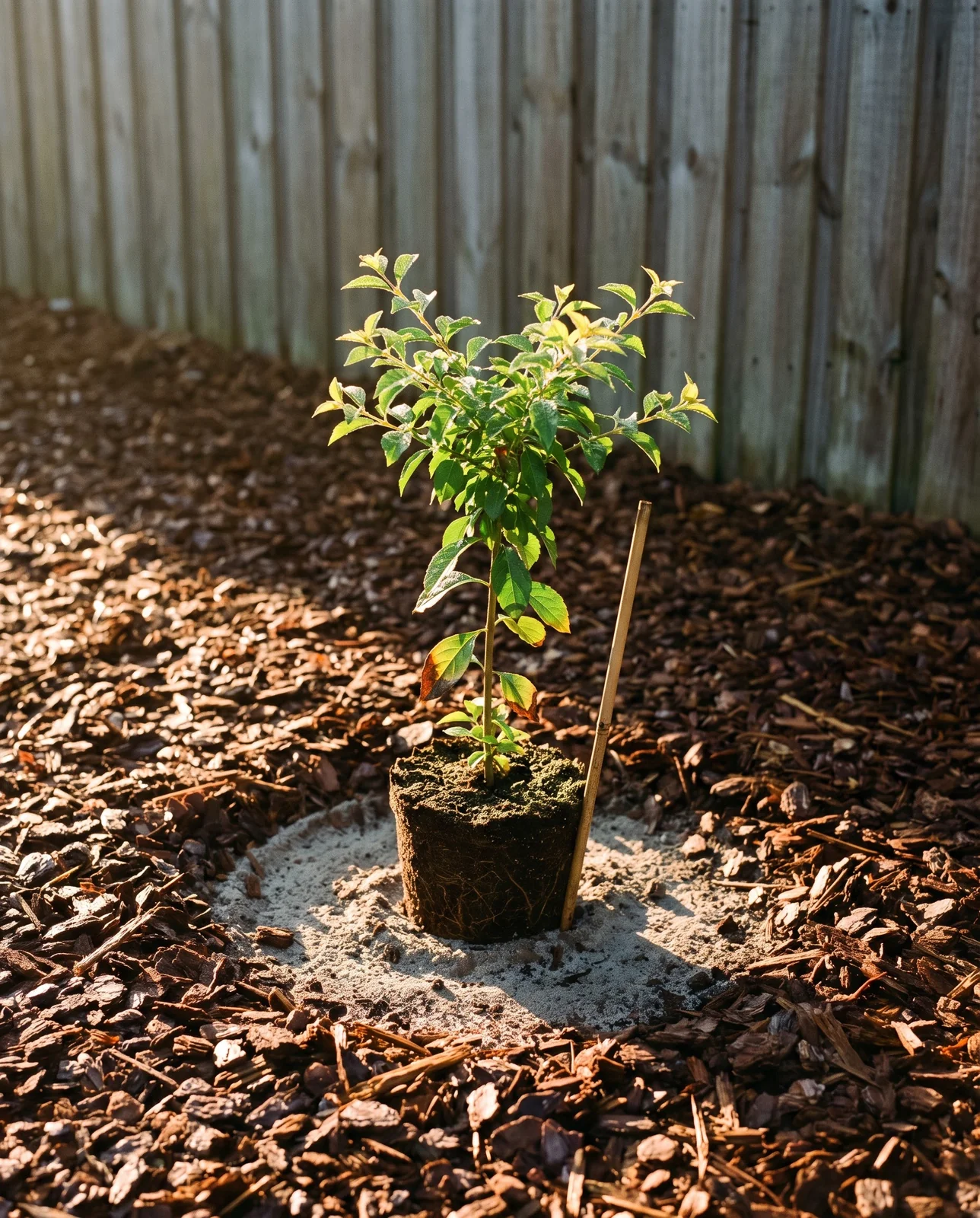
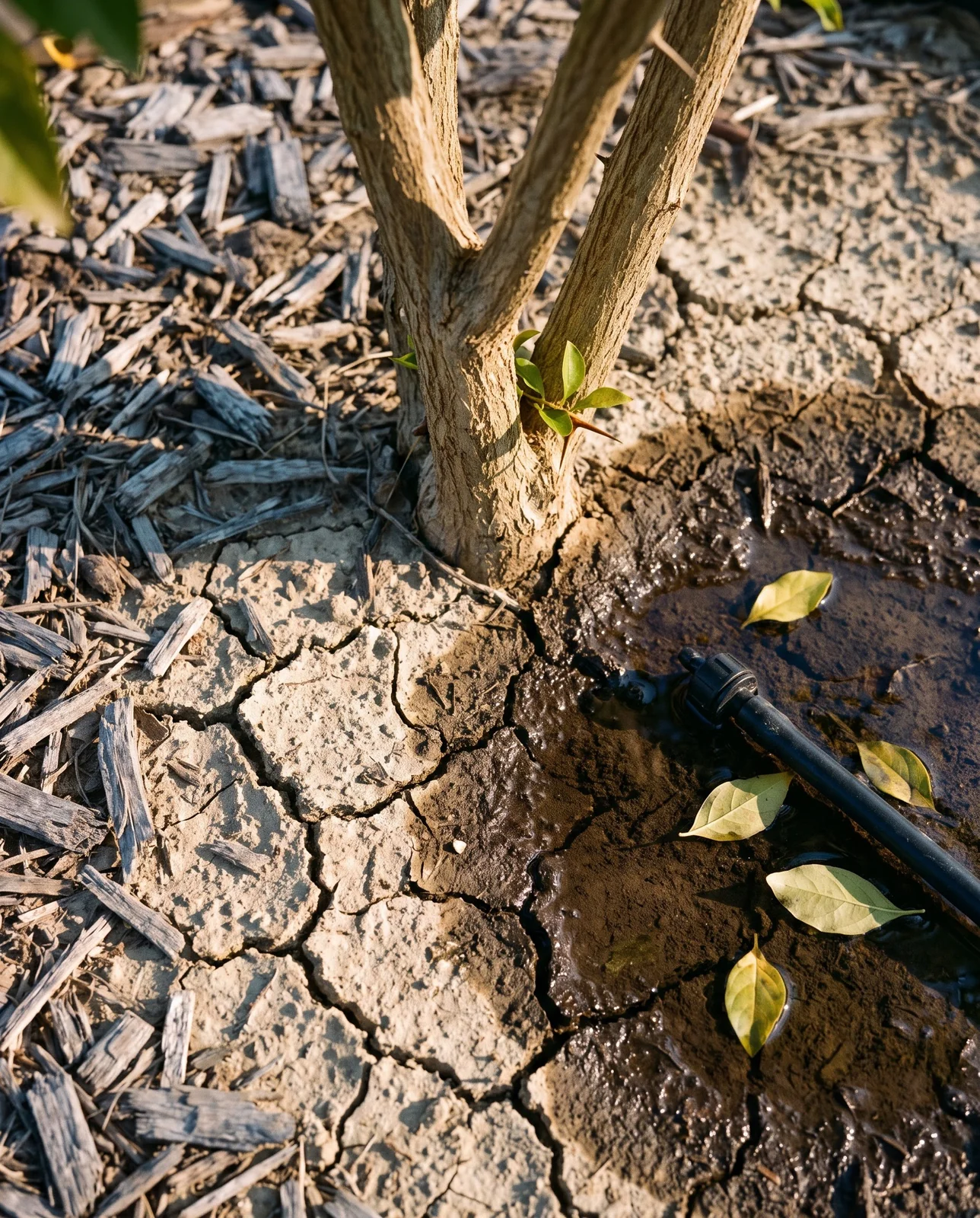
Water duranta regularly while it is young, then let it settle into less. Once established, the shrub is moderately drought-tolerant and does best with a deep soaking every week or two during dry spells. Deep, spaced waterings protect the roots, because soil should not stay constantly wet. Commercial greenhouse liners receive a high feed rate of 200 to 300 ppm, but garden plants need only a light seasonal application.
Growing it as a hedge
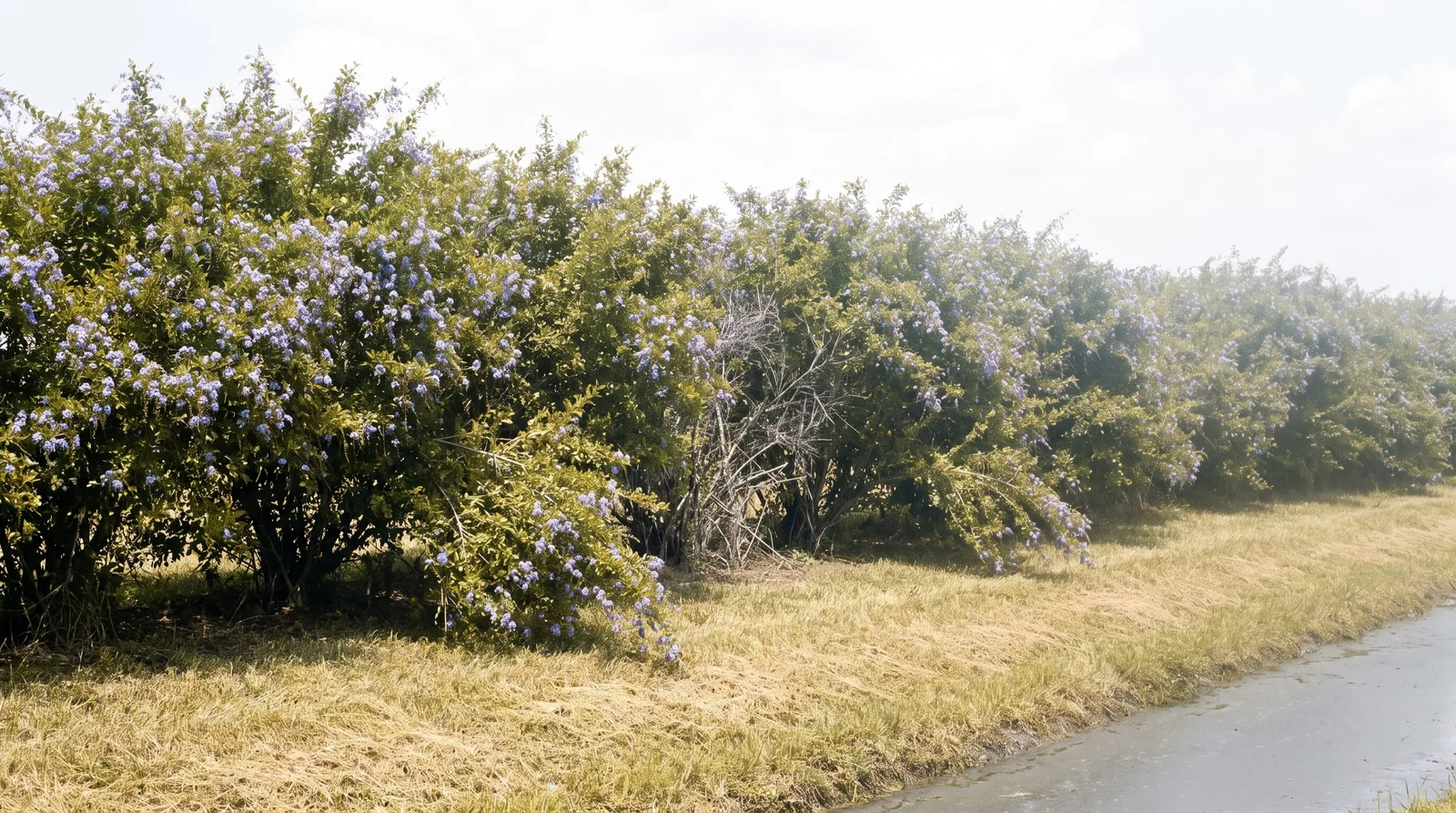
Duranta makes a quick screen because it closes gaps fast, but that speed brings a real commitment. You can plant it in rows for flowering privacy fences and tropical borders. A row fills in quickly and keeps growing at that same brisk pace. Shearing a formal hedge removes the fresh tips where flower sprays form, while cutting an informal hedge only once a year leaves you with far more blooms and berries. If you have pets, plant with caution, because the berries and leaves are poisonous to humans and dogs.
Pots, indoors, and overwintering
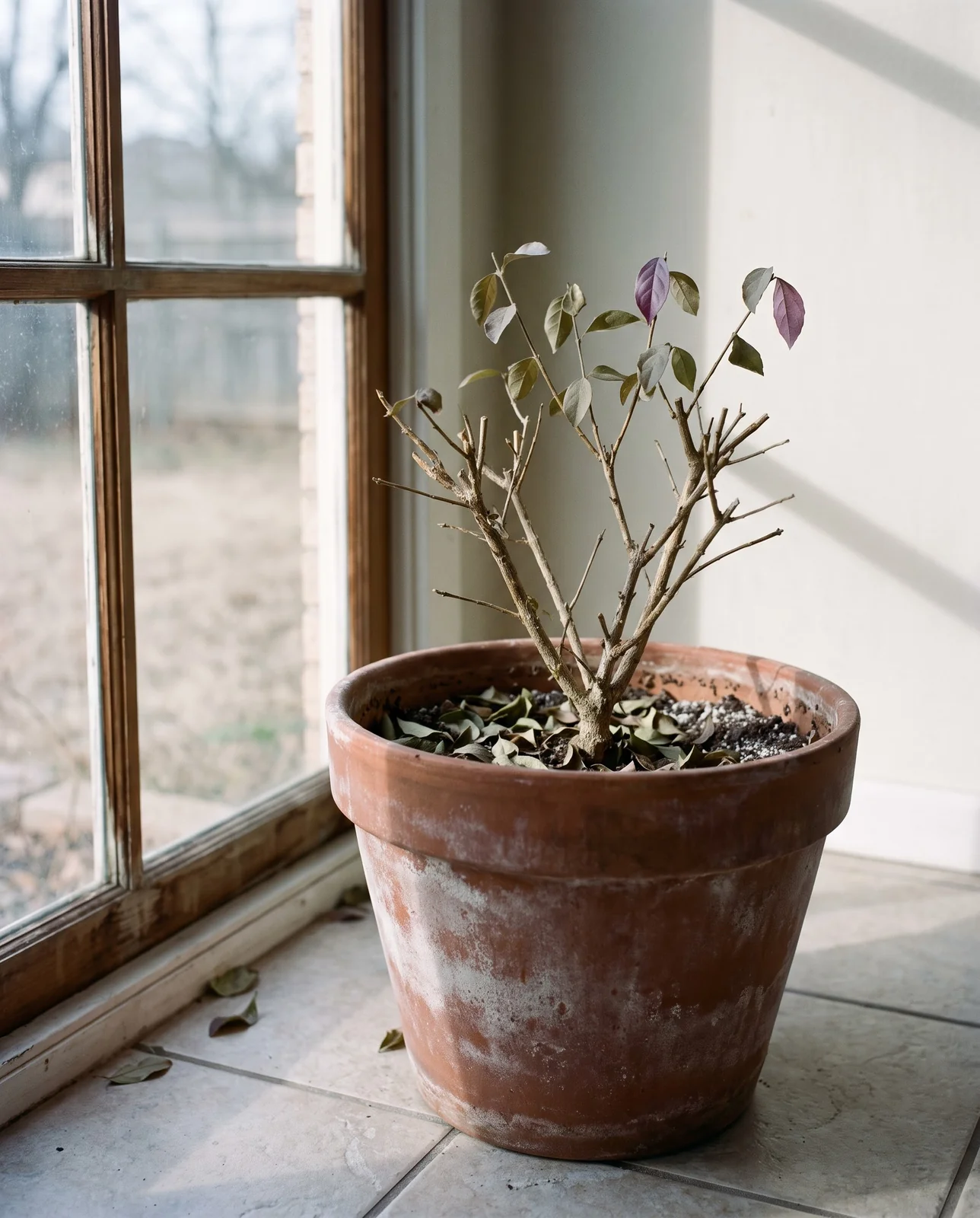
North of its hardiness range, duranta grows well in a container and can spend the winter indoors by a sunny window. Bring container plants inside before the first frost to overwinter in a bright sun room.
Keeping it indoors all year is a bigger commitment. Duranta is not commonly seen as a houseplant, and though it can be difficult indoors, it is very rewarding and produces abundant flowers. Because of that maintenance and difficulty, gardeners more often grow it as an annual shrub or small tree in summer patio planters.
The Epsom salt question
Epsom salt is sometimes suggested for crinkled, mottled, or distorted leaves to treat a calcium deficiency, but it supplies magnesium and sulfur without any calcium. When duranta leaves turn yellow or curl, the problem usually comes down to soggy soil, underwatering, or disease. Each of those problems has its own fix, and reaching for Epsom salt only delays finding what is actually wrong.
Berries, birds, and butterflies
Bees, butterflies, and hummingbirds flock to the flowers, making duranta one of the few shrubs that draws both hummingbirds and butterflies together. Butterflies feed on the nectar, and while the berries are poisonous to humans, birds eat the fruit. Pigeons favor the berries so much that their appetite presumably gave the shrub its common name, pigeon berry. Duranta shares a sunny border easily with lantana.
The berries can hang on the branches into winter to provide late color, unless wildlife clears them first. Stripping the clusters keeps fallen berries off the ground where pets or young children might reach them.
Is it a problem plant
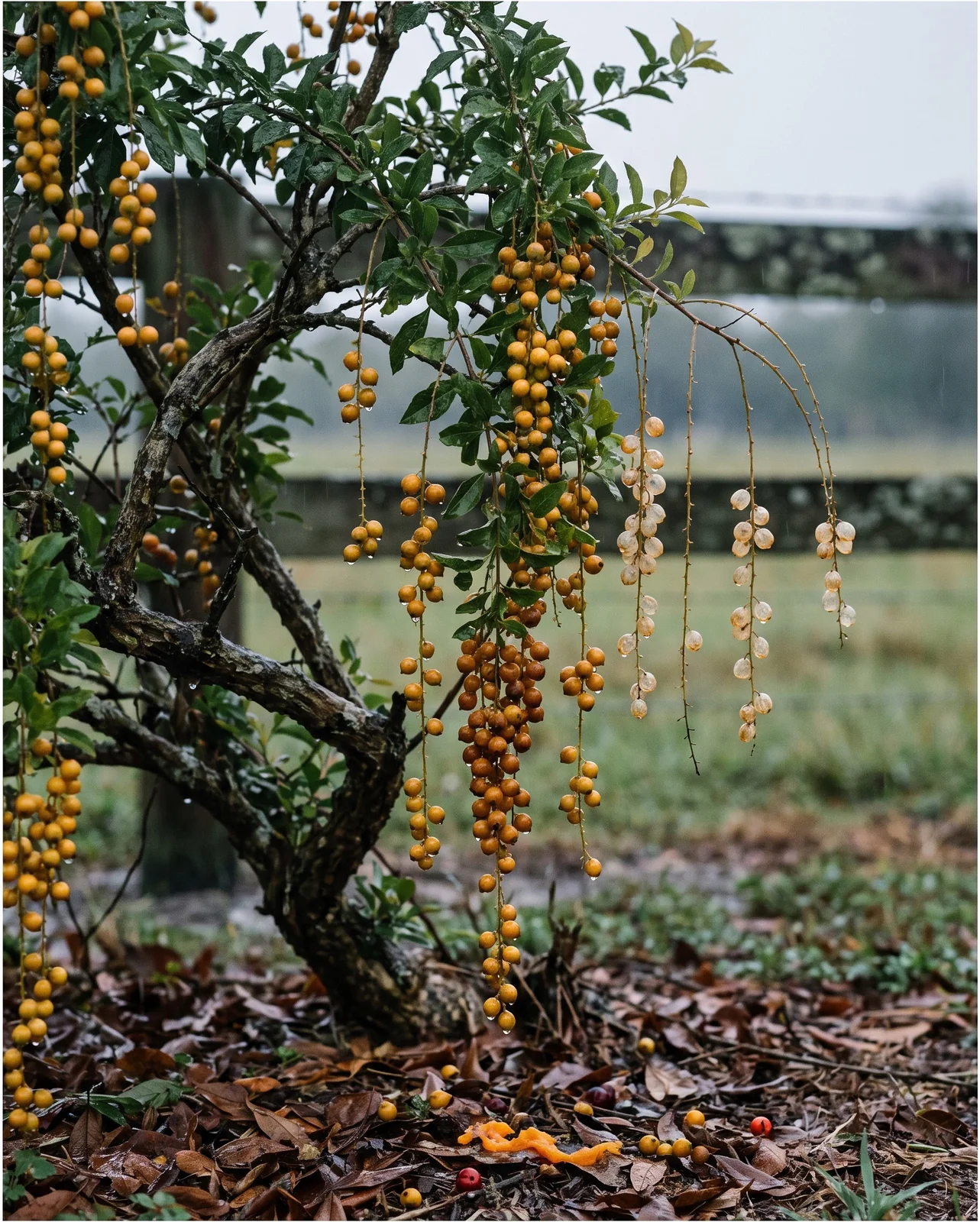
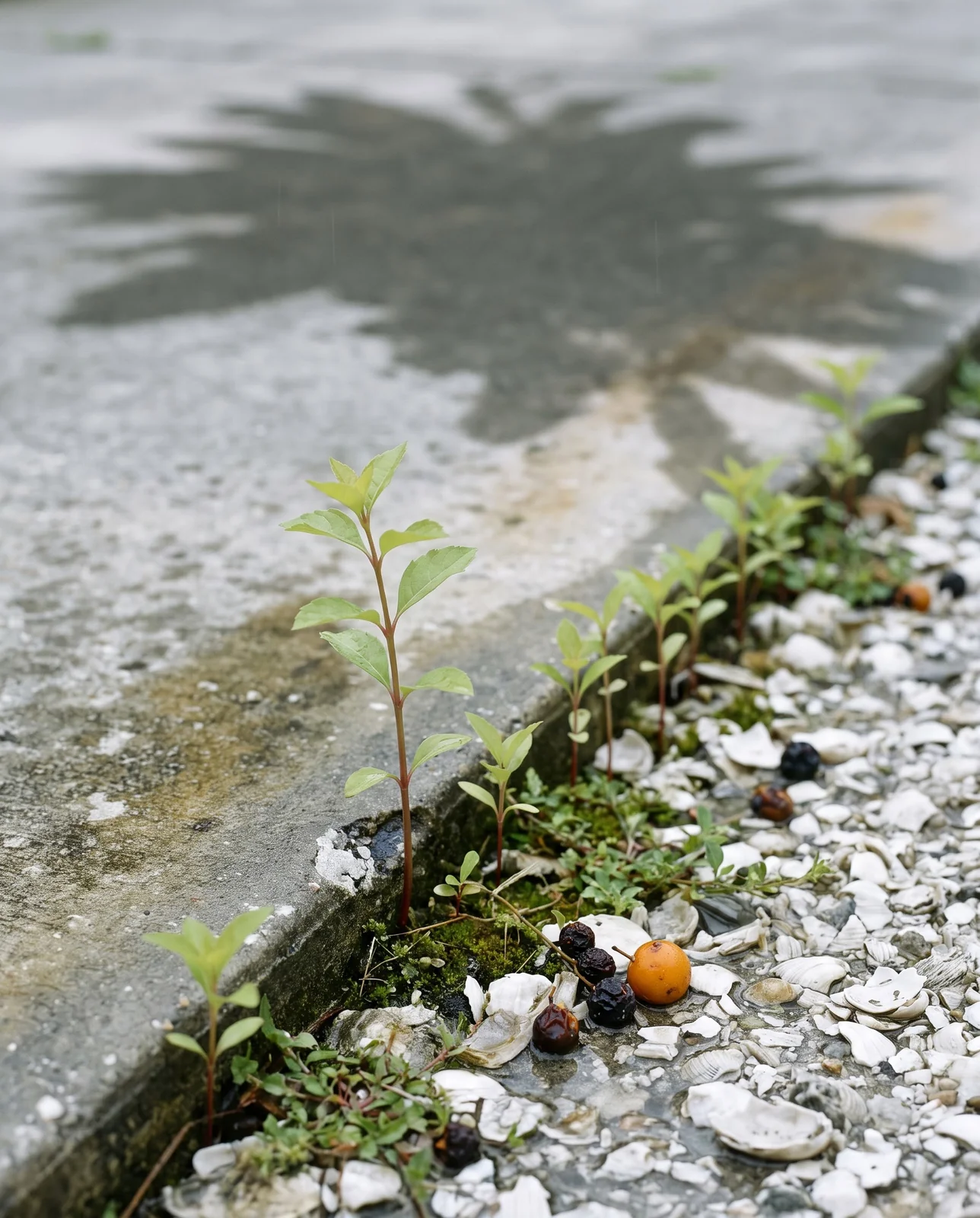
Whether duranta becomes a problem depends on your region. In Florida, University of Florida Extension does not recommend it because tests predict it will turn invasive. Across Pacific islands, risk tests give it a high score of 13. It is spreading in the wild in Hawaii, including secondary growth on Kauai where it is invasive. Queensland also reports it as introduced and invasive. The shrub is also invasive in Australia, South Asia, China, South Africa, Hawaii, Fiji, and French Polynesia.
In other warm regions, it behaves far more gently. On La Reunion Island it has naturalized without turning invasive. It has also entered other habitats without turning invasive there. Worldwide, its conservation status is Least Concern. For a mainland garden outside Florida, the question stays in your own yard. Birds eat the fruit, so removing the berry clusters can prevent the potential spread of the plant.
The selections you will actually be offered
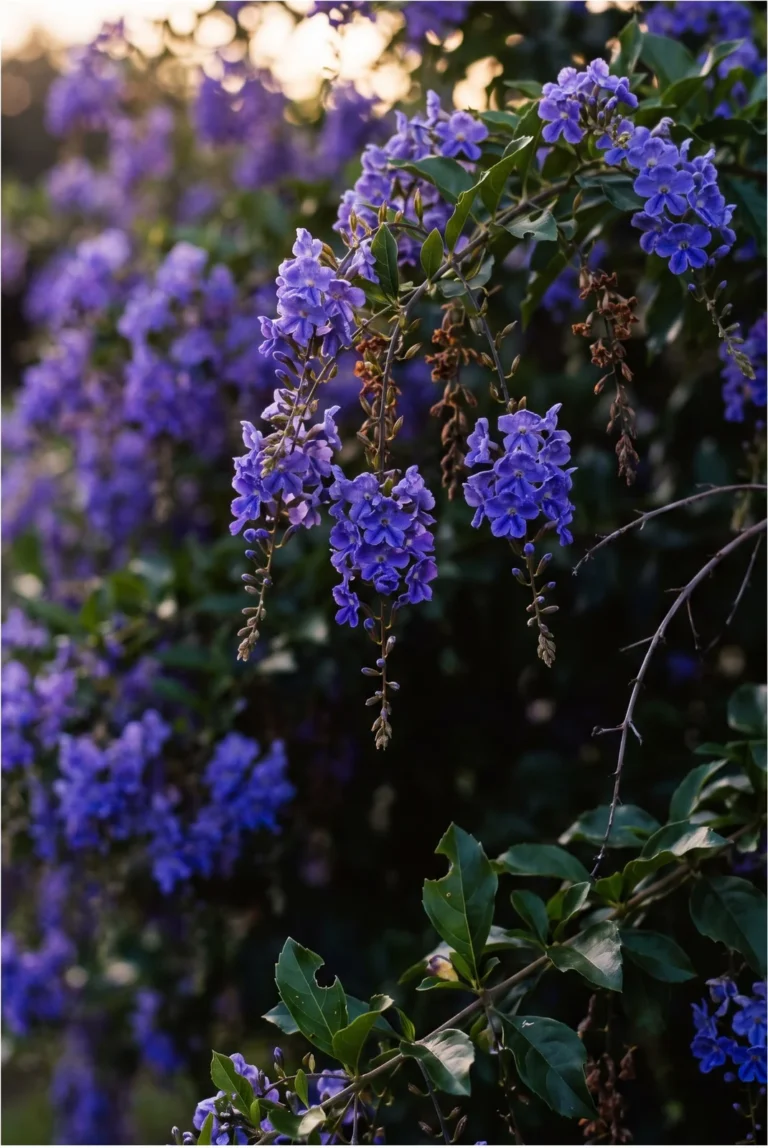
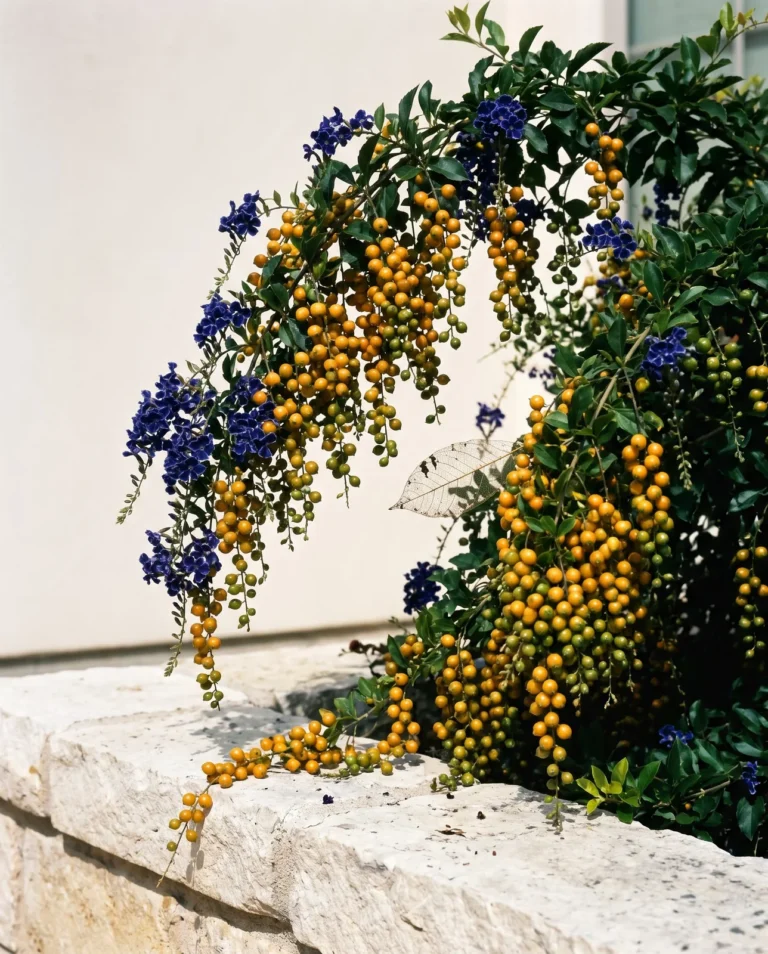
Cultivars differ mainly in flower color, foliage, and how heavily they set fruit. That berry crop is the most useful detail to check if you share your yard with children or pets.
How fast does it grow
Duranta grows rapidly, putting on up to 20 inches a year before it matures. Where cold climates treat it as an annual, it reaches 2 to 4 feet tall in a single season. That quick pace helps it fill a garden bed in its first summer, though you will need to prune once the branches fill their space.
Light
Golden dewdrop grows best in full sun, though it tolerates partial shade. To bloom well, it needs 6 or more hours of direct sunlight each day. The exception is 'Gold Edge', a gold-variegated cultivar grown for foliage that looks best in partial shade.
Soil and drainage
Duranta needs fertile, well-drained soil enriched with organic matter like compost or manure. Good drainage matters more than heavy feeding, because the roots do not tolerate soggy ground. If your garden soil holds water after rain, build a low mound or amend the bed before you plant.
Size and spacing
Give duranta plenty of room, because a small container plant soon grows into a substantial bush. It is a rapidly growing shrub that reaches 10 to 15 feet tall and over 5 feet wide. Plan your spacing around that mature width so the arching branches have room to spread naturally.
What to expect, season by season
The first season in the ground. Young plants usually lack the sharp thorns that develop along the stems as the wood matures. Because flowers form at the ends of new growth made that same year, blooms appear without waiting for old branches to harden. In cold regions where gardeners grow duranta as an annual, that single summer makes up its entire life.
A settled summer. The flowers bloom from late spring right through fall, followed from late summer into autumn by half-inch yellow-orange berries that hang in long trailing clusters. Left unpruned, the shrub fills out quickly toward its mature size, while regular pruning keeps its shape and height right where you want them.
Winter at the cold edge. If freezing weather kills the top growth, prune the stems back near the ground so the plant can reemerge from the roots in spring. In zone 8, new growth reliably starts from the roots, though it is slow to appear in spring. While frosted plants recover quickly, they may set no fruit that year in colder locations.
Five things gardeners are told about duranta
These five common claims sound convincing, but the shrub behaves quite differently in an ordinary garden.
The myth: The berries must be safe, because the birds eat them.
The reality: Songbirds eat the fruit without ill effects, but the berries and leaves are poisonous to humans and dogs. The fruit can be fatal to children and dogs if eaten, though a dog or cat needs to eat a large number of berries or leaves before life-threatening poisoning can occur.
The myth: Yellow leaves mean the plant needs more water.
The reality: Yellow leaves often come from opposite moisture problems. Saturated soil from overwatering or poor drainage turns leaves yellow, while underwatering also causes yellowing, but alongside drooping stems and crispy leaf tips. If the leaves stay small, curly, and pale yellow with lost growth, a disease is often the problem.
The myth: Epsom salt fixes yellowing leaves.
The reality: Epsom salt supplies magnesium and sulfur, so it does not fix a calcium deficiency or clear up crinkled, mottled, distorted leaves.
The myth: It survives anywhere in the South.
The reality: Duranta is winter hardy in zones 9a through 11b, or in zones 10 and 11 in moist, well-drained soil and full sun. Even in zone 9, it dies to the ground in winter in most Central Texas gardens.
The myth: Shearing it into a tight hedge costs nothing.
The reality: Flowers form at the ends of the current season's new growth, so shearing cuts away the blooming wood and the berries that follow.
FAQ
Is duranta a perennial or an annual?
It can be both, depending on the winter. Duranta grows as a perennial in zones 9 to 11 and makes a good annual north of zone 9. Even in zone 9, it dies to the ground over winter in most Central Texas gardens.
Are duranta berries poisonous to dogs?
Yes. The berries can be fatal to dogs and children if eaten. Life-threatening poisoning can occur in both dogs and cats, though an animal has to eat a large amount before serious effects appear.
How fast does duranta grow?
Duranta grows rapidly, adding up to half a meter a year before reaching maturity. When grown as an annual in cooler climates, it reaches 2 to 4 feet tall in a single season.
What are the downsides of growing duranta?
The leaves and berries are poisonous to humans and dogs, and mature stems usually carry sharp thorns. It can also reach 10 to 15 feet tall, which easily overwhelms a small garden space. In Florida, it is predicted to be invasive and is not recommended for planting.
Why is my duranta not flowering?
Full sun gives the best bloom, while partial shade reduces both flowers and berries. Sparse blooming can also come from a lack of nutrients, which feeding with a bloom fertilizer helps correct. Repeated shearing can strip off flowers as well, because blooms form at the ends of the current season's growth.
Does Epsom salt help with yellowing leaves?
No. Epsom salt supplies magnesium and sulfur, so applying it will not fix crinkled, mottled leaves caused by a calcium deficiency.
How should duranta be pruned?
Duranta responds well to heavy pruning and can be shaped into a formal hedge, an informal screen, or a small patio tree. Prune after flowering to keep the plant compact, and cut back hard in late winter or early spring to manage its size. Wear gloves while working, because mature stems can carry small thorns.
How cold can duranta tolerate?
The top growth freezes when temperatures drop below the low thirties Fahrenheit, but the roots are hardy into the low twenties. Even in the low forties, chilly weather can turn the leaves purple.
Can duranta be grown indoors?
Yes, it can be grown indoors next to a sunny window, though it is considered a difficult houseplant, if a rewarding one that flowers abundantly. Because of the higher maintenance involved, it is more often grown as an annual in summer planters.
Do deer eat duranta?
Yes, deer will eat it. In areas densely populated with deer, plants can be eaten within three days, with the berries eaten first.
What family does duranta belong to?
Duranta belongs to the verbena family, Verbenaceae, which takes its name from verbena.
Interesting tips
- Pinch the shoot tips to encourage bushy growth, and prune hard in late winter or early spring to control its size.
- Move a potted plant that wintered indoors back outside into full sun once spring warms up to help it thrive.
- The fruit is poisonous and may contain hydrocyanic acid.
Related Guides & Flowers
Blue flowers
Where duranta's flower color sits among the other blues worth planting.
Crape myrtle
The other fast Sun Belt shrub that gets trained into a small tree along a fence line.
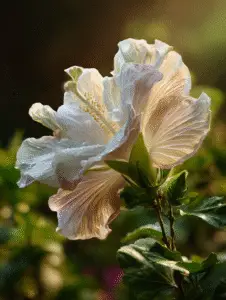
Hibiscus
A tropical shrub for the same warm zones, grown for the size of its individual flowers.
Types of flowers
The full catalog of flower guides on the site, sorted by plant.
Enjoying our flower guides? Add YourFlowersGuide as a preferred source on Google. It helps more readers find us.
Add to Preferred Sources