Which echium are you looking at
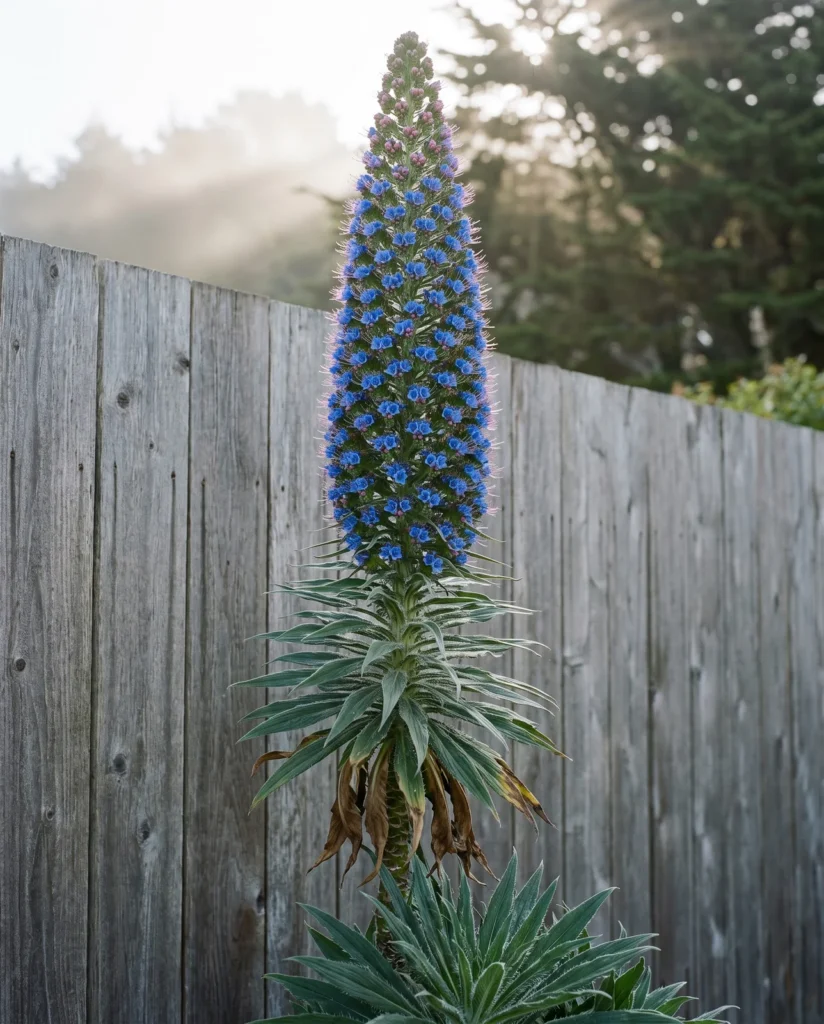
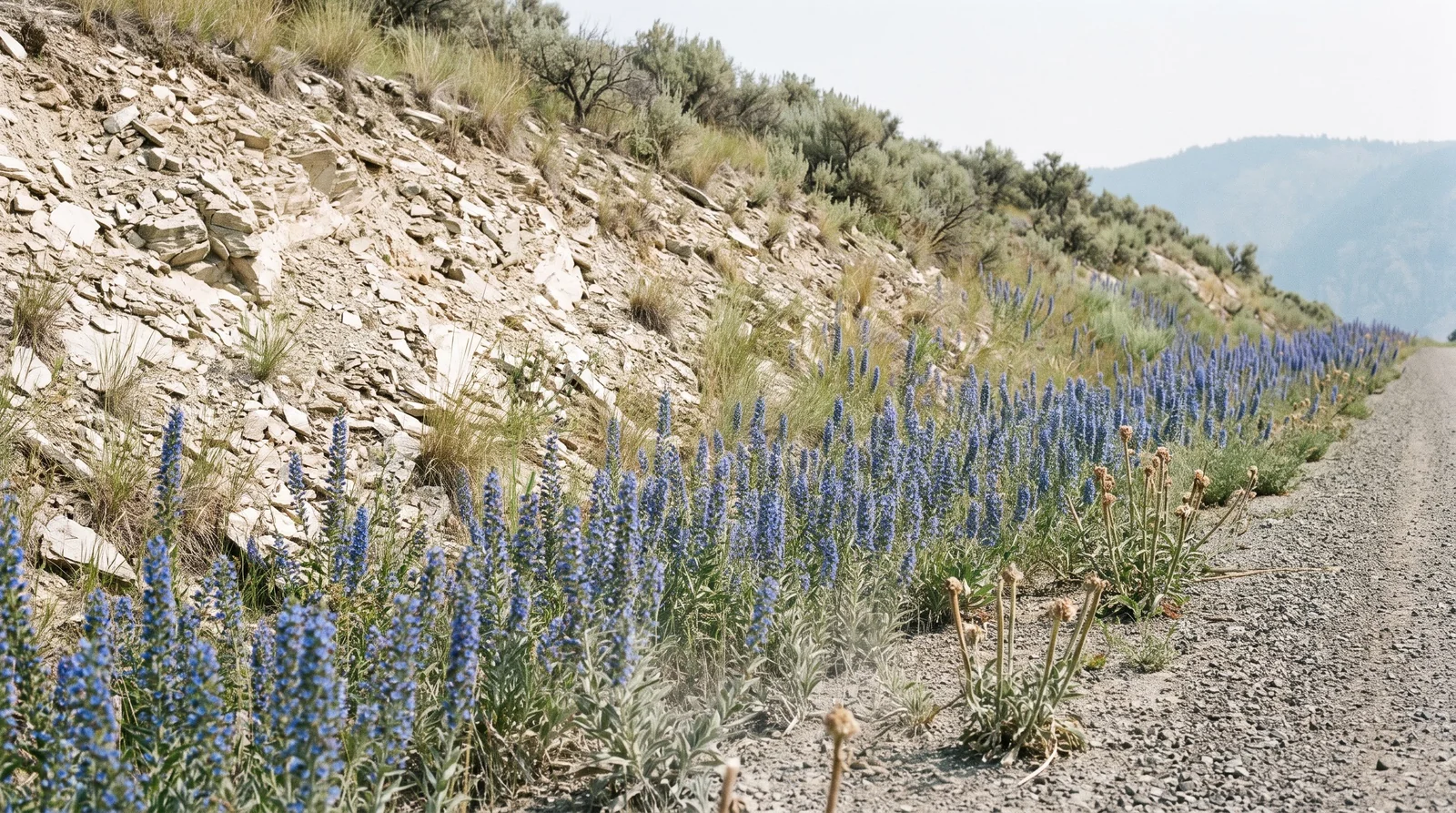
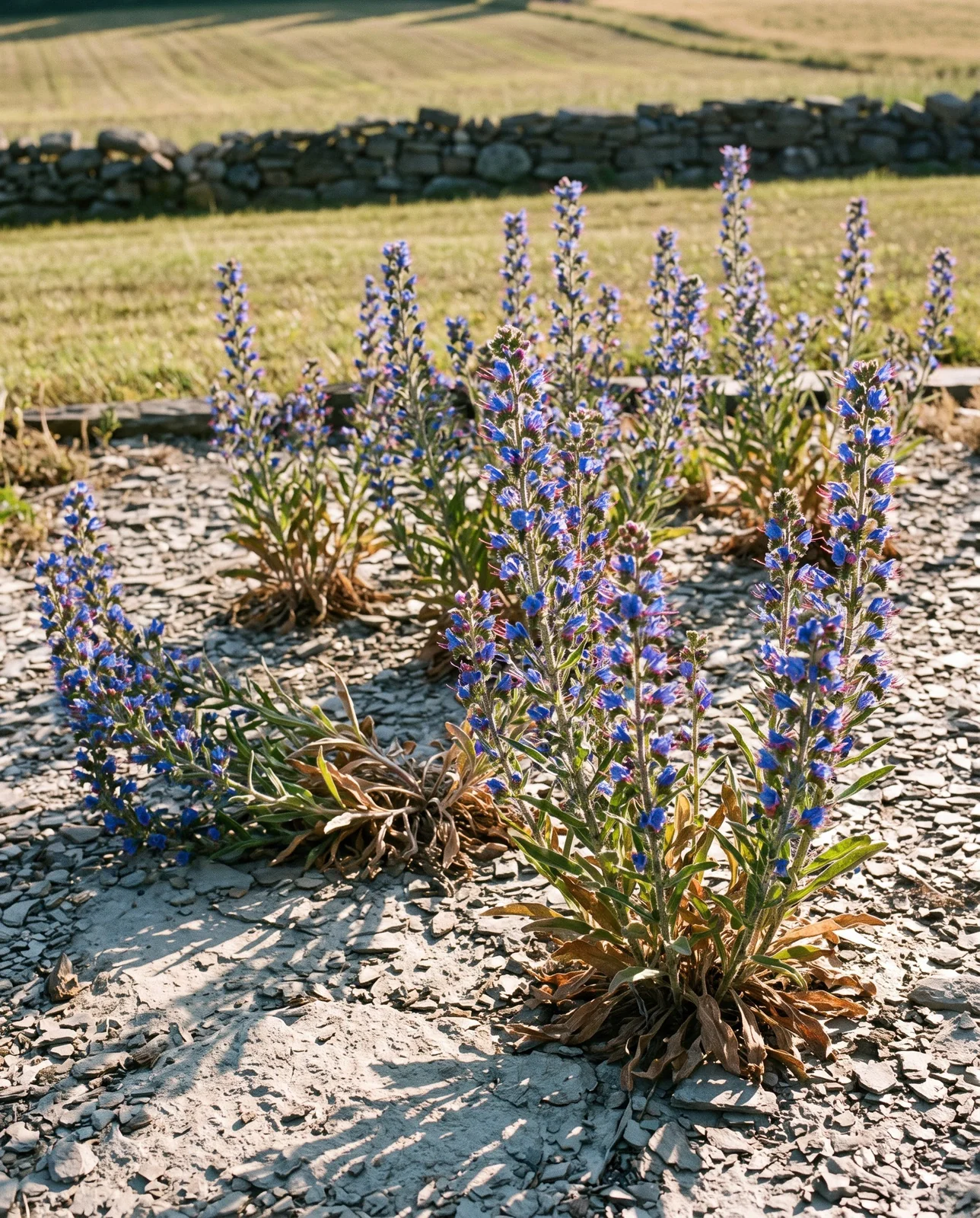
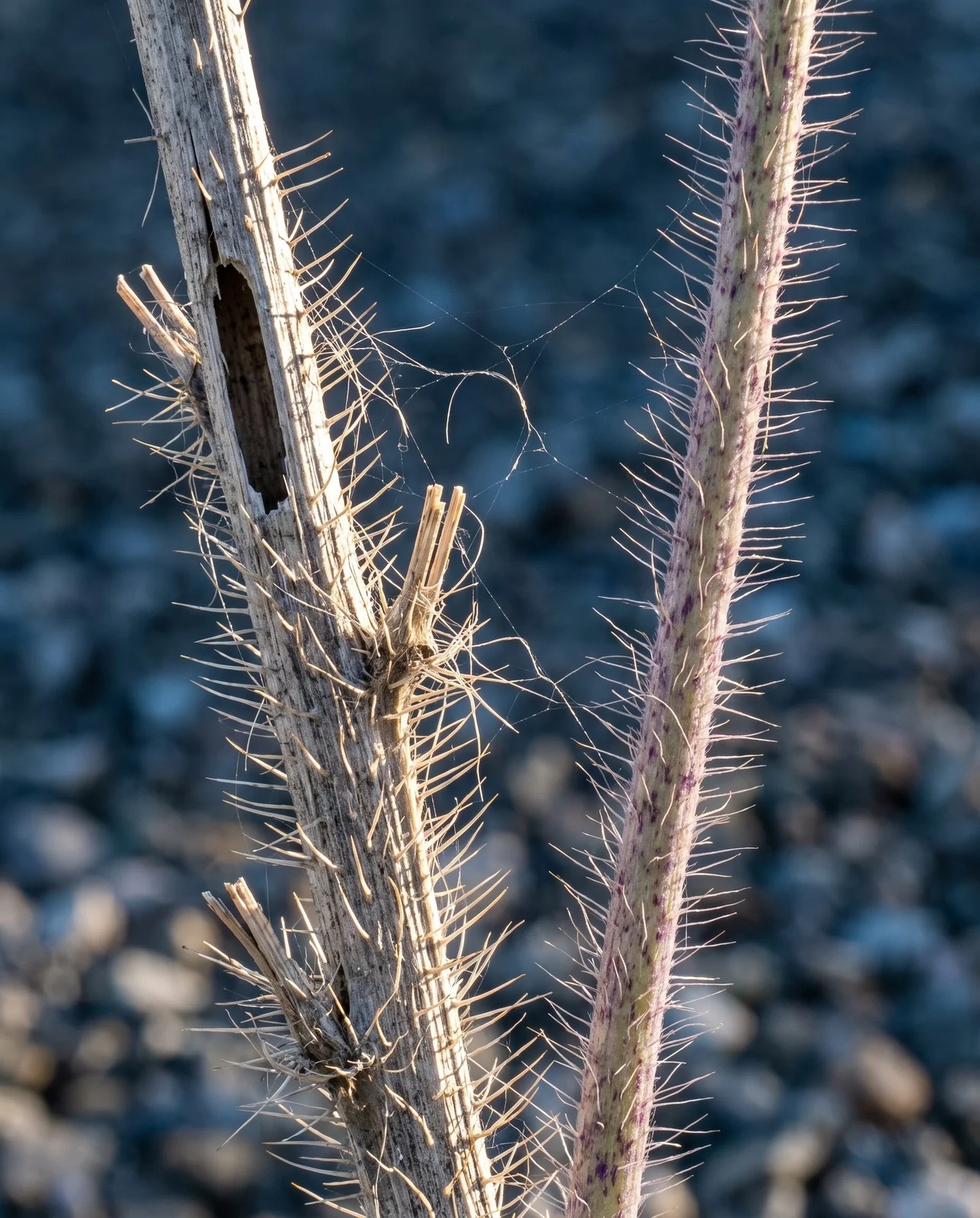
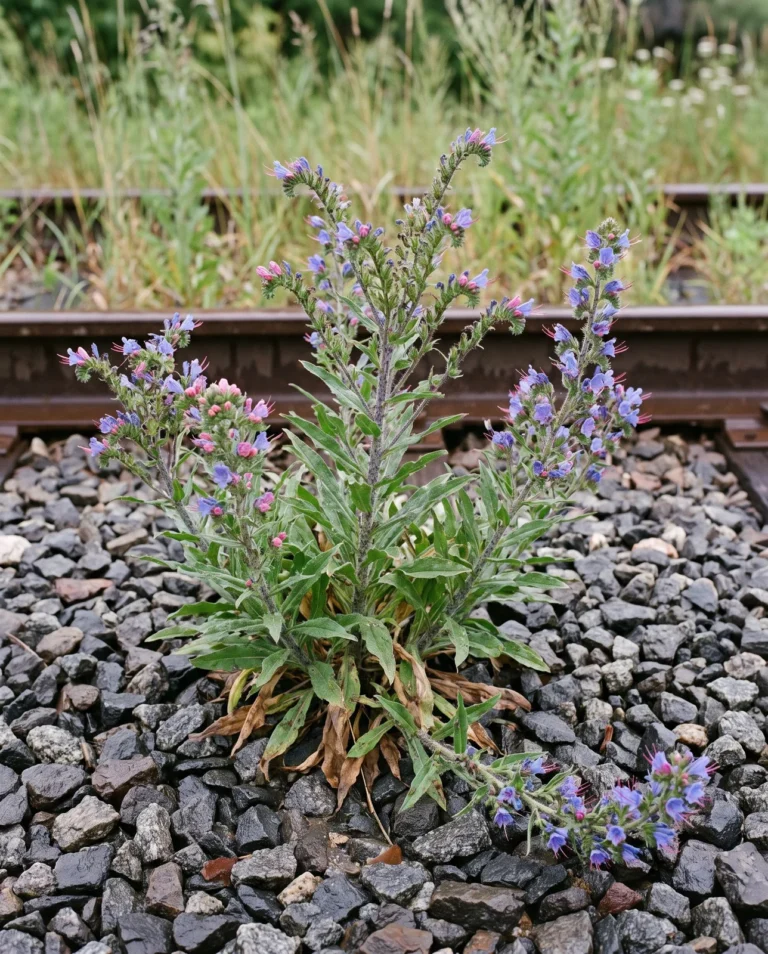
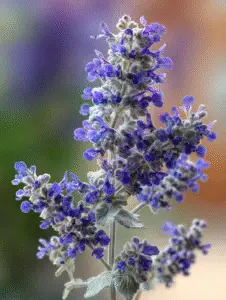
Height, place and whether anybody planted it settle this. Viper's bugloss, Echium vulgare, is the short one: 1 to 3 feet tall and 1 to 1.5 feet wide. Stiff bristles cover the stems and the narrow lance-shaped leaves, and the stems are often spotted purple or red. The flower spike starts as a tight coil and straightens as the flowers open in sequence along it. Pink buds open into funnel-shaped blue flowers with long stamens on red filaments. It turns up on sandy roadsides, in abandoned fields and on waste ground. Nobody planted the one in a driveway crack.
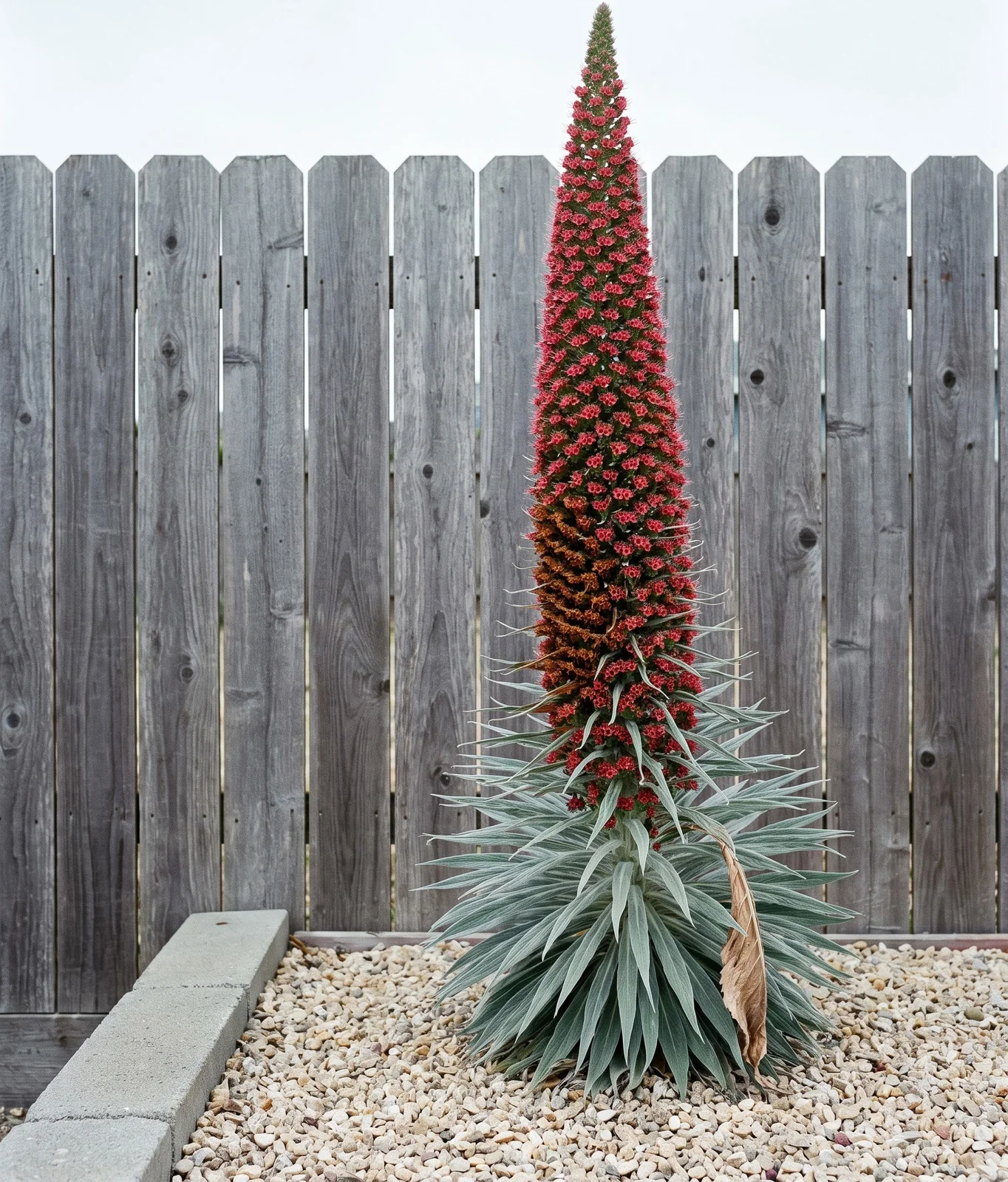
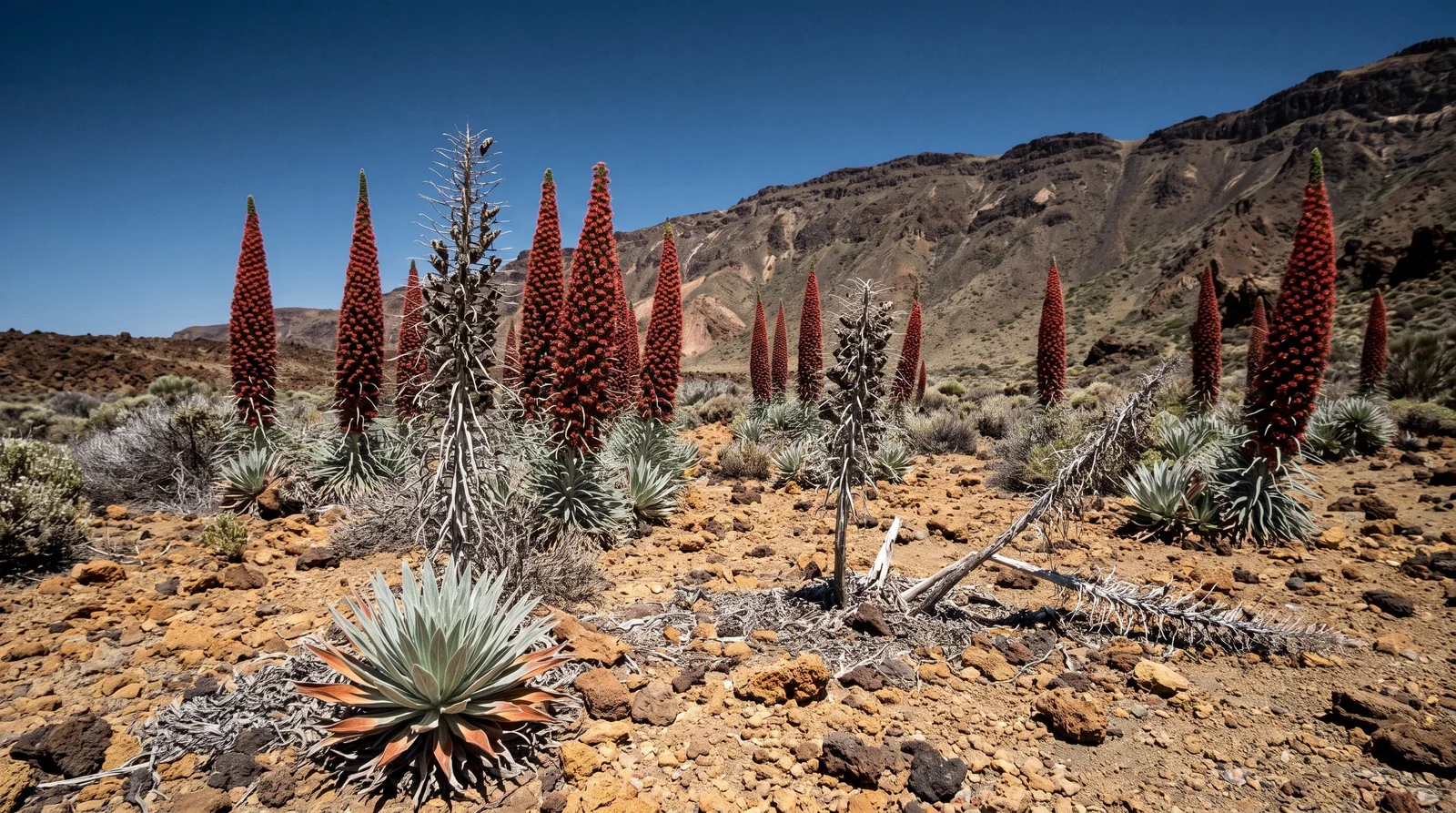
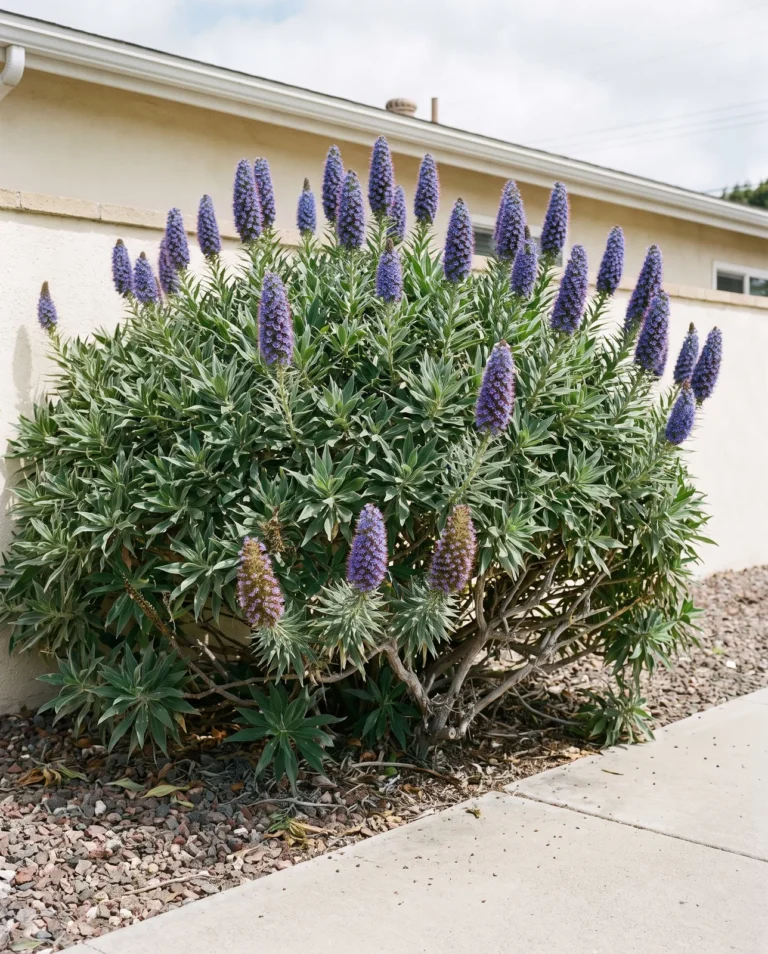
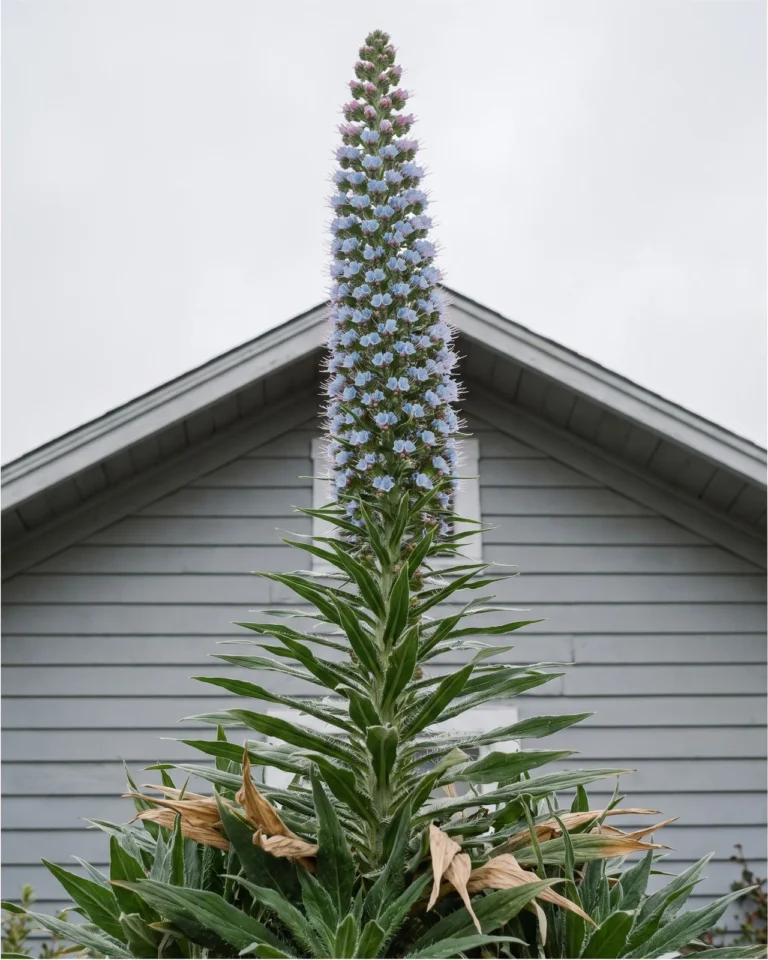
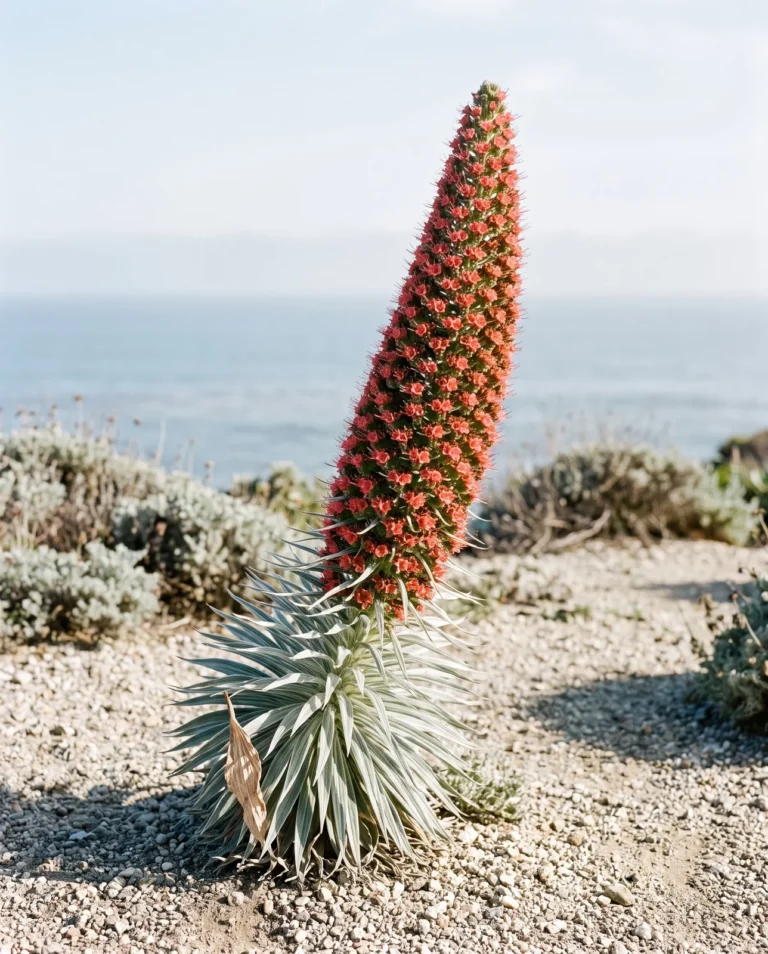
The island species are the tall ones, and they are in a garden because somebody bought them. Pride of Madeira, Echium candicans, mounds to 5 or 6 feet and spreads 6 to 10 feet. Echium wildpretii sends a narrow spike 3 to 6 feet up out of a silver rosette, and a mature plant has stood at nearly seven feet. Echium pininana, the tower of jewels, can pass 4 metres, over 13 feet. All of them are tender. One hard freeze finishes them where viper's bugloss overwinters in a roadside ditch.
Knee high, bristly, growing where nobody chose it, and it is viper's bugloss. Taller than you are, silver or grey green, in a mild coastal garden or a large pot, and it is one of the island species. The halves carry different risk as well as different size: viper's bugloss is the one that turns up on noxious weed lists, while pride of Madeira has the lower of California's two echium ratings.
What the genus is, and why one plant has eleven names
Echium sits in the borage family alongside forget-me-nots, and 68 species are accepted. What holds it together is narrow, thick, hairy leaves and tall spikes of tubular flowers in blue, purple, pink, red or white. The hairs are the constant, and they matter for handling as much as for identification. Habit is not constant at all. Echiums can be annuals, biennials, evergreen perennials or shrubs, so a roadside weed and a woody spire share one genus without behaving alike. Echium vulgare is the type species.
The names are where the confusion starts. Echium comes from echis, the Greek word for viper, because the nutlet was thought to look like a viper's head, and bugloss is Greek for ox tongue, after the rough leaves. Echium vulgare alone carries eleven common names: adderwort, blue devil, blue thistle, blueweed, bugloss, cat's tail, North American blueweed, snake flower, viper's bugloss, viper's grass and viper's herb. The garden half has its own names, pride of Madeira and tower of jewels, and none of them appear on a weed list.
It flowers once, and then it dies
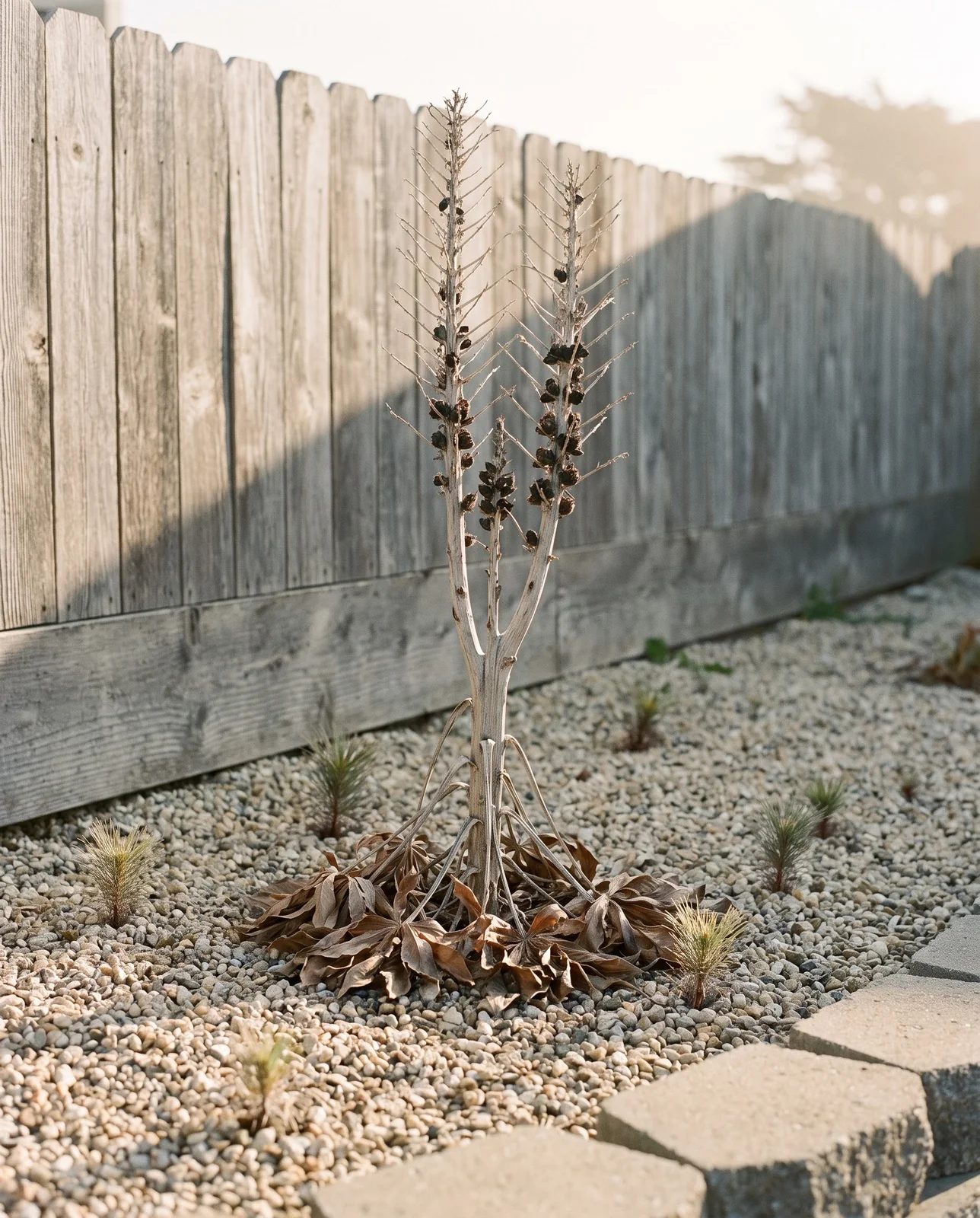
Some echiums flower once and then die. The word for it is monocarpic, and the ones that do it behave as biennials. Across the genus these are shrubs to short-lived perennials that die after flowering. What matters in a garden is what starts the clock. Death follows the flowering whenever the flowering happens, and two years of growth have to be behind the plant before it can flower at all. That sets a floor and fixes no date. A plant that waits three years is on schedule, and so is one that flowers at two and is brown by autumn.
Not every species works this way. Viper's bugloss dies once the nutlets form after flowering. Echium wildpretii dies once it has flowered, usually in its second year. Pride of Madeira is the one that carries on, an evergreen, mounding, fast-growing subshrub that lives as a biennial or short-lived perennial. Deadheading changes none of it. Routine deadheading of echium is unnecessary, and on the garden species the seed is meant to ripen where it is if you want it to sow itself.
How long until it flowers
Two to three years from seed to flower covers most of the genus. Echium wildpretii can bloom in its second year, or hold off until the third. Pride of Madeira is faster, at 1 to 2 years to flowering size. Under a controlled cultivation schedule it drops to about 15 to 16 months. That depends on a deliberate cold spell of roughly 45 to 55 degrees Fahrenheit held for four to six weeks to set the buds.
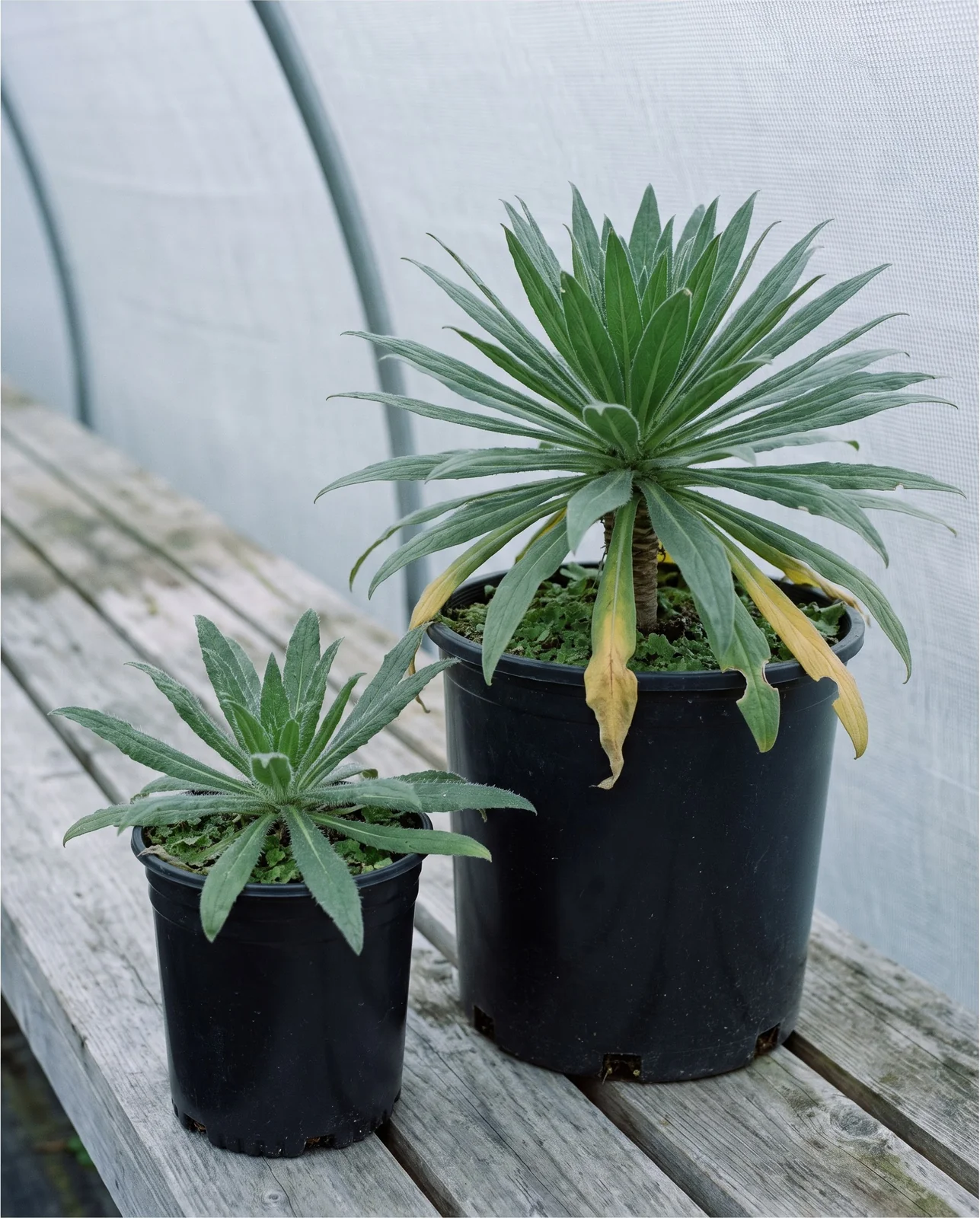
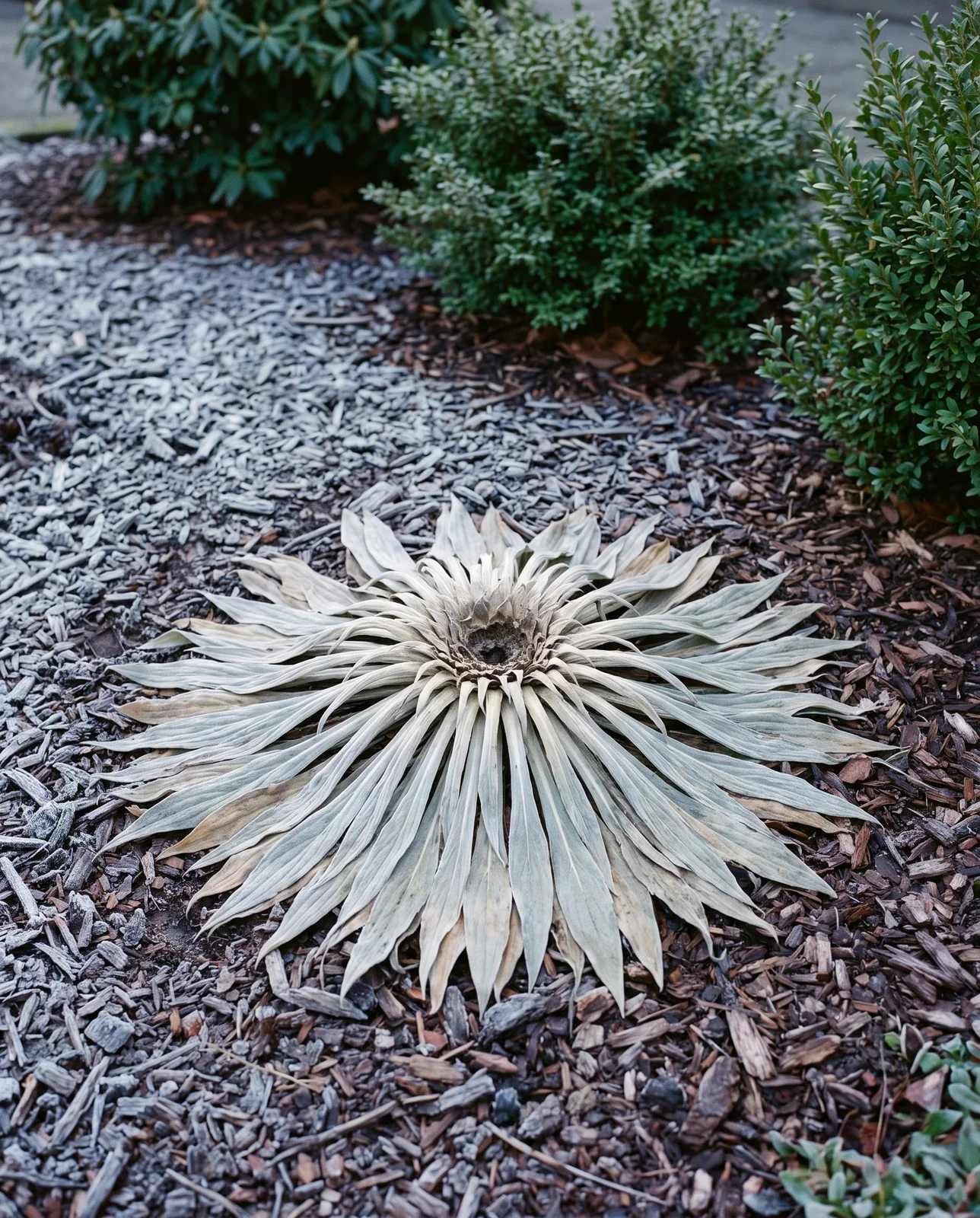
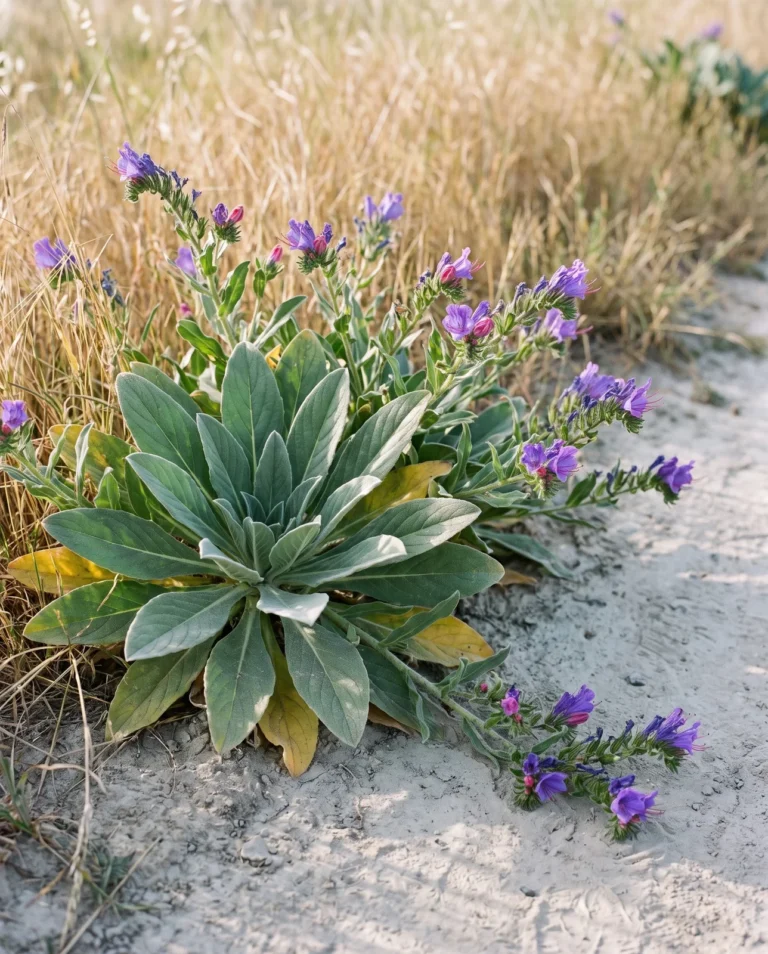
Year one is a rosette, and it looks like nothing much. Echium pininana spends its first season building a low rosette that may need protection to get through winter, and viper's bugloss builds the same flat disc before it bolts. That disc reads as failure when it is the plant doing exactly what the schedule requires. The consequence sits at the other end of the cycle. The year the spike goes up is that plant's last, so anyone who wants a spire every summer sows the next batch while the current plant is still a rosette.
Is echium invasive, and where
One species carries nearly all of the listings, and it is Echium vulgare. Washington regulates it as a noxious weed and counts it invasive there. Idaho, Montana, Wyoming, Utah, Oregon and West Virginia list it too, and so do Manitoba, Alberta and British Columbia. All of those listings name Echium vulgare and no other species, so none of them reaches the garden spires.
California is where the genus splits again, because the state assessed two species and graded them differently. Echium plantagineum, purple viper's bugloss, is not native there and carries a high risk of becoming invasive, with a rating of Watch. Pride of Madeira, sold in every coastal nursery, carries the lower rating of Limited: invasive, but with minor ecological impact at state level, or too little known to score higher. It has escaped cultivation in parts of southern California and appears to spread slowly into established native plant communities.
Florida is the state people ask about, and it has an answer. No Echium appears on the state noxious weed list under any of the genus's names, so nothing in the genus is prohibited there. The separate, non-regulatory risk assessment has no Echium entry either way. The range fits anyway, since Echium vulgare has naturalized over most of North America apart from the far southeast and the far southwest.
Where the listings actually are
Every listing belongs to one named species in one named place. Get the pairing wrong and you either pull a plant nobody regulates or plant one your state prohibits.
Stopping it from seeding, and taking it out
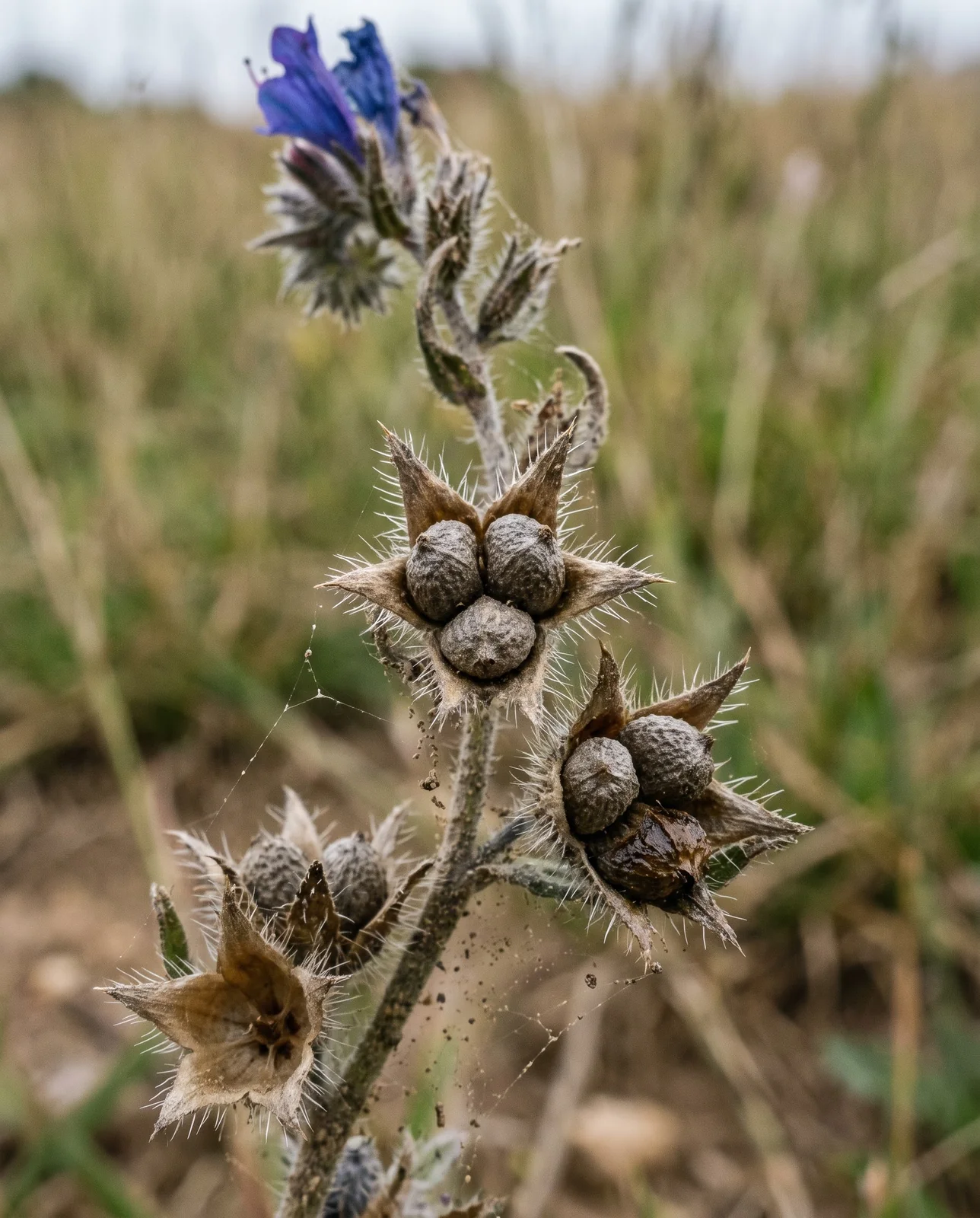
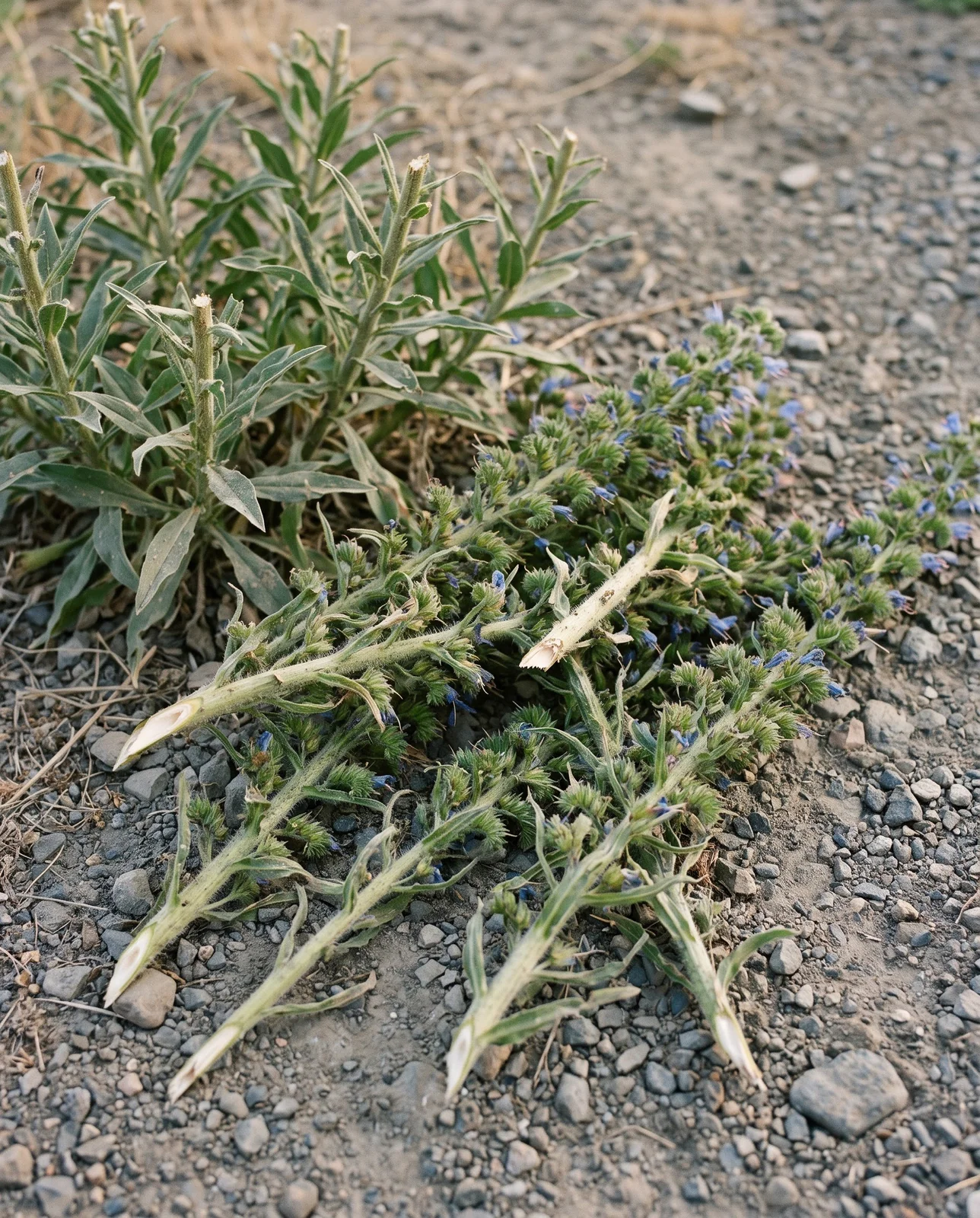
Cut the spikes before the nutlets ripen and the problem mostly goes away. Deadhead spent blooms to prevent aggressive reseeding, and take the spikes off before the nutlets mature, since the plant self-seeds freely and sometimes aggressively. The arithmetic explains the hurry. Each flower sets four seeds and they stay viable for up to 3 years, while a whole plant averages around 1800 seeds. Burial does not solve it, since seed 6 inches down still germinates at 70 percent, and a broken stem rolls like a tumbleweed, scattering seed as it goes. Cleared ground is watched for a minimum of three years because of that seedbank. If you want more plants, do the opposite and leave the seed to ripen.
Taking a finished plant out is a physical job with one hazard attached. Pull or dig viper's bugloss before seed sets, and take the taproot with it. A spent ornamental spire gets the blunter version: if it is dead, cut it down and pull it out. The hazard is the hairs. On viper's bugloss they are stiff and break off easily once the plant has dried, which makes a dead plant the most troublesome to handle. The tall spires carry the same irritant hairs, so wear stout gloves, long sleeves and a cap, and keep fleecy clothing away from the job.
Growing the island species
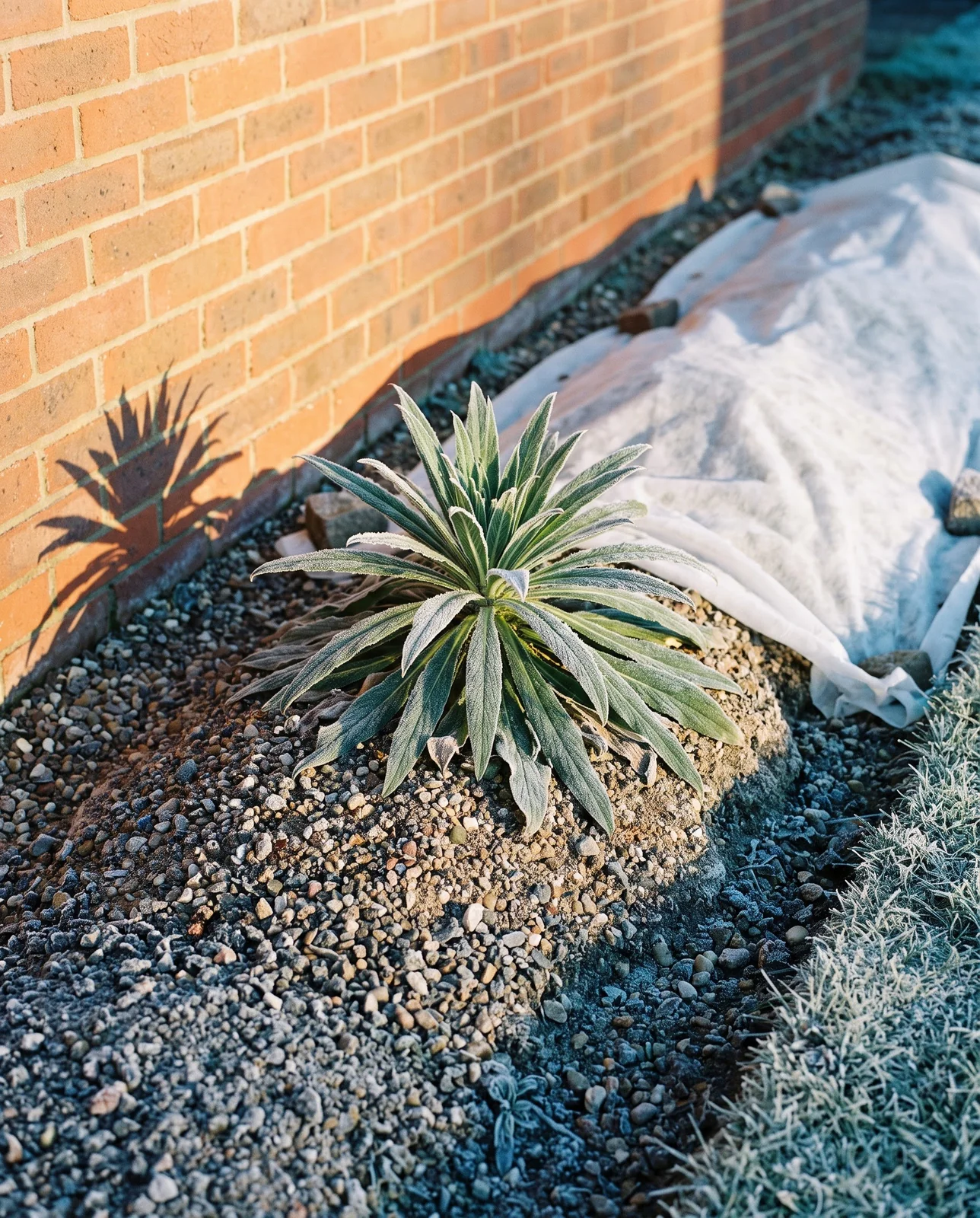
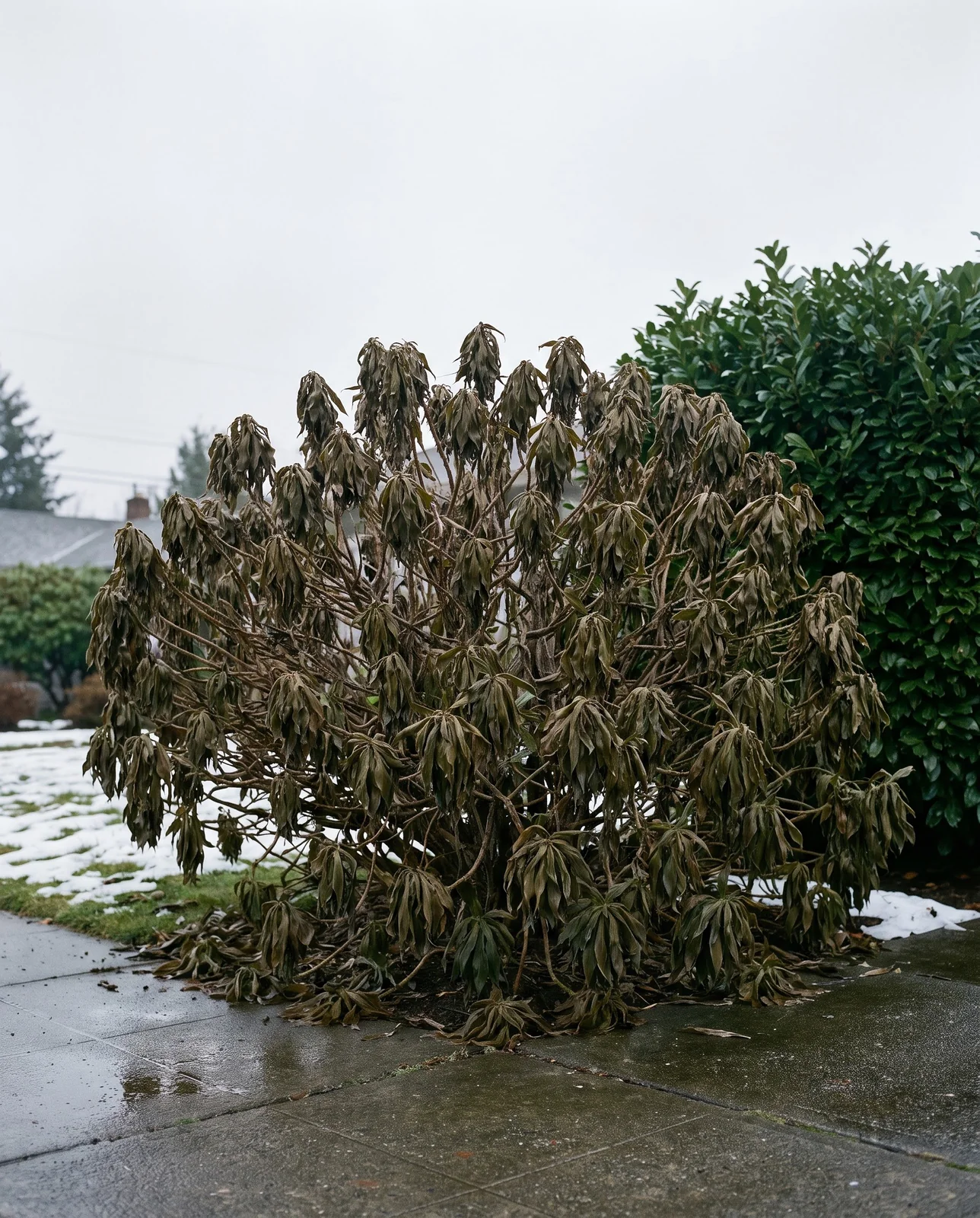
Two things decide whether the island species live: how much water they get in winter, and how cold it gets. Established plants are fairly drought tolerant and need no frequent watering. Too much water in the colder months, with the plant no longer actively growing, is the risk that matters. Cold sets the outer limit. Echium candicans takes 20 to 25 degrees Fahrenheit and Echium wildpretii about 25. A hard winter freeze turns the silver rosette of a wildpretii to mush, dead before it can bloom.
Placement decides a borderline winter more reliably than fleece does. A west-facing position thaws a frozen plant slowly over several hours, while an east-facing spot thaws it fast every morning, which is likely to kill it. The trick borrowed from fruit growers is a low-flow nozzle pointed at the plant, keeping the water around it above freezing through a cold snap. Under cover, a light frost-free place will do, and a heated greenhouse above 41 degrees Fahrenheit is the ideal. Pots can move for the worst of it and plants in open ground cannot, which is the argument for a pot in a cold garden.
Raising them starts with a summer sowing. Seed goes in at 55 to 61 degrees Fahrenheit, with seedlings overwintered cool at 41 to 45, and germination improves with a slight day-to-night swing that mimics the natural habitat. Container-grown plants go out in May, once the winter wet and cold have passed. Allow for the roots: a mature wildpretii fills a 7-gallon pot before it ever reaches a bed. Echium do not require pruning as a rule. The exception is pride of Madeira, tidier if the old spikes come off and it gets a light trim in October where the winter stays frost free.
Growing viper's bugloss on purpose
Viper's bugloss wants full sun, poor ground and very little help. It takes six or more hours of direct sunlight a day and tolerates clay, sand and shallow rocky soil, as long as the drainage is free. Feeding it works against you. Over-fertilizing or planting into rich soil decreases flowering, and rich fertile ground produces excess foliage with fewer flowers. In Britain it grows on chalk grassland, sand dunes, cliffs and disturbed ground. Pests are close to a non-issue, with no significant problems beyond the occasional slug. Cut it back in late winter or early spring for the best display the season after.
Planting it on purpose is a decision with a jurisdiction attached. Opinion divides already, some keeping it as a wildflower and others pulling it as a weed. Where the species is regulated that stops being a question of taste. Read your own state's list before you buy seed, and remember that a packet sold as blueweed, blue devil or snake flower holds the same plant.
Why it suddenly died
Start with one question: did it flower? A plant that pushed up a spike, opened it and browned off afterwards did what its life cycle requires. For viper's bugloss the flowers give way to rough nutlets and the plant then dies. That is not a gardening failure. On Tenerife the finished plants of Echium wildpretii stand as skeleton spikes in the dry island climate, which is what a completed plant looks like when nobody clears it away. The deaths worth investigating are the other kind, a plant that never flowered and went anyway.
Those failures usually come from a mismatch with the ground these plants evolved on. Echium wildpretii grows on Tenerife at elevations of 4,200 to 6,500 feet, in the sub-alpine zone. A heavy bed that stays damp through a cool winter is the opposite of that. Containers carry their own problems: vine weevil troubles container-grown echium, slugs work on plants outdoors, and under glass whitefly and red spider mite turn up. A container plant that faded with no freeze to blame is worth lifting, since the roots settle the question faster than the top does.
Dead, or just finished
Two questions settle most of these cases. The rest matter only when the plant died without flowering.
Bees, oil, and what echium is grown for
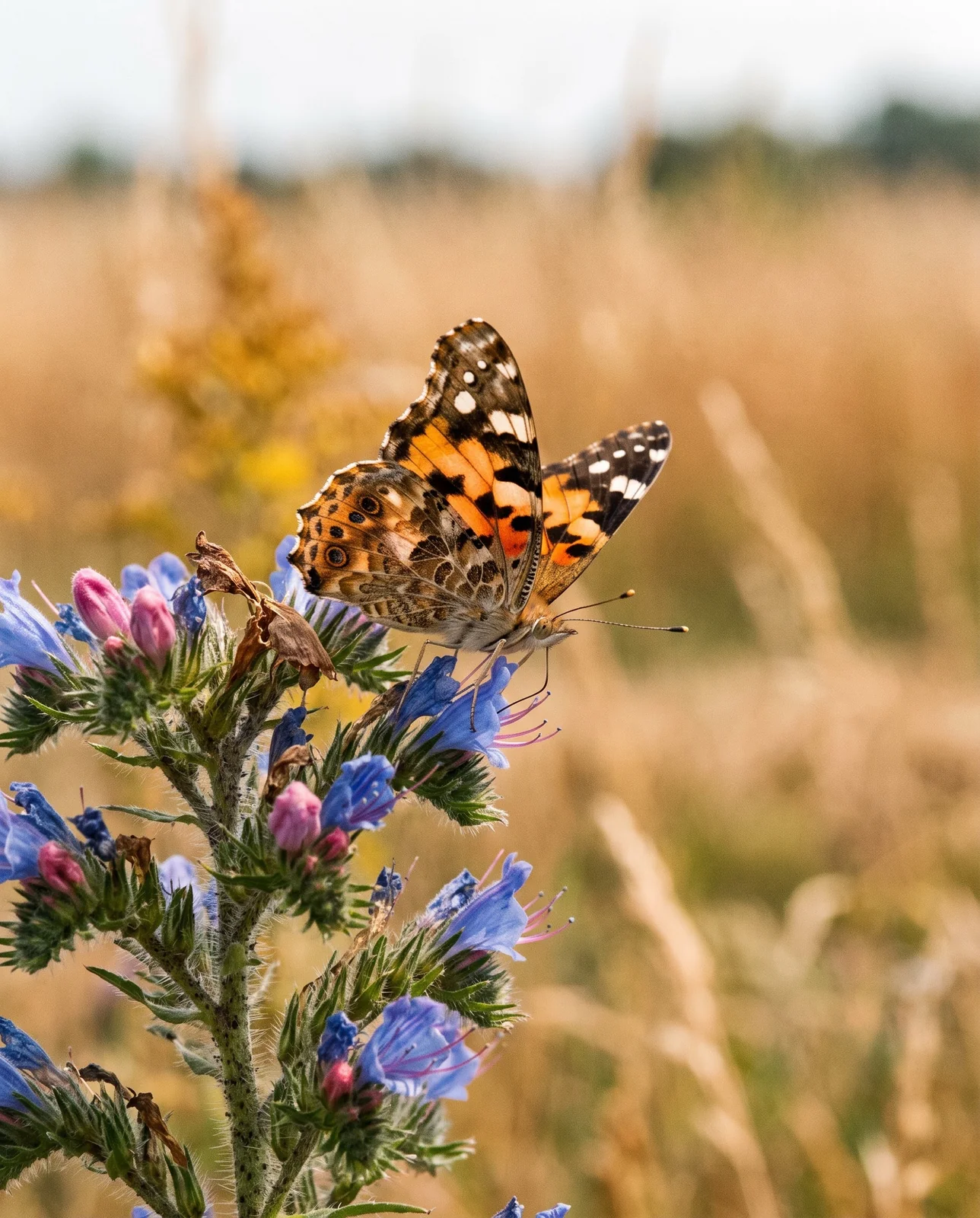
Echium is grown for two things that rarely sit together: bee forage and seed oil. Blueweed, Echium vulgare, is named among Ohio's nectar and pollen producing plants for honey bees. In Britain the insects recorded feeding on it include buff-tailed and red-tailed bumblebees, large skipper and painted lady butterflies, honeybees and red mason bees. That mix of bees and butterflies puts a stand of it in the same part of a planting plan as lavender. It is also why beekeepers know the plant under names most gardeners never use.
Echium oil has a narrow botanical base. The seed oil comes from Echium plantagineum, high in alpha-linolenic acid, gamma-linolenic acid and stearidonic acid, and skin care uses it for them. It does not stand in for a marine oil: despite the alpha-linolenic acid, it does not raise docosahexaenoic acid or eicosapentaenoic acid levels in the body. Cosmetic use runs from 1 to 5 percent of a formulation, and because the oil is unstable in heat it is produced by cold or other non-heat extraction.
Is echium poisonous
Yes, and the animals most at risk are the ones that graze it. The ASPCA lists viper's bugloss as toxic to horses, names pyrrolizidine alkaloids as the toxic principle and gives liver disease as the sign, after a large amount or a long exposure. Echium plantagineum carries an entry on the same terms. Horse owners call the syndrome walking disease or sleepy staggers: weight loss, yawning and neurologic problems after liver failure. Once an animal is affected the decline runs over a few days to a week. Pride of Madeira has no entry under either name, so nothing has been assessed for it either way.
The compound is not confined to the roadside species. The genus as a whole is rich in pyrrolizidine alkaloids, and the same toxic principle covers the ornamental spires. Echium vulgare comes with figures attached. Eighteen alkaloids or their isomers have been identified in it, with fresh tissue at 0.055 percent alkaloid and dried material at 0.25 percent, among the highest of twenty Boraginaceae tested. In Spain ten fighting bulls out of seven hundred died after grazing a field that was 80 percent Echium vulgare. Onset in horses can be quick while other livestock may take weeks to show symptoms, and sheep are only a marginal risk. Honey is a second route for people, since bees working Echium plantagineum carry the same alkaloids into it.
For people the risk splits in two. The genus is toxic if eaten, its leaves and stems may cause skin irritation, and gloves are advised for handling. Pride of Madeira carries the same skin-irritant flag. Bare skin against viper's bugloss hairs can cause dermatitis in some people, and poison severity for the genus is rated medium. Nobody has measured the alkaloids in Echium candicans, Echium pininana or Echium wildpretii. What covers those three is genus-wide, enough to keep them from grazing animals and out of anything anybody eats, and not enough to attach a number to.
The species people actually meet
Five species carry almost everything written under this genus name, and they differ in height, hardiness and whether anybody chose to plant them.
Hardiness, species by species
A zone number for echium means nothing until a species is attached to it. The island species sit at the warm end, hardy to zones 9 to 11. One zone either way decides whether a plant stands through a normal winter or is lost in the first hard freeze. The weedy half needs none of that warmth, since Echium vulgare is hardy through zones 4a to 8b.
Britain handles the tender species as summer visitors, which is a useful check on the American numbers. Pride of Madeira goes outside there for the summer at minimum temperatures of 5 to 10 degrees Celsius, and it makes a bushy sub-shrub of 1.5 to 2.5 metres each way. That band is the mild coastal bracket in American terms, the same ground that grows bird of paradise. Anywhere colder the island species are container plants that come under cover for winter, and viper's bugloss is the half that stays out.
What goes wrong most often
Ranked by how often each one comes up. Two of the top three are about winter, and the joint largest is a plant behaving normally.
The plant finished its cycle, and nothing reverses that. Cut it down, pull it out and keep the seedlings.
Cold below what the species takes, almost always one of the tall spires. Move pots under cover before the first hard freeze.
Wrapping holds off a light frost, not a long freeze on wet ground. Aspect does more: a slow west-facing thaw beats a fast eastern one.
Seed ripened and dropped. Cut the spikes before the nutlets mature, and hoe seedlings while they are small.
A third year is inside the normal range. Leave the rosette alone and feed it nothing.
Sow in summer, overwinter the seedlings cool, and give them a day-to-night temperature swing. Flat warmth germinates the fewest.
Echium vulgare growing where nobody planted it is regulated in several states. Check your own list before you defend it.
Old flower spikes off, light trim, and keep that work for a frost-free winter.
Five claims worth settling
These travel further than the facts behind them, and each one changes what you do next.
The myth: Echium is a biennial.
The reality: The mechanism is monocarpy: the plant dies after it flowers, whenever the flowering happens. One that holds off until its third year is on the same schedule as one that flowers in its second, which no two-year clock explains.
The myth: Deadheading stops it from dying.
The reality: It does not. Routine deadheading of echium is unnecessary, and the real job of taking the spikes off is seed control on the weedy species.
The myth: All echiums are invasive.
The reality: The listings name species. Echium vulgare carries nearly all of them. California's concern is Echium plantagineum, spread there by grazing livestock, ants and birds, and pride of Madeira has the lower of the state's two ratings.
The myth: All echiums are tender.
The reality: Only the island half is. Echium vulgare overwinters in ground that would finish any of the spires, and the genus has naturalized in South Africa, Australia, New Zealand and parts of South America.
The myth: It died, so something was done wrong.
The reality: A plant that flowered and then died completed its cycle. The real failures look different and they happen without a flower spike, when cold or standing wet takes the plant before it can bloom.
What to expect, year by year
A season of leaves, then a season of flowers, and what happens after that is decided by seed.
Year one is a rosette. The first season goes into a flat disc of leaves, and on the tall species that rosette is the part which has to survive winter. Nothing done to it that summer brings the flower forward.
Year two is usually the spike, and the plant that goes up is unrecognizable next to the rosette it came from. On Tenerife the flowers of Echium wildpretii open from late May into June and are worked by bee-like insects.
After that there is no year three for that plant. It sets seed and dies, and the seedlings are what continue, so seed left to ripen matters more here than on most border flowers. On the weedy half nobody has to arrange it.
FAQ
Why do farmers grow echium?
For two things: heavy nectar and pollen for honey bees, and the seed oil pressed from Echium plantagineum.
What is echium used for?
Bee forage, seed oil and ornament. The oil goes into cosmetics and herbal medicine, and the tall species are planted for the flower spike alone.
Can you grow echium in the USA?
Yes, and the species decides where. The island species want zones 9a to 11b, while Echium vulgare is hardy through zones 4a to 8b and is regulated in several states.
Is echium poisonous to humans?
It is toxic if eaten, and the leaves and stems can irritate skin. Bare skin against viper's bugloss hairs can cause dermatitis.
What happens to echium after flowering?
It dies. Seed ripens in the rough nutlets, and the seedlings carry the planting on.
Will a biennial plant come back?
Not the same plant. A true biennial flowers, seeds and dies, and the monocarpic echiums die after they flower, whenever that happens.
Is echium invasive?
That depends on the species and the place. Echium vulgare is regulated in several states and three Canadian provinces. In California, Echium plantagineum is rated Watch and pride of Madeira the lower Limited.
Do echiums come back every year?
The individual plant does not, because it dies once it has flowered. A planting comes back through its seedlings.
When should you plant echium?
Sow the tender species at 55 to 61 F in summer and overwinter the seedlings at 41 to 45 F. Container plants go out in May.
How should echium be pruned?
As a rule it does not need pruning. Pride of Madeira is the exception, and October is the month for it where winters stay frost free.
Interesting tips
- Fire is not a control for viper's bugloss. Burn trials in Montana found the plants would not dry out enough to carry a fire unless they were pulled and left to dry first. There are no approved biological control agents for the species either.
- The genus feeds more than bees. It is a larval host for two moths, Coleophora onosmella and the orange swift, and hummingbirds come to the tubular flowers.
- Some Echium species are eaten. The tender shoots and stems are prepared as food, a regional practice attached to particular species. The toxicity of the genus still stands beside it.
Related Guides & Flowers
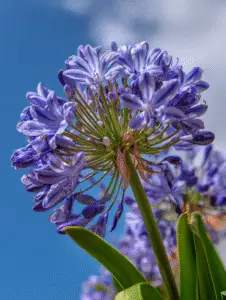
Agapanthus
Another blue-flowered clump for mild gardens, and one that comes back after it flowers.
Best flowers for bees
What else to plant if the bee traffic is the reason echium caught your eye.
Purple flowers
The purple end of the garden, where the darker echium spikes belong.

Types of flowers
The full index of flowers on the site, sorted by kind.
Enjoying our flower guides? Add YourFlowersGuide as a preferred source on Google. It helps more readers find us.
Add to Preferred Sources