What a fritillaria is
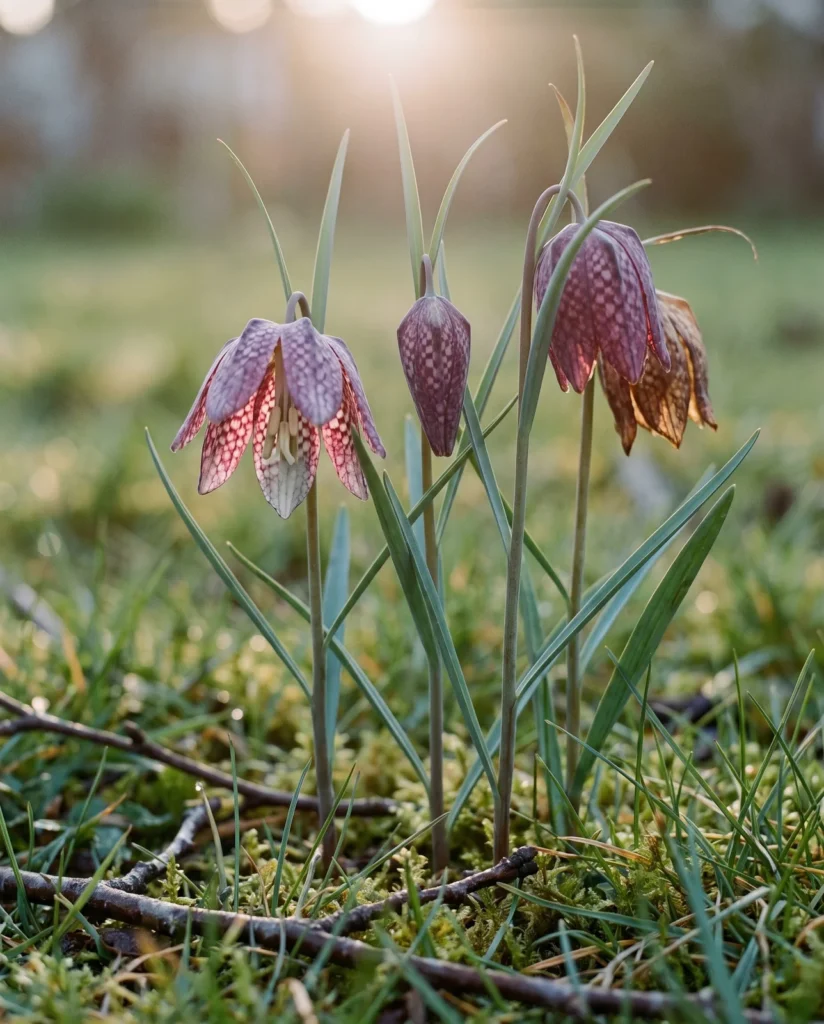
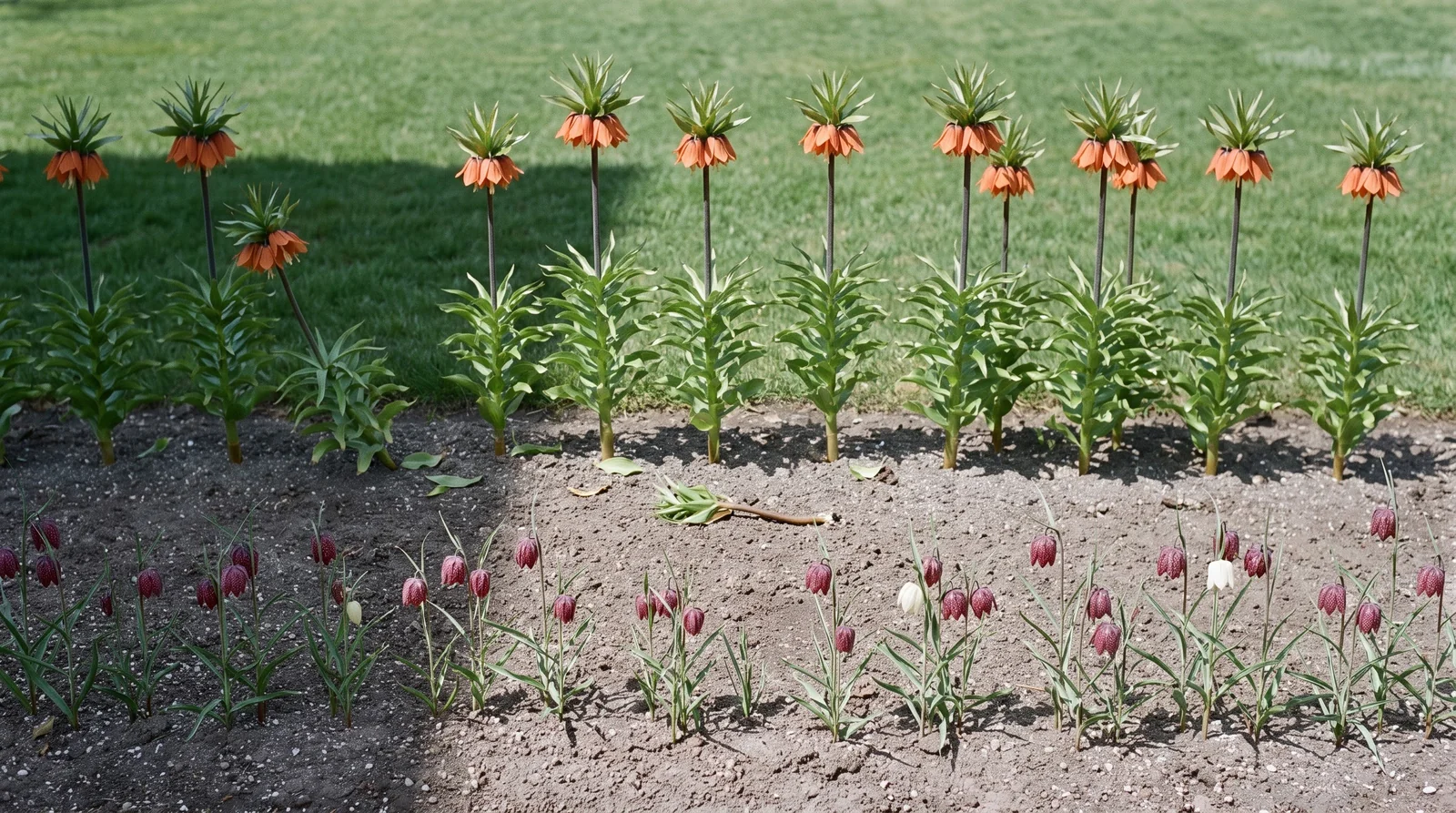
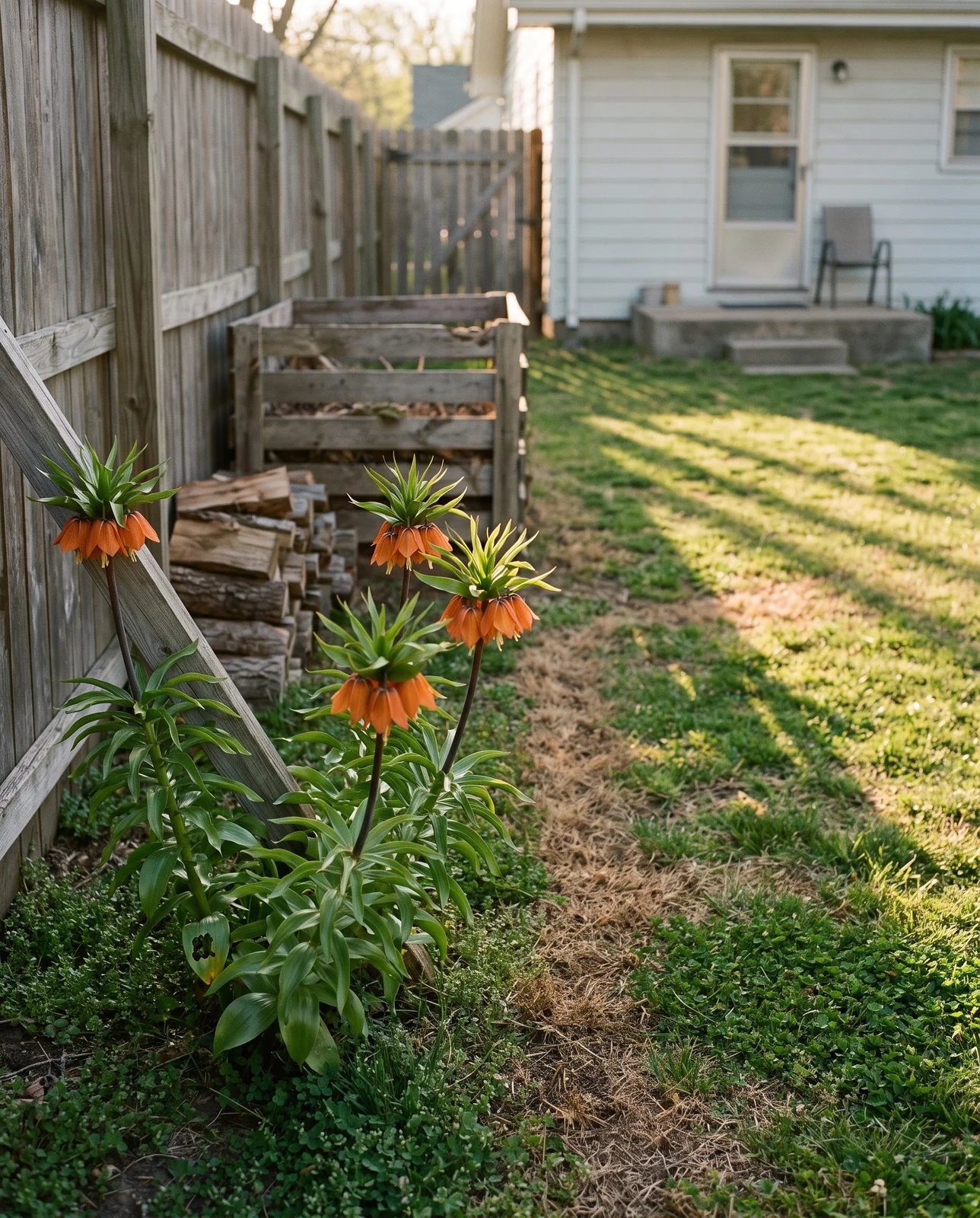
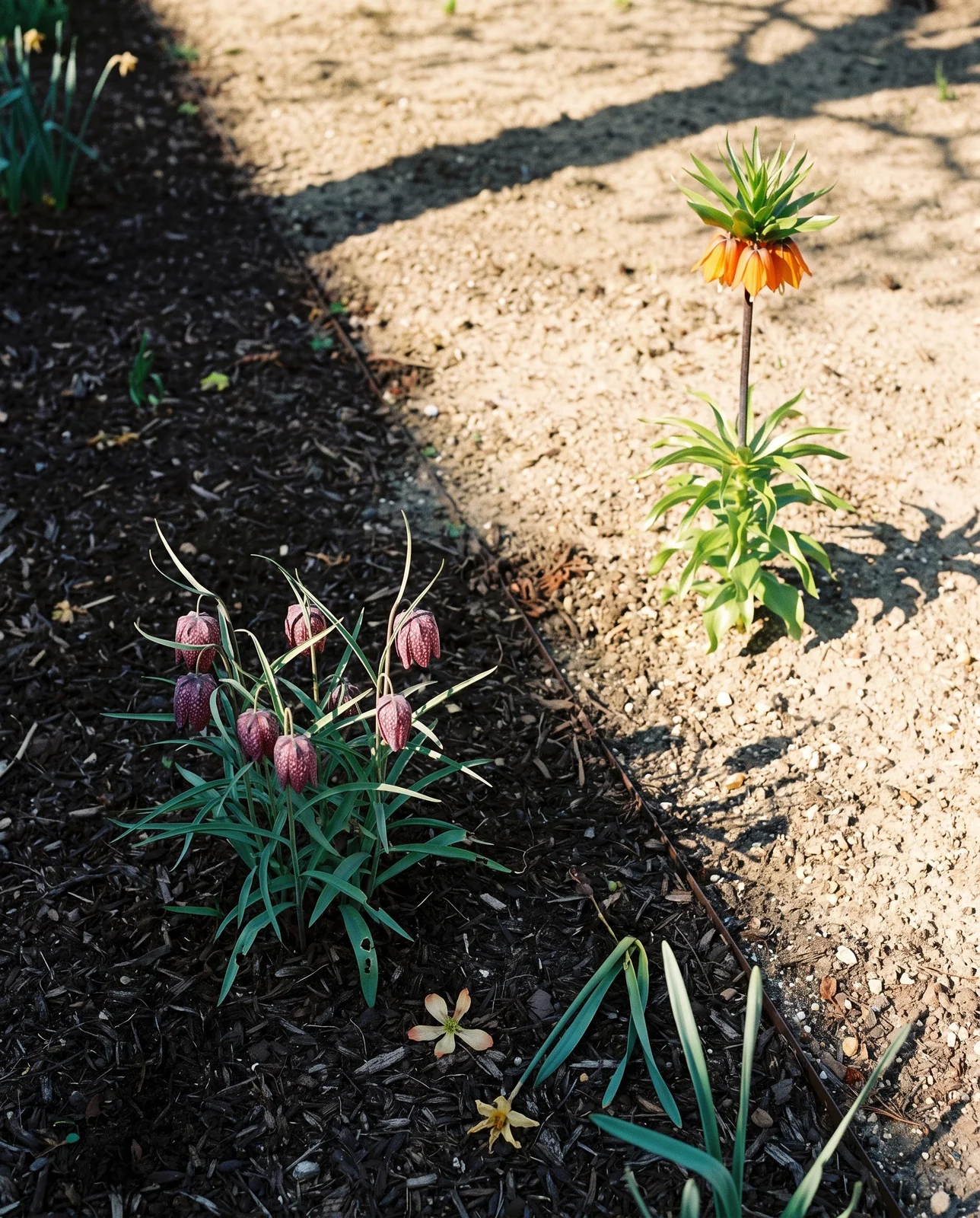
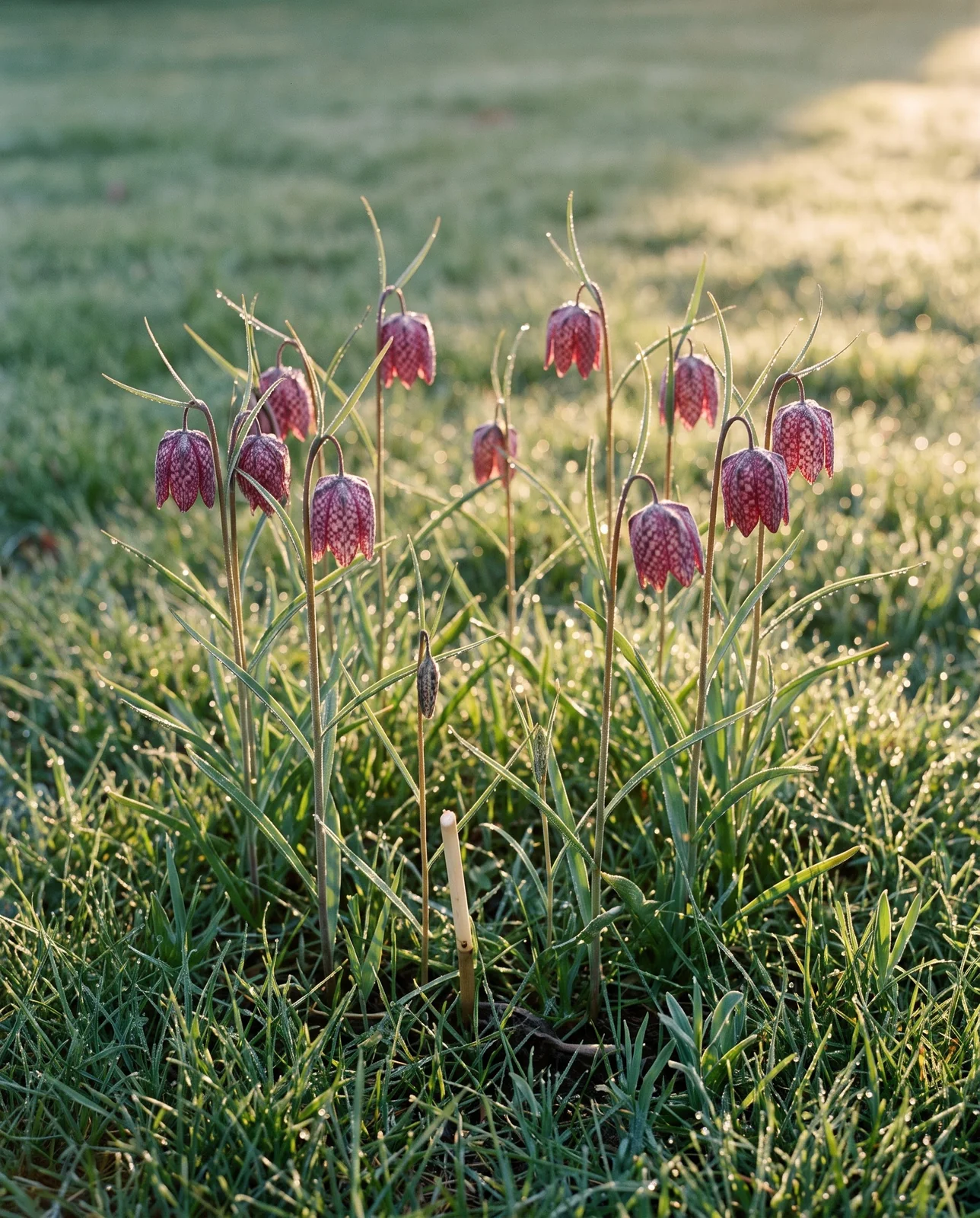
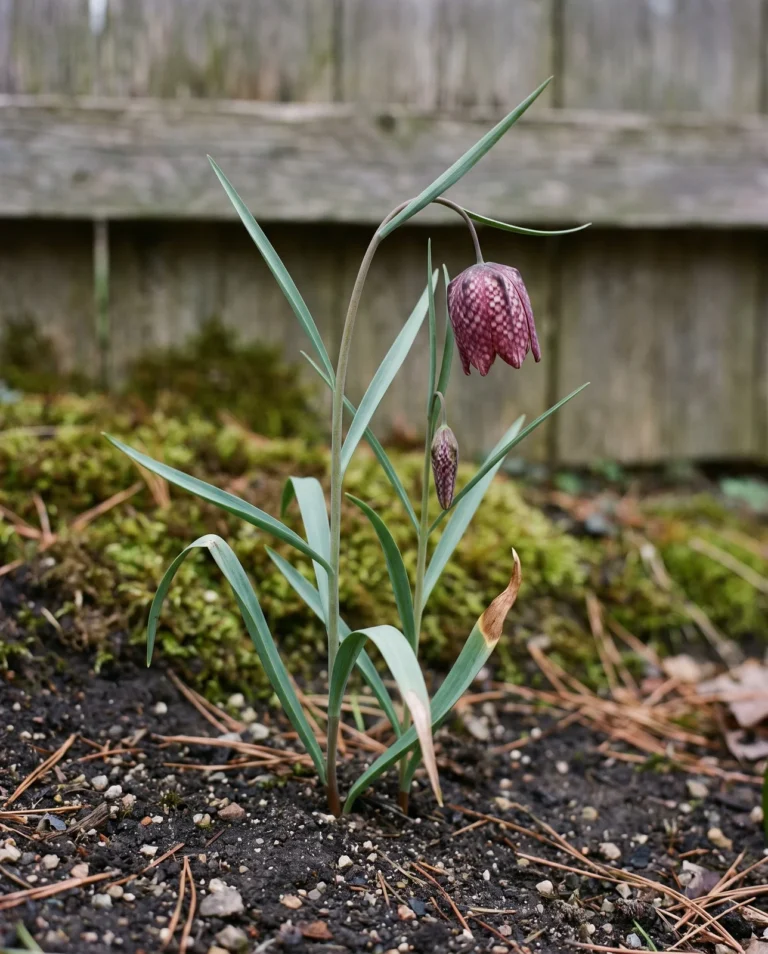
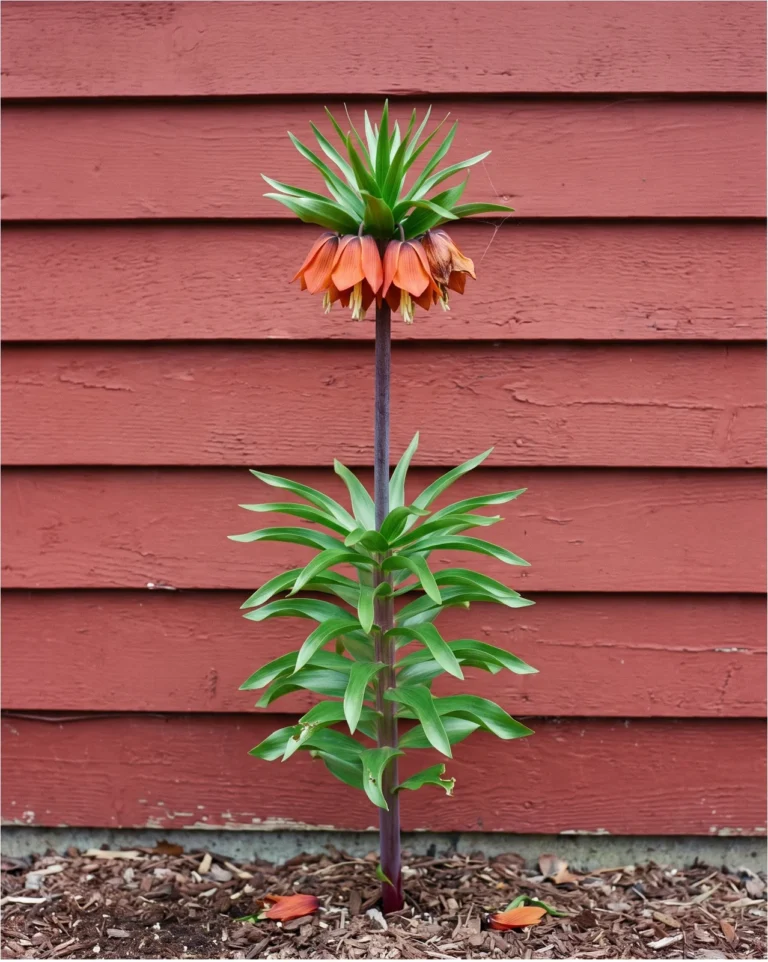
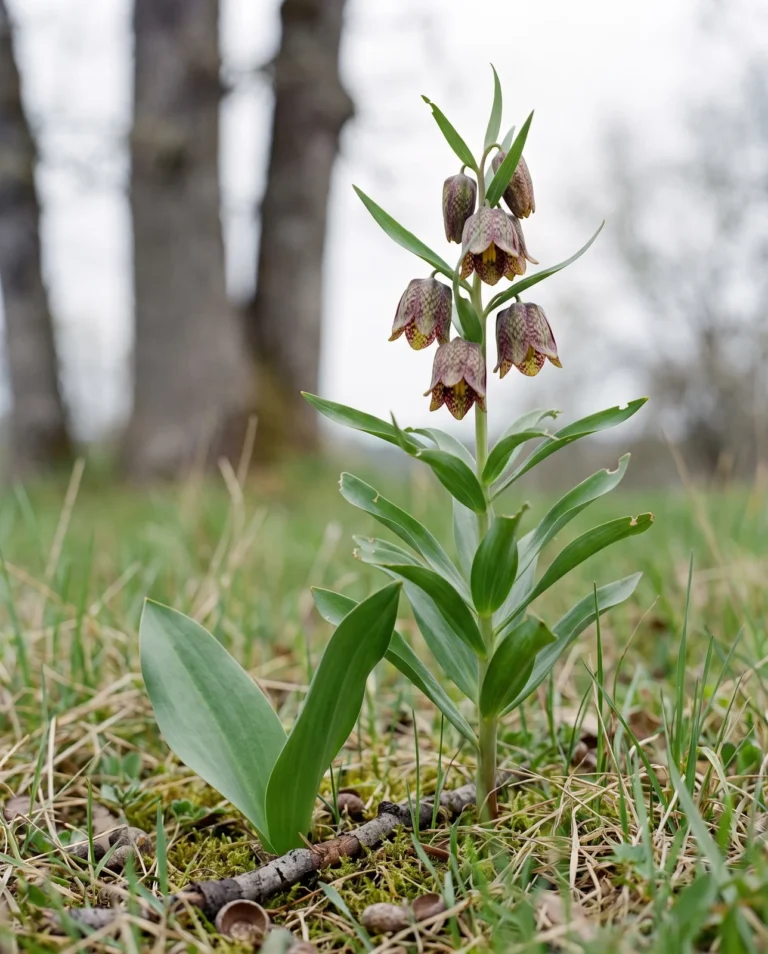
Fritillaria is a genus of spring bulbs in the lily family, about 130 to 140 species of them. The flowers are usually single, nodding and bell-shaped, and the bulb underneath is a few fleshy scales, built like a lily's. Two species carry the genus in American gardens, and they look nothing alike. The snake's head fritillary, Fritillaria meleagris, stands about 15 inches tall and hangs a single checkered bell around 2 inches long, veined in reddish-brown, purple, white and gray. The crown imperial, Fritillaria imperialis, runs 3 to 4 feet tall on a thick straight stem. It carries a ring of orange or red bells under a small pineapple-like tuft of leaves.
The genus name is Latin for a dice box, fritillus, after the checkered markings on the flower, and meleagris likens the same checkerboard to a spotted guinea fowl. The snake's head grows wild through temperate country, from Europe east to western Siberia. It flowers from late March into April, is worked by bees and can fertilize itself. The genus as a whole spreads much further, around the Mediterranean into North Africa, across temperate Asia and into North America.
Why the bulbs smell
The smell is normal and it comes from the plant. Every part of a crown imperial carries a skunky odor, and the foxy note in it is a single compound, 3-methyl-2-butene-1-thiol. Noses differ, so the same bulb gets called garlic by one person and fox by the next. Across the genus the odors run phenolic, putrid, sulfurous, sweaty and skunky. Fritillaria agrestis is known as stink bells because its smell is compared to dog droppings.
Not every species smells that way, and Fritillaria striata is sweetly fragrant. Where the odor exists the bulbs carry it too, so a sound bag gets sent back as spoiled goods every autumn. The smell belongs to the plant, bulb and flower alike, and the old Dutch name for the crown imperial says so bluntly: stink lily.
Is my bulb rotten, or is that hole normal?
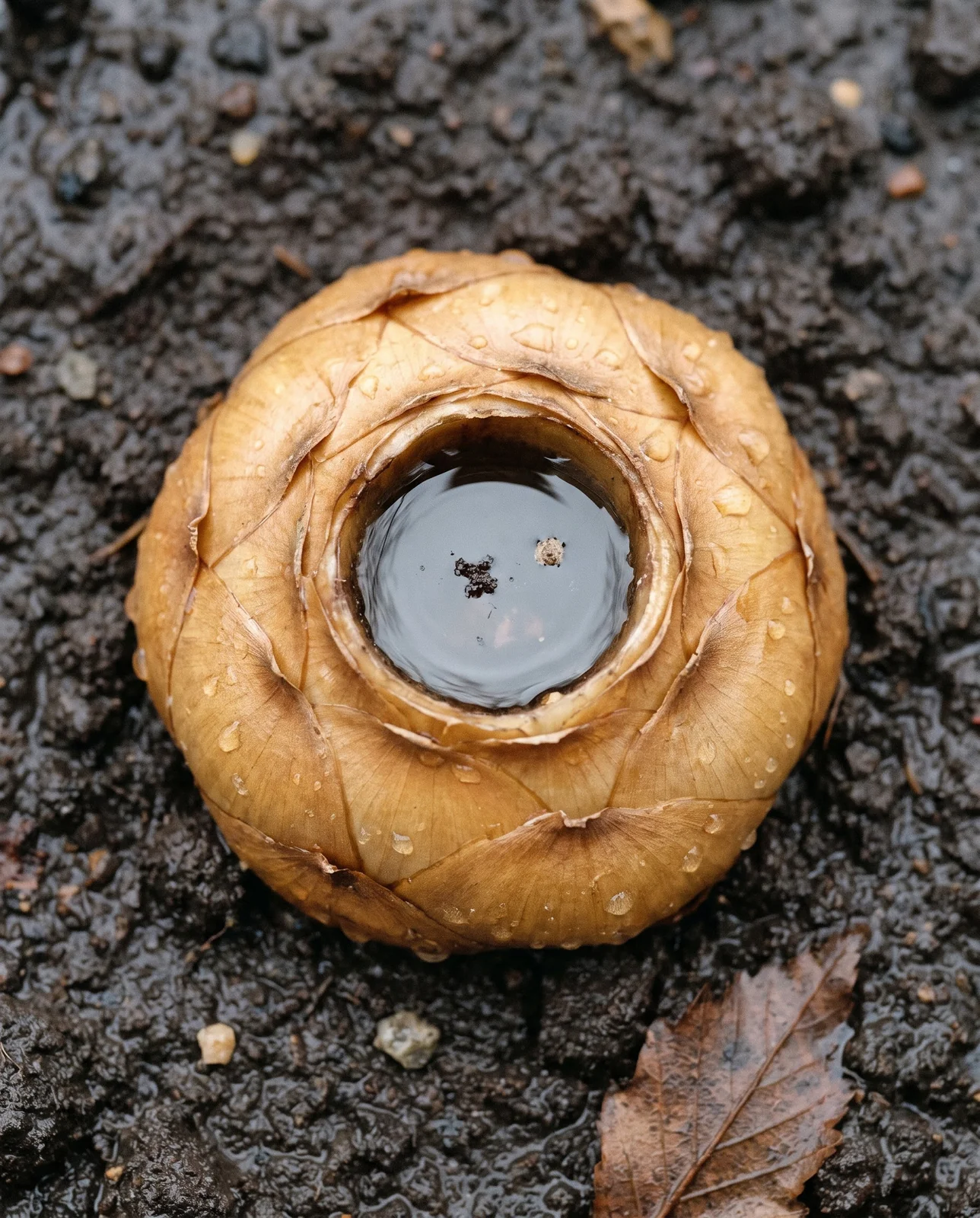
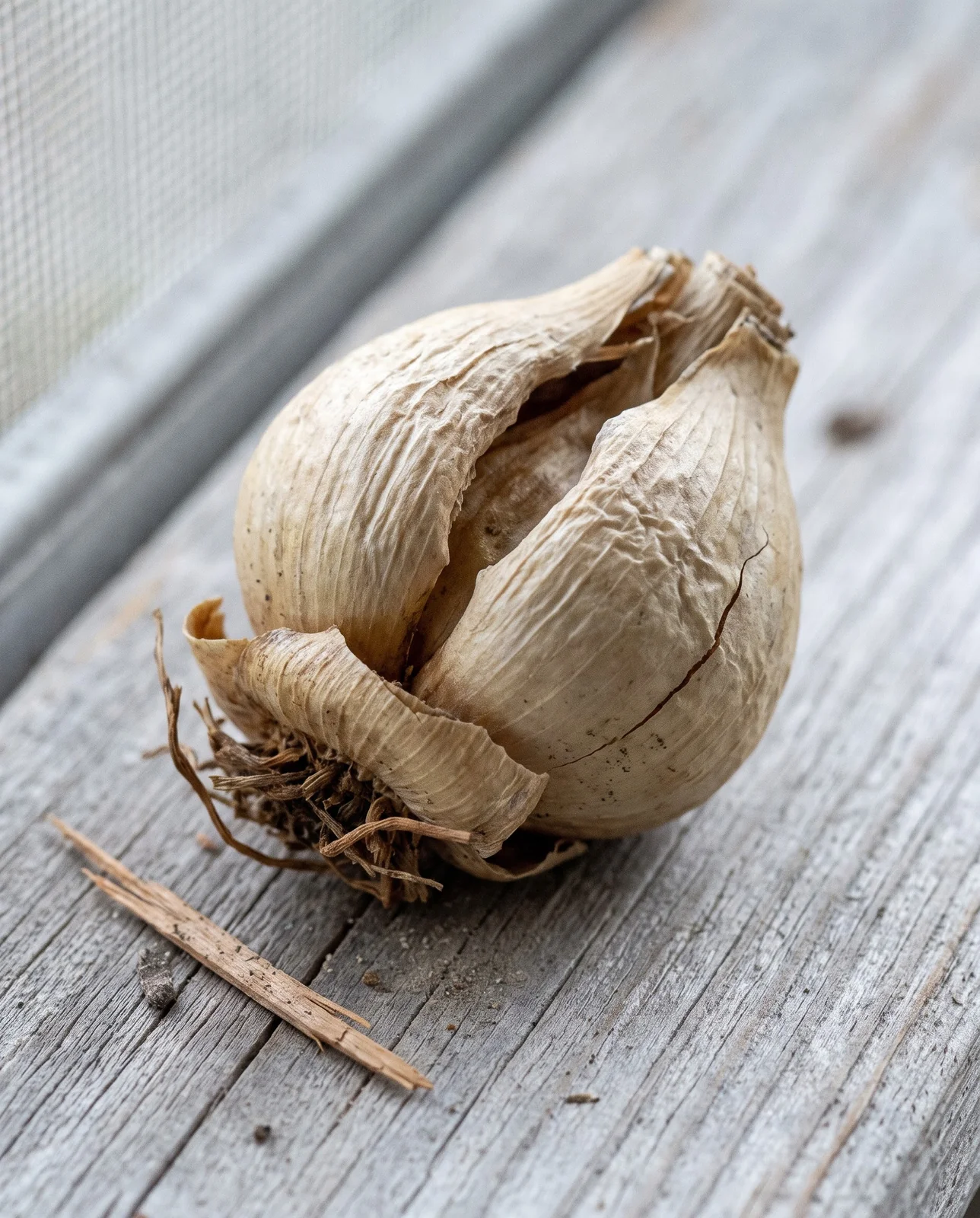
A hollow in the top of a large fritillaria bulb is normal. It is a stem scar, left where the woody stem pushed out of the bulb the spring before, and every large bulb of this kind carries one. On a crown imperial that scar is a real depression, wide enough for moisture to collect, and these bulbs rot more easily for it. Water sits in the hollow against living tissue, so drainage counts for more here than it does with a tulip.
Rot can start long before the bulb reaches soil. Poor storage dries fritillaria bulbs out or turns them moldy, and they are more perishable than most fall-planted stock to begin with. Read the bulb, not the smell. A bulb gone light and dry in the hand, or furred with mold, was damaged before it was planted. A firm bulb with a clean hollow and a musky smell is behaving as it should, because a sound bulb smells too.
Should you plant the bulb on its side?
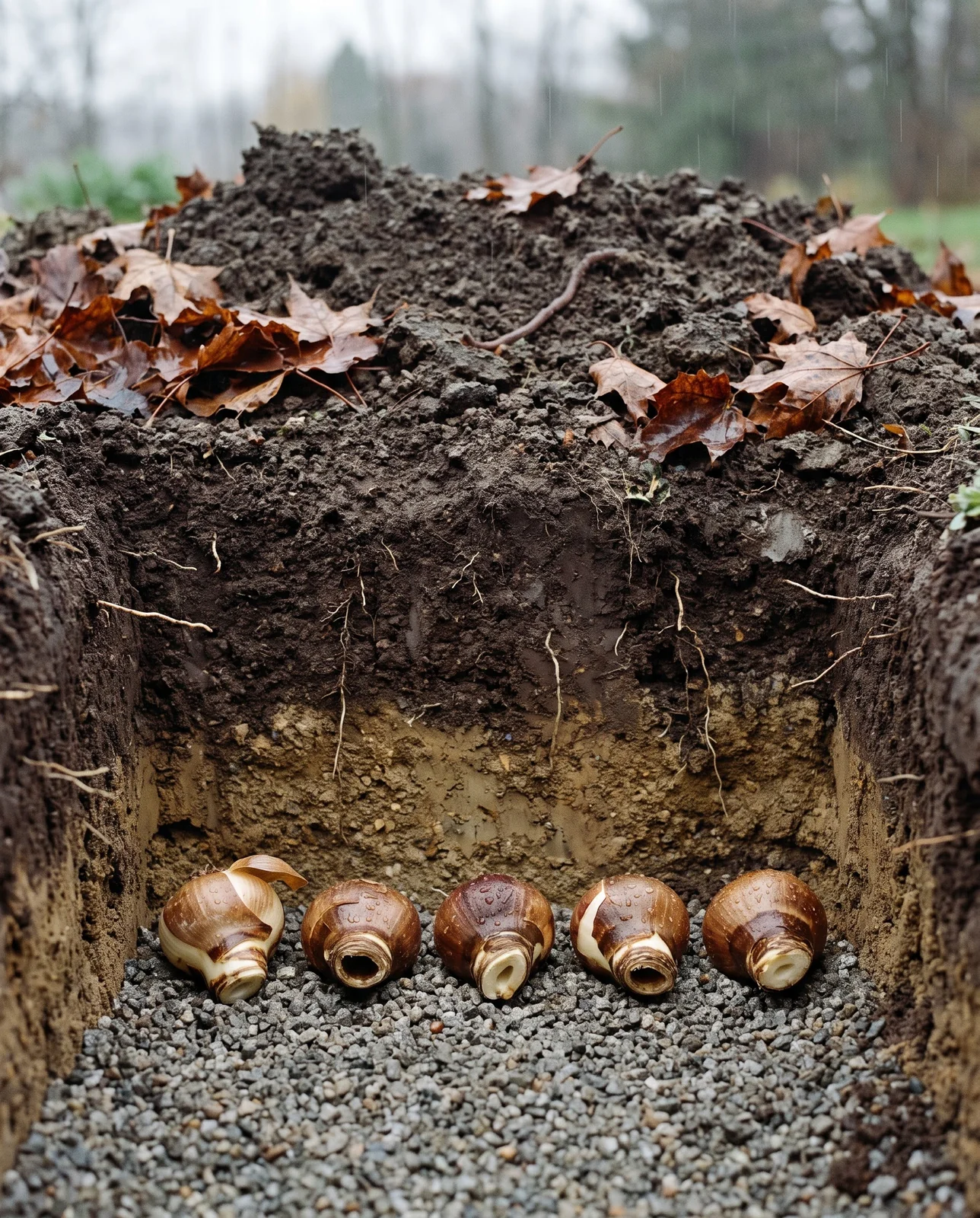
Set the bulb on its side, or at a slant, so the hollow cannot hold standing water. Missouri Botanical Garden gives it as a plain instruction for the crown imperial: plant the bulbs sideways so the stem hole cannot trap the water that causes bulb rot. The same instruction appears in extension guidance from North Carolina for both species. Guidance from Wisconsin ties it to the missing skin, with the bare bulbs going in on their side a few inches deep. Lay the bulb on its flank, roots turned toward the earth.
Not everyone is convinced it matters. The Royal Horticultural Society calls the benefit claimed and unproven, and points out that the bulbs tend to right themselves in the soil over a season. The doubt behind that is simple: water moves in every direction underground, so the angle a bulb sits at may change nothing. Neither objection says the practice does harm, and it costs nothing to follow. Same hole, same depth, same spacing, with the bulb laid on its flank. Both sides agree about the soil, and drainage is where a rotting bulb is actually decided.
Why these bulbs bruise and dry out so easily
These bulbs come without the papery skin that protects most fall bulbs, and nearly every handling rule attached to them follows from that. A tulip bulb wears a dry tunic that holds its moisture in. Fritillaria meleagris goes bare, its ivory-white bulb naked, so it dries out faster than other spring bulbs and does not store well. Underneath there are only a few thick fleshy scales, closer to a lily than to an onion, with no outer skin to keep the moisture where it belongs.
The handling rules follow from that structure. Buy fresh bulbs as soon as they appear, from stock that has been properly stored. Once a crown imperial is down, leave it there, because the bulbs are large and fragile and do best undisturbed. Buy fresh, plant promptly, handle gently. One rule, three times over, from a bulb that carries its water in soft scales.
When to plant, and how deep
Plant in fall, and early beats late. Wait until the ground has chilled to about 55 degrees Fahrenheit, which arrives after roughly two weeks of cool weather with nights in the 40s. Getting them down by mid-October is the calendar version of the same rule. Planting later has a cost: root growth can be hampered, and an underdeveloped root system can mean more leaf than bloom the following spring. Bulbs that arrive while the ground is still warm keep at 50 to 70 degrees Fahrenheit, dry and out of strong sun, and never in a freezer. They go in on the same autumn round as hyacinths, and among those they are the ones to plant first.
Depth follows the size of the bulb, and the two sides of the Atlantic disagree about how much. American practice puts the crown imperial, the largest of these bulbs, 6 inches down. British practice for the same plant asks for at least 30 centimeters, about a foot, with a similar gap between bulbs. Shallow planting is what leaves a crown imperial flowering poorly after its first year. That is roughly double the American figure, and nothing splits the difference. Both sides dig by the size of the bulb in front of them, and neither recommends a shallow hole.
Planting numbers by type
Depth and spacing change with the species, and the last row is for the bag that arrives labeled only by bulb size.
Light and soil
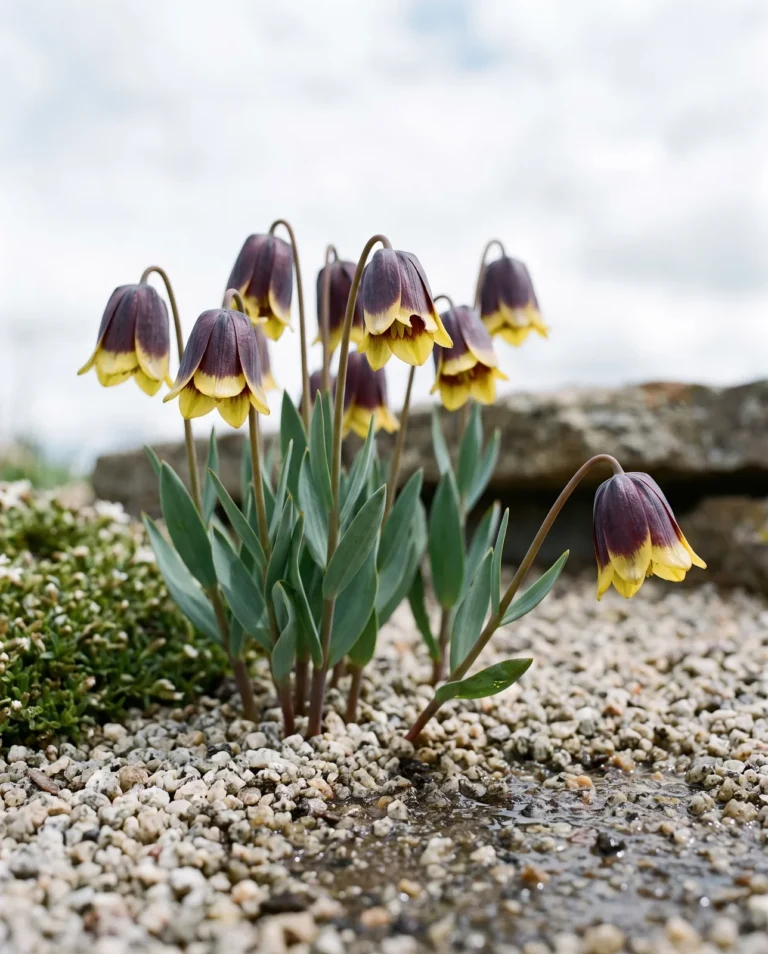
Where a species came from decides how much sun it wants. Most fritillaria take full sun or light shade, and the snake's head is the one that asks for dappled shade. It wants cooler ground with a little moisture held in it, organically rich and well-drained. The crown imperial takes the sunnier spot, in deep, rich soil with a little afternoon shade, and full sun toward the northern end of its range. Michailovsky's fritillary needs drainage above all, and it too does best in full sun in the north.
The soil requirement is steadier than the light. All of them want rich, well-draining ground with a neutral pH, and sandy loam is the best type. Wet ground is what fails them. A shaded bed that drains will hold a snake's head, while a sunny bed that puddles rots the same bulb from the hollow in its crown.
Care through the year
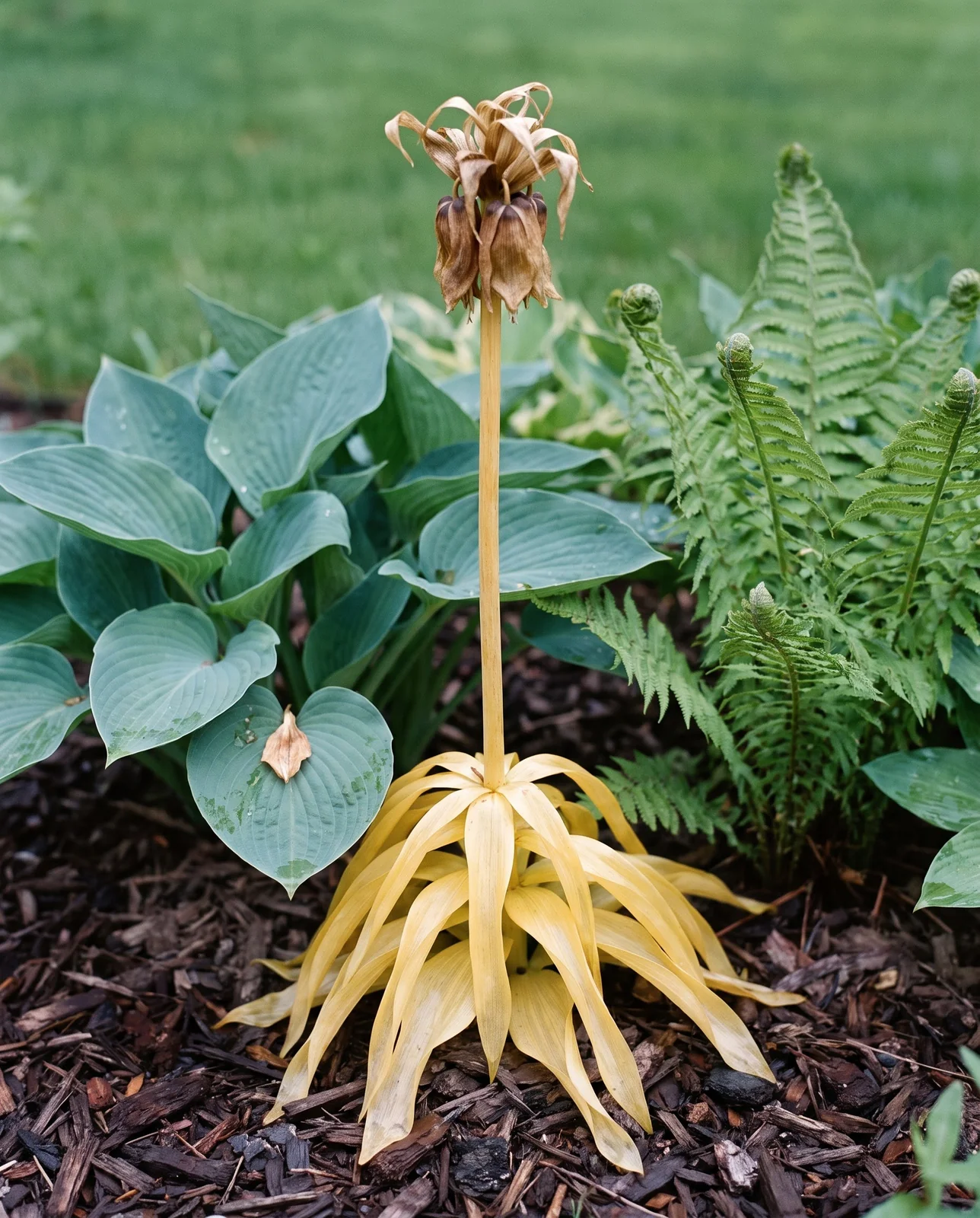
Water them while they are in leaf, and leave them dry once they are not. The snake's head wants steady moisture through the growing season, and its foliage should be left to die back on its own by late spring as the bulb goes dormant. The crown imperial runs a few weeks behind, with its leaves down by early summer. Cutting that yellowing foliage early takes away the weeks the bulb spends rebuilding itself for next spring. Rebuilding is the only work it does once the flowers are over.
Once the leaves are gone the bulbs want to be dry. Michailovsky's fritillary will not tolerate wet soil while it is dormant, and summer water standing over a hollow-topped bulb is the winter problem in another season. Where winters are hard, crown imperial bulbs appreciate a good winter mulch. Put it on after the ground surface has frozen and keep it to no more than 2 inches, so it traps the cold in the soil and does not seal warmth in.
Will they come back?
Some come back and spread, and which ones do depends on the species and on how wet the ground stays in summer. The snake's head is the dependable one. In the right spot it lives long and naturalizes well, and in fertile, moist, well-drained soil it usually multiplies and blooms again each spring. Michailovsky's fritillary naturalizes too, building new plants from the offsets that form around the original bulb. Spread here means a clump thickening underground, one bulb becoming several, measured in seasons.
Where a planting stops flowering, separate a bulb that failed from a bulb that never carried a flower. A share of the bulbs in any batch are blind. They come up, make foliage and never flower at all, and it has nothing to do with the size or the quality of the bulb. A clump that flowered for years and then went quiet is the other case, and more leaf than flower usually points at the roots. A mature planting may also need dividing once the bulbs have grown to the point of splitting apart.
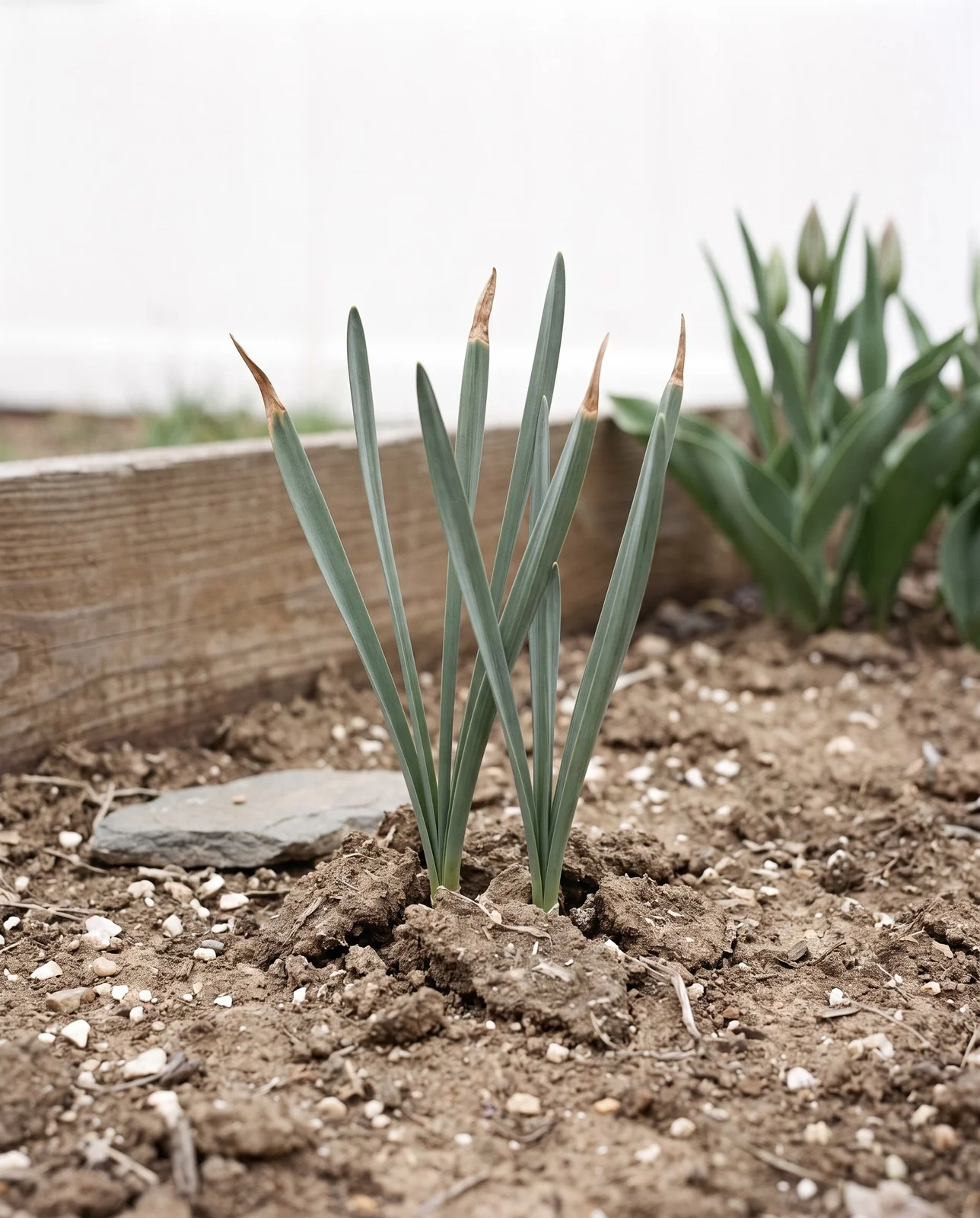
Work out why they did not come back
Run these in order the spring the bed comes up empty, or comes up all leaf. The first two you can answer from memory.
Hardiness, and why one number will not cover the genus
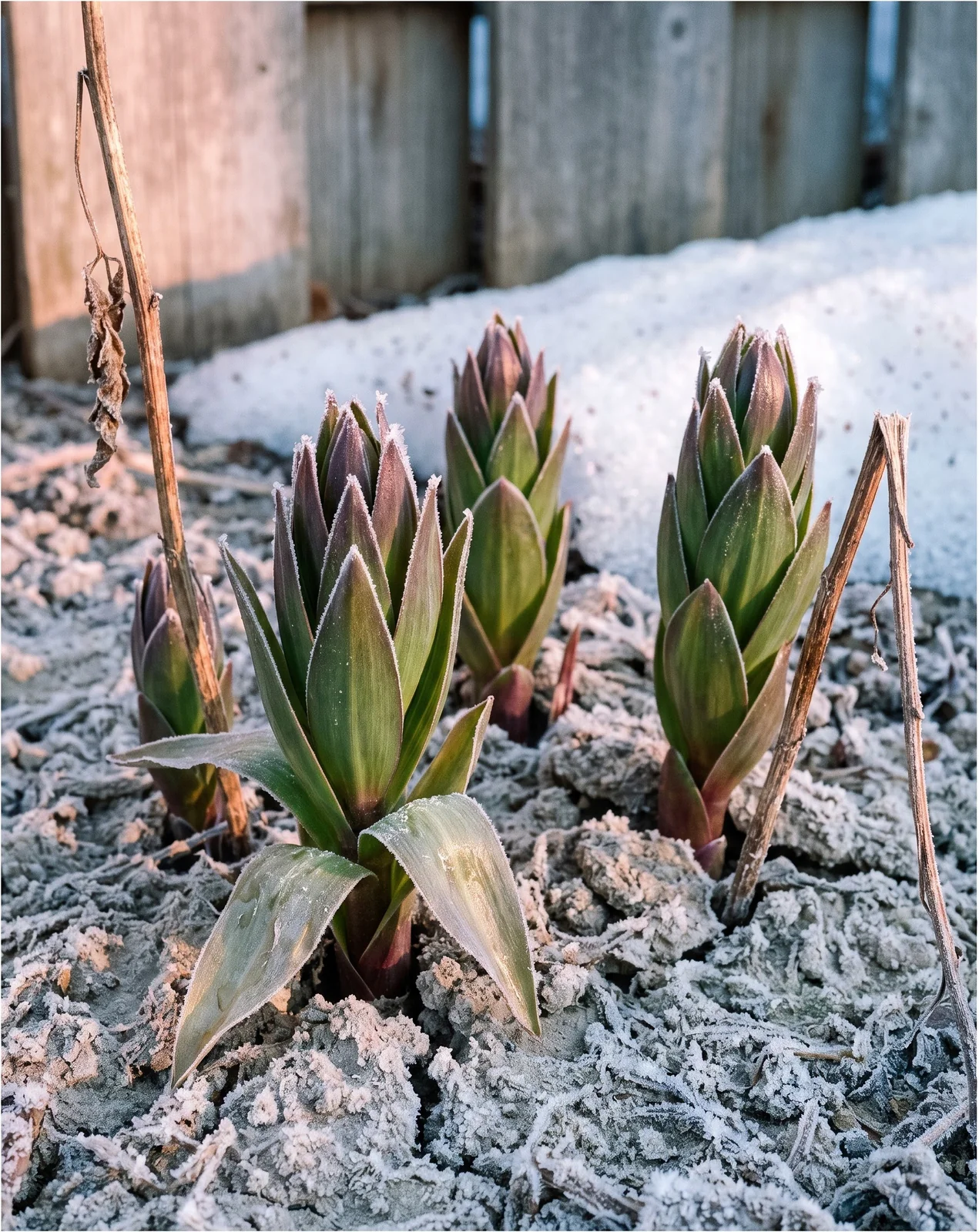
Hardiness here is a per-species figure, and one number on a package will be wrong for most of what it covers. The snake's head takes distinctly colder winters than either the crown imperial or Michailovsky's fritillary, while all three stop at the same warm end. A single genus-wide range of zones 4 to 8 lands between the two, cautious for the snake's head and one zone generous for the crown imperial. Plant by the number published for the species in front of you. At the edge of its range the failure is quiet, since bulbs in marginally hardy zones may simply not stage return performances.
Do they really keep moles and deer out?
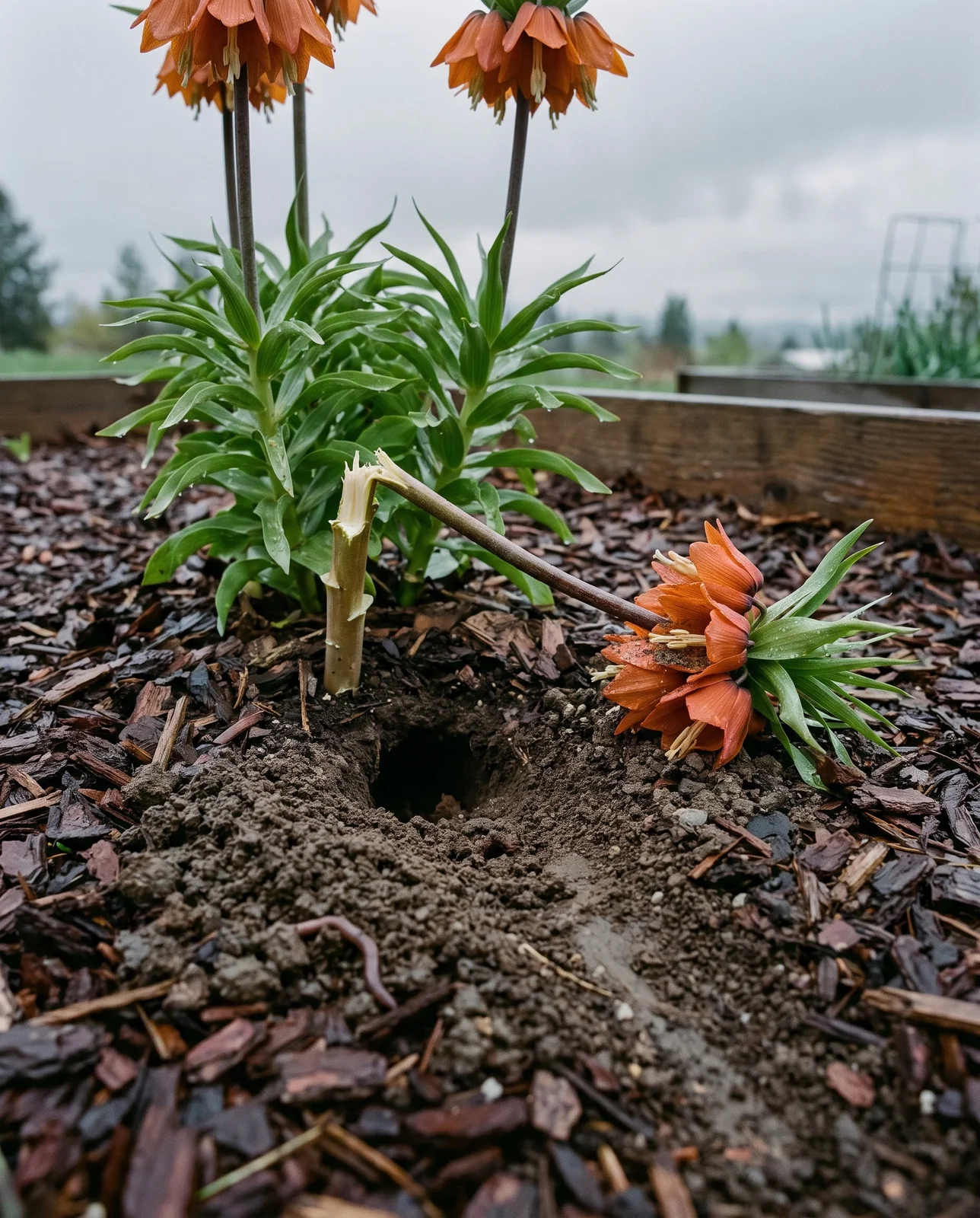
The claim that a fritillaria bed keeps moles and voles out of a garden comes from the people selling the bulbs, and no test stands behind it. The Dutch bulb trade offers it as a side effect of the smell: the scent of crown imperial bulbs keeps moles out of your garden. The deer version is softer, an aroma so skunky that deer are sure to avoid them whenever possible. NC State Extension hedges, saying only that the odour is said to repel other wildlife. Said to is doing the work in that sentence.
The deer half stands on firmer ground than the mole half. The snake's head carries a general deer-resistant tag, and that tag makes no claim at all about moles or voles. Underground the story comes apart, because gophers eat the bulbs of Fritillaria affinis where it grows wild. Plant these for the flower. Any effect on what tunnels under the bed is unproven.
Fritillaria species worth telling apart
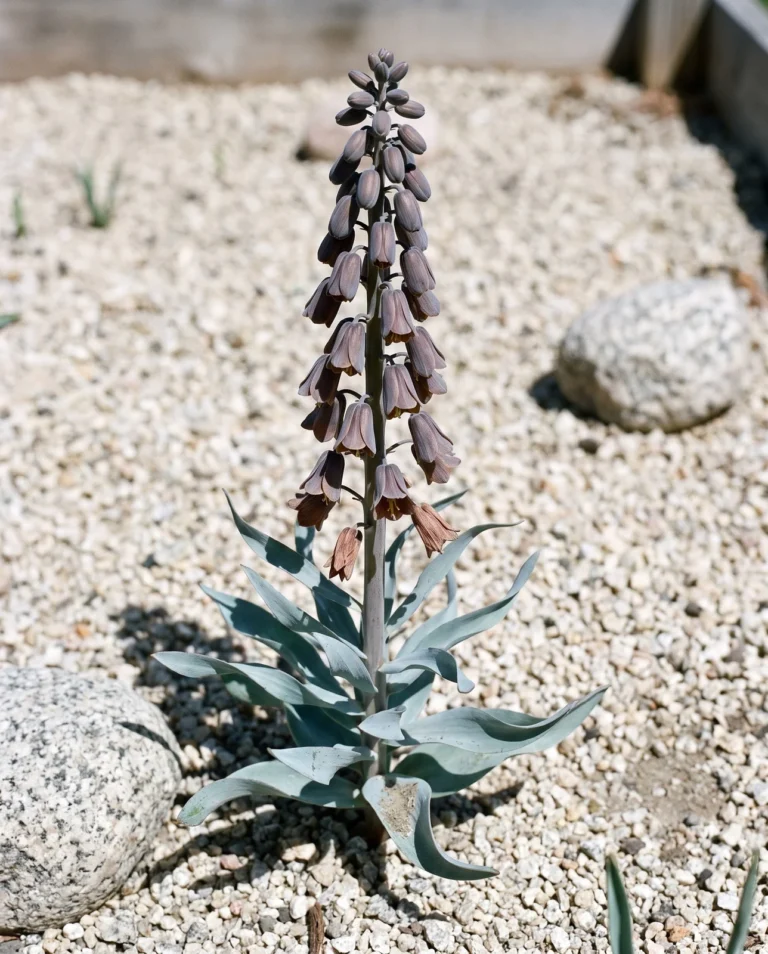
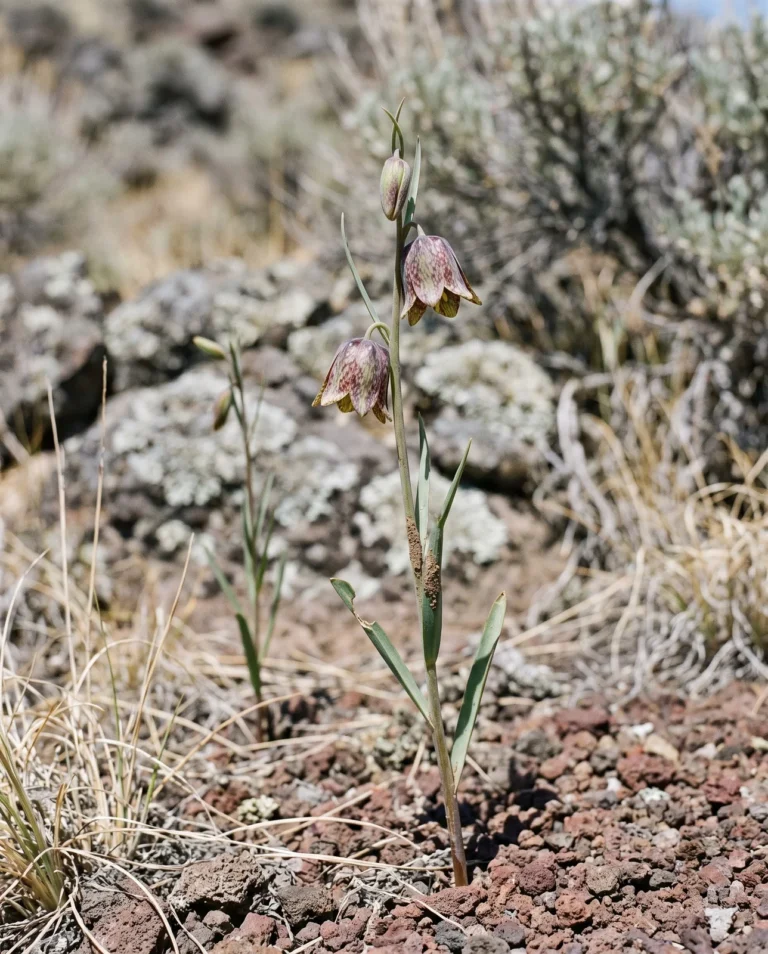
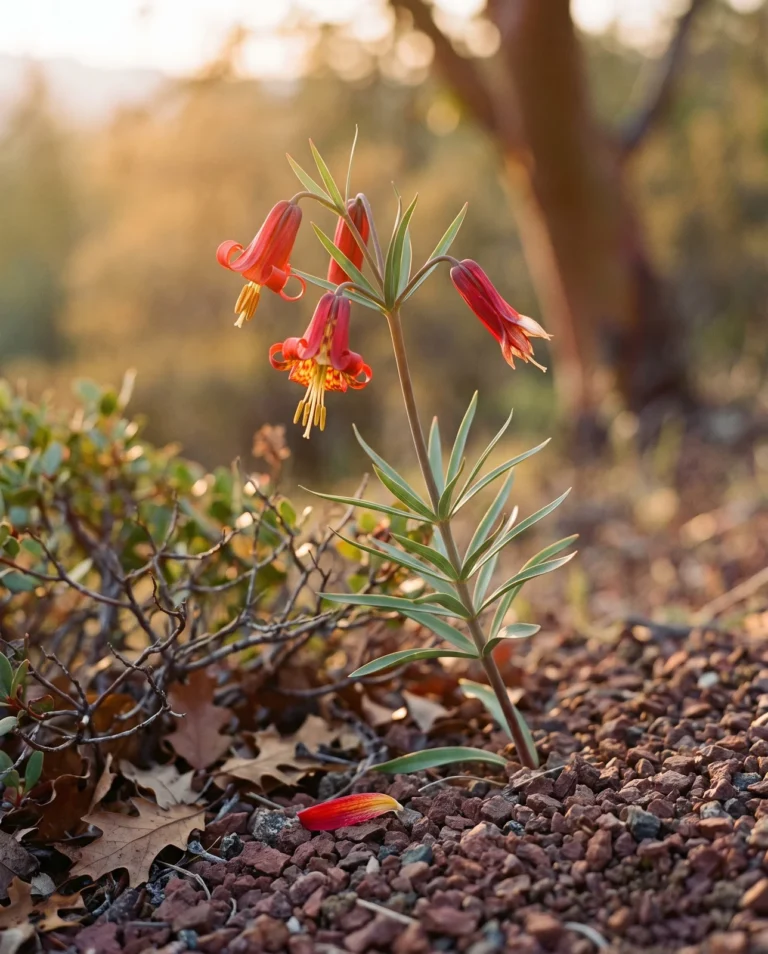
The genus runs from the dusky purple checkerboard of the snake's head to the orange bells of the crown imperial. The last three cards are American wild species the bulb catalogues do not carry.
The American fritillaries nobody sells
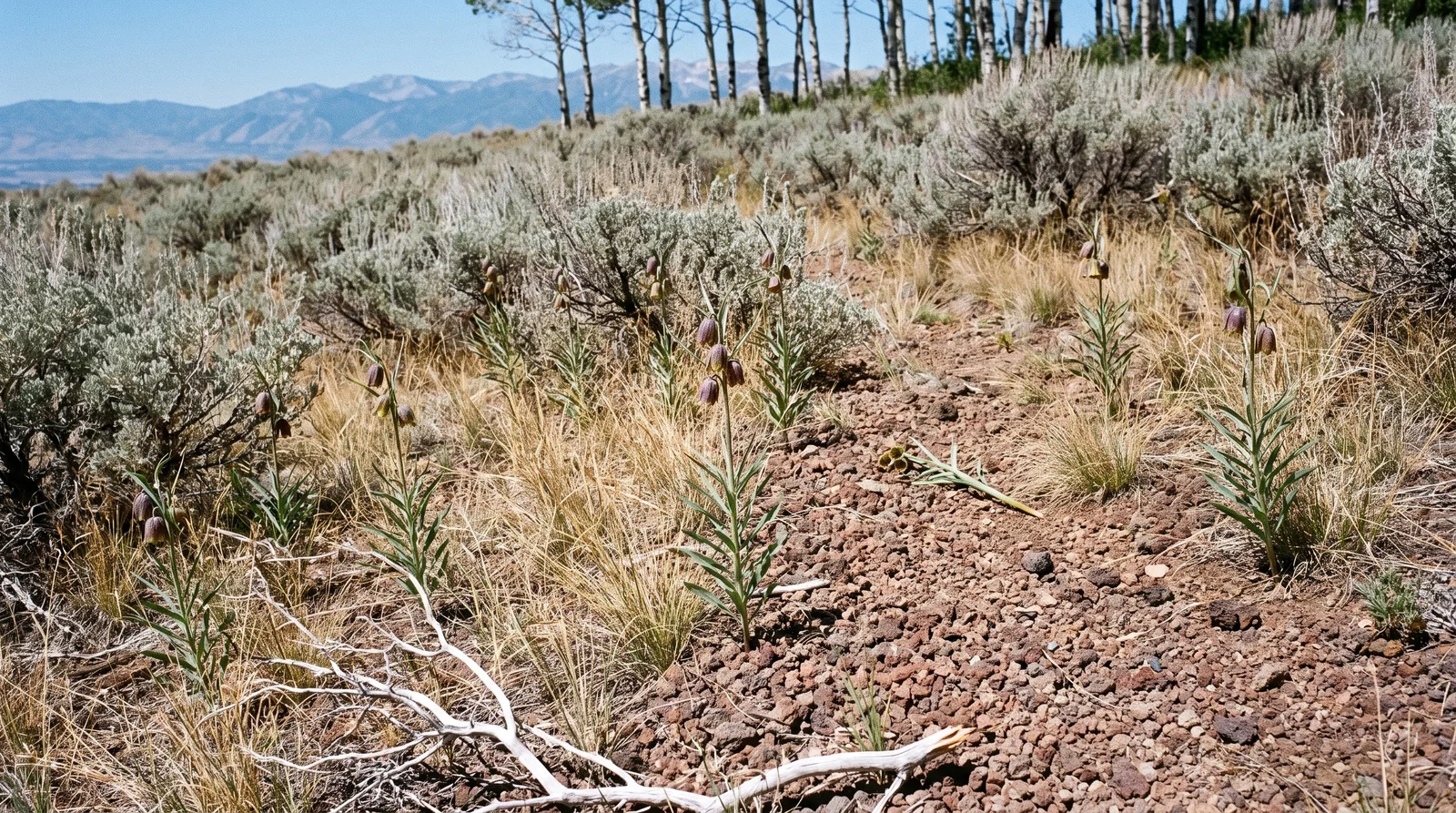
The genus is native to North America as well, and none of its American species reaches the bulb catalogues. Spotted mountain bells, Fritillaria atropurpurea, is native to the lower 48 states and sits in the lily family beside the garden species. Its range runs across thirteen western and central states, from the Dakotas and Nebraska west through the Rockies to Nevada, California and Oregon. It is a wildflower nobody sells, and that is the pattern for the whole American half of the genus.
Two more are worth knowing by name. Rice-grain missionbells, Fritillaria affinis, grows from southern British Columbia down through Washington and Oregon to southern California, with a separate population in northern Idaho. It turns up in prairies, on grassy bluffs, in woodland and in conifer forest. It is finicky in a garden, and plants often take a year or two off from flowering, putting up one broad tongue-shaped leaf and nothing else. The scarlet fritillary, Fritillaria recurva, grows in southwest Oregon from Douglas County south into northern California, and it is suspected to be one parent of the rare Gentner's fritillary. These are wild plants first, and they belong with the other natives in a list of flower types more than in a fall bulb bin.
Pests and diseases
The lily leaf beetle is the pest that matters here, because it breeds on fritillaria. Native and cultivated fritillaria, along with true lilies, are the plants on which its adults and larvae complete the life cycle. Both stages chew irregular holes and notches in leaves, stems and developing buds, and heavy feeding can destroy the flowers and strip the plant bare.
The damage carries into the next year. An attack in early summer can leave undersized bulbs that may not flower the following spring, and weakened plants may become more open to Botrytis leaf blight and lily gray mold. Beyond the rot, fritillaria pick up leaf spot, rust and mosaic virus, and slugs and snails devour the foliage of Fritillaria affinis in the wild.
What actually goes wrong, ordered by how often it is asked
Most common first, and the one at the top is not a fault at all.
Symptom: a bulb that stinks up close, and a first assumption that the stock is bad. Cause: the odor is the plant's own and says nothing about the state of the bulb. What to do: plant it, and if the smell bothers you put the crown imperial well away from the house.
Symptom: bulbs planted once with nothing to show the following spring. Cause: usually depth, summer wet or a late planting date. What to do: work down the checks above in order, starting with how deep they went and how wet that ground stays in July.
Symptom: a bulb that feels wrong in the hand, light and papery or furred with mold. Cause: the bulb was damaged in storage, which dries these bulbs out or turns them moldy before they are sold. What to do: judge by weight, firmness and mold, and never wash a bulb and put it away damp.
Symptom: a bulb with a hole in the top of it and no obvious right way up. Cause: depth is a species question and the numbers change by type. What to do: use the row for your species, and lay the bulb on its side so the hollow cannot fill.
Symptom: plants that come up on time, then run along the ground for several feet before turning vertical. Cause: not known. What to do: leave them alone. They straighten up and flower.
Toxicity and pet safety
Treat these bulbs as something nobody should eat, and keep straight which plant the warning covers. The crown imperial rates low for poison severity, with fresh bulbs poisonous and edible only after cooking. A steroidal alkaloid is the toxic principle, the seeds are the poison part, and contact dermatitis is marked no. That entry covers one species out of well over a hundred. The ASPCA lists no fritillaria under any of its common names, and nobody has cleared it for cats or dogs, so keep the bulbs away from them. Children and dogs dig bulbs up, and a large, odd-smelling bulb is exactly the kind that gets carried off. Count them into the ground, and count the bag empty.
Name and history
These bulbs reached European gardens in the sixteenth century. The snake's head was first described in Europe in 1571, and species from the Middle East and Asia arrived over the same period. What arrived with them was one name for a checkered dice box, stretched to cover plants spread from Europe across temperate Asia and into North America. It says nothing about where any of them grew, so the name on the label is no guide to how a species behaves in a garden.
Four things people repeat about fritillaria
These four come up every autumn, when the bulbs arrive and the bag is opened.
The myth: The bulb smells, so it must be rotten.
The reality: Some species carry a foxy odor as a matter of course, and on a crown imperial the smell of both bulb and flower is natural to the plant. The smell is the plant. The state of the bulb is a separate reading.
The myth: The hole in the top of the bulb is damage.
The reality: It is a stem scar. The woody stem pushes out through the top of the bulb, and the scar it leaves when the plant dies back stays open on every large bulb of this kind.
The myth: They will keep in the garage like tulip bulbs until you have time.
The reality: Most fall bulbs wear a protective tunic that slows moisture loss, and fritillaria have little or none of it. That makes them more perishable, so the less time they spend out of the ground the better.
The myth: A bulb that smells like that must be dangerous to handle.
The reality: Smell and skin contact are different questions. The crown imperial entry marks contact dermatitis no and names a steroidal alkaloid in the fresh bulb as the toxic principle. The caution is about eating, so wash your hands and keep the bag away from anything that chews.
FAQ
Does fritillaria smell bad?
Yes, and it is normal: every part of a crown imperial carries a skunky odor, though Fritillaria striata is sweetly fragrant. The smell tells you nothing about the condition of the bulb.
How do you know if a fritillaria bulb is rotten?
Judge it by hand and give the smell no weight, because a sound bulb smells too. A bulb gone light and papery, or carrying mold, was spoiled in storage before it reached the bed.
Do fritillarias come back every year?
Some do. The snake's head lives long and naturalizes well in the right spot, while bulbs in marginally hardy zones may not stage return performances and a share of any batch is blind and never flowers.
Do fritillaria bulbs multiply?
Yes, underground. Michailovsky's fritillary raises new plants from the offsets that form around the original bulb, and a mature clump may need dividing once the bulbs have grown to the point of splitting apart.
What hardiness zones can fritillaria grow in?
It depends on the species: the snake's head is hardy in zones 3 to 8, the crown imperial and Michailovsky's fritillary in zones 5 to 8. One genus-wide figure of zones 4 to 8 fits neither of them exactly.
Where is the best place to plant fritillaria?
In ground that drains, with the light matched to the species. The genus takes full sun through light shade, while the snake's head is happiest in dappled light, and all of them want rich, well-draining soil with sandy loam the best type.
When is it too late to plant fritillaria bulbs?
Aim to have them down by mid-October. Bulbs still waiting for a hole keep dry and cool at about 50 to 70 degrees Fahrenheit, out of sun and frost, and never in a freezer.
What are common fritillaria problems?
Bulb rot first, then blind bulbs that make foliage and no flower, then the lily leaf beetle, which breeds on fritillaria the way it breeds on true lilies. Leaf spot, rust and mosaic virus also turn up.
Do crown imperials really keep moles away?
No test stands behind the claim. It comes from the bulb trade, which offers it as a side effect of the smell, and extension guidance goes no further than saying the odour is said to repel other wildlife.
Is fritillaria poisonous?
The crown imperial rates low for poison severity, with fresh bulbs poisonous and edible only after cooking, and a steroidal alkaloid as the toxic principle. The pet plant lists most owners check carry no fritillaria entry, so nobody has cleared it for cats or dogs.
Interesting tips
- The lily leaf beetle is watched well beyond the flower bed: extension guidance from Utah warns that the state's own native yellow fritillaries could be affected if the beetle spreads into Utah forests.
- Fritillaria seed does not behave like bulb stock. Seed of the snake's head, and possibly of East Asian species from wet ground, has very short viability and should be sown at once, while the California species need about four months of cold or cool weather to germinate well.
Related Guides & Flowers
Crocus
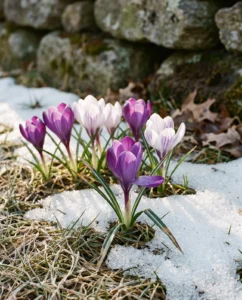
The other small fall-planted bulb that opens in the same weeks of early spring, on ground that also has to drain.

Snowdrop
Planted on the same autumn round and open well before the fritillaria bells, in the damp part shade the snake's head likes.
Alliums
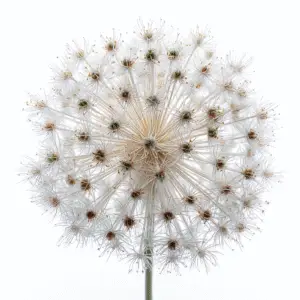
Another bulb known for its smell, planted the same fall, flowering after the fritillaria foliage has gone down.

Lily
The family relative the lily leaf beetle breeds on, and the first plant to check when fritillaria leaves start getting chewed.
Enjoying our flower guides? Add YourFlowersGuide as a preferred source on Google. It helps more readers find us.
Add to Preferred Sources