Hyacinth bloom time across the US
Interactive map
 See the interactive map
Drag the date and the bloom moves north across the country. Every point has its own window, and the map says where it has no records rather than guessing. Free, with nothing to sign up for. Open the hyacinth map.
City by city
Typical window, earliest first. Cultivars of the same flower can open days or weeks apart.
Taxonomy and origin
The common garden hyacinth is Hyacinthus orientalis, a hardy perennial bulbous herb whose family placement has shifted more than once. Older references put it in the lily family, some authorities later moved it to Hyacinthaceae, and the genetic work summarized by Washington College places every variety of Hyacinthus in Asparagaceae. The wild species grows on rocky slopes and scrubland in the Eastern Mediterranean, across central and southern Turkey, northwestern Syria, and Lebanon, and that origin still explains what the garden plant wants: a cool, wet winter followed by a warm, dry summer rest in open, stony ground. The name is older than the flower's claim on it. First recorded in 1553, the Latin Hyacinthus was the ancients' word for a precious stone, often taken to be sapphire or zircon, and it also carries Hyakinthos, the youth of Greek myth. Every modern cultivar descends from that one Mediterranean species, selected across centuries of European breeding for heavier, denser flower spikes.
Bloom time
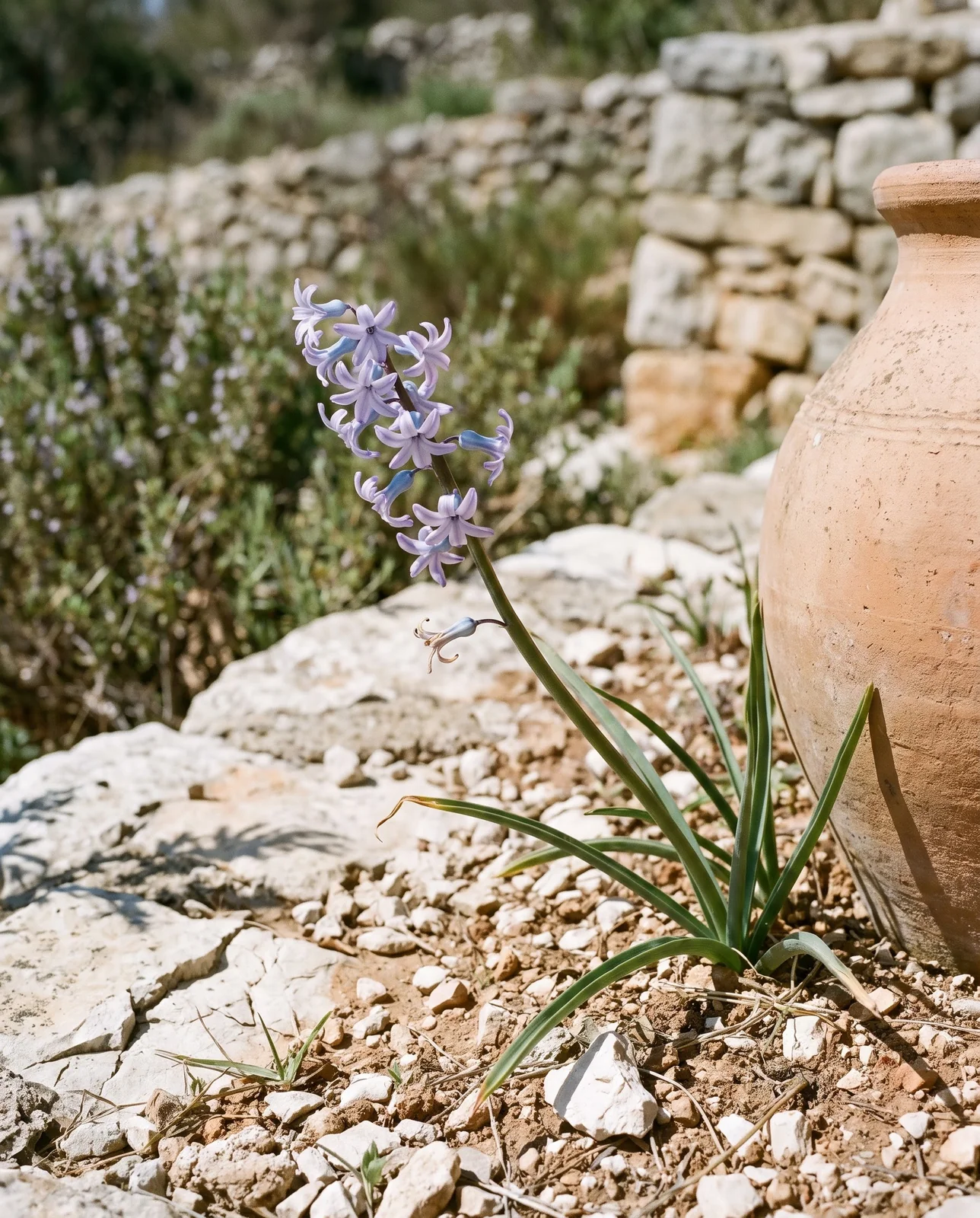
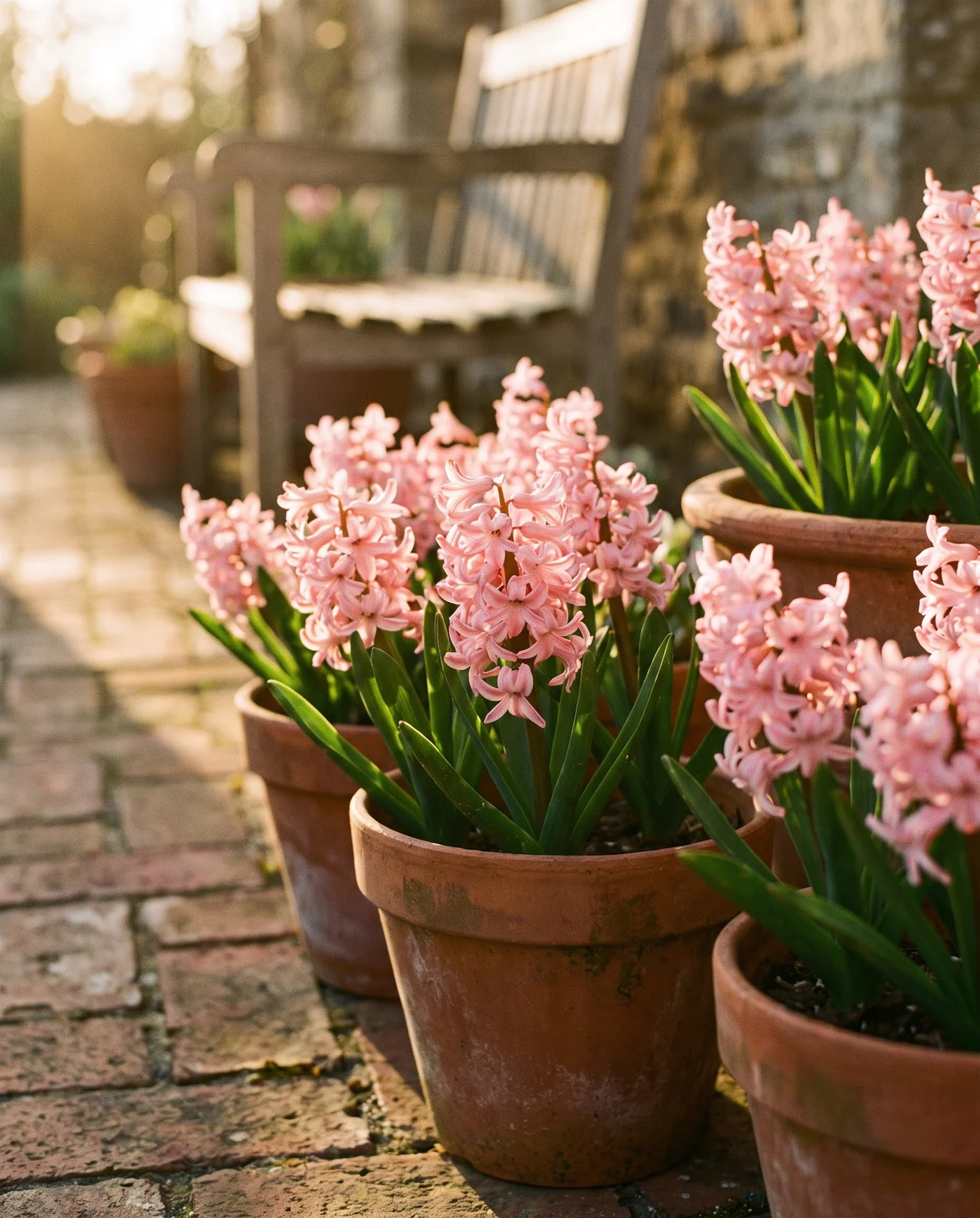
Hyacinths flower in mid-spring, through April and May depending on how fast local soil warms, and each spike holds for two to three weeks. One mature bulb sends up a single stout, fleshy stalk carrying a dense raceme of 15 to 40 waxy, tubular florets, each with six perianth lobes that curl back as the flower ages and give off the heavy, sweet scent the plant is known for. Bloom starts as early woodland bulbs such as snowdrop are going over, and it bridges the gap before mid-season Darwin hybrid tulips open. Cool, overcast weather stretches the display by slowing the flower down; a late-April heat wave shortens it and pushes petals to drop within days. Because the florets open in sequence from the bottom of the spike upward, the head keeps its shape well past the point where the lowest flowers are finished.
Height and spread
A hyacinth clump stays small and upright: 6 to 12 inches tall, and only 3 to 4 inches across per bulb. The flower spike rises out of a basal rosette of four to six fleshy green leaves that NC State Extension records at 6 to 14 inches long and a quarter inch to 4 inches wide, with margins that turn up into a keeled, trough-shaped midrib. The foliage comes up with the stalk rather than after it, so the leaves stand as a collar around a stem that is carrying real weight once the florets open and rain soaks them. Since a single bulb takes up so little ground, hyacinths read best in clustered drifts spaced four to six inches apart, close enough to make a solid block of spring color and far enough apart that the root zones are not crowded.
Light
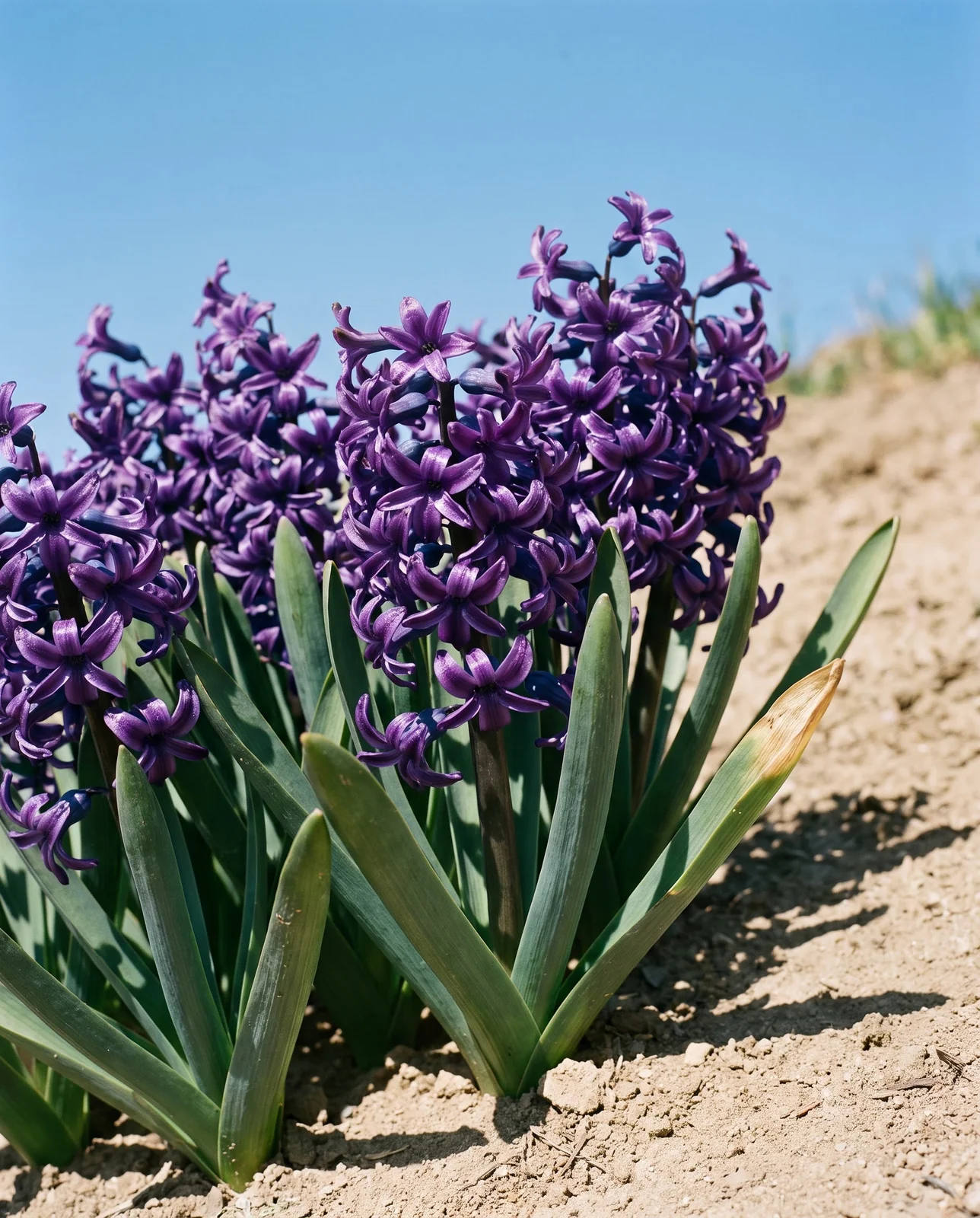
Full sun to partial shade suits hyacinths, but the two are not equal. The Royal Horticultural Society notes that hyacinths tolerate partial shade and simply do not flower as well there as they do in full sun. Given at least six hours of direct light a day, stems stay short, thick, and able to hold a wet flower head upright without help. A bed under deciduous trees works well, because hyacinths do most of their growing while the canopy overhead is still bare. Deep shade is where it goes wrong: the stalk stretches toward the light, comes up thin and overlong, and lies down in the mud after the first hard spring rain.
Water
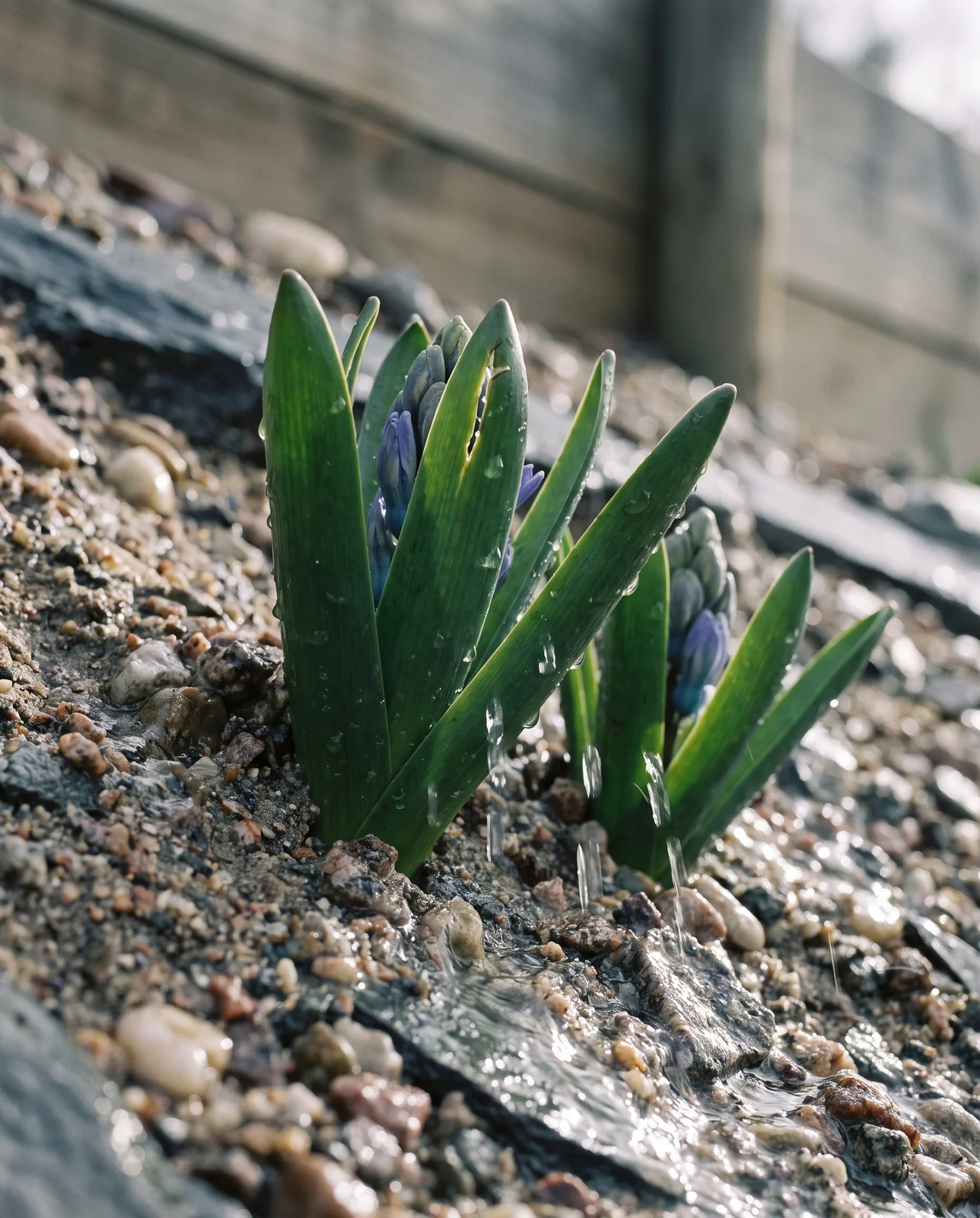
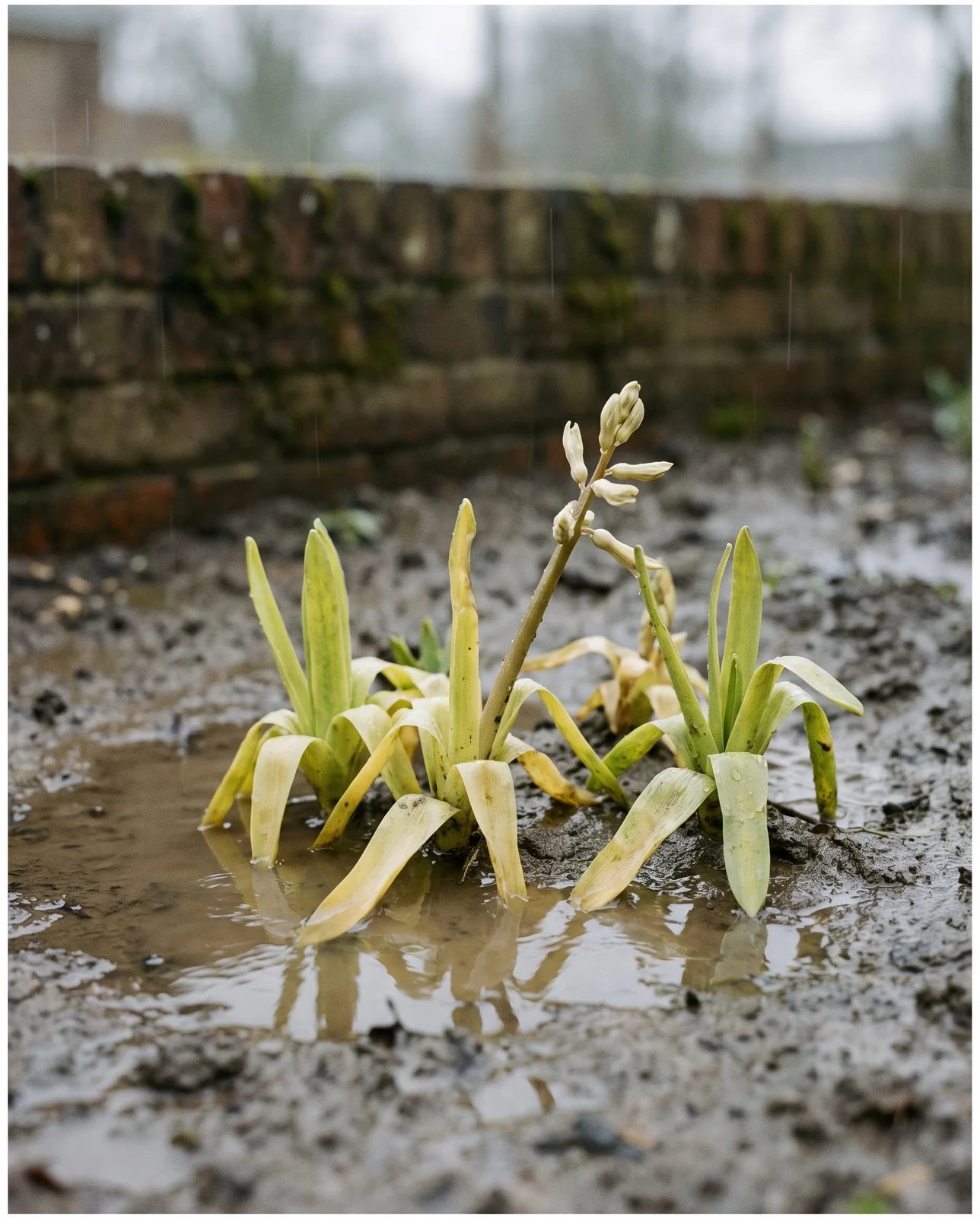
Hyacinths want steady, moderate moisture while roots are working in autumn and while shoots push up in spring, and in most gardens seasonal rainfall covers it without help. If autumn stays unusually dry before the ground freezes, one thorough soak after planting settles the soil and gets roots down deep enough to anchor the bulb through winter. What matters more is what happens after bloom. Once the flowers fade and the foliage yellows and dies back by early summer, the bulb is fully dormant and wants dry ground around it. Lawn sprinklers running over a bulb bed all summer, or a low garden hollow that stays saturated, soften the fleshy basal plate at the bottom of the bulb and open the dormant storage tissue to bacteria and fungi.
Soil and pH
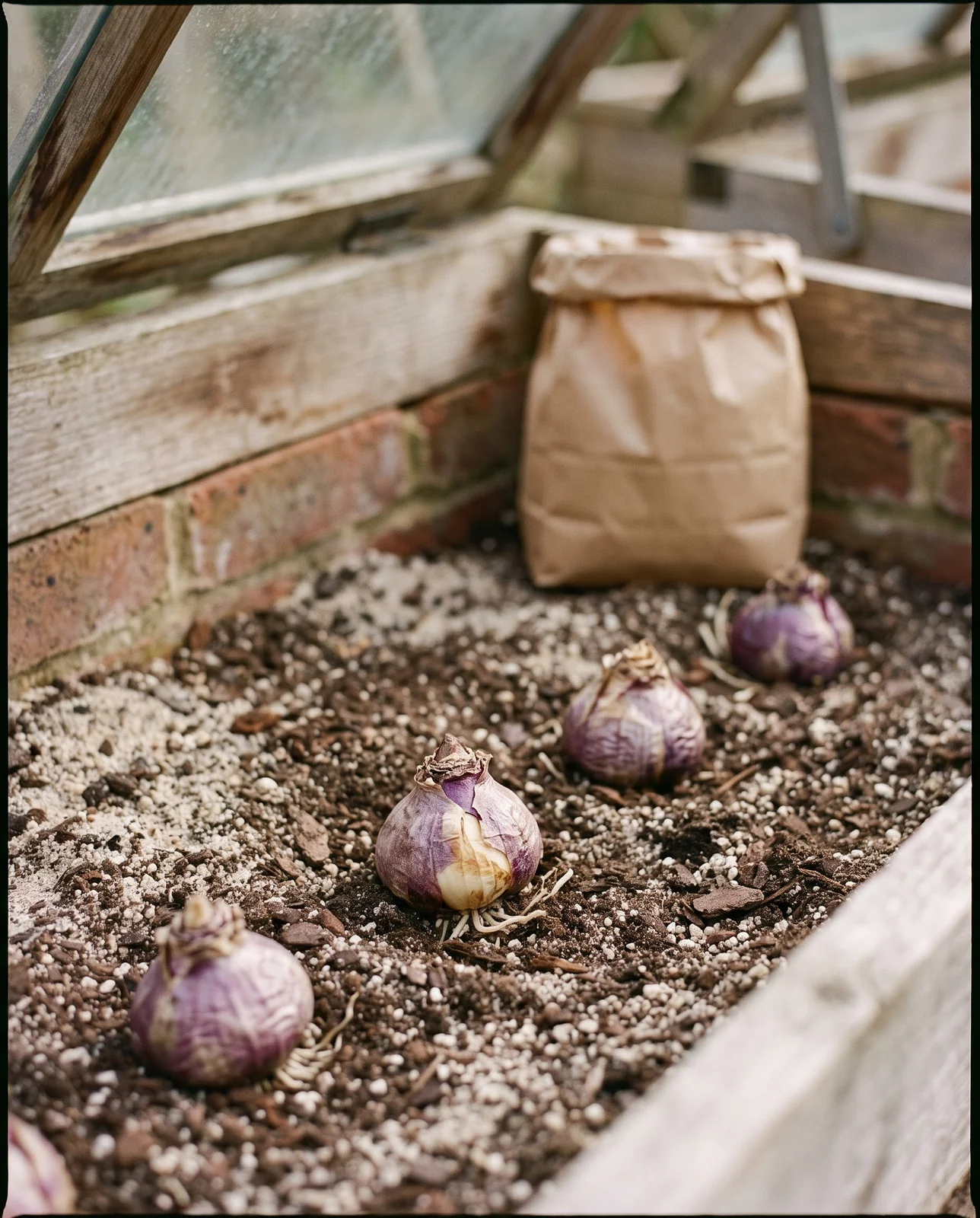
Drainage decides more here than fertility does. The Royal Horticultural Society lists chalk, loam, sand, and clay among the soils hyacinths tolerate, with one condition attached to all four: water has to move freely through the planting zone. Heavy clay is the hard case, because it holds winter water against the bulb scales and cuts off oxygen in the season the bulb can least afford it. Coarse grit, perlite, or composted organic matter worked into the bed helps, and a raised bed helps more, since lifting the planting level sheds water faster than any amendment mixed into flat, sticky ground. Hyacinths grow well from slightly acidic to neutral, roughly pH 6.0 to 7.0, and they take alkaline chalk soils in stride as long as nothing pools around the roots.
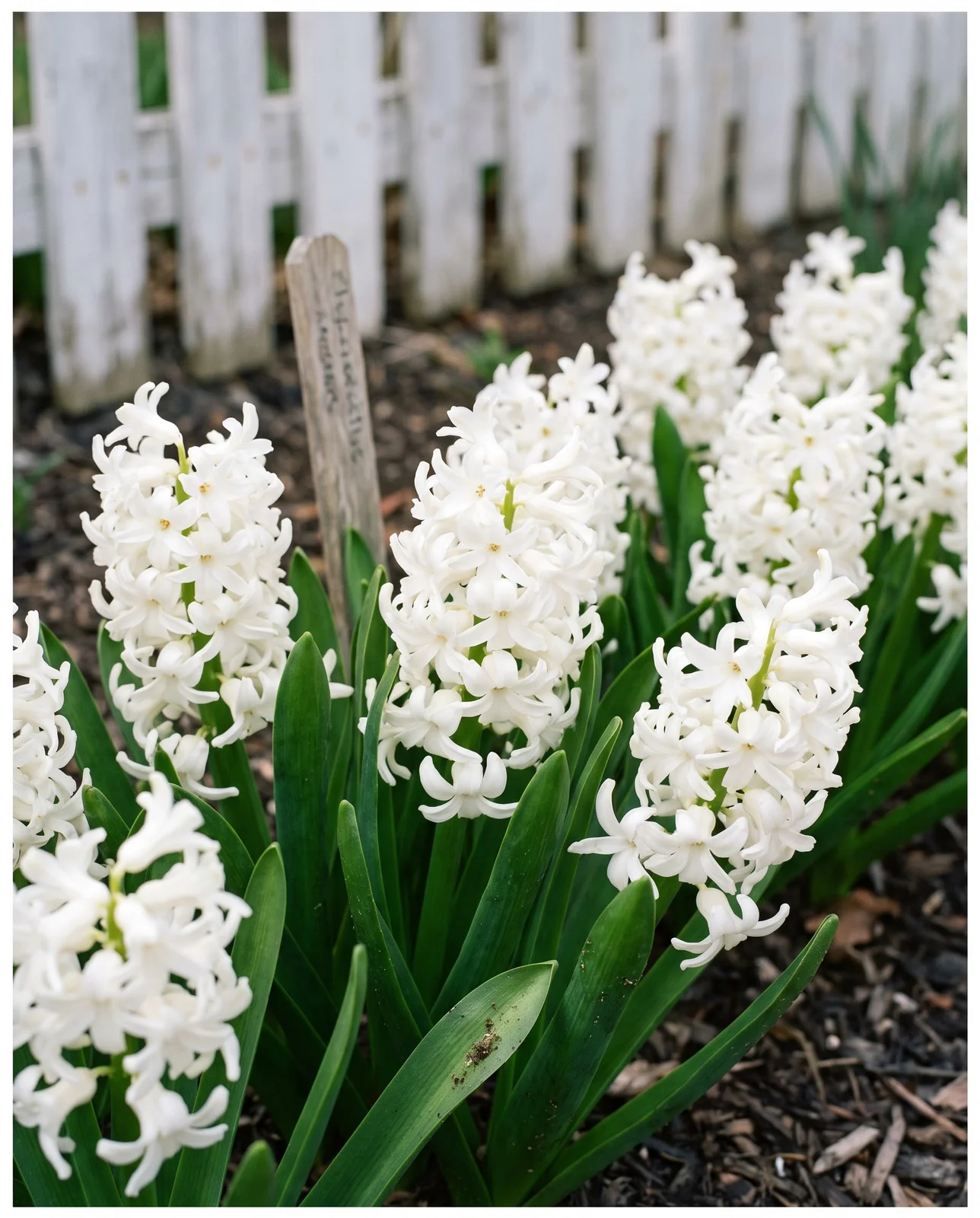
USDA hardiness
NC State Extension rates Hyacinthus orientalis hardy from USDA zone 4a through 8b, and anywhere inside that band the bulbs can stay in the ground year-round. What makes the range so specific is vernalization: the bulb needs months of cold soil, below roughly 45 degrees Fahrenheit, before it will finish a flower bud and push a stem up to carry it. Zones 4 through 8 supply that cold on their own. Zones 9 and 10 do not, and nothing done in the bed substitutes for it, so gardeners in those climates treat hyacinths as annual bedding plants. They buy bulbs already pre-chilled, or hold their own in a refrigerator for twelve to fifteen weeks before setting them out into cool winter beds.
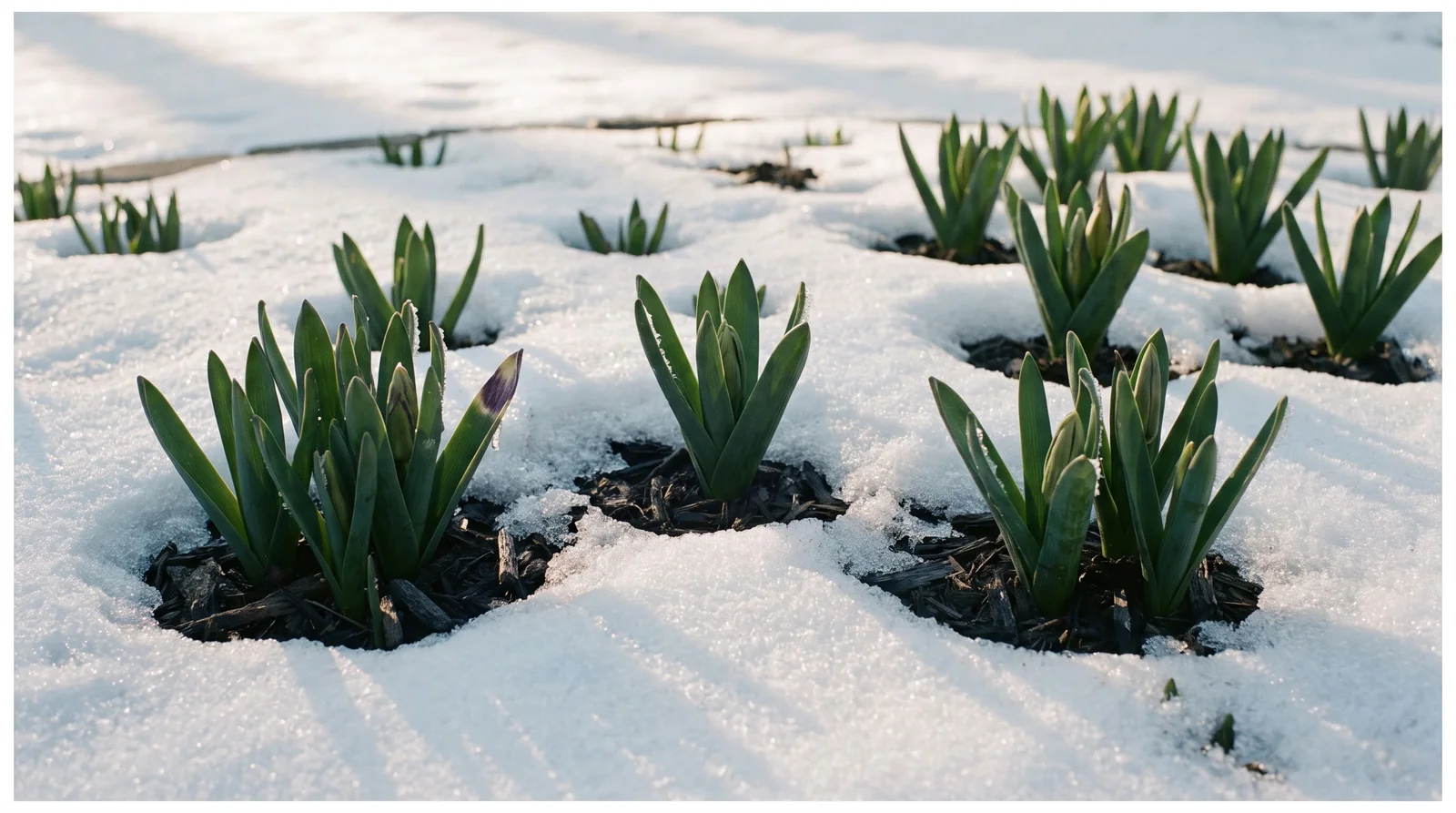
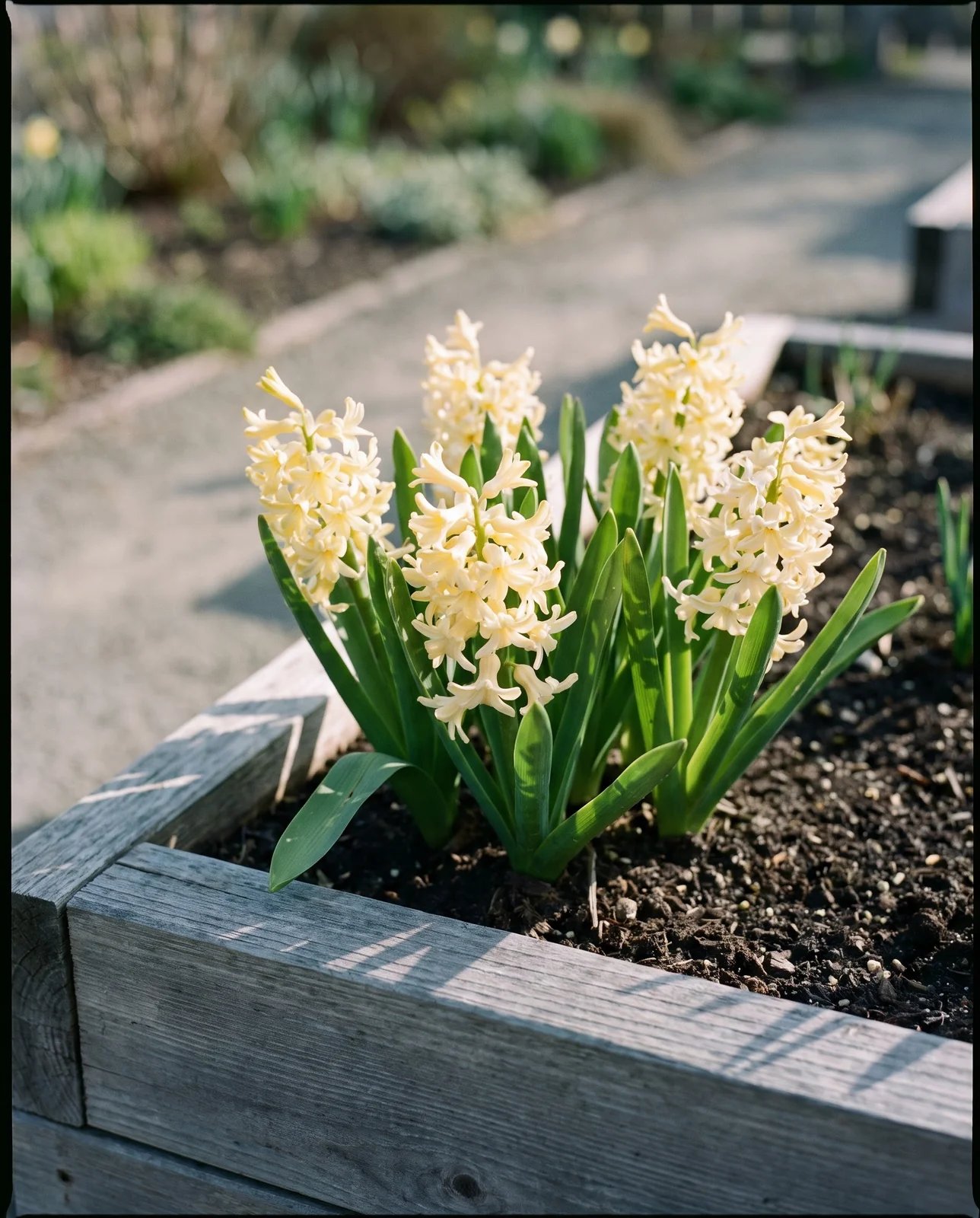
Propagation and longevity
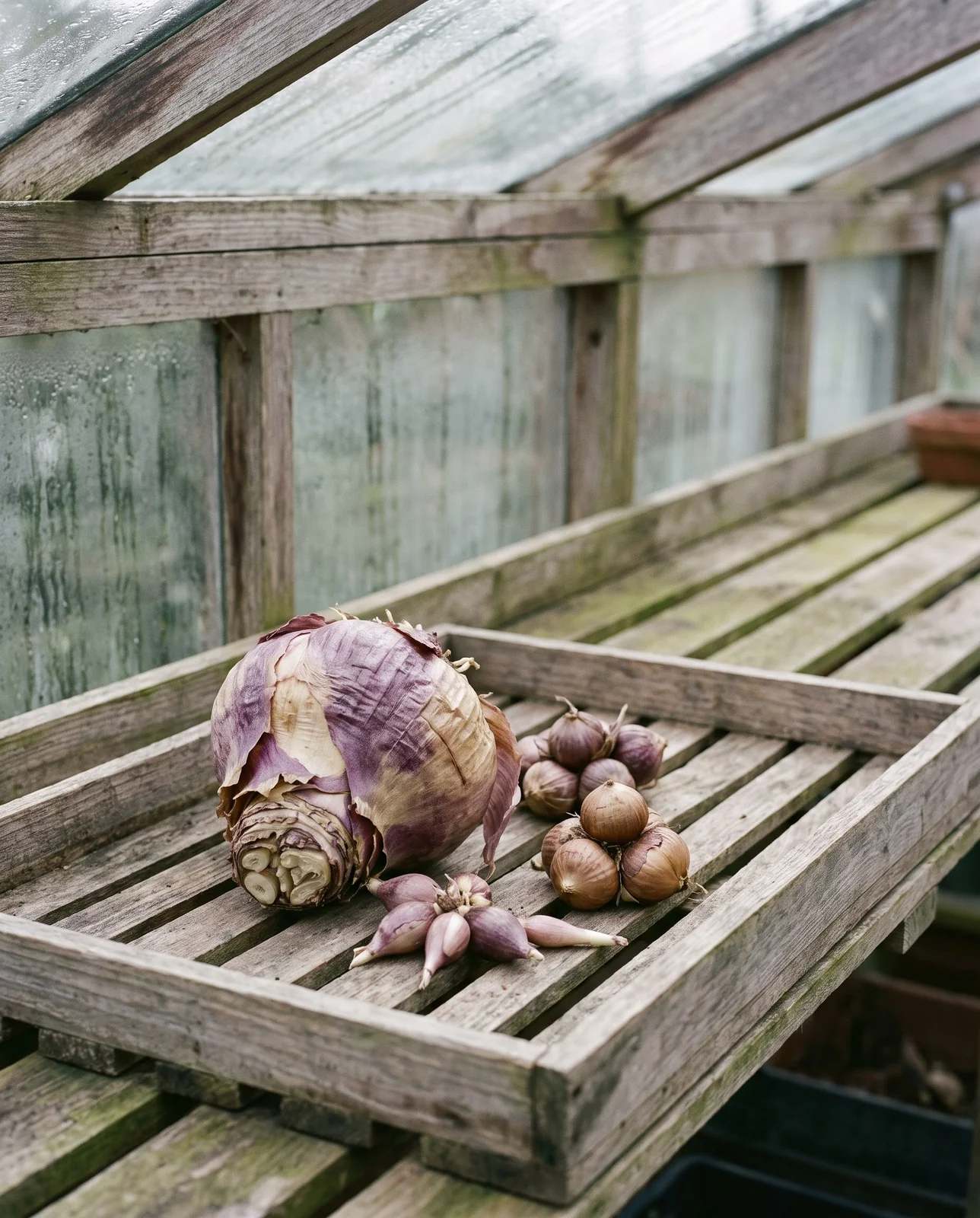
Hyacinths are increased from the small offset bulbs, the bulblets, that form on the parent bulb during summer dormancy. The Royal Horticultural Society's method is to lift dormant clumps in July, detach the offsets along the basal plate, and grow them on in a nursery bed for two or three seasons until they reach flowering size. What happens to the parent bulb after that is the part bulb catalogues tend to leave out. Unlike wild species that naturalize into thickening colonies, modern hybrids give a little less each season: NC State Extension records that hyacinths grown outdoors as perennials produce smaller, more widely spaced flowers in each successive year. The tight, formal spike of the first spring loosens into something closer to a cottage-garden spray by the third, which is why gardeners who want the catalogue look replace bulbs every three to four years.
What to expect from a hyacinth spike, year by year
Year one is the densest spike a hyacinth will ever produce: 15 to 40 florets packed tight on a stem still running on the reserves of a first-season bulb, the top-heavy formal look bulb catalogues photograph. By year two those reserves have thinned and the spike loosens, still full but visibly less crowded, a density that reads as natural in a mixed border rather than showroom-perfect. Year three opens the spacing further, the florets strung more openly along the stalk, closer in form to the loose, wide-set spikes of wild hyacinth relatives than to the packed column the planting started as. From year four on, a sparse, loosely set raceme has crossed the replacement threshold: flowering continues, but sparsely, and a gardener chasing the tight first-year spike is better served dividing the clump or planting fresh bulbs than waiting for that bed to recover on its own.
Drainage and the bulb-rot problem
Rot underground is the most common way a hyacinth planting fails, and it is a soil problem before it is a disease problem. NC State Extension names poorly drained soil as the trigger: saturated ground starves the root zone of oxygen, and soil-borne organisms move into a basal plate that can no longer hold them off. Penicillium, the blue mould rot, along with Sclerotinia and soft-rot bacteria, works through waterlogged tissue over the cold months, turning firm, healthy scales into a soft, foul-smelling mass. None of it shows from above. The gardener finds out in spring, when the shoots that should be up simply are not, which is why the whole fix has to be made in autumn: plant into raised beds cut with coarse sand, and stay out of the low corners of the garden where winter water collects.
The second failure looks stranger. The flower opens at ground level, wedged inside the leaf rosette, with no stalk under it at all. The University of Minnesota Extension describes it plainly, noting that hyacinth flowers can stay inside their bulbs and fail to grow a long stem, a fault the bulb trade calls "hyacinth spitting." It comes from warmth arriving before the cold requirement is finished, whether that is a potted bulb carried into a heated room too soon or an unseasonable warm spell in the garden in late winter, and erratic moisture during early growth can stall the stem neck the same way. Keeping soil moisture steady and confirming that the cold period is genuinely complete is what heads off both faults, the waterlogged bulb rot below ground and the stunted, stemless bloom above it.
Three hyacinth failures, and the one question that sorts each
No shoots at all, flowers with no stem, and stems that flop after emerging read like three different diseases. Each is actually decided by a single check.
What goes wrong with hyacinths, ranked by how often it shows up
Four failures cover most of what hyacinth growers run into, ordered from the one gardeners hit most down to the one that only shows up after a few seasons.
Comes from heavy winter clay, standing water, and summer irrigation running over dormant bulbs.
Comes from stretching in partial shade, rain-soaked top-heavy florets, or too much nitrogen.
Comes from moving indoor pots into warmth too early, or from a winter warm spell outdoors.
Not a fault at all, but the normal drop in floret count as hybrid bulbs age in garden soil.
Fragrance
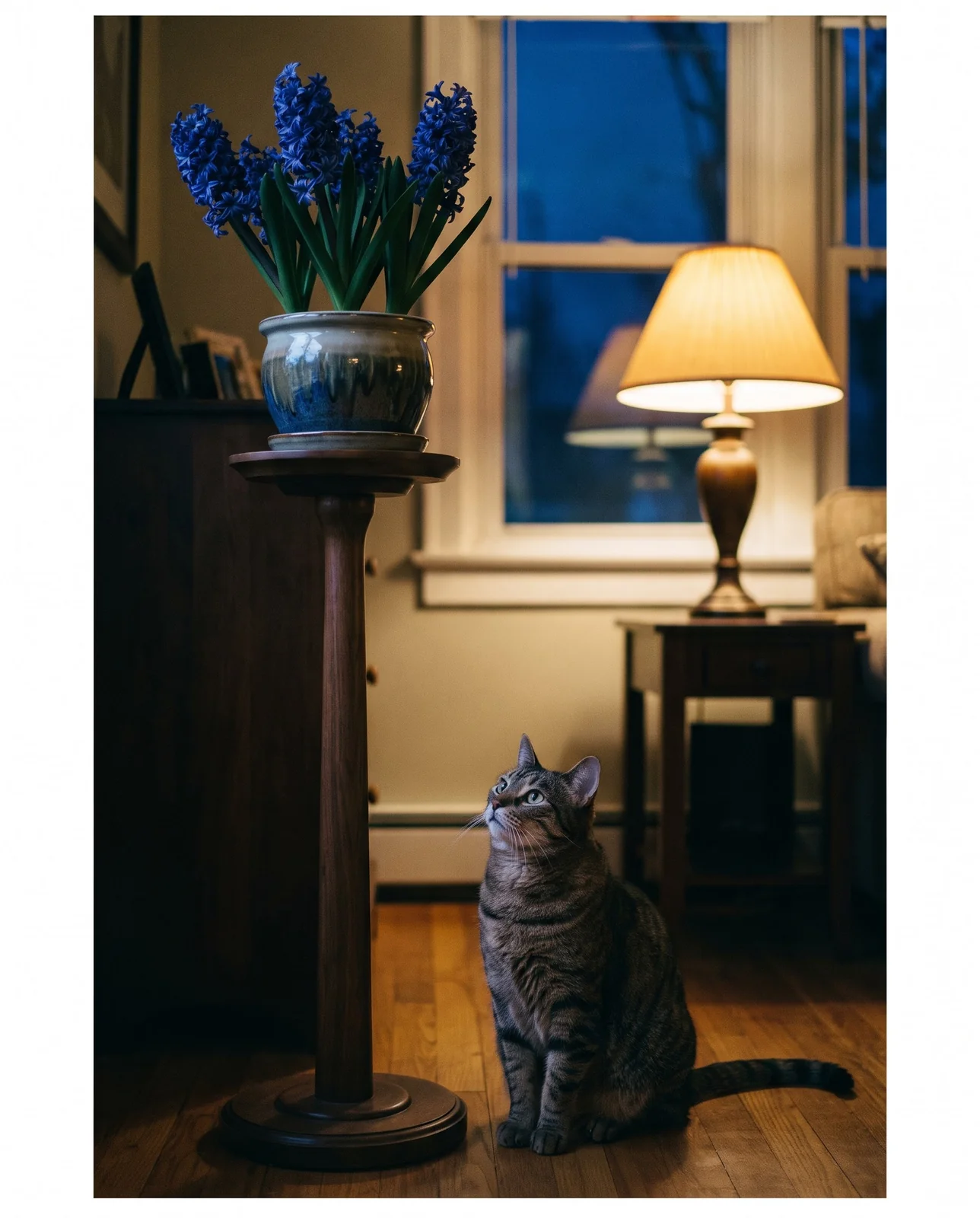
Few temperate spring bulbs are as strongly scented as this one. The waxy florets put out a sweet, honeyed smell with a green, vegetal edge under it, and a modest drift of them in a border carries several yards on a cool spring morning, pulling in the first pollinators of the season. That scent is most of the reason the bulb is forced indoors at all. In a closed room, though, the same perfume works differently: a pot of hyacinths in a small, still bedroom turns heavy fast, while the same pot in a roomy, well-ventilated space reads as spring arriving early. Placement, more than variety, decides which of the two a household gets.
Toxicity and pet safety
Skin contact and calcium oxalate dermatitis
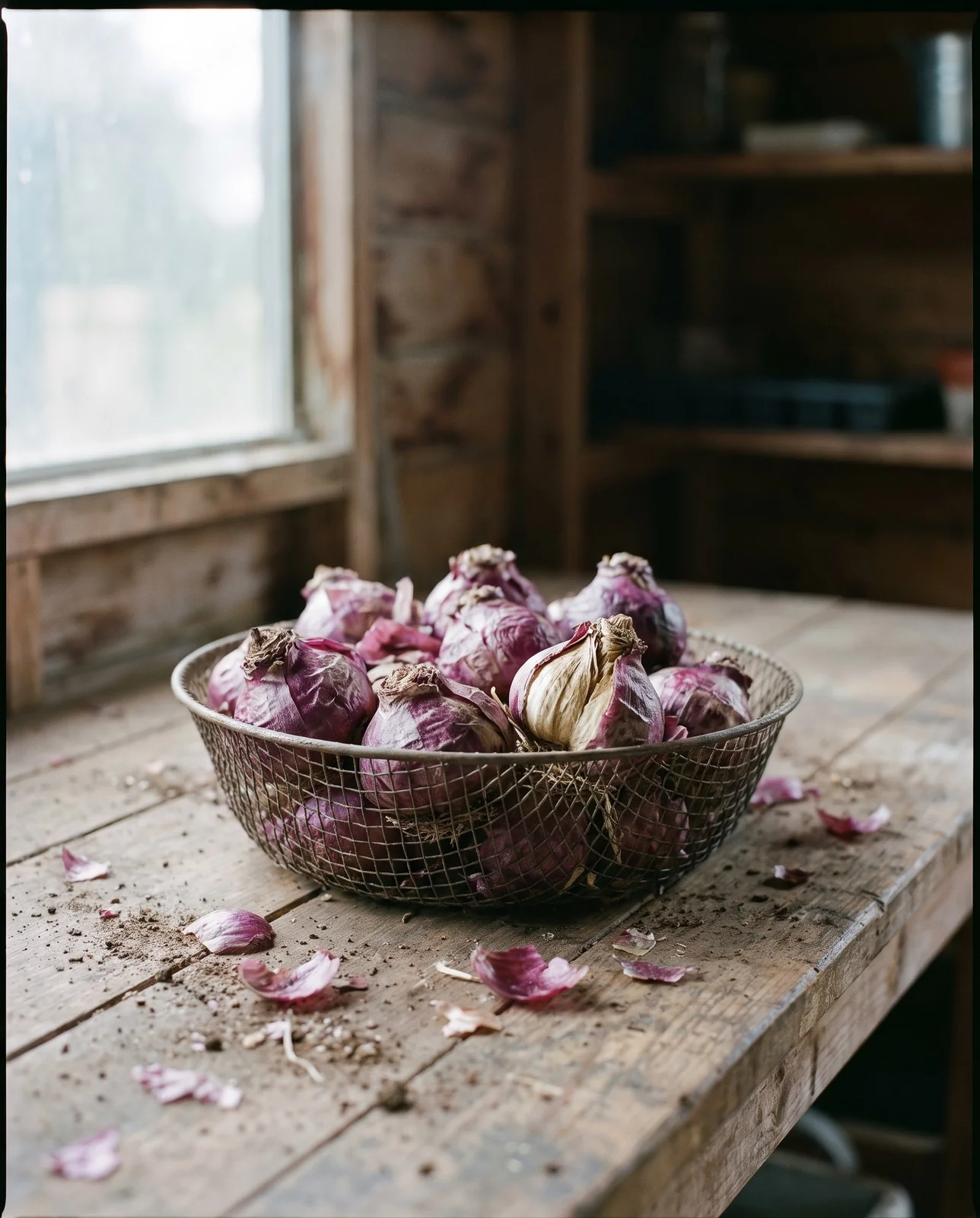
Bulbs handled bare-handed cause irritant contact dermatitis, which is why gloves belong in the routine before a crate of them is opened. Washington College notes that the bulb is partly made up of minute calcium oxalate crystals that act like barbs against skin. Rubbing or crushing the dry, papery tunic while sorting and planting drives those needle-shaped crystals into the outer layer of the epidermis, and the result is itching, redness, and a prickling that NC State Extension puts at a few minutes rather than hours. The less obvious half of the problem is dust: brittle dormant tunics shed fine particles loaded with crystal fragments, and those settle on wrists, forearms, and exposed neck skin, well past anything the hands actually touched. Thick gloves, long sleeves, and a wash with cool water and soap afterward cover it.
Ingestion toxicity and pet safety
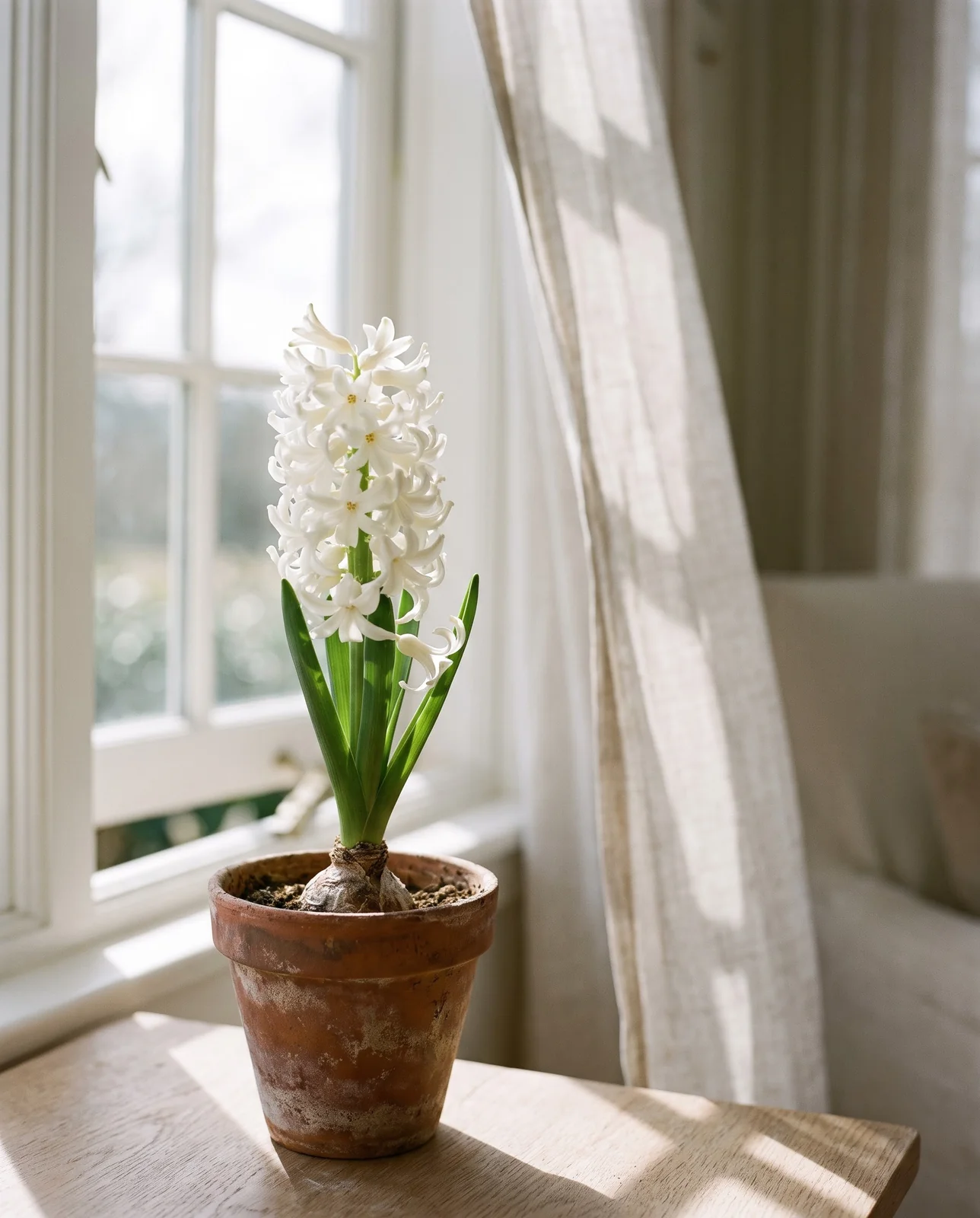
Swallowing the plant is a different mechanism and a more serious one, especially for animals. The ASPCA lists hyacinth as toxic to dogs, cats, and horses, attributing it to suspected narcissus-like alkaloids, and NC State Extension puts the highest concentration of toxin in the underground bulb. That is exactly the part a dog is most likely to find, dug out of a freshly planted bed or pulled from a forced pot. Signs come on quickly: intense vomiting, diarrhea that sometimes carries blood, depression, and tremors. Store dormant bulbs in secure containers away from household pets, and where a bed or a room genuinely belongs to the animals, the list of pet-safe flowers is a better place to start choosing from.
Four plants people call hyacinth, and how to tell them apart
These four share a common name and little else. The toxicity split is what matters most for pets and foragers.
The toxic one: alkaloids in the bulb for pets, calcium oxalate barbs for bare hands. Told at a glance by the dense spring raceme of tightly packed florets on one stout stalk.
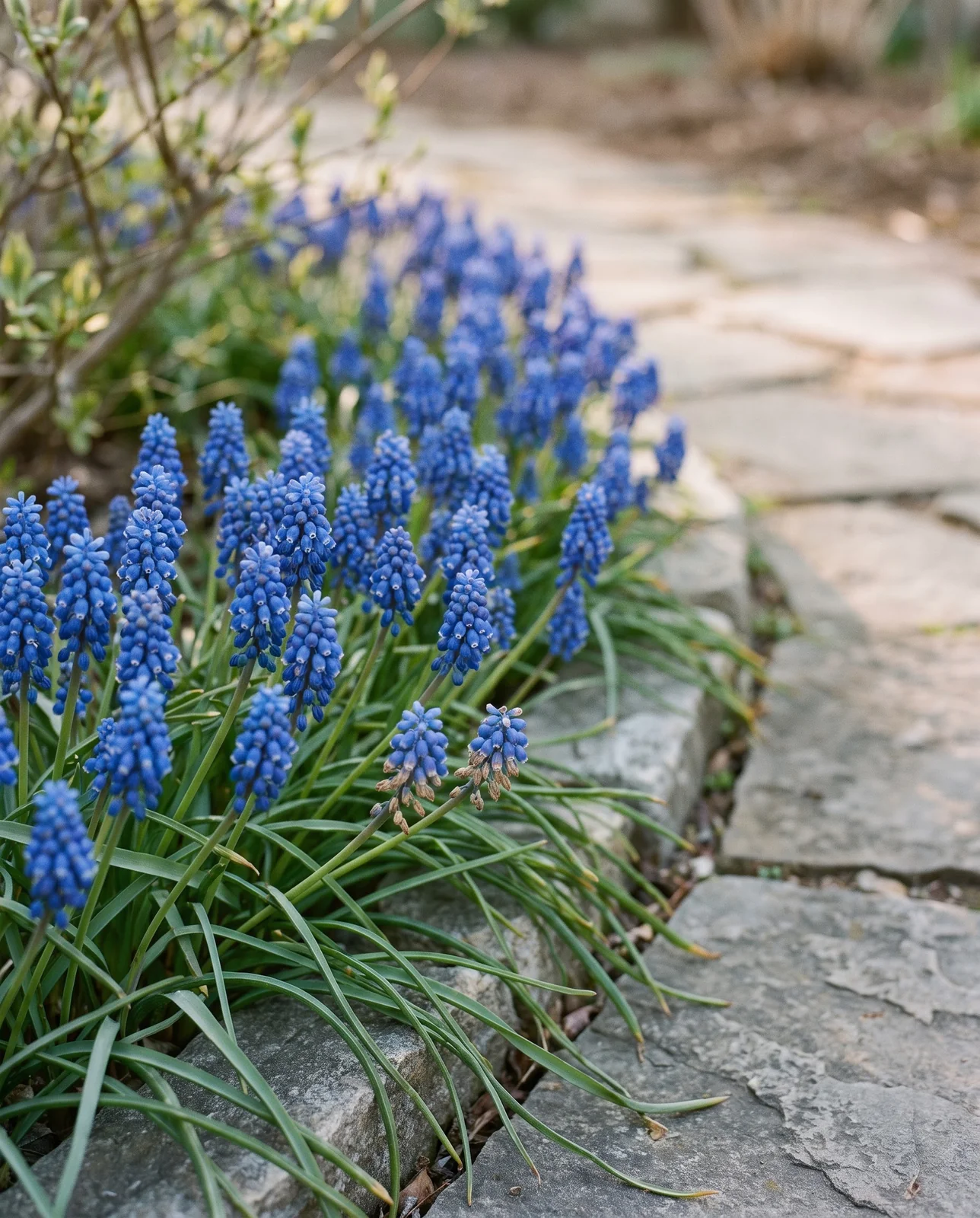
Small, rounded, urn-shaped blue beads on a short stem set it apart instantly. It belongs to its own genus, Muscari, and is not a miniature form of garden hyacinth.
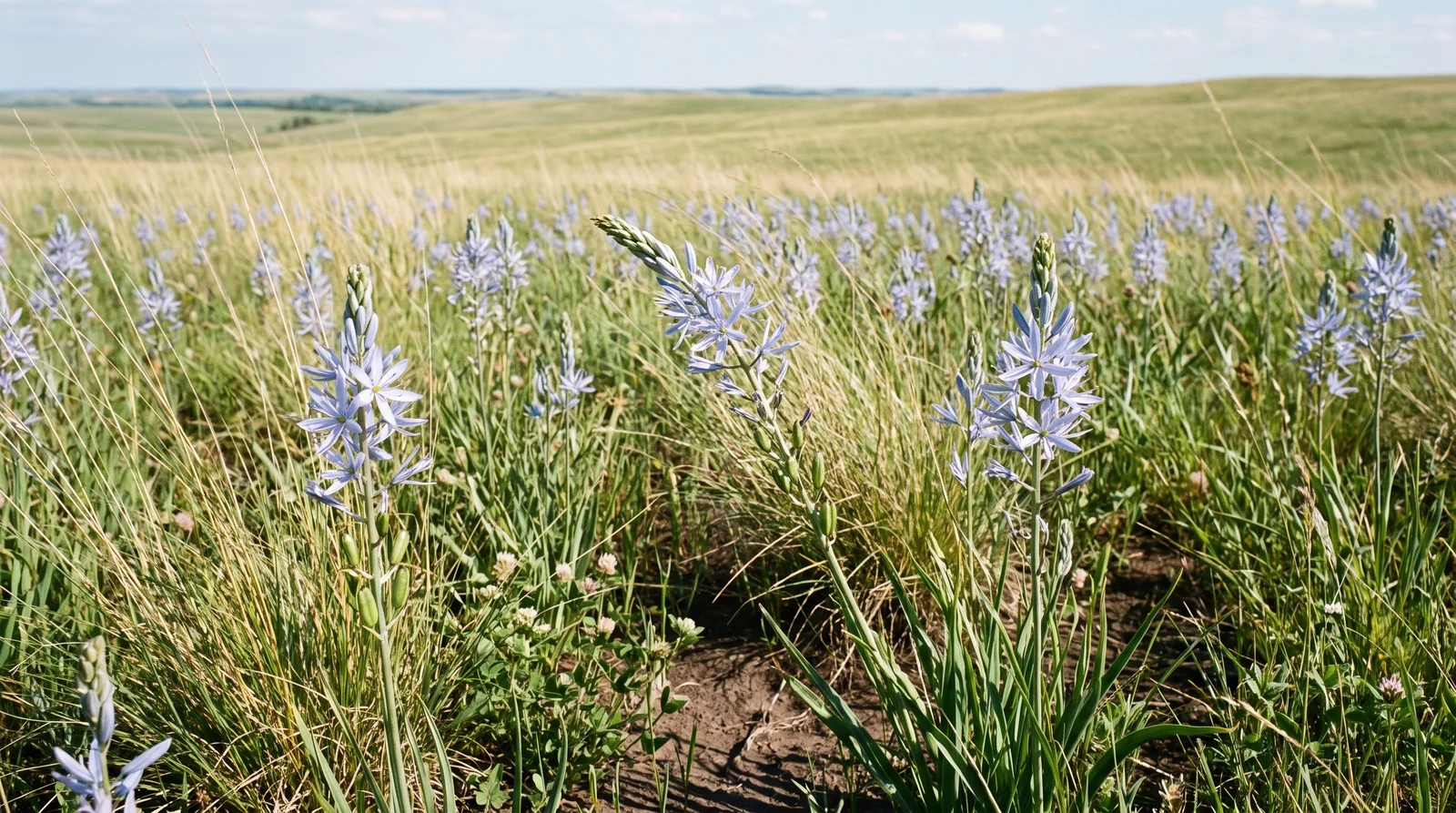
Non-toxic per ASPCA, and historically a food plant rather than a hazard, with edible bulbs. Its loose, starry, blue-white spikes look nothing like the dense garden raceme.
Not closely related to the other three at all: a floating aquatic plant in a separate family, with swollen spongy leaf stalks and violet flowers.
Three things people get wrong about hyacinth safety and identity
The myth: Hyacinth skin irritation is caused by chemical poison absorption.
The reality: The irritation is mechanical. Microscopic calcium oxalate crystals in the bulb tunic work like barbs against skin; nothing is absorbed through it.
The myth: Grape hyacinth is just a miniature variety of garden hyacinth.
The reality: Grape hyacinth sits in the separate genus Muscari, carries urn-shaped florets instead of tubular ones, and is listed non-toxic to pets by the ASPCA.
The myth: Wild hyacinth is just as dangerous for grazing animals and pets as garden hyacinth.
The reality: Wild hyacinth is Camassia scilloides, a plant of a different genus and non-toxic per ASPCA, whose roasted bulbs historically served as a food source for Native American peoples.
In the vase and dried
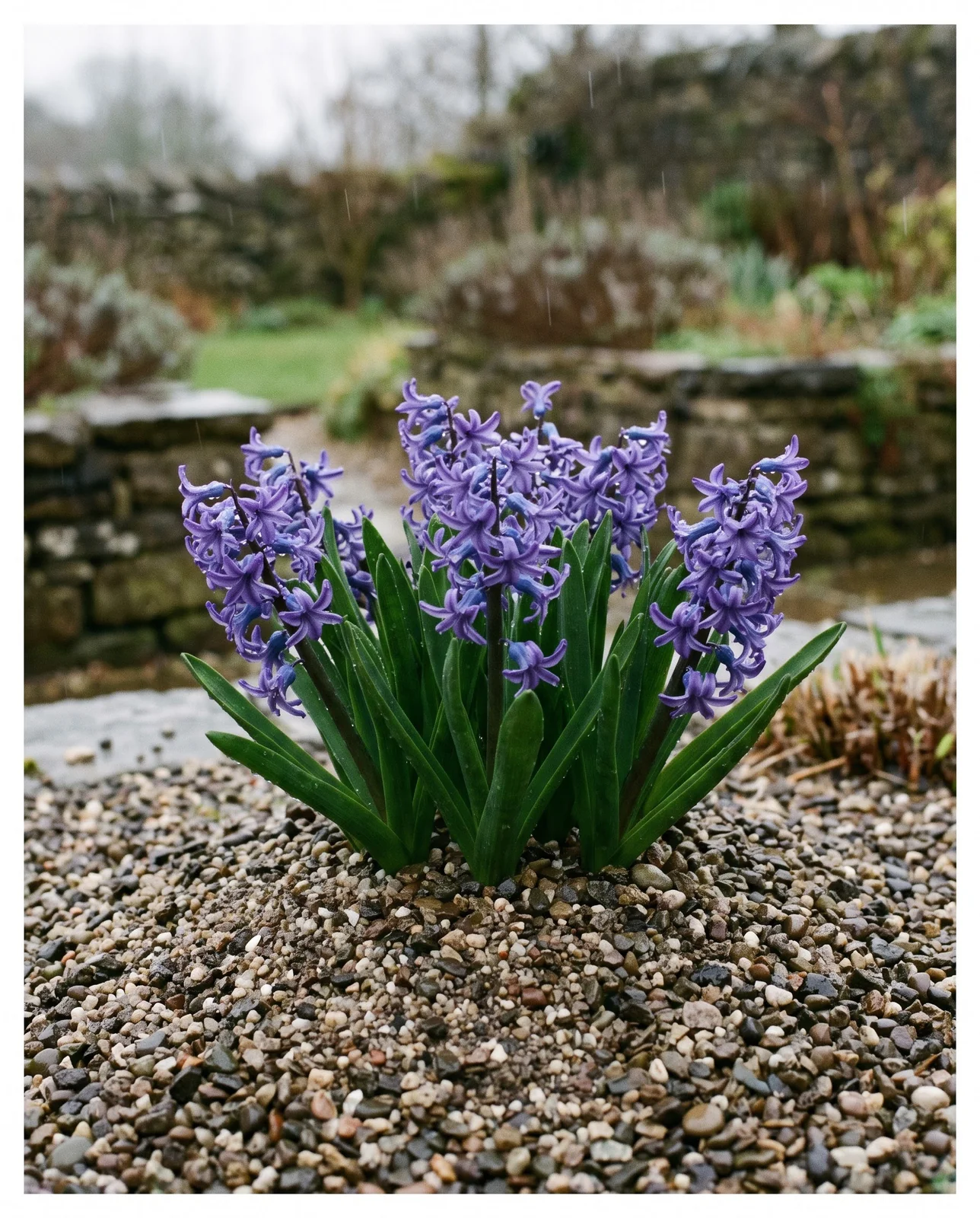
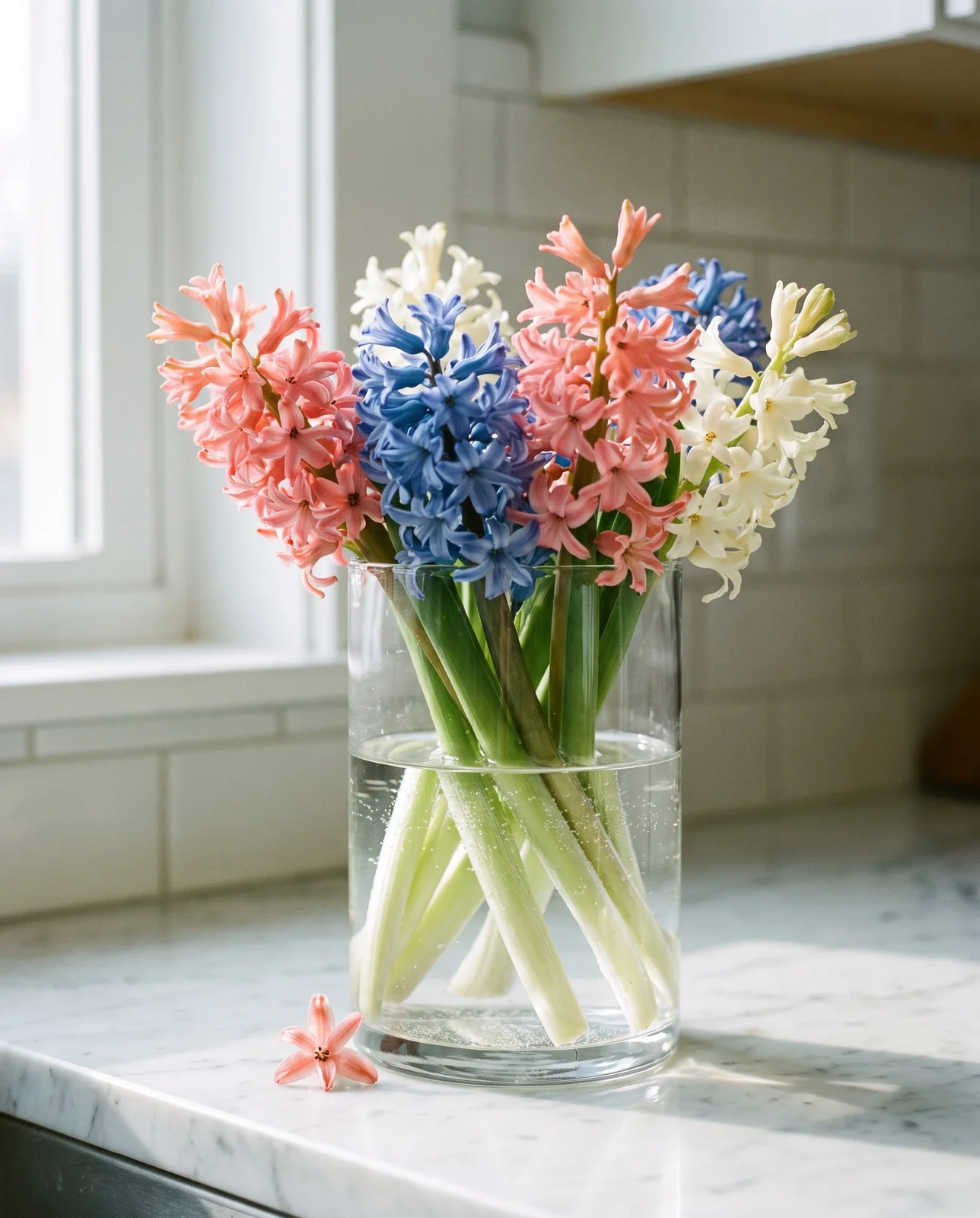
Cut hyacinths hold 5 to 7 days in fresh vase water, and closer to two weeks in a cool room out of direct sun. Cut the stalk near the base once the lowest three or four florets have opened and the buds above them are still closed. The stems are thick and fleshy and bleed a clear sap that clouds the water quickly, so recut the base under water and refill with clean water every couple of days to keep the vascular channels open. Drying is not an option with this flower. The raceme holds too much water and the petals are too succulent, so an air-dried spike collapses, shrivels, and browns rather than holding its shape for an arrangement.
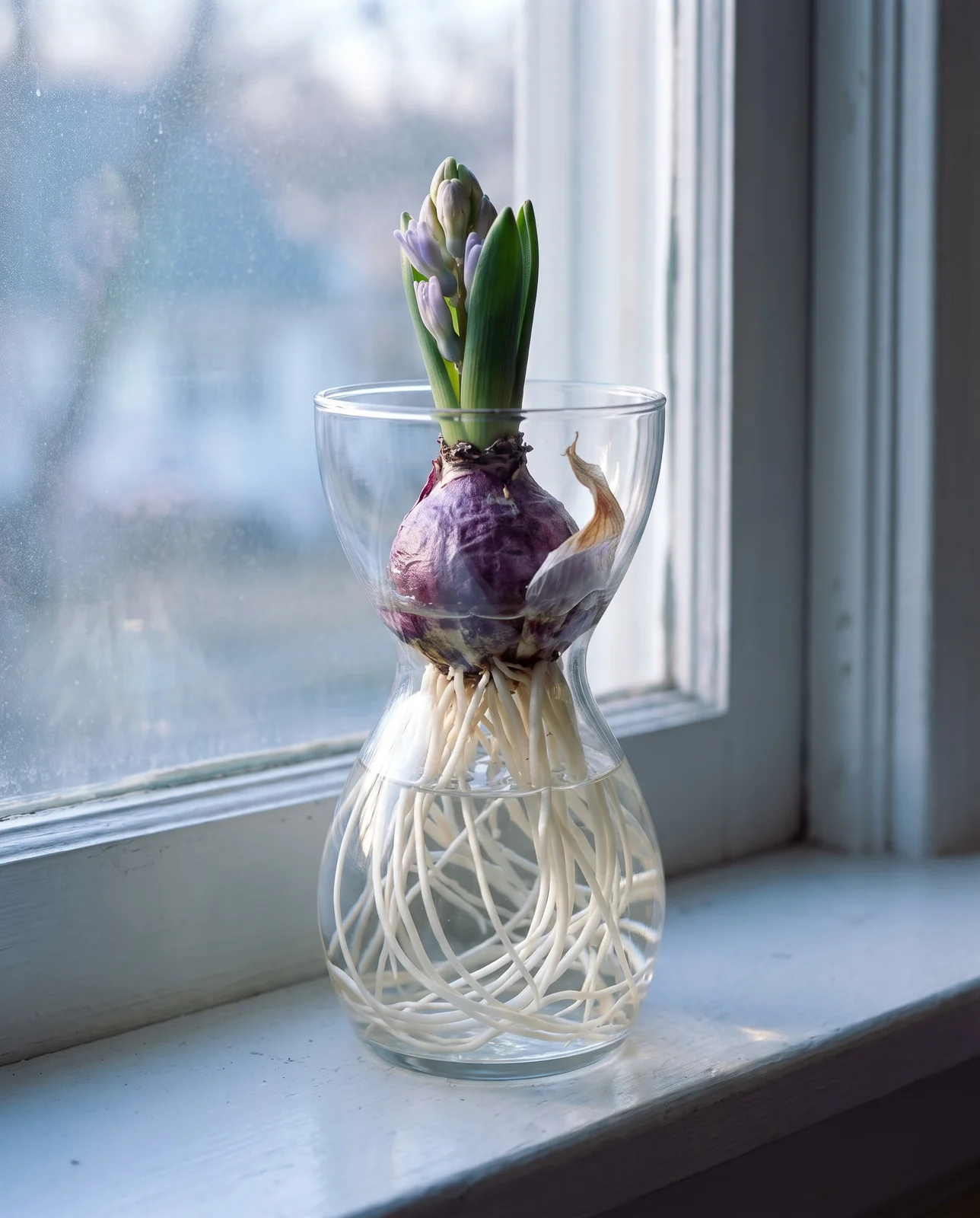
Forcing is what makes this bulb worth buying in quantity, and it runs two ways: potted in soil, or suspended over water in an hourglass vase. For pots, Iowa State University Extension fits three hyacinth bulbs into a standard 6-inch container, and the University of Minnesota Extension sets them 5 to 6 inches deep. Then comes the cold: 40 to 45 degrees Fahrenheit for 12 to 15 weeks, or 35 to 48 degrees for at least 12 to 13 weeks. Water forcing runs 12 to 16 weeks, with one rule that allows no flexibility: the water must reach the developing root tips and never touch the base of the bulb, which rots on contact. After the cold, containers move to a 50 to 60 degree spot under low to medium light until the shoots green up, then to a bright room at 60 to 65 degrees to flower. Forcing spends the bulb, and Iowa State notes that hyacinths are usually discarded afterward rather than saved, unlike a repeat performer such as amaryllis.
Outdoor planting and indoor forcing, stage by stage
Outdoor bulbs run on one clock and forced pots or vases run on a second, colder one. Both are laid out below in the order they happen.
Measured numbers behind indoor hyacinth forcing
Most of the figures below trace to Iowa State Extension's forcing guidance, with the vernalization threshold from University of Minnesota Extension.
Pests and diseases
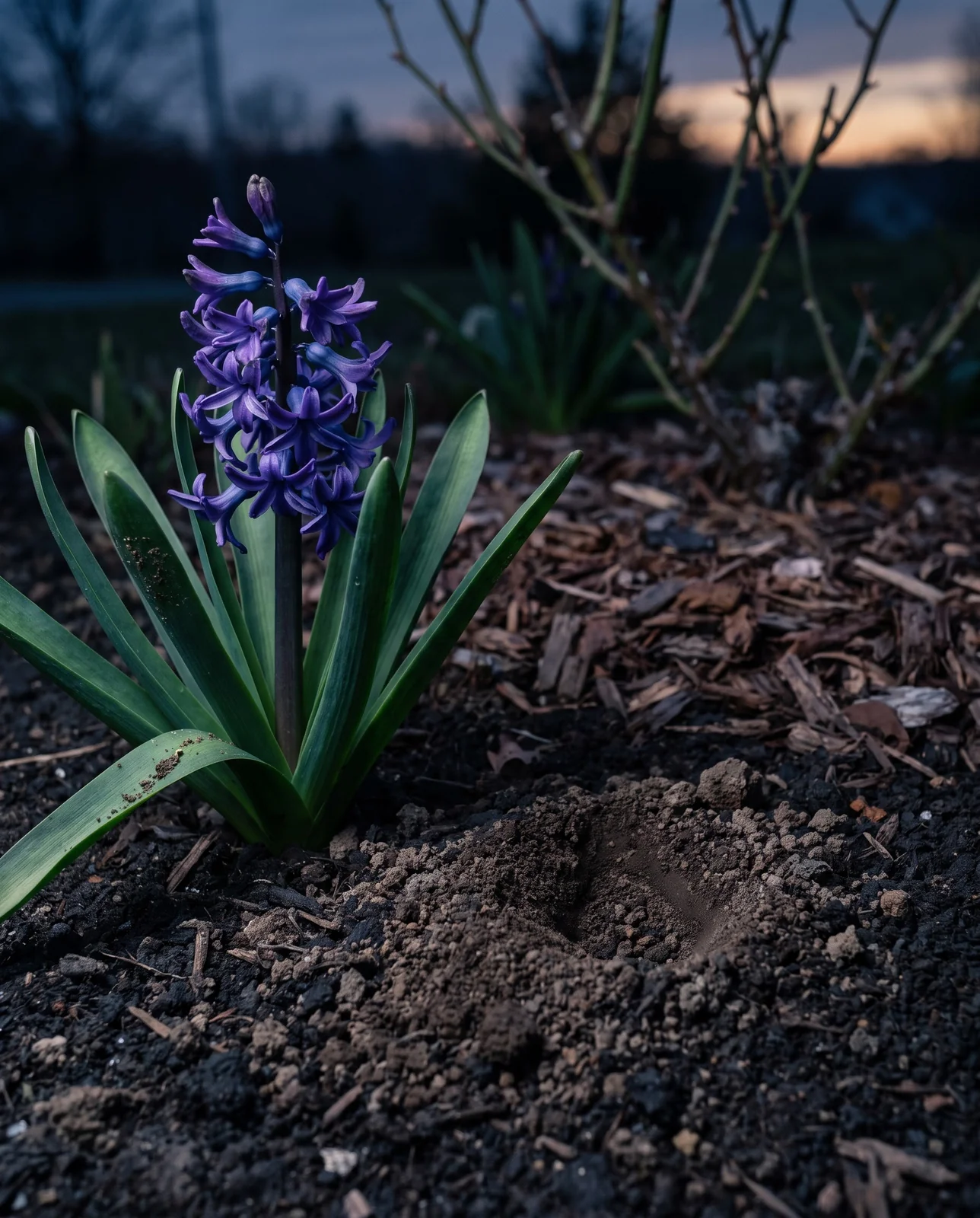
Browsing wildlife mostly leaves hyacinths alone, which keeps the pest list short and largely cultural. The Royal Horticultural Society names slugs and snails as the regular offenders, rasping irregular holes into emerging foliage and developing flower buds on cool, damp spring mornings. The disease names are worth knowing mainly because they share one cause: hyacinth fire, blue mould rot from Penicillium, Sclerotinia rot, bacterial soft rot, and hyacinth yellows all favor airless, waterlogged ground or a bulb store with stagnant, humid air. Squirrels, chipmunks, and voles are a separate nuisance rather than a pest in the usual sense. They dig through freshly turned autumn beds and knock newly planted bulbs out of position, but they rarely eat what they uncover.
FAQ
What does hyacinth symbolize?
Hyacinth flowers traditionally symbolize sincerity, peace, constancy, and rebirth, with the specific meaning shifting by flower color, as the full guide to hyacinth meaning sets out.
Is hyacinth poisonous to touch?
Hyacinth bulbs are not poisonous to touch, but handling them without gloves causes minor skin irritation and contact dermatitis lasting a few minutes, from the microscopic calcium oxalate crystal barbs in the dry tunics.
Do hyacinths come back every year?
Hyacinths return as perennials across USDA zones 4a through 8b, though the flower racemes carry fewer and more widely spaced florets with each successive year in outdoor garden soil.
What is hyacinth in the Bible?
In biblical texts, the word hyacinth, or jacinth, refers to a precious blue gemstone in historical descriptions rather than to the cultivated garden flower.
How do you grow hyacinth in water?
Set a pre-chilled bulb in an hourglass forcing vase filled so the water touches the emerging roots but never contacts the base of the bulb, and change the water whenever it clouds to keep the bulb from rotting.
Why did my hyacinth bloom without a stem?
Stemless blooms, known as "hyacinth spitting," happen when bulbs are brought into warm temperatures before finishing their required 12 to 15 weeks of cold chilling, so the flowers open before the stem has elongated.
How do you pronounce hyacinth?
The botanical and common name is pronounced "HIGH-uh-sinth" (ˈhaɪ.ə.sɪnθ).
Is hyacinth a gemstone or a flower?
The name first designated a precious gemstone, historically associated with zircon or sapphire, in a use recorded in 1553, and it later became the botanical genus name for the flower.
Flower photos
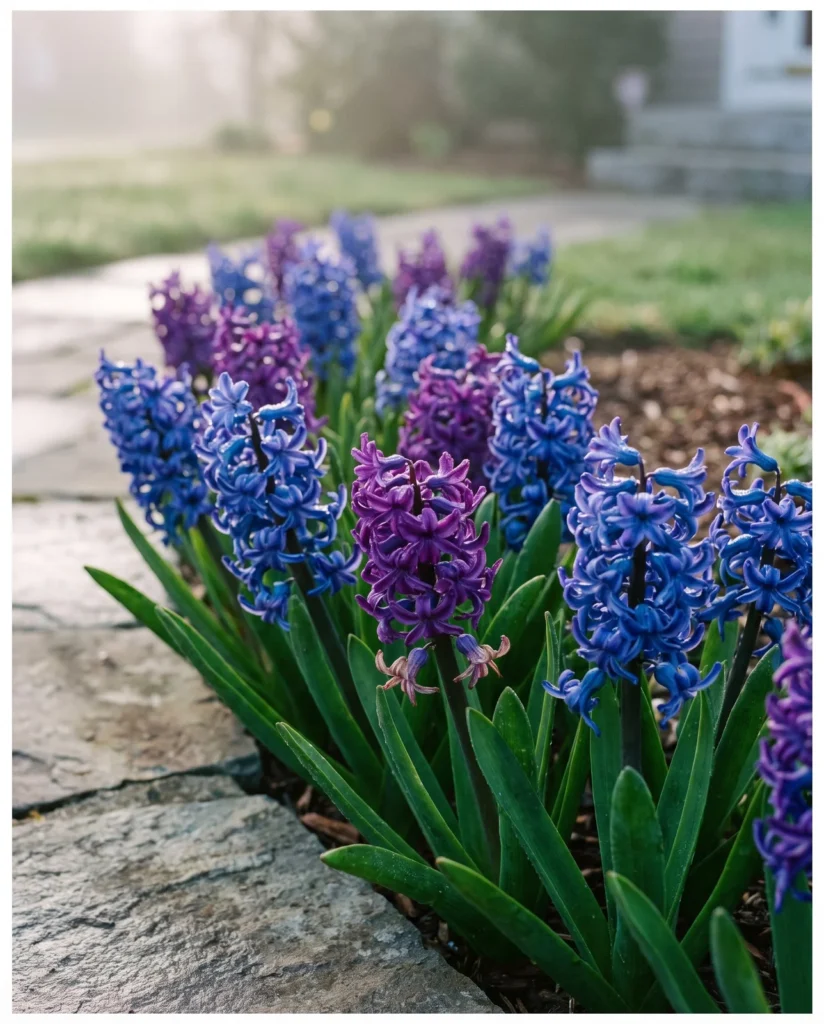
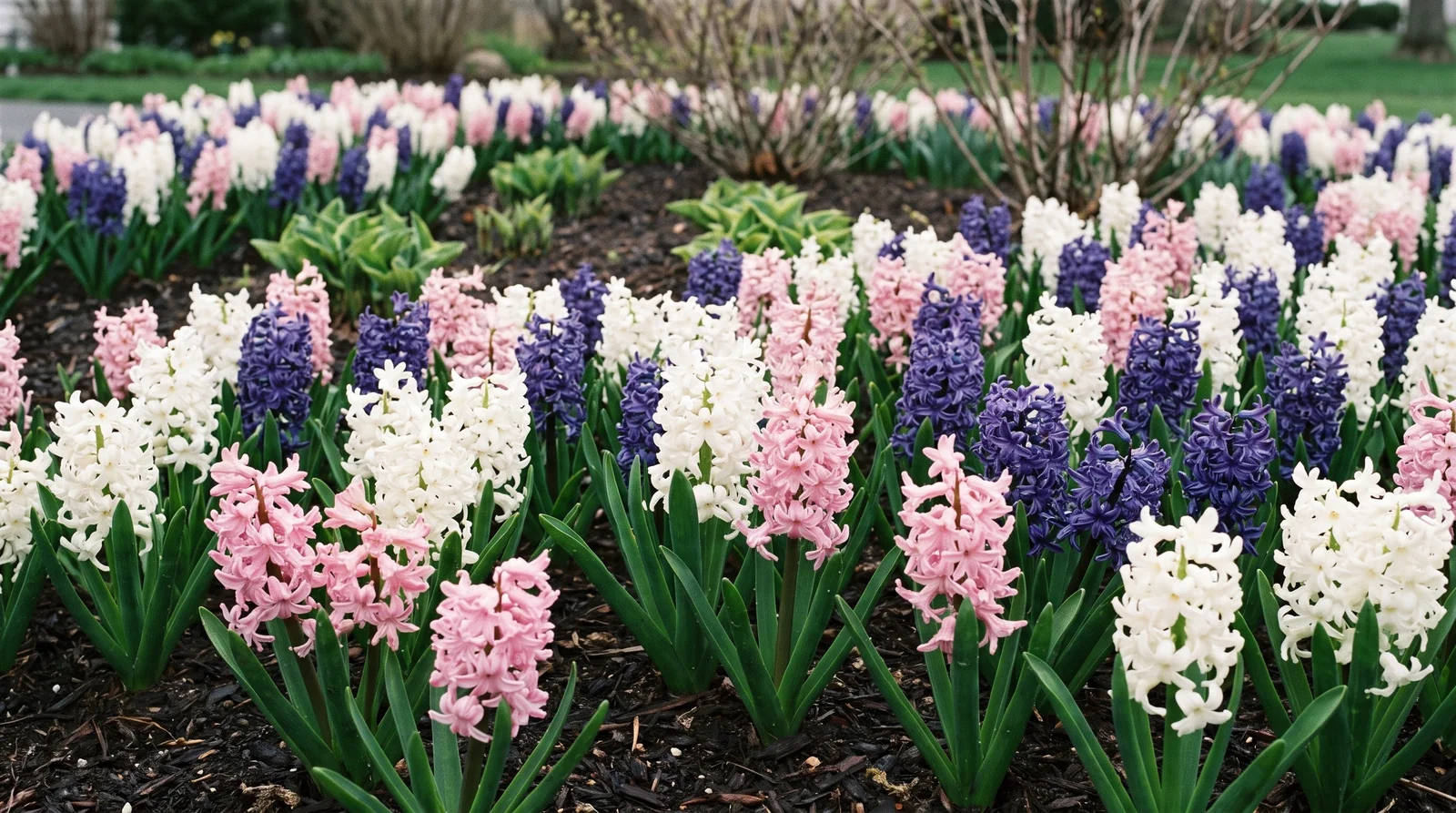
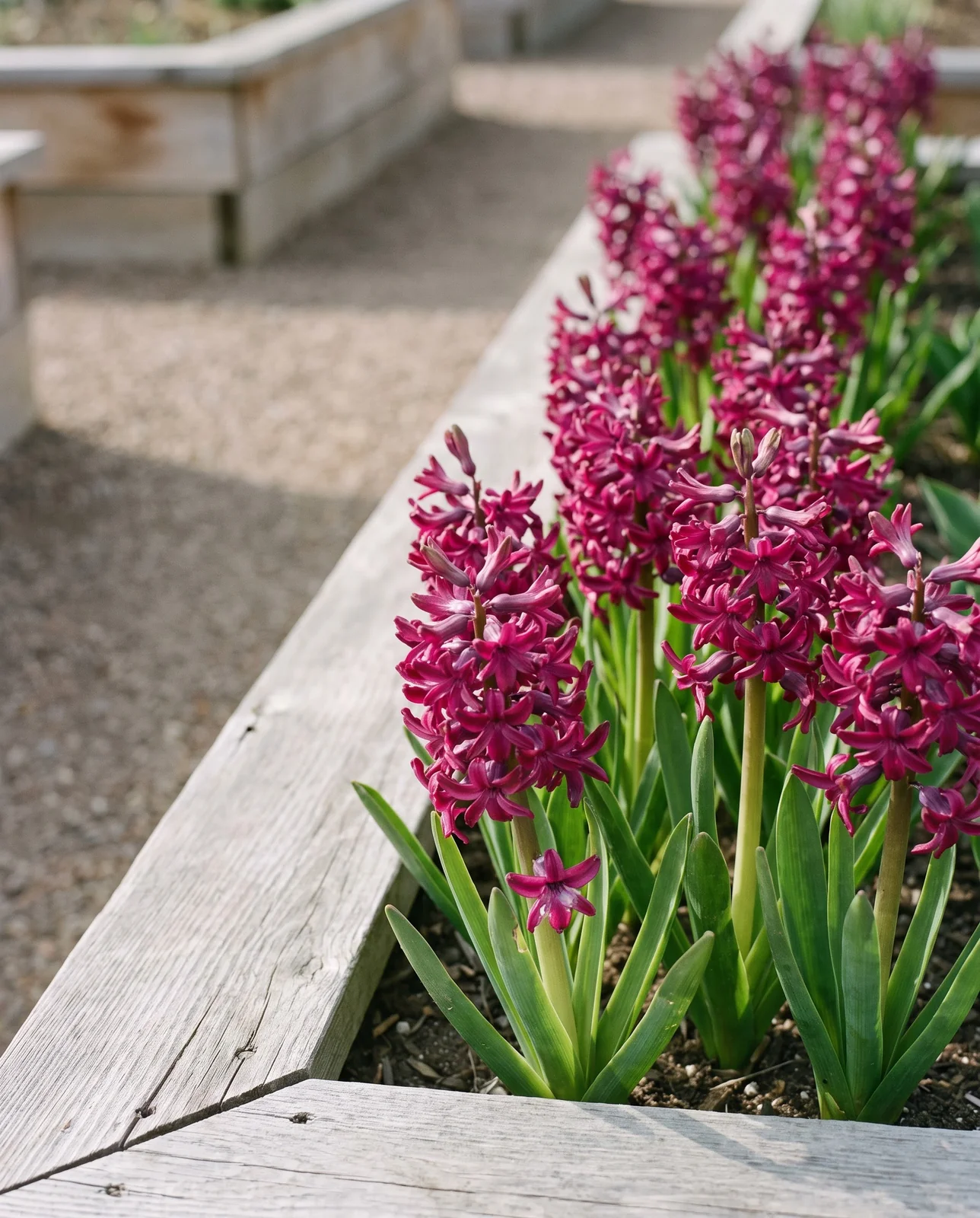
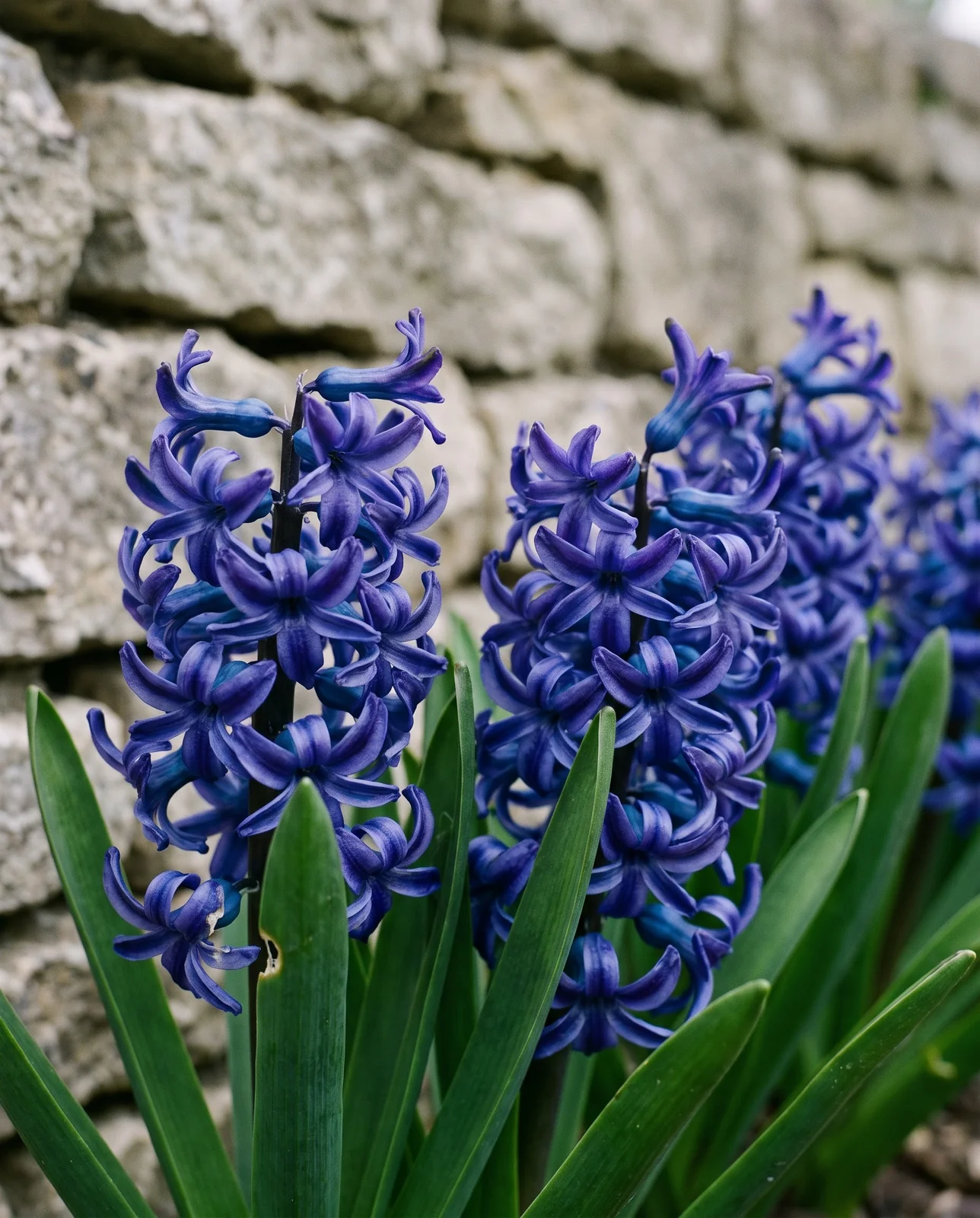
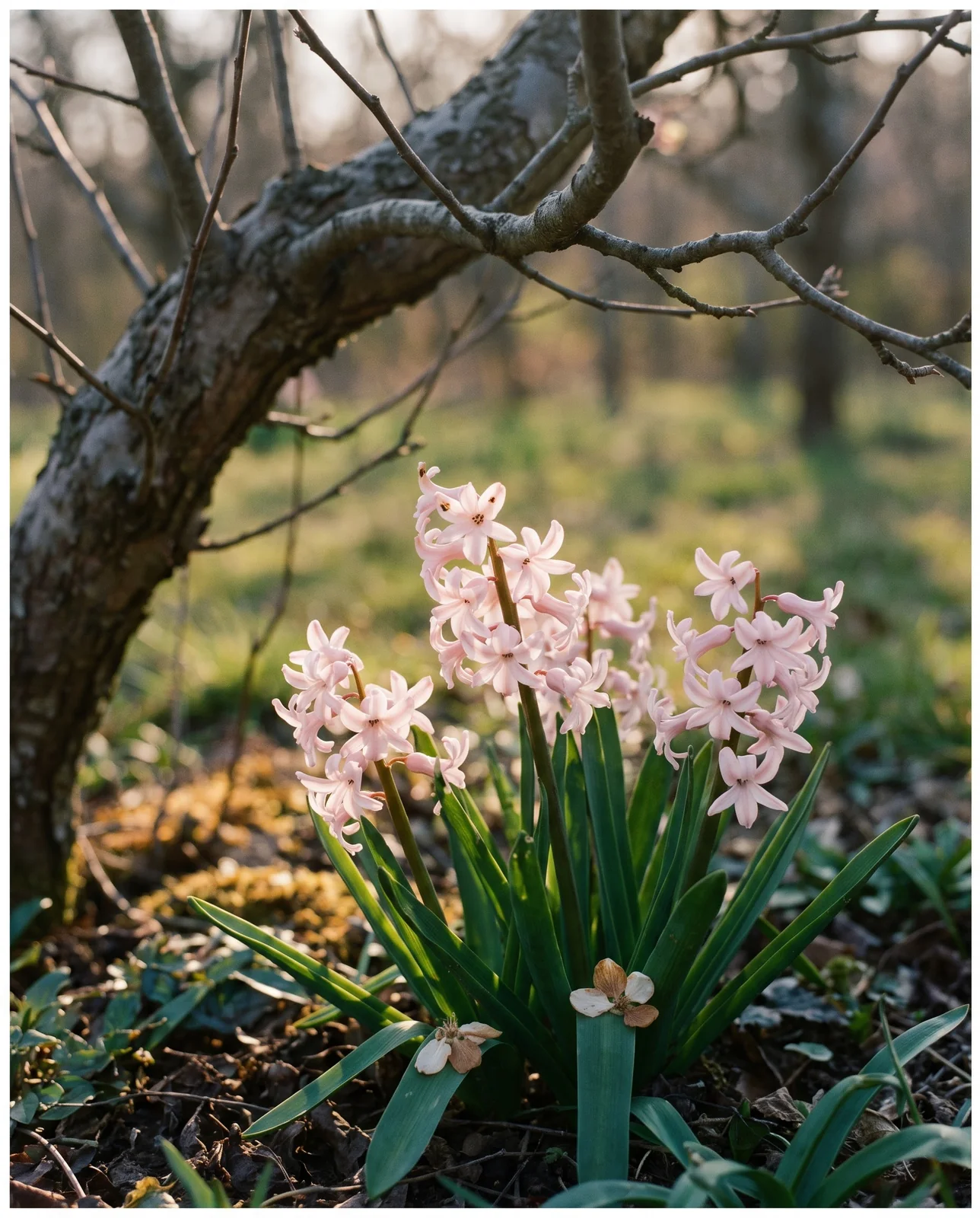
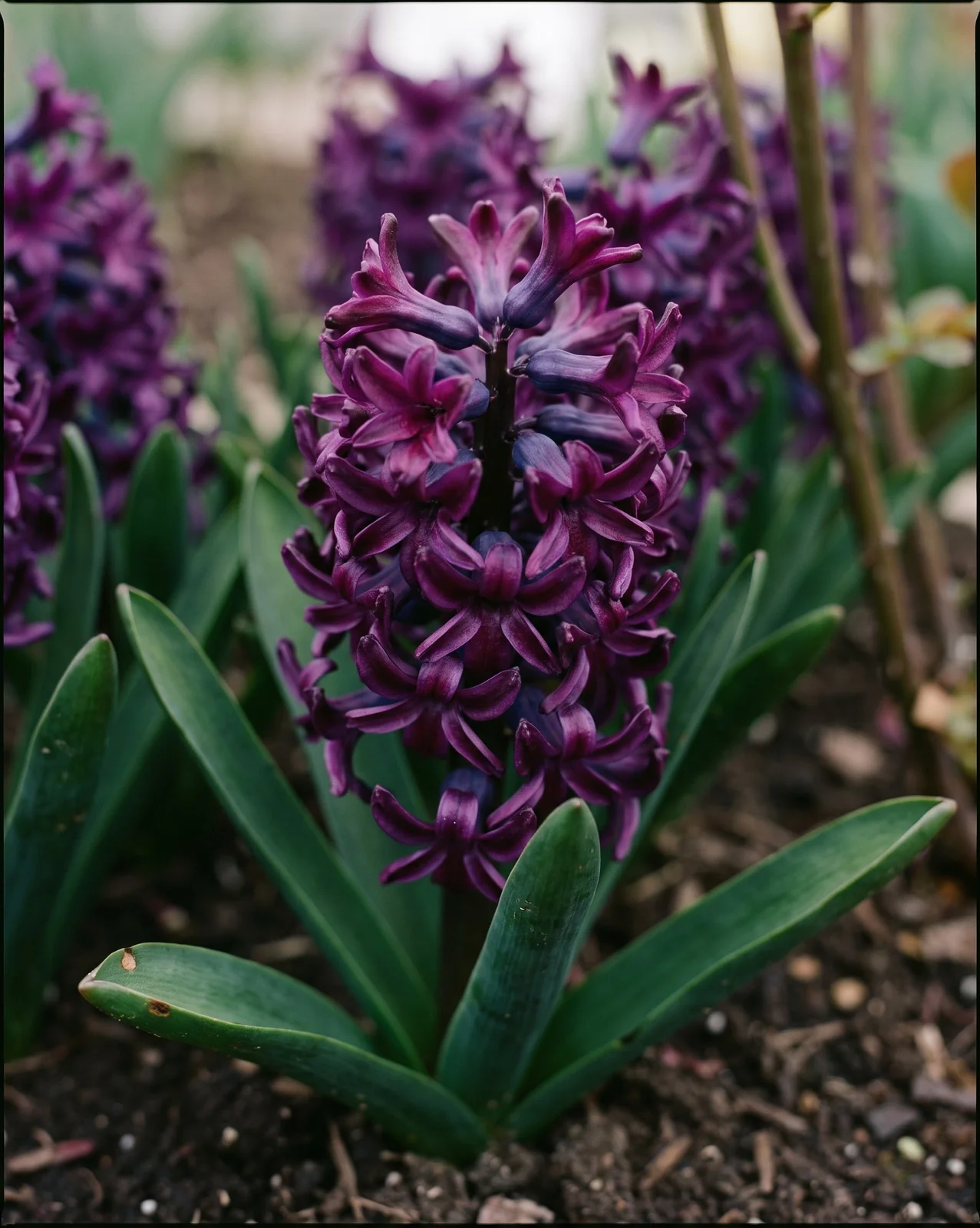
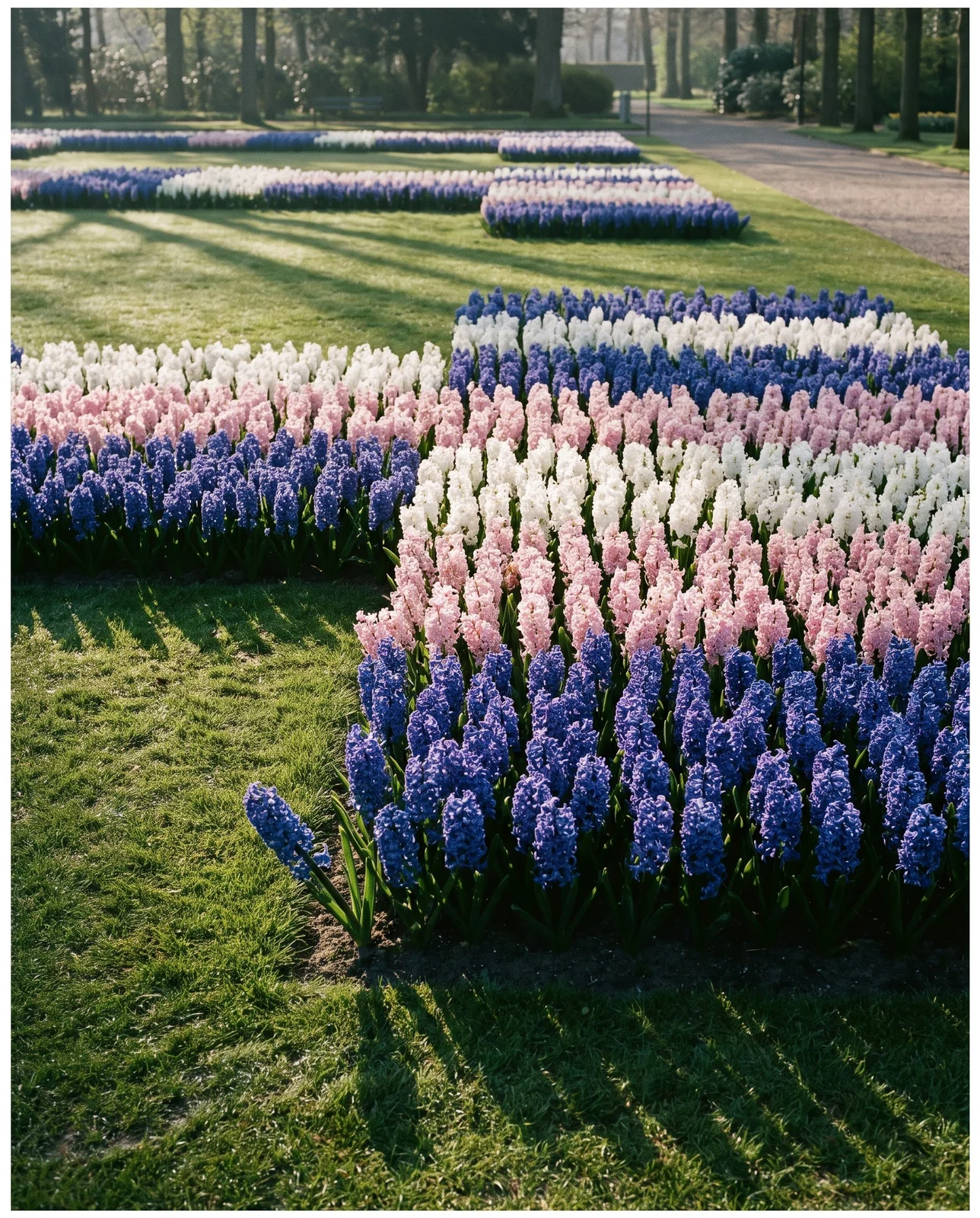
Garden hyacinths run from deep navy through rich purple, pastel pink, crisp white, and soft primrose yellow. 'Blue Jacket' carries navy blue florets marked with a dark royal-purple stripe along each midrib on a dense spike, while 'Woodstock' is maroon and burgundy-purple, dark enough that it wants something bright beside it, which is why it turns up so often next to early yellow daffodils. For a formal white border, 'Carnegie' gives tightly packed white spikes that hold up against dark spring foliage. Pinks and yellows warm the same beds. All of them do more work in alternating blocks of color or layered drifts through a mixed border than scattered singly, since one spike is a small object and a dozen is a statement.
Garden hyacinth spikes, color by color
Five color groups cover most of what garden centres sell as forcing or bedding hyacinths.
Interesting tips
Deer and rabbits leave hyacinths standing. The same alkaloids and sharp calcium oxalate crystals that make the bulb a problem for pets and bare hands also make it unpalatable to browsing wildlife, which is what makes hyacinth a workable substitute in the beds where tulips get eaten to the ground every spring. Then there is the refrigerator rule, which catches people out every winter: bulbs chilling for forcing must not share a shelf with ripening fruit. Iowa State University Extension warns that apples and other ripening fruit give off ethylene gas, a plant hormone that interferes with flower development, so a bulb chilled beside a fruit bowl can come out of storage and leaf out without ever flowering. And keep the names straight whenever safety comes up, because only one of the four is the problem: common garden hyacinth (Hyacinthus orientalis) is toxic to pets, while grape hyacinth (Muscari) is listed as non-toxic by the ASPCA; wild hyacinth (Camassia scilloides) and water hyacinth (Eichhornia crassipes) are different plants again, with records of their own.
More about Hyacinth: planting, care, and forcing these fragrant bulbs
Related Guides & Flowers
Tulips
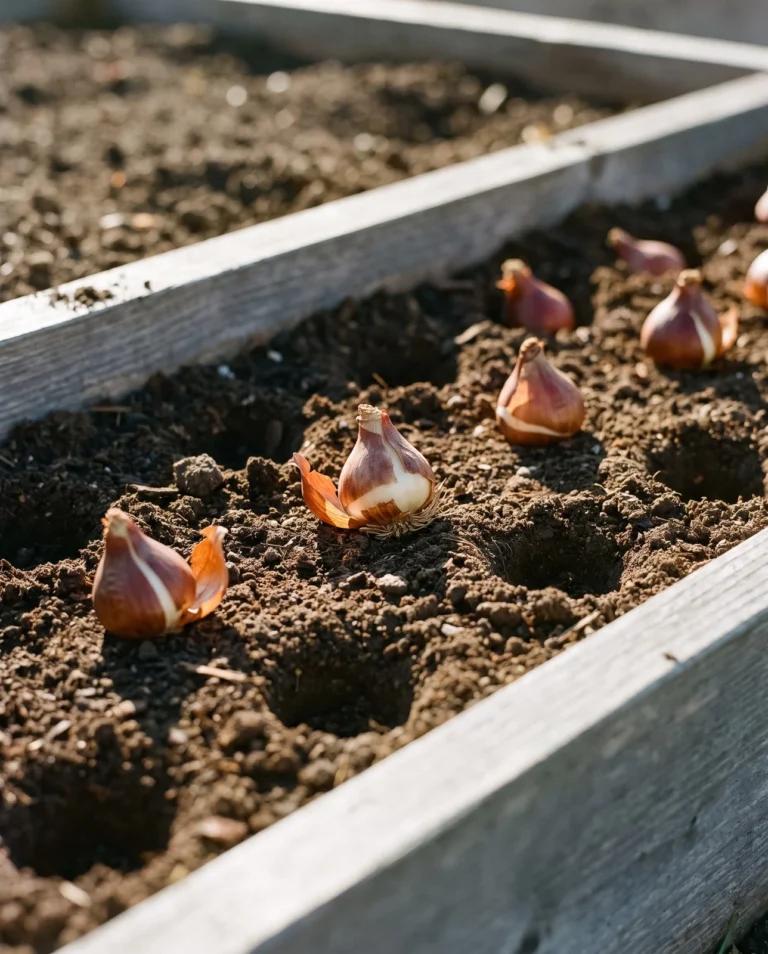
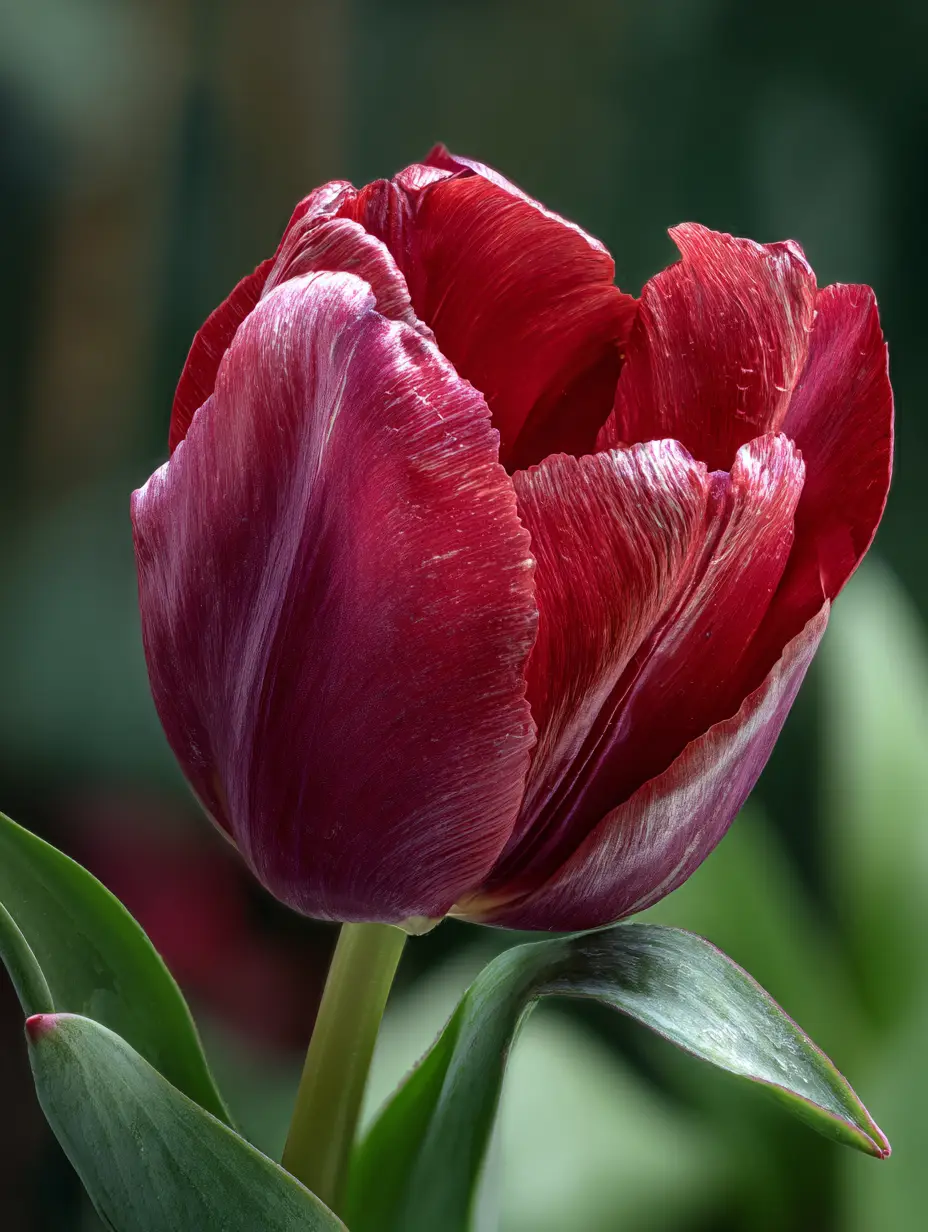
Planted the same weeks in fall at a similar depth, opening alongside or just after the hyacinths.
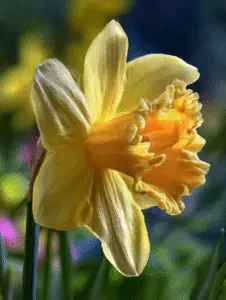
Daffodils
The dependable perennial spring bulb; unlike hyacinth it rarely thins out after the first season.
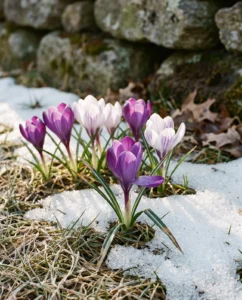
Crocus
The earliest of the spring corms, usually flowering before hyacinth spikes show color.
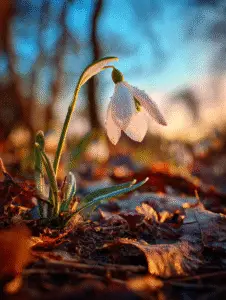
Snowdrop
A late-winter bulb that opens weeks ahead of hyacinth and tolerates the same cold, damp soils.
Enjoying our flower guides? Add YourFlowersGuide as a preferred source on Google. It helps more readers find us.
Add to Preferred Sources