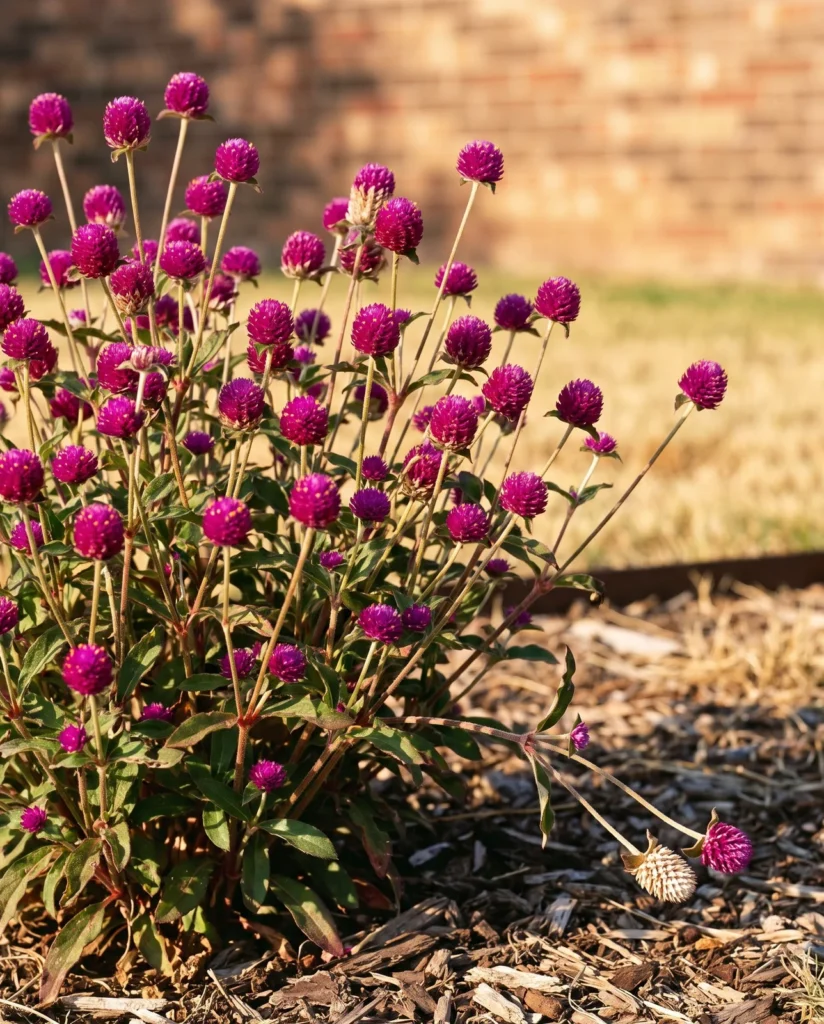
What globe amaranth is and where it comes from
Globe amaranth is a tropical summer annual grown for round, papery flower heads that hold their color long after cutting. The accepted botanical name is Gomphrena globosa, first published by Linnaeus in 1753, and the plant belongs to the amaranth family, Amaranthaceae. It also goes by bachelor's button and Devil's clover, or red globe everlasting and Immortelle, names tied to its long use as a dried flower. The genus name comes from the Latin for a kind of amaranth, while globosa describes the round flower heads.
Its wild origin is unsettled. The plant is usually traced to tropical America, from Guatemala to Panama, Mexico south to Brazil, or Central America and northern South America, across the Neotropics. Other ranges take in Africa and temperate and tropical Asia, or place the wild plant in Asia.
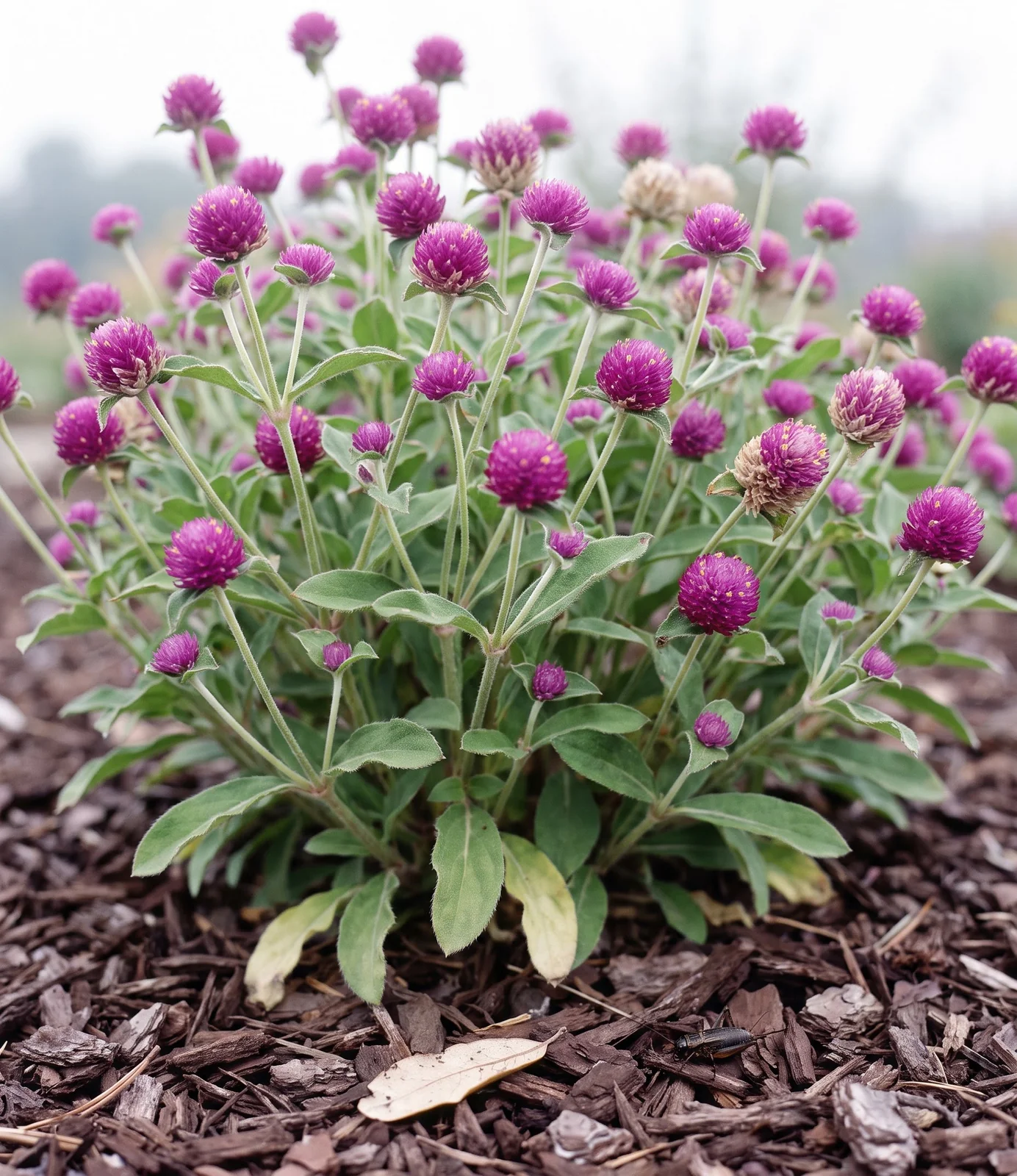
How it relates to grain amaranth and pigweed
Grain amaranth belongs to a separate genus, Amaranthus, an annual, small-seeded, high-protein pseudocereal native to the Americas. Globe amaranth belongs to Gomphrena and is grown for the colorful, papery bracts of its flower heads. Both plants sit in the amaranth family, but Gomphrena belongs to the subfamily Gomphrenoideae, a different botanical branch from Amaranthus. Beyond that broad family relationship, the garden flower and the grain crop go their separate ways.
Amaranthus is also the pigweed genus, a large group of roughly 70 species. It includes Amaranthus retroflexus, a troublesome annual weed across much of the United States, and Amaranthus palmeri, an aggressive weed in soybean and cotton fields. Gomphrena forms its own group with about 90 species in the Americas and about 30 in Australia. Most cultivated garden varieties trace directly to Gomphrena globosa, with other species also grown in gardens.
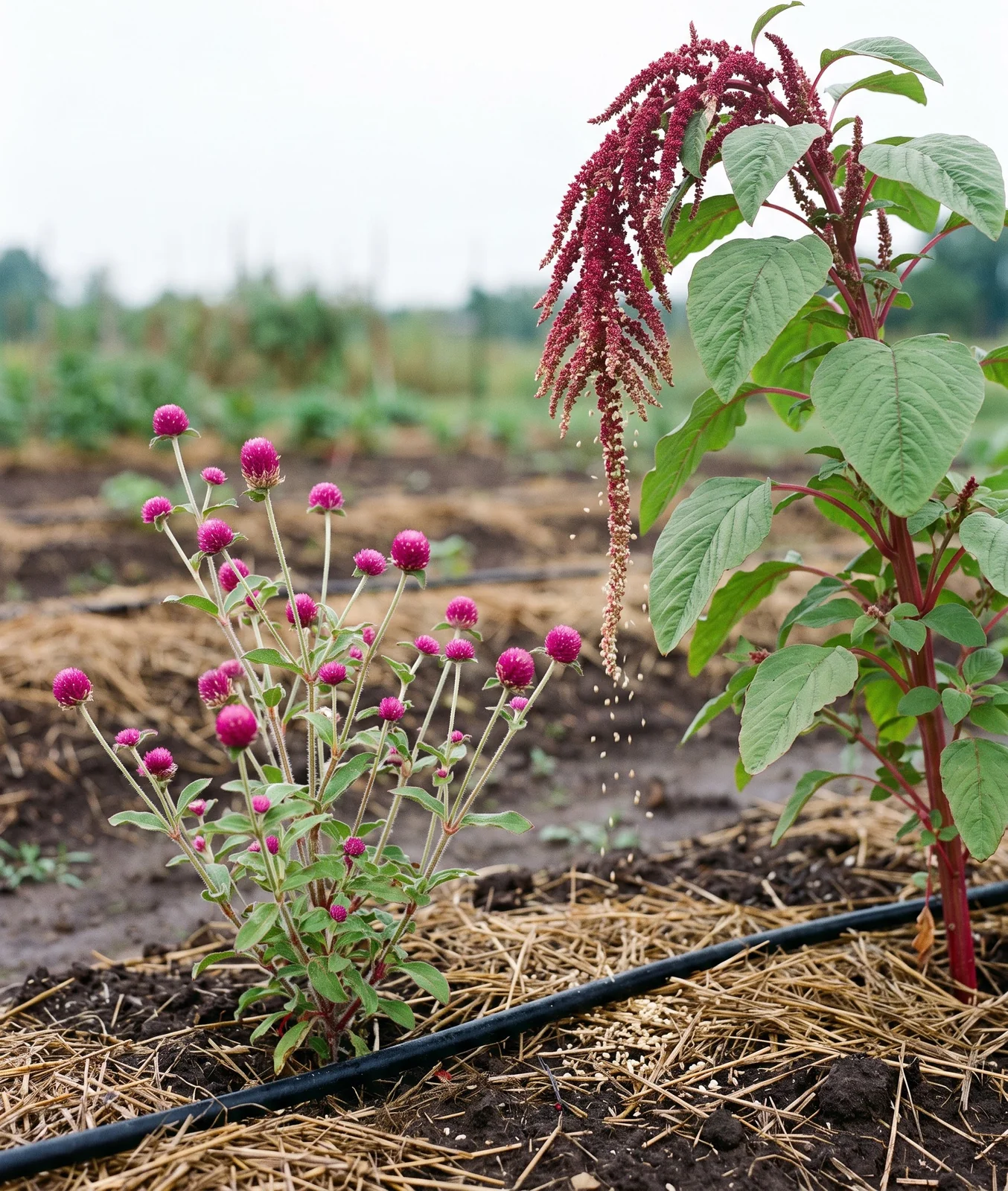
What the plant and its heads look like
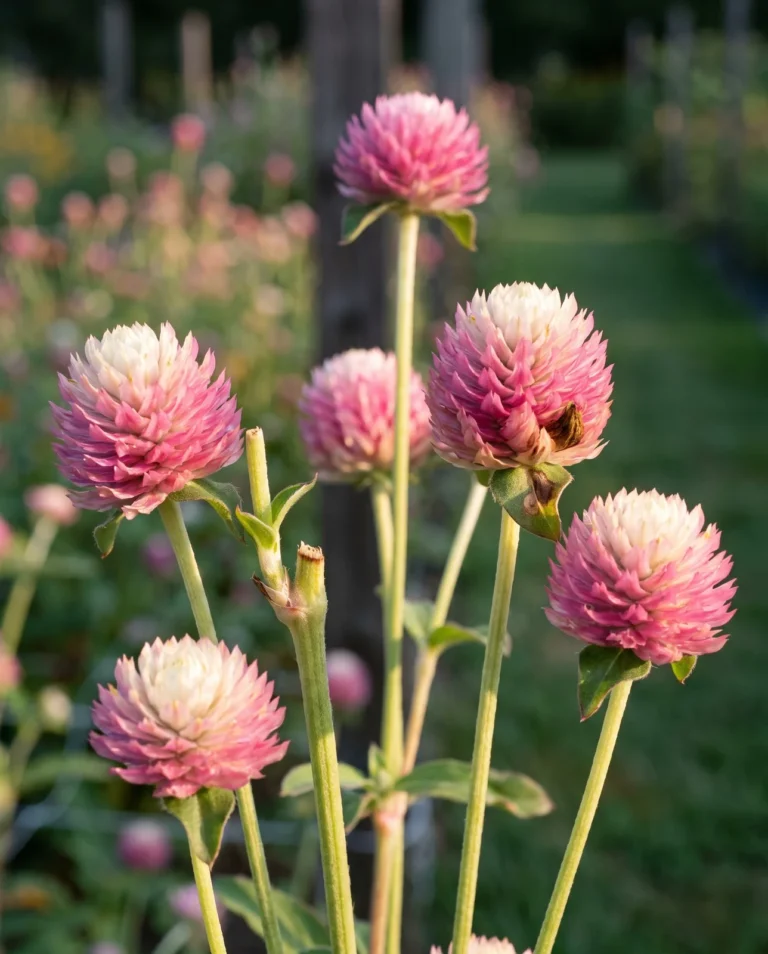
The showy color comes from stiff, papery bracts arranged in a globe, with the true flowers hidden inside as tiny, inconspicuous trumpets. These bracts look like petals to the eye, though true petals are absent. The real flowers show themselves only when tiny yellow stamens poke out from the head. Each clover-like head measures about 1 to 3 inches across, typically 1.5 to 2 inches, and sits on an upright spike.
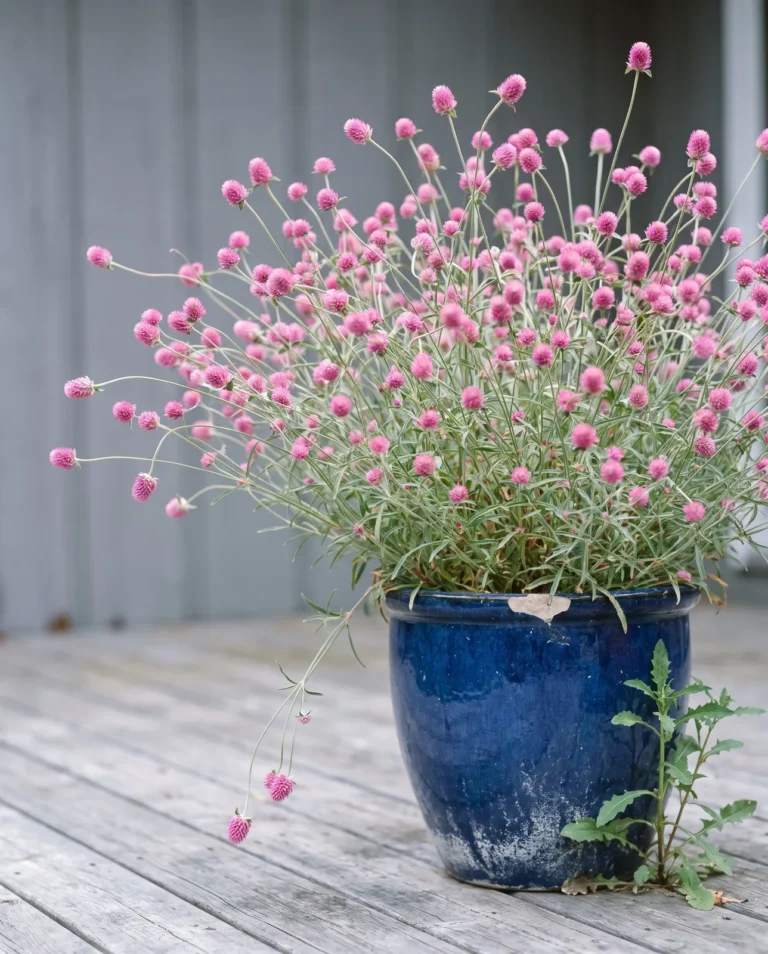
The plant carries its flower heads on stiff, erect, branched stems. The species blooms naturally in magenta, while garden mixes also flower in pink, red, purple, white and orange. Red and orange shades come from selections or hybrids of Gomphrena haageana, a tender perennial native to Texas, New Mexico and northeastern Mexico. Because the bracts are stiff and papery, the heads dry well and keep their color as everlastings.
Does globe amaranth come back every year
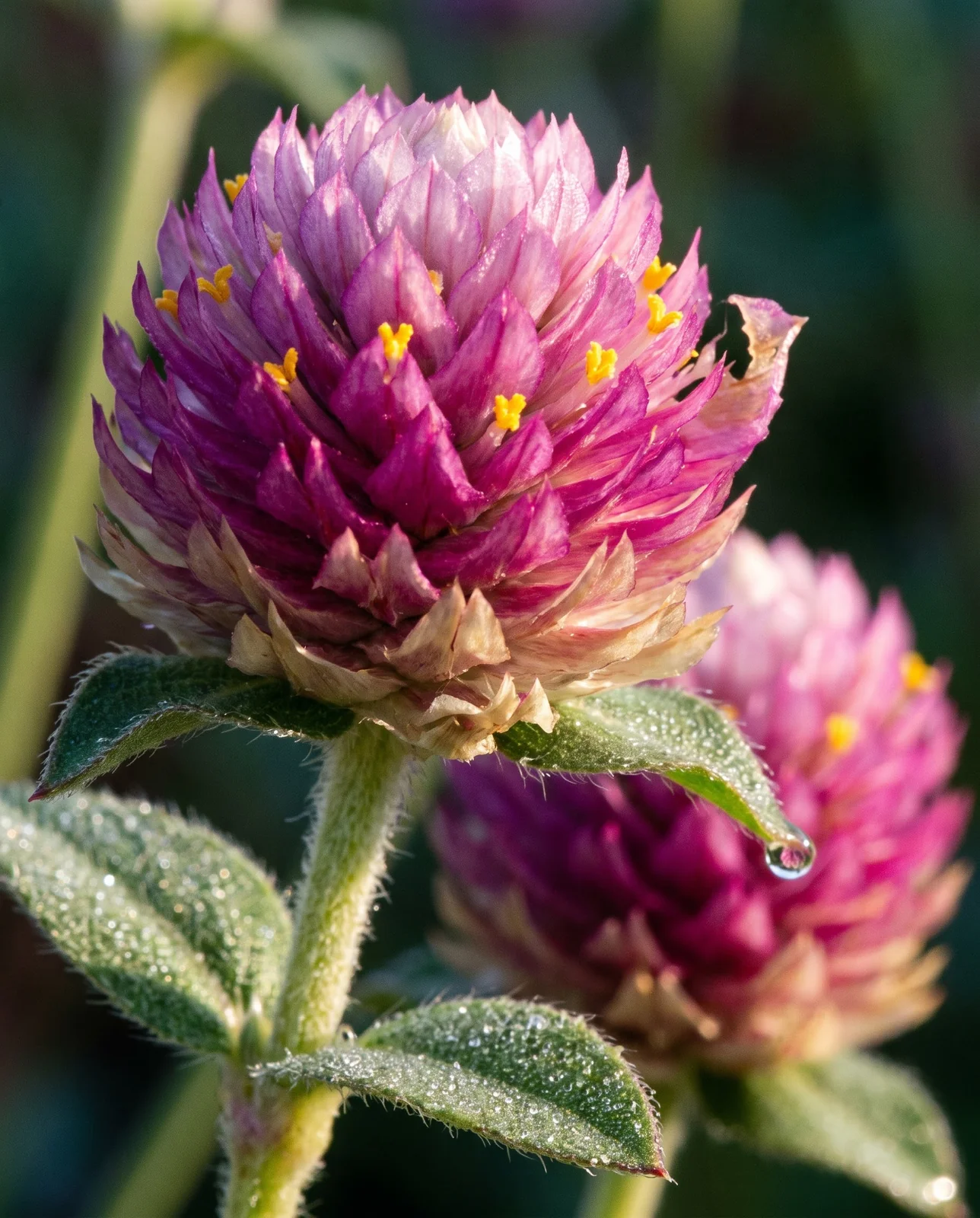
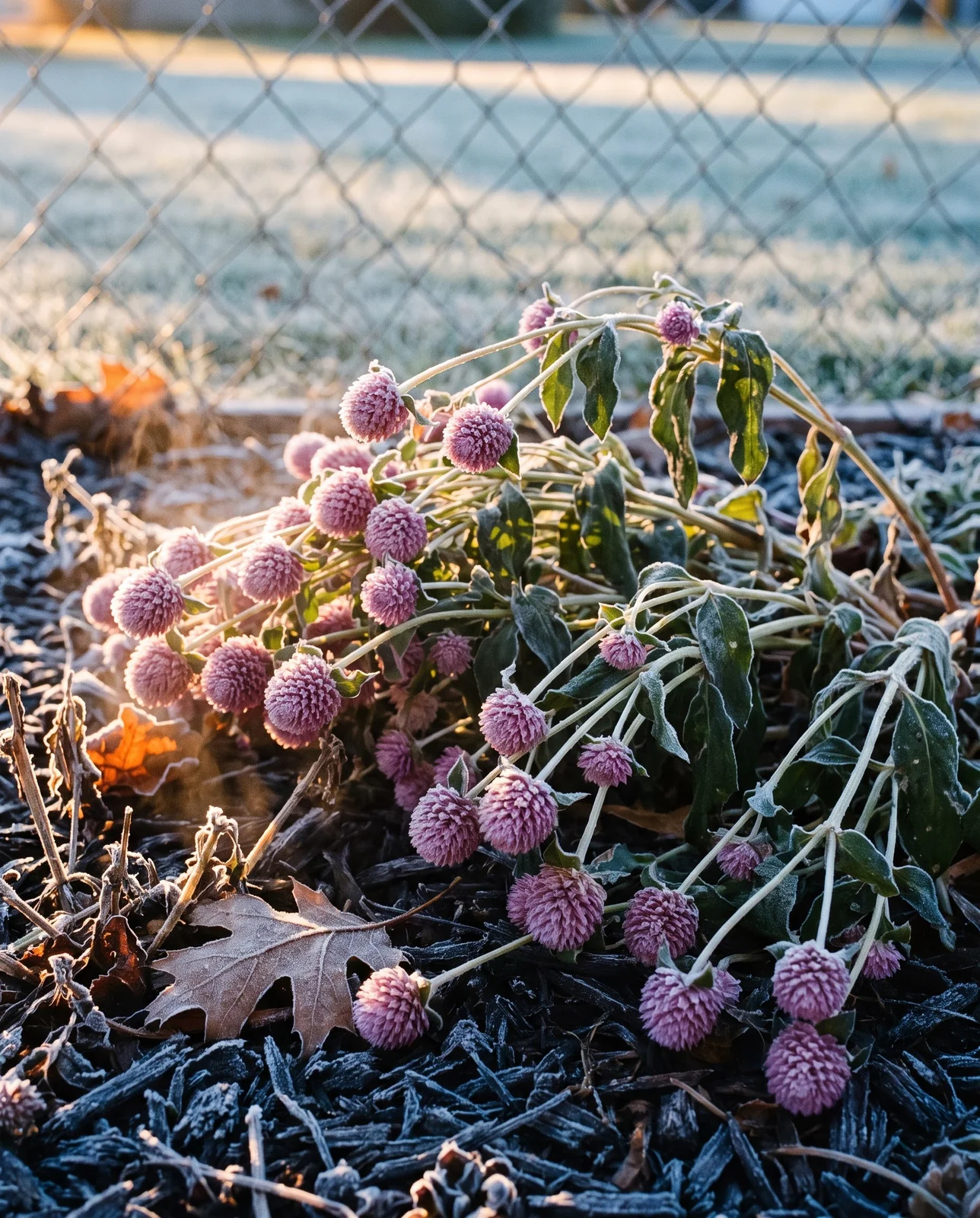
In most of the country, globe amaranth does not come back. It grows as a warm-season annual that finishes in one growing season, loving summer heat and unable to tolerate frost or cold conditions. A hard freeze ends the plant for the year. In frost-free regions, an established plant may overwinter from year to year.
In the warmest gardens, it may survive as a perennial or keep growing year-round. In cooler climates, treat it as an annual and let any second year be an unexpected bonus. Seed is the recommended way to start it, which means sowing fresh seed or setting out new transplants each spring.
Two zone ranges, two different questions
Two zone ranges surround this plant because they answer two different questions: winter survival and summer length. Grown as a perennial, globe amaranth is winter hardy in zones 9 through 11, spanning zones 9a to 11b. Grown as an annual, it can be grown in zones 2 through 11, a spread that measures usable summer heat without regard to winter freezes.
Direct sowing brings in another zone boundary. Sowing seed straight into garden soil requires a long season, suiting zones 7 and warmer. That requirement addresses the length of summer, separate from the winter survival seen in zones 9 through 11. The annual cultivar 'Fireworks' widens the map even further, growing in zones 1a through 11b.
When and how to plant it
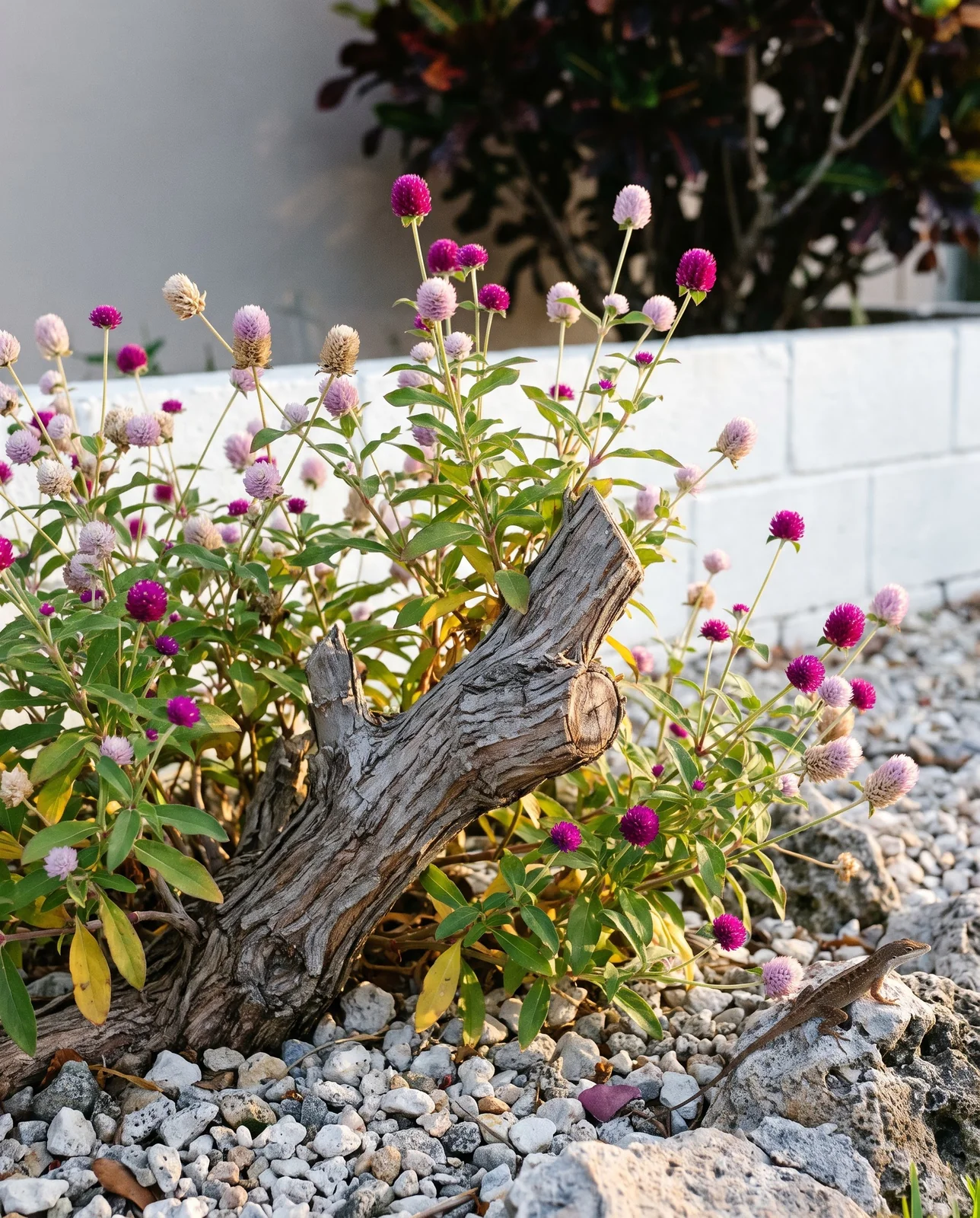
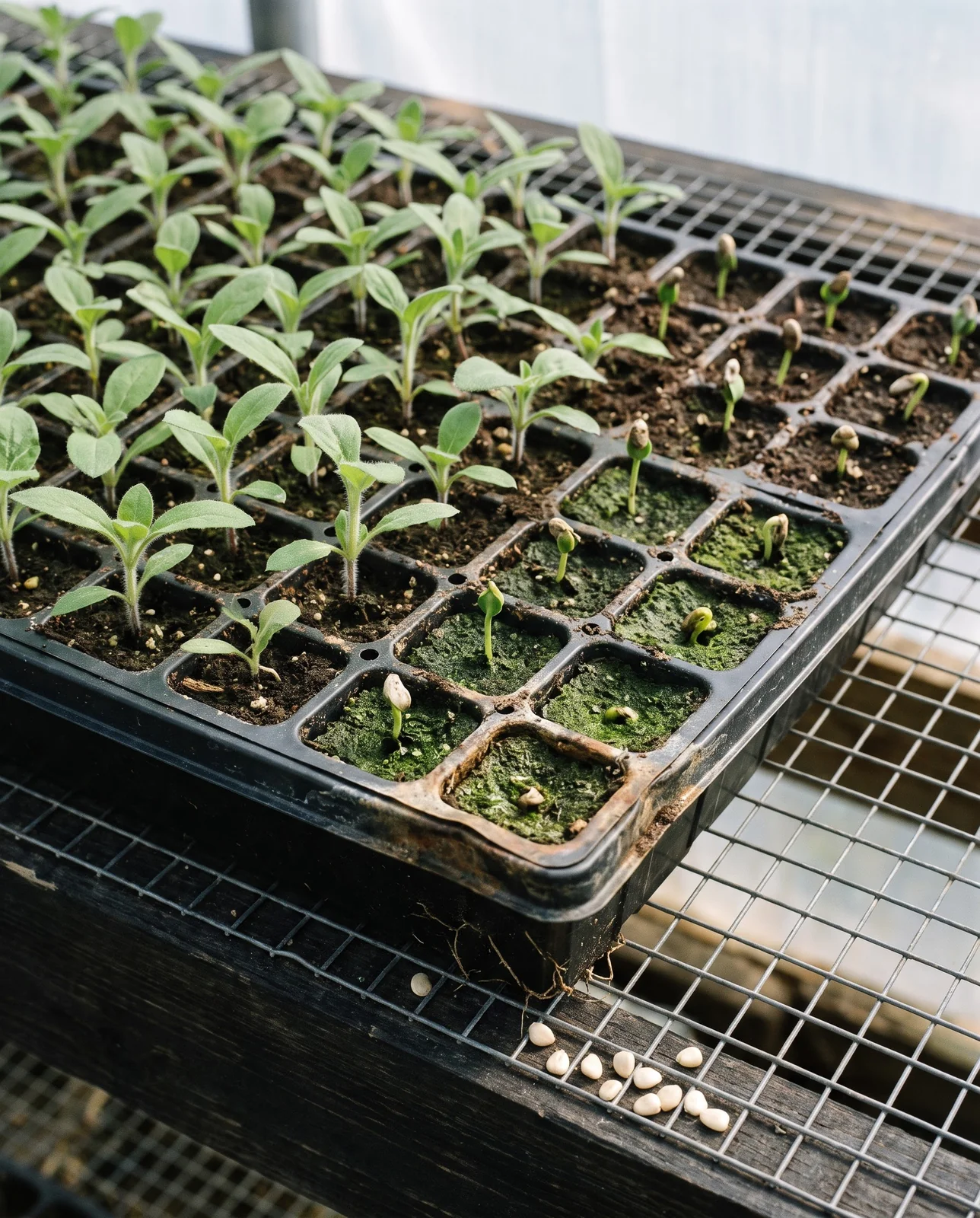
Start seeds indoors about 6 to 8 weeks before the last spring frost. You can also wait to sow outdoors once the weather settles. Soaking the seeds overnight speeds sprouting, and covering them with a light layer of soil helps because darkness aids germination. At 70 to 78 F, seeds germinate in 5 to 14 days. Germination can be low, so sow generously. Do not start them too early indoors, since stressed, rootbound plugs can flower prematurely before sizing up.
Transplant seedlings outdoors once soil temperatures reach at least 50 F, setting them into the warm beds where zinnias also thrive. Direct seeding outdoors is sometimes discouraged, though sowing straight into the garden remains a common method. Space plants 12 to 18 inches apart for mass plantings, or set them about 8 inches apart after hardening off. General garden spacing ranges from 6 to 12 inches without any pinching or support needed, while cut-flower beds use a tighter 6 to 8 inches to force longer stems. A second sowing about 4 weeks after the first keeps fresh blooms coming until frost.
Sun, heat, and humidity
Globe amaranth needs full sun to bloom well, wanting at least 6 to 8 hours of direct sunlight each day. Too much shade leads to weak, leggy stems and far fewer blossoms. Heat is just as welcome: the plant thrives in hot weather and resists high temperatures, holding up reliably under heat, humidity and heavy rain.
That sun and heat tolerance makes it a natural fit for tough, exposed garden spots. It grows happily in baking flower beds alongside companions like marigolds, along paved driveways, or in containers taking full afternoon sun. Muggy nights and sudden summer downpours do not spoil the heads. Avoid partial shade, where lack of light costs you flowers and stem strength.
Soil and water
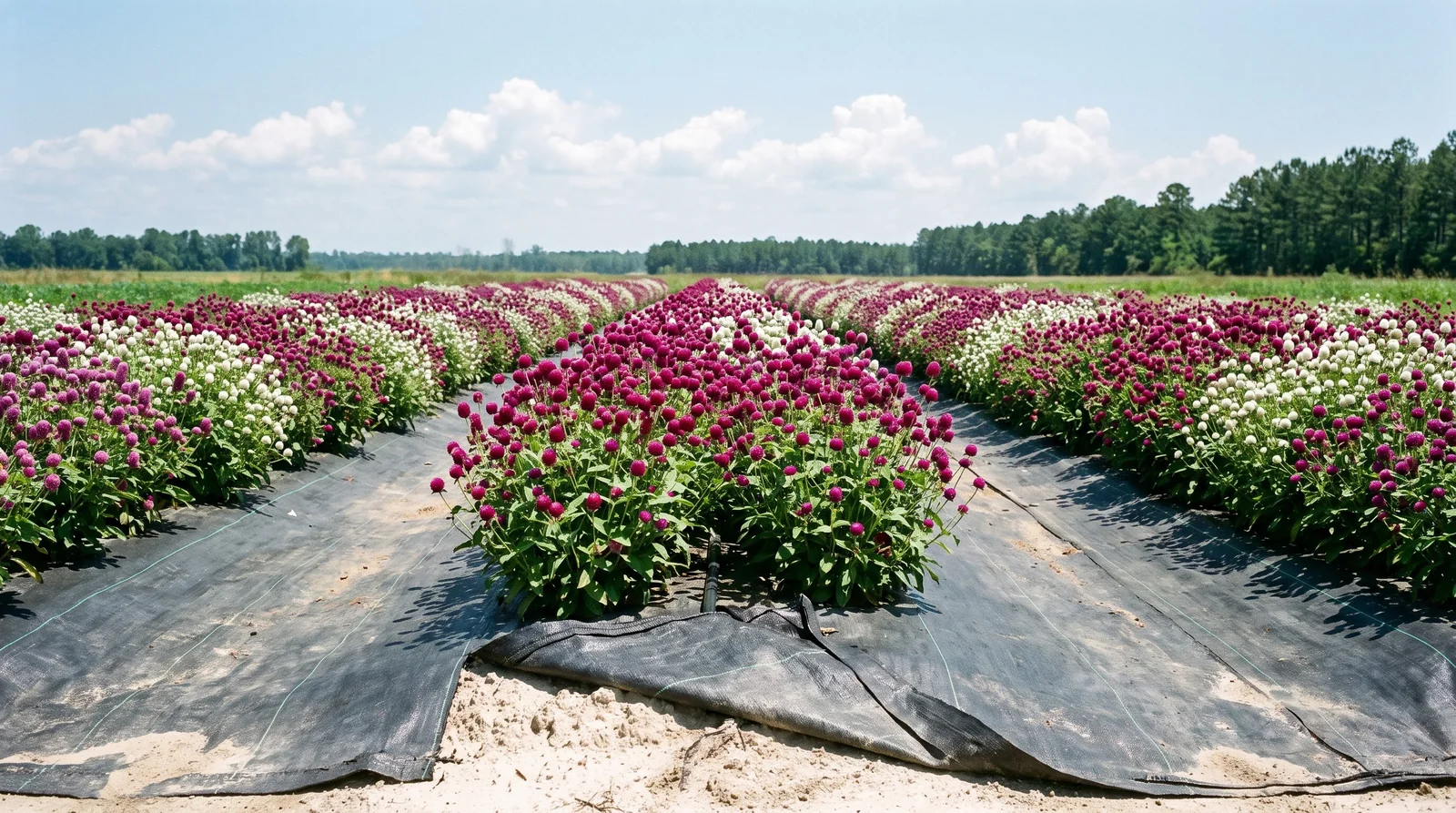
Globe amaranth settles into poor soils without trouble, handling clay and dry earth easily as long as the bed does not stay soggy. Watering requires a light touch. The plant prefers moderately dry soil and should not be over-watered, needing water only when very dry conditions persist. Established plants show good drought resistance, though they flower best with regular moisture through the growing season.
Extended dryness carries its own risk, because mildew may attack drought-stressed plants. The balance is straightforward: give the plant freely draining soil so roots do not sit in soggy ground, and water deeply during lingering dry spells. In containers, where potting mix dries out much faster than garden soil, check for water more regularly.
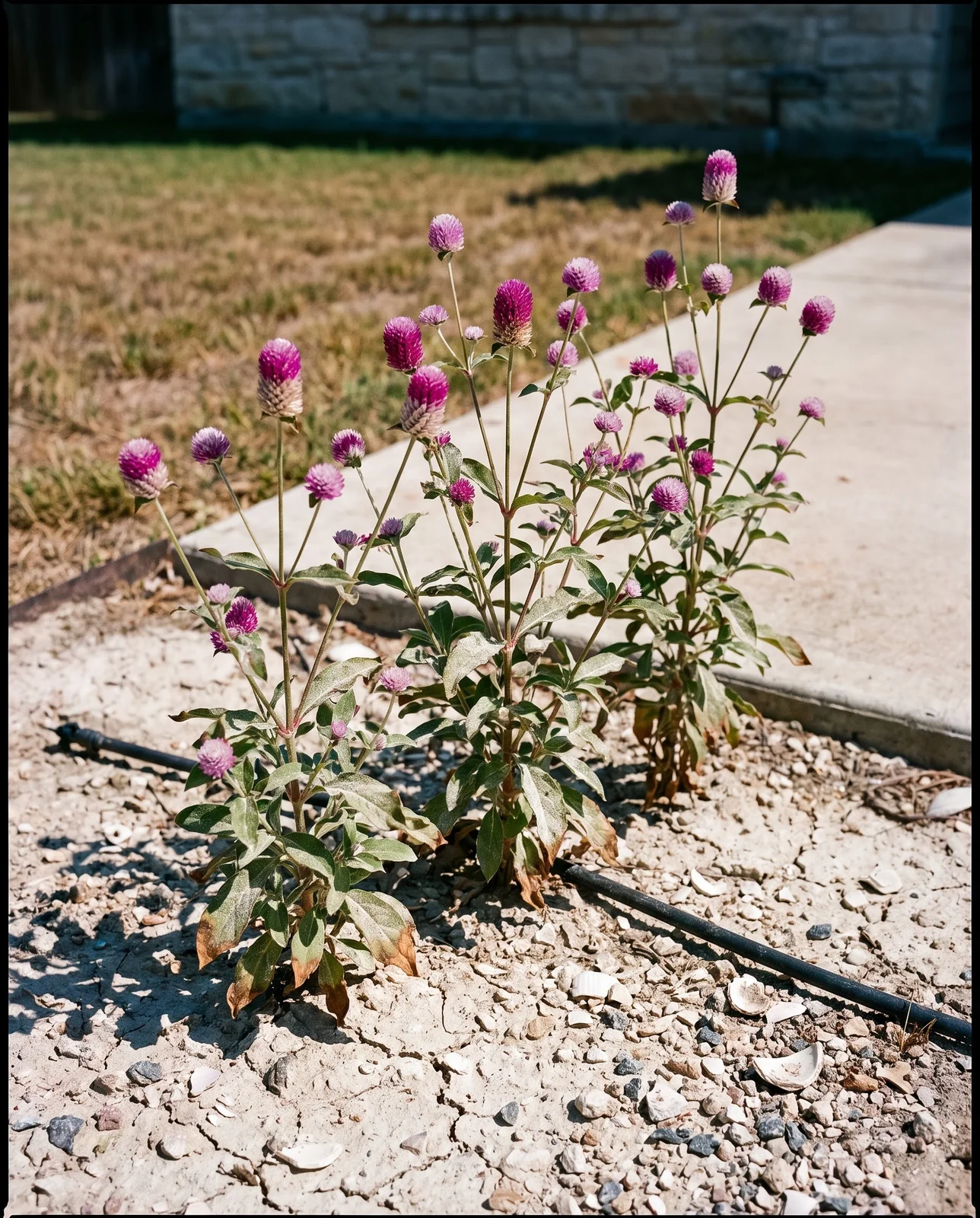
Why it sits still in a cold spring
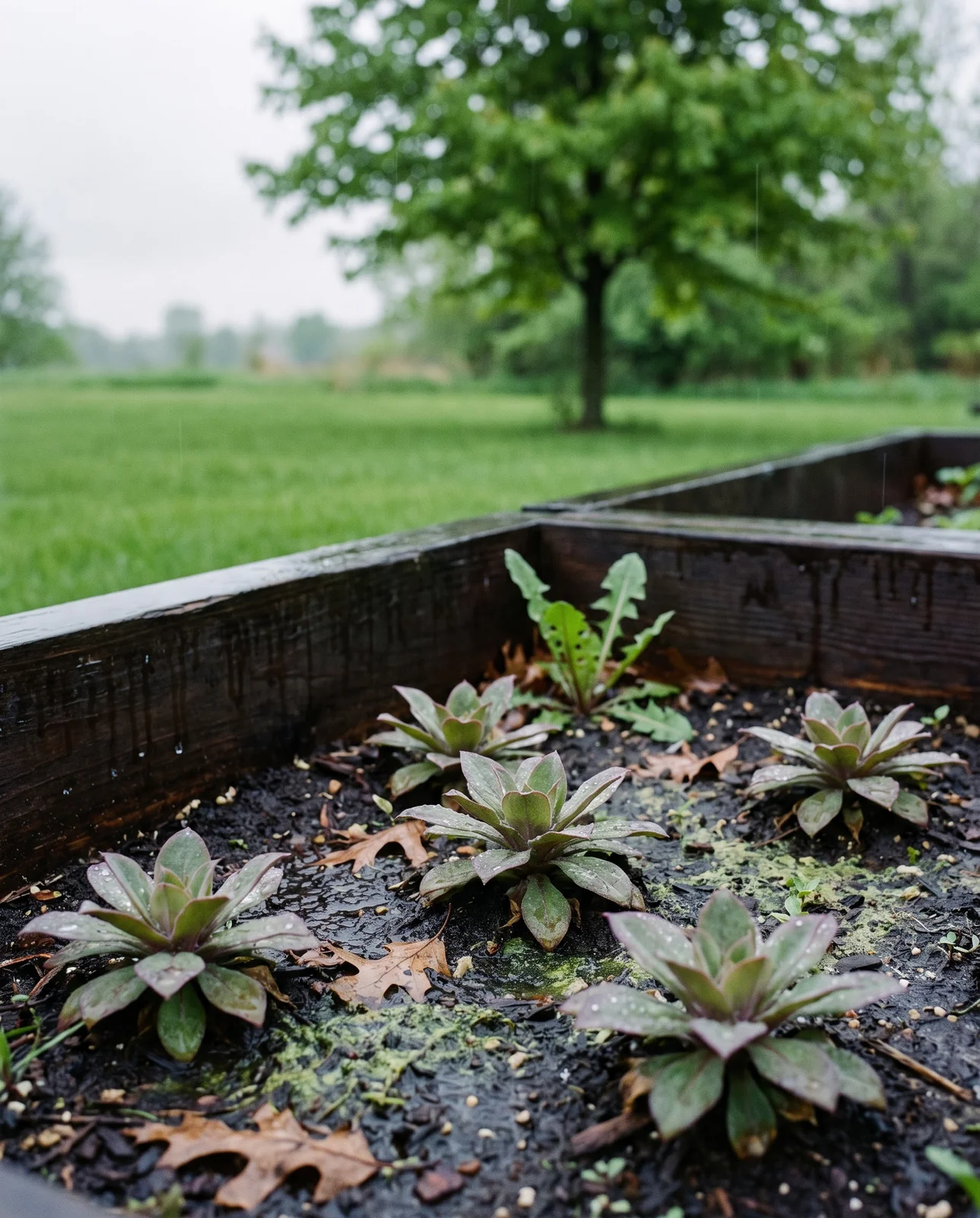
If your globe amaranth barely grows in spring, it is waiting for heat: this annual will not thrive until warm weather arrives. Expect roughly 80 to 100 days from transplant to your first flowers, a window that varies widely with temperature and weather. During a chilly spring, a planting can look stalled in June, turning into a dense bed of color by August.
Cold marks both ends of the growing season. Wait until the soil warms before moving young transplants into the garden. In autumn, frost ends the display. Once summer heat arrives, blossoms rise on upright spikes from summer through frost, rewarding early patience with color until the year ends.
Why globe amaranth leaves turn yellow
Globe amaranth leaves usually turn yellow from watering troubles or low nutrients long before disease is to blame. An even yellowing often points to nutrient stress, especially a shortage of nitrogen, which compost worked into the bed helps correct. Wet roots cause more damage. Waterlogged ground can bring on stem rot or stall early growth in cool weather. The plant can also develop cercospora leaf spot in wet conditions.
Where the yellowing appears shows what is happening. When whole leaves fade evenly from the bottom of the plant upward, the cause is usually hunger or root stress. Distinct spots, rings, or rotting patches signal fungal trouble. Globe amaranth rarely has serious pest or disease troubles, but cultivars can catch gray mold, root rot, stem rot, powdery mildew, or leaf spots. These fungal troubles usually strike during prolonged cool, damp weather, especially when overhead watering or poor air circulation leaves foliage wet. Late in the season, older leaves near the base naturally pale and drop while the tips keep blooming, which is just the plant finishing its yearly cycle.
Do not confuse globe amaranth with the unrelated prayer plant, Maranta, whose leaves yellow from repotting stress, or follow guidance that misses blooming garden flowers. Care for an indoor houseplant does not fit a sun-loving garden annual. When your plants look pale, the first steps stay simple: press a finger deep into the bed to check moisture, and note where the yellowing begins.
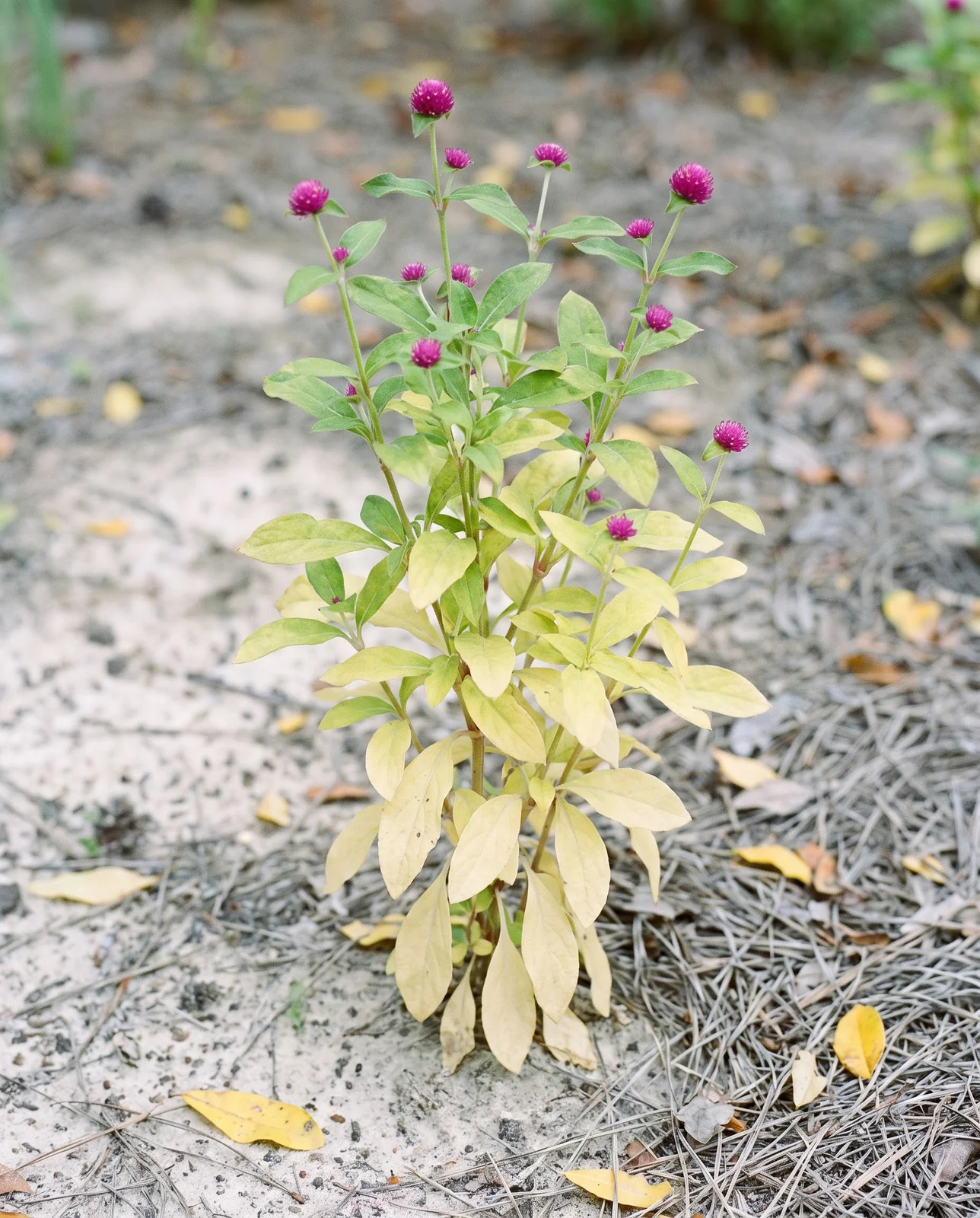
Yellow leaves, worked from symptom to cause
Work through these checks in order. The first three steps cost nothing and settle most cases before you spend money on fertilizer or sprays.
Why globe amaranth is not blooming
Globe amaranth usually stops blooming or fails to start because of shade, heavy feeding, or cool weather. Shade is the most common cause, leading to weak, leggy stems and far fewer flowers. Heavy feeding is the second cause, and extra fertilizer quickly backfires. Excessive fertility causes soft, weak stems, and over-feeding cuts down on flower buds by turning energy into leafy growth. The feeding schedule can stay modest: apply a balanced slow-release fertilizer at planting, followed by water-soluble feeding every couple of weeks.
The third reason is simply time, which explains a lack of flowers more often than anything else. Globe amaranth builds its foliage before it buds, so a plant that looks quiet in early summer is usually just settling in, especially if a cool spring delayed its start. Before you change how you water or feed, look back at the calendar. A dense, deep-green plant without a single bloom has been fed too heavily, so stop fertilizing and let it balance out. A small, pale plant in chilly weather is simply waiting for heat, and the best cure is warm summer sun.
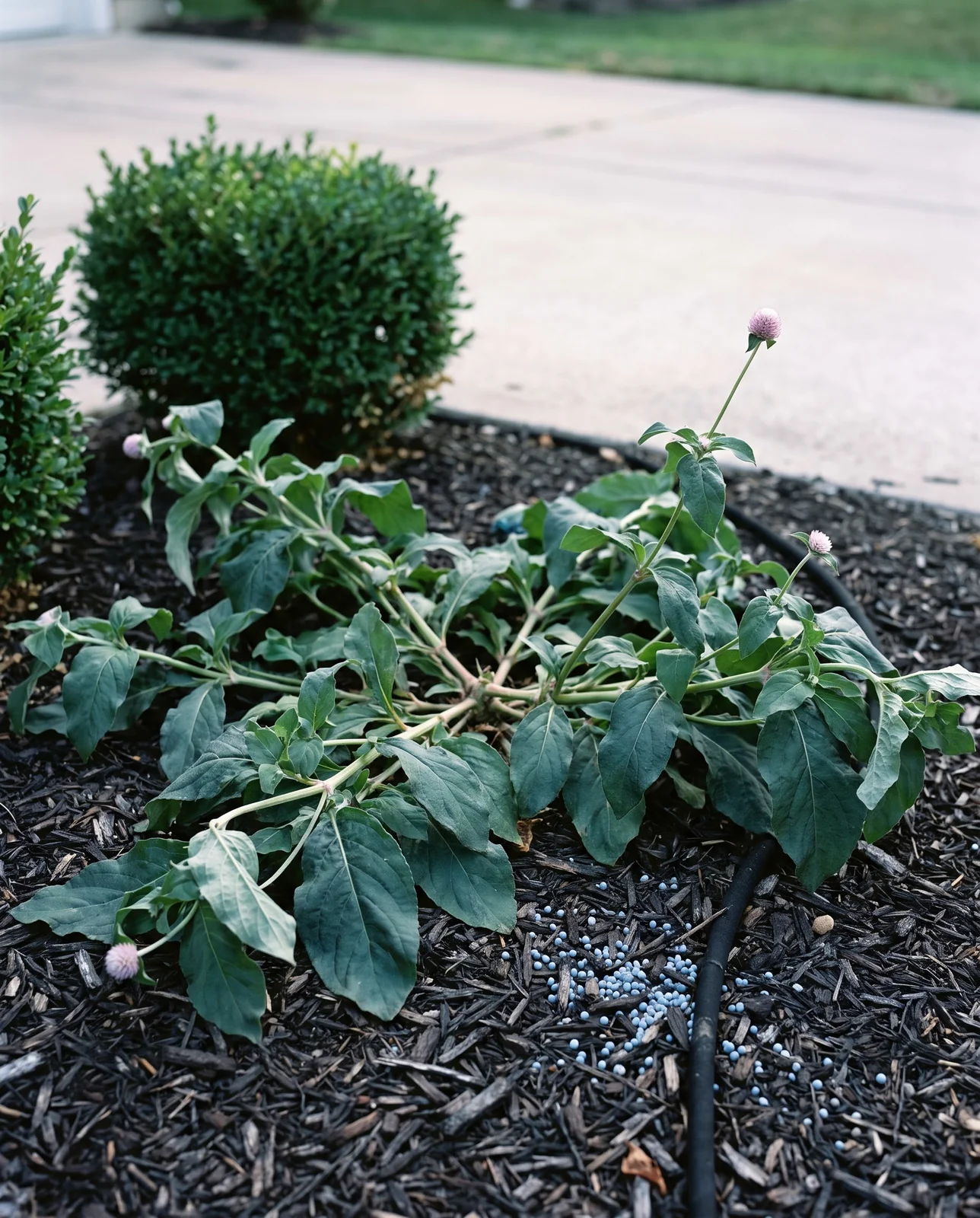
What actually goes wrong, in order
Listed from the most common trouble down. Globe amaranth stays free of most insect and disease troubles overall, but poor drainage or cold weather can still cause setbacks.
Symptoms: the stem softens and darkens at the soil line, and the whole plant wilts in soil that stays wet. Cause: stem rot triggered by waterlogged ground. What to do: improve drainage and let the soil dry out, since globe amaranth handles poor soil well but cannot tolerate soggy ground.
Symptoms: newly planted transplants sit without growing for weeks while surrounding plants take off. Cause: cold spring temperatures. What to do: wait for summer heat, because this annual will not thrive until warm weather arrives, and wait until the soil warms to at least 50 F before transplanting.
Symptoms: white powder on the foliage, or gray fuzz coating older flower heads after rain. Cause: prolonged cool, damp weather, overhead watering or poor air circulation, or drought stress, since mildew may attack drought-stressed plants. What to do: water at the base, space plants so air circulates, and keep the soil evenly moist during dry spells.
Symptoms: distinct circular spots with defined margins and pale centers on the leaves. Cause: fungal leaf spot infections, including cercospora, which can strike cultivars during damp spells. What to do: prune off damaged foliage, soak the soil directly to keep leaves dry, and space plants to allow good air flow.
Symptoms: speckled foliage, sticky honeydew, or distorted young growth during hot, dry weather. Cause: common garden pests including aphids, thrips, and spider mites. What to do: knock them off with a strong jet of water or apply insecticidal soap, keeping in mind that the plant is generally free of serious pest problems and recovers quickly.
Varieties worth telling apart
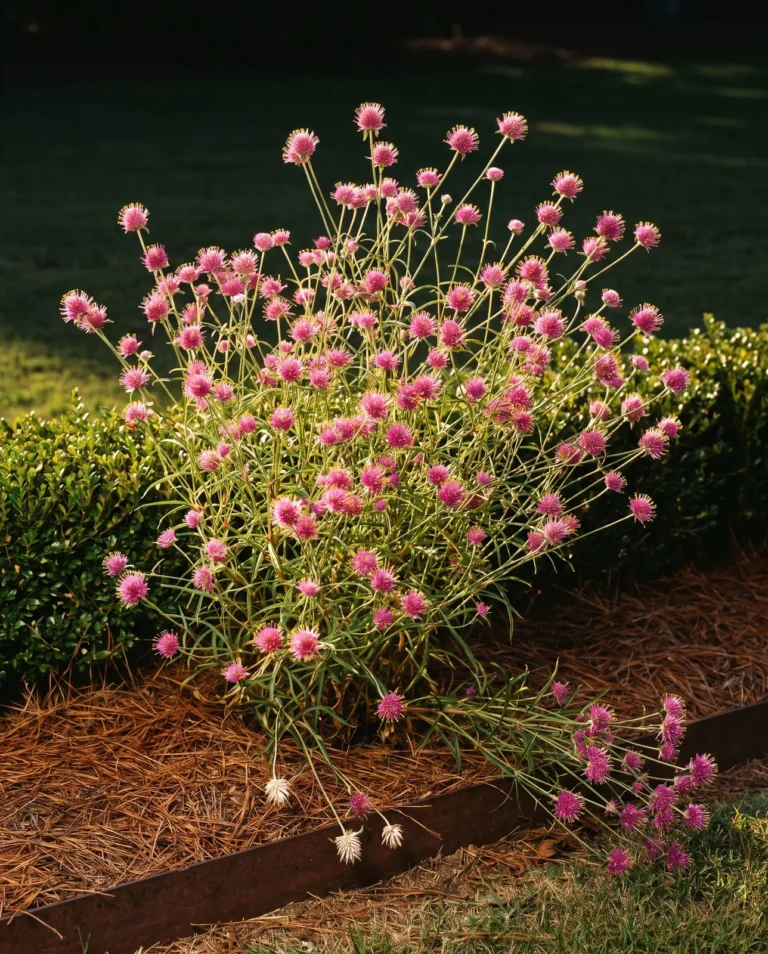
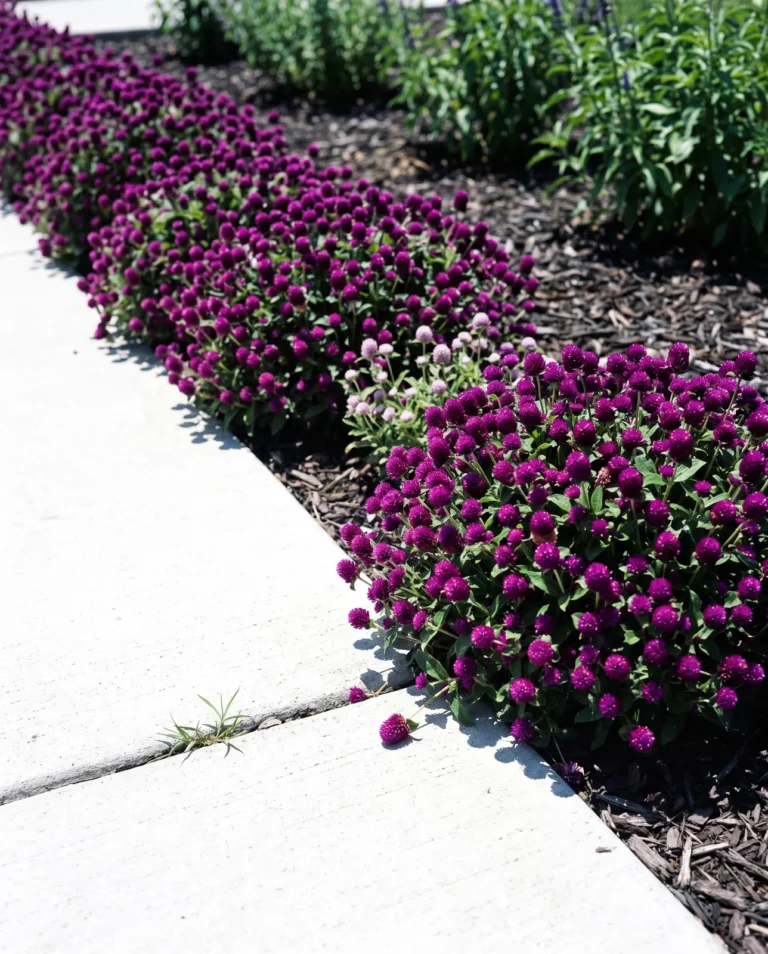
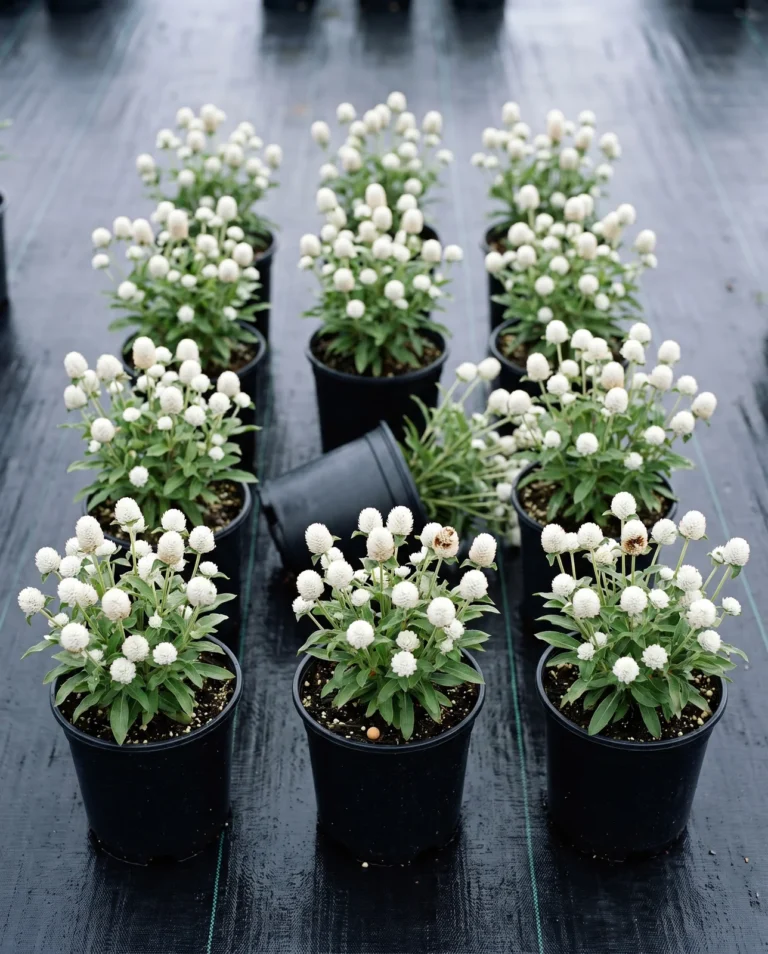
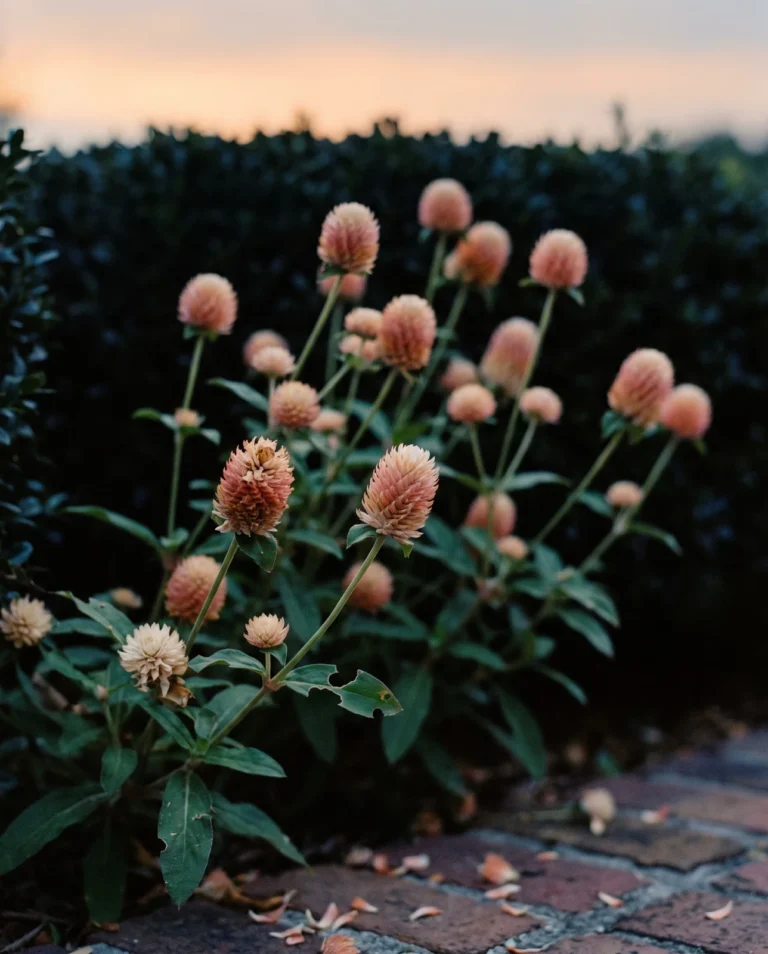
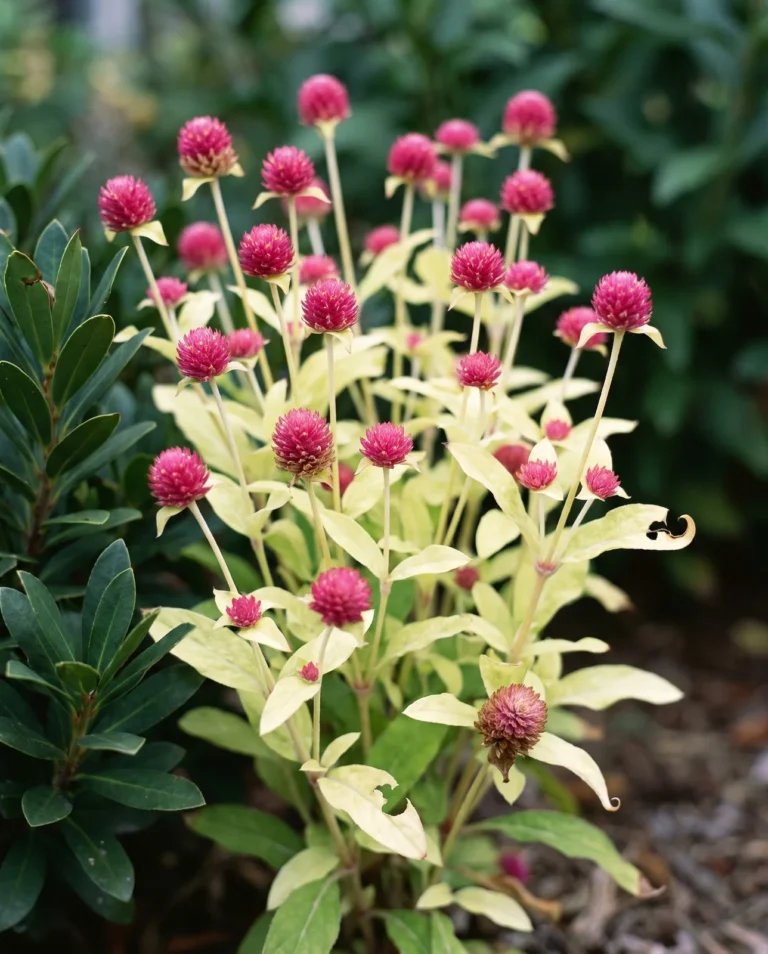
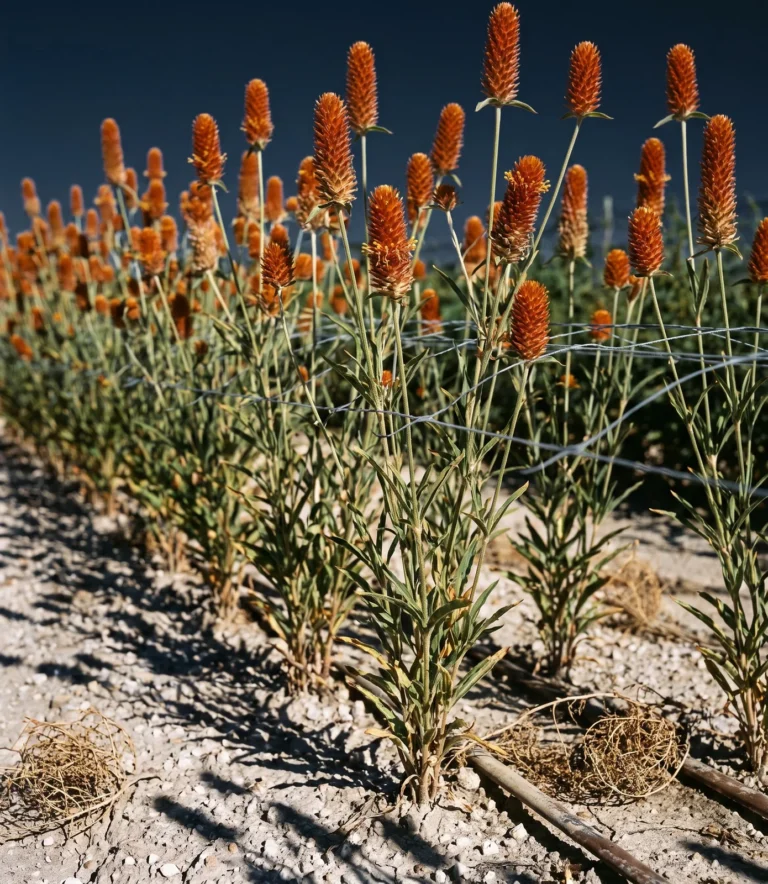
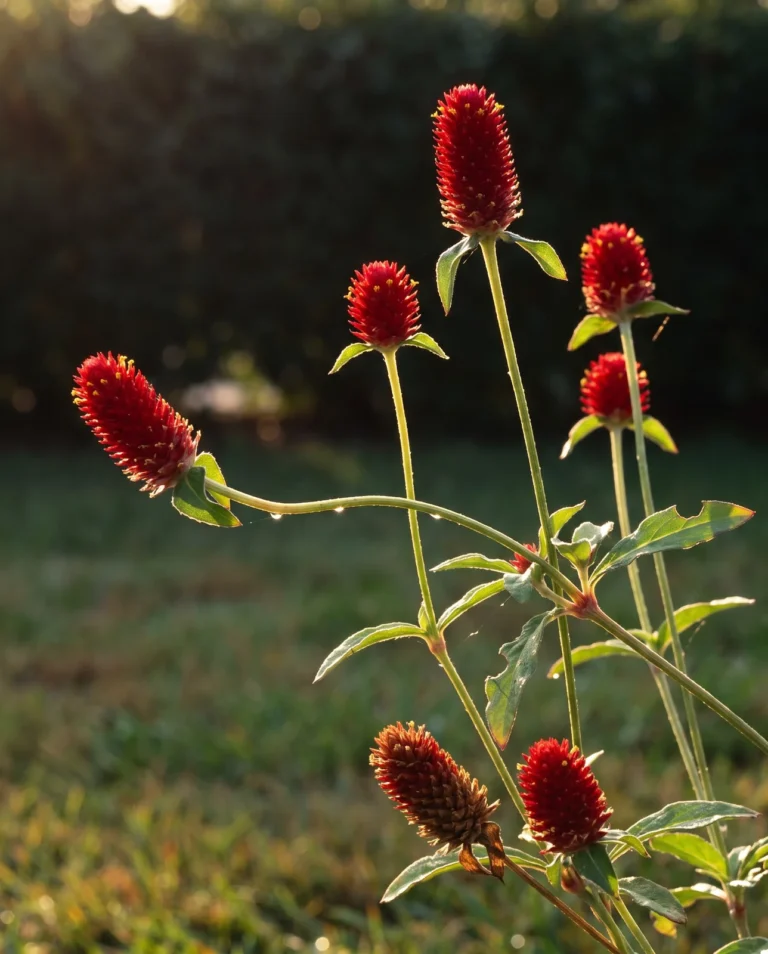
Sold under the same general name, globe amaranths actually span three distinct species, noted in the badges below. Where mature heights vary between selections, the full range is given.
Cutting it, and cutting it again
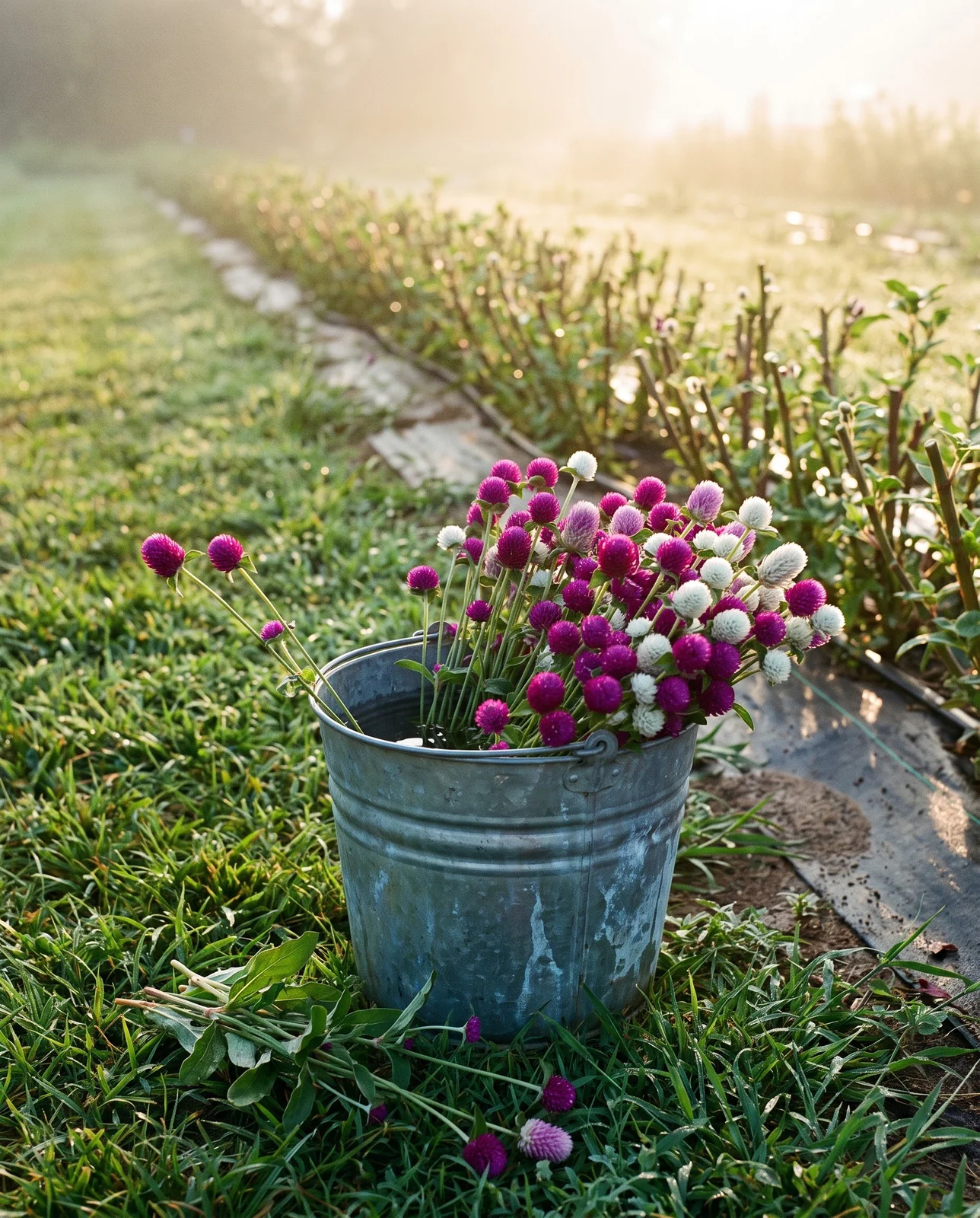
Regular cutting keeps globe amaranth blooming heavily through summer, producing far more flowers than a plant left untouched. The plants are prolific and keep pumping out fresh stems, so you can gather extra bunches for drying all season. Pinching out the first flowers early in the year gives a bushier habit with more blooms, while leaving them alone creates a taller, more open plant.
Cutting faded heads through midsummer keeps the bed fresh, and a row of cosmos shares that same weekly picking routine. An uncut plant will still flower on its own, but regular harvest passes yield far better blooms across the season. Because the surplus stems dry so reliably, gathering more than you need for a vase does not go to waste.
Drying globe amaranth
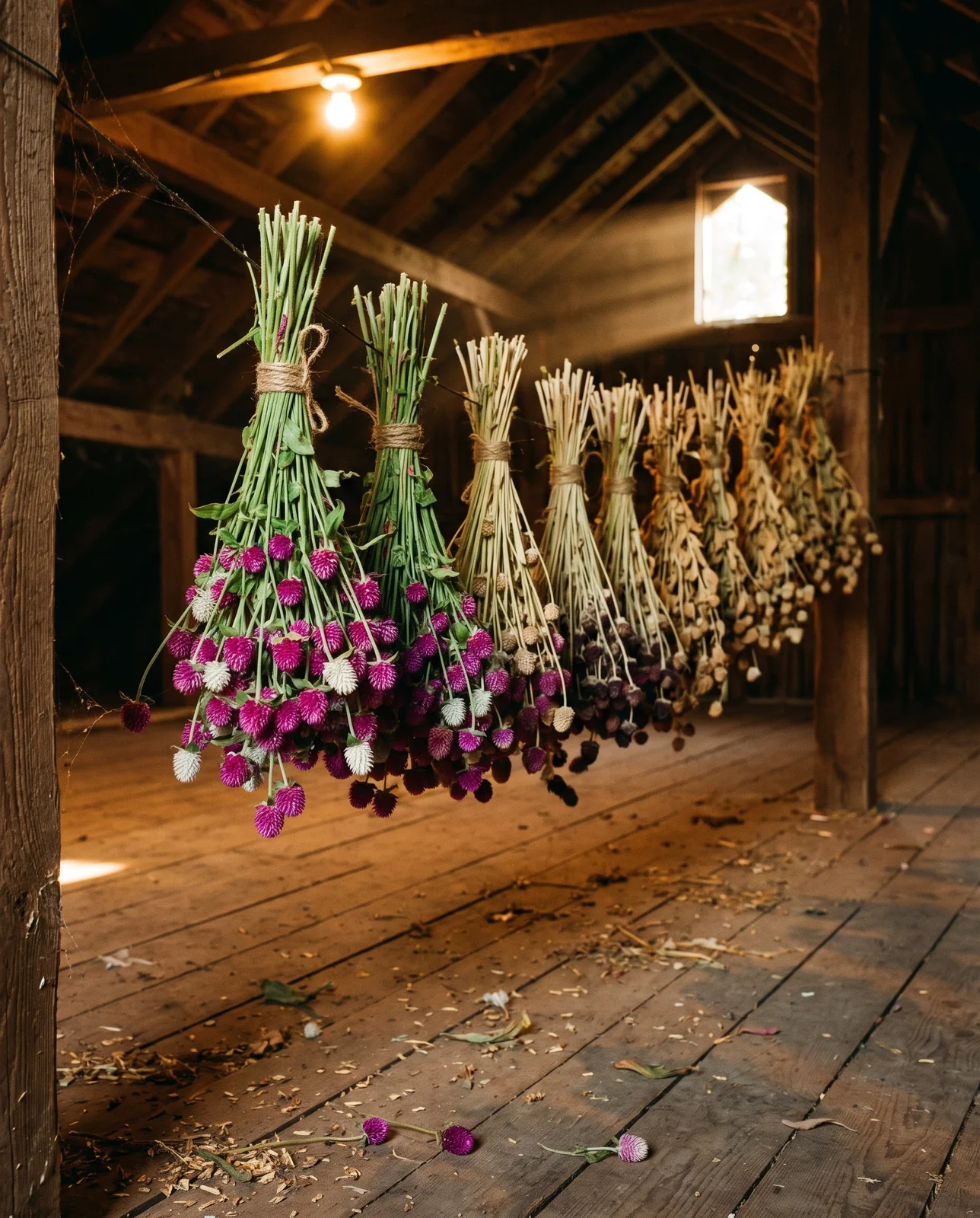
Drying globe amaranth starts with harvesting at the right stage, though growers harvest at two different moments. Some cut when the heads show good color but before they open fully, while others wait until the blooms open completely. Do not wait too long, because heads harvested past their prime may fall apart after drying. Tie the cut stems into small bundles and hang them upside down in a dark, well-ventilated room until dry.
The bunches take a week or two to dry in a dark, airy spot, and the dried heads keep their color through winter. Globe amaranth dries readily for everlasting arrangements, and the cut stems cure on the same wire where bunches of globe thistle hang.
Globe amaranth as a fresh cut flower
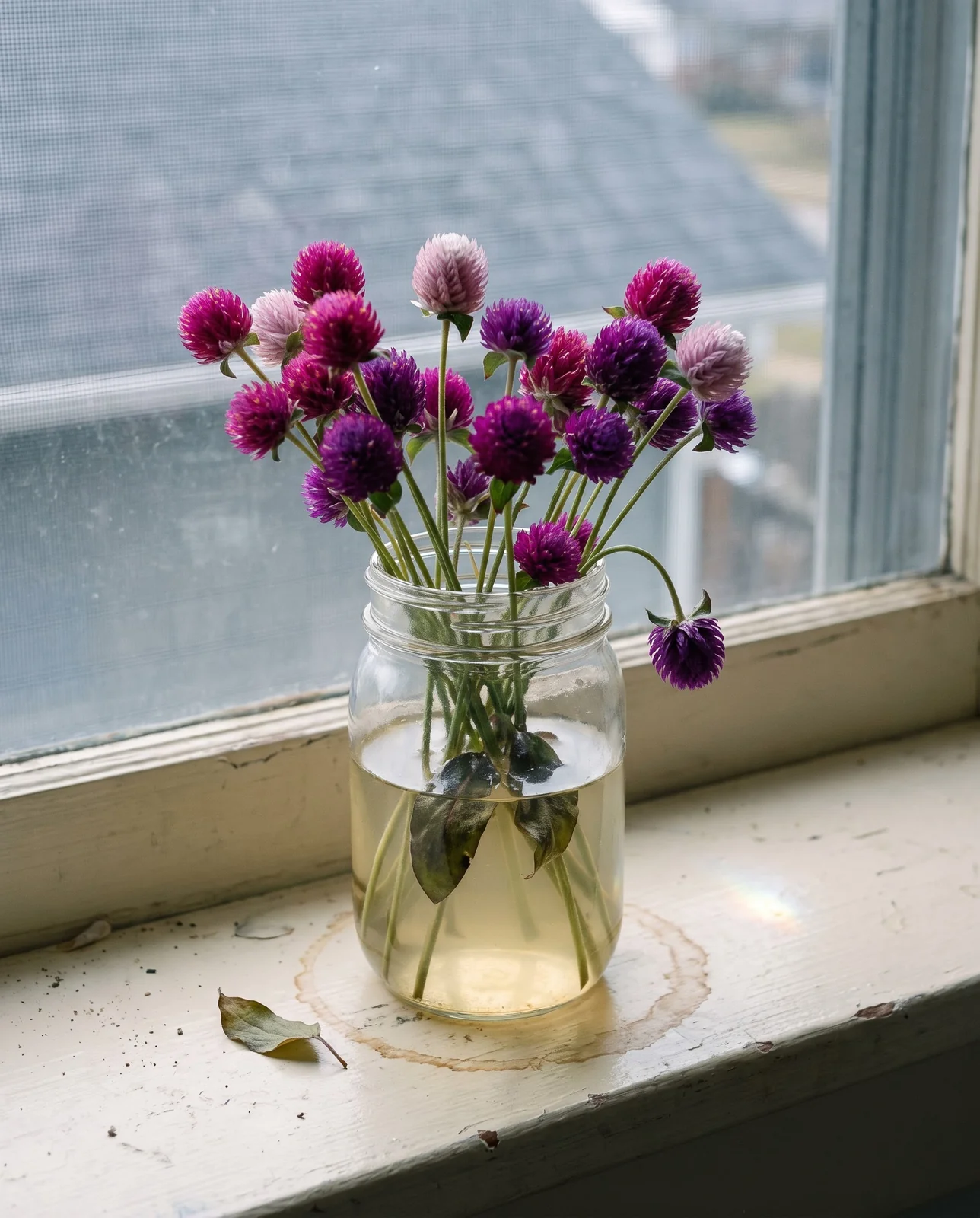
Fresh stems hold up well in arrangements, though reported vase life is not reconciled, running from just over a week to claims of up to three weeks.
Does globe amaranth spread or self-seed
Globe amaranth is not an invasive plant, and it appears on no state noxious-weed lists. Its invasive potential is not considered a problem, with a formal reassessment scheduled in 10 years. It occasionally escapes cultivation in North America and has been collected in Massachusetts, though in New England it survives only in human-disturbed ground. Introduced or escaped plants have been recorded across 11 states, including Texas, Louisiana, Virginia, Pennsylvania, and New York.
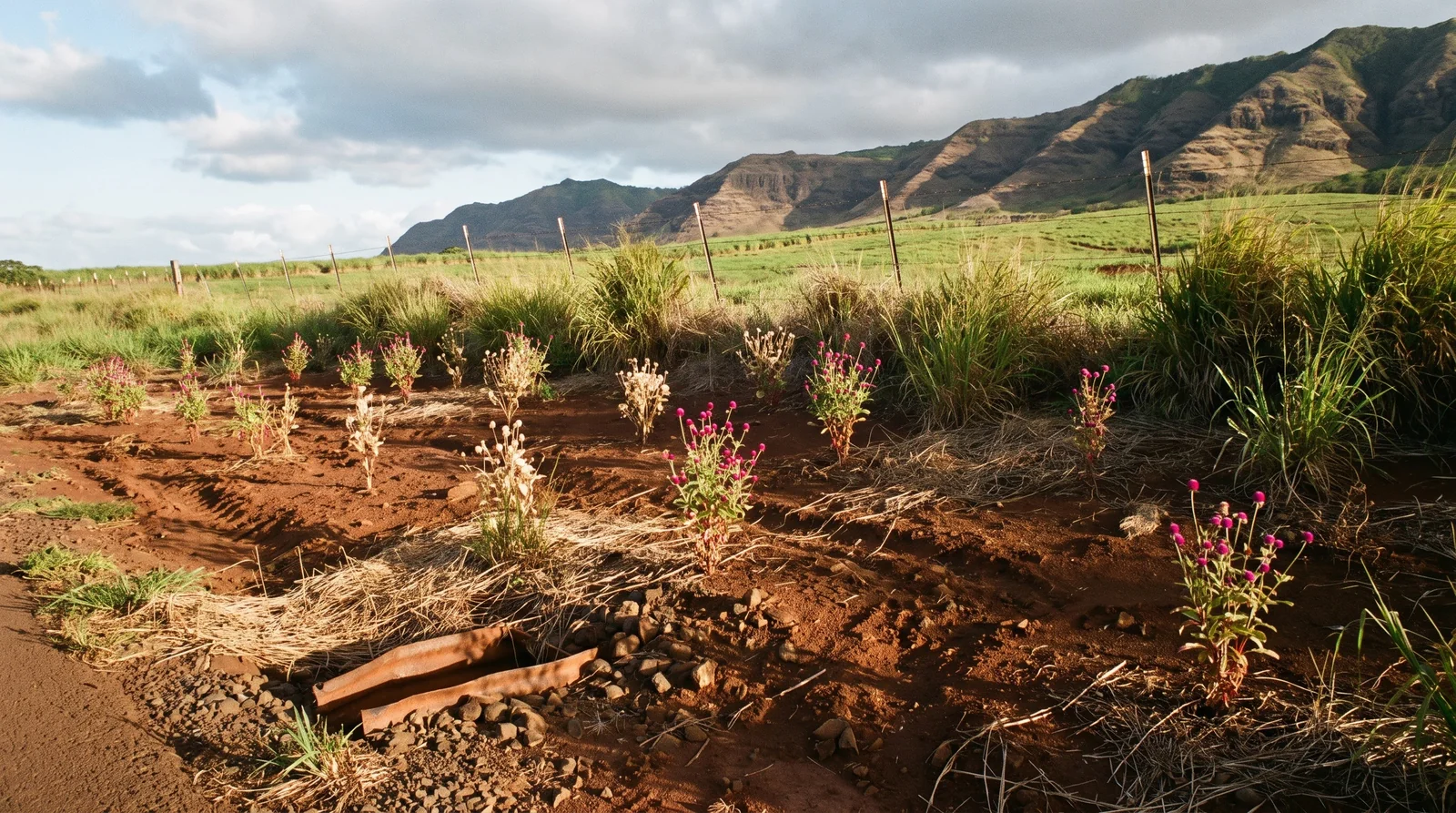
In Hawaii, the species has naturalized on Oahu, Maui, and Kauai. Even in tropical conditions, it does not form dense thickets or spread aggressively, appearing only where ground is already disturbed. Standard weed screening models rank it as a high risk, but in practice it behaves weedily only in disturbed soil. In garden beds, the plant can produce self-sown seedlings, which is as much spreading as you will ever see.
Saving seed from globe amaranth
Saving seed from globe amaranth is easy once the flower heads dry and turn papery on the stem. Each head produces tiny, dry oval fruits under an inch long that usually contain a single seed. Rubbing the brittle heads between your fingers over a bowl separates the seed from the papery chaff. The simple sorting will feel familiar to anyone who gathers seed pods from love-in-a-mist.
What it feeds
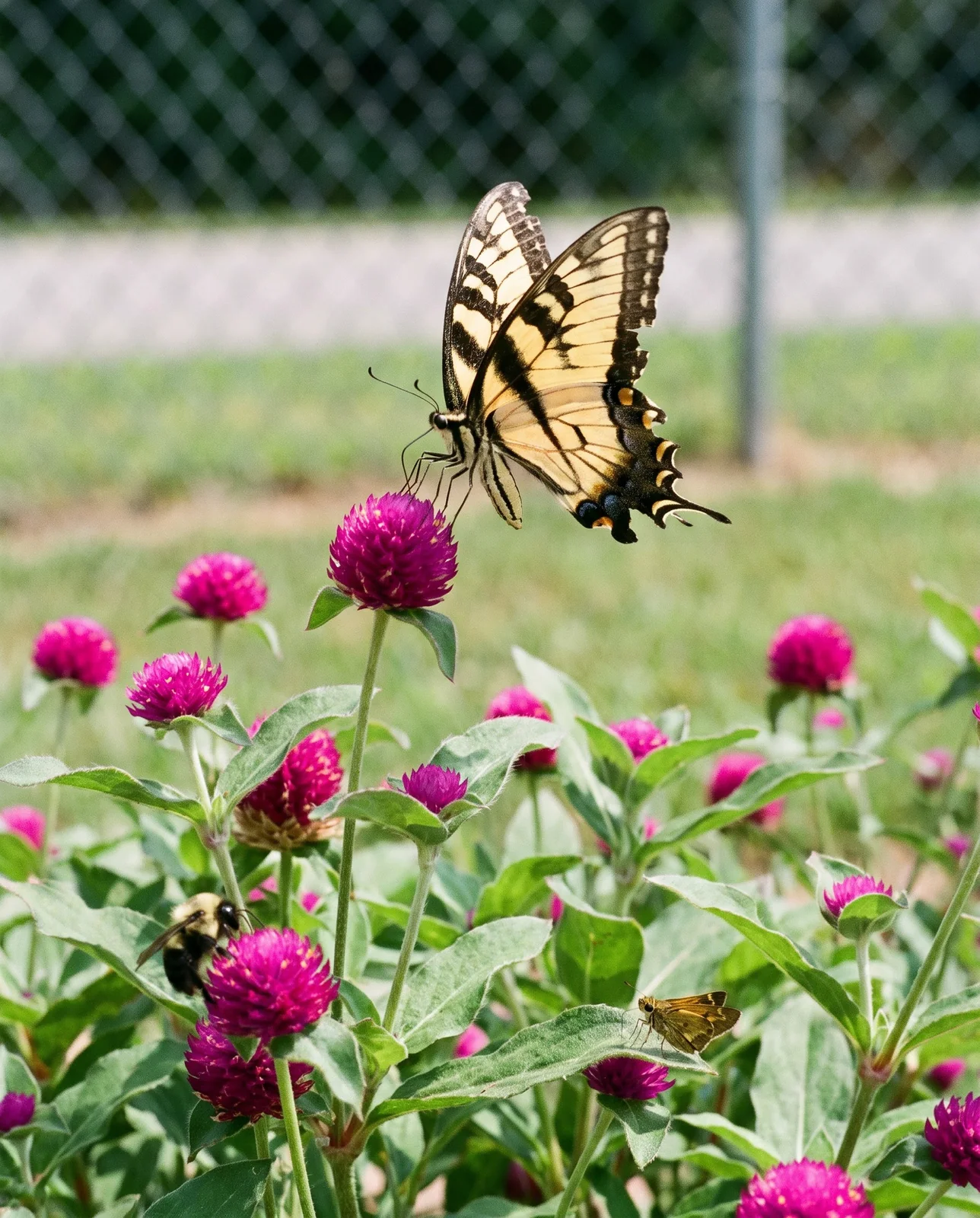
Globe amaranth feeds a steady stream of pollinators through the hottest weeks of summer. The clover-like heads attract bees, butterflies, and other beneficial insects, making it a reliable addition to wildlife gardens. The cultivar 'Fireworks' draws an even wider range of visitors, including swallowtails and hummingbirds. While insects visit the blooms freely, deer are not fond of the plant, helping an unfenced bed hold up all season.
How big globe amaranth gets
Globe amaranth generally grows 12 to 24 inches tall and 6 to 12 inches wide, with many plantings reaching about 18 inches high. Dwarf selections stay much more compact at only 8 to 10 inches high, while taller varieties reach 18 to 24 inches and fit well in the middle of a border. Taller plants may need staking to stay upright, particularly Gomphrena haageana, which tends to sprawl when grown alone.
Edible and tea use
Whether globe amaranth is safe to eat remains unsettled, with gardening references giving conflicting advice. Some consider it edible and brew leaves into tea thought to have anti-inflammatory properties, while others do not recommend it for human or animal consumption. In traditional medicine, it has been used for respiratory problems, as an anti-inflammatory agent, a diuretic, or for diabetes, and worn in tribal garlands in Nepal. That background leaves it far removed from grain amaranth, which is grown specifically as a food crop.
What the first year looks like
One season, from the seed tray to the first frost.
Spring indoors. Sow seed generously in flats because germination rates can be low, expecting sprouts in 5 to 14 days when kept at 70 to 78 F. Do not rush seedlings into the garden by calendar date; wait until outdoor soil warms to at least 50 F before transplanting.
Early summer pause. Young transplants often sit still for weeks because the plant will not thrive until true summer warmth arrives. Expect the first flowers roughly 80 to 100 days after transplanting, though that timing varies with temperature and weather.
Midsummer into autumn. Once high heat sets in, the plant branches rapidly, and harvesting the stems regularly keeps it blooming far more heavily. Growth continues right until the first frost, which the plant cannot tolerate. Cut final bunches before freezing weather arrives and hang them upside down to keep their color through winter.
Four claims that follow this plant around
Four common assumptions about globe amaranth, and what the plant actually does.
The myth: It comes back every year.
The reality: It lives for just one growing season across most gardens, because it does not tolerate frost or cold. Only in frost-free regions may it survive and overwinter from year to year.
The myth: Yellow leaves mean the plant is hungry.
The reality: Heavy feeding causes soft, weak growth and reduces flowers. Yellowing leaves more often point to general nutrient stress, or stem rot from waterlogged soil.
The myth: Dried heads keep their color forever.
The reality: Dried heads hold their color well through winter, but they do eventually fade. Expect the bunches to cure in a week or two when hung in a dark, airy spot.
The myth: It needs rich soil to flower well.
The reality: Globe amaranth adapts readily to poor soils as long as they do not stay soggy. Good drainage matters far more than rich ground, and adding too much fertilizer only produces leafy growth at the expense of blooms.
FAQ
Do globe amaranth come back every year?
In most climates, no. It grows as an annual for a single season because it does not tolerate frost. In frost-free regions, the plant may overwinter from year to year.
In what hardiness zones can globe amaranth be grown?
As an annual, globe amaranth can be grown in zones 2 through 11. Grown as a perennial, it is winter hardy in zones 9 through 11.
Is globe amaranth invasive?
No. Globe amaranth does not appear on state noxious weed lists, and it is not considered a problem species at this time. In Hawaii it has naturalized and occasionally escapes cultivation, but it does not form dense thickets or spread aggressively.
How long does it take for globe amaranth to bloom?
Expect the first flowers about 80 to 100 days after transplanting, though the timing varies with temperature and weather.
Why are my globe amaranth leaves turning yellow?
Yellow leaves usually point to nutrient stress, with nitrogen deficiency as a possible cause that working in compost helps fix. They can also mean the ground is waterlogged, which puts the plant at risk of stem rot.
Is globe amaranth toxic to cats and dogs?
The ASPCA does not list globe amaranth on its toxic and non-toxic plant list, so treat it with caution around pets. The plant is mildly toxic to livestock because of oxalates.
When to plant globe amaranth?
Start seeds indoors 6 to 8 weeks before the last spring frost, soaking them overnight to speed up germination. Move transplants outdoors once frost risk has passed and the soil warms to at least 50 F.
Is globe amaranth hard to grow?
No, it is an easy plant to grow. It thrives in heat, adapts well to poor soil that drains, and stays free of most pests and diseases. It does not tolerate frost or soil that stays waterlogged.
How long does globe amaranth last in a vase?
Fresh-cut stems usually last just over a week in water. In some homes they can hold up for two to three weeks before fading.
Can you eat globe amaranth?
Whether globe amaranth is safe to eat is unsettled. Some consider it edible and brew a leaf tea thought to have anti-inflammatory properties, while others advise against consuming it.
Interesting tips
- In a large container, 'Pink Zazzle' mounds and spreads to about 12 inches tall and 15 inches wide, with pink flowers several inches across.
- For a butterfly bed, 'All-Around Purple' won the 2008 Mississippi Medallion, growing 2 feet tall and drawing butterflies to its purple flowers all summer.
- 'Woodcreek Mixed' is best for cut and dried flowers, blooming in shades of orange, red, magenta, pink and white on 1.5-foot plants.
Related Guides & Flowers
Celosia
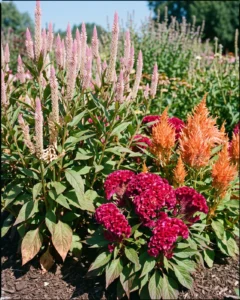
The other amaranth-family annual grown for a strange, long-lasting flower head that dries well.
Lavender
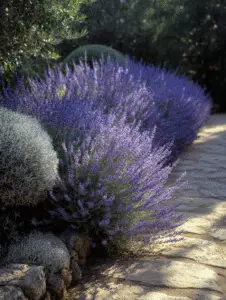
The everlasting most people dry first, hung upside down in the same dark room.
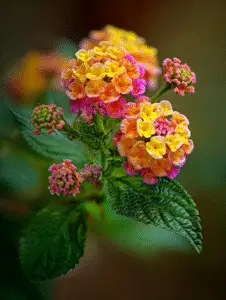
Lantana
Another heat annual that carries butterflies through the worst weeks of the summer.

Types of flowers
The full index of flower guides on the site, by name and by season.
Enjoying our flower guides? Add YourFlowersGuide as a preferred source on Google. It helps more readers find us.
Add to Preferred Sources