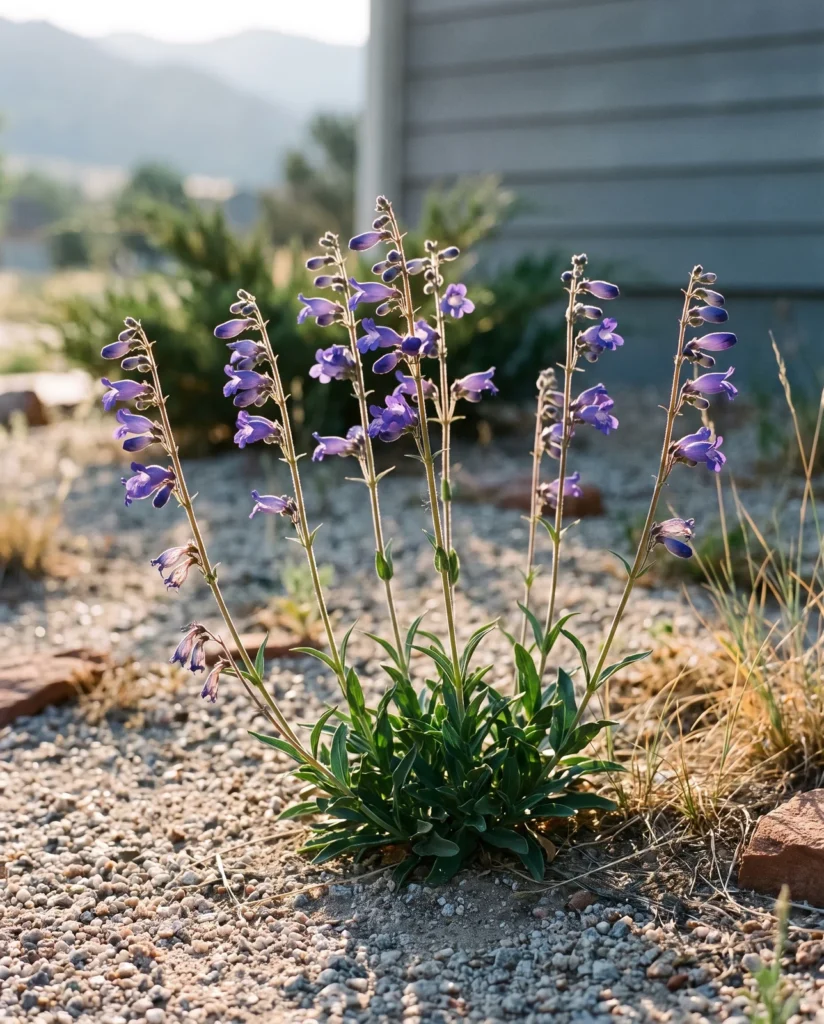
What penstemon is, and how many species that covers
Penstemon is a North American wildflower genus in the plantain family, covering roughly 250 to 281 species under the common name beardtongue. It is the largest genus of flowering plants native to the continent. Most botanical lists recognize 281 species, while 239 have full descriptions. The total stays disputed because researchers disagree on whether some named kinds are true species or subspecies. Genetic studies also moved the genus out of the figwort family into the plantain family.
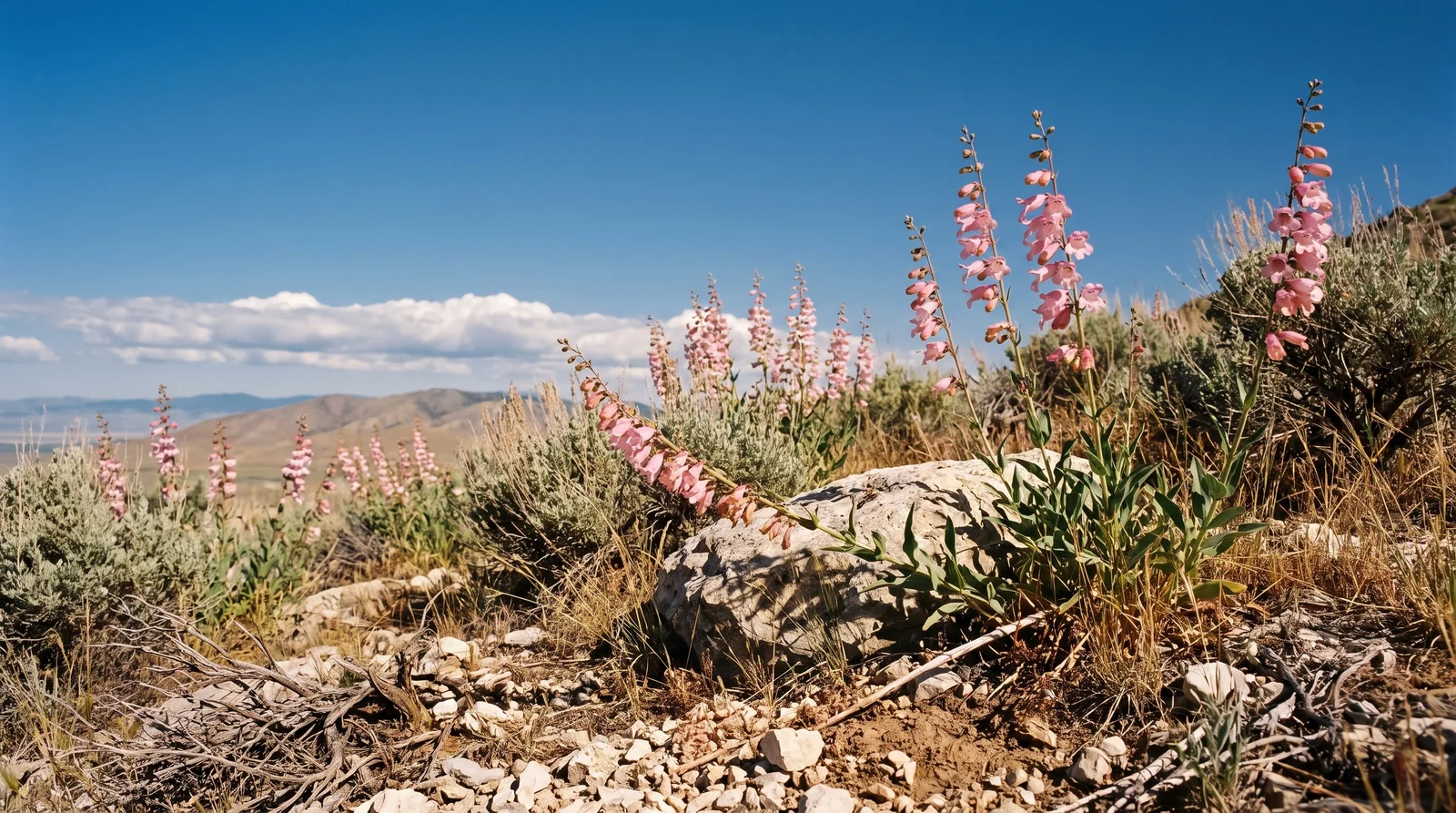
Wild penstemons grow from the Arctic south to Honduras, with their greatest variety in the western United States. Adapting to drought is the genus's defining trait, shown by the variety filling the interior West. Utah is the center of diversity, holding 70 native species, more than any other state. Colorado holds over 60, from high alpine zones down to the plains and plateaux. To the north and east the wild plants stop, with none known to grow in Nunavut or east of Quebec. The name is pronounced PEN-stem-on.
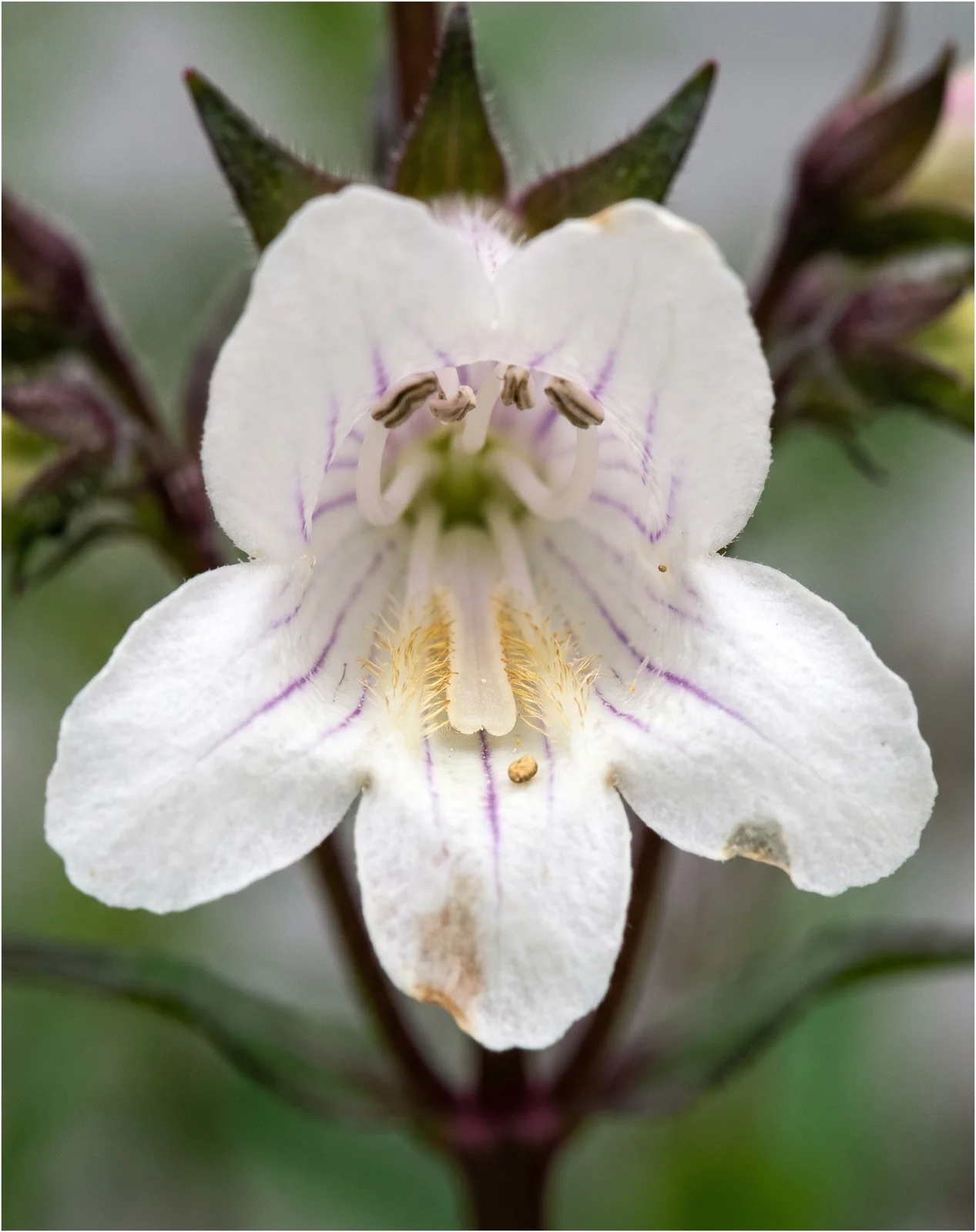
Where the name beardtongue comes from
The name beardtongue comes from a sterile fifth stamen inside the flower that can be hairy. The genus name also refers to this fifth, sterile stamen, known as a staminode. A common distinguishing feature is the corolla, five petals in the shape of an open tube holding two pairs of fertile stamens. That prominent sterile stamen and its often densely bearded palate stand out as the genus's most distinctive traits. On some species, it grows longer and heavily bearded, looking like a tiny hairy tongue sticking out of an open mouth. Botanical descriptions note its form and hairs, but none assigns this stamen a role in pollination.
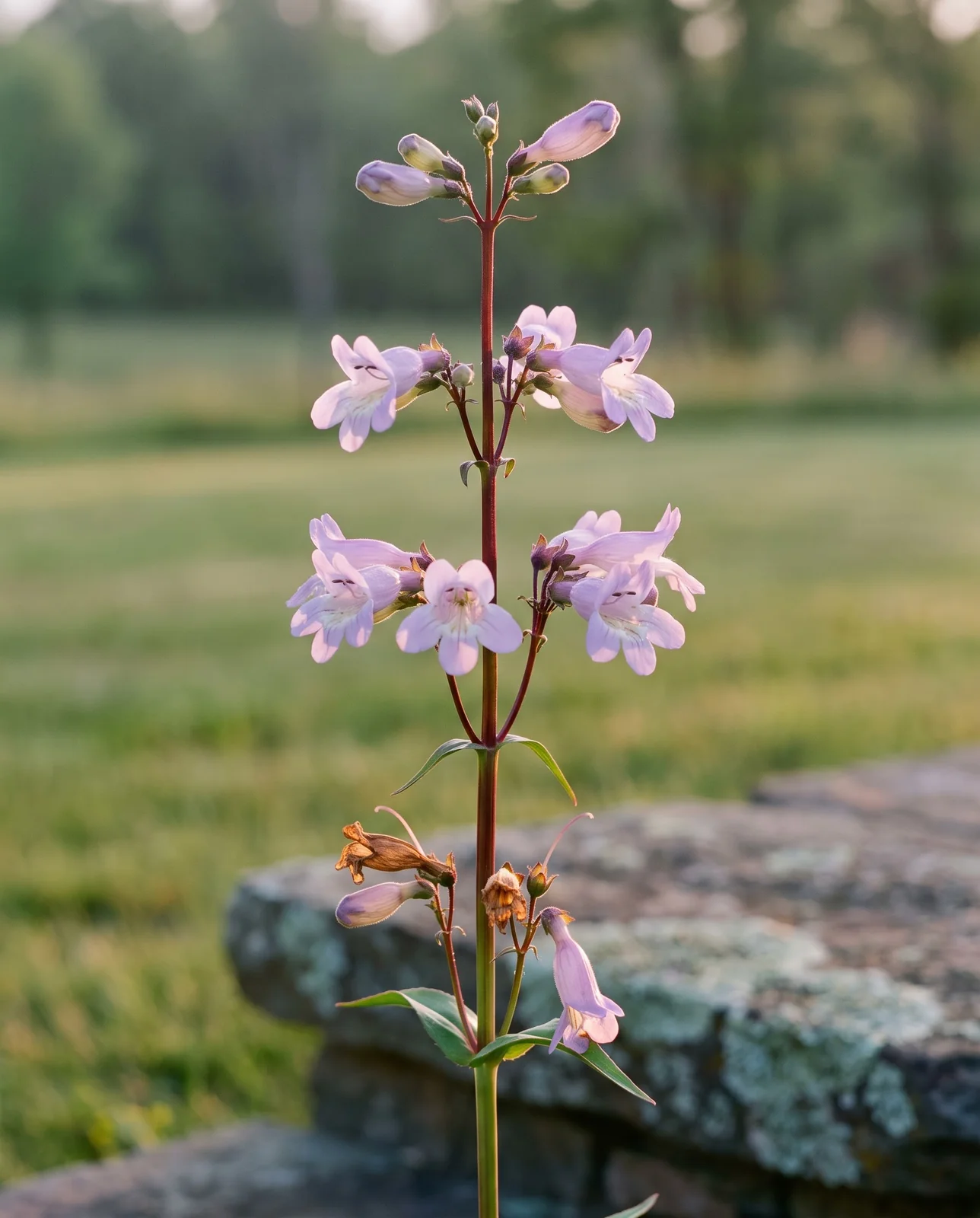
What a penstemon looks like
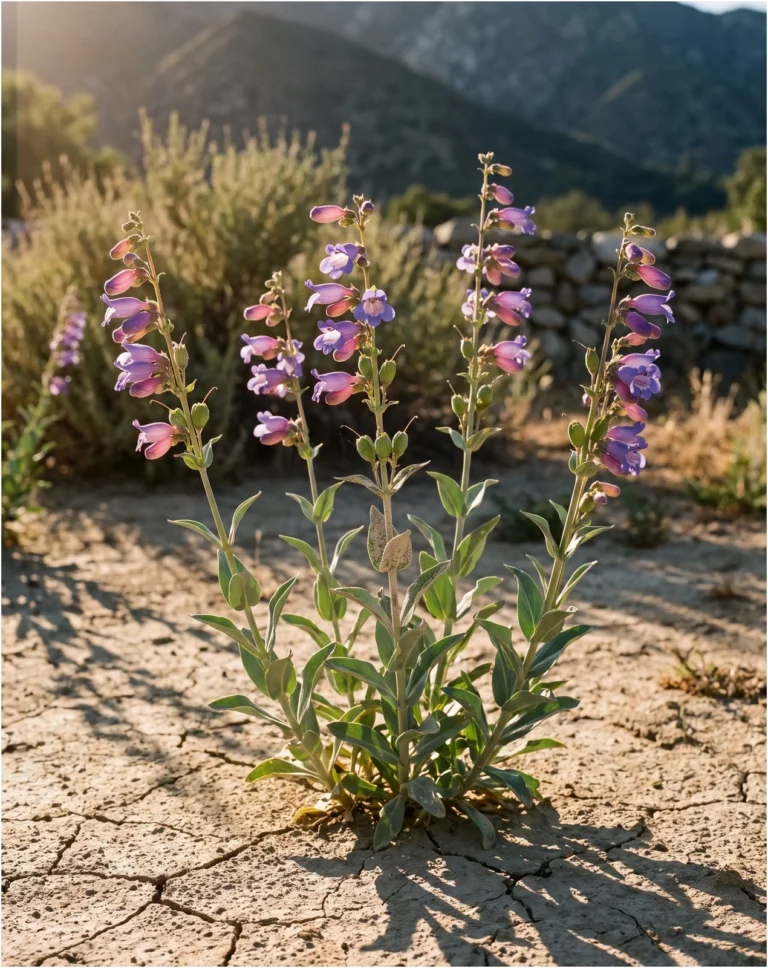
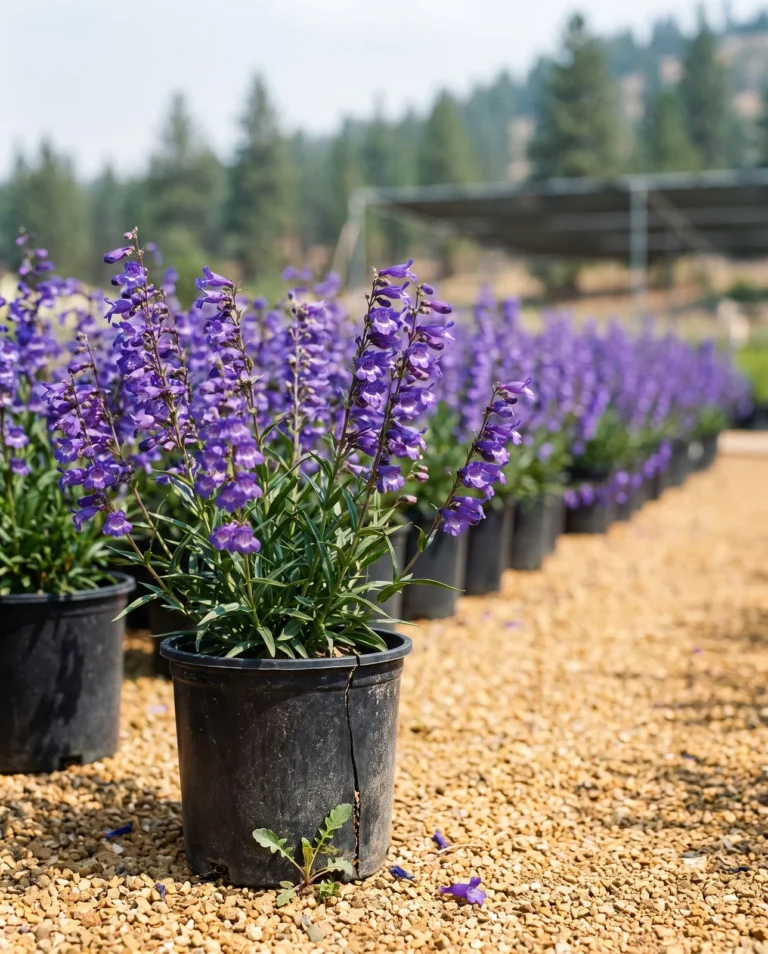
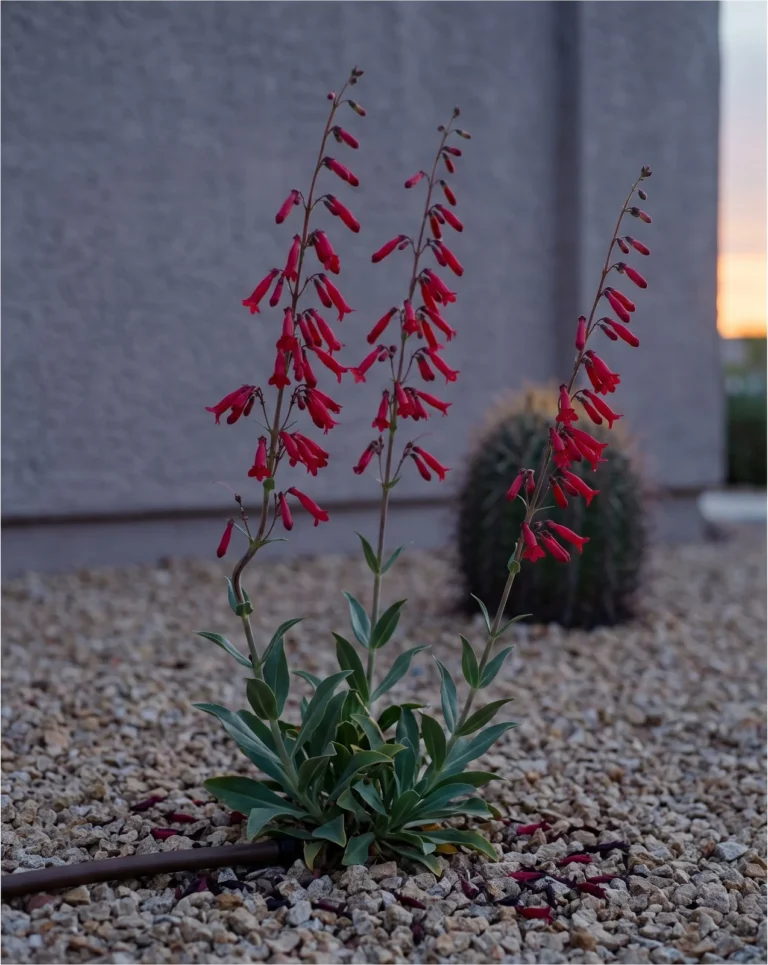
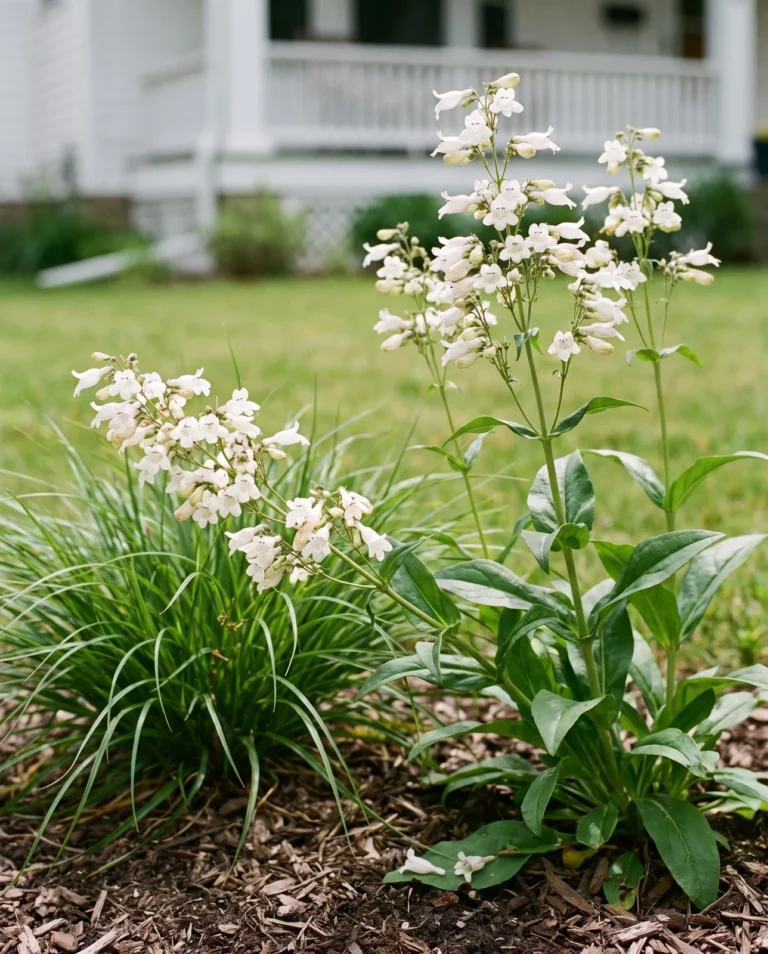
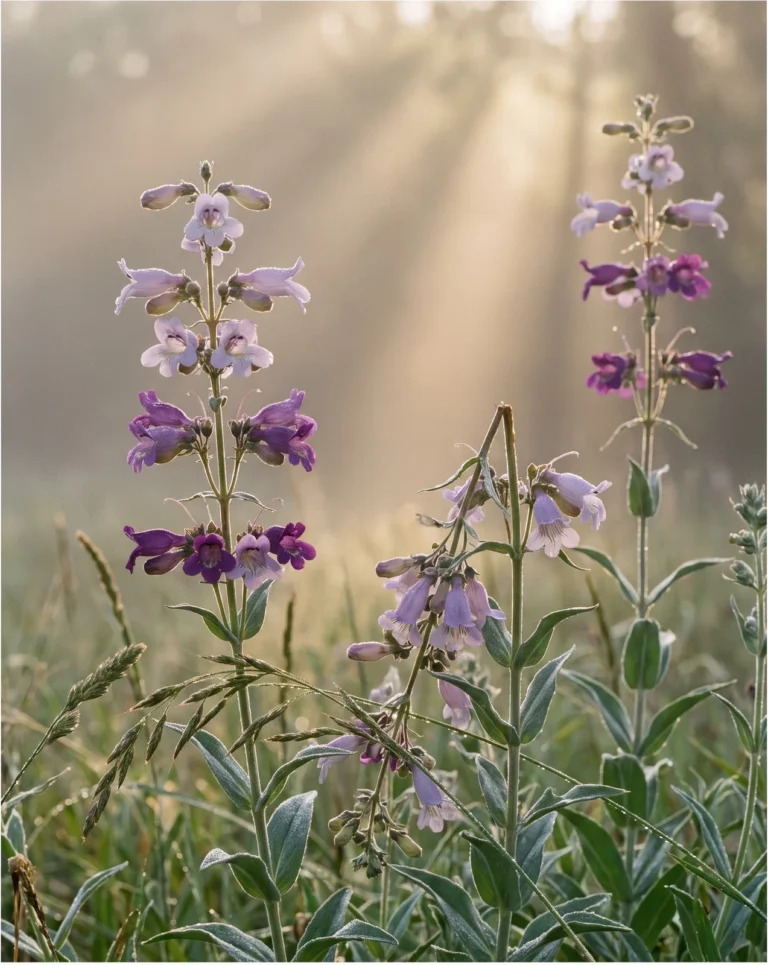
A penstemon bloom is shaped like a funnel or tube, with fused petals that widen into an open mouth. Slender stems hold the flowers high above the leaves, and the upright spires pair easily with foxglove along a sunny border. Flower colors are varied, with white, blue, violet, purple, pink, magenta, and red all common across the genus, and shades range from fiery reds and blues to soft pastels and rare yellows. Plant sizes run from 1 inch to 9 feet tall, spanning low mats, shrubs, and perennials. One name covers a tiny rock-garden cushion as well as a plant taller than a person.
Western or eastern, and why it decides the care
Where a penstemon comes from decides how you care for it, because most species prefer the hotter, drier climate of the West. Nurseries sell very different regional species under the same name without connecting their separate needs. Western natives not only tolerate bright sun, they prefer it, thriving in garden sites that many other plants would find challenging. Species from wetter places or high elevations often do better with some afternoon shade. Even species considered completely drought tolerant, like Rocky Mountain penstemon, still require good spring moisture to thrive on natural rainfall.
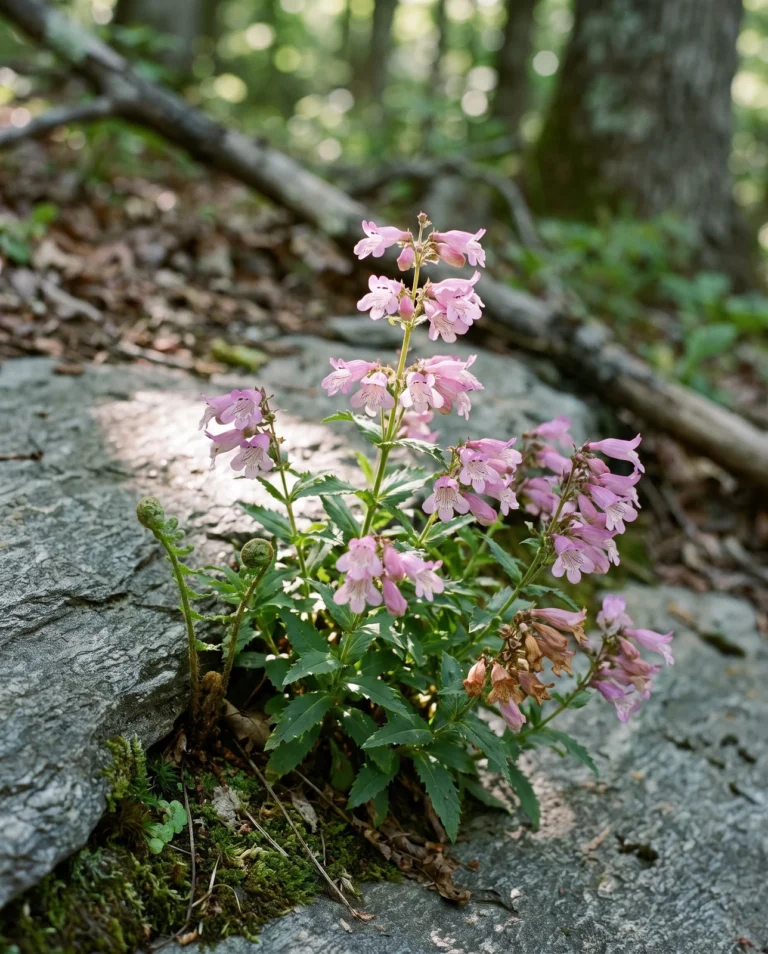
In the West, foothill penstemon can be found in all major California coastal mountain ranges and the northern Sierra Nevada foothills. Showy penstemon, another California native, takes full sun and tolerates a variety of soils, including clay. In the East, Penstemon digitalis is native across the central, eastern, and southeastern states, sharing open meadow borders with coneflower. Small's beardtongue is native to rocky mountain areas of the Southeast. When grown at lower elevations in Colorado, many hybrids and eastern, midwestern, or alpine species will need supplemental watering.
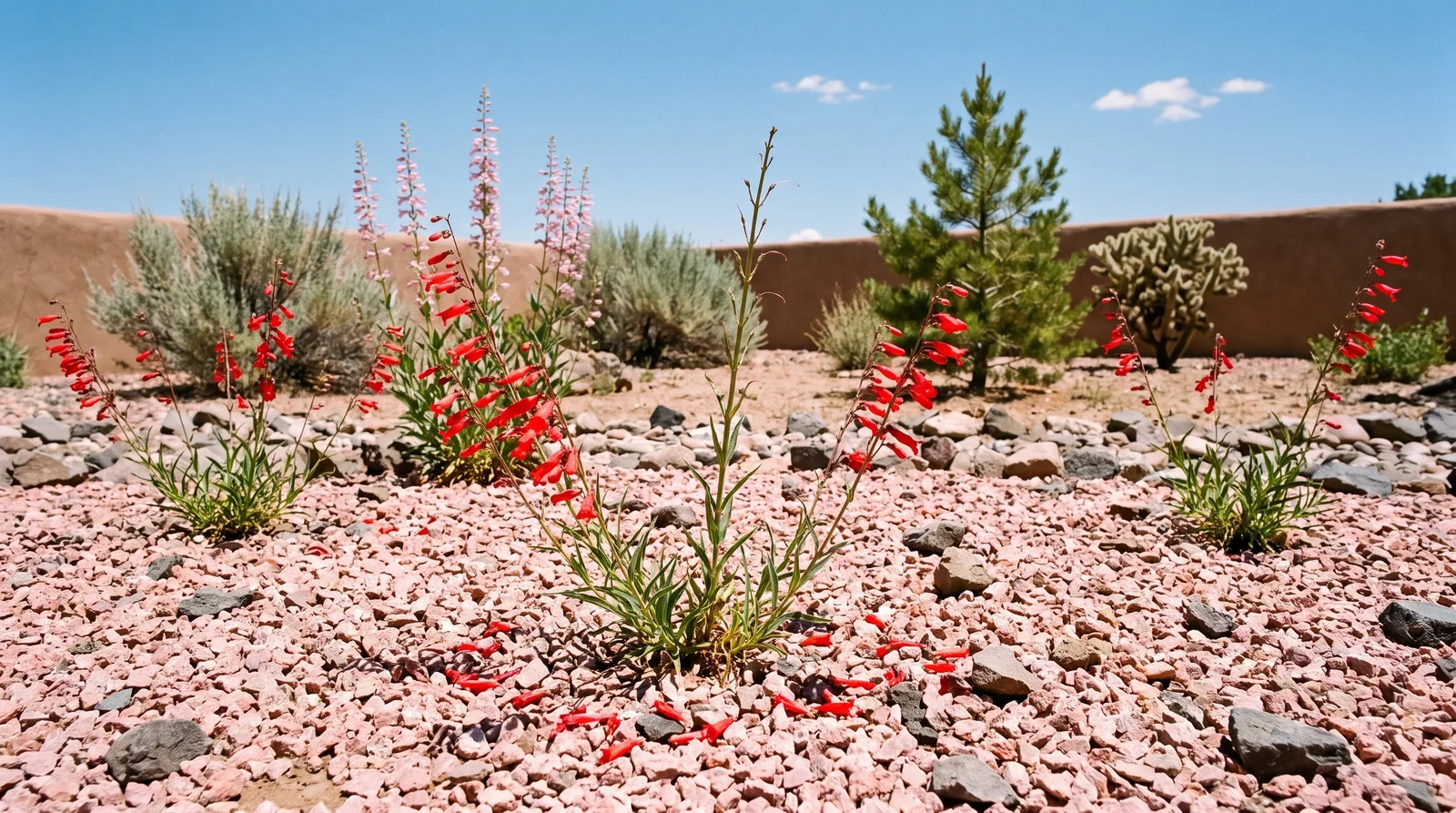
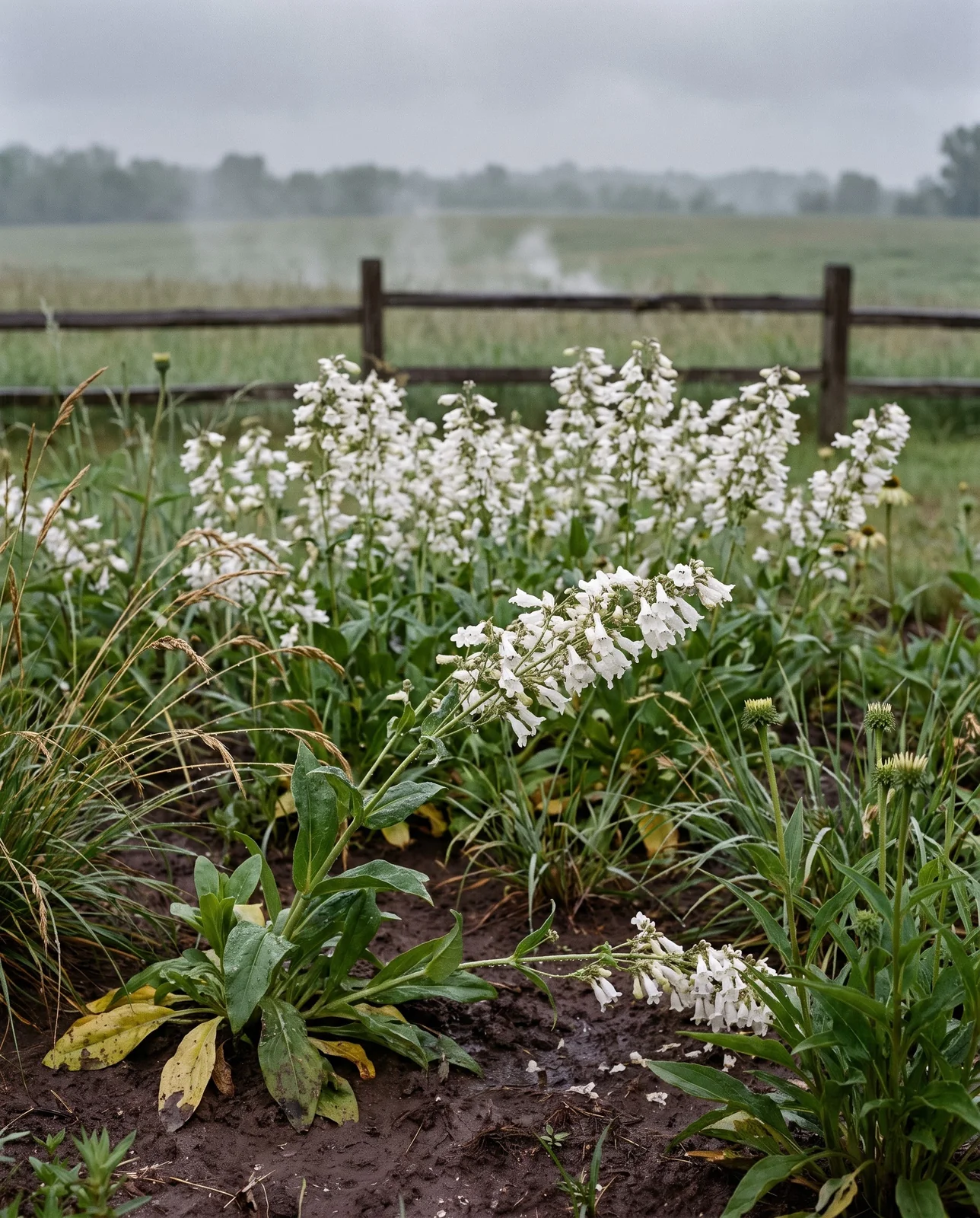
Which penstemon suits which region
Choose by region first, then check the one condition that keeps the plant alive.
Sun, sharp drainage, and how much water is too much
Most penstemons need full sun, requiring at least 6 hours of direct sunlight a day to build upright stems with bright flowers. They do best with 6 to 8 hours of sun daily, though plants can usually tolerate a small amount of shade.
Sharp drainage matters far more than rich soil. Most penstemons need good soil aeration and drainage, and they do not perform well in compacted soil. Foothill penstemon tolerates a variety of soils as long as drainage is good. In wet soils, penstemons can succumb to root and crown rot, collapsing suddenly and usually pulling easily from the ground. Overwatering plants after flowering can lead to crown rot too. Wild species may die quickly if they are planted in soil that is too rich or given too much water.
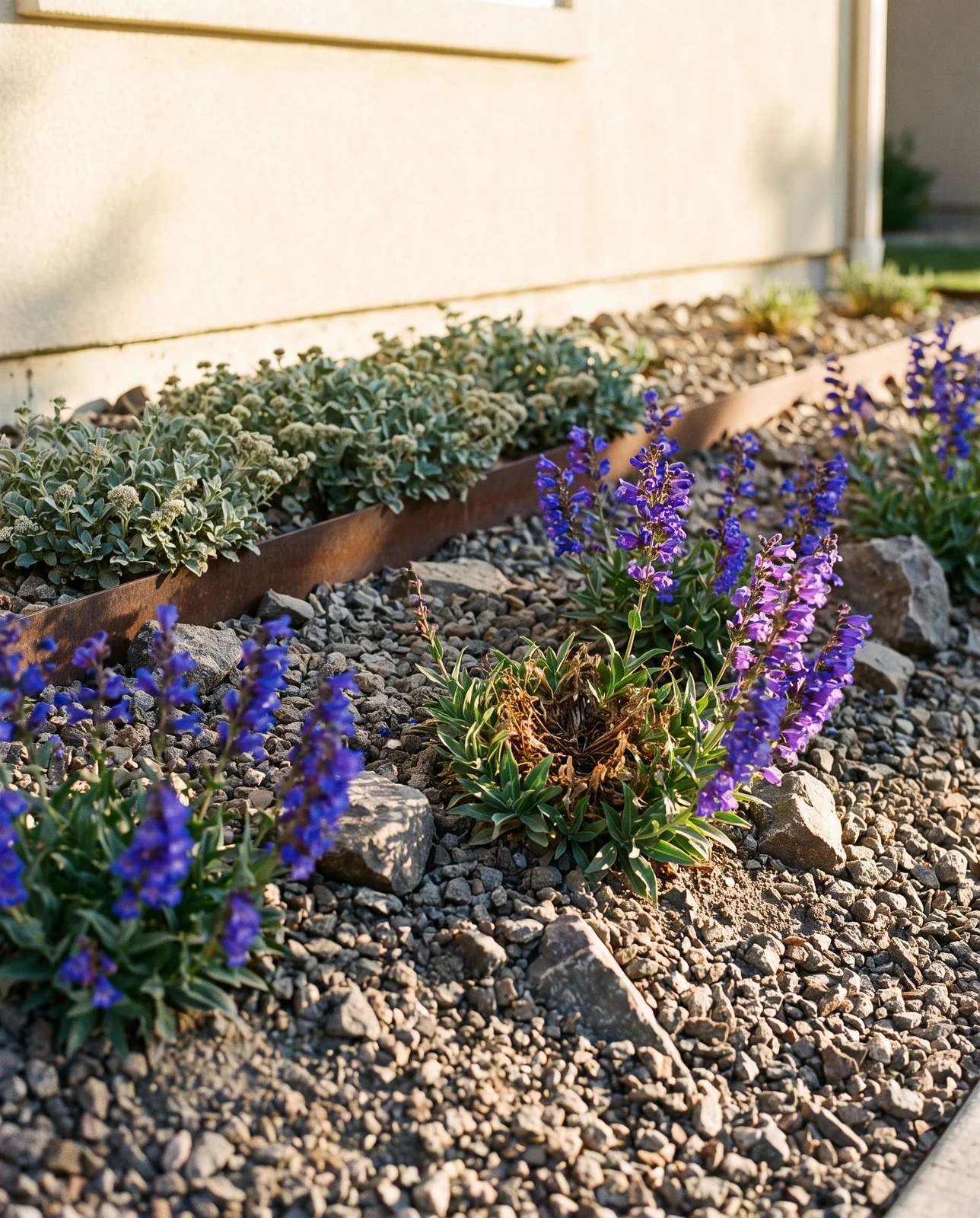
Penstemon zones, and why the tag beats the genus
Penstemons typically thrive in USDA zones 4 to 9 depending on the variety, and most species suit that range. That hardiness can vary for species from southern latitudes or high elevations, with some varieties handling zone 3 and others reaching zone 10. Penstemon digitalis is hardy in zones 3 to 8, or 3a to 8b, while general eastern listings span zones 5a to 8b.
Western species often come with a temperature rating. Foothill penstemon tolerates cold to 10 degrees Fahrenheit, and showy penstemon tolerates cold to 0 degrees Fahrenheit. Because hardiness ranges from zone 3 in the north to zone 10 in the south, the common 4 to 9 span misses both ends. Check the plant tag when you buy, because a label with only the genus name covers too broad a span to plan around.
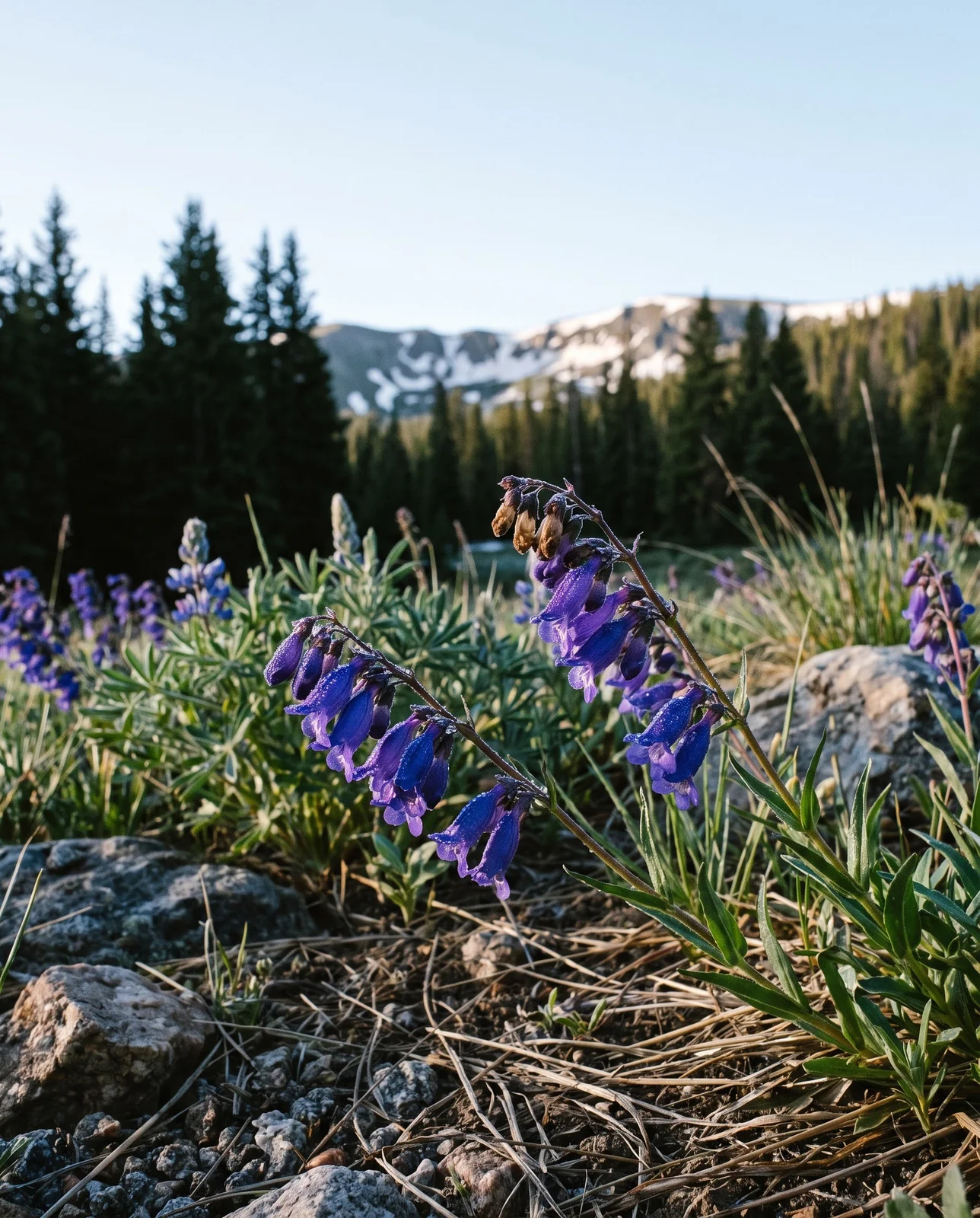
When to plant penstemon
Fall is the best time to plant penstemon so roots get established over winter. Setting plants out 6 to 8 weeks before the first hard frost gives them time to root well before freezing weather arrives.
Growing penstemon from seed, and the cold it needs first
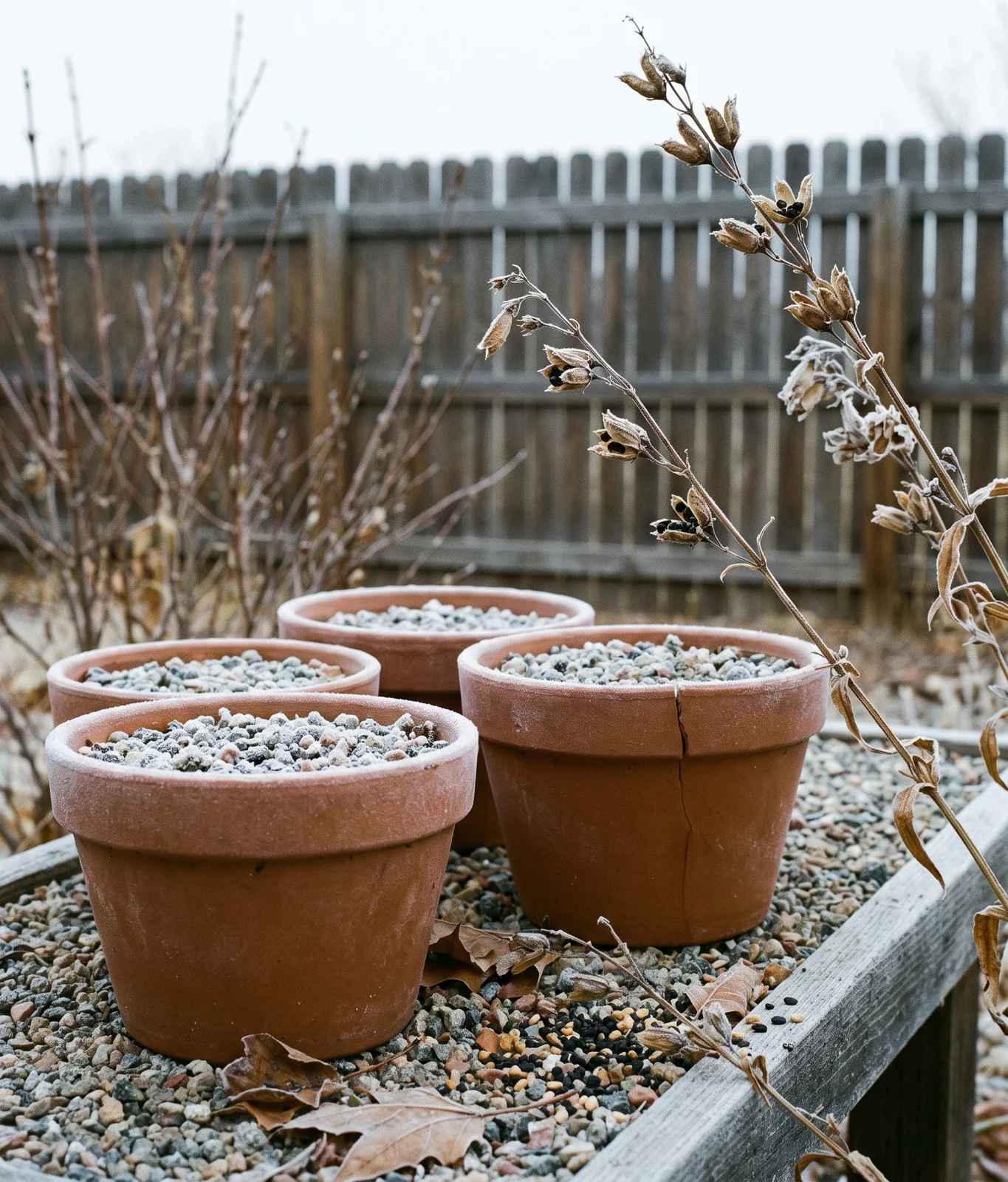
Growing penstemon from seed often requires cold, because many seeds need a long, cool, moist chilling period before they will germinate. That cold need depends on the species, holding especially for northern species, while southern species and many large-flowered hybrids require no chilling at all. In cold climates, seed can be sown anytime from November through early March, and germination will begin when the weather warms up. In milder areas, seed sown in late fall or early winter germinates naturally in time for the growing season. For chilling indoors, bundle seed in a damp medium and place it in the refrigerator, keeping it out of the freezer.
Showy penstemon needs no seed treatment at all, while many penstemon seeds require a long, cool, moist stratification period before they will germinate. Foothill penstemon needs no treatment either, though 1 to 2 months of chilling may improve germination. Dry storage helps as well. Seeds often germinate best after resting dry for 6 months to a year, and they remain viable for about 5 years. Older seed can still do well, and Rocky Mountain penstemon seed showed good germination up to 6 years old.
A penstemon may not bloom until its second year
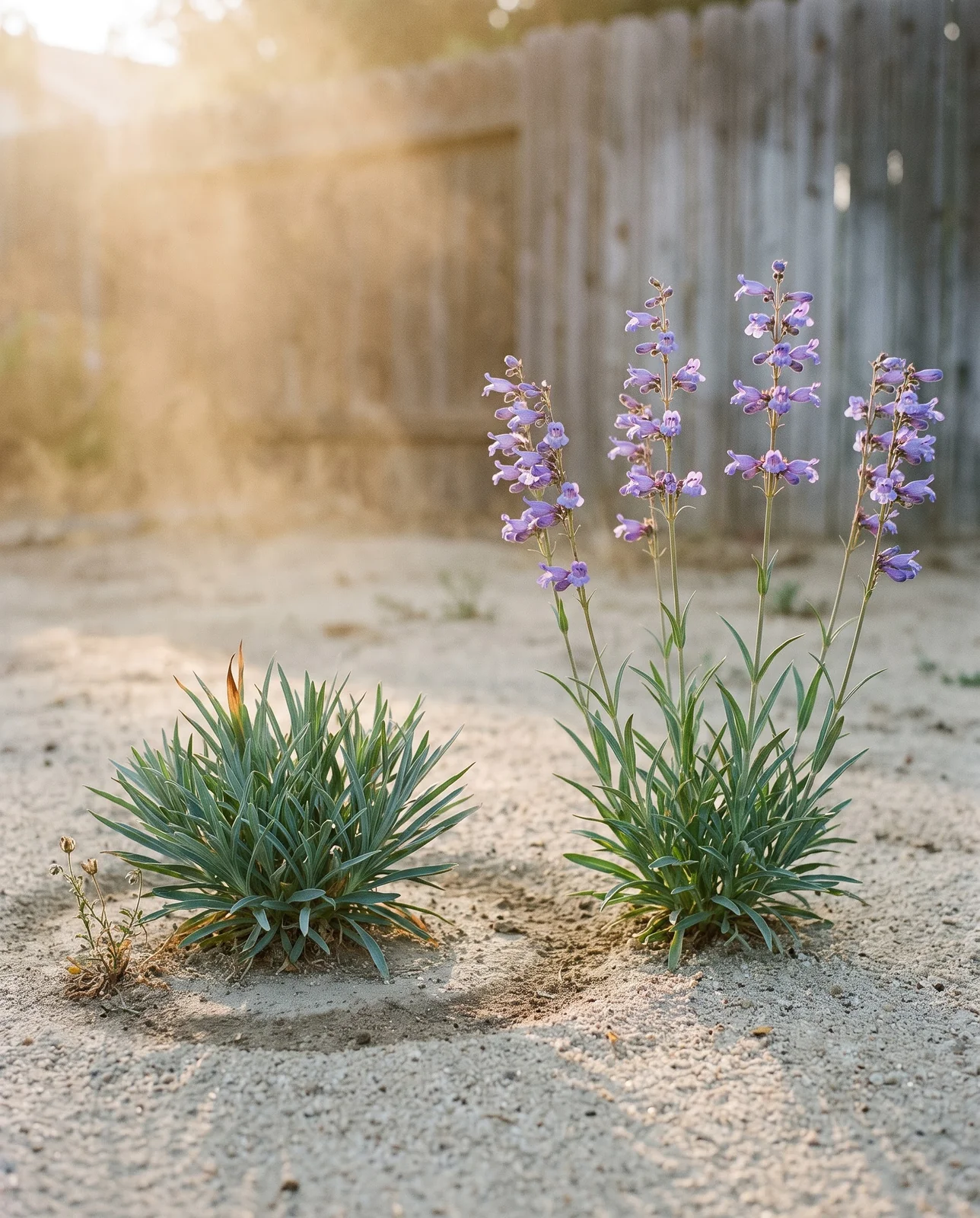
A penstemon that spends its first summer growing only leaves may be right on schedule. Seedlings might not flower the first year, though they are well worth the wait, and plants will sometimes not bloom until their second growing season. That slow start does not apply to every species. Showy penstemon bears wide-mouthed tubular flowers from its first year on, so check the species tag before giving up on a quiet young plant.
Reaching for fertilizer is usually the wrong move. In most garden soils, penstemons need no fertilizer at all, and extra feeding only encourages weeds and washes into waterways. When an established plant enters its second summer and still holds back, look at its growing conditions. Overwatering, excess fertilizer, or too little sun can all cause lush but weak, leggy growth that fails to support flowers. Every one of those habits is easy to dial back, and correcting them puts the plant back on track.
Bloom check, in order
Start with the age of the clump, because a flowerless first summer is often just normal development.
Yellow leaves, and which ones matter
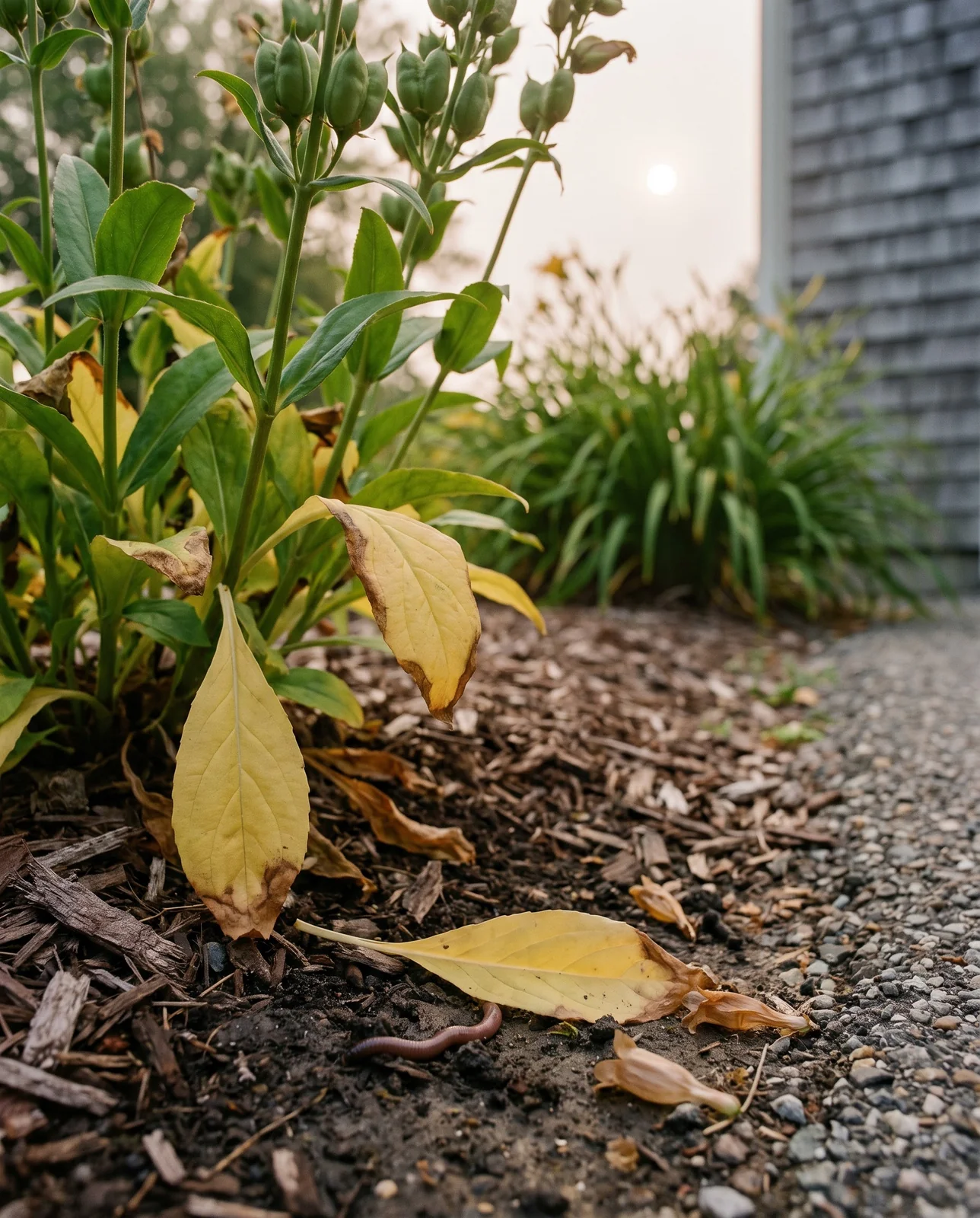
Yellow leaves on a penstemon tell three different stories, and where they appear on the plant explains what is happening. When lowest leaves yellow and drop while the rest of the clump stays green, it is only normal senescence. Yellowing confined to fresh new growth points to iron chlorosis, while widespread yellowing suggests overwatering, which calls for sandy, well-drained soil.
Too much water causes trouble that goes well beyond discolored foliage. Overwatering leads to yellowing leaves, wilting, and a stunted or mushy base. It is also the main reason royal penstemon fails to flower, showing up as yellow foliage, weak stems, and stunted growth. The remedy is simple: reduce watering and give the crown fast-draining ground that lets excess moisture escape.
Red leaves are a different signal
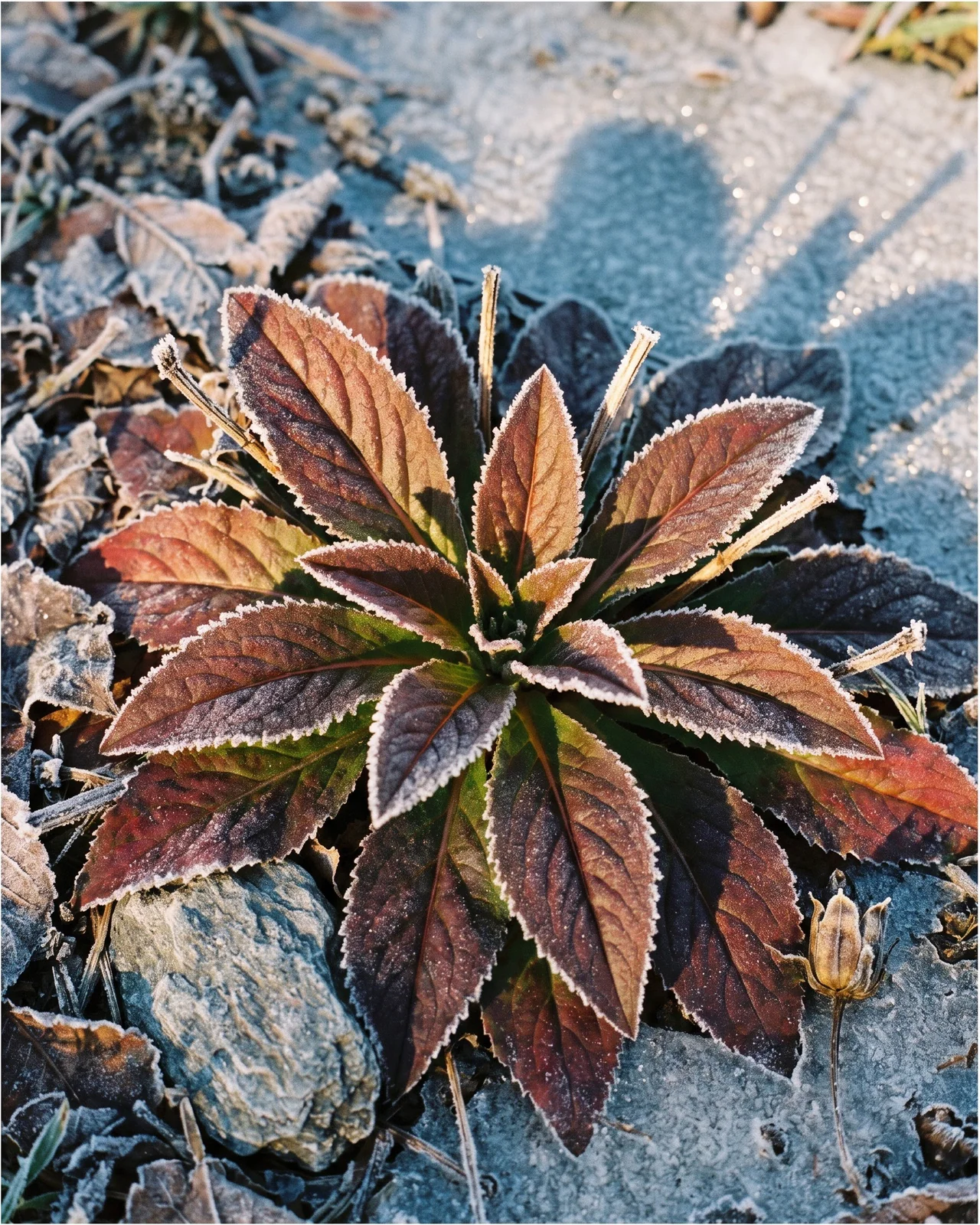
Red patches on penstemon leaves usually trace back to container stress or the seasons. Dark red leaf patches can form when an unmulched pot bakes in direct sun, or when roots become crowded. Red or purple color is not a documented summer heat reaction in penstemon, however, as reddish foliage usually reflects winter cold or breeding.
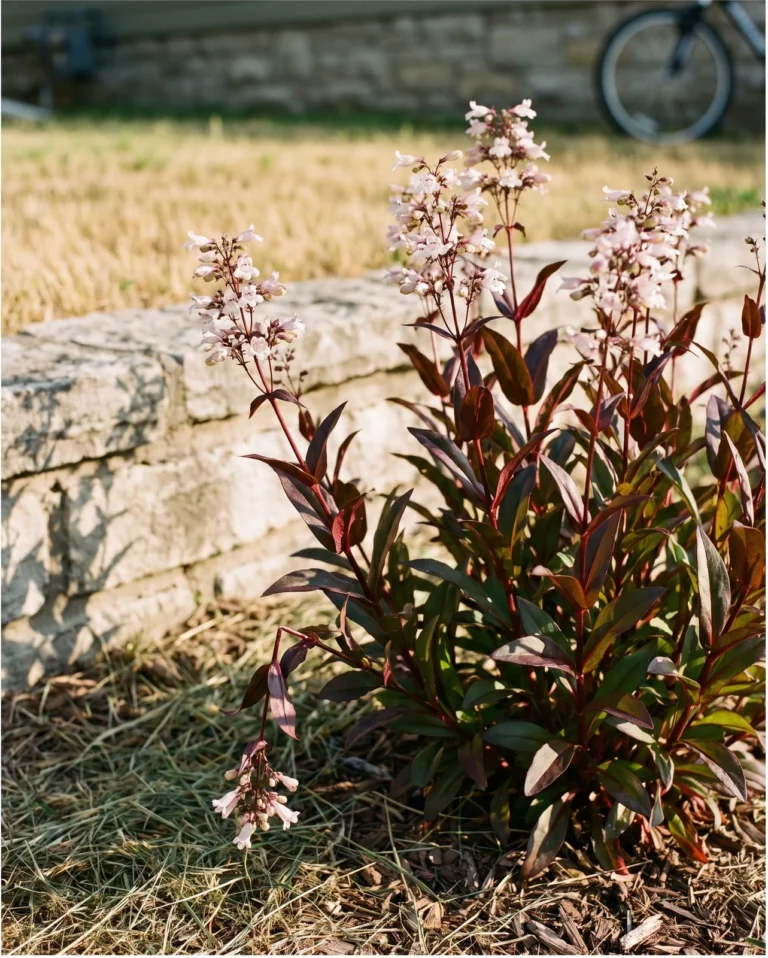
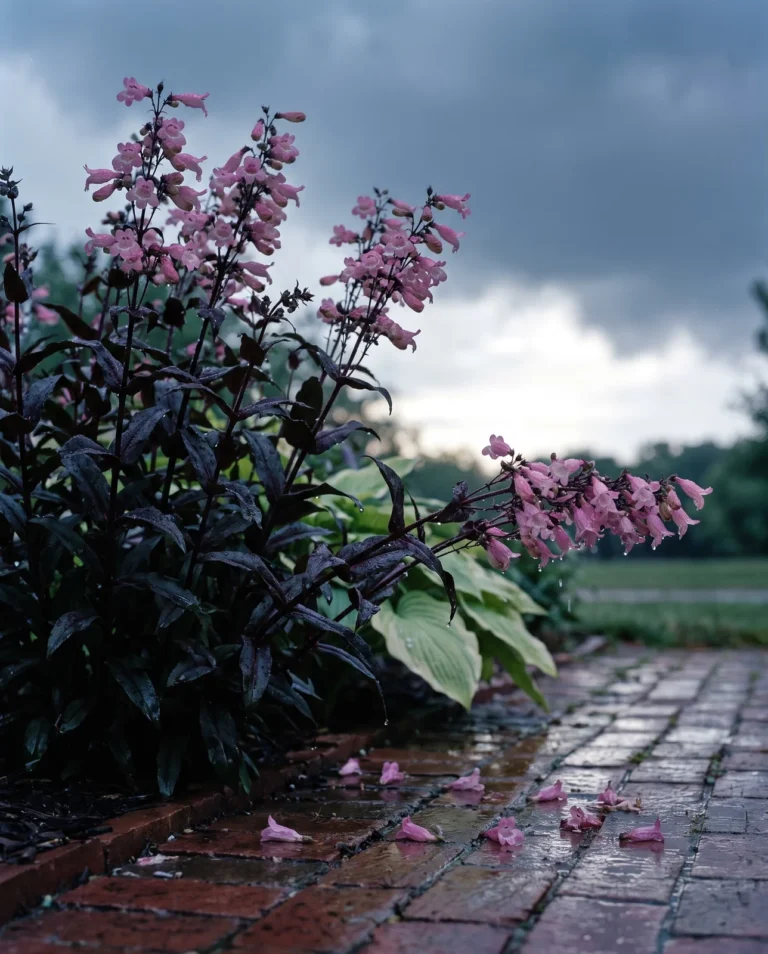
Cold weather shifts foliage colors naturally on several native species. The basal rosette of Small's beardtongue turns reddish bronze in winter. In the northwestern Dasanthera group, winter sun and dry conditions frequently turn leaves brown or cause most of them to drop. Other plants are chosen specifically for dark foliage. The selection 'Husker Red' carries maroon leaves beneath light pinkish flowers, while 'Dark Towers' pairs dark wine-purple foliage with pink blooms. A third choice, 'Midnight Masquerade', grows dark purple leaves and stems along with dark pink flowers. On those cultivars, dark foliage is simply what the plant was selected to produce.
Yellow, red, or mildew
Check leaf color alongside where it appears on the plant, whether it grows in a container, and recent weather.
Problems, in the order they show up
Listed from the most common complaint down. Each one gives the symptoms, the cause, and what to do.
Symptoms: plants suddenly collapse and pull easily from the ground, with leaf spots appearing occasionally. Cause: root and crown rot taking hold in wet, poorly drained soil. What to do: provide sharply draining ground, because wet soil is where rot develops.
Symptoms: white blotches on the foliage, or leaves that look dusted with white powder. Cause: powdery mildew. What to do: reduce overhead watering to minimize the chance of infection.
Symptoms: red-orange spores appear in the first part of summer, forming orange pustules along leaves and flowering stems. Cause: rust fungi that harm the look of the clump and shorten plant life. What to do: remove infected stems or plants promptly, because the infection shortens plant life and has no simple cure.
Symptoms: foliage chewed away until whole plants are stripped if feeding continues unchecked. Cause: grasshoppers and Kuschelina flea beetle larvae, though not all penstemon species seem equally palatable. What to do: check plants early and stop heavy feeding before entire plants are lost.
Symptoms: there can be an occasional problem with aphids, though plants are otherwise fairly trouble-free. Cause: aphids. What to do: nothing routine is called for, because the plants are overall fairly trouble-free.
Cutting penstemon back, and when
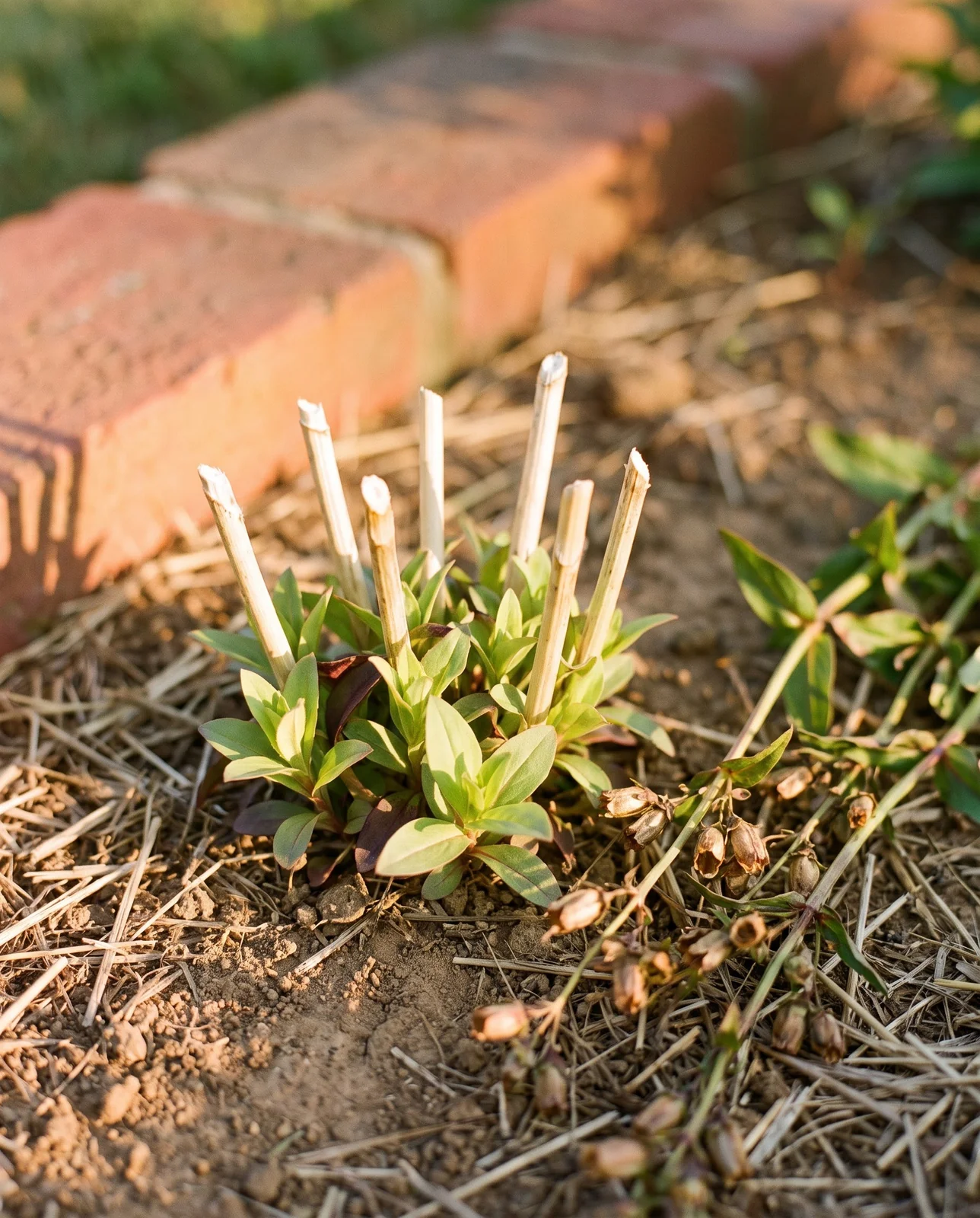
Penstemons generally need little pruning, and the most rewarding cut comes right after flowering. Removing stems once flowering finishes helps encourage new basal shoots to form. Cutting plants back can also coax a second flush of bloom from some species and many hybrids, particularly in long-summer areas. In late winter or early spring, prune away dead or damaged stems to make way for new growth. You can also cut plants back to about a third in March to encourage compact growth.
Does penstemon spread, and how long does it live
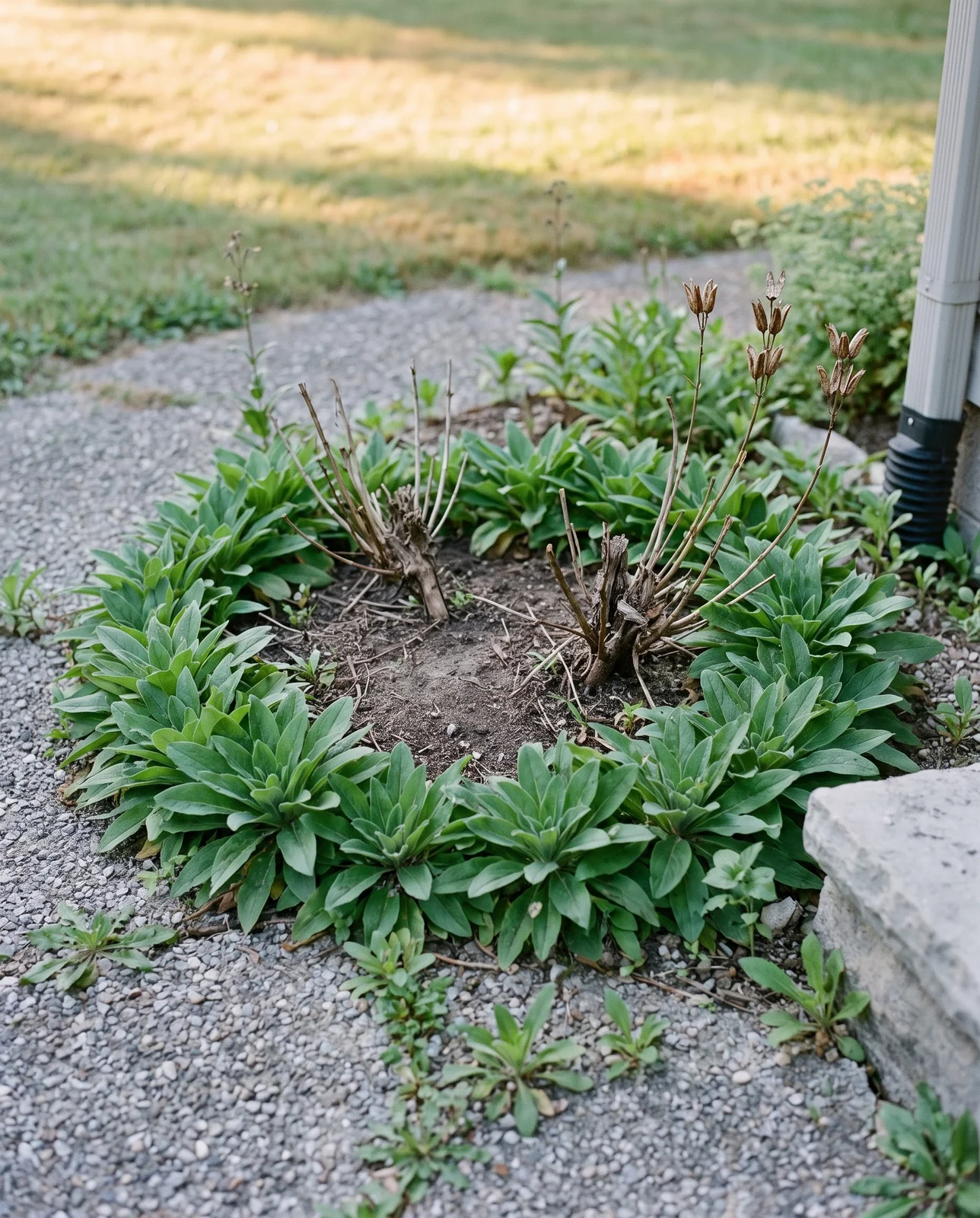
Penstemon spreads mostly by dropping seed, and the original clump rarely lives a long life. Across the genus, plants are fairly short-lived, typically lasting only three to four years. Individual lifespans vary by species. Showy penstemon typically lasts five to ten years even under the best conditions, and it often self-seeds. Spreading habits vary as well, and Penstemon digitalis can spread somewhat aggressively in a garden setting.
That short lifespan shapes how you manage the planting over time. Small's beardtongue is short-lived at two to three seasons, but it reseeds close around itself. Leaving the soil undisturbed lets young volunteer seedlings take over naturally as older clumps decline. For named cultivars, divide the plants every three to five years to maintain their vigor. Handled either way, a penstemon bed renews itself steadily through fresh seedlings or divided crowns.
Penstemon varieties worth telling apart
A plant tag usually gives a name and a color, but leaves out where the species came from, which decides the kind of care it needs.
Hummingbirds, bees, and what the tubes are shaped for
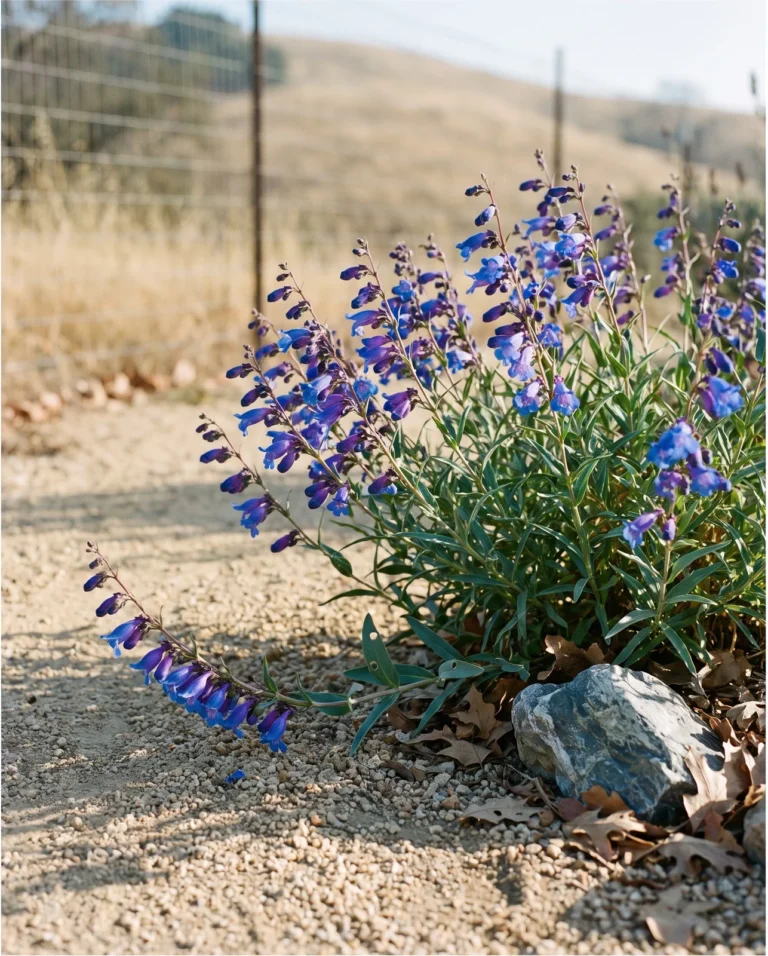
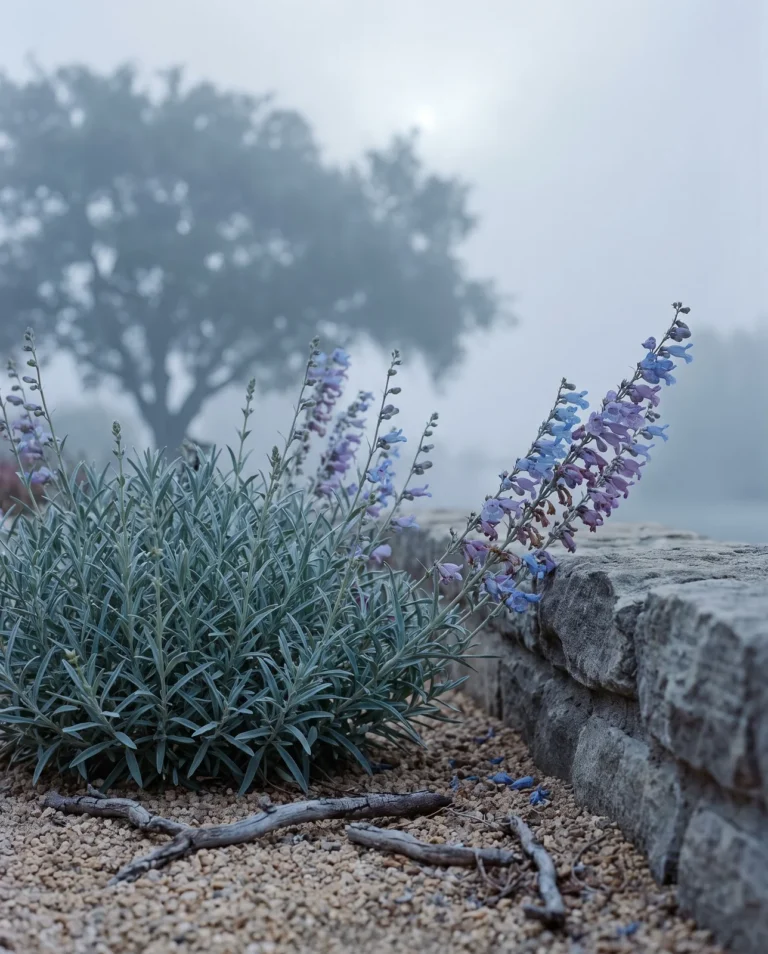
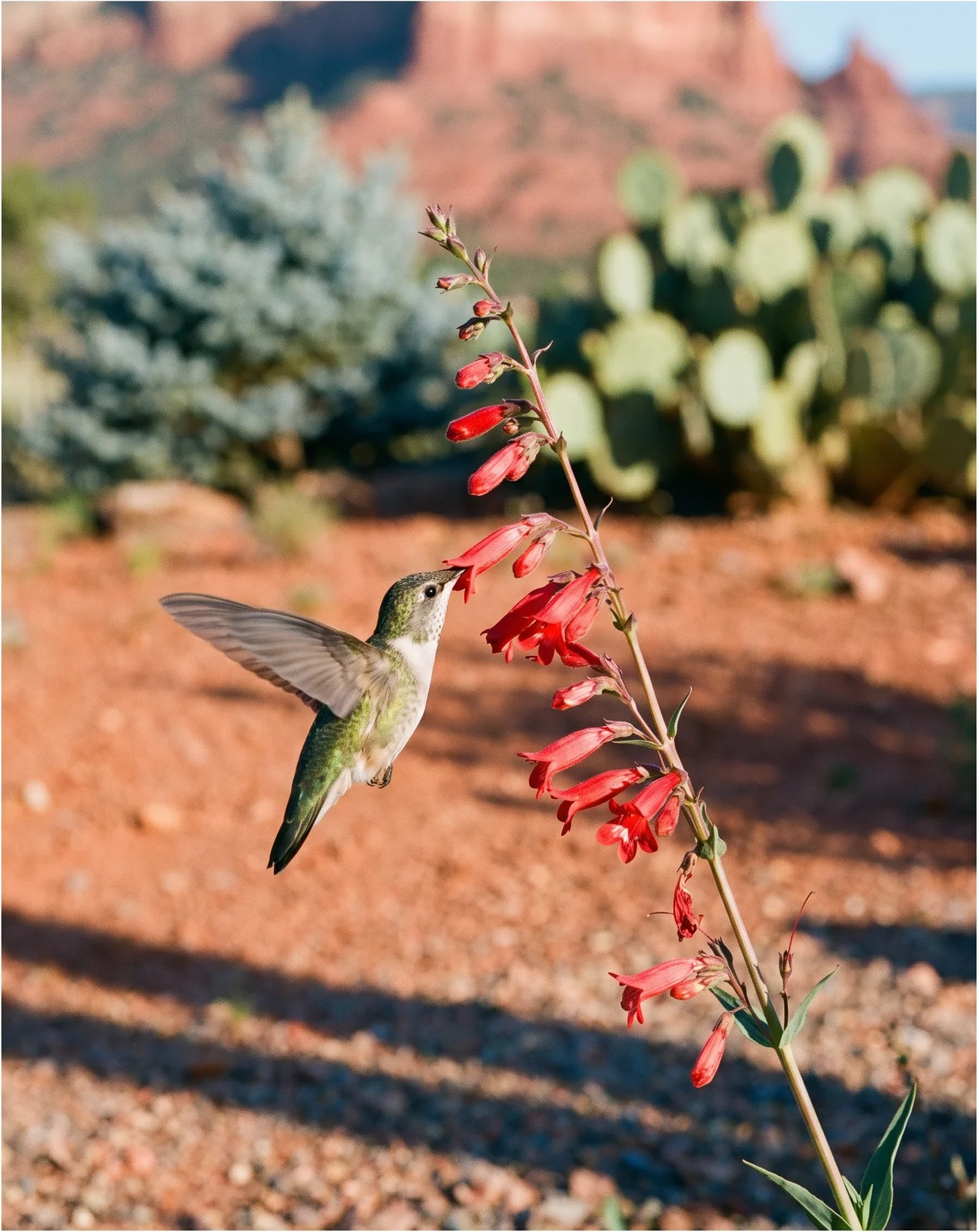
A penstemon flower shapes itself around the pollinator it feeds, with most species adapted to either hummingbirds or bees. Bee-adapted species more often have blue or purple flowers with wide floral tubes and a longer landing lip, while producing less nectar. Adapting to hummingbirds is a newer turn in the genus, appearing an estimated fifteen to twenty separate times across its history. In sunny plantings, these tubular blooms pair naturally with great blue lobelia to keep visiting hummingbirds fed.
Different penstemons welcome a wide mix of wild visitors. In western gardens, 180 native bee species visit showy penstemon, and foothill penstemon feeds 233. Most penstemons attract pollinators readily, especially solitary bees, while carpenter bees find the flowers hard to resist. The genus also supports a specialized bee, Osmia distincta. In the East, Penstemon digitalis draws birds, hummingbirds, bees, and butterflies before offering its seed to songbirds, making it an easy companion for butterfly weed.
Growing penstemon from cuttings
Cuttings offer an easy summer route to new plants, and they root in plain water. Softwood stems of four to six inches, taken during the summer growing season, root easily in water within three to six weeks. Once roots have formed, the cutting can be transplanted into a small pot. Propagation from cuttings asks for no cold period and no waiting through winter, making it a quick way to multiply a plant already in the garden.
Penstemon in pots
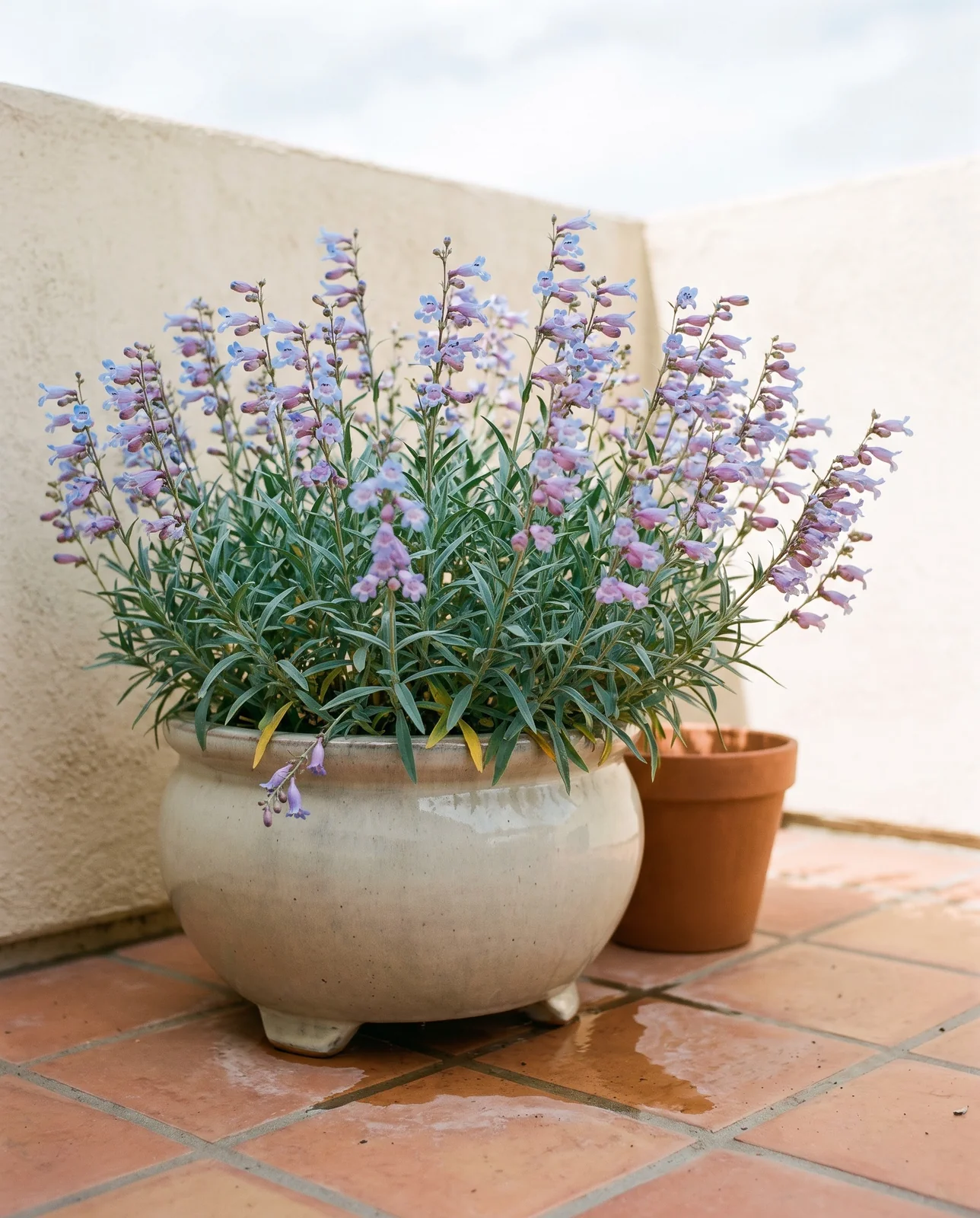
A few penstemons settle well into containers, particularly compact kinds. Many hybrids and select species, including foothill penstemon and Penstemon x mexicali, do well in pots, and free-flowering selections are especially popular container choices. The pot itself needs careful attention during hot weather. Choosing a lighter-colored container with sharp drainage and mulching the surface helps keep the root zone cool.
Is penstemon toxic to pets
Penstemon is not known to poison pets, but safety records remain incomplete. The ASPCA lists no entry for the plant under either penstemon or beardtongue. Relatively little is known about toxicity in penstemons, and there are no reports of poisonings, though dusky penstemon, Penstemon whippleanus, contains several alkaloids. Without a formal clearance, keeping pets from chewing the stems is sensible practice.
What to expect, season by season
The first year often brings only leaves. Penstemons sometimes will not flower until their second growing season, which simply calls for a little patience. A young plant that stays a low green rosette through its first summer is right on schedule.
Year two brings the full show of flowers. Once flowering finishes, removing the spent stems helps encourage new basal shoots to form and keeps the plant going into another year.
Dividing established clumps every three to five years maintains their vigor over time. For short-lived species, letting seedlings settle close around the parent plant keeps the stand full of fresh growth.
Four things gardeners repeat about penstemon
A few common assumptions follow penstemon into the garden. Here is how the plants actually behave.
The myth: A penstemon is a penstemon, so one care routine covers them all.
The reality: About 280 wild species belong to the genus, with more than 100 native to California and most suited to dry western climates. A dry-country native and an eastern border plant share the name, but they ask for very different soil and moisture.
The myth: Red leaves mean the plant has caught something.
The reality: Red leaves rarely point to disease. In summer, dark patches usually reflect heat or pot stress. In cold weather, bronze-red tones are a normal winter reaction on eastern rosettes, and deep maroon is bred into cultivars like 'Husker Red'.
The myth: Deer will strip a bed of it.
The reality: These plants are rarely a deer favorite, and deer tend to avoid the eastern species Penstemon digitalis.
The myth: A plant that seeds itself around will take over the garden.
The reality: Penstemons are not considered weedy or invasive, though Penstemon digitalis can spread somewhat aggressively in a garden setting.
FAQ
Do penstemons come back every year?
They return as perennials, though most are fairly short-lived plants that last three to four years. Small's beardtongue survives two to three seasons, though it reseeds close around itself.
Does penstemon like sun or shade?
Penstemon needs full sun, which means six or more hours of direct sunlight a day. Species native to wetter ground or high elevations are the exception, as they often perform better with at least some afternoon shade.
Should I cut back penstemon after it blooms?
Yes. Cutting back finished flower stems helps encourage fresh basal shoots. That pruning also brings a second flush of bloom on some species and many hybrids, particularly in long-summer areas.
Will penstemon bloom the first year?
Some do not, as penstemons will sometimes not bloom until their second growing season, which calls for a little patience. Other kinds start early: showy penstemon bears flowers from its first year on. Checking the species on the plant tag tells you what to expect.
Why are my penstemons not flowering?
A young plant may simply need time, because penstemons will sometimes not bloom until their second growing season. In established plants, too much water, too much fertilizer, or not enough sunlight can lead to lush but weak, leggy growth.
Does penstemon spread easily?
Penstemons spread primarily through dropped seed. Penstemon digitalis can spread somewhat aggressively in a garden bed, while showy penstemon often self-seeds close around the parent plant.
How do you grow penstemon from seed?
The seed usually needs a spell of cold and moisture, as many penstemon seeds require a long, cool, moist stratification period before they will germinate. In cold climates, the seeds can be sown outdoors anytime from November through early March, and germination will begin when the weather warms up.
Can you grow penstemon in pots?
Yes, as long as you choose the right plants. Many hybrids and a few species, including foothill penstemon and Penstemon x mexicali, are good choices for containers, and free-flowering selections make popular potted plants.
How long do cut penstemon flowers last in a vase?
The blooms hold up well after cutting and can stay fresh in a vase for up to ten days. For indoor displays, the eastern Penstemon digitalis makes an excellent choice for fresh arrangements.
Which penstemon is the easiest to grow?
The easiest penstemon is the one matched to your local climate and soil. Wild species may die quickly if planted in soil that is too rich or given too much water, so choosing a plant suited to your region makes the work simple.
Is penstemon poisonous to cats or dogs?
Penstemon is not known to be toxic to pets. The ASPCA lists no entry for penstemon or beardtongue, and relatively little is known about toxicity in the genus, with no reports of poisonings.
Interesting tips
- Cutting back spent flower stalks before they develop seeds can increase the lifespan of penstemons.
- Large species like Palmer's penstemon and Penstemon clutei form thick, woody stems in their second and third years.
- Garden hybrids come from several different species, notably Penstemon cobaea and Penstemon hartwegii.
Related Guides & Flowers
Blue Salvia
Another blue spike for a hot, well drained bed, grown for the same upright line in a sunny border.
Yarrow
Flat plates of bloom against penstemon's vertical tubes, in the same lean soil and full sun.
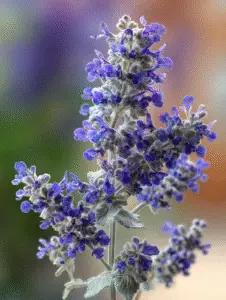
Catmint
A low gray green skirt that hides the bare ankles of a tall penstemon clump.
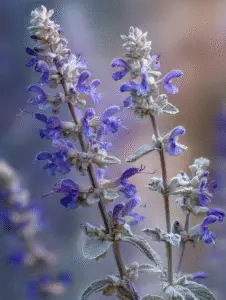
Russian Sage
Late season height for a dry border after the penstemon spikes have been cut back.
Enjoying our flower guides? Add YourFlowersGuide as a preferred source on Google. It helps more readers find us.
Add to Preferred Sources