Scilla the flower and Scilla the town
The word belongs to two things. Scilla is also a fishing town in Calabria, on the Italian side of the Strait of Messina. Greek legend attached the monster Scylla to that strait, so the bare name pulls up travel photographs and restaurant menus alongside plants. The plant is the genus Scilla, the small spring bulbs called squills in English, sold under common names running from blue squill and two-leaved squill to Siberian squill.
What scilla is
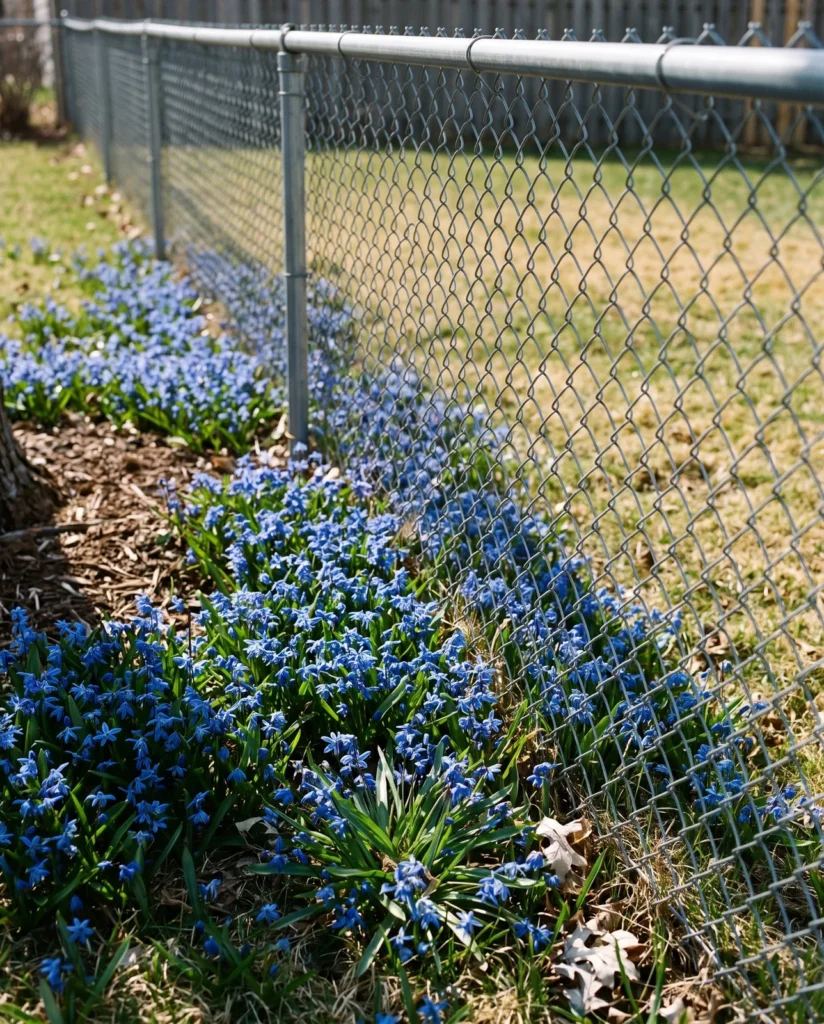
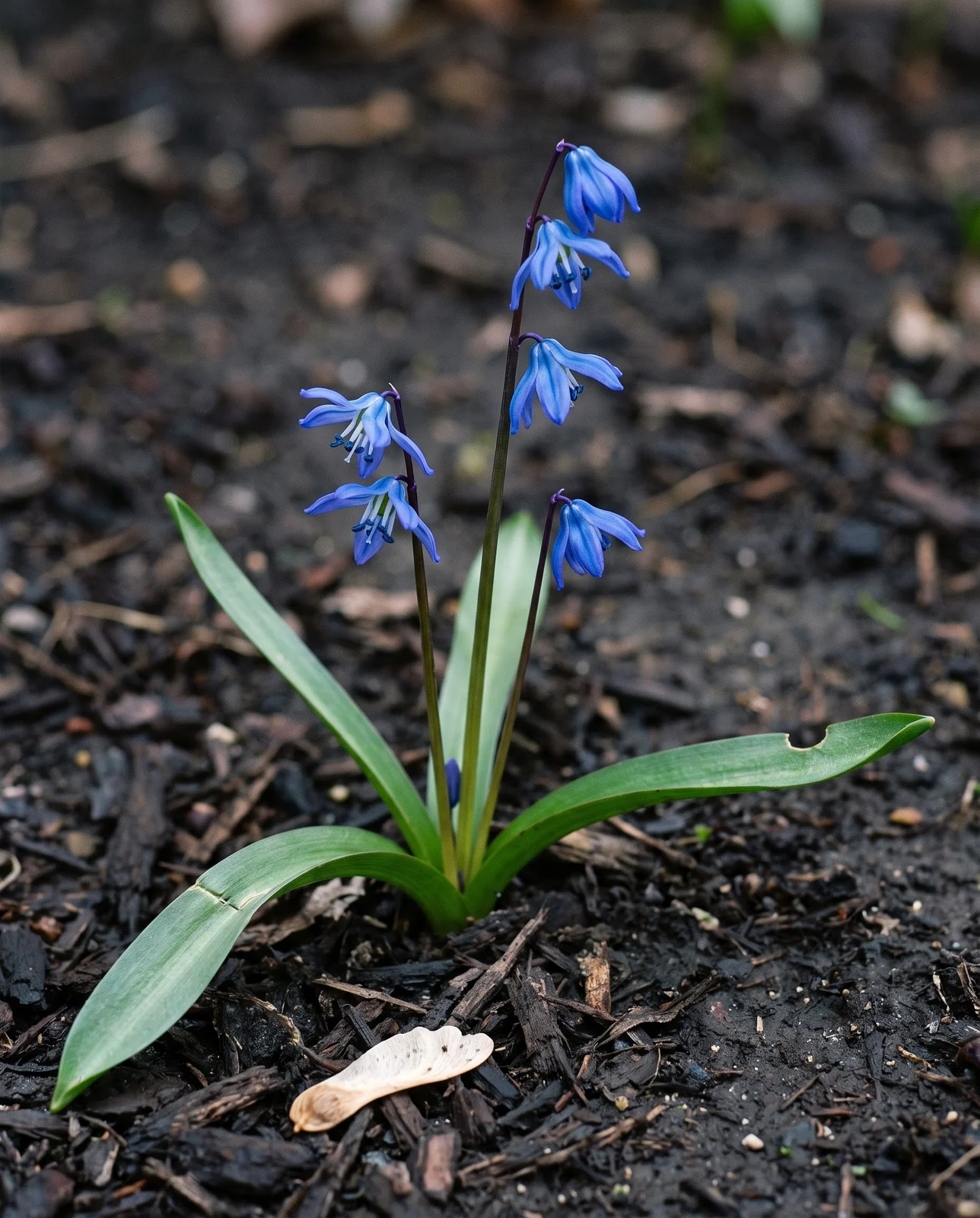
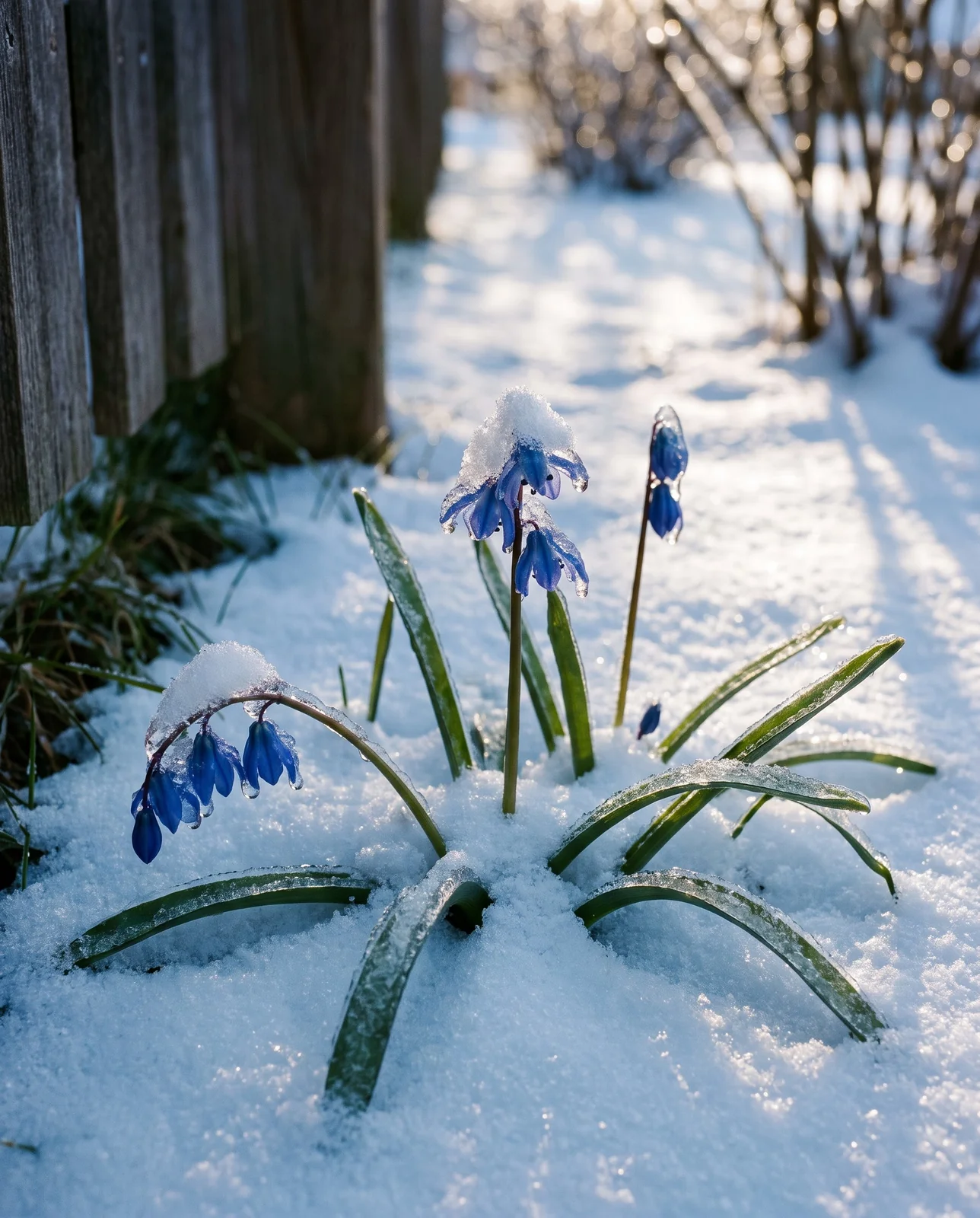
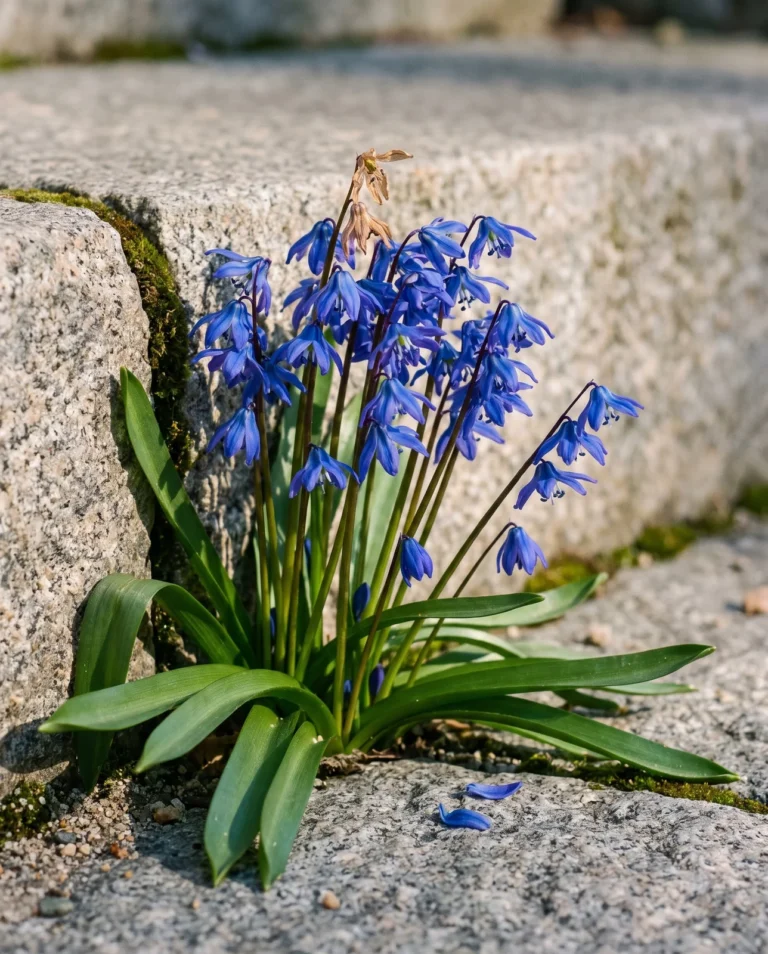
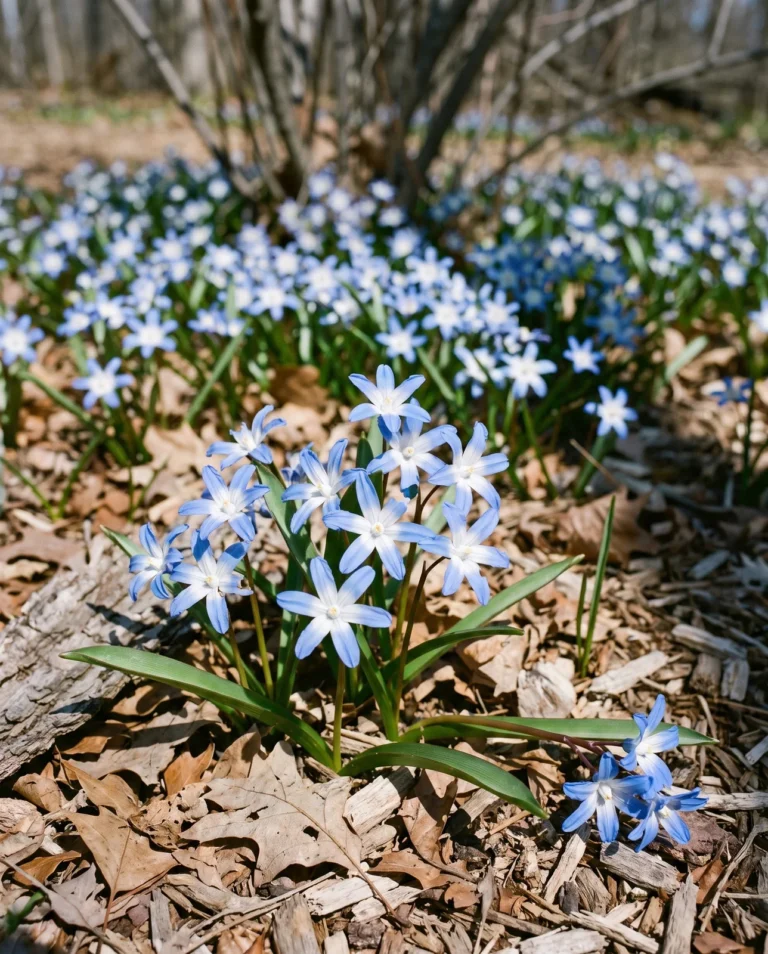
Scilla is a genus of small bulbs in the asparagus family that flower in the first weeks of spring and then vanish for the year. The genus holds 88 accepted species, published by Linnaeus in 1753, and the name is the old Greek word for sea squill. The species that fills American gardens and lawns is Scilla siberica, whose native range runs from Krym to northwest Iran, nowhere near Siberia. It stands 4 to 8 inches tall, with two to four strap-shaped basal leaves about 5 inches long. Each bulb throws three or four thin stems, holding one to three drooping bells each. The flowers are about an inch across, deep blue, six petals with six white stamens tipped in blue.
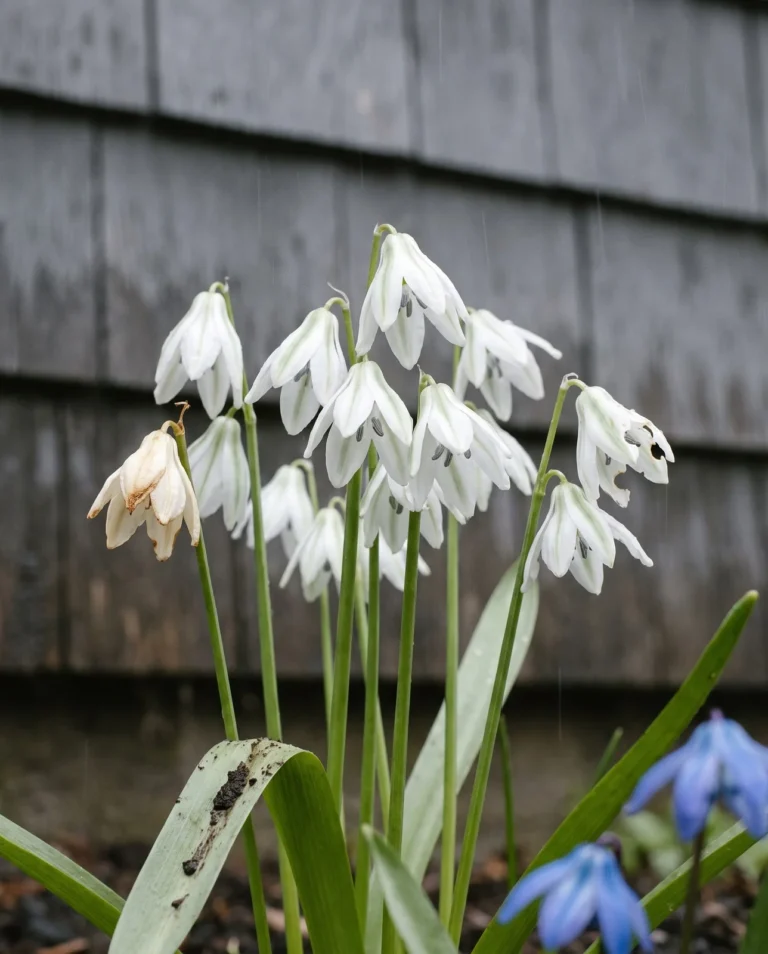
The whole performance is over quickly. Flowers open right after the snow melts, just behind the snowdrops, and hold for two to three weeks, taking hard freezes without damage. Then the plant does what spring ephemerals do: it finishes early, yellows, and disappears by early summer, leaving the ground free for whatever comes later. Deep blue is the standard color, and a white form is sold alongside it. The plant arrived as an ornamental spring bulb in the late 1700s and has been grown in American gardens since 1796.
Which scilla is actually sold
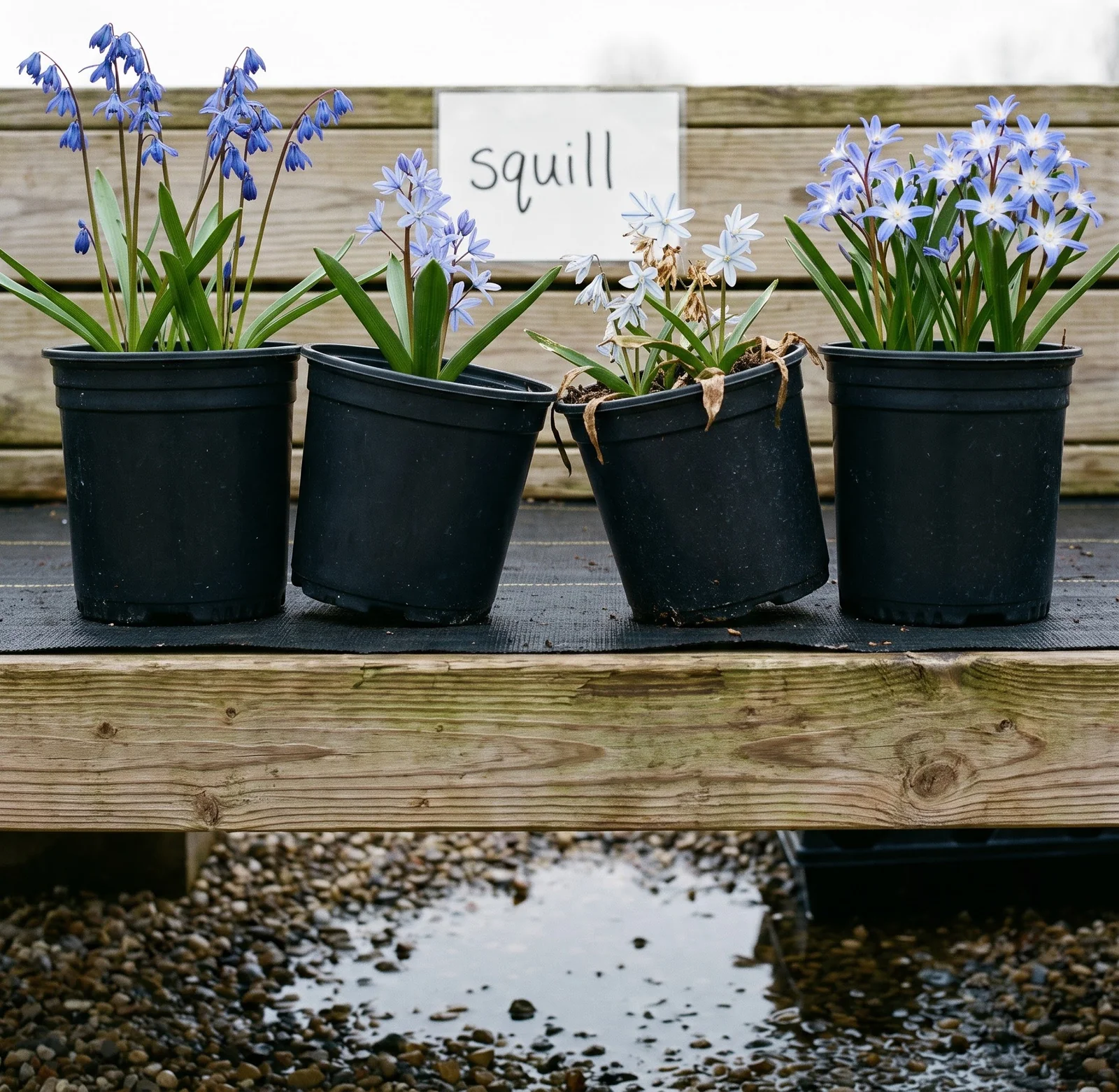
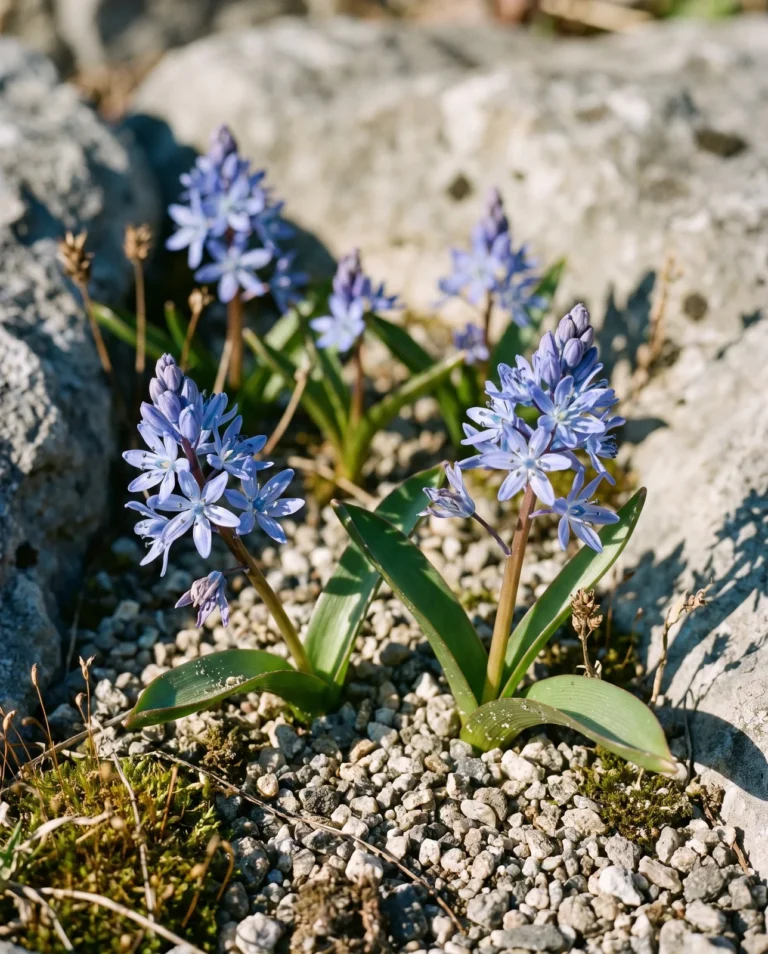
One label covers several plants that do not behave alike. Siberian squill is the one that naturalizes fast, by bulb offshoots and by self-seeding together. Alpine squill, Scilla bifolia, is smaller and quieter: 3 to 6 inches tall, hardy in zones 3 to 8, flowering in March and April. Scilla mischtschenkoana also runs 3 to 6 inches, opening pale blue star-shaped flowers half an inch wide in February and March, hardy in zones 4 to 8. Deer and rabbits tend to leave that one alone, and catalogues still shelve it under its older name, Scilla tubergeniana.
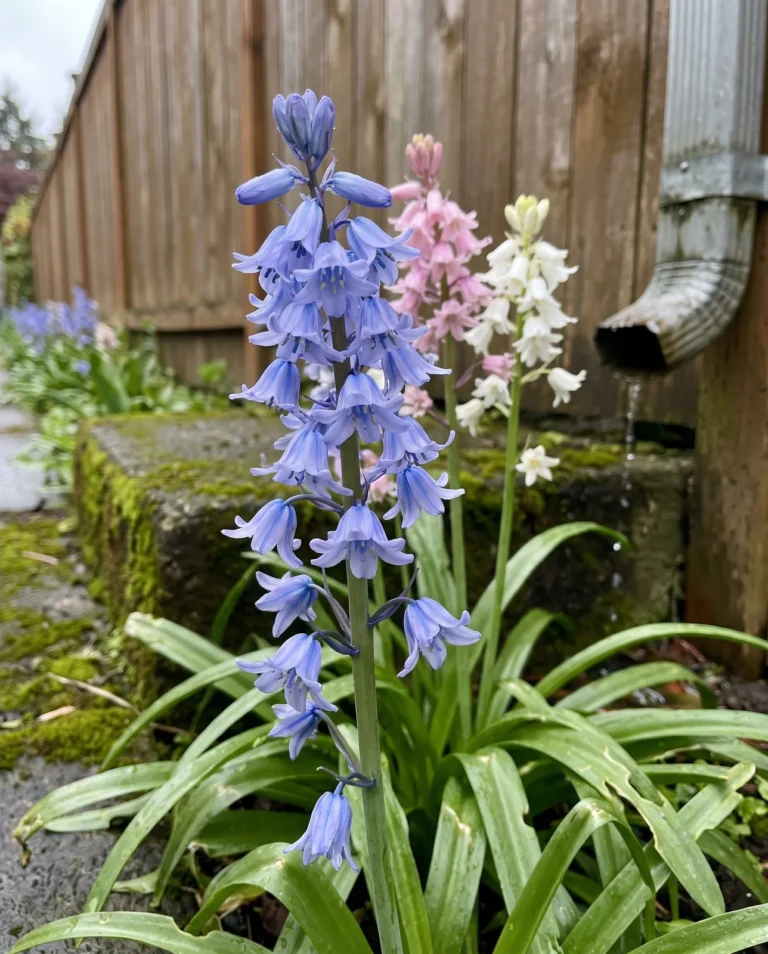
The genus itself keeps changing shape, so two catalogues can disagree about what belongs in it. Glory-of-the-snow, sold for generations as Chionodoxa, now sits inside Scilla. The two hybridize freely enough that the crosses carry a name of their own. Which species name it lands under is still unsettled: the same plant appears as Scilla luciliae and as Scilla forbesii. Plants once inside the broad genus were moved out into Hyacinthoides and Othocallis, so growing guides written for scilla can still be built around Scilla campanulata, the Spanish bluebell. The spreading blue bulb someone calls squill can turn out to be Hyacinthoides hispanica.
Is it the same as a bluebell?
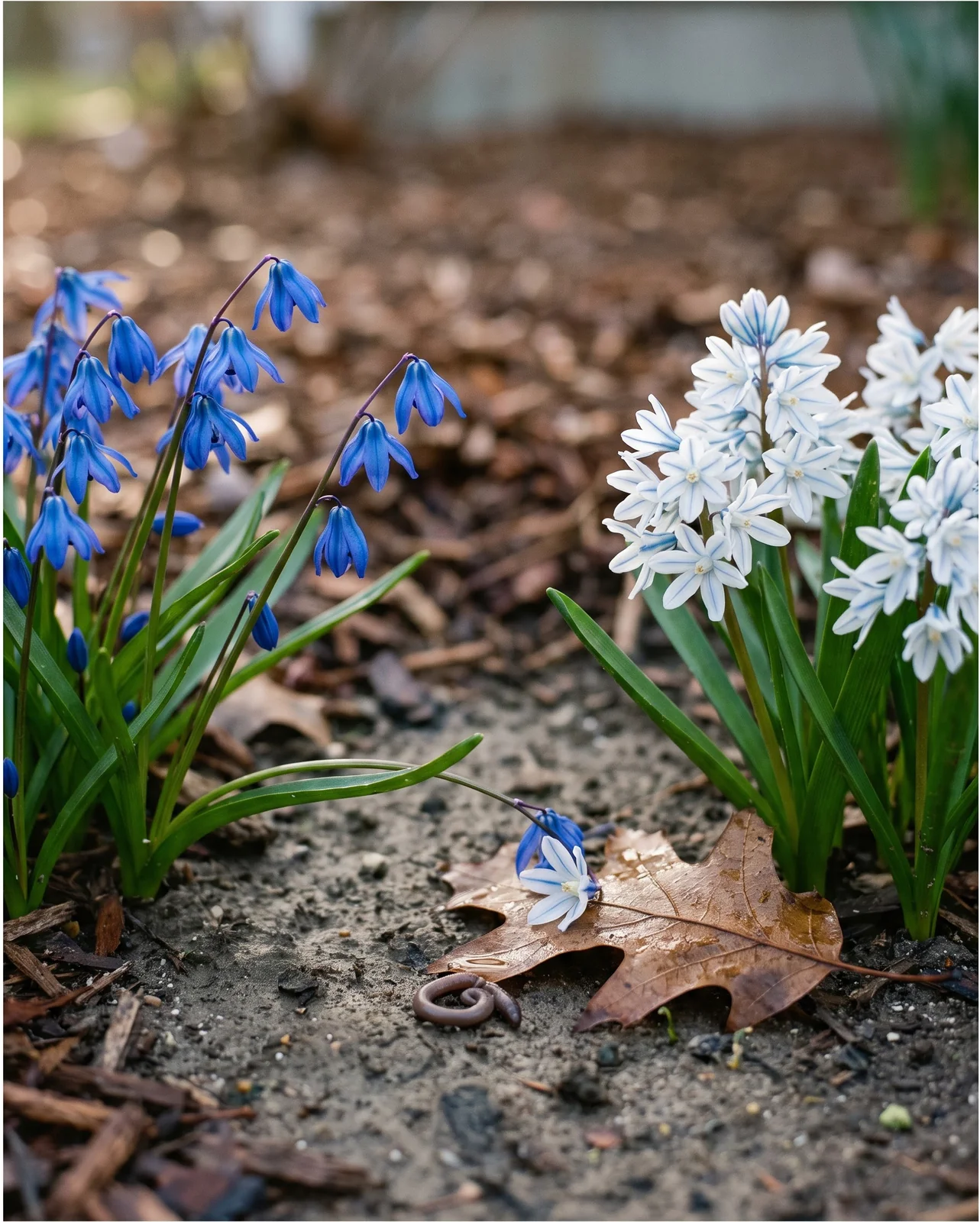
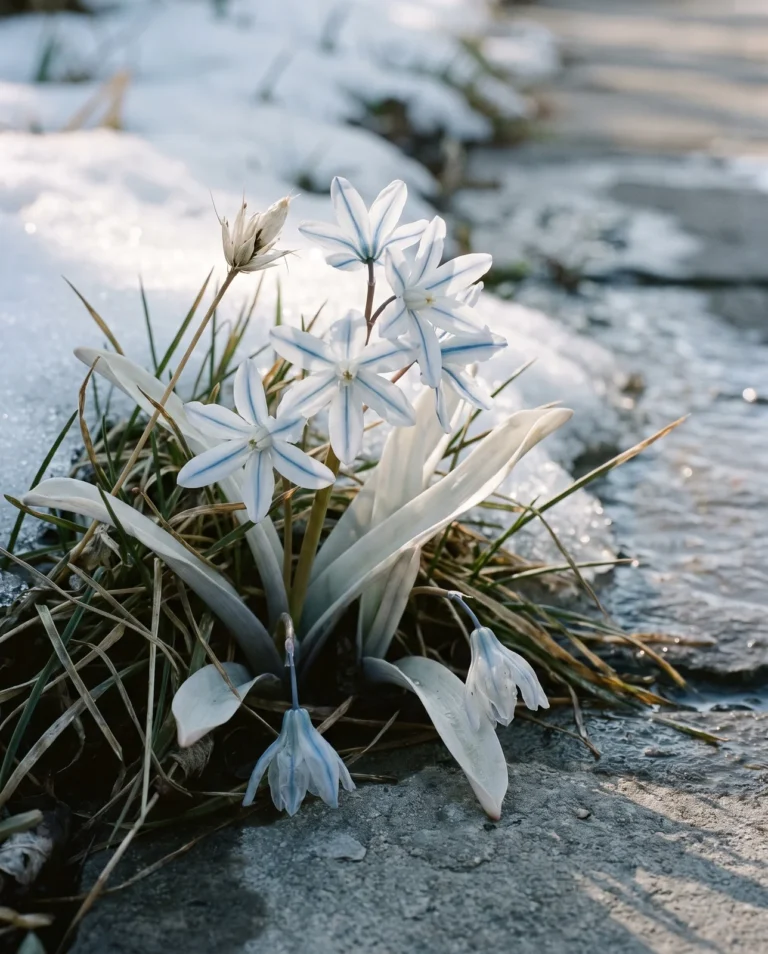
No. Scilla is a different plant from the bluebells it gets run together with, and the tells are visible from standing height. Siberian squill is short, 4 to 8 inches, with two to four narrow strap leaves and one to three nodding bells on each thin stem. Wild hyacinth, Camassia scilloides, is a native mistaken for it, and it grows 12 inches or more, with floppy leaves and a spike-like cluster of many flowers. Grape hyacinth separates on flower shape, its tiny urn-shaped blooms packed into a tight cone. Striped squill, Puschkinia scilloides, carries a darker stripe down each petal and is much paler overall. Harebell blooms in summer, months after squill has gone, on leafy stems reaching 20 inches. The native named as the plant to grow in squill's place is Virginia bluebells, Mertensia virginica.
Is scilla invasive or just naturalized
Opinion splits, and not along the line a reader would guess. Minnesota Wildflowers gives Scilla siberica a status of invasive with an instruction to eradicate it, and records that the plant escaped into the wild. Staff at the University of Minnesota's Landscape Arboretum use the same flat language. Squill is a cheerful, yet invasive spring ephemeral, very invasive and hard to get rid of once it naturalizes too far. It is choking out native plants in the natural areas one of them manages.
The hedging voice is the official one. The state extension service, run by that same university, calls squill a popular landscape plant that can be invasive. Its body text softens further, to a non-native with the potential to become an invasive plant, given its rapid spread and its tolerance of conditions. Softer again, it calls squill possibly troublesome, and treats better information on distribution and density as the first step in deciding whether it is a problem at all. Formal research does not exist yet, so the concern rests on informal reports.
None of that is a legal status, and the difference matters the moment the argument turns from opinion to law. Minnesota sorts noxious weeds into five categories, and the first carries a real prohibition: those plants may not be sold or propagated. Scilla, squill and Siberian squill are in none of the five. Ohio's assessed species list does not carry it either, and California's A to Z inventory runs from Schismus straight to Scolymus. Calling a plant invasive is a judgment. Listing it is a rule, and no rule names it.
Who says what, and who can actually list a plant
Two questions get mixed together: whether a body calls squill invasive, and whether any state has put it on a legal list. Only the first row is a regulator.
A carpet or a liability
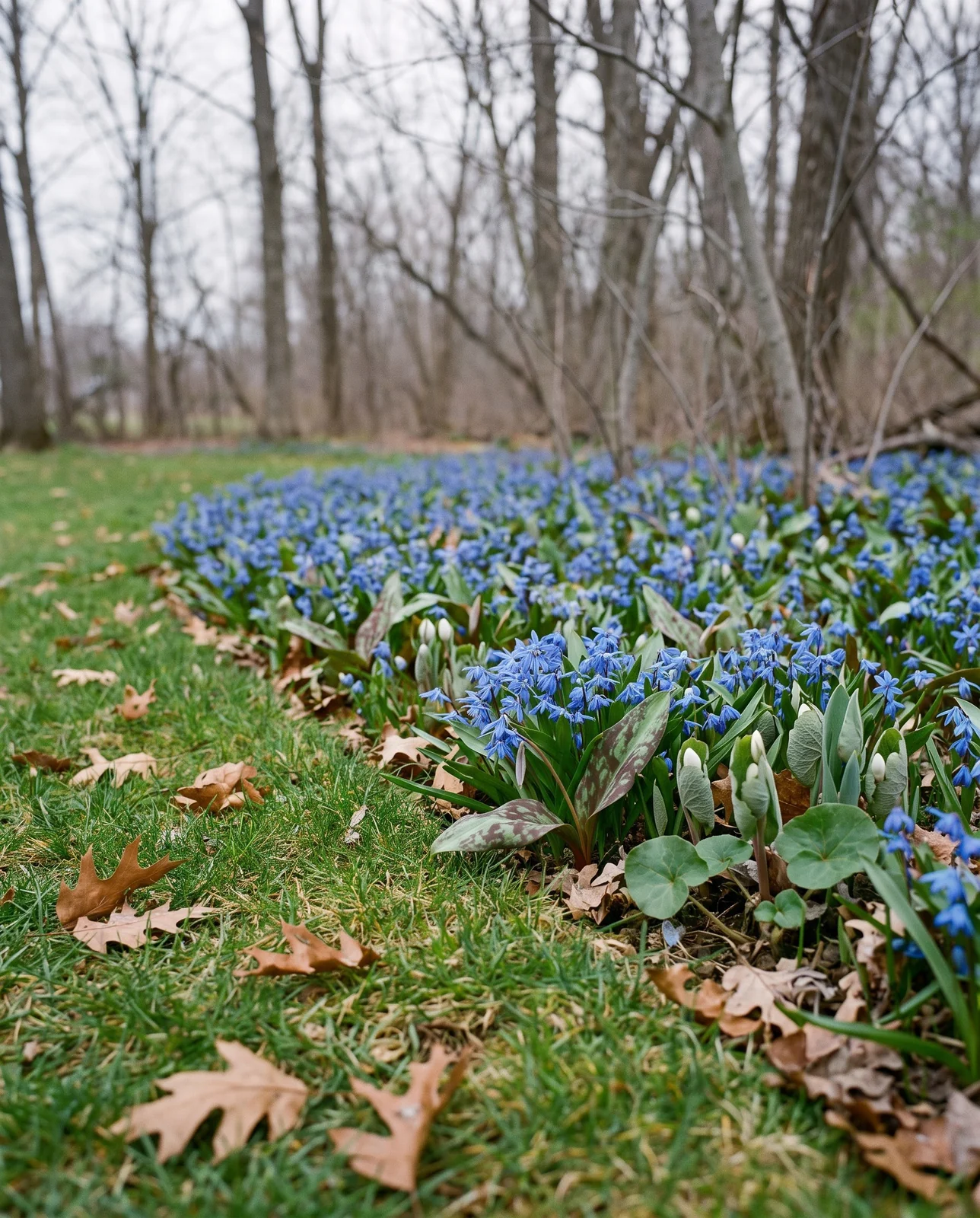
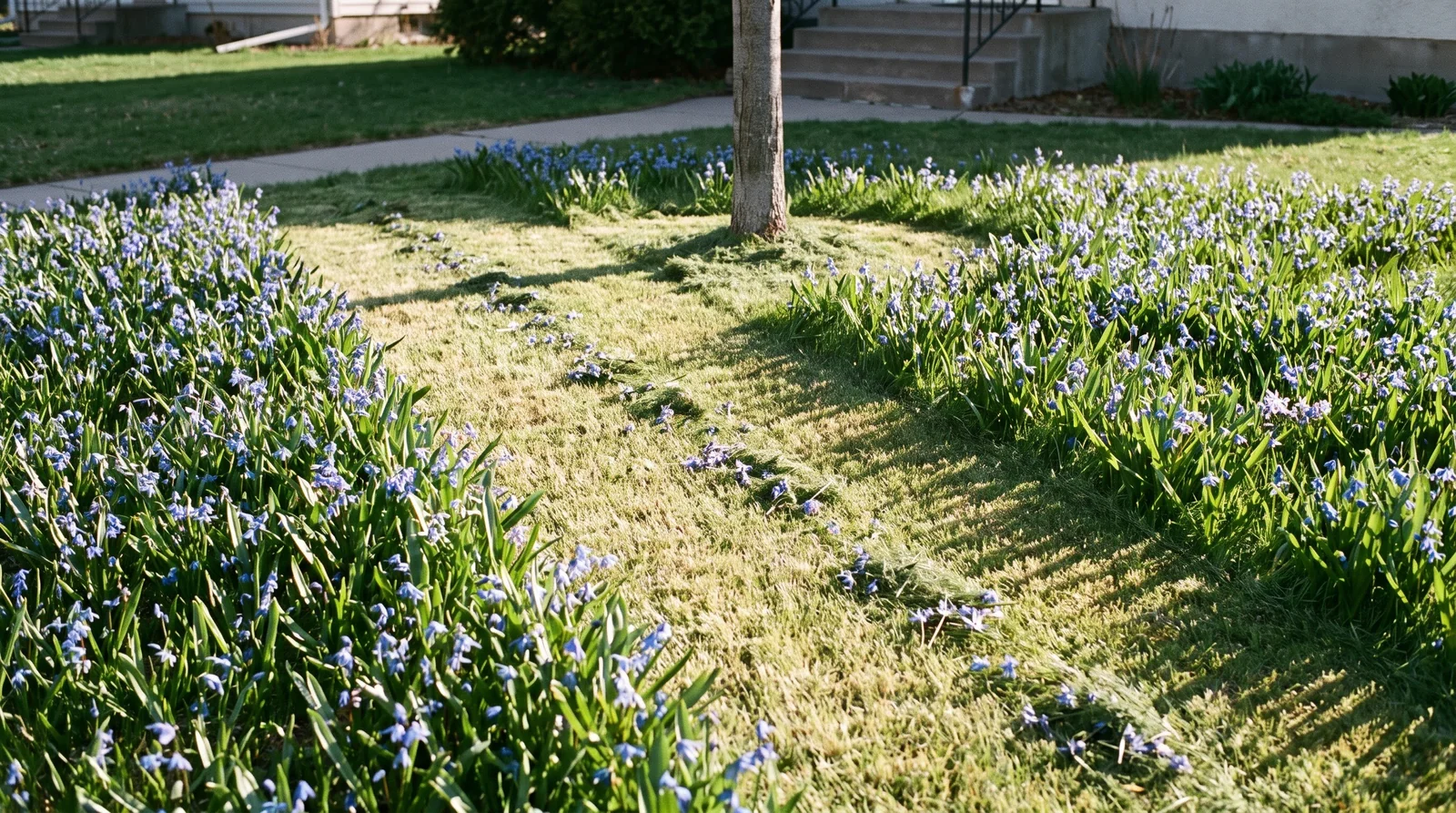
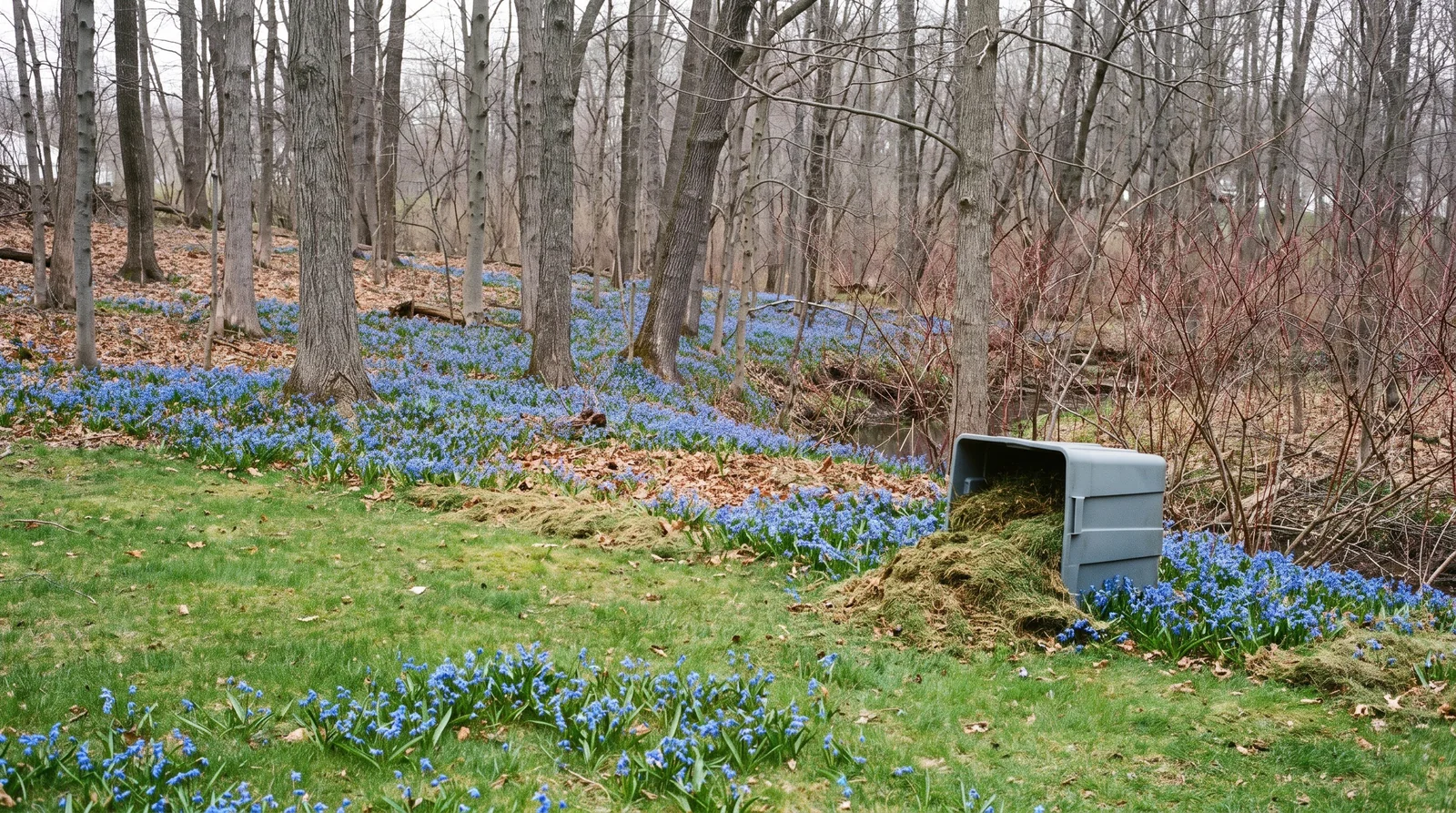
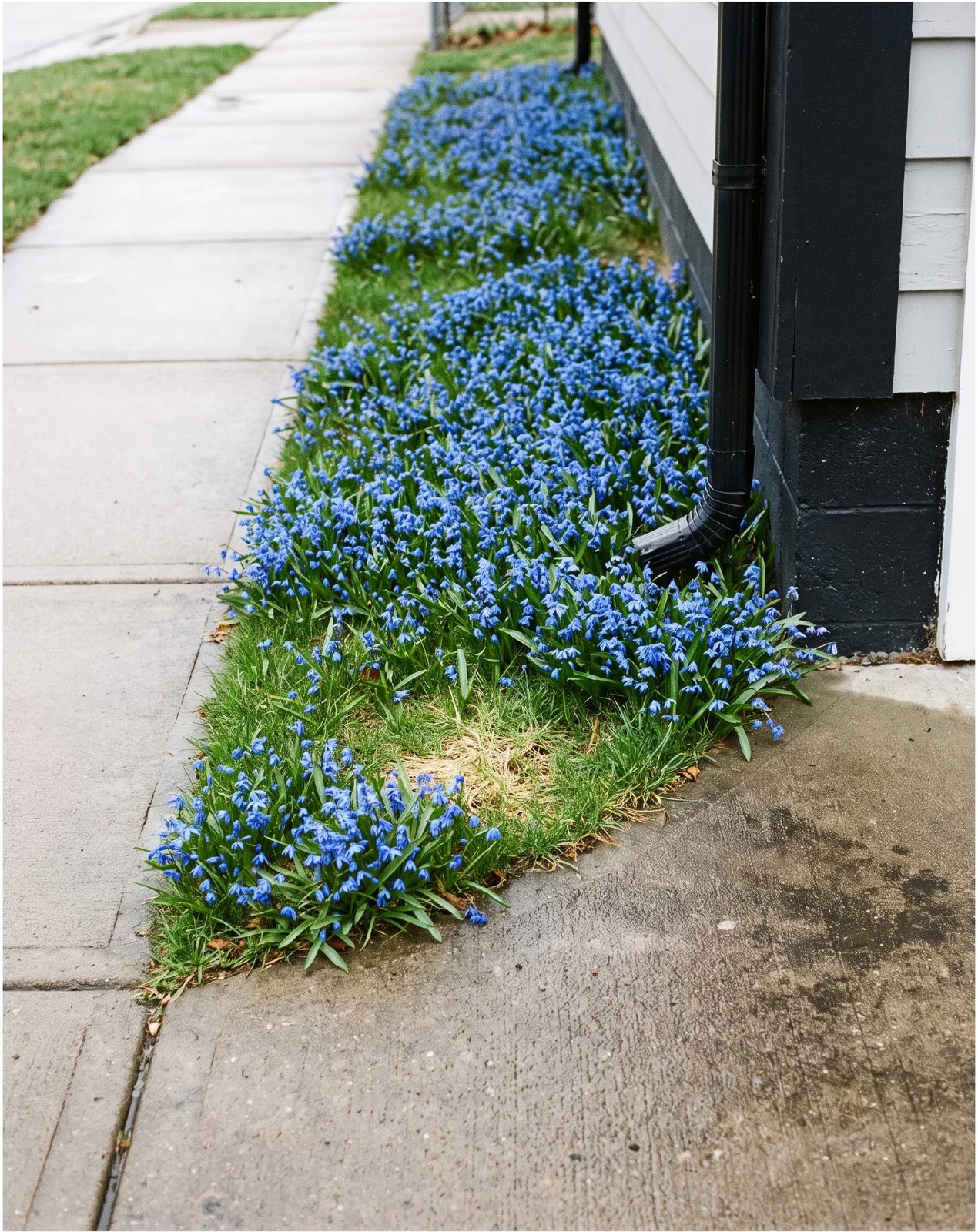
The same spreading is the reason to plant squill and the reason to fight it. In April a thick stand reads as sky-blue mist above the ground, and a lawn covered in squill is prettier than plain grass. The same thick carpets choke out native spring ephemerals where they reach woodland. Elsewhere it spreads by seed very easily and has never choked out anything. It also seeds itself into lawns and into beds 20 feet away, in sun and in shade. Twenty-five bulbs planted in a wooded back yard 30 years ago made a patch about 5 feet square, while a lawn planting stayed spindly and never spread.
The other half is gardeners who cannot get the ground back. Where a yard runs up against woods, plants that started out innocently enough can suddenly invade large areas, and the people who watched it happen ask readers not to plant them. Reports run heavily one way: squill taking over yards, woods and neighboring properties, with a minority defending it as harmless. On one 35 acre property it holds about 5 acres and advances roughly a meter a year at the perimeter. What decides which experience you get is mostly what lies past the property line. Squill takes woodland floors, floodplains and forest edges as readily as turf, finishing its growth before the canopy closes over it.
Planting scilla bulbs
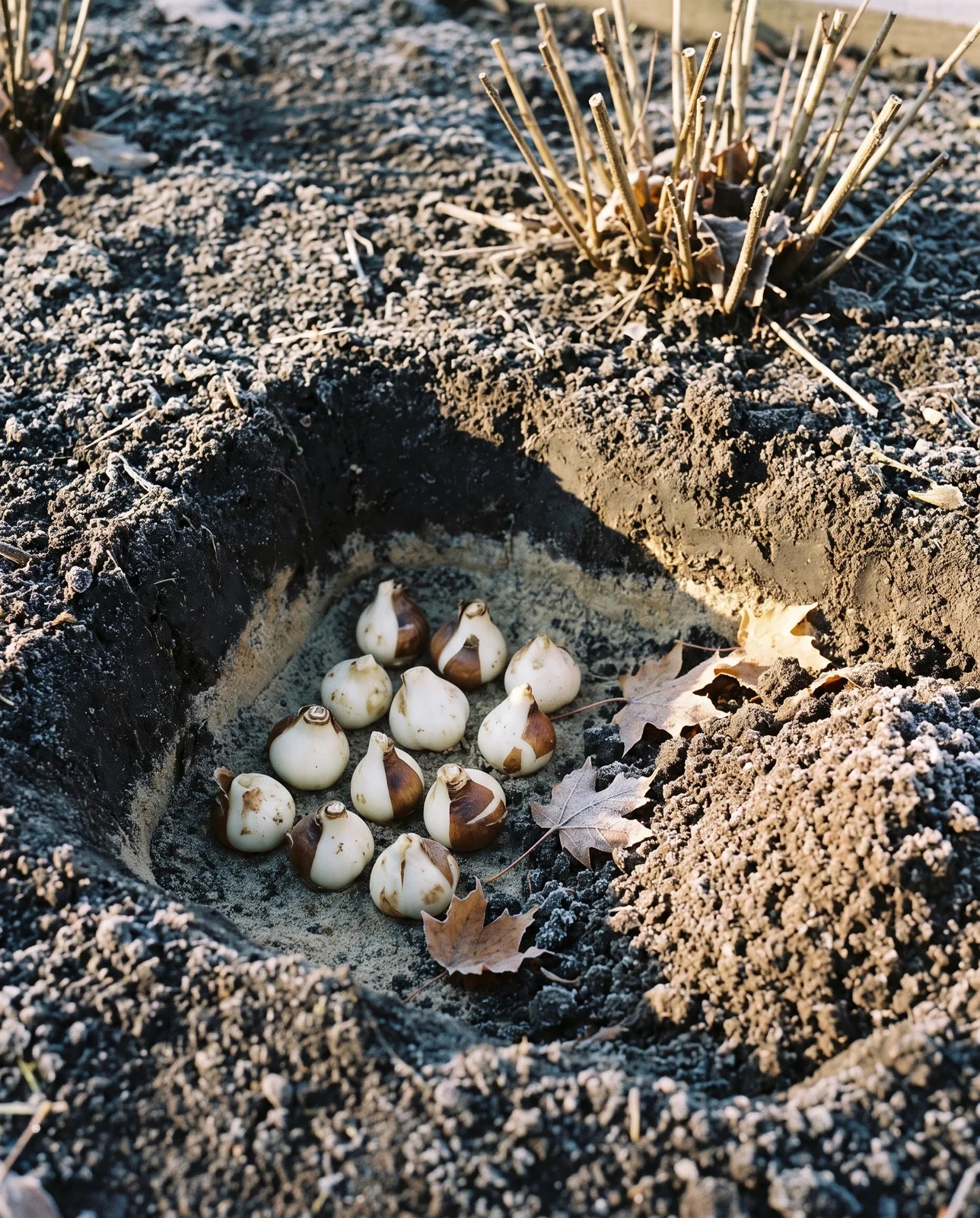
Plant the bulbs in mid to late fall, any time after the first frost and before the ground freezes. Give them full sun or partial shade; in deep shade the leaves come up and the flowers do not. Average, medium, well-drained ground grows them easily. Drainage is the one thing to take seriously, because crown rot is an occasional and potentially serious problem for Siberian squill. Classic placements are the rock garden, the front of a border, and masses around shrubs and trees, where squill supplies intense blue when the border has nothing else.
Depth is the one instruction nobody agrees on. Published figures run from 2 to 3 inches through 3 to 4 inches to 5 inches, and nothing explains the gap. Spacing spreads the same way, from 1 to 2 inches apart, about 20 to 30 bulbs to the square foot, out to 4 to 6 inches. Spacing decides how a planting looks in its first spring: for a natural look, set irregular clusters of 10 bulbs with no more than a couple of inches between them. Alpine squill and Scilla mischtschenkoana carry a figure of their own, 3 to 4 inches deep and 2 to 3 inches apart.
Naturalizing it on purpose
For the gardener who wants the carpet, squill asks for nothing beyond the planting. Mass it in drifts through woodland and wild ground, or naturalize it straight into a lawn the same way crocus is. Under shrubs and shade trees, and along stream and pond edges, it multiplies quickly and returns in wider waves of color each year. Two routes do the work at once: offset bulbs widen the clump every season, and seed drops near the parent and is carried short distances by ants.
The timetable is measured in seasons. Seedlings need four or five years before they flower, and they come up in random spots several feet from the parent plants. Voles, deer, chipmunks and rabbits leave it untouched, and squirrels that destroy other spring bulbs walk past it. It also handles disturbance well and often resprouts after being uprooted. The property that makes a drift easy to establish is the one that makes it permanent, so settle the question before the bulbs go in.
Getting rid of Siberian squill
Removal takes seasons of digging plus seed control, and spraying has mostly failed. In one heavily infested woodland, glyphosate and triclopyr both failed over two years running. No spray was found there that would spare the native plants sharing the ground, so the work is limited to hand digging small patches. For larger areas the one qualified recommendation is a systemic herbicide such as glyphosate, which may give some degree of success. It will likely need more than one application, timed for warmer sunny days in late winter to early spring. The pesticide label has the force of law; your state chemist's office answers questions about it.
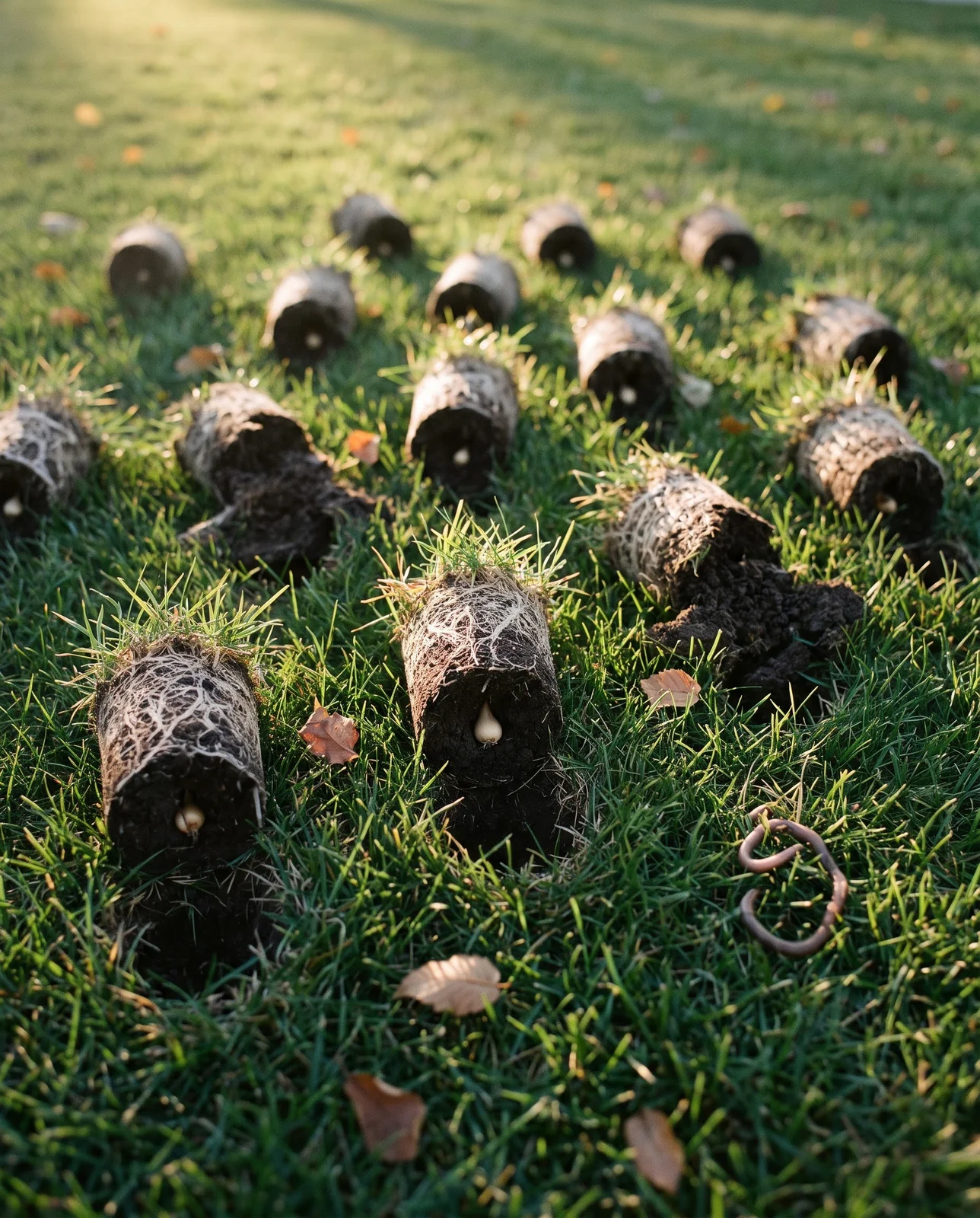
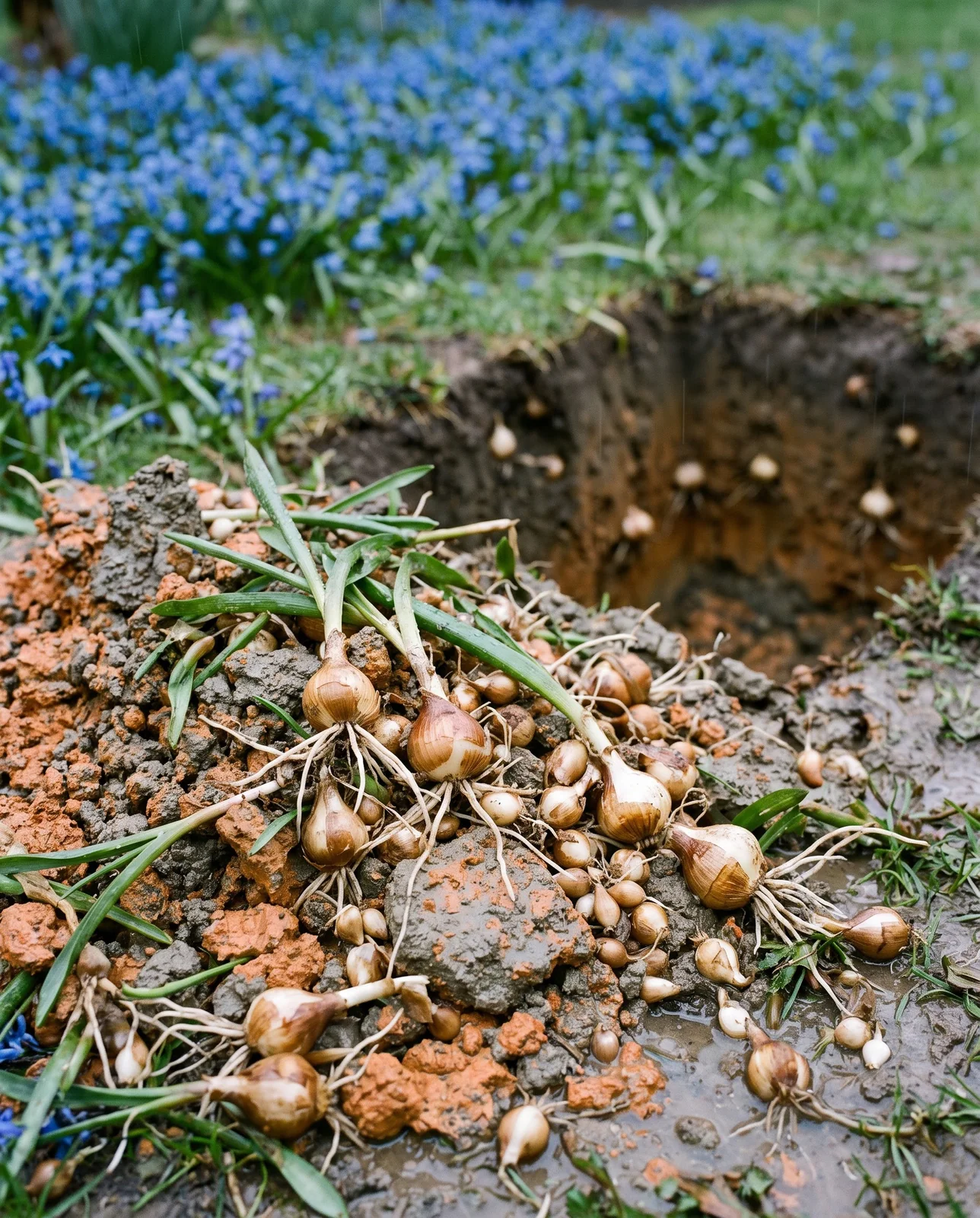
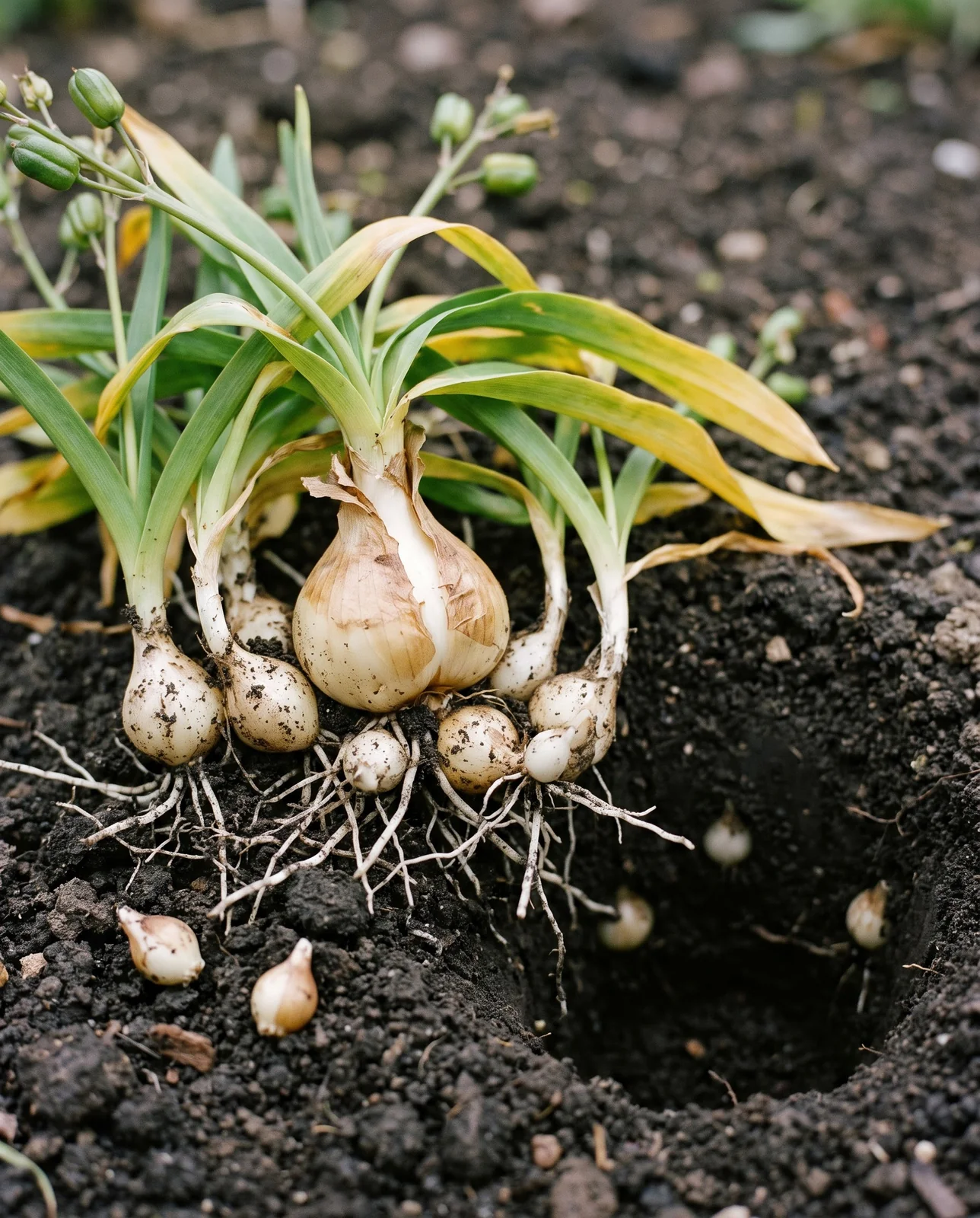
Digging works only if it takes everything. Dig out the bulbs together with their small offsets, since any bulb or broken piece left behind resprouts. That is harder than it sounds in old ground, where the small bulbs sit deep and the plant produces a great deal of seed. Seed is the second half of the job and the half people skip. Pull the plants before the capsules ripen in late spring, in the same season as the digging. A stand in place for years is measured in repeat passes over several springs.
Hardiness, species by species
Cold hardiness for scilla is published species by species and seller by seller. Siberian squill is hardy from zone 2 to 8, with its cold minimum put at roughly minus 50 to minus 45 degrees Fahrenheit. The white flowered form is sold at zones 3 to 8, and scilla in general as winter hardy in zones 4 to 8. Alpine squill takes zones 3 to 8 and Scilla mischtschenkoana zones 4 to 8. Read the figure for the species on the label: the word on the bag covers several plants.
One published figure fits none of that. Siberian squill is also reported injured below 14 degrees Fahrenheit, which cannot be squared with a zone 2 rating whose own stated low is minus 45 degrees or colder. Both describe the same species, and neither accounts for the other. Where winter reaches those temperatures, carry that gap into the decision.
Do the bulbs multiply
They do, faster than most gardeners plan for, and it happens underground as well as by seed. Disturbing that ground spreads the plant further. Tilling scatters hundreds of tiny offset bulblets through the garden, and digging bulbs out is a temporary cosmetic fix because some of the small ones are always left behind. Nothing has to be lifted: the bulb goes dormant once the seed matures in late spring and comes back on its own the following year, leaving the space to whatever grows later. A single small bag planted years ago can end up through every surrounding garden and out into the lawn, with a great deal of digging failing to stop it.
After it flowers
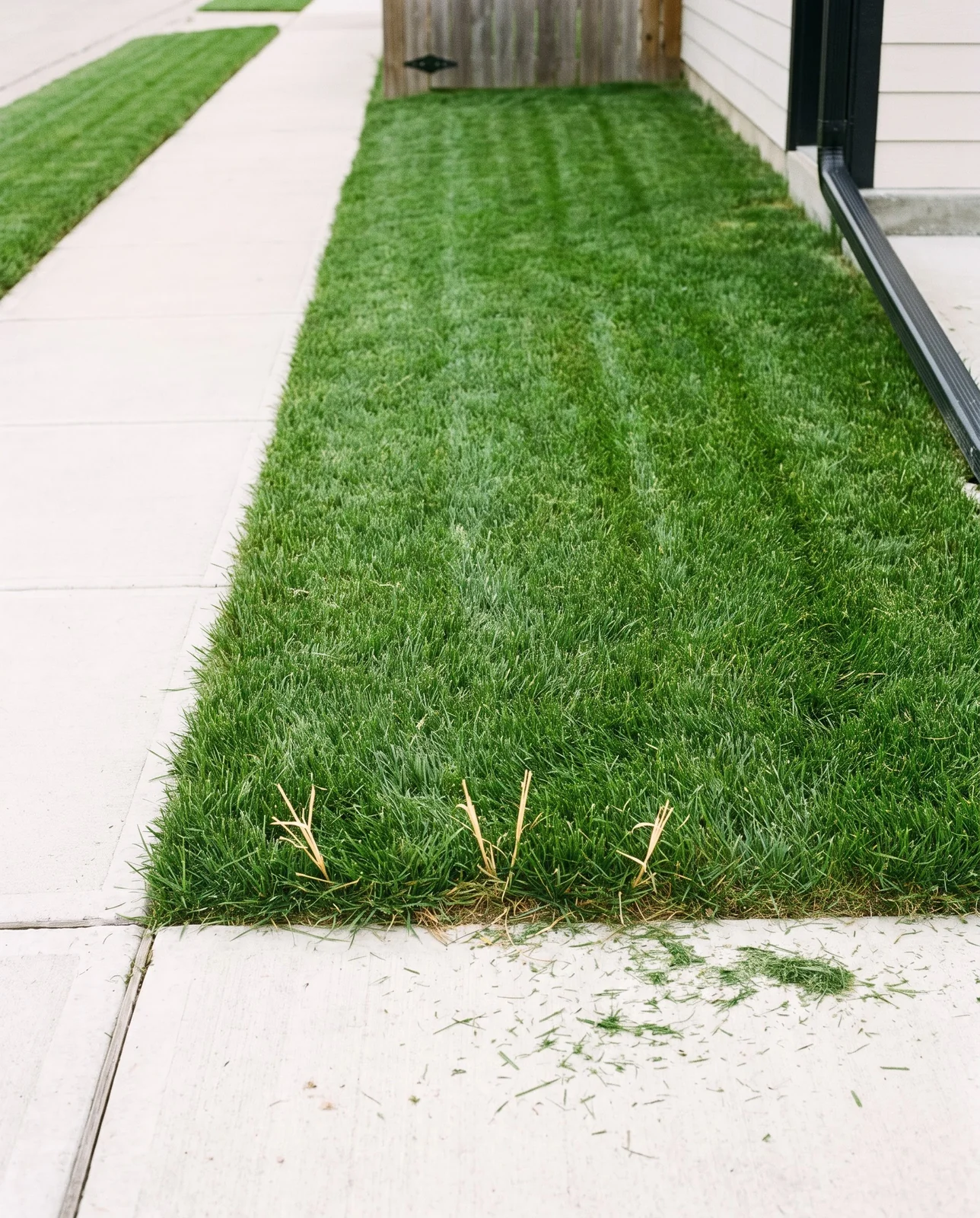
The one useful thing to do after bloom is take the seed heads off before they ripen. Mow after bloom to remove them and cut the spread by seed. The capsules set the deadline: cutting or mowing before they ripen stops new seed forming, and the work has to repeat for several years before it counts. A squill lawn mowed for years still comes back, with new seed likely producing new plants each spring. A harder version goes around among gardeners fighting it: pull off the flowers and buds and strip as much green growth as possible, on the theory that less goes back down to the bulb. No source says how long a lawn should stand before its first cut.
The squills side by side
Scilla is one of the few genuinely blue flowers in an early spring garden, and the word covers plants of different heights, bloom dates and cold limits. Several are still shelved under names the accepted lists no longer use.
Where it grows best
Squill grows best wherever it gets a full spring's light before anything leafs out over it, so the useful question is where it ends up afterwards. It escapes into natural areas throughout the Northeast, the Midwest, the Great Lakes region and eastern Canada. In Minnesota the reported colonies run through the eastern counties, from Duluth to Rochester. A planting with woodland, a park edge or a creek line downhill of it has somewhere to travel, while a bed ringed by paving and mown grass has much less. To fill the same slot with something else, the plants named for that niche are lily of the valley, a giant snowdrop and grape hyacinth.
Pollinators and wildlife
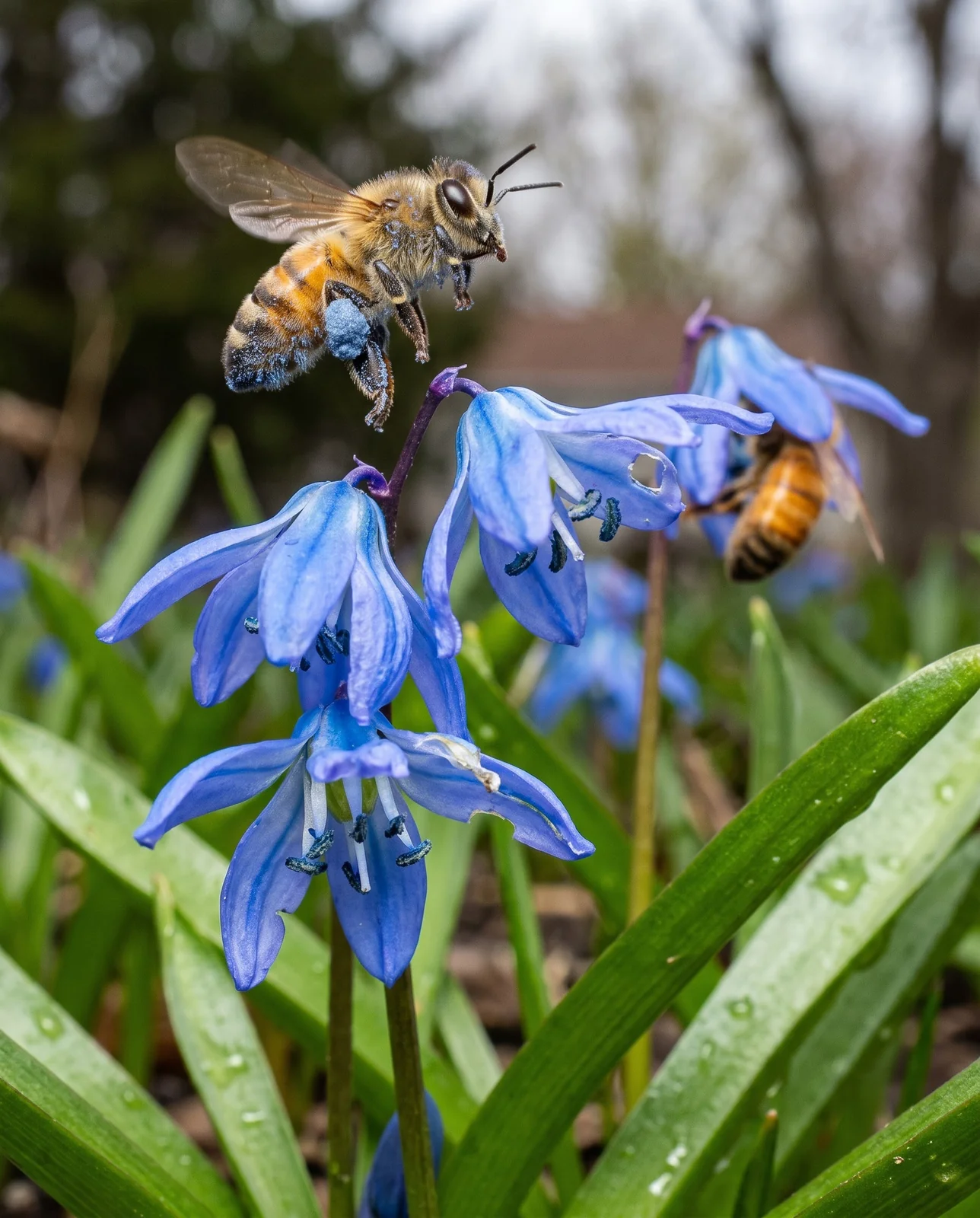
Squill feeds bees at a point in the year when very little else is open. That alone is the strongest argument anyone makes for keeping a patch. Bees work it hard, and the pollen is blue enough to color their legs and abdomen visibly as they leave the flowers. Squill is still sold as a spring bulb in the nursery trade even though it is known to be invasive. Gardeners who have watched it move through Minnesota woods argue that whoever publishes instructions for naturalizing it ought to know better. Both positions describe the same behavior, and the choice is which one matters more on your own ground.
Is scilla toxic
Treat it as poisonous. NC State's plant toolbox puts the poison severity of Scilla siberica at high, warning that the plant is highly toxic and may be fatal if eaten. The toxic principle is cardiac glycosides, present in the flowers, fruits, leaves, roots, sap and stems. Symptoms run from pain in the mouth, nausea, abdominal pain and vomiting through cramping, diarrhea and a lowered heart rate, and contact dermatitis is confirmed for the species. Invasive species guidance puts it plainly: all parts are toxic if eaten by people or pets. Wear gloves for any digging.
The ASPCA holds nothing on this plant either way. Squill, scilla and Siberian squill all come back empty from its plant database, and its list under the letter S runs straight from Shrimp Cactus to Silver Bell. A missing entry is a missing entry. The findings that do exist are recorded under the Latin name Scilla siberica, so check any toxicity claim against that name: squill by itself covers several different plants.
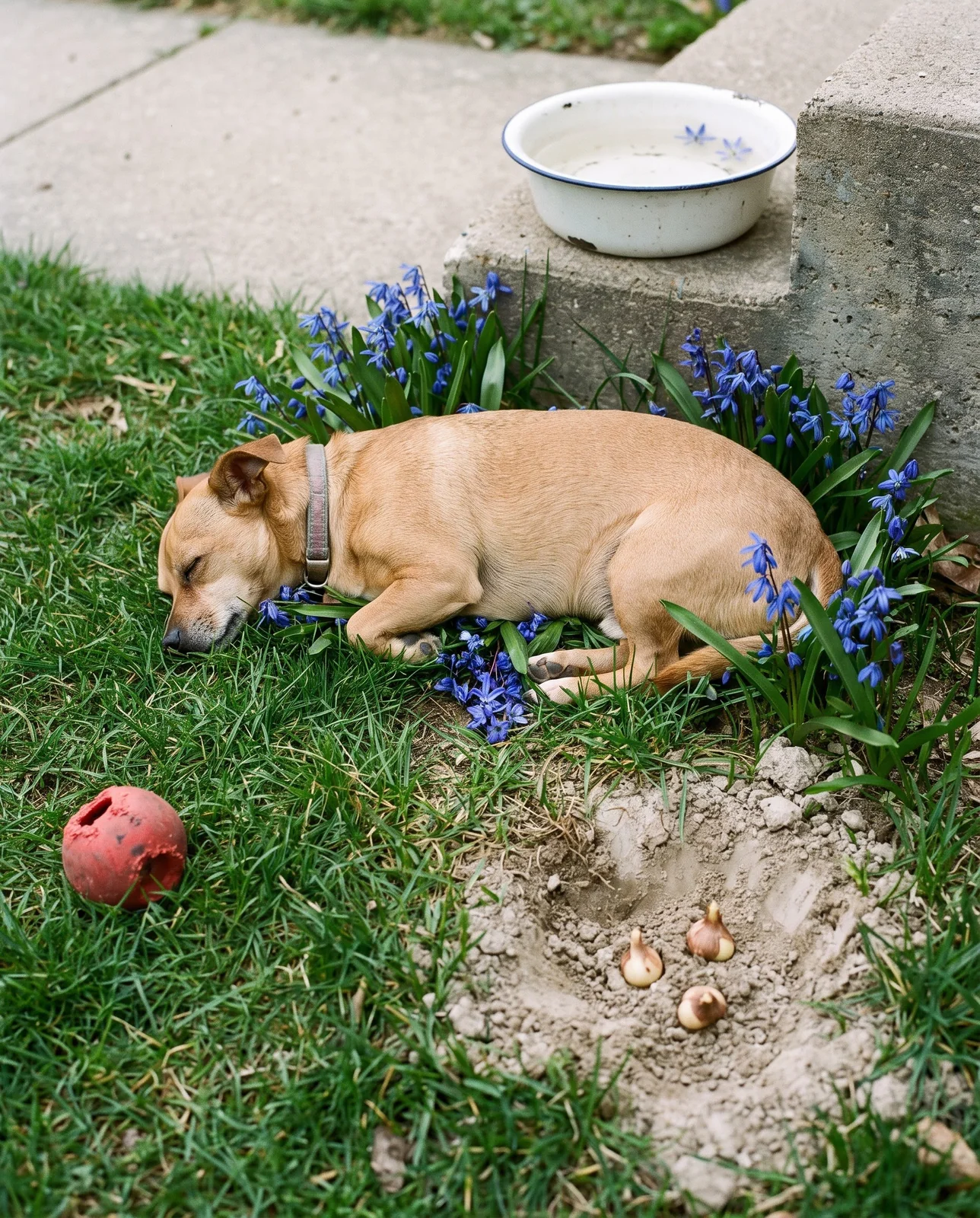
What goes wrong most often
Ordered by how often each one turns up, most frequent first.
It spreads aggressively into neighboring ground and is a pain to dig out, pretty at first and a nuisance by summer. Take the seed heads off after every bloom and keep working the edge where a boundary matters.
Gardeners who spray find the plants standing afterwards: nothing kills them, and the only real solution offered is to move house. Roundup does not affect the plant, and a poison ivy formulation was no clear help. Dig, and stop the seed in the same season.
The bulbs go down too far for ordinary digging, and anything left behind refills the ground the next spring. One answer is a full strength brush killer, with the plants around it needing protection. Expect repeat passes over several springs.
The look-alikes for squill are spring crocus and glory of the snow, and among natives the blue harebell and prairie blue-eyed grass. A spreading blue bulb in a lawn often turns out to be wood hyacinth.
Pretty is the sales pitch, and the nursery selling it can have the name wrong. Ask for the Latin name at the counter, and plant it only where a permanent carpet would be welcome.
Pulled greens and seed heads raise the obvious worry, that seed or bulbs survive and reappear from a municipal compost pile. Bag what you pull and keep it out of the compost.
Four things people get wrong about squill
Each of these decides what you do next.
The myth: Scilla is a bluebell.
The reality: The bluebells sit in other genera. The spreading blue bulb people call a bluebell in a lawn is often wood hyacinth, Hyacinthoides hispanica, which sat inside Scilla until it was moved out of the genus.
The myth: It is only naturalized, so it cannot be a real problem.
The reality: In Minnesota the same plant carries a status of invasive with an instruction to eradicate and is called a non-native with the potential to become an invasive plant. Neither is a legal status, and no category of the state noxious weed list carries scilla or squill.
The myth: Ordinary lawn weed killer will deal with it.
The reality: It does not. Weed B Gon and a single Roundup test left the plants standing, and two years of glyphosate and triclopyr trials in heavily infested ground failed as well.
The myth: Every scilla is hardy to the same cold zone.
The reality: The cold figures are published species by species and seller by seller, and they land in different places, so one number for the whole genus is not usable.
What to expect, season by season
From the first spring after a fall planting to the point where removal becomes the question.
The first spring is a small event. Each bulb makes a plant 3 to 8 inches tall and 3 to 6 inches across, carrying deep blue bells in April. A bag planted in clusters reads as scattered dots of color and nothing like a carpet yet. Cold does not interrupt it, since the blooms withstand freezing temperatures.
The springs after that widen what is already there before they add anything new. Offsets thicken each clump season by season. The seed that fell in the first year is still years from flowering, since seedlings need 4 or 5 years to reach that size. Two clocks are running, and neither one asks anything of the gardener.
Given enough seasons, the question stops being what it looks like and becomes what undoing it would cost. Gardeners who go after an old stand dig down as far as a foot and still find bulbs at every size from a seed to a tulip bulb, and sifting the soil fails to get them all. Nothing about that stage is reversible in a season, so the decision belongs at planting time.
FAQ
Do scilla flowers spread quickly?
Yes, by two routes at once. Offset bulbs widen the clump each year, and seed drops near the parent and is carried short distances by ants.
Is scilla the same as a bluebell?
No. The Spanish bluebell is a Hyacinthoides, and Virginia bluebells are Mertensia virginica. Siberian squill is 4 to 8 inches tall with one to three nodding bells per stem.
Is Siberian squill the same as scilla?
Siberian squill is one species inside the genus, accepted as Scilla siberica, and the one almost everyone means. The genus holds 88 accepted species.
Are scillas invasive?
Opinion splits, and no state law settles it. Minnesota gives the plant a status of invasive with an instruction to eradicate, while its own noxious weed list carries no scilla or squill. Neither Ohio's assessed species list nor California's inventory names it.
Do scilla bulbs multiply?
Yes, by offset bulbs underground and by seed above it. The bulbs stay in the ground and come back on their own.
When should I plant scilla bulbs?
In mid to late fall, any time after the first frost and before the ground freezes. Depth is unsettled, from 2 to 3 inches to 5 inches.
Will scilla grow in shade?
It grows and flowers in partial shade. Deep shade gives leaves and no flowers.
How do you get rid of Siberian squill?
Dig the bulbs with their small offsets, since any piece left behind resprouts, and bag what you pull. Pull the plants before the capsules ripen in late spring, and repeat both for several years.
Is chionodoxa the same as scilla?
The accepted name list folds Chionodoxa into Scilla, and glory-of-the-snow sits inside the genus as its own section, hybridizing freely with it. The bulb trade still sells them under separate headings.
Where does scilla grow best?
In full sun to part shade in average, medium, well-drained soil, at its best under deciduous trees and in rock gardens, or naturalized into a lawn.
Interesting tips
- The same plant is catalogued under more than one spelling and more than one genus. It is sold as Scilla sibirica as well as Scilla siberica, and in New England it is filed under Othocallis siberica. A search that comes up empty under one name will often find it under another.
- Vinegar comes up as a home remedy for it. Acetic acid sprayed on the foliage kills the plant and its root, and it kills the surrounding native plants too by dropping the soil pH.
- The genus is largely a European and African one, with most of its species found in Europe, North Africa and western to central Africa. The handful sold as garden squills is a small slice of it.
Related Guides & Flowers
Hyacinth
The spring bulb whose name gets attached to half the blue flowers people mistake for squill.
Lily of the valley
Named as filling the same early shade niche, and a spreader in its own right.
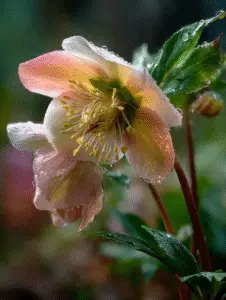
Hellebore
Opens in the same cold weeks under the same bare trees, and stays where it is planted.

Types of flowers
The full index of flower guides here, arranged by type and by name.
Enjoying our flower guides? Add YourFlowersGuide as a preferred source on Google. It helps more readers find us.
Add to Preferred Sources