The pairing · pick a flower
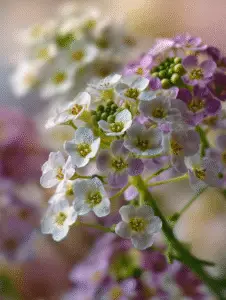 Sweet alyssum+
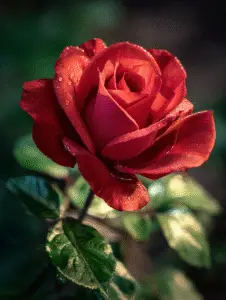 RosesProven
Planted at the base of a rose, alyssum's flat little flowers pull in the hoverflies and parasitic wasps that patrol rose canes for aphids, while its low mat covers the bare, thorny lower growth.
Sweet alyssum+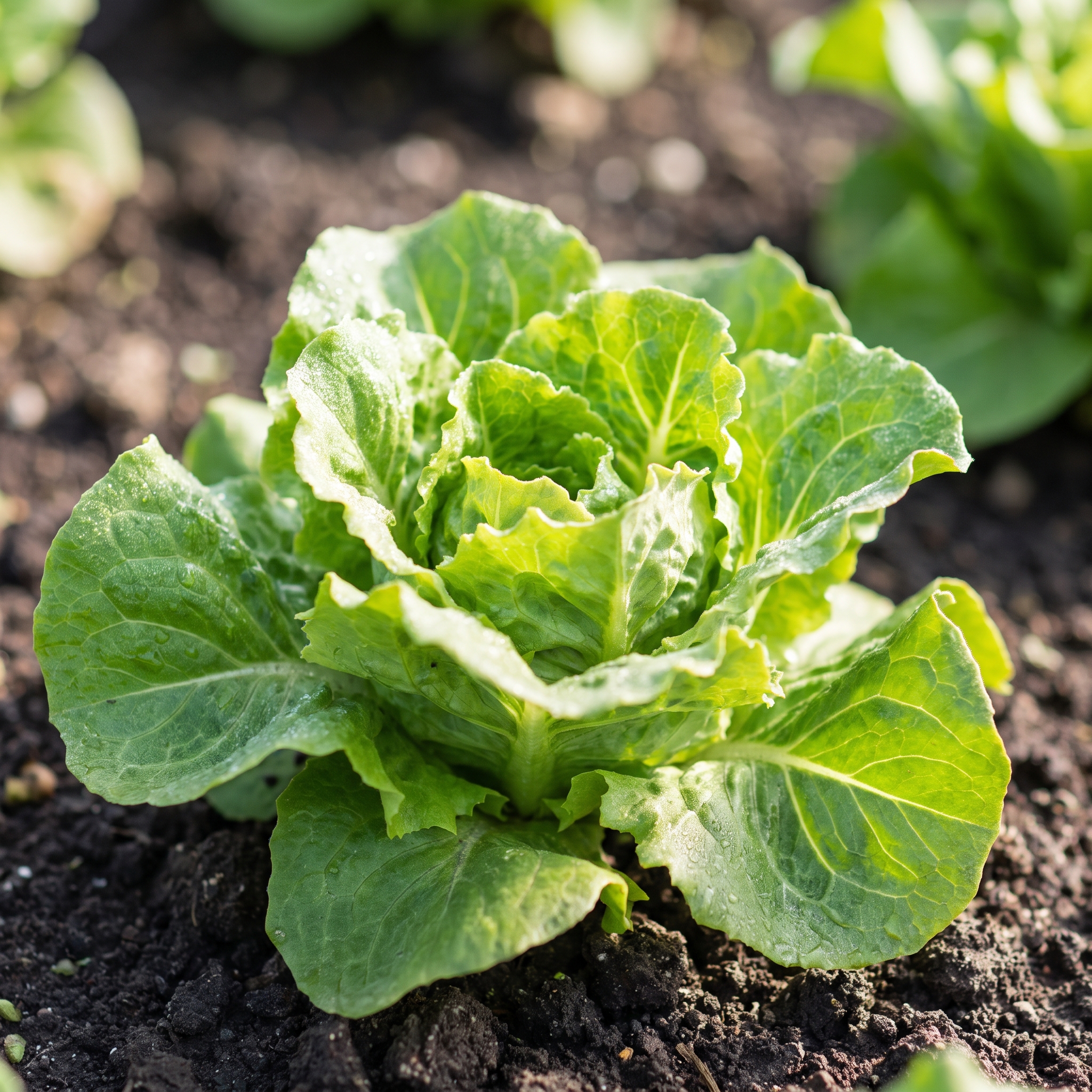 LettuceProven
This is the actual research subject: UC field trials found fewer aphids on sticky traps and inside lettuce heads in fields interplanted with a strip of alyssum, at roughly one bed of alyssum per twenty beds of crop.
Sweet alyssum+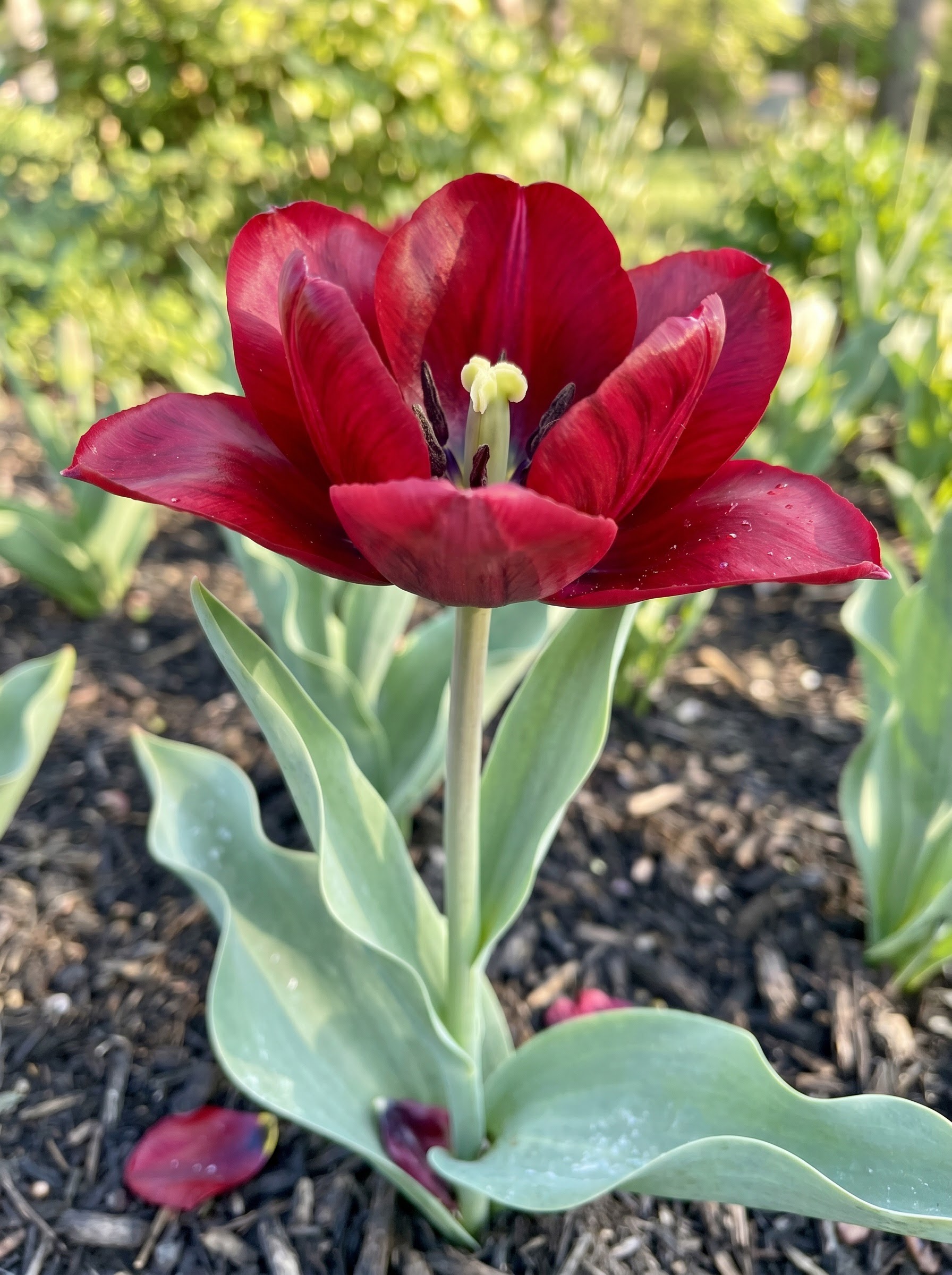 Tulips andPartial
Alyssum is sown or set in as spring bulb foliage yellows, covering the bare, dying leaves and carrying color forward into early summer from the same cool-season bloom window.
Sweet alyssum+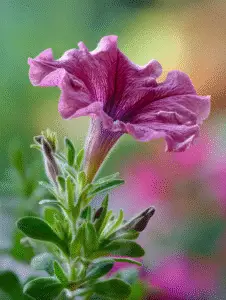 PetuniasFolklore
Alyssum's fine, thread-like texture and small blooms balance a petunia's large velvety flowers, the classic spiller against a container's thriller, and both want the same full sun and drainage.
Sweet alyssum+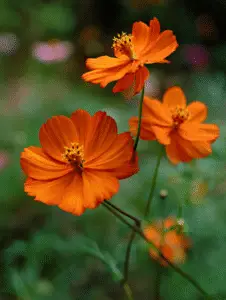 CosmosFolklore
Alyssum's dense low edging against cosmos's airy, fern-like foliage and taller open blooms is a genuine textural pairing, though cosmos peaks later and in more heat than alyssum tolerates well.
Sweet alyssum+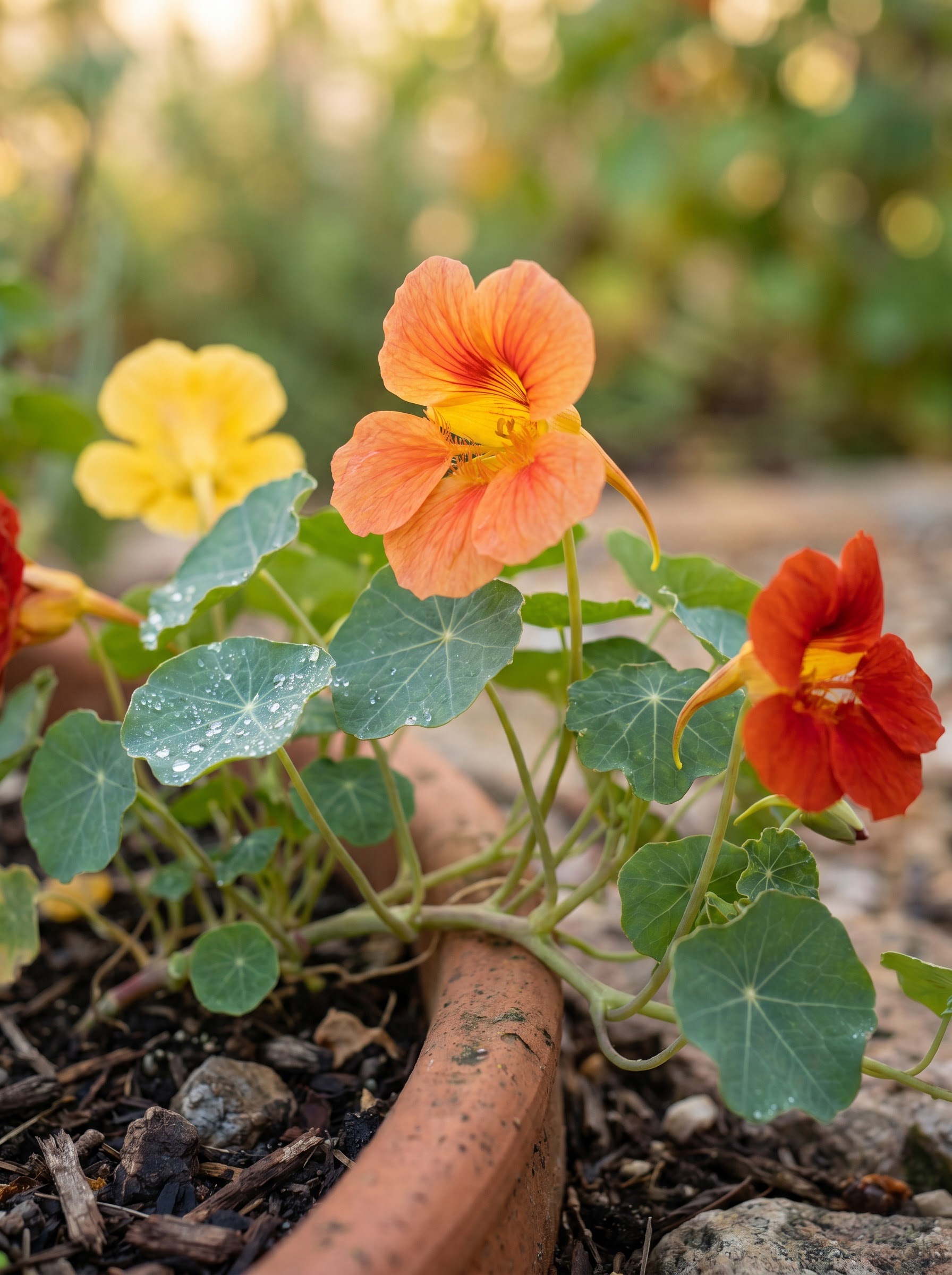 NasturtiumPartial
Extension guidance groups alyssum and nasturtium together as part of a spring vegetable-bed trio, alyssum's flowers recruiting the predator insects that patrol for aphids while nasturtium adds its own pest-deterrent reputation, though the trap-crop mechanism for nasturtium specifically is garden tradition rather than a confirmed research finding.
Sweet alyssum+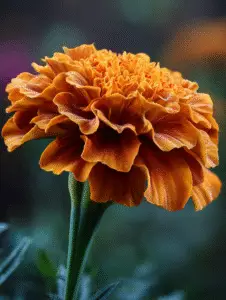 MarigoldPartial
Named alongside alyssum and nasturtium as a spring-garden trio by extension guidance, though marigold's own pest-deterrent reputation rides on weaker, more mixed evidence than alyssum's, a gap other extension research makes explicit.
Sweet alyssum+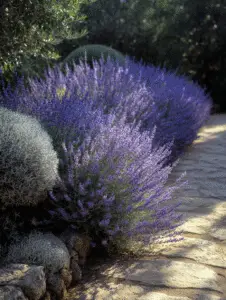 LavenderFolklore
Both want full sun and sharp drainage and tolerate dry spells once established, making a plausible dry, sunny border pairing distinct from alyssum's shadier, moister pairings elsewhere.
Sweet alyssum+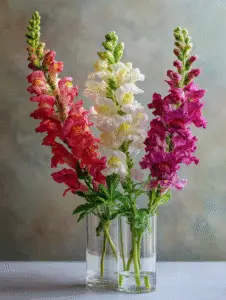 Snapdragons, violas,Partial
All are cool-season hardy annuals sharing the same early-spring bloom window, filling a bed or container together before summer heat pushes both into decline or replacement.
All Sweet alyssum companions
9 flower companions, best match first
What not to plant near Sweet alyssum
Most bad neighbours are not evil, they just want the opposite light, water or root run. Here is what to keep away, and what to do instead.
Aggressive spreaders and running groundcovers (mint, ivy, and similarly rampant runners)
Alyssum's shallow, fine roots and low mounding habit cannot compete with anything that runs harder or grows taller and faster; extension guidance on groundcovers is blunt that a vigorous spreader risks out-competing and shading out its neighbors.
Companions needing constant deep water or soggy soil
Alyssum wants soil that drains well and does not sit wet; root and crown rot pathogens take hold fastest in waterlogged, low-oxygen soil, so pairing it with a thirsty, boggy companion sets both up to struggle.
True drought-succulent, baking-full-sun perennials in hot-summer zones (zone 8 and up)
In hot-summer regions alyssum declines and looks ragged right when a true heat-loving perennial is peaking, breaking the visual skirt or filler job alyssum is meant to do for that companion.
Using sweet alyssum as an insectary planting where Bagrada bug pressure is rising
Sweet alyssum is a brassica-family plant and a preferred host for Bagrada bug; university guidance is explicit that in gardens where Bagrada bug is present in high numbers, attractive host plants like alyssum should be removed rather than relied on for pest control.
Heavy feeders demanding rich, highly fertilized soil
Alyssum is a light feeder that does not want or need a heavily fertilized bed; over-fertilizing to satisfy a hungry companion tends to push alyssum into loose, leggy growth with fewer flowers.
The best companions for sweet alyssum, explained
Sweet alyssum is almost never the star of a bed, and that is exactly its strength. Its job is to fill the gap at ground level: a low, fast-spreading mat of tiny honey-scented flowers that finishes off whatever taller plant it sits beneath. That gives it two genuinely different, well-supported roles rather than one. The first is functional. University field trials in California lettuce fields, run by researchers including UC IPM advisor Alejandro Del-Pozo Valdivia, found that a single strip of alyssum planted for roughly every twenty beds of crop measurably reduced aphid numbers, both on sticky traps and inside the harvested lettuce heads. A separate UC Davis study tracked the effect out to about 50 feet from where the alyssum grew. The mechanism is not repellency. Alyssum’s flat little flowers are landing pads for hoverflies and parasitic wasps, insects with short mouthparts that cannot reach into a deep tubular bloom, and those insects then go hunting aphids on whatever crop sits nearby. That is the strongest, best-documented benefit in this entire brief, and it is why roses are the single most repeated pairing for alyssum: underplant a rose with alyssum and you are recruiting the exact predators that keep rose aphids in check, while the low mat quietly covers the bare, thorny lower canes.
The second role is design, and it is just as real even without a research citation behind every pairing. Alyssum is the classic spiller in a thriller-filler-spiller container, its fine thread-like texture setting off a petunia‘s big velvety blooms. It is sown or planted in among fading tulip and daffodil foliage each spring, filling in as the bulb leaves yellow and die back so the bed does not sit there looking spent. It shares a bloom window with other cool-season hardy annuals, snapdragons, violas, and pansies among them, so a spring bed or container built from that whole group comes up and fades together rather than one plant leaving a gap the others cannot fill. Lettuce and other aphid-prone leafy vegetables round out the anchor list, not because alyssum belongs in a vegetable-only planting scheme but because the insectary mechanism above is genuinely strongest right there, next to the crop it was studied on. None of these pairings depend on alyssum changing its own needs to accommodate a companion. It wants full sun, average well-drained soil, and nothing more demanding than that, which is a large part of why it slots in next to so many different plants without complaint.
What not to plant near sweet alyssum
Alyssum carries no allelopathy baggage of its own. What actually threatens it is scale, not chemistry: its roots are shallow and fine, and its whole growth habit tops out around 3 to 9 inches, so anything that spreads harder, roots deeper, or simply grows taller and faster will outcompete it fast. Mint, ivy, and other running groundcovers fall into this category, and extension guidance on aggressive spreaders is blunt about the underlying risk: a vigorous runner can out-compete and shade out its neighbors, which is exactly what happens when one gets planted next to alyssum’s low mat. The safer move is to give alyssum its own space at the front of the bed rather than asking it to hold its ground against a plant built to dominate.
A second avoid is more about condition than competition. Alyssum wants soil that drains well and does not sit wet; root and crown rot pathogens move fastest into waterlogged, oxygen-starved soil, so pairing it with a companion that needs constant deep water sets both plants up for trouble in the shared bed. The reverse mismatch shows up seasonally rather than in the soil: in hot-summer regions, roughly zone 8 and up, alyssum declines and looks ragged right when a true baking-sun, drought-succulent perennial is hitting its peak, which quietly breaks the visual job alyssum was doing as a skirt or filler.
The most useful honesty beat here, though, is not about competition at all. Sweet alyssum belongs to the mustard family, and university IPM guidance is explicit that it is a preferred host plant for Bagrada bug, a pest that can do real damage to nearby brassica crops and ornamentals. Where Bagrada bug pressure is rising in a region, the advice is to remove attractive host plants like alyssum rather than lean on it for pest control, because the same flower that recruits aphid predators can, in the wrong pest context, become a magnet for a worse problem. This is worth separating clearly from a different, weaker claim that circulates in garden listicles: that alyssum should be kept away from roses because both plants "attract aphids." That gets the mechanism exactly backward. Alyssum’s whole value near roses is recruiting the predators that eat rose aphids, not adding to the aphid load, and no research-grade source backs the avoid-roses version of this claim. The Bagrada bug caution is real and specific; the anti-rose claim is plain folklore, and the two should not be confused with each other.
Do they like the same conditions?
Alyssum’s own preferences set a fairly forgiving bar. It wants full sun for the heaviest bloom, though in hot-summer climates afternoon shade shifts from a mere tolerance to a genuine benefit once temperatures climb into real heat. Soil should be average to lean and, above all, well-drained; it is not a plant that wants or needs rich, heavily fertilized ground, and pushing extra fertilizer at it to satisfy a hungrier neighbor tends to produce loose, leggy growth with fewer flowers rather than more. Soil pH sits close to neutral, a range wide enough that it rarely rules a companion out on its own. Hardiness runs USDA zones 5 through 9 as an annual, with zones 9 through 11 allowing it to behave as a short-lived perennial or self-sow reliably from year to year. That drainage preference is also what makes a dry, sunny border built around lavender or another Mediterranean herb a plausible pairing distinct from alyssum’s shadier, moister matches elsewhere in the bed.
The condition that actually does the most work in matching alyssum to a companion is not light, water, or soil at all. It is timing. Alyssum is a cool-season bloomer that fills in fast, reaching flowering size in 50 to 60 days from seed, and then genuinely struggles once summer heat sets in. A companion chosen purely for shared sun and drainage can still be a poor match if it peaks in August, long after alyssum has gone ragged and stopped doing its visual job. That is why the strongest pairings in this brief split cleanly into two groups: plants that share alyssum’s spring-into-early-summer window, like bulbs, snapdragons, and violas, and plants like roses where alyssum’s early bloom overlaps the first flush and the insectary benefit continues to matter even once alyssum itself has been replaced or cut back for the season.
How to plant them together
Because alyssum matures so quickly from seed, and because in most US gardens it gets treated and replanted like an annual, the companion relationship usually needs to be re-established each season rather than assumed to carry over automatically the way a shrub-to-shrub pairing would. In beds, tuck alyssum in 6 to 12 inches from most companions, close enough to do its living-mulch job of shading bare soil and suppressing weeds, but not so close that a larger neighbor’s canopy shades it out before it gets going. Around roses specifically, plant it right at the front or between canes rather than underneath the crown, since the goal is covering bare lower growth, not competing with the rose’s own root zone. Under spring bulbs, either interplant directly among the emerging foliage or oversow once the bulb leaves are up; alyssum’s shallow roots do not reach the depth where bulbs are rooted, so there is little real competition there.
In containers, alyssum earns its keep as the spiller, planted at the rim so it can trail rather than compete for center stage with a thriller like a petunia or a snapdragon. Give it 6 to 10 inches from the container’s main feature plant, enough room that both can be watered to their own needs without one drowning the other. For the insectary use, whether alongside vegetables or under roses, plant in a strip or cluster rather than a single specimen; the UC field research that anchors this whole approach used a defined ratio, roughly one row of alyssum per twenty rows of the crop it was protecting, and a scattering of individual plants will not recruit predator insects at the same scale. Shear plants back by about a third once bloom slows or they start to sprawl, which keeps the mat dense and extends flowering rather than letting the whole planting go leggy and thin.
Does companion planting actually work for sweet alyssum?
Sweet alyssum’s pest-control reputation is unusual among companion-planting flowers because it actually survives scrutiny. The insectary benefit is genuinely proven, not folklore dressed up as science: independent university field trials measured fewer aphids in fields planted with alyssum, traced the effect out to real distances, and the mechanism, flat flowers as landing pads for short-mouthed predator insects, holds up under scrutiny rather than collapsing into a vague "it helps somehow" claim. That puts alyssum in genuinely rare company among companion-planting flowers, most of which lean on repellency claims that do not survive contact with a controlled study.
Not everything about alyssum clears that same bar, though, and pretending otherwise would undercut the very credibility the proven claim earns. The bulb-succession pairing, the petunia-and-cosmos design logic, the lavender dry-border match: these are sound horticultural reasoning and repeated, consistent garden-design tradition, but they are not independently research-verified the way the aphid work is, and they are labeled Partial or Folklore here rather than inflated into more than they are. The Bagrada bug caution is the other side of the same honest coin: real research, not garden lore, and it complicates the pest-control story rather than simplifying it. A page that called every alyssum pairing "proven" would be less trustworthy than one that draws the line where the evidence actually stops, and that line runs right through the middle of this flower’s reputation rather than around its edges.
FAQ
What can I plant in front of sweet alyssum?
Very little needs to go in front of it, since alyssum is usually the front-most, lowest plant in a bed or container already. If you want something even shorter as a true edge, low sedums or creeping thyme in a dry sunny spot work, though most gardeners let alyssum itself be the edge.
What should you not plant near sweet alyssum?
Avoid aggressive spreaders like mint or ivy, which will physically overrun its shallow roots and low mat, and avoid pairing it with plants that need constantly wet soil, since alyssum wants good drainage. Where Bagrada bug is active in your area, think twice about relying on alyssum as a pest-control planting near brassica crops.
Does sweet alyssum really attract hoverflies and other beneficial insects?
Yes, and this is one of the better-documented claims in companion planting generally. University field trials in California lettuce found measurably fewer aphids in fields planted with alyssum strips, with the effect attributed to hoverflies and parasitic wasps drawn in by the flowers’ exposed nectar.
Can I plant sweet alyssum under roses?
Yes, and it is one of the strongest pairings here. Alyssum’s low mat hides a rose’s bare lower canes while its flowers recruit the same predator insects that keep rose aphids in check, the opposite of the outdated claim that the two should be kept apart because both attract aphids.
Why is my sweet alyssum struggling next to my other plants in summer?
Alyssum is a cool-season bloomer that declines in real heat, particularly in zone 8 and warmer. If a companion chosen for spring color is baking in full summer sun, alyssum will look ragged well before that companion peaks; afternoon shade or a seasonal swap for a heat-tolerant filler solves this.
Sources
- UC Statewide IPM Program: Del Pozo-Valdivia confirms the benefit of insectary plants in lettuce
- UC Davis News: Aphid relief from sweet alyssum
- UC Statewide IPM Program: Bagrada bug, home and landscape
- Wisconsin Horticulture Extension: Sweet alyssum, Lobularia maritima
- Clemson HGIC: Sweet alyssum
- North Carolina Extension Gardener Plant Toolbox: Lobularia maritima
- Illinois Extension: Fortify the spring vegetable garden with marigolds, sweet alyssum, and nasturtiums
- Mississippi State University Extension: Companion planting, myth or truth?
- University of Maryland Extension: Groundcovers