The pairing · pick a flower
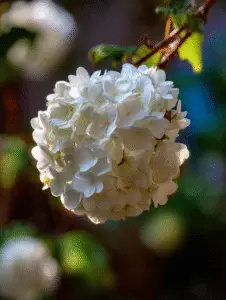 Viburnum+A second,Proven
Most viburnums are self-incompatible: heavy fruit set only happens reliably when two genetically different plants of the same species bloom together, so this is the one companion that actually decides whether you get berries.
Viburnum+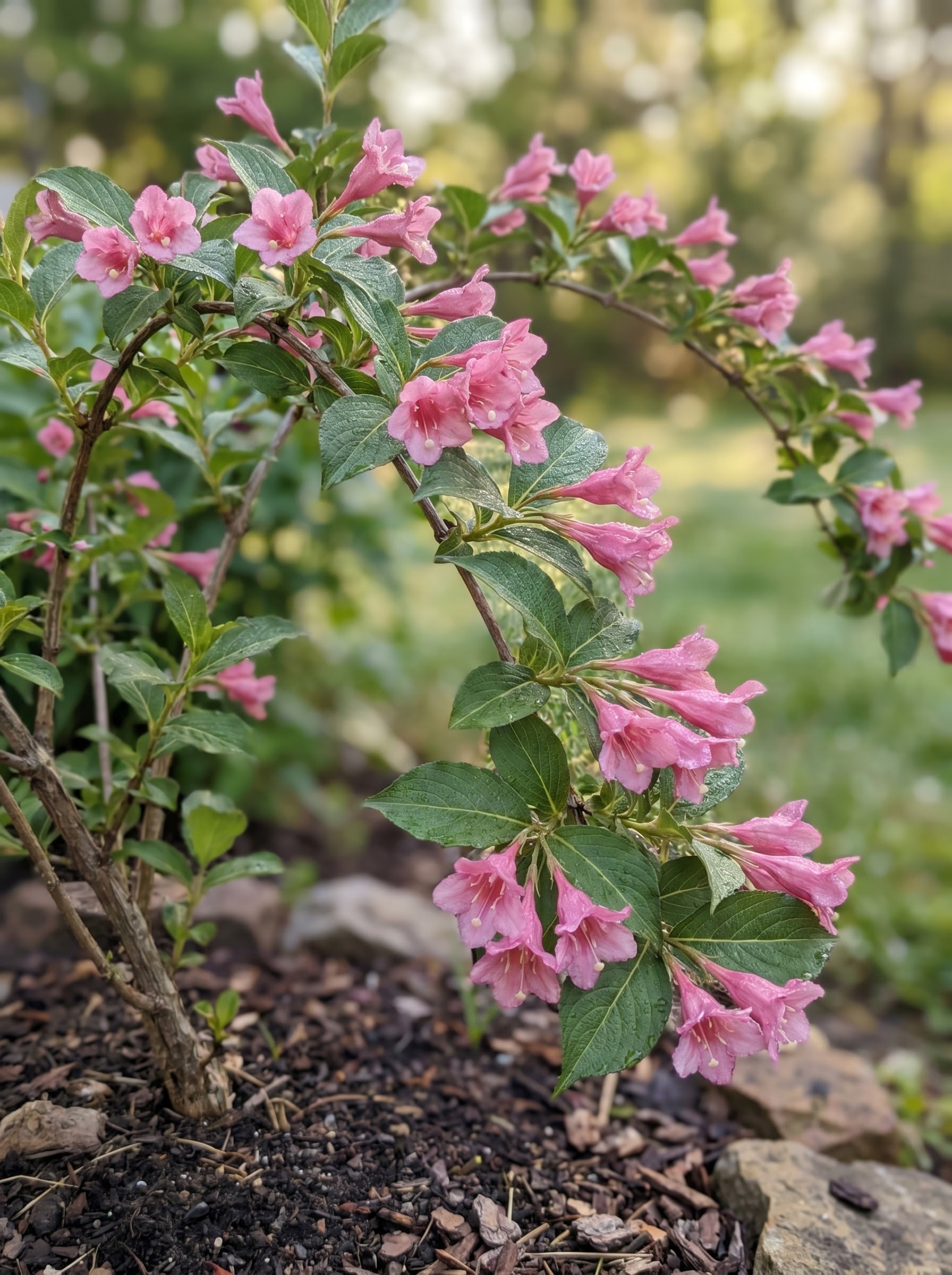 WeigelaPartial
Weigela shares viburnum's sun-to-part-shade range and moderately acid to slightly alkaline soil, and its burgundy foliage and fuchsia trumpets are a genuine color and form foil for viburnum's plain green leaves and flat white flowers.
Viburnum+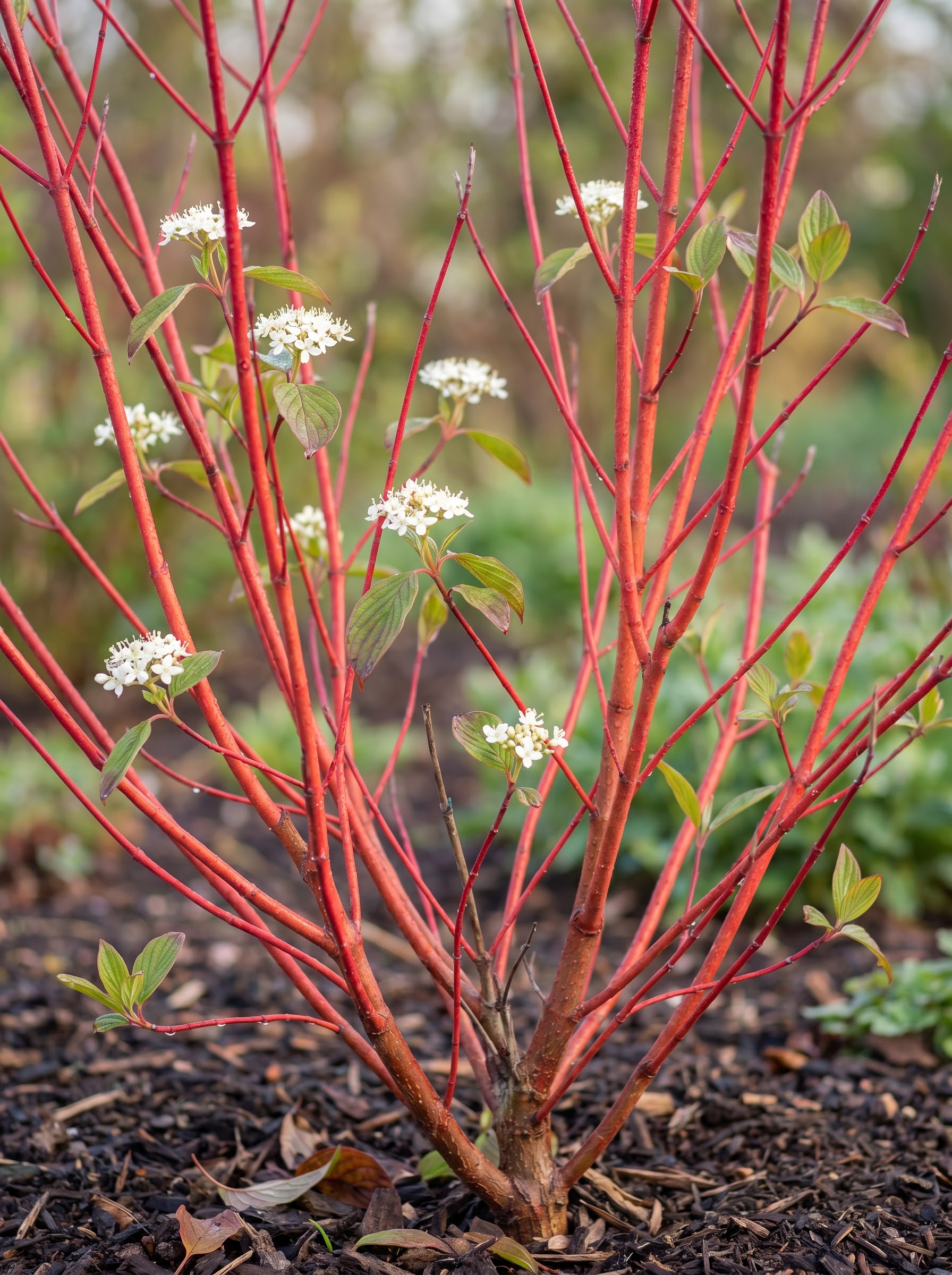 Red twigPartial
Red twig dogwood wants the same organically rich, consistently moist soil viburnum does, and it hands the border off to bright red winter stems right as viburnum drops its fall foliage and goes bare.
Viburnum+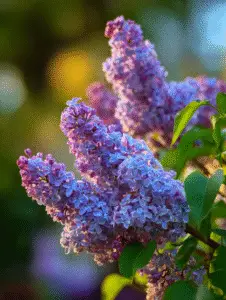 LilacPartial
Lilac tolerates acid-to-alkaline soil up to about pH 8.0 but performs best on the neutral-to-alkaline side of that range, above viburnum's 5.5 to 6.5 optimum, so the two ranges only truly overlap at the top edge; a workable pairing with the right cultivar and a soil test, not the clean match the classic photos suggest.
Viburnum+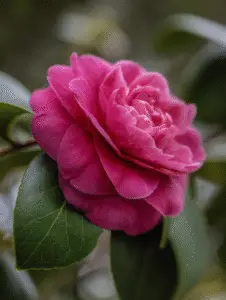 CamelliaProven
Camellia's preferred pH of 6.0 to 6.5 sits almost exactly inside viburnum's own optimal range, a tighter conditions match than lilac, and its winter-into-spring flowers fill the gap before most viburnums open.
Viburnum+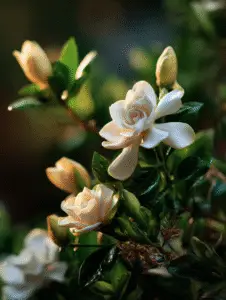 GardeniaProven
Gardenia's acidic, moist, well-drained preference sits at the lower end of viburnum's tolerated range, and its intensely scented white flowers give summer fragrance where many viburnums have already finished blooming.
Viburnum+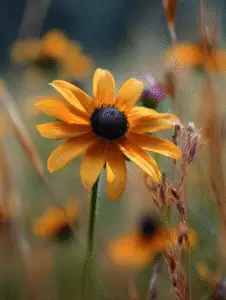 Black-eyed SusanProven
Black-eyed Susan tolerates the same acid-to-neutral soil and full-sun-to-part-shade range viburnum does, and its summer-into-fall daisies pick up color at the shrub's feet once the spring flowers and early fruit display have passed.
Viburnum+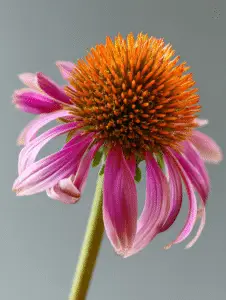 ConeflowerProven
Coneflower's neutral pH preference and drought tolerance once established fit comfortably inside viburnum's range, and its long June-to-fall bloom keeps pollinators working the bed after viburnum's own flowers are spent.
Viburnum+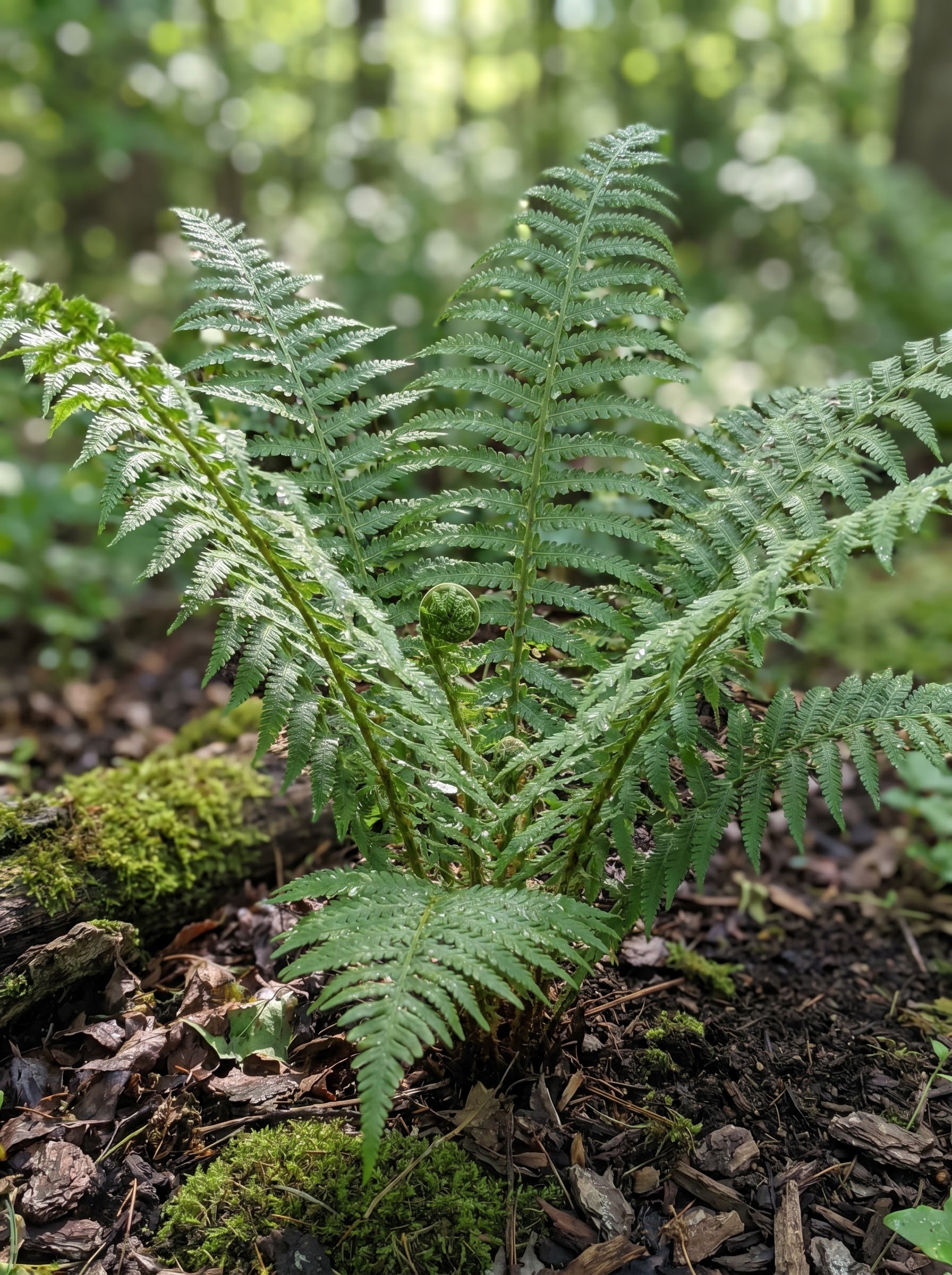 Ferns, hostaPartial
For shade-sited or doublefile-type viburnums, these classic understory plants share the same moist, part-to-full shade conditions and fill the bare lower stems that develop as the shrub matures and opens up at the base.
Viburnum+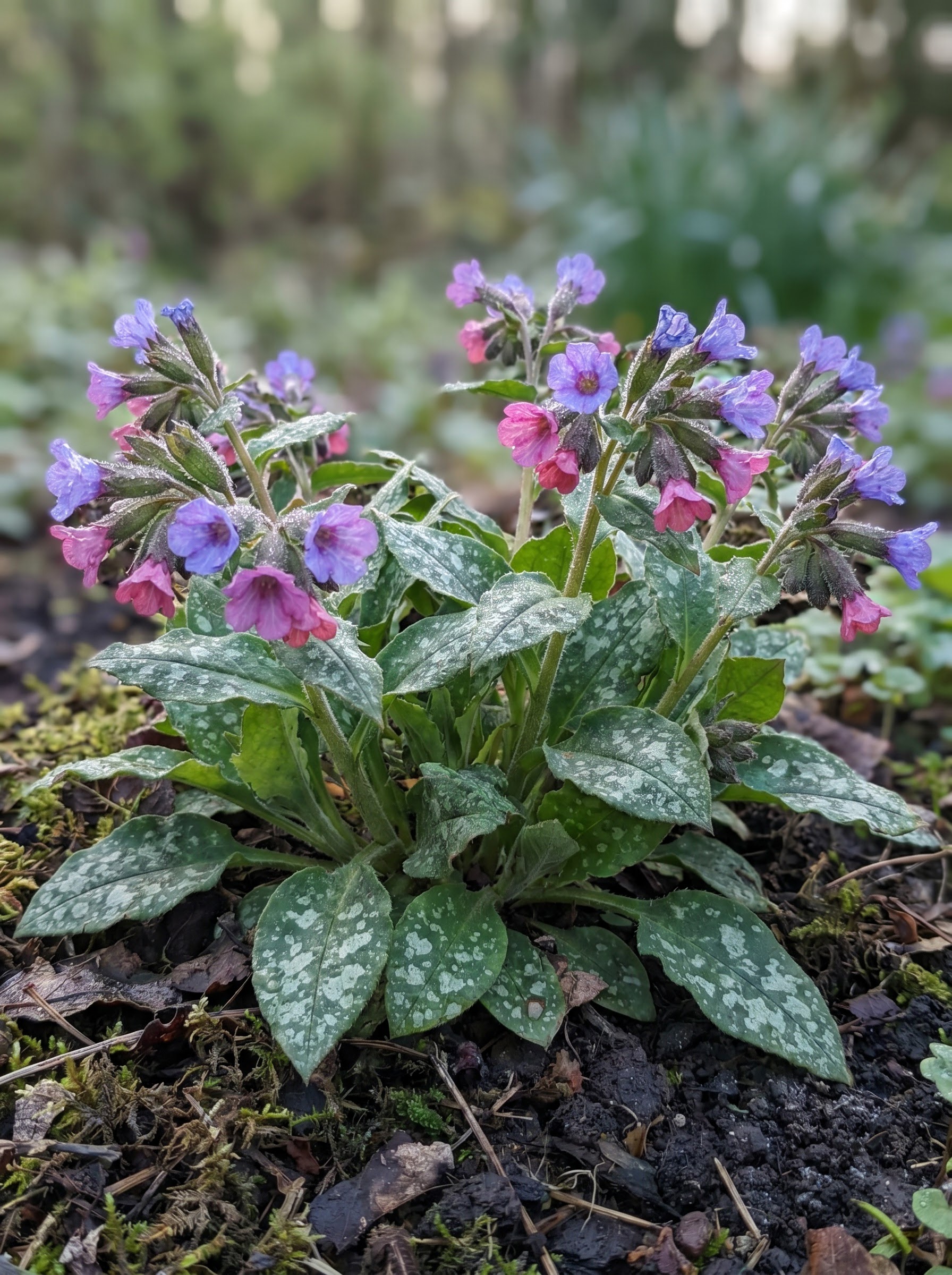 PulmonariaPartial
Both are low, spreading, shade-tolerant groundcovers documented for underplanting shrub borders, and vinca's evergreen coverage keeps the bare-leg fix working through winter when hosta and fern have died back.
All viburnum companions
10 flower companions, best match first
What not to plant near viburnum
Most bad neighbours are not evil, they just want the opposite light, water or root run. Here is what to keep away, and what to do instead.
Planting only one viburnum
This is the single biggest mistake, not a plant to keep away: a lone shrub, or several clones of the same cultivar, blooms normally but sets little or no fruit because most viburnums cannot self-pollinate, and homeowners routinely misread the missing berries as disease or poor care.
Lavender and other lean, dry, alkaline-loving Mediterranean herbs
Lavender wants dry, lean, alkaline soil in the 6.5 to 8 range with sharp drainage and roots that need to dry out between waterings, the opposite of viburnum's consistently moist, 5.5 to 6.5-optimal bed, and crowding the two traps damp soil against lavender's crown.
True bog-garden or permanently wet-soil plants
Viburnum wants consistently moist, well-drained soil, not standing water, and planting it beside true bog or rain-garden-center species invites the same root rot risk documented for viburnum in poorly drained sites of its own.
Arrowwood, American cranberrybush, and European cranberrybush viburnum, where leaf beetle is a known local problem
This is a within-genus species choice, not a neighbor to avoid: viburnum leaf beetle larvae skeletonize leaves and can defoliate a shrub twice a season, and extension entomologists consistently name these three species as its strongly preferred hosts, with repeated defoliation over two to three years killing the plant.
The best companions for viburnum, explained
Most companion-planting guides start with a bed of flowers to tuck around the base of a shrub, but for viburnum the most important companion is not a different plant at all. It is a second, genetically different viburnum. Most species in this genus are self-incompatible, meaning a single shrub, or a row of shrubs all propagated as clones from the same cultivar, flowers reliably every spring and still sets little or no fruit. Clemson HGIC states this plainly: heavy fruit set only happens when at least two different cultivars or seedlings of the same species bloom together, close enough for pollinators to move between them and different enough genetically to actually cross. Extension entomologists and horticulturists confirm the same mechanism independently, right down to the detail that clonal cultivars grown from cuttings do not solve the problem, since they share identical genetics with the parent plant. This single fact reframes the whole conversation: before choosing a design partner, decide whether you actually planted a pollination partner.
Once that question is settled, the standard cross-genus companions follow the shrub’s own conditions rather than any special mechanism. Weigela shares viburnum’s sun-to-part-shade range and its moderately acid to slightly alkaline soil, and a burgundy-leaved cultivar like ‘Spilled Wine’ gives real color contrast against viburnum’s plain green foliage and flat white flowers. Red twig dogwood wants the same organically rich, evenly moist ground and performs a genuine season-extension job, handing the border off to bright winter stems just as viburnum drops its fall color and goes bare. For the acid-leaning end of viburnum’s wide pH tolerance, camellia and gardenia both sit close to its optimal range and flower on a different calendar, camellia through winter and early spring, gardenia through summer, filling gaps on either side of viburnum’s own bloom window. Sun-loving perennials like black-eyed Susan and coneflower tolerate the same acid-to-neutral soil and give the bed a longer bloom season and steadier pollinator traffic once viburnum’s own flowers are spent. For shade-sited or doublefile-type viburnums specifically, ferns, hosta, and coral bells share the same moist part-shade conditions and do double duty by filling the bare lower stems that develop as the shrub matures.
What not to plant near viburnum
Compared to fussier flowers, viburnum has few true plant-versus-plant conflicts, and manufacturing drama here would misrepresent an unusually easygoing shrub. The real avoid list is short and mostly about extremes. Lean, dry, alkaline-preferring Mediterranean plants like lavender are the clearest mismatch: lavender wants sharp drainage and a pH in the 6.5 to 8 range, while viburnum wants consistent moisture and an optimal pH closer to 5.5 to 6.5, and crowding the two traps damp soil against lavender’s crown, which it tolerates poorly. At the opposite extreme, true bog-garden or rain-garden-center species clash for the same reason in reverse. Viburnum dislikes standing water almost as much as it dislikes drought, so a spot that stays permanently wet is a poor fit even though "moist soil" sounds compatible on paper.
One popular claim does not hold up under scrutiny. Several consumer gardening sites lump lilac and forsythia in with lavender as flat pH-incompatible avoids, but the evidence only partly supports that. Lilac does lean more alkaline than viburnum’s optimum, with most sources putting its preferred range around 6.5 to 7.5, so the two ranges genuinely only overlap at the top edge rather than matching cleanly, which makes lilac a workable pairing with the right cultivar and soil test, not a clean avoid. Forsythia is a different story: the Cornell Woody Plants Database lists its tolerance as pH 5.0 to 8.0, which sits comfortably inside or around viburnum’s own range at every point, so the "avoid" label looks like an overstated listicle claim rather than solid horticulture, and it is dropped from this page’s avoid list on that evidence. The one genuine within-genus warning concerns species choice rather than neighboring plants: viburnum leaf beetle, a documented pest across Cornell, University of Maryland, Wisconsin, Michigan State, and Ohio State extension programs, strongly prefers arrowwood, American cranberrybush, and European cranberrybush viburnum, and repeated defoliation over two to three seasons can kill the shrub outright. Doublefile, Judd, and Korean spice viburnum are consistently documented as far less attacked, so in regions where the beetle is active, which species you plant matters more than what you plant beside it.
Do they like the same conditions?
Viburnum’s growing profile is wider than it first appears, and that width is the honest story behind most of its companion choices. Light tolerance runs from full sun to part shade depending on species, with most flowering best on four to five hours of direct sun or all-day filtered light, while doublefile and a handful of other types actually prefer light shade and welcome afternoon protection in hot climates. That middle-ground light tolerance is broader than sun-obligate shrubs like lilac or shade-leaning ones like bigleaf hydrangea, which is exactly why viburnum’s companion pool spans both sun perennials like coneflower and shade groundcovers like hosta without contradiction.
Soil pH is the biggest myth-adjacent point on this page. Viburnum is often grouped visually with the classic acid-loving shrub border, azalea, camellia, gardenia, and gardeners sometimes assume it needs the same aggressively acid treatment those plants do. It does not. Clemson HGIC gives an optimal range of 5.5 to 6.5 for the genus as a whole, and the Cornell Woody Plants Database documents common landscape species like arrowwood viburnum tolerating the wider band of pH 5.0 to 8.0, which makes viburnum meaningfully more pH-flexible than an alkaline-obligate shrub like lilac or a genuinely acid-leaning one like bigleaf hydrangea. It does still want the same organically rich, well-drained, consistently moist soil either group would want, with 10 to 20 percent organic matter worked into the planting zone recommended at installation. That combination, wide pH tolerance paired with a real preference for even moisture and fertility, is what lets it sit comfortably next to both the acid-lean evergreen set and the more soil-adaptable sun perennials described above, as long as water stays consistent on both sides of the bed.
How to plant them together
Spacing for the pollination partner matters differently than spacing for a design companion. Clemson HGIC and extension pollination sources agree that a second viburnum can sit anywhere within about 50 to 100 feet and still cross-pollinate successfully, since bees, flies, and beetles carry pollen well beyond a single bed, but keeping both plants inside the shrub’s usual 4 to 10 foot spacing range makes the pairing read as one cohesive planting rather than two unrelated shrubs. For cross-genus companions, work outward from viburnum’s own root zone: most shrub-scale partners like weigela, camellia, gardenia, and red twig dogwood want 4 to 8 feet of separation, sized to their own mature spread, while lower perennials and groundcovers can sit closer, 12 to 24 inches from the drip line, since they compete less for light and structural space.
Layering by height and by the shrub’s own growth habit solves two jobs at once. Many viburnums, especially the larger upright types, open up and go bare at the base as they mature, the same "hide the bare legs" problem seen on lilac and hydrangea. Planning for that from the start, rather than patching it in years later, means choosing a shade-tolerant low layer, ferns, hosta, coral bells, or a spreading groundcover like vinca minor or pulmonaria, specifically for the shadier, doublefile-type or maturing viburnum rather than trying to force it under a full-sun-grown shrub with a still-dense canopy. Container growing works for the smaller species and cultivars, provided the pot holds enough volume for consistently moist, well-drained soil and the plant gets repotted before it becomes root-bound, but a true pollination-partner pairing is easier to manage in the ground, where two plants can share the same irrigation and soil amendment routine without one drying out faster than the other in a smaller container.
Does companion planting actually work for viburnum?
For the pollination question, yes, unambiguously, and this is the rare case on this site where "companion planting" describes a mechanism with real horticultural teeth rather than a design tradition dressed up as science. Multiple extension sources independently confirm that a lone viburnum or a planting of identical clones will bloom and still fail to fruit, and that the fix is a second, genetically different, simultaneously blooming plant of the same species. That is not folklore, and it is not marketing copy from a nursery trying to sell two shrubs instead of one. It is documented, repeatable horticulture that homeowners routinely misdiagnose as disease or a care mistake.
The design-companion side of the page is more mixed, and honesty requires saying so. Shared-conditions pairings like weigela, camellia, gardenia, coneflower, and black-eyed Susan rest on solid ground: their light, soil, and pH preferences genuinely overlap with viburnum’s own documented range, which is a real and verifiable basis for a planting decision even without a specific pairing study behind each combination. The season-extension logic behind red twig dogwood and the bare-leg fix behind ferns, hosta, and vinca are similarly grounded in each plant’s own documented culture rather than a mechanism unique to viburnum. What does not hold up is the flat claim that lilac and forsythia are pH-incompatible avoids; the actual ranges show a partial, cultivar-dependent tension for lilac and essentially no tension for forsythia at all. And the genus-wide pest risk from viburnum leaf beetle is real, documented, and species-specific, which makes "which viburnum you plant" a more consequential decision than "what you plant next to it."
FAQ
Why doesn’t my viburnum have berries?
The most common reason is that it is the only viburnum of its kind nearby, or every plant in the bed is a clone of the same cultivar. Most viburnum species are self-incompatible and need a second, genetically different plant of the same species blooming at the same time to set fruit in any real quantity, according to Clemson HGIC.
Do you need two viburnums to get berries?
In most cases, yes. A lone shrub or several identical clones will flower normally and still produce little to no fruit. Planting a seed-grown plant or a different cultivar of the same species, close enough for shared pollinator traffic, generally within 50 to 100 feet, solves the problem for the majority of species.
What can I plant under a viburnum?
For shade-sited or doublefile-type viburnums that have opened up at the base with age, ferns, hosta, and coral bells share the same moist, part-shade conditions and fill the bare lower stems. Vinca minor and pulmonaria work as lower, spreading groundcovers for the same job, with vinca’s evergreen coverage extending the fix into winter.
What should you not plant near viburnum?
Lean, dry, alkaline-loving plants like lavender are the clearest mismatch, since they want sharp drainage and a higher pH than viburnum’s consistently moist, moderately acid-to-neutral preference. True bog-garden or permanently wet-soil species clash for the opposite reason. Despite some consumer sources claiming otherwise, forsythia is not a real pH conflict, and lilac is only a partial one.
Does viburnum need acidic soil like azalea or rhododendron?
No, not to the same degree. Viburnum tolerates a wide pH band, roughly 5.5 to 8.0, with an optimal range of 5.5 to 6.5, which makes it noticeably more soil-flexible than a true acid-obligate shrub. It gets grouped visually with the acid-loving border set but does not need the same aggressive soil acidification to thrive.
Sources
- Clemson HGIC: Viburnum
- University of Maryland Extension: Mapleleaf Viburnum
- Ask Extension: Pollination of Viburnums
- Ohio State University Extension: Viburnum Leaf Beetle
- University of Maryland Extension: Viburnum Leaf Beetle
- NC State Extension Gardener Plant Toolbox: Viburnum dentatum
- RHS: How to Grow Viburnum
- Cornell Woody Plants Database: Forsythia x intermedia
- Cornell Woody Plants Database: Viburnum dentatum
- Cornell Woody Plants Database: Syringa vulgaris