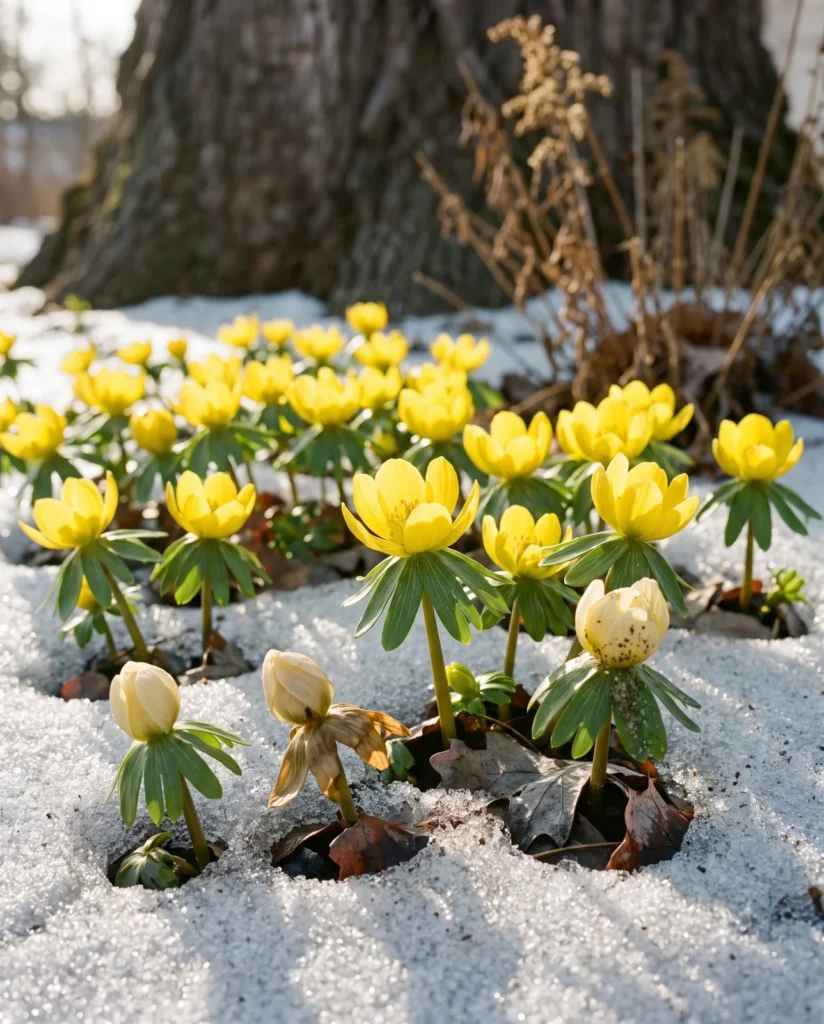
Winter aconite is not monkshood
Winter aconite is not monkshood. The two sit in different genera and poison through different chemistry, and only the names overlap. Winter aconite, winter hellebore and winter wolf's bane are all published common names for Eranthis hyemalis. Both were once its own botanical name: it was classified first as Aconitum hyemale, and separately as Helleborus hyemalis. Aconitum owns those names, and most of its 250-plus species are extremely poisonous. Monkshood is Aconitum napellus, which flowers light indigo blue; wolf's bane is Aconitum vulparia, whitish or straw yellow.
The difference between them is chemistry and dose. Aconitum carries alkaloids such as aconitine, and 2 mg of aconitine or 1 gram of plant material can cause death from respiratory paralysis or heart failure. Skin contact alone can poison a person handling it, mildly or severely. Winter aconite works through cardiac glycosides, the class found in Adonis vernalis. In a February garden the two are easy to keep apart: winter aconite opens a yellow cup on a stalk 3 to 4 inches high, and monkshood flowers light indigo blue.
The third borrowed name points somewhere else again. This plant was once published as Helleborus hyemalis, and it fills a garden niche close to Helleborus orientalis. Real hellebores are much larger perennials with leathery evergreen leaves, and what they share with it is the season they flower in. Eranthis cilicica and Ranunculus septentrionalis get taken for it as well. The genus name says what the plant does: er for spring and anthos for flower, with hyemalis meaning winter blooming.
How poisonous winter aconite really is
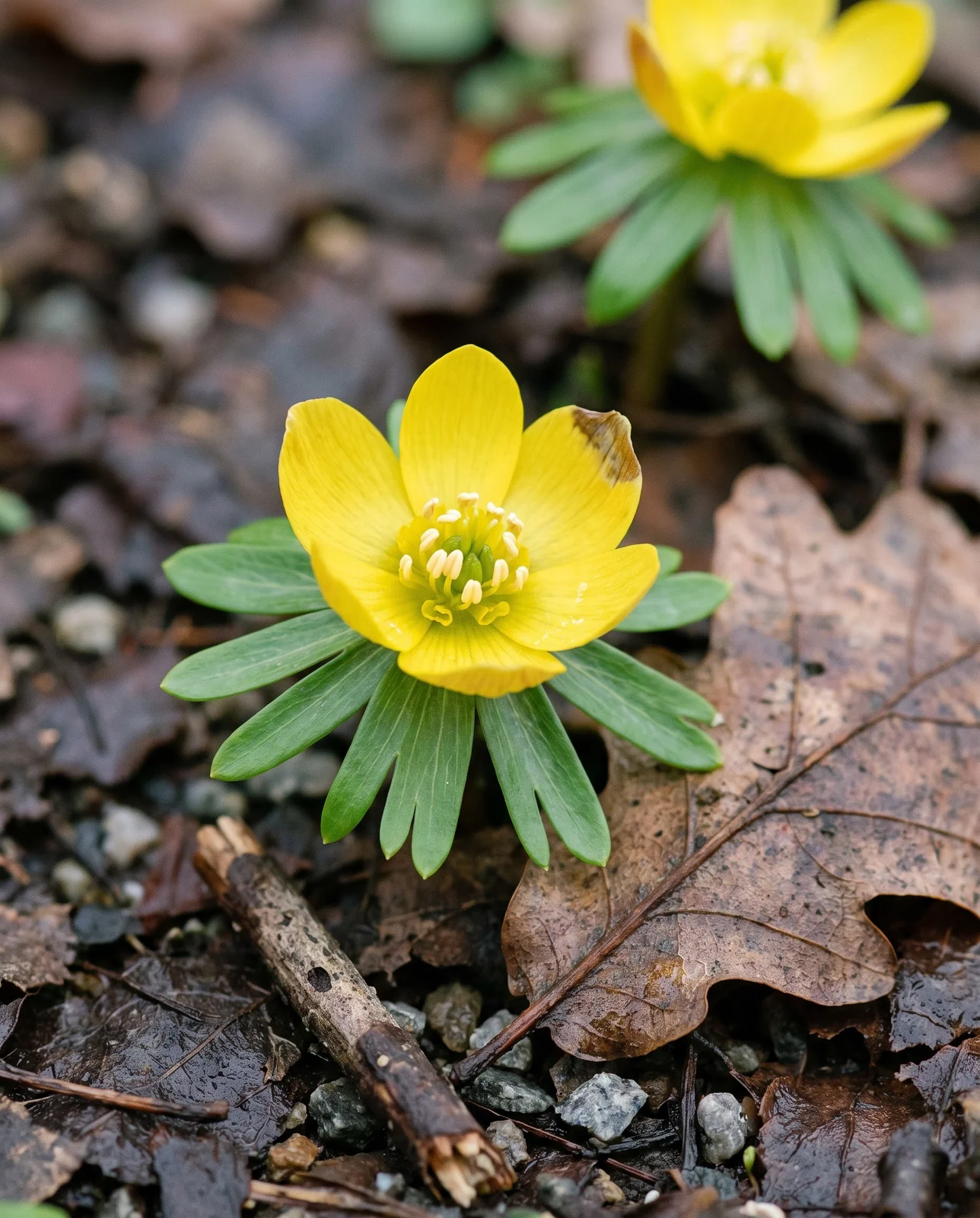
Every part of winter aconite is poisonous, and the tuber is the part to worry about. Bark, flowers, fruits, leaves, roots, sap, seeds and stems all carry it, and the severity of poisoning runs high. The toxins are cardiac glycosides of the bufadienolide type, named Eranthin A and Eranthin B, in the same chemical family as the toad venom bufotoxin. The tuber especially is quite poisonous, and may cause nausea, vomiting, colic attacks and visual disturbances. Longer symptom lists add stomach pain, diarrhea, shortness of breath, irregular pulse, bradycardia, coma and, in severe cases, cardiac arrest. The plant may be fatal if eaten.
Touching it is a separate question. NC State Extension states that winter aconite does not cause contact dermatitis. The skin danger people have in mind belongs to the other aconite, where contact alone can produce mild to severe toxicity. Gloves are still recommended for handling it, because the plant and the tuber are poisonous if swallowed.
For animals the usual American reference is silent. The ASPCA plant list carries no entry for winter aconite, and none for aconite, monkshood or wolfsbane either. Winter aconite is harmful to pets if eaten, and a veterinary case report describes the intoxication of a dog. The symptoms published beside a warning not to nibble it are vomiting, diarrhea, disturbed vision and cardiac arrest. The taste is bitter, which makes it unlikely that a pet is poisoned by curious nibbling, and animals leave the leaves alone. Deer walk past it, and it also takes drought and the ground under a black walnut.
What winter aconite is and where it grows
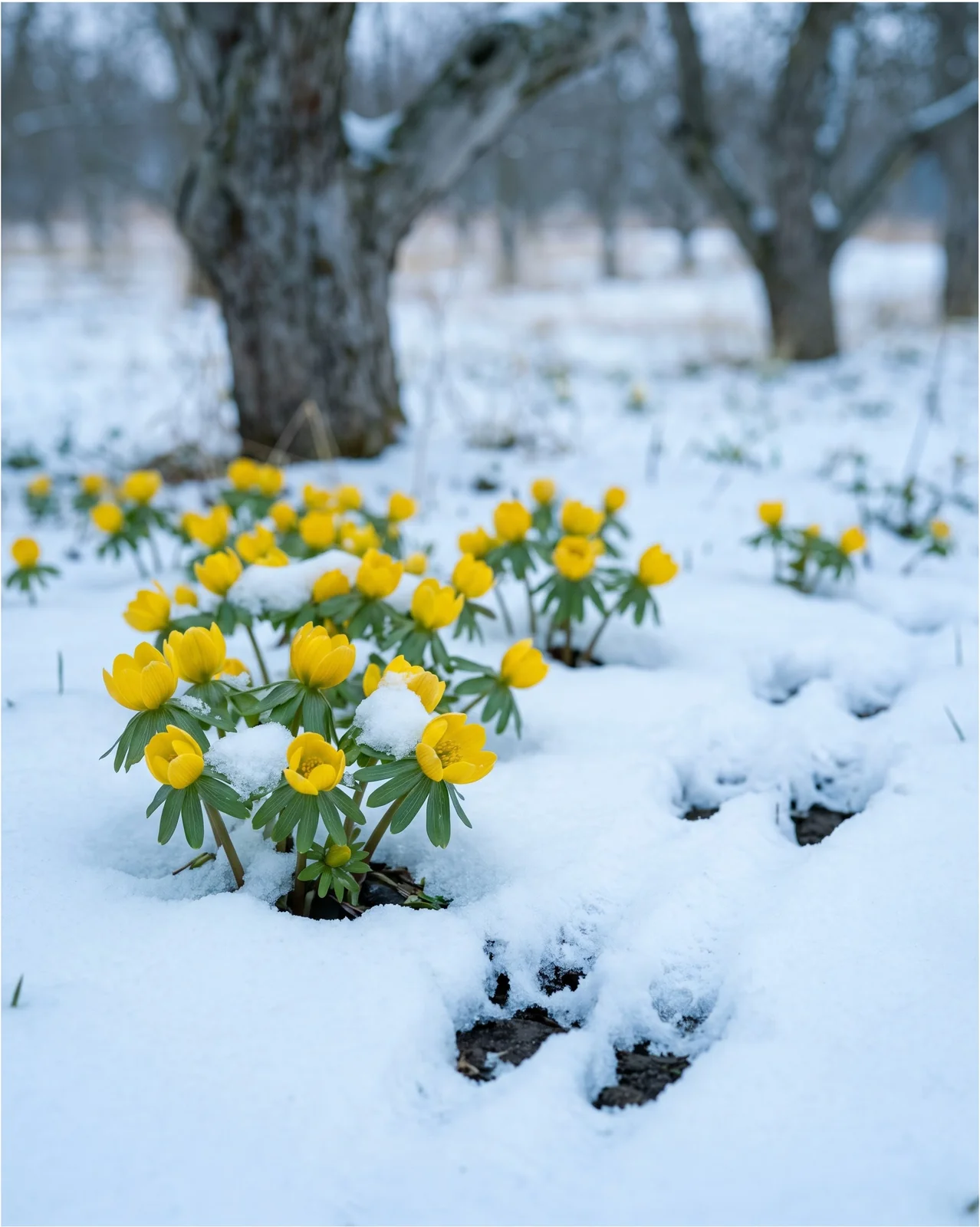
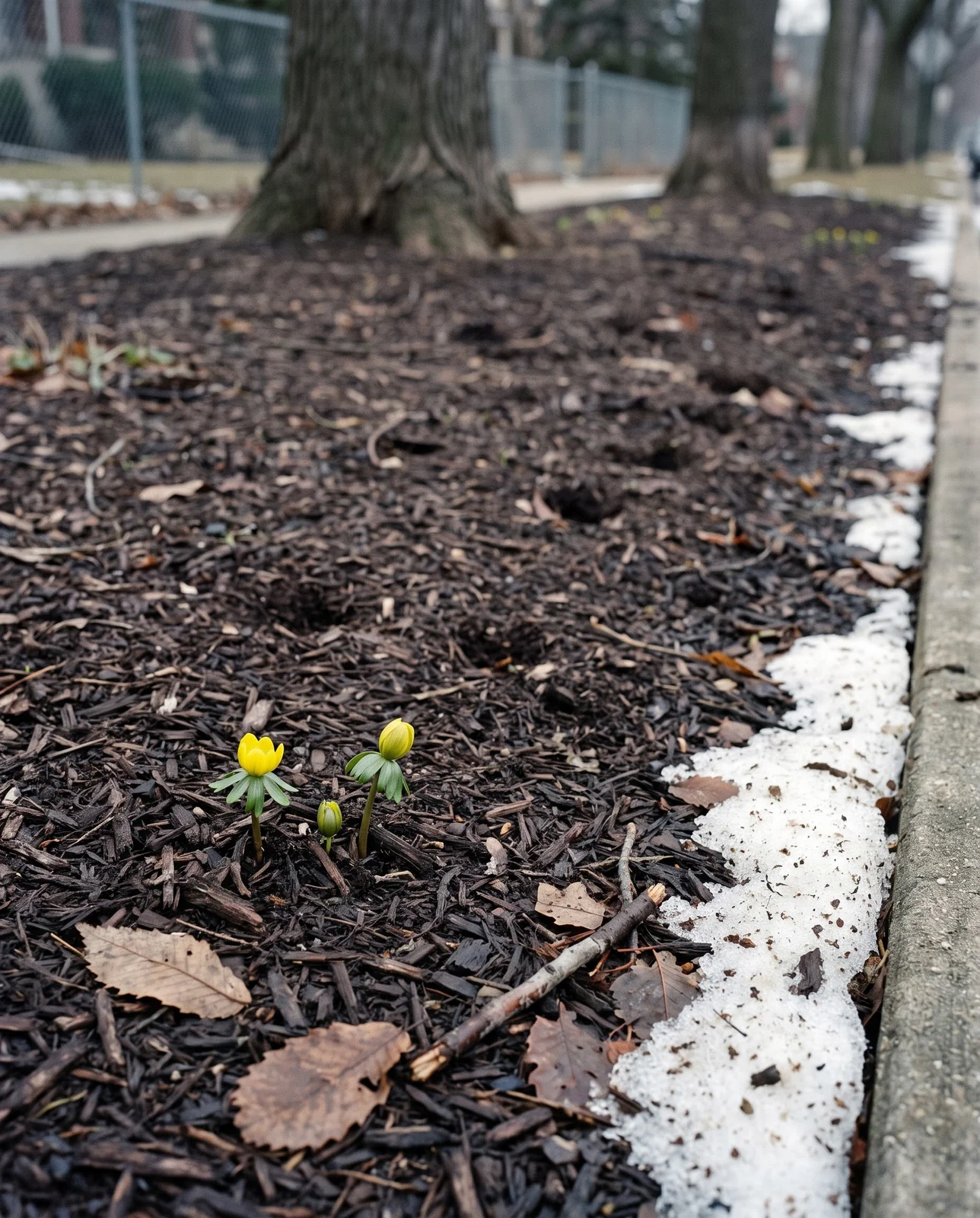
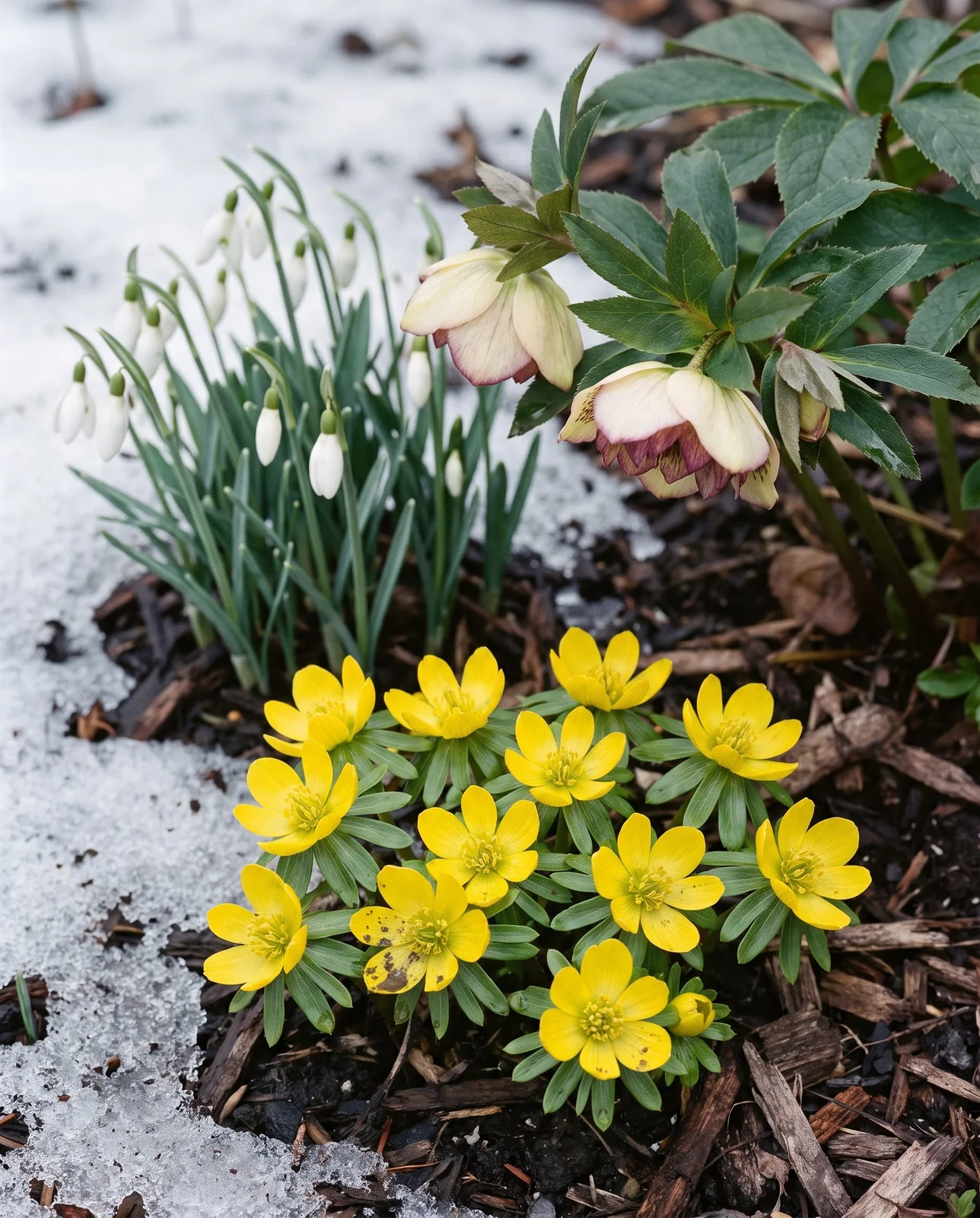
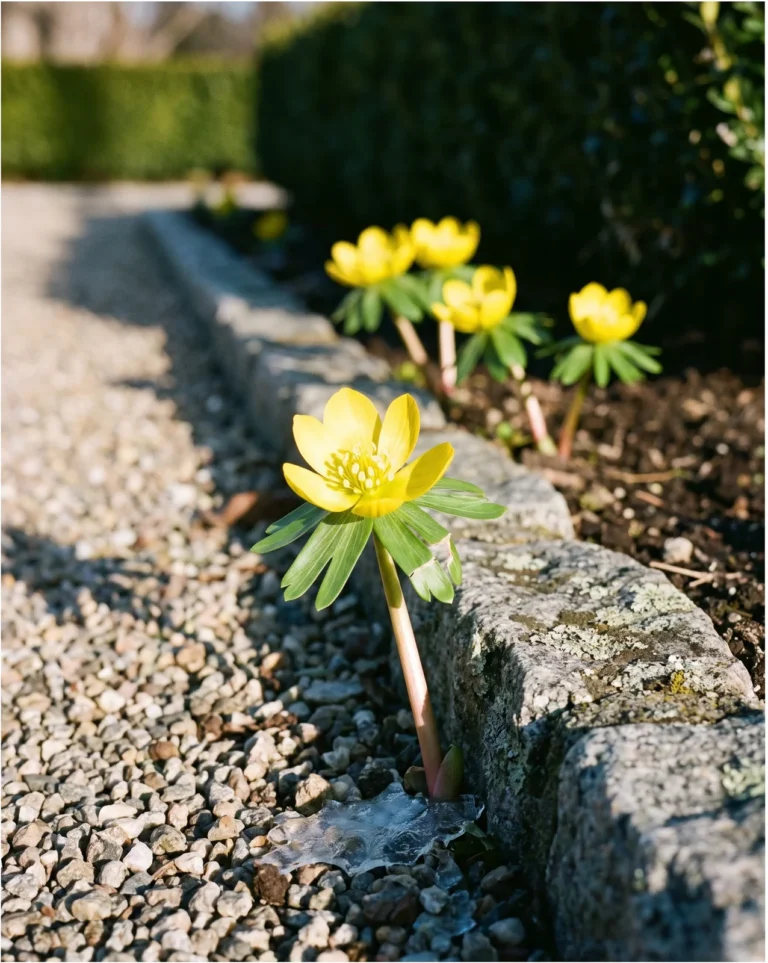
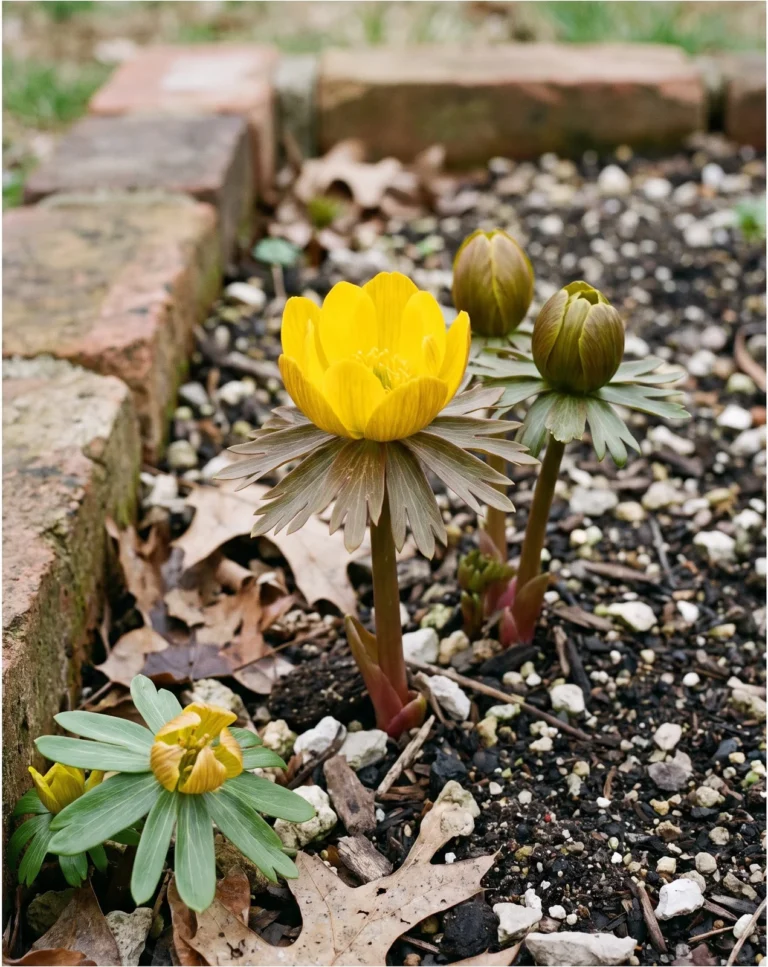
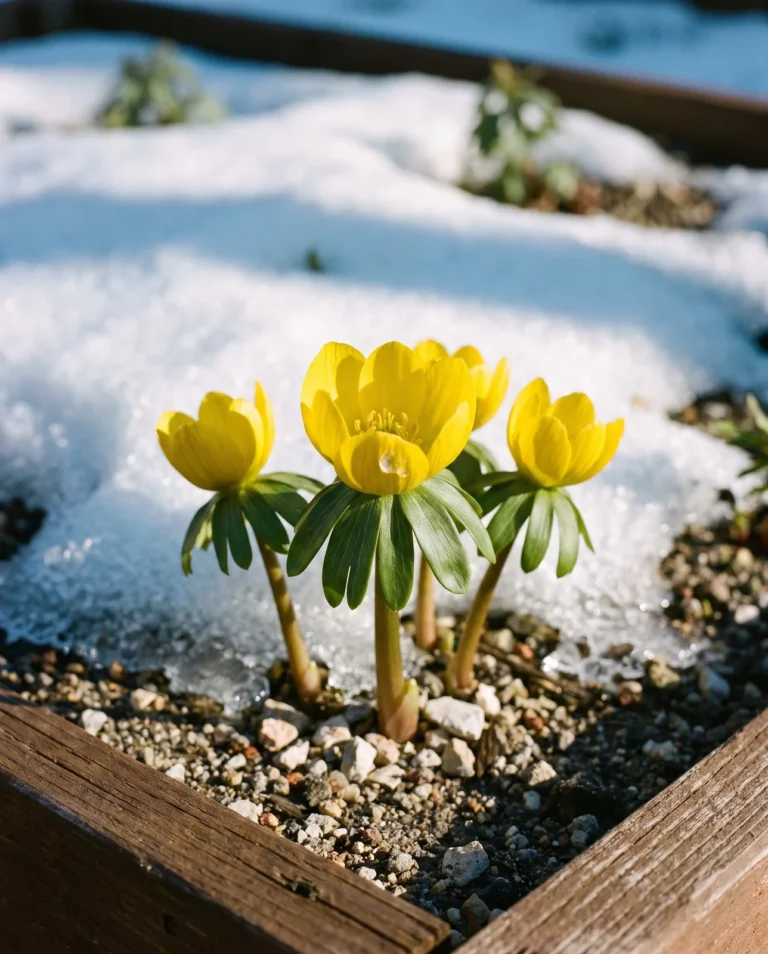
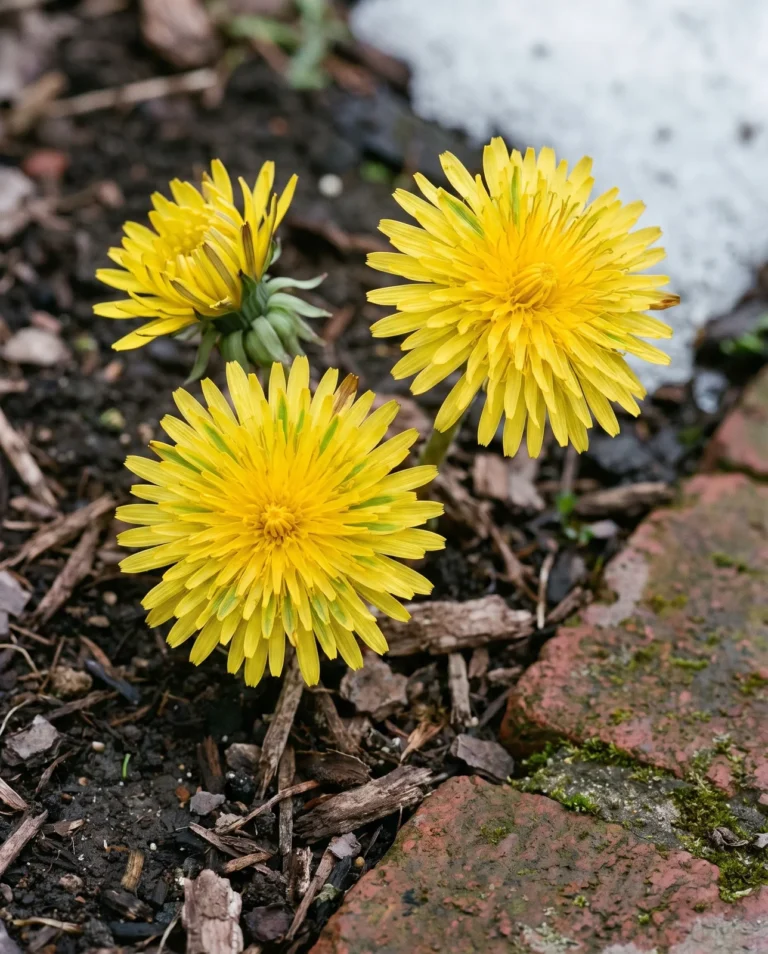
Winter aconite is a tuberous perennial in the buttercup family, 3 to 6 inches tall, flowering in the last weeks of winter. Each stalk carries one shallow cup about an inch across on a collar of bright green bracts, the ruff that identifies it at a glance. Bloom runs February to March, just before the first snowdrops. Bees take nectar and pollen while the flowers are open, and the dark green foliage follows once they fade. The tubers sit close to the surface, so a few sunny days or a thawing rain warm the ground and start them into growth.
It is a spring ephemeral: it comes up, flowers, sets its leaves and goes completely dormant by late spring. Its native ground is calcareous woodland from southeast France east through Italy and the Balkans to Bulgaria. In North America it is introduced, native nowhere in Canada or the lower 48. It has naturalized in the District of Columbia, Illinois, Maryland, New York, North Carolina, Ohio and Pennsylvania.
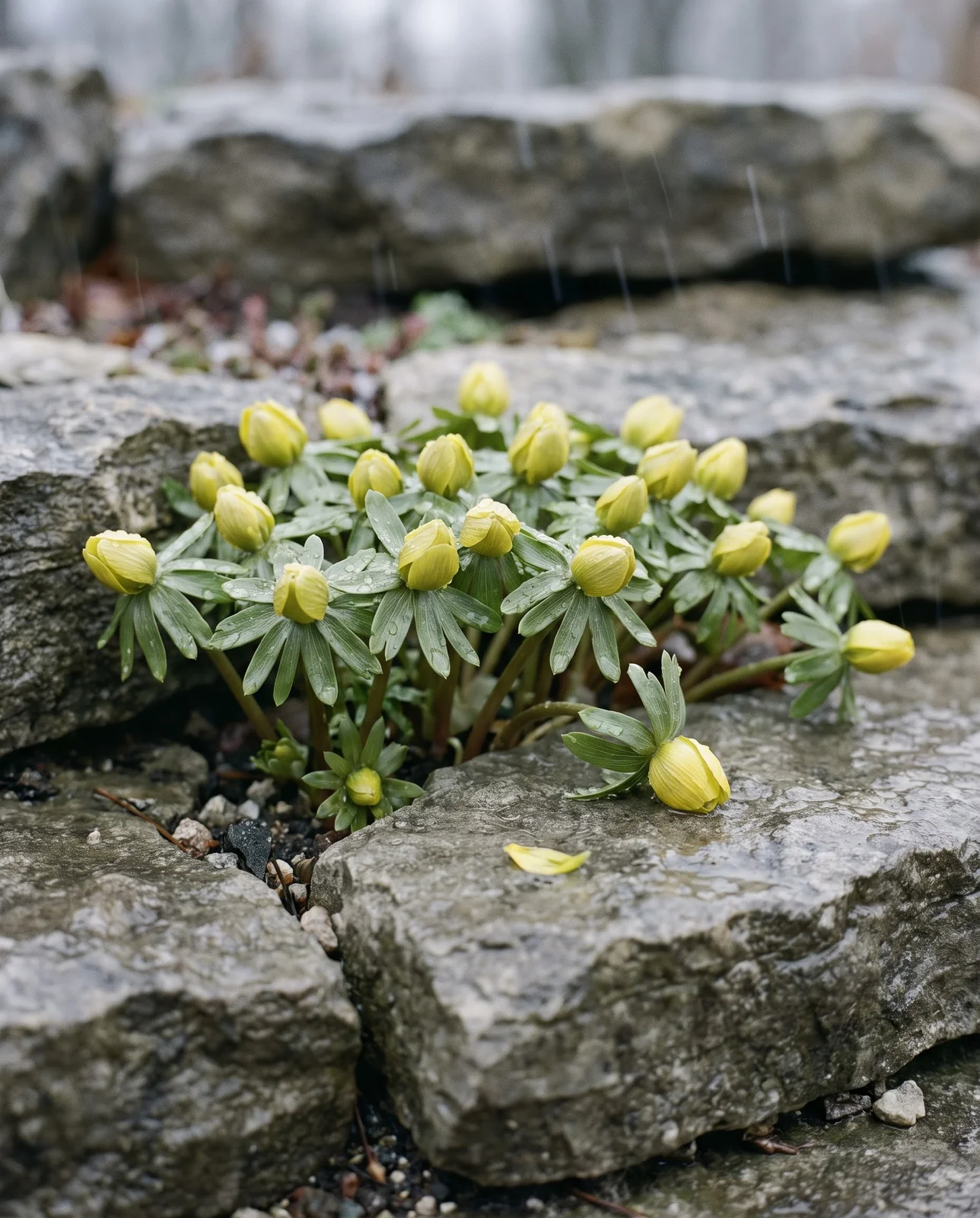
Two species sold under one name
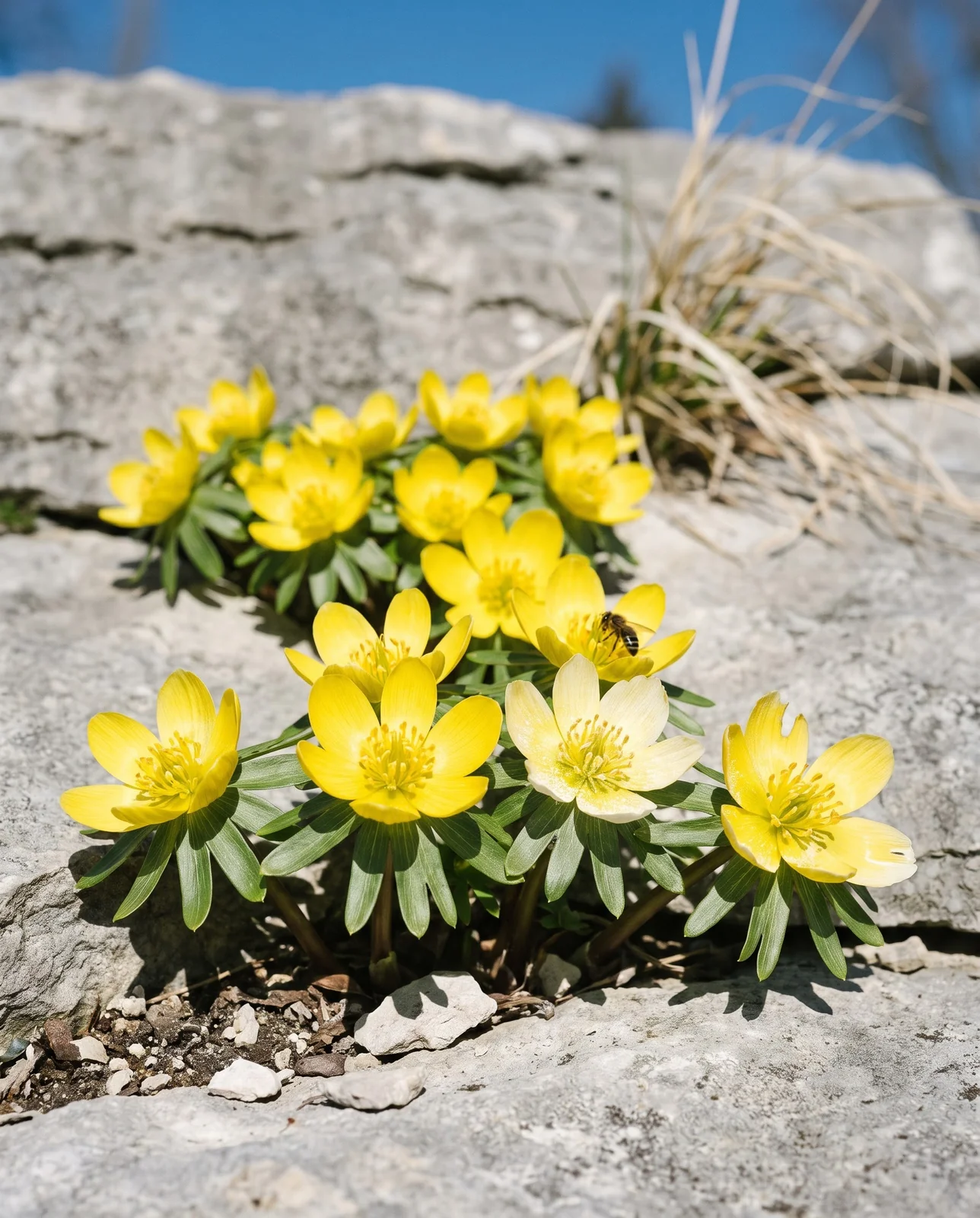
Two plants reach American gardens under the single name winter aconite. Botanists file the second one three ways: as its own species, as the Cilicica Group inside Eranthis hyemalis, and as a plain synonym. Their sterile hybrid, Eranthis x tubergenii, carries larger flowers and goes by the same name again.
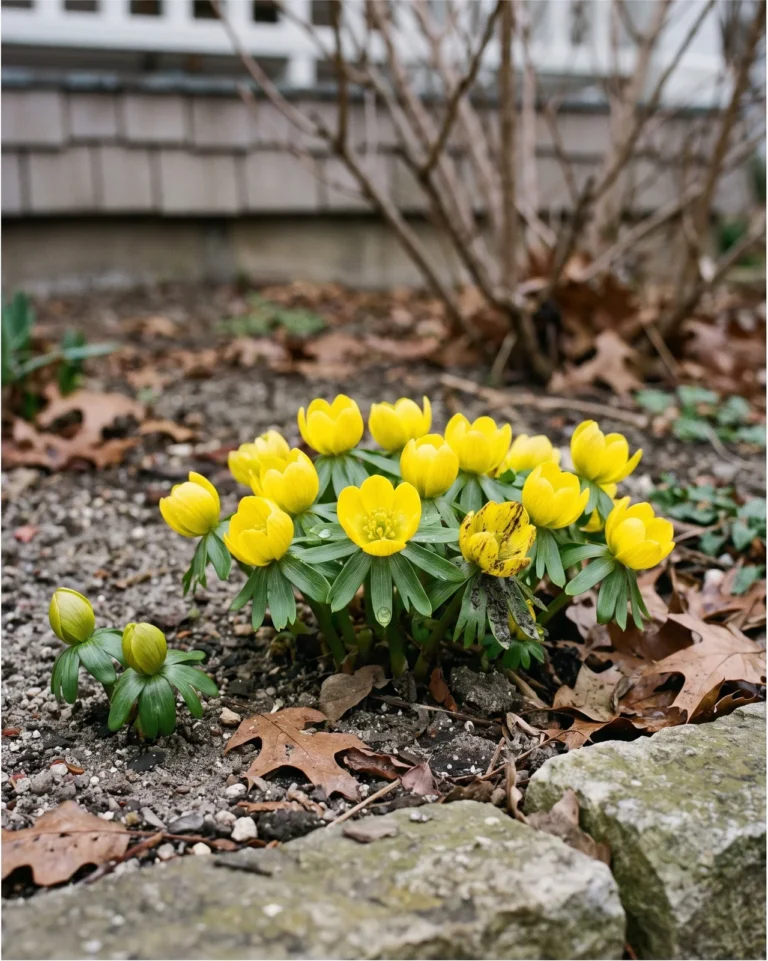
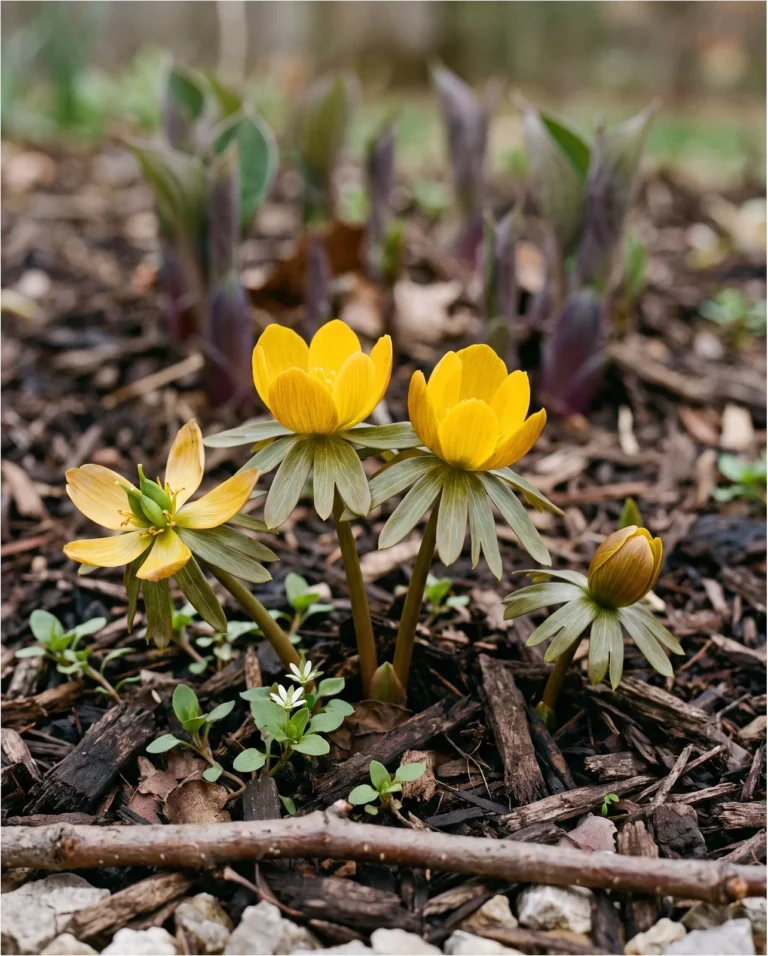
What zone winter aconite is really hardy to
Plant it as a zone 4 to 7 plant. Published figures run from zone 3 at the cold end to zone 9 at the warm end. Five of the six fall inside zone 3 to 7, and zone 4 through 7 is the band that all five of them contain.
Both ends of that spread carry a warning. In zone 9 and higher the soil does not get cold enough for the root development the plant needs. At the cold end, temperatures below 5 degrees Fahrenheit, minus 15 Celsius, can injure it even inside a zone 3 rating.
Which species is in the bag matters most at the cold edge. Every source that rates the two separately puts Eranthis cilicica one zone hardier than Eranthis hyemalis, 3 to 7 against 4 to 7. British ratings use another scale: H6, hardy throughout the UK and northern Europe, down to minus 20 to minus 15 Celsius.
When and how deep to plant the tubers
Tubers go into the ground in late summer to early fall. Soil temperature gives a better cue than the calendar: plant once the ground is about 60 degrees Fahrenheit, 15 Celsius, or colder. That falls in September or October in the North, October or November in the South. The cold that follows is part of the work: the bulbs need it to develop roots before spring. Order them with the fall daffodil bulbs and put both in on the same afternoon. If planting has to wait, keep the tubers dry with air moving around them, at 40 to 70 degrees Fahrenheit, 4 to 21 Celsius.
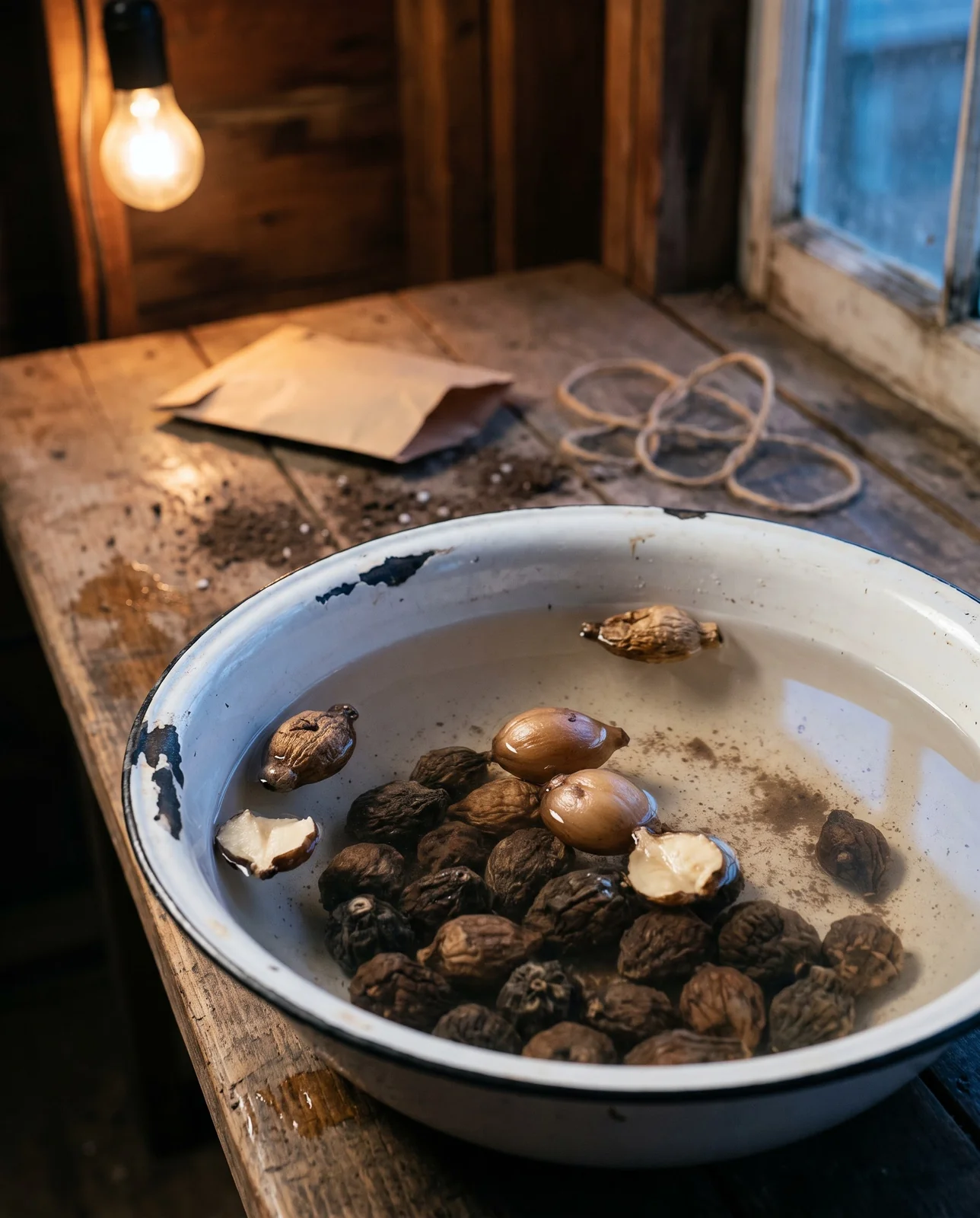
Set them 2 to 3 inches deep and about 3 inches apart, shallower in heavier soils. Top-size tubers measure about 1.6 inches, 4 centimeters, across. Dried tubers get soaked first: overnight in water is the standard instruction, and 12 hours in lukewarm water puts a clock on the same step. Shriveled ones can be rehydrated in moist sand or peat moss before they go near soil. A flower this small only registers in drifts or in mass under trees. Squirrels may disturb a fresh planting, so cover it for a few weeks with black plastic netting. One kind of ground is worth refusing outright: a bulb bathing in water rots in no time, and ground where puddles are still visible 5 to 6 hours after a rainstorm is exactly that.
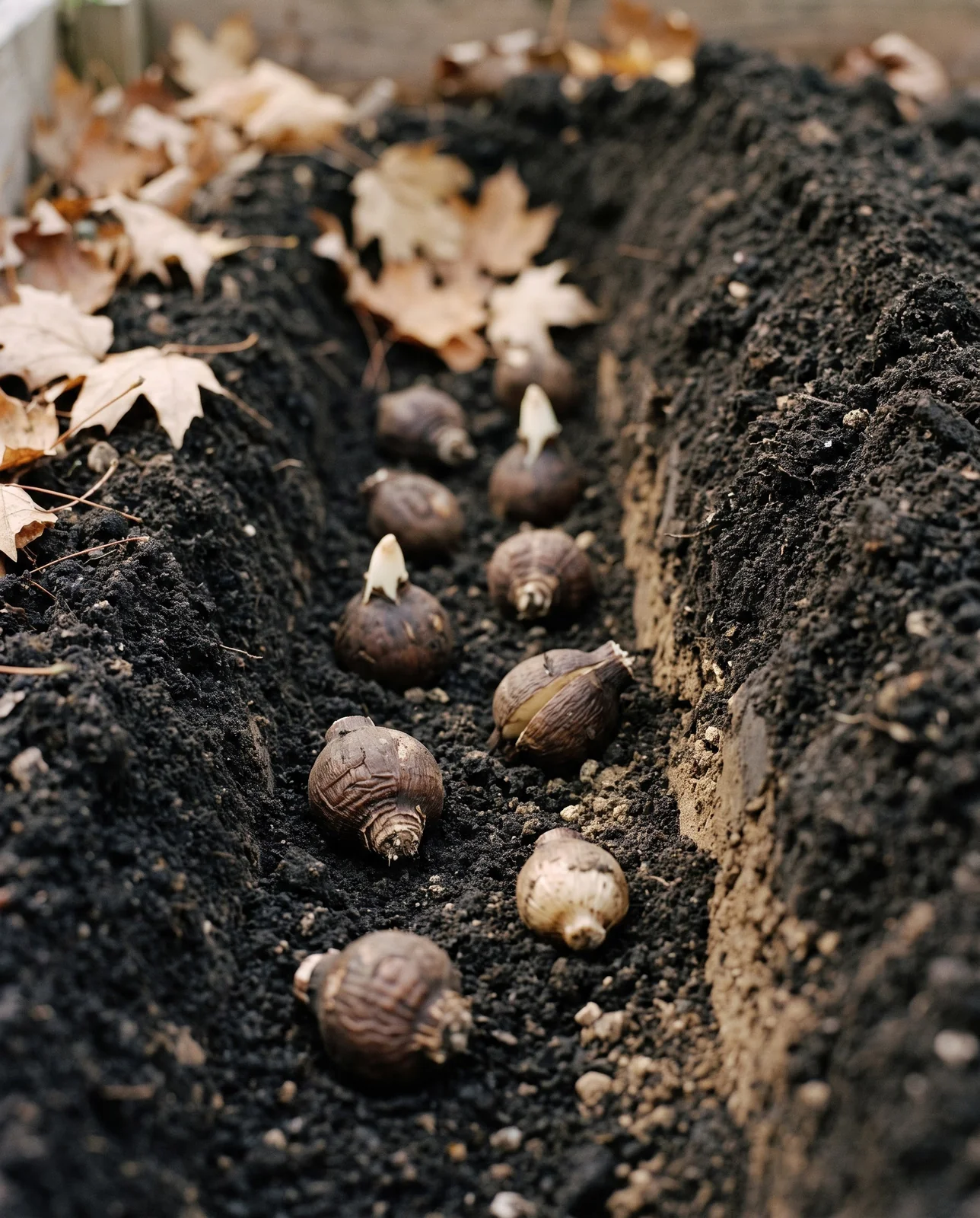
Moving plants in the green after flowering
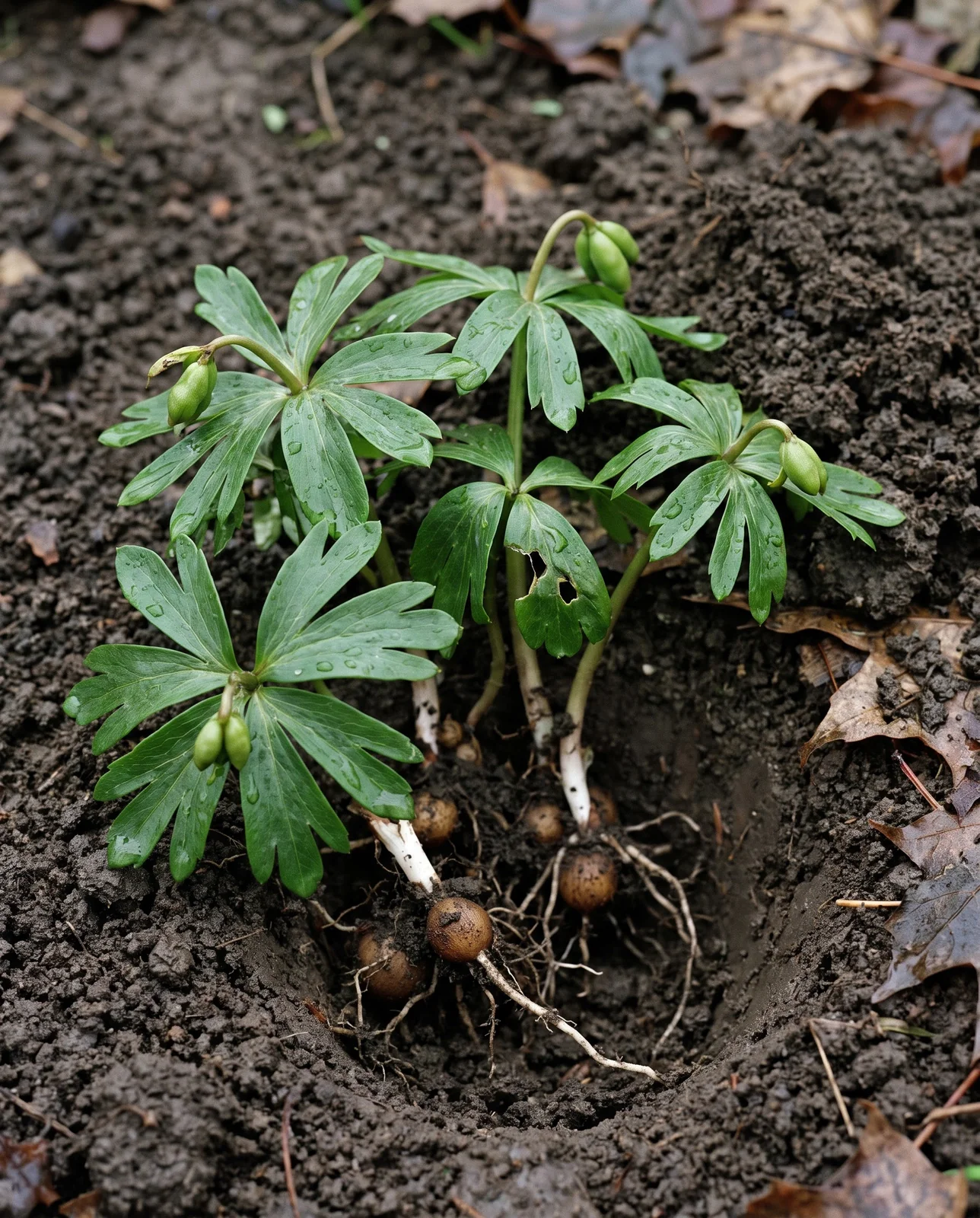
The other way in skips the packet. Winter aconite can be propagated by separating the tubers in late spring, after flowering, and the reason to prefer that route is that dry tubers may not establish well. Gardeners call it planting in the green. Dig up the clumps after flowering while the leaves are still attached, divide them, and replant. The same lift thins a crowded colony and holds the spread in check. Seed collected at that season can be sown in the fall.
Eranthis cilicica does not transplant well and is best left undisturbed, and the same caution attaches to winter aconite once it is planted. The two positions point opposite ways for anyone deciding whether to lift a patch that is already thriving. What neither side disputes is the weakness of the dried tuber.
Why last year's tubers never came up
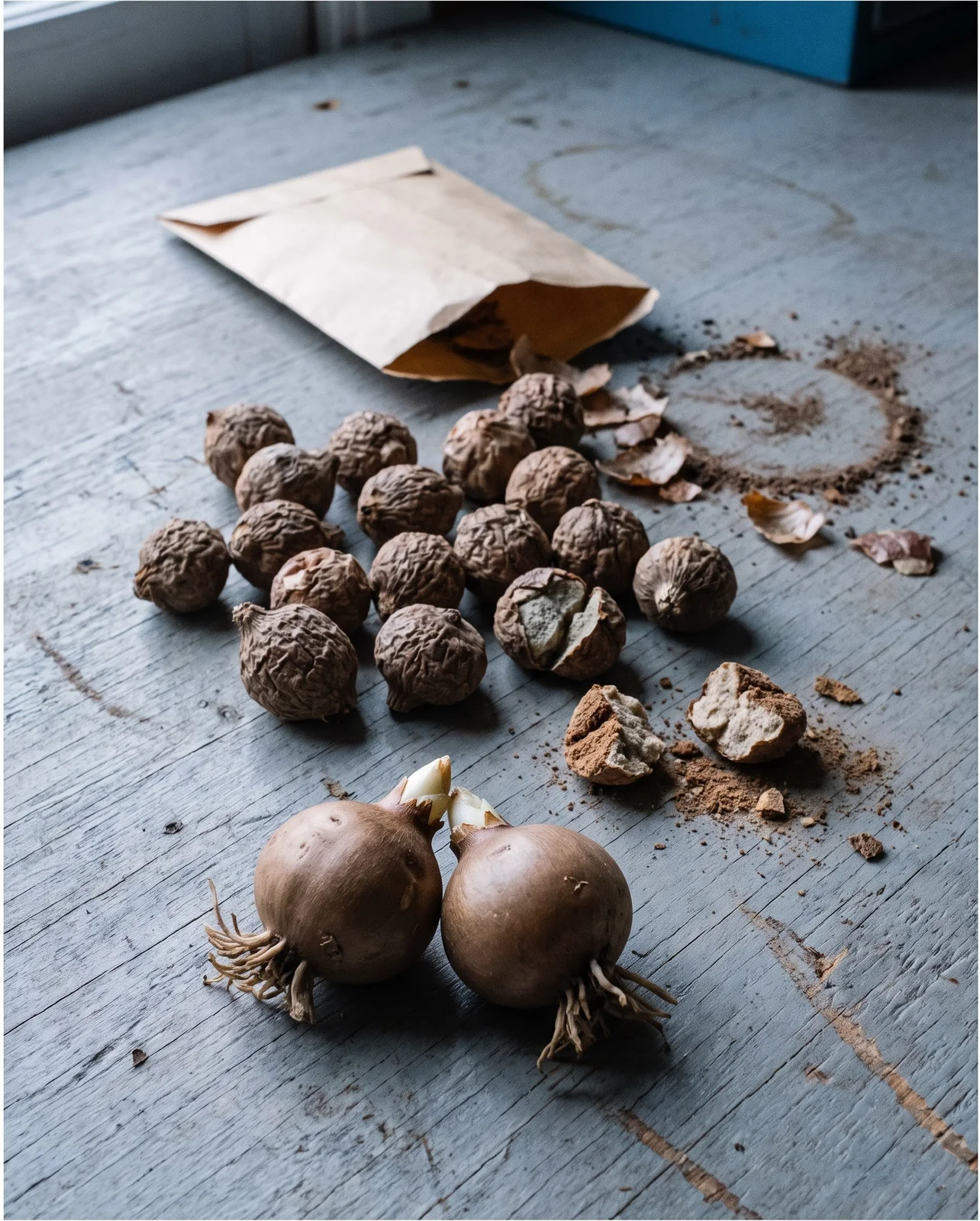
Two failures look identical in spring. A tuber that never breaks the surface failed to establish; a clump of leaves with no cup came up and did not flower. The first points back at the tuber that went in. Dry tubers may not establish well, and gardeners commonly see only 2 of the 200 tubers they planted the previous fall actually grow. Water is the answer to that: soak them overnight before planting, give them 12 hours in lukewarm water, or rehydrate shriveled ones in moist sand or peat moss first. Waxed tubers are sold on a claim of virtually 100 percent establishment.
The ground takes the rest of the blame. A bulb bathing in water rots in no time, and puddles still visible 5 to 6 hours after a rainstorm mark exactly that ground. Squirrels may disturb a new planting before it roots, and a few weeks of netting covers that window.
Leaves came up but nothing flowered
A patch that comes up green and never opens a cup is a different problem from one that never appears. Work down this list.
Where to plant winter aconite
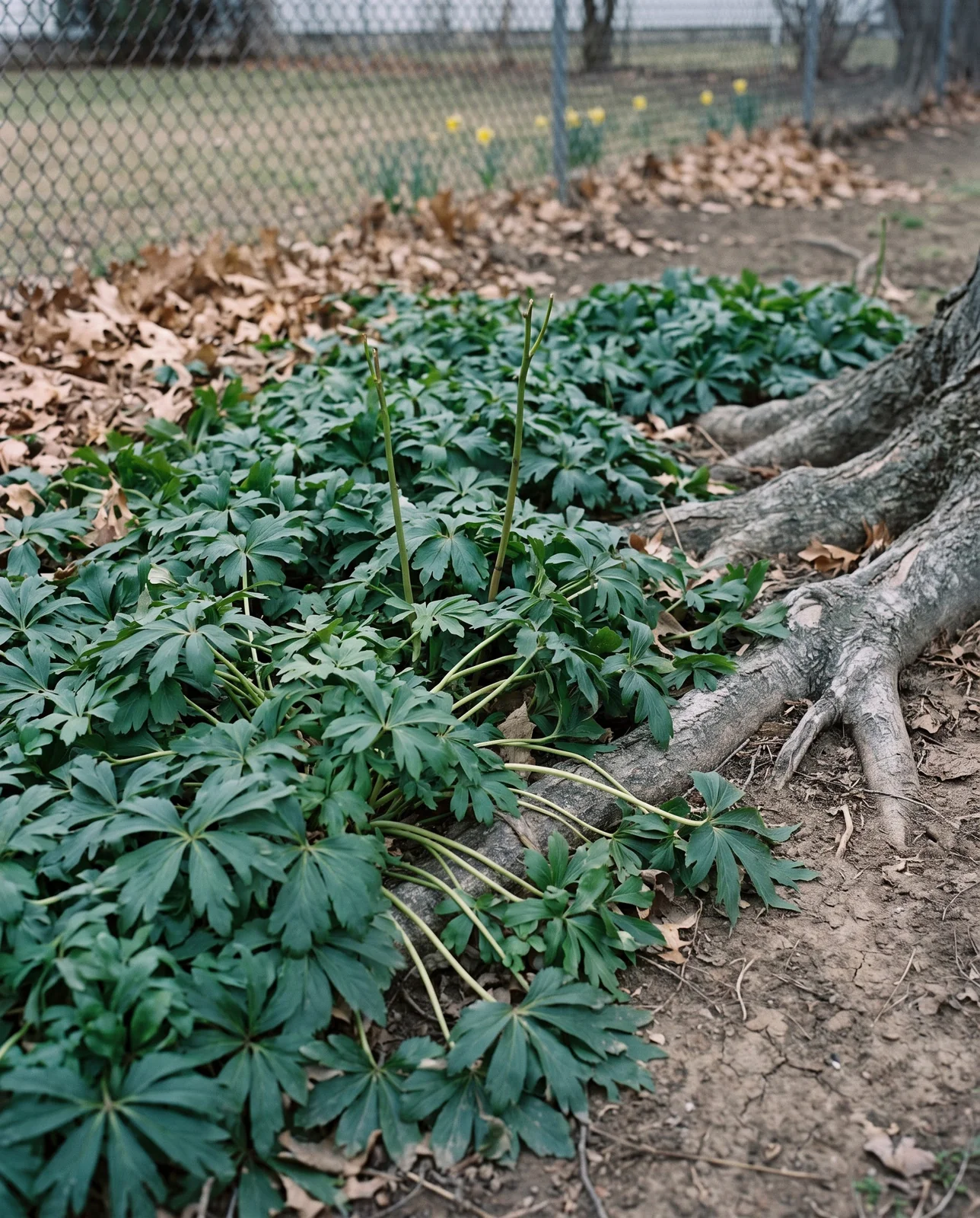
Plant it under deciduous trees, on ground that carries full light while the flowers are open and closes into shade as the branches leaf out. The uses it suits are rock gardens, beds, walkways and woodland gardens. Walkways are the entry worth taking seriously. A cup at ankle height in February is only seen by somebody standing over it, and nobody walks the far end of a garden then. A doorstep bed, a path edge, the strip beside a driveway and the ground either side of a gate all put the flowers where they get looked at. Ground under a black walnut is open to it too, which is unusual enough to matter.
Containers work on one condition. The objection to a pot is disturbance, so a pot planted once and then left alone answers it, and a pot emptied and replanted every autumn does not. The same principle decides the choice in open ground, where the plant is best left undisturbed once planted. That rules out the bed turned over every spring for annuals and the strip along a fence that gets edged with a spade. A colony nobody digs is also the only kind that widens year on year until the yellow reads from a window.
How far it spreads, and the invasive question
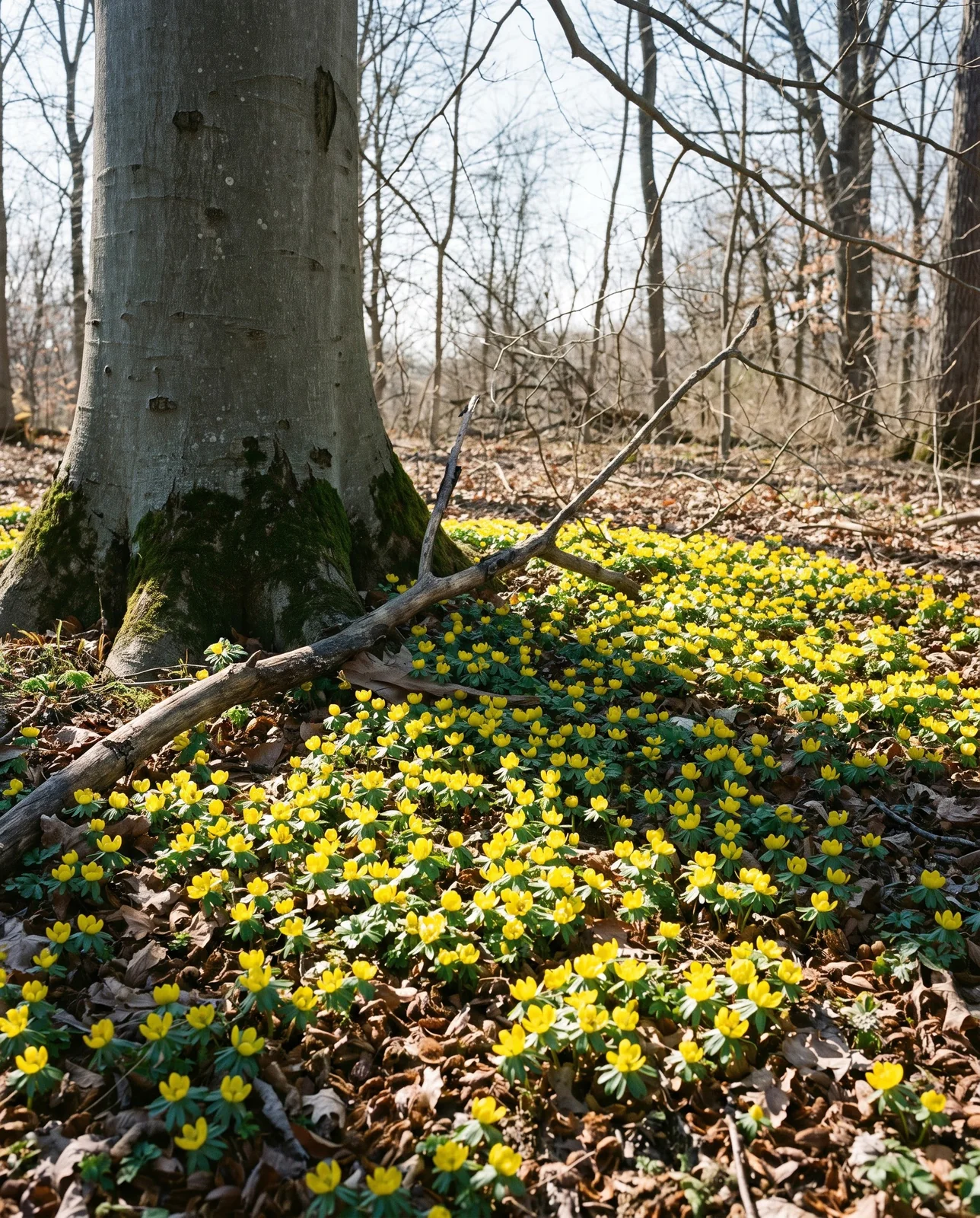
It spreads two ways, and nothing formal calls it invasive. Winter aconite may self-seed and naturalize over time in optimum growing conditions. Where the conditions suit it, the plant reproduces easily and spreads readily to form large colonies, almost to the point of being invasive. Almost is as far as the wording goes. The USDA PLANTS profile for the species carries no noxious weed status and no invasive status flag.
It moves at a woodland bulb's pace: seed dropped near the parent, and tubers multiplying into clumps thick enough to be separated. A patch planted in an English garden in the 1920s was still thriving in 2009, which describes persistence more than conquest. Where a planting does need holding back, the work is mechanical: lift the clumps while the leaves are still green and split them.
Yellow leaves and dying back
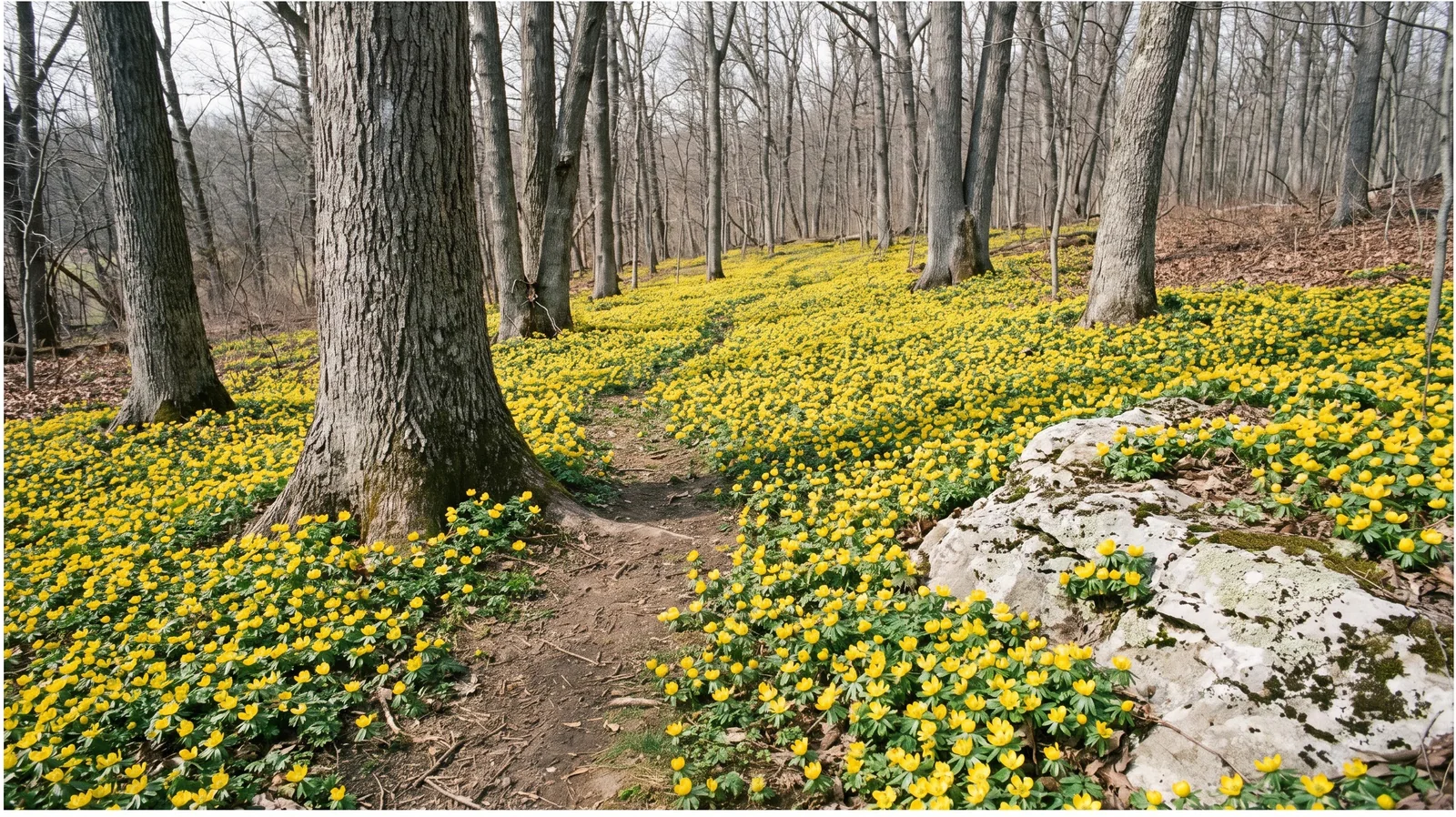
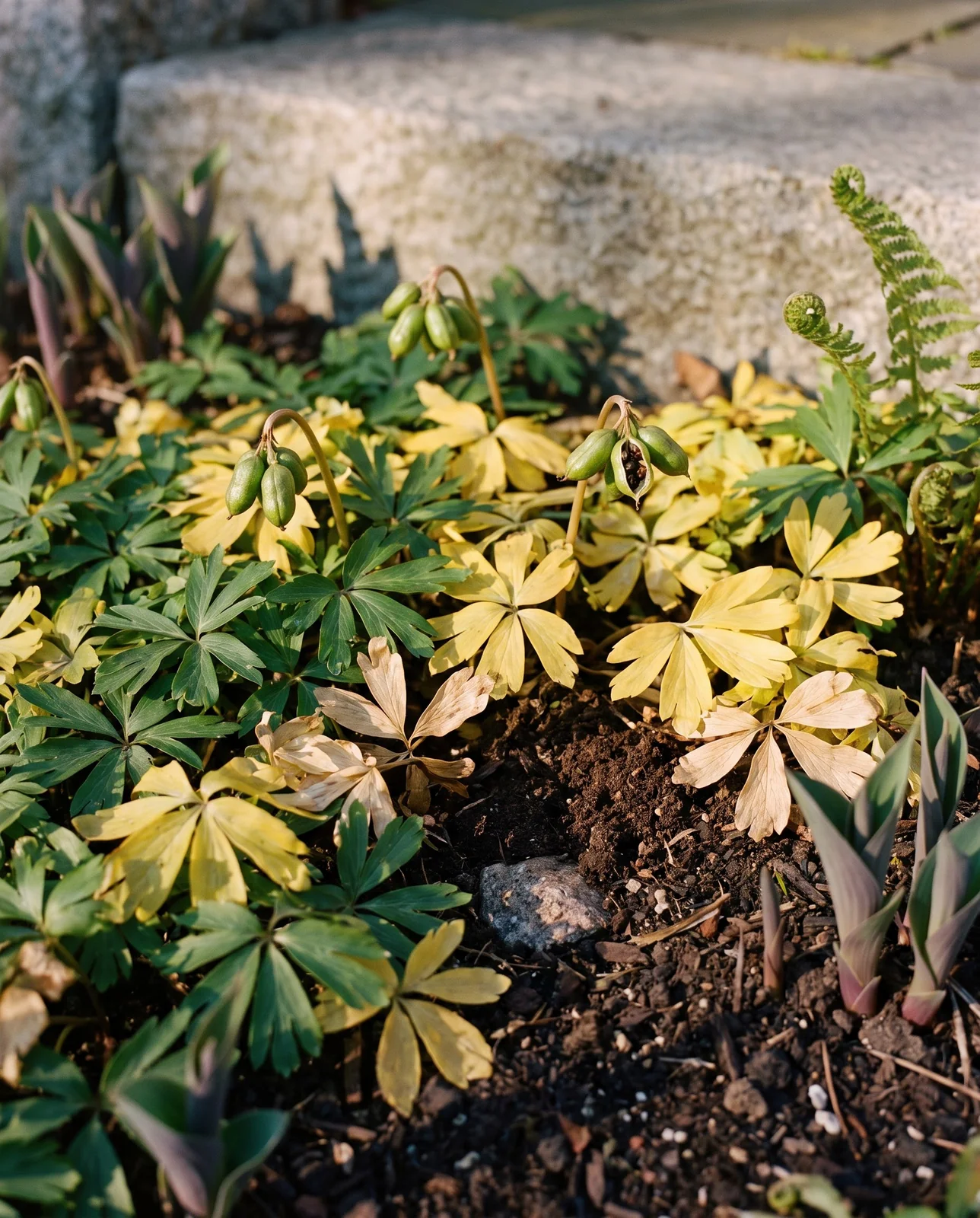
Yellow leaves a few weeks after the flowers finish are the plant keeping its own schedule. The foliage yellows and dies back by itself a few weeks after blooming, and that is the point at which it can be removed. Until then the leaves are working, producing nutrients by photosynthesis for next season's bulb, so nothing gets cut or raked before they go. A patch that looks dead in May has finished its year on time, and the ground stays empty until winter ends.
Yellowing that arrives early is out of sequence: leaves going pale while other clumps in the same bed are still in flower. Three conditions work against a plant still in leaf. Ground that stays wet is the first, since a bulb bathing in water rots in no time, and puddles still visible 5 to 6 hours after rain mark that ground. Too little light is the second. A spot that has gained an evergreen, a fence or a shed since the tubers went in works against a plant that wants full sun to partial shade. Soil that dries out during the growing season is the third, because the ground has to stay moist while the plant is in leaf.
What to plant with winter aconite
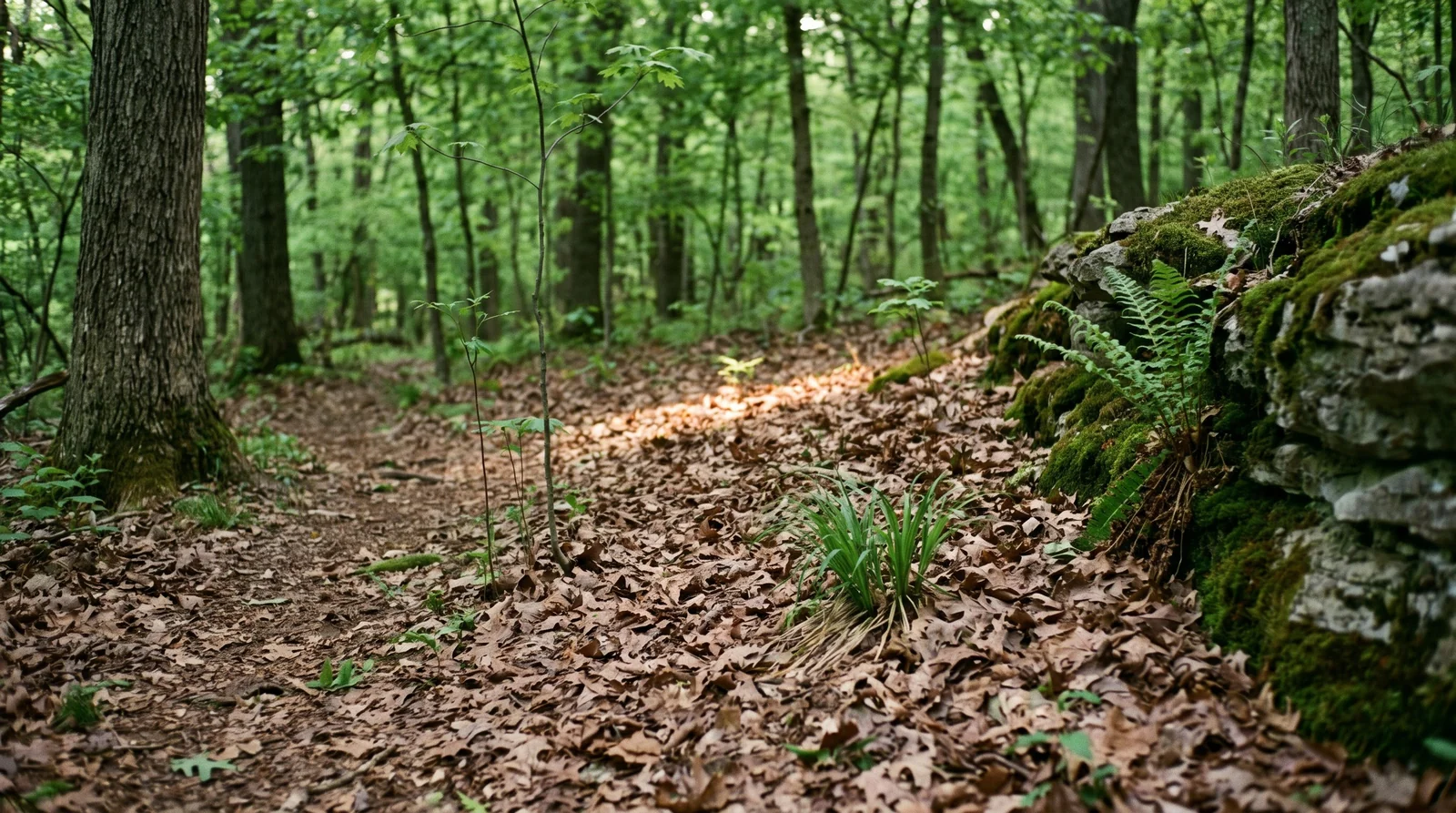
The companion list is short: crocus, hellebores and hosta. Forsythia and witch hazel carry the same yellow at eye level while the aconite holds the ground. Snowdrops earn their place by timing, since winter aconite opens just before the first of them. Early crocus follows on the same ground. May is the harder half of the problem, when the whole plant has gone back underground and the space it filled is bare litter. Hosta answers that, breaking ground late enough to miss the aconite entirely and wide enough to cover what it leaves behind.
Light and soil
Humus-rich ground that drains, does not dry out and leans alkaline, in light that is full while the flowers are open. It wants soil rich in organic material and well drained, preferably alkaline, humus-rich and moderately fertile and never allowed to dry out, and it tolerates most soil types. Preferably is the operative word, since lime is not a condition of growing it. It takes full sun to partial shade, which under bare winter branches is one place doing both jobs in the same year. For a bed that already exists, that comes to leaf mold or compost worked in before the tubers go down, and a spot that does not sit wet.
Watering, in bloom and in dormancy
Rain covers the flowering weeks in most gardens. Watering is usually unnecessary during the flowering season, unless 3 to 5 days pass without rain. Through the rest of the growing season the soil is meant to stay moist, though the plant also counts as drought tolerant. The requirement does not stop when the leaves go: the ground wants consistent moisture year round. Summer is where that bites, because the tubers are dormant and the bed reads as empty ground nobody thinks to water. The soil should not be allowed to dry out while the plant is dormant. The beds to watch in July are the ones under a roof overhang, at the foot of a hedge, or in dry shade close to a trunk.
Pests and diseases
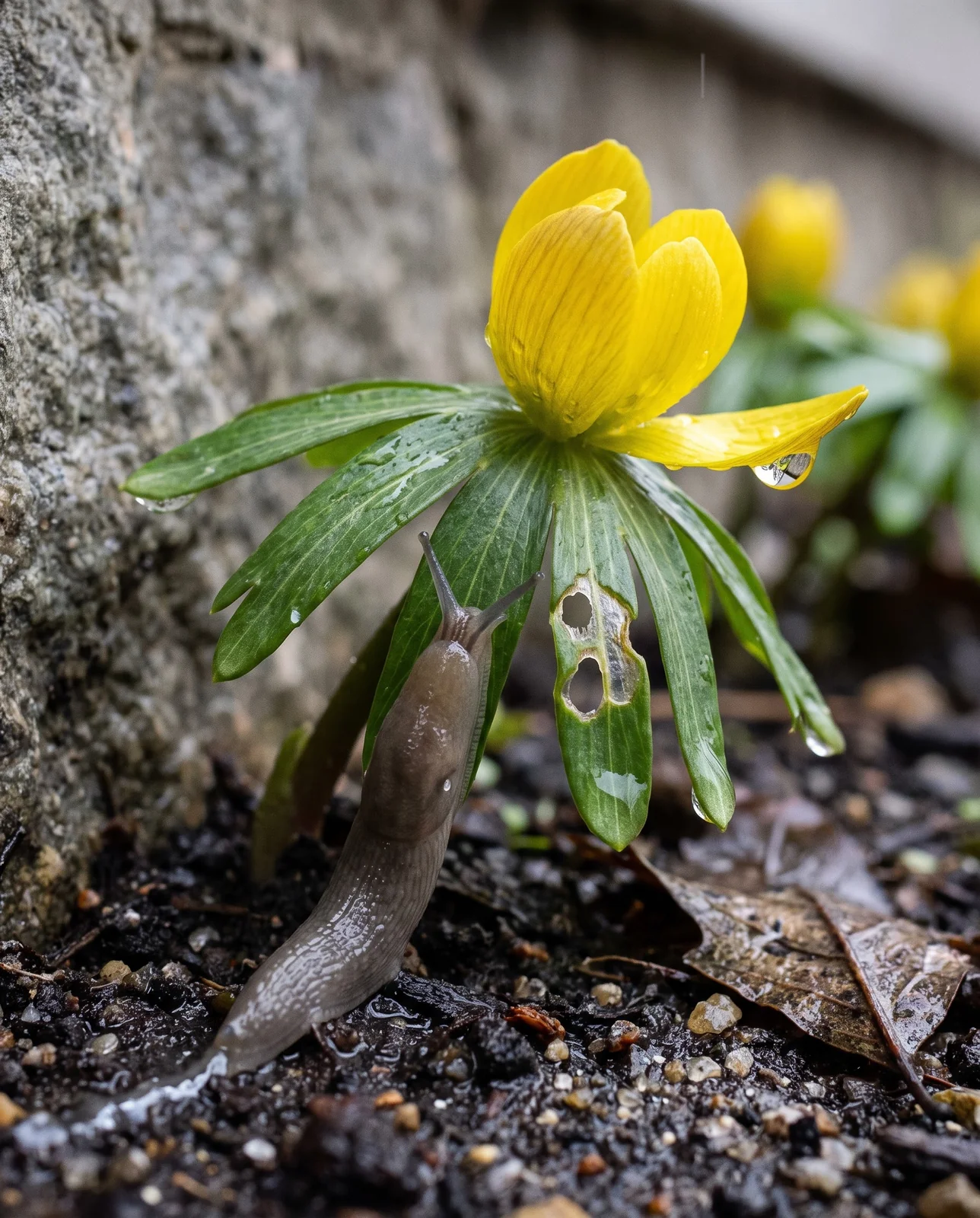
Nothing serious threatens it. Winter aconite has no serious insect or disease problems, with fungal diseases an occasional trouble. A garden that has grown it for years reports no pests or diseases at all. Slugs and smut fungi are what it is susceptible to. Slugs are the half you meet in a wet March, working at ground level on the bract collars where the flowers sit. Holed foliage on a colony that is otherwise growing well points at them first. The failure that actually costs a planting comes earlier, from a dry tuber that may not establish at all.
Growing winter aconite from seed
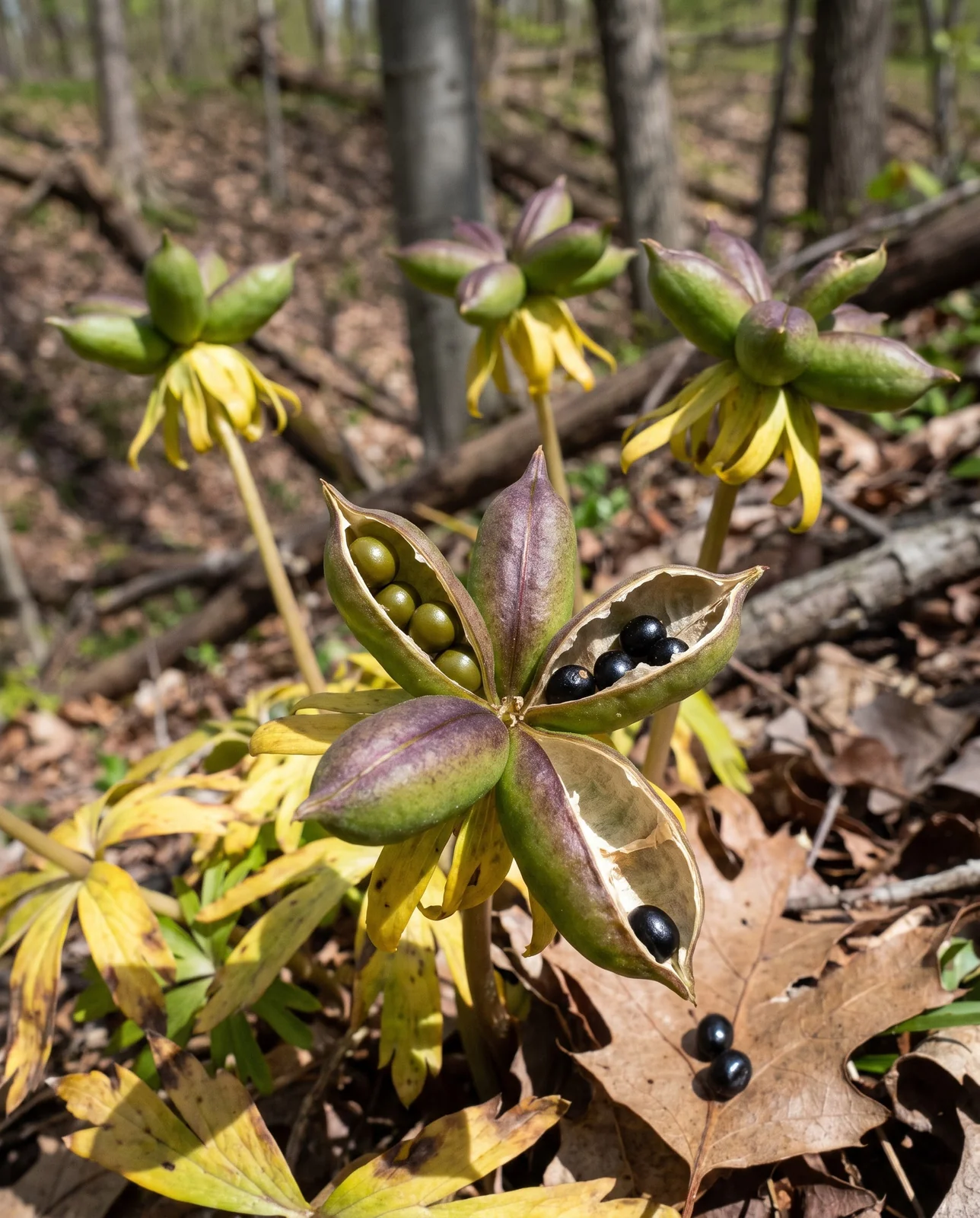
Seed works, and it is slow. Winter aconite seed is recalcitrant, so it goes in fresh: sow it outside as soon as it turns from green to black, or collect it and sow in the fall. Germination comes in late winter, with seedlings appearing about when the mature plants flower. The first evidence that a sowing worked arrives with the following season's cups. Flowering takes 2 to 5 years from seed, so a young colony can be all leaves for several springs. The turn from green to black happens on the plant, so a planting tidied up before the foliage yellows goes to the compost heap with next year's seedlings in it.
Species and selections worth telling apart
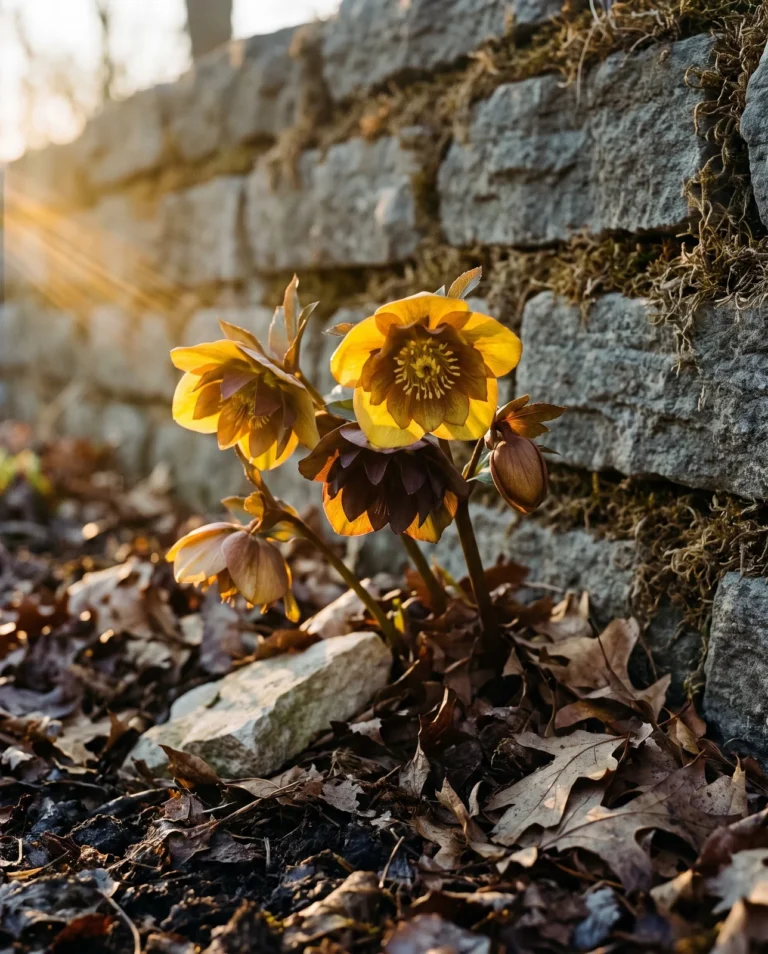
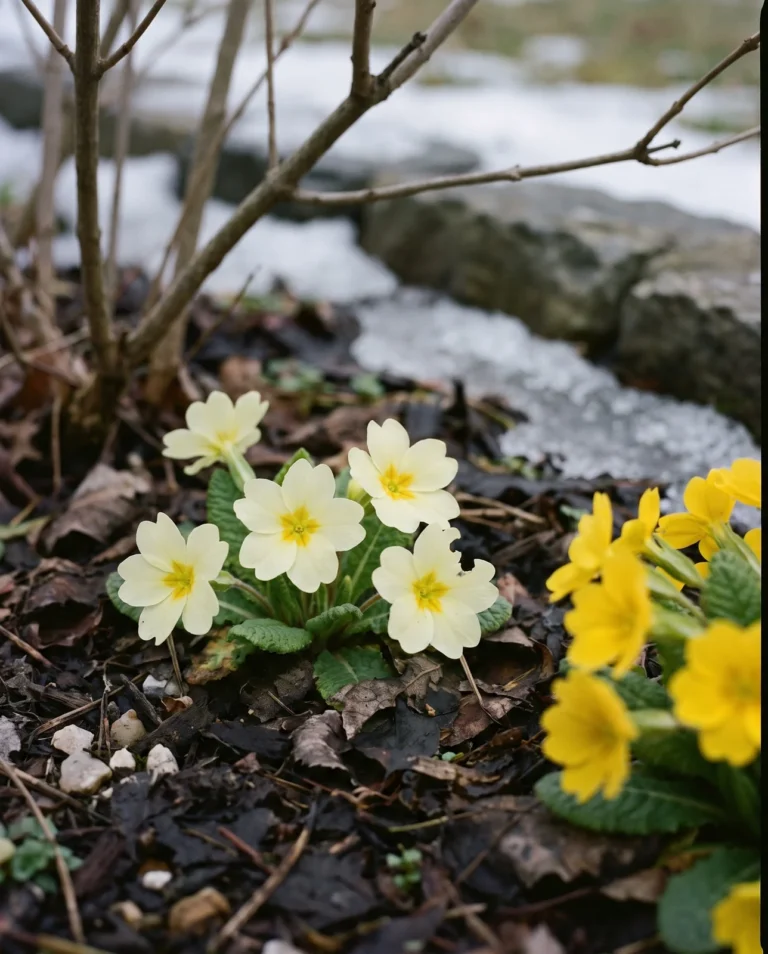
The genus holds eight species, including the white-flowered Eranthis pinnatifida and Eranthis stellata from the far east. What reaches American gardens is the two yellow species, their sterile hybrid, and a small set of named selections.
What to expect, spring by spring
From the first February after a fall planting to the point where the colony is a fixture nobody plants again.
The first spring is small and uneven. What comes up is whatever established, since dry tubers may not establish well. A colony started from seed can be all leaves at this stage with nothing wrong, because flowering takes 2 to 5 years from seed.
In the springs that follow, two processes run at once. The clumps thicken from the tubers, and the first self-sown seedlings germinate in late winter, coming up about when the mature plants flower. Where the ground suits it, the plant spreads readily to form large colonies. The only work is leaving the foliage alone until it yellows.
An established carpet can be a long-lived thing. Winter aconite may self-seed and naturalize over time and is best left undisturbed once planted: a patch put in an English garden in the 1920s was still thriving in 2009. The routine work by then is thinning, done by lifting clumps while they are still green and dividing them. Every summer the ground goes back to reading as empty.
Four things people get wrong about winter aconite
Each of these changes what you do next, and each is answered by something already published about the plant.
The myth: The word aconite in the name means this is monkshood.
The reality: The name is borrowed. Monkshood is Aconitum napellus and wolf's bane Aconitum vulparia, in a genus where most of the 250-plus species are extremely poisonous. Winter aconite sits in a different genus and poisons through cardiac glycosides of the bufadienolide group.
The myth: Winter aconite is poisonous to touch.
The reality: It does not cause contact dermatitis. Gloves are still recommended, because the plant and the tuber are poisonous if swallowed. The skin risk belongs to the true aconites, where contact alone can produce mild to severe toxicity.
The myth: A packet of dried tubers is as good a start as any other.
The reality: Dry tubers may not establish well, so living clumps get divided in the green. Everything else attached to a packet is water: an overnight soak, 12 hours in lukewarm water, or rehydrating shriveled tubers in moist sand or peat moss.
The myth: It spreads out of control.
The reality: Its plant profile carries no noxious weed status and no invasive status flag. The strongest published wording is that it spreads almost to the point of being invasive where conditions suit it.
FAQ
How poisonous is winter aconite?
Every part is poisonous, and the severity of poisoning runs high. The tuber is the part singled out, and it may cause nausea, vomiting, colic attacks and visual disturbances. Longer symptom lists add irregular pulse, bradycardia and, in severe cases, cardiac arrest, and it may be fatal if eaten.
Are winter aconites poisonous to touch?
Winter aconite does not cause contact dermatitis. Gloves are still recommended, because the plant and the tuber are poisonous if swallowed. Poisoning through the skin belongs to the true aconites.
Is winter aconite poisonous to dogs and cats?
Treat it as harmful. It is harmful to pets if eaten, and a veterinary case report documents the intoxication of a dog. The published symptoms are vomiting, diarrhea, disturbed vision and cardiac arrest. The bitter taste makes poisoning by curious nibbling unlikely.
Is winter aconite the same as monkshood?
No. Monkshood is Aconitum napellus, a different genus, with light indigo-blue flowers. The names overlap because winter aconite was once classified as Aconitum hyemale. The poisons differ too, alkaloids in one and cardiac glycosides in the other.
Where is the best place to plant winter aconite?
Under deciduous trees, in ground with full light at bloom time and increasing shade as the canopy fills in. Rock gardens, beds, walkways and woodland gardens are the listed uses, and it has to go in drifts to register at all.
When and how deep do you plant winter aconite tubers?
Late summer to early fall, 2 to 3 inches deep and about 3 inches apart, shallower in heavier soils. Plant once the ground is about 60 degrees Fahrenheit, 15 Celsius, or colder. Soak dried tubers overnight.
What zone is winter aconite hardy to?
Plant it as a zone 4 to 7 plant, the band that five of the six published figures all contain. The full spread runs from zone 3 to zone 9. Below 5 degrees Fahrenheit, minus 15 Celsius, it can be injured.
Do winter aconites spread?
Yes, by self-seeding and by clumps thickening, and it may naturalize over time in optimum conditions. In ground it likes it spreads readily to form large colonies. Lifting and dividing the clumps while they are green keeps it in check.
Is winter aconite invasive?
No noxious weed status and no invasive status flag appear on its plant profile. The strongest published wording is that it spreads almost to the point of being invasive where the conditions suit it.
Why did my winter aconite never come up?
The tuber is the usual answer. Dry tubers may not establish well, and gardeners commonly see only 2 of 200 planted tubers grow. Soaking overnight or rehydrating shriveled tubers is the fix; squirrels and wet ground take the rest.
Should winter aconite leaves be cut back after flowering?
No. The foliage yellows and dies back on its own a few weeks after blooming, and that is when it can be removed. Until then the leaves feed next season's bulb, so keep a mower off the planting until they wither.
Interesting tips
- Buy Eranthis cilicica for the later bloom. Published heights for it reach a full foot, against the 3 to 6 inches given for the genus.
- The two species split the pollinators between them. Bees take nectar and pollen from winter aconite, while butterflies are the visitors on the flowers of Eranthis cilicica.
- Winter aconite particularly likes chalky, alkaline soil, though any reasonably fertile ground will do.
Related Guides & Flowers
Ranunculus
The showy end of the same buttercup family, grown from a claw-shaped tuber for late spring.
Forsythia
The shrub that carries the same yellow at eye level in the same weeks of the year.
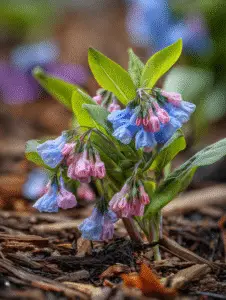
Virginia bluebells
Another woodland plant that flowers early and vanishes underground for the summer.

Types of flowers
The full index of flower guides here, arranged by type and by name.
Enjoying our flower guides? Add YourFlowersGuide as a preferred source on Google. It helps more readers find us.
Add to Preferred Sources