Contents

Lupine

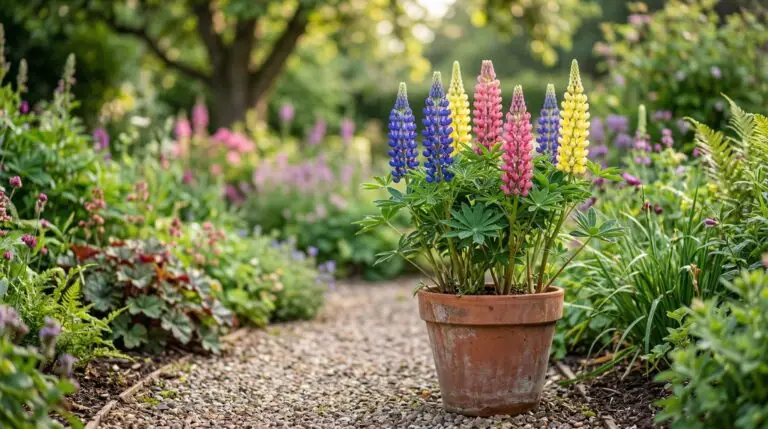
Lupines (Lupinus spp.) are upright, spire-flowering plants known for tall stems packed with pea-shaped blooms. You will see them in blue flowers, purple flowers, and mixes that include pink flowers, white flowers, and soft yellow blooms, sometimes with two-tone petals. In cottage gardens and meadow-style plantings, they add height above a mound of palm-shaped green leaves and they draw pollinators like bees, butterflies, and hummingbirds. A clump in full bloom can stand as tall as a sunflower and is hard to miss. Give lupines the right light and soil and they are straightforward to grow, but many types are short-lived perennials. Gardeners like them for color, their nitrogen-fixing roots (they are legumes), and the fact that deer often leave them alone.

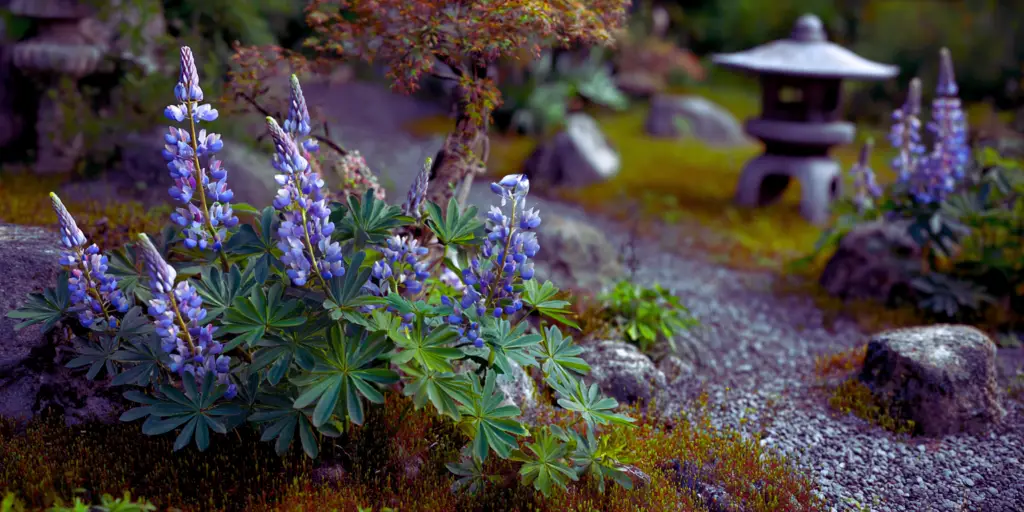
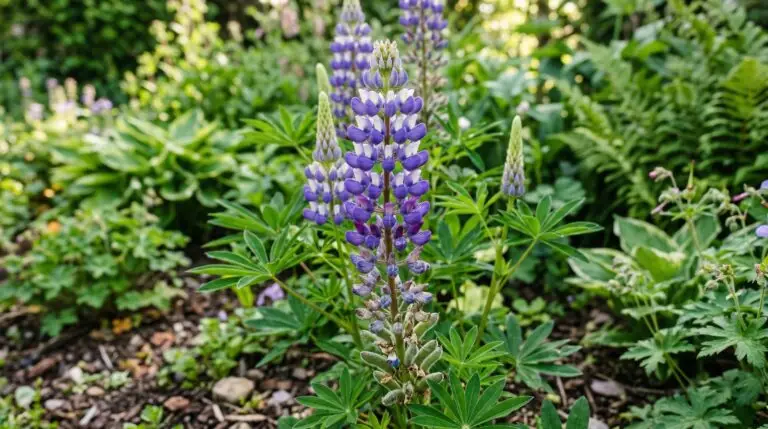
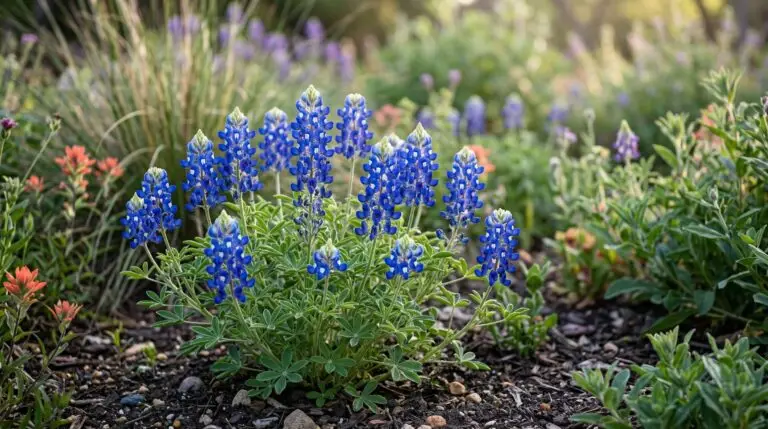
Lupine spike close-up, blue florets, palmate leaves.
Lupine care infographic showing plant size and quick growing requirements: height 1 to 5 ft (0.3 to 1.5 m) and spread 1 to 2.5 ft (0.3 to 0.8 m). Recommended hardiness is USDA Zones 3 to 8. Best light is full sun to part shade. Water needs are medium, with well drained soil and a soil pH of 5.5 to 7.0. Fragrance level is 1 out of 3. Color chips display common lupine bloom colors: blue, indigo, purple, lavender, pink, red, white, and yellow.
Lupine

A clear, step-by-step guide to soil, planting, watering, feeding, pruning, and winter care. Includes zone timing, container tips, companions, and quick fixes for common problems.

Bouquet Ideas

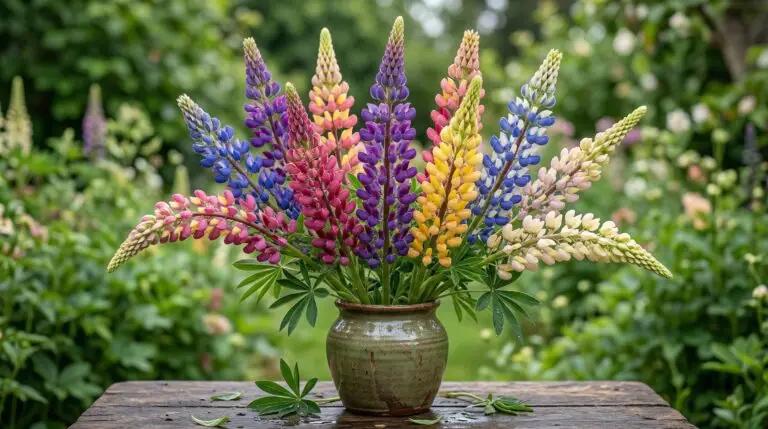
Explore simple, beautiful bouquet ideas for the home, gifts, and special occasions from romantic mixes to clean, minimal styles. Each idea includes suggested flower combinations, color palettes, and sizes, with photos for quick inspiration.

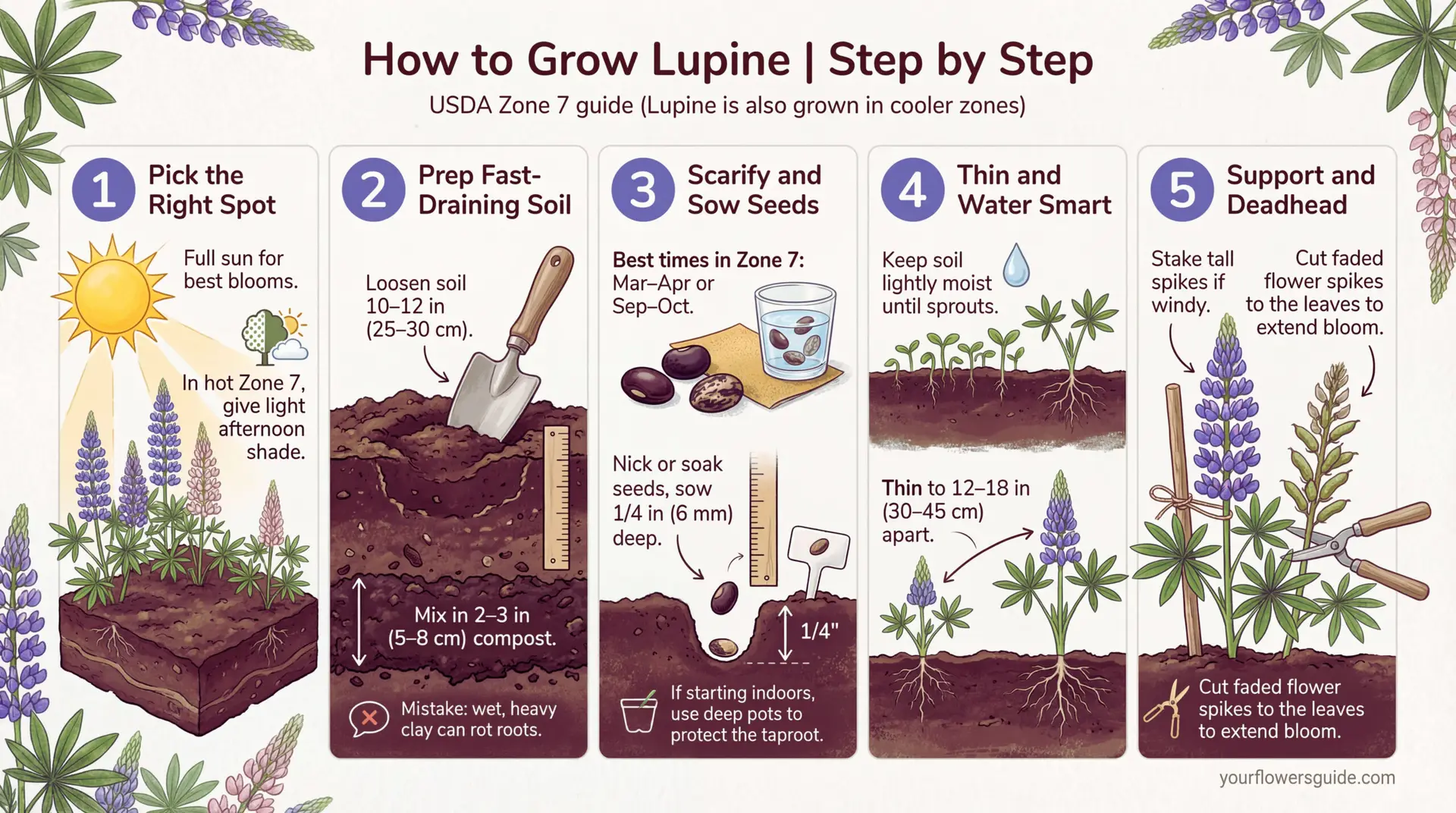
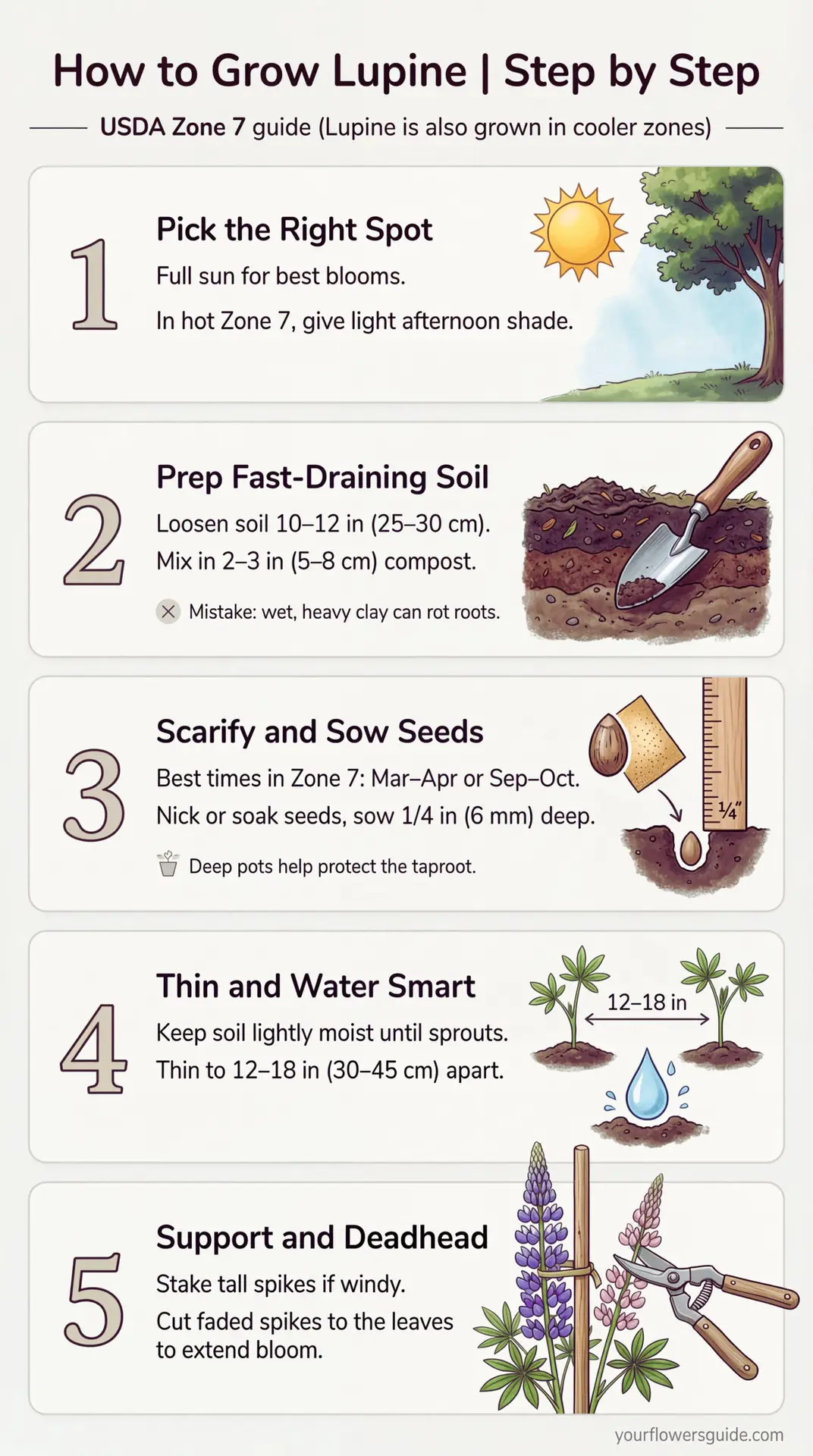
This lupine infographic shows simple planting steps for USDA Zone 7, including when to sow, how deep to plant, and how far apart to space seedlings. Follow the quick care tips for stronger growth and better flower spikes.

🌱 Taxonomy and origin

Lupine is the common name for plants in the genus Lupinus, part of the pea family (Fabaceae). There are about 200 species, including both annual and perennial types. Many are native to North America, while others come from the Mediterranean, South America, and parts of Africa. In the eastern U.S. and Canada, Lupinus perennis (wild lupine) is a familiar species. The Texas bluebonnet, Lupinus texensis, grows across parts of the Southwest. In the wild, lupines often grow in open, sunny places with well-drained soil, and they can improve poor ground by fixing nitrogen. The name “lupine” comes from the Latin lupus (“wolf”). Early writers thought the plants “wolfed” nutrients from the soil, but lupines can actually add nitrogen and support soil fertility. Their tall flower spikes fit naturally into meadow-style plantings and pair well with other wild blooms such as cornflowers.

🌸 Bloom time

Lupines usually bloom from late spring into early or mid-summer, depending on the climate and species. In many temperate areas, peak bloom is May and June, with some plants continuing into July. They often fill the gap after spring bulbs like tulips fade and before summer perennials take over. Each spike opens from the bottom up, so flowers keep coming for a couple of weeks on each stem. Cool summers can stretch the season. In hotter regions, bloom comes earlier and ends faster once heat settles in. If you cut off spent spikes (deadhead), some plants send up a smaller second flush later in summer, but the main display is in spring.

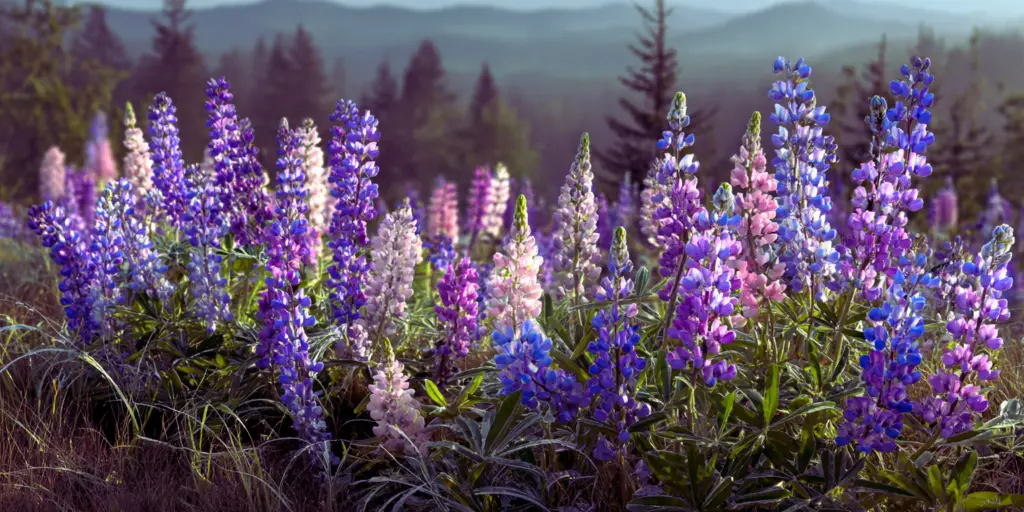
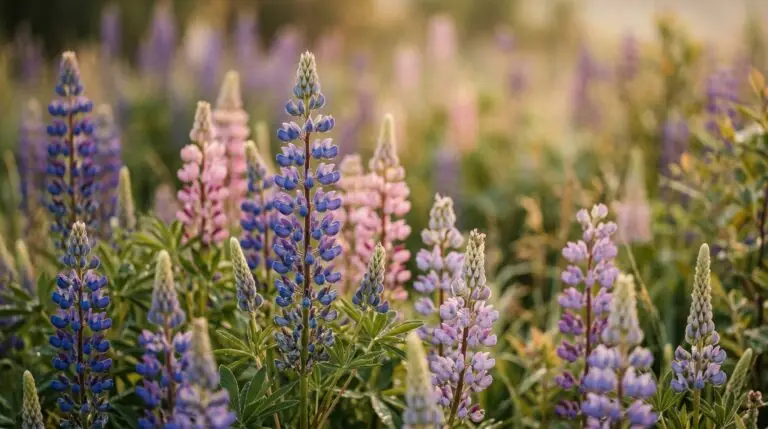
Lupines in meadow, pink and blue spires, bokeh.

📏 Height and spread

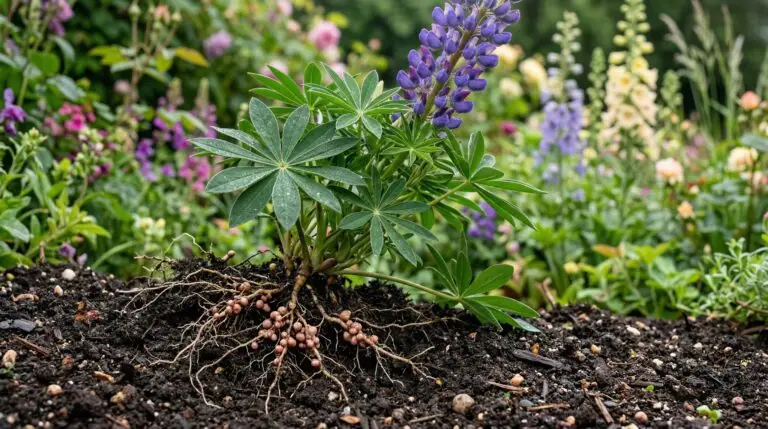
Lupines grow as upright clumps, and size depends on species and variety. Many garden hybrids reach about 2 to 4 feet tall (roughly 0.6 to 1.2 m) in bloom, spikes included. Dwarf types can stay near 1 foot, while vigorous plants reach the top of that range. They are not as tall as a large Delphinium elatum, but a group of lupines still gives real height in a border. Most plants spread about 1 to 1.5 feet (30 to 45 cm) across, forming a leafy mound with several flowering stems. The leaves are palmately compound, like fingers from a single point, and they stay attractive even when the plant is not flowering. Lupines make a deep taproot, which helps them handle lean soils but makes older plants hard to move. Plant them where you want them to stay and give them room.

☀️ Light

Full sun suits lupines. Aim for at least 6 hours of direct light a day. In climates with cooler summers, they can take sun all day, much like classic roses in an open bed. In hotter regions, strong afternoon sun can stress the plants, so a little afternoon shade can help the leaves stay greener and the bloom last longer. Too little light leads to lanky growth and fewer flower spikes. Lupines can survive in partial shade, but they usually bloom less and may flop from weaker stems.

Lupine raceme macro, multicolored buds, backlit detail.

💧 Water

Lupines like evenly moist soil, but they do not tolerate soggy ground. As a general guide, about 1 inch of water per week during active growth is often enough, including rainfall. In dry spells, water deeply about once a week, then let the top inch or two of soil dry a bit before watering again. Once established, the taproot helps plants ride out short dry periods, but constantly wet soil can lead to root rot. Compared with a thirstier plant like Hydrangea macrophylla that wilts quickly, lupines may look fine until they are quite dry, so check the soil instead of watering on a strict schedule. Mulch can help hold moisture and keep roots cooler, but keep mulch off the crown so it does not stay damp.

🌍 Soil and pH

Drainage matters most for lupines. They do well in loose, well-drained soil and often grow naturally in sandy or gravelly ground. Heavy clay can work only if you improve it so water does not sit around the roots. Mixing in compost and coarse sand or grit before planting helps with aeration and drainage. Lupines usually do not need heavy feeding because they fix nitrogen, and too much nitrogen can give you more leaves than flowers. They prefer slightly acidic to neutral soil, around pH 6.0 to 7.0, though many tolerate a bit more acidity. In very alkaline soil, leaves can yellow from nutrient lock-up (chlorosis). Flower color does not shift with pH the way some hydrangeas do, but keeping pH in a comfortable range helps the plant stay healthy.

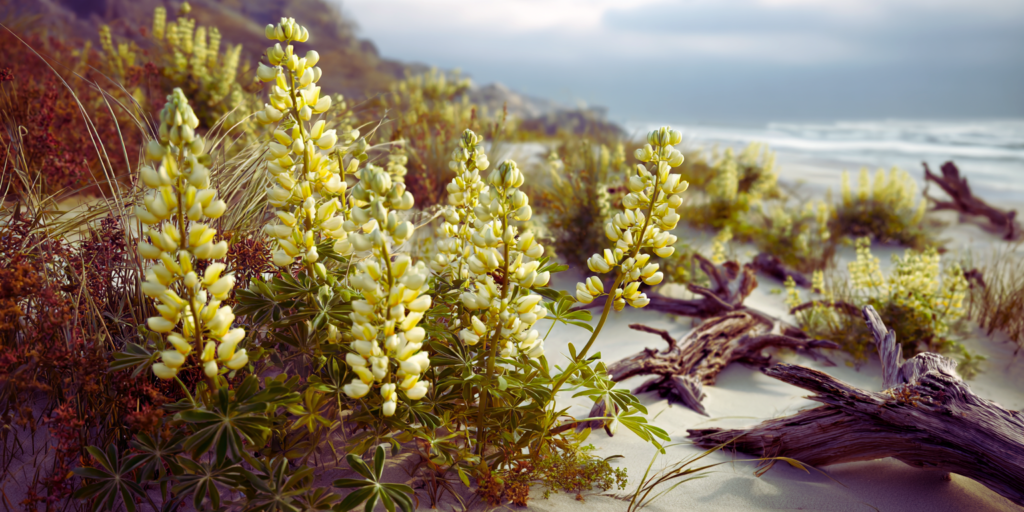
Pink lupines cluster, dewy pea-like blossoms.

❄️ USDA hardiness

Hardiness depends on the species and the local summer heat. Many common perennial garden lupines, including hybrids based on Lupinus polyphyllus, grow well in USDA Zones 4 to 8. That range includes winter lows down to about -30°F (-34°C) in Zone 4. Some wild and alpine species can handle colder conditions. On the warm end, lupines often struggle with hot, humid summers. In Zones 9 and 10, they are usually grown as cool-season plants or treated as annuals. If you garden near the edge of their comfort zone, mulch the root area in late fall for winter protection, and in warm regions give afternoon shade and good air flow. Check the recommended zone range for the exact species or cultivar because hardiness varies.

🌼 Propagation and longevity

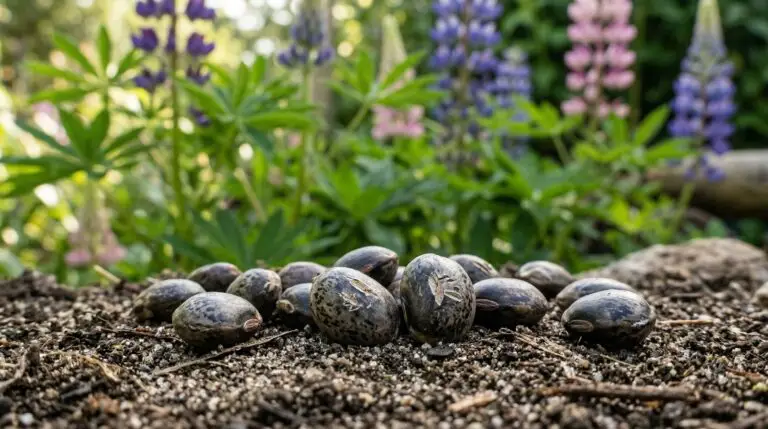
Lupines are most often grown from seed. The seeds have a hard coat, so soaking them in water for 12 to 24 hours, or lightly nicking the coat (scarifying), helps moisture get in and improves germination. Seeds can be sown directly outdoors. In cold climates, sowing in late fall or very early spring works well because the seeds sit until conditions are right. In milder climates, many gardeners sow in late winter for spring seedlings. If you start seeds indoors, use biodegradable pots or deep seed trays so you can plant without disturbing the young taproot.

Established lupines dislike transplanting, so it is best to plant seeds or seedlings in their final spot. Division is usually not practical because of the taproot. Healthy plants may self-seed if you leave a few spent spikes to form pods. Seedlings from hybrids can look different from the parent plant, often shifting back toward blue or purple, but they are usually healthy. If you want more self-seeding, let some pods fully mature and drop seed. If you want to prevent spreading, deadhead before pods form.

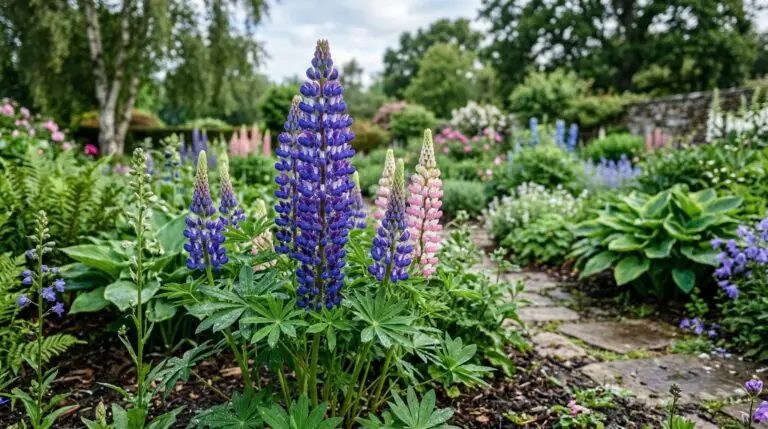
Roadside lupines, tall blue spires, gravel path.

👃 Fragrance

Lupines are not known for strong fragrance. Most have little to no scent, especially compared with roses or jasmine. Up close, some flowers can smell faintly sweet or peppery, a bit like sweet peas. A few wild species have a noticeable, light scent and are sometimes nicknamed “grape soda lupine.” In the garden or in arrangements, lupines add height and color more than perfume.

⚠️ Toxicity and pet safety

All parts of the lupine plant contain alkaloids (including lupinine) and can be toxic if eaten in large amounts. The seeds and young growth hold the highest levels. In the garden, that mainly means keeping pets and small children from chewing the plant. The bitter taste helps deter many animals, but it is not a guarantee. In cats and dogs, eating enough plant material can cause drooling and stomach upset, and larger amounts can affect the nervous system. Livestock are more often affected when grazing wild lupines or eating dried lupine mixed in hay, and some species can cause problems in pregnant cattle if eaten at a sensitive stage. Gardeners may want gloves when handling a lot of plant material, since the sap can irritate sensitive skin. Treat lupines like other mildly poisonous ornamentals such as foxglove or lily-of-the-valley: enjoy them, but do not let anyone eat them.

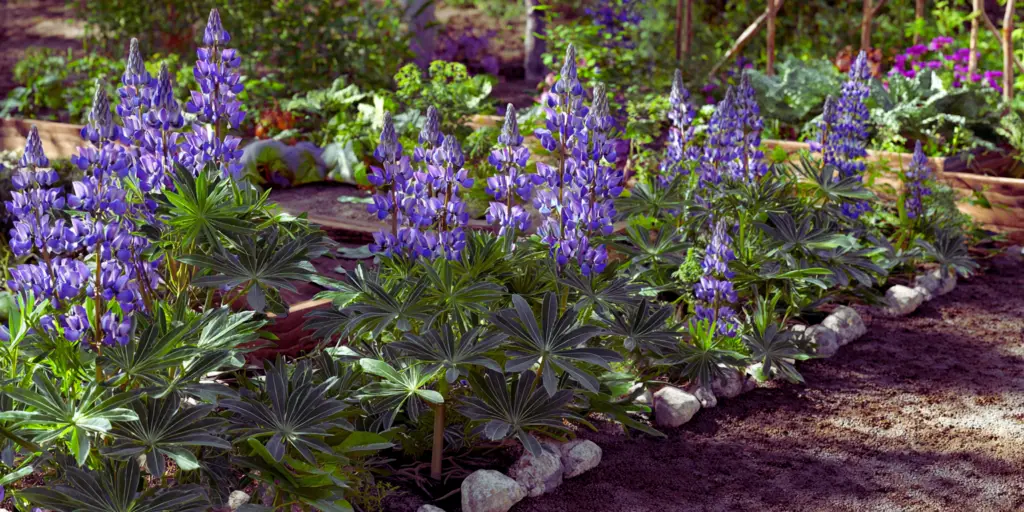
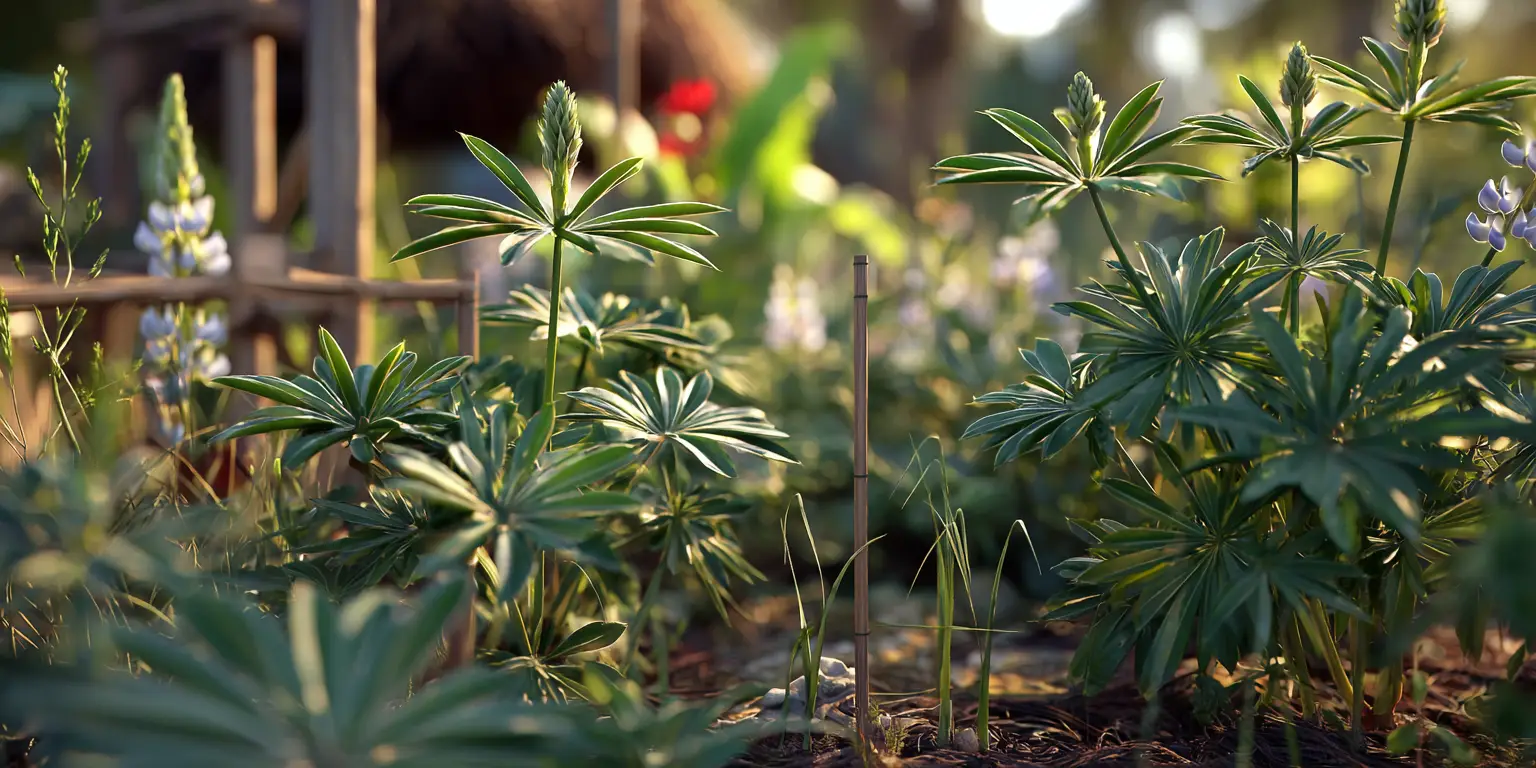
Garden lupines among vegetables, vigorous green foliage.

🌿 Vase life

Lupines can be used as cut flowers, but they do not last as long as some sturdier blooms. A freshly cut lupine spike usually stays attractive for about 5 to 7 days. Cut stems when roughly half of the flowers on the spike are open, with the upper buds still closed. Make a clean cut in the early morning and place the stems in water right away. Remove any leaves that would sit below the waterline to keep the water cleaner. Lupine stems can be a bit floppy, so they may need support in an arrangement. Use cool, clean water, change it daily or every other day, and consider a floral preservative. Even with good care, lower flowers often fade first, so lupines work best for short-lived arrangements.

🐛 Pests and diseases

In a healthy environment, lupines usually have few serious problems, but they can get mildew and attract aphids. Powdery mildew shows up as a white, dusty coating on leaves, especially in humid weather or crowded plantings. Good spacing, air circulation, and watering at the soil line help prevent it. If mildew appears, remove the worst leaves and use an appropriate fungicide if the problem spreads. Lupine anthracnose (sometimes called brown spot) can cause brown lesions on stems and foliage, and affected parts should be removed and discarded to slow the spread. Aphids often cluster on stems and buds. Washing them off with water or using insecticidal soap usually helps. Slugs and snails can chew young seedlings, so keep the area tidy and use traps if needed. Deer and rabbits often avoid lupines because of their bitter compounds.

Flower photos

FAQ

It depends on the species. Many garden lupines are short-lived perennials that come back for a few years but do not last a long time. Some, like the Texas bluebonnet, are true annuals that complete their life cycle in one season. When planting, check whether your variety is annual or perennial. Even perennial lupines can behave more like biennials, so letting a few plants reseed can keep blooms going year after year.

Lupines do not spread by runners. Each plant stays in its own clump. They can multiply by self-seeding if you leave spent flower spikes to form pods. When pods mature and split, seeds can scatter nearby and germinate. Seedlings from hybrids may not match the parent color, but they usually grow well. If you want to prevent spreading, deadhead before seed pods form. If you want more plants, let a few pods mature and drop seed.

Most lupines bloom in late spring to early summer. In many areas, they start in May and continue through June, with some lasting into July. Each spike opens from bottom to top and stays in bloom for a couple of weeks. Because different spikes open at slightly different times, a clump can stay colorful for a month or more. If you deadhead promptly, some plants may produce a smaller second flush later in summer, especially in cooler climates, but it is not guaranteed.

Most garden lupines reach about 2 to 4 feet in height (60 to 120 cm) when they are in full bloom. The flower spikes account for much of that height, since the leafy part of the plant often stays under 2 feet. Compact types may only grow 12 to 18 inches tall. In terms of spread, lupines usually form clumps about 1 to 1.5 feet wide (30 to 45 cm) and do not sprawl outward. Give each plant about 1 to 2 feet of space for room to grow and good air flow.

Lupines can be mildly toxic if a pet eats enough of the plant, especially the seeds and pods. Many pets avoid them because they taste bitter. If a dog or cat eats a significant amount, signs can include drooling and stomach upset, and larger amounts can cause weakness or confusion. Serious cases are not common, but it is wise to be cautious. Plant lupines where pets cannot easily snack, and contact a veterinarian if you think your pet has eaten lupine and is acting unwell. Compared with true lilies, lupines are usually less dangerous, but they are not edible.

Yes. Lupines are a good nectar and pollen source, and bumblebees are frequent visitors. You may also see other bees, butterflies, and occasionally hummingbirds, especially on red, pink, or purple varieties. More pollinator activity can also help nearby plants set fruit and seed.

Often, yes. Deer usually avoid lupines because the plants taste bitter and contain alkaloids. In many gardens, lupines stay untouched even when other flowers get nibbled. Still, “deer-resistant” does not mean “deer-proof.” If food is scarce, deer may sample almost anything. Pairing lupines with other deer-resistant flowers like lavender, yarrow, or marigolds can help in areas with heavy browsing.

Growing from seed is the simplest way to get more lupines. You can collect seeds once the pods have dried on the plant. Sow them in late fall or early spring where you want new plants. Soak or scarify the seeds before planting to improve germination. If you prefer, start seeds indoors in late winter using deep pots, then transplant gently while seedlings are still small. You can also let lupines self-seed naturally by leaving a few spikes to form pods. Division is not recommended, and cuttings are not very reliable.

They can, but long-term container growing is challenging because of the deep taproot. If you want to try, choose a deep pot, at least 12 inches deep, and 18 inches or more is better. Use a well-draining potting mix and make sure there are drainage holes. Container soil can dry out faster in summer, but it can also trap excess moisture, so check it often and avoid overwatering. Many gardeners treat potted lupines as short-term plants and move them into the ground when possible.

Interesting tips

  • Soak or nick the seeds. Lupine seeds have a hard coat. Before planting, soak them in water for a day or rub them gently with sandpaper. This helps the seed take up water, much like how gardeners prep sweet peas.
  • Plant in drifts for a fuller look. Lupines read best in groups rather than as single scattered plants. A small patch in mixed colors can look natural, and the tall spikes pair well with rounder flowers like daisies and the tufted blooms of cornflowers.
  • Go easy on fertilizer. Because lupines fix nitrogen in the soil, they usually do not need much feeding. Too much fertilizer, especially high nitrogen, often means more leaves than flowers. A yearly layer of compost around the base of the plant is usually enough.
  • Support tall spikes. In windy areas or with taller varieties, stake early so flower spikes do not snap. Simple, unobtrusive supports work well. This is similar to how gardeners support tall delphiniums or irises.
  • Refresh plants periodically. Perennial lupines are often short-lived. If a clump declines after 3 or 4 years, plan to replace it with new seedlings or fresh plants. Starting a few seeds each year helps keep the patch full.
Related Guides & Flowers
  • Delphinium elatum
    Tall blue flower spikes with a similar cottage garden look. Great if you want another vertical accent behind or beside lupine.

  • Hollyhock
    A classic tall back of border flower that pairs well with lupine in informal gardens.

  • Blue Salvia
    Spiky blooms and strong pollinator value, with a longer season that can keep the bed colorful after lupine finishes.

  • Catmint
    Soft, mounding shape that fills the base around lupine stems and adds steady purple color.

  • Russian Sage
    Airy purple haze and drought tolerance once established, gives contrast to lupine’s dense spikes.

  • Verbena
    Long bloom time and a light, meadow feel that fits lupine plantings.

  • Globe Thistle
    Blue globe flowers add strong texture contrast while still staying in the same cool color family.

  • Phlox
    Reliable summer color and fragrance in many varieties, a good mid border partner once lupine fades.

  • Coneflower
    Pollinator friendly and heat tolerant, helps carry the garden from mid summer into fall.

  • Yarrow
    Flat flower clusters and ferny foliage give a different shape, plus good drought tolerance in many gardens.

References
  • Lupines for Northern Gardens, SDSU Extension
    Useful for: basic growing conditions, benefits as a legume that fixes nitrogen, general garden care notes.
  • Lupinus (Lupine), North Carolina Extension Gardener Plant Toolbox
    Useful for: overview of Lupinus, climate notes, culture tips, and a toxicity note in the plant profile.
  • Indiana Plants Poisonous to Livestock and Pets, Purdue University (PDF)
    Useful for: livestock and pet toxicity reference and symptoms listed for cultivated lupine.
  • Crooked calf, lupine induced arthrogryposis, Washington State University Veterinary Medicine
    Useful for: livestock pregnancy risk explanation tied to lupine alkaloids and timing of exposure.
  • Lupine, UC Cooperative Extension Master Gardeners Diggin it in SLO
    Useful for: quick garden snapshot like sun exposure, watering approach, and bloom season notes.

Written by: Your Flowers Guide editorial team
We are a small independent group of flower lovers who research and review each guide using trusted horticultural and educational sources. Learn more about us