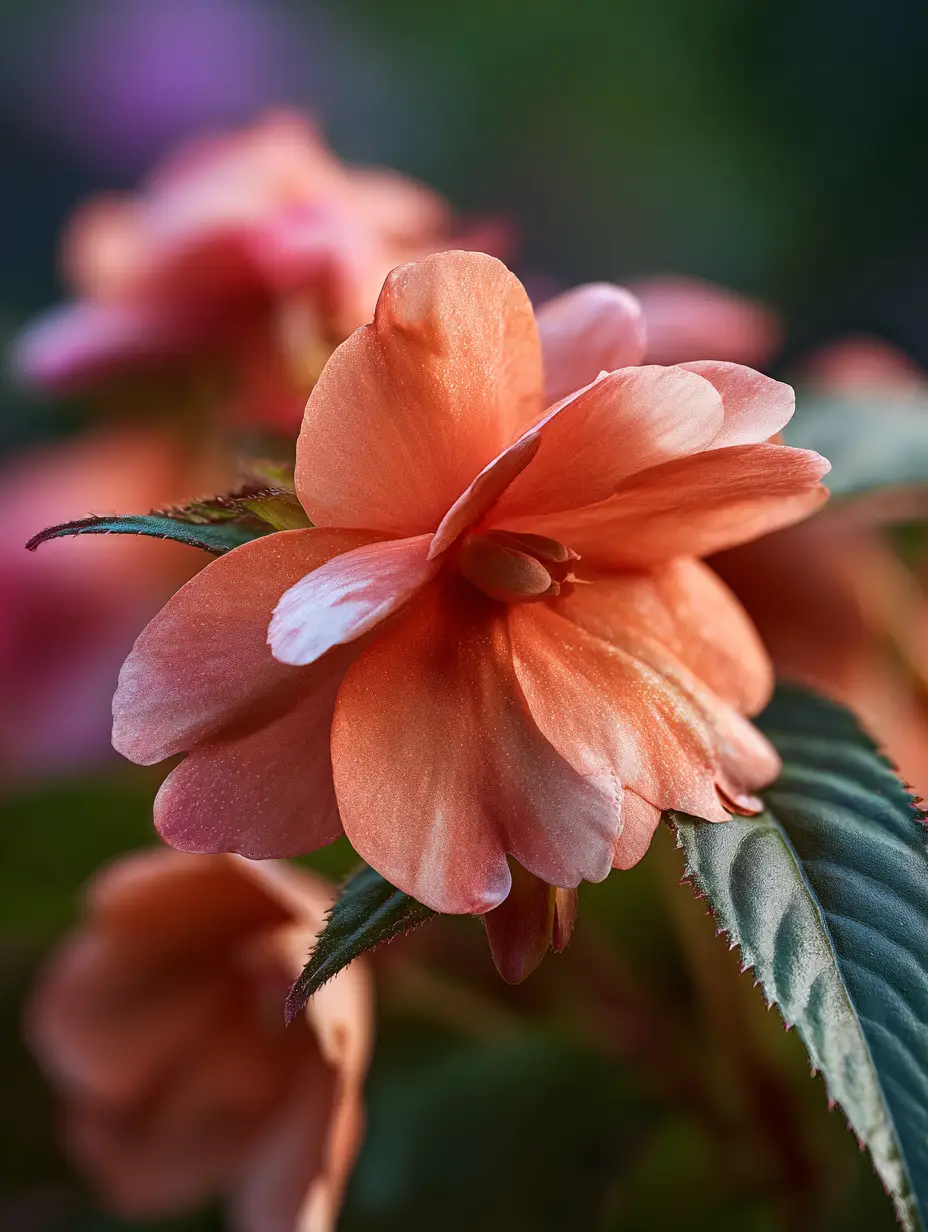
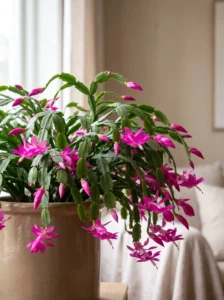
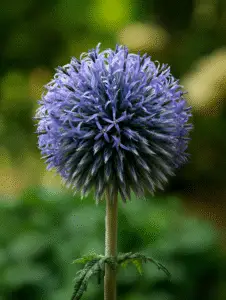
The winner: Impatiens, 98/100. Runner-up: Great Blue Lobelia at 95.
Written for hay fever sufferers, so the gate is medical before it is pretty: high airborne pollen risk means excluded. The shortlist is tiered by documented allergy rating, then ranked with scent treated as a second trigger, not a bonus.
The picks
The flowers that won
The top score, plus the qualifier that asks least of you.
Scent as a second trigger30 pointsdocumented scentless 30; light 21; moderate 12; strong scent, a known trigger 2; sources silent 10 Read from: how strong the scent is on record.
Beauty season it gives back20 pointseight or more months 20; six to seven 18; four to five 15; three 10; two 5; one 2; no bloom data 5 Read from: the months it is in bloom.
Care while it grows20 pointslow upkeep 20; middling 12; demanding 4; sources disagree, we average the range; no rating 10 Read from: how much upkeep extension guides report.
Not qualifying is a verdict too: the table simply says this question is not theirs.
rated high airborne-pollen riskPeonies, Ranunculus, Anemone and 15 more
!A note on health.This ranking is built from published horticultural sources on pollen and fragrance; it is not medical advice. Allergies are individual: confirm your own triggers with an allergist, and treat any plant list as a starting point, not a diagnosis.
The winner's badge
Generated by the ranking above, and re-scored whenever the table changes.
Impatiens
The badge is generated by this ranking, not awarded by hand. When the
table changes, it re-scores itself.
How we rank
We keep one table of 85 flowers,
with 25 documented facts each, drawn from university and extension sources. Every ranking is
a published formula worth 100 points; tap any score and it unfolds into the lines that made
it. A flower that does not fit the question is not scored lower: it is excluded, and the reason is
shown. When the table changes, every score and stamp updates itself.
The full method ↗