Which bottlebrush you actually have
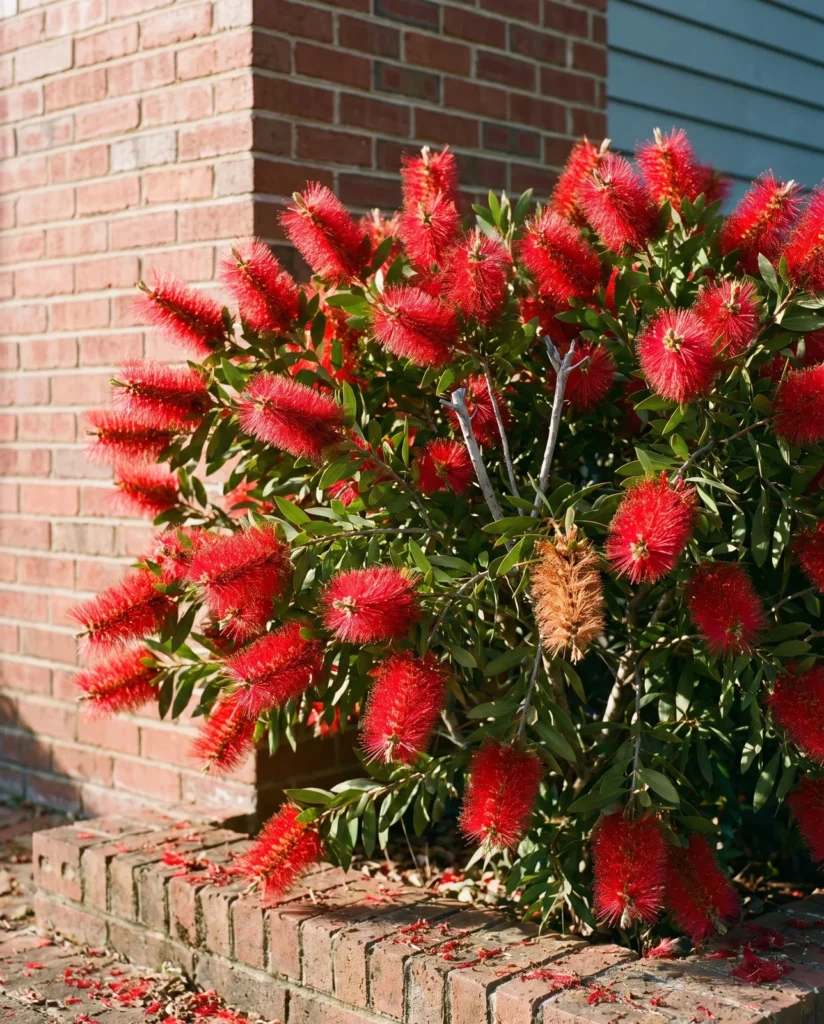
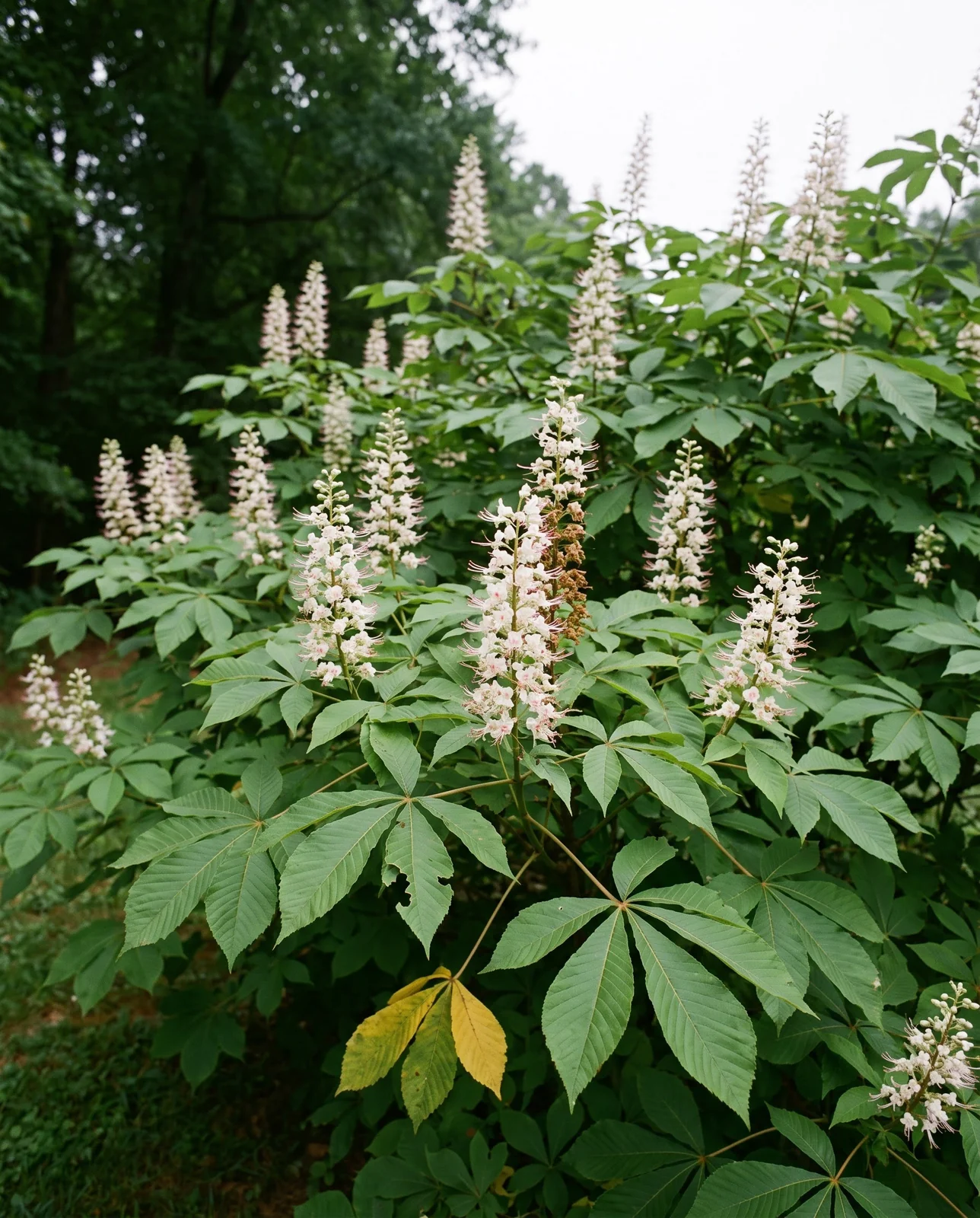
Four unrelated things answer to the word. The one meant here is Callistemon, the Australian evergreen with narrow fragrant leaves and red spikes shaped like a bottle washer. Bottlebrush buckeye is a different plant: Aesculus parviflora, a deciduous shrub of the southeastern United States, with white flower clusters up to 12 inches long. The third is a fothergilla sold as Legend of the Fall, with honey-scented white flowers in spring. The fourth is the kitchen brush the flower was named for.
One look at the leaves settles which one is in the yard. Callistemon holds narrow evergreen foliage all year and flowers in red brushes, while the buckeye drops its leaves in fall and both look-alikes flower white. Crush a leaf as a second check, since many bottlebrush species give off a citrus smell when the foliage is bruised.
What callistemon is, and what the brush is made of
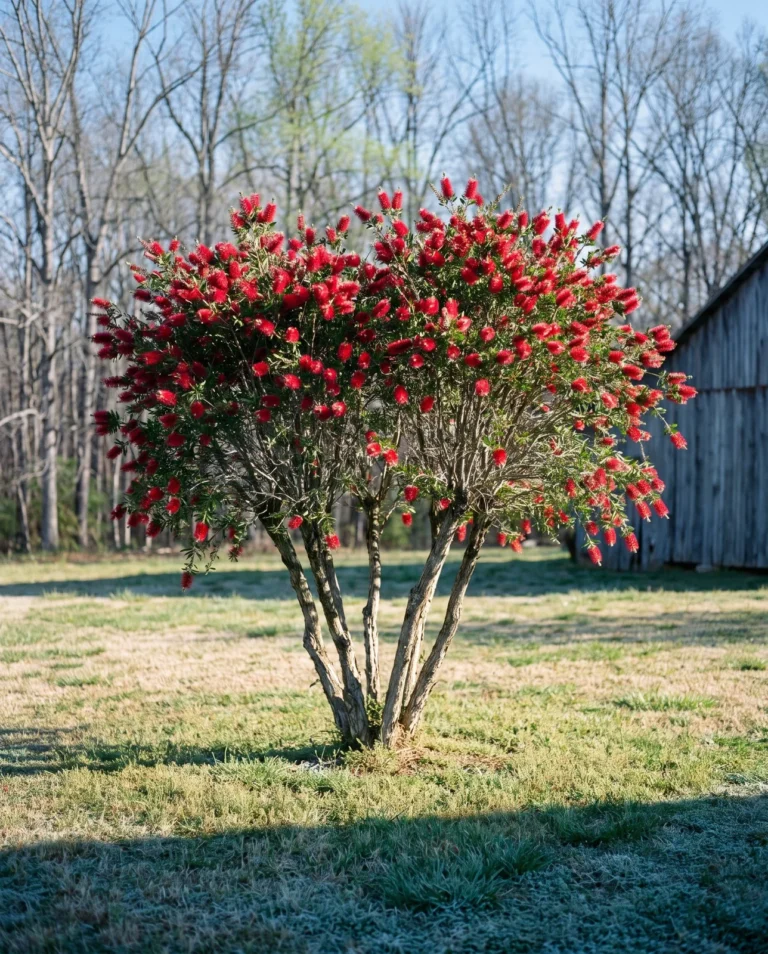
Callistemon is an evergreen Australian shrub or small tree in the myrtle family. The genus holds between 30 and 50 species, and it reached British gardens in 1789, when Joseph Banks brought crimson bottlebrush from Australia. Size depends on which one you bought, from a 3 foot dwarf to a 25 foot tree. Red is the color people picture, which puts it on any list of red garden flowers. Purple, pink, yellow, white, and green also turn up across the genus.
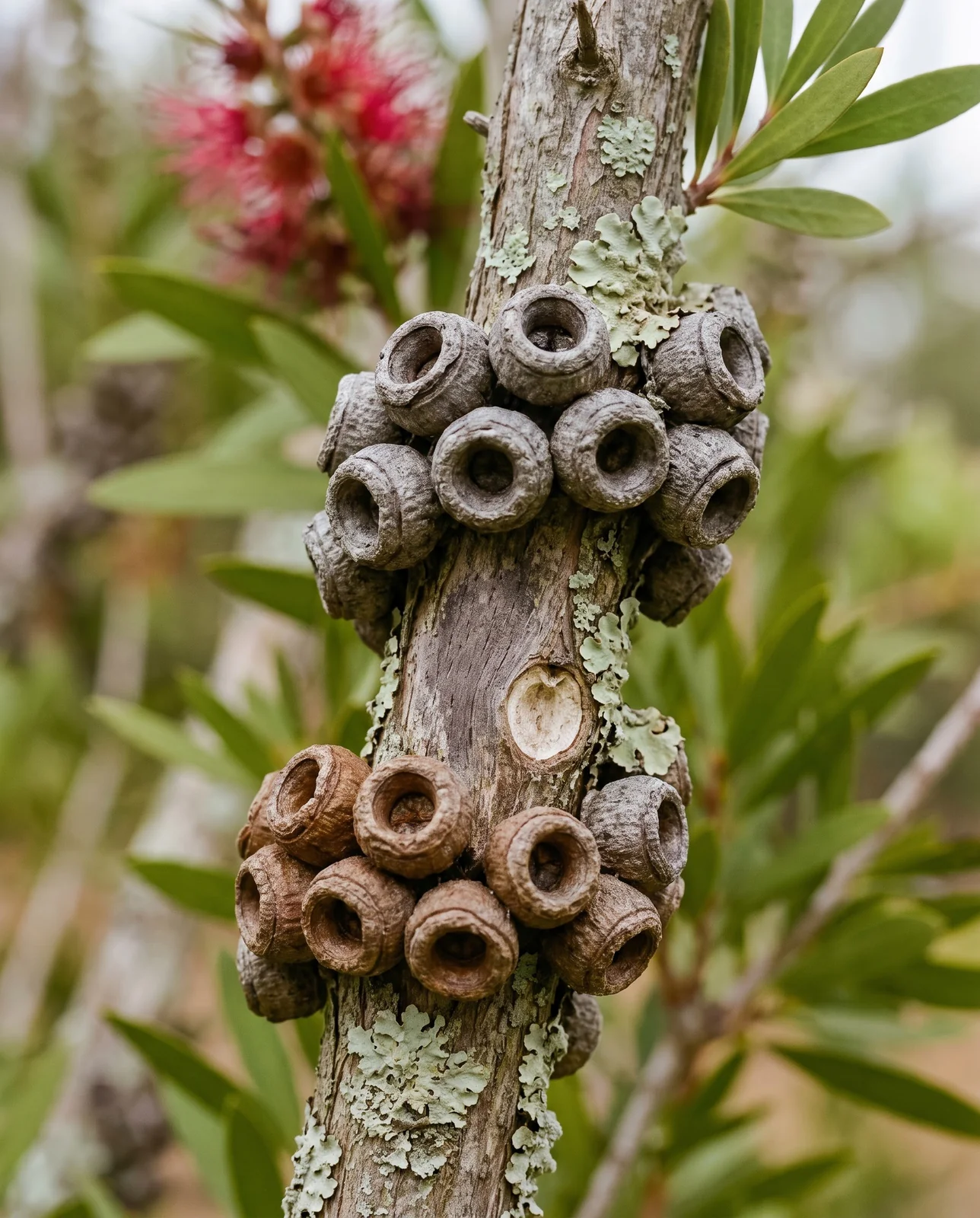
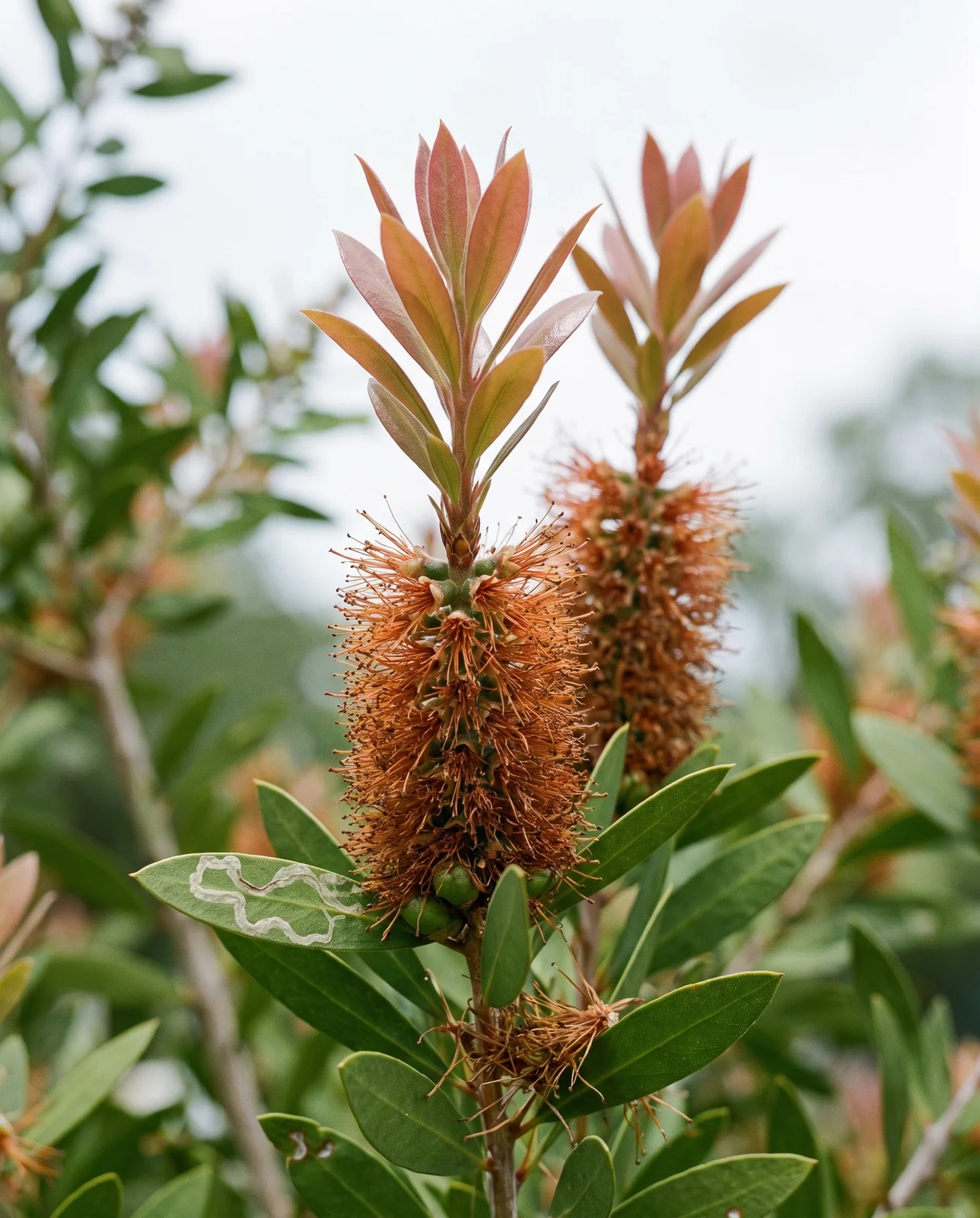
The bristles are the giveaway to what the flower actually is. Each brush is a mass of stamens, and the petals themselves are almost invisible. Behind the flowers, along the older wood, sit clusters of hard woody cups. Those seed capsules stay shut for years, until the plant dies or fire triggers the release of the seed. The wood itself is hard, heavy, and tough.
Two botanical names sit on the same shrub. Melaleuca citrina is now the accepted name for the plant long sold as Callistemon citrinus, and taxonomists still argue the merger. Both names stay in use, and the switch still confuses gardeners. A red-spiked evergreen labeled Melaleuca is this plant.
Zones, and how much cold it really takes
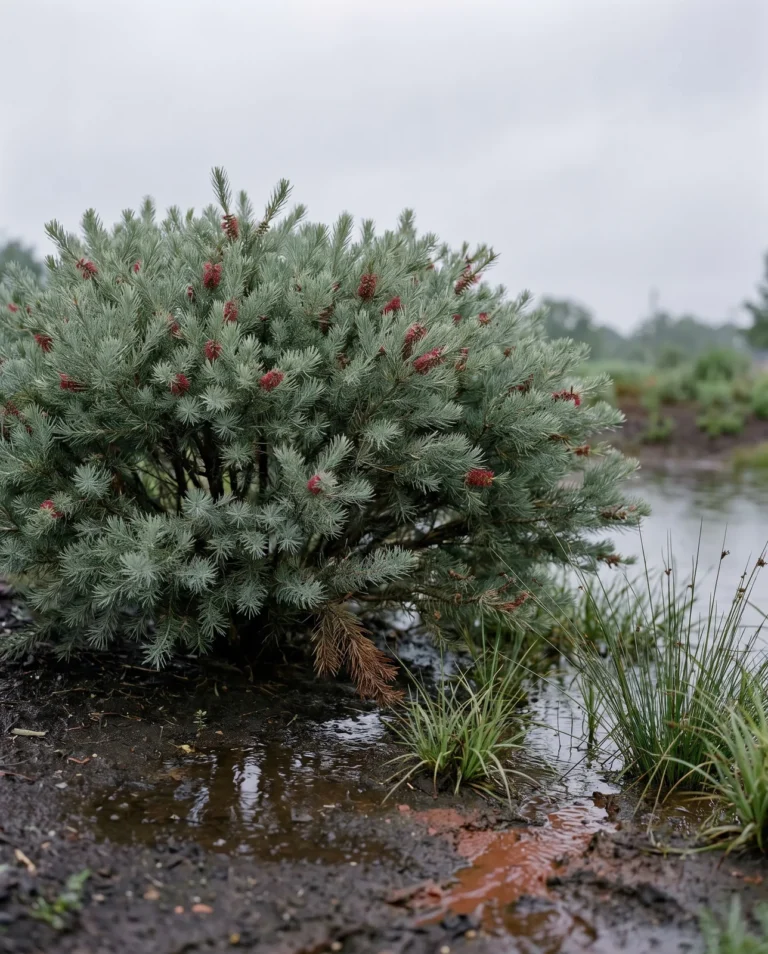
Published hardiness runs from zone 7 to zone 11, and the number worth trusting is the one on the tag. Crimson bottlebrush takes cold to 20 or 25 degrees Fahrenheit, which puts it in zones 9 to 10. Stiff bottlebrush sits in zones 9 to 10 as well. The cold end is narrow and belongs to one plant: Alpine bottlebrush handles zone 7 winters and takes boggy ground the rest will not. Zone 7 and zone 11 describe different plants here.
A tag number is not the whole story, because the same freeze reads differently in a sheltered yard and an open one. Most forms are at risk once nights reach the 20s Fahrenheit. Crimson bottlebrush does best on the North Carolina coast, while stiff bottlebrush does better inland in the Piedmont.
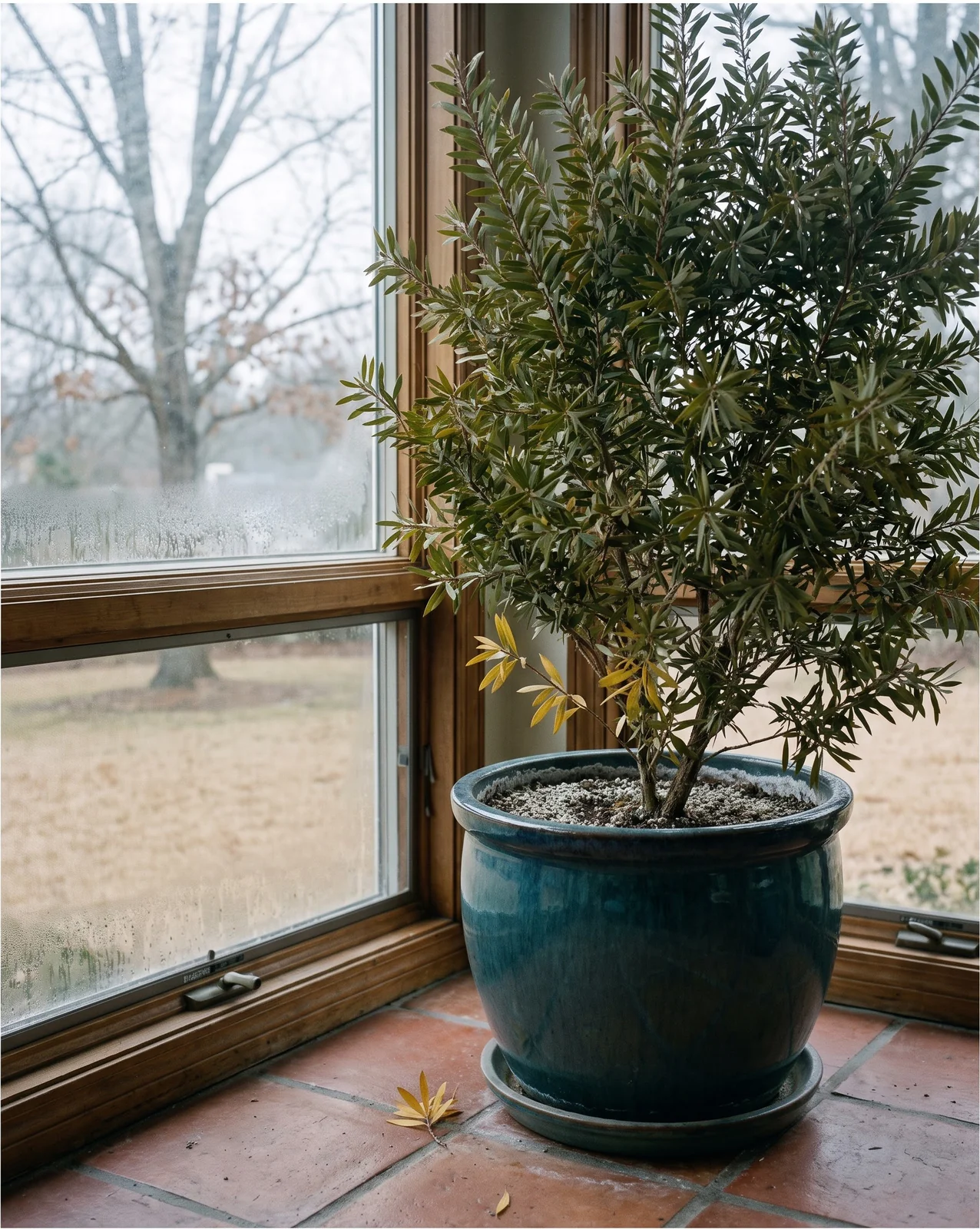
North of the hardy range, bottlebrush joins bougainvillea and the other tender Sun Belt shrubs in a pot. Overwinter the container somewhere bright and cool. In the ground in a marginal zone, throw a frost cover over the shrub ahead of forecast frost or snow. Neither move raises real hardiness. Both buy a few degrees on the nights that decide whether the top is still there in March.
Sun, soil, and water
Full sun is the standard instruction, at least six hours of direct light a day. A shortfall shows up in the flowers before it shows anywhere else. The counterweight comes from the hottest end of the range, where the target is six to eight hours in a sheltered spot, on the north side of a landscape. Where summers are mild, give it everything; where afternoons run long and hot, take the short end.
Drainage decides more here than fertility does. Root rot in ground that stays wet is the failure named for this plant, while the same shrub sits happily in unamended heavy clay as long as water moves through it. Soil on the acid side of neutral suits it, between 5.5 and 7. The risk sits at the alkaline end, where the leaves turn yellow, and salt or high alkaline ground is the yellowing cause given for crimson bottlebrush.
Water regularly through the first year, then step back. Plants past two years old are much more drought-resistant than younger ones. An established bottlebrush is drought tolerant and salt tolerant enough for the coast. Getting this wrong fails quietly: a new shrub watered every two or three days in clay yellows and drops its leaves.
Where to plant it, and how far apart
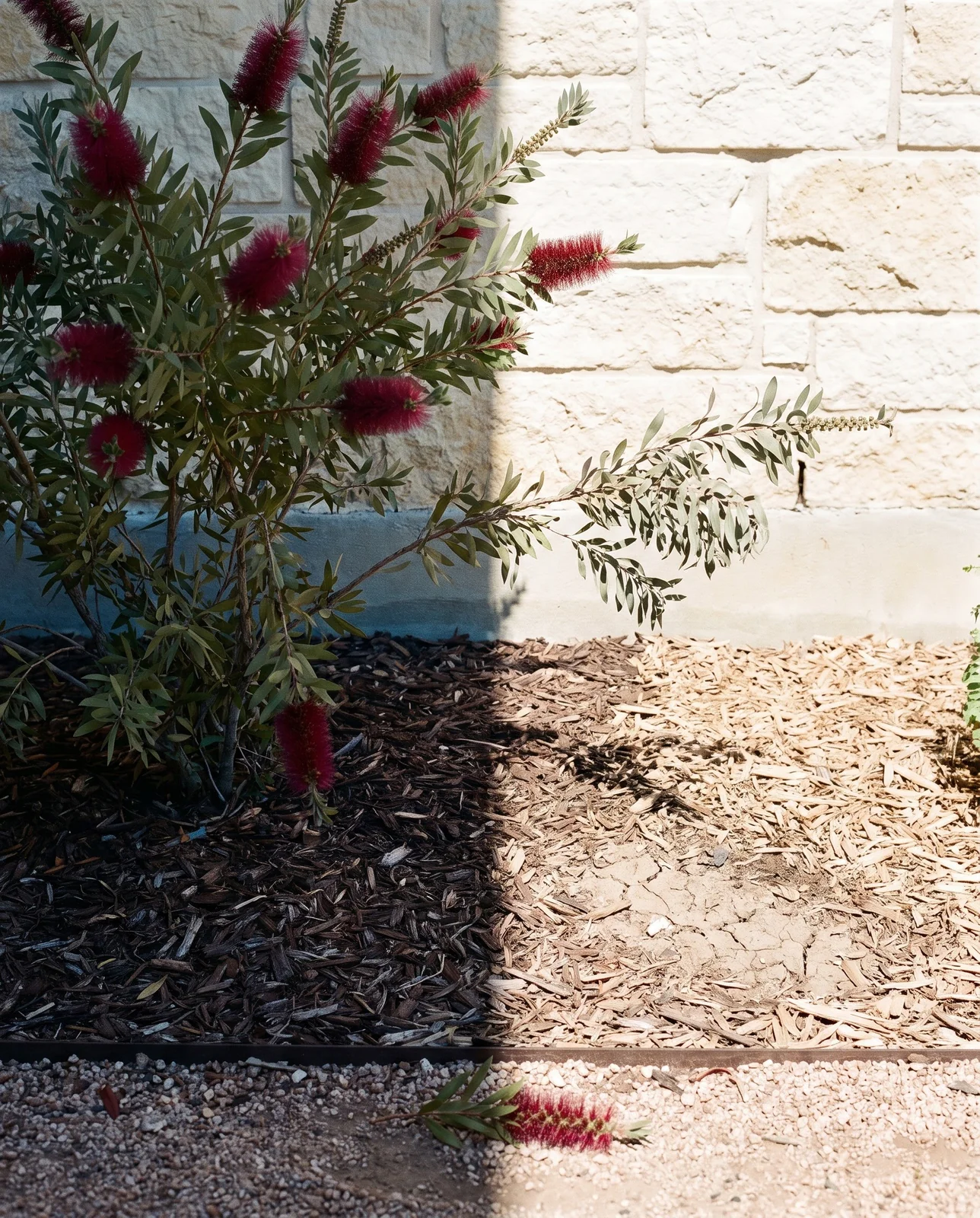
Choose the spot for drainage first and sun second, and plant in spring or fall. Dig the hole two to three times as wide as the root ball and no deeper. Growth is moderate, about 10 inches of new wood a year, toward 8 to 15 feet for the common landscape forms. Roots are not notably invasive: a house on a concrete slab is at no risk, and leaking sewer lines are the only real concern.
Spacing follows mature width. Crimson bottlebrush spreads about as wide as it stands tall, 10 to 15 feet in the wild and commonly held to 3 to 5 feet. Stiff bottlebrush spreads 4 to 10 feet, and the dwarf Little John holds to 5 feet. For a solid hedge plant at 3 to 4 feet, and for single plants leave 8 feet or more.
When it blooms, and the only safe time to prune
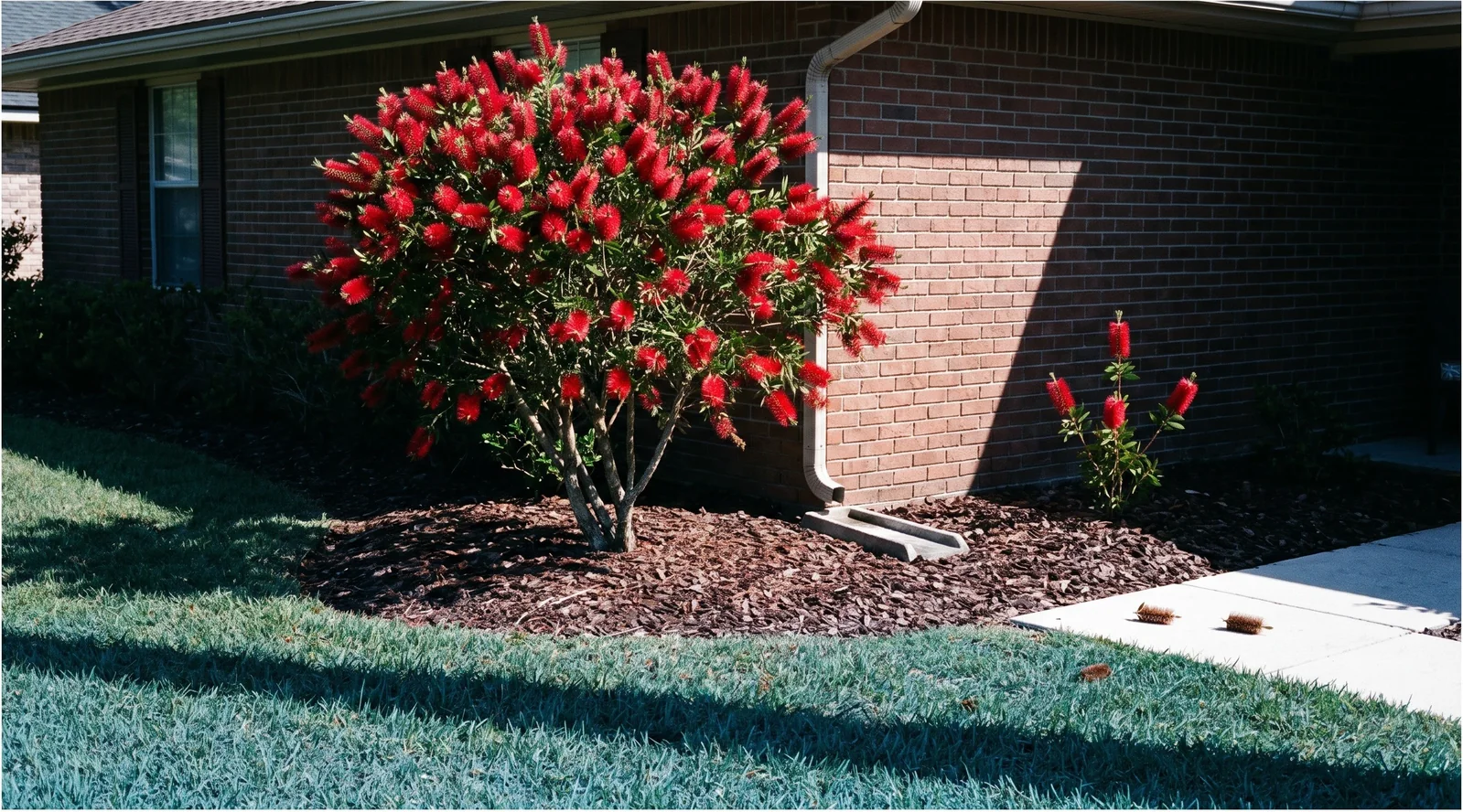
The main flush comes in spring and runs into early summer. That sets the pruning window: the shears come out as the last spikes fade. Crimson bottlebrush blooms in spring and again in fall, and where there is no frost it flowers on and off through the year. Where winters bite, the spring flush is the one that carries the display.
Pruning is a matter of timing and almost nothing else. Cut a plant already laden with buds and you will minimize that season's flowers or lose them altogether, so the window opens right after the main flowering. Old crimson bottlebrush regenerates even when it is taken back hard into old wood. Cutting by the calendar removes the flowers; cutting by the bloom keeps them.
Winter damage, and what to do after a freeze
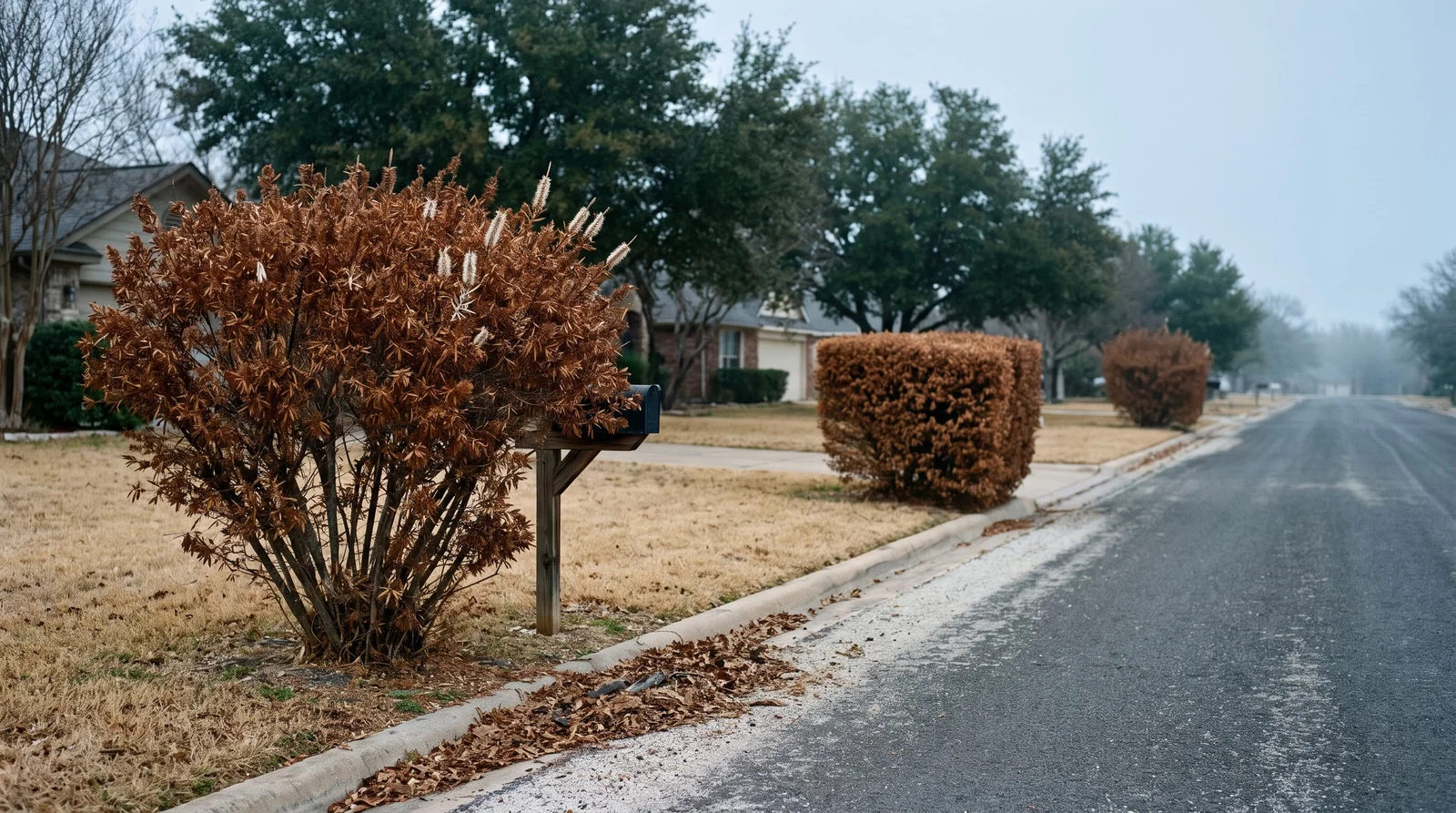
A freeze burns the foliage brown first. A bottlebrush that looks finished afterward is often still alive at the base. After the freeze the first instinct is to cut, and cutting is the one thing worth delaying. Brown leaves say nothing about the wood underneath them.
Recovery runs on the plant's clock. Escambia County Extension in Florida puts the honest deadline well into May or even midsummer, and reports new growth in its demonstration gardens on bottlebrush that had looked completely dead. One 20-foot plant in Texas lost every leaf, then pushed new growth from the base within weeks with nothing on the trunk. Root-hardy plants return from their roots even when the whole top is lost.
When to cut is where the advice splits, and the gap is weeks to months. One line is to take damaged and dead branches out in early spring, before the flower buds develop. The other is to wait for new spring growth, when the damage is readable and the pruning is efficient. Where the shrub comes through most winters the early date is worth the trade. After a winter that burned it to the ground, wait.
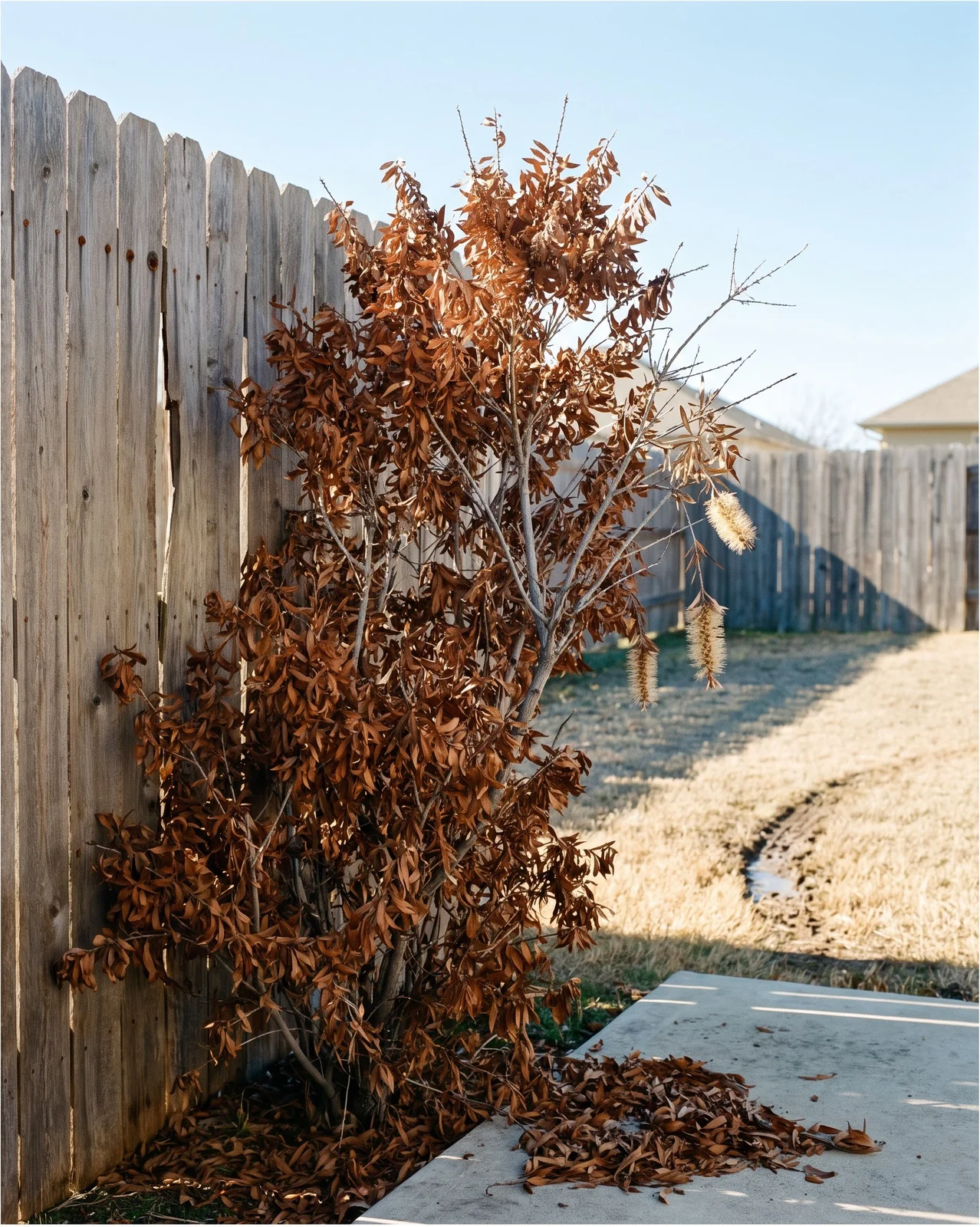
Is it dead, or just burned?
Scratching the bark is the only test that gives a straight answer, and it is worth doing at three heights.
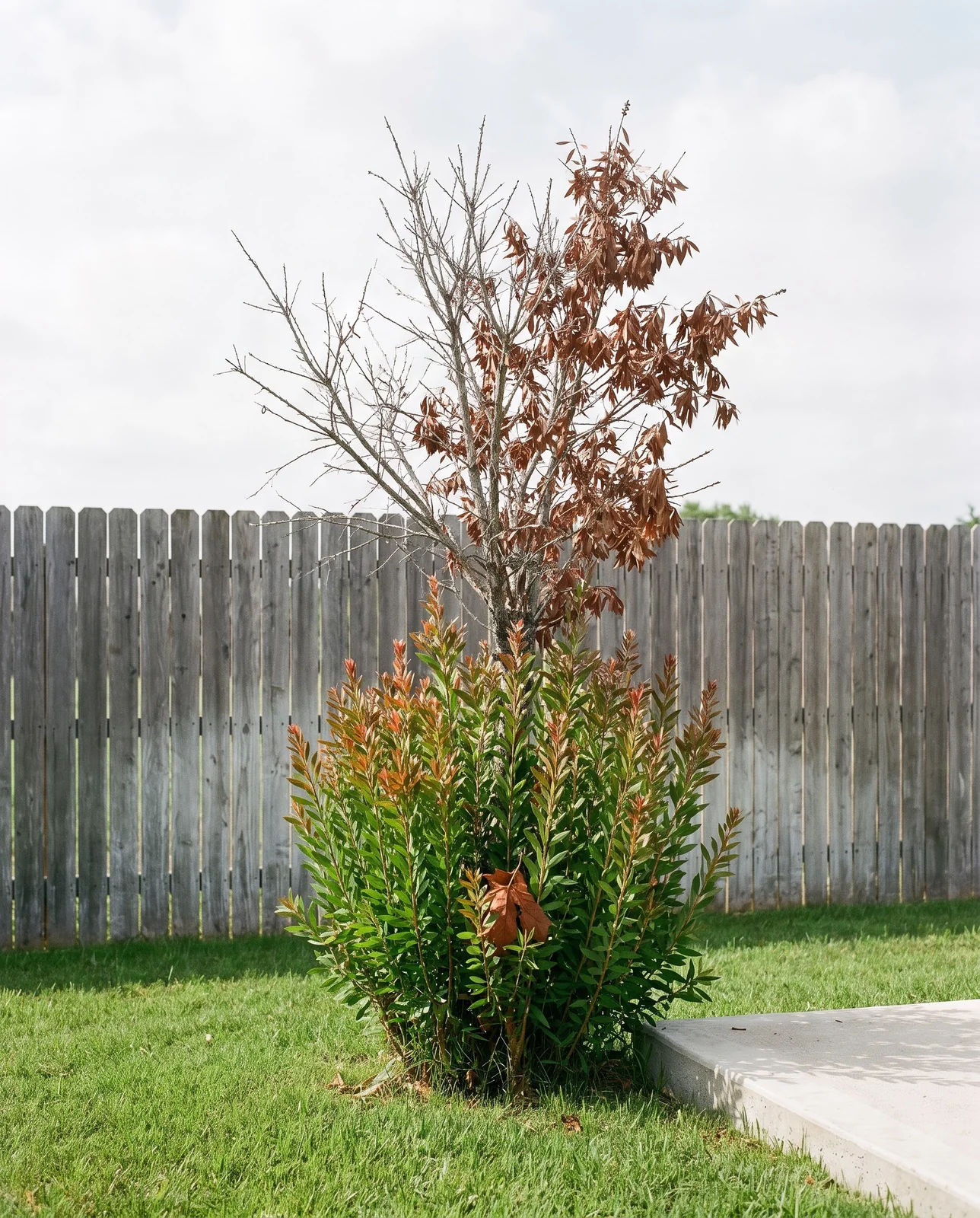
Why a bottlebrush stops blooming
Pruning at the wrong time is the first thing to check, because it removes the flowers before they open. A plant cut while laden with buds gives few flowers that season or none at all. Light is the second check: insufficient light is the leading reason a bottlebrush fails to bloom, and the site wants six hours of full sun a day at least. That matters most on a shrub that flowered for years and then stopped: the usual change is a tree next door taking the afternoon.
Feeding is the third check. Excess nitrogen drives foliage growth and can do it at the expense of flowers. Match the schedule the plant wants: a balanced, slow-release fertilizer in spring, summer, and fall, with none in winter. Cold is the fourth and the easiest to confirm. A shrub that returned from its roots after a freeze rebuilds a framework before it has anything to flower on.
Water and drainage come next, and they look like something else. Root rot in poorly drained soil is the standing disease risk, and a shrub sitting in wet ground yellows first and flowers last. Heat and disturbance close the list: a plant recently dug and moved can crinkle its leaves and sit still while it re-roots.
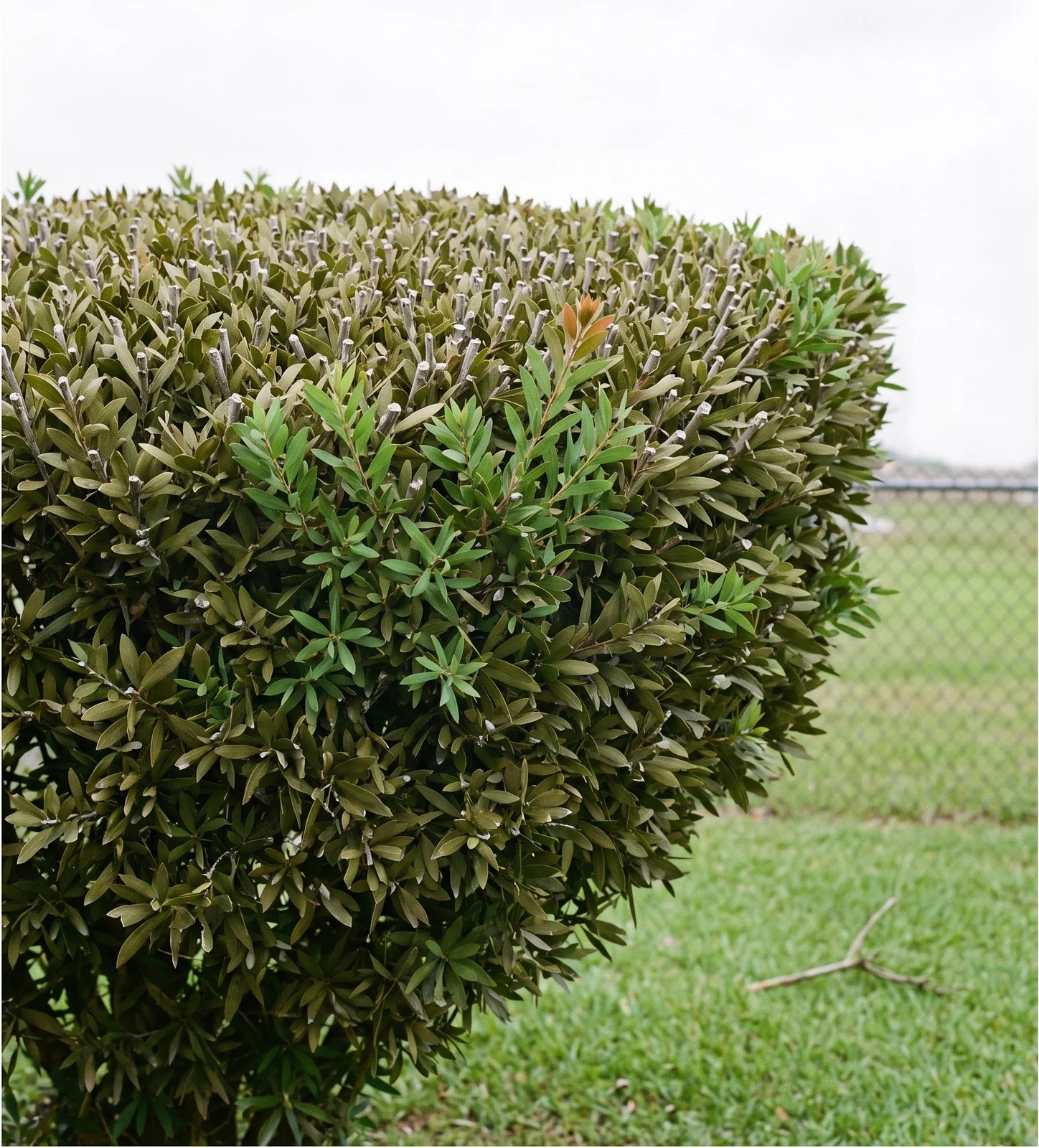
Work out why yours is not blooming
Answer these in order and stop at the first one that fits, since the top of the list is where most lost flowers go.
Yellow leaves, and where the yellow sits
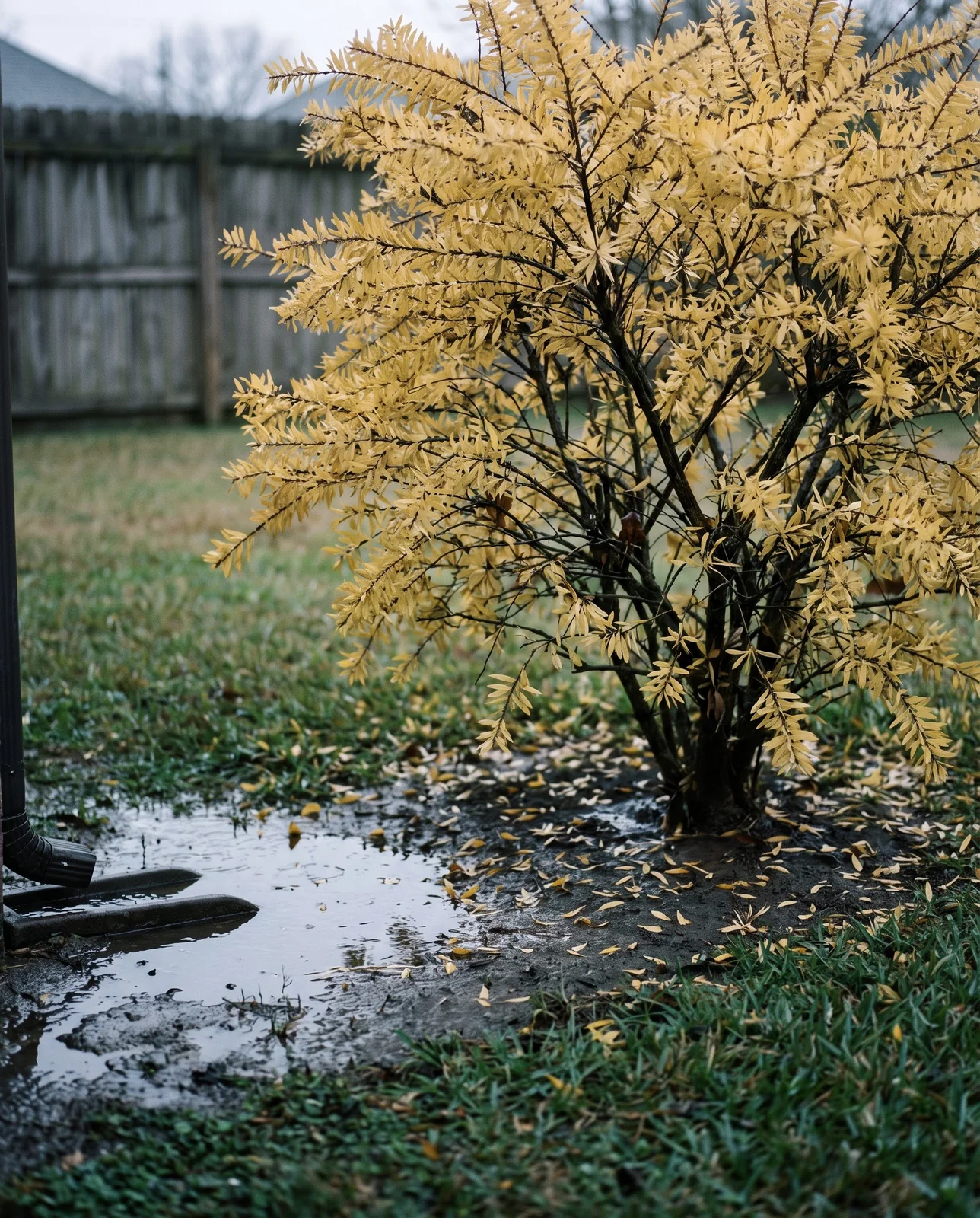
Where the yellow sits is the first thing to read, because the two common causes ask for opposite responses. New growth coming in pale while the older leaves stay green means the plant cannot take up a nutrient. Yellowing through the whole shrub with early leaf drop points at the water and the roots, with dieback and reddish brown roots brittle enough to snap. More water fixes neither of them.
Naming the nutrient by eye overreaches. A manganese shortage shows on the new growth first and leaves older foliage untouched until it becomes severe, and iron symptoms look so much like it that the two cannot be told apart by eye. High soil pH cuts the manganese available to roots, and iron locks up above pH 7.0 in soil that carries lime. Pale new growth on alkaline soil is a lockout, so the fix is made at the soil.
Whether the yellow leaves themselves come back is the wrong test. Recovery shows in the growth that follows the correction, in new leaves that come in green once the water, the drainage, or the pH has changed. Leaves already shriveled are worth trimming off a transplant while it re-roots.
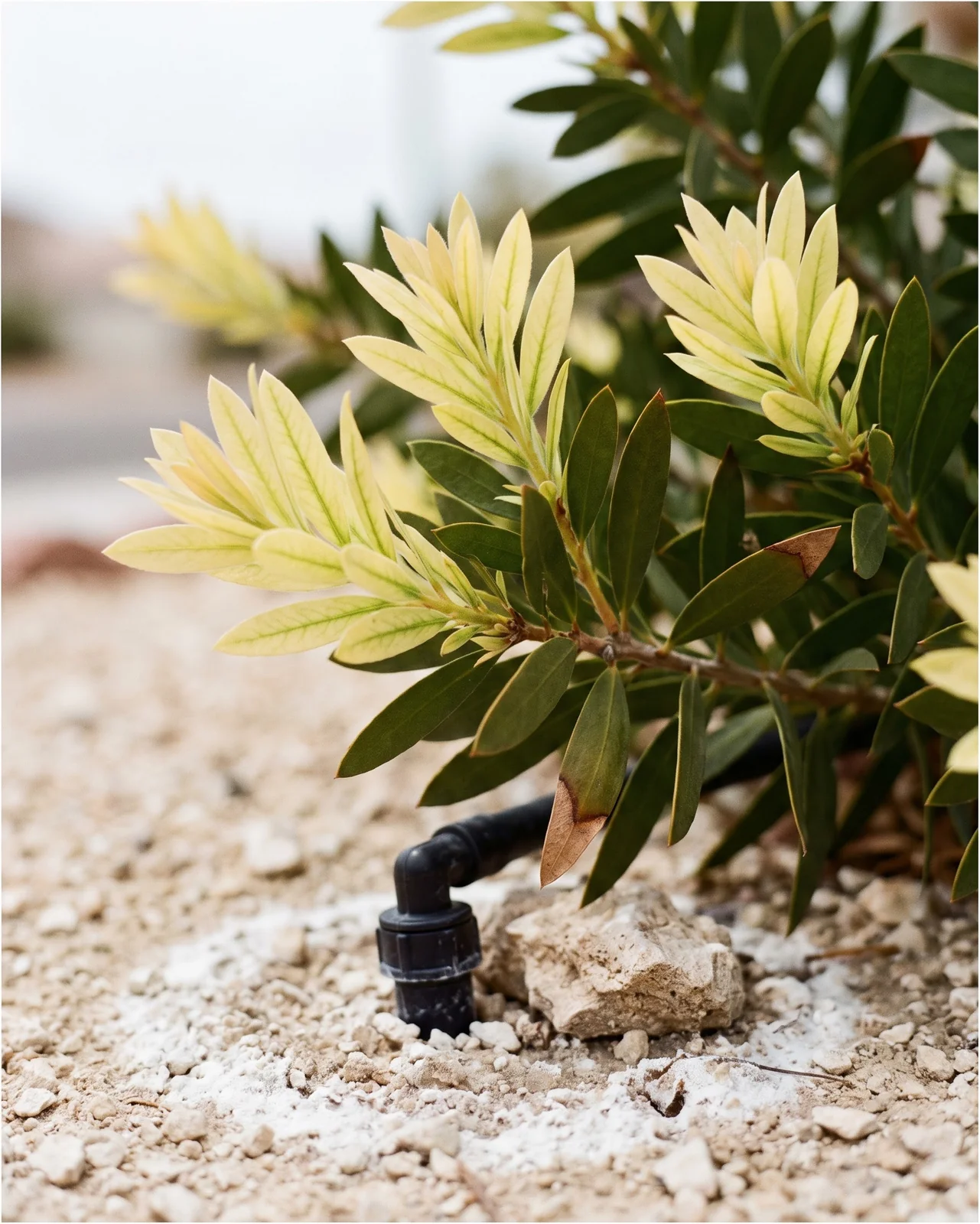
What hydrogen peroxide and Epsom salt actually do
A home remedy of hydrogen peroxide, Epsom salt, and water gets passed around as a rescue for a dying or overwatered bottlebrush. No university or extension source backs it for this plant. Epsom salt is magnesium sulfate and contains no calcium at all, and magnesium and calcium compete for uptake. It does not stop a calcium-related disorder and can make one worse. Calcium uptake follows water uptake, which puts steady watering and mulching ahead of added minerals.
What actually goes wrong, ranked
The complaints that come up most often on this shrub, in order, each with the move that answers it.
Symptoms: pale new growth against greener old leaves, or whole-plant yellowing with leaf drop. Cause: a nutrient the roots cannot reach, or wet ground. Do: read where the yellow sits, then check the roots.
Symptoms: foliage burned brown, and no way to tell a dormant plant from a dead one. Cause: a night colder than the cultivar takes. Do: scratch for green, and leave the dead top on until new growth shows.
Symptoms: full foliage and no spikes, most often the season after a cut or a move. Cause: the pruning date, the sun, or the feed. Do: work those three in that order.
Symptoms: brown and half-browned reddish leaves, on new plants and on old trees alike. Cause: winter conditions and root-zone water. Do: rule out a freeze and check the drainage before treating a disease.
Symptoms: foliage drying and curling in the month after a move, leaves crinkling on a replanted shrub. Cause: roots behind the top. Do: wait, trim the shriveled growth, and shade it.
Symptoms: yellowing, early defoliation, dieback, and reddish-brown roots brittle to the touch. Cause: soil that stays too moist. Do: fix the drainage and stretch the gap between waterings.
Symptoms: fungus spreading through the mulch, taken for a disease of the plant. Cause: it feeds on the mulch. Do: nothing to the shrub, and keep it in lightly acidic, well-drained soil.
Pests and diseases
Bottlebrush has no serious insect or disease problems. The exceptions are spider mites, scale, and root rot in poorly drained soil. Wider lists add sawfly larvae, web moths, stem disease, powdery mildew, and leaf spot, along with twig gall, a fungal problem also called witches' broom that follows wet soil.
The one failure everything agrees on sits at the roots. Root and crown rot is tied to soil that stays too moist, and the symptoms repeat: yellowing leaves, early defoliation, reddish-brown brittle roots, dieback on branches or trunk. Powdery mildew is the other disease with a pattern, favoring hot dry days with cool nights and starting on one or two leaves before it spreads within days. Neither comes with a spray behind it, so the moves that count change the conditions.
Bottlebrush types worth telling apart
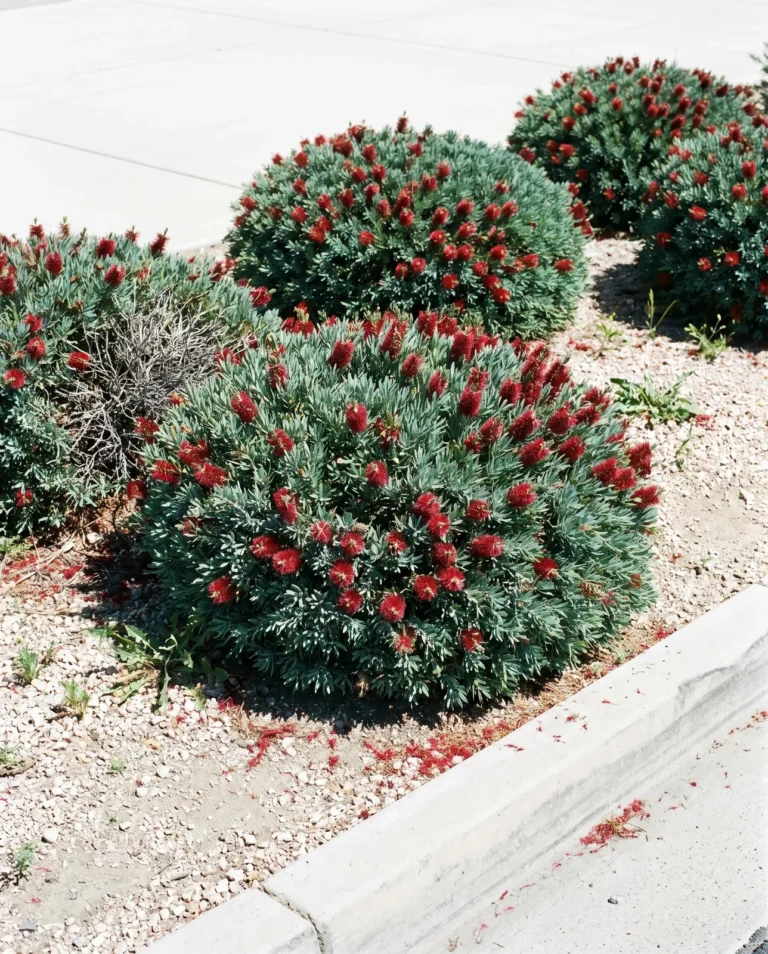
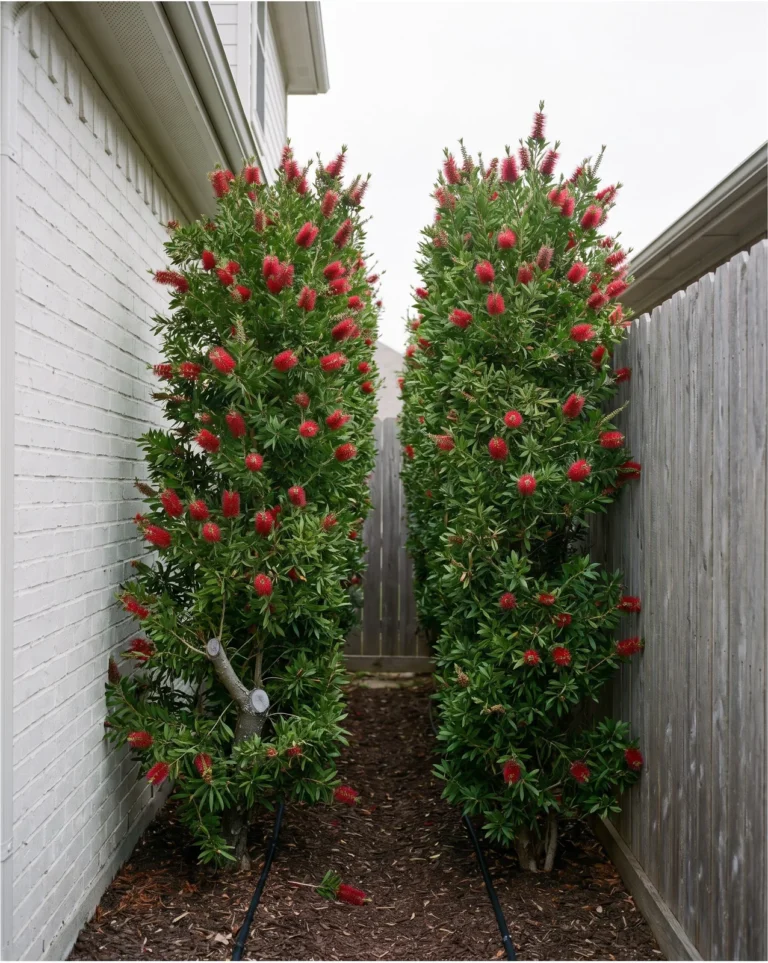
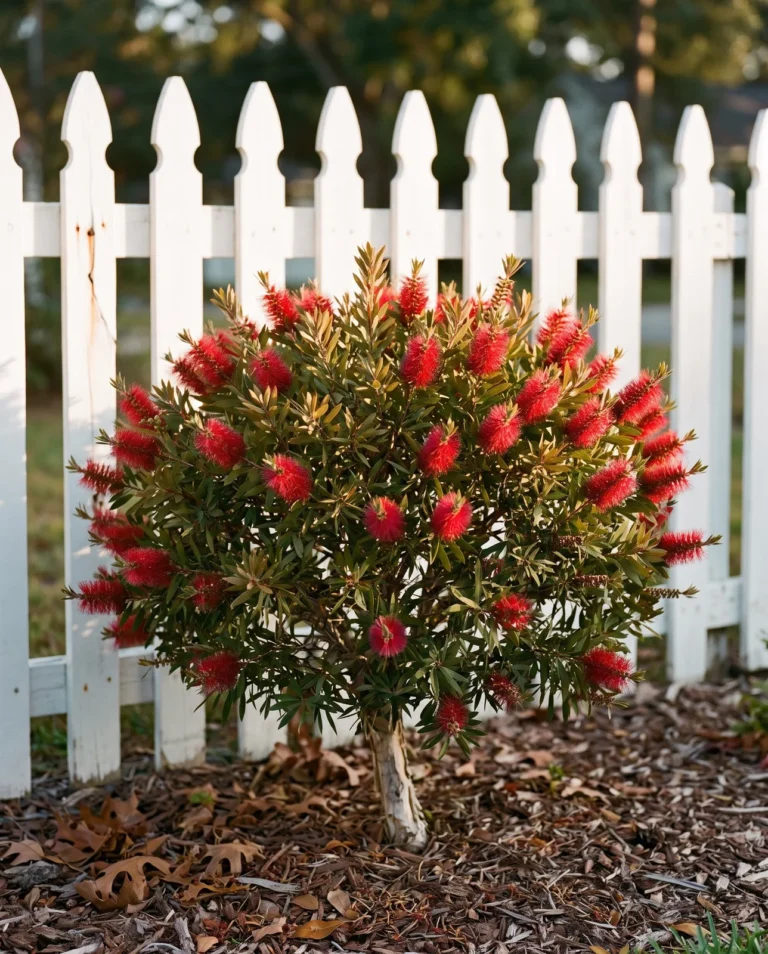
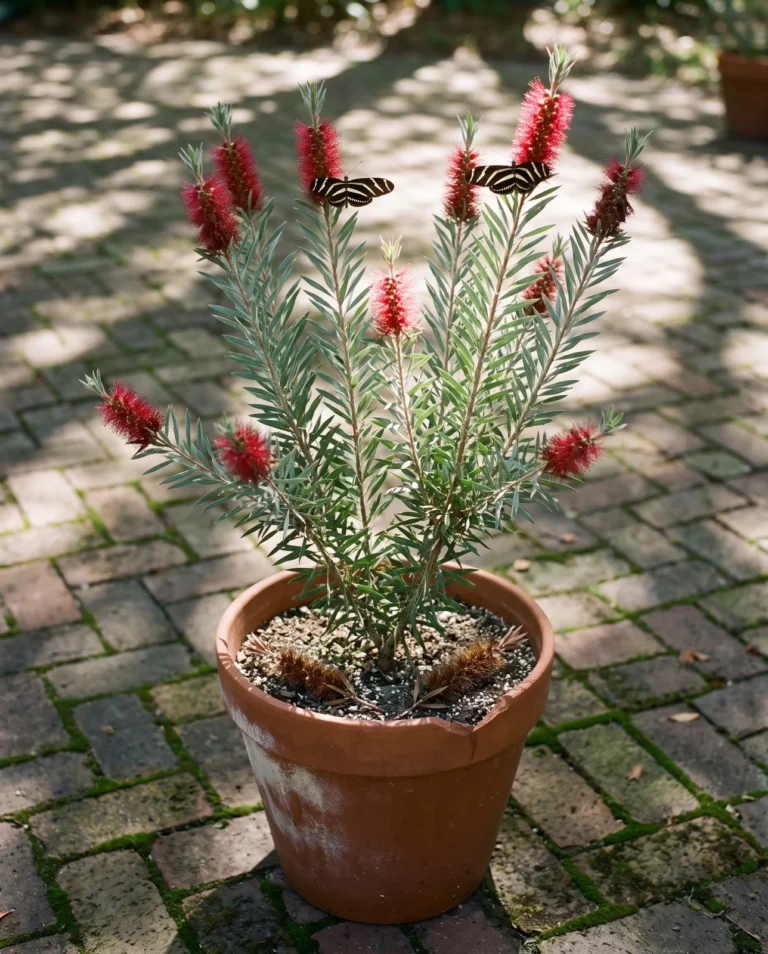
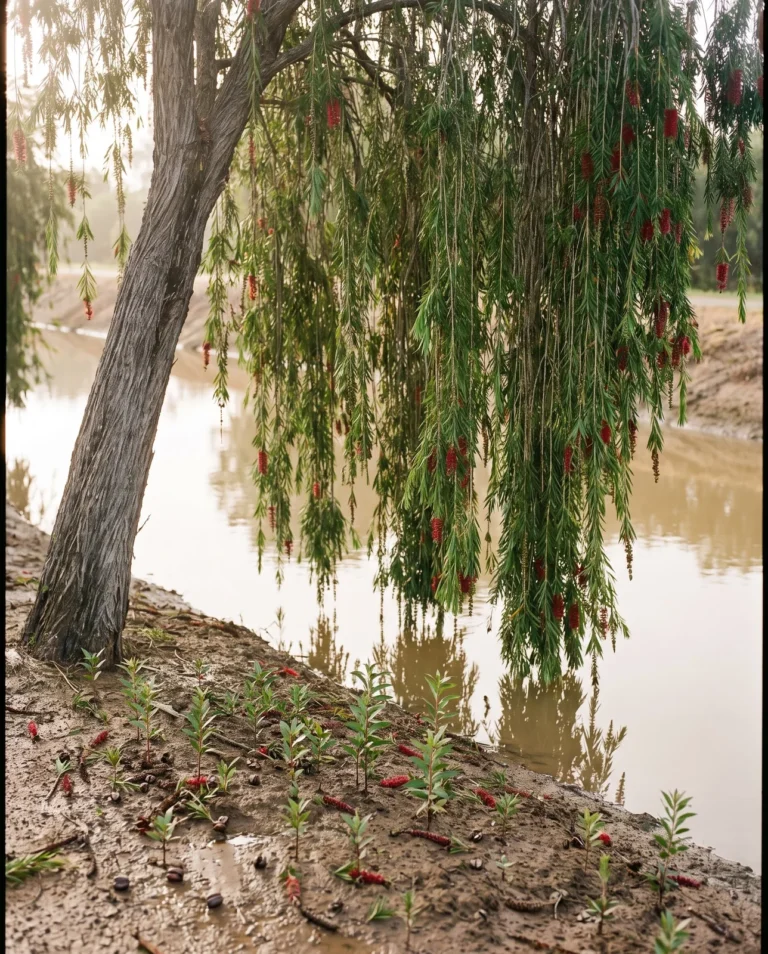
The zone on the tag belongs to the cultivar, so read these side by side. Several sell under Callistemon and are filed under Melaleuca.
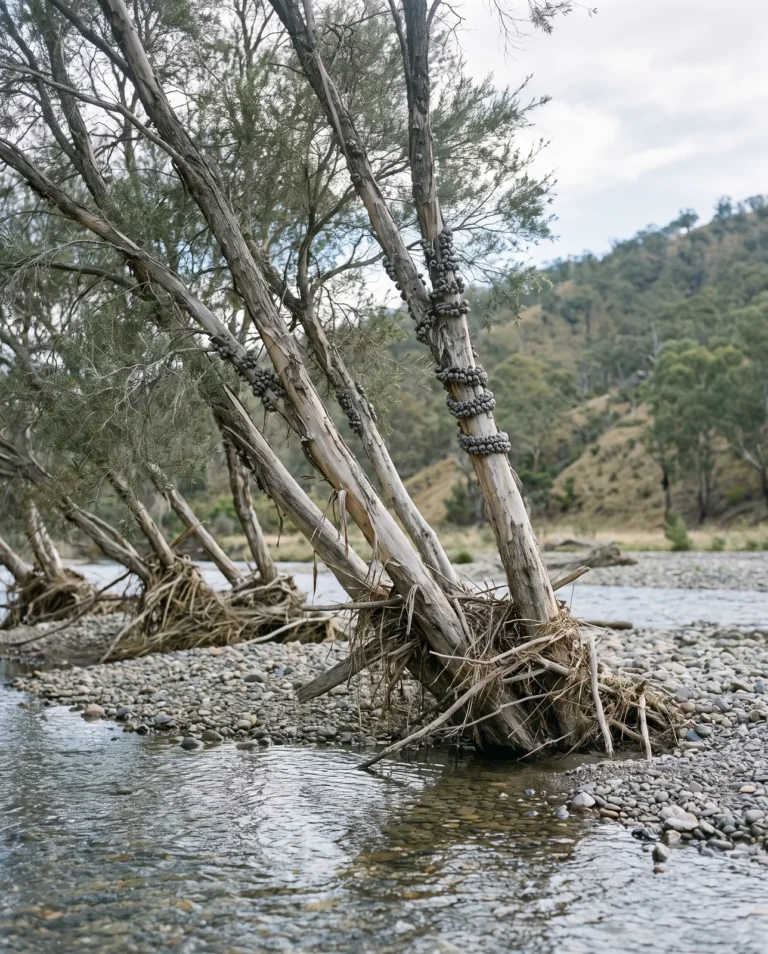
Hummingbirds, bees, and the lemon in the leaves
Hummingbirds, butterflies, and bees work the spikes for the nectar, and bottlebrush is named among the plants that draw hummingbirds and butterflies into a yard. Birds take the seed as well. A bottlebrush set where people sit gets watched; one at the far fence works unseen. Bottlebrush covers the spring end of the season, and lantana carries the same traffic into summer.
The lemon scent is real, with a condition attached: the leaves release it only when they are crushed or bruised, and the species named for it is the citrus-named one. A shrub in the middle of a bed is never touched; one beside a door gets brushed daily. The foliage is narrow and evergreen, so the plant holds it year round inside its hardy range.
Is bottlebrush poisonous to dogs?
No. The ASPCA lists bottlebrush as non-toxic to dogs, cats, and horses, with no toxic principle named against it. Three further bottlebrush entries read the same way. A dog that chews a spike or a fallen seed capsule is not being poisoned by the plant.
The trap sits right next to the answer. Bottlebrush buckeye, Aesculus parviflora, is the toxic plant of the group, and that listing carries an explicit warning against confusing the two. Anyone whose shrub drops its leaves in fall and flowers white is asking about a different plant.
The newer botanical name creates a second problem, because searching Melaleuca leads to tea tree oil. That oil is distilled from Melaleuca alternifolia and is a manufactured concentrate, and as few as 7 to 8 drops of 100 percent oil can seriously poison a dog. Undiluted product should never go on an animal, while veterinary formulations under 1 to 2 percent carry much lower risk. Among evergreen Sun Belt shrubs, oleander is the opposite answer.
The disadvantages nobody lists
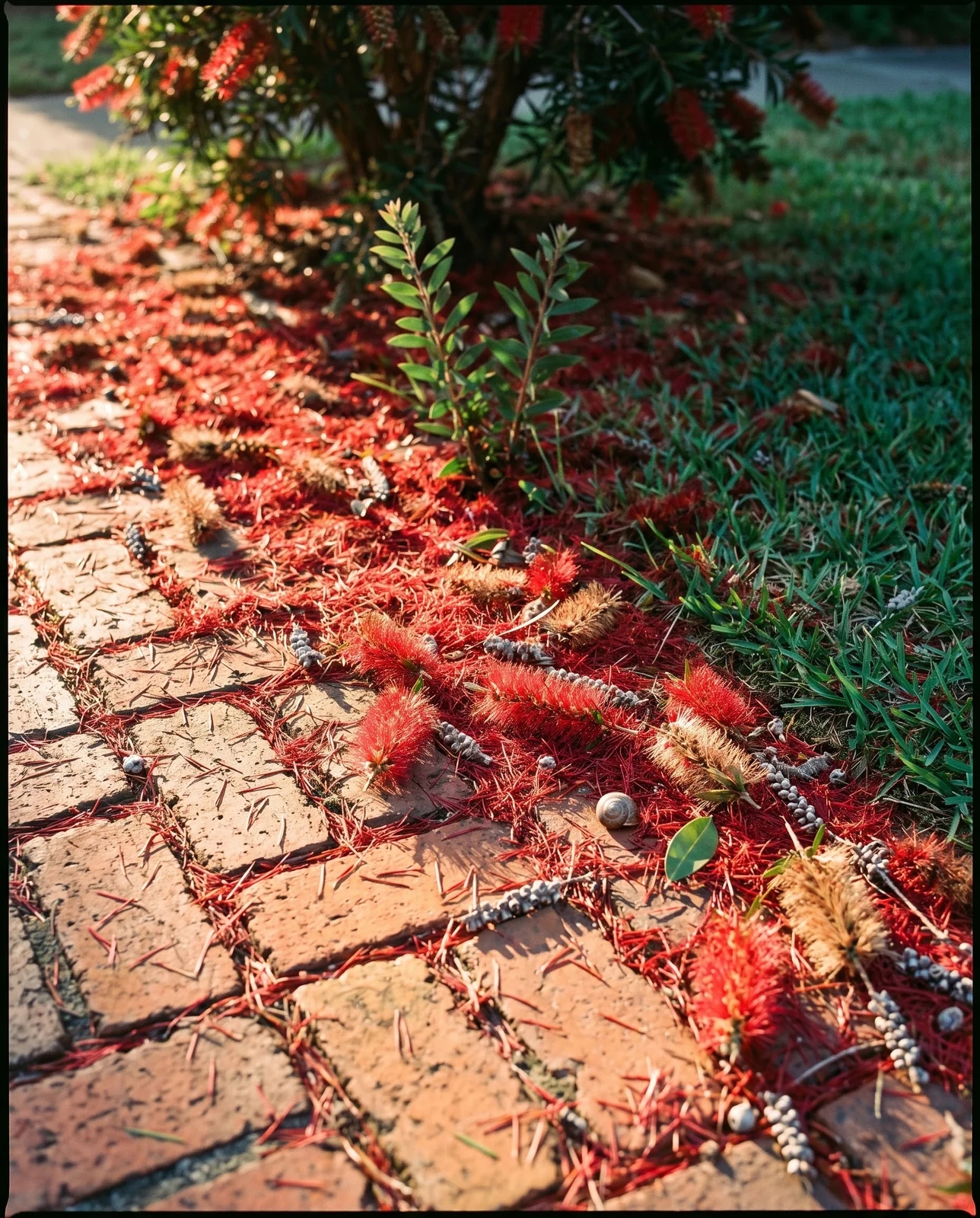
The real costs are litter, suckers, and the cold ceiling. Flowers and seed capsules shed a fine carpet of red needle-like debris roughly twice a year through the warm months. Trunk suckers keep coming and have to be taken off wherever a single trunk is wanted. The cold ceiling ends plants: anything but a cold-hardy selection is at risk once nights reach the 20s Fahrenheit. The litter is what people weigh when they choose between this shrub and crape myrtle.
Invasiveness is the search people are actually running, and the answer splits by species. In Florida, weeping bottlebrush is rated High Invasion Risk in the central, north, and south zones alike, predicted to be invasive, and not recommended. Plants already standing near a natural area should be monitored or removed. The crimson bottlebrush most people buy is called entirely safe there and recommended as a Florida-Friendly plant. Hawaii screened it and rated it low risk.
Myths worth dropping
Four claims travel with this plant, and each one has something standing against it.
The myth: All bottlebrushes are the same plant.
The reality: Only the Australian evergreen with red spikes is Callistemon. The deciduous, white-flowered bottlebrush buckeye is a buckeye, and the pet-toxicity listing warns against confusing the two.
The myth: Brown leaves after a freeze mean the plant is dead.
The reality: New growth came back at Florida demonstration gardens on bottlebrush that had looked completely dead. Scratch the bark for green before writing one off.
The myth: Bottlebrush wood is brittle and snaps in wind.
The reality: The wood is hard, heavy, and tough, and the plant takes training flat against a wall as an espalier. What splits a mature trunk is a hard frost, with fungus settling into the crack.
The myth: It is drought tolerant, so it needs no watering the first year.
The reality: Drought resistance arrives with age: plants past two years old are much more drought-resistant. Until then the check is the top four inches of soil at the base.
What to expect, year by year
Three stages, and the plant behaves differently in each.
Year one is a root year. Water regularly and check the top four inches of soil at the base before the next watering, because a plant under two years old carries much less drought resistance. Judge the first season on whether the plant holds its foliage and puts on new growth.
By the second and third years the shrub behaves like the plant on the tag. Drought tolerance is real from here on, the spring flush carries the display, and crimson bottlebrush flowers again in fall. This is the stretch where the pruning habit gets set, since a cut made as the last spikes fade keeps the next season's flowers.
A mature bottlebrush is a low-maintenance plant with two standing jobs and one risk. The jobs are the prune that follows the bloom and the trunk suckers. The risk is the first hard winter, when the foliage burns and the plant either holds or comes back from the base over weeks to months. Until then, the figure on the tag is the only hardiness number the yard has.
FAQ
What are the disadvantages of a bottlebrush tree?
Litter, suckering, and cold. Spent flowers and capsules drop a fine red needle-like carpet twice a year, and most selections are at risk once nights reach the 20s Fahrenheit.
Does a bottlebrush plant like sun or shade?
Sun, six or more hours of direct light a day. In the hottest inland climates the target narrows to six to eight hours in a sheltered spot.
Where is the best place to plant a bottlebrush plant?
Somewhere that drains, in full sun, away from ground that stays wet after rain, since root rot is the failure named for this plant. Heavy clay works where water moves through it.
Are bottlebrush plants poisonous to dogs?
No. The ASPCA rates bottlebrush non-toxic to dogs, cats, and horses, and warns separately against confusing it with the toxic bottlebrush buckeye.
How do you bring a bottlebrush plant back to life?
Scratch the bark for green or creamy moist tissue, from high on the trunk down to the base, then wait: a winter-damaged plant can run into May or midsummer before it answers. Cut back to live wood once new growth shows.
Why is my bottlebrush bush turning yellow?
Read where the yellow is. Pale new growth against greener old leaves means a nutrient locked out by high soil pH. Whole-plant yellowing with early leaf drop means water and roots.
Can leaves recover from turning yellow?
The plant recovers, and the test is the growth that follows the correction. Shriveled leaves on a transplant are worth trimming while it re-roots.
How do you make a bottlebrush bloom?
Prune only as the last spikes fade, since cutting a plant laden with buds costs that season's flowers. Give it six hours of direct sun and go easy on nitrogen.
How many times a year does a bottlebrush tree bloom?
The main flush is spring into early summer. Crimson bottlebrush blooms again in fall, and where there is no frost it flowers intermittently through the year.
Will a bottlebrush survive a freeze?
It depends on the cultivar and on the low. Crimson bottlebrush takes 20 or 25 degrees Fahrenheit, most forms are killed once temperatures reach the 20s, and the Alpine type handles zone 7.
How far apart should a bottlebrush be planted?
3 to 4 feet apart for a solid hedge, 8 feet or more between individual plants. Mature width is the better guide, and stiff bottlebrush spreads 4 to 10 feet.
Interesting tips
- Bottlebrush grows from seed or from stem cuttings, so a plant that came through a hard winter in one yard can be copied at home.
- Slim is a bred plant with paperwork behind it: a controlled cross of 'Captain Cook' made at Cobbitty, New South Wales, and granted a US plant patent.
- The genus merger left a knock-on: the name Melaleuca citrina already belonged to another plant, so that one was renamed Melaleuca lutea.
Related Guides & Flowers

Hibiscus
The other warm-climate shrub bought for its flowers, grown for the size of the bloom where bottlebrush is grown for the spike.
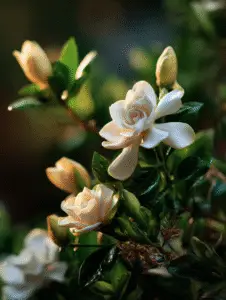
Gardenia
The southern evergreen grown for the scent of its flowers, where bottlebrush keeps its fragrance in the leaves.

Bird of paradise
Another subtropical plant with a hard cold ceiling, worth reading before planting one near the edge of its range.

Types of flowers
The full index of flowers on the site, for anyone still working out what they are looking at.
Enjoying our flower guides? Add YourFlowersGuide as a preferred source on Google. It helps more readers find us.
Add to Preferred Sources