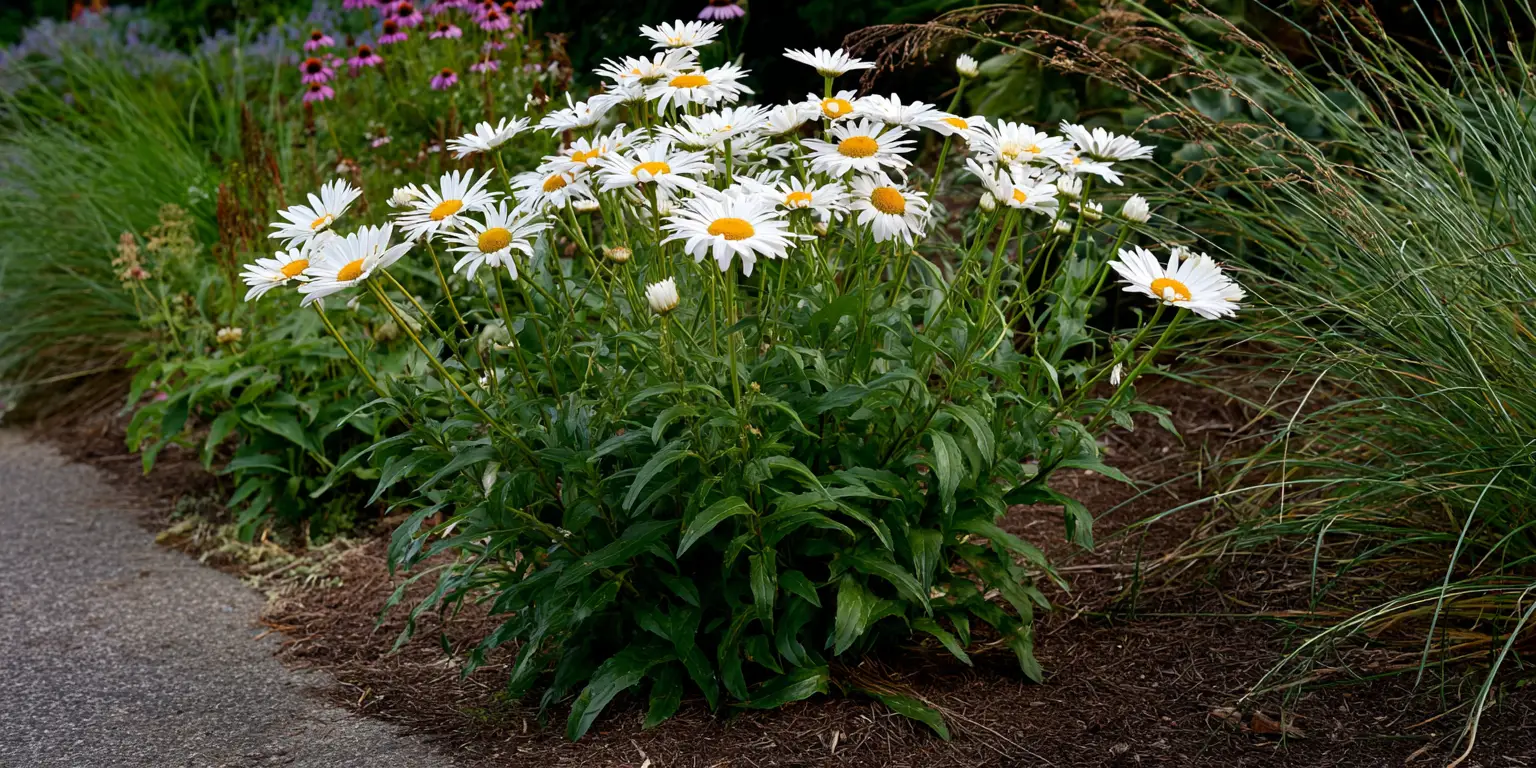
in bloom
now
through Sep
Bloom calendar
Becky
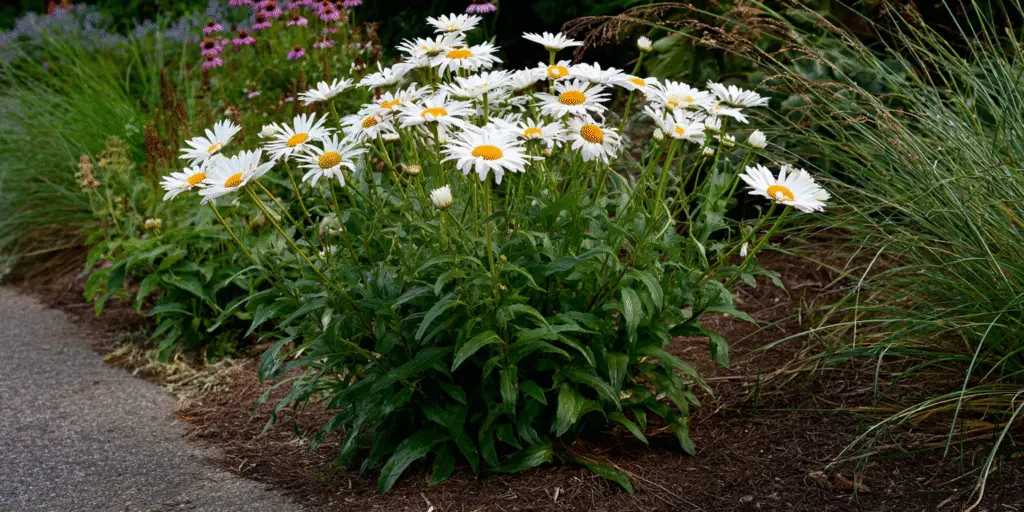
Shasta daisy
At‑a‑glance
- Group/Class: Shasta daisy
- Height × spread: 3 to 4 ft (0.9 to 1.2 m) × 2 to 3 ft (0.6 to 0.9 m)
- Bloom window: July to September
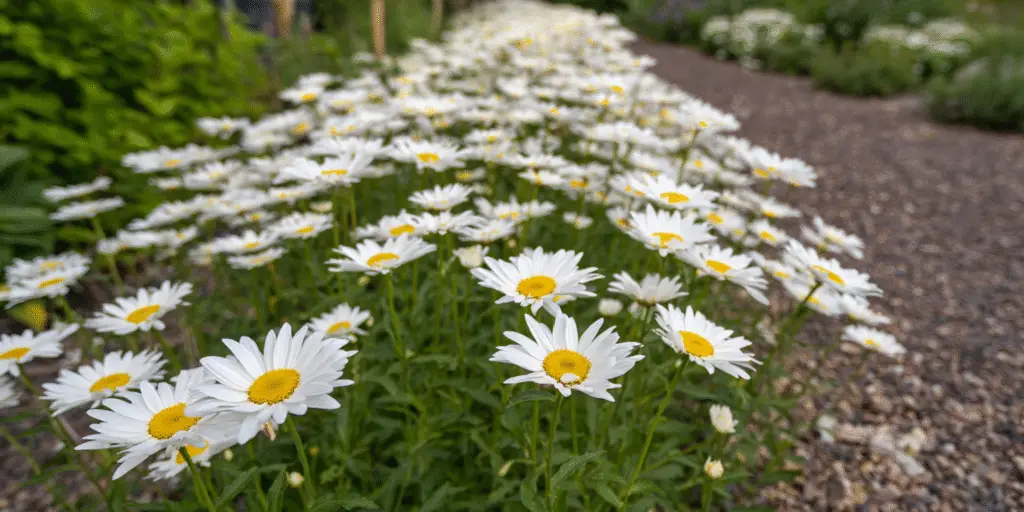
- Color & flower form: white rays with yellow disk; single; heads about 3 to 4 in (7.5 to 10 cm)
- Fragrance: 1 trace
- USDA hardiness: zones 5 to 9
- Breeder / Year / Origin: unknown
- Awards/registration: Perennial Plant of the Year 2003
- Cut‑flower notes: sturdy stems; noted as a good, long lasting cut flower
- Pet safety: unknown
How it differs
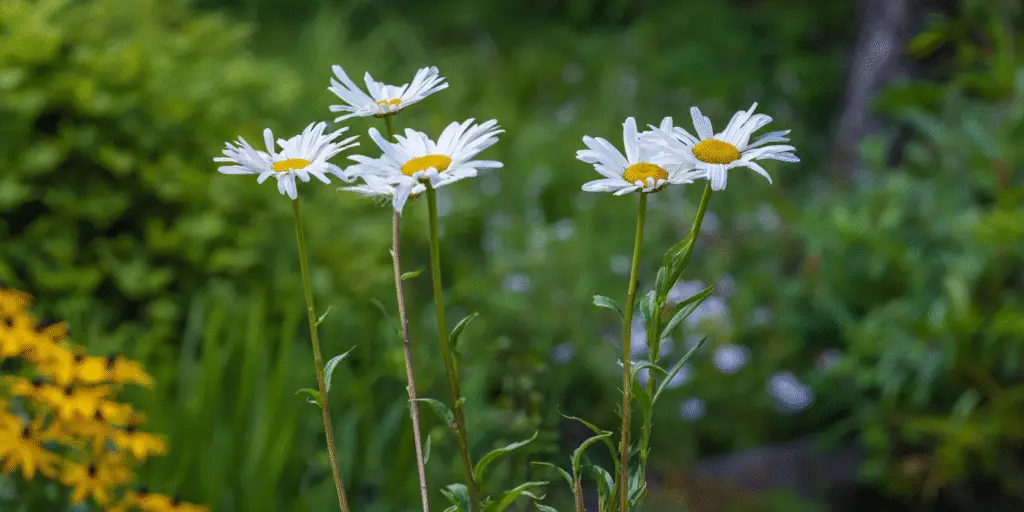
- taller and more rigid stems than a typical Shasta daisy
- later and longer bloom in many climates
- larger flowers than many seed strains
- good stem strength for cutting
Strengths
- reliable summer bloom
- withstands wind better than many tall daisies when grown in full sun
- good cut flower performance
Care in one minute
Site in full sun with at least 6 hours of direct light.
Provide average garden soil that drains well; soil pH near neutral to slightly acidic is fine.
Water regularly the first season; after establishment, water during extended dry spells.
Feed lightly in spring with a balanced fertilizer if soil is lean.
Deadhead spent blooms to extend flowering; shear after peak to refresh foliage.
Divide clumps every 2 to 3 years in early spring or early fall.
Watch‑outs
- can decline in heavy or wet soils
- division every 2 to 3 years maintains vigor
- may need thinning to prevent crowding
Best uses (tags)
Provenance note
Recognized as Perennial Plant of the Year in 2003 for sturdy stems and dependable bloom. Modern listings place this cultivar in the Superbum Group of Leucanthemum.
References
- Missouri Botanical Garden Plant Finder – Leucanthemum × superbum ‘Becky’
- Perennial Plant Association – Leucanthemum ‘Becky’ (2003 Perennial Plant of the Year)
Similar Flowers
Enjoying our flower guides? Add YourFlowersGuide as a preferred source on Google. It helps more readers find us.
Add to Preferred Sources