in bloom
now
through Sep
Bloom calendar
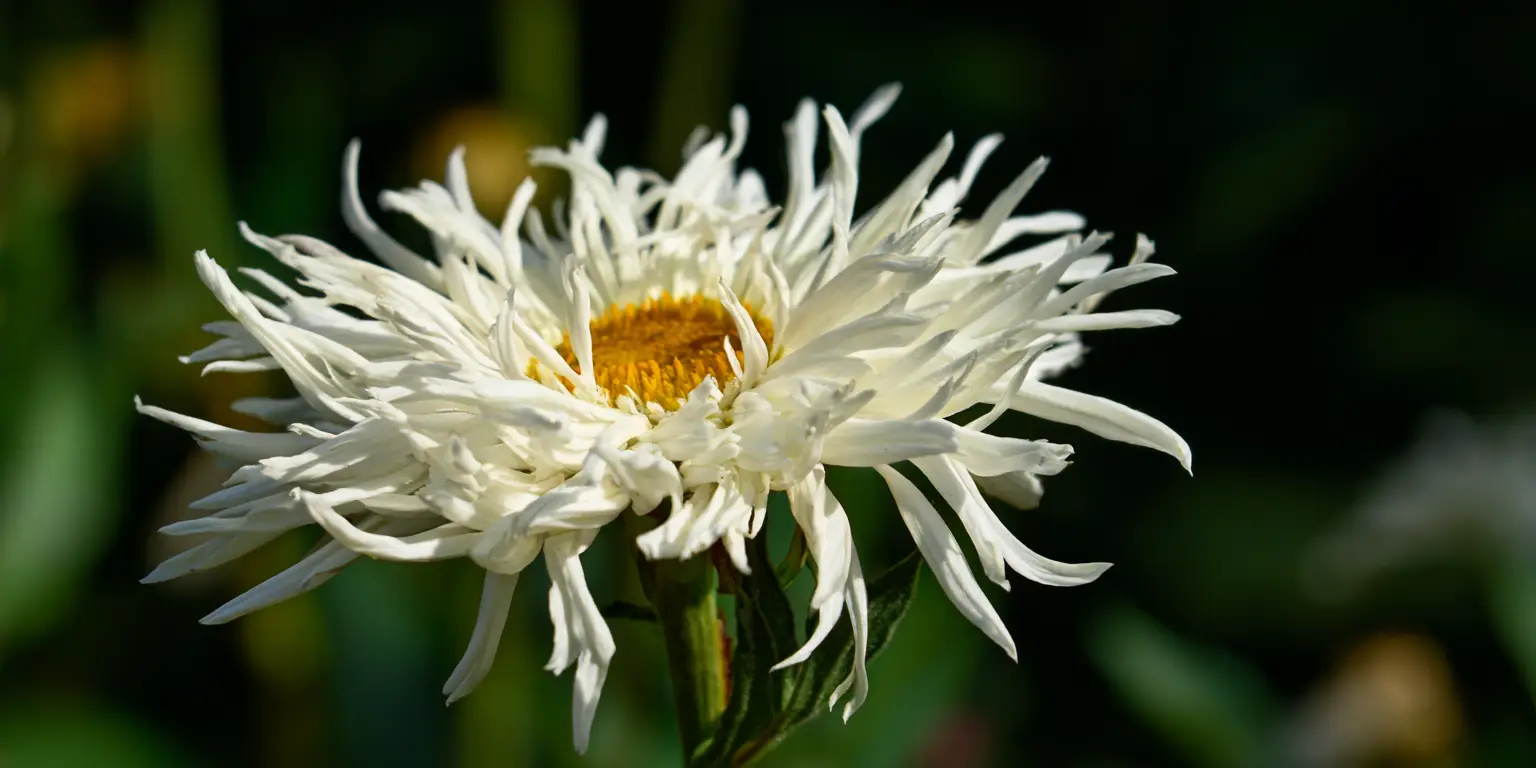
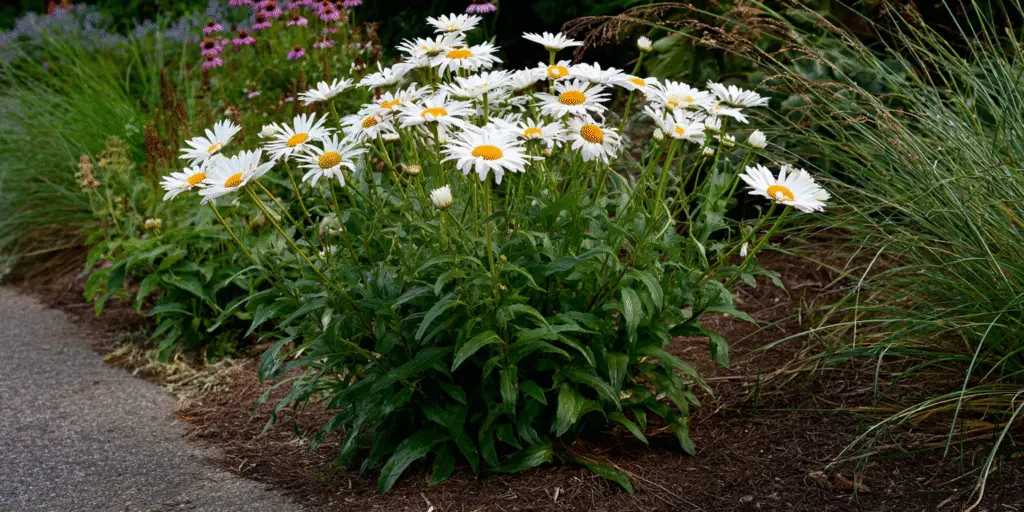
Crazy Daisy
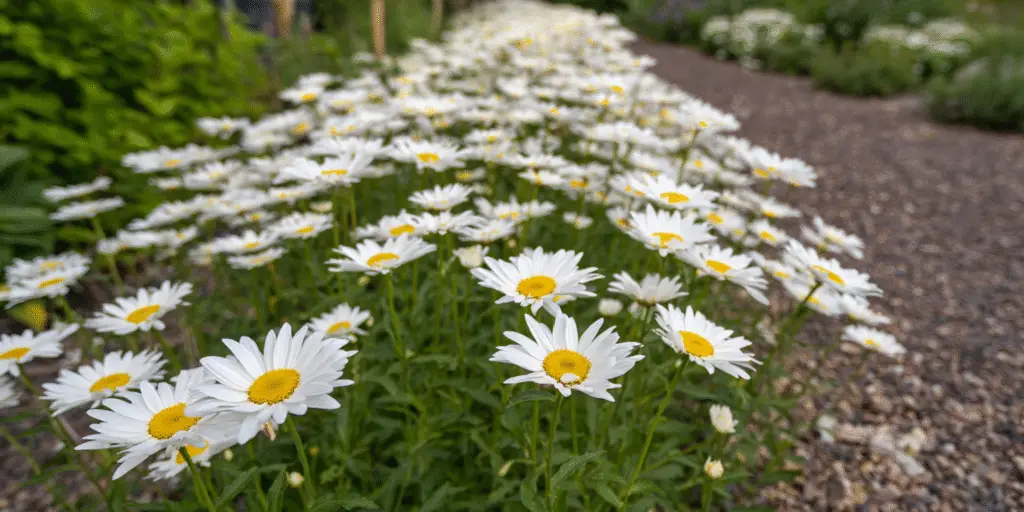
Shasta daisy
At‑a‑glance
- Group/Class: Shasta daisy
- Height × spread: 24 to 30 in (60 to 75 cm) × 18 to 24 in (45 to 60 cm)
- Bloom window: June to August
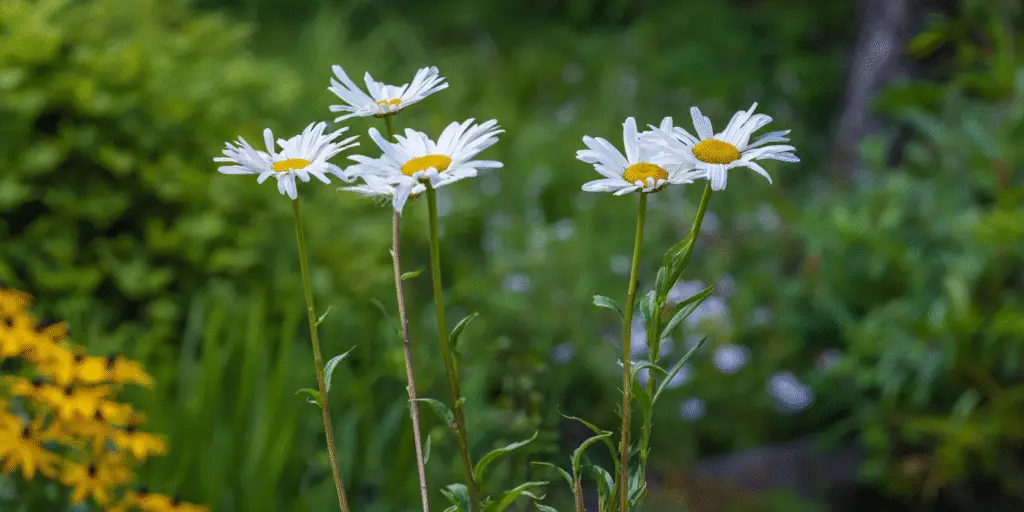
- Color & flower form: white, double to frilled petals with yellow disk
- Fragrance: 1 trace
- USDA hardiness: zones 4 to 9
- Breeder / Year / Origin: unknown
- Cut‑flower notes: showy doubles; stem strength adequate for home cutting
- Pet safety: unknown
How it differs
- double, frilly petals instead of single rays
- seed strain leads to variable flower forms
- earlier bloom than many tall selections
Strengths
- high visual impact in bloom
- attracts butterflies in summer
- handles typical garden soils in full sun
Care in one minute
Choose full sun and well drained soil; amend heavy clay to improve drainage.
Water to establish; then water during extended dry periods.
Deadhead to prolong bloom; shear after peak if stems tire.
Divide in early spring every 2 to 3 years to refresh plantings.
Watch‑outs
- wet winter soils can cause losses
- seed strain variability means some plants may be less double
- short lived in poorly drained clay
Best uses (tags)
Provenance note
Listed by Missouri Botanical Garden as a seed strain with frilly double flowers. Included in comparative evaluations of Shasta daisies in the upper Midwest.
References
- Missouri Botanical Garden Plant Finder – Leucanthemum × superbum ‘Crazy Daisy’
Similar Flowers
Enjoying our flower guides? Add YourFlowersGuide as a preferred source on Google. It helps more readers find us.
Add to Preferred Sources