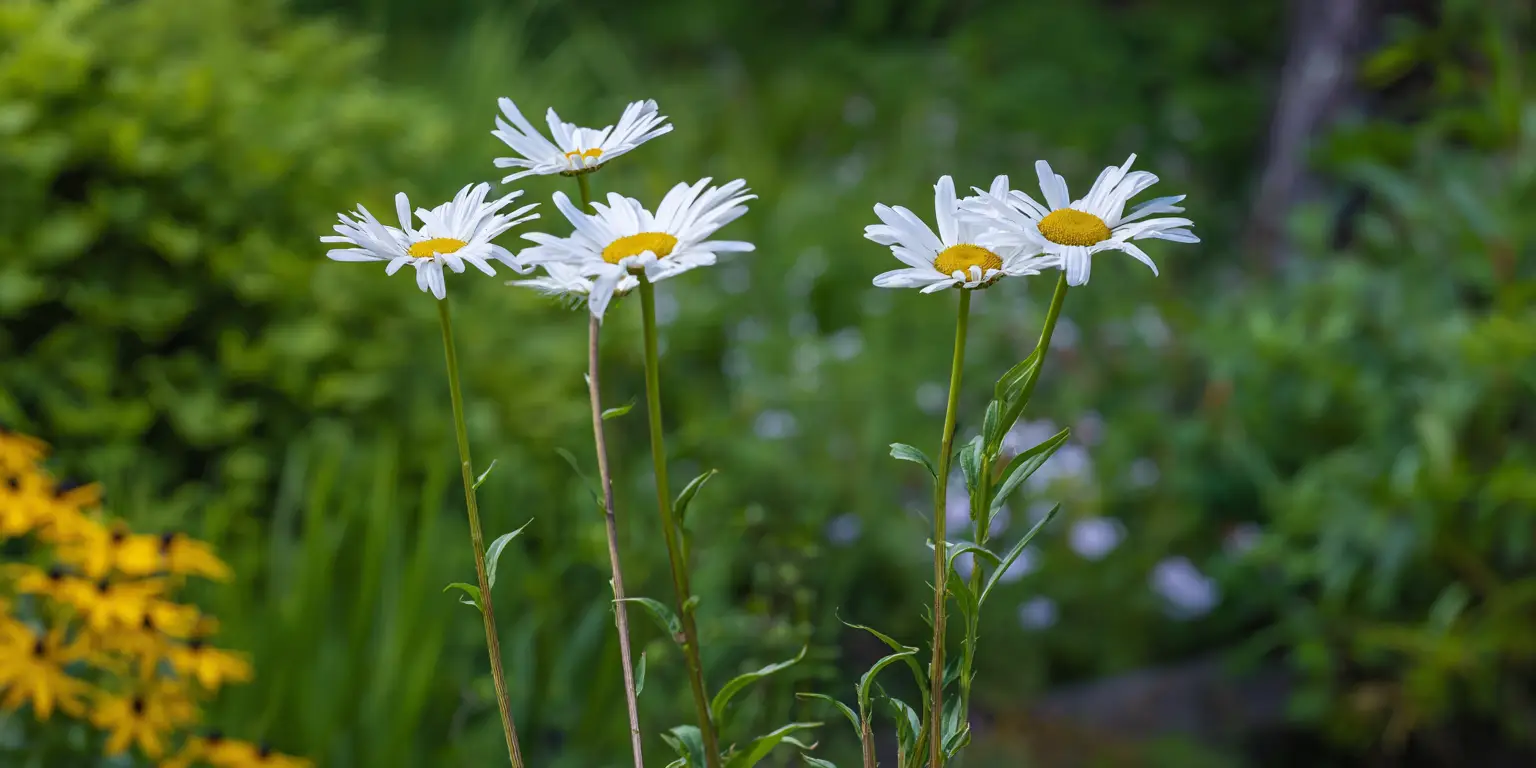
in bloom
now
through Sep
Bloom calendar
Alaska
Shasta daisy
At‑a‑glance
- Group/Class: Shasta daisy
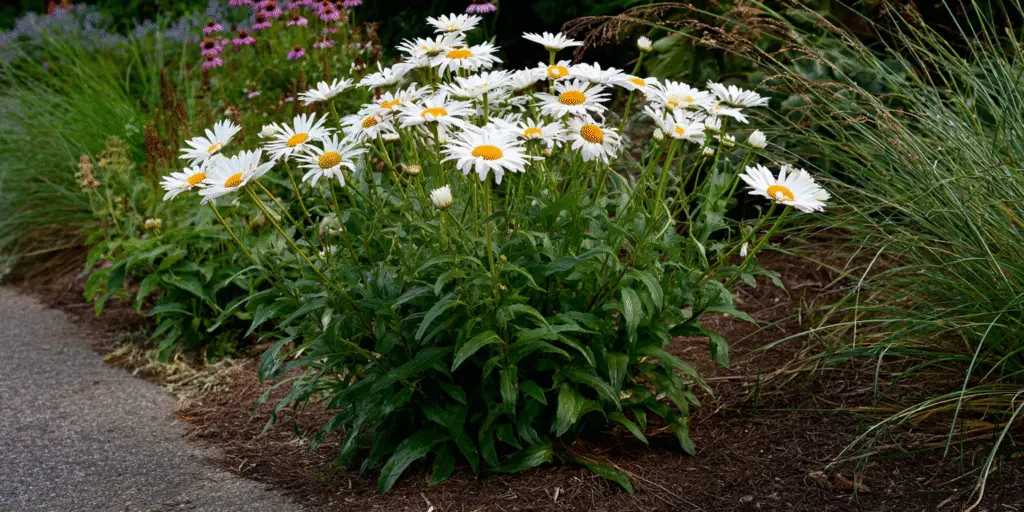
- Height × spread: 18 to 36 in (45 to 90 cm) × 18 to 24 in (45 to 60 cm)
- Bloom window: July to August
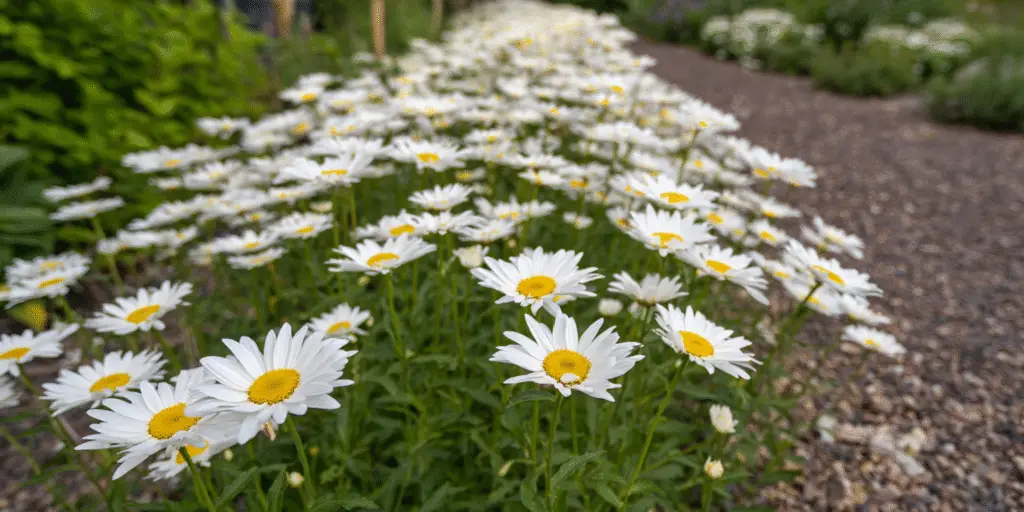
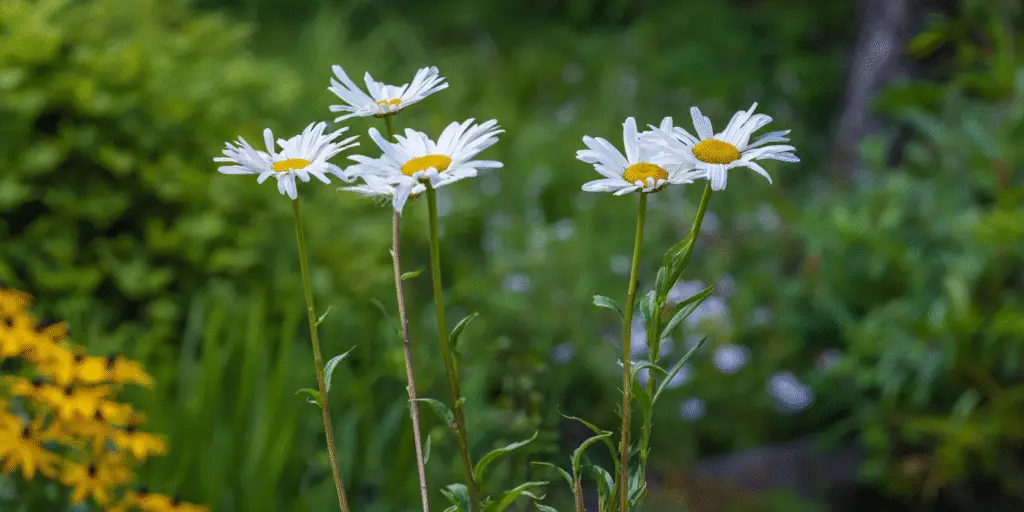
- Color & flower form: white rays with yellow disk; single
- Fragrance: 1 trace
- USDA hardiness: zones 5 to 9
- Breeder / Year / Origin: unknown
- Cut‑flower notes: rigid stems; useful for garden bouquets
- Pet safety: unknown
How it differs
- mid to late season bloom compared to many seed strains
- classic single form on sturdy stems
- older selection widely available
Strengths
- dependable white daisies in summer
- tolerates some light shade in hot climates
- good cut flower potential
Care in one minute
Grow in full sun; provide light afternoon shade in hot summer regions.
Use average to moderately fertile soil with good drainage.
Water to establish; then irrigate during prolonged dry periods.
Deadhead to encourage additional bloom; shear after peak if foliage declines.
Divide clumps every 2 to 3 years to maintain vigor.
Watch‑outs
- wet winter soils can be fatal
- may be short lived without division in free draining soil
Best uses (tags)
Provenance note
Long established cultivar formerly listed under Chrysanthemum maximum. Still common in perennial borders for its classic appearance.
References
- Missouri Botanical Garden Plant Finder – Leucanthemum × superbum ‘Alaska’
- Chicago Botanic Garden Plant Evaluation Notes – Leucanthemum × superbum and related daisies
Similar Flowers
Enjoying our flower guides? Add YourFlowersGuide as a preferred source on Google. It helps more readers find us.
Add to Preferred Sources