Three plants, one name
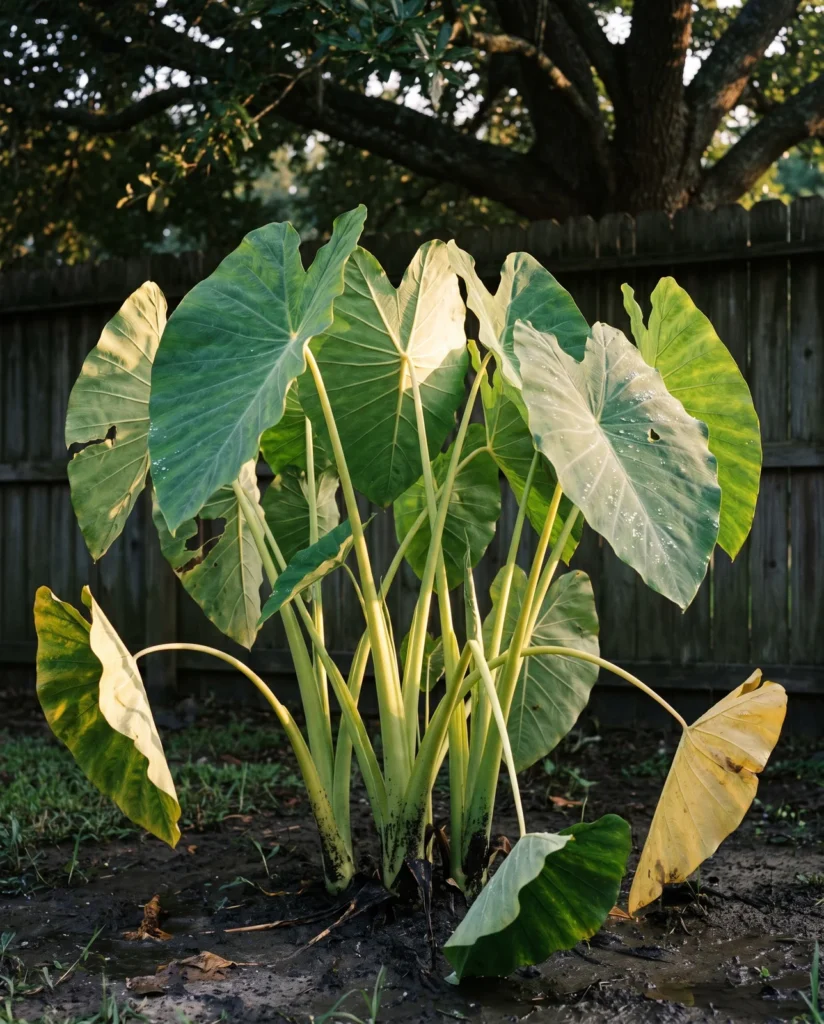
Elephant ear is a common name that covers three tropical genera: Colocasia, Alocasia, and Xanthosoma. All three grow broad leaves that look like ears across a garden. People even disagree on which plant owns the name. Some treat all three as equal holders, while others call Xanthosoma the true elephant ear and Colocasia only a look-alike.
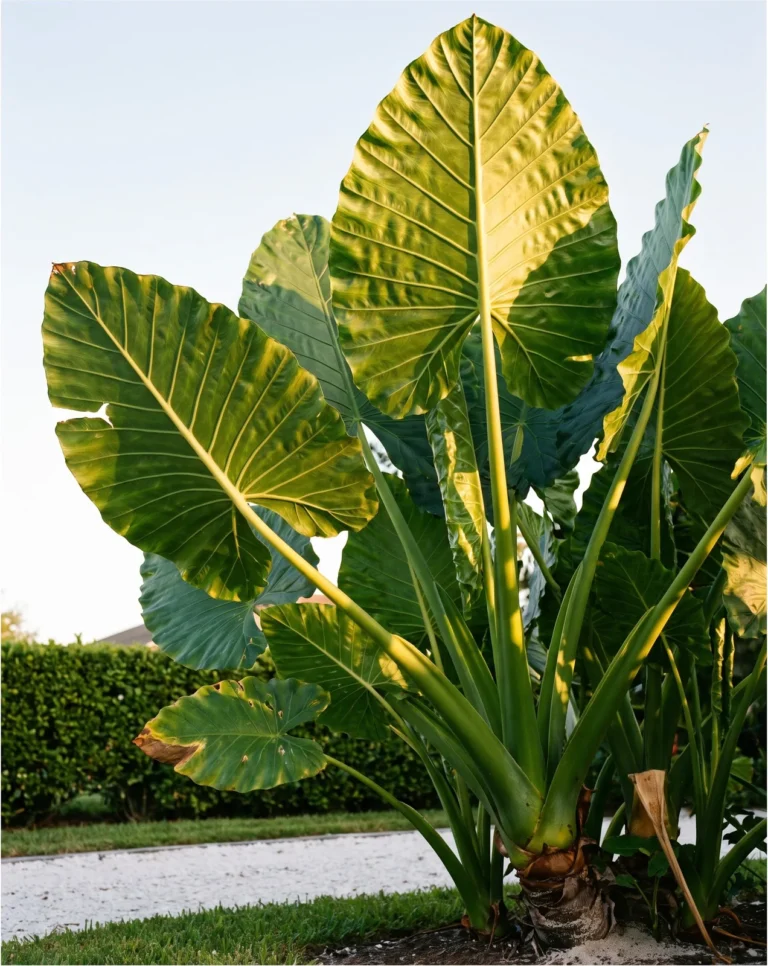
You can tell the two most common genera apart by how they hold their leaves. Colocasia leaves droop toward the ground, while Alocasia leaves point skyward on stiff stems. On large plants like 'Borneo Giant', those upright leaves can reach 4 feet long.
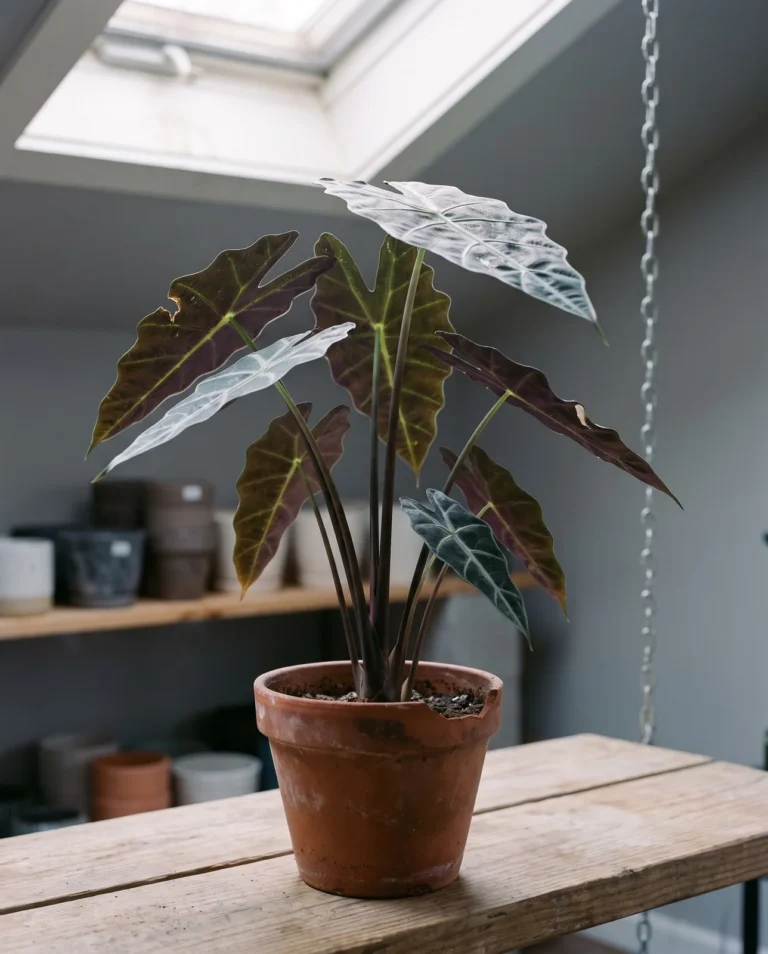
Plant tags can be just as confusing as leaf shapes. The popular African mask plant comes from Alocasia x amazonica, a hybrid of unknown parentage possibly created in the 1950s. Some experts view that name as a trade label without true scientific standing. Common names cross over as well, with giant taro and edible taro both sold under the elephant ear label. The botanical name on the tag is the surest way to tell them apart.
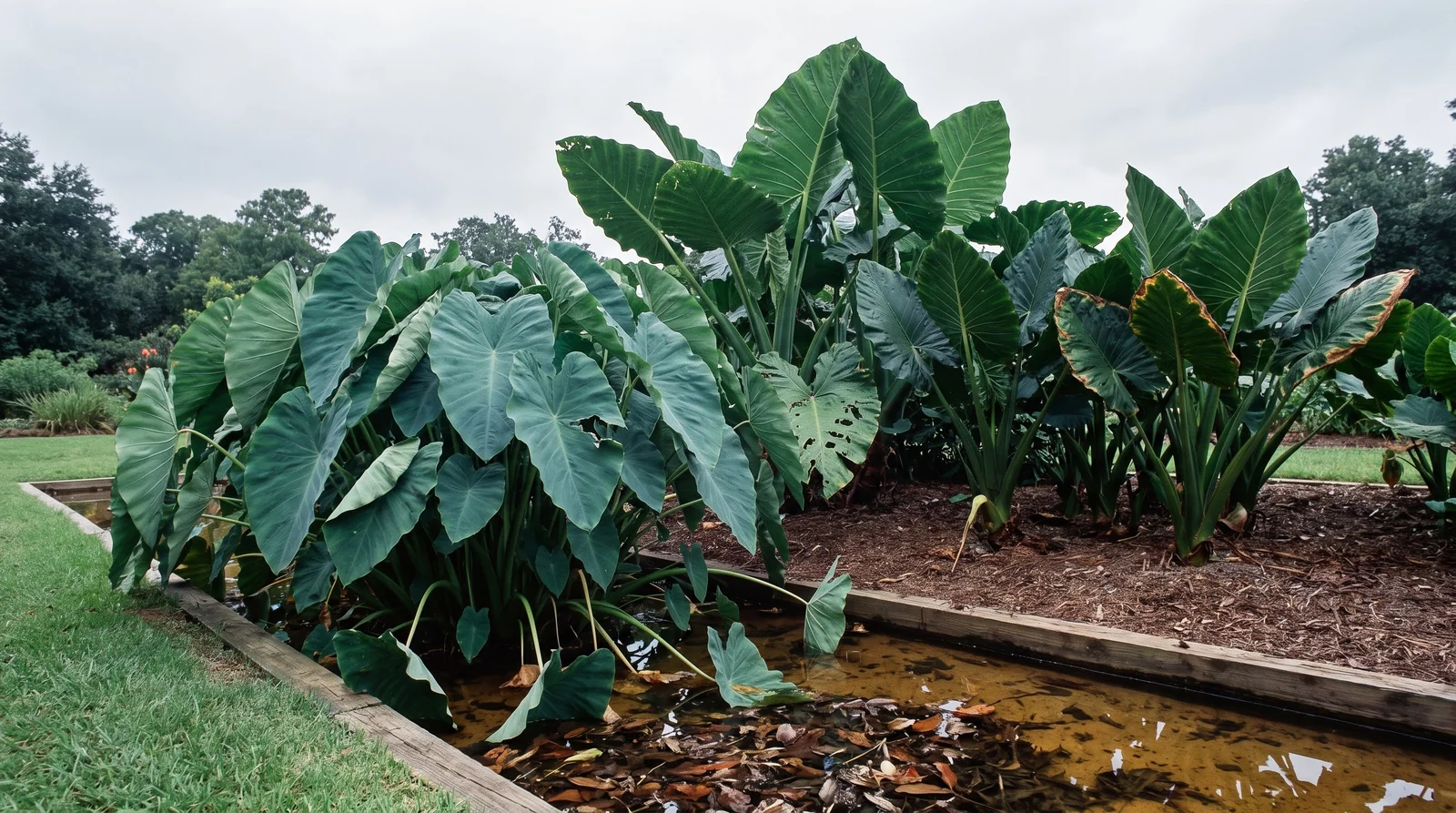
The three genera side by side
How the three main elephant ear groups compare for size, leaves, water and hardiness.
What an elephant ear plant is
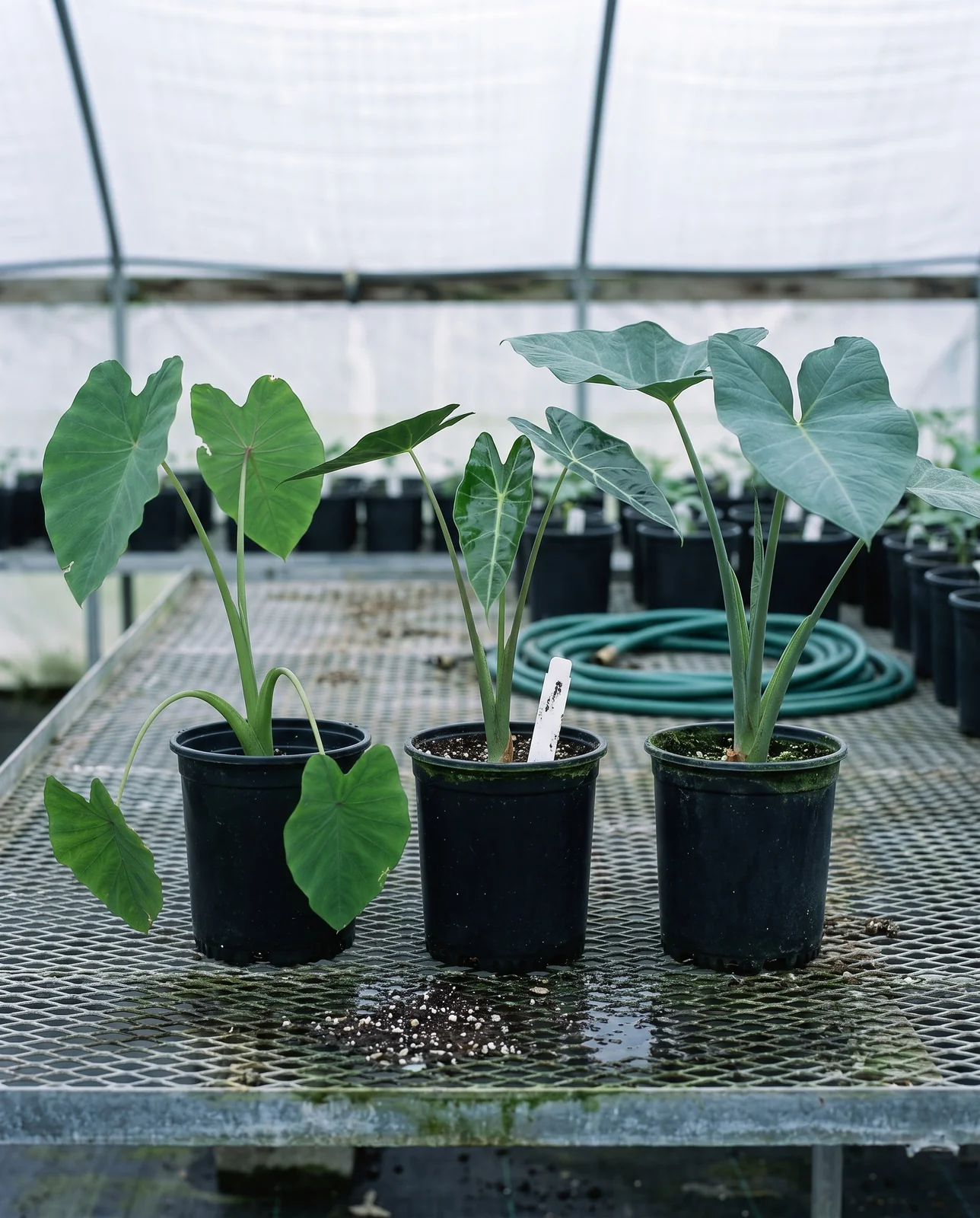
Elephant ears are tender tropical perennials in the arum family, Araceae, grown for their bold leaves. Colocasia esculenta forms a clump and grows from a corm. Alocasia species grow from tubers and come from tropical Asia and eastern Australia. In cultivation, Alocasia grows quickly with an upright habit. You can keep it as an outdoor perennial or as a poisonous houseplant. It shares that indoor spot and family toxicity with an anthurium and dieffenbachia.
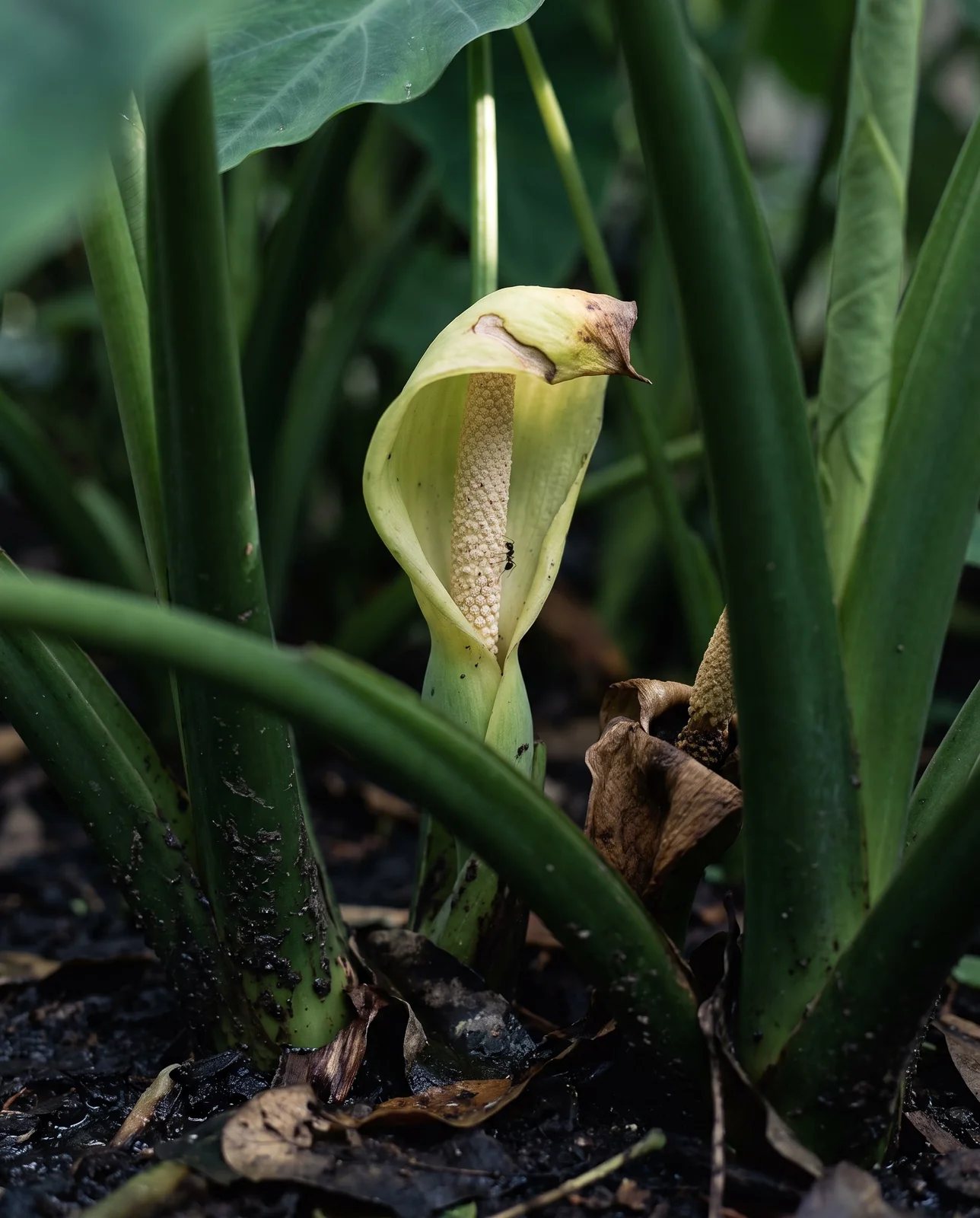
The plants do bloom, though flowers are not why people grow them. Each bloom is an aroid spike, with a hood-like spathe around a central spadix hidden beneath the foliage. On Alocasia, blooms are small and rarely seen. Blooms are small and rarely seen: a cream to white spadix opens inside a green spathe in spring or summer. Colocasia esculenta rarely flowers at all. When it does, a white or yellow spadix opens inside a greenish or yellow spathe. On many Alocasia species, the spadix heats up while flowers are open. This heat boosts scent and keeps pollinating insects active.
How big they get, and how the leaf is held
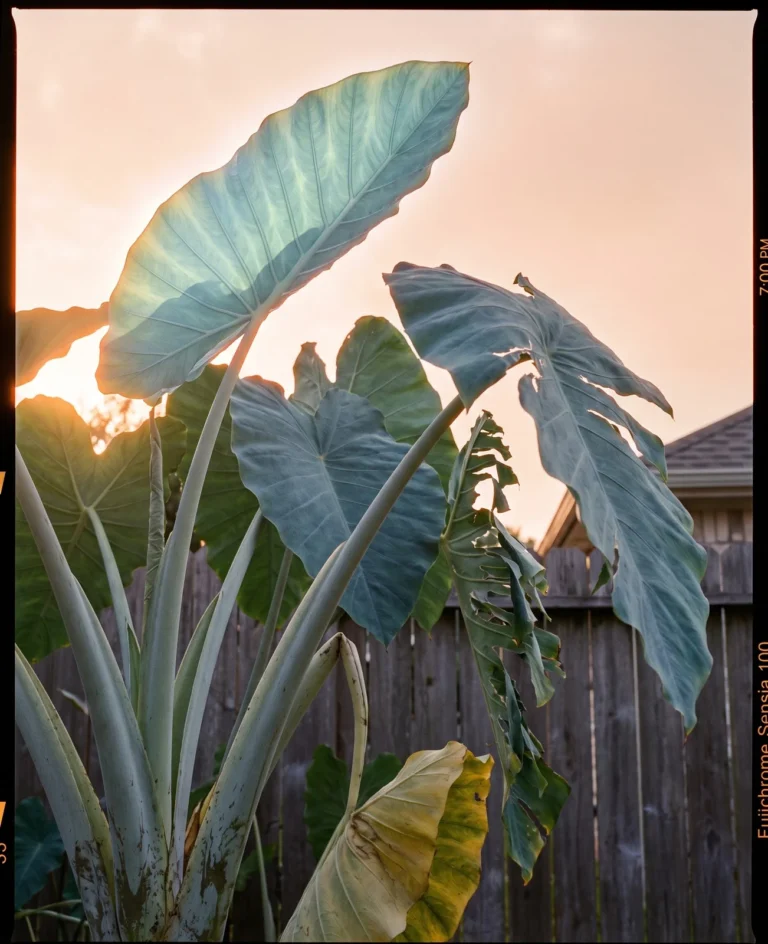
Plant size ranges from small pots about 1 foot tall to garden giants reaching 15 feet. At the compact end, Alocasia 'Hilo Beauty' stays about 1 foot tall. Colocasia esculenta usually grows 3 to 6 feet tall and about as wide. Across the Alocasia genus, mature plants run 2 to 10 feet tall and 1 to 10 feet wide depending on the species. Alocasia macrorrhizos can reach about 6 feet on a woody trunk. It holds glossy leaves 3 to 6 feet long and 2 to 4 feet wide. Xanthosoma sagittifolium grows up to 9 feet tall. Wild taro carries leaves up to 2 feet long on 4-foot stems. The Thailand Giant strain of Colocasia gigantea grows over 9 feet tall. Its blue-gray-green leaves measure 2 to 4 feet long, or up to 5 feet long and 4 feet wide. The tallest cultivar is Alocasia 'Borneo Giant', which can reach 15 feet.
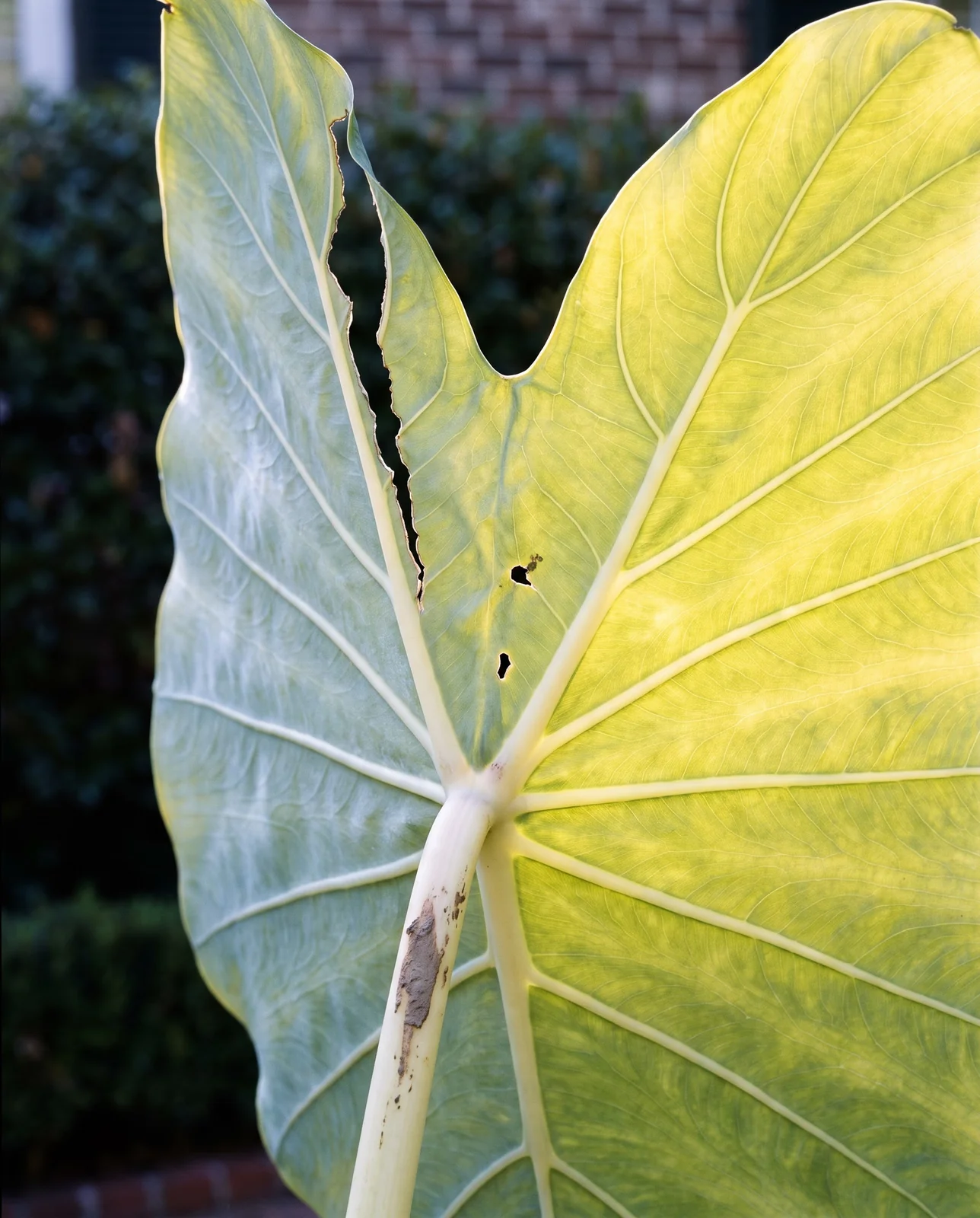
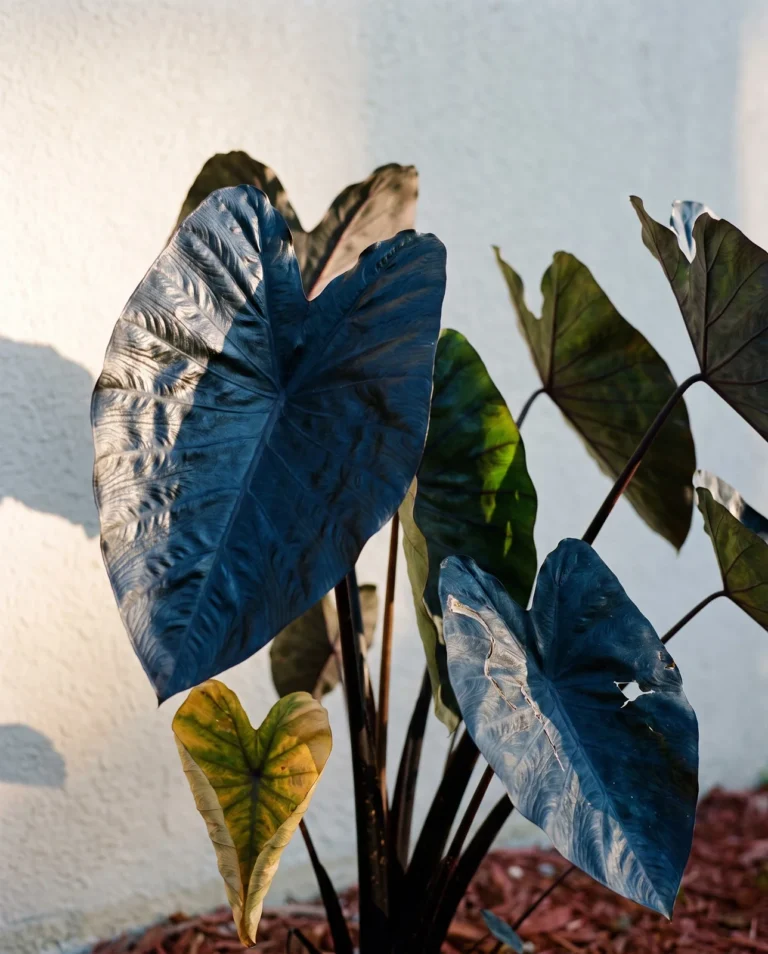
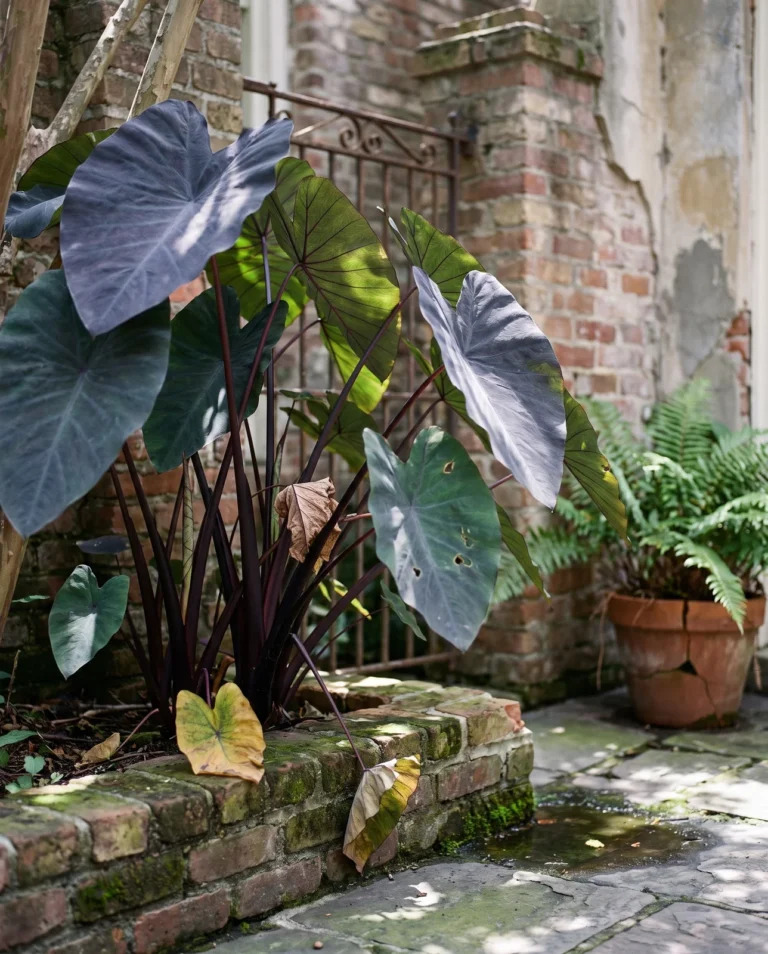
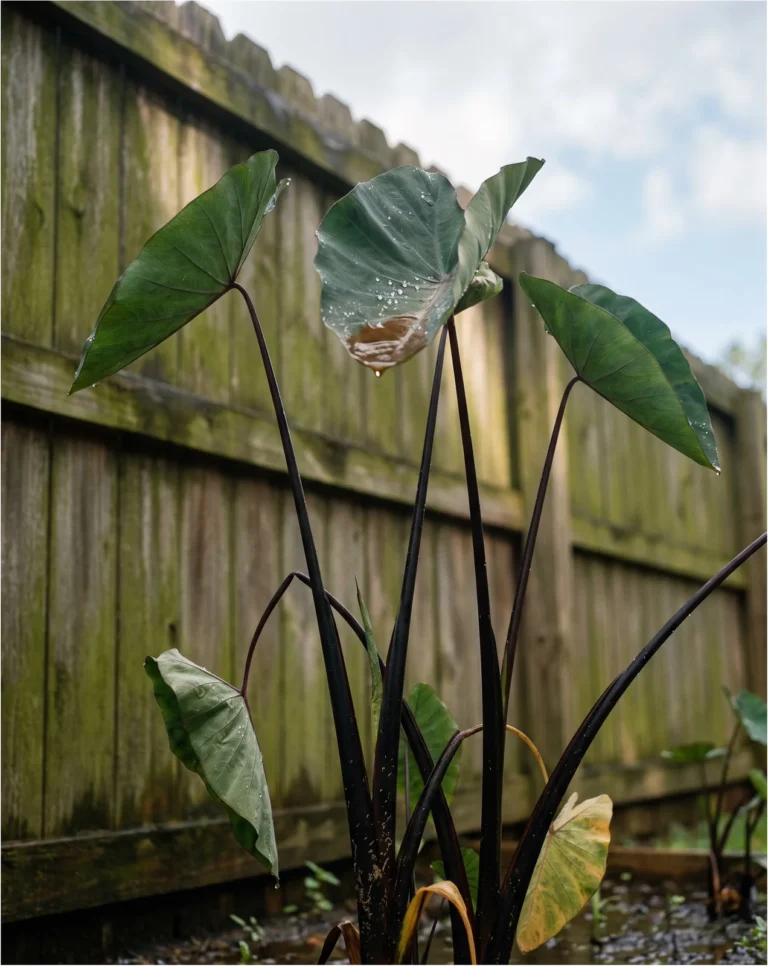
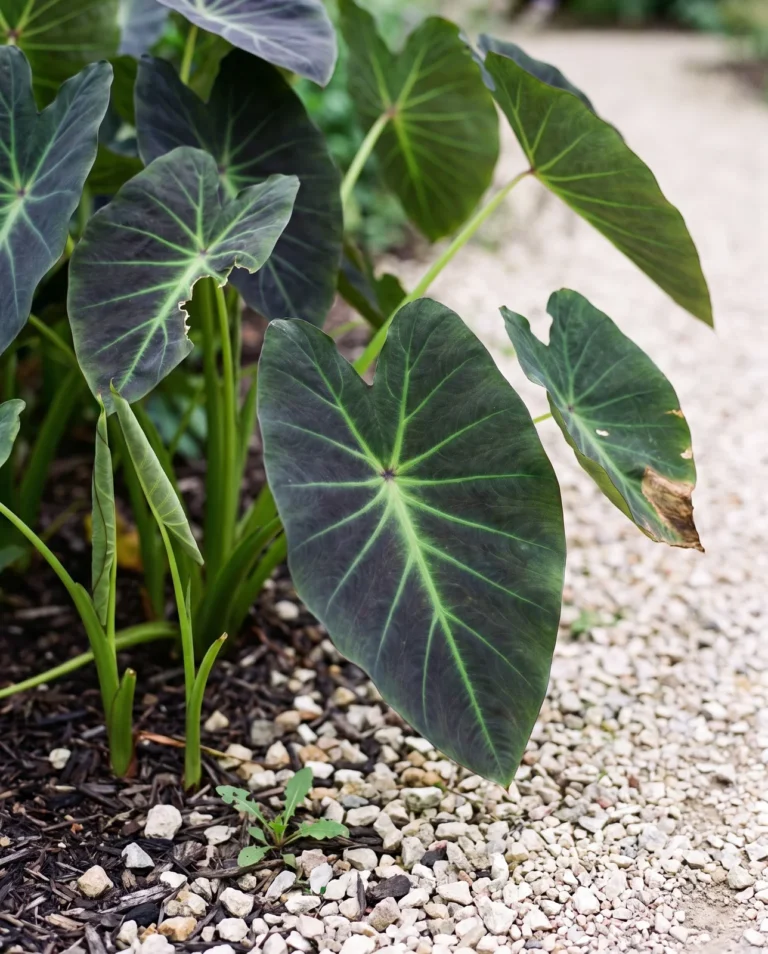
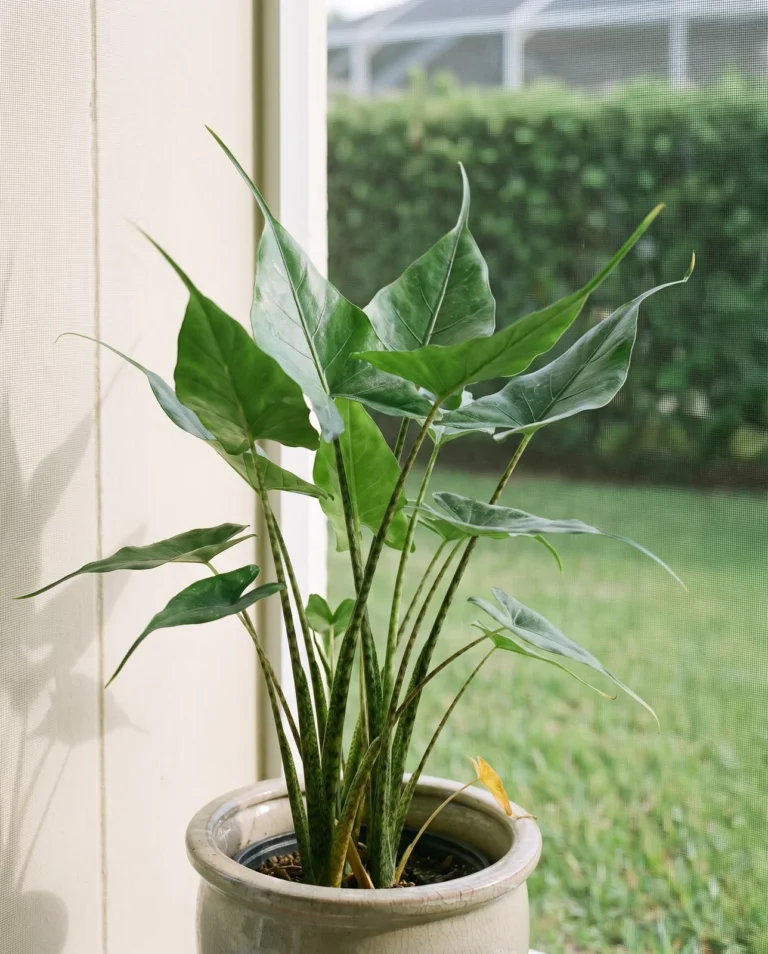
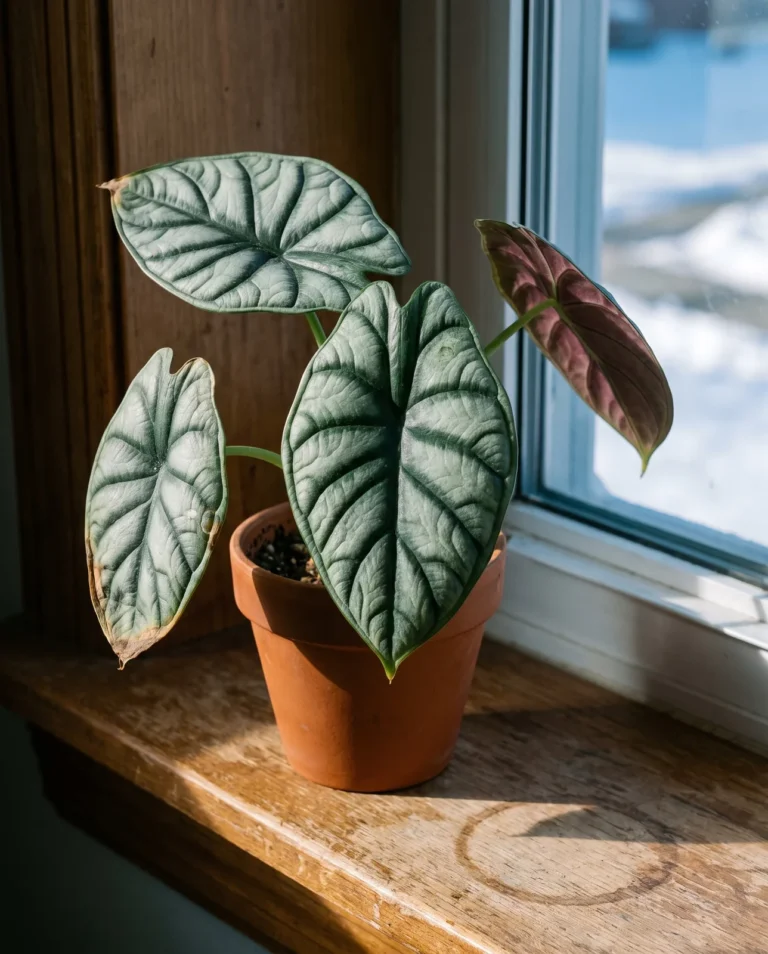
How the leaf connects to its stem shapes the whole plant. Colocasia attaches near the center of the lower leaf surface, letting the blade hang down. Alocasia and Xanthosoma leaves are usually not peltate and stand more upright. Xanthosoma joins its stem directly at the base of the blade. Leaf shapes range from broad hearts to arrowheads. Wild taro has arrowhead-shaped leaves, and Alocasia macrorrhizos carries large, glossy, arrow-shaped leaves with ruffled edges. Leaf colors go well beyond plain green. Colocasia 'Black Coral' has glossy, corrugated, all-black leaves, while 'Black Magic' carries dusty purple-black blades with green undertones in shade. Another selection, 'Illustris', pairs matte dark green leaves with a purple-to-black shine and bright green veins. Variegation shows up as irregular yellow or cream flecks on 'Hilo Beauty'. On African mask plants, leathery leaves grow up to 16 inches long in dark bronze-green with bold white to silvery-green veins. The cultivar 'Nancy's Revenge' shifts through the season, starting green before developing butter-yellow centers when flowering begins.
Which one belongs where: pot, bed, or pond edge
Where you put the plant helps you choose between the three groups. One thrives in standing water, while another prefers life indoors. In pots or garden beds, Alocasia likes slightly acidic, moist soil with good drainage, though it tolerates many soil types. It wants rich soil kept steadily moist, not standing water. Across the genus, Alocasia needs good drainage and moist soil. It does not share the tolerance for wet ground that Colocasia offers.
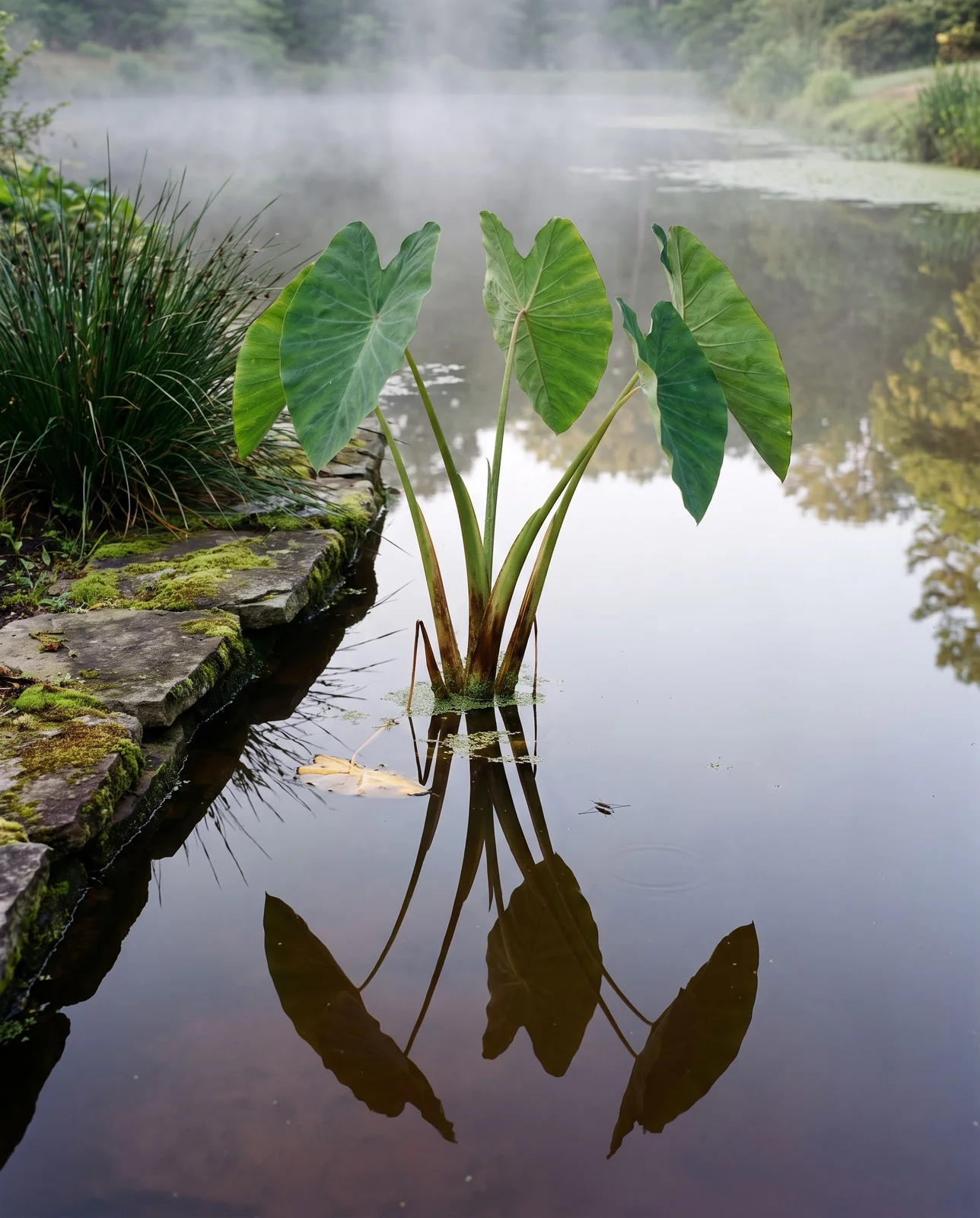
Colocasia is the choice for wet ground. It tolerates wetter soil than Alocasia, growing best in medium to wet soil and taking wet periods in stride. You can even grow Colocasia esculenta along a pond edge in standing water. Xanthosoma sagittifolium also thrives in damp ground, spreading easily along stream banks and into swamps. Water needs vary across Alocasia. Most kinds want well-drained soil, but some handle extended flooding or standing water. Alocasia macrorrhizos, for example, grows well in moist to wet, rich soil.
In warm parts of the Southeast, local rules take the choice out of your hands. Colocasia esculenta spreads quickly in wetlands, where it is an invasive species along the Gulf Coast. Along Florida waterways, wild taro crowds out native shoreline plants, so you should not buy it or plant it. Xanthosoma sagittifolium is an invasive problem plant in Florida too. It is also invasive in Puerto Rico, Costa Rica, the Galapagos Islands, Micronesia, and French Polynesia. Gardeners in Florida should stick with Alocasia, with 'Hilo Beauty' a popular garden pick. That advice does not fit everywhere. Some Alocasia species are considered invasive in the United States, especially along the Gulf Coast.
Zones, and what those numbers really mean
No single hardiness number covers elephant ears, because cold tolerance depends on the genus and the variety. As a group they are root hardy in USDA zones 8 to 12, though garden hardiness often lands between zone 7 and zone 9. Colocasia esculenta grows across zones 8a through 11b, and tubers can stay in the ground year-round in zones 8 to 10. Most common garden selections are hardy only to zone 8a. Alocasia asks for more warmth, with hardiness spanning zones 8a to 11, 8b to 11, or zones 10a to 12b. Alocasia macrorrhizos winters outdoors in zones 9 to 11, but grows as an annual in zones 4 to 8.
The specific cultivar tells you what the plant can actually endure. Colocasia 'Pink China' is one of the hardiest selections, with reports of plants surviving in zone 6b and further north in protected sites. The hardiest Alocasia needs milder winters: the dwarf 'Low Rider', which grows up to 2 feet tall, is cold hardy to zone 7b. The hardiest selection therefore changes with the genus as well as the variety. If your plant comes without a cultivar name, expect it to be hardy only to zone 8a.
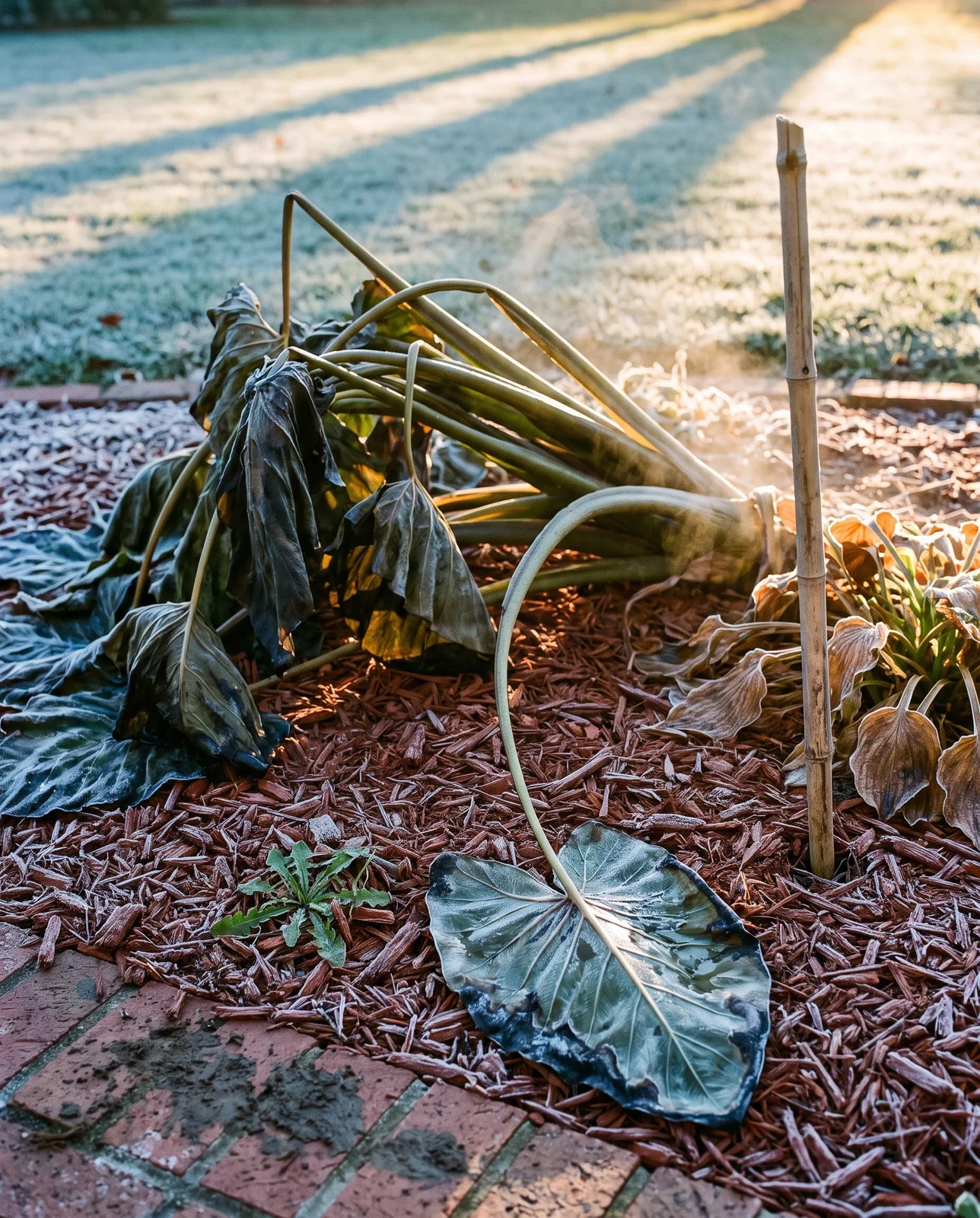
Two kinds of winter survival hide behind these numbers: leaving the plant in the ground, or lifting the corm into storage. Outside zones 7b to 10, grow Colocasia as an annual or dig the tuber for winter. Plants that have formed bulbs can be dug, dried, and stored indoors alongside a canna or dahlia once frost kills the leaves. Cold does not have to reach freezing to do damage, because Colocasia is tender and suffers injury below 68 to 70 degrees Fahrenheit. Frozen top growth is not the end of the plant. It is extremely hardy and typically returns from the cold, so you can cut away dead tissue once summer gets underway.
Planting the corm
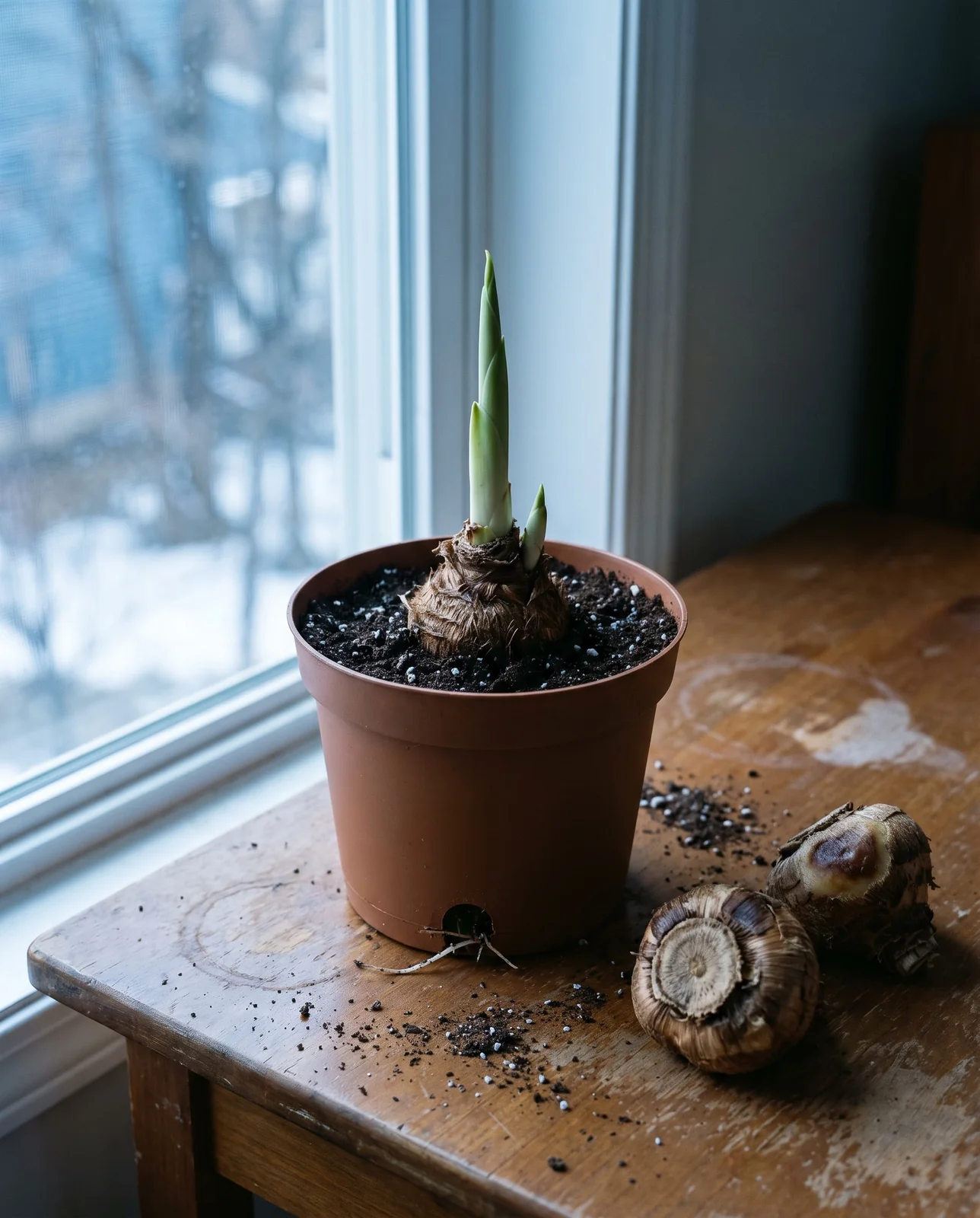
Elephant ears give their best start indoors in pots before moving outside after the last spring frost. Pot up the corm or rhizome in March with its top set close to the soil surface, then plant it into the garden in late May or early June. It takes a few weeks for the first leaves to emerge from the bulb, so a quiet pot early on has not failed.
Planting depth stays shallow: set the top of the bulb close to the soil surface. Outside zones 8 to 11, wait to plant until frost risk has passed and the soil is consistently above 65 degrees Fahrenheit.
Growing elephant ears in the ground
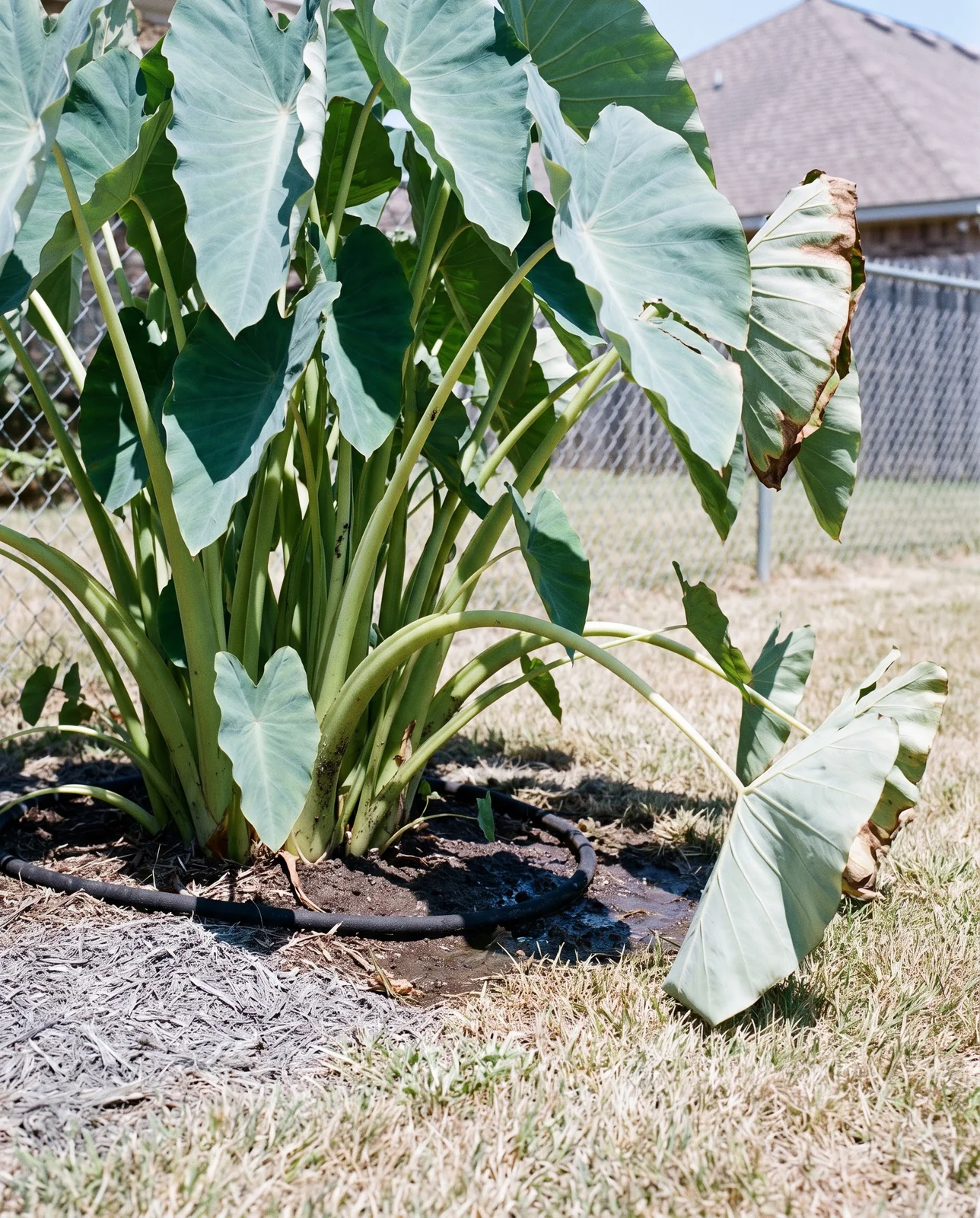
Sunlight outdoors depends on the genus. Colocasia esculenta welcomes full sun as well as partial shade. Alocasia prefers dappled light and partial shade, tolerating partial sun but showing signs of burn in full sun.
Leaf color also changes what a plant can handle, because green leaves tolerate more sun than darker foliage. Across the whole group, most elephant ears prefer full sun, well-drained soil, and plenty of water and fertilizer. That balance suits a Colocasia in an open bed, while Alocasia needs protection from midday heat.
Elephant ears are heavy feeders, so give them plenty of water and fertilizer as they grow, especially in containers. Colocasia needs about 6 feet of space to spread comfortably. Alocasia can be spaced 36 to 60 inches apart, with larger beds giving them 6 to 12 feet of room. On the largest varieties, leaves easily measure several feet across, and the garden bed has to plan for that mature spread.
Growing elephant ears indoors
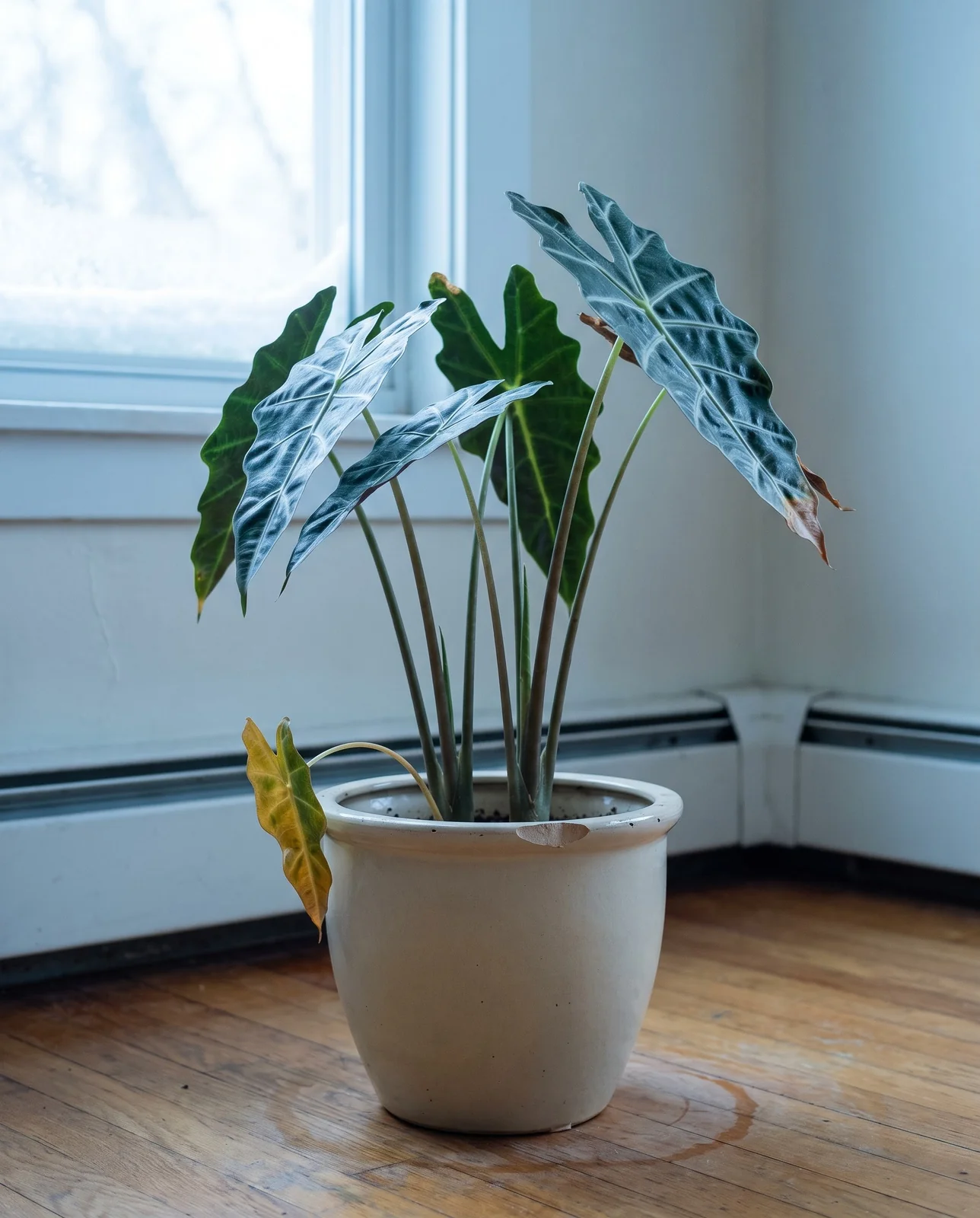
In the United States, Alocasia is grown primarily as a houseplant, with pots sometimes moved outside for the summer. Small plants are often kept as indoor houseplants, while larger specimens can be displayed as floor plants in an office or lobby. Set them in bright indirect light, and do not water them as heavily as outdoor plants. Indoors, overwatering causes real trouble, quickly rotting the roots.
Make sure the pot has a drainage hole so excess water can escape. Indoors, watering once a week is often too frequent, and watering twice a month can be plenty.
Indoor plants also take a natural winter rest. They enter a semi-dormant phase where you keep them on the drier side until regular watering and feeding resume in spring. If the plant has not formed a bulb, cut back all but the top two leaves, keep it at room temperature in bright light, and water sparingly while it rests. Containers brought in for winter need a warm, humid spot out of direct sun where temperatures typically stay between 60 and 65 degrees Fahrenheit, with watering reduced until they return to the garden in spring.
Yellow and drooping leaves, pattern by pattern
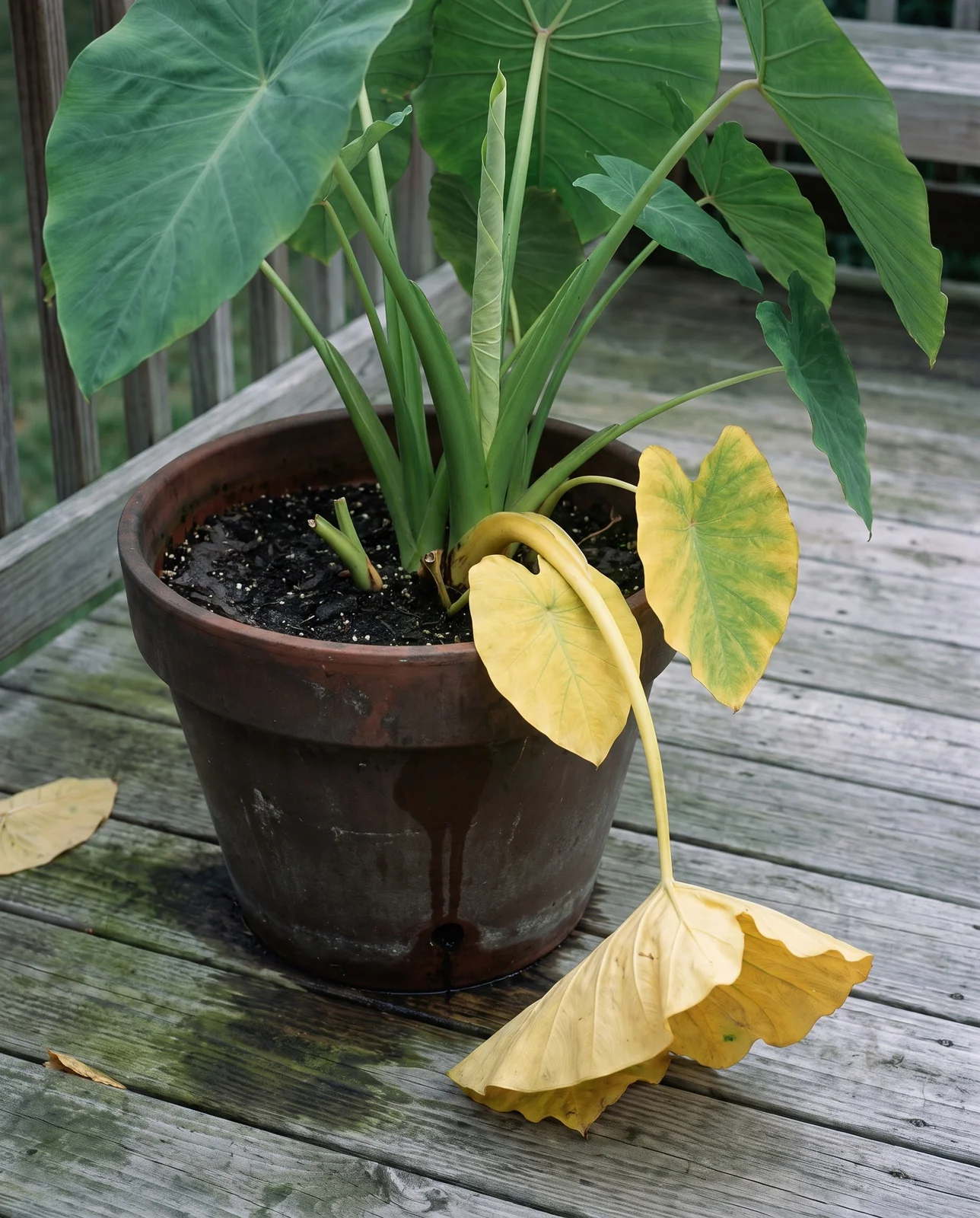
A yellow leaf on an elephant ear usually comes down to four common causes, and the most frequent needs no treatment. Older leaves turn yellow and die off naturally as the plant feeds new growth, and removing them simply keeps the plant tidy. Position tells you what is happening: a single outer leaf fading while a fresh spear unfurls from the center is normal growth. When several leaves turn yellow together or young leaves pale first, look to overwatering, too little water, or inadequate light. A pot that has become too small for the roots will also cause steady yellowing and leaf loss.
Overwatering causes the most serious damage, and inspecting the roots confirms it. Yellow leaves often point to overwatering or root rot, which reveals itself as brown, mushy roots. Excess water can also trigger leaf spots alongside that rot. Soft, dark roots mean the plant is failing below while the foliage shows the distress above. Check the roots before adding more water, because a waterlogged pot and a cramped pot produce similar yellowing.
A rootbound plant develops yellow foliage gradually, losing leaves steadily over weeks as an undersized pot cramps the roots. Inadequate light also causes leaves to yellow when the plant sits in too dim a corner. Drooping can happen without any yellowing at all. On Alocasia macrorrhizos, heavy shade weakens the leaf stalks until they collapse under the weight, while full sun often scorches the foliage. Outdoors in autumn, leaves drop for natural reasons once frost takes the foliage.
Work out what the yellow leaf is telling you
Five simple checks in order, starting with the easiest. The first two explain most drooping or yellow leaves.
Should you cut off a yellow leaf?
You can cut off a yellow leaf once it fades, though there is no set rule for the exact moment, and removing spent leaves is routine tidying. An aging leaf still provides energy for new growth as it dies back, so cutting a stalk while it is still half green takes strength away. Once the blade turns limp and yellow, remove it to keep the plant neat.
Wear gloves before you prune, because sap from an Alocasia can irritate skin and injure eyes. The plant carries a medium severity risk from calcium oxalate crystals that can irritate skin and cause trouble if swallowed. Colocasia causes no contact dermatitis, while Alocasia can trigger skin irritation. Potted plants often lack clear genus labels and a cut stalk drips sap freely, so protecting your hands is sensible.
What actually goes wrong, indoors and out
Indoor and outdoor plants run into different issues. Each item below gives the symptoms, the cause and what to do.
Symptoms: leaves turn yellow, leaf spots can develop, and roots turn brown and mushy. Cause: soggy potting mix from overwatering. What to do: check the roots for soft, brown tissue before watering again, and reduce watering because excess moisture causes root rot.
Symptoms: the outermost, oldest leaf turns yellow while a new leaf emerges green from the center. Cause: normal aging, as dying foliage provides energy for new growth. What to do: remove the spent leaf as routine upkeep to keep the plant tidy. Nothing else is needed.
Symptoms: chronic yellowing and steady leaf loss over weeks, with healthy roots that show no rot. Cause: an undersized pot that restricts the roots, separate from any watering issue. What to do: move the plant into a larger container to give the root system room.
Symptoms: leaves turn yellow in a low-light room while the roots stay healthy. Cause: inadequate light reaching the foliage. What to do: move the plant to a location with bright indirect light.
Symptoms: burned patches and dried edges on plants in open sun, which affects darker-colored leaves more than green varieties. Cause: full sun, which often scorches the foliage. What to do: provide partial sun or shade, because Alocasia shows signs of burn in full sun.
Dormancy is not death
An elephant ear that loses its foliage in autumn has usually simply gone dormant. Colocasia is a tender perennial that cannot survive winter in many places, and frost kills the leaves back to the ground. Underneath the soil, the corm the plant grows from remains alive. A dormant corm tossed off a porch as dead even sprouted again roughly four years later. The leaves are seasonal, but the underground corm holds the life of the plant.
Whether a corm survives depends on how deep the winter chill penetrates. Corms in containers are more susceptible to freezing than those in the ground. In cold climates, Colocasia is grown as an annual or the tuber is dug and overwintered. Where winters stay mild, the tubers of Colocasia esculenta may be left in the ground year-round. A plant that looks lifeless in late autumn is often just waiting for spring soil to warm.
Lifting and storing the corm for winter
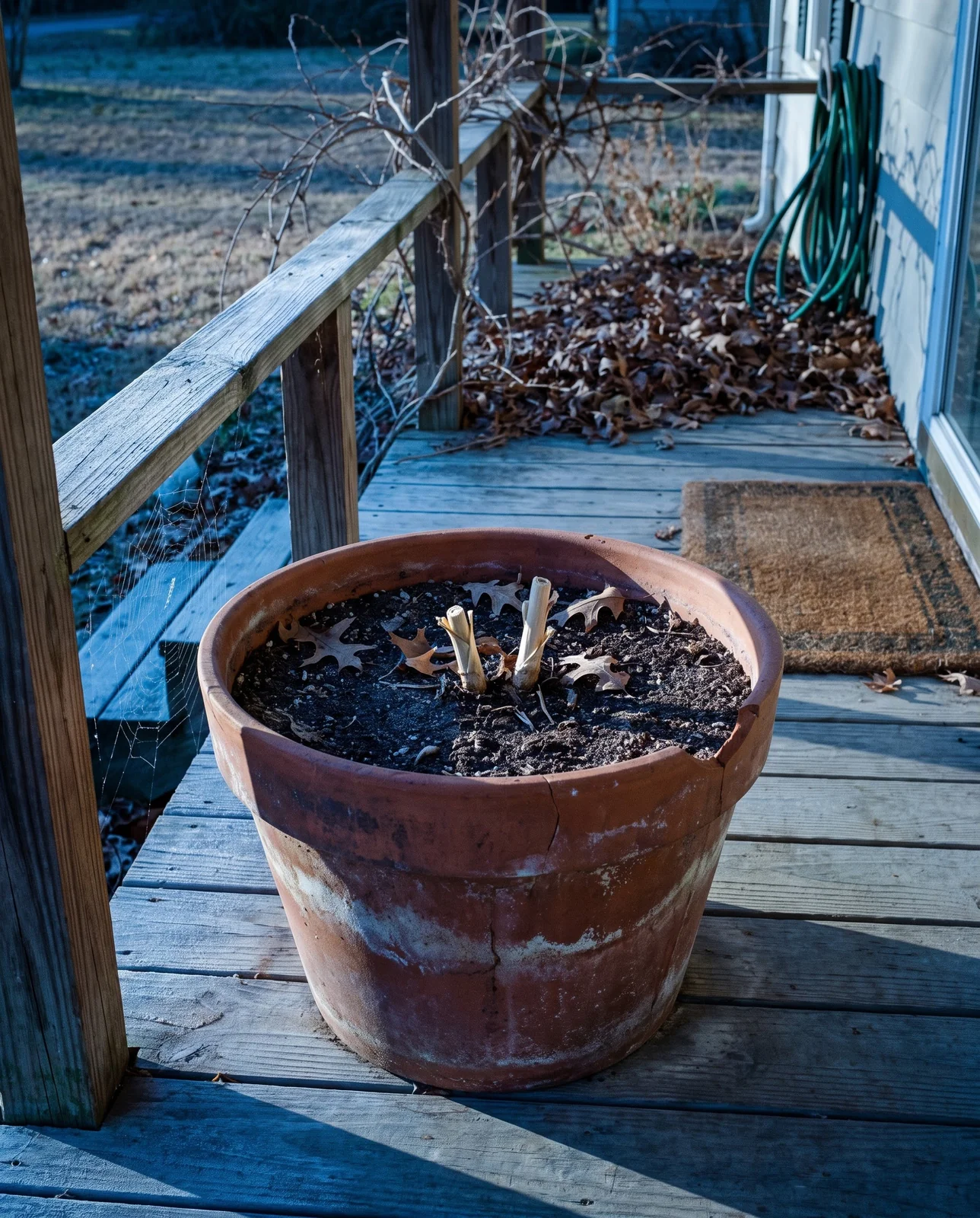
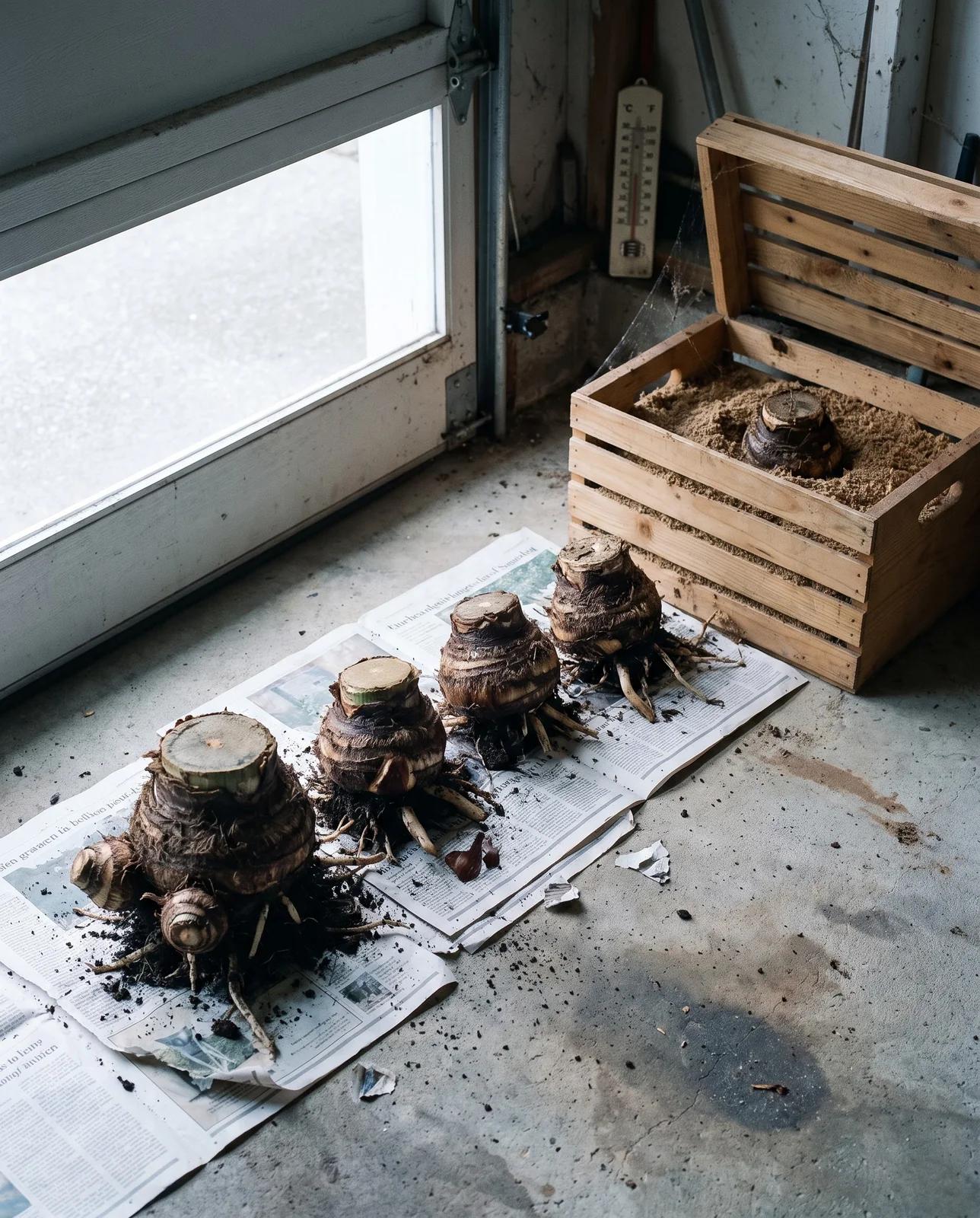
When autumn frost arrives, dig the corm after the cold takes the top growth and cut back the leaves. Let the harvested corm air-dry for several days before packing it away. The resting corms spend winter in the same cool, frost-free space that shelters a dormant calla lily. If you have indoor space for a large pot, you can also grow Colocasia in a container and move the whole pot inside for winter.
Successful winter storage comes down to steady cool air and a dry packing material around the corm. Place the corm in an open container, covered lightly with dry peat moss or wood shavings. Keep it in a cool spot between 45 and 55 degrees, where temperatures do not dip below 45 degrees and frost cannot reach it.
Replant the dormant corm in spring as warm weather returns. Growth begins slowly, because the first leaves take time to emerge from the bulb. Seeing bare soil during those early weeks does not mean the plant has failed. Make sure to dry the corm for several days before storing it, and keep it safe from freezing through the winter months.
How poisonous elephant ear is
Raw elephant ear is poisonous throughout its tissues, causing sharp pain and swelling if chewed. For Colocasia esculenta, the raw flowers, fruits, leaves, roots, seeds and stems are poisonous, while Alocasia includes bark because some species build woody trunks. The reaction comes from needle-shaped calcium oxalate crystals called raphides bunched inside specialized plant cells. Chewing extrudes these microscopic needles into the mouth, creating a painful feeling like needles sticking into the mouth and tongue. Eating raw leaves or roots triggers localized inflammation, typically showing as irritation, swelling, heavy salivation and difficulty swallowing. Toxicity is of medium severity, causing mouth pain, vomiting and swelling with Colocasia esculenta, while Alocasia also adds dermatitis and eye injury to the risks.
Symptoms after chewing an Alocasia leaf generally develop quickly and can last for up to half a day. Mild reactions pass relatively quickly: an 11-year-old boy who bit into a houseplant had an itchy mouth that lasted about an hour, calmed by eating yogurt. In another case, plant dew that splashed onto skin and into the mouth caused minor lip swelling that cleared in under 24 hours after showering and rinsing. A larger mouthful causes far worse distress, seen when a 60-year-old man who ate leaves and roots suffered a burning tongue, mouth pain and painful swallowing. His blood pressure rose to 193 over 123 with a rapid heart rate of 119 beats per minute. Pets face serious danger from mouth swelling that can keep an animal from eating for several days, and sap rubbed into an eye may cause severe conjunctivitis.
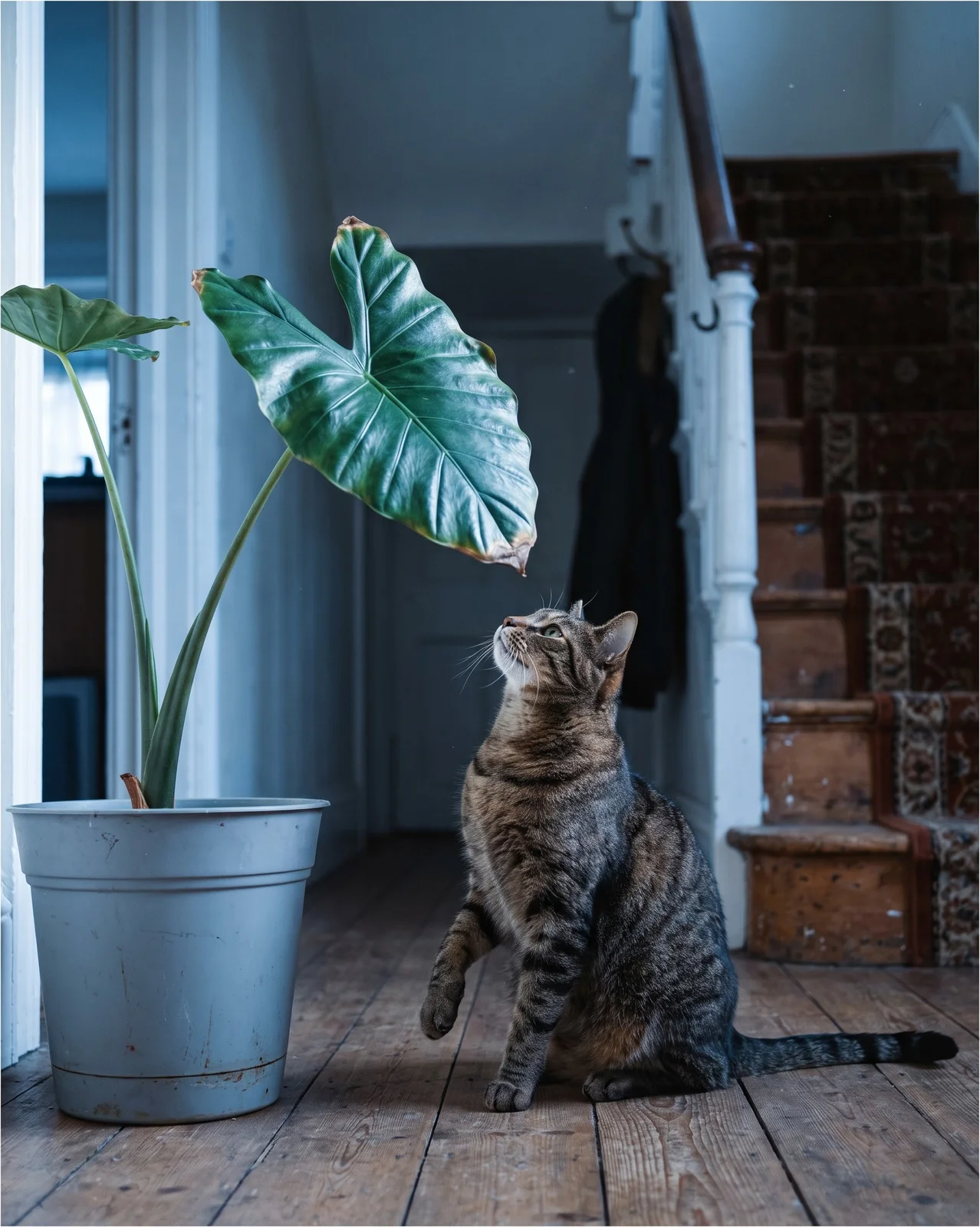
Checking toxicity for pets requires looking past common names to the botanical label. ASPCA lists Alocasia as toxic to dogs, cats and horses, pointing to insoluble calcium oxalates that trigger oral irritation and drooling. Colocasia esculenta carries that warning for dogs, cats and horses under elephant ear, though under the name malanga horses are omitted. Other entries for elephant ear and taro sit under Caladium hortulanum, where dogs and cats are warned against. Dogs and cats face distress across these entries, while the risk to horses remains unsettled. An elephant ear needs the same high shelf away from pets that shelters an indoor peace lily.
Taro, the edible one, and only cooked
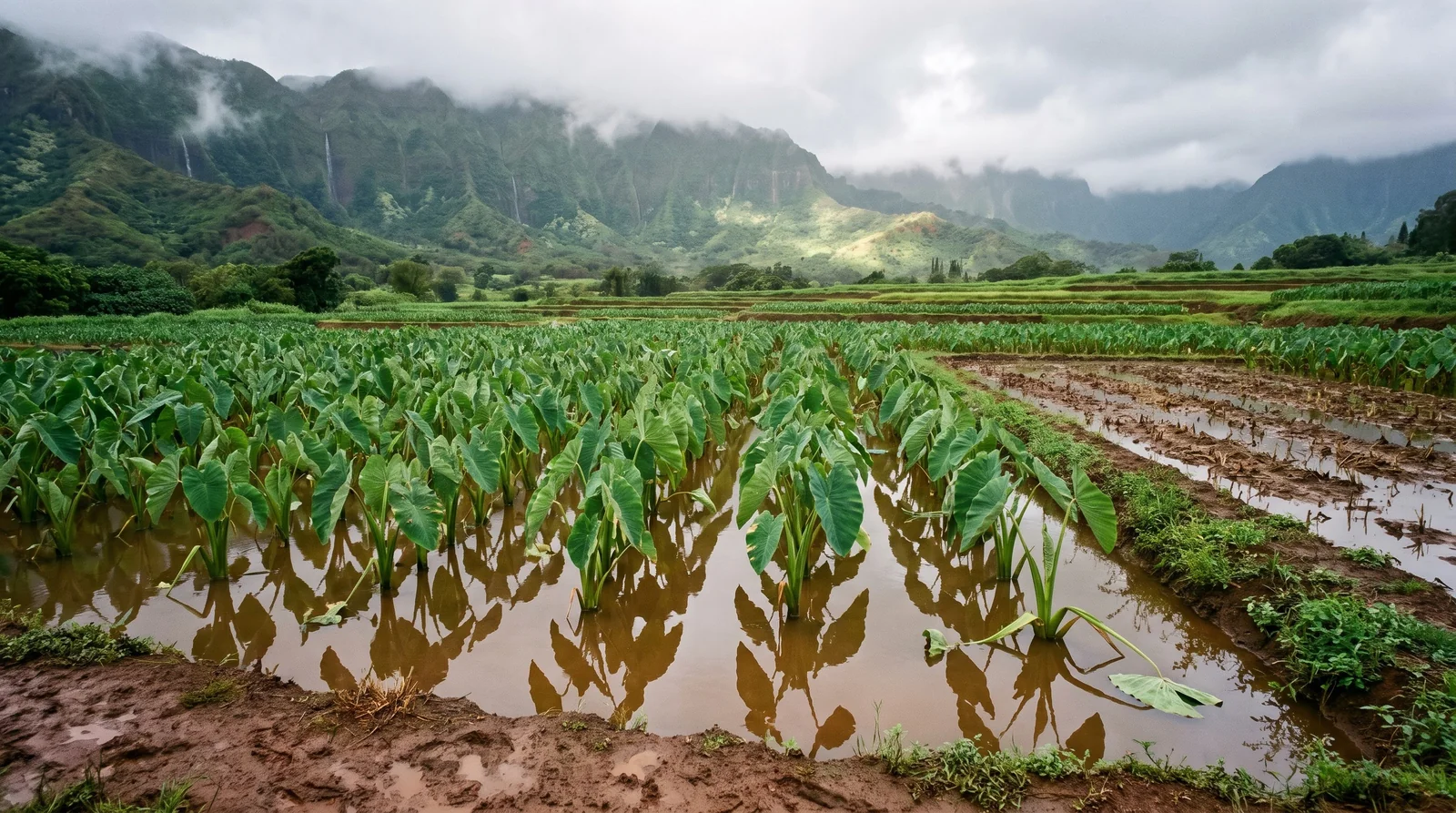
Colocasia esculenta is the edible species known as taro, grown commercially in Hawaii where its tubers are made into poi. Raw tubers and leaves are poisonous, but the tubers become edible once cooked. The leaves can be eaten as well, though their needle-like crystals cause irritation unless cooked first. The natural toxins are neutralized by thoroughly cooking or drying the plant, or by steeping it in water. Preparing the root safely calls for boiling it in salted water for at least one hour.
Clear boundaries separate food crops from garden plants. Cooking directions apply to Colocasia esculenta grown and sold as food, with no advice supporting the harvest of ornamental varieties. A corm bought for garden foliage comes without any food history, so keeping nursery plants as ornament remains the sensible choice. The species matters just as much: culinary taro is Colocasia esculenta, while Alocasia macrorrhizos produces both giant ornamental leaves and edible rhizomes. Other varieties sold under the elephant ear name belong in garden beds and decorative containers.
Named selections worth telling apart
A named selection gives you the genus, mature size, and leaf shape before you buy. The genus matters most, because it decides where the plant can live.
Light: sun or shade?
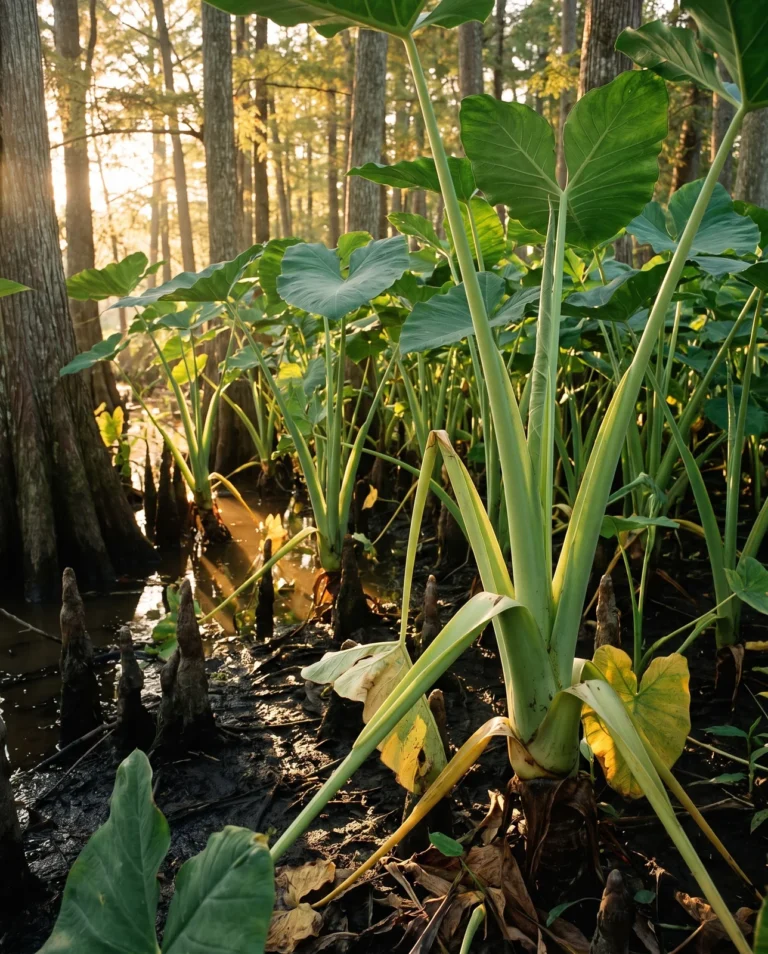
Colocasia grows well in full sun, meaning six or more hours of direct sunlight a day, or in partial shade. Alocasia takes dappled sunlight or partial shade. In both groups, green-leafed cultivars tolerate more sun than varieties with darker-colored leaves. If you keep an Alocasia indoors as a houseplant, set it in bright indirect light.
Water: two routines that point opposite ways
Outdoors, elephant ears drink heavily, needing copious water and fertilizer as they grow, especially in containers. Colocasia esculenta grows best in medium to wet soil, and can even grow as a pond marginal in up to 6 inches of standing water. Indoors, an Alocasia takes far less, since it does not require much watering and makes an easy houseplant. Pay close attention to drainage, because overwatering can quickly rot the roots.
Soil, pot size, and the weight of a big one
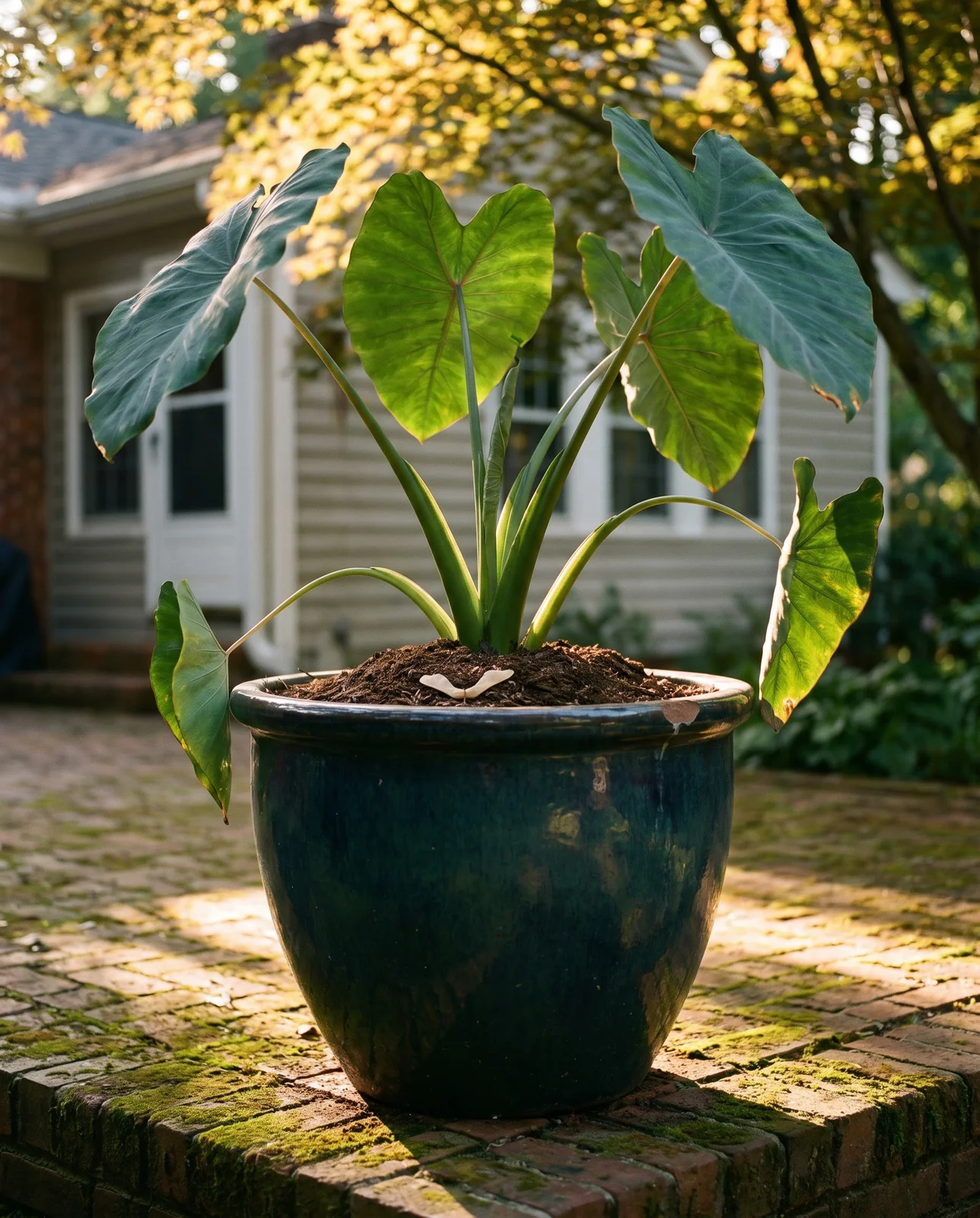
A potted elephant ear needs a heavy container at least 18 inches wide and deep or larger. That weight matters, because leaves that reach several feet across can easily tip a light pot in the wind. The potting mix should hold moisture without turning soggy for an Alocasia, which takes consistently moist, organically rich, well-drained soil. Colocasia esculenta is more forgiving, tolerating occasionally wet ground alongside moist, well-drained soil. Container plants are heavy feeders, needing plenty of food and moisture as they grow.
Pests and diseases worth knowing
Pest problems on elephant ears mostly affect Alocasia, which can run into spider mites, aphids, and mealybugs. Indoors, these are the main pests to watch for on an Alocasia, and broad leaf undersides give them room to feed unnoticed. Watch for scale on Alocasia macrorrhizos as well. Colocasia esculenta is much simpler to manage, with no serious insect or disease problems. When leaves look unhealthy, check the soil first, because overwatering can cause root rot and leaf spots.
What to expect, from corm to autumn
Here is how the season unfolds, from potting up the corm to the first fall frost.
Start the bulb indoors in March with the top set near the soil surface, then move it outside in late May or early June. The first leaves take a few weeks to emerge, so a bare pot at the start is nothing to worry about. Alocasia corms can also start indoors in pots before moving outside after the last frost, which works equally well for rhizomes and tuberous roots.
Growth surges through the heat of midsummer. In a garden bed, Colocasia esculenta typically grows 3 to 6 feet tall and just as wide. Alocasia ranges from 2 to 10 feet tall and wide depending on the species. Both need copious water and fertilizer throughout the growing season, especially when kept in pots. Underground, an established Xanthosoma sagittifolium may produce up to 10 or more corms within 10 months.
Autumn brings the outdoor display to a quick close. The first frost kills off the foliage. In zones 8 to 10, tubers may stay in the ground year-round. In colder gardens, dig the corms, dry them for several days, and keep them cool at 45 to 55 degrees where they will not freeze. Come late April, you can plant those rested corms back into the garden.
Five things people repeat about elephant ears
Lumping three different genera under a single name creates plenty of confusion. Shared common names appear throughout the catalog of flower types, but these three plants have very different habits.
The myth: Elephant ear means alocasia.
The reality: The common name actually covers three separate genera: Colocasia, Alocasia, and Xanthosoma. Which one you have in the pot decides how you water, because Colocasias tolerate wetter soils than Alocasias.
The myth: Yellow leaves always mean too much water.
The reality: Leaves can turn yellow from overwatering, but too little water or inadequate light cause the same problem. If the oldest bottom leaf fades while new leaves push up, that is normal aging that helps fuel new growth, so you can simply trim it off.
The myth: It died in November.
The reality: Cold weather simply puts the plant to sleep. Frost kills off the foliage, but the underground corm remains alive. A dormant corm can wait out years unnoticed, and one tossed away as dead even sprouted back roughly 4 years later. Outside zones 7b to 10, lifting the tuber after frost is standard autumn care.
The myth: You can eat it, because taro is edible.
The reality: Taro belongs to a single species, Colocasia esculenta, and all parts of the plant are poisonous while raw. Cooking neutralizes the toxins in culinary taro, but whether cooking makes ornamental garden cultivars safe remains untested.
The myth: It is tropical, so it wants full sun.
The reality: Alocasia belongs in dappled sunlight or partial shade, and will show signs of burn in full sun. In either group, green-leafed cultivars tolerate more sun than darker-colored varieties.
FAQ
Do elephant ear plants come back every year?
They come back every year where winters stay mild: in zones 8 to 10, Colocasia esculenta tubers may stay in the ground all year. Outside zones 7b to 10, you grow them as annuals or dig the tubers up for winter. The corms can be stubborn survivors, and one tossed out as dead even sprouted four years later.
Do elephant ear plants require sun or shade?
That depends on the type you grow: Colocasia esculenta takes full sun, meaning 6 or more hours of direct sunlight a day, as well as partial shade. Alocasia needs softer exposure, settling into dappled sunlight or partial shade. In both groups, green-leafed varieties tolerate more sun than darker-colored leaves.
How poisonous are elephant ear plants?
Both Colocasia esculenta and Alocasia carry medium poison severity, causing painful swelling of the mouth, tongue, and lips, along with drooling, vomiting, and difficulty swallowing. Chewing an Alocasia leaf generally brings on symptoms quickly, and the irritation can last for up to half a day.
Are elephant ears toxic to cats and dogs?
Yes, the ASPCA notes that both Alocasia and Colocasia esculenta are toxic to dogs, cats, and horses. Dogs and cats are at risk from every type, though horses are left off when Colocasia esculenta is called malanga.
What does an overwatered elephant ear look like?
The leaves turn yellow, and overwatering can also cause leaf spots and root rot. Check under the soil when foliage fades: yellow leaves often mean overwatering, and if the roots are brown and mushy, root rot is likely.
Should you cut off yellow elephant ear leaves?
There is no strict rule for the exact moment to cut a yellow leaf. Leaves naturally turn yellow as they age, which is normal and provides energy for new growth. Once those older leaves gradually die off, you can simply remove them to keep the plant tidy.
How do you fix a drooping elephant ear plant?
Check the roots and the light before changing your routine. Brown, mushy roots point to rot from too much water, while an undersized pot that restricts the roots can cause chronic leaf loss. Light matters just as much: on Alocasia macrorrhizos, petioles weaken and cannot support the leaves in too much shade, while full sun often scorches them.
What month should I plant elephant ears?
Start bulbs indoors in March with the top close to the soil surface, then move them outside in late May or early June. Alocasia corms can also start indoors in pots and head outside after the last frost. Outside zones 8 to 11, wait to plant until frost danger has passed and the soil stays consistently above 65 degrees.
What is the coldest temperature elephant ears can tolerate?
Cold injury starts well above freezing, as tender Colocasia shows damage below 68 to 70 degrees. In the ground, 'Pink China' can survive in zone 6b and further north in protected spots. Among Alocasias, the dwarf cultivar 'Low Rider' stays cold hardy to zone 7b.
Do elephant ears grow better in pots or in the ground?
Both options work well, but they handle moisture and cold differently. Pots should be heavy and at least 18 inches wide and deep or larger, though container corms are more susceptible to freezing than those in the ground. In garden soil, Colocasia tolerates wetter ground than Alocasia and can even grow as a pond marginal in up to 6 inches of standing water.
Can you eat elephant ear leaves?
You can eat them only from Colocasia esculenta grown as taro, and only after cooking. All parts of the plant are poisonous while raw, and the leaves contain needle-like crystals that irritate skin until cooked. Safe cooking is documented only for taro, so ornamental selections are best kept as ornament.
Is elephant ear the same plant as taro?
Taro is one kind of elephant ear, specifically Colocasia esculenta. Ornamental elephant ears mostly belong to three genera: Colocasia, Alocasia, and Xanthosoma. Giant taro is a different species again, Alocasia macrorrhizos.
Interesting tips
- Colocasia esculenta is a problem for dogs, horses, cats and children, but it is resistant to rabbits and deer. If rabbits strip the plants in your beds at ground level, that resistance gives you a good reason to grow it.
- Cooked taro root is rich in vitamins A and C, with more protein, phosphorus and calcium than a regular potato and starch easily digested enough for infant formulas. Taro is the edible form of Colocasia esculenta, and those benefits depend on cooking the root thoroughly.
- How fast an elephant ear grows comes down to which genus you have. Xanthosoma sagittifolium can form mature plants from corms within 14 to 20 weeks and produce large amounts of foliage in the first 6 to 9 months. An Alocasia grows much more slowly and can take up to 600 days to mature. A small plant in a pot may simply be young, and the tag rarely says which genus you are buying.
Related Guides & Flowers
Water lily
The other plant people put at the water's edge, and the one an elephant ear ends up standing beside.
Bird of paradise
Another big tropical kept in a pot through most of the country and carried indoors before the cold.
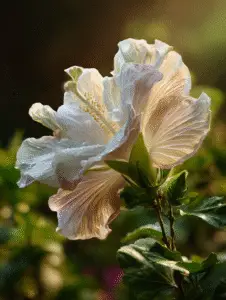
Hibiscus
The tropical that faces the same autumn question: bring it inside, or let the frost have it.
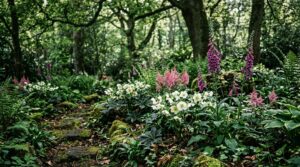
Flowers for shade
What else fills the shaded bed these leaves are usually planted into.
Enjoying our flower guides? Add YourFlowersGuide as a preferred source on Google. It helps more readers find us.
Add to Preferred Sources