Contents
Gerbera Daisy
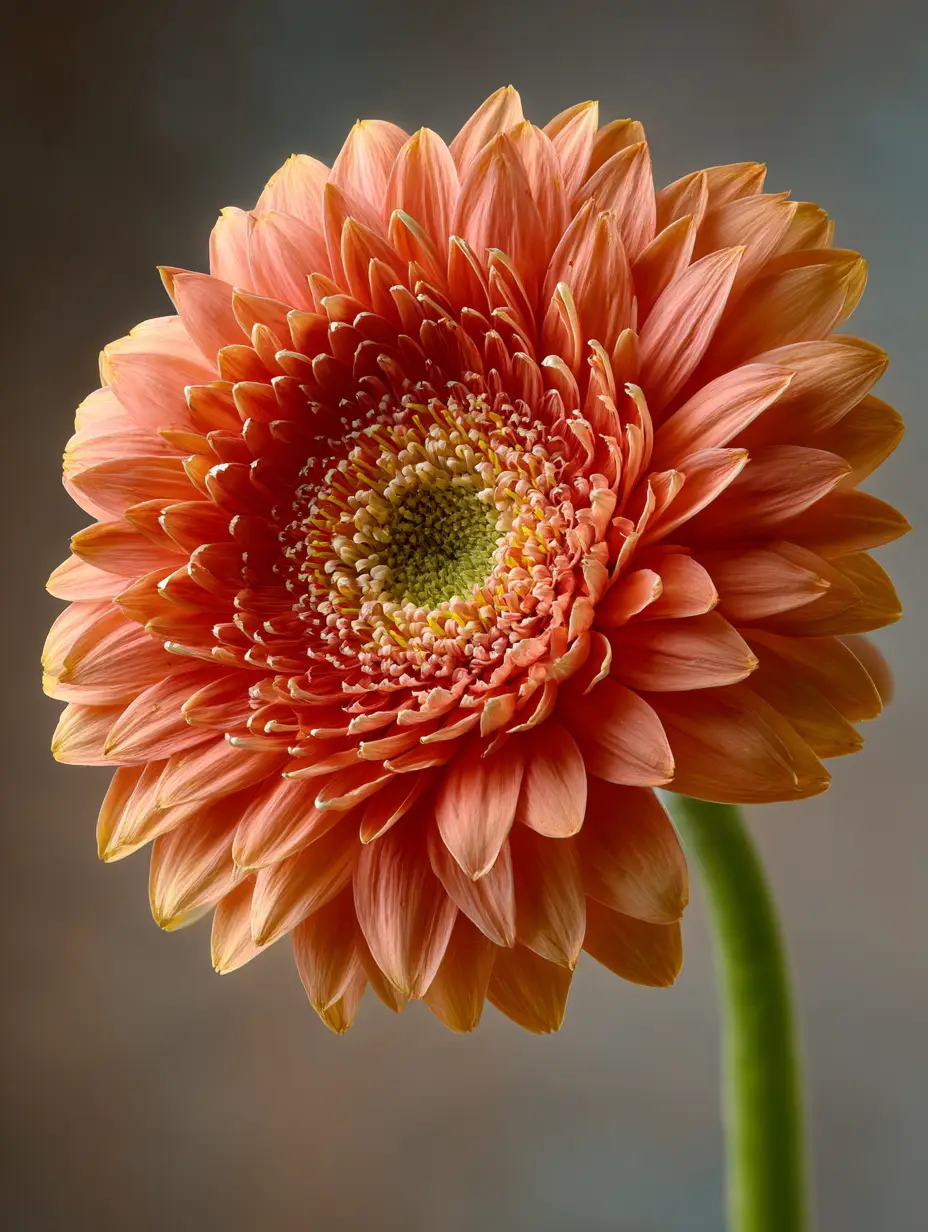
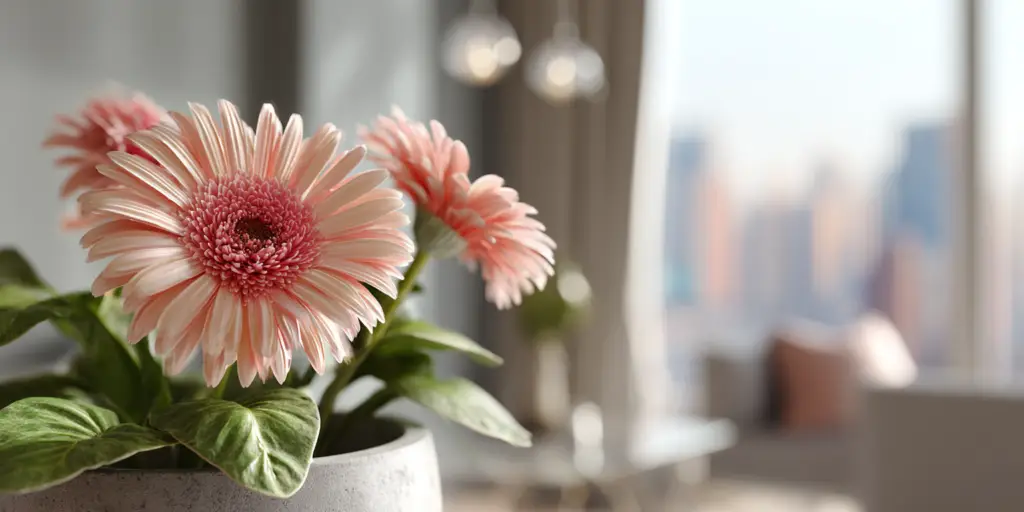
Gerbera Daisy is a vibrant, herbaceous flowering plant treasured for its large, daisy-like blooms and bright colors. Native to South Africa, this ornamental is known for adding a cheerful burst of color to gardens, bouquets, and indoor arrangements. Each Gerbera Daisy bloom is actually a composite flower head composed of dozens of tiny individual flowers forming the central disk and surrounding ray petals, which is a hallmark of the daisy family. In warm climates, Gerbera Daisies grow as perennials that can return each year, while in colder regions they are typically grown as annuals or potted indoor plants. Their popularity as cut flowers is immense, owing to their bold appearance, long vase life, and wide palette of colors. From soft pastels to vivid jewel tones, Gerbera Daisies bring visual appeal wherever they are planted or displayed.
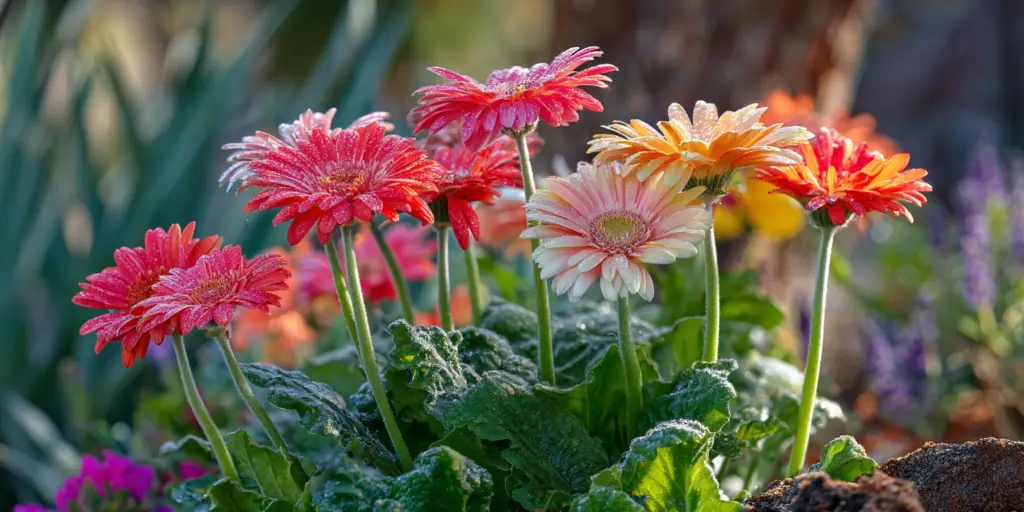
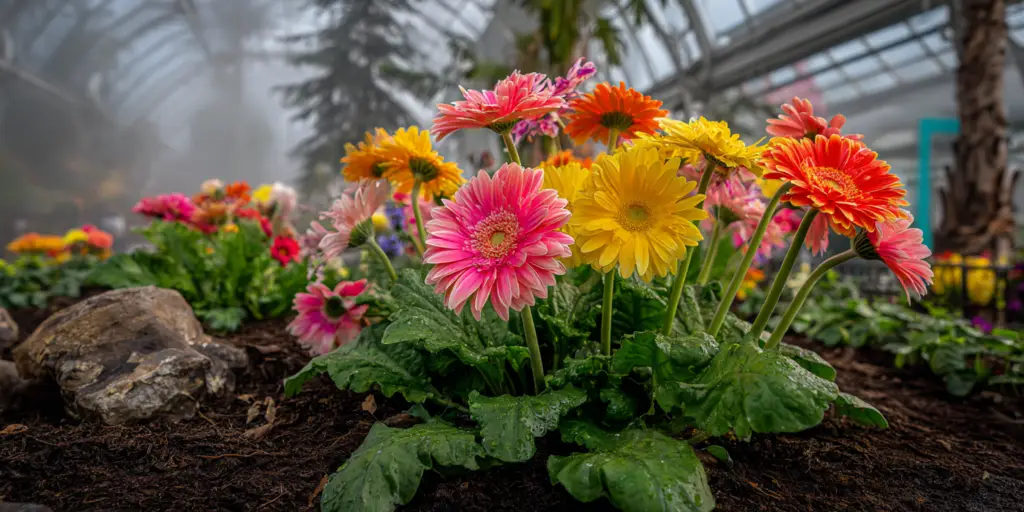
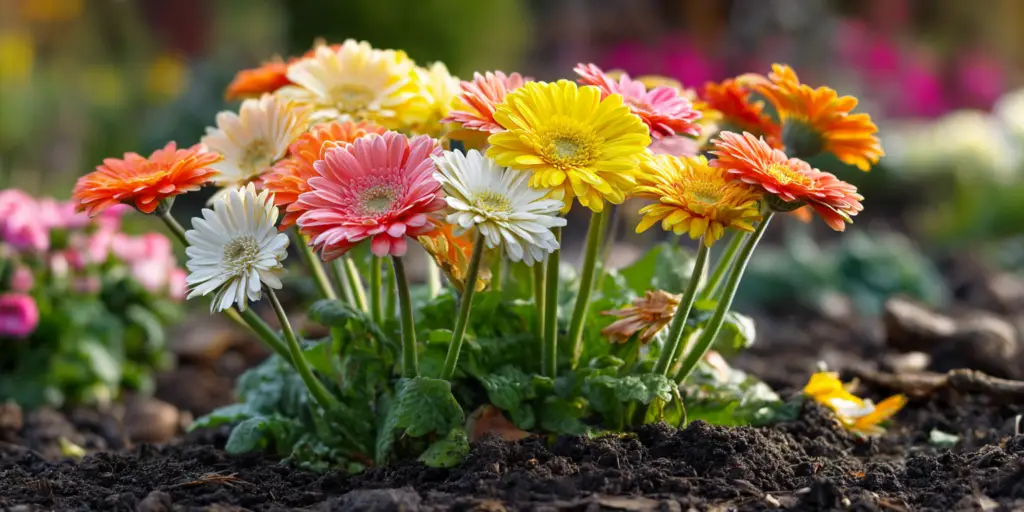
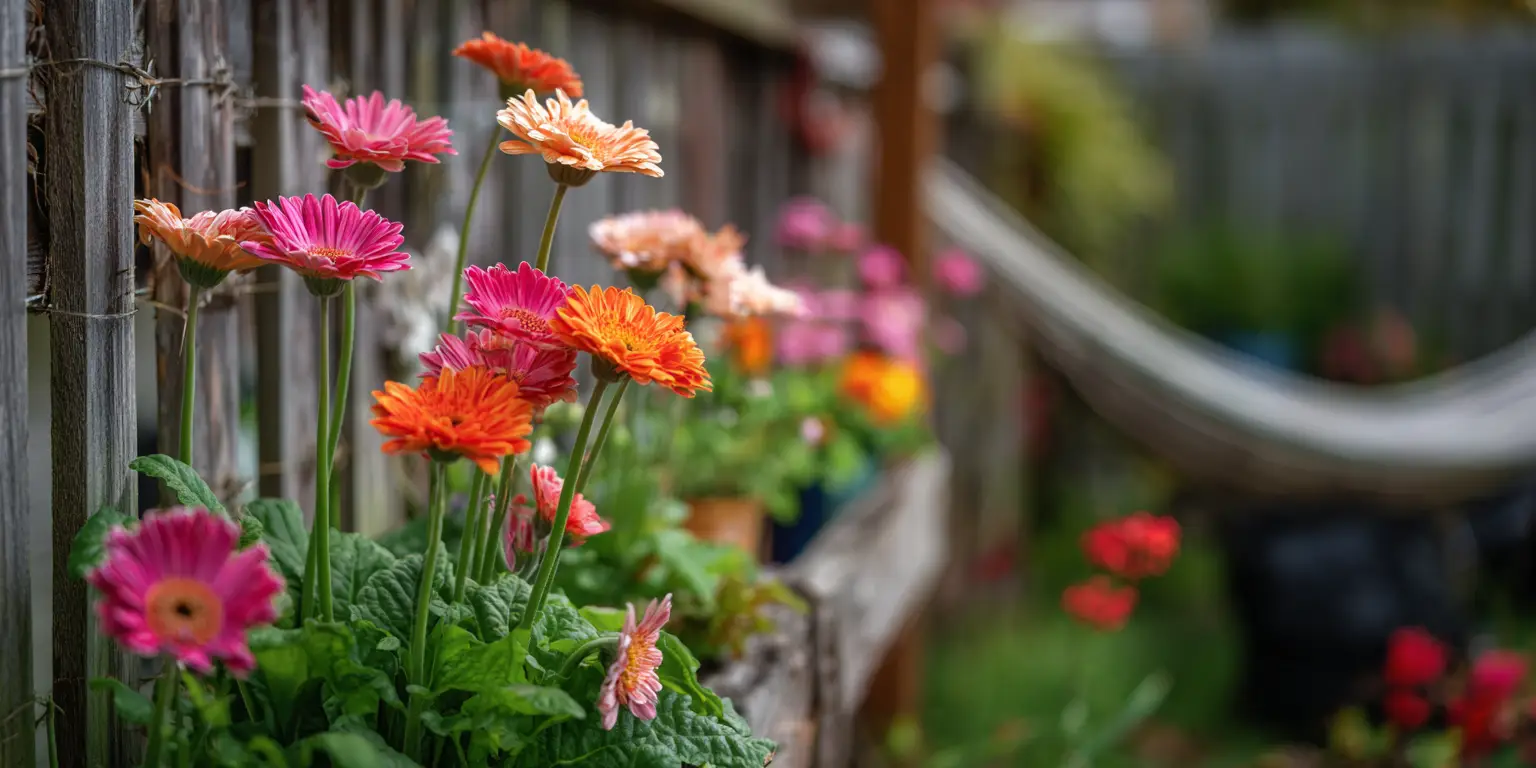
Gerbera Daisies are beloved not only for their beauty but also for their versatility and relative ease of care. They have a tidy growth habit, forming a low rosette of leaves from which sturdy flower stems emerge, making them suitable for flower beds, borders, and container gardens alike. The blooms often measure 3 to 4 inches across, showcasing intense hues of red, orange, yellow flowers, and pink flowers (though true blue flowers are absent in this genus, as they naturally lack blue pigment). This wide color range means Gerberas can complement many garden color schemes. Whether you want a rainbow of shades or a coordinated theme, these daisies can fit in. Their presence in the garden can attract butterflies and other pollinators with an open, daisy-like floral form. Overall, the Gerbera Daisy offers a combination of striking aesthetics and manageable care requirements that make it a favorite among both home gardeners and florists.

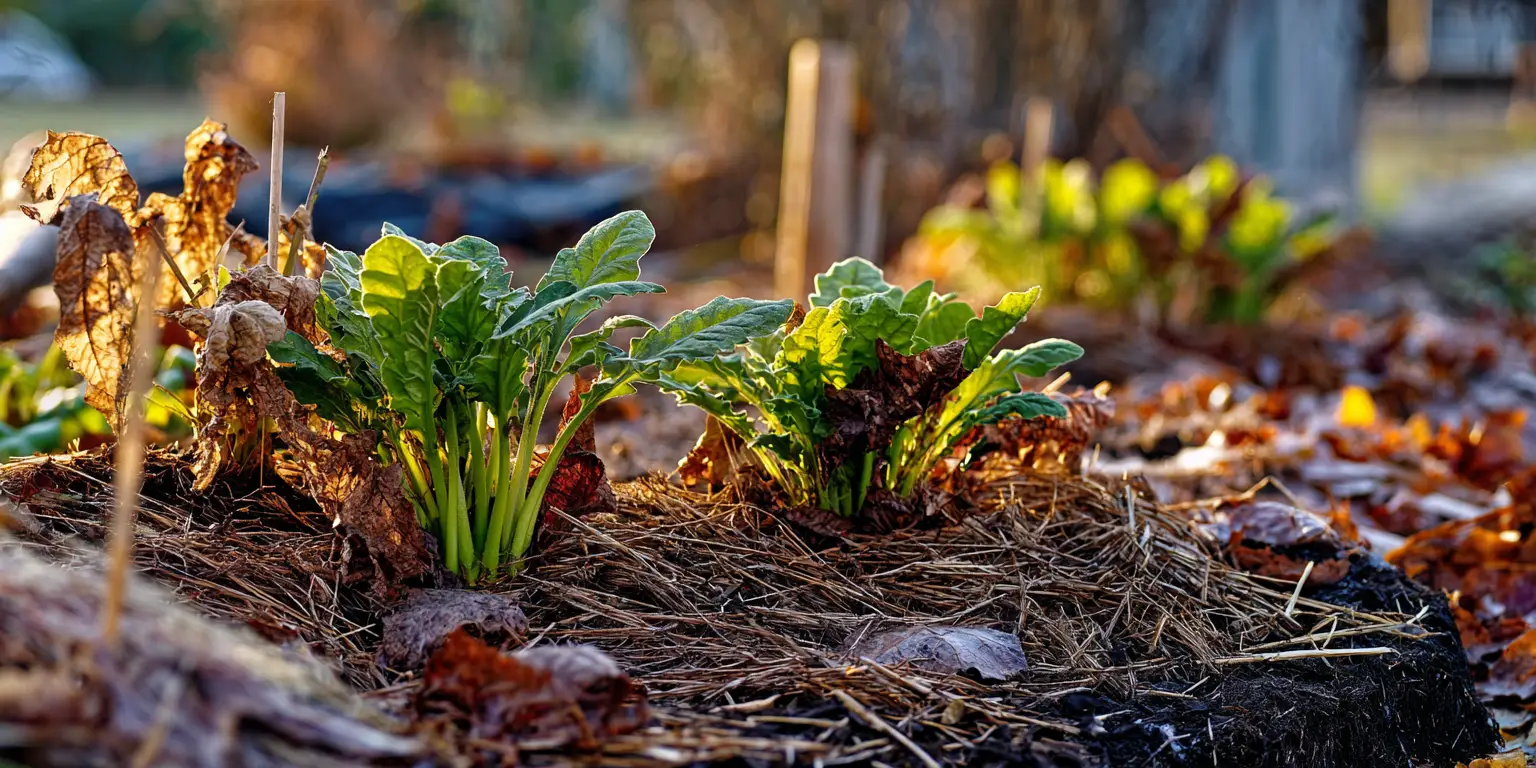
A clear, step-by-step guide to soil, planting, watering, feeding, pruning, and winter care. Includes zone timing, container tips, companions, and quick fixes for common problems.

Bouquet Ideas
Explore simple, beautiful bouquet ideas for the home, gifts, and special occasions from romantic mixes to clean, minimal styles. Each idea includes suggested flower combinations, color palettes, and sizes, with photos for quick inspiration.
🌱 Taxonomy and origin
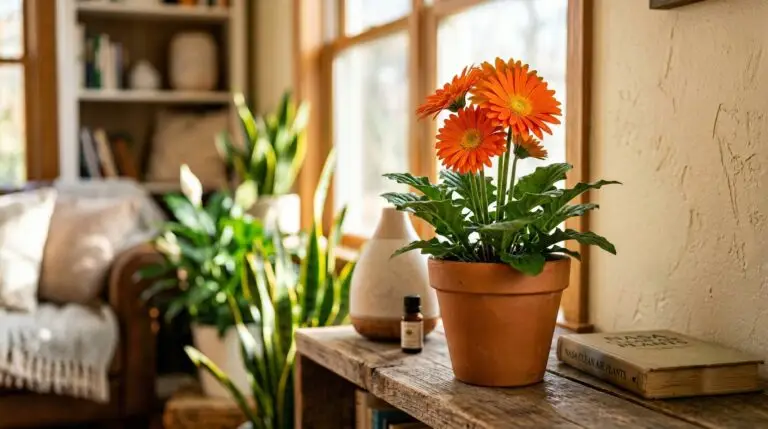
Botanically, the Gerbera Daisy is classified as Gerbera jamesonii (and related hybrid cultivars) in the Asteraceae family (commonly known as the daisy or aster family). This places Gerbera alongside relatives like sunflower and zinnias, which similarly have composite flower heads and bright, showy petals. The genus name Gerbera honors the 18th-century German naturalist Traugott Gerber. Gerberas are indigenous to parts of South Africa and were first recorded in the late 19th century near Barberton, giving rise to the common name “Barberton daisy” (or Transvaal daisy). Over time, breeders developed numerous hybrids and cultivars by crossing Gerbera jamesonii with other Gerbera species, resulting in today’s wide array of colors and flower forms. The modern Gerbera Daisy varieties grown in gardens and greenhouses around the world are largely these hybrids, selected for their vibrant colors and strong stems.
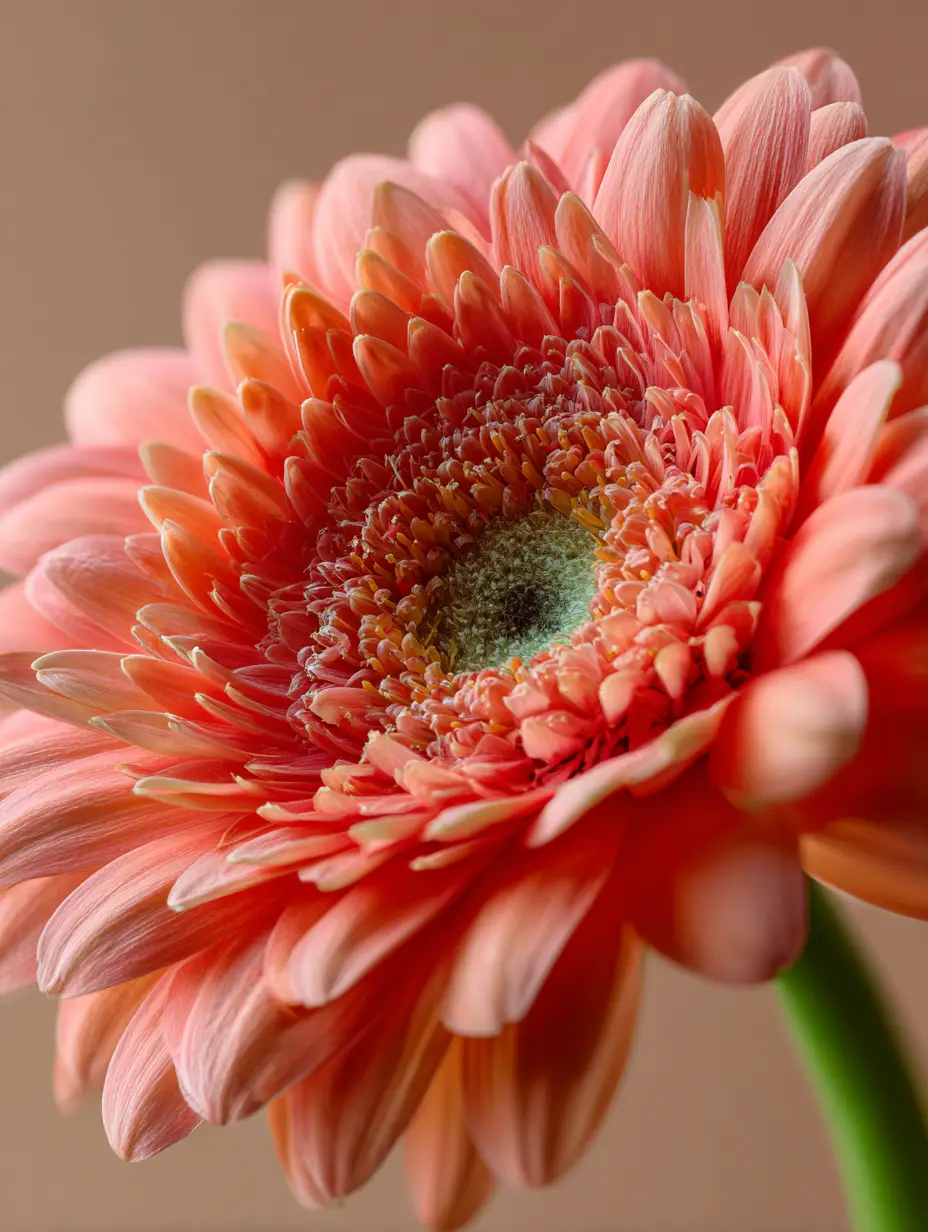
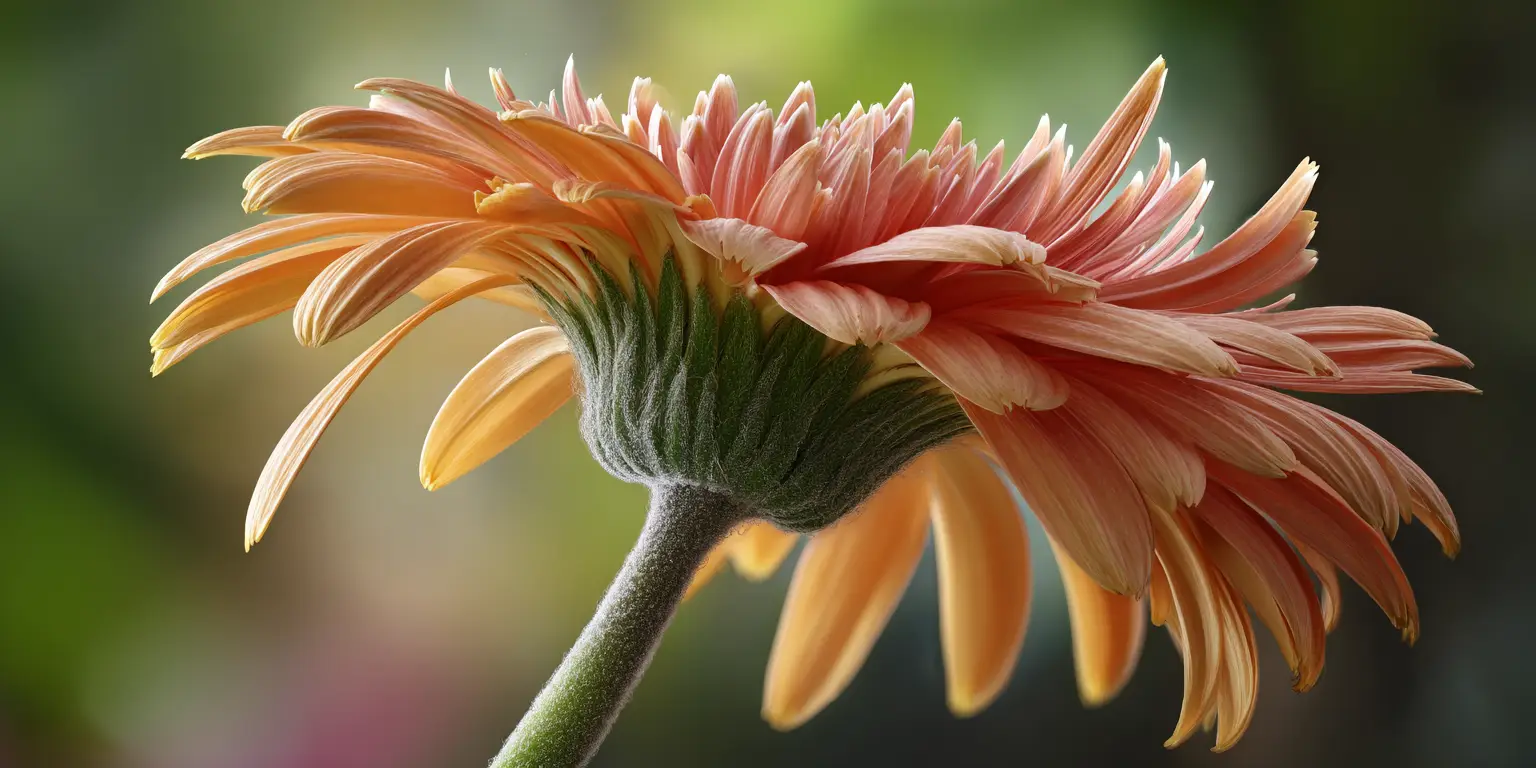
Gerbera’s African origin means it evolved in a climate with warm temperatures and moderate rainfall. Today, it is cultivated globally in suitable climates and often grown in controlled greenhouse environments for the cut flower industry. Its adaptability to container culture also makes it a popular houseplant or patio plant in regions beyond its hardy zone. Taxonomically, aside from G. jamesonii, there are about 30 species in the Gerbera genus, but almost all ornamental gerberas seen in commerce are hybrids derived from a few key species. The plant’s structure is typical of the daisy family: what appears to be a single flower is actually an inflorescence called a capitulum, composed of central disk florets and surrounding ray florets. This botanical trait underlies the Gerbera Daisy’s classic appearance and links it to its aster family kin.
🌸 Bloom time
Gerbera Daisies have a generous bloom period, providing color in the garden for an extended season. Outdoors, they typically start flowering in late spring or early summer once temperatures warm, and can continue to produce blooms through summer and into the fall. With proper care (including regular deadheading of spent flowers and consistent moisture), a healthy Gerbera Daisy will keep generating new flower buds in successive waves. Each bloom can last for several weeks on the plant, especially in mild weather, ensuring a continuous display. In regions with very hot summers, flowering might slow during peak heat, then pick up again as temperatures moderate in late summer or early autumn.
Gardeners in frost-free or mild winter climates may even enjoy year-round flowering from Gerbera Daisies, as these plants do not have a strict dormancy if conditions remain favorable. In colder zones where they are grown as annuals, the bloom show is concentrated in that single growing season, typically from the planting time in spring until the first autumn frosts. Indoors or in greenhouse settings, Gerberas can also bloom at various times of year when given enough light. Overall, the bloom time for Gerbera Daisy is long and rewarding, making it a valued plant for continuous color. Regular maintenance like removing faded blooms and avoiding excessive heat stress will maximize the flowering potential throughout its growing season.
📏 Height and spread
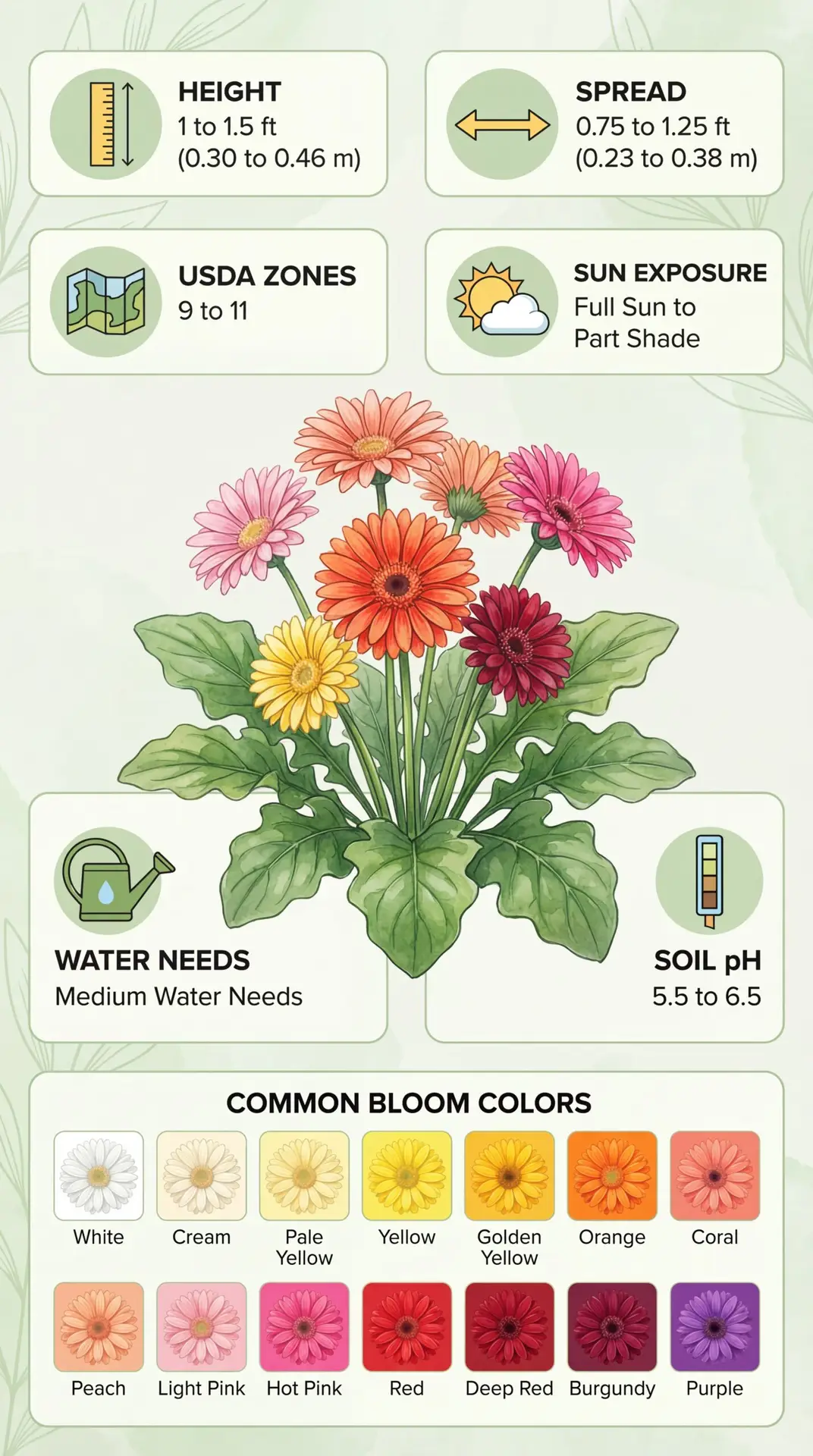
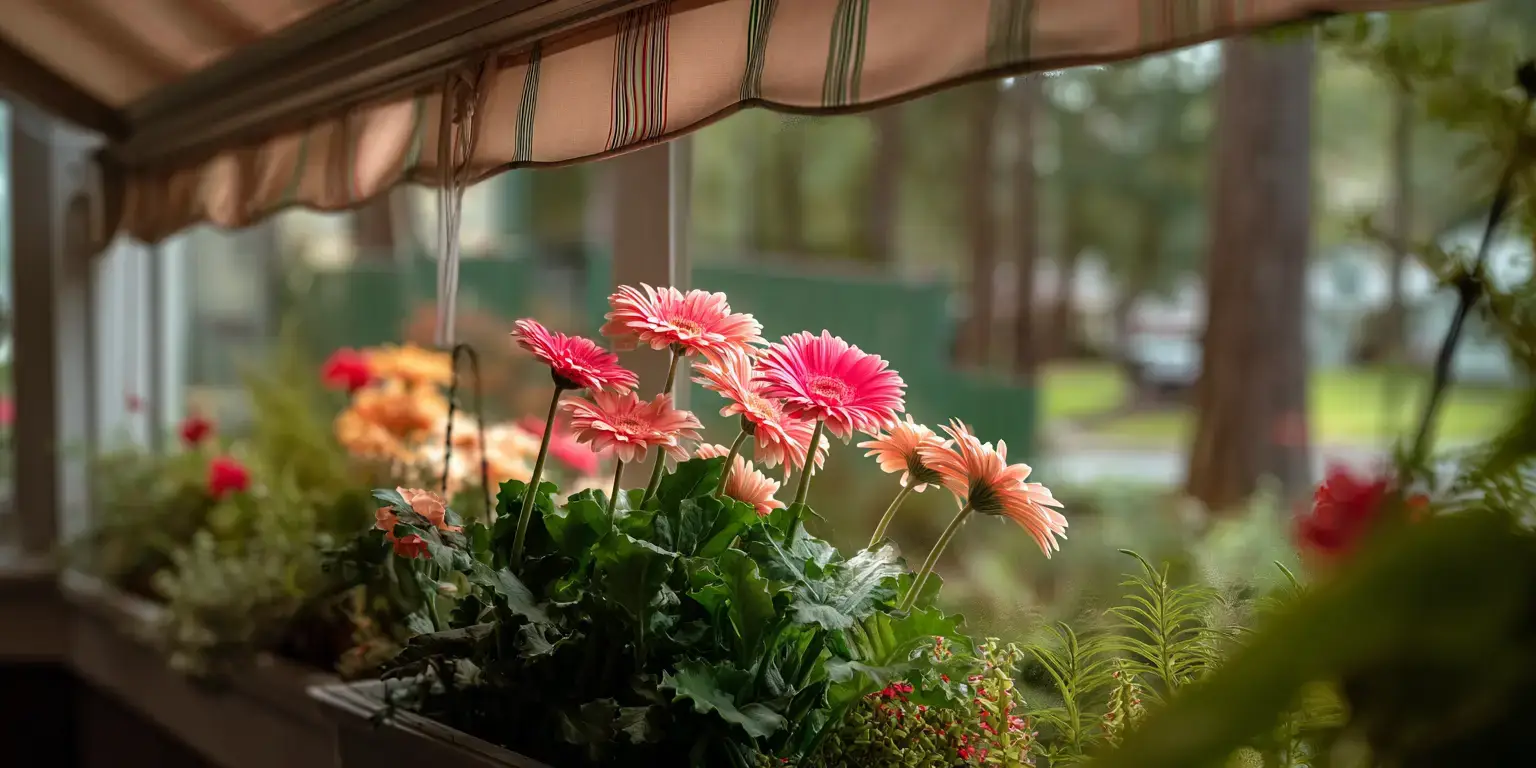
Gerbera Daisy plants maintain a compact size, making them easy to fit into gardens and containers. A mature Gerbera typically reaches about 10 to 18 inches in height (approximately 25 to 45 cm) when in bloom. The majority of this height comes from the flower stalks, as the leaves form a low basal rosette. The leafless flower stems rise about 6 to 12 inches above the foliage, each supporting a single striking bloom. In terms of spread, an individual Gerbera Daisy plant usually spans about 9 to 12 inches across (roughly 23 to 30 cm) as a clump. The foliage consists of lobed, slightly hairy green leaves that can grow around 8 to 10 inches long, radiating outward from the plant’s crown.
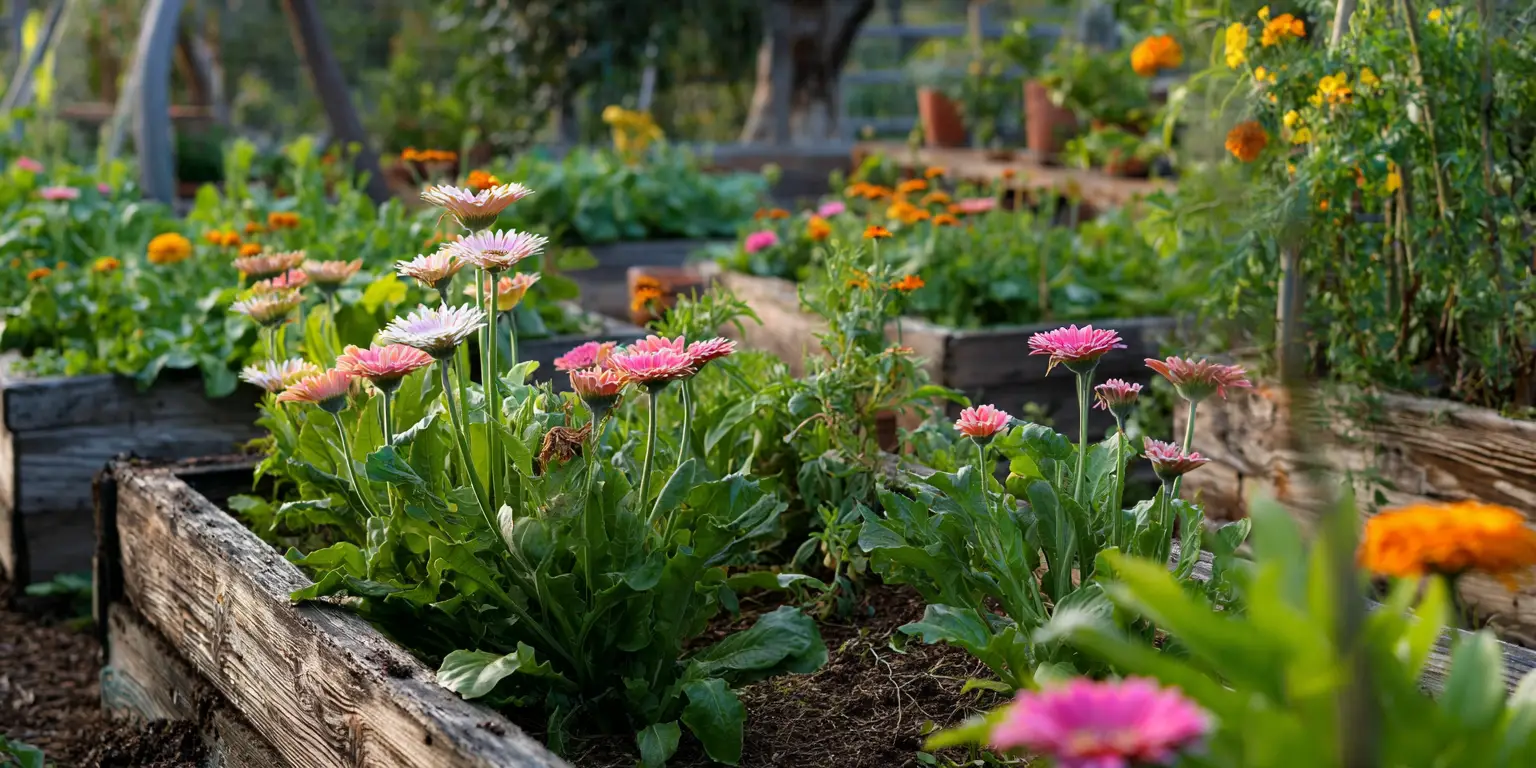
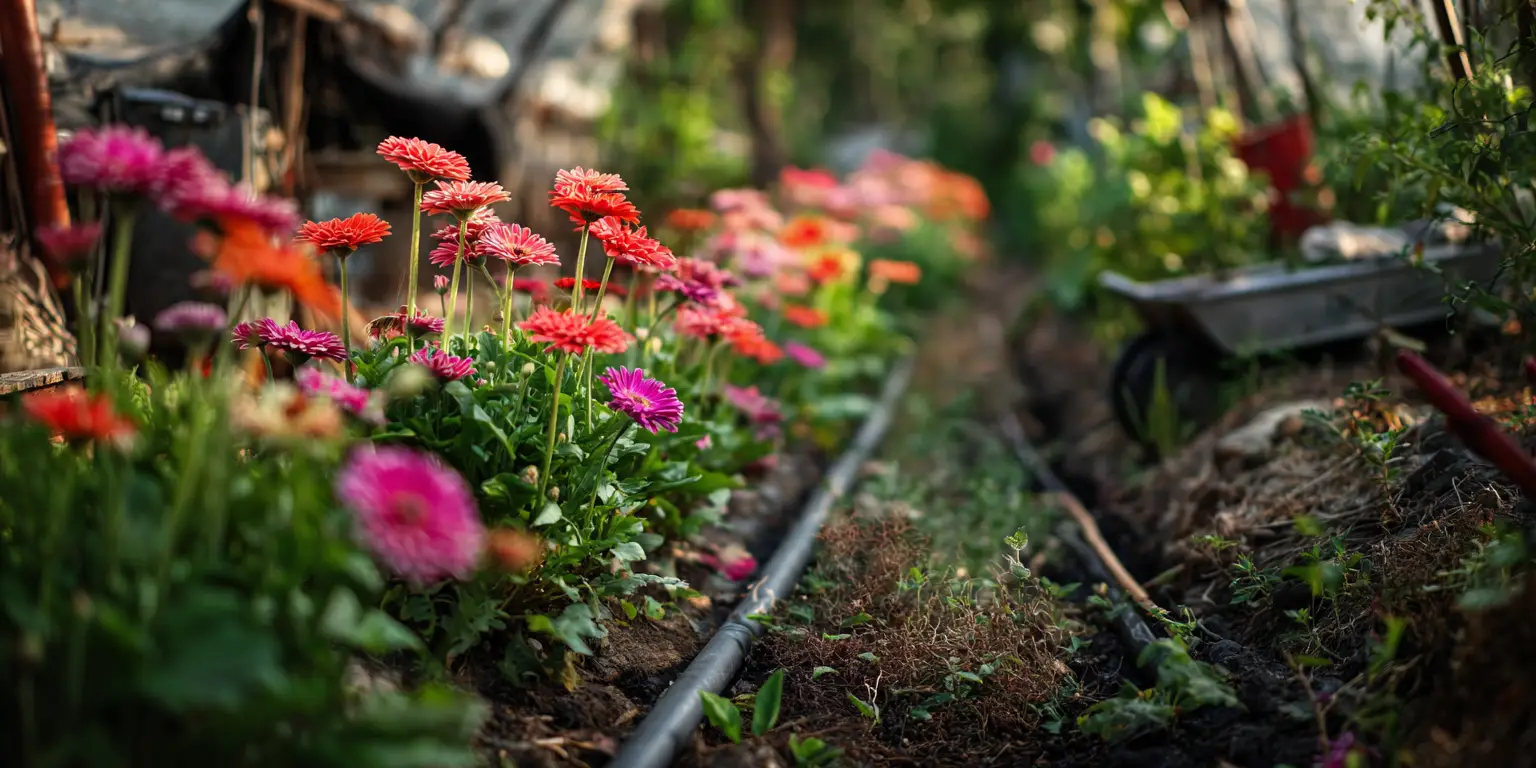
Because Gerbera Daisies grow in a clumping habit rather than vining or sending out runners, they tend to stay where planted without becoming invasive. Over time, a healthy plant might slowly enlarge in diameter as it produces more leaves and perhaps offsets near the base, but it remains a well-contained perennial. Gardeners often space Gerberas about 12 inches apart to allow each plant room to breathe and to show off its blooms without overcrowding. Their moderate height and spread also make them suitable for front or middle positions in mixed borders. In containers, their size is easy to manage; a single plant can thrive in a pot as small as 8 to 10 inches in diameter, or several can be grouped in a larger planter for a fuller display.
☀️ Light
As sun-loving blooms, Gerbera Daisies perform best with ample sunlight, though some shade is beneficial in certain climates. Ideally, they should receive full sun for at least 6 hours per day, especially in the morning and early afternoon. In cooler regions or during mild seasons, full sun exposure encourages abundant flowering and robust growth. The plants will stretch toward light if kept in too dim a location, so providing sufficient sun is key to avoid leggy growth and lackluster bloom production. However, in very hot or dry areas, intense midday and afternoon sun can cause stress, scorched leaves, or faded flowers. In such environments (for example, in the American South or Southwest during summer), Gerberas appreciate partial shade during the hottest part of the day.
A practical approach is to plant Gerbera Daisies where they get bright morning sun and some protection from harsh afternoon rays. This might be on the east side of a building or under the dappled light of a high tree canopy after 1-2 pm. If growing in containers, you can move pots seasonally or as needed to shield the plants when temperatures soar. Indoors, a bright south or east-facing window can suffice, though indoor plants may not bloom as profusely without the intensity of outdoor light. Overall, providing the right balance of light (plenty of sun but avoiding extreme all-day heat) will ensure Gerbera Daisies produce their signature vivid blooms and remain healthy.
💧 Water
Gerbera Daisies require moderate watering and prefer consistently moist but well-drained soil. They are not drought-tolerant perennials, so it’s important to supply water regularly, especially during hot or dry weather. As a general guideline, aim to provide roughly 1 inch of water per week (including rainfall) for established plants. The soil should be kept evenly moist, meaning it should not be allowed to dry out completely between waterings; at the same time, avoid waterlogging the soil, as soggy conditions can lead to root and crown rot. A good practice is to let the top inch of soil become dry to the touch before watering deeply again. This ensures roots get moisture without sitting in stagnant water.
When watering Gerbera Daisies, try to water at the base of the plant rather than overhead. Wetting the foliage frequently (especially in the evening) can encourage foliar diseases like powdery mildew or invite pests. Using a soaker hose or watering can directed at soil level is ideal in garden beds. In containers, ensure pots have drainage holes to prevent water accumulation around the roots. During the peak of summer, you might need to water potted Gerberas daily, whereas in cooler or rainy periods, far less supplemental watering is necessary. Observe your plants: wilting leaves or drooping flower stalks can indicate the need for water, while yellowing leaves or a limp crown may signal overwatering. By adjusting your watering routine to the weather and the plant’s needs, you can keep Gerbera Daisies hydrated and thriving without issues.
🌍 Soil and pH
Soil quality is a critical factor in successfully growing Gerbera Daisies. They thrive in well-draining, fertile soil that is rich in organic matter. Amend garden beds with compost or well-rotted manure to improve both nutrition and drainage, especially if your native soil has heavy clay or is too sandy. Good drainage is absolutely essential: standing water around Gerbera roots can quickly cause the plant’s crown to rot. If your soil tends to stay soggy, consider raising the planting area into a mound or using containers and raised beds. A slightly elevated crown (where the stem meets the roots) also helps prevent moisture from accumulating at the base of the plant.
Gerberas prefer a slightly acidic to neutral soil pH, roughly in the range of 5.5-6.5. At this pH range, nutrients like iron and manganese are readily available, which keeps the plant’s foliage green and healthy. If the pH climbs too high (too alkaline), Gerbera leaves may show yellowing (chlorosis) due to micronutrient deficiencies. Gardeners sometimes treat Gerberas similarly to other acid-loving ornamentals; for instance, just as hydrangea macrophylla benefits from acidic conditions to maintain blue blooms, Gerbera Daisies perform best in mildly acidic soil (though unlike hydrangeas, altering soil pH will not change a Gerbera’s flower color, which is genetically determined). Conducting a soil test can help you adjust pH and fertility appropriately before planting. In container culture, using a quality potting mix labeled for flowers (often slightly acidic) will provide a good starting point. Overall, by ensuring soil is loose, nutrient-rich, and slightly acidic, you set the stage for vigorous growth and plentiful blooms.
❄️ USDA hardiness
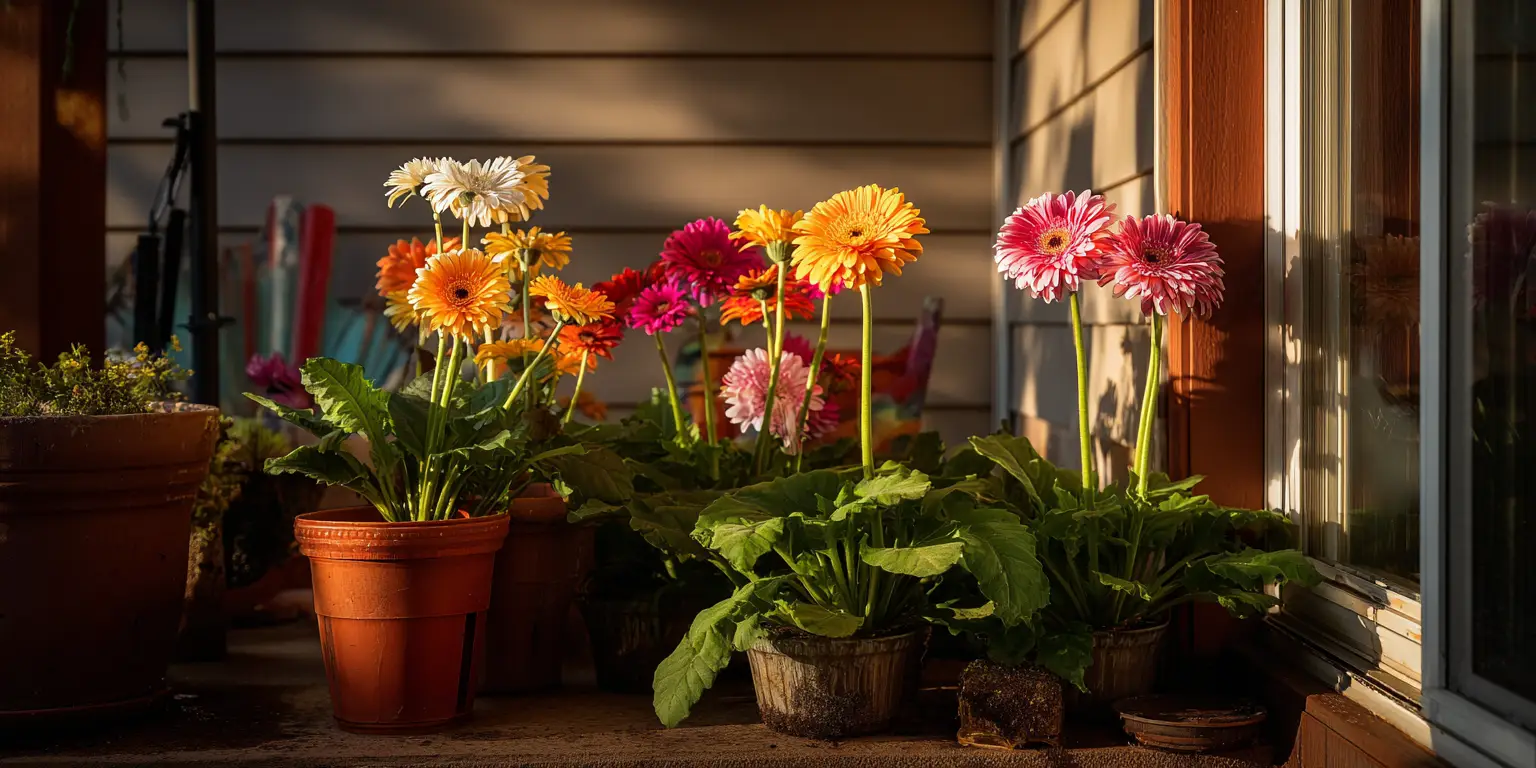
In terms of cold tolerance, Gerbera Daisies are considered tender perennials in the United States. They are winter-hardy outdoors in approximately USDA hardiness zones 8 through 10 (some cultivars may survive in zone 7 with protection, but generally zone 8 is the safe threshold). In these warmer zones, Gerberas can be planted in the ground and, with mulching and careful winter care, may regrow each spring for several years. Gardeners in zone 8 often mulch heavily over the crown in late fall to insulate the plant from occasional freezes. In zones 9 and 10 (such as parts of the Southeast, West Coast, and Gulf Coast), winter conditions are mild enough that Gerbera Daisy can live as a perennial without special measures, aside from providing cover during unusual cold snaps if needed.
In colder regions (zones 7 and below), Gerbera Daisies are usually treated as annuals in the outdoor garden. Frost will damage and kill the foliage, and freezing temperatures can kill the plant entirely since it does not have a deep dormancy or woody structure to withstand hard freezes. However, gardeners in these regions can still enjoy Gerberas by planting fresh seedlings or potted specimens each spring after the last frost. Another option is to grow them in pots and bring those containers indoors or into a greenhouse before the first autumn frost. Kept in a cool, bright location (around 45-60°F, or 7-15°C) with minimal watering, potted Gerberas can overwinter and then be moved back outside in spring. Understanding your local climate and USDA zone helps determine whether Gerbera Daisy will behave as a long-lived perennial or a seasonal annual in your garden.
🌼 Propagation and longevity
Gardeners have several options when it comes to propagating Gerbera Daisies. One common method is growing them from seeds, which are readily available for many hybrid varieties. Starting Gerbera from seed requires some patience: the seeds germinate best with light (so they should be sown on the soil surface) and warm temperatures around 70°F (21°C). Typically, seeds are started indoors in late winter, about 12-18 weeks before the last spring frost, to have blooming-sized plants by summer. Keep in mind that seeds collected from hybrid Gerberas may not produce offspring true to the parent’s color or form, since they often cross-pollinate and have mixed genetics. Nonetheless, germination usually occurs within 2-4 weeks under ideal conditions, and seedlings can be transplanted outdoors after they grow a few true leaves and all danger of frost has passed.
Aside from seeds, Gerbera Daisies can be propagated vegetatively by division or cuttings. Mature plants sometimes develop multiple crowns or offshoots that can be gently dug up and divided. Division is best done in spring when new growth begins; each division should have a portion of the root system and at least one growing crown. After replanting, these divisions often establish quickly and resume blooming within a season. Cuttings are a bit more challenging but possible: gardeners can take basal shoot cuttings (young offshoots that appear near the base of the plant) in summer, treat them with rooting hormone, and plant them in a moist rooting medium until they develop roots. This method is often used commercially (along with tissue culture), but home gardeners generally find seed or division simpler.
Regarding longevity, individual Gerbera Daisy plants can live for several years under favorable conditions, though they are sometimes grown as short-lived perennials. Many hybrids tend to be most vigorous in their first 2-3 years, with blooming performance declining as the plant ages. Regularly dividing overcrowded clumps every few years can rejuvenate them and extend their lifespan by providing fresh growing medium and reducing competition among crowns. Some gardeners treat Gerberas as annual bedding plants, replacing them each year to ensure the garden display stays strong. But with careful care (including appropriate feeding, pest management, and protection from extreme winter cold), a Gerbera Daisy can remain an attractive part of the garden for multiple growing seasons.
👃 Fragrance
Despite their bold and colorful appearance, Gerbera Daisies are not particularly known for fragrance. Most gerbera blooms are virtually scentless, lacking the sweet perfumes that some other flowers are prized for. This contrasts with highly aromatic flowers like roses or lavender, which can fill a garden with noticeable fragrance. The absence of scent in Gerbera Daisies is not a flaw but rather a natural characteristic; these plants evolved to attract pollinators primarily through visual cues (bright colors and large flower heads) instead of strong fragrance. For gardeners or bouquet recipients who are sensitive to strong floral scents, the gerbera’s neutral fragrance can actually be a benefit. It provides beauty without overwhelming the senses or triggering allergies.
It’s worth noting that because Gerbera Daisies don’t have a notable smell, they don’t generally attract as many insect pests in search of nectar by scent alone, though their pollen and bright colors do invite bees and butterflies by sight. When mixed in arrangements with fragrant blooms, gerberas won’t clash or contribute to the scent profile, allowing the other flowers’ perfumes to take center stage. There have been occasional efforts by breeders to introduce a slight scent to gerberas, but by and large the commercial varieties remain unscented. So while a freshly cut gerbera daisy might have a very faint green or earthy note if one sniffs close, it lacks any distinct floral perfume. Gardeners should plant gerberas for visual appeal rather than fragrance, pairing them with other scented flowers if aroma is desired in the planting space.
⚠️ Toxicity and pet safety
The good news for pet owners and parents is that Gerbera Daisies are considered non-toxic. According to the ASPCA and other plant toxicity databases, Gerbera jamesonii does not contain harmful compounds that would seriously poison cats, dogs, or horses. This means if a curious cat or puppy takes a bite out of a gerbera leaf or flower, it is unlikely to experience anything more than mild stomach upset (if even that). Gerberas stand in contrast to many common ornamental flowers that can cause illness in pets. For instance, certain lilies can be lethal to cats, and other blooms like oleander or foxglove are highly poisonous if ingested. With Gerbera Daisy, one can enjoy its beauty indoors in a vase or outdoors in the garden without the same level of worry about pet safety.
Of course, it’s still wise to discourage pets (and small children) from chewing on any ornamental plant, both to protect the plant and to prevent any throat irritation or minor digestive upset that might result. Some animals could have individual sensitivities or choke on fibrous plant material. But overall, Gerbera Daisies are regarded as a safe choice for gardens frequented by pets. Even so, if a large quantity of any plant is consumed, it’s prudent to monitor the pet for any unusual symptoms. In normal use cases (such as a bouquet of gerberas on the table or a pot of gerbera growing on the patio), these flowers pose no toxicity hazard. This pet-friendly quality adds to the Gerbera’s appeal as an ideal flower for homes and gardens alike.
🌿 Vase life
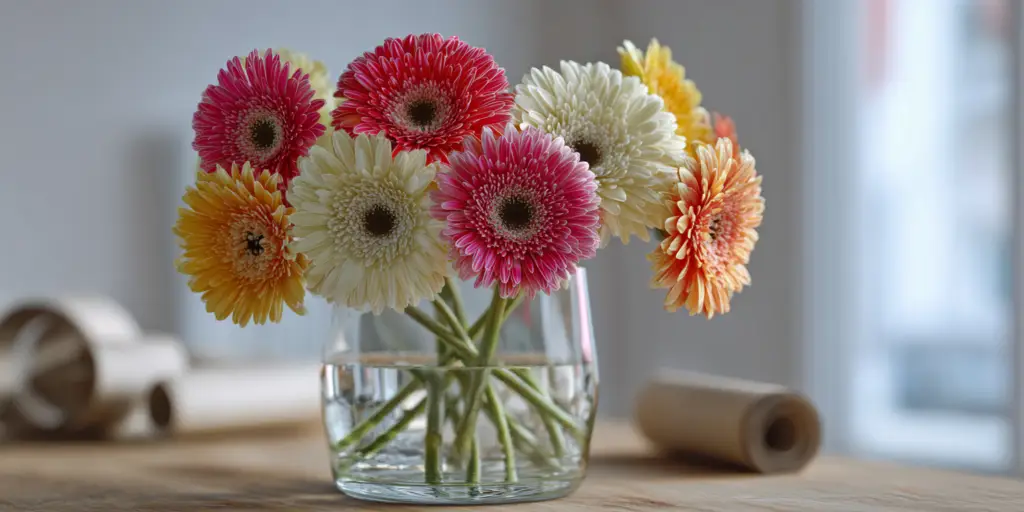
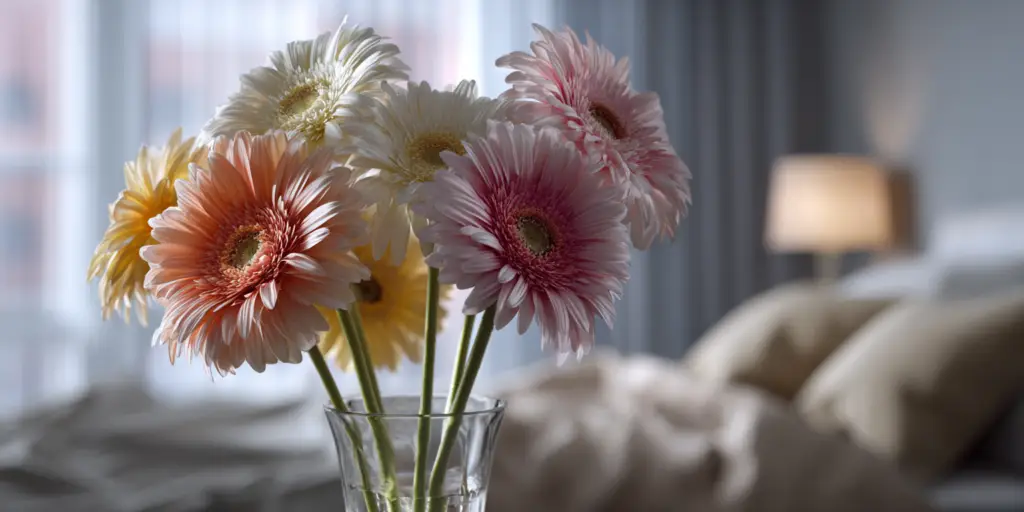
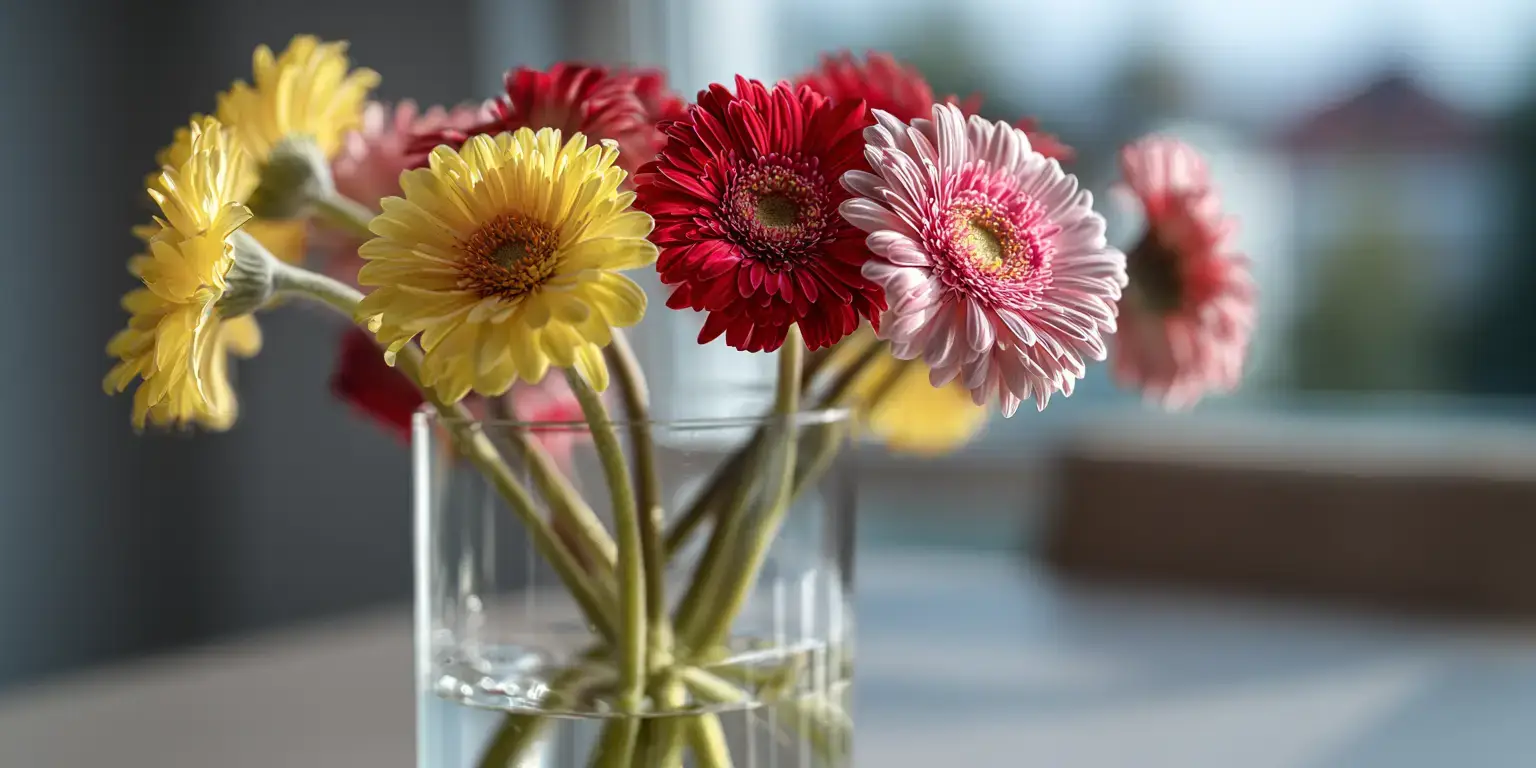
Gerbera Daisies are highly popular as cut flowers, not only for their dazzling appearance but also for their respectable vase life. When harvested and cared for properly, gerbera blooms can last around 7 to 10 days in a vase, with many maintaining a fresh look for up to two weeks. This longevity rivals that of other long-lasting cut flowers. Florists often handle Gerberas carefully to maximize their vase life: the flowers are typically harvested when almost fully open and immediately placed in clean water with floral preservative. One notable characteristic is their hollow, leafless stem, which can be prone to bending or drooping. To counteract this, floral designers sometimes insert thin wires into the stems or use special straws or stem supports to keep the flowers upright in arrangements.
For home displays, you can extend the vase life of Gerbera Daisies by following a few tips. First, re-cut the stems at a sharp angle under water to ensure good water uptake and to remove any blocked or dried-off stem ends. Place the flowers in a clean vase filled with fresh water, and mix in the packet of floral food (preservative) if provided. Keep the vase in a cool location away from direct sunlight and heat sources; cooler room temperatures help the blossoms last longer. It’s also important to change the water every couple of days because gerbera stems can release sap and foster bacteria that cloud the water and shorten the life of the blooms. Each time you change the water, trim a small portion off the stem ends to refresh their uptake. With this care, the vivid daisy faces of the gerbera will brighten your room for many days, making them an excellent choice for bouquets and centerpieces that need to last.
🐛 Pests and diseases
Gerbera Daisies, like most garden plants, can occasionally run into problems with pests or diseases, especially when conditions are not ideal. On the pest side, common culprits include aphids, whiteflies, spider mites, and thrips. These small insects often target the leaves and flower buds. Aphids might cluster on new growth, sucking sap and causing curled or yellowed foliage. Whiteflies are tiny white-winged insects that flutter up when the plant is disturbed, and they also feed on sap, causing leaves to yellow and weaken. Spider mites are microscopic arachnids that thrive in hot, dry conditions, leaving fine webbing and speckled, bronzed leaves. Thrips are slender, hard-to-see insects that can feed on both leaves and flowers, sometimes causing distorted petals or streaks on blooms. Keeping plants healthy and well-watered (but not overwatered) helps them resist pest infestations, as stressed plants are more vulnerable. At the first sign of pest trouble, gardeners can spray the Gerbera Daisy with a strong jet of water to dislodge insects, or use insecticidal soap or neem oil, applied in the cool of evening, to control heavier infestations. It’s important to follow label instructions and avoid spraying when bees are actively foraging on the flowers.
Diseases in Gerbera Daisy are often linked to excess moisture and inadequate airflow. Fungal diseases such as powdery mildew, Botrytis (gray mold), and various root or crown rots can occur if conditions are consistently damp. Powdery mildew appears as a white, powdery coating on leaves, typically in humid weather with poor air circulation; while it seldom kills the plant by itself, it can weaken it and mar its appearance. Botrytis blight causes brown or gray fuzzy mold on flowers and leaves, often developing on spent blooms or damaged tissue especially in cool, wet conditions. The most serious issues are root rot and crown rot, caused by pathogens like Phytophthora and Pythium, which make the plant wilt, develop black/brown mushy bases, and eventually collapse.
Preventative care is the best defense. Plant gerberas with adequate spacing and in well-drained soil to avoid these problems, and avoid overhead watering late in the day. Remove any dead or diseased plant material promptly to prevent fungal spores from spreading. If root rot is detected (e.g., the plant is persistently wilted even with watering and roots appear blackened), it’s often best to discard the affected plant and improve the drainage before replanting. With attentive care (keeping leaves dry, soil well-drained, and regularly checking for pests), Gerbera Daisies can remain relatively problem-free. Any issues that do arise are usually manageable with timely intervention.

FAQ
Are Gerbera Daisies annuals or perennials?
Gerbera Daisies are tender perennials by nature, but whether they behave as annuals or perennials depends on the climate. In warm regions (roughly USDA Zone 8 and above), they can survive year after year outdoors, especially with winter mulching for protection in the cooler end of that range. In colder climates, however, they cannot tolerate freezing temperatures, so they are treated as annuals in the garden (planted each spring and then killed by frost in fall). Some gardeners in cold areas will overwinter Gerberas indoors in pots to keep them alive for the next season. Essentially, in frost-free conditions a Gerbera can be perennial, but in any area with harsh winter freezes it functions as an annual or must be brought indoors.
Can I grow Gerbera Daisies in pots or indoors?
Yes, Gerbera Daisies do very well in containers, and they can even be grown indoors with the right conditions. In fact, they are often sold as potted gift plants. Use a pot with good drainage holes and a light, rich potting mix. If keeping them as indoor houseplants, place them near a bright window where they can receive plenty of light (a south or east-facing exposure is ideal). Keep the soil evenly moist but not waterlogged, and ensure some humidity if indoor air is very dry. Do note that while Gerberas can grow and even bloom indoors, they tend to produce more flowers when grown outside or in a greenhouse where light levels are higher. Many people keep potted Gerbera Daisies outdoors in spring and summer, then bring them inside before frost to enjoy them a bit longer or try to maintain them until the next growing season.
How can I encourage my Gerbera Daisy to bloom more?
To get the most blooms from your Gerbera Daisy, make sure it’s getting enough sunlight; insufficient light is a common reason for poor blooming. Full sun (with some afternoon shade in very hot areas) will generally produce the best flowering. Secondly, maintain soil fertility: feeding your Gerbera with a balanced, water-soluble fertilizer every few weeks during the growing season provides the nutrients needed for continuous bloom production. Also, water the plant consistently – drought stress can cause the plant to stop forming new buds (just be careful to avoid overwatering, which can lead to root issues). Equally important is deadheading: removing spent flowers promptly. Use scissors or pruners to cut off the flower stem near the base once a bloom fades. This prevents the plant from putting energy into seed production and instead directs it toward new flowers. With ample light, proper feeding, regular watering, and diligent deadheading, your Gerbera Daisy should reward you with frequent blooms throughout its growing season.
Why are the leaves of my Gerbera Daisy turning yellow?
Yellowing Gerbera leaves can result from a few different issues, and figuring it out involves checking the plant’s growing conditions. One common cause is overwatering or poor drainage: if the roots stay waterlogged, the lack of oxygen can cause leaves to yellow (often starting with the lower leaves) and the plant to weaken. Make sure your soil drains well and that you aren’t watering too frequently. Conversely, a nutrient deficiency – particularly of iron in too-alkaline soil – can cause chlorosis, where leaf tissues turn yellow but veins remain green. In that case, feeding the plant with a fertilizer that includes micronutrients or adjusting the soil pH to a slightly acidic range can help the foliage green back up. If only the oldest bottom leaves are yellowing and new growth remains healthy, it may simply be the natural aging of the plant’s foliage. Regularly removing those spent leaves can improve the plant’s appearance.
Do Gerbera Daisies attract bees or butterflies?
Yes, Gerbera Daisies can attract pollinators such as bees and butterflies. Their large, open-faced blooms provide an easily accessible landing pad and a visible target with bright colors. While Gerberas don’t produce a heavy fragrance, they offer pollen (and some nectar) in their central disk florets, which can be a food source for many beneficial insects. Gardeners often notice butterflies perching on gerbera blooms, especially on sunny days when the flowers are fully open. Bees, including honeybees and native solitary bees, will also visit the flowers to collect pollen. If you want to maximize the pollinator appeal, choose single-flowered forms (as opposed to very double-petaled cultivars) because the more open the center, the easier it is for insects to reach the pollen and nectar. Overall, incorporating a few Gerbera Daisies into your flower bed can contribute to a pollinator-friendly garden. They might not be as magnetizing as some native wildflowers, but they certainly play a supportive role in feeding and attracting butterflies and bees.
Are Gerbera Daisies toxic to pets?
No. Gerbera Daisies are generally considered a safe, non-toxic choice for homes with pets. Reputable sources like the ASPCA list gerberas as non-toxic to cats and dogs, which means if a pet were to nibble on a leaf or flower, it shouldn’t suffer serious poisoning. This makes gerberas a pet-friendly alternative to many popular flowers that are hazardous (for example, ingesting even a small amount of a true lily can be deadly for cats). Of course, it’s best to discourage pets from chewing on any houseplants or outdoor ornamentals, just to prevent any mild stomach upset or damage to the plant. But you can rest easier knowing that if your dog or cat shows interest in a Gerbera Daisy in a bouquet or garden, it’s not in grave danger. If a very large amount were eaten, a pet might get an upset stomach, so always monitor any plant-eating behavior. Overall, Gerbera Daisies combine beauty with a low-toxicity profile, making them a welcome addition to pet-friendly gardening and decorating.
Interesting tips
Gerbera Daisies hold some interesting distinctions and uses in the world of flowers. They rank among the most popular cut flowers globally; in fact, Gerberas are often cited as the fifth most used cut flower in the world, following behind only roses, carnations, chrysanthemums, and tulips in popularity. This comes as no surprise since their bold form and spectrum of colors make them a florist’s favorite for cheerful bouquets and arrangements. You’ll frequently see Gerbera Daisies featured in festive events and floral displays. For example, they are a modern staple in many wedding color schemes and bouquet designs. Any comprehensive wedding flowers guide is likely to mention Gerberas as a bright, contemporary choice, alongside traditional blooms like calla lily and peonies. Their sturdy stems and long vase life ensure that arrangements stay vibrant during events and for days afterward, which is ideal for celebrations. Symbolically, Gerbera Daisies are associated with cheerfulness, innocence, and purity. In the language of flowers, giving a gerbera conveys sentiments of joy and happiness, much like the flower’s sunlit appearance suggests.
Another fascinating fact about Gerbera Daisies is their noted ability to improve indoor air quality. A NASA Clean Air Study found that potted Gerbera plants can help remove certain volatile organic compounds (VOCs) from indoor air. Specifically, potted Gerberas were shown to be effective at filtering toxins like benzene and trichloroethylene, as well as formaldehyde, making them not just beautiful but also functional houseplants. Of course, a few plants won’t replace an air purifier, but several Gerberas around the home can serve as a natural boost to indoor air quality. If grown indoors, a Gerbera can add a splash of color and potentially contribute to a healthier home environment.
Additionally, the breeding of Gerberas has led to various flower forms, from the classic single row of petals to semi-double and fully double blooms, and even uniquely spidery-petaled varieties. There is also a continual effort to breed Gerberas with new colors and patterns. While you can find vibrant reds, sunny yellows, and delicate cream or peach gerberas, one color you won’t find naturally is blue. Any truly blue Gerbera Daisy you encounter has been artificially dyed, as the plant lacks the genetic ability to produce blue pigments. This makes Gerberas part of a select club of flowers (like true lilies and tulips) that do not have any natural blue variety. All these aspects, from air-purifying talents to the rich tapestry of colors (minus blue), add to the allure of Gerbera Daisies and underscore why they continue to be cherished by gardeners and flower enthusiasts around the world.
Related Guides & Flowers
- Coneflower
Short description: A bold daisy look with a raised center cone, great for pollinators and summer color. - Coreopsis
Short description: Light, cheerful daisy style blooms that pair well with gerberas in beds and mixed borders. - Cosmos
Short description: Airy daisy like flowers on tall stems, a good companion for gerberas in a cut flower garden. - Calendula
Short description: Warm orange and yellow tones, great if you want a similar sunny palette with an easy growing annual. - Zinnias
Short description: Bright, bold heads that read similarly in bouquets, and often used as a gerbera alternative for summer arrangements. - Mexican Sunflower
Short description: Vibrant orange daisy style blooms with strong garden impact and great pollinator value. - Marigolds
Short description: Easy color and long season performance, useful for readers who want bright bedding color like gerberas.
References
- Clemson University HGIC, Gerbera Daisy Care
What it helps with: outdoor planting basics, spacing, sun exposure guidance. - University of Florida IFAS Gardening Solutions, Gerbera Daisy
What it helps with: soil recommendations, organic matter, light preference notes. - NC State Extension Plant Toolbox, Gerbera jamesonii
What it helps with: verified plant profile details and a clear toxicity note for pets (lists as non toxic for cats and dogs). - UC Davis Postharvest Technology Center, Gerbera Produce Facts
What it helps with: vase life and postharvest handling facts for cut flower sections. - Iowa State University Extension, caring for a potted Gerber daisy
What it helps with: indoor care guidance, light and watering basics for houseplant style readers.
Written by: Your Flowers Guide editorial team
We are a small independent group of flower lovers who research and review each guide using trusted horticultural and educational sources. Learn more about us