What loropetalum is
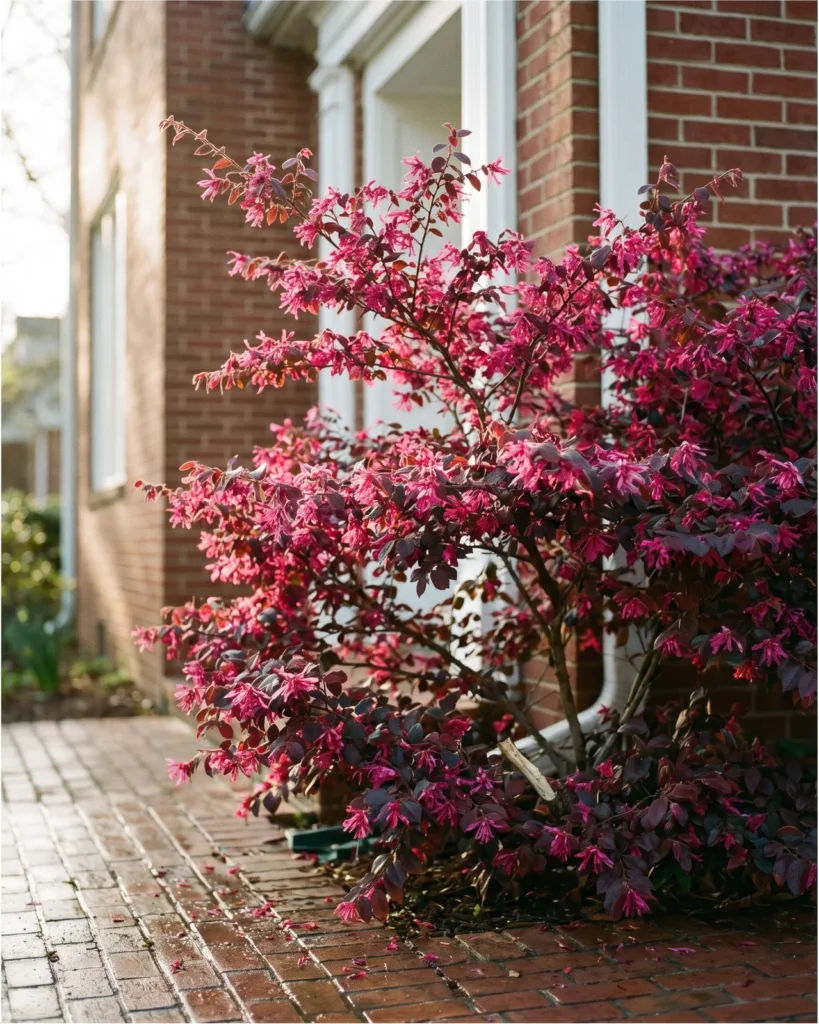
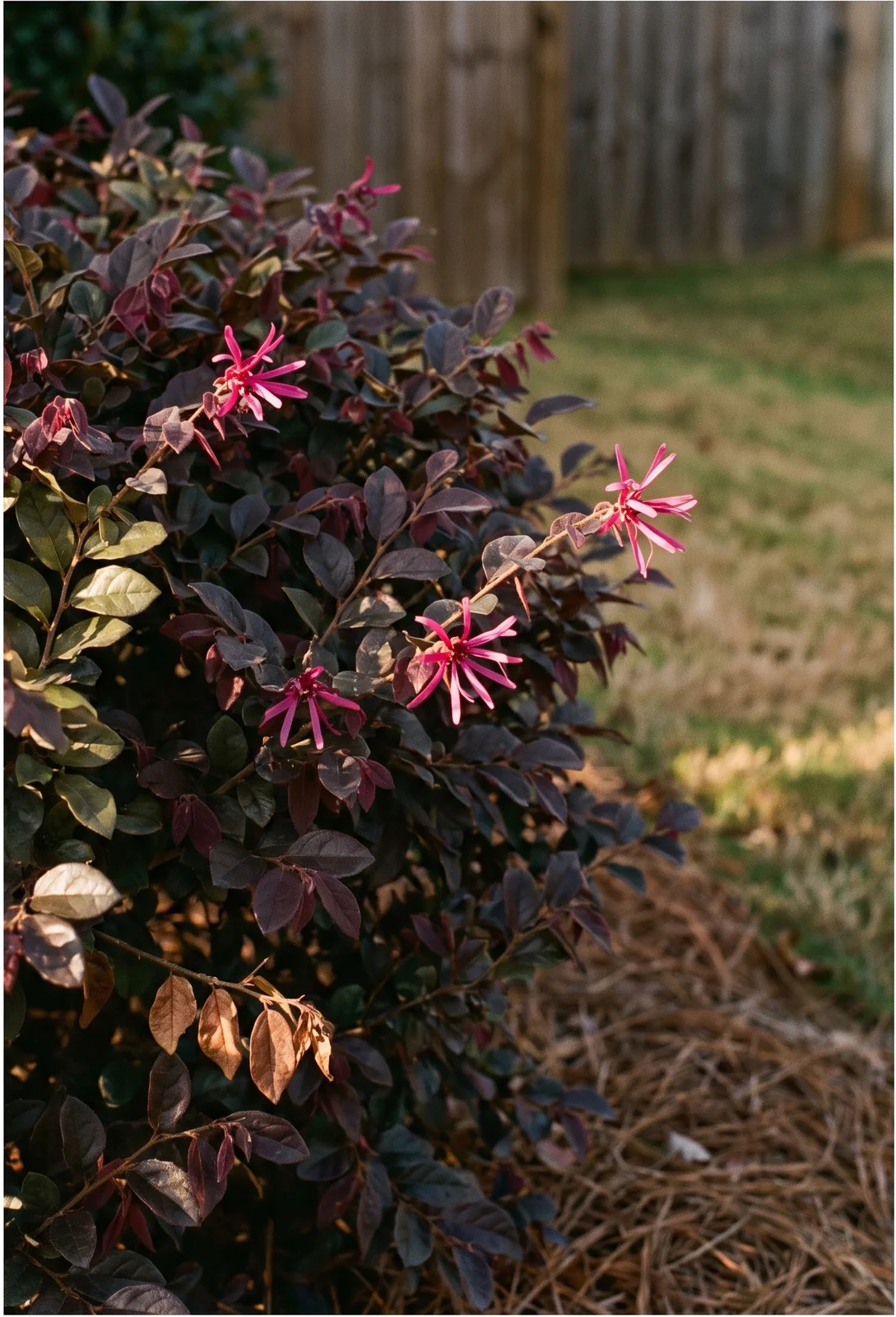
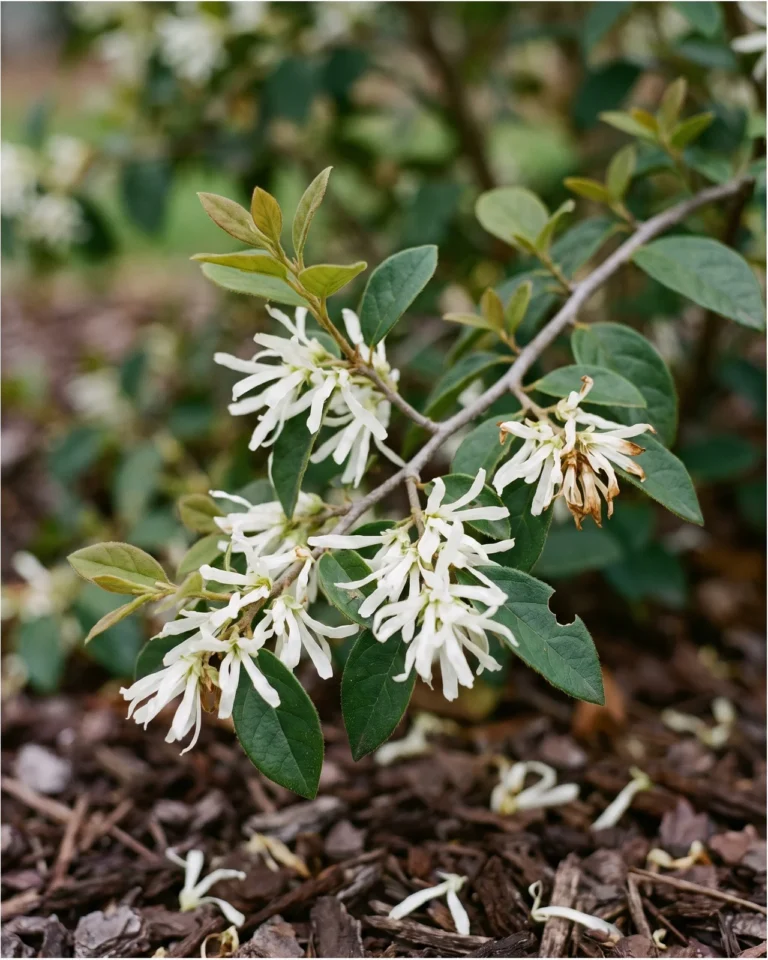
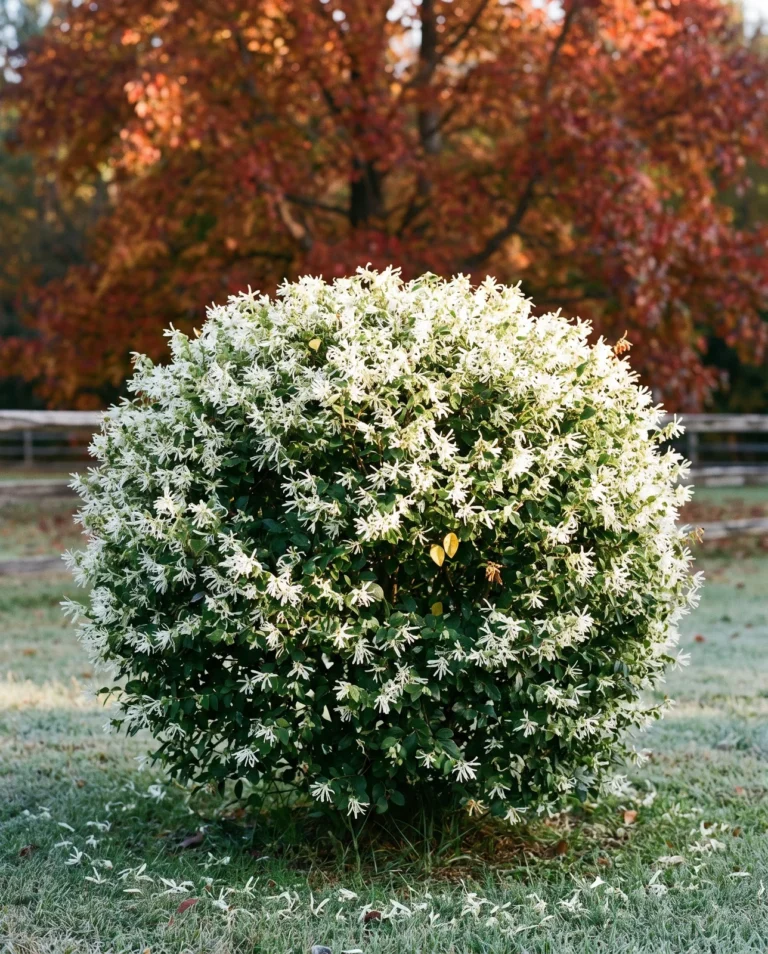
Loropetalum is a broadleaf evergreen to semi-evergreen shrub, sometimes a small tree, in the witch hazel family, native to woodlands and thickets in China, Southeast Asia and Japan. Gardeners call it Chinese fringe flower, and the fringe is literal: each head opens narrow crimped straps where most shrubs open rounded petals. The name records it, from the Greek loron, a thong, and petalon, a petal. The heavy flowering is a short spring flush, with a lighter second one on some selections.
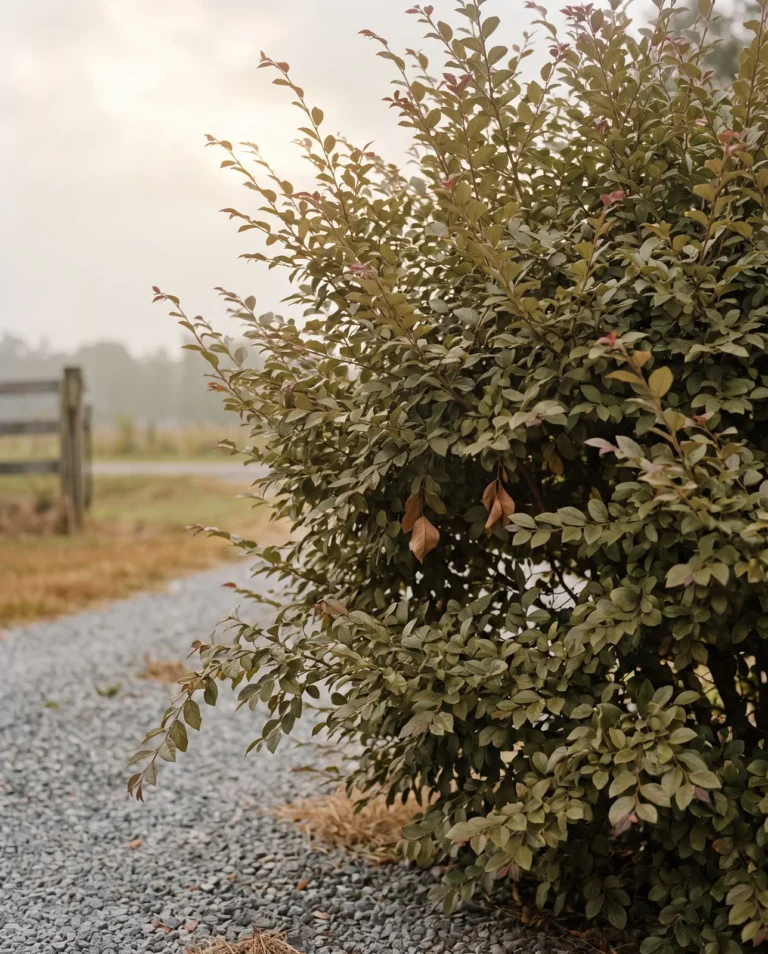
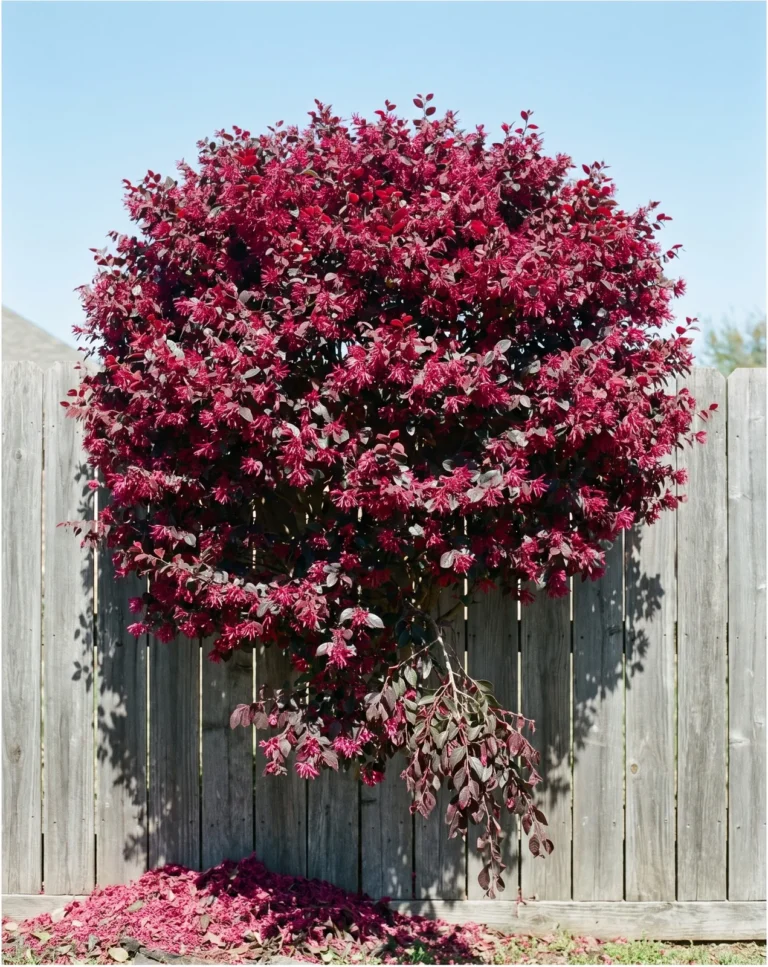
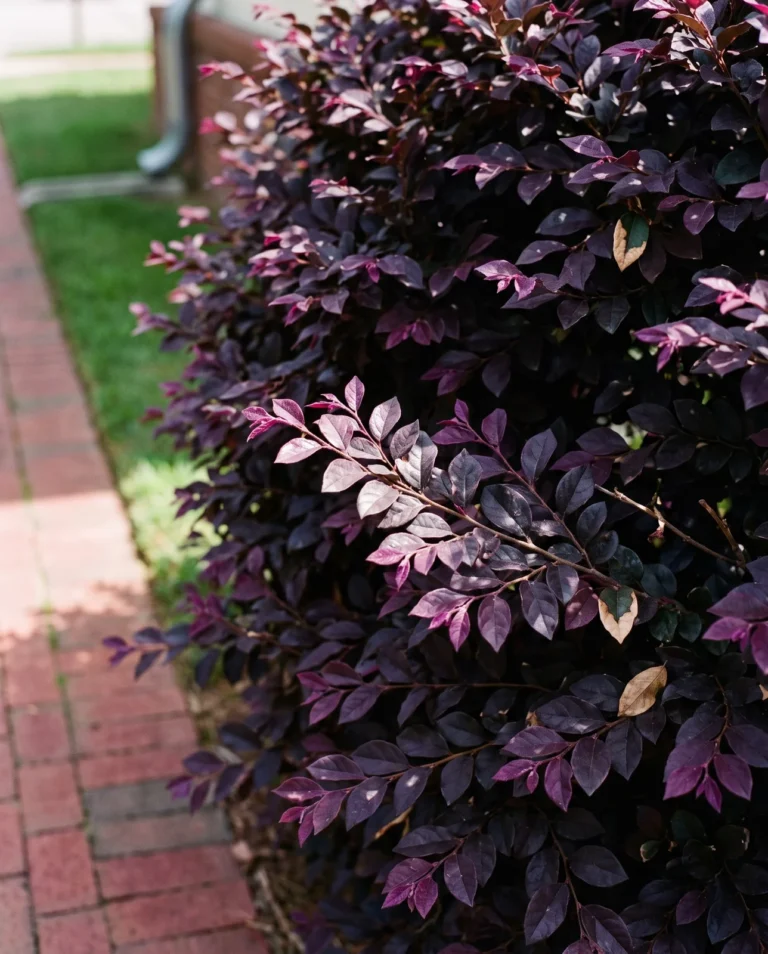
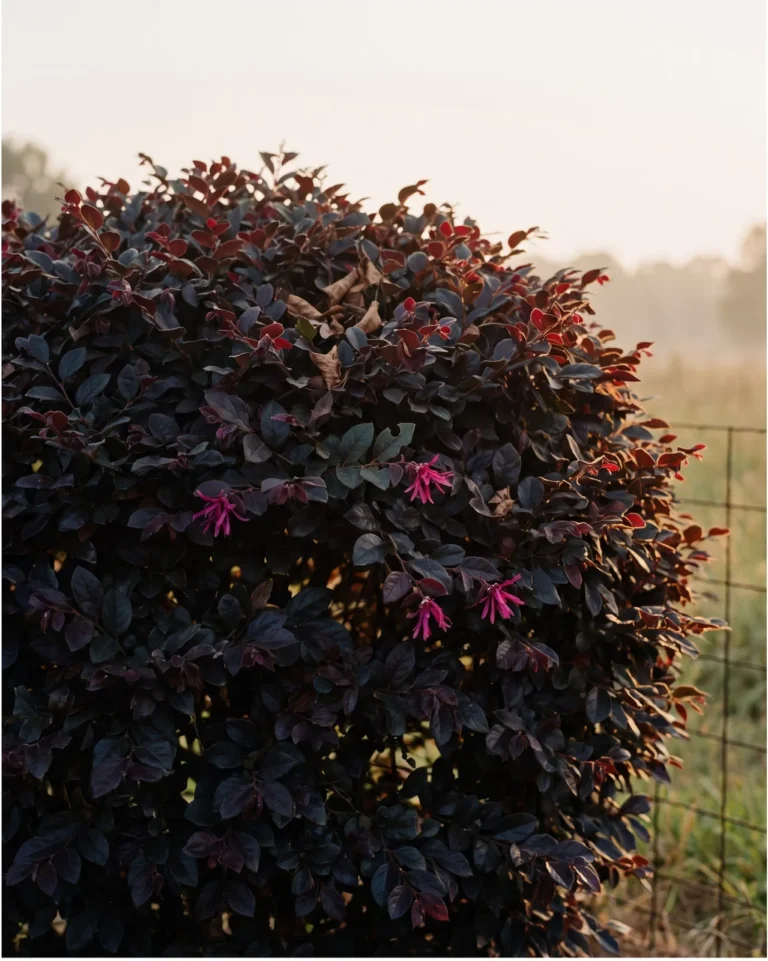
Two very different plants sit under the one name. The original is green-leaved and white-flowered, its new leaves olive, maturing to dark emerald green. The purple-leaved, pink-flowering redleaf form reached the United States in the 1980s and took over Southern plantings. Even inside that group the leaves differ: purple new growth that turns green on some cultivars, purple held all season on others.
What the flowers and foliage look like
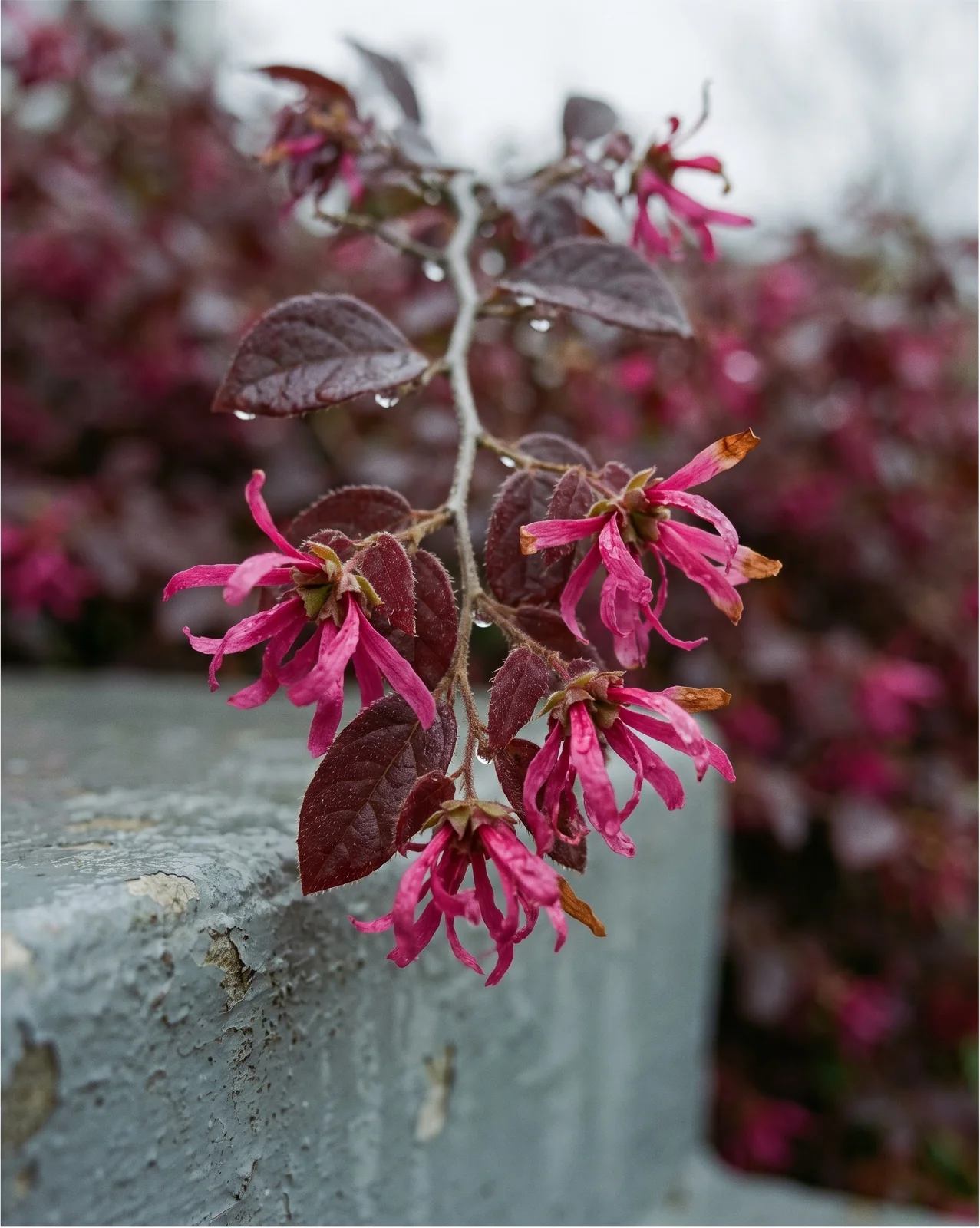
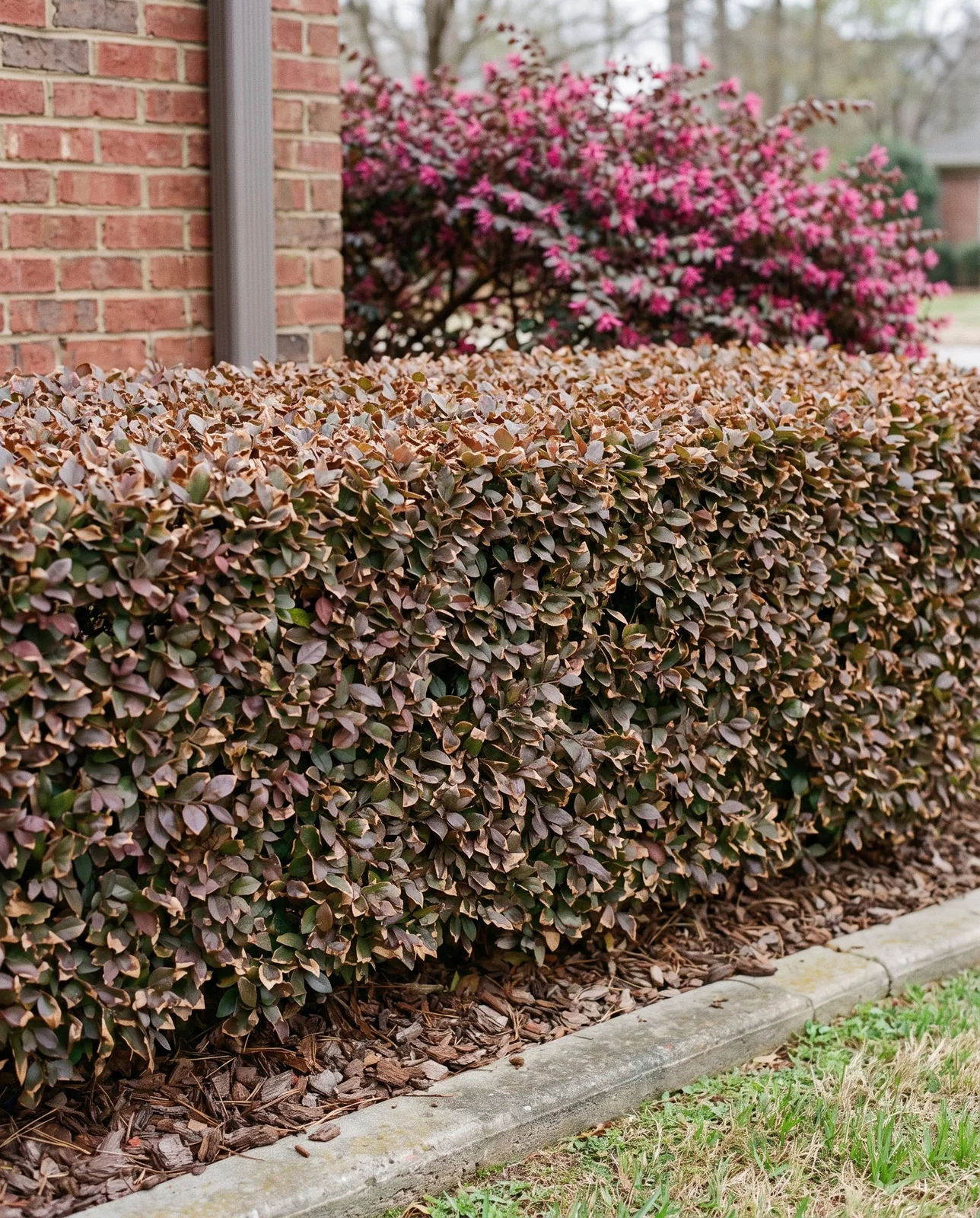
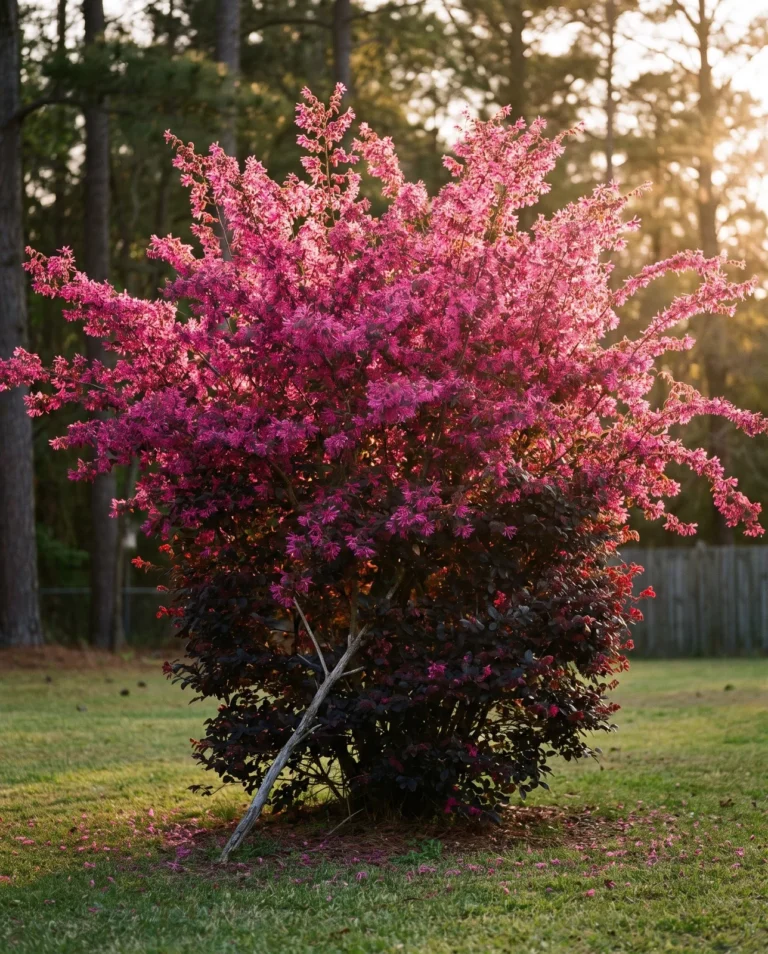
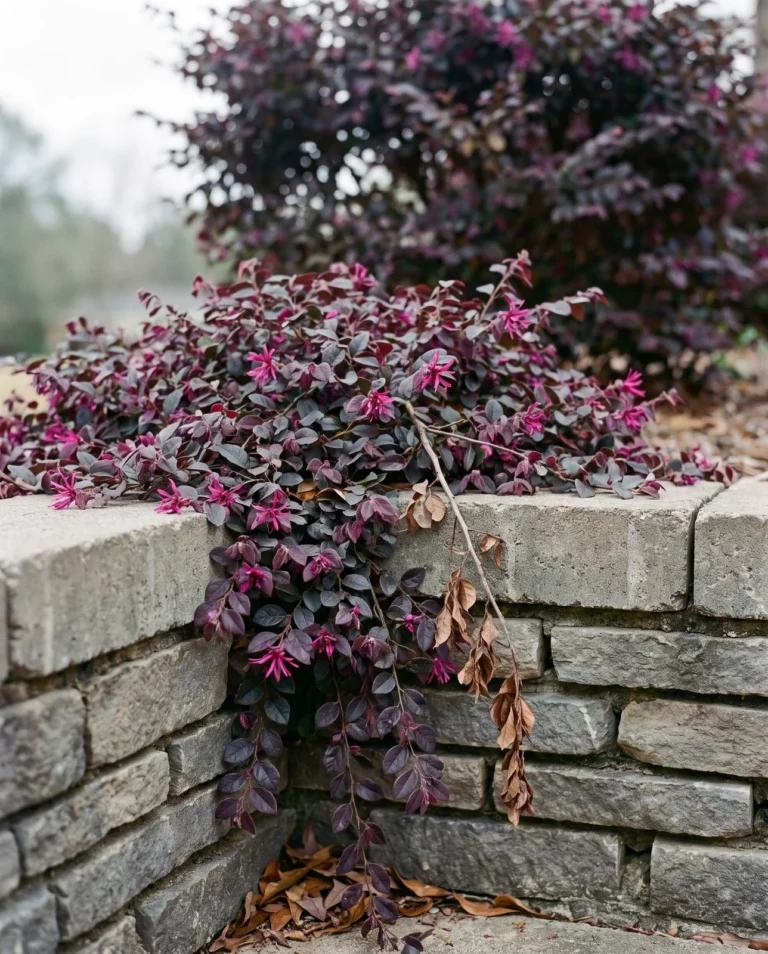
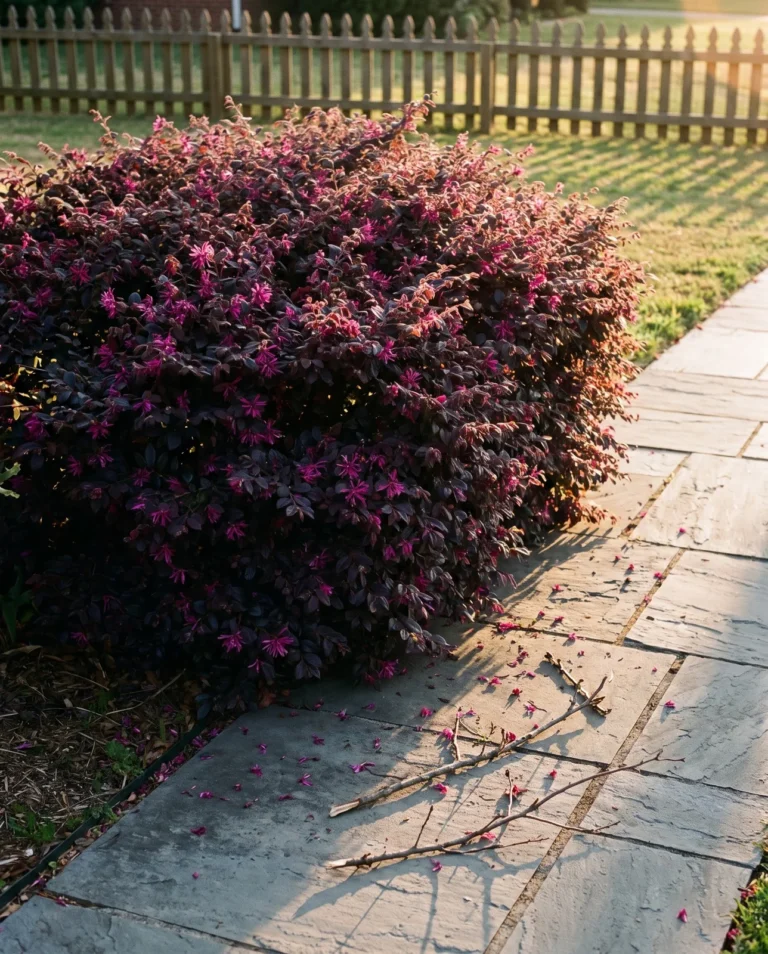
Up close the flower is the giveaway: narrow crimped straps to a head, in white, cream, pink or red, over leaves that run green, purple, burgundy or variegated. The heavy bloom is short, late March into April, and generally lasts two to three weeks. Between flushes the foliage carries the plant, so a purple that fades is a problem in its own right.
Size is where the pictures stop helping. Annual growth runs 6 to 24 inches by variety, on a species of moderate growth rate, and the same name covers a dwarf held to 8 to 18 inches and a plant measured at 30 feet. None of that shows on a young plant in a pot, and old size labels have sent many of these shrubs into the wrong place.
Size is the first decision
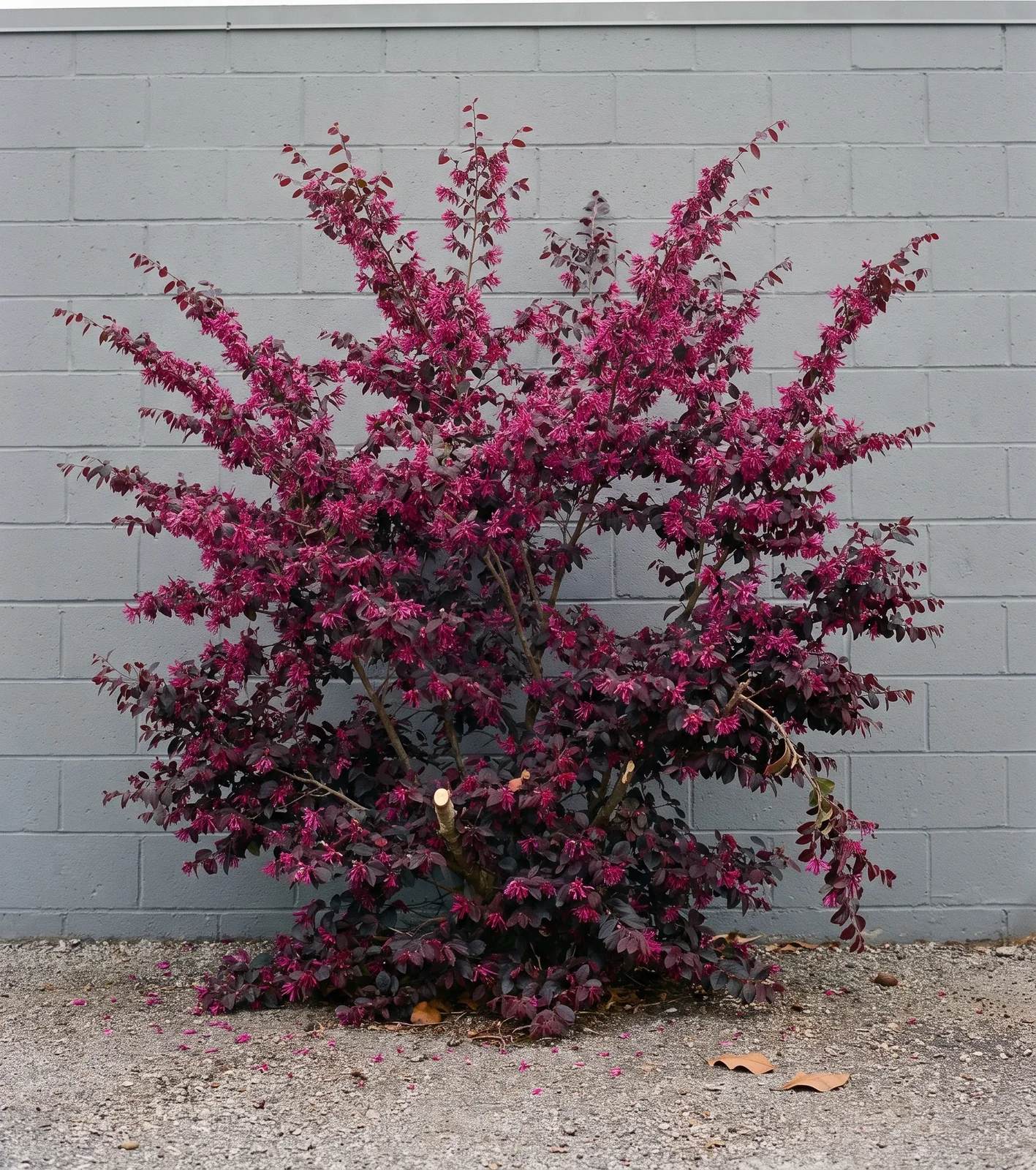
The plain species gets big. Mature height runs 6 to 20 feet, with a spread to match and a rounded to vase-shaped frame. Most specimens are seen at about 5 to 6 feet, and the tallest figures take years to arrive.
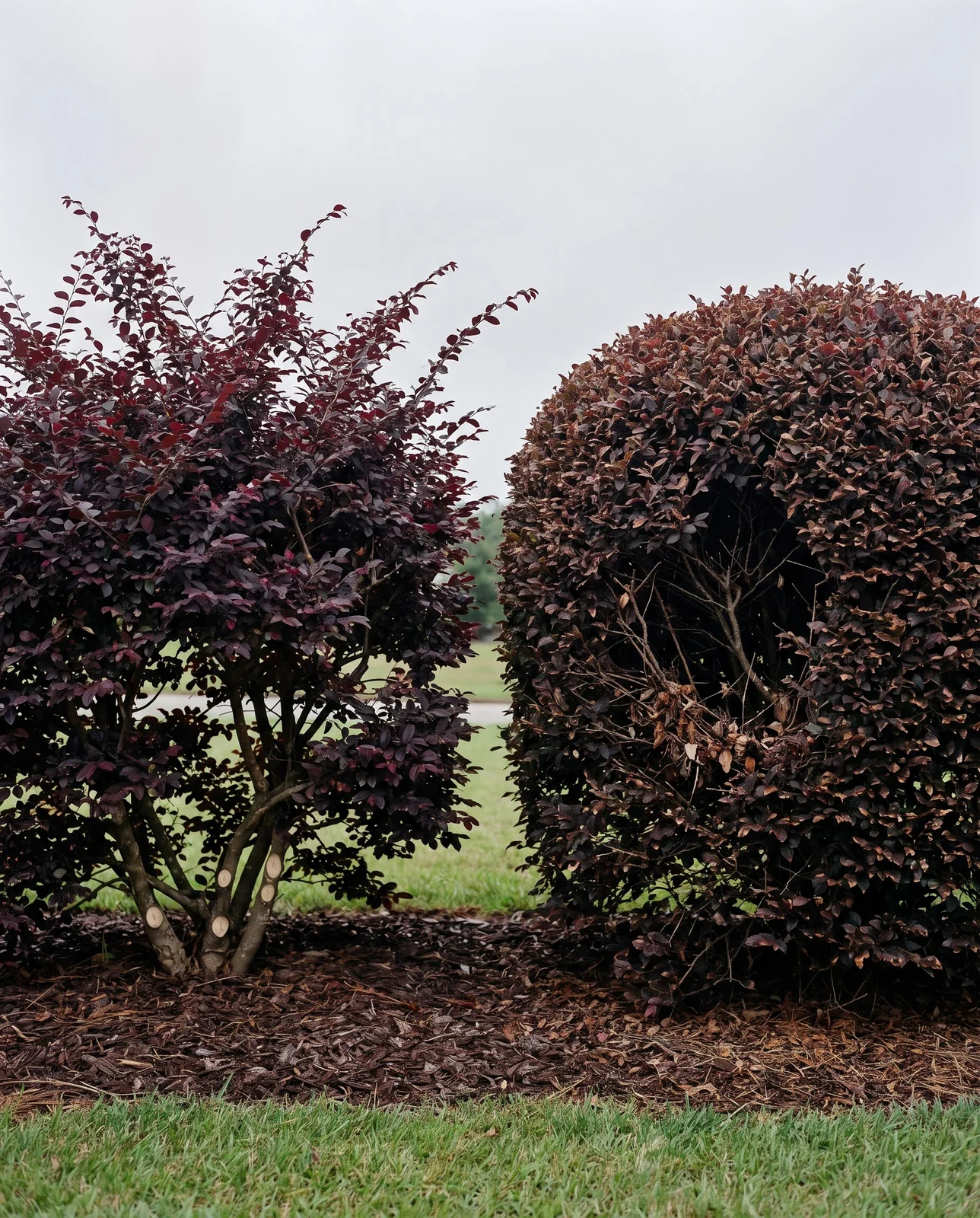
Cultivar names are where size bites. 'Ruby', 'Blush' and 'Burgundy' are ultra fast-growing shrubs reaching 12 to 15 feet, far larger than the foundation bed they get bought for. One name can carry two answers: 'Ruby' is reported at 12 feet tall by 10 feet wide and also at 3 to 5 feet, with no reconciling them. Across the genus the range is almost 6 inches to 20 feet. Standard cultivars grow up to 10 feet, while the newer dwarfs stay under two feet and work as groundcover.
Plant the big one under a window and everything else follows. Clipping a large shrub back year after year to keep it in scale is the common misuse of loropetalum. An unpruned specimen wants roughly 10 feet of clear space on all sides, about the room a large camellia needs. In a narrow gap it must be cut on the schedule the house needs, and that schedule costs the flowers.
Buds are set the summer before
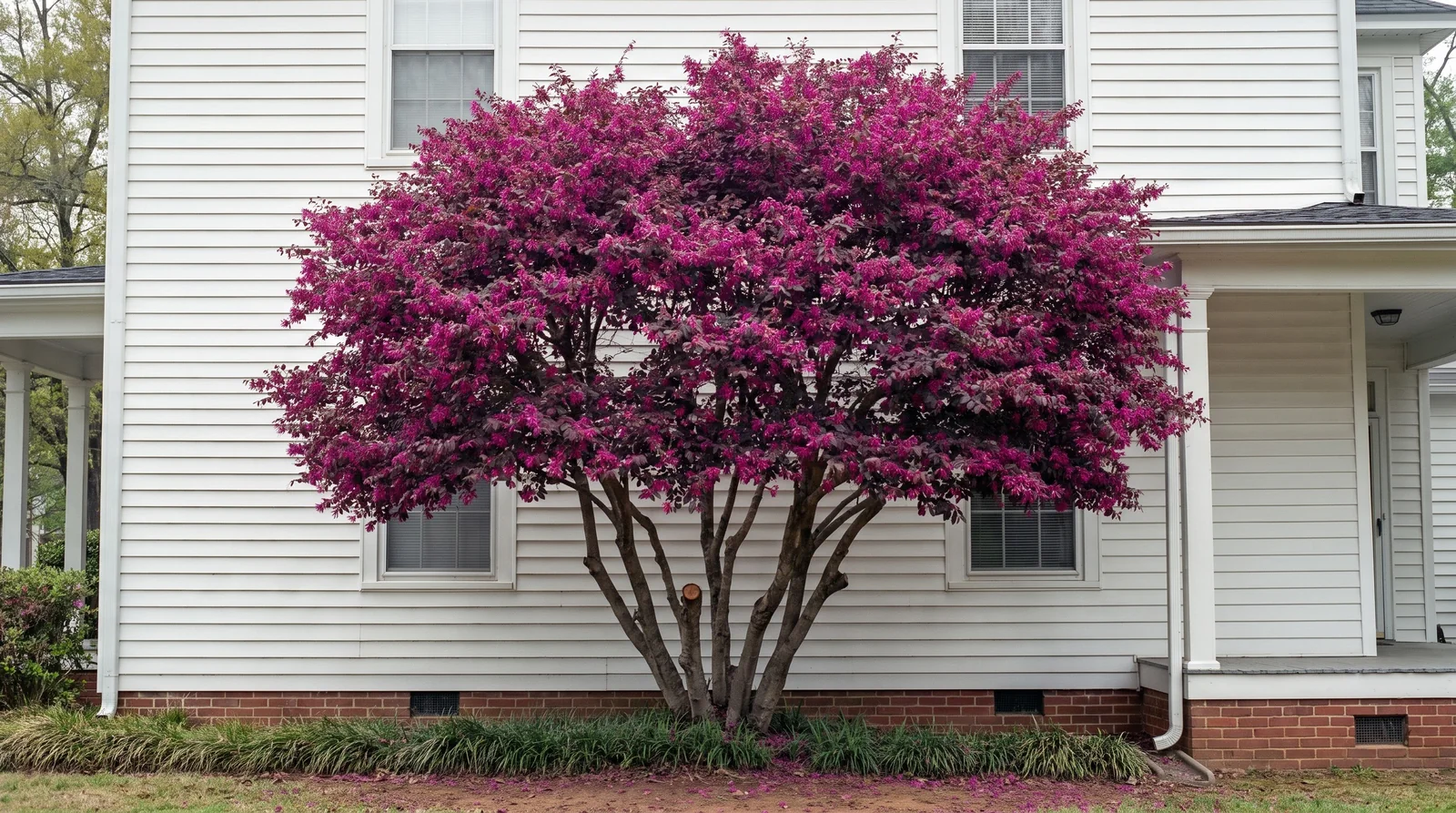
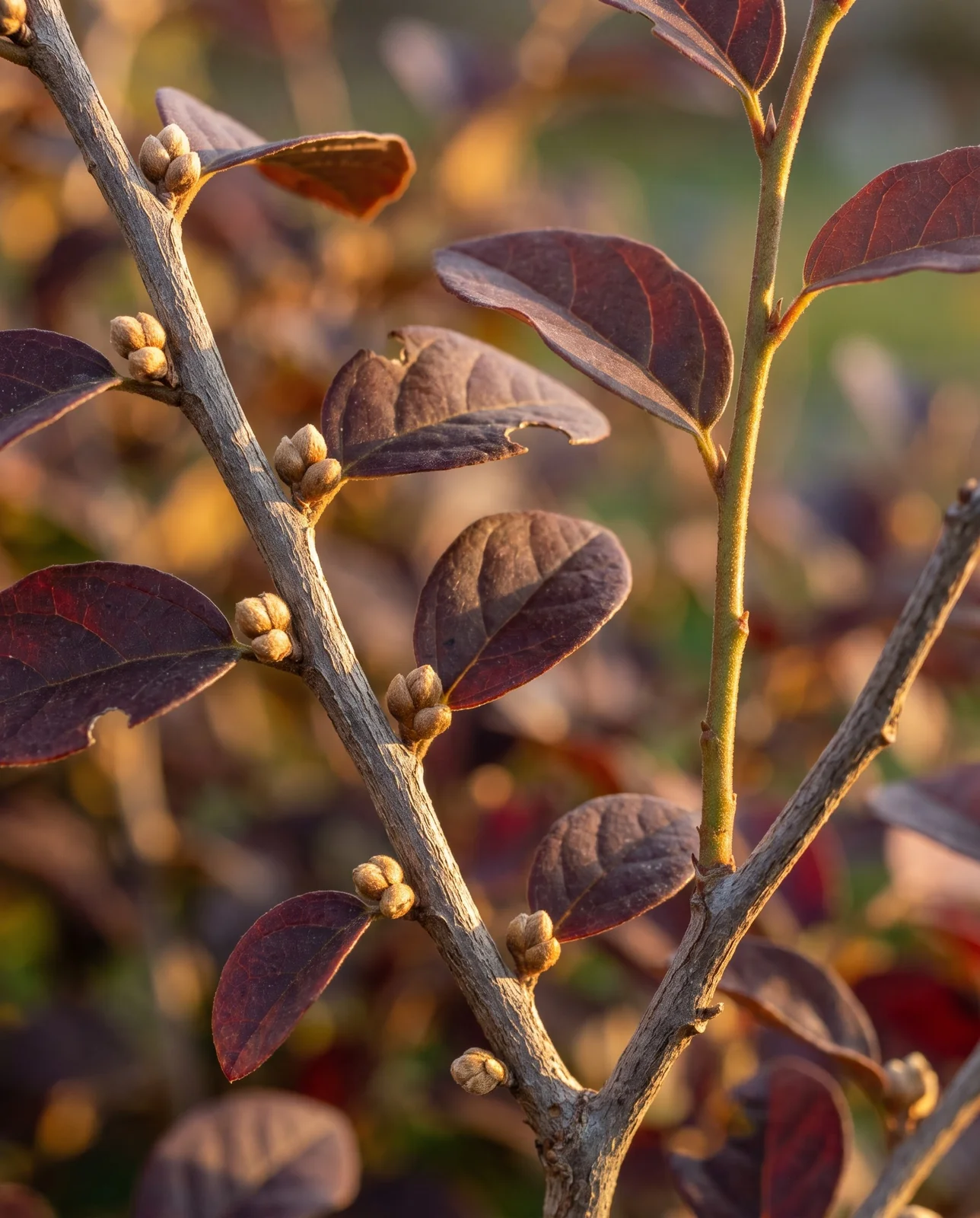
Flower buds for next spring form on old wood during the preceding summer, so anything cut in autumn or winter takes next spring's flowers with it. North Carolina State's extension service groups loropetalum with forsythia, spirea, flowering quince and azaleas as shrubs that flower on wood made the year before, with the pruning window immediately after bloom. In mild winters it opens in February on last season's wood, then blooms through summer on new wood that carries next spring's buds.
The window has a far end as well. Wait too long after bloom and the plant is short of the season it needs to set next year's buds. These spring bloomers set their buds in late summer or early fall, and one answer draws a hard line at June 15. Late spring, right after flowering, leaves enough season for that wood, and a hedge gets one cut a year. The branches snap from a small bend, so leaning in while cutting breaks wood that was going to flower.
Why loropetalum will not bloom
On a healthy loropetalum that never flowers, check when it was last cut. Buds formed the previous summer go out with any autumn or winter pruning, and cutting an old-wood bloomer before it flowers removes that year's buds outright. A second midsummer trim does the same to a hedge: dense growth and no flowers, while an untouched plant nearby is covered in them. Prune in the weeks straight after the bloom and leave it alone through the summer.
Sun is the second cause. Flowering and leaf color are both best in sunnier positions, and four hours of good sun is the working minimum. A plant that stood in sun when it went in may be shaded now by a tree filling in above it. In heat it runs the other way, since the plant may need protection from hot afternoon sun.
A scatter of flowers in October and November is a real second flush on the purple redleaf form, far smaller than the spring one. Temperature counts too: low-temperature induction let redleaf plants flower after their natural autumn window had passed, while plants held at a constant 25 degrees C did not flower at all. Health comes last, since yellowing leaves or stunted new growth put flowering at the back of the queue.
Work out why yours is not flowering
Work down these in order. A cut at the wrong time removes the flowers months before they show.
Yellow leaves are several different things
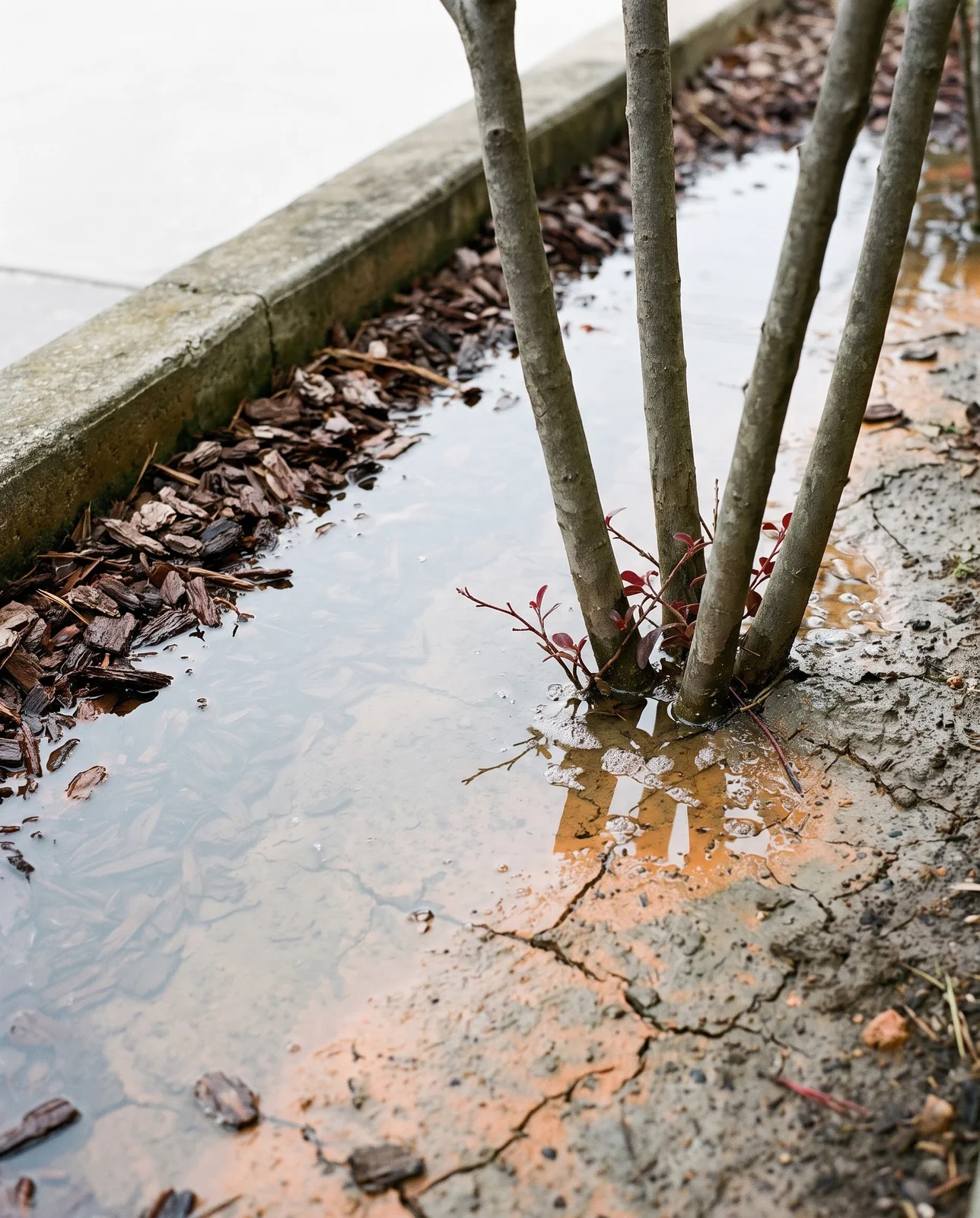
Yellow leaves come from several causes, and the first to check is how wet the soil stays. Loropetalum dislikes wet roots all the time: soggy soil stops the roots absorbing nutrients, and yellow leaves follow. Young plants are easy to move, so the fix there is physical, lifting them and replanting after amending the wet spot. Root rot can occur in poorly drained soil, separately from chlorosis, and both cause decline.
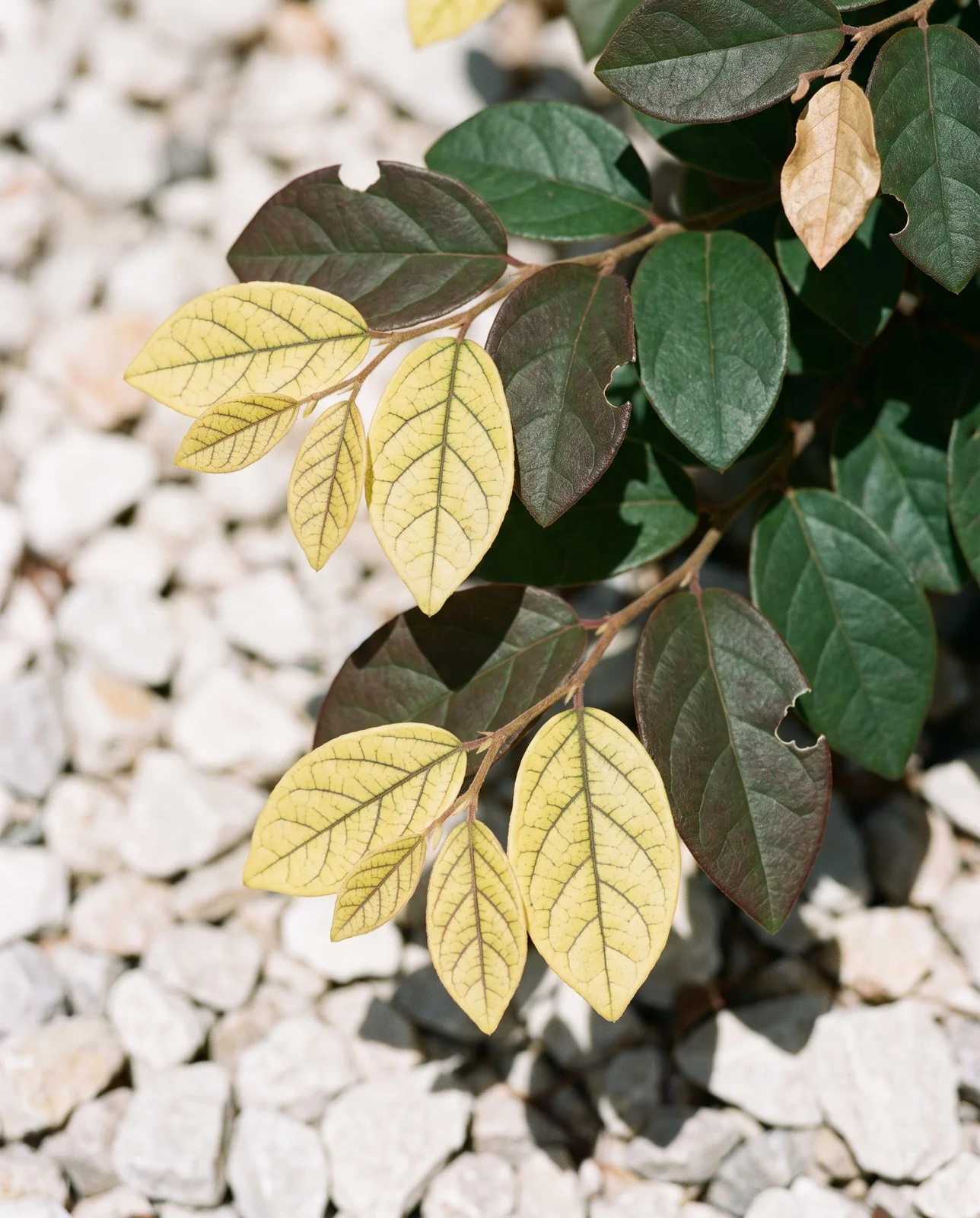
The second pattern has a signature: yellowed leaves with dark green veins, worst on the newest leaves at the branch tips. That is iron shortage. In alkaline soil the iron turns insoluble, and the leaves farthest from the roots show the shortage first. Gardeners east of Interstate 45 in Texas, on acidic soils, see loropetalum thrive; farther west it fades to streaked yellowish green. The treatment is iron plus a sulfur soil acidifier, difficult to sustain and repeated every 4 to 6 weeks each summer in a serious case.
The third pattern runs the other way down the plant. Slow growth with uniform yellowing of the older leaves, while newer foliage stays greener, is the classic nitrogen shortage. The trap sits in the treatment. Those symptoms are often caused by poor soil conditions or unhealthy roots that prevent uptake, including poor drainage, cool soil or compaction, and adding nitrogen will not fix that.
A fourth cause is largely cultivar-specific. A wave of loropetalum decline in central and south Florida was traced more likely to micronutrient deficiency, especially copper and possibly zinc, manganese or boron, than to the eriophyid mite first suspected. The pattern is not a plainly yellow leaf: new growth stunted and abnormal, new leaves small, distorted, sometimes crumbled or dried out. 'Ruby' is by far the most susceptible. Foliar soluble copper improved declining plantings in the one study conducted, while soil applications did not. Copper is easy to overdo: four applications a year at most, never on a healthy plant.
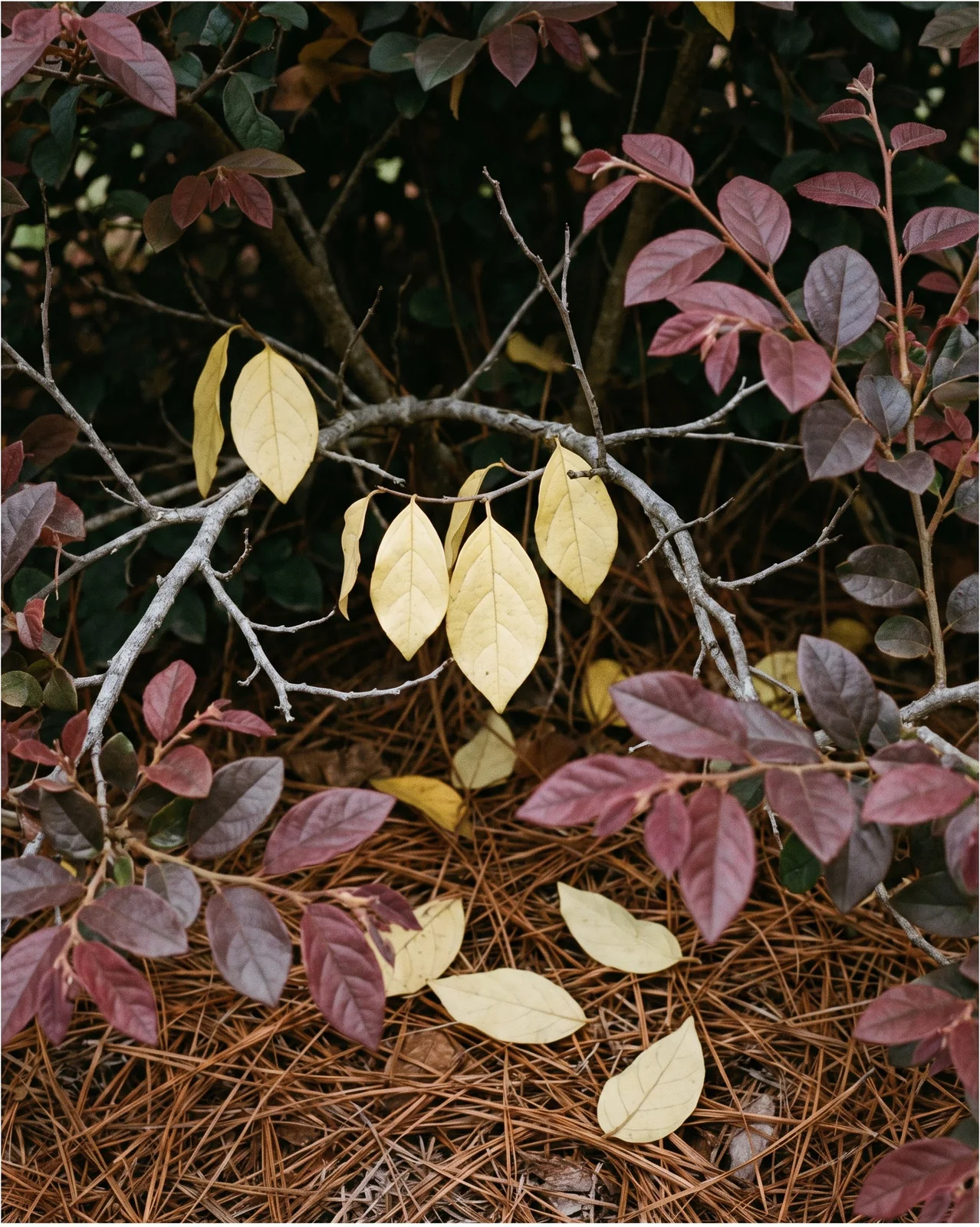
Purple foliage turning green
Purple foliage fading toward olive-green by late summer is not automatically trouble, because cultivars vary in their ability to hold purple color over the summer. 'Blush' and 'Burgundy' are often olive-green by September, while 'Purple Diamond' and 'Ever Red' are reputed to stay purple year round. When a plant sold as a color-holder fades anyway, a mislabeled plant is a real possibility.
Two of the things that dull the color can be corrected. Light comes first, since the deepest leaf colors come from sunnier positions, and a plant shaded by something growing over it is short of the sun it needs. Soil chemistry comes second: yellowing that leaves the veins dark, worst on the newest leaves, is the iron problem in alkaline ground.
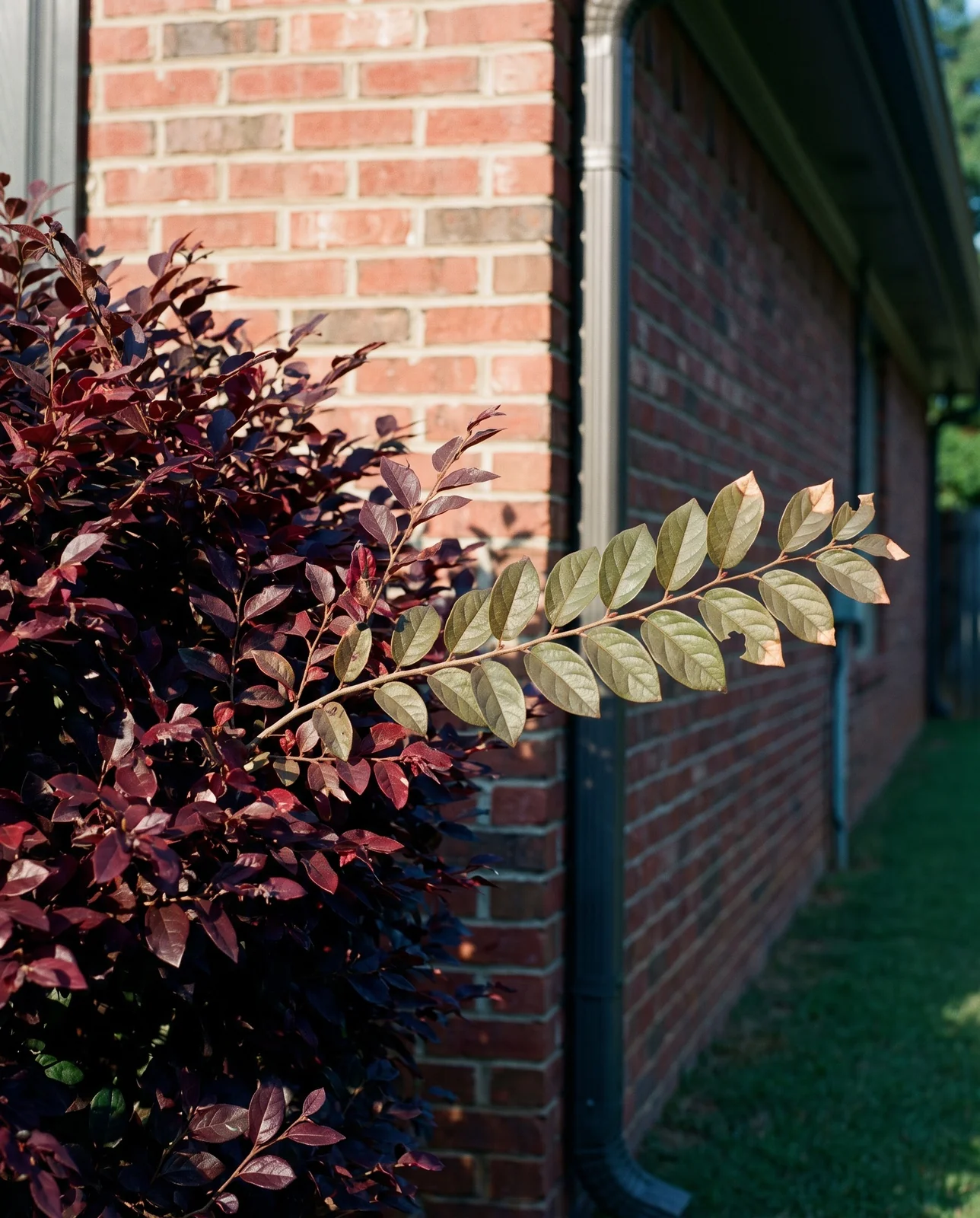
What owners actually report going wrong
The patterns owners run into most often, with what is known about each and what is not.
Symptoms: one plant failing in a row of identical plants set at the same time. Cause: the closest documented match is bacterial gall. The Clemson agent who wrote on that disease lost three of her own four plants to it, spread between them by her own pruners. Management: check every stem for a gall, and where one is found remove the whole plant, since no fungicide cures it.
Symptoms: brown wood and collapse in the weeks after a freeze, on plants that had a cover over them. Cause: cold past what the plant could take, since a shrub does not become more cold hardy by living through a winter. Management: siting and mulching improve its odds.
Symptoms: color draining out of neighboring plants in sequence, with no galls, spots or wilting. Cause: unsettled, since nothing ties a pure color fade to bacterial gall, whose sign is a rough dark gall on a stem. Management: clean tools between plants, because gall does travel on contaminated tools.
Symptoms: decline on a plant with no planting date and no watering history. Cause: not recoverable now. Management: go by what can still be seen, how wet the ground stays, whether the pale leaves are the newest or the oldest, and whether a stem carries a gall.
Symptoms: a shrub with a leaf shape close to loropetalum's, carrying no flowers. Cause: an unrelated weed can carry a similar leaf in a different color. Management: wait for the bloom, since each head opens as narrow crimped straps.
Zones: the cold limit and the heat limit
Published hardiness runs from zone 7 at the cold end to somewhere between 9 and 11 at the hot one. Zone 7 is the margin, and the plant is safer from zone 8 up. The most useful framing prints two numbers: cold-hardy through zone 7, heat-hardy through zone 9.
The floor answers the zone 6 question: none of the published ranges reaches below zone 7. A nominal zone 7 winter in Texas once behaved closer to zone 4. The plant may do fine in zone 7 if it is sited in a protected location, and where winter temperatures dip into the teens it wants shelter from wind and a root mulch. Nobody has published a temperature at which the leaves burn or the wood dies; the teens are the closest thing to a line.
Winter damage and leaf drop
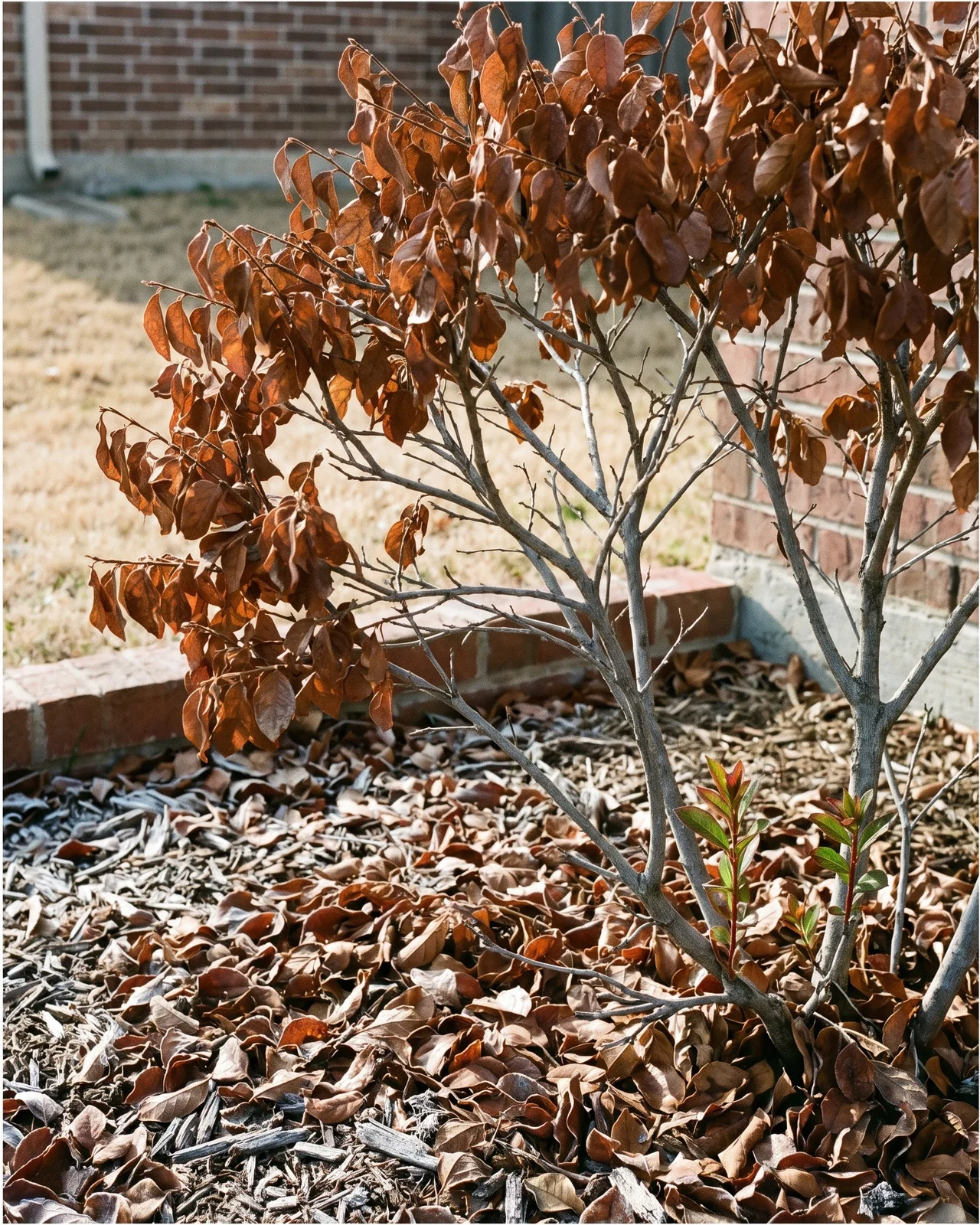
Evergreen here is not absolute: there may be some leaf shedding through winter, particularly in colder climates, and that much is normal and not harmful. A hard freeze is different, and one in Texas took almost every leaf off a shrub. Leaves usually fall because new growth is pushing them off, so leaf drop after a freeze does not necessarily mean the plant died, while brown leaves that stay attached are usually on dead tissue. Scratch the bark low on the plant: green underneath means it is alive.
Five 'Suzanne' shrubs in a Maryland garden in zone 7a went brittle, brown and curled after temperatures in the teens with some days in the single digits, and one dip below a certain temperature is enough to injure or kill plant tissue. Even where branches die back, the plant should regenerate well from the roots, provided it had water the previous year and well established roots. January is too early to judge, so the dieback comes off after it has leafed out in spring.
Where and when to plant it
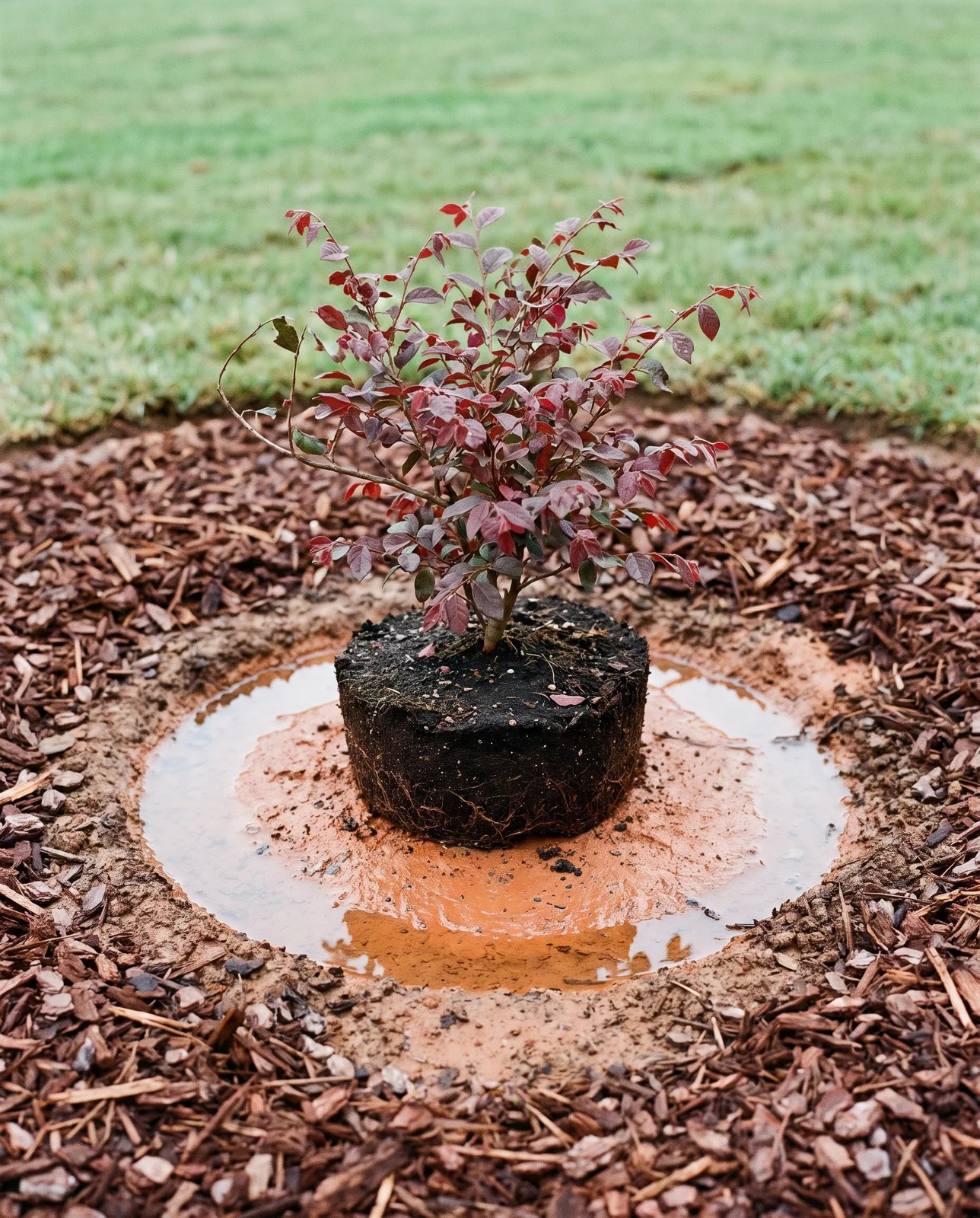
Spring or fall are the planting seasons, with plants set 3 to 6 feet apart depending on the variety. In cooler ground the timing narrows: for gardens at zones 6b to 7b the advice is to plant in spring, so the shrub is more established before winter, and to site it away from winter winds. The hardiness ranges still floor at zone 7.
Drainage decides which corner of the bed it goes in. In poorly drained clay, root rot is the named risk and an elevated planting is the suggested answer. Decline in ornamentals often comes from nothing more than a plant set too deeply, or watered improperly, over or under, so keep the crown of the root ball clear of backfill and mulch.
Pruning it properly
How the cut is made matters nearly as much as when it is made. Selective hand-pruning is much less stressful to the plant than shearing with electric or gasoline-powered shears, and the stress of excessive pruning, power shearing above all, causes early decline in the landscape. A privacy screen is trimmed to shape once or twice a year, far less often than a clipped foundation hedge asks for.
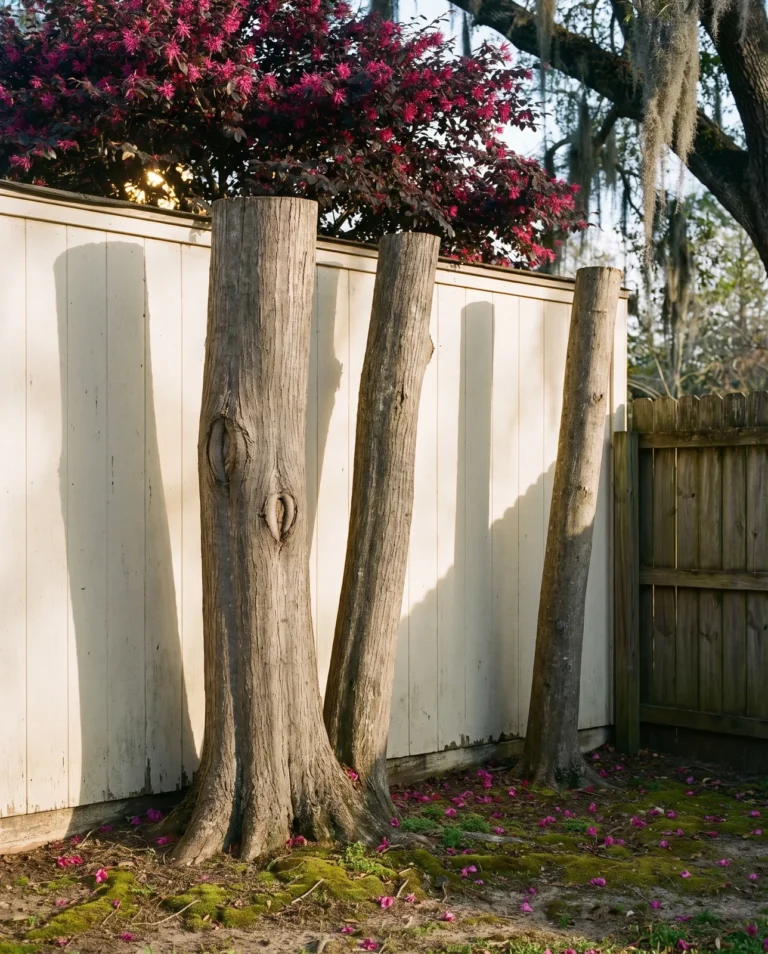
When a plant has genuinely outgrown its place, renovation is the alternative to another year of clipping: stems and branches back to within 6 to 12 inches of the crown. Done once, that resets the frame and costs one spring of flowers. Done every winter, the same cut empties the plant year after year.
Loropetalum varieties, from the species to the dwarfs
Ten named selections with their published sizes. Two carry a disagreement that has no resolution.
How much sun it needs
Full sun with some afternoon partial shade gives the best flowering and leaf color. Full sun means six or more hours of direct sunlight a day, and partial shade two to six. Four hours of good sun is the minimum for deep foliage color and heavy flowering, though the plant will also grow in part shade. Count the hours before planting, since the deepest color sits at the sunnier end.
Soil and drainage
Well-drained soil comes first, alongside full sun to part shade, and slightly acidic ground is where the plant performs best. Its tolerances are wider than that: slightly alkaline, clay, sand, acidic and loam are all on the list it will take. Tolerating a soil and coloring well in it are separate tests, and at the alkaline end the plant is intolerant and liable to chlorosis where pH runs too high. Anyone already keeping a gardenia in the same bed has the pH question answered before the hole is dug.
Watering
Deep and infrequent is the pattern. Keep the soil moist without letting it go soggy, water deep and less often so roots follow the water down, and drought tolerance arrives once the plant is established. That tolerance is moderate, and deep watering is kept for prolonged dry periods. With soggy soil among the causes of yellow leaves, fewer waterings that go deeper is the safe reading.
Hedges, screens and foundation beds
The use list is wide, and that width is the problem in miniature: specimens, focal points, accents, screens, hedges, borders and espaliers, depending on the cultivar chosen. Spacing follows the mature size of the selection in the cart.
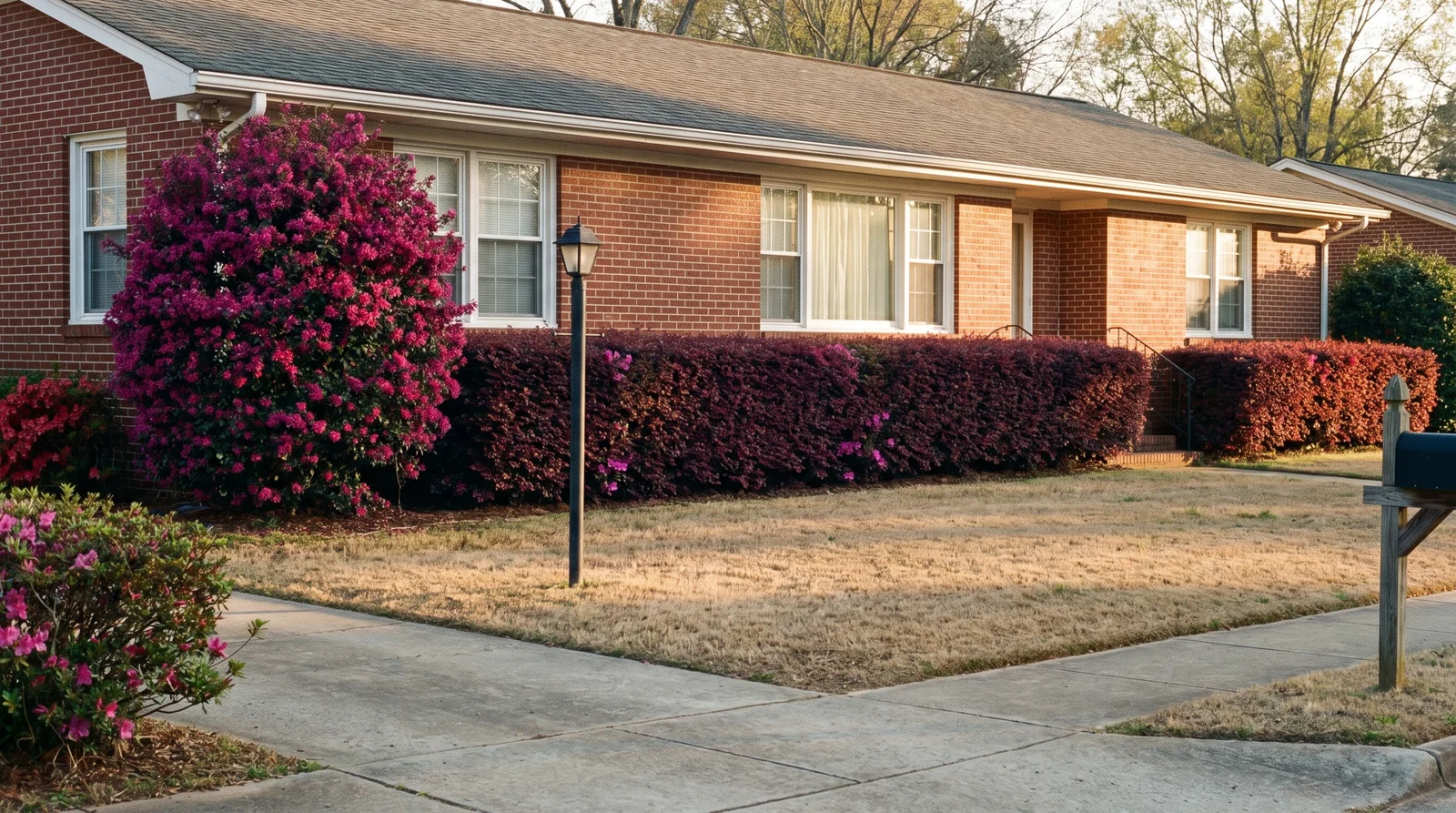
For a privacy screen or living fence the spacing is roughly 6 foot centers. A foundation bed under windows is the harder case, and the answer there is the cultivar. Severe repeated shearing does suit a short list of the newer dwarfing selections, and 'Purple Daydream', 'Ever Red' and 'Purple Pixie' are named for formal clipped foundation use. Any full-size plant there is held at a fraction of its size by cutting.
Growing it in a pot
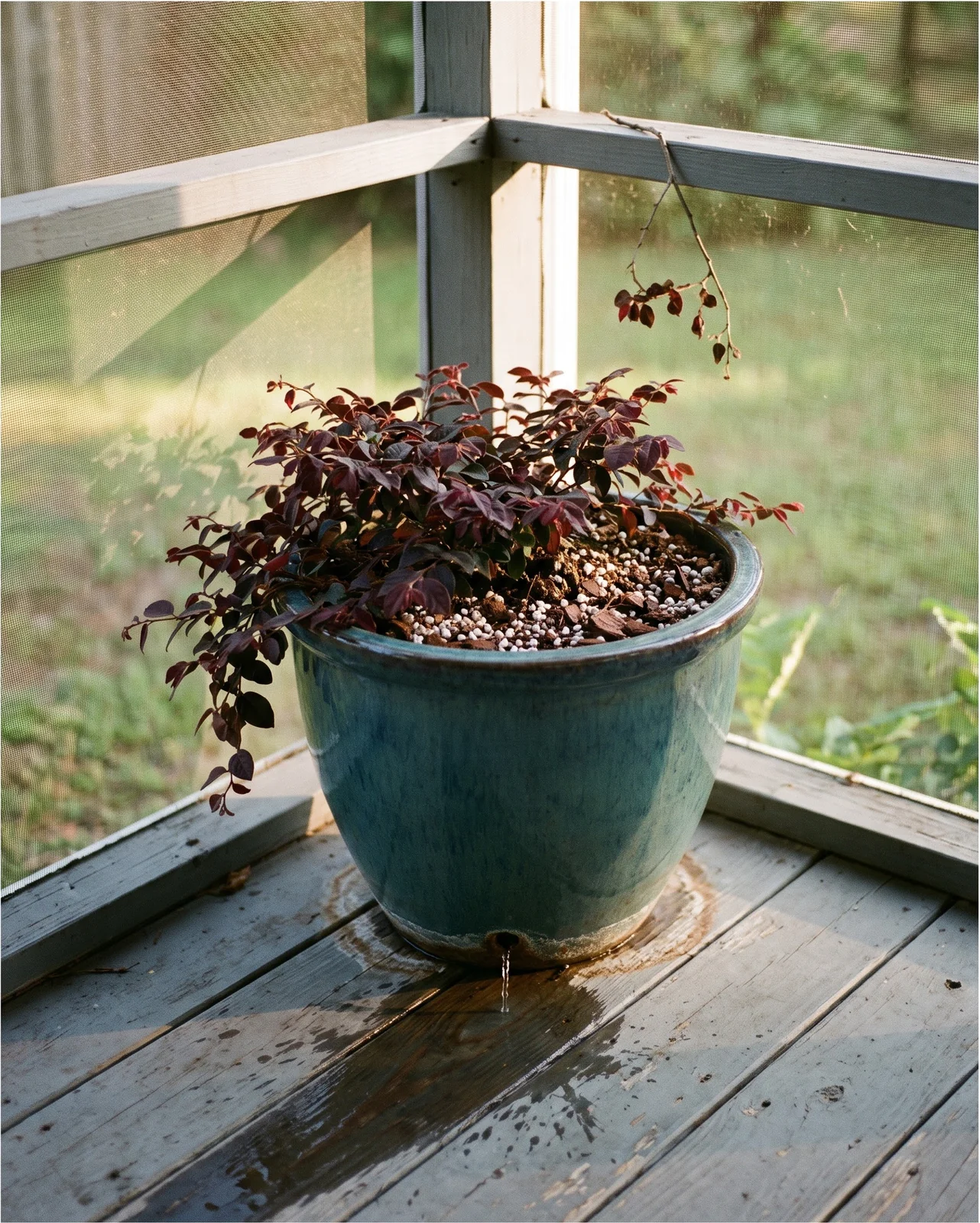
Containers are among the published uses, and the compact selections make them practical. Use a pot at least 8 inches wider than the root ball with good drainage, a mix amended with perlite or pumice, and one granular slow-release feed each spring. Only the small selections stay in scale for long, because a standard cultivar may go to 10 feet while a newer dwarf stops under two. A pot that holds water reproduces the wet feet that yellow plants in the ground.
Pests and diseases that are actually documented
Loropetalum is generally pest-free and relatively resistant to deer browsing, with one serious exception, a bacterial gall disease called olive gall. Galls develop on stems and trunk, may girdle or kill the tissue under them and cause branch dieback, and the whole shrub may eventually die where galls occur on the trunk. The visible sign is a dark-colored, rough-surfaced gall, enlarging until it encircles and kills the branch. In warm, wet conditions it can progress rapidly.
Prevention is tool work more than spray work. A wound stays open to infection for up to 14 days, so sanitize tools between cuts and dip cuttings briefly in a 10 percent bleach solution. Pseudocercospora leaf spot is the only reported leaf disease, dull purplish spots encouraged by cool, moist weather, and it is not common. Powdery mildew and anthracnose are further susceptibilities. Mites can yellow the foliage, and soil nematodes and root rot cause decline.
What to expect, year by year
Two clocks run at once: the bud cycle that decides whether it flowers, and the slower one that decides whether it still fits.
The first year belongs to roots. Water deeply and less often, keeping the soil moist without letting it go soggy, and drought tolerance arrives only once the plant is established. Growth runs 6 to 24 inches a year across the varieties, so a young dwarf and a young full-size plant look alike on the bench.
By the second and third springs the cycle is what there is to work with. Buds for spring form on old wood over the preceding summer, so the year holds one pruning window, straight after bloom. The main flush lands in late March and April and generally lasts two to three weeks.
From about the fifth year the size question stops being theoretical. The classic purple selections carry a warning of ultra fast growth to 12 to 15 feet, and a plant in a space that small has two outs: renovation to within 6 to 12 inches of the crown, or the early decline that follows shearing it flat. Varieties once sold at 4 to 5 feet have turned into small trees.
Four things gardeners repeat about loropetalum
Each of these has an answer, and three of the four cost people a season of flowers or a plant.
The myth: It is evergreen, so a winter haircut costs nothing.
The reality: The buds for spring formed on old wood the summer before, so autumn and winter cuts carry them off. Nothing looks damaged afterwards, so the January tidy-up and the empty April are rarely connected.
The myth: Yellow leaves mean it needs feeding.
The reality: Feeding is the wrong lever when the roots are the problem. Those symptoms often trace to unhealthy roots that block uptake, among them poor drainage, cool soil and compaction, and nitrogen does not fix that yellowing.
The myth: The dwarf series and the full-size plant are one shrub, and one of them just gets trimmed.
The reality: Mature size in this genus runs from almost 6 inches to 20 feet depending on variety, with standard cultivars growing up to 10 feet and newer dwarfs staying under two feet. Severe repeated shearing suits only the dwarfing selections.
The myth: Evergreen means the foliage cannot be burned by cold.
The reality: There may be some leaf shedding through winter, and that much is normal and not harmful. A Maryland garden still saw leaves go brittle, brown and curled after temperatures in the teens with some days in the single digits, and one dip below a certain temperature injures or kills plant tissue.
FAQ
Where does loropetalum grow best?
Zones 7b to 9b, in full sun to part shade and ground that drains, on slightly acidic soil.
Does loropetalum like sun or shade?
Sun, with relief in the afternoon. Full sun means six or more hours of direct light a day, partial shade two to six.
Do loropetalum lose their leaves in winter?
Some, and that much is normal. After a freeze, leaves that drop were usually pushed off by new growth, while brown leaves that stay attached are usually on dead tissue.
Can loropetalum be grown in zone 6?
No. Every published range floors at zone 7, and zone 7 wants a protected spot and a root mulch where winter dips into the teens.
Why are my loropetalum leaves yellowing?
Four causes. Soggy soil yellows the whole leaf; iron shortage in alkaline ground yellows the newest leaves while their veins stay dark; nitrogen shortage usually yellows the oldest leaves first; and a copper-linked decline, almost always on 'Ruby', stunts and distorts new growth.
Can leaves recover from turning yellow?
Foliar soluble copper improved declining plantings in the one study conducted. The iron fix has to be repeated every 4 to 6 weeks each summer.
Does feeding fix loropetalum leaves that have gone yellow?
Not before the cause is known: nitrogen will not fix yellowing that comes from a root-uptake problem. Copper is capped at four applications a year, never on a healthy plant.
How do I revive a declining loropetalum?
Scratch the bark low on the plant: green underneath means it is alive. Then check how wet the ground stays, and whether a stem carries a gall, which means removing the whole plant.
What is the best time to plant loropetalum?
Spring or fall, 3 to 6 feet apart depending on the variety. In cooler ground plant in spring, ahead of the first winter.
What are the common problems with loropetalum?
Chlorosis where the pH runs too high, root rot in poorly drained ground, and bacterial gall, the one serious disease on an otherwise pest-free shrub.
Which loropetalum is best?
The one whose mature size fits the space, since the genus runs from almost 6 inches to 20 feet. Purple Daydream measured 3.5 feet by 7 feet after five years; 'Ever Red' matures at 6 feet.
Is loropetalum toxic to dogs or cats?
The main pet poison list does not carry it: the ASPCA database returns no entry under any of its names. Among the flower types it is treated as unknown around pets.
Interesting tips
- Names outside the ten above still run large. 'Daruma' reaches a height and spread of 16 feet, 'Carolina Midnight' 10 to 12 feet high and 8 to 12 feet wide in ten years, and Little Rose Dawn, a branch sport of 'Ruby', was measured at 18 feet tall and wide after 16 years.
- A variety name can disagree with its own species. 'Rubrum' is given at 3 to 6 feet in height and spread, against the 6 to 10 feet given for the species, so check a size against a second description before planting.
- Loropetalum is not considered a problem species in Florida at this time and may be recommended there, with a reassessment due in ten years.
Related Guides & Flowers
Forsythia
The other old-wood spring bloomer people cut at the wrong moment, and the shrub loropetalum is grouped with in pruning advice.
Rhododendron
The broadleaf evergreen that holds the same beds farther north, on the same acid soil and the same sharp drainage.
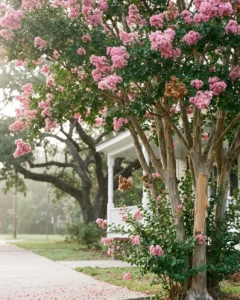
Crape myrtle
The other Southern shrub that gets cut back by habit every winter, with a pruning question of its own.

Purple flowers
Where the purple end of the garden is gathered, for beds built around foliage and flower color together.
Enjoying our flower guides? Add YourFlowersGuide as a preferred source on Google. It helps more readers find us.
Add to Preferred Sources