Which mallow do you have
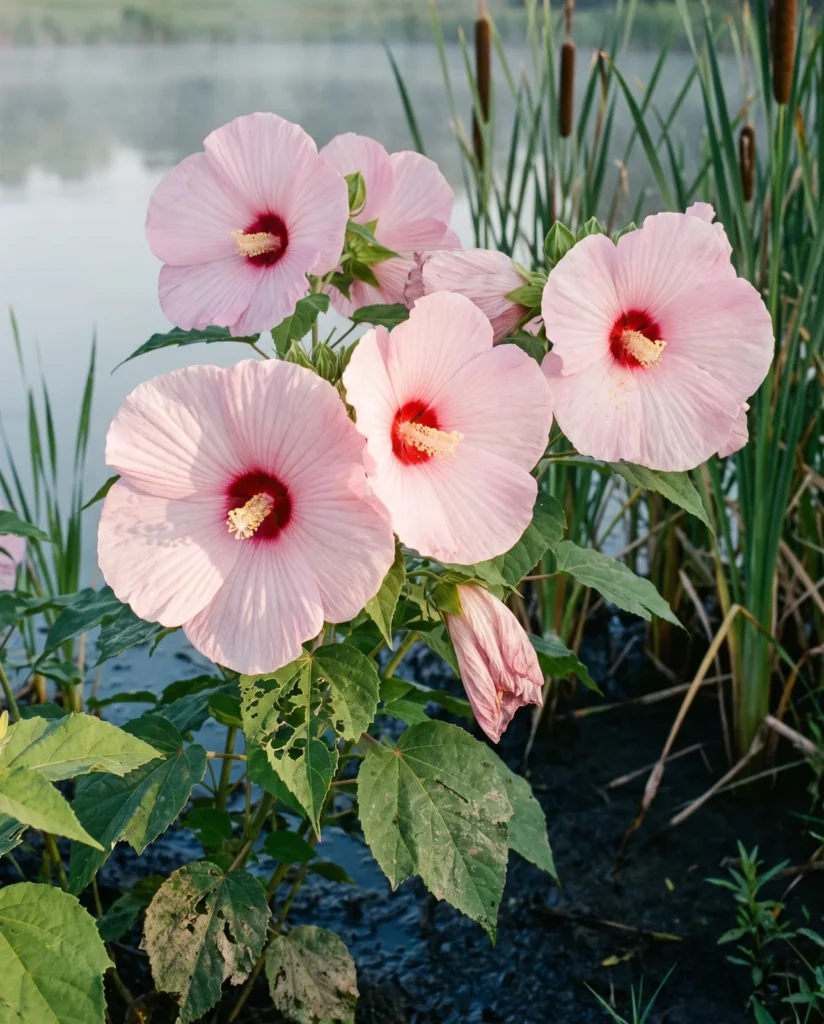
Several distinct plants answer to the name mallow, divided mostly between wild weeds and garden perennials. In paths and untended ground, mallow usually means an edible, resilient weed with small pink or white flowers. In garden centers, the name points to rose mallow, a different genus grown for its large perennial blooms. The main plants behind the name are common mallow, Malva neglecta and the similar M. parviflora, which creep across hard ground, and upright cottage mallow, Malva sylvestris. Others include rose mallow, Hibiscus moscheutos, a hardy perennial hibiscus with the largest flowers in the group; tree mallow, Lavatera; Cape mallow, Anisodontea capensis; scarlet globemallow, Sphaeralcea coccinea; and marsh mallow, Althaea officinalis. They share a botanical family, but very little else in the garden.
As an ornamental perennial, the name mallow covers several distinct genera, including hibiscus and abutilon. Botanical names shift across the group as well. Tree mallow, long known as Lavatera arborea, is also sometimes classified in Malva as Malva dendromorpha. Cape mallow carries the older botanical name Malvastrum capense, alongside the common names African mallow and false mallow. Rose mallow has several overlapping common names of its own, including swamp rose mallow and marshmallow hibiscus. Do not confuse it with Rose of Sharon, which is a woody shrub in the same genus. The name even wanders outside botany altogether, turning up as a game character.
In practice, two plants carry most of the name's weight. One is the weed that appears uninvited in thin turf, plantings, and waste ground. The other is rose mallow, planted deliberately as a perennial for its large flowers. Almost every growing question divides between those two, though the others differ sharply in hardiness, habit, and how long they live.
Telling the mallows apart at a glance
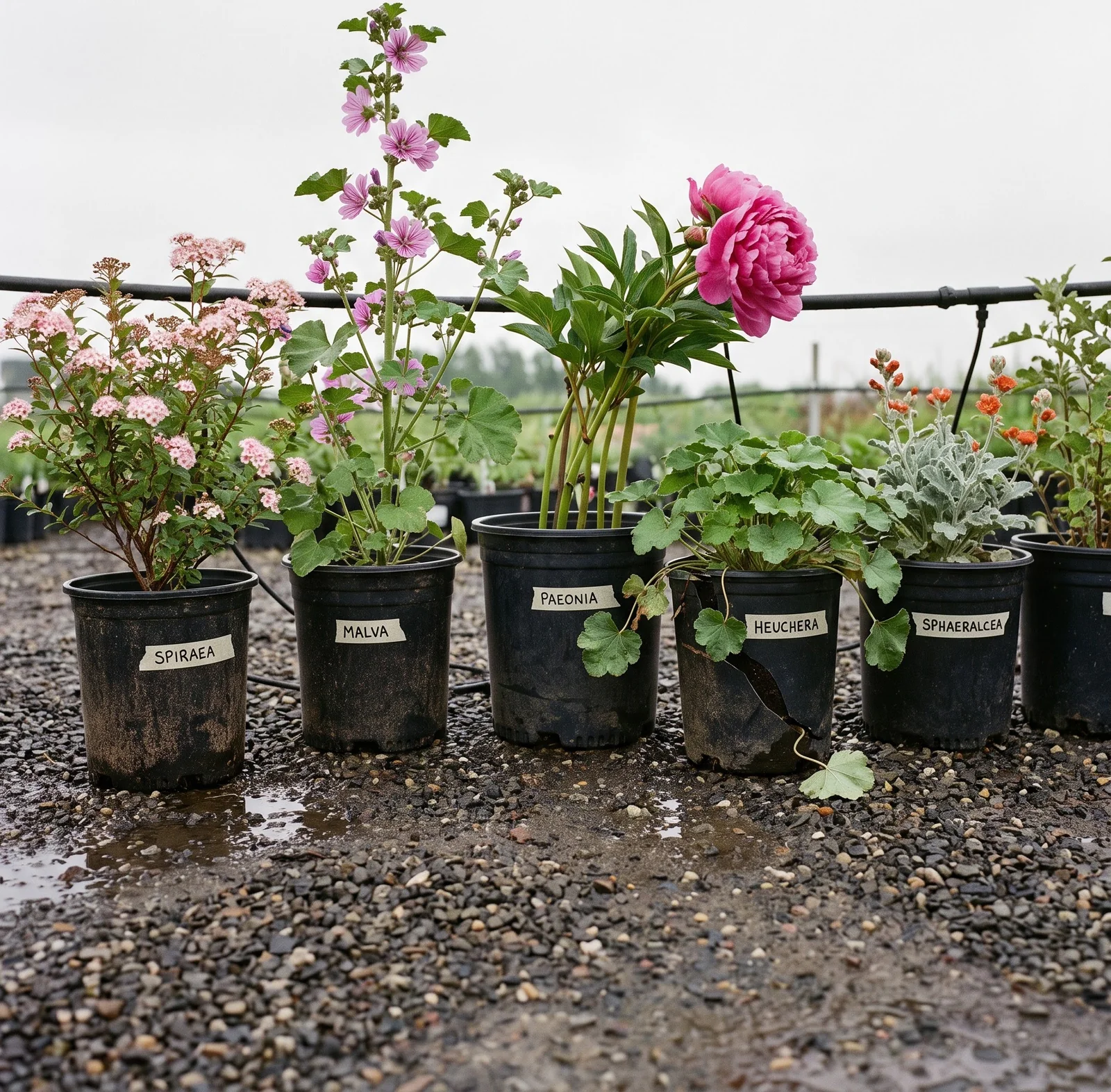
Height and growth habit tell these plants apart much faster than flower color. Here is how they compare side by side.
Which one do you want
A few quick clues settle the question. Match your plant to the first description that fits.
The family they share
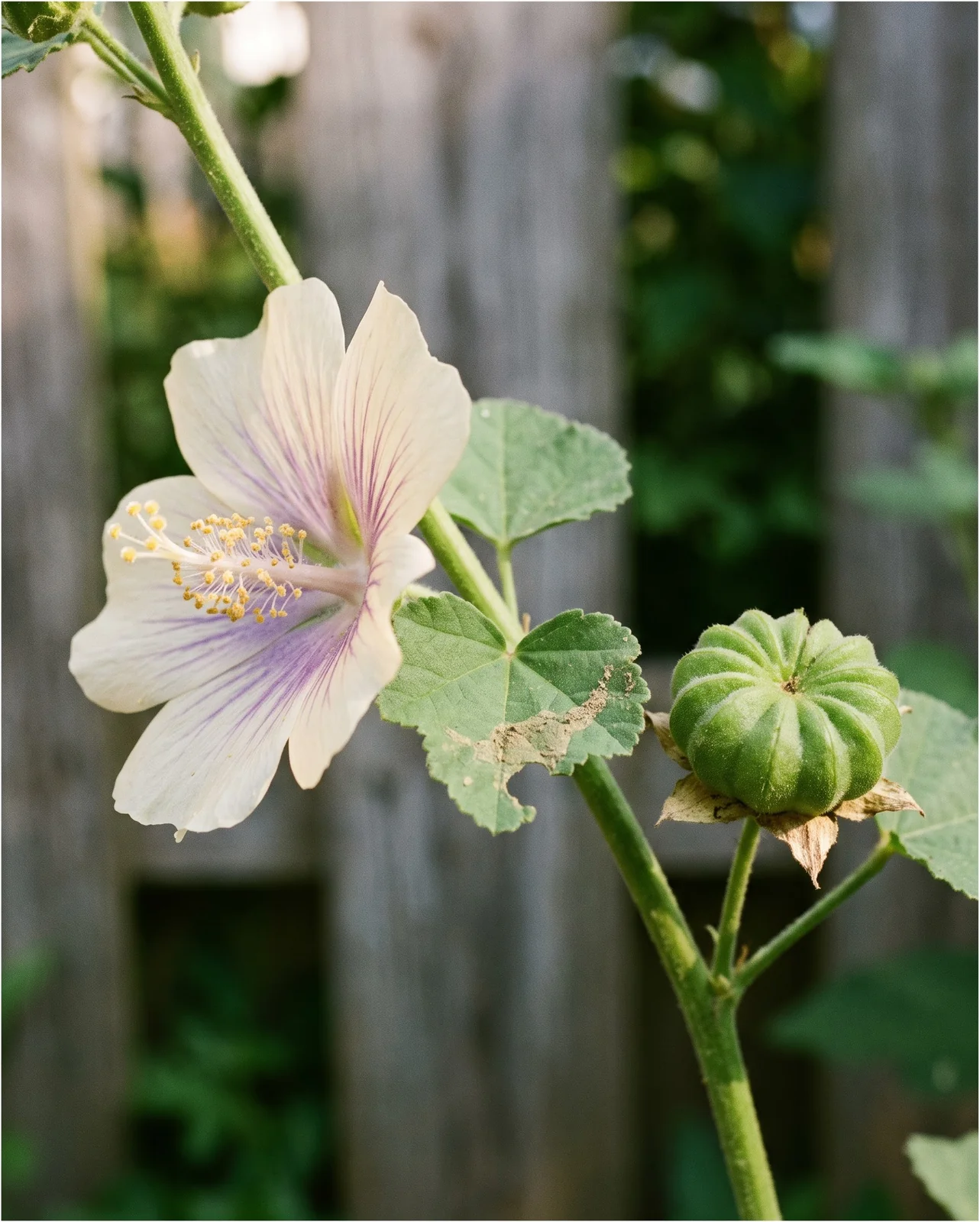
What links all these plants is the mallow family, Malvaceae, which includes okra, cotton, and every garden hibiscus. The flower is the clearest sign of the kinship. Common mallow opens flowers under an inch wide, with four or five white petals marked by violet veins. Cape mallow carries flowers about an inch across, with pale pink petals that fade to white with darker veins. Rose mallow keeps that same five-petaled form, but opens much larger blooms. The second family trademark appears once the petals drop. Common mallow leaves behind a flat circular disk that looks like a miniature wheel of cheese, giving the plant its nickname of cheeseweed. Inside each disk sit 10 to 12 seeds.
Rose mallow, the big-flowered perennial
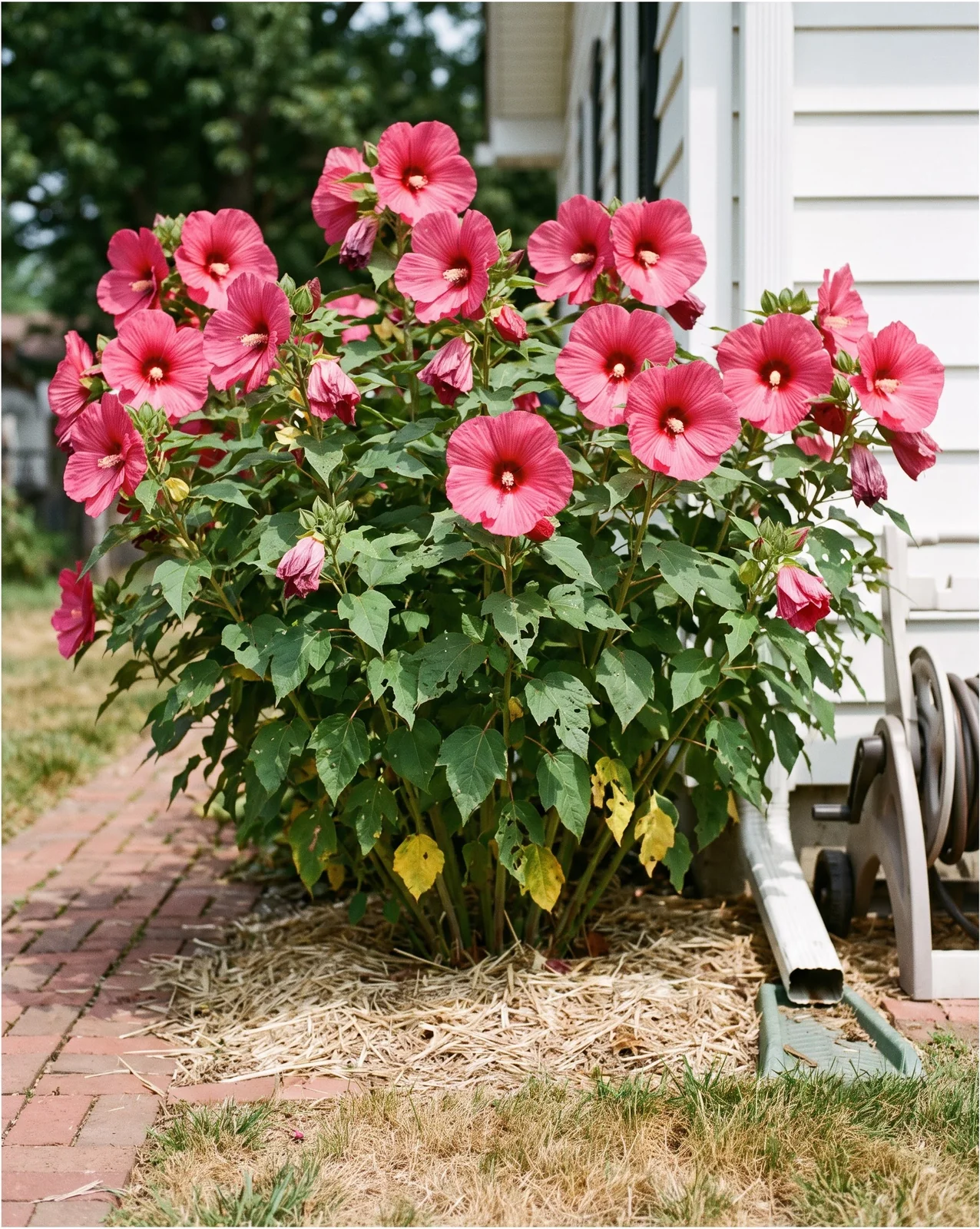
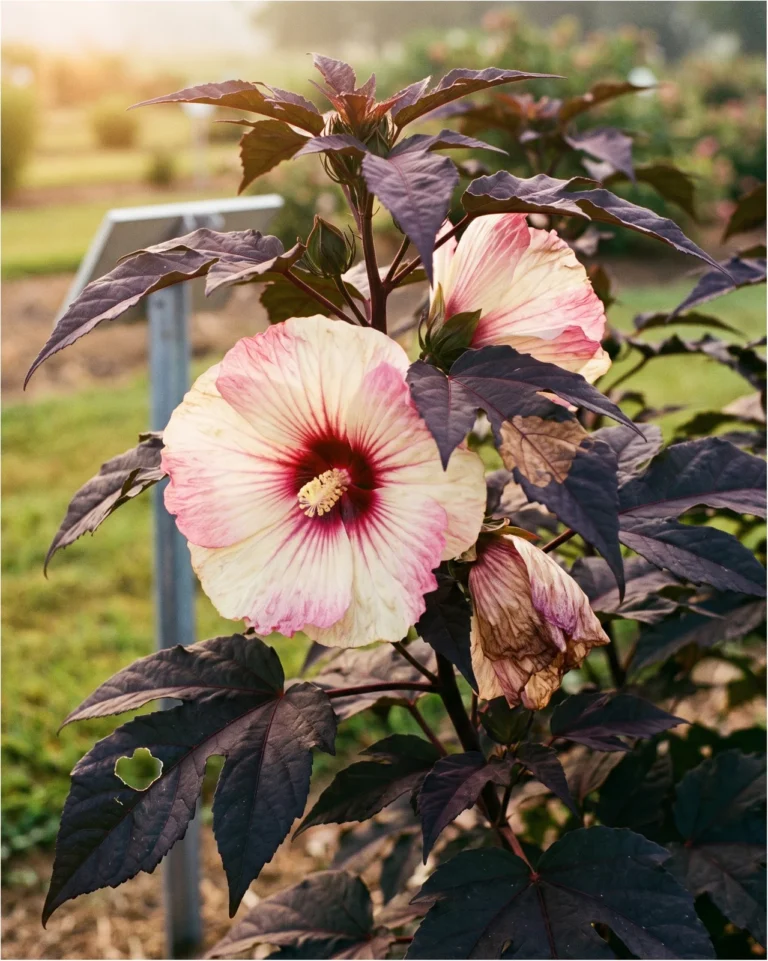
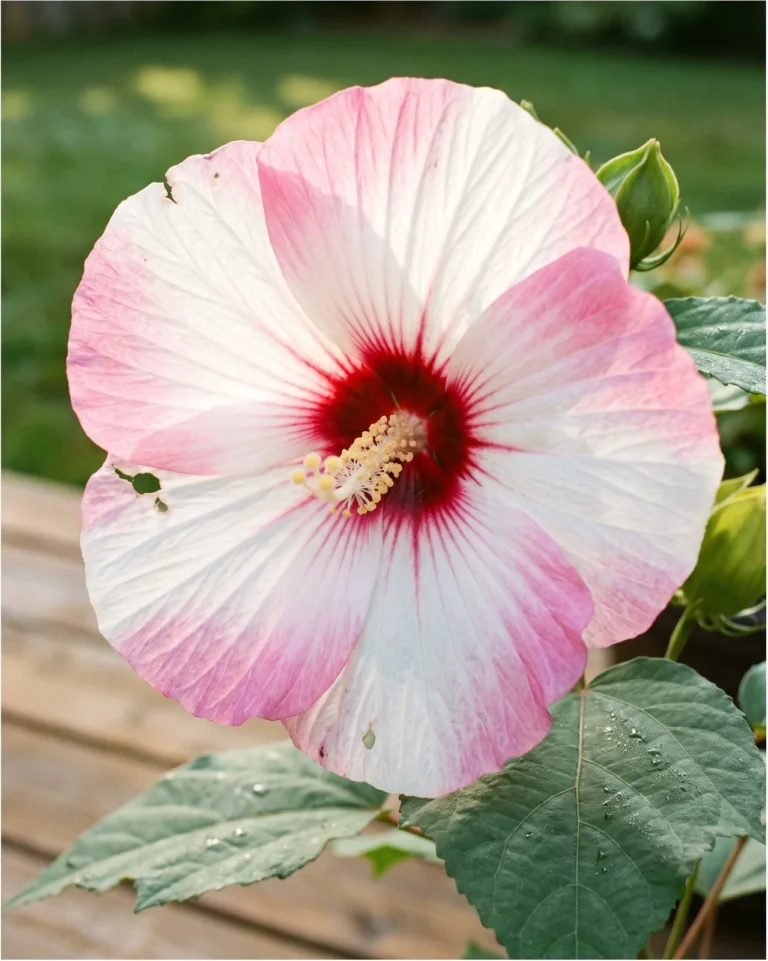
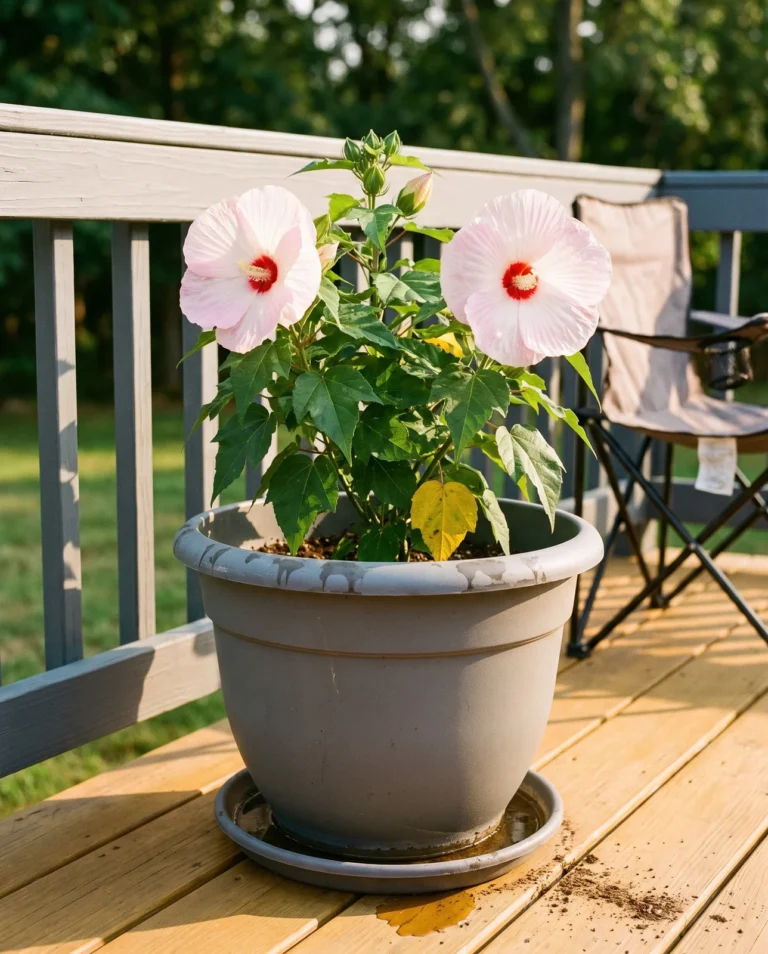
Rose mallow, Hibiscus moscheutos, is a hardy herbaceous perennial that dies back to the ground each winter and regrows from the crown. The flowers usually measure 6 to 9 inches across, with some reaching up to 12 inches. In the garden, they generally open to the size of a salad plate. Each individual bloom lasts only a day or two, but fresh flowers open continuously from June through September. At the peak of bloom, a large plant can open 20 or more flowers in a single day.
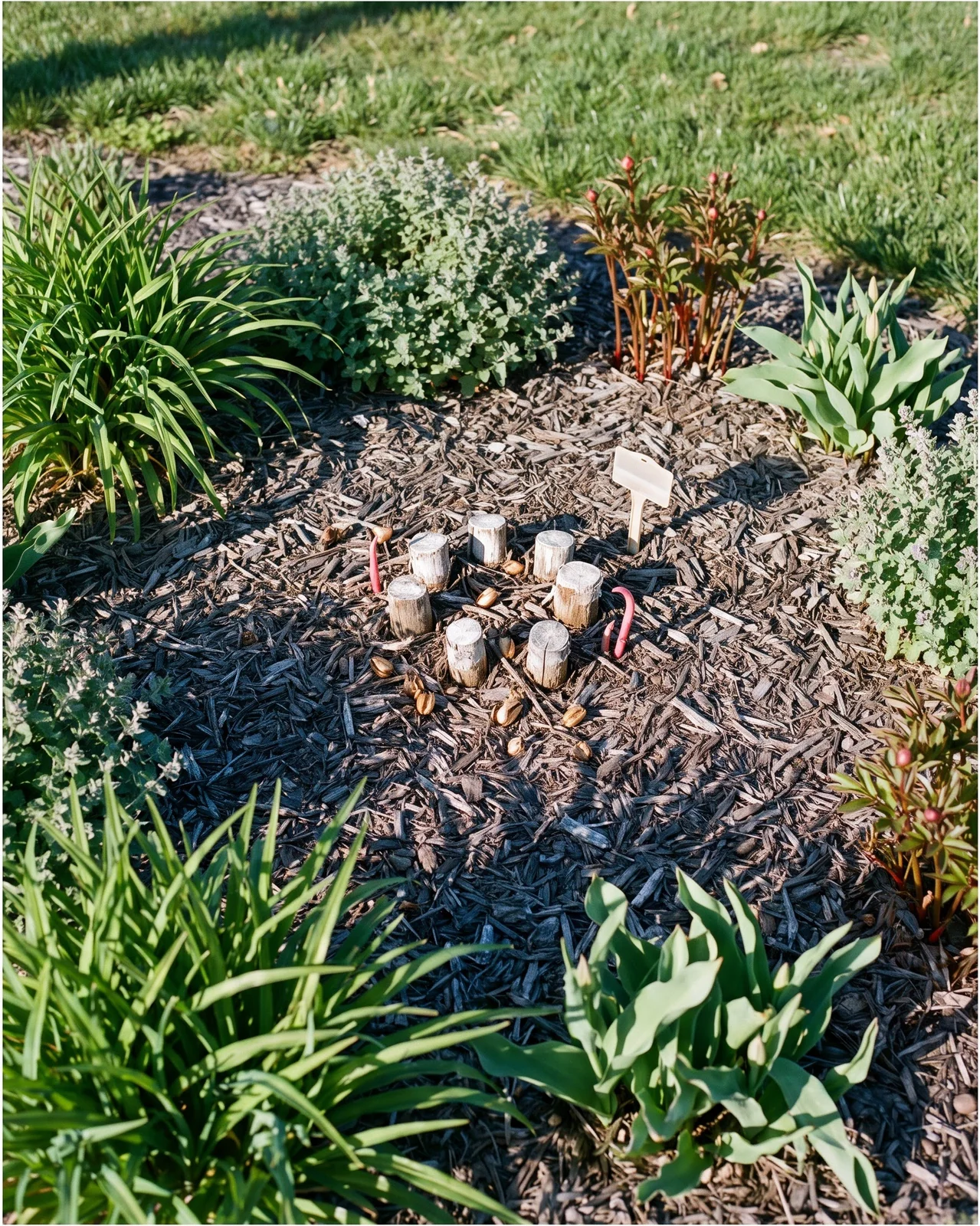
Rose mallow is among the very last perennials in the border to show new growth in spring. Shoots are slow to emerge from dormancy, but once they start, growth proceeds quite rapidly. In April and early May, you will see only bare mulch over the crown, with no sign of life above ground. Be patient and let the soil warm, because the roots are simply waiting for summer.
In the wild, rose mallow grows across southeastern Canada, the central and eastern United States, and northeastern Mexico. That native background benefits wildlife, with 28 species of butterflies and moths using the plant as a caterpillar host. Deer are the main visitor to guard against, because rose mallow is not resistant to deer browsing.
Common mallow, the weed of hard ground
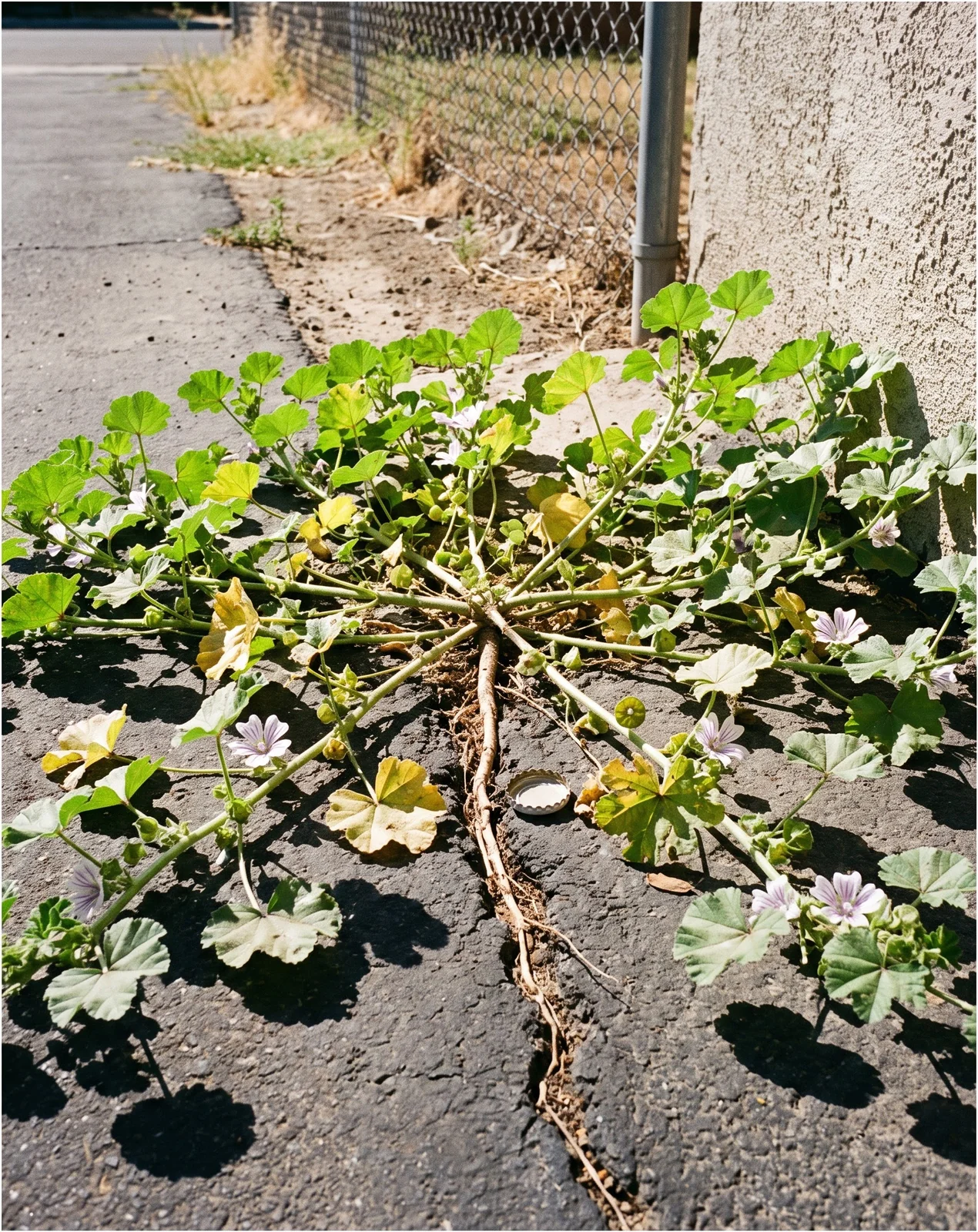
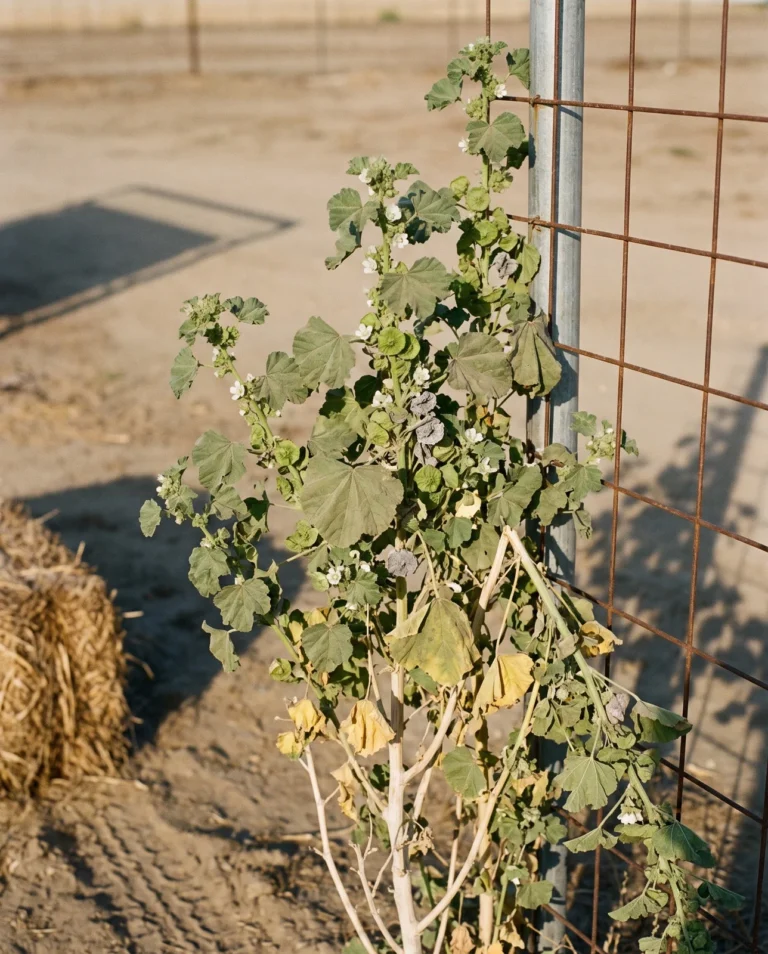
Common mallow, Malva neglecta, is the creeping weed that turns up uninvited in compacted soil and bare ground. It spreads horizontally with multiple branches anchored by a single deep taproot. Its trailing stems grow up to 2 feet long and can reach 2 feet in height. A second weedy species, little mallow, Malva parviflora, grows more upright and bushlike up to 5 feet tall. Telling them apart comes down to small details: common mallow has longer petals and smooth fruit, whereas little mallow bears wrinkled fruit.
Two traits make weedy mallow stubbornly persistent in garden beds. Its seeds have a tough coat that allows only a few to sprout each season, keeping the rest viable in the soil for years. It is also one of the few weeds that glyphosate does not control effectively. Spreading at least 3 inches of organic mulch helps suppress both seedling emergence and weed growth. Keep it away from vegetable gardens, because mallow can host whiteflies and thrips. It can serve as a reservoir for alfalfa mosaic virus, cotton leaf crumple virus, tomato yellow leaf curl, and tomato spotted wilt tospovirus, which they can spread to crops.
Common mallow is an introduced plant in North America. It arrived from Europe as a medicinal herb, tracing its native range to the Canary Islands, Morocco, Europe, and Central Asia. Today it grows wild across Canada, South America, and most of the United States. The leaves and seeds of common mallow are edible, with mature seeds cooked like grains. That culinary use belongs strictly to Malva neglecta.
The cottage garden malvas
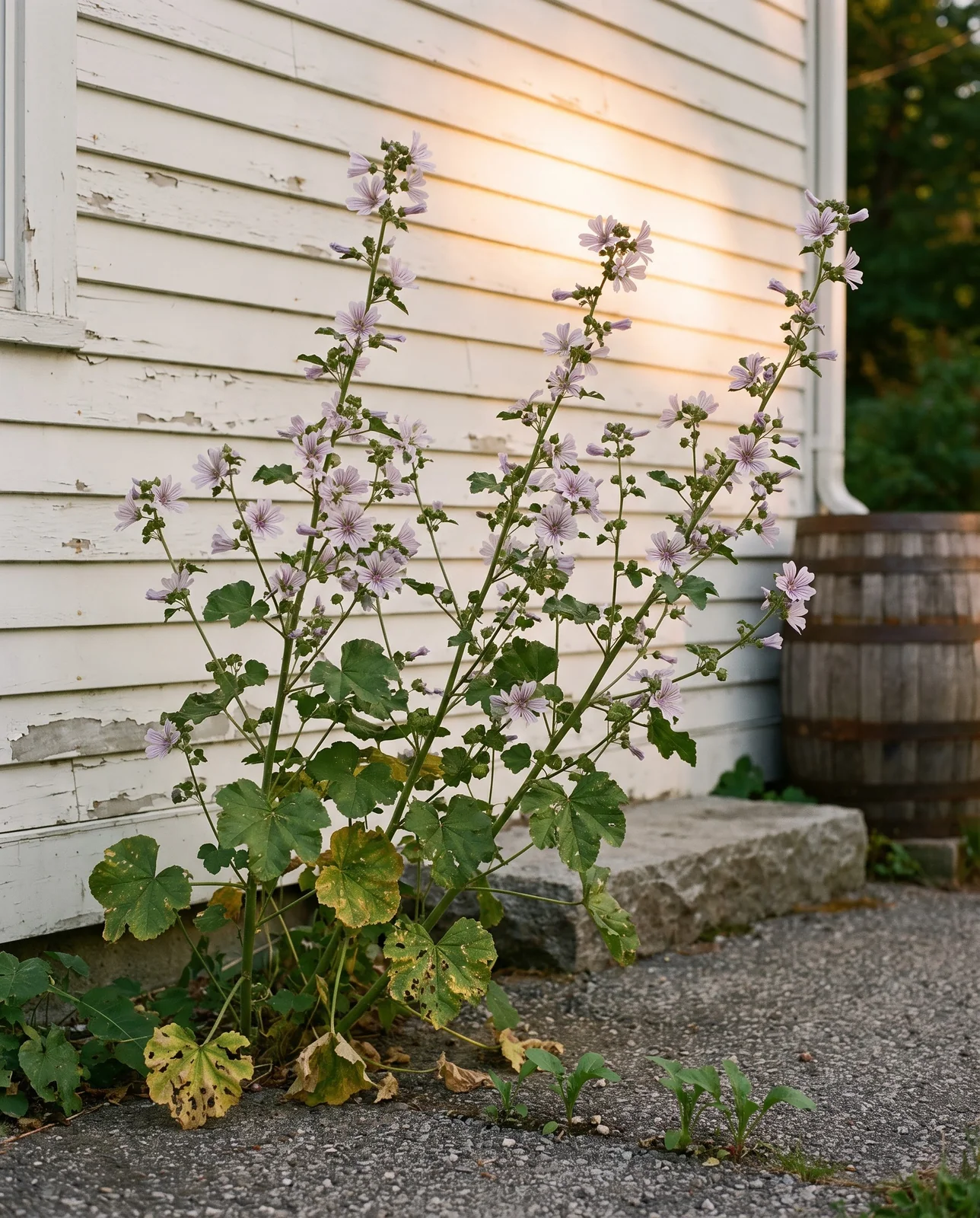
The upright mallow of cottage borders is Malva sylvestris, which behaves as an annual, biennial, or short-lived perennial depending on garden conditions. Native to northern Europe, northern Africa, and southwestern Asia, it flowers steadily from about July through September. Established plants self-seed freely, filling cottage borders alongside foxglove as older clumps give way to young seedlings. When an individual plant fades after a year or two, it is simply following its natural cycle. Rust is the primary problem to watch for as summer progresses, though the plant has no other serious pest or disease issues.
Three more mallows: tree, Cape and globe
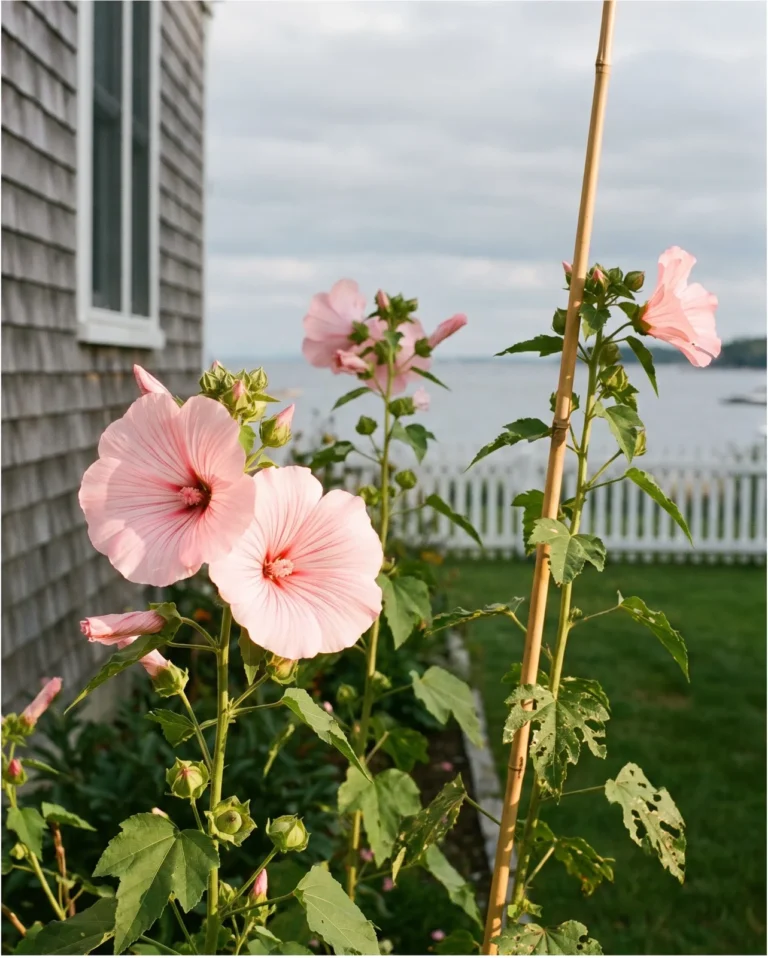
Tree mallow includes about 24 species, with most native to dry, rocky places. The annual Lavatera trimestris comes from the Mediterranean and is grown as a bedding plant, opening flowers 2 to 3 inches wide. It can struggle in hot, humid summers because it prefers cool nights and moderate rain. It has no serious pest or disease troubles, though root rot, leaf spots, and Japanese beetles can occur. The biennial tree mallow, Lavatera arborea, blooms in its first year and is often grown as an annual. It grows in South America, South Africa, California, and Oregon. Shrubby sub-shrub types average about 4 to 5 years before they weaken at the base.
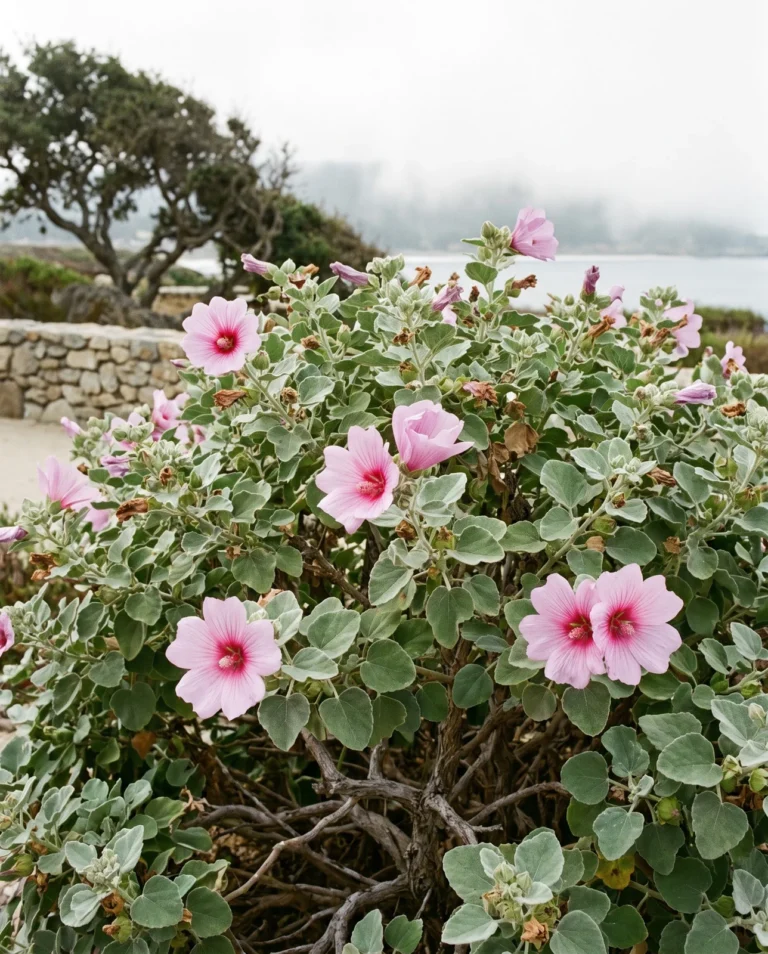
Cape mallow is an evergreen, woody-based shrub or perennial from South Africa's Cape Province, bearing saucer-shaped, five-petaled flowers over a long season from summer into autumn. Where winters turn cold, gardeners grow it as a patio plant and move it under glass for winter.
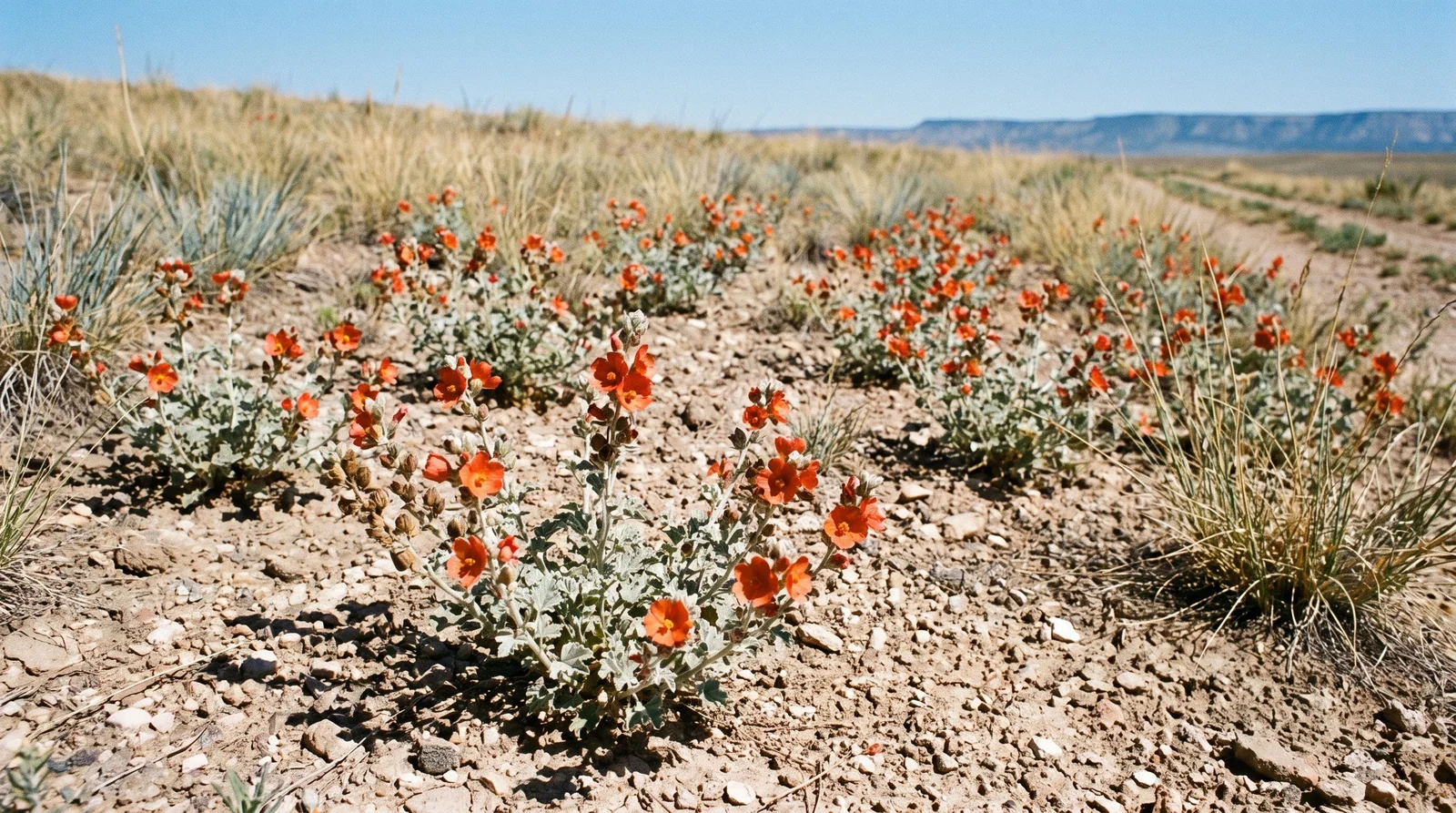
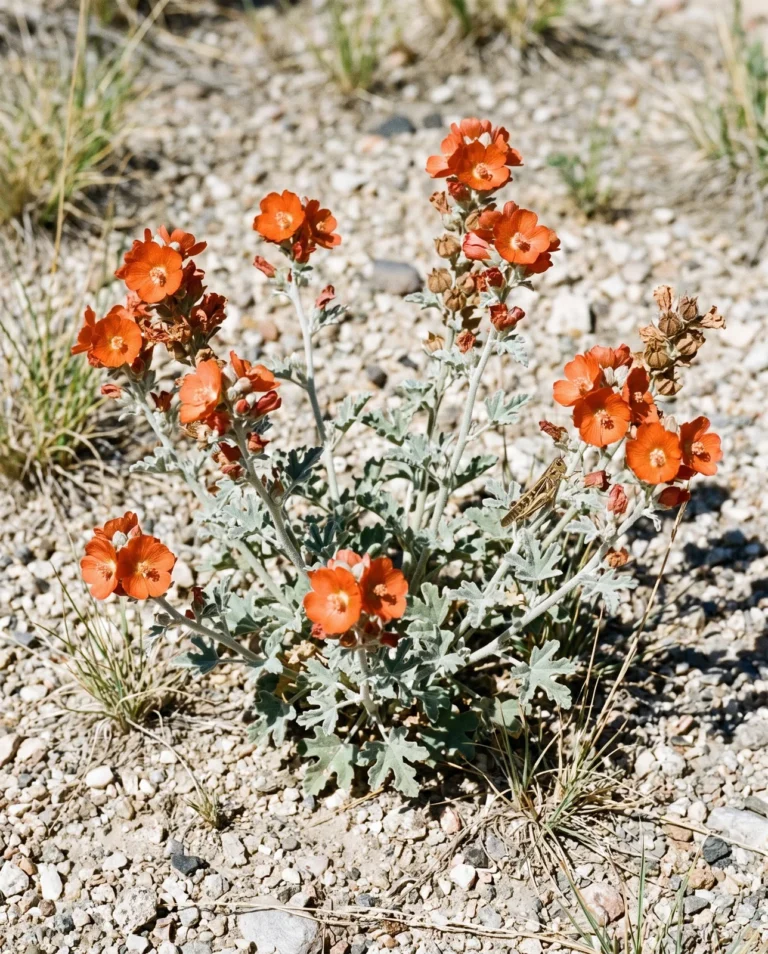
Scarlet globemallow, Sphaeralcea coccinea, is a low-spreading, warm-season perennial that forms a long-lived forb to half-shrub. It anchors into dry soil with a slender, deep taproot, a woody branched caudex, and sometimes well-developed rhizomes. Gardeners also know it as copper mallow, red false mallow, or cowboy's delight. The flowers are about 1 inch wide, with five deep orange to brick-red petals. Growth begins in March and April, flowering runs from May to July, and seed matures unevenly through July and August. No diseases are known to affect it, though grasshoppers and two weevil species can damage the seed.
Mallow hardiness zones, one plant at a time
Mallow hardiness depends on which species you grow, since their native homes range from northern riverbanks to warm coasts. Rose mallow is hardy in USDA zones 5 to 9. Cottage mallow, Malva sylvestris, thrives in zones 4 to 8, while common mallow, Malva neglecta, survives in zones 4a through 8b. Marsh mallow, Althaea officinalis, is the hardiest of the group, growing in zones 3 to 9.
The other mallows belong in warmer climates or are grown for a single season. The biennial tree mallow, Lavatera arborea, can overwinter outdoors in zones 8 through 10. Annual tree mallow fits a very wide range because gardeners grow it as bedding and replace it each year. Cape mallow suits zones 8a through 11b. It tolerates cold down to about 34 to 41 F, but it cannot survive being frozen. Scarlet globemallow is recommended for xeriscaping in zones 6 to 8.
Where and when to plant mallow
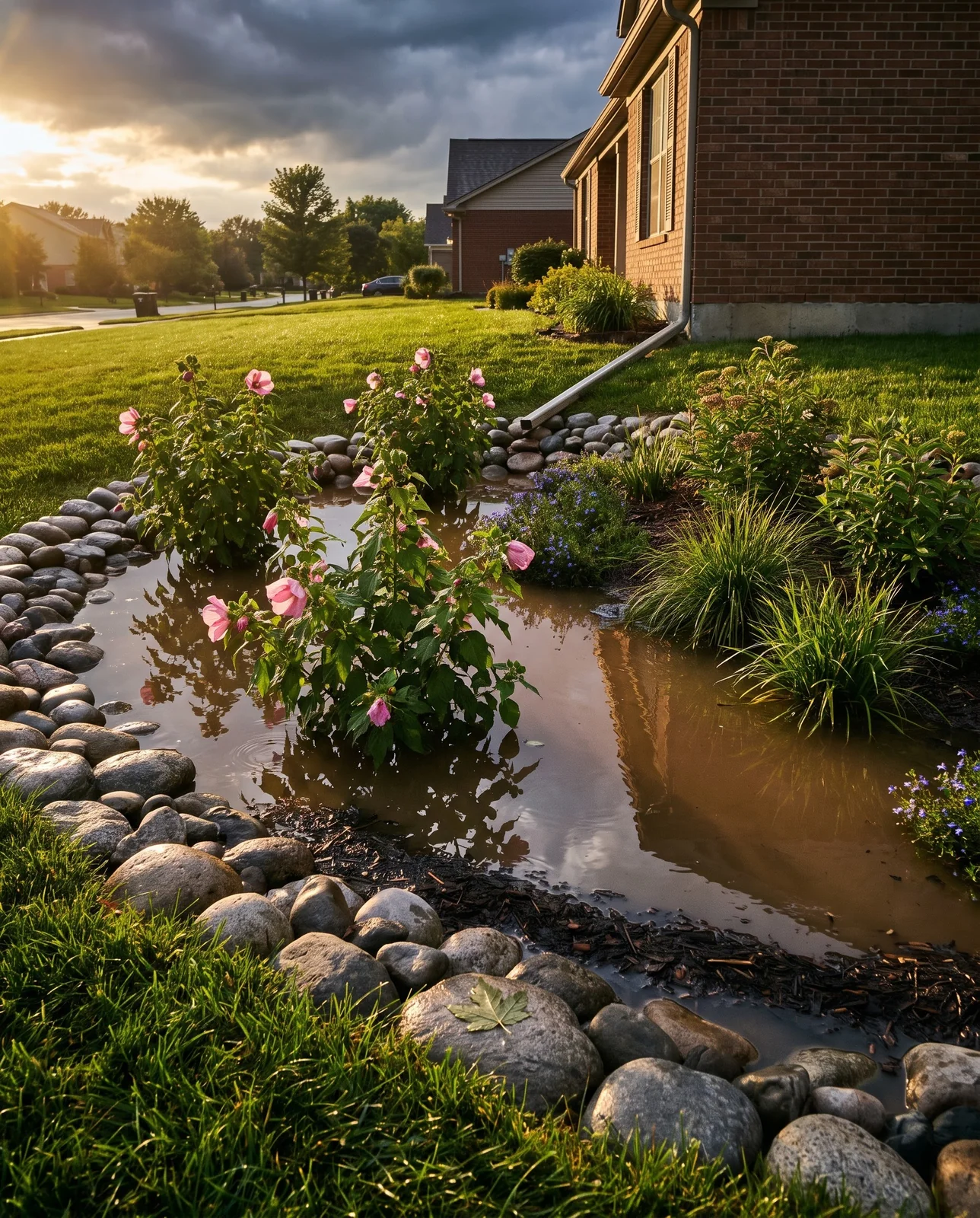
Where you plant a mallow depends first on soil moisture, because the species divide into wetland growers and dry-ground natives. Rose mallow suits damp ground and rain gardens, though it also does surprisingly well in average garden soil if you never let it dry out. Give it plenty of direct sun to flower at its best. Marsh mallow thrives in similar damp ground, being native to ditches, stream banks, and brackish wetlands. Scarlet globemallow needs the reverse, thriving in dry ground suited for xeriscaping. Cape mallow often stays out of garden beds, growing as a patio container plant that moves under cover for winter.
Sowing and propagating mallow
How you sow mallow seed depends on the species, since some need help breaking through a tough seed coat while others sprout readily. Nicking the tough coat on common weedy mallow seed lets water enter so it can germinate in the same season it matured. Scarlet globemallow also has a hard seed coat, and its germination can be increased by acid or mechanical scarification. Direct seeding in the fall lets the seed stratify naturally over winter. The seeds are very small, running to about 500,000 per pound. Annual tree mallow needs none of this preparation, going straight into the garden two weeks before the final frost, or starting indoors 6 to 8 weeks earlier. Its seed capsules can stay viable for years.
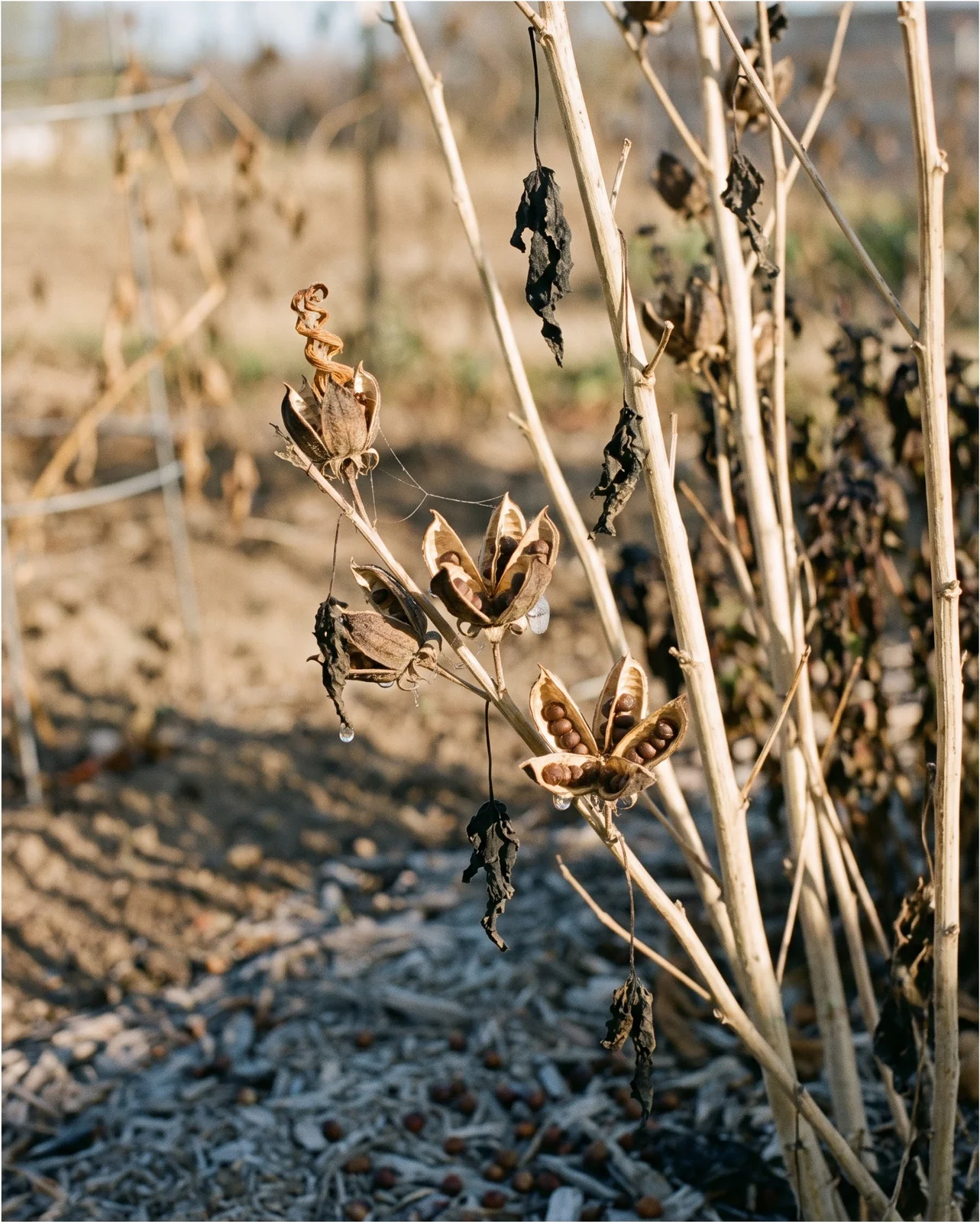
You can propagate rose mallow from seed, stem cuttings, or root division, though an established clump rarely needs dividing. Its buoyant seed capsules float on water, which helps disperse seeds along wetlands in the wild. Cape mallow starts easily from spring-sown seed or from semi-ripe stem cuttings taken with bottom heat in summer. For perennial and shrubby tree mallows, take softwood cuttings from spring into early summer, while annual types are raised from seed. Cottage mallow handles propagation on its own, self-seeding readily under most garden conditions.
Why a mallow will not flower
When a healthy mallow fails to bloom, the cause is usually lack of sunlight or simple springtime impatience. Sunlight translates directly into flower buds: for rose mallow, more sun directly increases how many blooms the plant opens. If an established clump bloomed freely in past years, nearby shrubs or trees may have grown tall enough to cast too much shade. Other times, the plant is simply running on its own clock, emerging late in spring before catching up rapidly in summer. An empty crown in May is normal, so give the plant time to catch up.
If a mallow bloomed well early and then stalled in midsummer, seed production is often the reason. Snip off spent flowers on rose mallow so the plant puts its energy into producing new blooms. For young plants raised from seed, flowering may simply belong to the following season. A first-year cottage mallow seedling that stays as a low rosette of leaves without blooming is usually a biennial with its main show waiting for next summer.
Yellow leaves and what causes them
Yellow leaves on a mallow point to three common causes, and turning a leaf over reveals which one you are dealing with. Rust is the first suspect to rule out, showing as pale yellow spots on leaf tops paired with rust-colored pustules directly underneath. Those blisters on the lower leaf surface start out reddish and slightly raised, then turn darker later in the season. If the undersides are clean with no pustules, rust is not the cause.
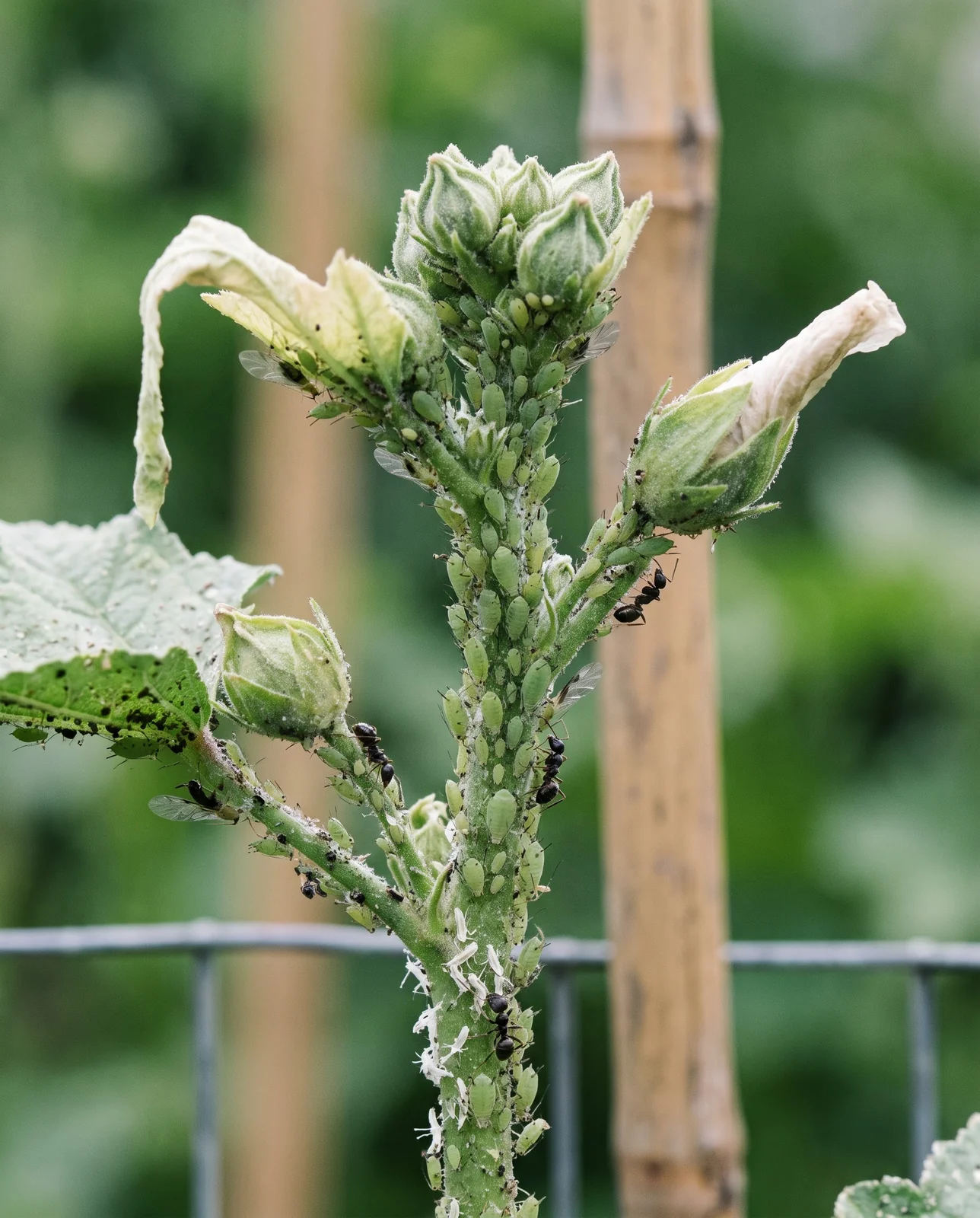
The second cause comes from sap-feeding pests. Cape mallow remains generally disease-free, but aphids, glasshouse whiteflies, and glasshouse red spider mites can still find it. They cluster on tender shoots and leaf undersides, draining sap until the foliage speckles and fades. The third cause sits below ground in waterlogged soil. Tree mallow can suffer from root rot alongside leaf spots when roots sit in poorly drained ground. When water stands around the roots, foliage turns yellow from the base upward.
Mallow rust, the disease of this family
Mallow rust comes from a single fungus, Puccinia malvacearum, that completes its entire life cycle on one host plant. Because it needs no alternate host, it spreads easily between garden ornamentals and wild cousins. Common or roundleaf mallow weeds allow the fungus to persist quietly right beside garden hollyhocks. Other family members like cheeseweed, Lavatera, and Hibiscus also carry the disease and should be cleared away from infected plantings. The fungus overwinters in basal leaves and plant debris, where resting spores stay viable in the soil for months.
Stopping mallow rust begins with thorough garden sanitation. Cut infected stems back to the soil line and clear away all debris as soon as flowering ends. Pull and destroy any mallow weeds growing near the garden to cut off the supply of fresh spores. Cultivars also differ in how they react, so planting more resistant selections helps prevent outbreaks before they start. A plant that suffers from rust every summer is usually catching it from an overlooked weed nearby.
What actually goes wrong, plant by plant
The main troubles that affect each mallow, with the symptoms to watch for and how to handle them.
Rust can strike rose mallow alongside leaf spots, blights, and canker, bringing this family disease to garden ornamentals as well as wild weeds.
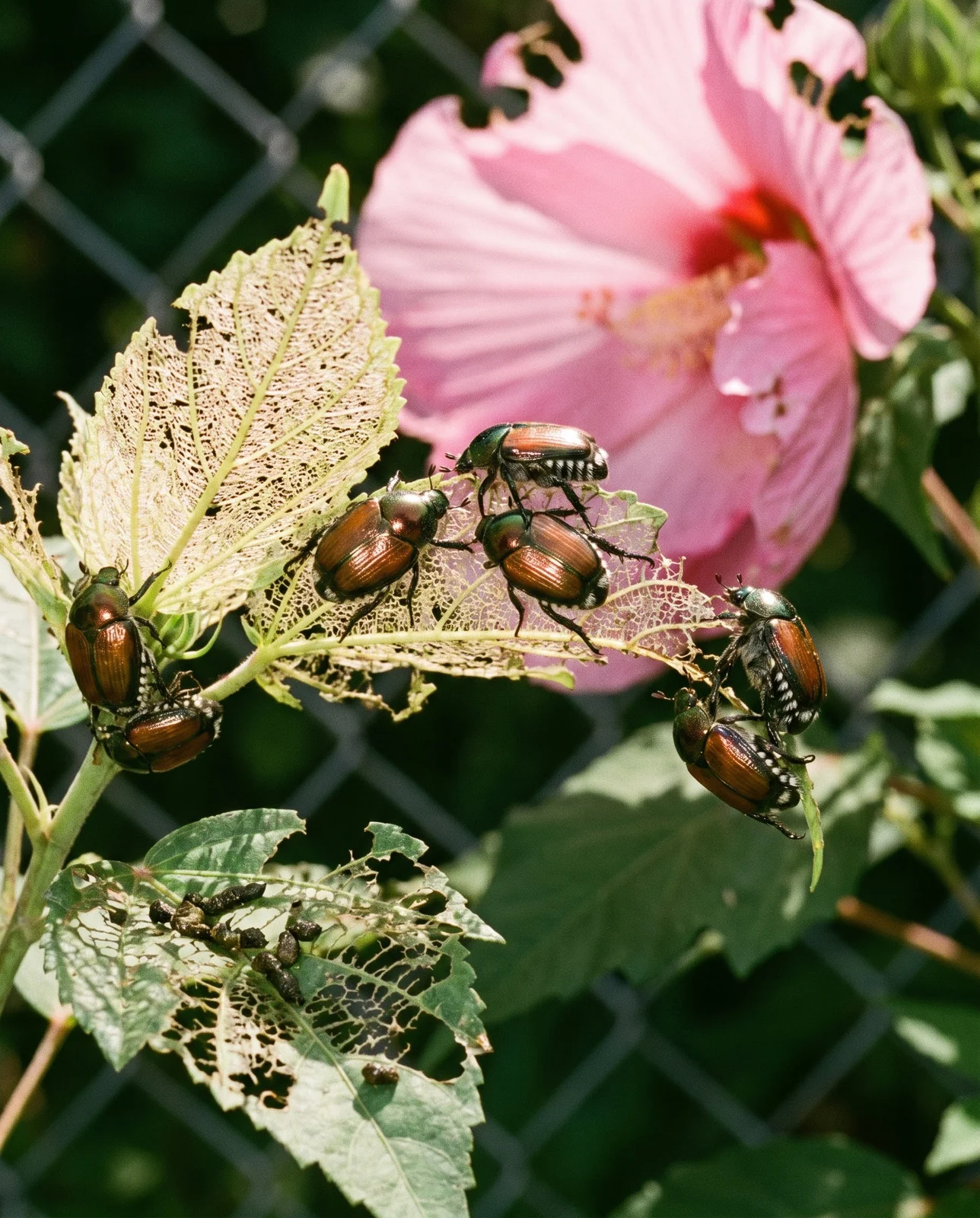
Japanese beetles can severely damage rose mallow foliage if left unchecked, feeding alongside sawfly caterpillars until the leaves look skeletonized.
Marsh mallow has no major pest or disease troubles, though you should watch for flea beetles and foliar rusts.
Weedy mallow acts as a refuge for both pests and serves as a reservoir for plant viruses that they can spread to crops. Clear it out of vegetable gardens to protect your harvest.
Should mallow be cut back
Whether to cut a mallow back depends on the kind you grow. For rose mallow, you can cut the stems down to 3 to 4 inches in late autumn. You can also leave the dead stems standing through winter so solitary bees can nest in them, then cut them back afterward. Tree mallows are pruned by how they grow. Cut herbaceous species down in winter, while shrubs with a permanent woody framework get pruned in spring. For sub-shrub varieties, prune lightly in autumn and save the hard cut back to new basal shoots for late spring.
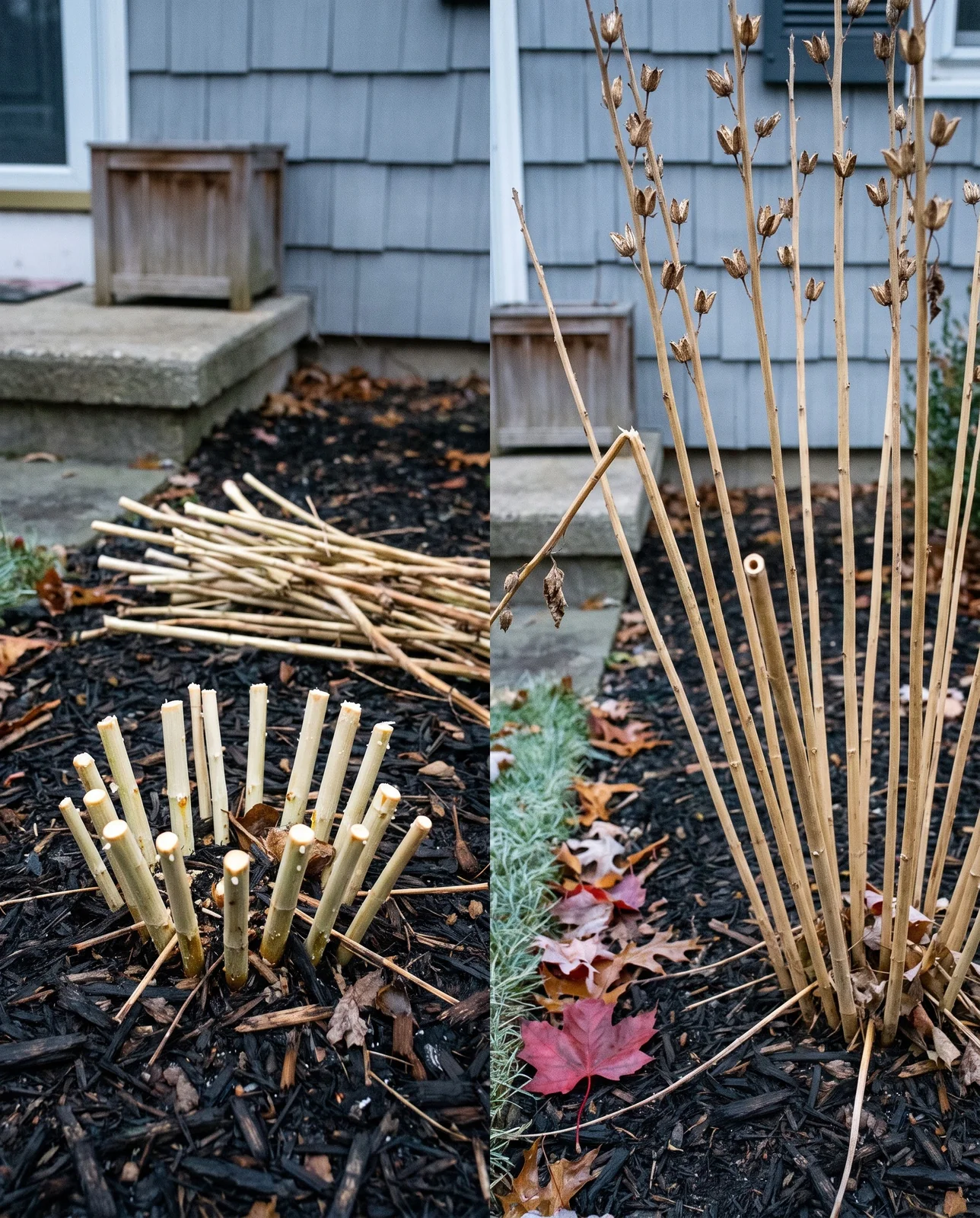
Does mallow come back every year
Whether mallow comes back each year depends on which species you have. Rose mallow returns from the crown each spring as a hardy perennial. Common mallow is less predictable: it can behave as a perennial, but it often grows as an annual, winter annual, or biennial. That difference decides whether pulling a plant once clears the ground for good.
Cottage garden malva behaves as an annual, a biennial, or a short-lived perennial depending on garden conditions. It self-seeds readily, so a border stays full even as individual plants die out. Tree mallows split by type: annual tree mallow is raised from seed and replaced each year, while the biennial kind flowers in its first year and is often grown as an annual. Cape mallow is an evergreen with a woody base that may survive outdoors in a mild, sheltered spot, but where winters turn cold it is normally grown under cover.
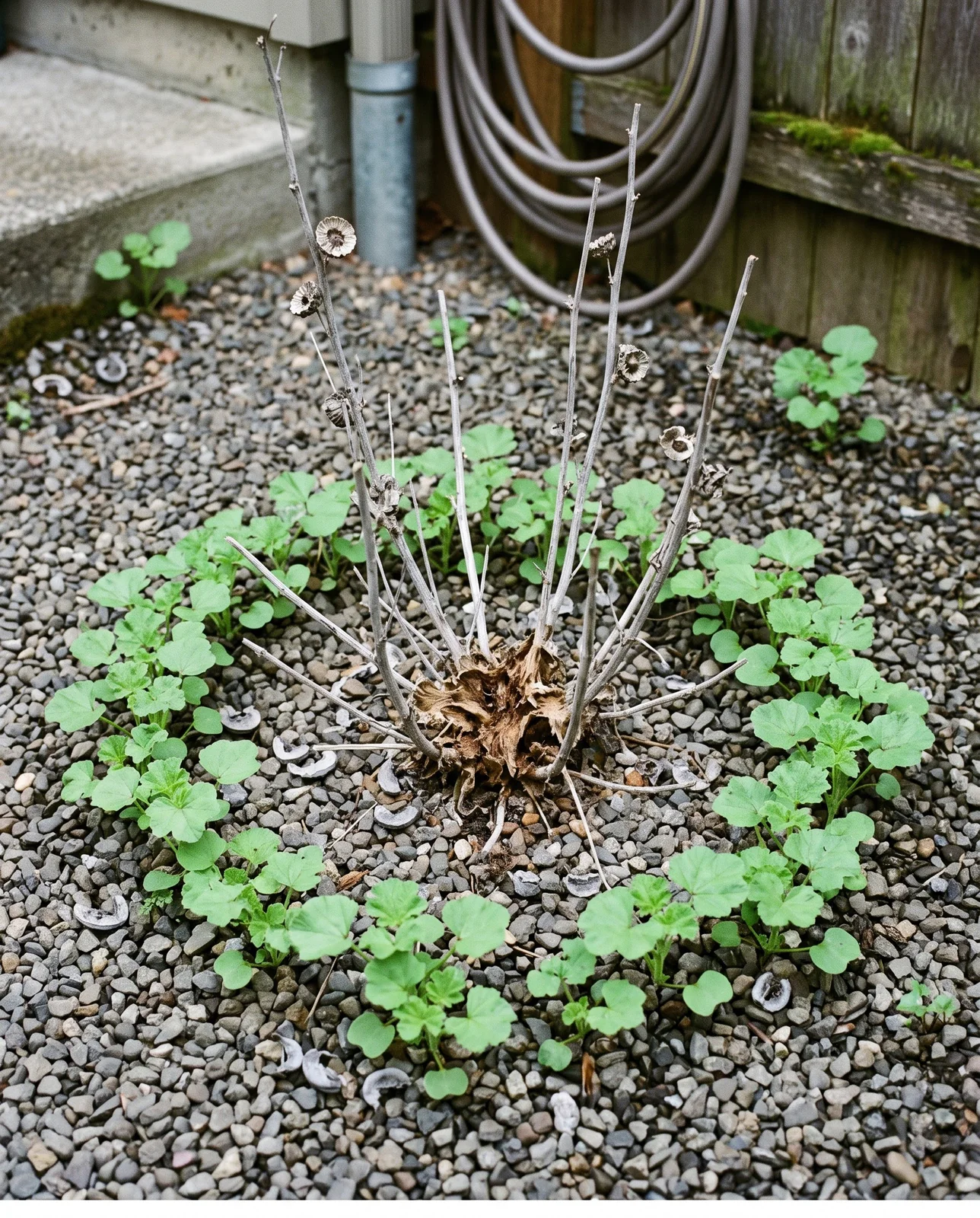
Marsh mallow and the name behind the sweet
Marsh mallow, Althaea officinalis, is the plant that gave the sweet its name, and it makes a handsome garden perennial in its own right. It grows over 6 feet tall on interconnected branching stems, carrying lilac-pink flowers in August and September. The botanical name Althaea comes from the ancient Greek word for healer, reflecting its traditional medicinal reputation. It is closely related to the hollyhock, and both are grown in the same kitchen garden at one public garden. The same stretched naming turns up under geranium, where one English word covers plants from two unrelated genera.
The original confection was made from the root. Documented use of the plant goes back over 2,000 years to Egyptians who found that its sap whipped with egg whites turned fluffy. The roots can also be cooked to make candy. Althaea officinalis is the plant behind that original treat, and it does not grow wild in California. A weedy mallow sprawling across a California driveway is a different plant that simply shares the name.
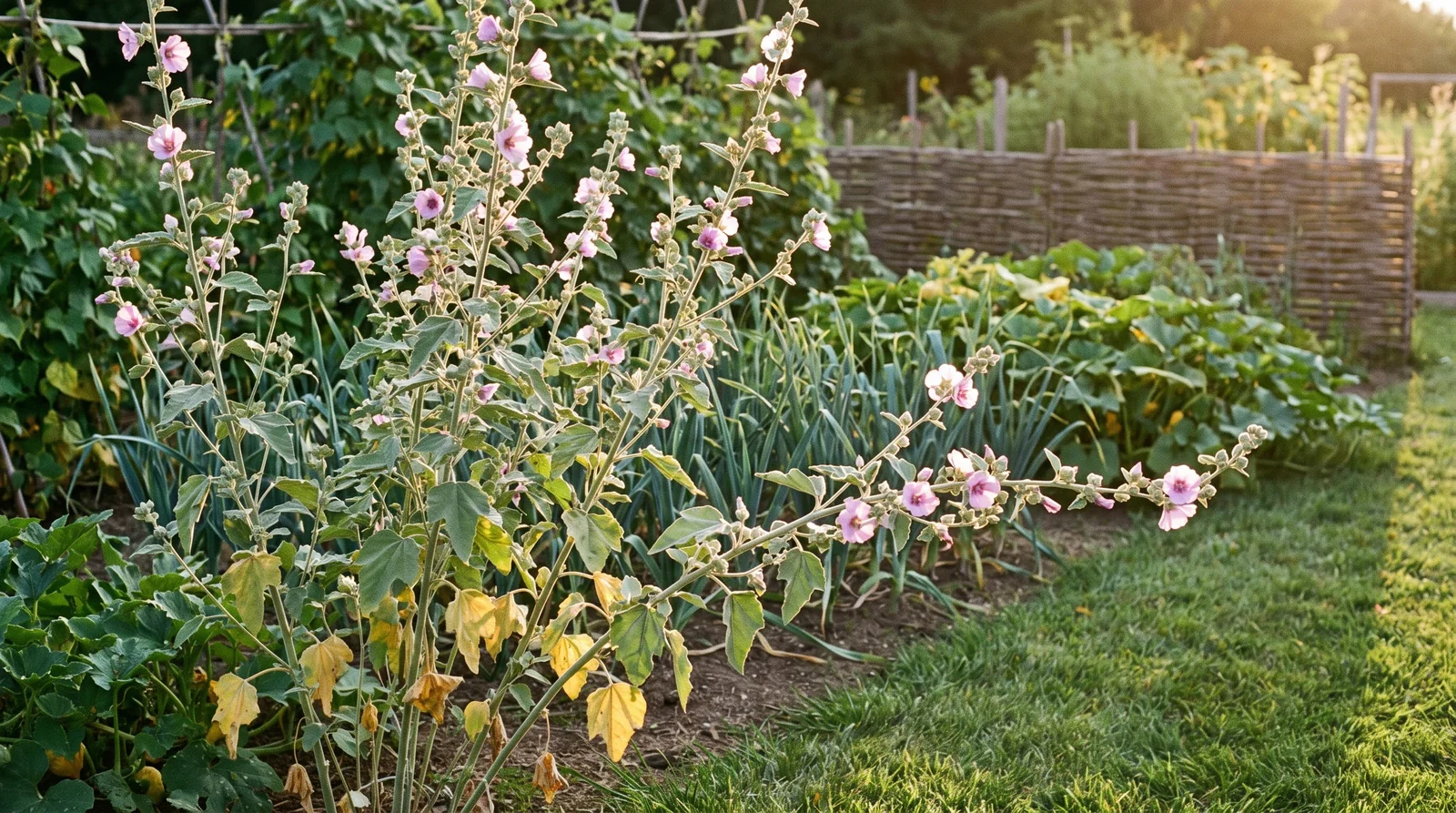
Is mallow safe for pets and livestock
No official safety rating exists for these garden plants under the name mallow. The ASPCA lists no entry for mallow, marsh mallow, rose mallow, or swamp mallow. Its listing under Hibiscus covers Rose of Sharon, Hibiscus syriacus. That shrub is rated non-toxic to dogs, cats, and horses, but perennial rose mallow has no entry. The listing for hollyhock belongs to another genus, Alcea rosea. Assuming a rose mallow shares that clean Rose of Sharon rating is an easy mistake, so keep chewing pets away from unlisted plants.
For livestock, mallow is not a favored forage for cattle or horses, though it is generally harmless to grazing animals. One fatal poisoning involved horses with nearly no other feed available. They had eaten large quantities of little mallow plants and seeds containing cyclopropene fatty acids, the suspected cause of toxicity. Goats can graze down mallow infestations safely. Scarlet globemallow provides fair forage for cattle and elk, but poor feed for horses. It makes excellent forage for domestic sheep, deer, and bighorn sheep, which eat it especially when range grasses are dormant.
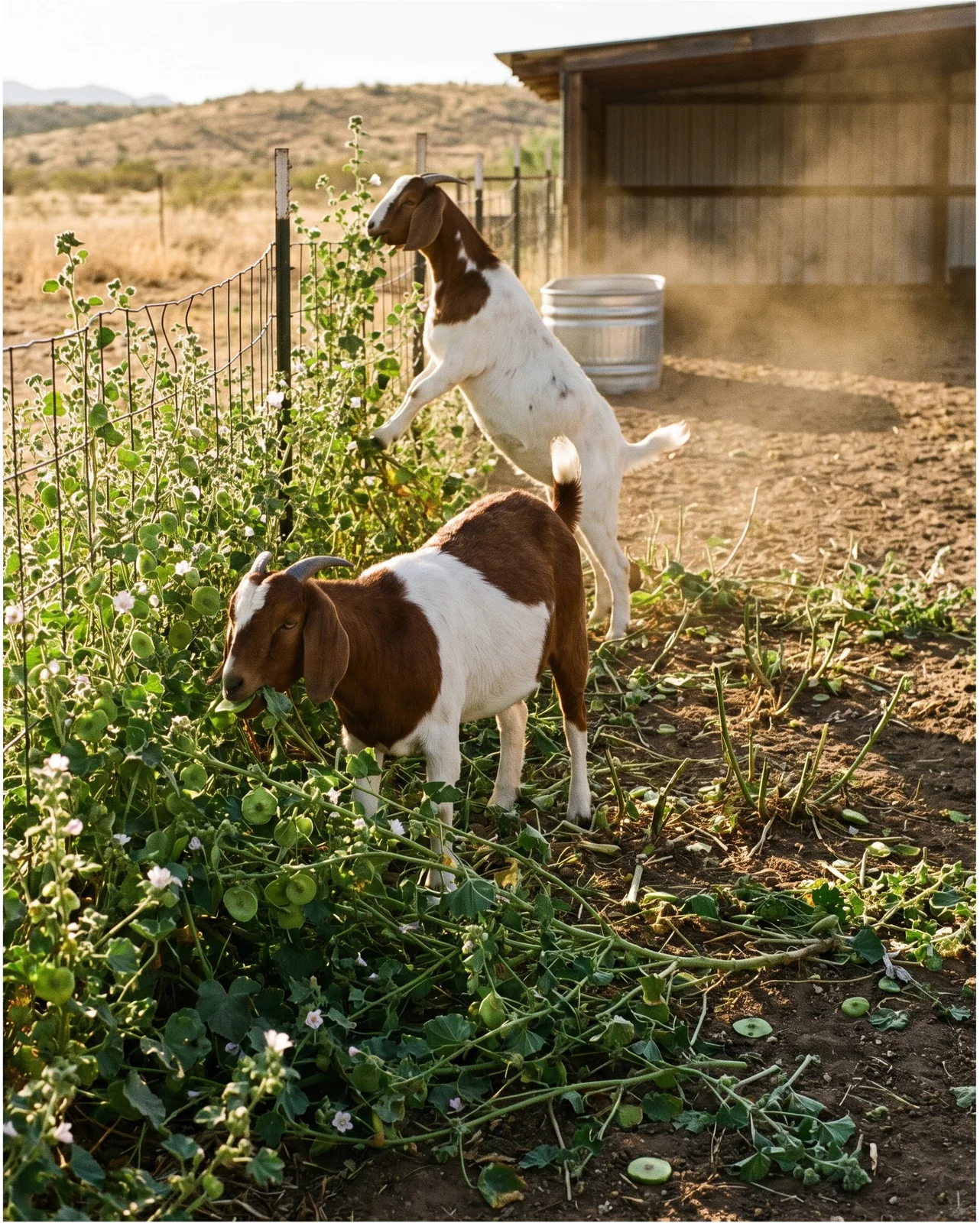
Named mallows worth telling apart
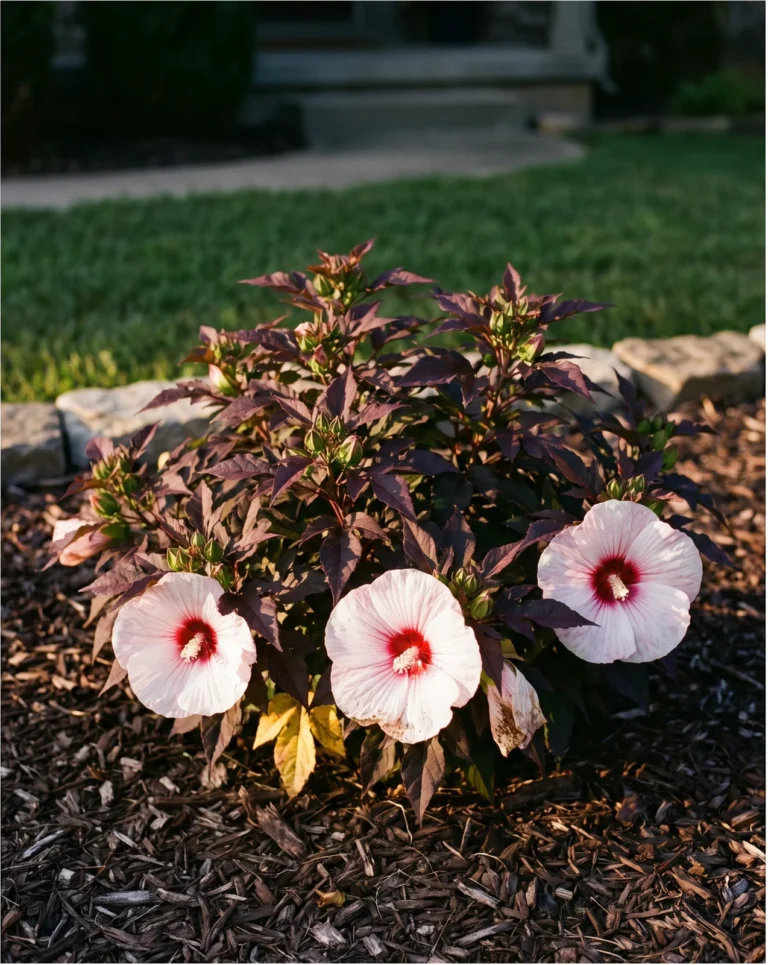
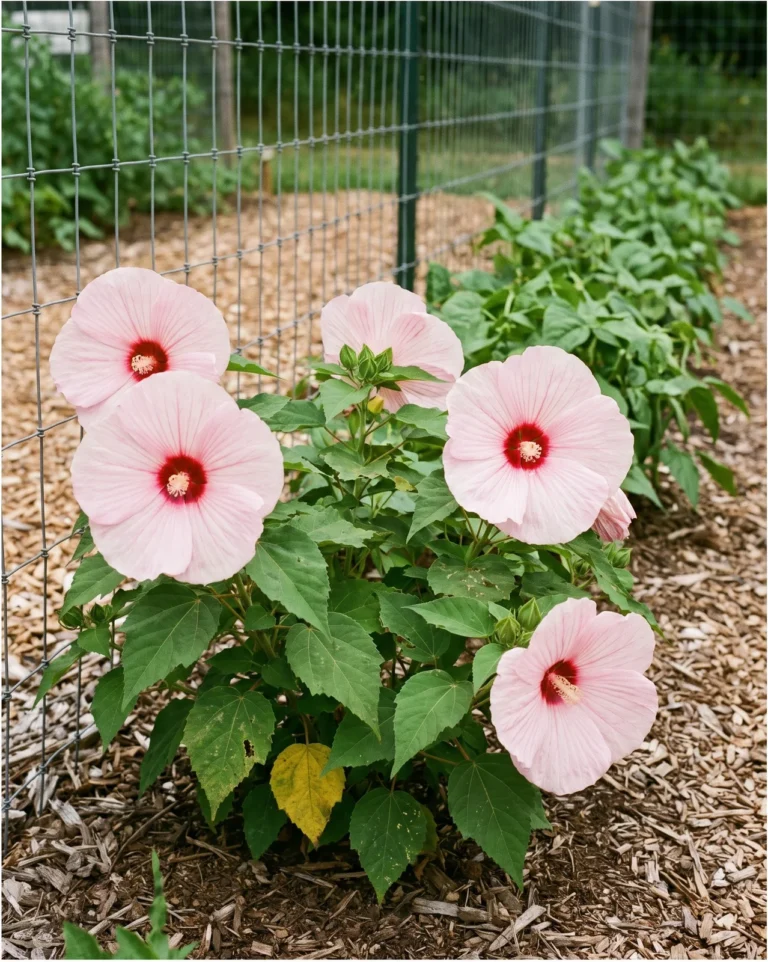
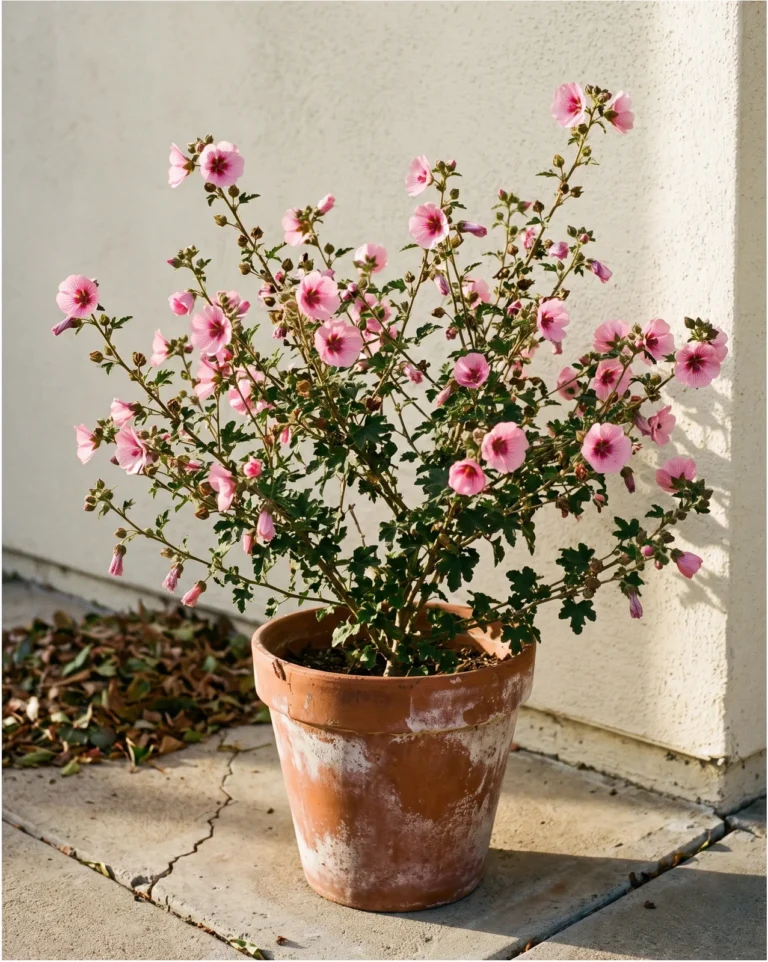
Five separate genera share these ten cards. Check the botanical name first to confirm size, hardiness, and lifespan, because on a wider list of flower types these plants sit far apart.
Height and spread across the mallows
Mallow sizes range from ankle-high groundcovers to shrubs taller than a person, depending on which species you plant. Rose mallow grows about 2 to 7 feet tall and spreads 2 to 5 feet wide. Cape mallow stays smaller, reaching about 20 inches to 4 feet in height and spread. Marsh mallow usually grows up to 4 feet tall with a spread of 2.5 feet, but can reach 6 feet tall and 4 feet wide. Shrubby tree mallows spread the widest, needing at least 3 feet of width and reaching about 6.5 feet tall. Patio varieties like 'Barnsley Baby' stay under 3 feet tall.
What to expect year by year
Growth and care shift as these plants establish, with each species settling into its own rhythm over the first few years.
The first summer is about shaping the plant. Pinching back the growing tips of a rose mallow when it reaches 8 inches, and again at 12 inches, produces a much bushier plant.
By the third and fourth summers, the plant has reached full size. You can cut older, taller rose mallow varieties back in spring to keep them compact.
How long a mallow lives depends on the species. Shrubby tree mallows tend to weaken at the base after four or five years. For scarlet globemallow, lifespan is unsettled: plants in the field may last about 6 years, though theoretical estimates run up to 35 years.
Mallow myths worth dropping
Four common misunderstandings about mallow, set straight by how the plants actually grow.
The myth: Marshmallow sweets are made from the mallow plant.
The reality: Modern marshmallows descend from a confection made with the root, but today's candy contains no marsh mallow extract.
The myth: The mallow weeds in the path have nothing to do with the rust on the garden plants.
The reality: Weedy common mallow can act as a temporary reservoir for rust spores before the disease moves onto garden hollyhocks.
The myth: Rose mallow is a Southern plant.
The reality: Its native range stretches from Texas and Florida north to New Jersey, Ohio, and Indiana.
The myth: Yellow leaves mean the plant is thirsty.
The reality: Yellow foliage often points to poorly drained soil, where standing water causes root rot around smothered roots.
FAQ
Are hibiscus and mallow the same?
Rose mallow is a true Hibiscus, so for that garden perennial they are the same plant. The weedy mallows belong to other branches of the same family, which also includes okra.
What zone does mallow grow in?
Hardiness depends on which mallow you plant. Rose mallow grows in zones 5 to 9, cottage malva in zones 4 to 8, and Cape mallow in zones 8a to 11b.
Does mallow grow back every year?
Rose mallow comes back from the crown each spring. Common mallow can grow as an annual, a biennial, or a perennial. Cottage malva self-seeds under most garden conditions, returning readily from dropped seed.
Should mallow be cut back?
For rose mallow, you can cut the stems down to 3 to 4 inches in late autumn. You can also leave them standing through winter to shelter solitary bees, cutting them back afterward.
Does Epsom salt or fertilizer fix yellow leaves?
No. Yellow leaves on these plants usually come from rust, sap-feeding insects, or roots standing in wet ground. None of those is a feeding problem, so fertilizer cannot fix them; turn a leaf over and look underneath first.
Can yellow leaves become green again?
No. A leaf marked by rust will not turn green again. To protect the following season, cut infected plants at the soil line and remove the debris as soon as flowering ends.
Is mallow the same as the marshmallow plant?
No. The sweet takes its name from marsh mallow, Althaea officinalis, whose candied roots were the ancient ancestor of modern marshmallows. The mallows grown in garden borders belong to the same family, but they are different plants.
Is mallow poisonous to dogs and cats?
Mallows have no official pet safety rating. The ASPCA has no toxicity entry for mallow, marsh mallow, rose mallow, or swamp mallow, and its hibiscus entry covers Rose of Sharon. Treat these plants as unrated and keep pets from chewing them.
Is mallow safe around horses?
Yes, under normal grazing conditions. Mallow is not a favored forage plant for cattle or horses, though it is generally harmless to grazing animals. The only fatal poisoning involved horses with almost no other feed available.
What gets rid of common mallow?
Spread at least 3 inches of organic mulch across the soil to reduce germination and growth. Common mallow is one of the few weeds glyphosate does not control effectively, and each plant grows from a single deep taproot.
Interesting tips
- If your garden bed has no room for a tall plant, choose one of the newer compact rose mallows: Fireball, Plum Crazy, Berry Awesome, Peppermint Schnapps, Blue River II, or Cranberry Crush.
- Where rust comes back every year, consider planting more resistant relatives such as Alcea rugosa and Alcea ficifolia.
- Clear away dead stems in fall, because rust spores in plant debris stay viable in the soil for at least 4 months.
Related Guides & Flowers
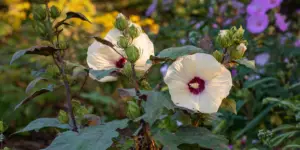
Hibiscus moscheutos
The species page for rose mallow, the plant most mallow buying searches are really about.
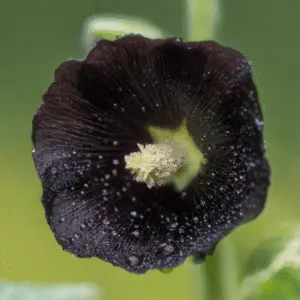
Hollyhock
The family relative that carries the same rust, and the plant mallow weeds keep it alive for.
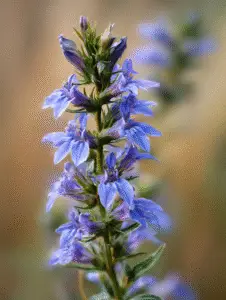
Great blue lobelia
A native for the wet ground rose mallow likes, and a partner for it in a rain garden.
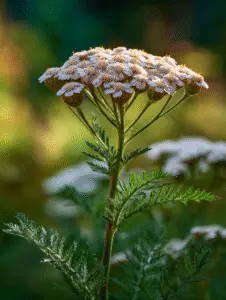
Yarrow
A dry-ground perennial for the gravelly places where globemallow belongs.
Enjoying our flower guides? Add YourFlowersGuide as a preferred source on Google. It helps more readers find us.
Add to Preferred Sources