What nerine is, and the names it borrowed
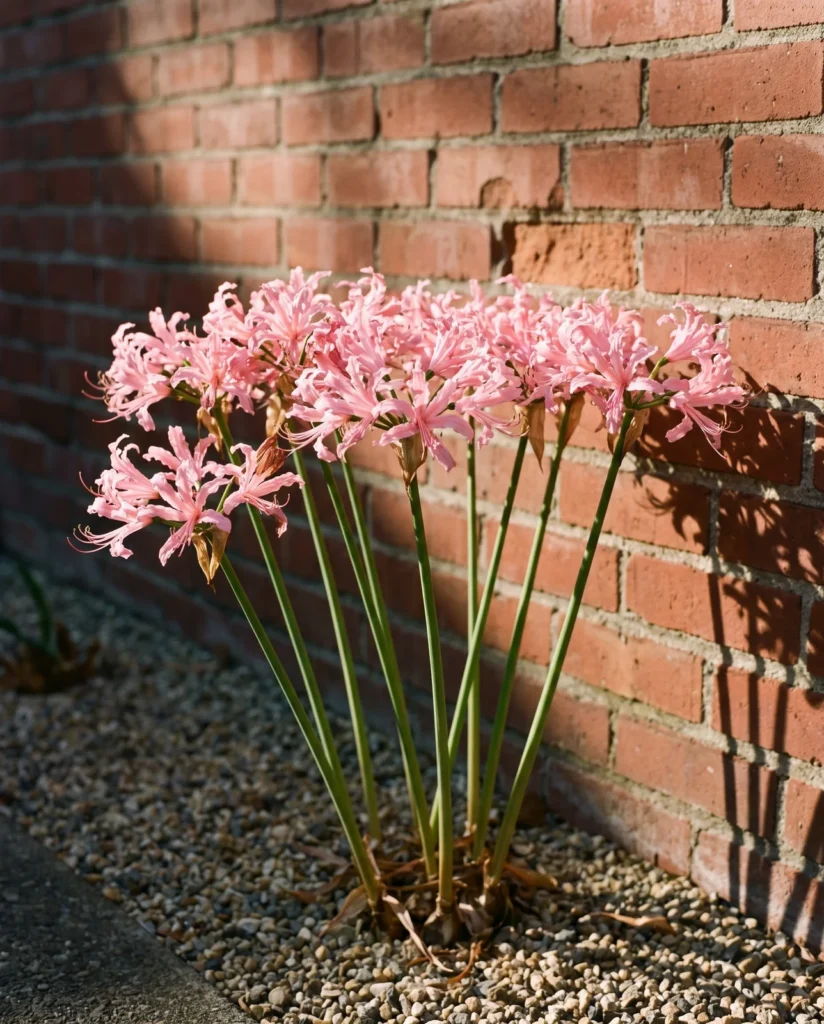
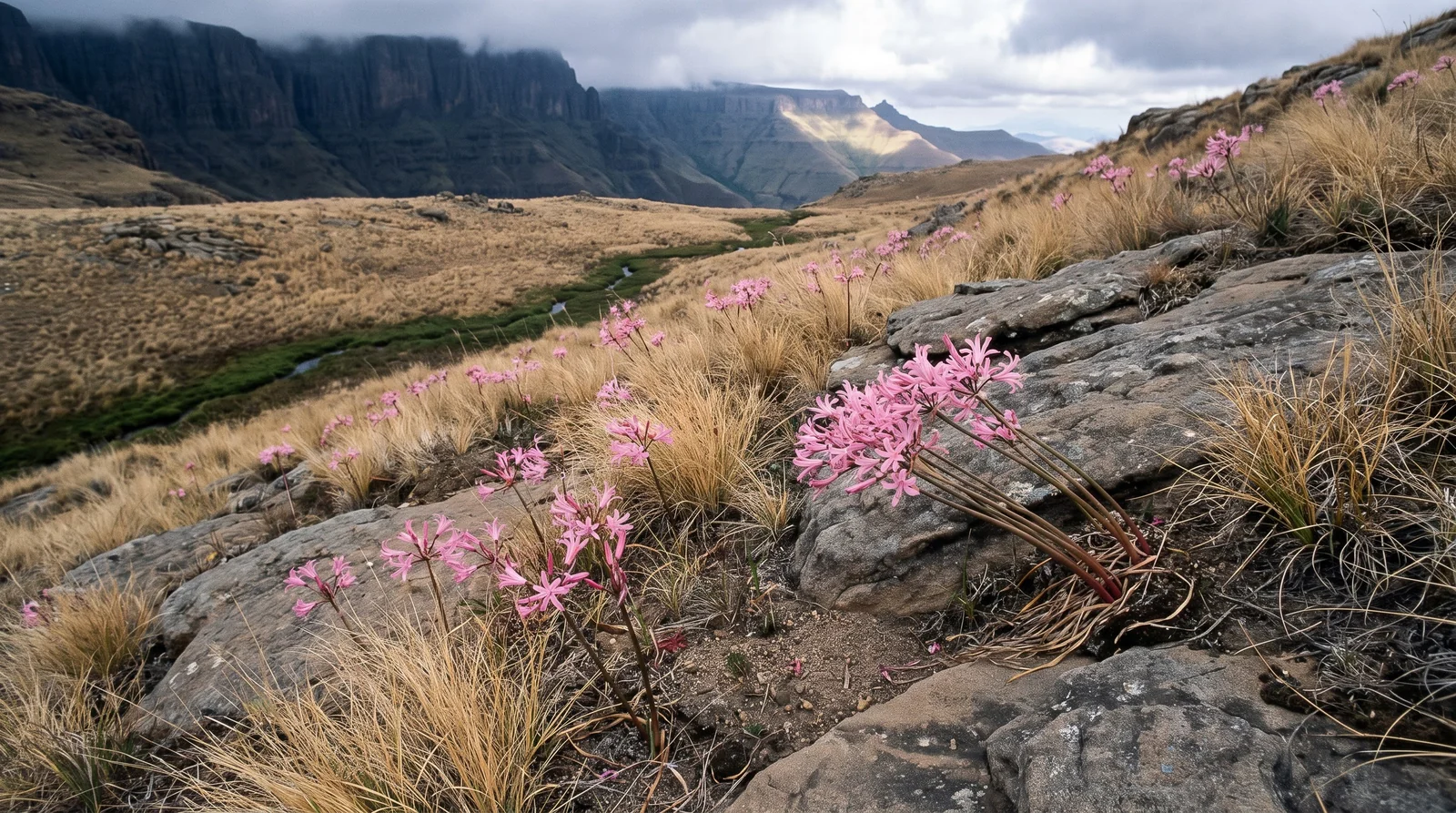
Nerine is a South African bulb that rests through summer and flowers in autumn on bare, upright stems. The genus has 25 to 30 species. There are 21 native to South Africa, Lesotho and Swaziland, and four more across southern Africa. The species most often planted in garden beds is Nerine bowdenii. It comes from the Eastern Cape, KwaZulu-Natal, the Free State and the Drakensberg Mountains. The other familiar cultivated species is Nerine sarniensis, from the Northern and Western Cape. It has naturalized in France, Madeira and the Azores. Neither plant is a true lily, and neither came from Cornwall or Guernsey.
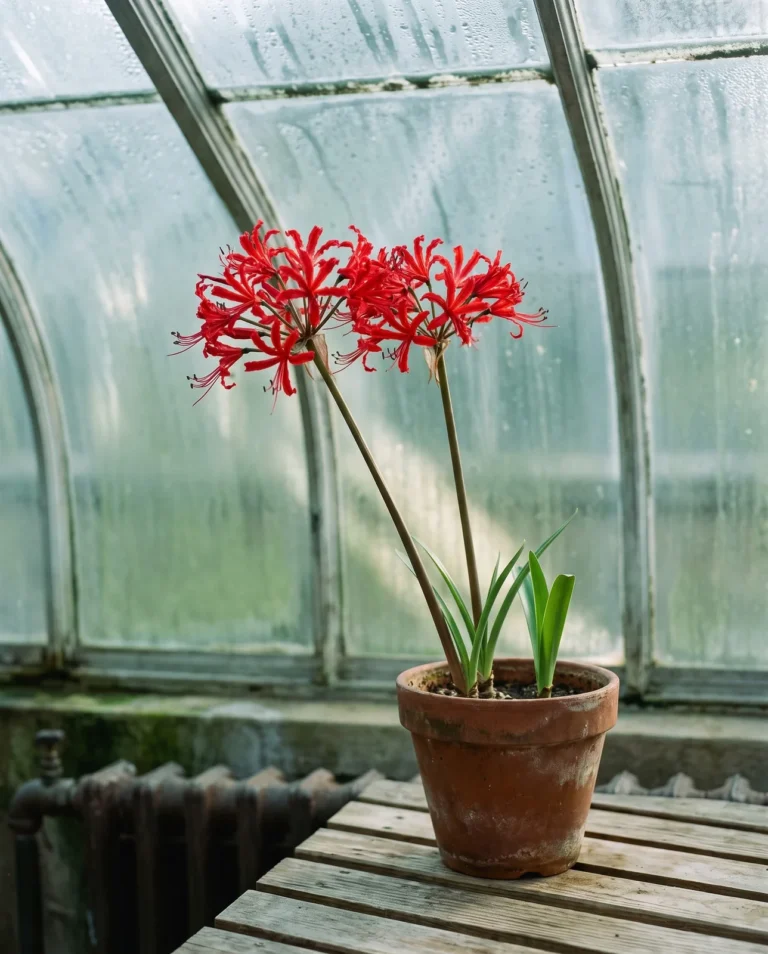
Common names cause plenty of confusion around these bulbs. The names Guernsey lily and spider lily are both sometimes applied across the entire genus. Nerine bowdenii also goes by Cape flower, Guernsey lily, Japanese spider lily, Cornish lily and Bowden lily. That causes mix-ups, because spider lily and red spider lily also belong to Lycoris radiata. Guernsey lily itself remains the everyday name for Nerine sarniensis.
The botanical names carry their own borrowed geography. The species name sarniensis translates to from Guernsey. Even so, the plant actually comes from South Africa and reached Europe later, settling in France, Madeira and the Azores. Bowdenii honors Athelstan Cornish-Bowden, who sent bulbs of the plant to England from South Africa in 1904. Plant families settle the lily question. Nerine sarniensis belongs to the amaryllis family, sitting closer to amaryllis and Sternbergia than to any true lily.
Nerine, red spider lily and surprise lily side by side
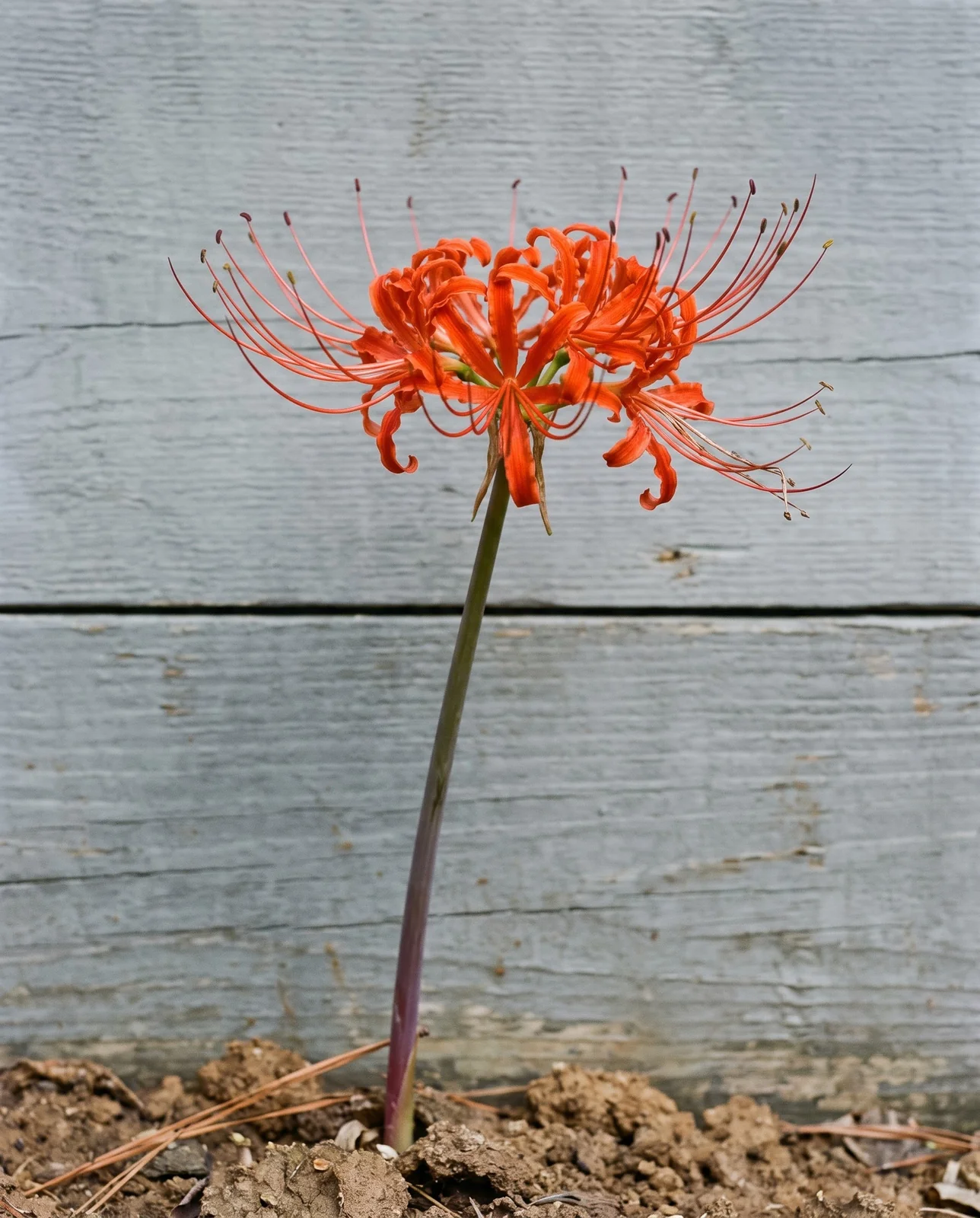
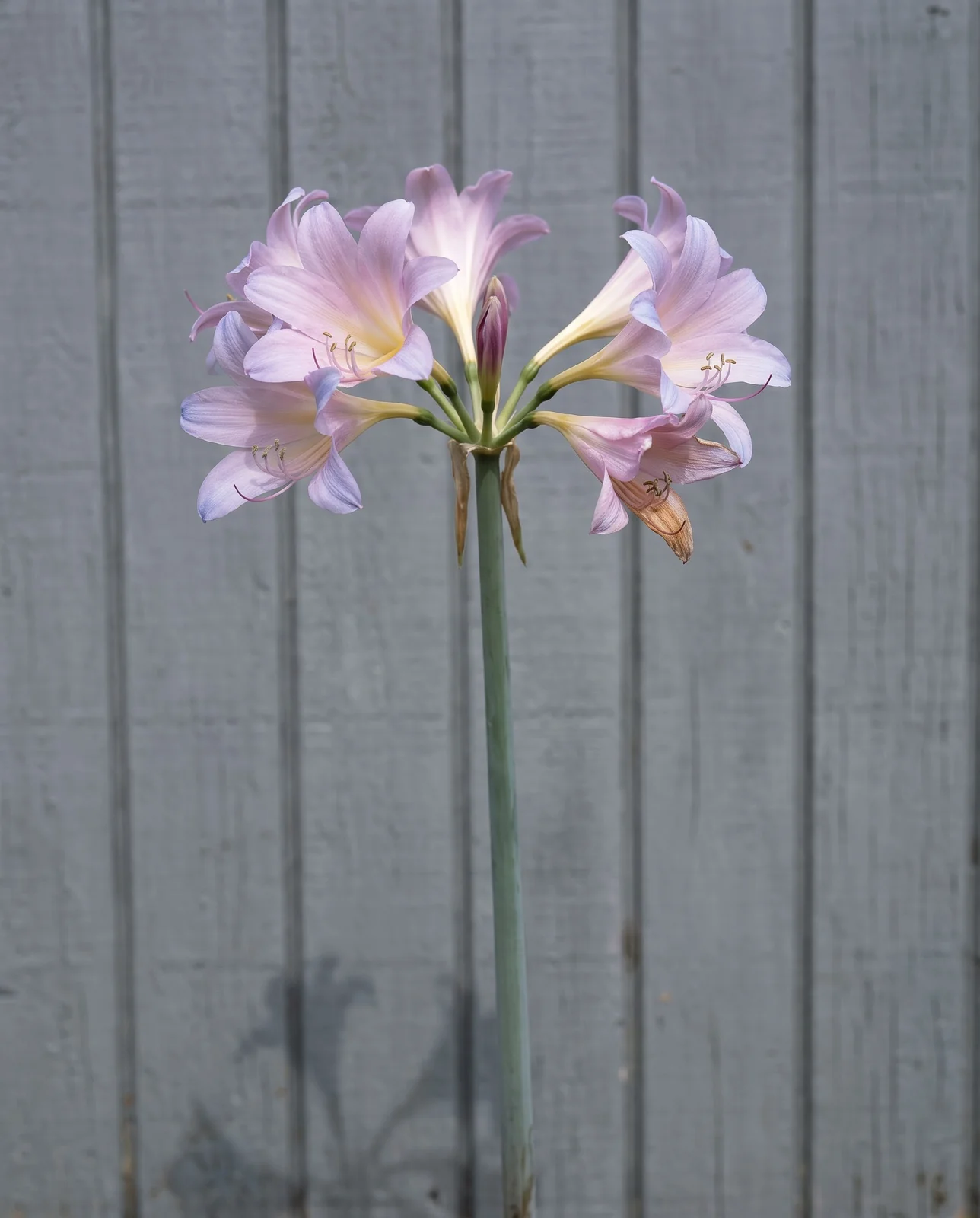
Folk names like Guernsey lily and spider lily get attached to several distinct autumn bulbs. Where each plant comes from, when its foliage appears, how much cold it takes, and how deep the bulb sits tell them apart quickly.
What a nerine looks like through the year
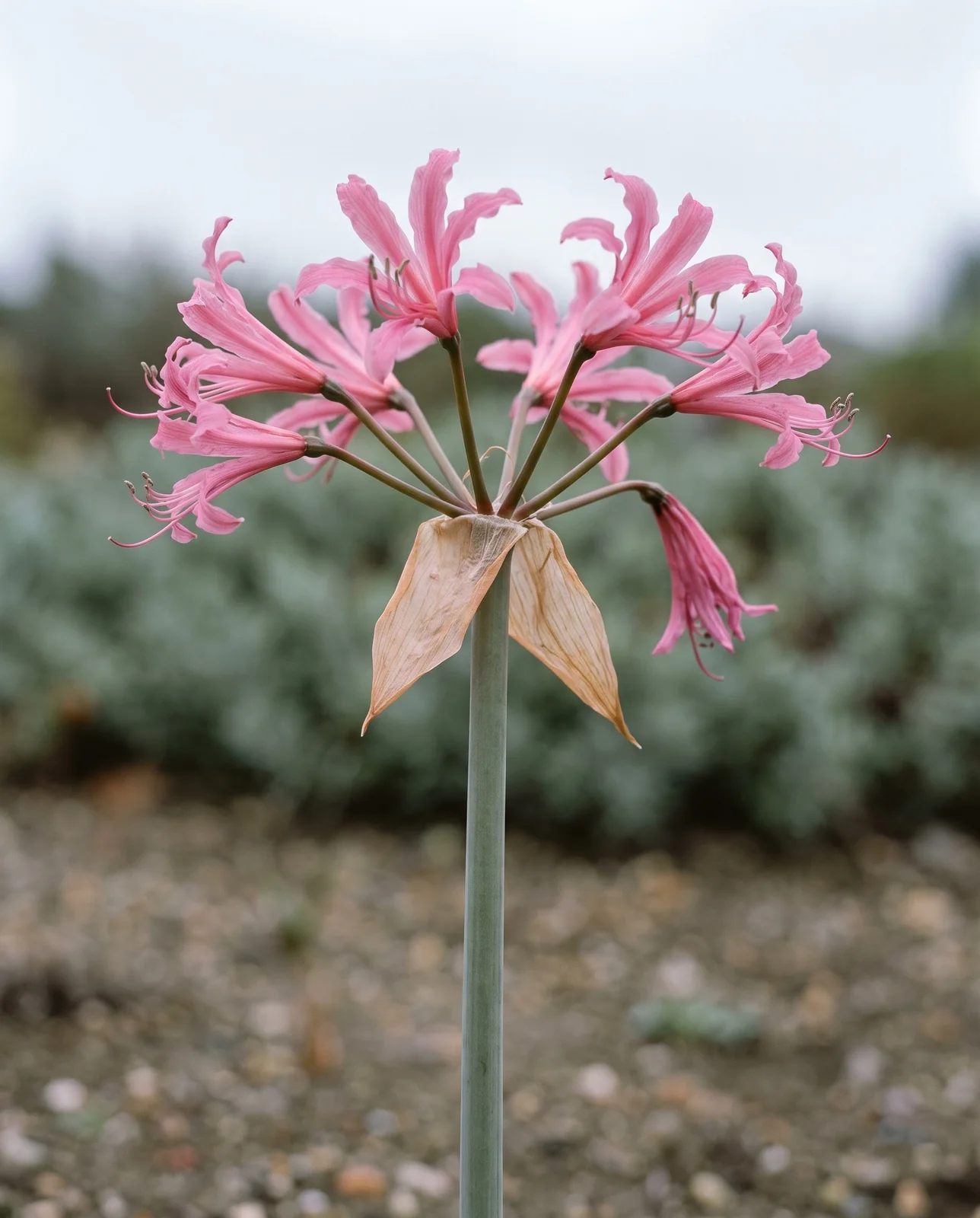
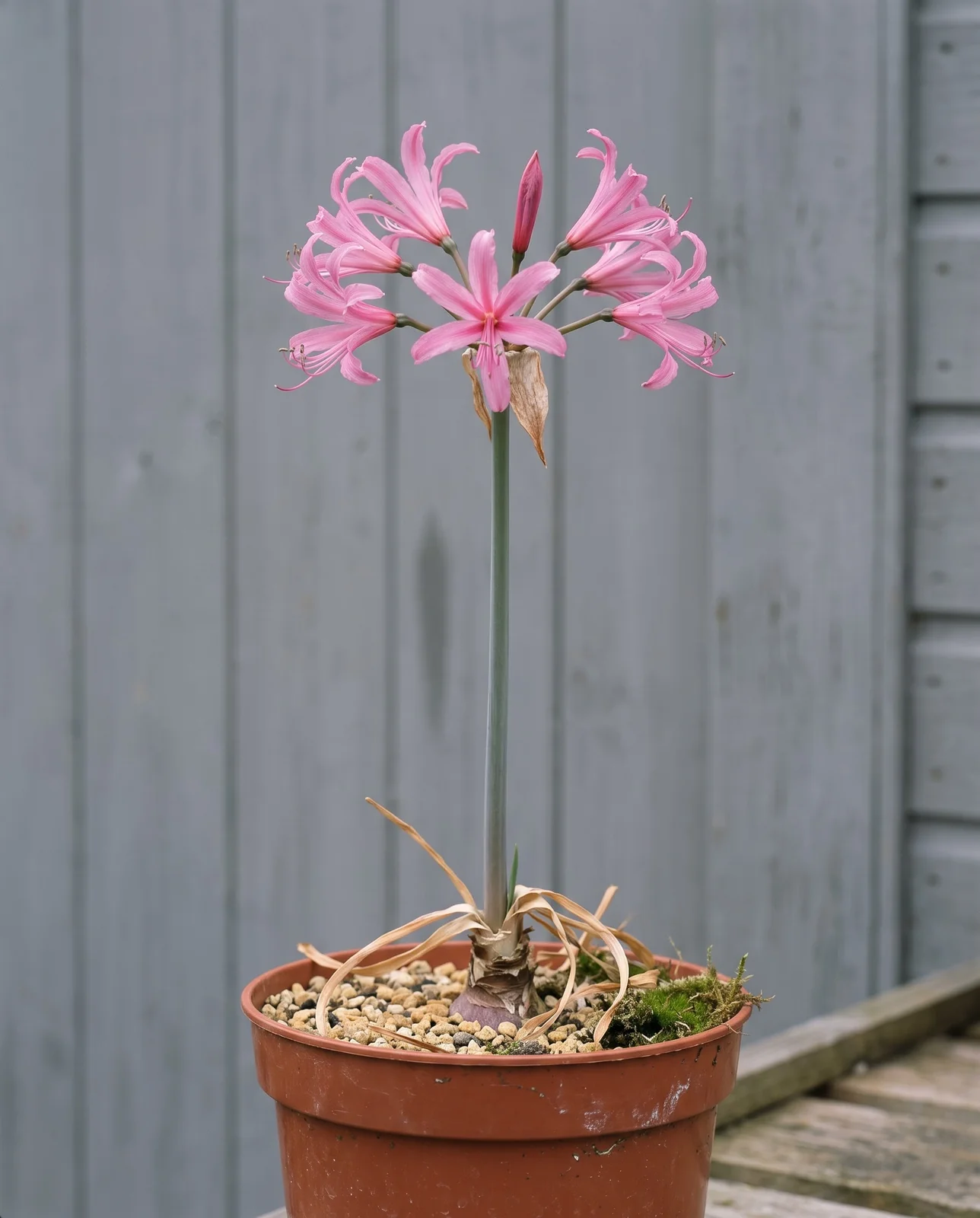
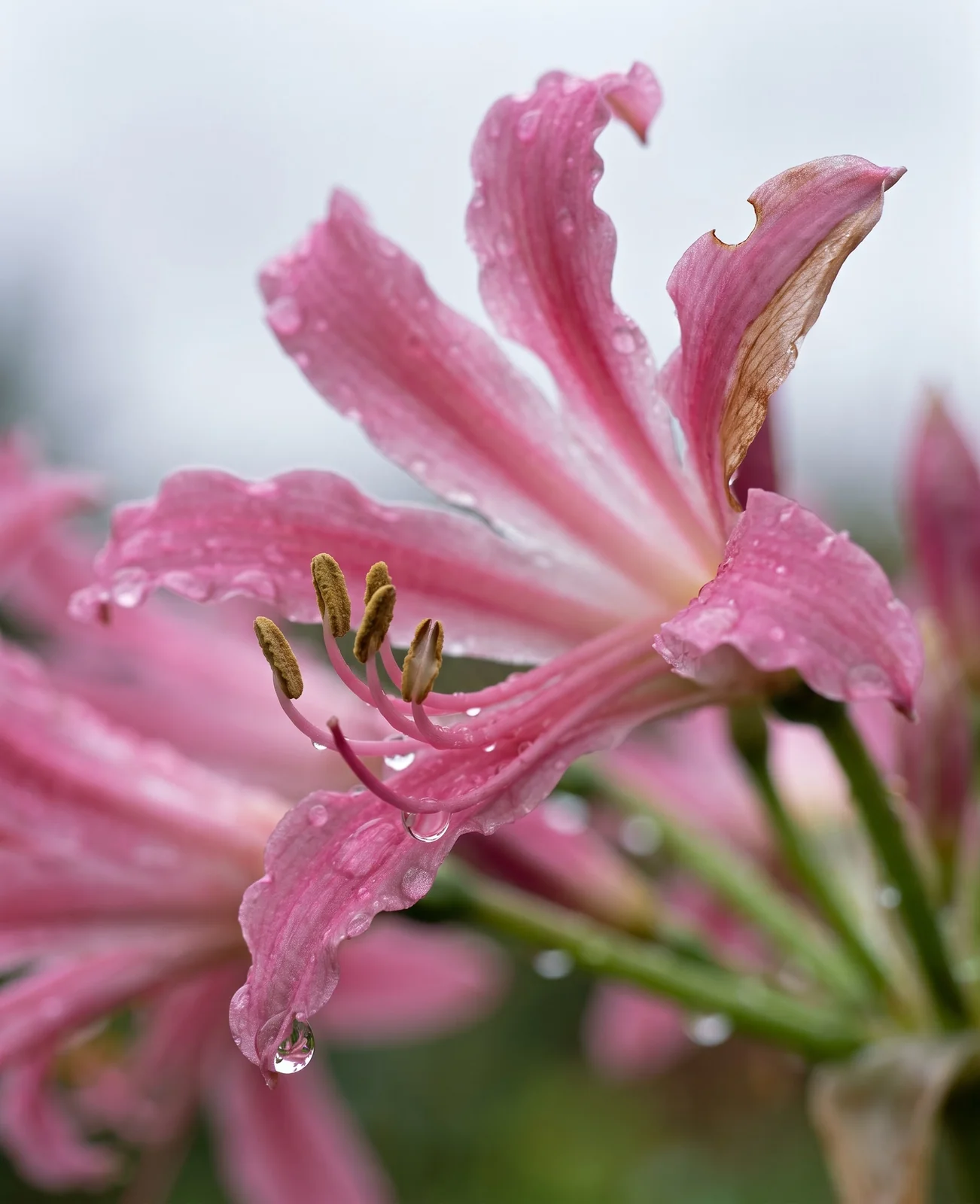
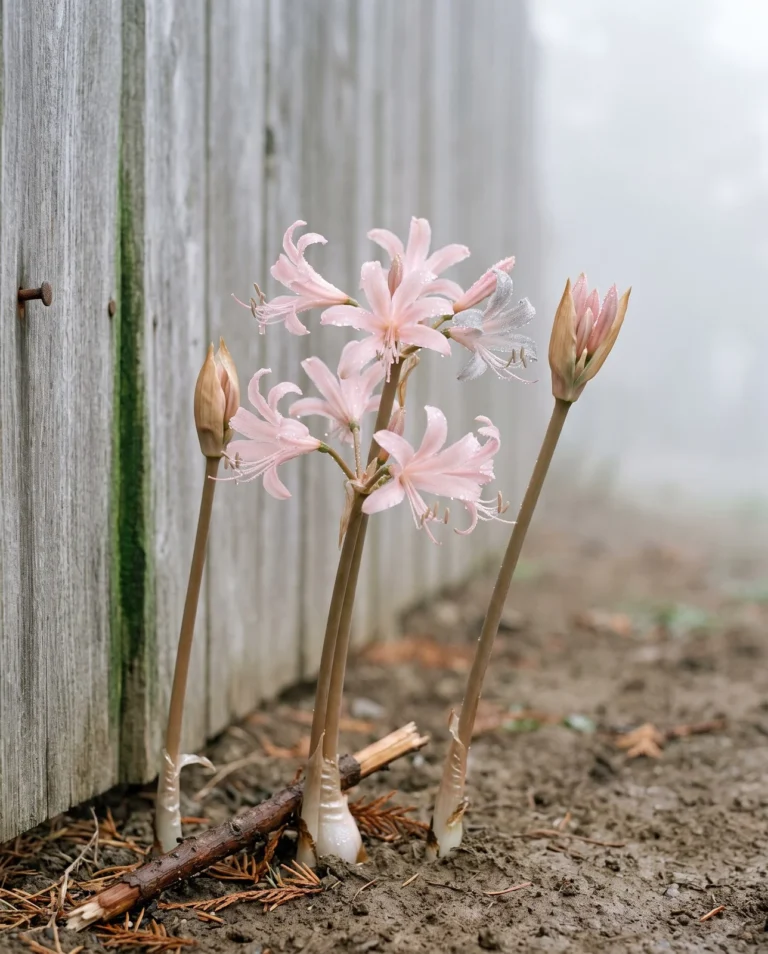
A nerine flower head forms a cluster of flared blooms on a smooth, leafless stem. Each head carries four to ten trumpet-shaped pink flowers measuring up to 3 inches across. Stems can also hold eight or more faintly scented blossoms with frilly tips that look like finely cut lilies. Below the blooms, the plant makes 6 to 8 arching, light green, strap-shaped leaves arranged in two opposite rows.
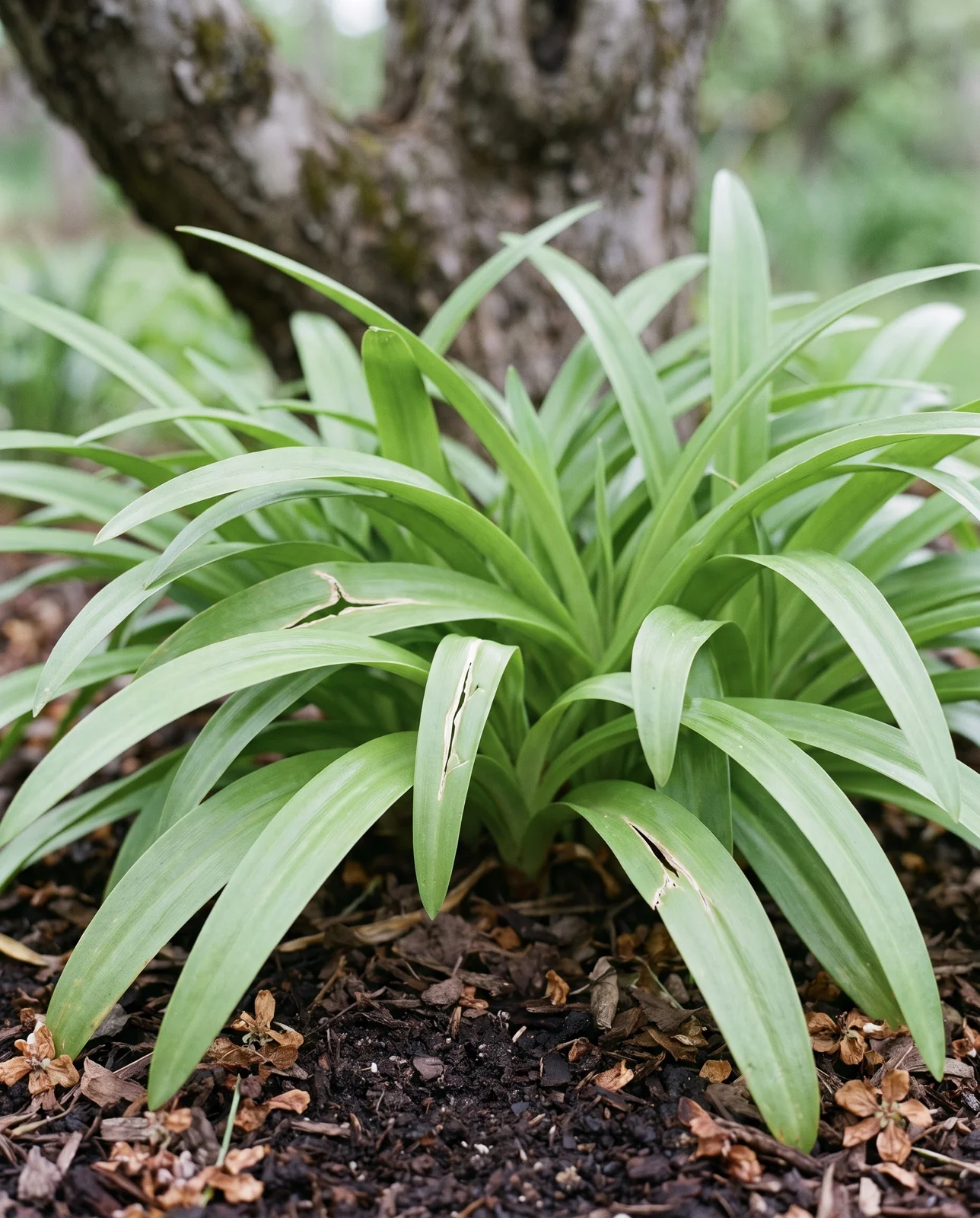
The leaves and flowers do not share the stem, and the two main species follow opposite schedules through the seasons. On Nerine bowdenii, strap leaves appear in late winter or early spring, hold through summer, and die back before flower stalks rise. Nerine sarniensis, for example, sheds all foliage in midsummer, grows fresh leaves alongside its autumn flowers, and stays green all winter.
That seasonal growth habit makes it easy to tell the types apart. A nerine that stays in leaf through winter is a sarniensis hybrid and is not hardy. A bowdenii hybrid keeps its leaves through summer before flowering, dropping them just as the buds form or shortly afterward. Blooming on bare ground after the foliage has died back earned nerine the folk name naked ladies. Pink surprise lily, Lycoris squamigera, shares that name for the same habit, sending flowers up from bare soil long after its spring foliage has vanished.
How cold nerine takes, and who says what
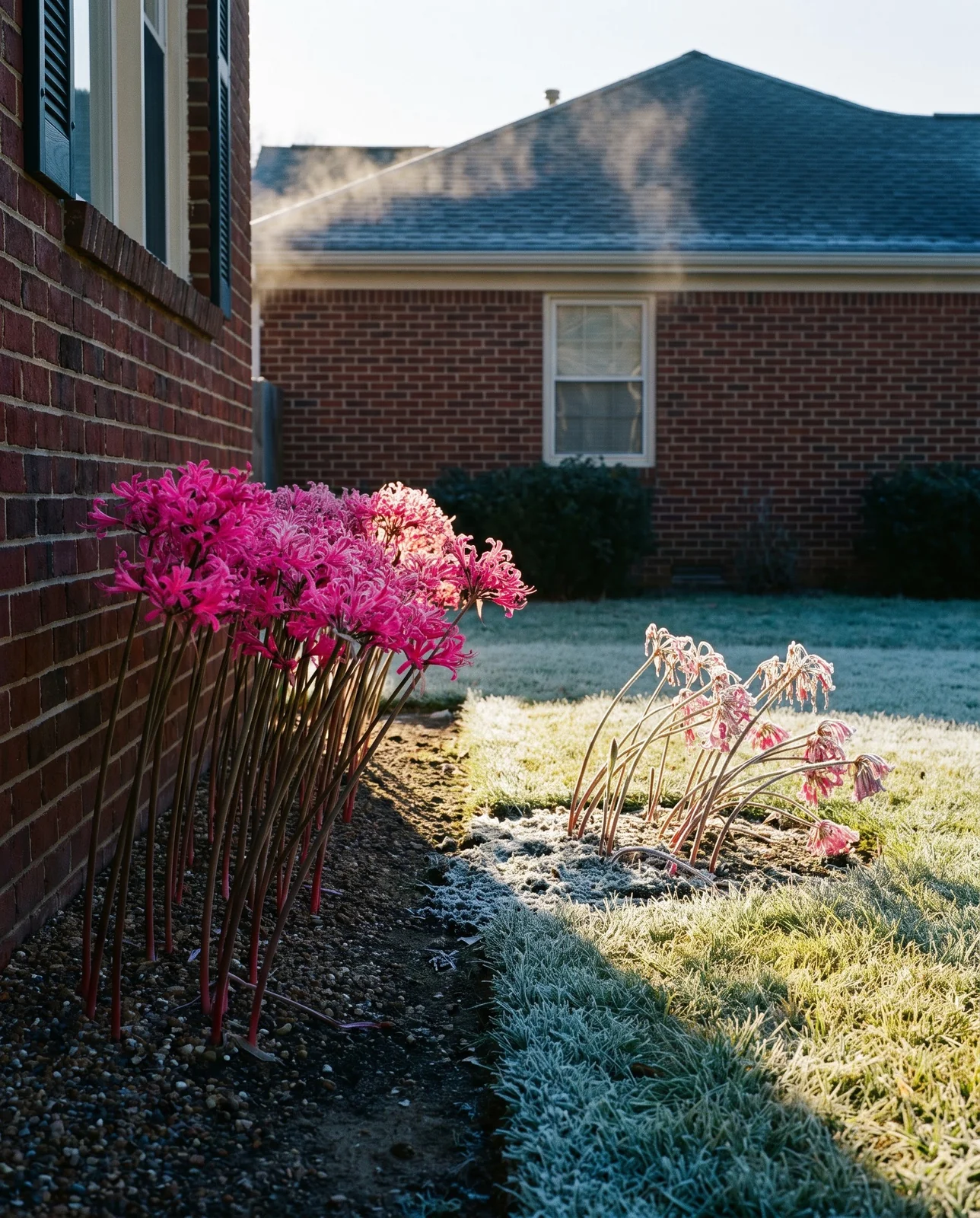
Nerine bowdenii survives outdoors down into zone 7, though it is not quite as cold-hardy as pink surprise lily. Many garden cultivars also manage zone 7 when planted in sunny, well-drained soil. Other ratings list the species and its selections for zones 8 through 11. Established bulbs are quite hardy, withstanding winter cold down to 5 degrees Fahrenheit.
Cultivars often need more winter warmth than the plain species. The selection 'Pink Triumph' survives in coastal and relatively mild areas down to about 23 to 34 degrees Fahrenheit. That is a softer rating than the 5 degrees Fahrenheit pure Nerine bowdenii handles. Most nerines are tender and need a greenhouse, while Nerine bowdenii is hardy in warmer regions. Deciding between planting in the ground or in a container comes down to which of those two groups you have.
Two conditions decide whether these hardiness rules hold in your garden. One is when the leaves are up, and the other is how wet the soil stays. Nerine bowdenii tolerates lower temperatures than most species in the genus because its leaves do not appear until spring. Nerine sarniensis stays in leaf right through winter. Winter wet is the other factor, though rain does not hurt the bulbs everywhere. Hardy species like Nerine bowdenii take winter rain in northern California and still perform very well. Gardeners near the cold edge of the range need to watch both rainfall and low temperatures.
How deep nerine bulbs go, and how close together
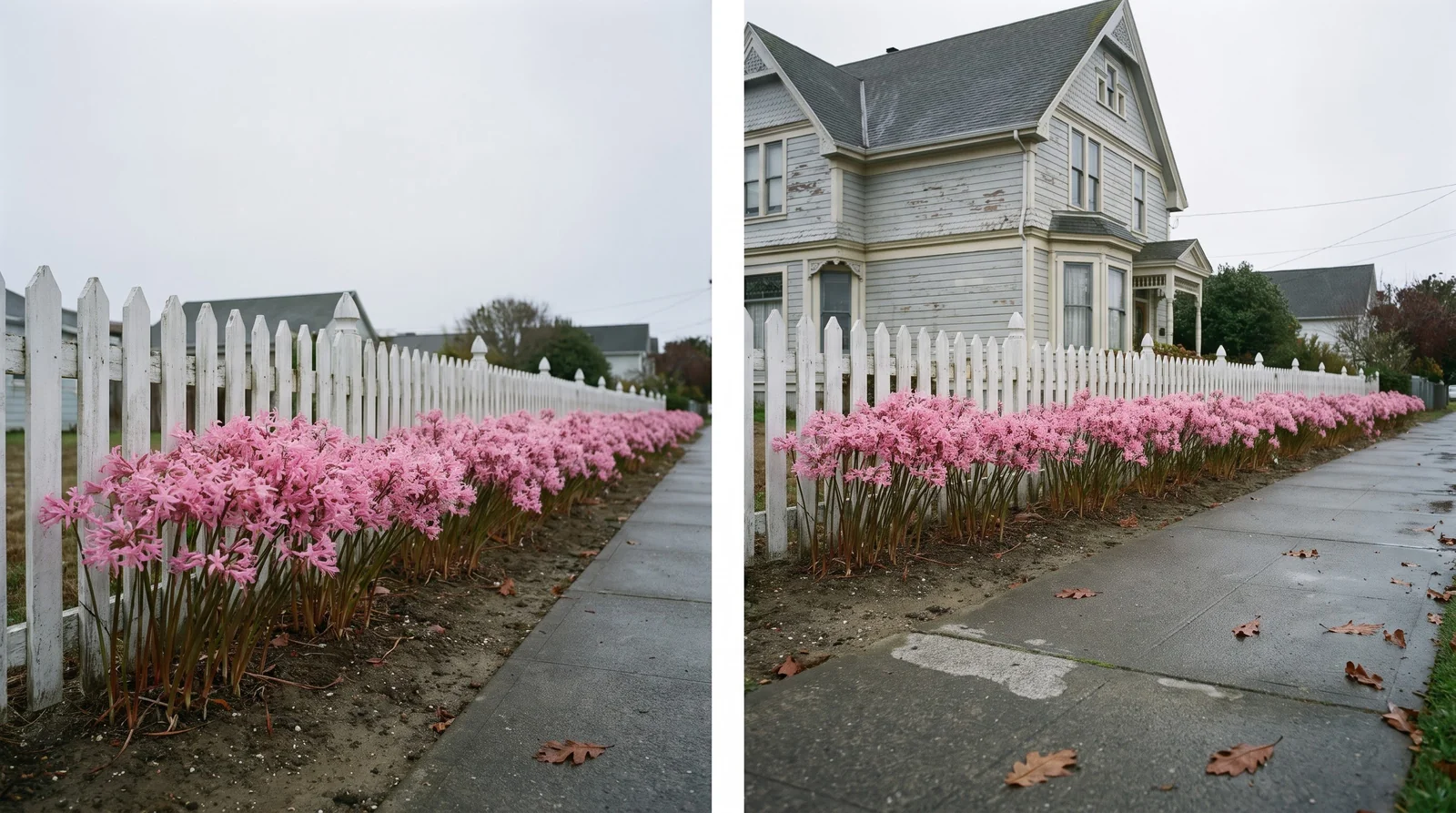
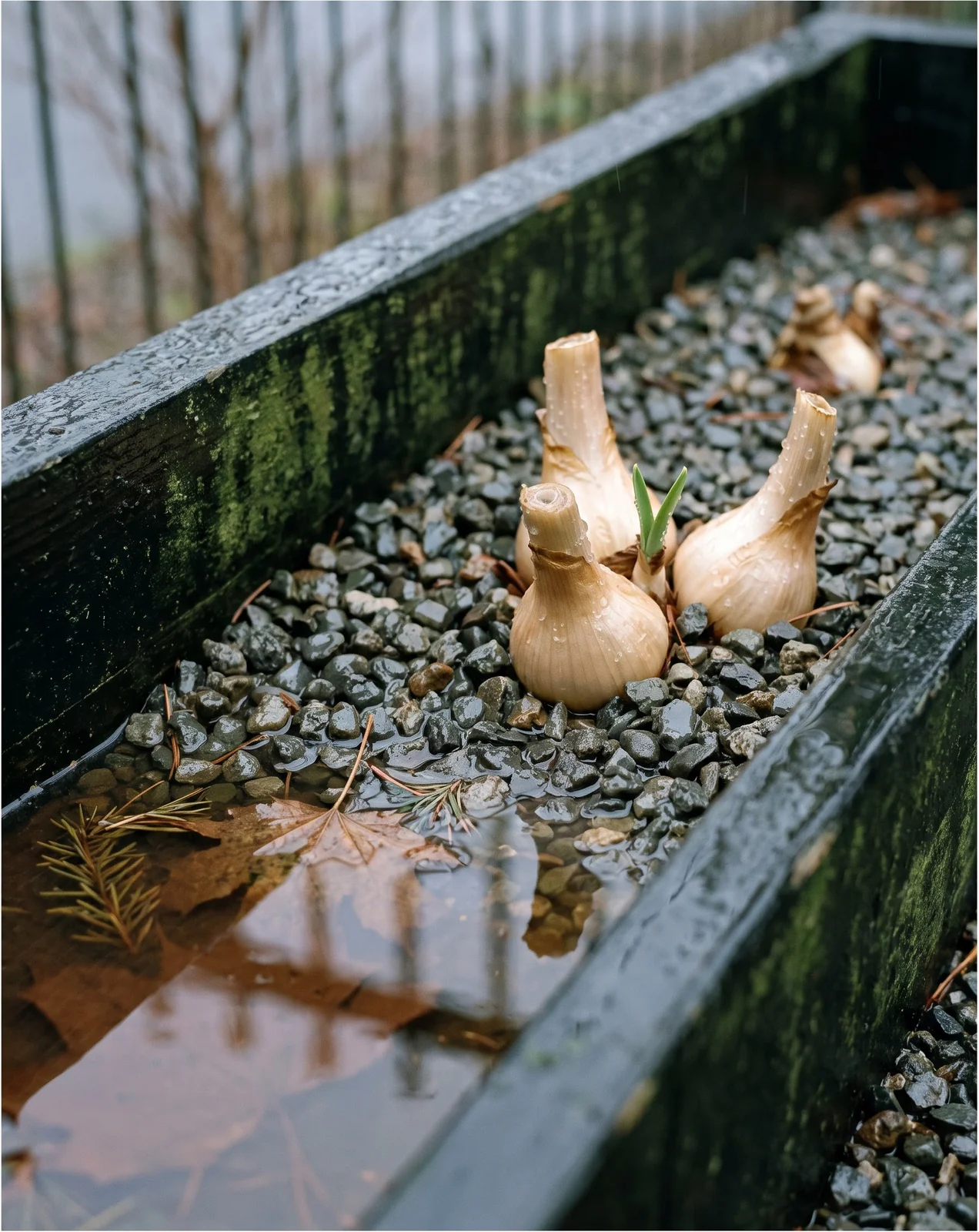
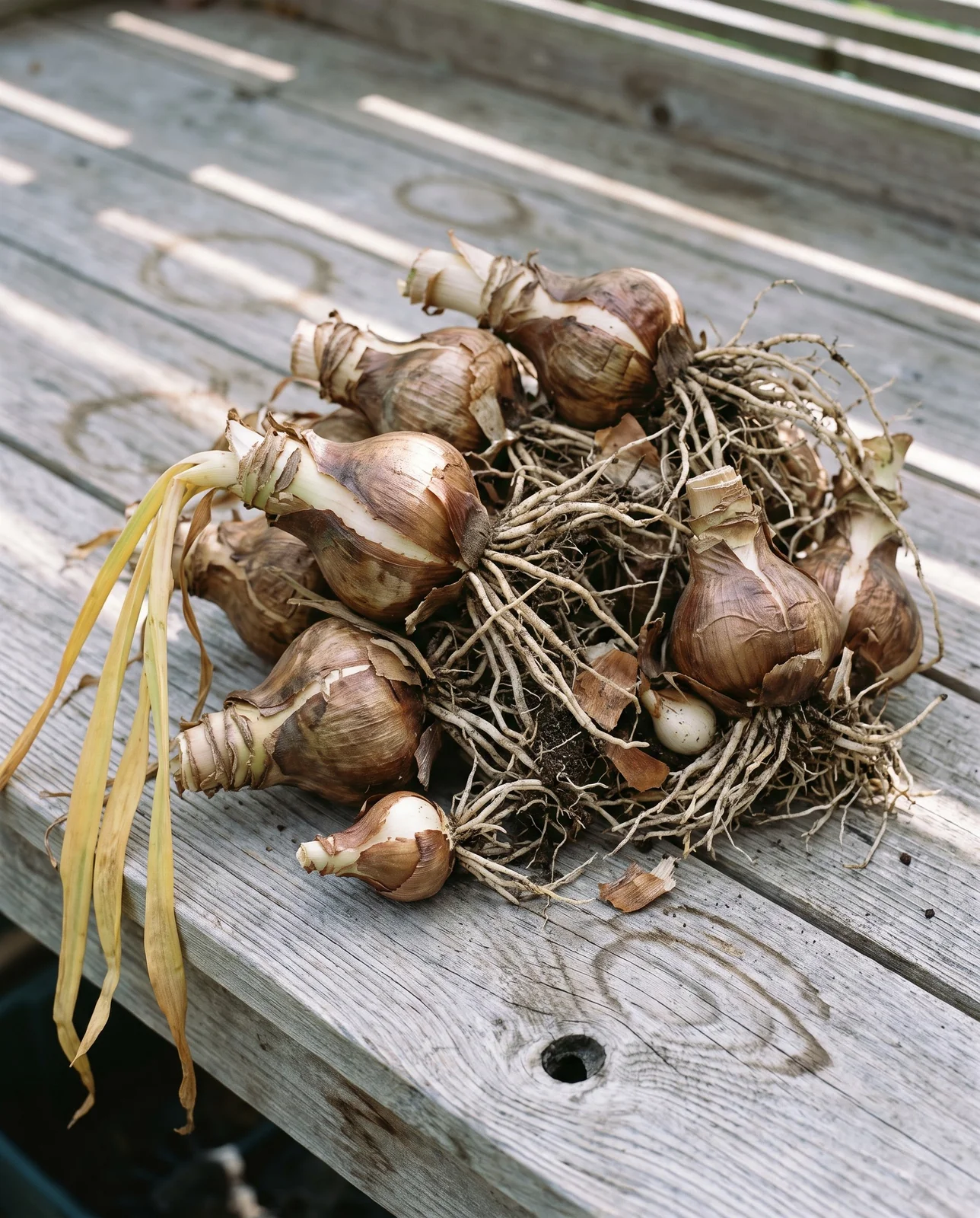
Plant nerine bulbs shallowly, leaving the neck exposed so only about half the bulb is buried in garden beds or containers. Across the genus, bulbs of most nerine species are set just below the surface with the neck sticking out above the soil.
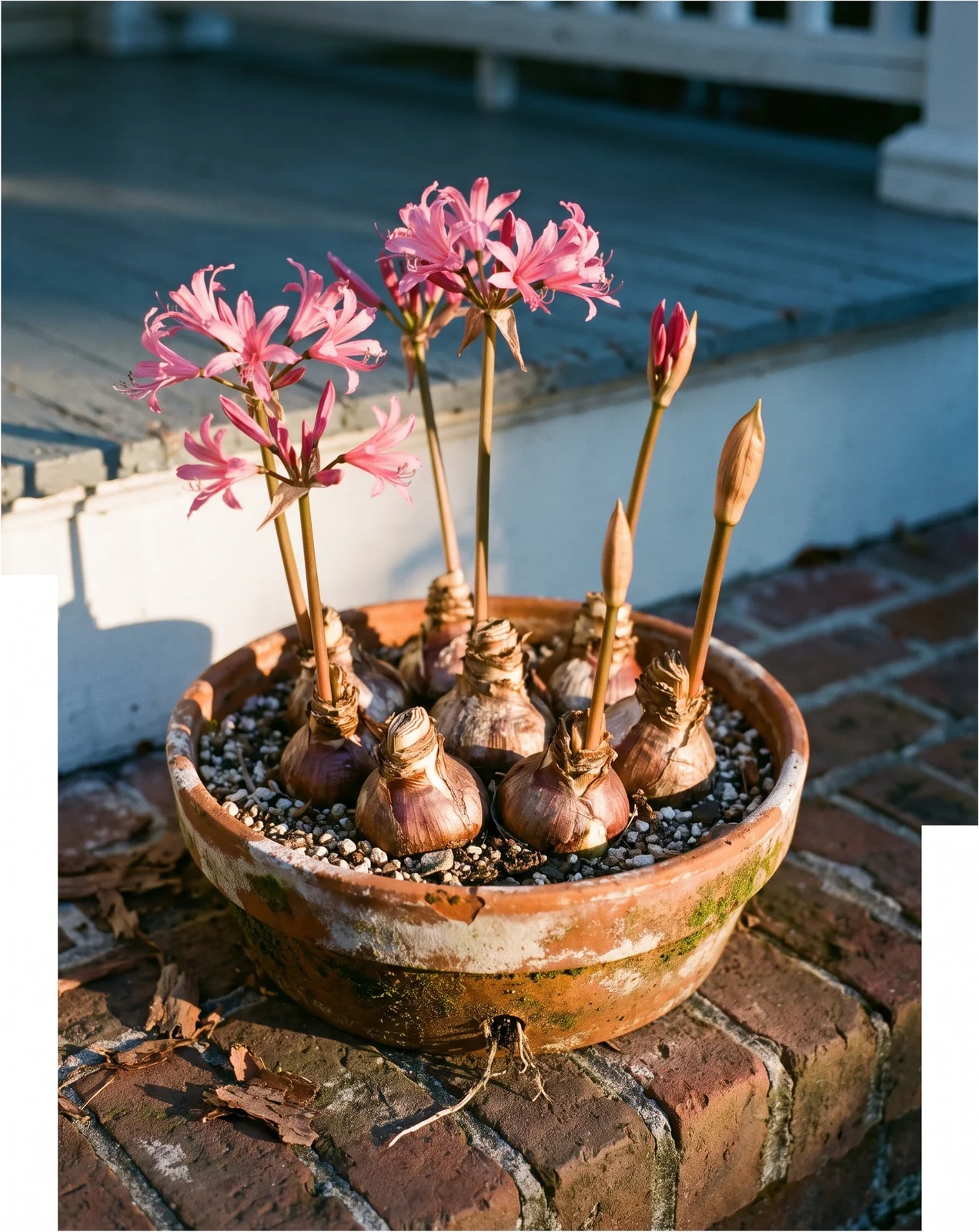
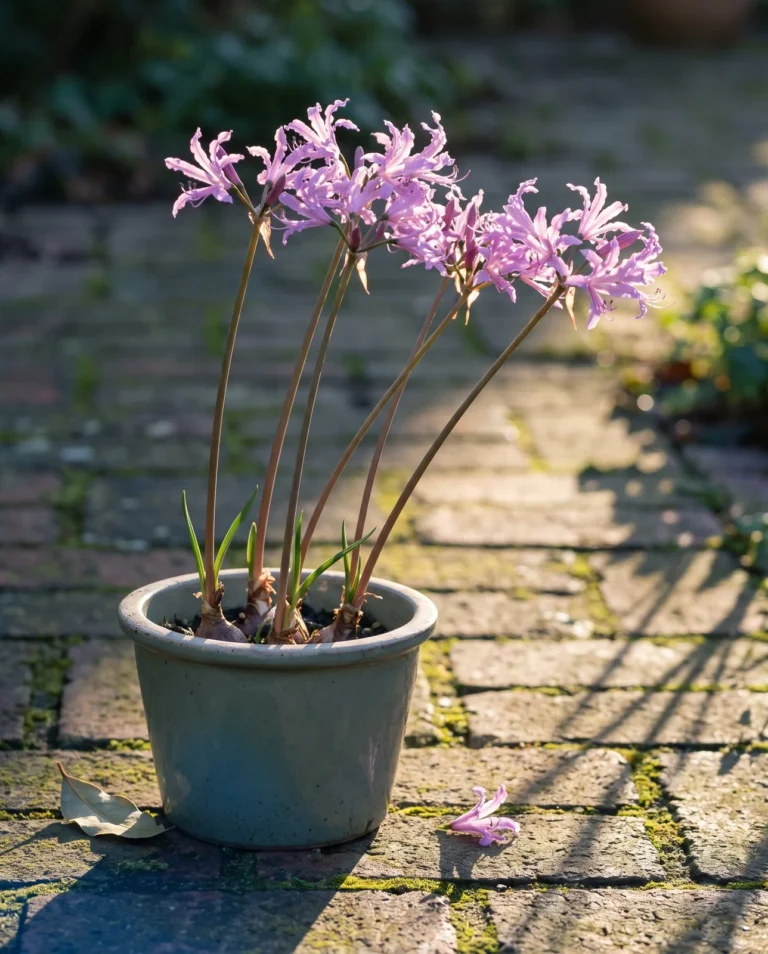
In garden beds, space bulbs about 3 to 4 inches apart with the neck showing, though other spacing advice gives about 6 inches. In containers, space bulbs 2 to 3 inches apart, because nerines bloom best when crowded. A single bulb fits well in a 4 inch pot. When planting several bulbs in one pot, choose a size where they sit close together without touching.
On an established clump, the top of each bulb should sit visible with its shoulders clear of the soil. Setting the tops slightly proud of the ground also helps bulbs cope with wet weather, particularly during rainy Pacific Northwest winters. If a clump went in too deep, lift and reset it once, because nerine blooms best when left undisturbed for several years.
Why a healthy nerine will not flower
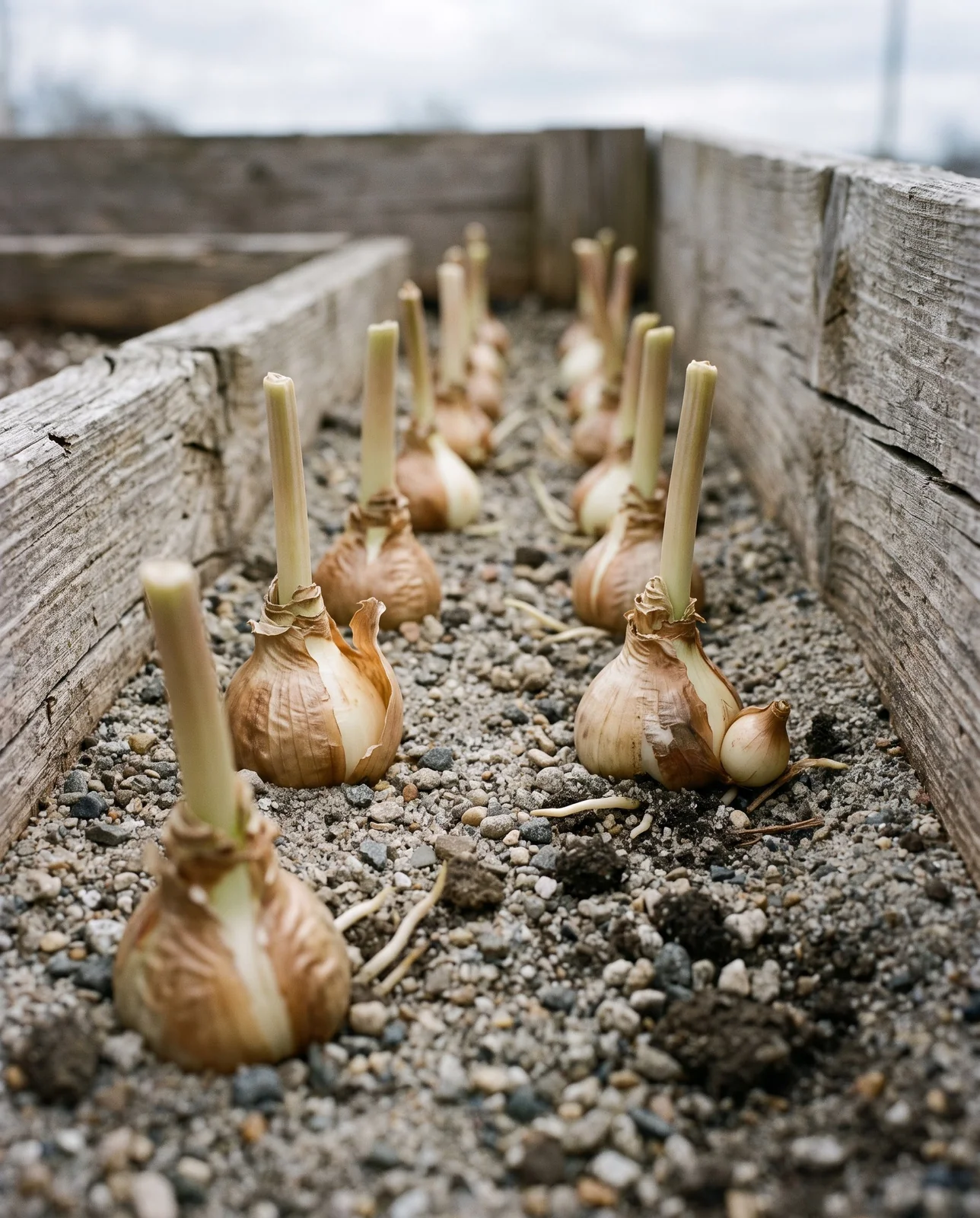
A nerine that grows strongly and still refuses to bloom is usually being treated too kindly. Feeding with too much nitrogen produces an abundance of glossy leaves at the expense of flowers. Planting depth is just as common a reason, because bulbs buried too deeply can sit in healthy leaf for three years without blooming when they need their necks poking above the soil.
Time is often all that is missing. Newly planted bulbs sometimes skip flowering for a year or two while settling into a new spot. Going a year without flowers after replanting is normal, and divided clumps often delay blooming for a year as well. The bulb works on a slow clock: inside a Nerine bowdenii bulb are two flower initials of different ages, so a bud that starts forming in late summer waits to bloom until the second autumn after it forms.
Crowding is what these bulbs thrive on, which makes thinning them an act of misplaced care. Nerines bloom best when crowded, so regular division is neither needed nor recommended, and a potted clump can sit undisturbed for several years. The hardier Nerine bowdenii selections are happy to grow in congested clumps and are best left undisturbed, dividing them only when the clump becomes overcrowded and flowering declines. Because a divided clump often delays blooming for a year, splitting them can cause the very pause in flowers you hoped to solve.
Working out why yours will not bloom
Work through these steps in order. The first two checks explain most clumps that will not bloom.
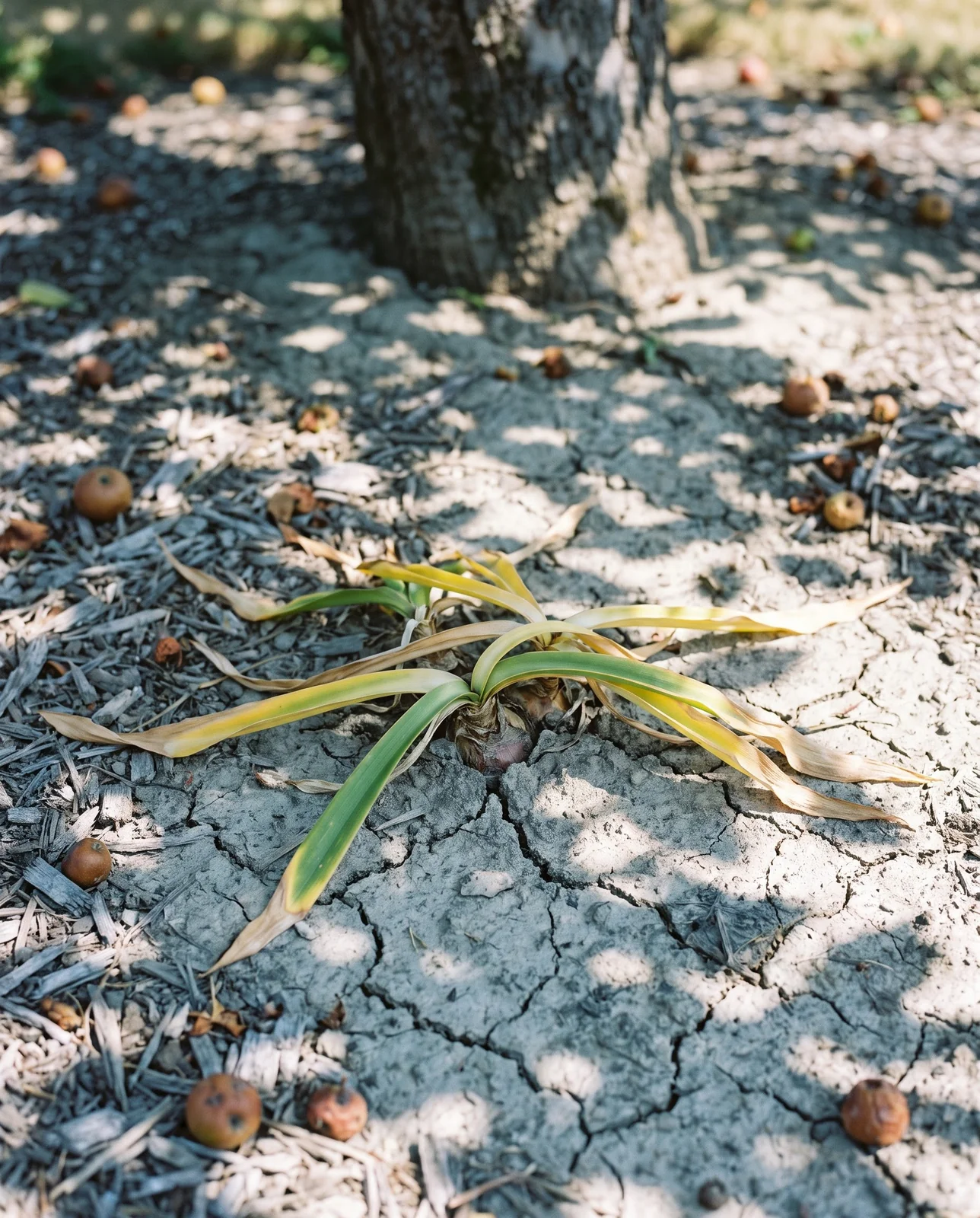
Why the leaves yellow in summer
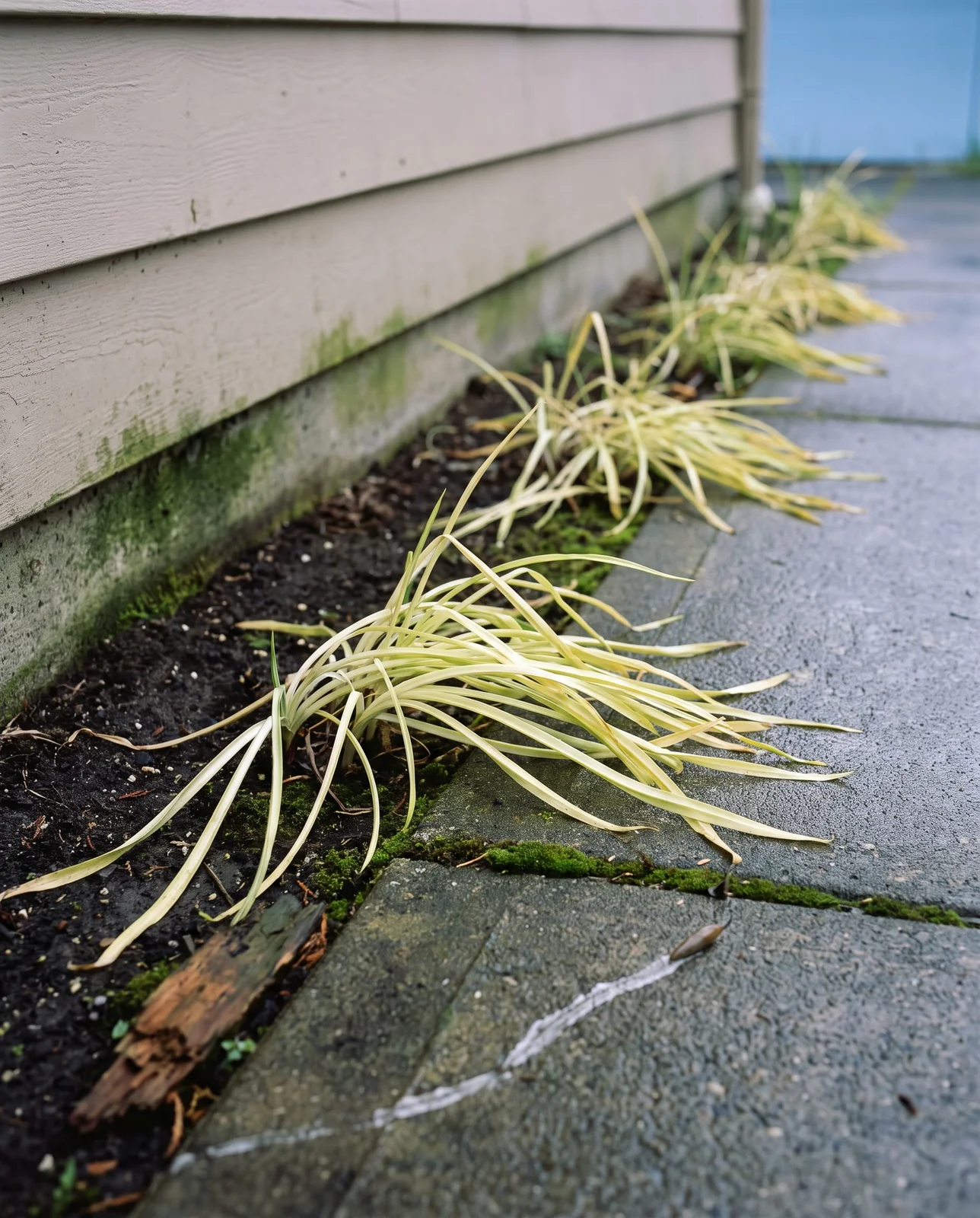
Yellow leaves in late summer simply mean the plant is winding down for dormancy. As the foliage on a potted nerine turns yellow and dies down in late summer, you can stop watering. Feeding ends on the same cue: use a high-potassium liquid fertilizer every two weeks once leaves are fully developed, and stop once they begin to yellow. The timing can feel strange because it happens during warm weather when the rest of the garden is lush. A resting clump looks empty, but it is only preparing to flower in autumn. Leave the bulbs alone without extra water or feed.
Leaves that look unhealthy from the start are a different matter. Viruses can cause striped, mottled or distorted foliage and flowers, and an affected plant should be removed. One infection found in Nerine bowdenii and other nerines is vallota mosaic virus. That patterned damage looks very different from an older leaf yellowing at the end of summer. Seedlings follow their own timetable: nerine seeds germinate quickly after dropping, and young plants can stay in leaf through the winter and the following growing season. Seeing green seedlings beside a dormant mature clump is normal.
Watering in leaf, and what happens in dormancy
Water nerines while their leaves are up, and stop when they die down. In garden beds, that means watering once a week during dry weather from April to July, stopping once the foliage dies back in summer. You can water freely while the plants carry green foliage. The swing between seasons matters more than any fixed routine, so watering out of habit through late summer works against the bulb's natural rhythm.
How much water bulbs need in dormancy depends on how they are grown. Bulbs are often given no water at all while dormant. For summer-growing nerines, watering every 10 days or so during growth and giving only occasional water during winter dormancy keeps roots from drying out completely. In open garden beds, seasonal rain takes over, so this care mostly matters for potted bulbs kept under eaves or in an unheated porch.
Feeding, and the case for doing very little
Nerines need very little fertilizer, and heavy feeding quickly works against them. A dilute feed applied once or twice a season while leaves are actively growing is plenty. A low-nitrogen, high-phosphorus fertilizer can be used very sparingly, since phosphorus supports flower production. What matters most is timing: feed only while the plant carries green leaves, and keep the amounts modest.
If a clump is flowering poorly, a high-potash feed in summer helps support the buds forming for the following year. For potted nerines, feed every two weeks from January to April with a phosphorus and potassium-rich liquid feed, such as tomato fertilizer diluted to half strength. Keeping to that late-winter window gives container bulbs the nutrients they need without pushing excessive foliage.
Growing nerine in a pot
Nerines take naturally to containers because pots make crowding easy, and all nerines respond well to pot culture since they like being overcrowded. Pot depth depends on the species: small nerines do not need deep containers and flower reliably in a 4-inch pot, while larger species want more depth. Repotting is an infrequent summer job. Bulbs in pots need repotting when dormant in summer every two to three years, and they often need only fresh potting mix in the same container. That gives them fresh soil while keeping the bulbs comfortably crowded.
Sun and where the clump belongs
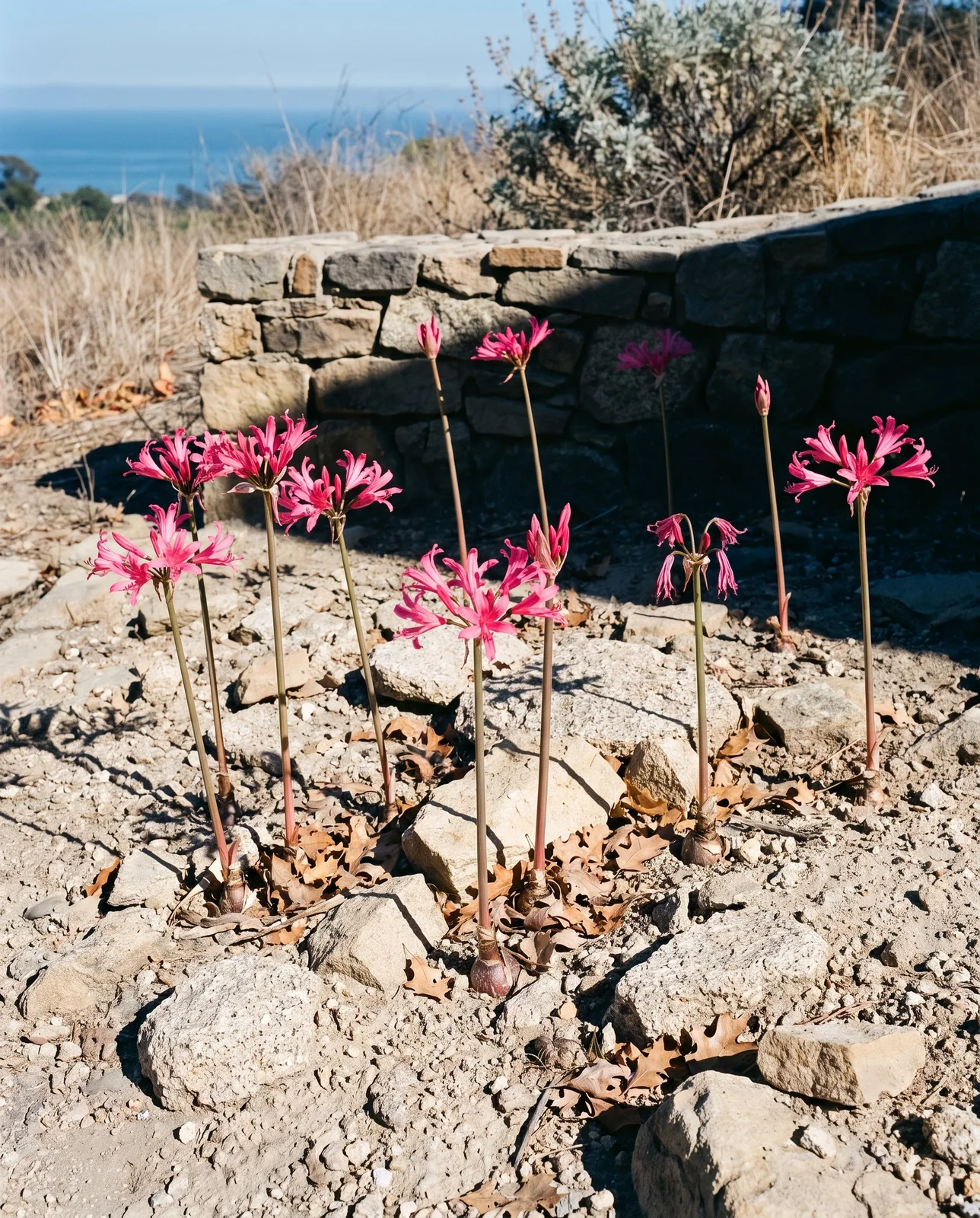
Full sun gives nerines the heat they need to flower, and cultivars like 'Pink Triumph' are grown in full sun. If you plant them in a container, use a rich, well-drained growing medium. In warmer regions, 'Pink Triumph' can grow outdoors in a sunny, well-drained spot with wind shelter and a dry winter mulch, or under glass in peat-free, loam-based potting compost in areas prone to frost. Nerines suit flower beds, cutting gardens, rock gardens, borders, containers, and warm spots beside a patio. Keep them grouped in clumps of their own, because they perform better clustered together than scattered among mixed perennials. A warm, sunny border that keeps nerine bulbs warm also welcomes crocosmia.
Named nerines worth telling apart
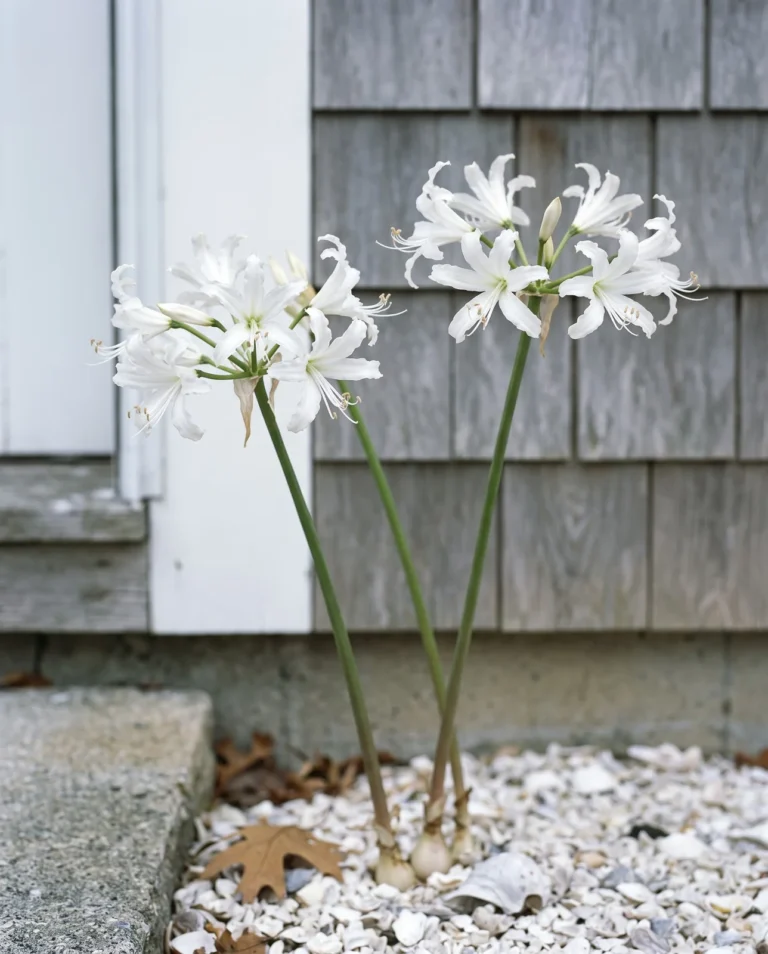
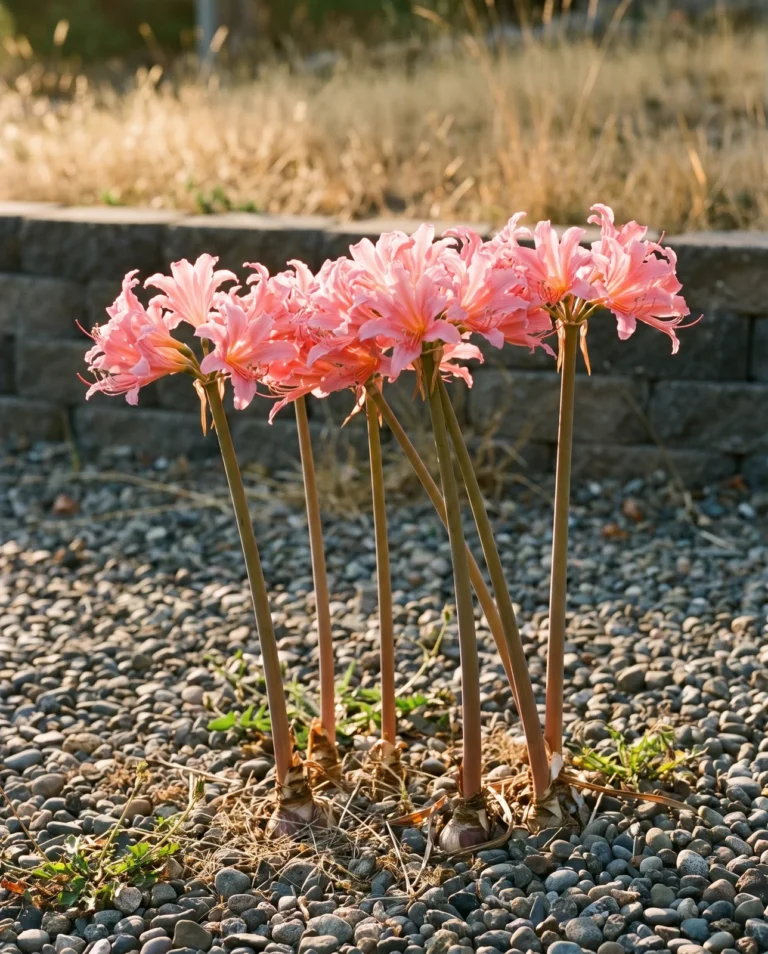
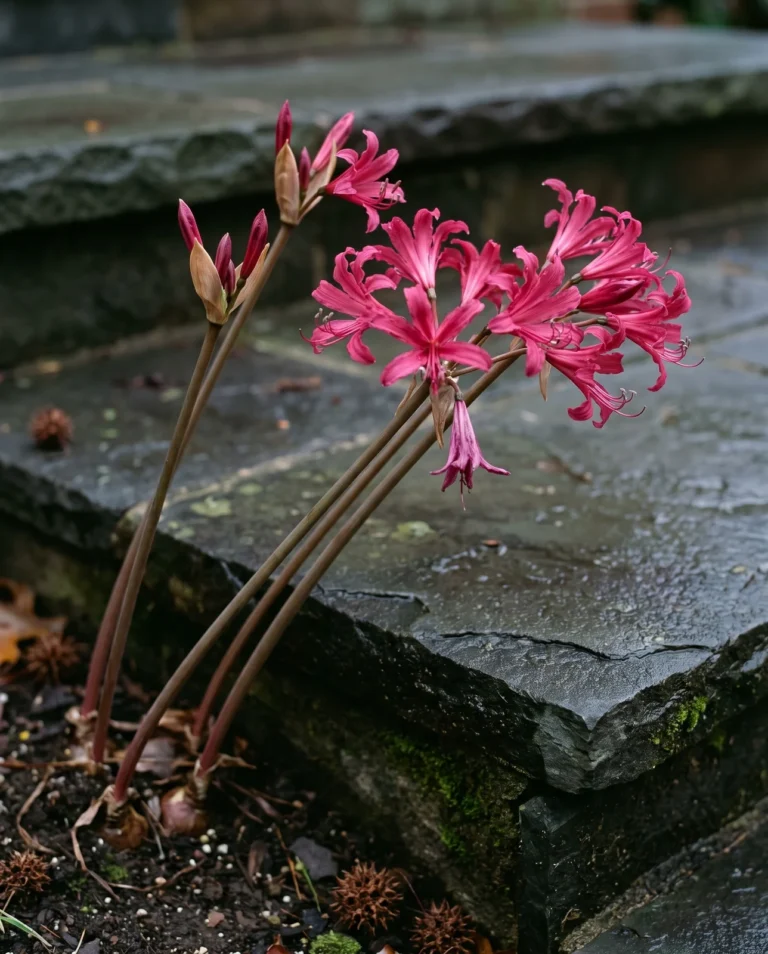
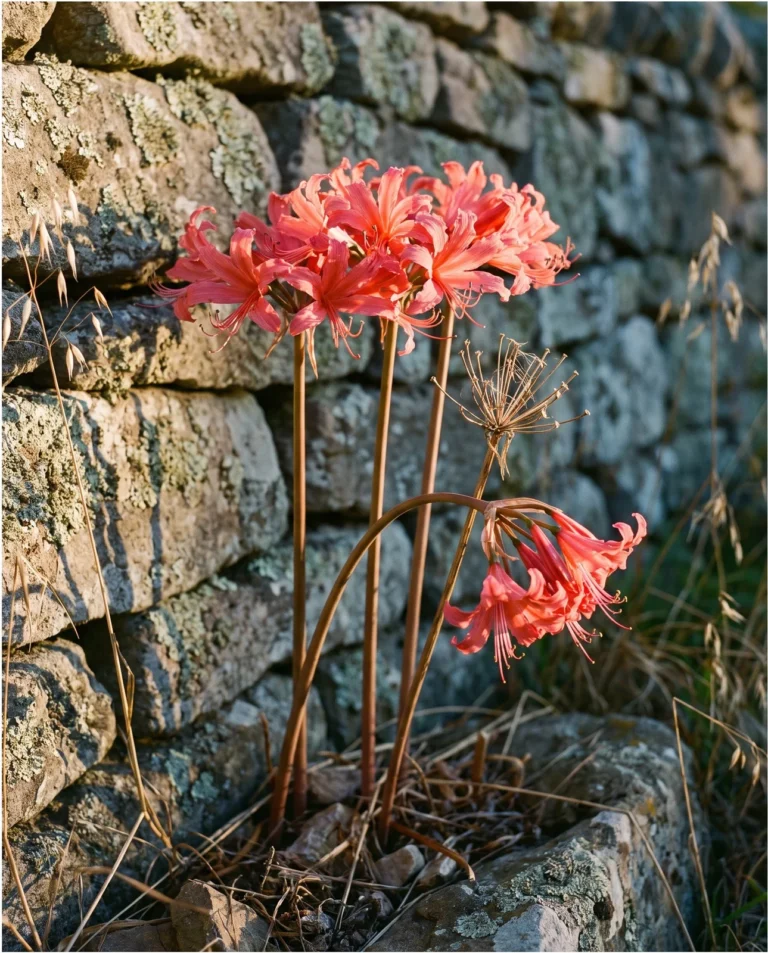
Nerine bowdenii is the main garden species, and most of these named varieties are its selections. They stand apart by flower size, shade of pink, and bloom time.
Dividing a clump, and raising nerine from seed
Nerine bulbs multiply on their own, so divide the clump after about five years, or whenever flowering slows down from overcrowding. Starting from seed is also straightforward. Press the seeds gently about a quarter inch into the compost, leave them uncovered, and water from below for germination close to 100 percent. You can also sow thinly under the lightest covering of compost, water, and keep the pot at 50 to 55 F until they germinate.
The wait is why most gardeners start with mature bulbs. Seedlings take about 3 to 5 years to reach flowering size and bloom. Buying flowering-size bulbs skips that wait, so seed is mostly for gardeners who want large quantities or new crosses of their own. For flowers by next autumn, start with dormant bulbs.
How tall nerine gets and how much room it takes
Nerine bowdenii grows about 1 foot 2 inches to 1 foot 8 inches tall, often around 18 inches, and spreads just 1 to 3 inches wide. That slender footprint lets you tuck bulbs into tight spaces where larger garden flowers would be cramped. Plant them in tight clusters, because a single upright stem looks thin on its own.
Pests and the trouble that actually turns up
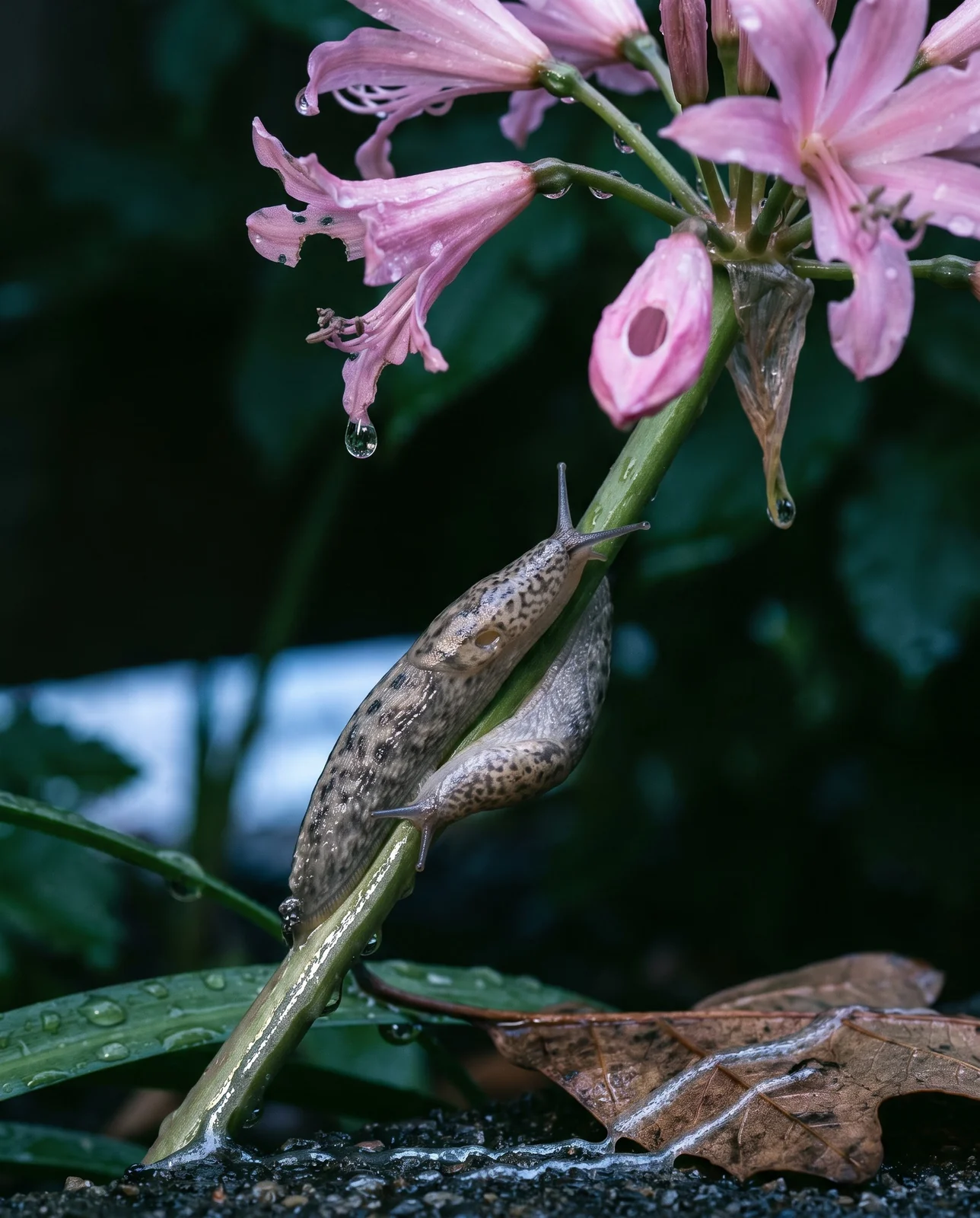
Pests and diseases rarely bother nerines in the garden, though slugs and snails can damage the flowers and mealybugs can be a problem under glass. All nerines are also highly susceptible to mealybug infestations and vulnerable to narcissus bulb flies, which can be treated with a systemic insecticide like imidacloprid at the start of each growing season. How much mealybugs threaten plants outdoors is unsettled, but the narcissus bulb fly is a common insect problem for Nerine bowdenii.
What nerine owners actually post about
The questions and worries that come up most often, listed from the most common down.
Symptoms: healthy green foliage appears, but no flower stems follow in autumn. Cause: bulbs planted too deep, or clumps not yet settled. What to do: check that the bulb necks sit above the soil line. Nerines in pots often flower best when potbound, where Nerine undulata can bloom in the same container for 12 years, and a tomato feed is sometimes worth trying.
Symptoms: local garden centers rarely stock the bulbs. Cause: nerines remain an uncommon retail item in many areas. What to do: turn to mail-order nurseries, where dormant bulbs turn up occasionally for mild and Mediterranean climates.
Symptoms: uncertainty about whether newly set bulbs were planted properly. Cause: nerines take time to settle into new ground. What to do: keep the bulb necks showing above the surface and be patient, since newly planted bulbs can take a while to bloom.
Symptoms: confusion between nerines and Lycoris squamigera. Cause: both plants share a very similar bloom and habit. What to do: grow either with confidence, because Lycoris looks just like Nerine sarniensis, and anyone who can grow one should succeed with the other.
How poisonous nerine is, and how to handle it
Nerines are potentially harmful and can cause a minor stomach upset if eaten, so wear gloves when handling the bulbs and wash your hands afterward. For family pets, the ASPCA maintains no listing for nerine, providing neither a warning nor a clearance.
Behind that caution is chemistry. Bulbs of Nerine bowdenii contain ungeremine, a betaine-type alkaloid studied in Alzheimer's disease research, along with several other alkaloids. The plant's lookalikes carry heavier warnings. A red spider lily bulb causes only low toxicity if eaten, with abdominal pain, salivation, shivering, nausea, vomiting, and diarrhea from the alkaloid lycorine. Ingestion can also bring on convulsions, and in severe cases even death. The surprise lily carries that same low-severity rating, causing those symptoms from lycorine in its roots.
Nerine as a cut flower
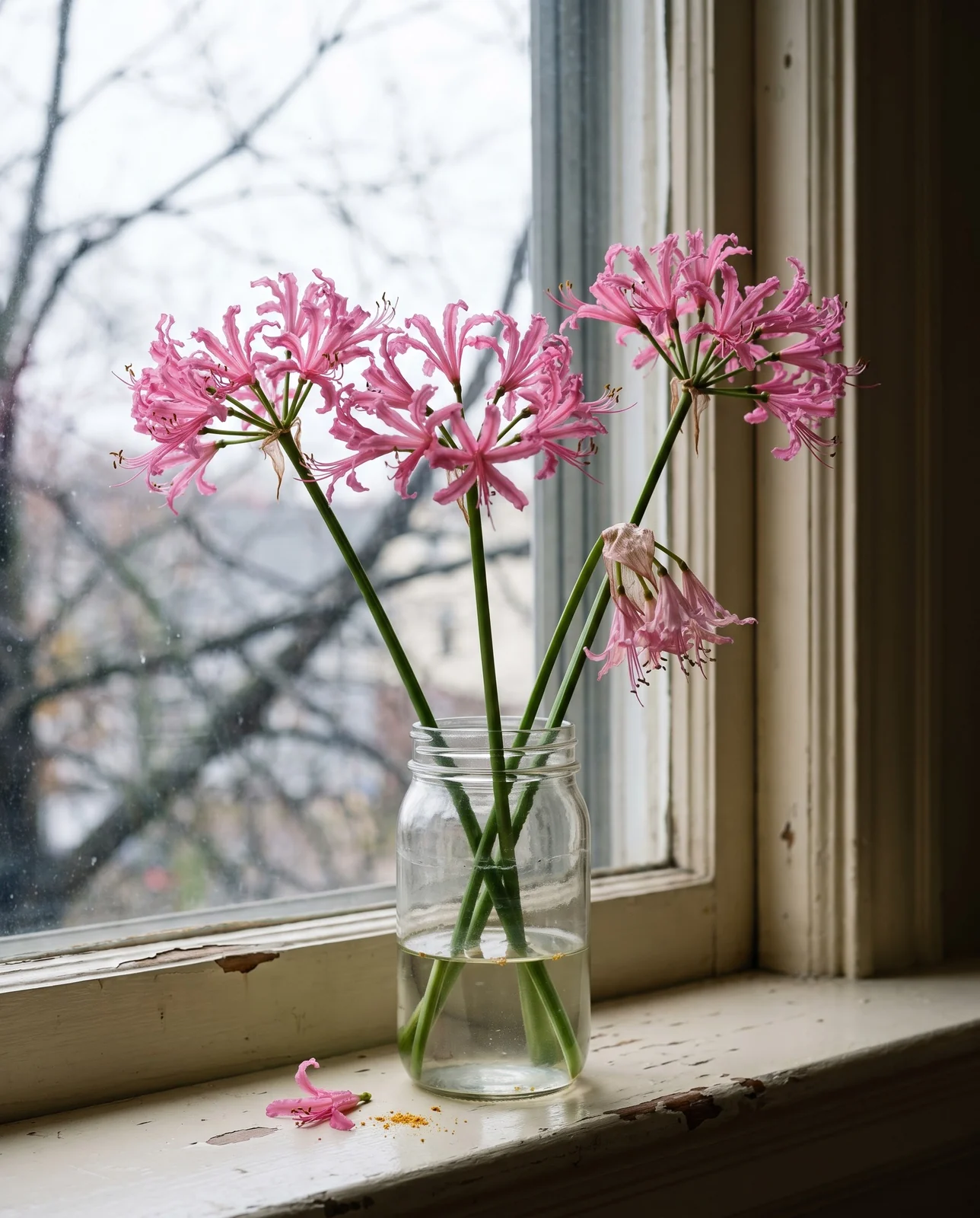
Nerines rank among the finest autumn-flowering bulbs and make deservedly popular cut flowers that stay fresh for a long time. Nerine sarniensis is known among florists as one of the longest-lasting cut flowers. In the garden, Nerine bowdenii produces sturdy, erect green stems that stay upright in containers. The faint scent of the flower heads comes indoors with them.
Four things said about nerine that do not hold
The claims that follow the plant around, and how it actually behaves in the garden.
The myth: Nerine is a kind of lily.
The reality: It belongs to the amaryllis family, alongside agapanthus, hippeastrum, and narcissus.
The myth: Feed it more and it will flower.
The reality: Extra fertilizer is usually not needed in good compost, because feeding encourages leaf growth at the expense of blooms.
The myth: Deer and rabbits will find it first.
The reality: Nerine bowdenii resists deer, rabbits, and drought.
The myth: The name confusion stops with nerine and the two spider lilies.
The reality: Surprise lilies are often confused with Amaryllis belladonna, creating another mix-up within the same plant family.
FAQ
Why are my nerines not flowering?
A nerine usually fails to flower because it was planted too deep, treated too generously, or divided recently. A plant that grows strongly without blooming is usually being treated too kindly, and bulbs often delay flowering for a year after being divided.
How deeply should nerines be planted?
Set the bulbs with the neck well above soil level, so only about half of each bulb is buried. In a container, a single bulb fits a 4 inch pot and goes in with the neck just exposed.
What should I do if my nerine's leaves are turning yellow?
Hold back on water and fertilizer, because yellow leaves in late summer simply signal that the plant is entering dormancy. You can stop watering potted nerines once the leaves turn yellow and begin dying down, and feeding stops at that same stage.
Do nerines flower in their first year?
They often do not, as nerines sometimes fail to flower in the first year or two after planting while they adjust to their new surroundings. Expect to wait a year or so before newly planted bulbs flower prolifically.
Do nerine bulbs multiply?
Yes, nerines multiply steadily and build into thick, crowded clumps over time. Divide the bulbs after about 5 years, or when flowering drops off because the clump has become overcrowded.
Do nerines do well in pots?
Yes, all nerines respond well to pot culture because they like to be overcrowded. Small species do not need deep containers and will flower fine in a 4 inch pot. Potted bulbs need repotting every two to three years while dormant in summer, often just to refresh their soil.
How tall does Nerine bowdenii get?
Nerine bowdenii grows about 1 foot 2 inches to 1 foot 8 inches tall, or about 18 inches, with a width of 1 to 3 inches.
Is nerine poisonous to cats and dogs?
The ASPCA lists no entry for nerine, leaving it with neither a warning nor a clearance. The cultivar 'Pink Triumph' is harmful if ingested and calls for gloves when handling, which makes caution the sensible rule around pets.
Is nerine the same as the red spider lily?
No. Red spider lily is the common name for Lycoris radiata, a separate genus. Its bulbs cause low toxicity if eaten, with lycorine bringing on abdominal pain, shivering, and vomiting.
What month do nerines flower?
Nerines bloom in the fall. Nerine bowdenii carries its pink flowers from September to November. Nerine undulata arrives later in the season, opening delicate pinkish-purple blooms in November and December, and it needs winter protection in colder regions.
Interesting tips
- Colchicums and cyclamens make good companion plants to grow with Nerine bowdenii.
- A Nerine bowdenii bulb measures 4.7 to 5.5 inches around and is shaped like an old-fashioned Chianti bottle, with a long neck and a swollen base.
- Two named nerines make good cut flowers: 'Patricia' bears pale pink blooms on sturdy stems, and 'Kathleen Pollock' is one of the red-flowered cultivars.
Related Guides & Flowers
Cyclamen
One of the two plants named as good company for a nerine clump.
Crocus
A small bulb grown the same way: planted once, left alone, and thickening on its own.

Chrysanthemum
The other half of an autumn border, flowering in the same weeks as nerine.
Dahlia
A late-season tuber for gardeners who want color after the summer border has finished.
Enjoying our flower guides? Add YourFlowersGuide as a preferred source on Google. It helps more readers find us.
Add to Preferred Sources