Rose
Roses are woody perennial shrubs in the genus Rosa, grown for repeat flushes of bloom from late spring into fall, prized scent, and a flower form no other plant matches. They want full sun, rich and well-drained soil, and a deep drink at the base each week. Pick the right type for the job, prune at the right moment, and water at the roots instead of over the leaves, and most of the trouble people have with roses never starts.
The genus holds well over a hundred wild species and many thousands of cultivated varieties, which is why “rose” covers everything from a six-inch patio plant to a fifteen-foot climber. Choosing well means matching the growth habit and disease resistance to the spot before any planting happens, then giving the plant the sun, soil, and airflow it needs to stay healthy. What follows covers the main types and how to choose, when and how to prune, the diseases and pests that show up most often, and the care that prevents nearly all of them.
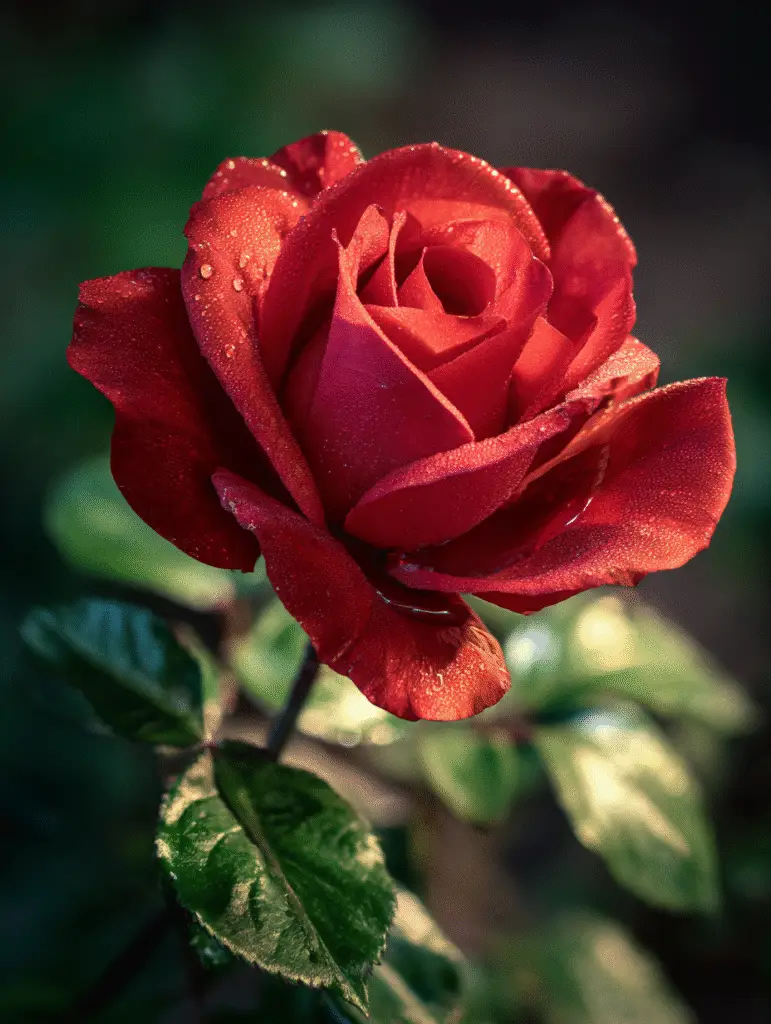
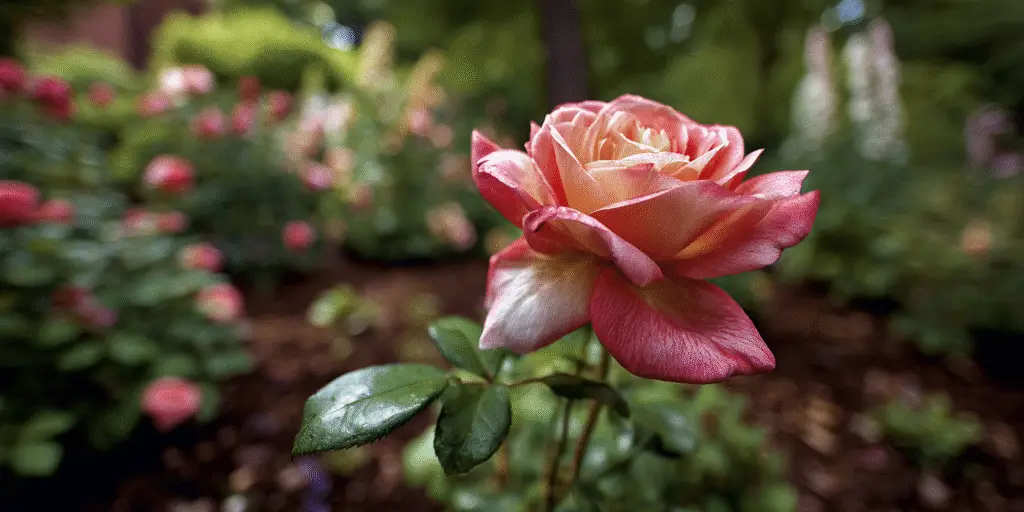
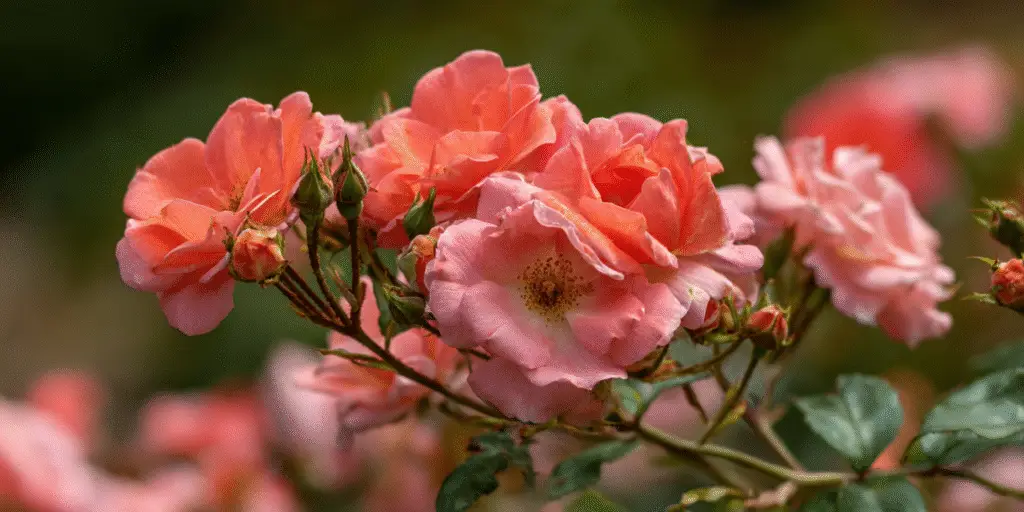
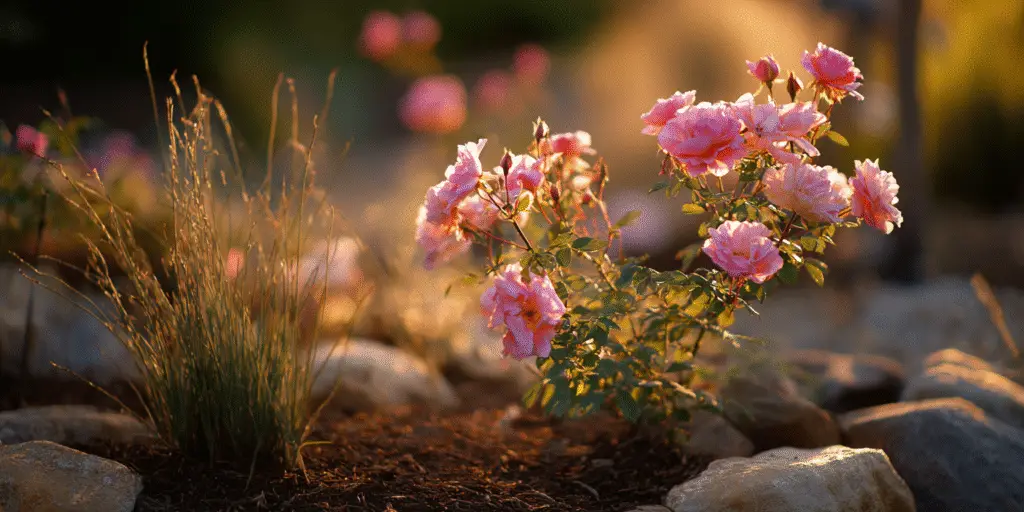
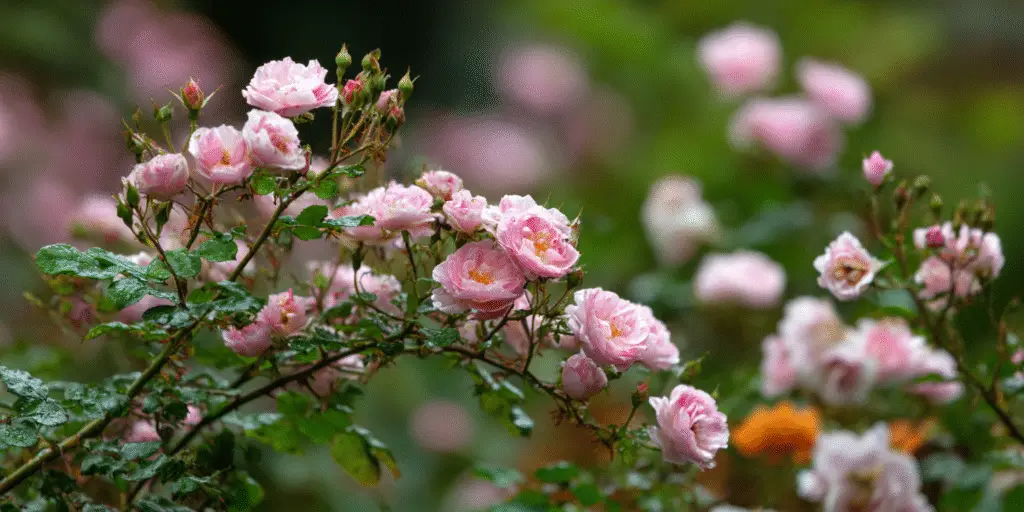
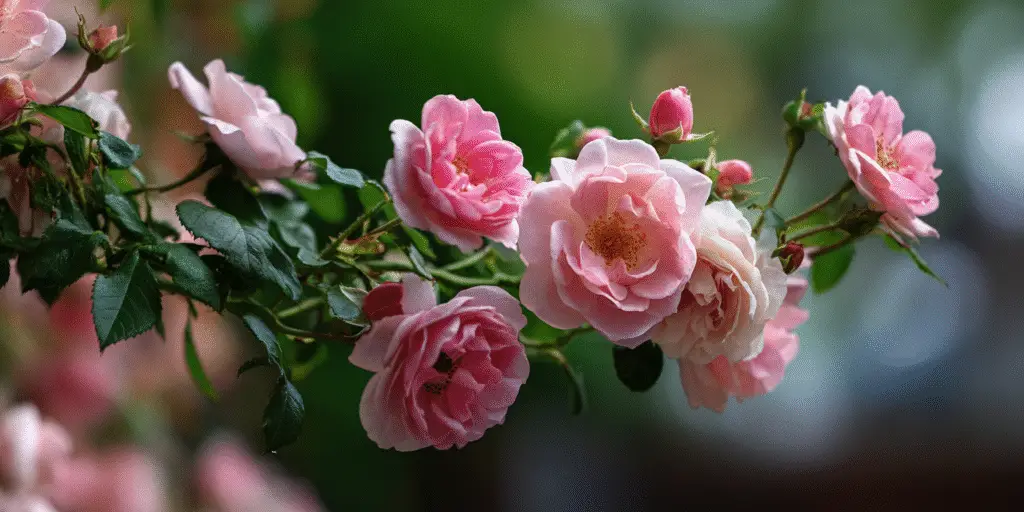
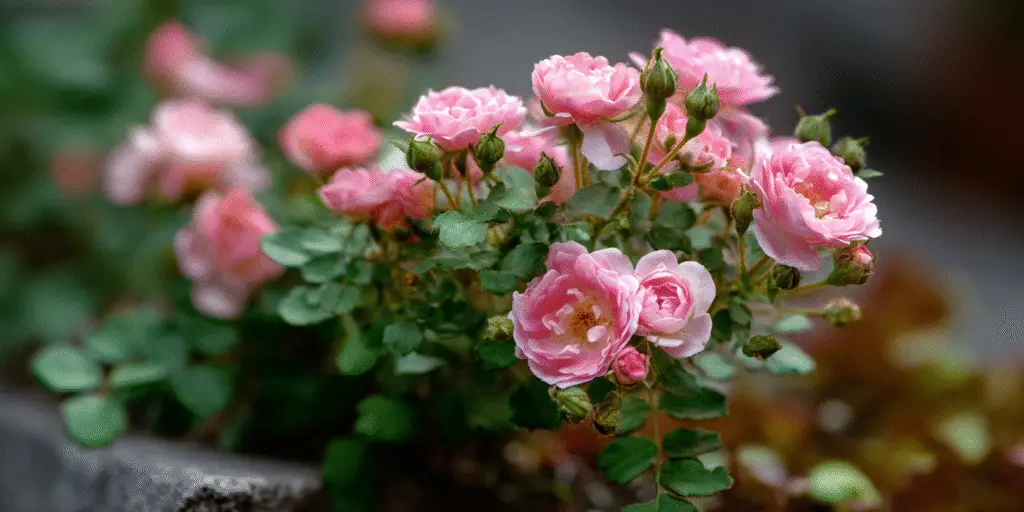
A clear, step-by-step guide to soil, planting, watering, feeding, pruning, and winter care. Includes zone timing, container tips, companions, and quick fixes for common problems.

Bouquet Ideas
Explore simple, beautiful bouquet ideas for the home, gifts, and special occasions from romantic mixes to clean, minimal styles. Each idea includes suggested flower combinations, color palettes, and sizes, with photos for quick inspiration.
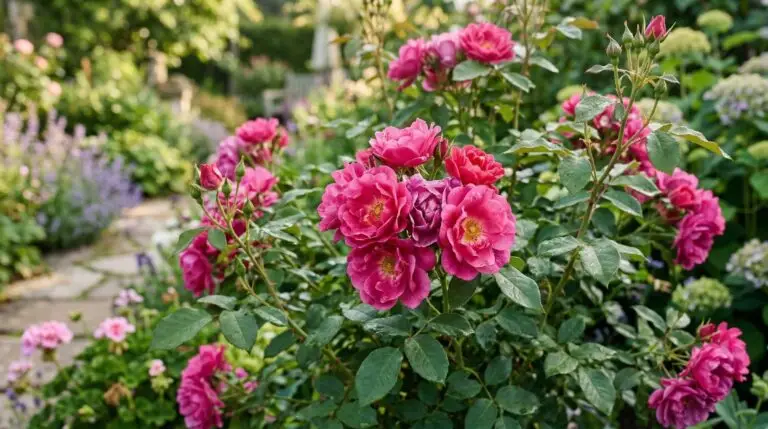
How to grow roses for beginners with disease-resistant varieties that practically care for themselves
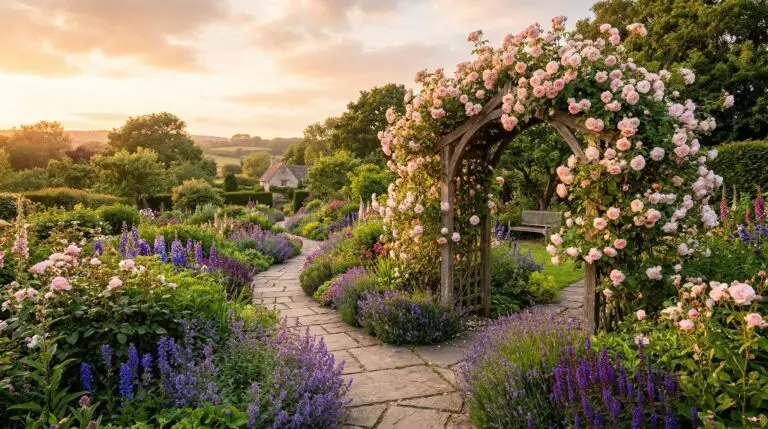
Climbing roses that cover walls arbors and fences with cascading blooms
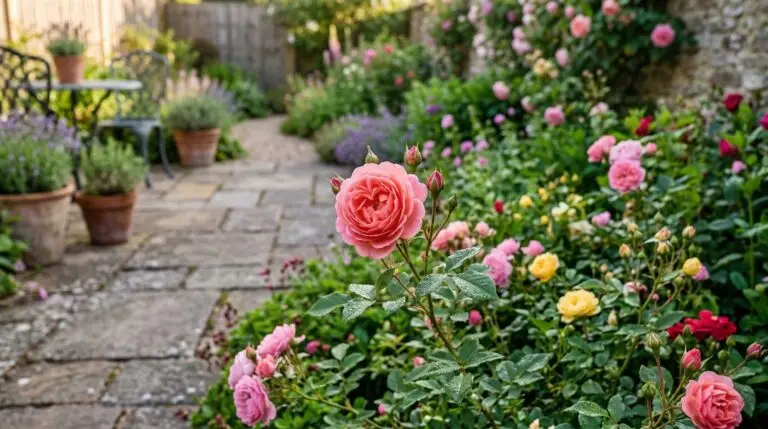
Growing roses in containers for patios balconies and small-space rose gardens
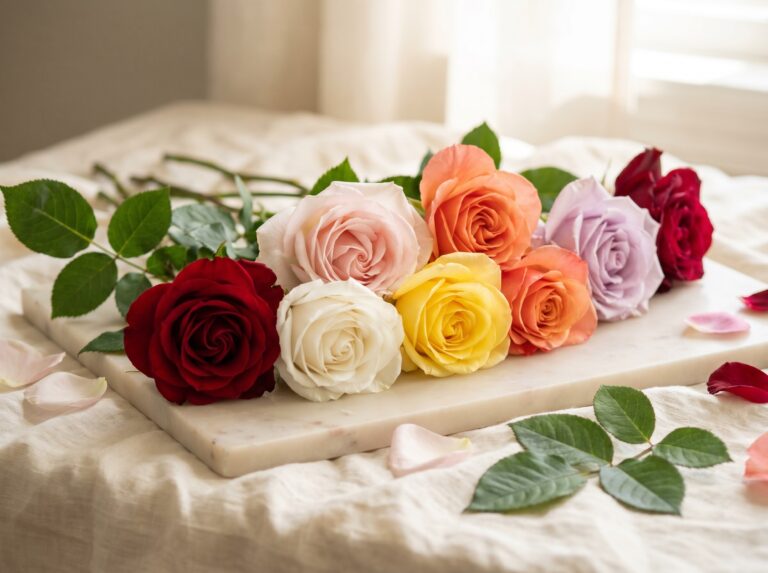
Rose meaning and rose colour meanings, honestly explained
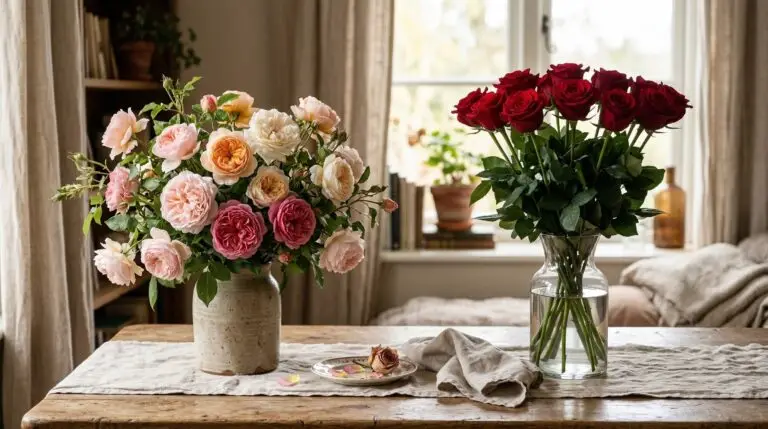
Roses in wedding flowers and the timeless tradition of the bridal rose bouquet
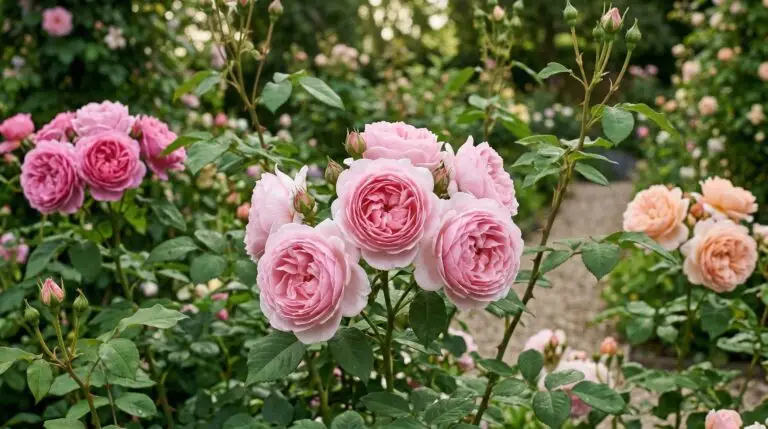
Best David Austin English roses for old-fashioned fragrance and modern disease resistance
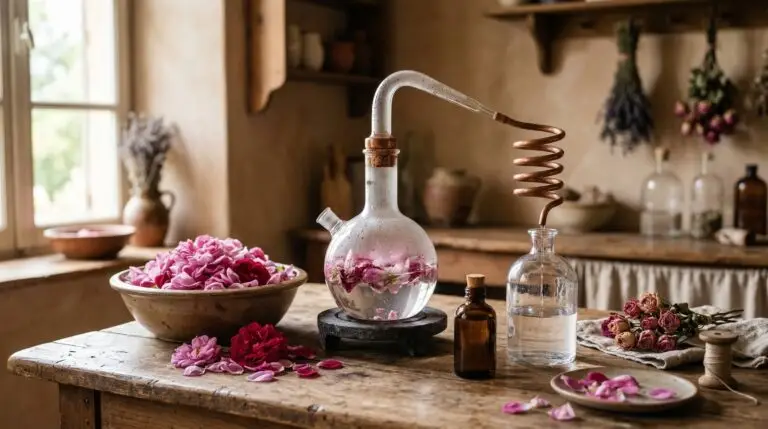
Making rose water and rose petal recipes from your garden’s fragrant harvest
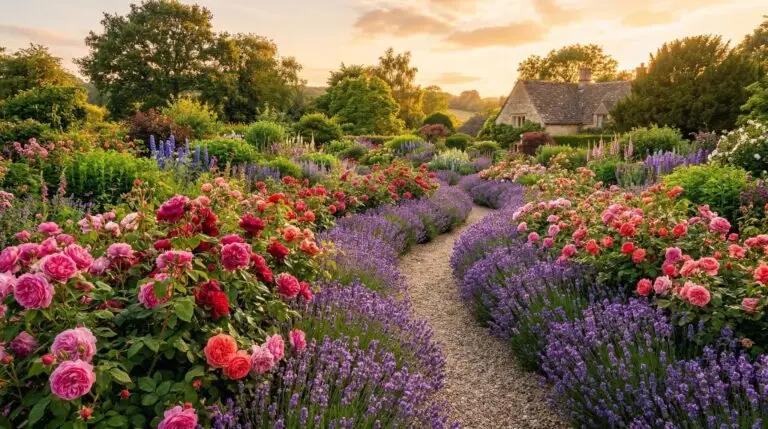
Companion plants for roses: what to grow and what to avoid
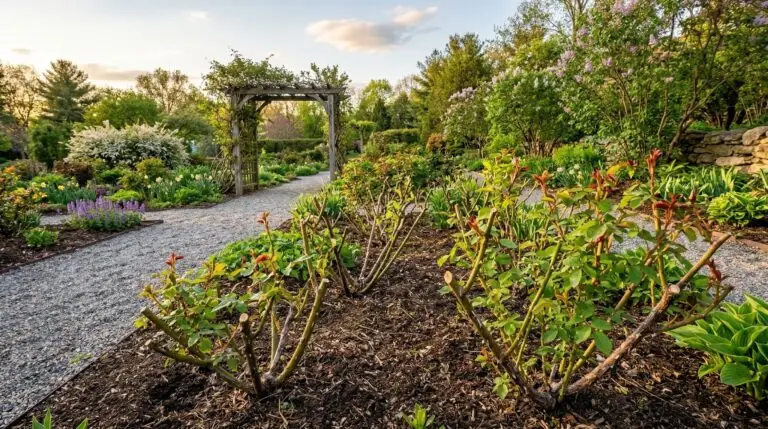
Pruning roses at the right time and the basic cuts every gardener needs to know
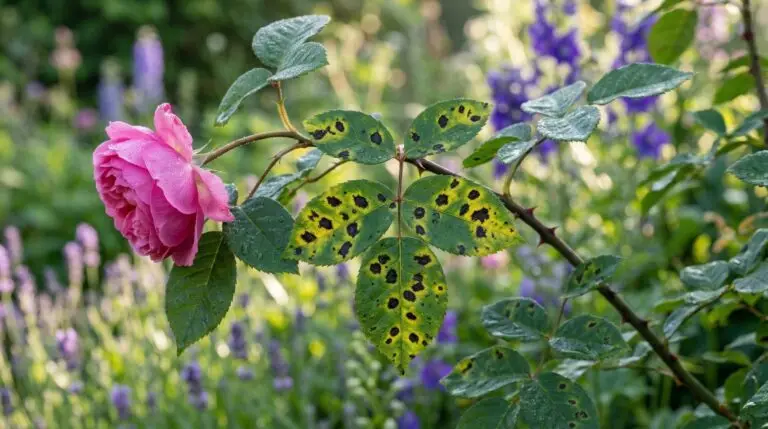
Black spot on roses and the organic approach to the most common rose disease
On this page
🌱 Taxonomy and origin
The rose belongs to the genus Rosa in the family Rosaceae, alongside apples, cherries, and strawberries. Around 150 wild Rosa species have been described, spread through the temperate Northern Hemisphere, and the cultivated descendants number in the tens of thousands. Wild roses grow as deciduous shrubs, climbing vines, and trailing groundcovers, and the greatest diversity sits in Asia. Humans have grown roses for a very long time, with cultivation in China dating back at least 5,000 years. The turning point for the modern garden rose came when Chinese repeat-blooming roses reached Europe in the late eighteenth century and passed their ability to flower again and again into the European breeding lines, which is the reason most roses sold today rebloom rather than flowering once and stopping.
Knowing the type matters more than knowing the species, because growth habit, bloom pattern, scent, and pruning needs all follow from it. The table below sorts the main groups a buyer will meet, and the garden rose profile covers the classic bush forms in more depth.
| Rose type | Flower form | Bloom habit | Scent | Best use |
|---|---|---|---|---|
| Hybrid tea | One large bloom per long stem | Repeat | Often strong | Cutting, formal beds |
| Floribunda | Clusters of medium blooms | Repeat, heavy | Light to moderate | Color in borders, hedges |
| Grandiflora | Large blooms in small clusters | Repeat | Moderate | Tall accent, cutting |
| Climbing | Varies, on long canes | Repeat or once | Varies | Walls, arbors, fences |
| Shrub | Open, informal | Repeat or once | Varies | Mixed borders, low care |
| English (David Austin) | Full, many-petaled | Repeat | Strong | Romantic borders, cutting |
| Miniature | Small blooms, low plant | Repeat | Light | Pots, edging, patios |
| Landscape (Knock Out) | Simple to semi-double | Repeat, nonstop | Light | Low-maintenance mass planting |
For a first rose or a low-fuss bed, landscape and shrub types like Knock Out carry the strongest disease resistance and forgive missed pruning. Hybrid teas give the classic florist bloom on a long stem but demand more spraying and care. Floribundas trade single-stem perfection for sheer quantity, English roses pair old-rose fullness and scent with modern reblooming, and climbers cover structures but need their canes trained and tied. Match the form to the use and the climate first, then narrow by color and fragrance.
🌸 Bloom time
Most modern roses are repeat bloomers, opening their first flush in late spring and cycling through new flushes every four to eight weeks into fall wherever the season is long enough. Some old garden roses and many ramblers bloom once, in a single heavy display in early summer, and then stop. That difference drives pruning timing, so it is worth confirming which kind you have before cutting. Deadheading spent flowers on repeat bloomers pushes the plant toward more buds instead of seed hips and keeps the cycle moving, though many landscape roses clean themselves and rebloom without it. Steady feeding and consistent water between flushes do more for total bloom count than any single intervention.
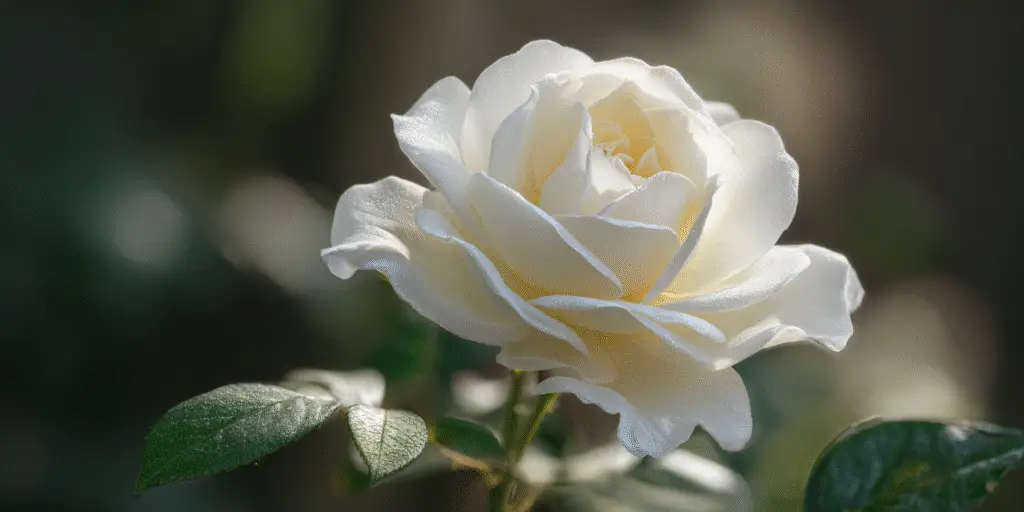
📏 Height and spread
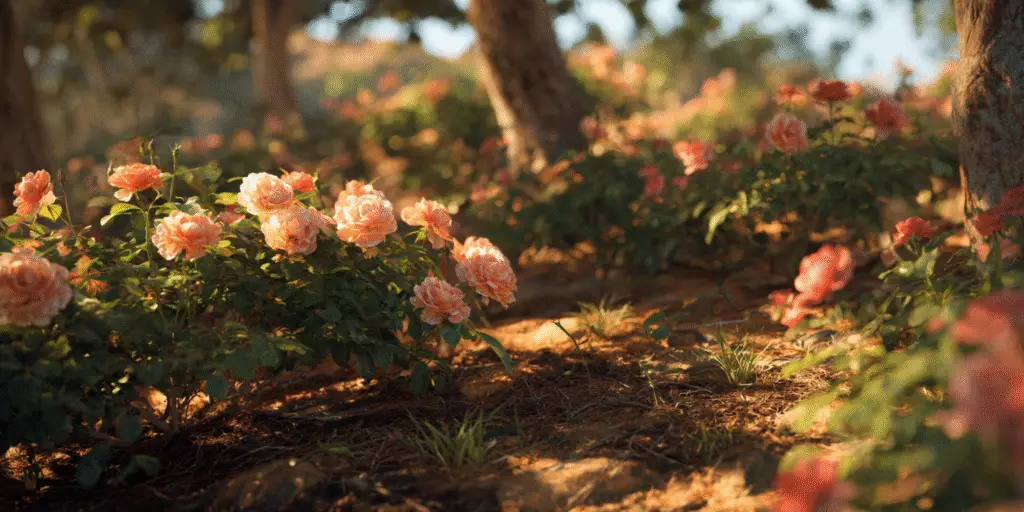
Size depends entirely on the type. Miniature and patio roses stay around 1 to 2 feet tall, which suits pots and bed edges. Traditional bush roses such as hybrid teas and floribundas usually run 3 to 6 feet tall and 2 to 4 feet wide. Larger shrub roses can reach 6 to 8 feet high with a matching spread if left unpruned, and climbing and rambling roses easily reach 10 to 15 feet or more along a support. Spacing follows from this: give bushes enough room that air moves freely between plants, because crowded roses hold moisture on their leaves and invite the fungal diseases described later.
☀️ Light
Roses need at least 6 hours of direct sun a day, and full sun produces both the heaviest bloom and the healthiest foliage. Morning sun is especially useful because it dries dew off the leaves early, and dry leaves resist the fungal spores that cause black spot and powdery mildew. A spot that gets sun but also good air movement beats a sheltered, shaded corner where damp lingers. Roses can limp along in part shade, but they bloom less and stay wet longer, which makes disease more likely. If a rose stops flowering well, too little light is the first thing to rule out.
💧 Water
Roses want about 1 inch of water a week, delivered as a deep soaking at the base rather than frequent light sprinkles. Water deeply once or twice a week, whenever the top inch or two of soil has dried, which drives roots down and builds a drought-steady plant. The single most useful watering habit is to keep water off the foliage. Overhead watering wets the leaves and spreads black spot and mildew, so soaker hoses or a wand aimed at the soil are the way to go, ideally in the morning so any splash dries fast. A 2 to 3 inch layer of organic mulch over the root zone holds moisture, steadies soil temperature, and keeps soil from splashing spores up onto the lower leaves. Soil should stay evenly moist but never waterlogged.
🌍 Soil and pH
Roses do best in fertile, well-drained loam enriched with compost or aged manure, in soil that holds moisture without staying soggy. The target pH is slightly acidic, roughly 6.0 to 6.5, which is the range that keeps iron and other nutrients available to the plant. Heavy clay benefits from working in organic matter to open drainage, and pure sand benefits from the same amendment to hold water and feed. Roses are heavy feeders, so a balanced rose fertilizer or a generous compost topdressing in spring as growth starts, with a second feeding in midsummer, supports both bloom and the vigorous foliage that shrugs off disease. Stop feeding by late summer so soft new growth has time to harden before frost.
❄️ USDA hardiness
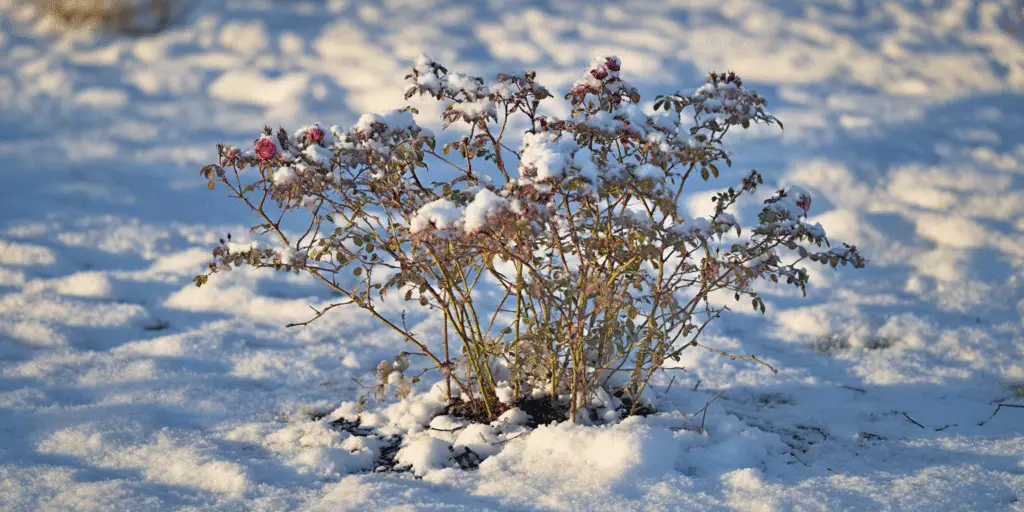
Most rose cultivars are reliable in USDA zones 5 through 9. Hardy and own-root varieties handle the colder zones 3 and 4, while tender types are better suited to the milder zones 8 through 11. In zones with hard winters, grafted roses need their graft union protected, since the cold can kill the grafted variety while the rootstock survives and sends up a different rose. Mounding soil or mulch 8 to 12 inches over the base after the ground starts to freeze insulates the union through winter, and the mound comes off in spring. Own-root roses skip this worry, because the whole plant is the variety you bought, which is one reason they suit cold gardens.
🌼 Propagation and longevity
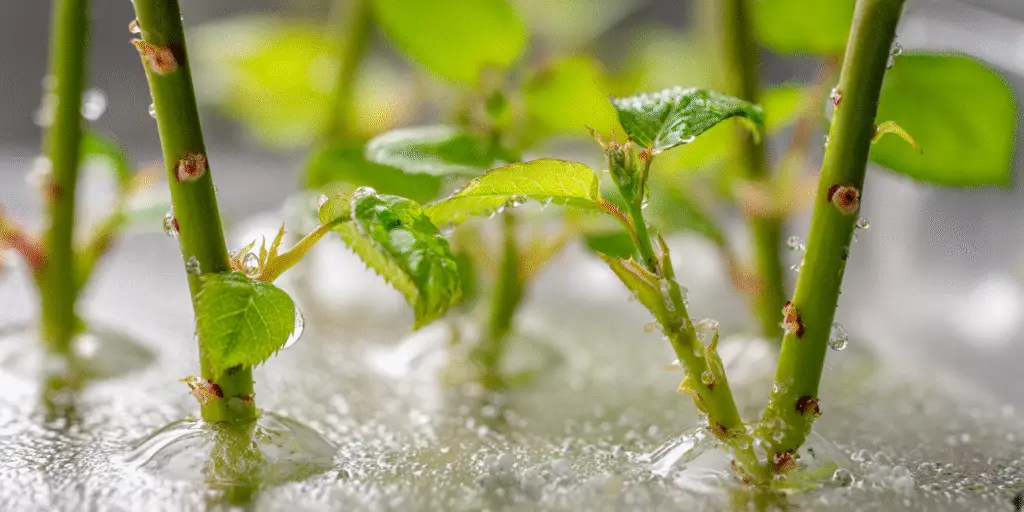
Roses propagate from stem cuttings, layering, grafting, or seed. The common home method is rooting a cutting: take a 6 to 8 inch piece of healthy young stem with a few leaves, set it in a moist rooting medium, and keep it humid until roots form, which clones the parent exactly. Layering bends a low cane down, buries part of it until it roots, then separates it. Most commercial roses are grafted, with a chosen variety budded onto a hardy rootstock, while seed is mainly a breeder’s tool since seedlings do not come true to the parent.
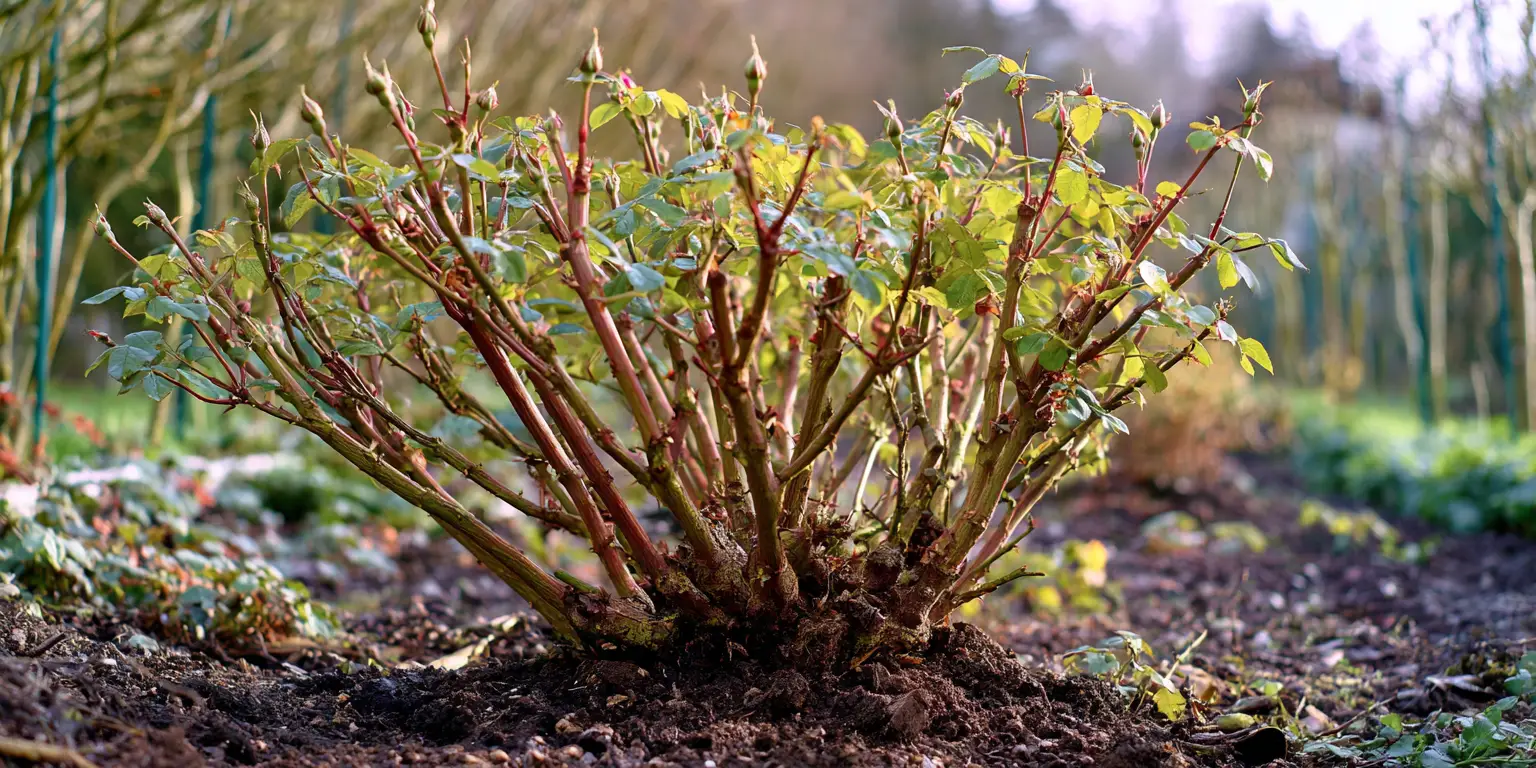
This is also where pruning belongs, because both shape the plant’s long life. Major pruning happens during dormancy, in late winter to early spring as the buds begin to swell, often around late February or March depending on the region. Cut about 1/4 inch above an outward-facing bud at a slant so the new growth opens outward and water runs off the cut, and remove all dead, damaged, weak, and crossing canes to open the center to light and air. The one rule that catches people out is timing by bloom habit: repeat-blooming roses take this spring pruning, but once-blooming old garden roses and many climbers set their flowers on old wood and must be pruned right after they finish blooming, because cutting them in spring removes that year’s display. A healthy rose lives a long time, commonly 10 to 15 years for modern bushes and several decades for hardy old garden and climbing roses. The famous “Thousand-year Rose” on Hildesheim Cathedral in Germany, a wild dog rose documented at around 700 years old, still blooms each year against the apse wall.
👃 Fragrance
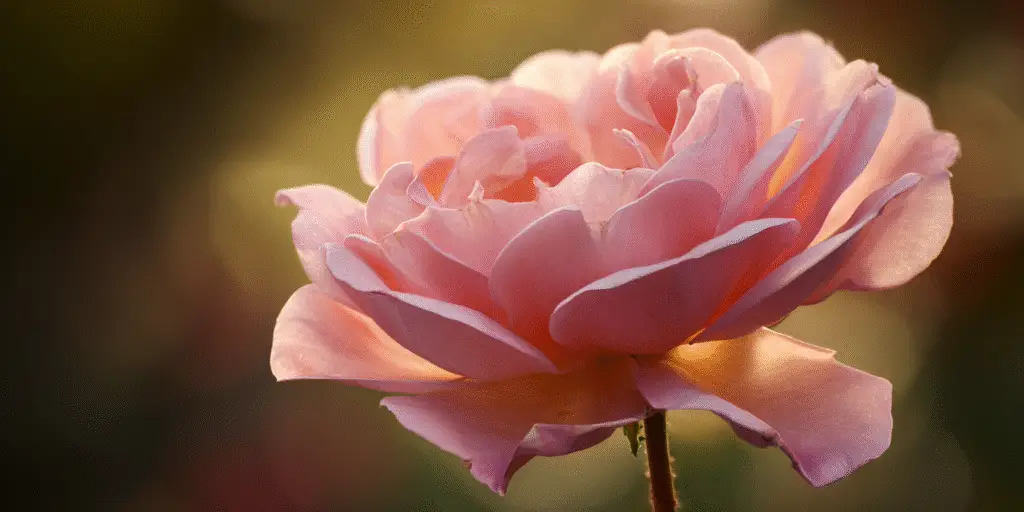
Fragrance is one of the rose’s defining pleasures, though it varies widely by variety. Old garden roses are often intensely scented and carry the classic “rose perfume,” while modern hybrids run the full range from richly fragrant to nearly scentless, since breeders sometimes traded scent for bloom form, color, or vase life. As a loose rule, pink and red roses tend to hold the strongest traditional rose smell, and warmth and humidity bring the scent out, so a rose is most fragrant on a still, warm morning. Anyone buying for fragrance should smell before buying or choose a variety named for its scent, because a beautiful rose is not necessarily a perfumed one.
⚠️ Toxicity and pet safety
True roses are non-toxic to cats, dogs, and horses according to the ASPCA, so a pet that nibbles a petal or leaf faces no poisoning risk. The only real hazard is mechanical: the thorns can scratch or puncture a curious mouth, paw, or eye, so place thorny canes where pets are not pushing through them. The catch is the name. Several plants called a “rose” are not true roses and some are genuinely toxic, so the reassurance only applies to actual Rosa. Rose of Sharon is a hibiscus, desert rose is Adenium and is toxic, and Christmas rose and Lenten rose are both Helleborus and toxic as well; primrose and moss rose also carry the name without being roses. Identify the plant before trusting any rose to be pet-safe. For a wider view of which blooms are safe around animals, see the guide to flowers safe for cats and dogs.
🌿 Vase life
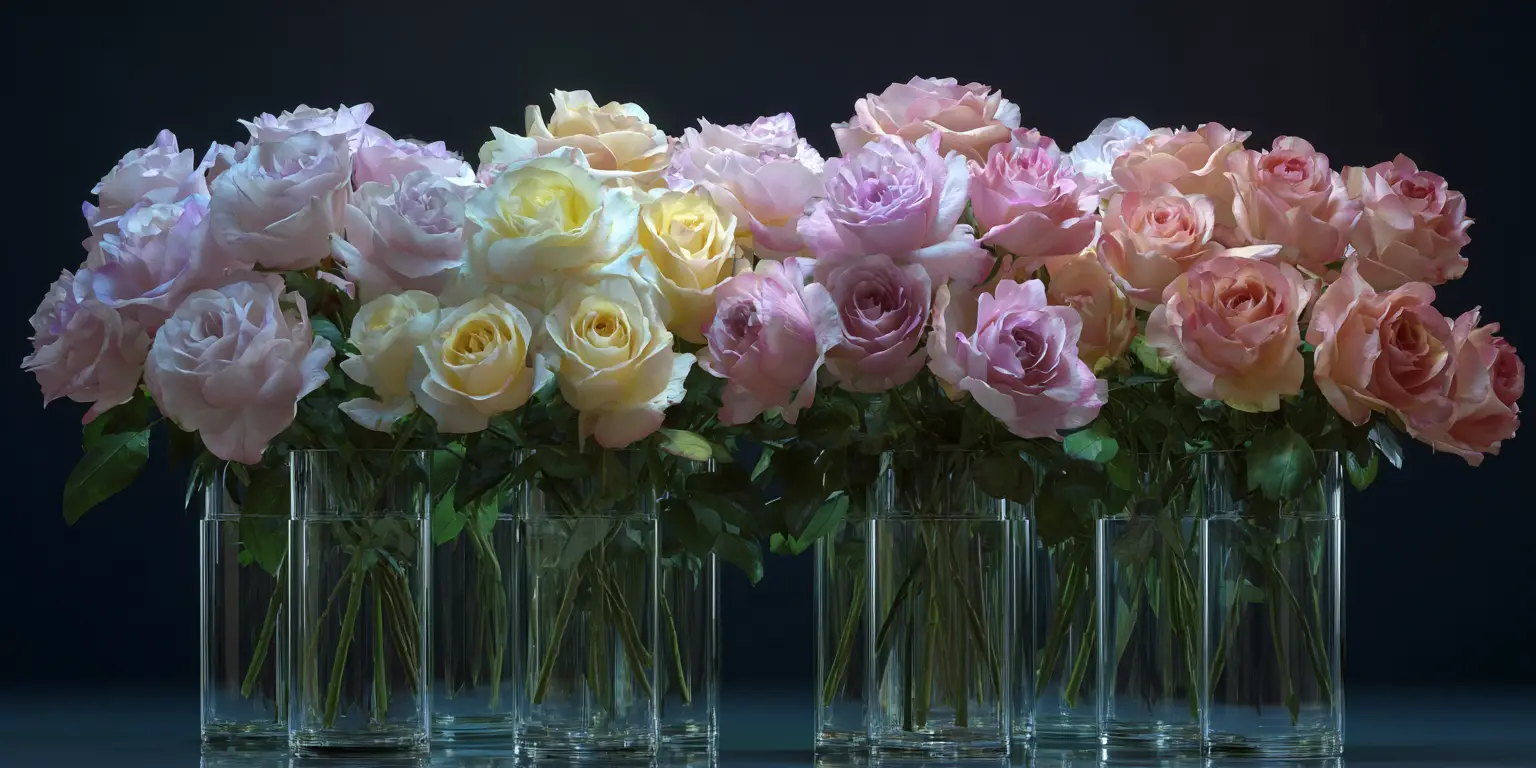
Cut roses last about 7 to 10 days with the right handling. Cut or buy stems with buds just starting to open, and recut each stem about an inch from the bottom at an angle, ideally under running water, so no air bubble blocks the stem and stops it drinking. Strip every leaf that would sit below the waterline, since submerged foliage rots fast and fouls the water, which is the usual reason roses fade early. Use clean water with flower food, keep the vase out of direct sun and away from ripening fruit, and refresh the water with a quick recut every two or three days. Roses cut from the garden in the cool of the morning and conditioned in deep water before arranging hold up noticeably longer. Their long-stemmed form and scent make them a fixture in wedding flowers, where vase life is part of the planning.
🐛 Pests and diseases
Black spot is the signature rose disease and the one most growers will meet. It is a fungus, Diplocarpon rosae, that prints dark spots ringed with yellow on the leaves, then causes them to drop until a badly hit bush stands half bare, weakened, and shy to bloom. It thrives on wet foliage, since the spores need several hours of moisture to take hold, so managing it is mostly about keeping leaves dry: plant disease-resistant varieties, water at the base instead of overhead, space and prune for airflow through the plant, and rake up and bin fallen leaves so spores cannot overwinter and splash back up. The same dry-leaf, good-airflow approach holds back powdery mildew, the white coating that distorts new growth in humid, crowded conditions. The table below pairs the most common problems with what fixes them.
| Problem | What you see | Cause | Fix |
|---|---|---|---|
| Black spot | Dark spots with yellow halos, leaf drop | Fungus, wet foliage | Resistant varieties, water at base, airflow, clear fallen leaves |
| Powdery mildew | White powder on new leaves and buds | Fungus, humidity, poor airflow | Improve spacing and airflow, water at base, prune crowded growth |
| Aphids | Clusters of soft green insects on buds | Sap-sucking insects | Blast off with water, encourage ladybugs, insecticidal soap |
| Japanese beetles | Skeletonized leaves, chewed petals | Beetles in early summer | Hand-pick into soapy water, avoid lure traps near roses |
| Rust, downy mildew, botrytis | Orange pustules, leaf spots, gray mold | Fungal, damp conditions | Airflow, clean up debris, remove affected parts |
| Rose rosette virus | Witches’ broom, red distorted growth | Mite-spread virus, no cure | Remove and destroy the whole plant promptly |
Frequent inspection is the real defense, because a few aphids or the first black spots are easy to deal with, while an outbreak is not. Most rose disease traces back to wet leaves and crowding, so the watering and airflow habits in the sections above prevent more trouble than any spray. For pairing roses with companions of the same warm tone, the red flowers hub gathers blooms that suit a classic rose border.
FAQ
How and when should I prune roses?
Prune most roses during dormancy, in late winter to early spring as the buds swell, often late February or March. Cut about 1/4 inch above an outward-facing bud at a slant, and remove dead, damaged, weak, and crossing canes. The exception matters: once-blooming old roses and many climbers bloom on old wood, so prune them right after they flower, not in spring, or you cut off that year’s bloom.
What type of rose should I choose?
Match the type to the job. Choose landscape roses like Knock Out or tough shrub roses for low-care mass color, hybrid teas for long-stemmed cutting blooms, floribundas for heavy clustered color, English roses for old-rose fullness and scent with reblooming, climbers for walls and arbors, and miniatures for pots. Pick disease-resistant varieties wherever black spot is common.
Why does my rose have black spots on its leaves?
That is black spot, a fungal disease spread by wet foliage. Water at the base instead of overhead, improve airflow with spacing and pruning, rake up fallen leaves, and replant with resistant varieties over time. Morning sun that dries the leaves early helps a great deal.
How often should I water roses?
Give about 1 inch a week as a deep soak at the base, usually once or twice a week, whenever the top inch or two of soil dries. Keep water off the leaves and mulch the root zone to hold moisture.
Are roses safe for cats and dogs?
Yes. True roses are non-toxic to cats, dogs, and horses per the ASPCA. The only hazard is the thorns. Be careful with look-alikes such as desert rose, Christmas or Lenten rose, and rose of Sharon, which are not true roses and can be toxic.
How do I keep cut roses fresh?
Recut the stems at an angle under water, strip any leaves below the waterline, use clean water with flower food, keep the vase out of sun and away from fruit, and refresh the water every two or three days. Expect 7 to 10 days.
Can I grow roses in containers?
Yes, in a deep pot at least 14 to 18 inches across with good drainage, larger for big varieties. Container roses dry out faster, so water more often and feed through the growing season.
Interesting tips
The biggest lever is the buy itself, not the upkeep: a disease-resistant, climate-matched rose prevents most problems before it goes in the ground, and own-root plants in cold regions shrug off a winter that would kill the grafted top of a budded rose. Fragrance does not follow looks, so smell a rose before buying or choose one bred for scent, because plenty of show-stopping blooms have almost none. When planting a bed for a long season, mix an early once-bloomer with steady repeat bloomers so something is always in flower, and stagger heights so air still moves through the planting. Buy from an own-root grower or a reputable bare-root supplier in the dormant season for the widest choice and the strongest start, and plant the graft union, where present, at the depth your zone calls for, deeper where winters bite.
Related Guides & Flowers
- Camellia – rose-like evergreen blooms for late winter to spring.
- Ranunculus – layered petals that mimic garden roses in bouquets.
- Carnation – ruffled, clove-scented classic that pairs well with roses.
- Love-in-a-Mist – airy cottage filler that complements romantic rose styles.
- Peonies – lush spring alternative to roses for wedding work.
- Dahlia – summer to frost showstopper, a rose-alternative for late season.
- Snapdragon – vertical spikes as a classic bouquet companion to roses.
- Gerbera Daisy – bold, round faces for modern rose mixes.
- Stephanotis – richly scented wedding vine often paired with roses.
References
Written by: Your Flowers Guide editorial team
We are a small independent group of flower lovers who research and review each guide using trusted horticultural and educational sources. Learn more about us