Lavender meaning: calm, devotion, and the odd Victorian reading explained
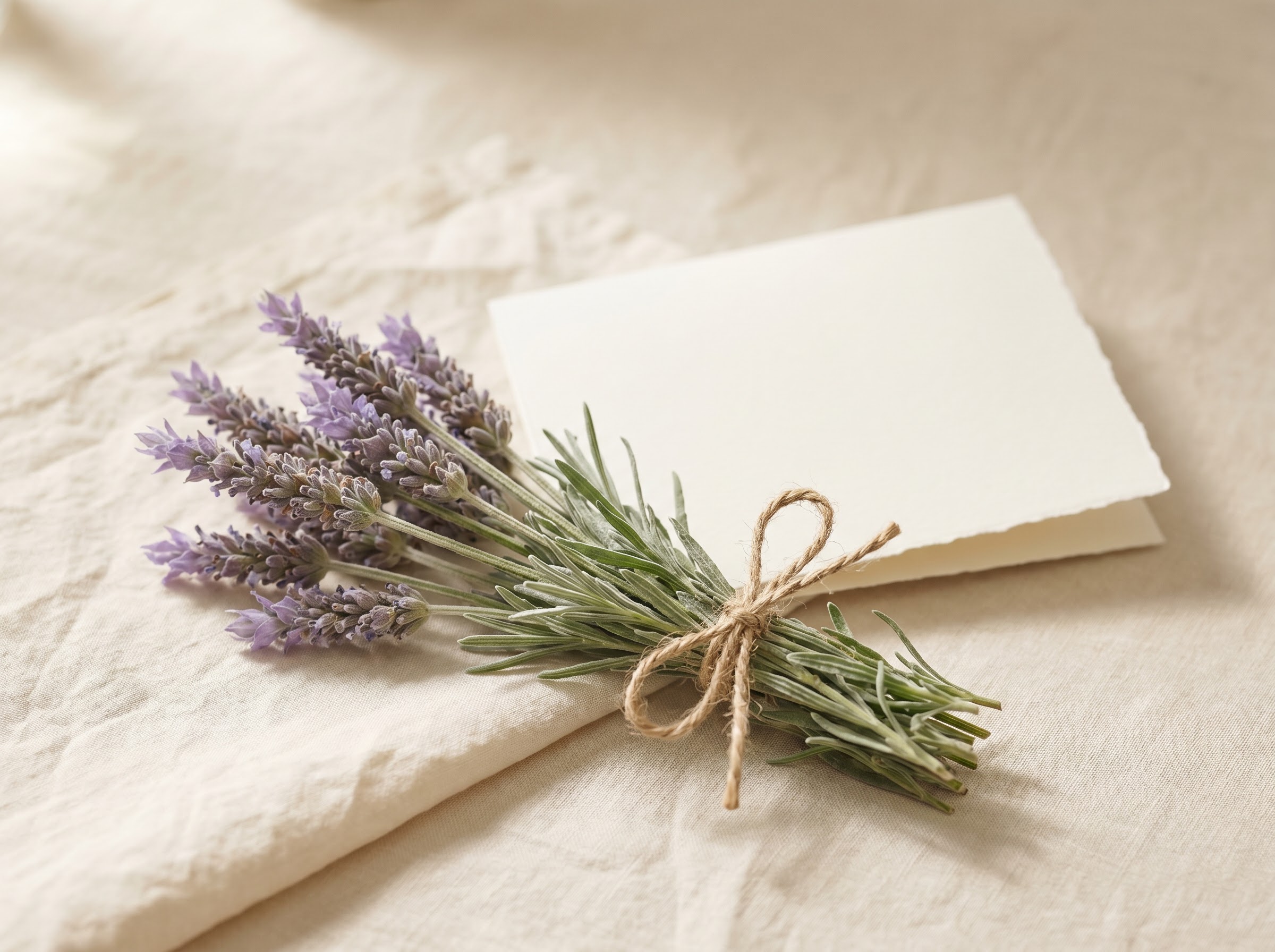
Lavender means calm. That is the reading nearly everyone shares today, and it is the one to trust: serenity, rest, gentle devotion, and a kind of quiet grace. Hand someone lavender and you are wishing them peace, not making a grand declaration. The strange part, and the thing that sends people searching, is that the old Victorian flower lists do not say calm at all. In that vocabulary lavender often stood for distrust, sitting awkwardly beside devotion and purity in the same books. Here is what lavender says now, what it said then, how the two readings can both be real, and which one actually matters when you give it.
Most of what makes lavender meaningful is not a secret code at all. It is the flower itself, the soft purple-grey spikes and the scent that has been tied to rest and soothing for a very long time. The meaning grew up around that reputation. So before any chart or any era, lavender's first message is the one your nose already knows.
What lavender means
At its center lavender is the flower of calm. The modern reading runs to serenity, peace, healing, and a soft, steady devotion, the love of long care rather than sudden passion. That is why it turns up wherever rest is the point, from a get-well bunch to a sympathy arrangement to the lavender sachet tucked in a drawer. The flower carries grace, too, a composed and unfussy beauty that suits the gentleness of the rest of its meaning. None of this is a single fixed sentence the way a red rose is a plain "I love you." Lavender is more a mood than a message, and the mood is unmistakably one of settling, slowing, and being looked after.
It helps to notice that lavender is also the name of a pale purple shade, and for some people a given name, so a search for lavender meaning can be pointing at the colour or at a person rather than the flower. This page is about the flower. As a plant, the calming reputation is not invented out of thin air, since lavender has long been used in scent and sachets, and its smell tends to read as relaxation, so the symbolism follows where the fragrance already led. That closeness between a flower's meaning and its everyday use is part of why the calm reading feels so natural and has held so steadily.
What lavender says in love and as a gift
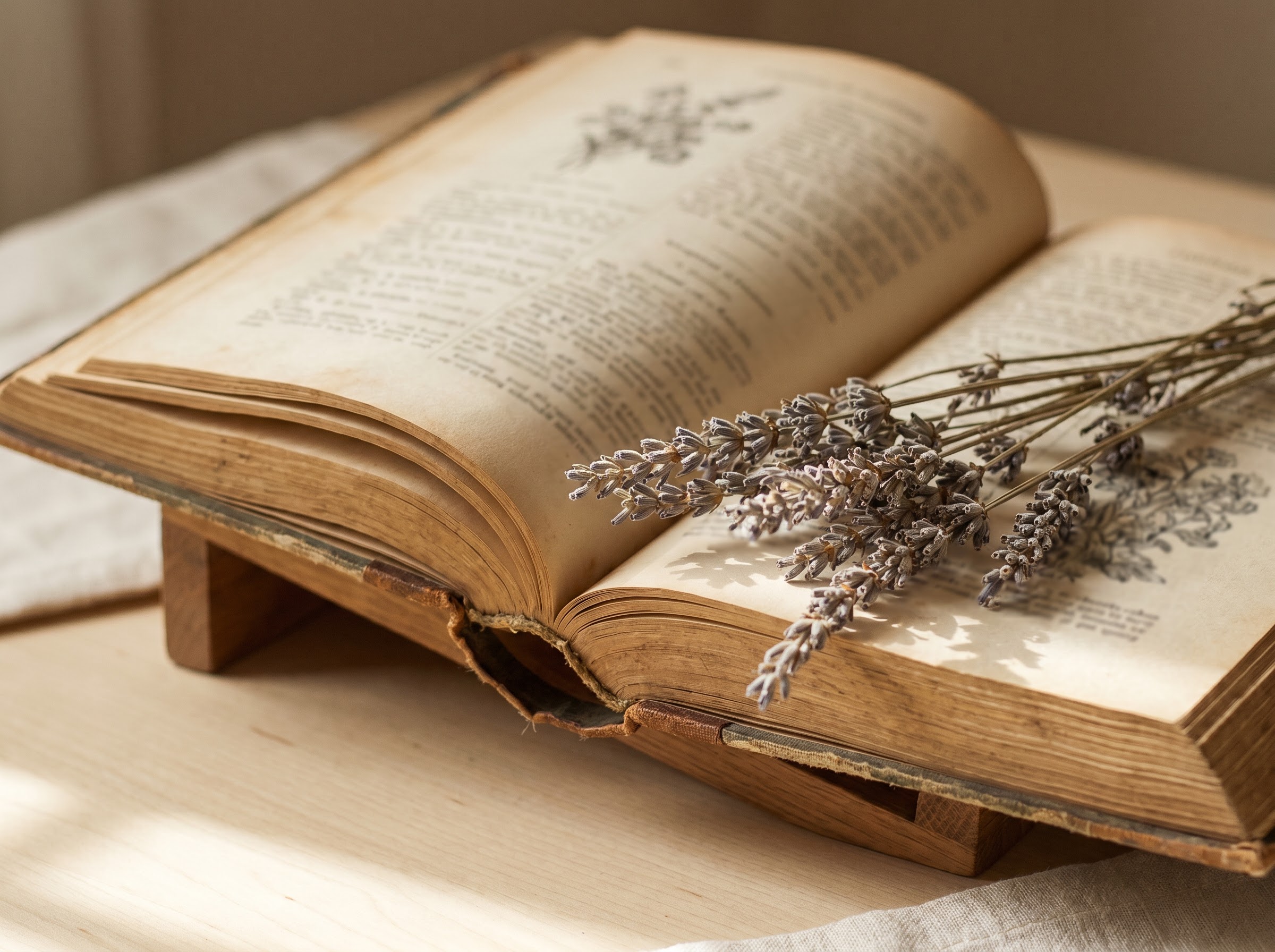
In love, lavender is a soft-spoken flower rather than a loud one. It is devotion more than desire, the steady warmth you feel for someone you have cared about for years, or the gentle, protective affection you offer a person who is worn out. Give lavender to a partner and you are not staging a passionate scene; you are saying you are a calm and constant presence in their life. That makes it a lovely flower for the unflashy moments of a long relationship, and it explains why lavender finds its way into weddings, where the wish is for a peaceful, devoted life together rather than a single dramatic spark.
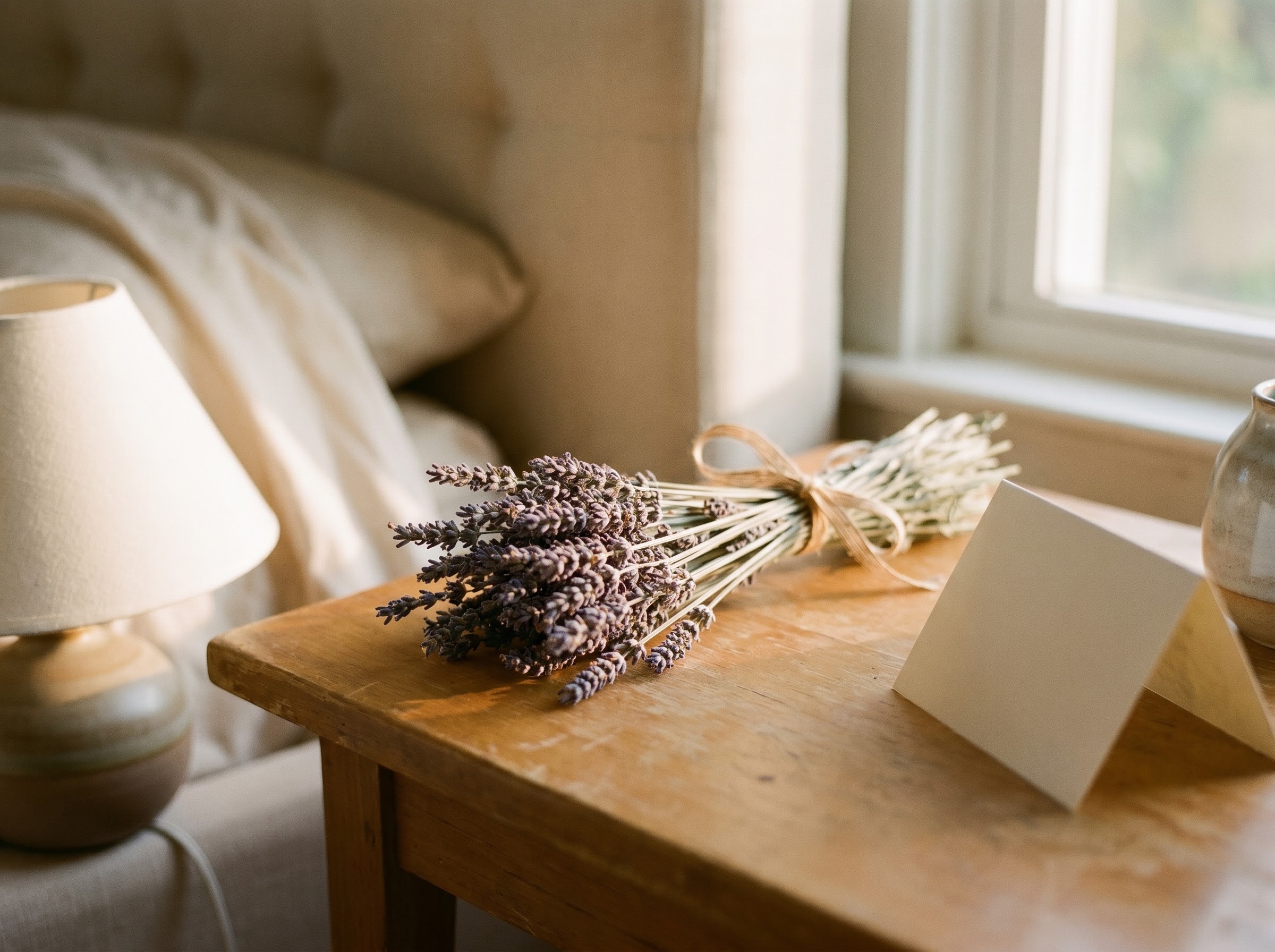
As a gift between friends, or to anyone who is tired, stressed, ill, or grieving, lavender is close to perfect, because its whole message is rest and reassurance. It says slow down, breathe, you are cared for. That is why it suits a get-well card, a sympathy bouquet, or a simple thinking-of-you gesture to someone carrying a lot. The scent does part of the work, since lavender keeps its fragrance even dried, so a small bundle can sit by a bedside long after fresh flowers would have wilted. If you want to give the living plant rather than cut stems, our guide to how to grow lavender covers the sun and dry soil it needs to thrive. For a wider look at which flowers carry which emotions, from comfort to courage, our piece on what flowers mean by feeling places lavender among the calmer, gentler choices.
Why the old lists called it distrust
Here is the part that puzzles people. In the Victorian language of flowers, lavender was not simply the calm flower we know now. The old lists most often gave it as distrust, and then, confusingly, set that beside devotion and purity in the very same tradition, so a single flower carried a suspicious meaning and a tender one at once. There is no fully satisfying story for why distrust attached itself to lavender, and anyone who hands you a confident origin tale is likely guessing. What can be said honestly is that these readings came out of the elaborate flower dictionaries of the nineteenth century. Cornell's history of floriography traces that fashion back to far older roots in China, Egypt, and Assyria, while noting that the version Britain went mad for had mostly taken shape in France first. Those dictionaries were compiled, copied, and embellished by many hands, and the odder meanings, distrust among them, are exactly the kind that crept in along the way and never had much life outside the page.
What shifted is simple enough. The distrust reading faded almost entirely, while the calm-and-devotion reading grew, until today the Victorian "distrust" survives mostly as a piece of trivia rather than a meaning anyone sends. If someone hands you lavender now, no one in the room is reading it as suspicion. The flower's real-world association with soothing and rest quietly won out over a bookish meaning that never made much sense to begin with. This is the clearest answer to the question that brings most people here, so it is worth setting the two readings side by side and saying plainly which one to follow.
| Reading | What lavender meant | Trust it? |
|---|---|---|
| Today (modern) | Serenity, calm, healing, and gentle, devoted love | Yes. This is how almost everyone reads lavender now, and what your gift will say. |
| Victorian devotion strand | Devotion and purity, a tender and faithful love | Yes, and it lines up with the modern calm reading. The gentle thread carried through. |
| Victorian distrust strand | Distrust and suspicion | No, for any real gift. A quirk of the old dictionaries that did not survive. It lingers only as trivia. |
How much should you trust any of this
The split over lavender is not really a live argument the way other flowers carry one. With the yellow rose, people still genuinely disagree about whether it means jealousy or friendship; with lavender there is no such standoff, just an old, marginal meaning that the modern world quietly dropped. Still, it is worth being straight about the limits. Nobody keeps an official register of flower meanings, and there is no panel you could appeal to that would settle a reading for good. Iowa State University Extension says as much in its own roundup of flowers and their meanings, pointing out that the same bloom gets read different ways by different sources, and lavender is a tidy example: calm to nearly everyone, distrust to a handful of antique books. The calm reading wins not because a rulebook crowned it but because that is what people actually agree it means, and agreement is the only thing a flower's meaning has ever really run on.
So lean on calm with full confidence. It is the safe, widely shared, and richly supported reading, and it matches the flower's long life as a symbol of rest. Treat the Victorian distrust as nothing more than a curiosity to mention at a dinner party, since it carries no weight in any bouquet you would actually send. The one honest limit to keep in mind is the colour caveat that runs through this whole subject: meanings can shift with shade and culture, and you can see that play out across the rest of the flower world in our guide to flower colour meanings. With lavender, though, the colour and the meaning happen to point the same way, which spares you the second-guessing a trickier flower would demand.
When to give lavender, and what to write on the card
Give lavender whenever calm is the message. It suits the weary friend, the recovering patient, the grieving family, the overworked person who needs permission to rest, and the steady, devoted love of a long partnership or a quiet wedding. It is rarely the right flower for fierce romance or celebration, where you would reach for roses, tulips, or sunflowers instead, because lavender's gentleness would undersell a big, loud moment. Match the flower to the feeling and it almost never misfires: when you want to soothe rather than dazzle, lavender is the one.
For the card, keep it as soft as the flower. Something like "Rest. You are safe and cared for" fits a weary or unwell friend exactly, and a line like "Wishing you peace and a calm, devoted year ahead" suits a wedding or an anniversary. The point is to echo the lavender's own quiet so the words settle as gently as the flower does. And if the puzzle of where any of this came from still nags at you, why these meanings exist, who invented them, and why they keep drifting, our meaning of flowers hub is the place that pulls the whole tangled story together.
- Cornell University, Written in Petals: The Language of Flowers, on the history of floriography.
- Iowa State University Extension, Flowers and Their Meanings, on why sources disagree.