Lily of the valley meaning, from the return of happiness to its darker side
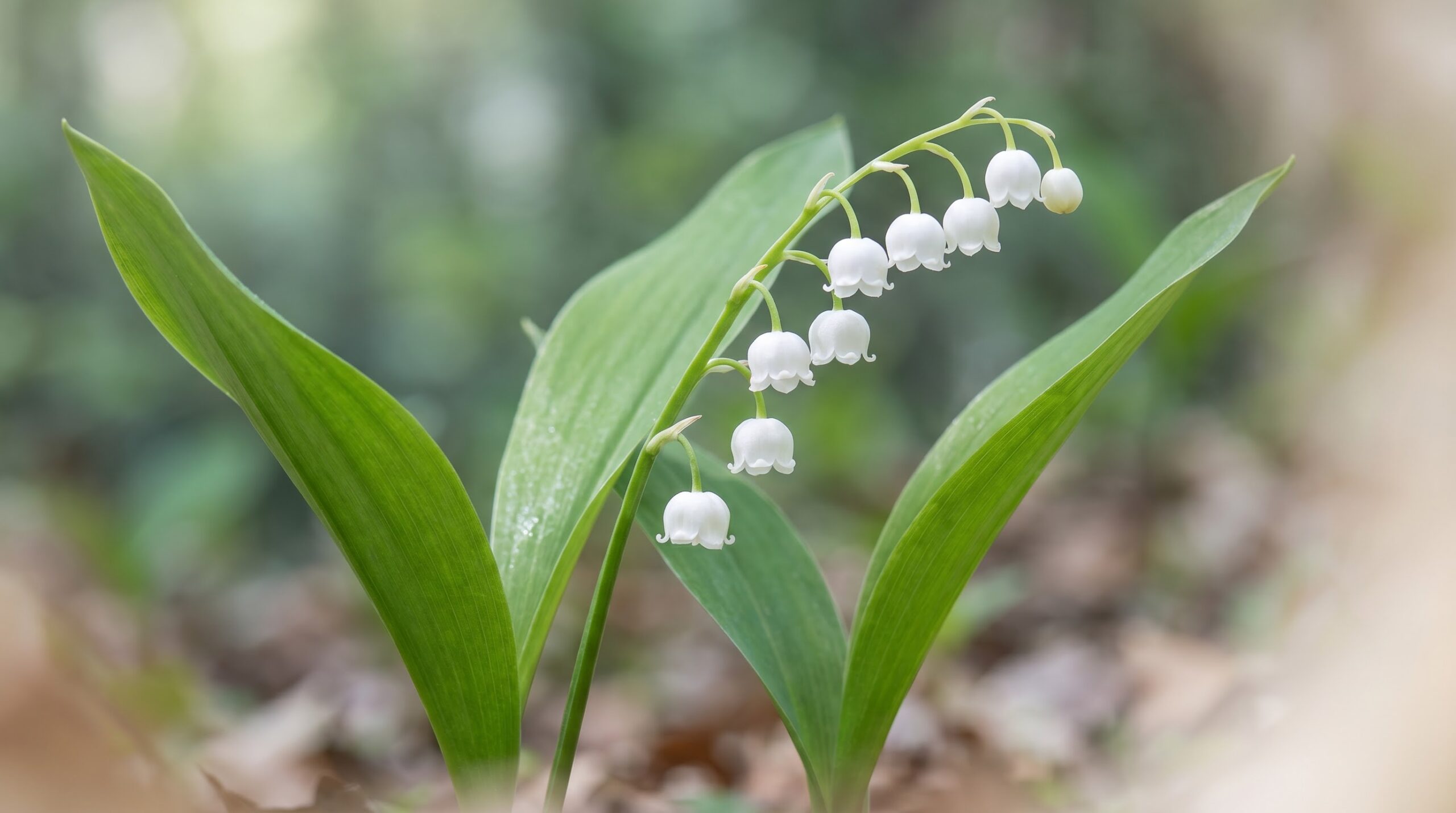
Lily of the valley means the return of happiness. Those small white bells, hung along a single arching stem in May, have stood for happiness coming back, for sweetness, and for humility, and at their warmest they say something close to "you have made my life complete." This is one of the rare flower meanings that nearly everyone agrees on, which makes it a lovely gift and an easy one to read. Two complications send people searching, and both have plain answers. The plant is genuinely poisonous, which is the whole reason the unsettling "death" question comes up, and despite the name it is not the true lily and was probably not the flower the Bible meant either. None of that touches the gift you give today. Below you will find the meaning in love and friendship, the myth and history behind it, what it says as a tattoo, and a plain note on what to write when you give it.
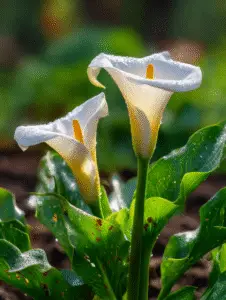
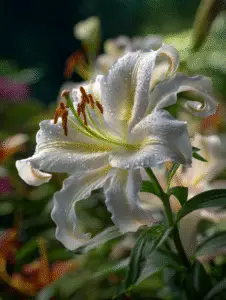
The name throws people, so begin there: lily of the valley is not a lily at all. It belongs to its own plant family, and we keep it apart from the true lily and from the trumpet-shaped calla lily, both of which carry heavier, more formal meanings of purity and sympathy. This little woodland flower reads warmer and gentler than either. What also sets it apart is how steady its reading has stayed. The Victorian language of flowers and the modern florist tradition land in almost exactly the same place, which is unusual, so you can lean on the meaning with real confidence. It is still custom rather than law, but among the flowers people gift this one is about as settled as a meaning gets.
What lily of the valley means
At its heart the flower means the return of happiness. That is the phrase the old language-of-flowers lists settle on, and the modern reading keeps it word for word. The image behind it is easy to picture. Lily of the valley blooms in spring, often around the start of May, after the long grey stretch of winter, so it became the flower of joy arriving again, of good feeling that had gone away and then came back. Alongside that core sense sit two close companions, sweetness and humility. The sweetness is literal as much as symbolic, since the perfume is one of the most loved in the garden, and the humility comes from the plant's habit of nodding its tiny flowers downward and growing low and modest in shade rather than reaching for attention.
Purity belongs in the picture too, the way it does with most small white flowers, which is part of why lily of the valley turns up so often at weddings. Put those threads together and you get a flower that says, roughly, my happiness has returned and I want to share it gently. The warmest reading of all is the sentiment "you have made my life complete," which casts the returning happiness as something a particular person brought back. That is a large thing to say with such a small bloom, and the modesty of the flower is exactly what keeps the message from feeling overblown.
Giving it to a partner, a friend, or family
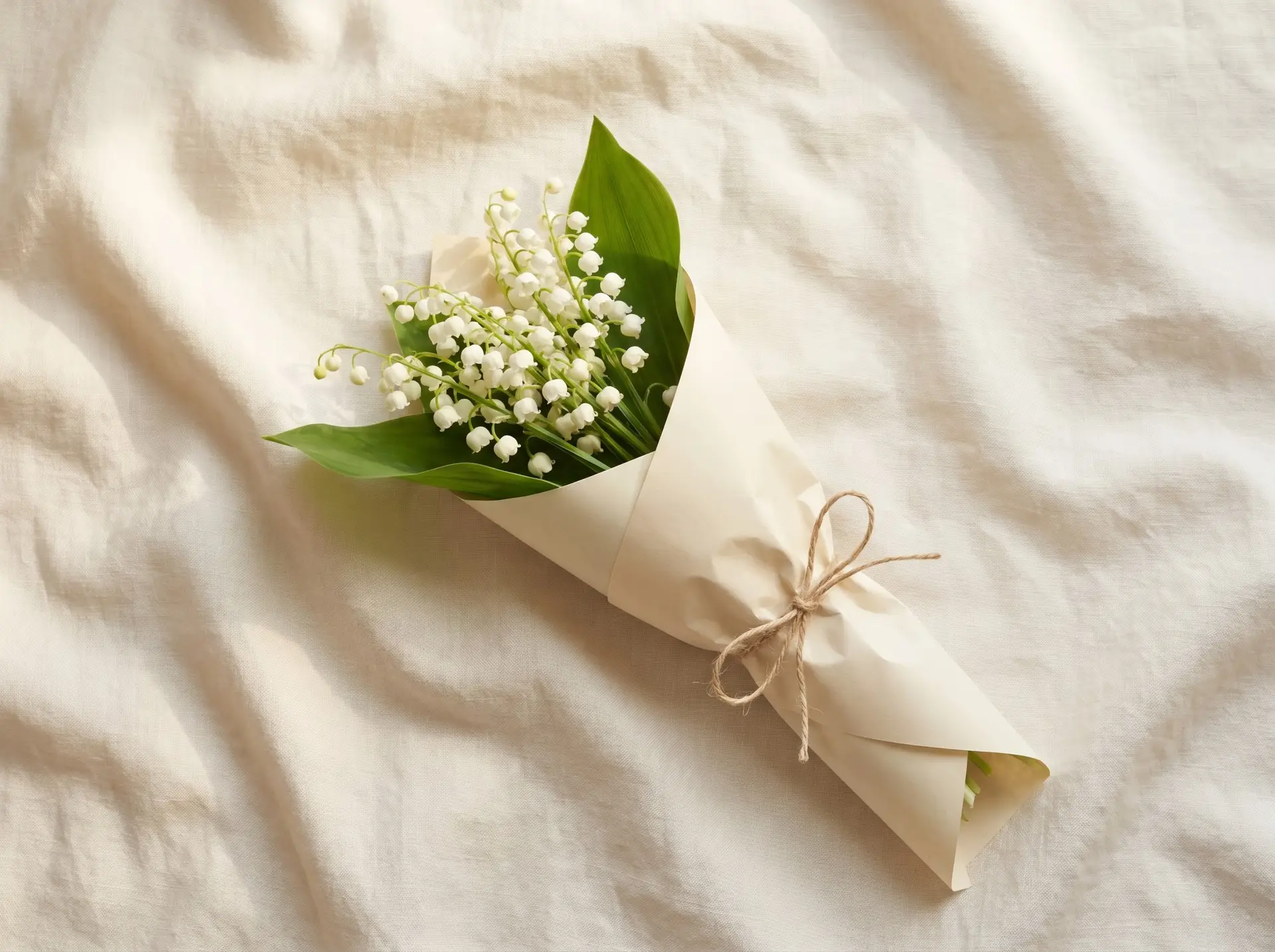
In matters of the heart, lily of the valley is tender rather than passionate. It does not announce desire so much as confide it, saying something softer and more devoted, that being near you has set things right again. Because of the "you have made my life complete" reading, it works beautifully for a partner you have been through something with, where the gift is less about new fireworks and more about gratitude that the good days are back. It suits an anniversary, a reconciliation, or the quiet middle of a long relationship better than a first flush of romance.
It is just as at home in friendship and family. The humility and sweetness in its meaning carry no romantic charge on their own, so a sprig of lily of the valley is a graceful thing to give a friend recovering from a hard season, a mother, or anyone whose happiness you are glad to see returning. This is the flower's real range. It can mean profound devotion to a spouse and simple warmth to a friend, and the difference lives almost entirely in who you hand it to and what you say on the card rather than in the flower itself. One practical note worth flagging early, since it shapes every gift: lily of the valley is poisonous, so it is a poor choice for a household with a curious toddler or a pet that nibbles bouquets, however lovely it looks on the table.
The myth, history, and French custom behind it
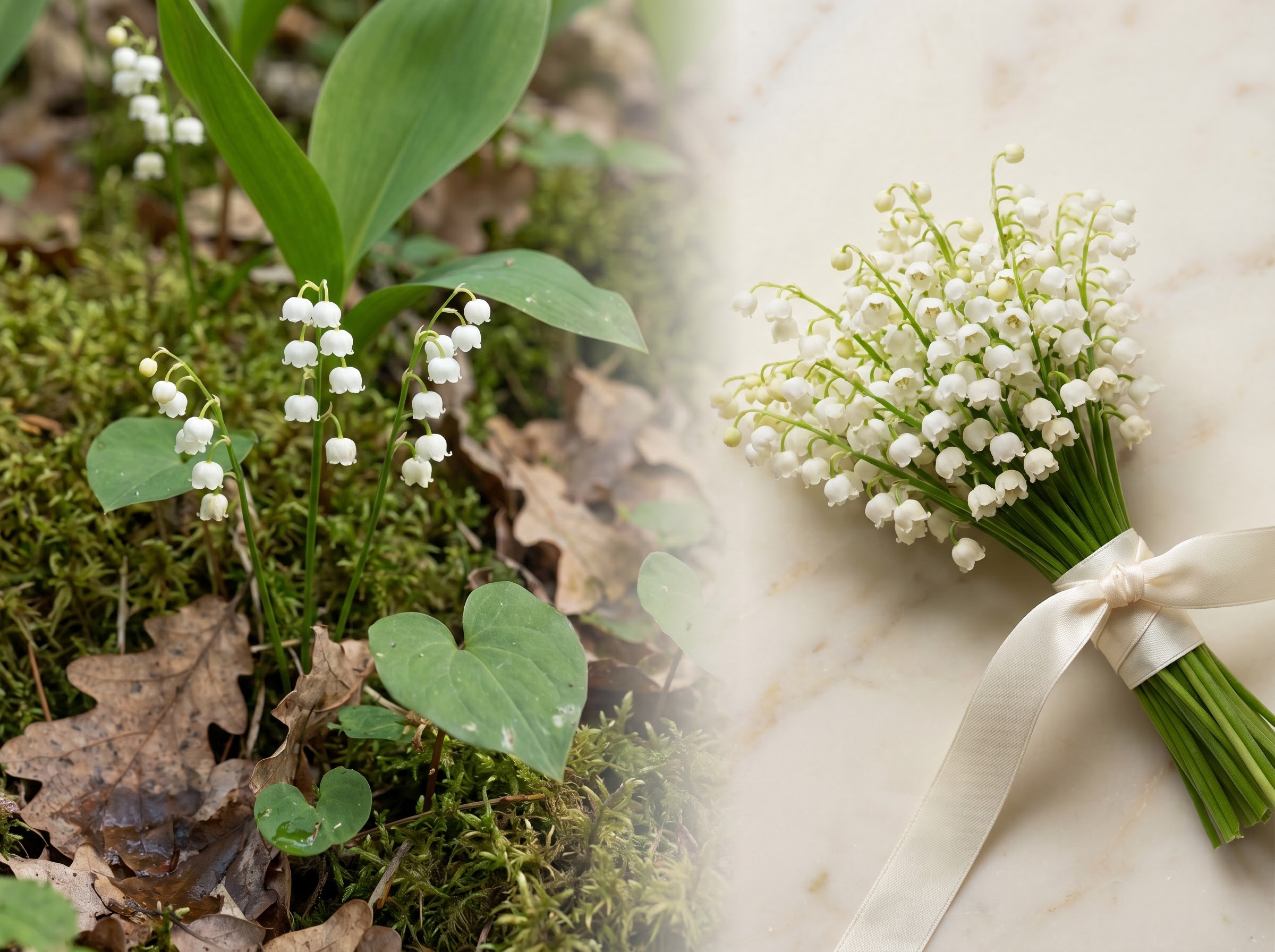
The "return of happiness" reading comes down to us through the Victorian language of flowers, the elaborate gifting code that flourished in the nineteenth century. That whole vocabulary is older than people assume. Cornell University traces it back through the flower symbolism of ancient China, Egypt, and Assyria, and notes that much of what hardened into the British craze was assembled in France first. The French connection matters for this flower in particular, because France is where lily of the valley's most living tradition survives. On the first of May the French exchange sprigs of muguet, the French name for lily of the valley, as a token of luck and the arrival of spring. It is sold on street corners that one day a year, given between friends and lovers, and it ties the flower to renewal and good fortune in a way no symbol dictionary could.
The flower also carries a thread of Christian legend, though here we have to hedge. An old folk story, repeated more than it is sourced, says lily of the valley sprang up where Mary's tears fell at the cross, which is how it picked up folk names like Our Lady's tears. We have not been able to trace that legend to a firm origin, so treat it as the pretty piece of folklore it is, not as established history. What it does is quietly braid sorrow and tenderness into a flower that otherwise reads as pure joy, and that bittersweet note is part of why people sense something spiritual in it. Then there is the Bible question, which sends a lot of people searching. The phrase "the lily of the valleys" appears in the Song of Solomon, and the words are real and beautiful, but most scholars hold that the ancient writer meant a different plant entirely. The English name was attached to that verse long after the fact, so the biblical "lily of the valley" is best understood as a translation choice, not a description of the Convallaria growing in your garden. None of this changes the gift you give today; it just means the religious resonance people feel is older and looser than a clean one-to-one symbol.
Lily of the valley tattoo meaning
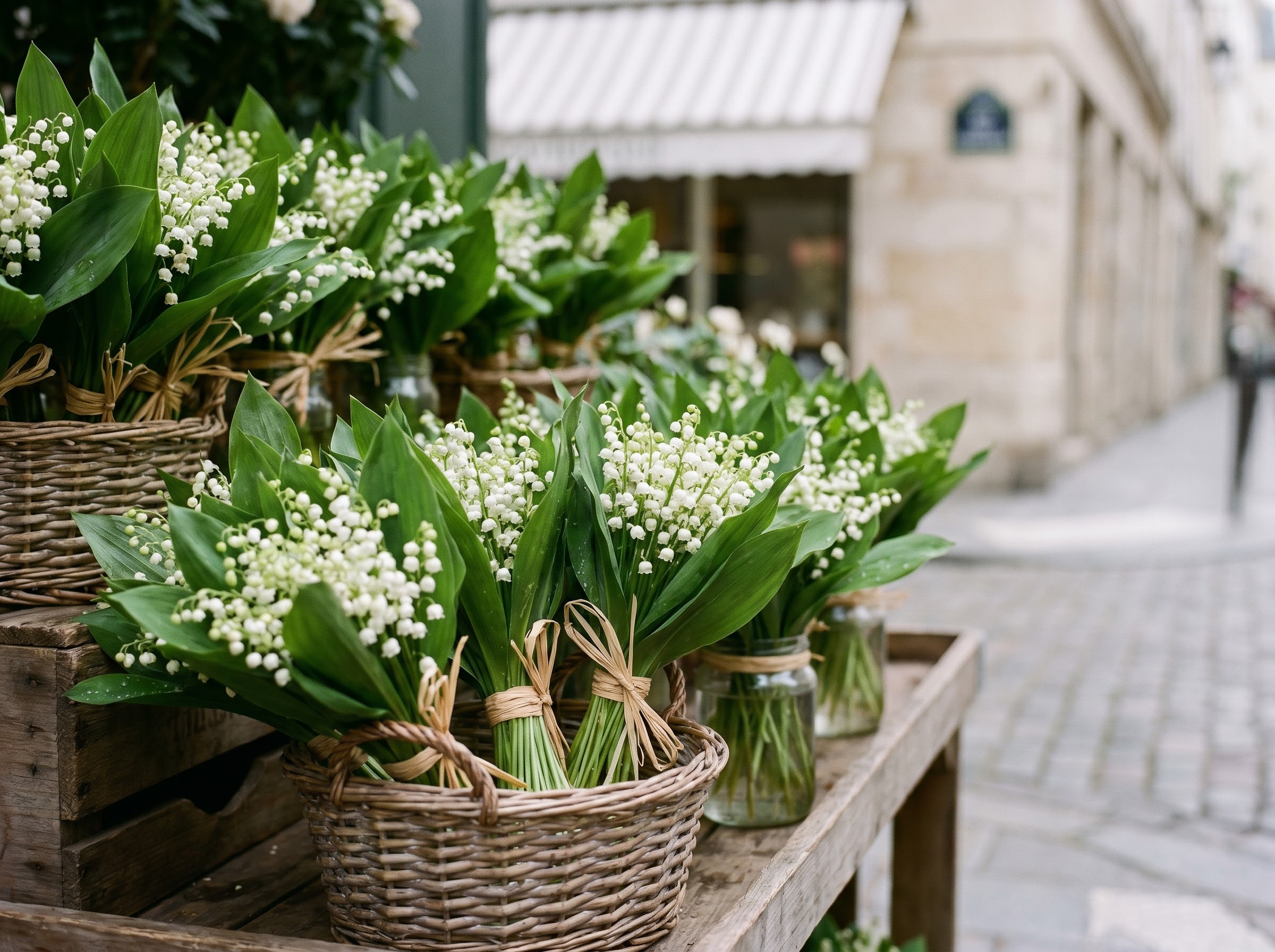
As a tattoo, lily of the valley keeps the meanings the flower already carries, so it reads as returning happiness, sweetness, humility, and a kind of hard-won purity. People often choose it precisely because it is gentle and personal rather than loud. It is also widely listed as the birth flower for May, which makes it a meaningful choice for anyone born in that month. Those two threads, the returning-happiness meaning and the May birth-flower link, cover most of why it lands on skin.
There is a quieter use as well, though this one is reading more than tradition. Because the plant is poisonous and because of the tears folklore, a lily of the valley tattoo can serve as a tender memorial piece, a way to mark grief that has softened into something bearable, the bitter and the sweet held in one small spray of bells. That is an inference from the flower's two faces rather than a fixed convention, so whether you intend it is entirely up to you; the flower carries it lightly and does not force it. If you are weighing it against other blooms and what each one signals on skin, our broader guide to flower tattoo meanings sets the popular flowers side by side.
Why the meaning never drifted
Here is where lily of the valley is unusual, almost boringly so, and that is a compliment. With many flowers the Victorian meaning and the modern one have drifted apart, sometimes dramatically; the carnation, for instance, splintered into a fistful of contradictory readings depending on its colour and the century. Lily of the valley did not move. The Victorians read it as the return of happiness, with sweetness and humility close behind, and that is still exactly what it means today. The reading has held steady where most have wandered.
The one shift is not in meaning but in availability and tone. To the Victorians, lily of the valley was a humble woodland flower, modest and common, and the humility in its meaning grew partly from that lowly status. Today it is a specialty bloom, often expensive and a little exclusive, prized for its scent at high-end weddings. So the flower means the same thing it always did while occupying a slightly grander seat than it once held, which is a gentle irony for a symbol of modesty. The table below lays out how the reading holds across the eras and cultures where it genuinely appears, and where the meaning is settled custom versus older legend.
| Era or place | What lily of the valley means there | How solid it is |
|---|---|---|
| Today, gifting | The return of happiness, sweetness, and humility; "you have made my life complete" | Well attested. Among the most agreed-upon flower meanings. |
| Victorian language of flowers | Return of happiness, sweetness, humility | The same reading as today. It barely shifted, which is rare. |
| France, May Day | Luck and the arrival of spring; muguet given on the first of May | A living custom, still practiced every year. |
| Weddings, including royal ones | Purity and good fortune; a traditional bridal flower | Long-standing tradition rather than fixed symbolism. |
| Christian legend | Our Lady's tears; tenderness braided with sorrow | Folklore, not settled meaning. Pretty, not literal. |
| The Bible phrase | "The lily of the valleys" in the Song of Solomon | Almost certainly a different ancient plant. A translation, not this flower. |
The right moment to give it, and what to write
Give it in spring, when it is actually in season around May, for the moments that match its meaning: a fresh start, a wedding, a happy turn after a hard time, or simply to say you are glad someone's joy has come back. It is the natural choice for a May birthday because of the birth-flower link, and a graceful one for an anniversary where the message is gratitude rather than fresh passion. Expect to pay for it and to find it only at better florists, since it is a specialty flower rather than a supermarket bunch, and that scarcity is part of why it feels like an occasion.
For the card, let the meaning do the work. A line like "Happiness is finding its way back to you" leans straight into the flower's core sense and fits a recovery, a reconciliation, or any genuinely happy turn. For a partner you might write the warmer reading plainly: that they have made your life complete. For a friend, keep it light and sweet, since the flower already says the gentle thing for you. The one caveat to attach in your own mind, never on the card, is the toxicity. Keep the stems away from small children and pets, and you can hand over the loveliest meaning in the flower world with a clear conscience.
Even this meaning is custom, not law, a point Iowa State University Extension is careful to make in its own list of flowers and their meanings: a single flower is read different ways by different sources, and no dictionary holds the final word. Lily of the valley is simply one of the few cases where the sources have rarely needed to argue. Most flowers are messier than this, and our hub on the meaning of flowers is the place to see how much they wander. If you would rather begin with a feeling and find the flower that fits it, our guide to what flowers mean by feeling works backward from the message.
- Cornell University, Written in Petals: The Language of Flowers, on the history of floriography.
- Iowa State University Extension, Flowers and Their Meanings, on why sources disagree.