Spiritual flower meanings, honestly: what each one is said to represent
When people search for the spiritual meaning of a flower, they usually want one of two things. Either they have a flower keep showing up in their life, in a dream or a garden or a gift, and they want to know what it might be telling them, or they want to choose a flower that carries a sense of the sacred, of peace or rebirth or rising above something hard. This guide answers both, and it does it without pretending more certainty than anyone actually has. Some of these meanings are documented religious symbolism with centuries behind them. Others are gentler modern readings that people have come to feel are true. The two are not the same, and knowing which is which is the whole point.
The clearest example is the lotus. In Buddhism and Hinduism it has carried a fixed, recorded meaning for a very long time, and that is different in kind from saying a daisy "represents your inner child." Both readings can comfort a person, but only one is written into a religious tradition. We mark that difference plainly throughout, because a meaning offered as ancient wisdom when it is really a recent feeling does nobody any favours. None of this is religious instruction or a substitute for your own faith; it is a careful map of what many people say these flowers mean.
The lotus, the one with a real spiritual tradition
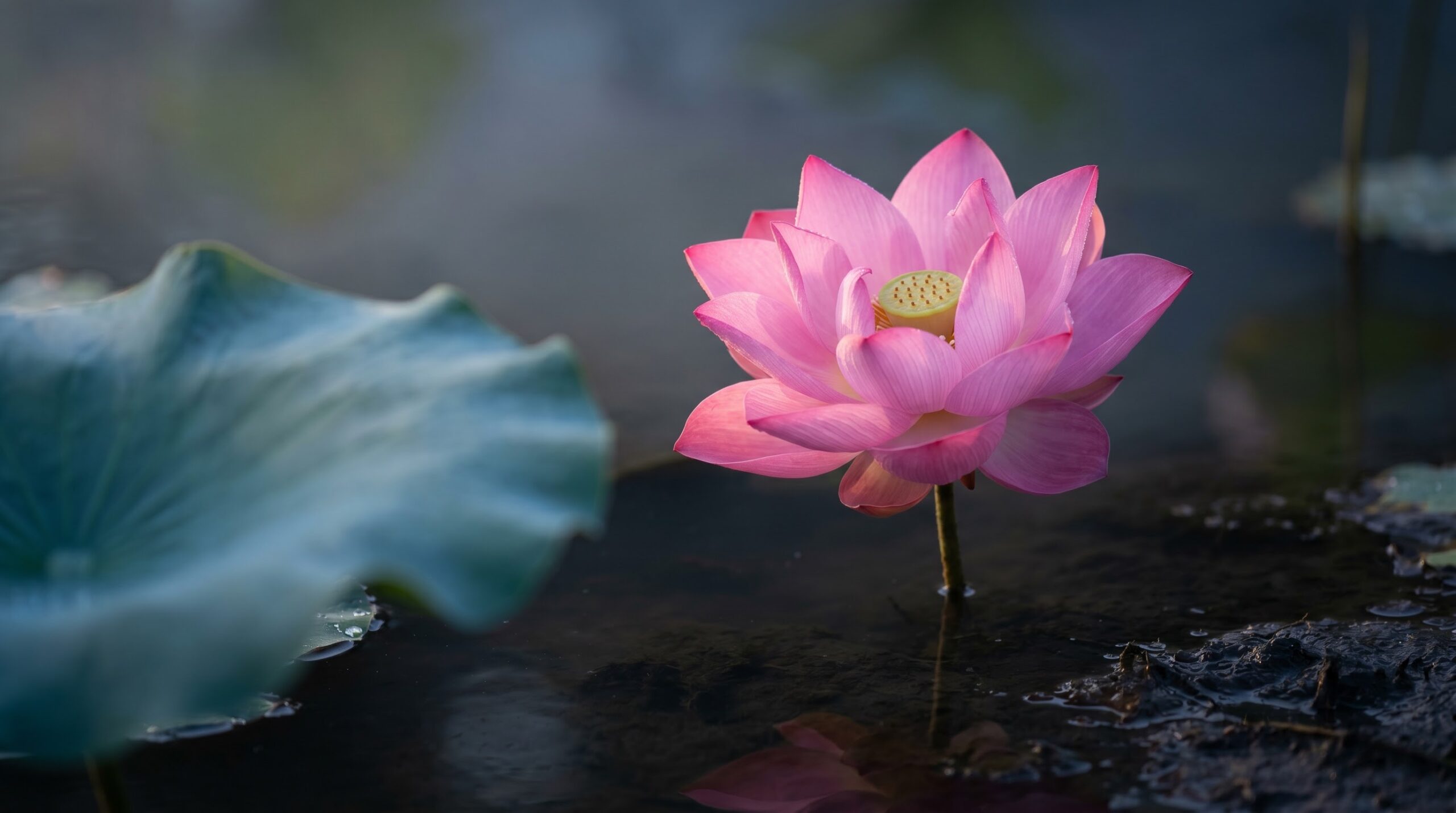
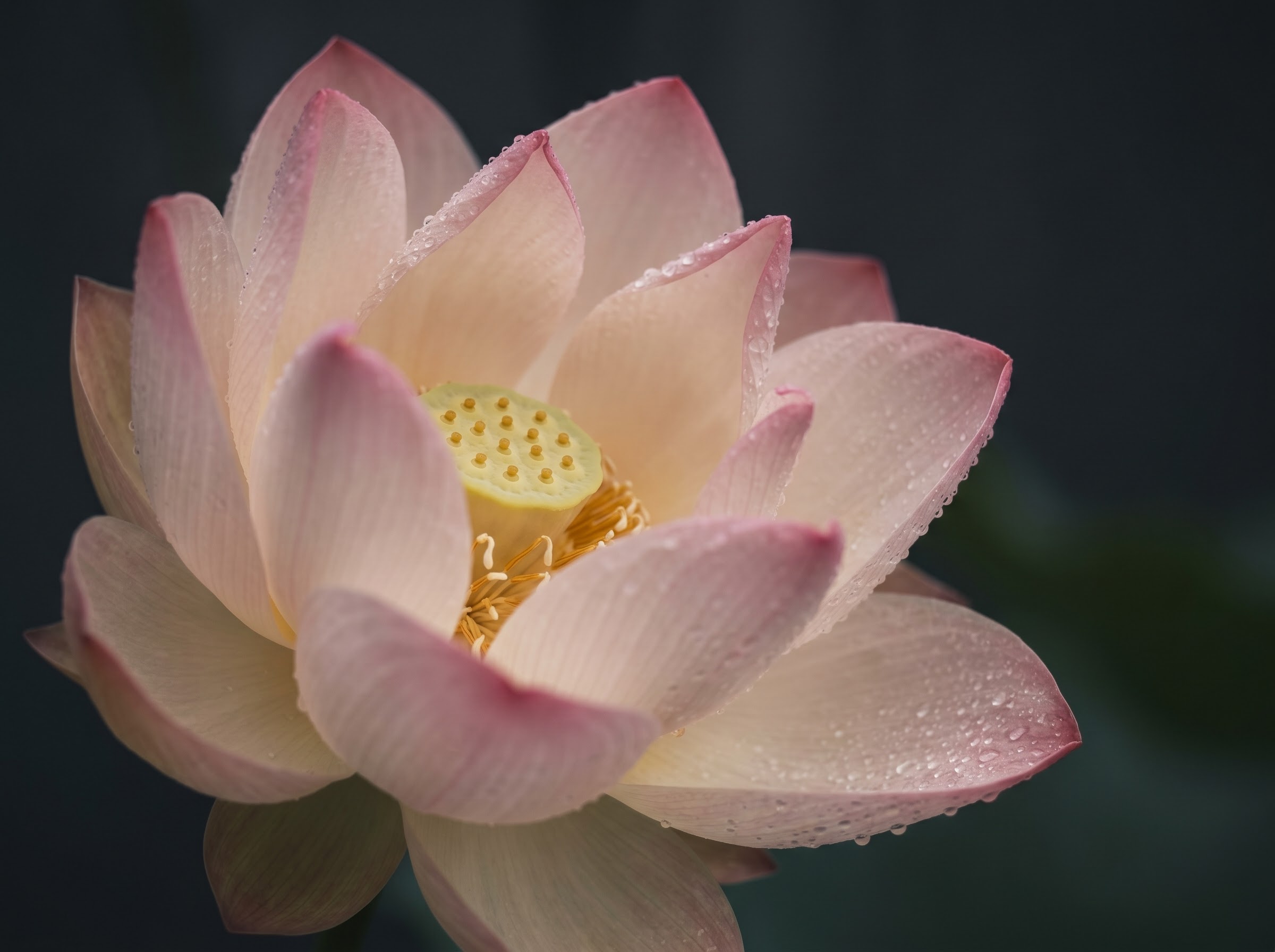
If any flower earns the word spiritual without stretching it, the lotus does. It grows rooted in mud and pond-muck, then pushes up through the water to open clean and unmarked at the surface, and that single habit is the seed of almost everything it means. Across Buddhism and Hinduism the lotus stands for purity, enlightenment, and rebirth, an image of the soul lifting itself out of the murk it came from and arriving spotless. In Buddhist iconography the unfolding petals are read as the opening of the soul itself. In Hinduism the flower is tied to the goddess Lakshmi and the god Vishnu, linked to beauty and prosperity. Ancient Egypt revered a different plant under the same name: the blue lotus of the Nile is not the Asian sacred lotus at all but a water lily, Nymphaea, which closed at night and reopened at dawn and so became a symbol of the sun and of rebirth. These are not modern inventions. They are old, recorded readings, which is why the lotus belongs in a category of its own.
The colour shifts the meaning, again within those traditions rather than around them. A white lotus is read as purity of mind and spirit. The pink lotus is often called the supreme lotus, tied to the Buddha himself. Blue points to wisdom and the victory of the spirit over the senses, red to the heart and to compassion, and purple to mysticism and spiritual awakening. If you want the full version, including the tattoo readings and the colour-by-colour detail, our dedicated guide to the lotus flower meaning goes deeper than any single section can. When someone says the lotus means rising above hardship, they are standing on real, documented ground, and that is rarer than the wellness corner of the internet would have you believe.
White flowers, purity in one place and mourning in another
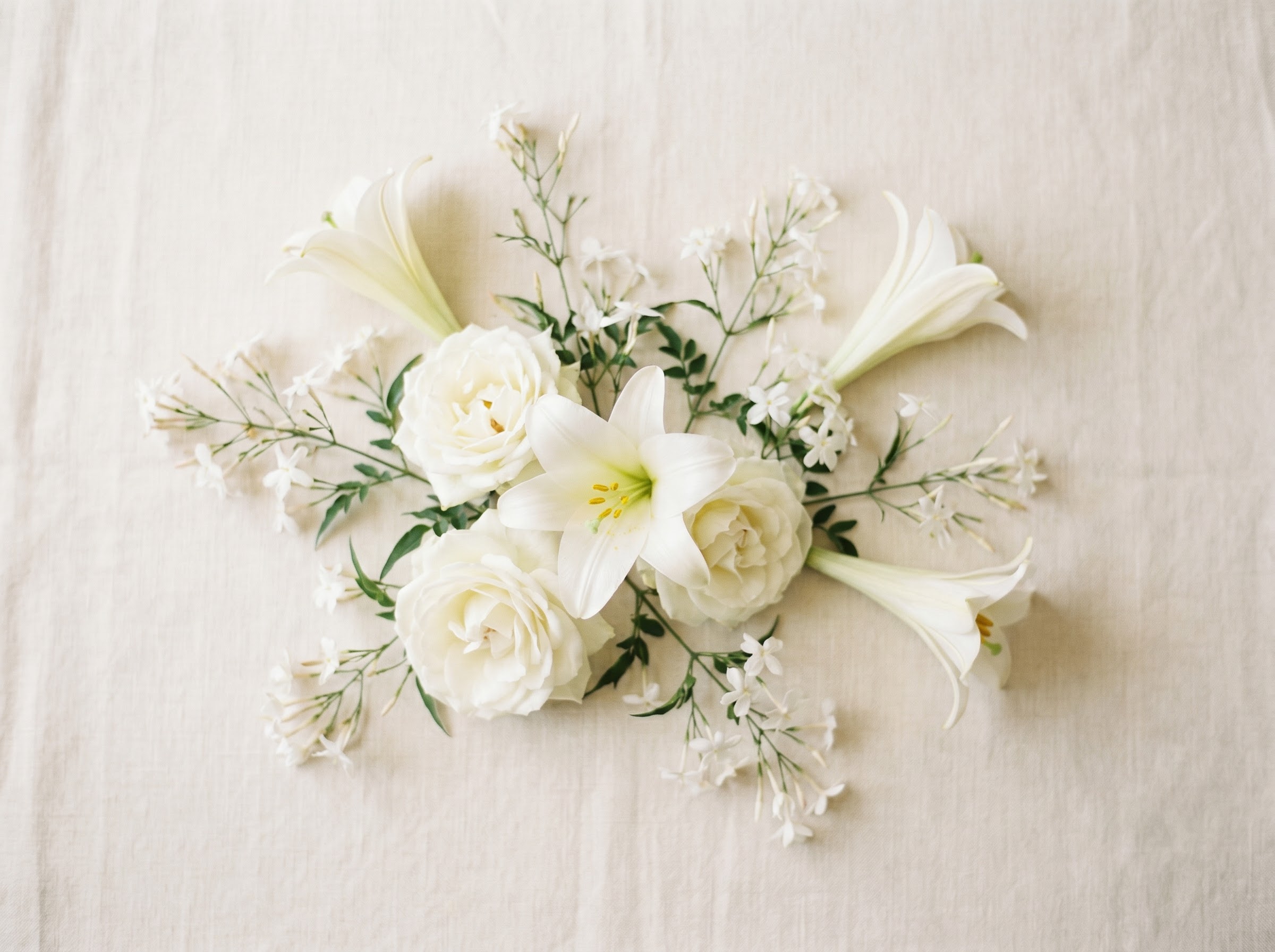
White is the colour people reach for when they want a flower to feel pure or holy, and across much of the West that instinct is right. White lilies, white roses, jasmine, gardenia, and lily of the valley all read as purity, peace, and a kind of cleanness of spirit. The white lily carries the strongest religious charge of the group. In Christian tradition the white Madonna lily is linked to the Virgin Mary, and Victorian language read it as majesty and the restored innocence of the soul, a meaning that has stayed remarkably stable. So a white flower as a symbol of purity is well founded, and you can lean on it.
The catch, and it is a real one, is that white does not mean the same thing everywhere. Across much of East Asia white is the colour of mourning and death, not of weddings or new life. An all-white arrangement that feels serene and graceful in one country can read as funereal in another. The lily makes this double life obvious all on its own: it is a beloved wedding flower and the classic sympathy and funeral flower at the same time, and context and colour decide which one a person sees. None of that makes white less spiritual. It just means the spirit it carries depends on who is looking. If colour is what drew you in, our guide to flower meanings around the world lays out where the readings flip and why.
The sunflower, jasmine, and hibiscus
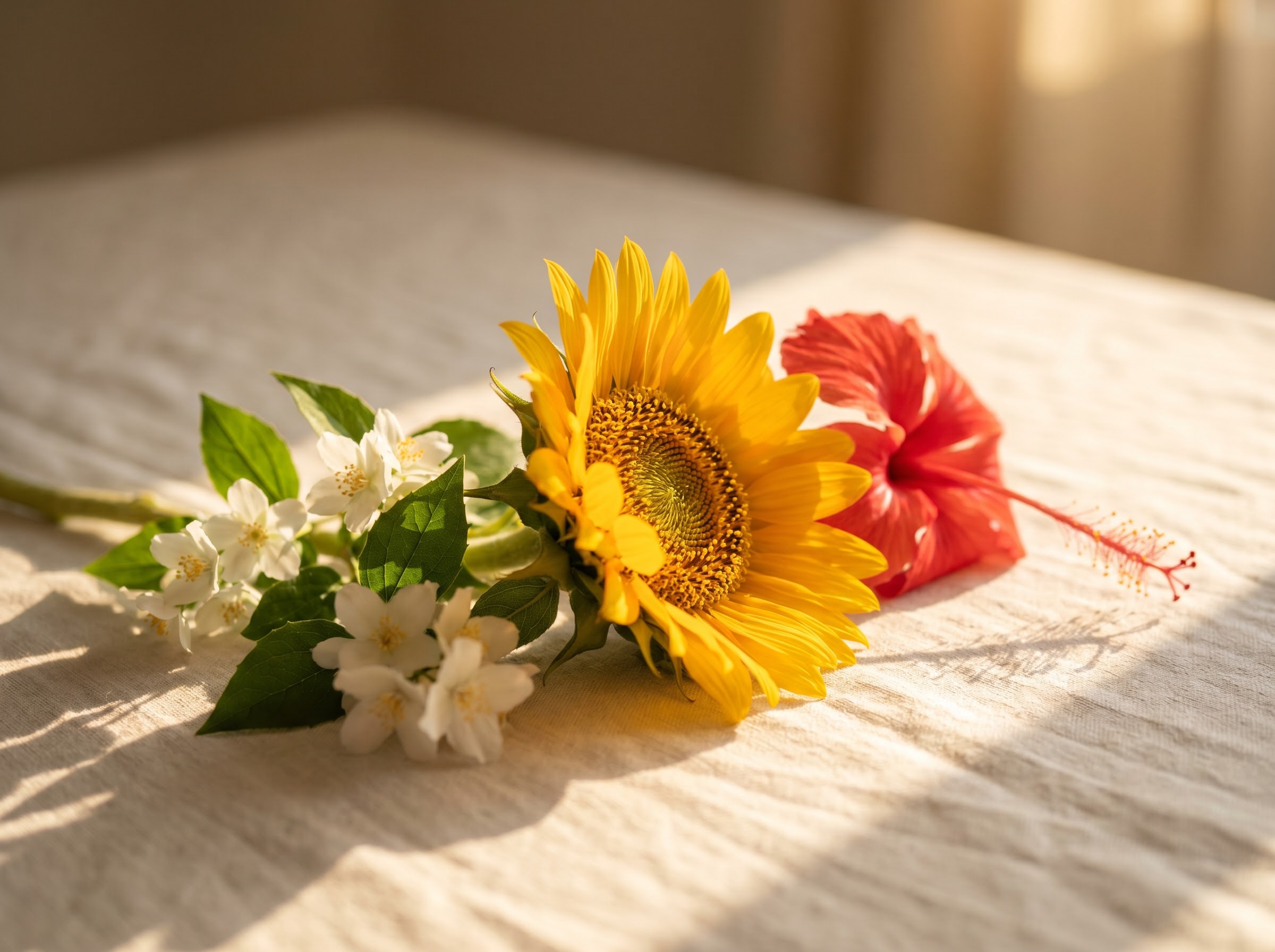
A few flowers get described as spiritual mostly because of how they behave or how they make people feel, and these readings are more modern and more interpretive than the lotus or the lily. The sunflower is the gentle giant of the group. It turns its face to follow the sun, and from that habit people draw a meaning of devotion, loyalty, warmth, and a steady turning toward the light. You will see it called a symbol of faith or of seeking the divine, and that is a lovely thought, but it grew from the plant's behaviour and people's affection for it rather than from any old religious text. Its plainest meaning today is simply warmth and loyalty, and that is plenty.
Jasmine sits a little closer to documented tradition because of where it is used. Its meaning is love, sweetness, sensuality, and deep attachment, with the white kind carrying grace and modesty. In India and Pakistan jasmine is strung into garlands for weddings and for worship, which gives it a genuine sacred role in daily devotion, and in parts of Indonesia and the Philippines it is a national flower of devotion and purity. So jasmine's spiritual weight is real, but it lives in those specific cultures rather than in a universal code. The hibiscus is the most everyday of the three. It reads as delicate beauty, glory, and joy, and in island cultures it is worn to signal romance rather than anything devotional. Calling a hibiscus spiritual is a stretch the flower never asked for, and there is no shame in loving it simply for being radiant.
The poppy and its reputation for peace and remembrance
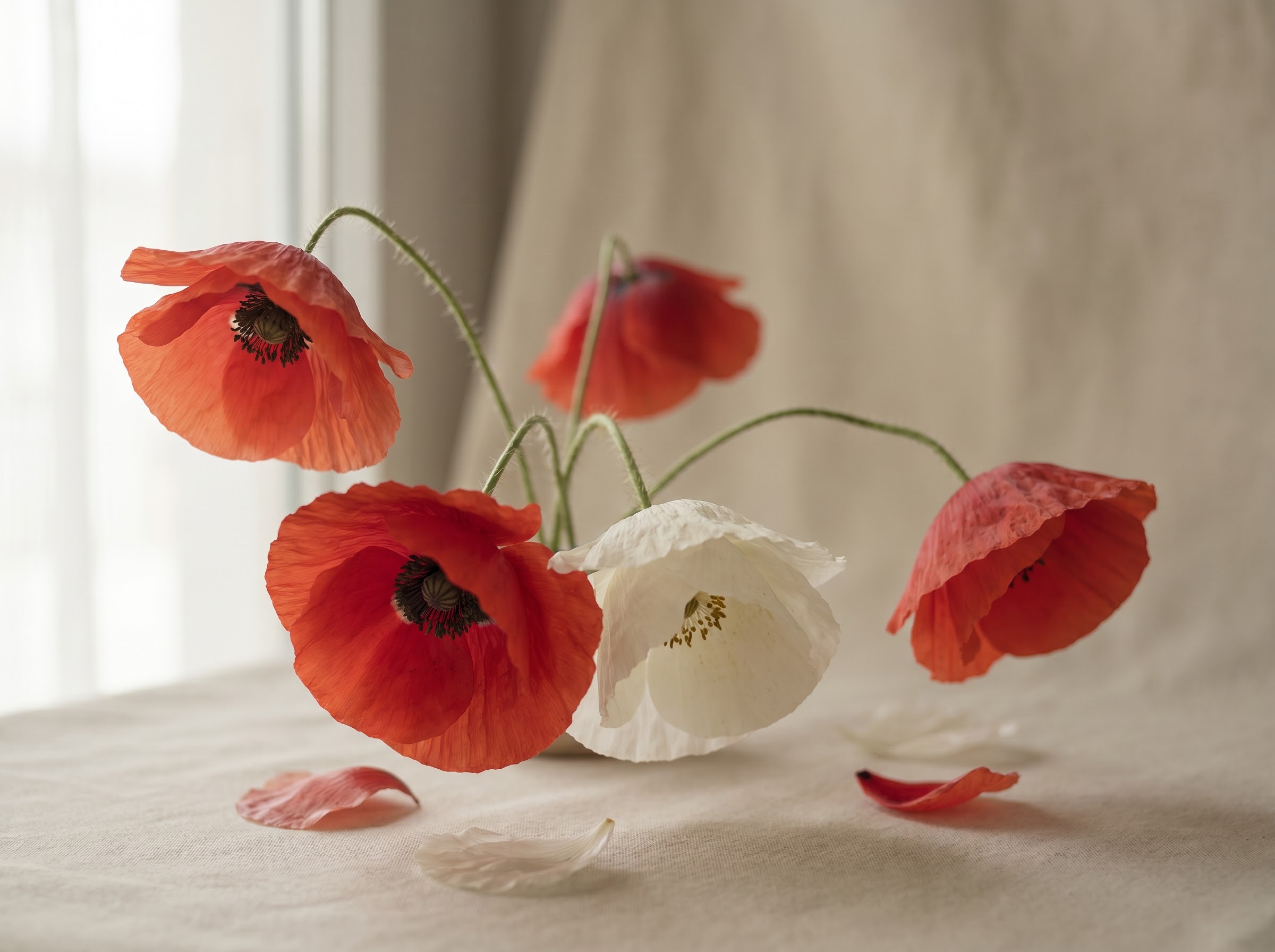
The poppy gets a heavy spiritual reputation, and most of it is owed to a misunderstanding worth clearing up. People often call the poppy the flower of death. It is not. Its real weight is remembrance, restful sleep, consolation, and peace, which is gentler and far closer to how the flower is actually used. The red poppy honours fallen soldiers, a meaning fixed when poppies bloomed over the churned battlefields of Flanders, so its association with the dead is about memory and tribute rather than death itself. A white poppy leans toward consolation and peace, and a yellow one toward success.
That distinction matters if you are choosing a poppy for something sacred or sorrowful. It is a flower of held memory and quiet rest, the kind you might place for someone gone or keep near you for calm. People searching for a flower that carries grief, healing, or a sense of letting go often land on the poppy for exactly that reason. Our deeper guide to what flowers mean by feeling walks through the harder emotions, the grief and longing and quiet resilience that a poppy speaks to better than almost anything else.
How to read a spiritual meaning without fooling yourself
The sources worth trusting are blunt about how shaky this ground can be. Even a university extension guide to flower meanings stops to warn that the information comes from many sources and that a single flower can carry several meanings at once. That caution applies to ordinary flower meanings and doubly to spiritual ones, where one plant might be assigned a chakra, a planet, a saint, and a season all at once, depending on which page you land on. None of those systems agrees with the others, because there was never a central authority to make them agree. The language of flowers spread as a publishing fashion in 18th and 19th century Europe, and the spiritual layer people add on top today is mostly newer still.
So the way to read these meanings without fooling yourself is to ask one small question of any spiritual claim you find: is this documented in an old religious tradition, like the lotus in Buddhism, or is it a modern feeling someone attached to the flower more recently? Both can be meaningful to you. A meaning does not have to be ancient to comfort you or to make a gift feel right, and a flower you choose because it quietly speaks to you is a good choice whether or not a centuries-old text agrees. The common spiritual readings sort cleanly enough once you weigh each one by how solid the ground under it actually is.
| Flower | Commonly described spiritual meaning | How documented it is |
|---|---|---|
| Lotus | Purity, enlightenment, rebirth; the soul lifting itself spotless out of dark water | Documented religious symbolism in Buddhism, Hinduism, and ancient Egypt |
| White lily | Purity, the restored innocence of the soul; linked to the Virgin Mary | Documented Christian symbolism (the Madonna lily) |
| Jasmine | Devotion, purity, sweetness; used in worship and sacred garlands | Documented sacred use in South and Southeast Asian cultures |
| Poppy | Remembrance, restful sleep, consolation, peace (not death) | Established tradition; the death reading is a common mistake |
| Sunflower | Devotion, faith, turning toward the light | Modern interpretation drawn from the plant's behaviour |
| White flowers (general) | Purity and peace in the West; mourning across much of East Asia | Documented, but the meaning flips by culture |
| Hibiscus | Beauty, joy, glory; sometimes given a spiritual gloss | Mostly modern; traditionally a flower of beauty and romance |
Read down that third column and the picture clears up fast. The lotus, the white lily, and jasmine carry meanings that real traditions have held for a long time. The sunflower's spiritual reading is something we added more recently because we like the way it follows the light. Both kinds of meaning are allowed to move you. They are just not the same kind of thing, and a guide that pretends otherwise is selling you a tidier story than the truth.
Choosing a flower for a spiritual moment
If you are picking a flower for meditation, a memorial, a quiet altar, a fresh start, or simply a corner of the house where you want to feel calmer, start from the feeling rather than from a chart. For peace and stillness, the lotus and white flowers do the most work. For rebirth or a clean new beginning, the lotus again, along with lilies and the spring bulbs that push up after winter. For remembrance and a gentle goodbye, the poppy is hard to beat. For warmth, hope, and turning toward better days, the sunflower carries it without needing to be more than it is.
Whatever you choose, let the meaning guide you rather than bind you. A flower's spiritual reading is a starting point and an old companion, and the one that genuinely speaks to you is usually the right one regardless of what any list says. If you want to see how these readings sit alongside the broader picture of love, grief, friendship, and the rest, the full meaning of flowers guide maps the whole language with the same care for what is documented and what is simply felt.
- Cornell University, Written in Petals: The Language of Flowers, on the history of floriography.
- Iowa State University Extension, Flowers and Their Meanings, on why sources disagree.