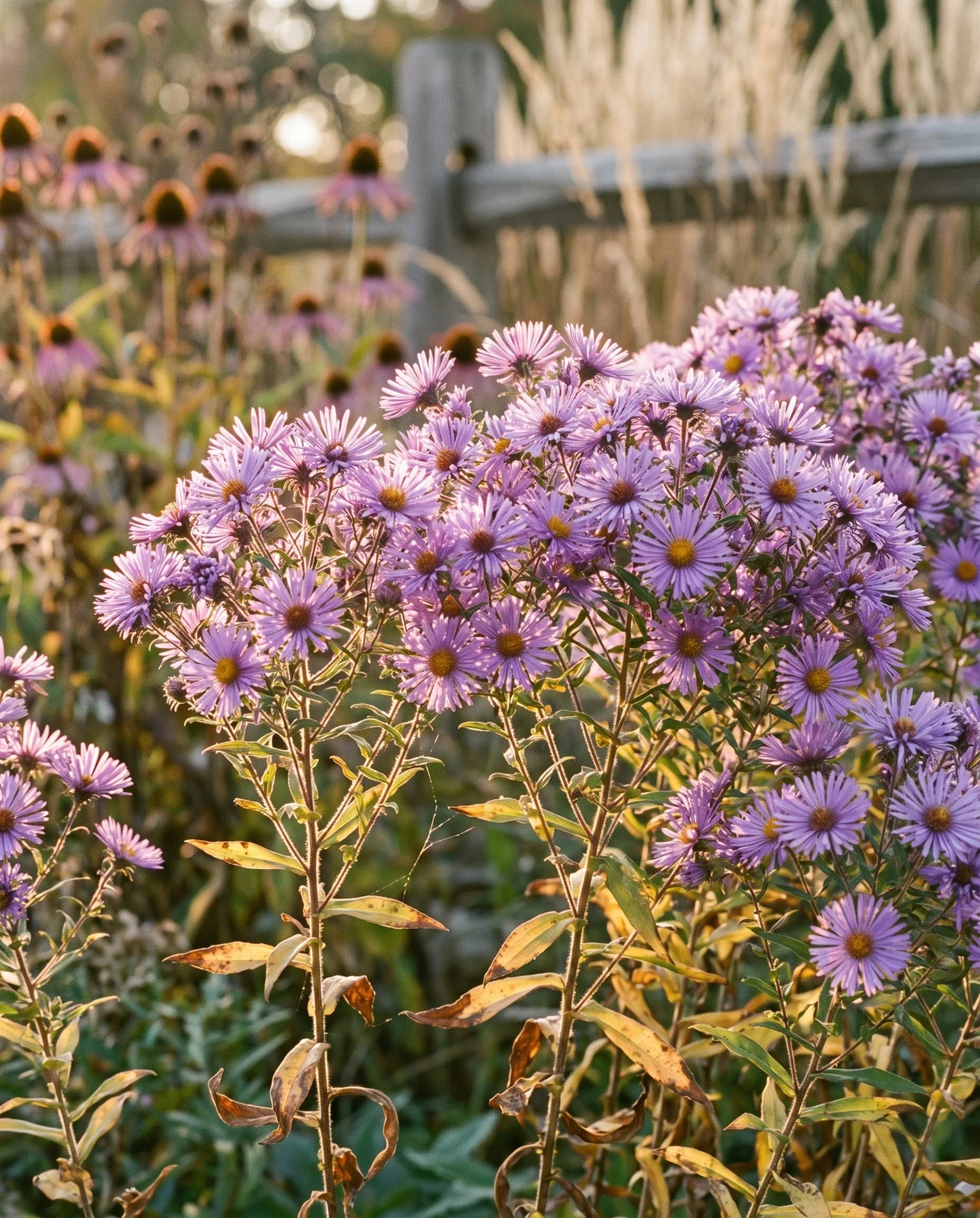
Frost-tolerant flowers are the ones that keep blooming, or at least keep their shape, when surface temperatures touch 32 degrees Fahrenheit and thin ice forms on the foliage. Cool-season annuals belong here, pansies and violas, snapdragons, calendula, sweet alyssum, along with hardy perennials such as hellebores and fall asters. What they share is tissue that tolerates surface ice without collapsing: the top growth may be flat by morning, but stems, crowns, and roots come through the night intact and stand up again by midday.
That tolerance has a ceiling, and most nursery tags never say where it sits. A plant that shrugs off a light frost can still be finished by a hard freeze that holds below freezing for hours, and the gap between those two nights is where gardeners lose plants they thought were safe. Whether a bed needs covering depends on the forecast low, on how long the roots have been in the ground, and on whether the plant sits in soil or in a pot with cold air on every side of the root ball. What follows covers the line between a light frost and a hard freeze, eleven flowers that hold up on the cold side of it, a three-step check for deciding what to cover on the night of a frost advisory, and the popular bedding plants that sit beside them in garden centers and are finished by the first freezing morning.
On this page 5 sections
Frost vs. hard freeze, defined
The National Weather Service defines frost as the thin ice crystals that form when the temperature of the earth’s surface and of earthbound objects falls below 32 degrees Fahrenheit. Light frost arrives on clear, calm nights, when the ground loses its heat rapidly to an open sky. The ice sits on the outside of the leaf. Tender upper foliage wilts for a few hours while the stems, crowns, and root systems underneath stay unharmed, and once the sun reaches the bed a frost-tolerant plant lifts its stems and goes back to growing. Much of the covering done on those nights is effort spent on plants that were never at risk, because surface ice looks like frozen tissue and is not.
Temperature thresholds for garden flowers
Thresholds and the response each one calls for, arranged from mildest to most severe.
A hard freeze is a different physical event. The National Weather Service uses the term killing frost for a freezing period severe enough to end the active growing season across a region, a description of severity rather than a set number on a thermometer. The National Weather Service treats 28 degrees Fahrenheit or lower as a hard freeze, with the caveat that real damage shifts with species, soil moisture, wind, and the microclimate of a particular yard. When the cold holds well below freezing for hours, it moves past the leaf surface into the tissue. That is the point at which damage stops being cosmetic: tender plants are finished for the year, and hardy perennials drop their top growth and go into dormancy.
Frost-tolerant flowers to plant
The flowers below sit on the cold side of that line, and they fall into two groups. Hardy perennials carry crowns and roots that survive winter outright, so a frost night costs them nothing. Cool-season annuals take surface ice on the foliage and keep flowering, but they end at a hard freeze. The zone range on each card is the hardiness rating from the source, not a promise about a specific night.
Top frost-tolerant flowers for cold-weather gardens
Eleven flowers that keep blooming or hold their form through a light frost, with the hardiness zone range and the season each one covers.
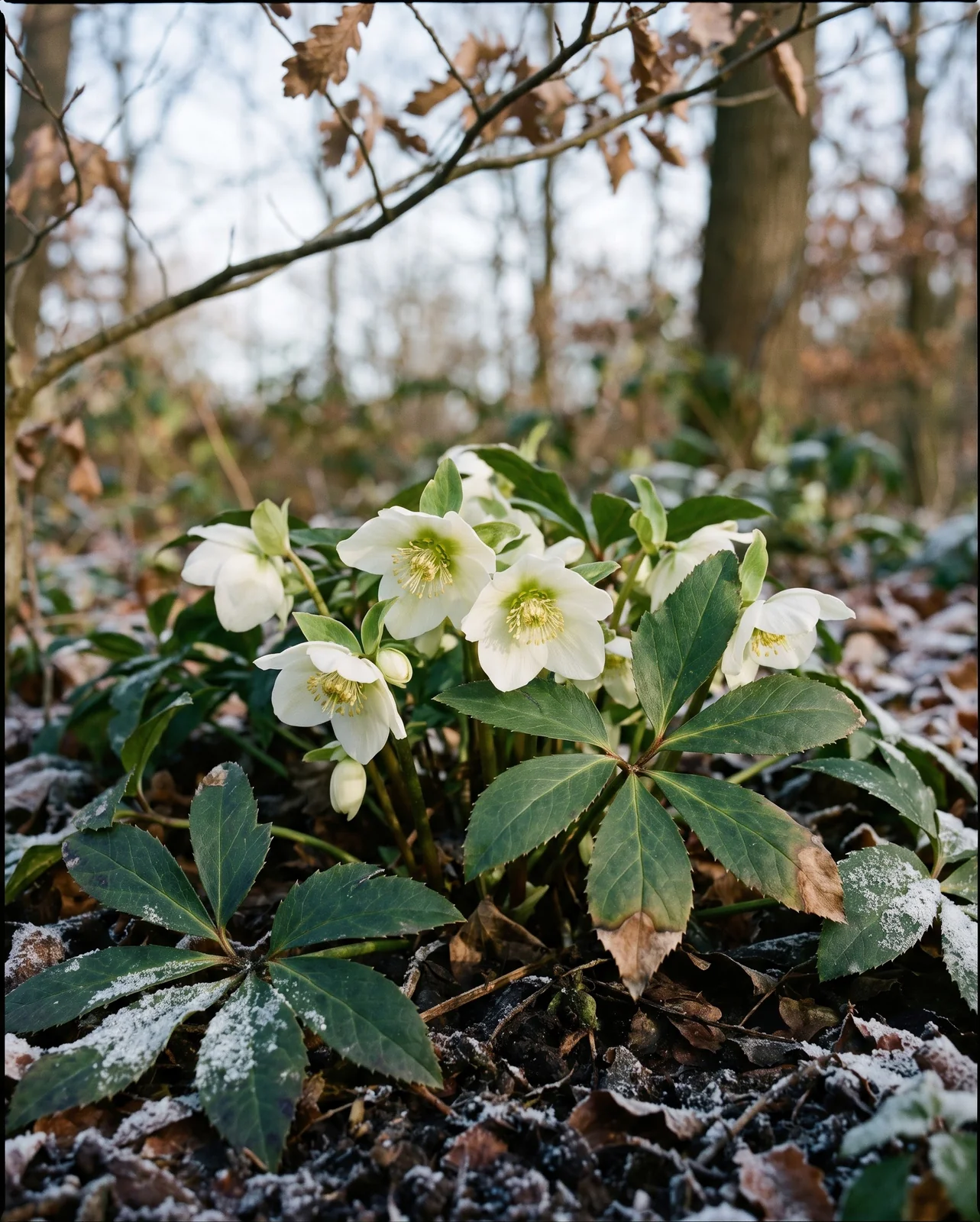
Hellebores (Helleborus x hybridus) are the toughest plants on the list, and the common name misleads twice over: this clump-forming broadleaf evergreen, sold as hybrid Lenten rose, sits in the buttercup family, Ranunculaceae, and is no relation to a garden rose. NC State Extension rates it for USDA Zones 4a through 9b, calls it deer resistant, and flags medium severity poison characteristics. Mature clumps reach 2 feet tall and 30 inches across and can be split for propagation. Two limits matter more than the zone number: hellebores cannot take bright winter sun or high temperatures, and in cold regions they want a position sheltered from drying winter wind. What they give back is timing. Thick flower stems push up from the soil in late winter at the first sign of warmer weather, and the blooms they carry withstand snow and ice. At the other end of the season, asters hold their daisy-like heads through repeated autumn chills, so a bed with both has flowers at each edge of the cold months.
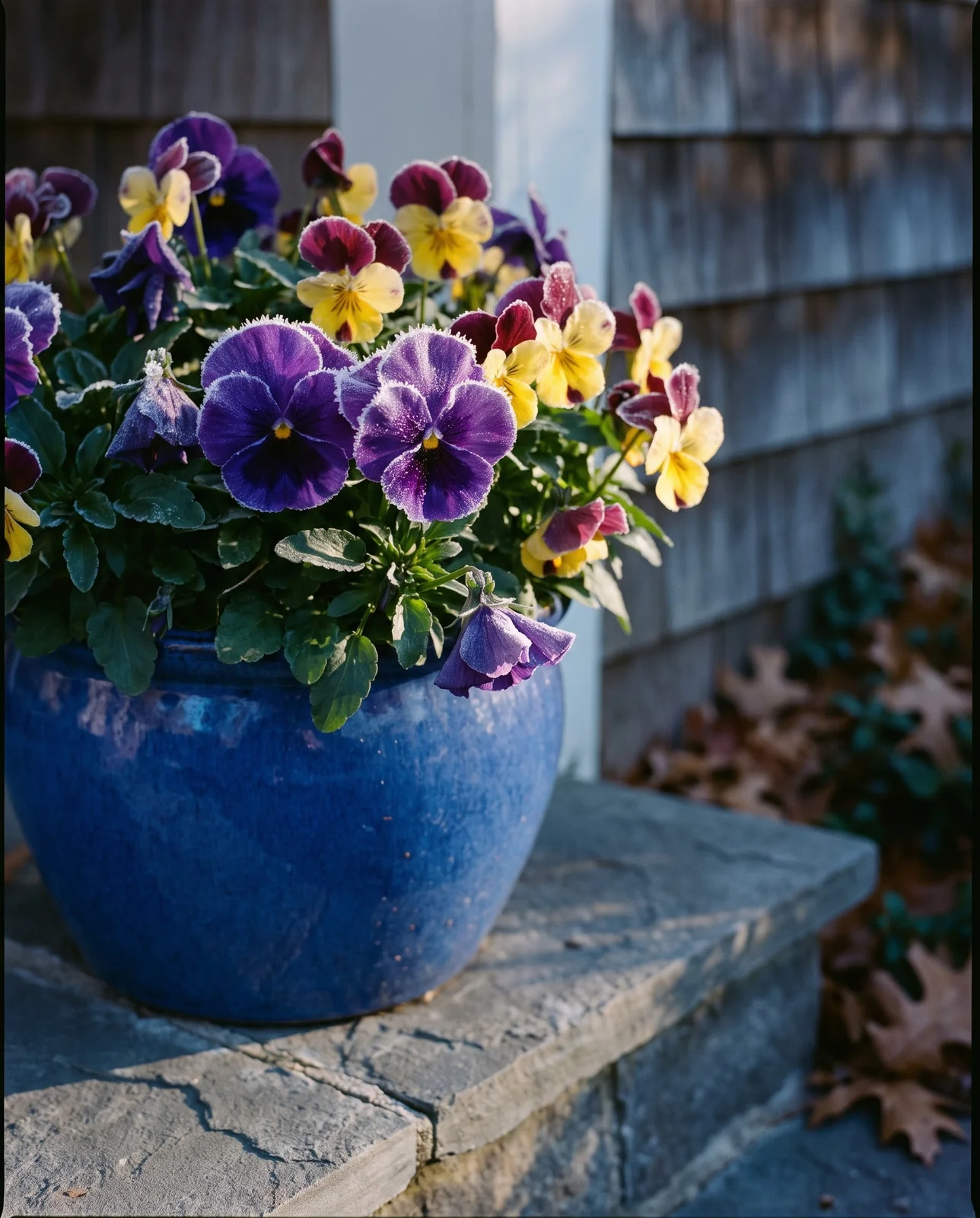
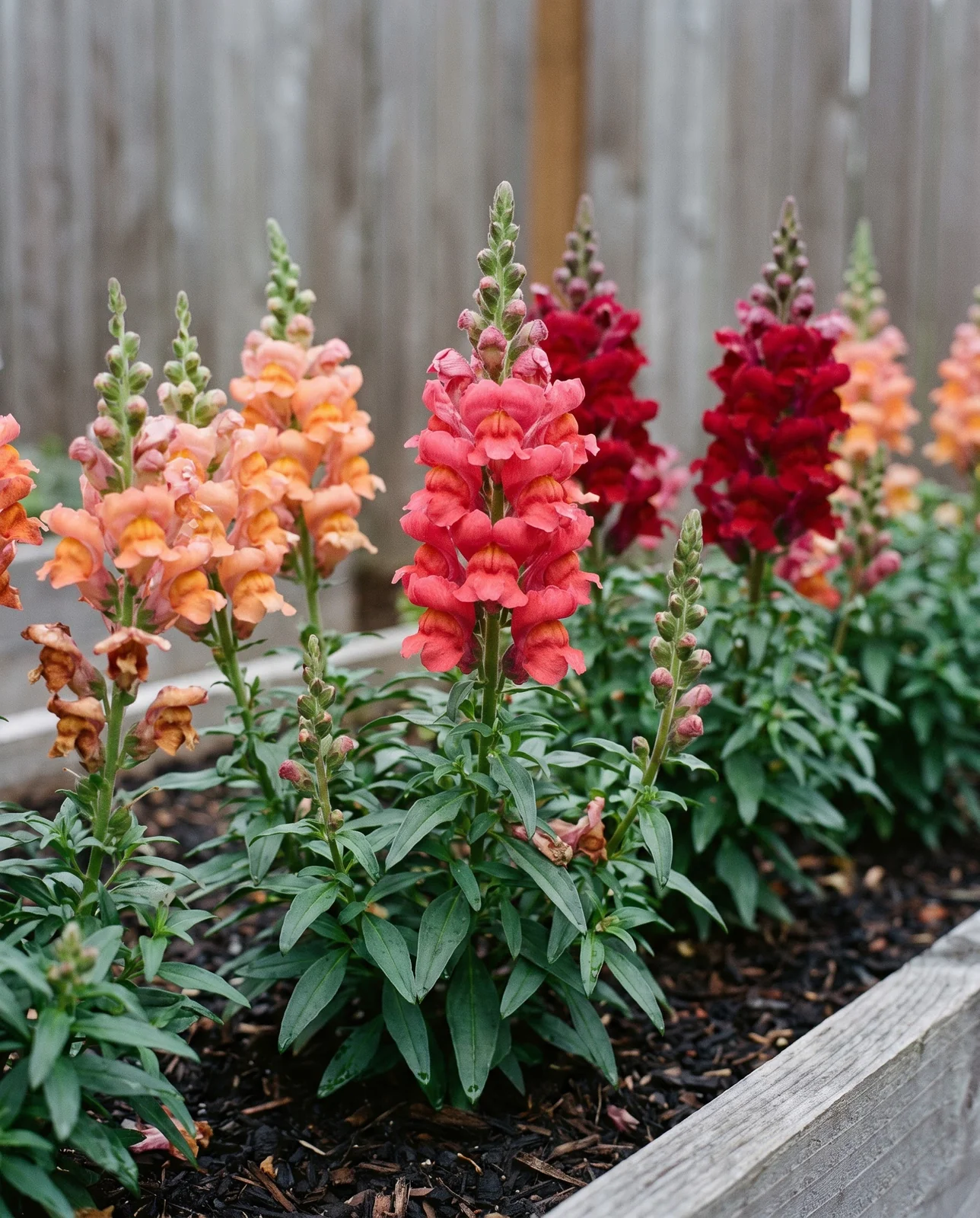
Pansies (Viola x wittrockiana) are the backbone of cool-weather bedding across USDA Zones 6a through 10b. The plant is a semi-evergreen annual in the Violaceae family, growing 6 to 9 inches tall and 9 to 12 inches wide in both upright and trailing forms. It wants full sun to part shade and humus-rich soil that stays consistently moist and drains freely. Planted in fall, pansies flower through winter and early spring and can hold bloom for 4 to 6 months in beds, containers, and hanging baskets, longer if spent flowers are picked off as they fade. The flowers are edible, with the caution that nursery stock may have been treated with systemic pesticides, and the plants finally give out in summer heat and should be pulled. Common snapdragons (Antirrhinum majus) are short-lived tender perennials grown as annuals, hardy in Zones 7a through 10b, flowering from early summer into late autumn in moist, rich, well-drained soil in full sun to part shade. They have low drought tolerance and languish in summer heat, and they take autumn chills well. Deer seldom damage them; the trouble comes from rust, downy mildew, mold, fungal leaf spot, wilt, and root rots. Snapdragon flowers are edible but bitter, best used as a garnish.
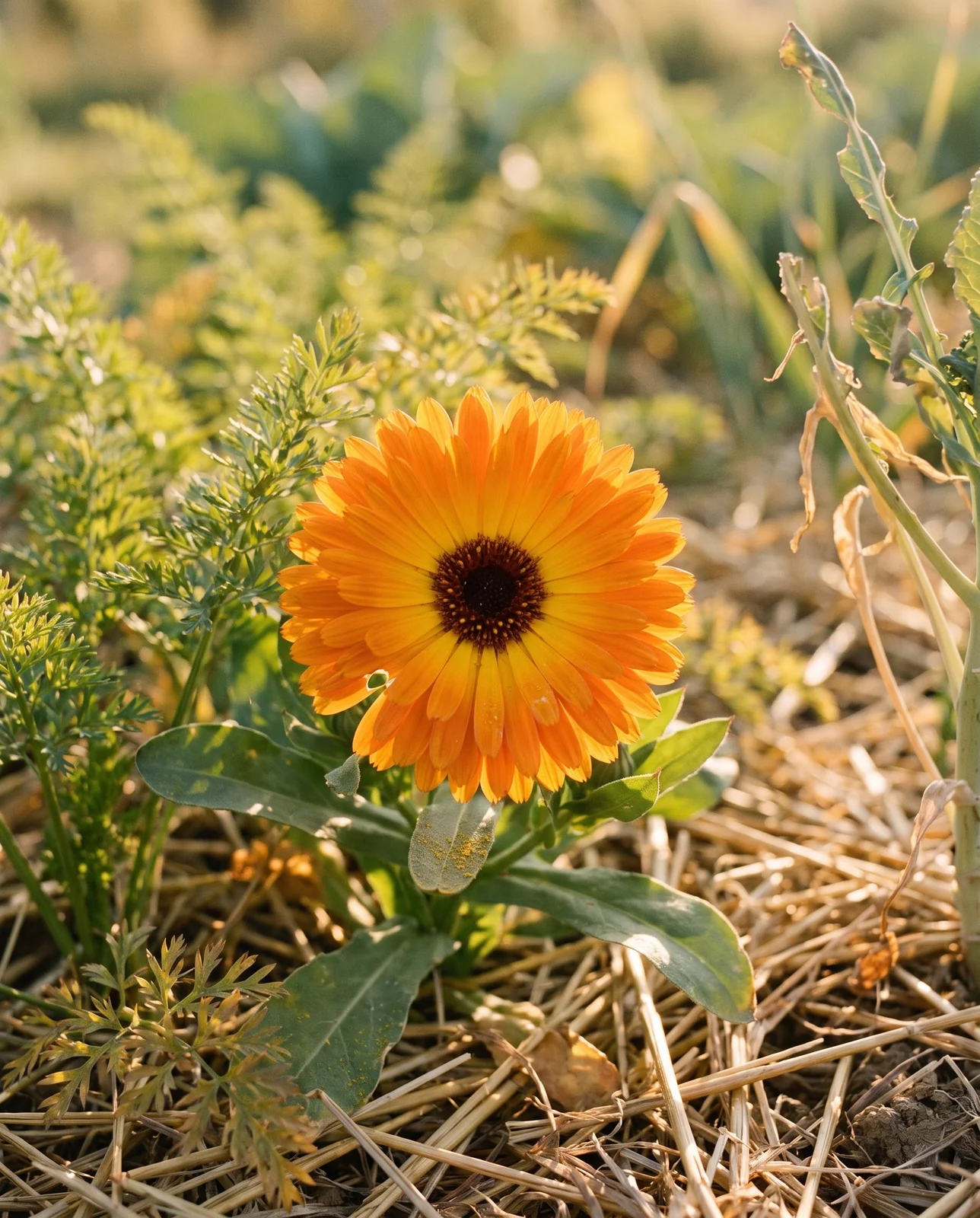
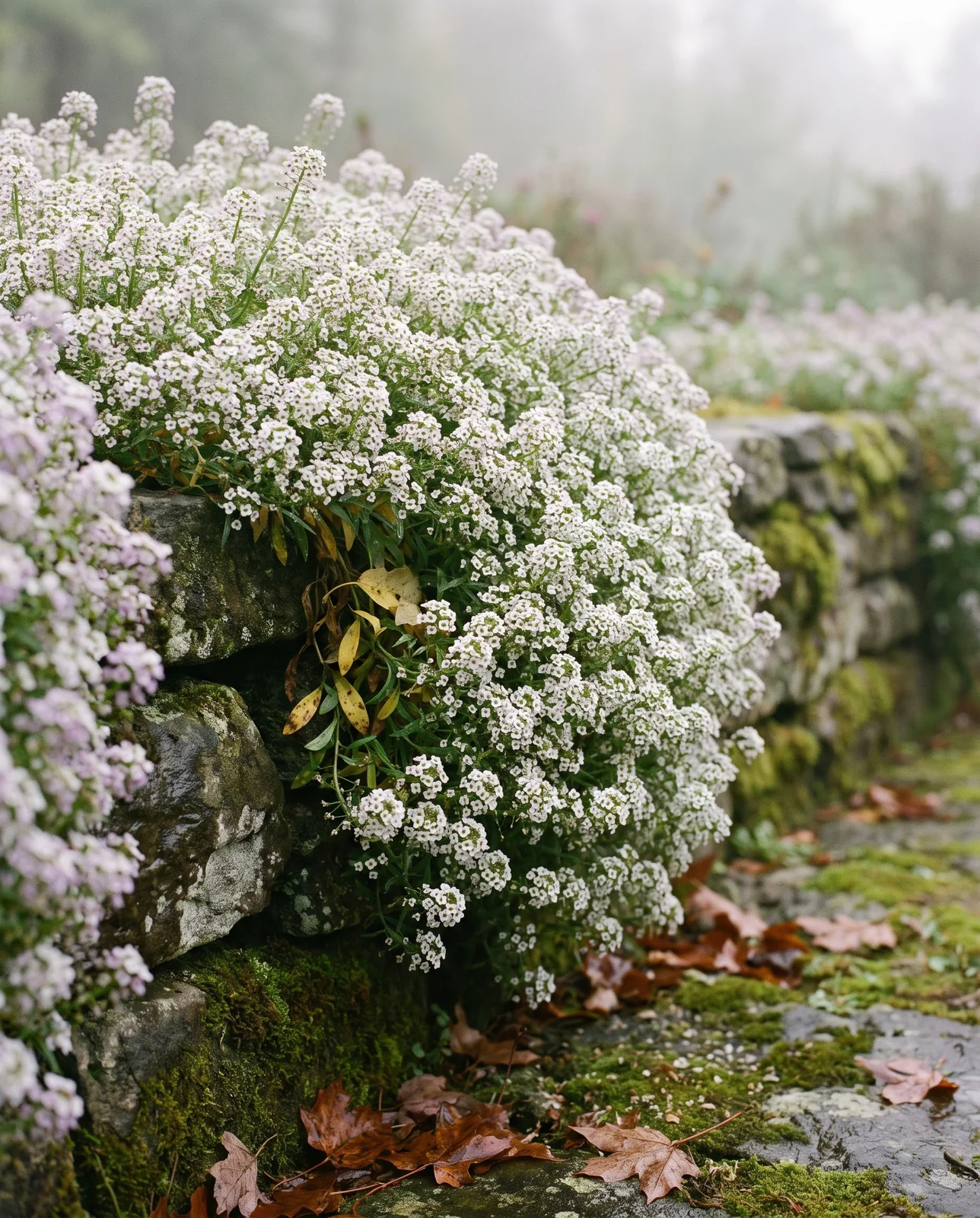
Pot marigold, better known as calendula (Calendula officinalis), carries a hardiness rating running from USDA Zone 2a to 11b. Seed goes in indoors about 6 to 8 weeks before the last spring frost, and the plants take average, moderately fertile, well-drained soil in full sun. Calendula does poorly in hot summer weather and drought, but cutting it back in late summer rejuvenates it, and the fresh autumn flowers that follow withstand freezing surface temperatures. The flowers are edible, tangy and peppery with a bitter edge, and the petals also make a yellow dye. Powdery mildew and cucumber mosaic disease are the two problems to watch. Sweet alyssum (Lobularia maritima) works underneath it: an annual or short-lived perennial in the mustard family, hardy in Zones 5a through 9b. It forms spreading mats of fragrant white bloom from spring to first frost where summers stay cool. Sow it in the ground several weeks before the last spring frost, or in August for a fall display, and cut it back when the summer bloom declines to bring it around again. Cultivars in the Princess Group flower heavily and tolerate heat or cold. Leave the plants standing over winter and pull them in spring, and the ground underneath shows a crop of self-sown seedlings.
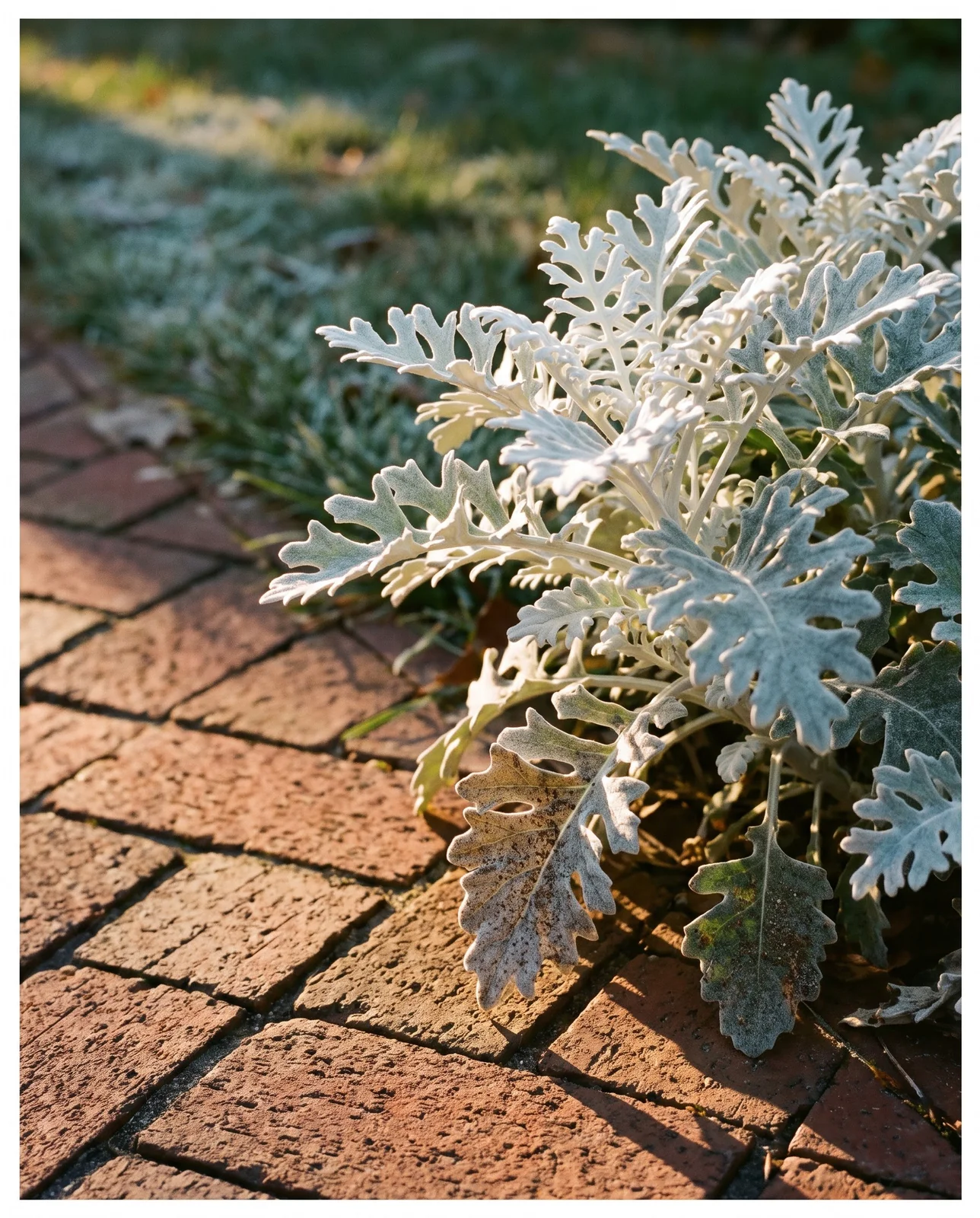
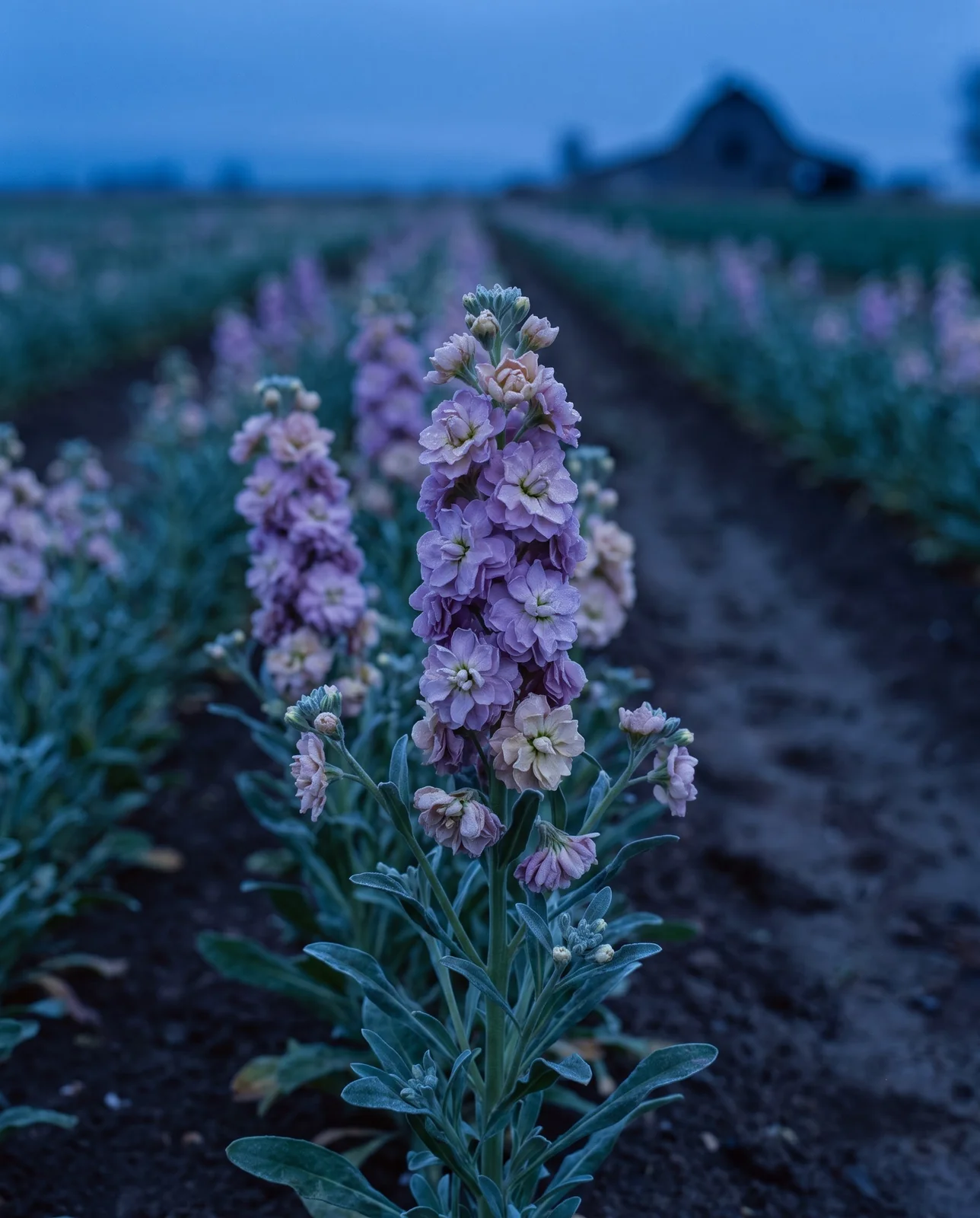
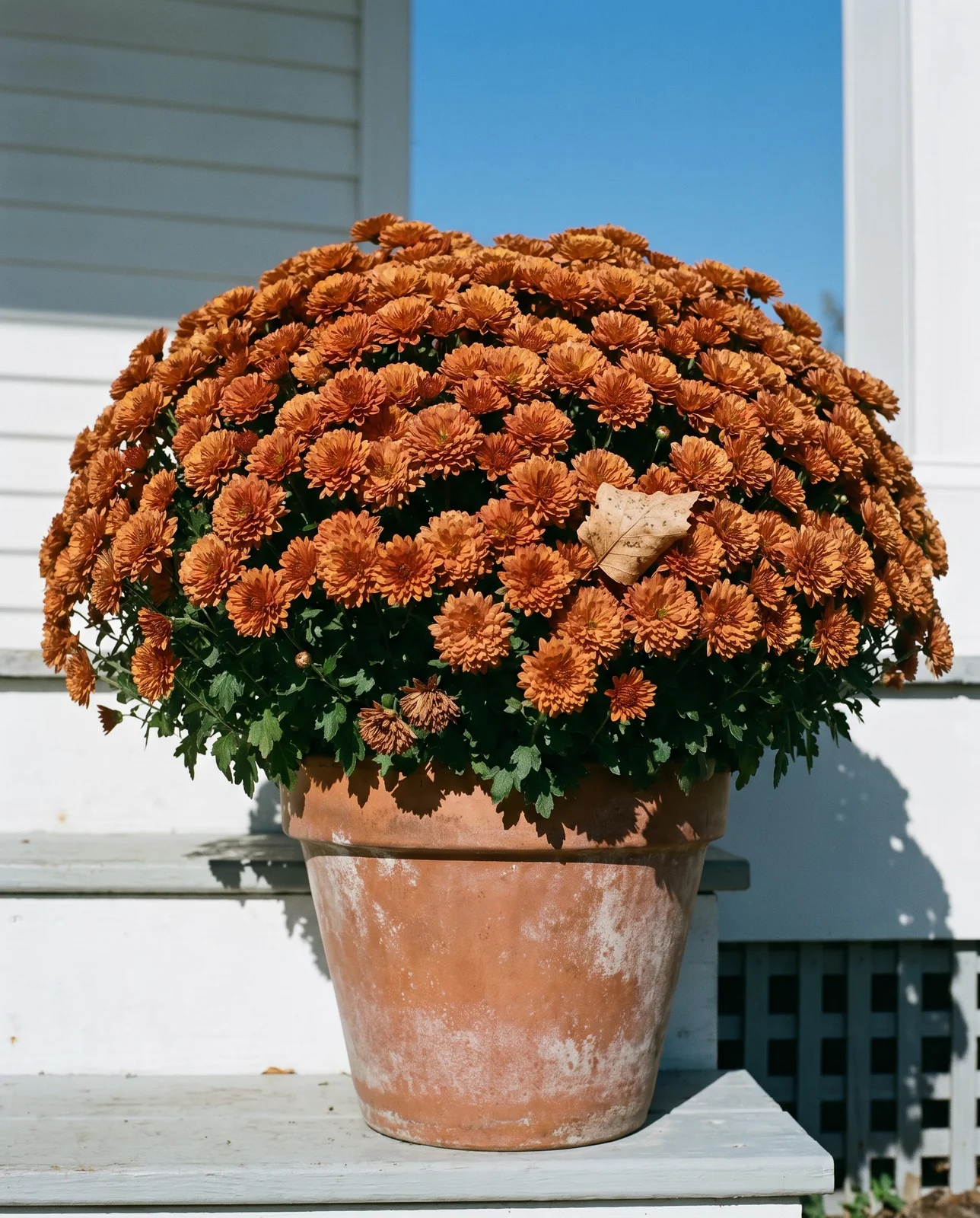
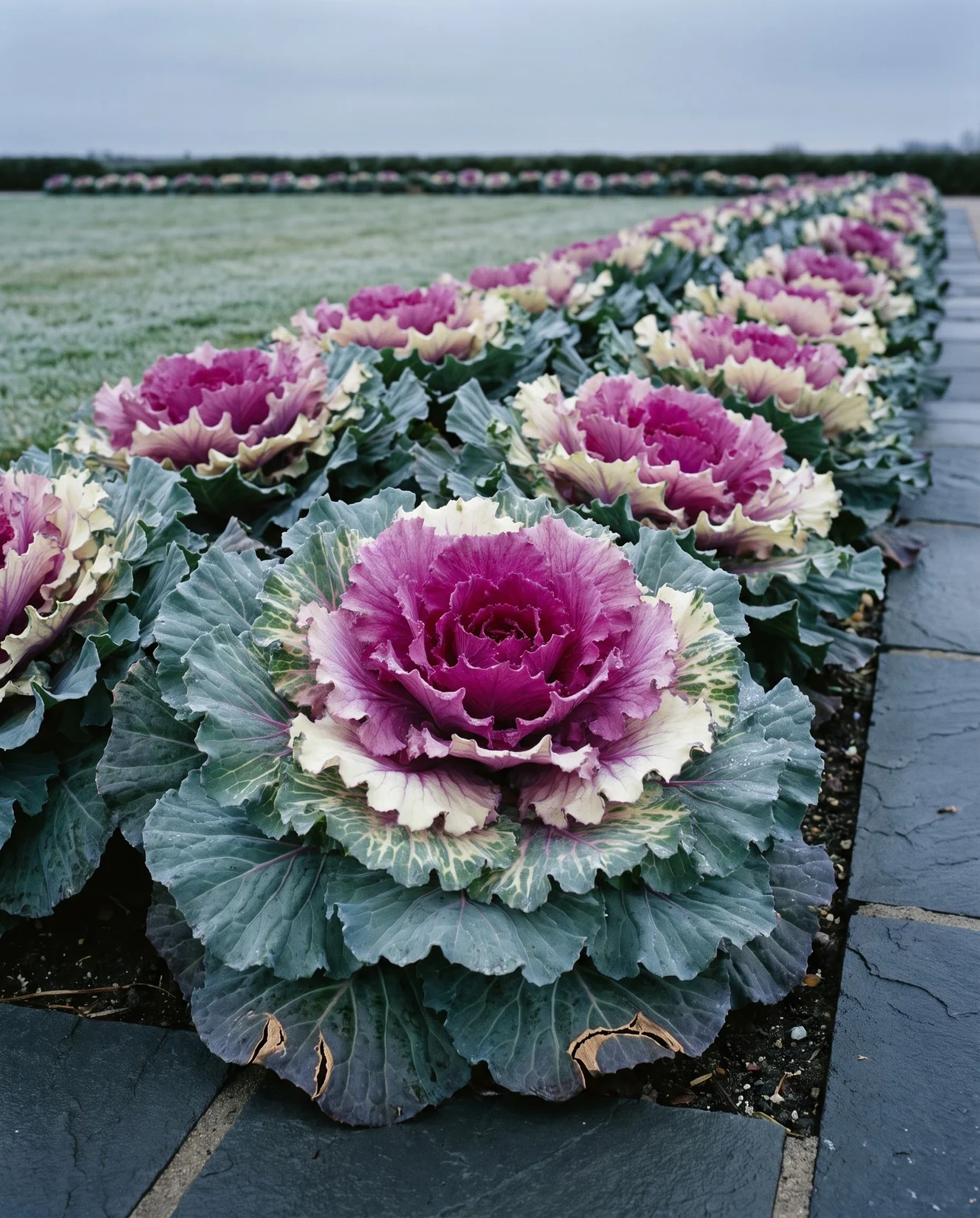
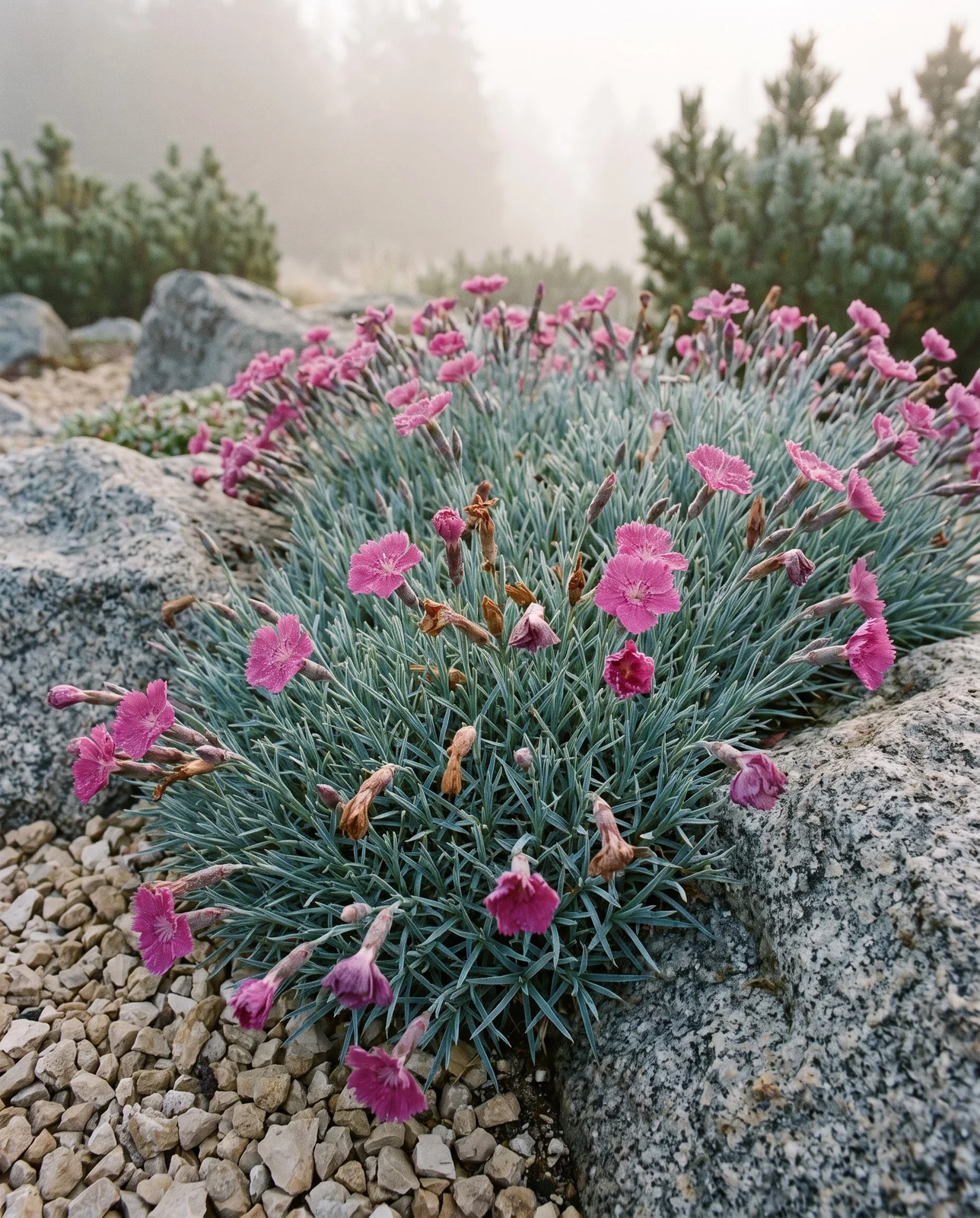
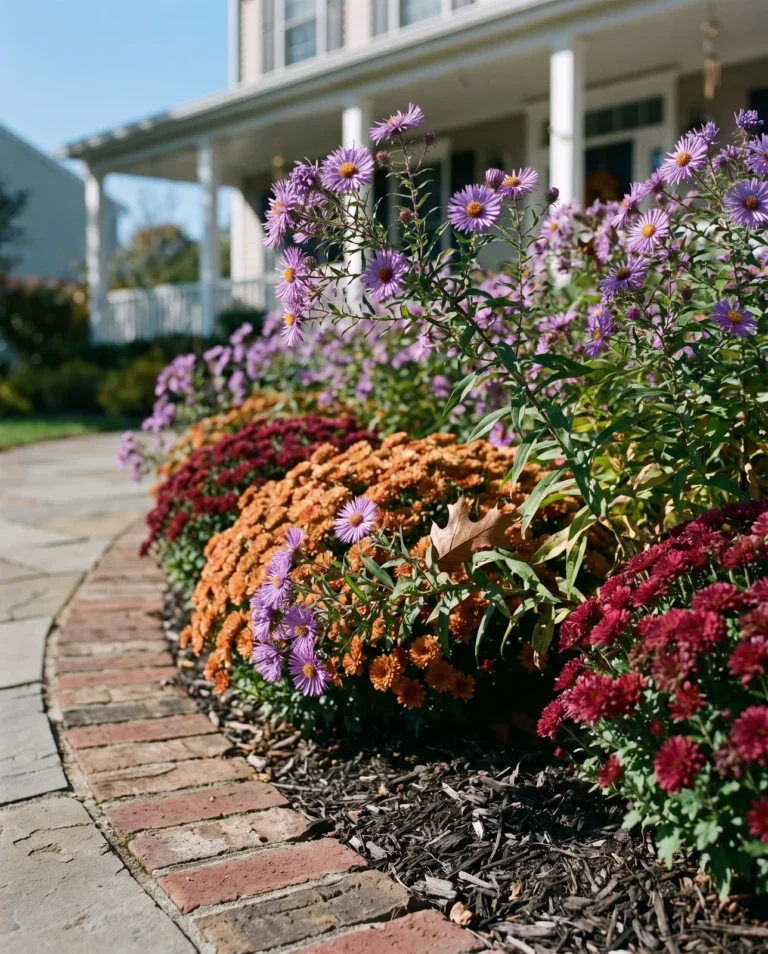
Garden mums (Chrysanthemum x morifolium) hold dense mounded color through repeated autumn chills in Zones 5a through 9b, though what happens afterward splits by region: NC State Extension says that in southern climates these plants overwinter outdoors easily, while in colder regions they may need to be dug up and overwintered in protected storage. Four more plants fill out a cold-weather bed. Garden pinks (Dianthus) make compact cushions of foliage and fringed flowers that take freezing night air without losing color. Stock (Matthiola incana) sends up flower spikes carrying a rich clove-like scent that persists through cool autumn weeks. Dusty miller (Jacobaea maritima) is grown for felted silver-white leaves that shrug off light frost, which makes it a classic edging choice. Flowering kale and ornamental cabbage (Brassica oleracea) improve with the cold: exposure to autumn cold snaps deepens the purple, rose, and cream pigment in the rosettes, and they keep that color well past the point where the true flowering plants in the bed have finished.
“Should I cover it tonight?” decision guide
Three things decide whether a bed needs covering on the eve of a freezing night: the forecast overnight low, how long the roots have been in the ground, and whether the plant sits in soil or in a pot. Open ground works in the gardener’s favor here. Soil takes in heat all day and gives it back upward through the night, so established cool-season annuals and hardy perennials in beds rarely need anything during a standard 32 degree light frost. Covering them anyway can do harm, since fabric traps humidity against the foliage and its weight snaps brittle stems. The exception in open ground is anything transplanted in the last few weeks: a shallow, unfinished root system cannot draw water the way an established one can, and it takes a cold night harder.
Nighttime frost protection decision path
Three checks in order, forecast first, then root establishment, then plant type and location, before any covering or moving decision.
Containers need attention earlier than beds. A pot has cold air on every side of the root ball instead of insulating earth, so the mix chills far faster than in-ground roots do. At a forecast of 32 degrees Fahrenheit, move hanging baskets and portable planters onto a sheltered porch or group them against a south-facing wall; below 28 degrees, bring them into an unheated garage, shed, or basement for the night. For anything that stays out, use a breathable cover: woven frost cloth, burlap, or cotton bedsheets rather than plastic sheeting. Weight the edges down to the soil with stones, bricks, or garden pins so the cover holds the heat rising off the ground instead of venting it, prop it on stakes so damp fabric is not lying on the stems, and take it off in the morning once the air is back above freezing.
Not actually frost tolerant, honestly
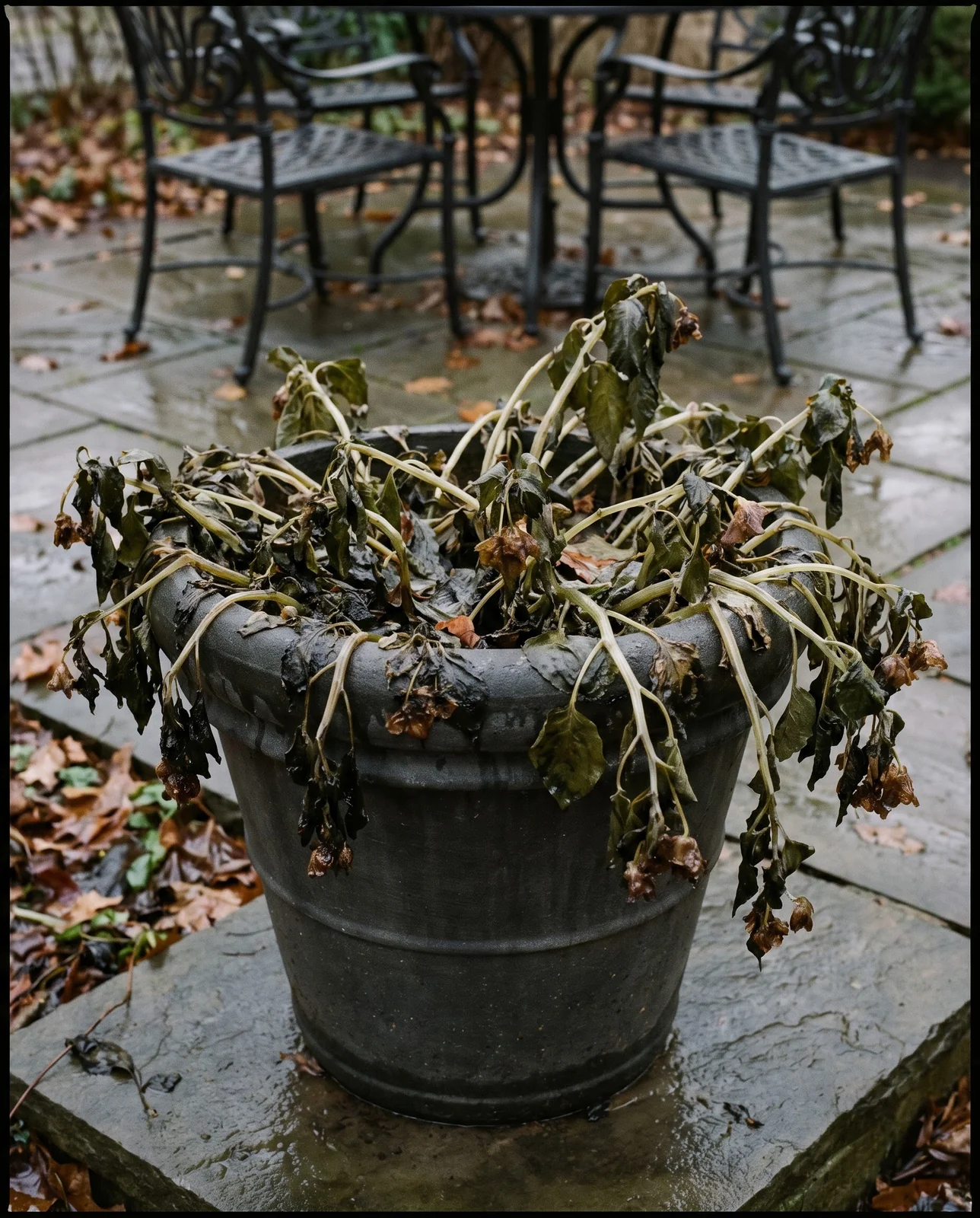
Garden centers stand tender bedding plants next to cold-hardy autumn stock, and the arrangement suggests a toughness that is not there. Impatiens, wax begonias, and tuberous begonias tolerate no freezing at all. Their tissue is thin-walled and water-heavy, so it collapses at first contact with 32 degrees Fahrenheit: impatiens go limp and blacken within hours of sunrise, and begonias blacken at the leaf and drop their flowers after a single cold night.
Coleus and sweet potato vine are warm-season plants that fade as autumn air cools and lose their top growth outright the first time frost touches the foliage. Tropical hibiscus has no cold adaptation either, dropping buds and burning back badly after a freezing night. With all of these the useful move comes before the advisory rather than after it: bring the pots indoors, or take stem cuttings. Shielding tender summer species through one freezing night after another rarely leaves anything worth looking at.
Frequently asked questions
What temperature damages or kills tender garden flowers?
Ice forms on plant surfaces at 32 degrees Fahrenheit, and that alone finishes tender summer annuals such as impatiens, begonias, and coleus. Cold-hardy perennials and cool-season annuals come through the same night without permanent injury; what ends them is a hard freeze, below about 28 degrees held for several hours, which reaches past the surface into the tissue. No single kill number covers every plant, since damage also turns on wind, soil moisture, and how long the cold lasts.
Do pansies survive overnight freezing temperatures?
Pansies (Viola x wittrockiana) come through light frost and brief freezing nights without trouble across USDA Zones 6a through 10b. Stems and flowers can look stiff and flattened at first light, which reads as death and is not; they lift again as the sun warms the bed. Fall-planted pansies go on flowering for 4 to 6 months, through winter and into early spring.
Will snapdragons survive the winter in the garden?
Snapdragons (Antirrhinum majus) are short-lived tender perennials hardy in USDA Zones 7a through 10b. In that range they can carry through a mild winter in well-drained soil and pick up bloom again the following season. In colder zones below Zone 7 they behave strictly as annuals and finish once the ground freezes.
Are edible frost-tolerant flowers safe to eat from garden centers?
The flowers of pansies, snapdragons, and calendula are edible, but plants bought at a nursery or garden center may have been treated with systemic pesticides that are not cleared for food use. Eat only what you have grown yourself from untreated seed, or flowers sold specifically as certified organic edible produce.
Why do flower stems droop after a light frost?
A droop on a frost morning is a water problem, not a death sentence. Frost-tolerant species manage the moisture in their tissue through a freezing night to protect the core, which leaves the top growth limp until the sun returns. As air and soil warm, water moves back up the stems and the plant stands upright again, usually within a few hours.
Should sweet alyssum and calendula be cut back before winter?
Cut both back in late summer. Taking off the tired growth brings on a fresh flush that flowers until freezing weather stops it. After that, leave the sweet alyssum where it stands: the spent top growth shelters the soil through winter, and clearing it out in spring uncovers a stand of self-sown seedlings.
More About Best & Compare
Best fall flowers for pots and porches
Flowers that bloom all summer long
Perennials to plant in fall, and what to leave for spring
Fall planting by region: your zone-by-zone window
Fall flower bed ideas: 3 plans for sun and shade
Best fall-blooming flowers
Best fall-planted bulbs for spring bloom
Best housewarming plant gifts
Easiest flowers to grow for beginners
Enjoying our flower guides? Add YourFlowersGuide as a preferred source on Google — it helps more readers find us.
Add to Preferred Sources