Contents
Camellia
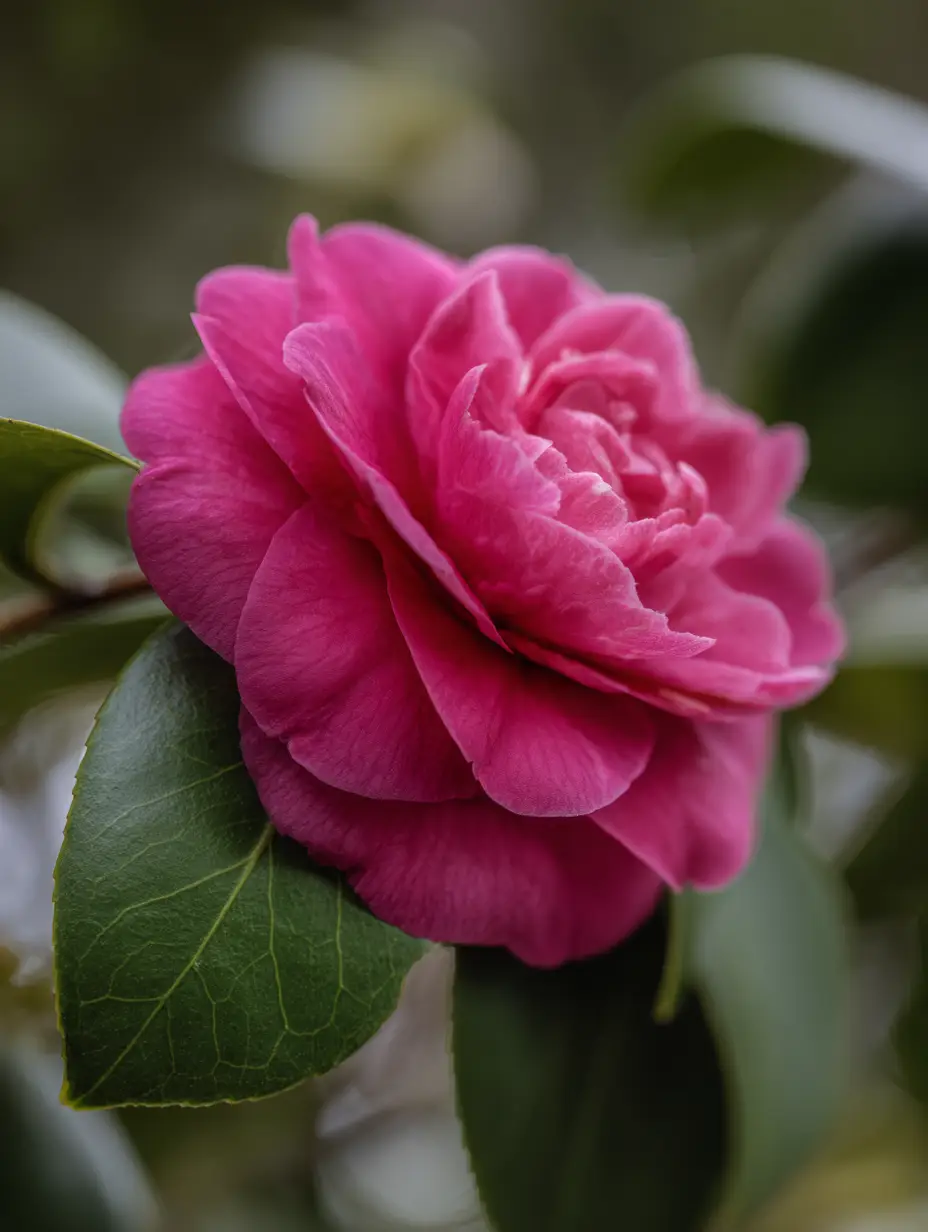
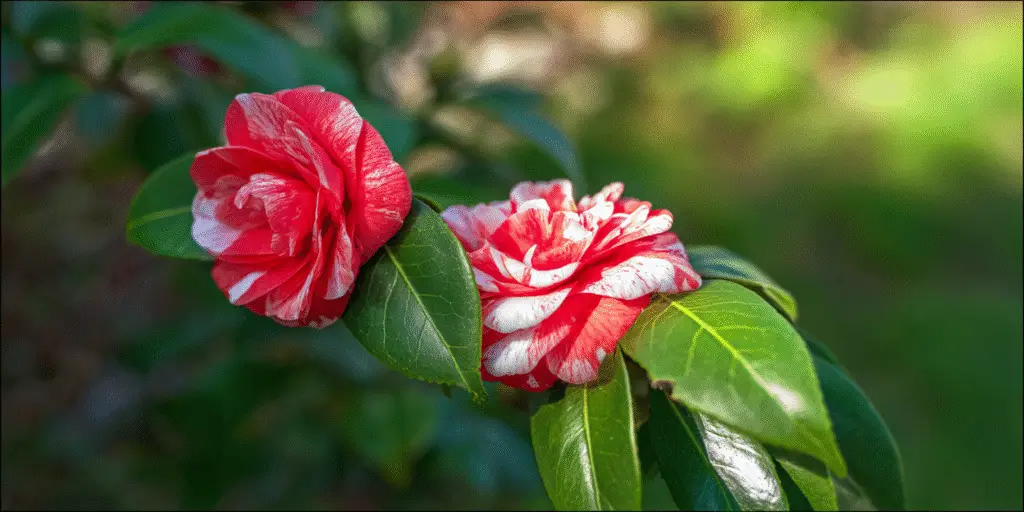
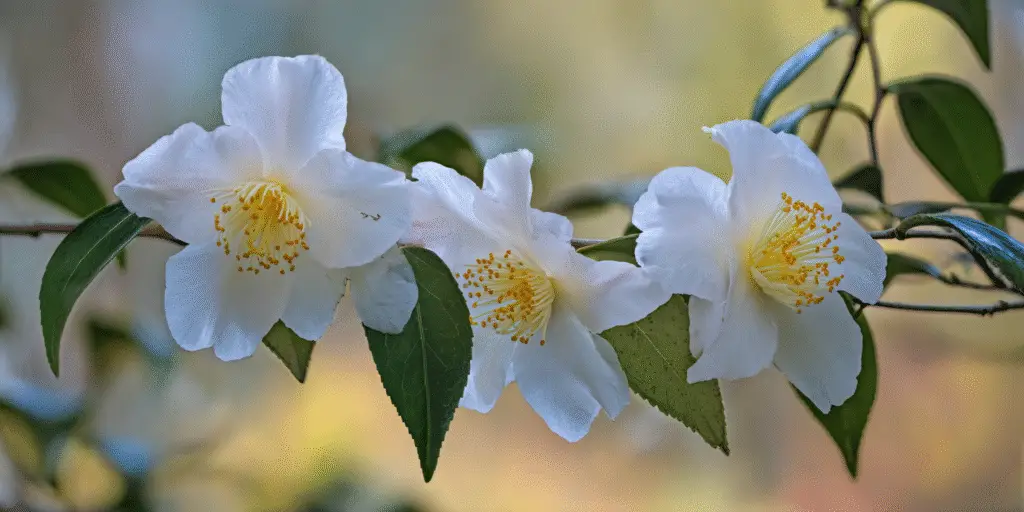
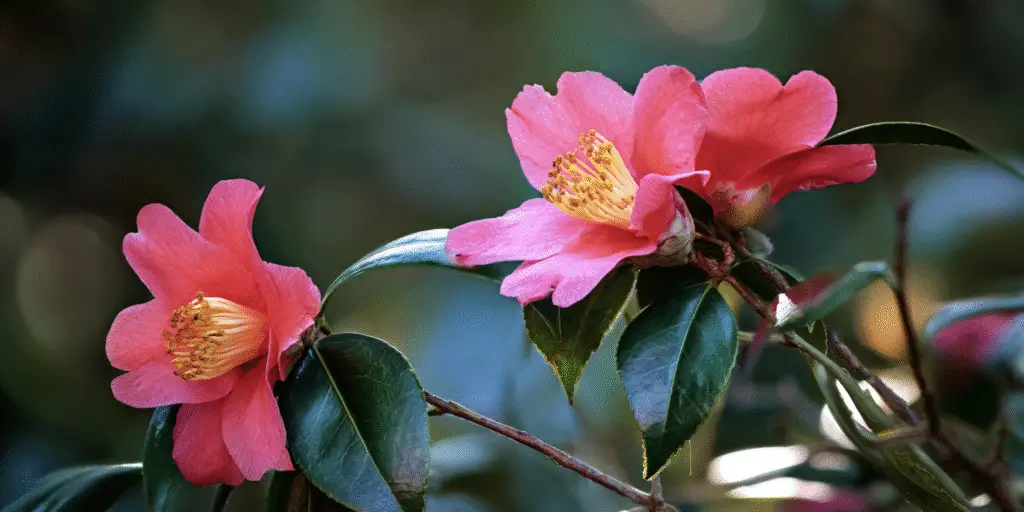
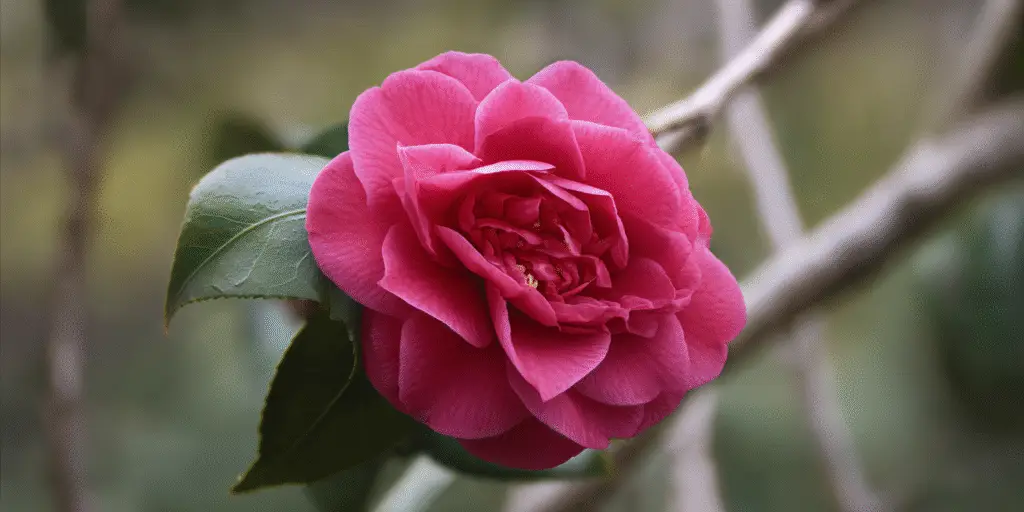
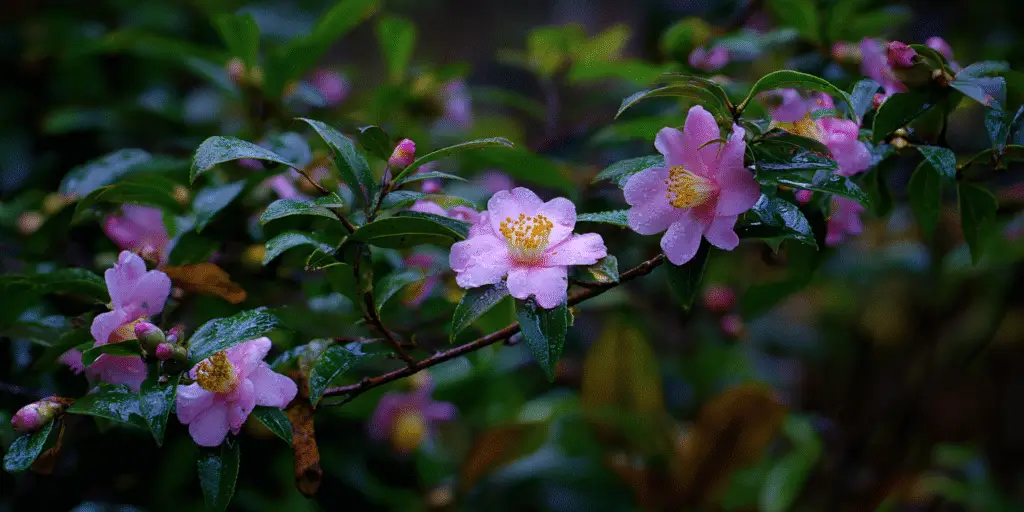
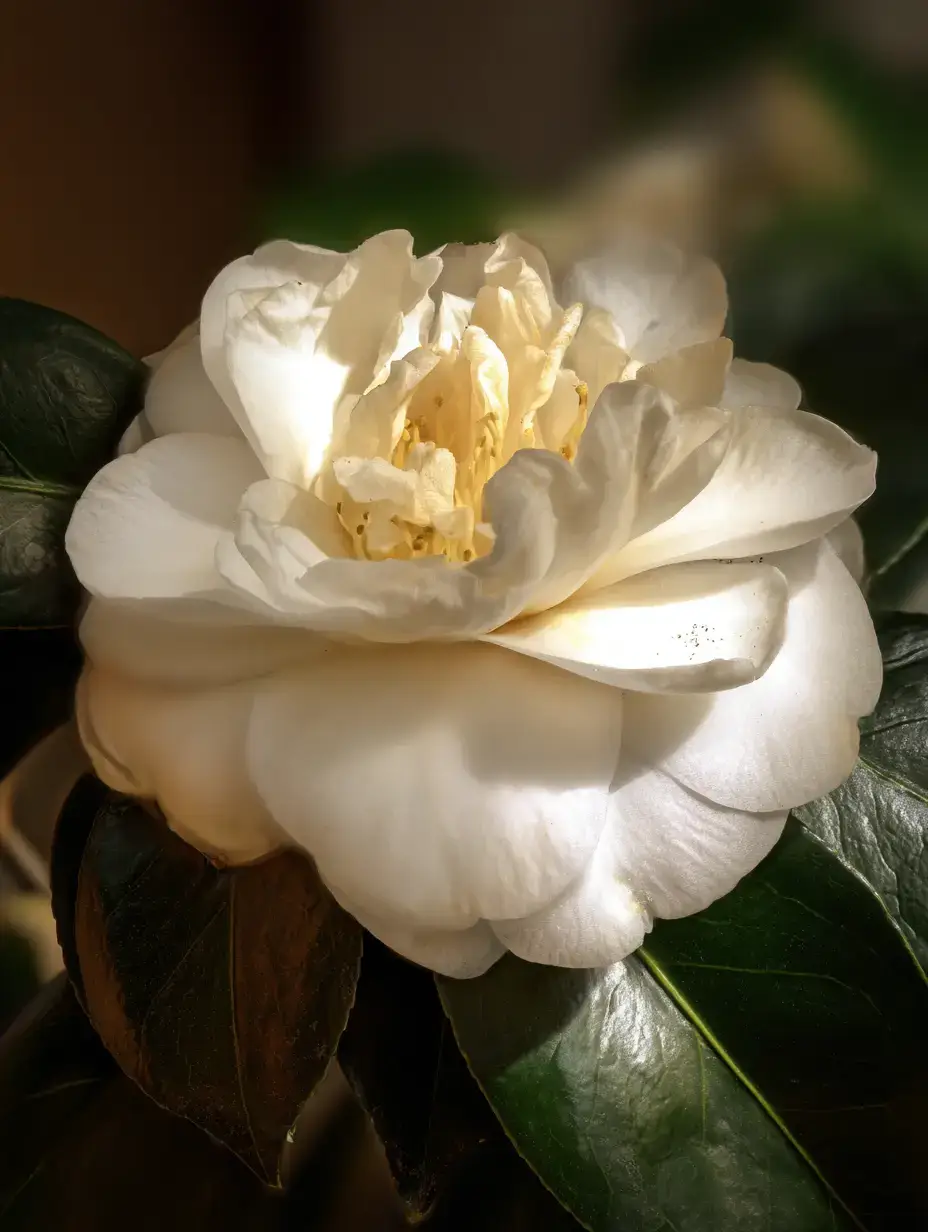
Camellias are broadleaf evergreen shrubs celebrated for their lush, rose-like blooms that add color to gardens in the cooler seasons. Often nicknamed the “rose of winter,” camellias produce showy blossoms in shades of pink flowers, red, and white when few other plants are in bloom. These elegant shrubs feature glossy, deep green leaves and a naturally rounded form, making them attractive even when not flowering. Native to Asia and cultivated for centuries, camellias have become beloved ornamental plants in mild climates around the world. They are long-lived and slow-growing, with some specimens passed down through generations. Gardeners prize camellias for their winter and early spring display, graceful form, and reliable presence as evergreen garden flowers in landscape design. In the United States, camellias are especially popular in the Southeast and West Coast, where the climate suits their needs. With proper care, a camellia can flourish for decades, providing year-round foliage and brilliant seasonal blooms.
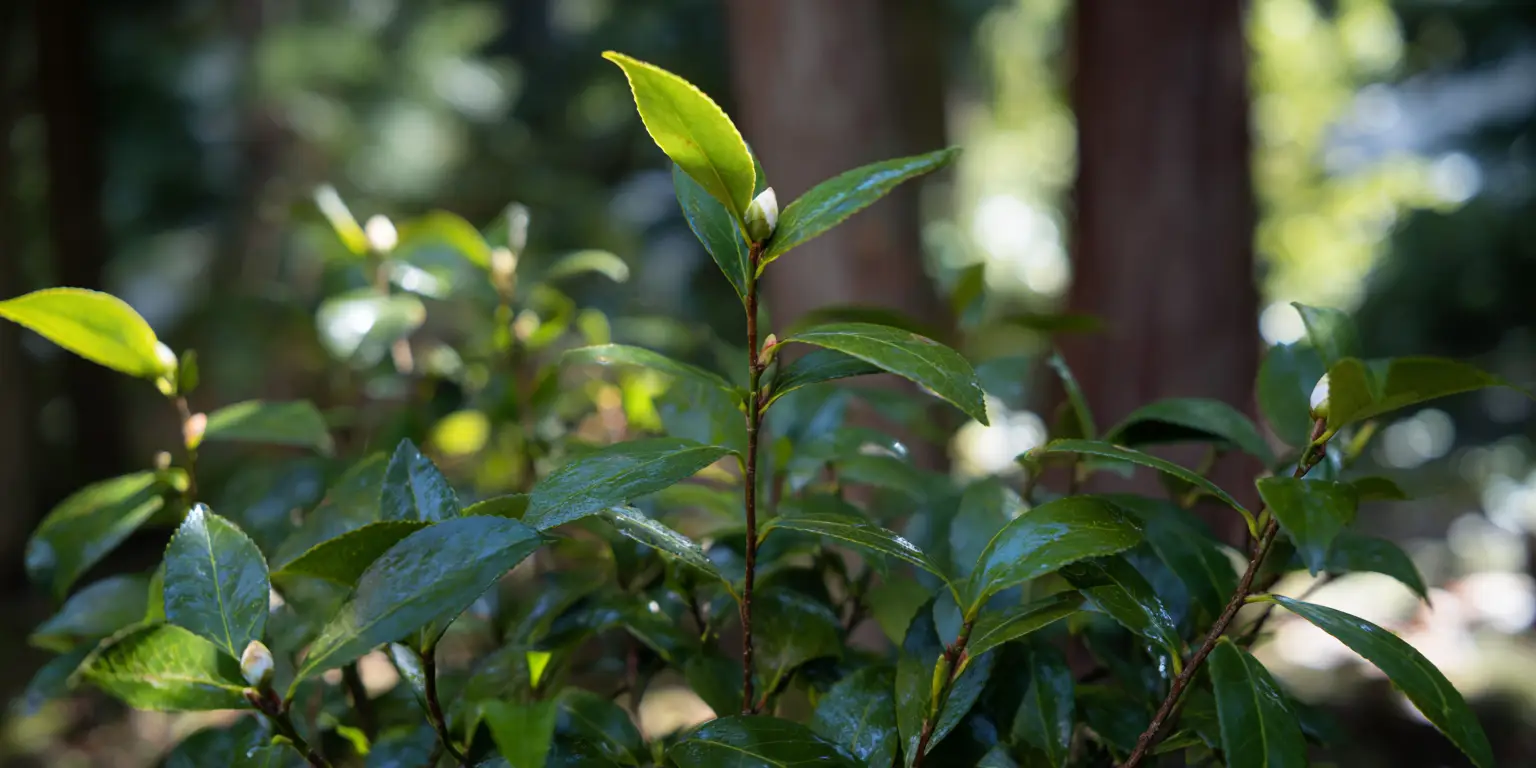
A clear, step-by-step guide to soil, planting, watering, feeding, pruning, and winter care. Includes zone timing, container tips, companions, and quick fixes for common problems.

Bouquet Ideas
Explore simple, beautiful bouquet ideas for the home, gifts, and special occasions from romantic mixes to clean, minimal styles. Each idea includes suggested flower combinations, color palettes, and sizes, with photos for quick inspiration.
🌱 Taxonomy and origin
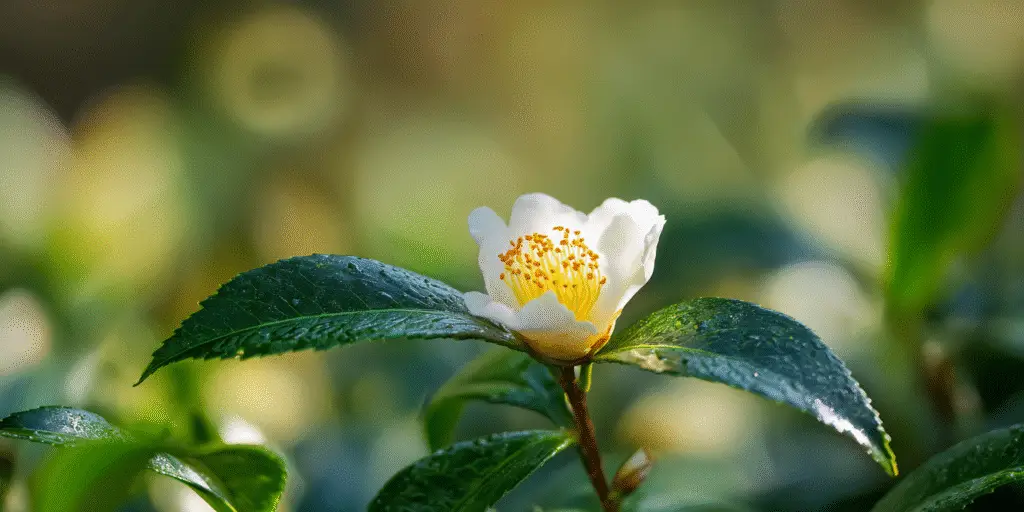
The Camellia genus belongs to the tea family, Theaceae. There are about 250 known species of camellia, ranging from shrubs to small trees. The most commonly grown ornamental species include Camellia japonica (Japanese camellia), Camellia sasanqua (sasanqua camellia), and Camellia reticulata. Camellias are indigenous to eastern and southeastern Asia, with concentrations in southern China, Japan, Korea, and parts of Southeast Asia such as Vietnam and Indonesia. In the wild, they often grow as understorey plants in forested regions. The genus is perhaps best known as the source of tea: Camellia sinensis is the species whose young leaves are harvested for green and black tea. Camellias have been cultivated in China and Japan for thousands of years, initially for tea and oil from their seeds, and later for their beautiful flowers.
The name “Camellia” was assigned by the Swedish botanist Carl Linnaeus in the 18th century, honoring Georg Kamel (Latinized as Camellus), a Jesuit missionary who catalogued Philippine flora. Camellias were introduced to Europe in the 1700s, where they became coveted greenhouse plants among the aristocracy. By the early 19th century, camellias had made their way to North America. They were brought to the United States around 1798 and gained popularity in the Southern states. Today, Camellia japonica is even the state flower of Alabama. Over centuries of cultivation, growers have developed thousands of camellia cultivars with different bloom colors, forms, and sizes. Despite this diversity, all camellias share a preference for similar growing conditions and exhibit a timeless elegance that has made them staples of mild-climate gardens.
🌸 Bloom time
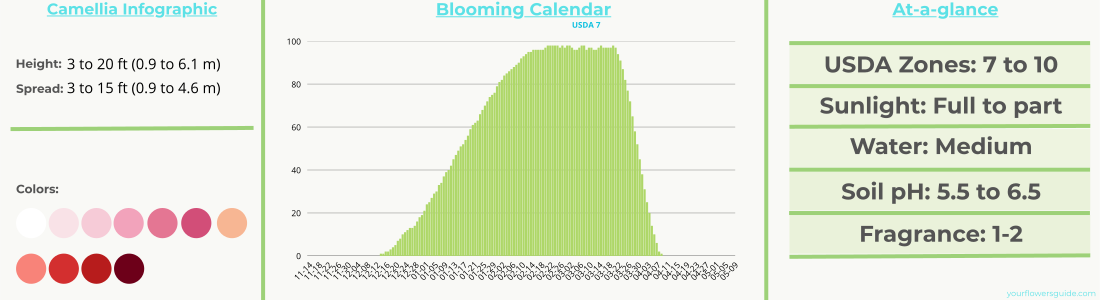
Camellias are treasured for their unusual bloom season, which spans the cooler parts of the year. The exact bloom time depends on the species and cultivar: – Fall and Early Winter: Many Camellia sasanqua varieties begin blooming in the fall, as early as October or November. These fall-blooming camellias often continue through December, brightening autumn gardens. – Mid to Late Winter: The classic Camellia japonica (Japanese camellia) typically flowers in mid to late winter. In mild regions, japonica camellias start opening in December or January and can peak in late winter (January to March). They bring welcome color to otherwise dormant winter landscapes. – Early Spring: Some camellias, including certain japonica and Camellia reticulata cultivars, bloom in early spring (March into April). In cooler climates, camellia blooming may be delayed to early spring if winter temperatures were very low.
In general, the camellia bloom season can stretch from fall through early spring when multiple types are planted. An individual camellia shrub will usually bloom for several weeks, with each flower lasting about 3 to 7 days on the plant. Camellia flowers often open in succession, so a mature shrub can have flowers over an extended period rather than all at once. Gardeners can select early-, mid-, and late-season camellia varieties to enjoy continuous blooms for months. One thing to note is that camellia blooms may be susceptible to weather damage, a hard freeze or unusually warm spell can cause buds to drop or flowers to brown prematurely. However, in normal conditions, camellias reliably provide one of the longest winter bloom displays of any shrub. This makes them stand out among winter flowers in the garden, offering a bright show when most other plants lie dormant.
📏 Height and spread
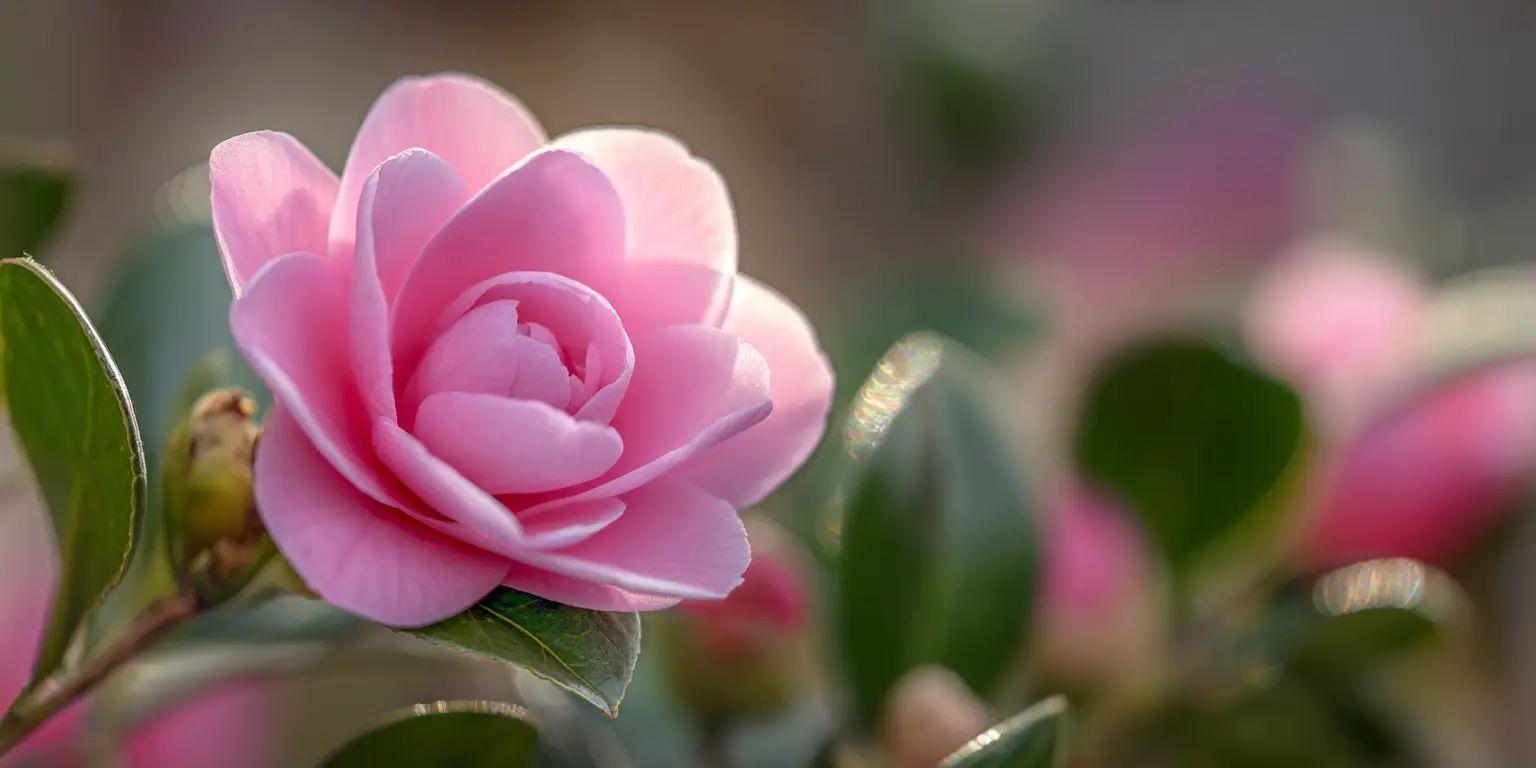
Camellias are moderate-sized shrubs, but their height and spread can vary depending on the species, cultivar, and age. A typical Camellia japonica plant in cultivation reaches about 6 to 12 feet tall (approximately 1.8 to 3.7 meters) with a spread of 5 to 10 feet (1.5 to 3 meters). Many cultivars form an upright yet rounded shrub over time. Camellia sasanqua types often have a more spreading, lower growth habit – they might grow 4 to 10 feet tall (1.2 to 3 meters) and can be used as large foundation shrubs or even trained as groundcover-like shrubs in some cases. Some sasanqua varieties are even clipped into low hedges. On the other end of the spectrum, old camellia specimens (especially japonicas) can become small trees over many decades. In very favorable conditions, camellias can slowly reach 15 to 20 feet (4.5 to 6 meters) in height with a broad spread, but this might take a century or more.
It’s important to remember that camellias are slow-growing. Young plants typically put on only a few inches of growth per year. It might take a camellia 10 years or more to reach an appreciable mature size. This slow growth is one reason they are often considered for permanent landscape spots or large containers – they won’t rapidly outgrow their space. Dwarf and compact cultivars are available as well, some staying under 3 to 5 feet tall (around 1 to 1.5 meters), which are suitable for smaller gardens or container culture. Generally, camellias have a dense, upright-oval form with foliage to the ground. They can be pruned and shaped if needed, but they naturally maintain an attractive silhouette. When planting, give each camellia enough room based on its expected mature spread, crowding these shrubs can reduce airflow and increase disease risks. Over time, a healthy camellia will become a substantial evergreen presence in the garden, so plan its placement with its eventual height and spread in mind.
☀️ Light
Camellias grow best in partial shade conditions, mimicking the dappled light of their native woodland habitats. Ideally, they should receive morning sun or bright filtered light, with protection from harsh afternoon sun. A common recommendation is to site camellias where they get sun in the cool early part of the day and then shade or semi-shade during the hottest afternoon hours. This might be along the east side of a building or under the high canopy of trees. Too much intense direct sun, especially in hot climates, can scorch camellia leaves, fade the flower colors, or cause buds to dry out and drop. Conversely, deep, heavy shade is not ideal either – in very low light, camellias may grow leggy and bloom less. Striking the right balance is key: bright indirect light or partial sunlight produces the healthiest growth and the most abundant blooms.
In cooler regions (the cooler end of their hardiness range), camellias can tolerate a bit more sun without damage, as long as their roots have adequate moisture. However, even in mild or northern climates, exposing camellias to early morning sun following a hard frost can harm developing buds and flowers. The rapid thaw from direct sun on frozen buds can cause them to brown. Therefore, in frost-prone areas, some gardeners actually plant camellias on the north or west side of structures to avoid direct sunrise on cold mornings. Shelter from drying winds is also beneficial, as wind can exacerbate moisture loss from the leaves. In summary, provide camellias with light shade or filtered sun for optimal results. A location with gentle morning sun and afternoon shade is often perfect, yielding glossy foliage and plentiful blossoms while preventing leaf burn or desiccation.
💧 Water
Consistent water is important for camellias to thrive, especially during their active growth and bud formation periods. Camellias prefer evenly moist soil that is well-drained. They do not handle drought well when young, due to their relatively shallow root systems. It’s best to water camellias deeply whenever the top few inches of soil begin to dry out, rather than on a strict schedule. During hot summer weather, regular watering is crucial to keep the plant hydrated and to support the development of flower buds for the next season. Mulching around the base of the plant (with an organic mulch like pine bark or pine straw) can help retain soil moisture and keep the roots cool, reducing the need for frequent watering.
While camellias enjoy consistent moisture, it’s equally important to avoid waterlogged, soggy conditions. Good drainage is vital because camellia roots can rot in standing water. Ensure the planting site or pot has drainage so that excess water can escape. A well-drained yet moisture-retentive soil (rich in organic matter) will hold enough moisture without becoming boggy. Overwatering or poorly drained soil can lead to root diseases and yellowing leaves. A good practice is to water deeply and then allow the soil to drain and breathe before the next watering. Generally, aim to keep the soil moist but not saturated. During periods of drought or high heat, increase watering frequency. Camellias that experience water stress (dryness) in summer may drop their flower buds prematurely or become more vulnerable to pest infestations like scale. On the other hand, camellias in excessively wet soil may show signs of distress such as leaf drop or root rot. Finding the right balance and adjusting to seasonal conditions will ensure your camellia gets the water it needs for healthy growth and abundant blooming.
🌍 Soil and pH
Soil quality and especially pH are critical factors for camellia health. These plants are acid-loving and require acidic soil conditions to absorb nutrients properly. The ideal soil pH for camellias is around 5.5 to 6.5. In soil that is neutral or alkaline (higher pH), camellias will often suffer from nutrient deficiencies, particularly iron. A tell-tale sign of soil pH being too high is yellow leaves with green veins (chlorosis) on your camellia, indicating iron is not being taken up. To avoid this, it’s important to plant camellias in acidic soil or amend your soil to lower the pH. Many gardeners mix peat moss, pine bark, or leaf mold into the planting area to acidify and enrich the soil. Using a fertilizer formulated for azaleas and camellias (which are also acid-loving) can also help maintain a lower pH over time.
In terms of soil texture, camellias appreciate a well-draining, humus-rich soil. A loose, loamy soil high in organic matter will both retain moisture and allow excess water to drain – exactly what camellias need. Heavy clay soil can be problematic unless amended heavily to improve drainage, as camellia roots sitting in waterlogged clay may rot. If your native soil is very alkaline or poor-draining, one solution is to grow camellias in raised beds or containers using a specially blended acidic potting mix (often labeled for camellias, azaleas, or rhododendrons). When planting in the ground, avoid planting camellias too deep, ensure the top of the root ball is at or slightly above the surrounding soil level to prevent stem rot. Apply a layer of organic mulch over the root zone to conserve moisture, regulate soil temperature, and gradually add organic acids as it breaks down (pine needle mulch is excellent for this purpose). In summary, camellias need slightly acidic, fertile, and well-drained soil to truly flourish. Spend time preparing the soil before planting – it will pay off with a healthier shrub. Periodically check soil pH and adjust as necessary to keep it in the favorable range for camellias.
❄️ USDA hardiness
Most camellia varieties are best suited to mild winter climates. USDA hardiness zones 7 through 9 are generally considered the ideal range for camellia cultivation. In these zones, winter temperatures are cool but not extremely cold, allowing camellias to survive and bloom reliably. In zone 7 (which includes parts of the U.S. South and coastal Northwest), winters can have freezes, but camellias usually tolerate them with minimal damage, especially if planted in a sheltered spot. By zone 9 (areas like Florida panhandle, Gulf Coast, or coastal California), winters are very mild, camellias thrive there as long as they get some protection from intense sun.
That said, there are cold-hardy camellia varieties and hybrids that extend the range a bit. Plant breeders have developed camellias (sometimes using Camellia oleifera, a hardy species, in crosses) that can survive in zone 6 gardens. These hardy camellias, often marketed as “winter-hardy” or with series names like ‘Ice Angels’ or ‘April Series’, can tolerate temperatures down to around 0°F (-18°C) or even a little lower for short periods. Gardeners in upper zone 6 have had success growing such cultivars with extra winter protection (like burlap wraps or insulating covers during severe cold). Still, attempting camellias in zone 6 is best done with caution and hardy cultivars, in a protected microclimate (for example, against a south-facing wall or under evergreen tree canopies). In zones colder than 6, camellias generally cannot survive outdoors year-round, they would need to be grown in containers and overwintered indoors or in a cool greenhouse.
While cold is a limiting factor, extreme heat can also be an issue. In zone 10 or hotter areas, camellias may struggle because they prefer some cool periods and can experience stress in high nighttime temperatures. In such climates, camellias should be planted in almost full shade and given meticulous care, or alternatively, grown as patio container plants that can be moved to cooler spots. Overall, USDA zones 7-9 provide the best environment. Within those zones, choose a planting site that further buffers the plant: out of prevailing winter winds, not low-lying frost pockets, and with a bit of shade. By respecting these zone guidelines and microclimate considerations, you’ll ensure your camellia stands the best chance of weathering the winters and blooming beautifully.
🌼 Propagation and longevity
Camellias can be propagated by several methods, though some techniques are easier for home gardeners than others. A straightforward and successful approach is layering. In ground-layering, a low branch is bent to the soil and slightly wounded (a small strip of bark is removed) where it touches the earth. This section is then covered with soil and kept moist. Over the course of several months, the buried portion will grow roots. Once a good root system has formed, the new plant can be severed from the mother shrub and transplanted. Air-layering (wrapping a wounded, hormone-treated section of an upper branch in moist sphagnum moss and plastic) is another effective method to propagate camellias, yielding a transplantable rooted branch in one season. Cuttings can also be used: semi-hardwood cuttings taken in summer and treated with rooting hormone may root under high humidity (for example, in a mist propagation bed or enclosed tent). However, camellias are somewhat slow to root, and success with cuttings can be variable without controlled conditions. Nurseries sometimes graft desirable camellia cultivars onto hardy rootstock to improve vigor and cold tolerance, but grafting is a more advanced technique. Growing from seeds is possible for species camellias – fresh seeds will germinate – but this method is rarely used for hybrids or named cultivars because seedlings will not be true to the parent plant and take many years to first bloom.
One of the remarkable qualities of camellias is their longevity. When properly cared for, camellia plants can live for many decades and even centuries. These shrubs are slow-growing and long-lived by nature. It’s not unusual for a camellia to outlive the gardener who planted it. In some parts of Asia, there are camellia trees reputed to be hundreds of years old. For instance, ancient camellia specimens can be found in old Japanese temple gardens and around historic estates. Even in the United States, camellias planted in the 1800s (after their introduction) are still alive and producing flowers today in southern gardens. With this long lifespan, a camellia is often considered a legacy plant – one that can be passed down or remain as a fixture in a garden for generations. To reach old age, of course, a camellia needs a favorable environment: appropriate climate, good soil, and protection from severe injury or neglect. As they age, camellias can become quite large and tree-like. It’s wise to think about this longevity when planting, place the camellia where it can remain undisturbed for the long term. Given time and the right conditions, your camellia might one day become a venerable old specimen that stands as a living testament to your garden’s history.
👃 Fragrance
When it comes to fragrance, camellias are not as famous as some other flowering shrubs, but there are nuances worth noting. The majority of camellia flowers are only mildly fragrant or unscented. Many classic Camellia japonica varieties have little to no detectable scent, their appeal lies primarily in visual beauty rather than perfume. Gardeners who sniff a typical camellia bloom may notice just a faint earthy or green note, if anything at all. This often surprises people who assume such a pretty flower might be strongly perfumed like a rose. In truth, camellias were bred mostly for form and color, not fragrance.
However, some camellia species and select cultivars do offer a pleasant scent. Camellia sasanqua, the fall-blooming camellia, tends to have a lighter, tea-like fragrance in many of its varieties. Sasanqua blooms are smaller but often emit a sweet, gentle aroma that can be noticeable on warm days or in enclosed spaces. Additionally, hybridizers have introduced a few fragrant camellia cultivars in recent decades. These often have names that hint at their scent (such as Camellia japonica ‘High Fragrance’ or ‘Kramer’s Supreme’). Such varieties often carry a sweet floral fragrance that some describe as jasmine-like or similar to a delicate gardenia. The scent is usually not overpowering, but it’s appreciable up close. It’s worth noting that even among “fragrant” camellias, the intensity can vary with weather and time of day.
If fragrance in the garden is a priority, a gardener may want to include other highly scented plants alongside camellias, because relying on camellia alone might disappoint on the fragrance front. Gardenias or jasmines, for example, provide strong perfumes and also prefer acidic soil, making them decent companions in suitable climates. Still, one can enjoy the subtle charm of a fragrant camellia cultivar – the bonus scent adds another dimension to what is already a stunning flower. In summary, most camellias are not grown for fragrance, but a handful of varieties buck that trend. For those special types, expect a soft, sweet scent that rewards a close encounter, rather than a heavy fragrance that wafts across the garden.
⚠️ Toxicity and pet safety
Gardeners with pets or children will be happy to know that camellias are generally considered non-toxic. All parts of the camellia plant – leaves, flowers, and stems – are not known to contain harmful toxins that would pose serious danger to humans or common domestic animals. In fact, camellias are listed as safe on many plant toxicity databases. For example, Camellia japonica does not appear on lists of plants toxic to dogs or cats, and organizations like the ASPCA (American Society for the Prevention of Cruelty to Animals) classify camellias as non-toxic to pets. This means if a curious cat or dog were to nibble on a camellia leaf or bloom, it should not suffer poisoning symptoms. Of course, ingestion of any plant material in large amounts can potentially cause mild digestive upset in pets (or even in people) simply by mechanical irritation – so it’s still wise to discourage animals from munching on landscape plants. But in comparison to truly poisonous ornamentals (like oleander or certain lilies), camellias pose no special risk.
For humans, camellias are also safe. Camellia leaves have even been used for centuries in the form of tea (from C. sinensis primarily), and while ornamental camellias are not grown for eating, there’s no general caution against touching or handling them. They are not known to cause skin irritation or allergic rashes in most people. There’s also no major issue of thorns or spines – camellia shrubs are fairly gentle, with smooth leaves and stems. One minor note: spent camellia blooms that fall and decay can grow mold, which some individuals might be sensitive to if they are picking them up, but that’s a common garden scenario and not a specific toxin from the plant. In summary, camellias are pet-friendly and child-friendly plants. You can confidently plant them in your yard without the worry of poisoning Fido or the neighborhood kids. As always, it’s prudent to supervise pets to prevent any excessive chewing on garden plants, but camellias earn high marks as a safe, non-toxic choice for home landscapes.
🌿 Vase life
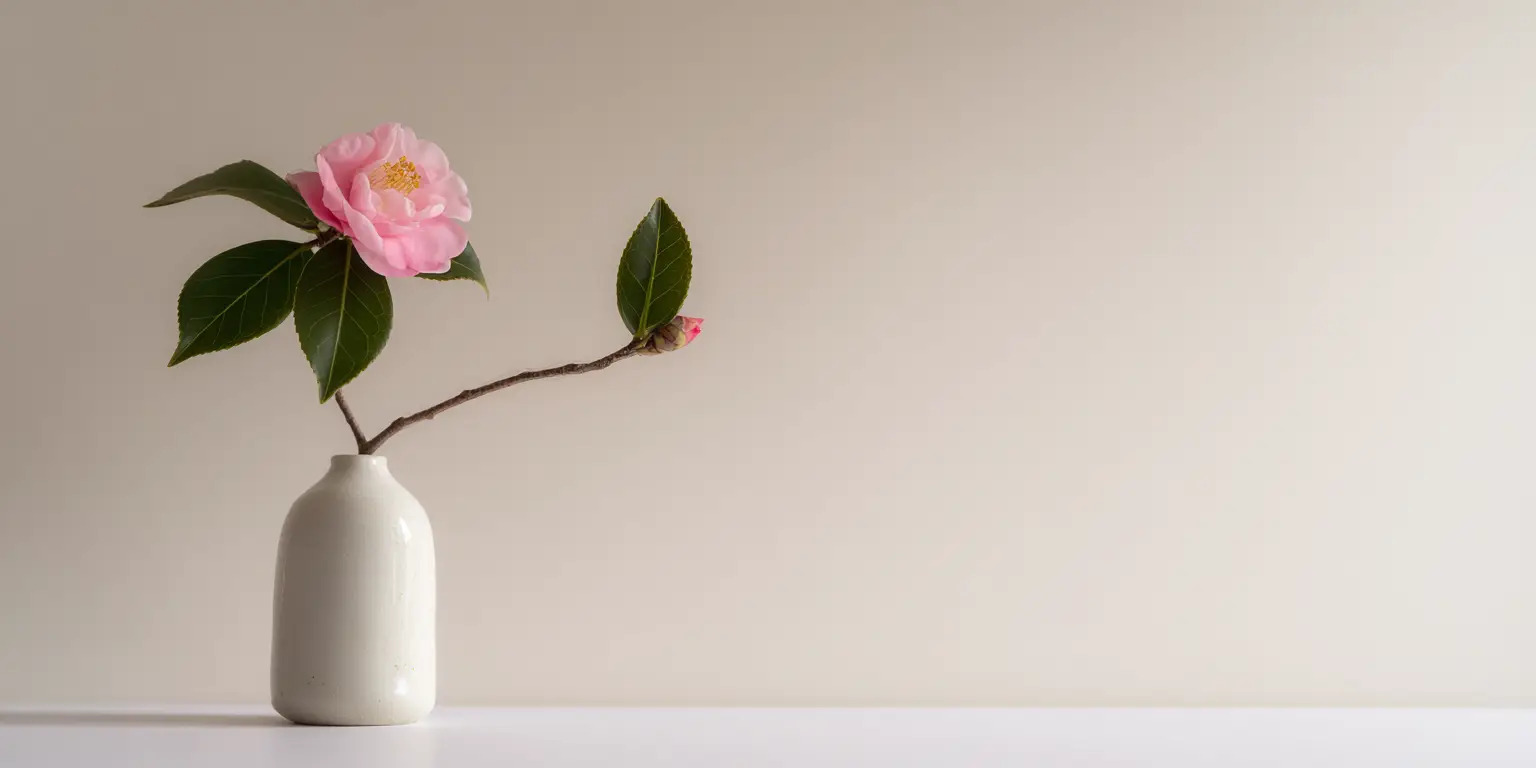
Camellia flowers are gorgeous on the plant, but they can be a bit challenging as cut flowers. The vase life of camellia blooms is generally short compared to many classic cut flowers. Once cut and placed in water, a camellia flower might last only 2 to 5 days in good condition. Some especially delicate varieties may even start to bruise or brown after just 1-2 days. The thick, fleshy petals of camellias tend to wilt or discolor relatively quickly once removed from the plant, and the blooms often drop their petals or entire heads without withering elegantly. This means camellias are not the longest-lasting choice for long arrangements or bouquets meant to last a week or more.
However, their beauty can certainly be enjoyed indoors in a few creative ways. One popular method is to float camellia blooms in a shallow bowl of water. Just cutting the bloom short (almost no stem) and letting it float can keep the flower hydrated enough to look pristine for a couple of days. Floating a few open camellias in a glass bowl makes a simple, elegant table centerpiece – perfect for a short-term display. If you do cut camellias with stems for a vase, choose buds that are just starting to open (they may last a little longer as they continue to bloom in water). Keep the arrangement in a cool room, out of direct sunlight and away from heat sources, to prolong freshness. Using floral preservatives in the water might extend the vase life by a small margin, but results can vary.
It’s also worth noting that camellias often have relatively short stems on the plant, which can limit how you use them in arrangements. You may need to wire the blooms or use a pin holder (frog) in arrangements to position them nicely. When comparing to other cut flowers like roses or dahlias, which can last a week or more under good conditions, camellias are fleeting. Therefore, think of camellia cut flowers as a special, short-term delight – much like a magnolia blossom that might also last only a few days indoors. For immediate impact, a freshly opened camellia bloom can be stunning in a float bowl or pinned onto a wreath or napkin ring for an event. Just plan to replace them every couple of days if you need continuous display. In summary, camellia flowers have a short vase life, but with the right techniques you can still savor their splendor indoors for a brief time.
🐛 Pests and diseases
Camellias are generally hardy shrubs, but they do face a set of common pests and diseases that gardeners should watch for. Keeping camellias healthy involves early identification of these issues and taking preventative or corrective measures.
Insect Pests: One of the most frequent pests on camellias are scale insects, particularly the tea scale (Fiorinia theae). Tea scale appears as small, brown or white fuzzy patches on the underside of leaves. These sap-sucking insects cause yellow splotches on the upper leaf surface and can weaken the plant over time. If unchecked, a heavy scale infestation can lead to leaf drop and reduced vigor. Horticultural oil sprays are an effective treatment to smother scales, and maintaining good plant health (especially avoiding water stress) makes camellias less susceptible. Aphids are another pest, often seen on tender new growth and buds, they excrete sticky honeydew that can lead to sooty mold on leaves. Aphids can be washed off with water or treated with insecticidal soap if they become numerous. Spider mites may attack camellias during hot, dry periods, causing a fine stippling on leaves and slight webbing – keeping the plant watered and occasionally hosing off foliage can deter mites. Camellia leaf gall midge and thrips are more occasional pests that can distort buds or leaves, but are less common. In some regions, weevils or caterpillars might chew camellia leaves, leaving notches or holes, though significant damage is rare.
Diseases: Fungal diseases are the primary illnesses affecting camellias. A notorious one is Camellia petal blight (caused by the fungus Ciborinia). This disease makes flowers turn brown rapidly, often starting with small brown spots that expand to ruin the entire bloom, which then drops. Petal blight typically strikes during damp spring weather. Garden sanitation is key – removing and disposing of all infected blooms promptly helps break the cycle, since the fungus overwinters in fallen petals. A layer of fresh mulch can also bury fungal spores. Another disease is camellia leaf gall (Exobasidium fungus), more often on sasanqua types: new leaves or flower buds become thickened, pale, and fleshy due to the infection. The galls eventually turn white and release spores. Removing galled leaves or buds as soon as noticed is the remedy, fortunately, this disease is cosmetic and seldom threatens the plant’s life. Root rot is a serious issue if camellias sit in waterlogged soil. Caused by soil-borne fungi like Phytophthora, root rot leads to wilting, yellowing, and can kill the plant. The best defense is excellent drainage and avoiding overwatering. Canker and dieback can occur when a fungal pathogen enters a stem (often through a wound) and causes a section of the branch to die. Prune off any dieback to healthy wood and disinfect pruning tools between cuts to prevent spread. Additionally, camellias can be affected by viruses such as camellia yellow mottle virus, which causes yellow mottling on leaves. This virus is not curable but generally only affects the plant’s appearance, not its overall health.
Preventative care goes a long way with camellia health. Plant the shrub with good spacing for airflow, avoid overhead irrigation that keeps foliage wet for long periods, and keep the area under the plant clean of debris. Mulching helps prevent soil-borne diseases from splashing onto leaves and also supports consistent soil moisture (reducing stress that can invite pests). If issues do arise, address them promptly: treat insect infestations early and remove diseased plant parts before problems escalate. With attentive care, most camellias will remain robust and handle occasional pests or diseases without significant damage, rewarding you with their year-round glossy foliage and seasonal flowers.
FAQ
Are camellias evergreen or do they lose their leaves in winter?
Camellias are evergreen shrubs. They retain their leaves year-round, providing constant green foliage. In healthy camellias, you’ll see glossy green leaves even in winter when the plant is blooming. They will shed some older leaves occasionally (usually in spring as new growth comes in), but they do not have a complete leaf drop like deciduous plants. This evergreen nature is one reason camellias are valued in landscape design, as they offer structure and color (from both leaves and flowers) throughout the year.
How fast do camellias grow?
Camellias are slow-growing plants. On average, a camellia might grow only 6 to 12 inches of new height per year, sometimes even less. It can take a decade or more for a camellia to reach a substantial size. For example, a camellia planted as a young shrub might be only 4 feet tall after 5 or 6 years, and perhaps around 6 to 8 feet after 10 or more years (depending on the variety and conditions). Some varieties and species (like Camellia sasanqua) grow a bit faster than others, but generally camellias teach a gardener patience. Their slow, steady growth is coupled with a very long lifespan. If you’re looking for a rapid screen or hedge within a year or two, camellia is not the best choice. But if you’re in it for the long term, camellias will reward you with enduring beauty and will rarely become unruly or overgrown.
How long can a camellia live?
With proper care and suitable conditions, camellias can live for an extremely long time, easily decades and potentially centuries. Many camellias live 50+ years in gardens without issue. There are documented camellia plants in Asia (for instance, in Japan and China) that are over 100 or even 200 years old and still blooming. Some old camellias planted in the 19th century in Southern U.S. gardens are still alive today. In ideal conditions (mild climate, good soil, minimal disease or pest pressures), a camellia can become a permanent fixture, outliving the people who plant them. Their slow growth and robust woody structure contribute to this longevity. The key to a long life is to avoid severe stresses – extremely harsh winters, being planted in the wrong spot (requiring relocation), or persistent neglect can shorten a camellia’s lifespan. But absent those, think of a camellia as a legacy plant that could be in your family or community for generations.
Do camellias prefer sun or shade?
Camellias grow best in partial shade or filtered light. They thrive with morning sun and afternoon shade. In other words, they enjoy some sun but not the full intense blast of sun all day, especially not in hot climates. Too much direct afternoon sun can scorch their leaves and cause flower buds to dry out. Too little sun (deep shade) can reduce blooming. So the ideal is a balance: dappled sunlight under tall trees, or an eastern exposure where they get gentle sun in the first half of the day and protection later on. If you’re in a cooler region (near the edge of their hardiness), camellias can tolerate a bit more sun without damage, but even then, it’s wise to avoid a south-facing wall with all-day sun. Also remember to shield camellias from drying winds. A spot with partial light and a bit of shelter will result in the healthiest growth and most plentiful blooms.
Can you grow camellias in pots or indoors?
Yes, camellias can be grown in containers, and doing so is a good option for people in colder climates or with alkaline soil. Use a large pot with excellent drainage and fill it with an acidic, peat or bark-based potting mix (often sold as azalea/camellia mix). Potted camellias will need regular watering since containers dry out faster – keep the soil evenly moist but not waterlogged. They also benefit from feeding with a camellia or acid-loving plant fertilizer during the growing season. As for growing indoors, camellias are a bit tricky as houseplants because they really prefer cool, outdoor air. However, you can move potted camellias indoors to a cool, bright location to protect them from winter freezes (for example, keeping them in an unheated sunroom, garage, or greenhouse where temperatures stay between about 35-55°F in winter). They need that cool rest to set buds, if indoor temperatures are too warm (above roughly 60°F at night in winter), camellia buds may drop off. So while you wouldn’t typically keep a camellia as a year-round houseplant like a tropical foliage plant, you can definitely grow it in a pot and give it winter shelter, then bring it outside for the growing season. Many gardeners in zone 6 or colder successfully overwinter potted camellias in garages or basements where it stays chilly but not frigid.
Do camellias need acidic soil?
Yes. Camellias absolutely prefer acidic soil conditions. Ideally the soil pH should be in the range of about 5.0 to 6.5. In acidic soil, camellias are able to absorb nutrients (especially iron) efficiently, leading to healthy green leaves and good flowering. If camellias are planted in soil that is too alkaline (higher pH), they often show signs of distress, most notably yellowing leaves with green veins (a symptom of iron chlorosis). In such cases, the plant isn’t actually diseased or dying from a pest – it’s essentially malnourished because the chemistry of the soil locks up iron and other micronutrients. Gardeners with neutral or alkaline soils should take steps to acidify the soil for camellias. This can include incorporating elemental sulfur or peat moss into the soil, using fertilizers formulated for acid-loving plants, and mulching with organic materials like pine needles which break down into acidic compounds. In containers, you can buy an acid potting mix to begin with. Regular soil tests can help monitor pH. If you keep the soil on the acidic side, your camellia will greatly reward you with lush foliage and blooms. Camellias also tend to do well in the same soil conditions as azaleas (which are rhododendrons) and other ericaceous (acid-loving) plants, so they make good planting companions in the garden where an acidic bed has been prepared.
Are camellias poisonous to cats or dogs?
No, camellias are not poisonous to common pets like cats and dogs. They are considered non-toxic. If a pet were to chew on camellia leaves or flowers, it should not suffer any serious ill effects (apart from maybe an upset stomach if a lot of any plant is eaten). Camellias do not contain the dangerous compounds found in some other ornamental plants. The ASPCA lists camellia (common camellia) as non-toxic to cats, dogs, and horses. This makes camellias a pet-friendly choice for gardens. Of course, it’s always best to discourage pets from gnawing on your plants in general – not because of toxicity in this case, but to keep your camellia looking its best and avoid any potential minor digestive discomfort for the animal. From a human perspective, camellias are also safe, people handle camellia flowers and even consume camellia leaf teas (from C. sinensis) regularly without problems. So you can enjoy camellias in your yard without worrying about your furry friends.
Why are my camellia's leaves turning yellow?
Yellowing camellia leaves can be caused by a few different issues, but the most common cause is nutrient deficiency due to improper soil pH. Camellias require acidic soil to take up nutrients like iron. If the soil is too alkaline (pH too high), the camellia may not get enough iron, resulting in leaves that are yellow with green veins (iron chlorosis). The fix is to adjust the soil pH back into the acidic range. You can add soil acidifiers (such as elemental sulfur) and use fertilizers with chelated iron or formulated for acid-loving plants. Another possible cause of yellow leaves is natural leaf drop – camellias do shed their oldest leaves (which can turn yellow) typically in spring or early summer, this is normal if it’s just a few leaves here and there. However, if many leaves are yellowing at once, other causes might be at play: overwatering can lead to yellow leaves (because roots suffocate or get root rot, impacting nutrient uptake), and underwatering or drought stress can also cause leaf drop or yellowing. Lastly, check for pests like scale on the underside of leaves – a heavy scale infestation can cause leaves to lose color and vigor. It’s important to evaluate the pattern of yellowing: generalized yellowing with green veins points to iron chlorosis from high pH, whereas random yellow spots or speckles might be pest or disease related. By testing your soil and inspecting the plant, you can usually determine the cause. In many cases, simply correcting the soil pH and feeding the camellia appropriately will restore the foliage to a healthy green.
Interesting tips
- Mulch with pine needles or bark: Surround your camellia with a layer of pine straw or shredded pine bark. This mulch helps retain moisture, keeps roots cool, and gradually acidifies the soil – just what camellias love. It also suppresses weeds and looks natural in the landscape.
- Protect from early morning sun in winter: If a camellia’s buds or blooms freeze overnight, direct sun at dawn can damage them further. Plant camellias where they won’t get strong early sun after a frost (for example, on the north or west side of a structure or under evergreen trees) to help buds thaw slowly and avoid bud drop or browning.
- Float blooms for display: Camellia flowers don’t last long once cut, but you can enjoy their beauty indoors by floating blossoms in a bowl of water. This simple display keeps the blooms hydrated and showcases their form. It’s a great way to create a quick centerpiece – perfect for a special occasion, even if only for a day or two.
- Prune right after flowering: Camellias usually set next year’s flower buds by late summer. If you need to prune or shape your camellia, do it immediately after it finishes blooming. Light pruning at that time will encourage branching but won’t sacrifice next season’s blooms. Generally, camellias require little pruning, but removing any dead twigs and a light trim for shape can be done annually post-bloom.
- Companion plant selection: Camellias pair well with other acid-loving plants. Consider planting them near azaleas, magnolias, or under pine trees. These companions enjoy similar soil and light conditions. For example, shallow-rooted azaleas can carpet the ground beneath a camellia, and tall magnolia trees can provide the high shade that camellias appreciate. This creates a harmonious planting with layered heights and extended seasonal interest.
- Consider new cold-hardy varieties: If you live in a borderline climate (zone 6 or a chilly part of zone 7), look for camellia hybrids bred for extra cold tolerance. Series like the Ackerman “April” series or others often have names indicating cold hardiness. These can extend the possibility of growing camellias in cooler regions. Even with hardy types, it’s wise to plant them in a protected spot and mulch well over roots in winter.
- Avoid disturbing established plants: Camellias do not like being transplanted once mature. Their roots establish a relationship with the soil and moving a big camellia can set it back severely. Choose your planting location carefully at the start. If you must transplant, do it in late winter or early spring and take as large a root ball as possible. Keep the plant well watered and shaded afterward. But in general, try to “get it right the first time” when siting a camellia. Their long life and slow growth mean they’ll stay where they’re put for many years.
- Remove spent blooms and old mulch: To prevent diseases like petal blight, regularly pick up fallen camellia blooms instead of letting them rot on the ground. At the end of the bloom season, you can also replace the mulch under the plant with a fresh layer. This helps get rid of any fungal spores that might be lingering and gives the camellia a clean start for the next year.
Related Guides & Flowers
- Azaleas (Rhododendron spp.) – Acid-loving shrubs that thrive in dappled light and pair naturally with camellias in woodland borders.
- Gardenia (Gardenia jasminoides) – Glossy evergreen shrub with richly fragrant white blooms; same preference for acidic, well-drained soil.
- Gardenia ‘Frostproof’ – Compact, cold-tolerant selection for gardeners who want fragrance plus a bit more spring frost resilience.
- Hydrangea macrophylla – Bigleaf hydrangea for part shade; flower color shifts with soil pH, a useful companion in acid beds.
- Hydrangea macrophylla ‘Nikko Blue’ – Classic mophead cultivar; a recognizable anchor for shade gardens.
- Magnolia grandiflora – Evergreen magnolia with huge, citrus-scented flowers; similar glossy foliage presence to camellias.
- Magnolia stellata – Early-spring star magnolia for sheltered sites; elegant white flowers before leaf-out.
- Tree Peony (Paeonia suffruticosa) – Woody peony with large, camellia-like blossoms; blooms before most herbaceous peonies.
- Shrub Roses – Landscape roses that deliver a formal, camellia-adjacent look with repeat bloom through the warm season.
- Hibiscus – Showy, glossy-leaved shrub for summer drama; a good “high-season” counterpoint to winter-spring camellias.
References
- UF/IFAS – “Camellias at a Glance.” Concise cultural requirements for Florida and warm-region gardens: soil acidity, drainage, placements.
- Clemson HGIC – “Camellia.” Comprehensive home-garden profile covering size, bloom season, forms, and practical care.
- NC State Plant Toolbox – Camellia japonica. Diagnostic notes, site preferences, and problem-solving tips for chlorosis and more.
- UGA Extension – “Pruning Ornamental Plants.” Clear guidance that C. japonica needs little pruning; when and how to thin or reduce size.
- ASPCA – “Common Camellia.” Pet safety reference indicating non-toxic to cats, dogs, and horses.
Written by: Your Flowers Guide editorial team
We are a small independent group of flower lovers who research and review each guide using trusted horticultural and educational sources. Learn more about us