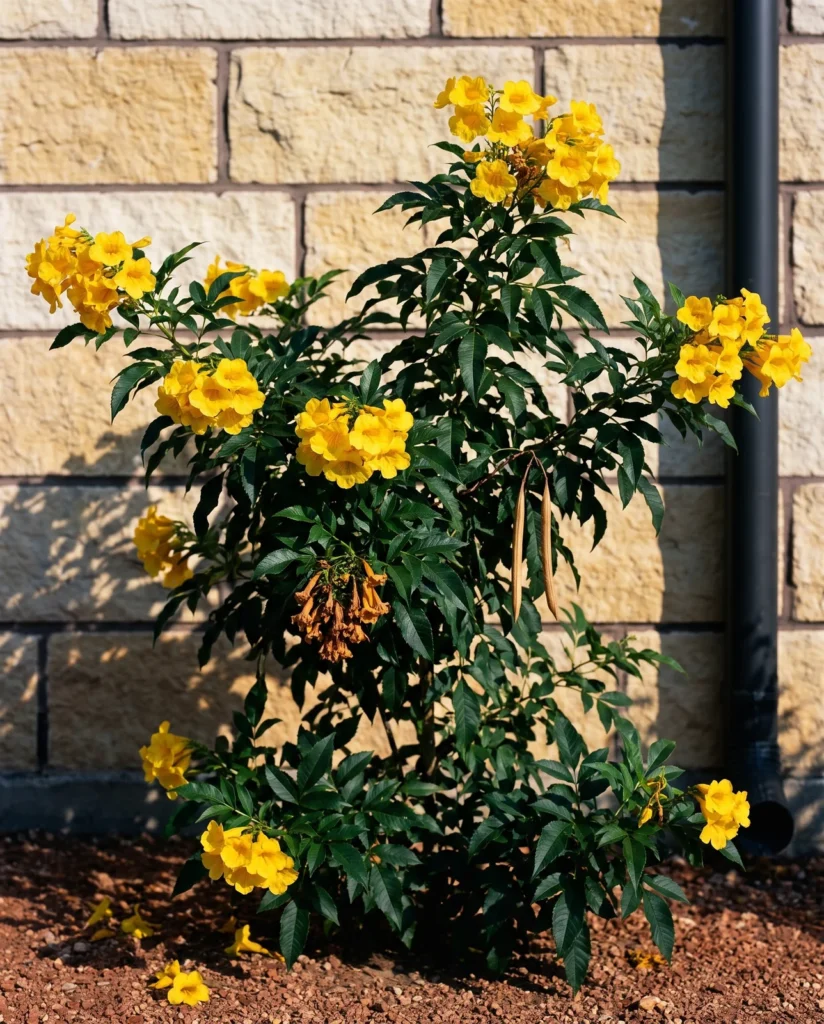
Esperanza, yellow bells, and Tecoma stans are one plant
Esperanza, yellow bells, and Tecoma stans are all names for the same sun-loving shrub. You will also find it sold as yellow elder, shrubby trumpet flower, yellow trumpetbush, yellow trumpet flower, or Piti, along with ginger Thomas and trumpet flower. Across Texas and Mexico, it carries traditional Spanish names like retamo, tronodor, trompetilla, Gloria, Palo de Arco, Flor de San Pedro, Corneta Amarilla, and Flor Amarilla. Earlier botanical names include Bignonia stans, Stenolobium stans, and Tecoma stans var. angustatum, so older labels and books will not always match a modern plant tag.
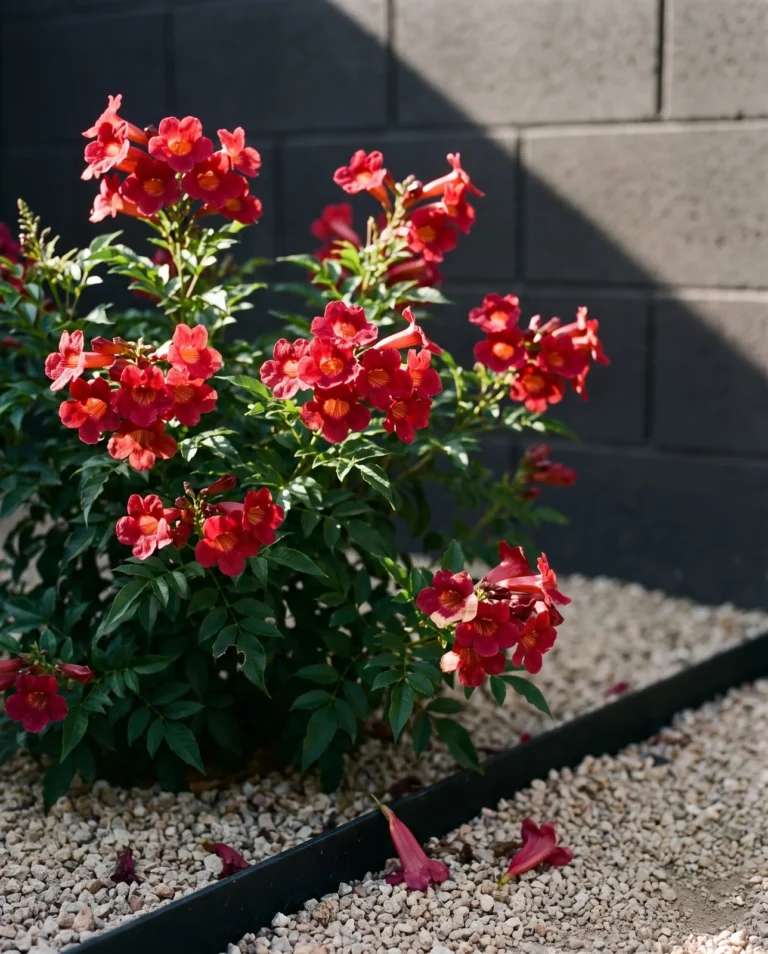
The easiest mix-up happens with a close relative. Tecoma stans is often confused with Tecoma fulva subsp. guarume, an orange-flowered relative sold under similar common names. That overlap reaches retail tags directly. The Chicklet shrub series pairs Chicklet Red and Chicklet Gold, both Tecoma stans, with Chicklet Orange, which is Tecoma fulva sold under the same esperanza and trumpet bush names. Checking the botanical label on the container tells you right away which species you have in hand.
What the flowers, leaves and pods look like
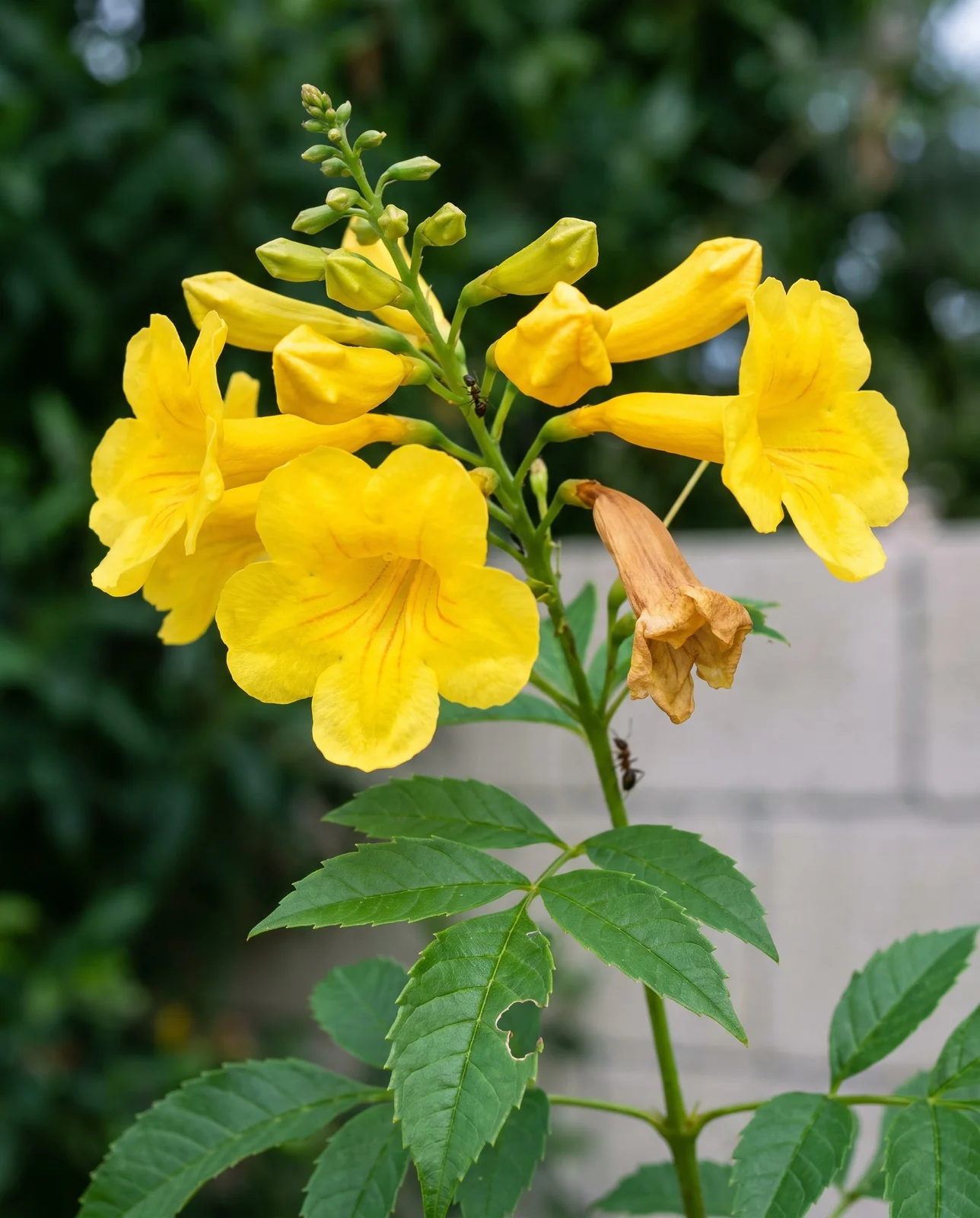
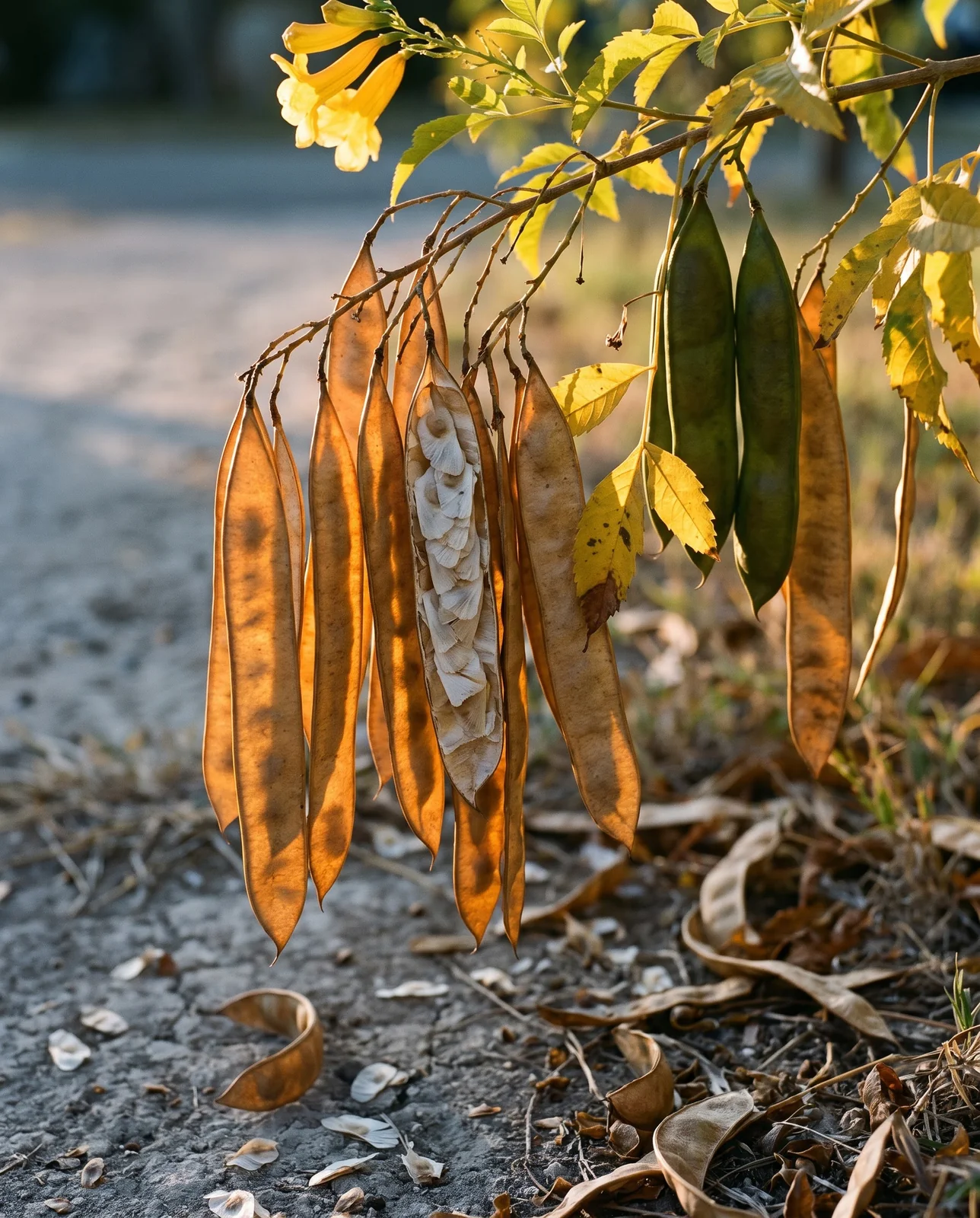
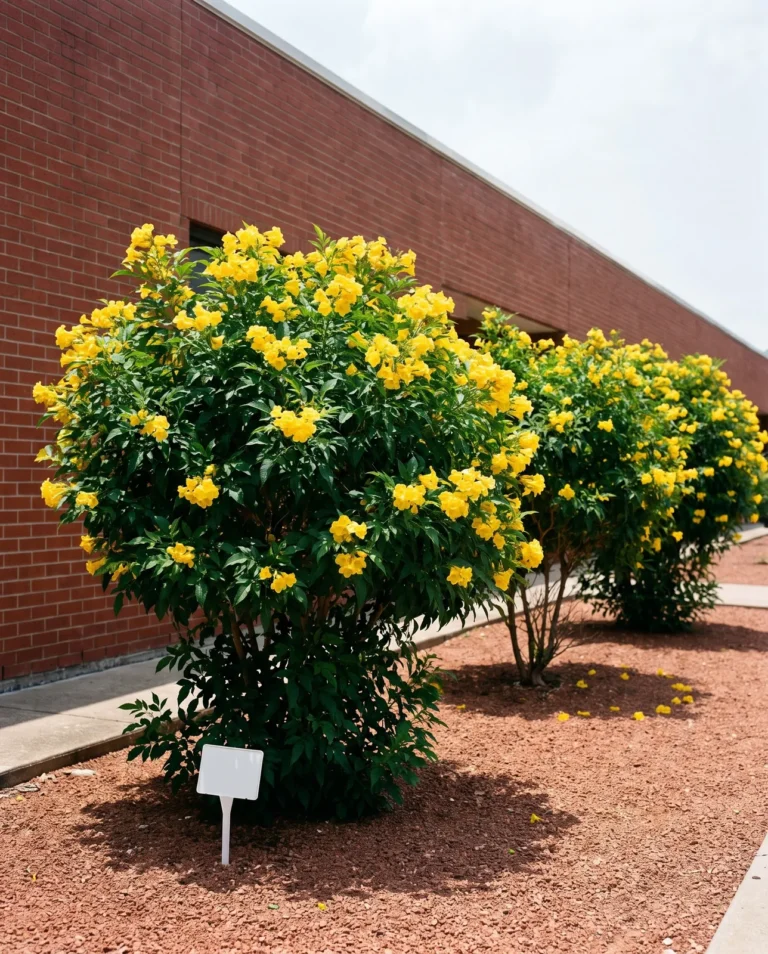
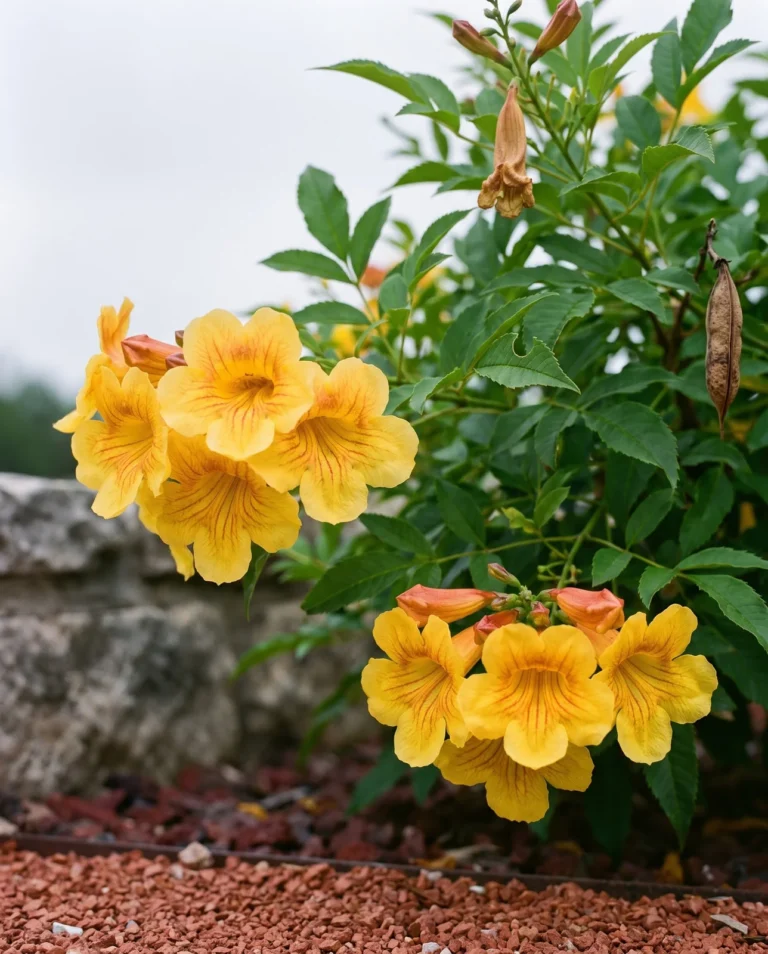
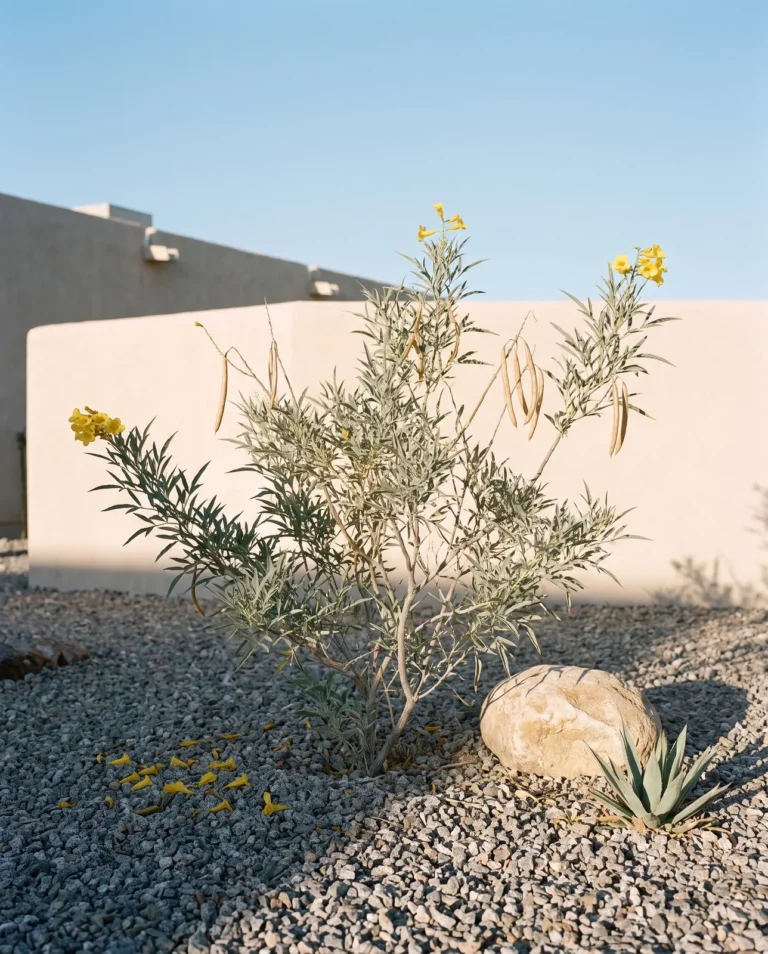
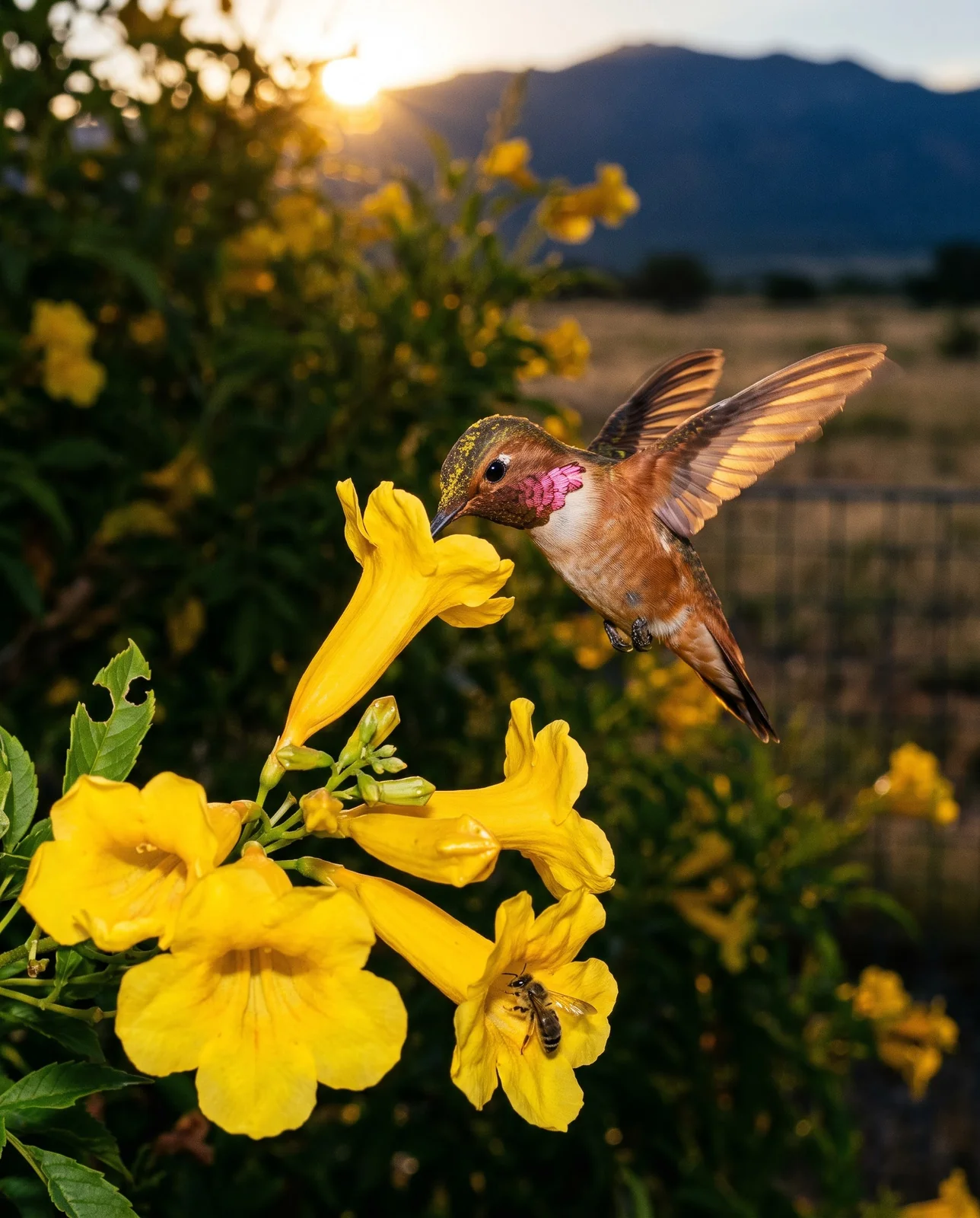
Esperanza carries loose clusters of bright yellow trumpets above glossy, divided foliage. The flowers measure 1 to 3 inches long. They sit above leaves 3 to 6 inches long, made up of toothed leaflets that run 1.5 to 5 inches long and 1 to 2 inches wide. Long, flat tan seed pods follow the bloom, reaching 4 to 10 inches in length. These capsules linger on the branches into fall and winter, detracting from the shrub's appearance, and dropping pods can create a slight litter problem on paved ground below.
Whether esperanza keeps its leaves through winter depends on the local cold. It ranges from a broadleaf evergreen to semi-evergreen or deciduous shrub. South of central Texas, plants stay almost evergreen depending on how severe the winter is. In central Texas, it drops its leaves each winter and comes back every year as a deciduous perennial. Where winter brings routine freezing, it grows as a deciduous perennial that blooms from spring to fall, though in ideal, frost-free conditions it can flower year-round.
Where it grows wild, and where it has spread
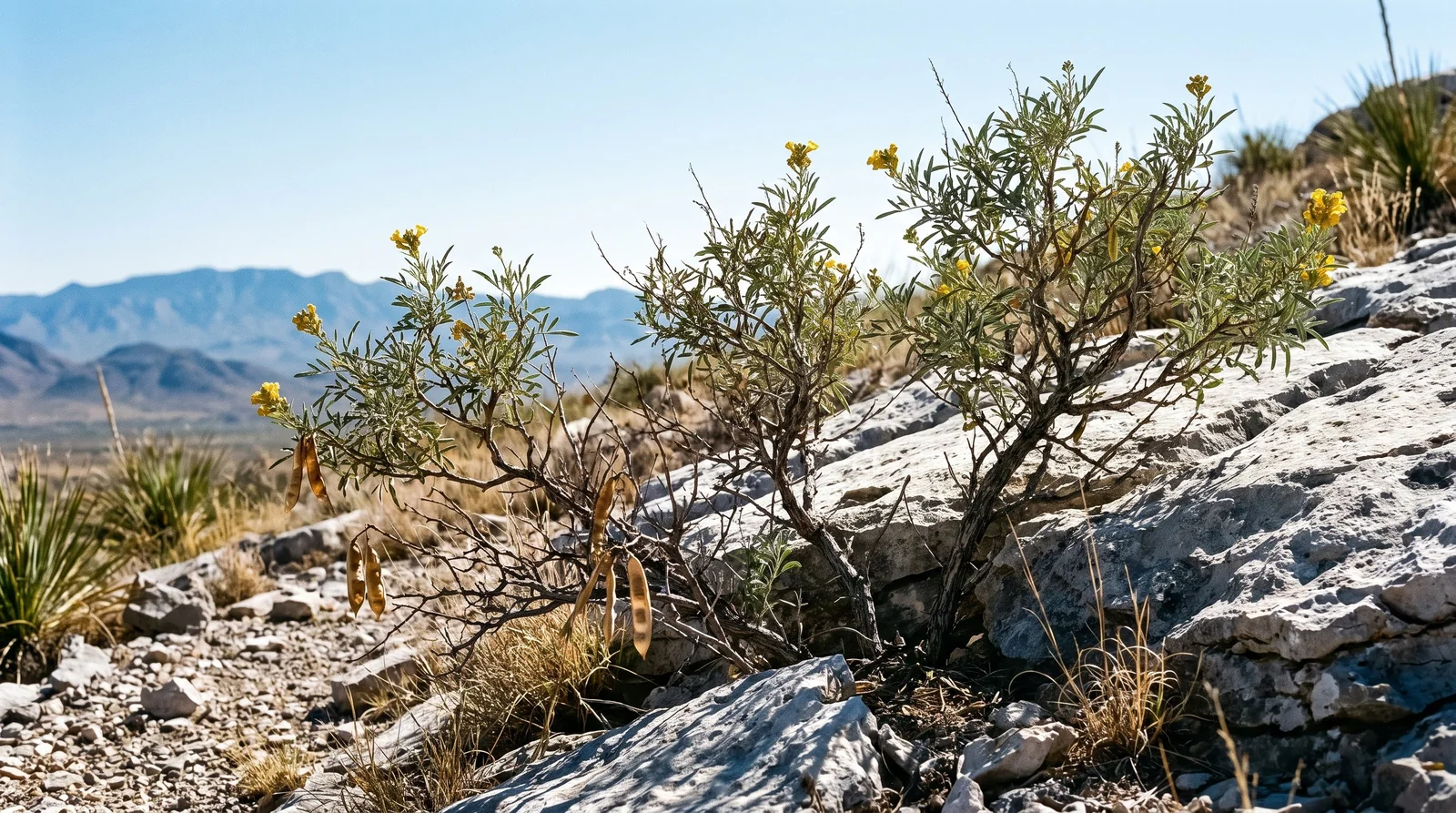
Yellow bells grows wild in full sun on well-drained, rocky slopes around San Antonio and across the Trans-Pecos. Its territory extends into New Mexico, Arizona, and Florida, and south through Central and South America. The wild range runs from southern Florida and the southern edges of Texas and Arizona down through the West Indies to northern Argentina. Wherever it grows naturally, it roots into hot, open ground.
That native background explains what the shrub demands in your garden. Once established, esperanza tolerates very high temperatures and drought, but it will not tolerate poorly drained soil. Plants native to the American Southwest and adjacent Mexico grow shorter, handle drought better, and tolerate more cold than some cultivars. A wild form and a bred cultivar will behave quite differently when severe cold or dry weather arrives.
Outside its home territory, that same vigor has caused trouble. In Florida, the plant is invasive and not recommended except for limited uses approved by the UF/IFAS Invasive Plant Working Group. It has also become invasive on Hawaii's Big Island, Maui, and Oahu, and has naturalized in Queensland, Australia, in highly disturbed habitats, in riparian vegetation, and occasionally in native vegetation on coastal sand dunes. Where it has naturalized, it can grow in dense stands that stop other species from regenerating. It grows best in full sun along roadsides and disturbed ground, where seeds spread on the wind and the draft of passing cars, staying viable in the soil for probably less than a year. The dwarf Chicklet Red selection is non-invasive, but the wild species spreads readily in frost-free climates.
Hardiness belongs to the selection you buy
The cold tolerance you can count on depends on the exact selection you grow, with hardiness running anywhere from USDA zones 7 to 10. Unnamed nursery stock is generally hardy in zones 10b to 11, where a harsh winter may cause top growth to die back before it regrows from undamaged roots. Generic plants are also grown across zones 9 to 11 or zones 8 to 11, or held strictly to zone 10, where gardeners in colder climates grow them in containers or as annuals. The wild tropical species stays close to zones 10b and 11, while named cultivars were selected to push north into zones 8 to 11.
The wild Trans-Pecos form (var. angustata) is considered the most cold-hardy type, but advice divides on how much frost it tolerates. Esperanza covers zones 8 to 11 overall, but the Trans-Pecos plants are often considered hardy only down to zone 8b, with plants further north needing winter protection. Yet that same narrow-leaved variety is also grown as hardy to zone 7 and 0 degrees Fahrenheit. How much frost the wild form tolerates before needing winter protection remains unsettled.
Named cultivars have their own temperature limits. Gold Star spans zone 9, zones 9 to 11, and zones 10 to 11. That overlap happened when tender species notes were repeated on pages that otherwise place it in zones 9 to 11. Chicklet Red handles more cold, surviving across zones 8 to 11 down to about 10 degrees Fahrenheit. The Chicklet series as a whole is generally rated for zones 8 to 11. The dwarf Kalama series is less hardy, needing zones 10 to 11 and sheltering from freezing temperatures. In zones 8a and 8b, Kalama plants will probably not survive without protection and do best in pots brought indoors. An apricot-flowered cultivar is considered a bit more cold-hardy than standard yellow bells, which can survive mild winters as far north as central Texas.
Cold, size and color, selection by selection
A side-by-side look at the four selections gardeners meet most often, showing hardiness, mature size, and flower color.
Will esperanza come back after a freeze
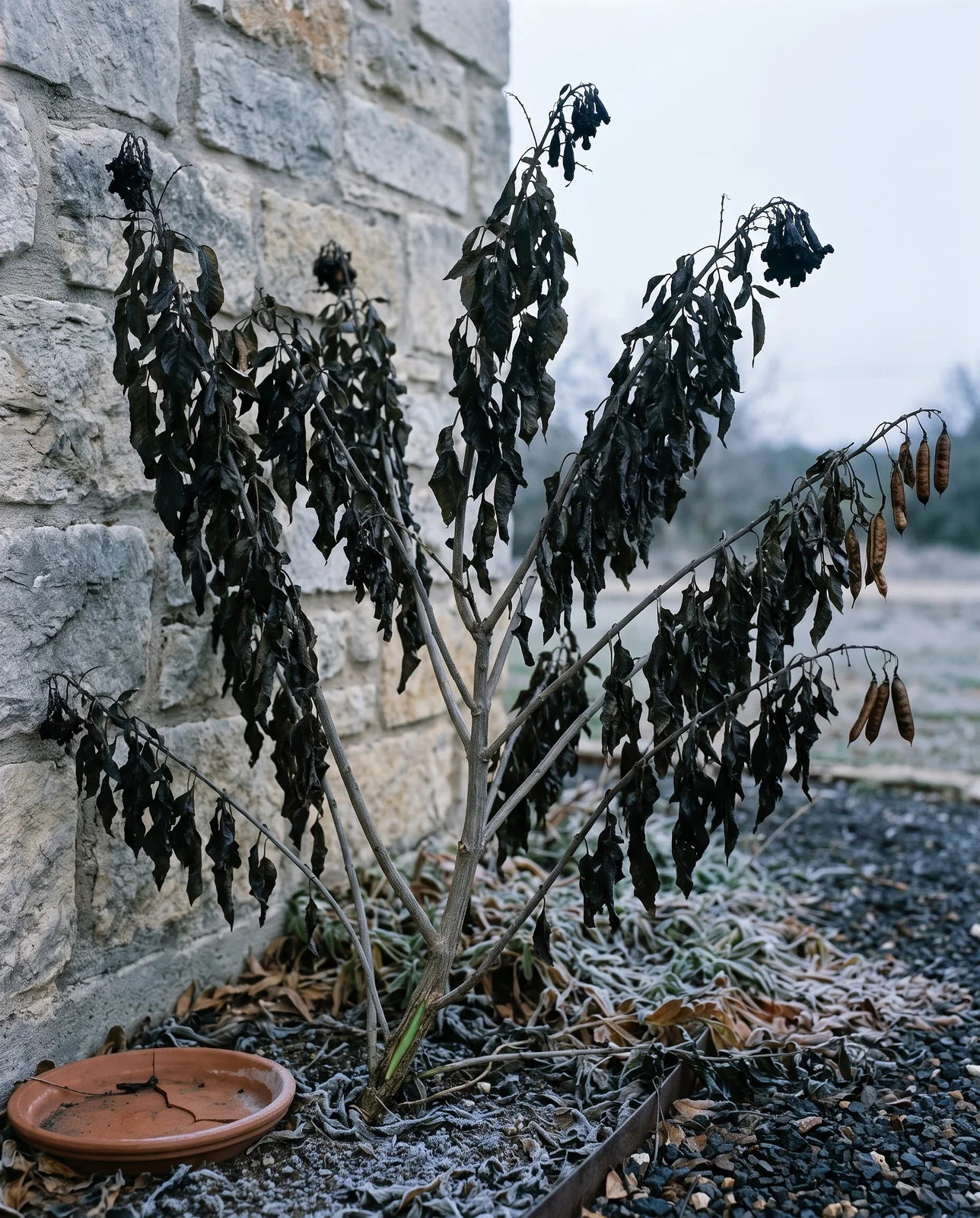
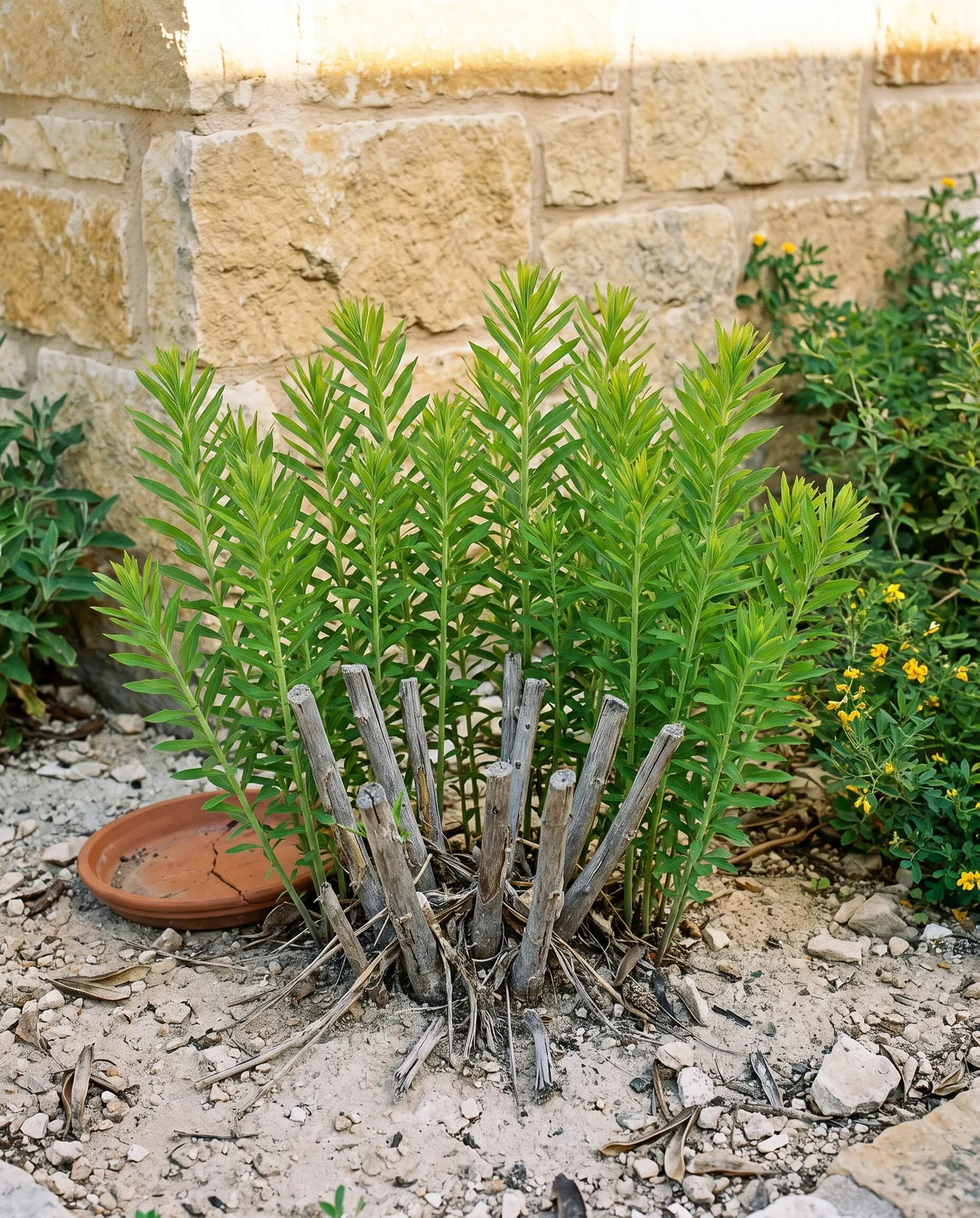
Esperanza can come back from the roots after a freeze, as long as the ground kept the root system from freezing. During harsh winters the shrub may die back to the ground, but cutting dead stems back lets it regrow in spring if the roots are undamaged by the cold. A hard freeze down to 20 degrees Fahrenheit can freeze the shrub to the ground, but trimming it back in late winter lets it regrow once the weather warms. Prune dead stems after cold damage occurs, but before new spring growth begins. Every variety should be treated as tender, and banking earth over the base of the plant can occasionally help it survive winter.
Where the plant originated changes how well it handles a freeze. North American native forms can survive winters within their natural range, though even they may die to the ground in an especially harsh season. Nursery stock of tropical origin may not tolerate cold as well. The plant will not tolerate extreme cold well, but cutting it back to the ground in winter can help maintain it in the spring and summer garden.
Stop feeding it
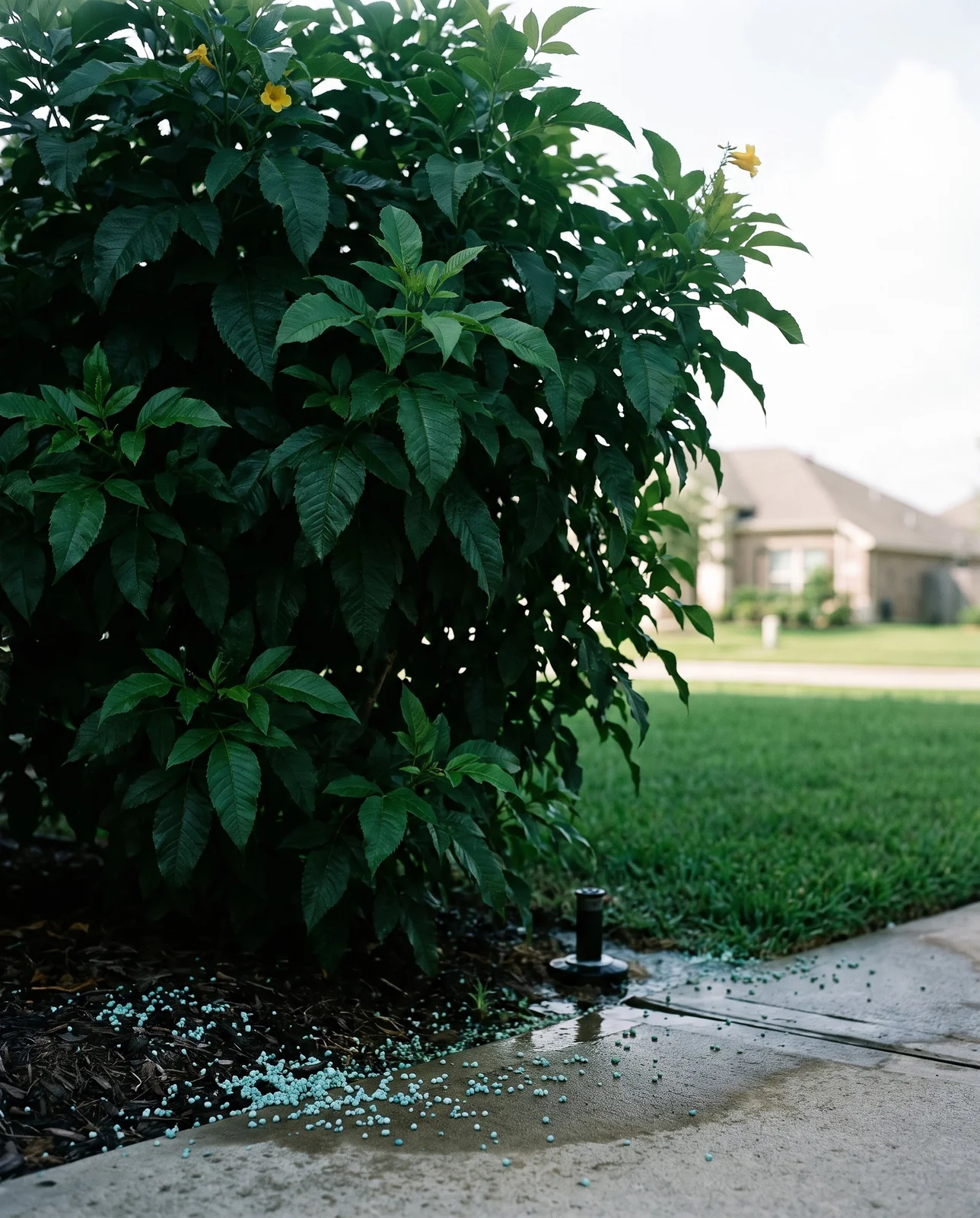
If your esperanza will not flower, the first step is to stop fertilizing it. Native plants rarely need feeding, and this shrub particularly dislikes fertilizer. High-nitrogen plant food inspires lush green leaves with few or no blooms, and lawn fertilizer drifting into the garden bed does the same. Gardeners often reach for fertilizer when a plant struggles, but a shrub under stress should never be fed, and a failure to bloom is itself a sign of distress. Cut out extra water, give the plant a thorough soak about once a week, and use no fertilizer at all.
The rules change when the plant goes into a pot. In garden soil it needs little fertilizer, but in a container grown as seasonal color in a cooler climate, feed it about every other week as you would an annual or vegetable. If a potted plant stops blooming, excess nitrogen is often the reason; feeding every 4 to 6 weeks with a complete fertilizer higher in phosphorus helps coax flowers back. In a hot garden bed, the shrub shares lean soil easily with lantana.
Why it is not blooming, in order of cause
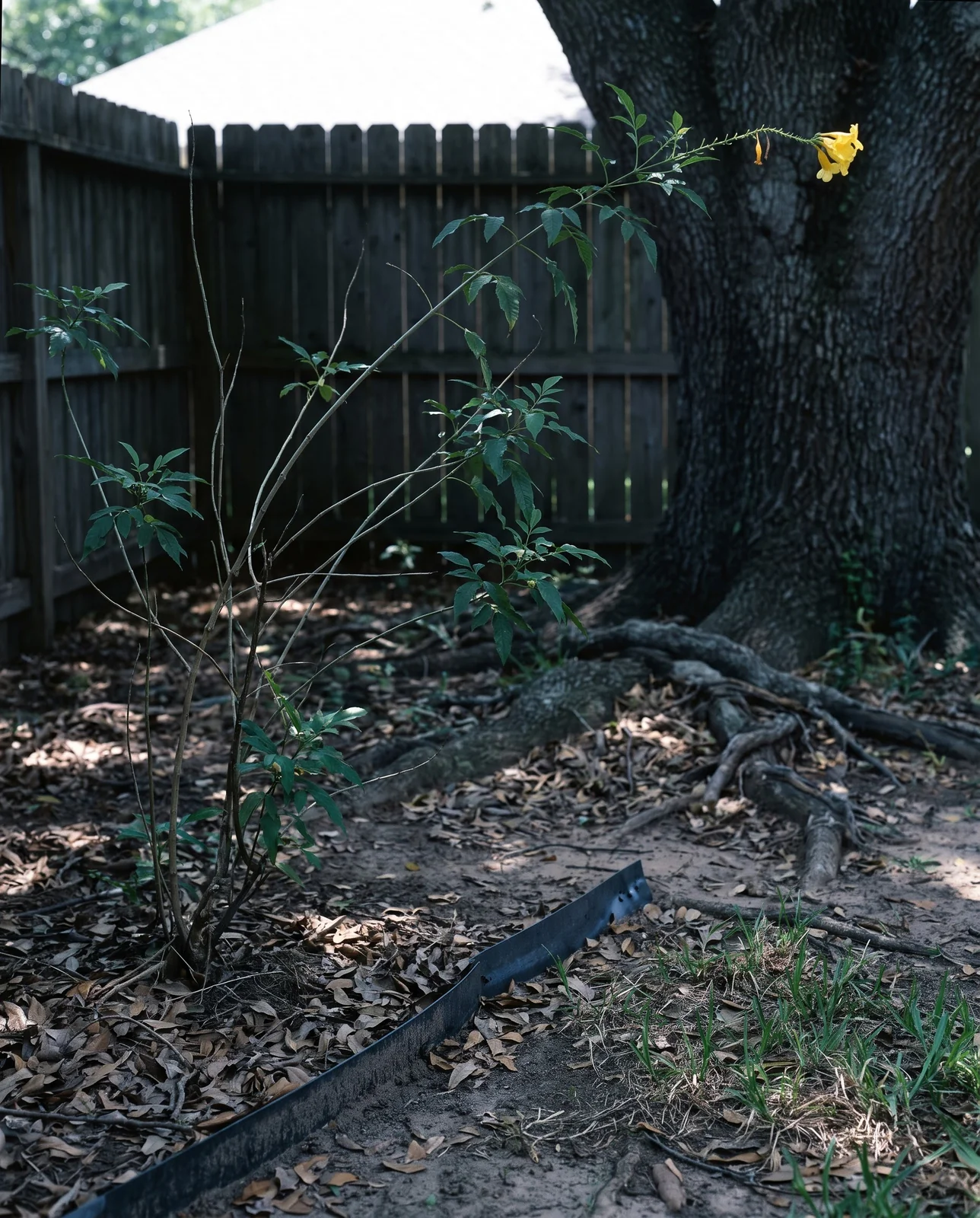
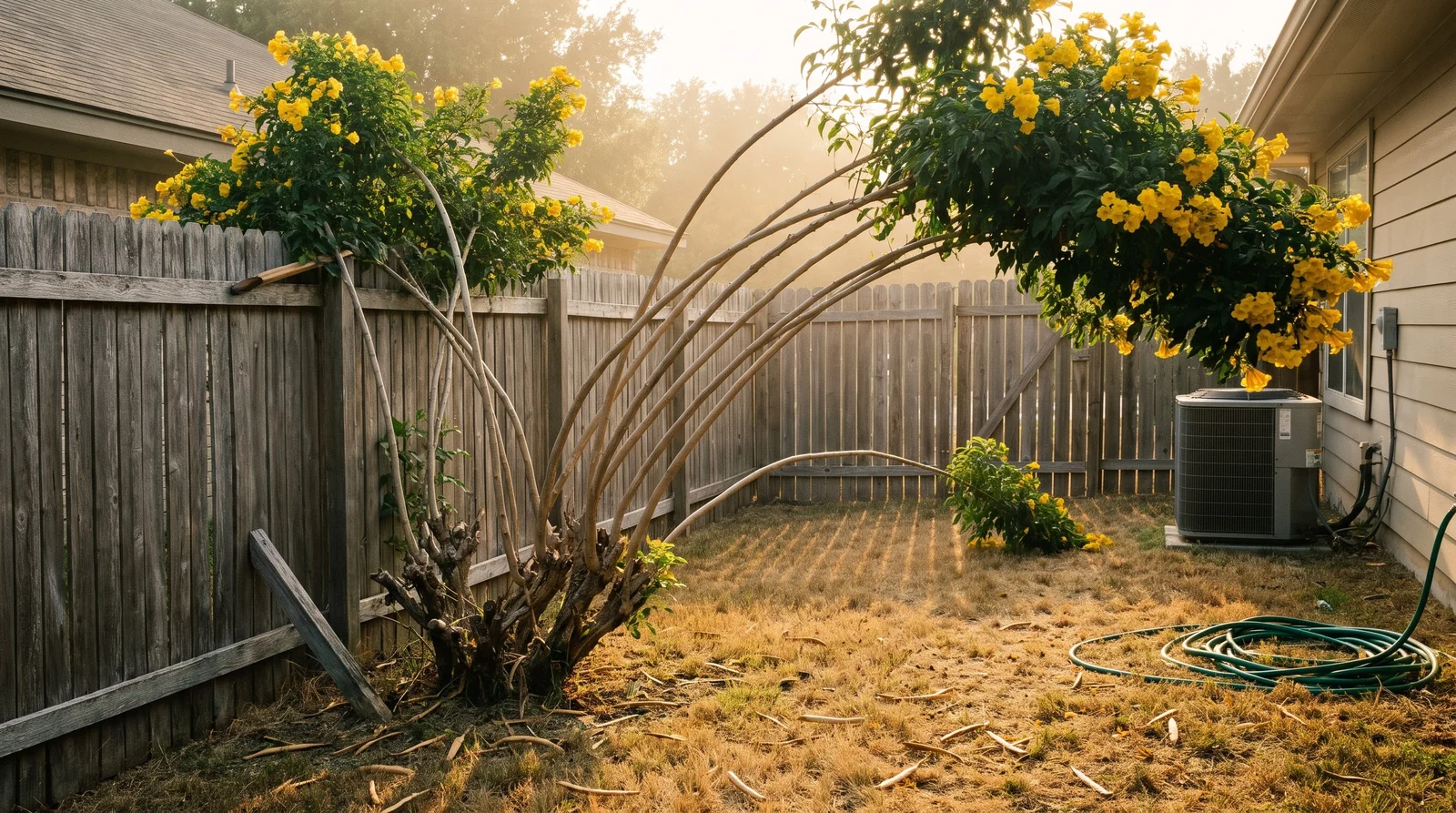
Work through the causes in order: fertilizer, sunlight, pruning, and winter cold. Start with feeding, because extra fertilizer keeps the shrub from blooming. Sunlight comes second, and full sun means six or more hours of direct light a day. If a plant sends up long stalks in every direction, check whether it receives very hot, full sun, because the way it is cut back could itself be part of the problem.
Pruning comes next. Because flowers form on new wood, the best time to prune is late winter or early spring just before new growth begins, and trimming dwarf varieties in early spring will not sacrifice the season's bloom. Through the summer, pinching off spent flowers and seed pods encourages both fresh blooms and bushier growth. Finally, consider the winter. A shrub that froze hard can return with lush leaves but fail to produce a single flower all season.
Work down the bloom checks in order
Work through these five checks in order, stopping at the first one that fits your plant.
Yellow leaves, and what the pattern means
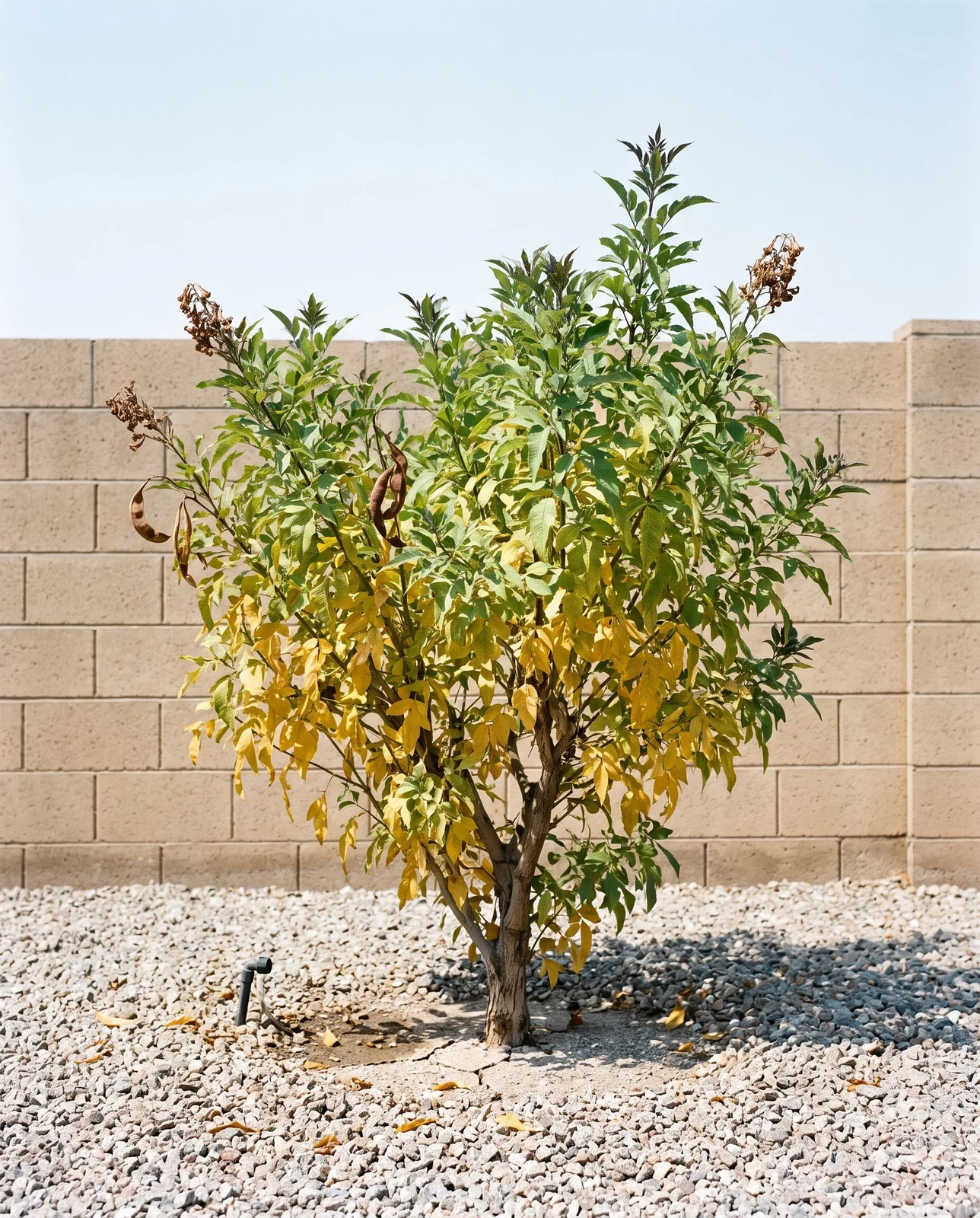
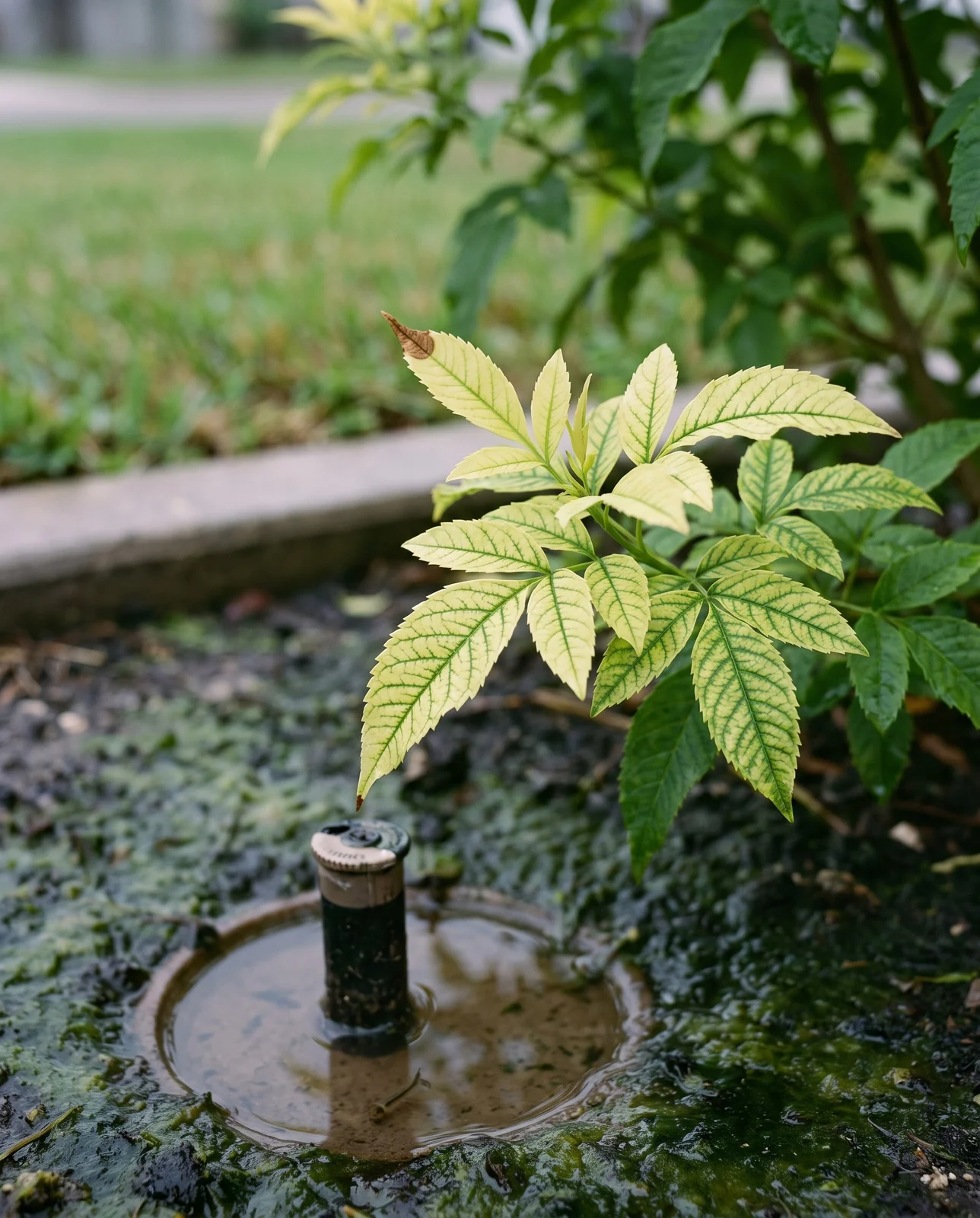
When leaves turn yellow evenly across the whole surface, starting with the oldest and lowest growth and leaving the shrub looking dull, water is usually failing to reach the roots. Check that water actually soaks down into the root ball, because while an established esperanza handles drought well, it cannot tolerate poorly drained soil.
The same yellow leaves can also come from the opposite trouble: soggy soil and poor drainage drowning the roots and stripping the green from the foliage. Watering twice a day waterlogs the ground; cut back to a thorough soak about once a week and spread shredded bark mulch over the root zone to improve drainage. Because yellowing can stem from either parched roots or waterlogged soil, testing the moisture beneath the plant tells you which problem you have. Other potential causes include damaged roots, compacted soil, high alkalinity, and nutrient deficiencies, leaving fertilizer at the very bottom of the suspect list.
Problems, most discussed first
Listed from the most common complaints down. Each item covers the symptoms, the cause, and what to do.
Symptoms: lush green foliage on a shrub that produces no flowers. Cause: fertilizer applied to a native plant that particularly dislikes it. What to do: stop fertilizing immediately.
Symptoms: stalks shooting 10 to 12 feet long in every direction despite repeated trimming. Cause: the plant may lack very hot, full sun, and cutting it back repeatedly could itself be part of the problem. What to do: give it very hot, full sun if possible, and avoid repeated cutting back.
Symptoms: stems dying to the ground during an especially harsh winter, though native forms can survive winter within their natural range. Cause: severe winter cold, which stock of tropical origin may not tolerate as well as native plants. What to do: cut back dead stems after the cold damage, before new spring growth begins.
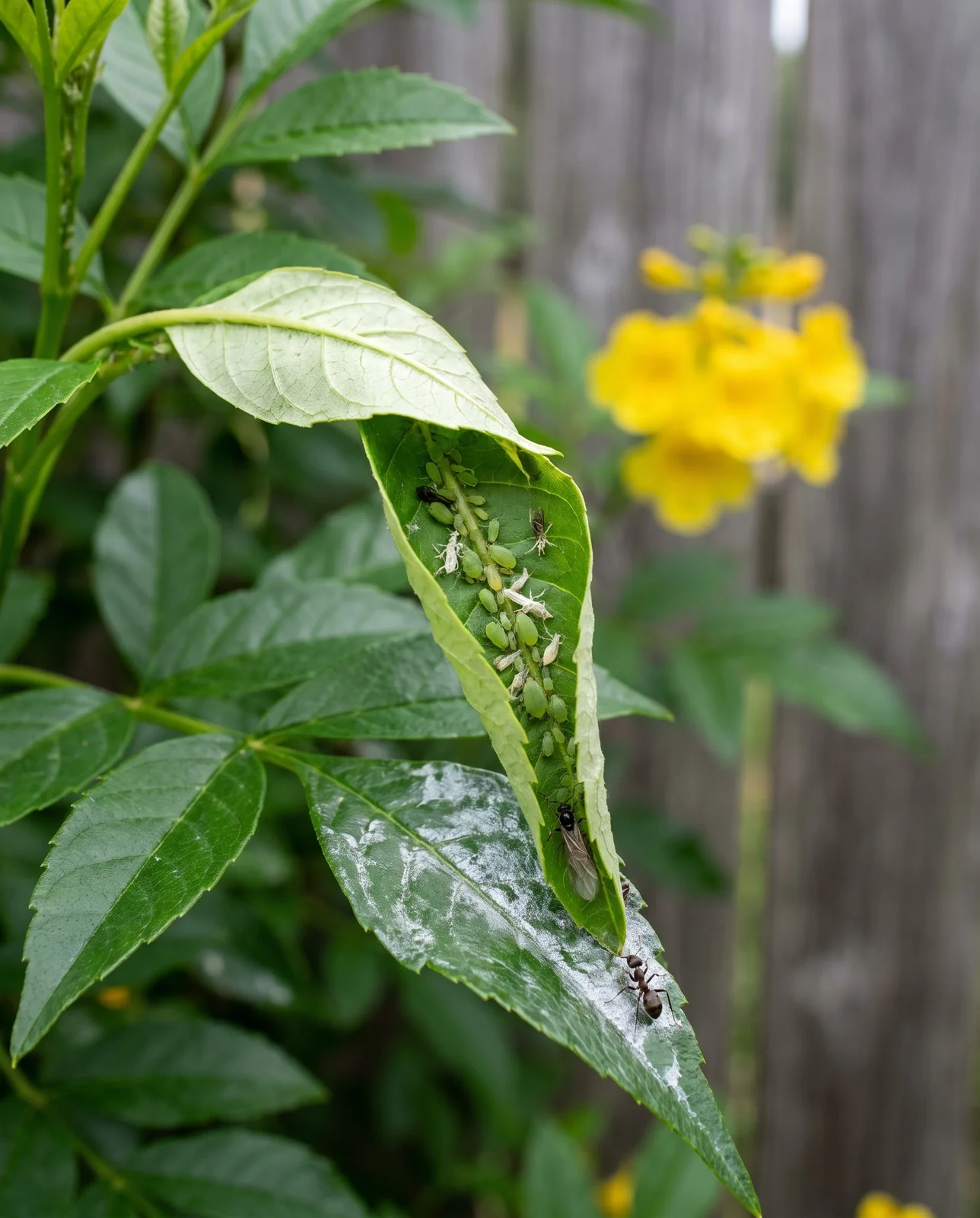
Symptoms: wrinkled or curled green leaves on a branch after a shrub freezes back. Cause: unresolved, with possible suspects including root damage, sprinkler spray, spider mites, whiteflies, or leaf-curl aphids, and rolled leaves may not have a clear diagnosis. What to do: check the undersides of the leaves for pests and verify that water reaches the roots evenly.
Symptoms: spider mites or whiteflies appearing on plants brought indoors. Cause: indoor conditions, though the species has no serious insect or disease problems in general. What to do: inspect indoor plants closely and treat pests as soon as they appear.
Symptoms: dwarf selections reaching 36 to 40 inches tall, well above their listed 18 to 24 inches, even in full sun without fertilizer. Cause: selections such as the Kalama series can grow taller than the tag promises. What to do: space dwarf varieties for the larger size so they have plenty of room.
Where and when to plant esperanza
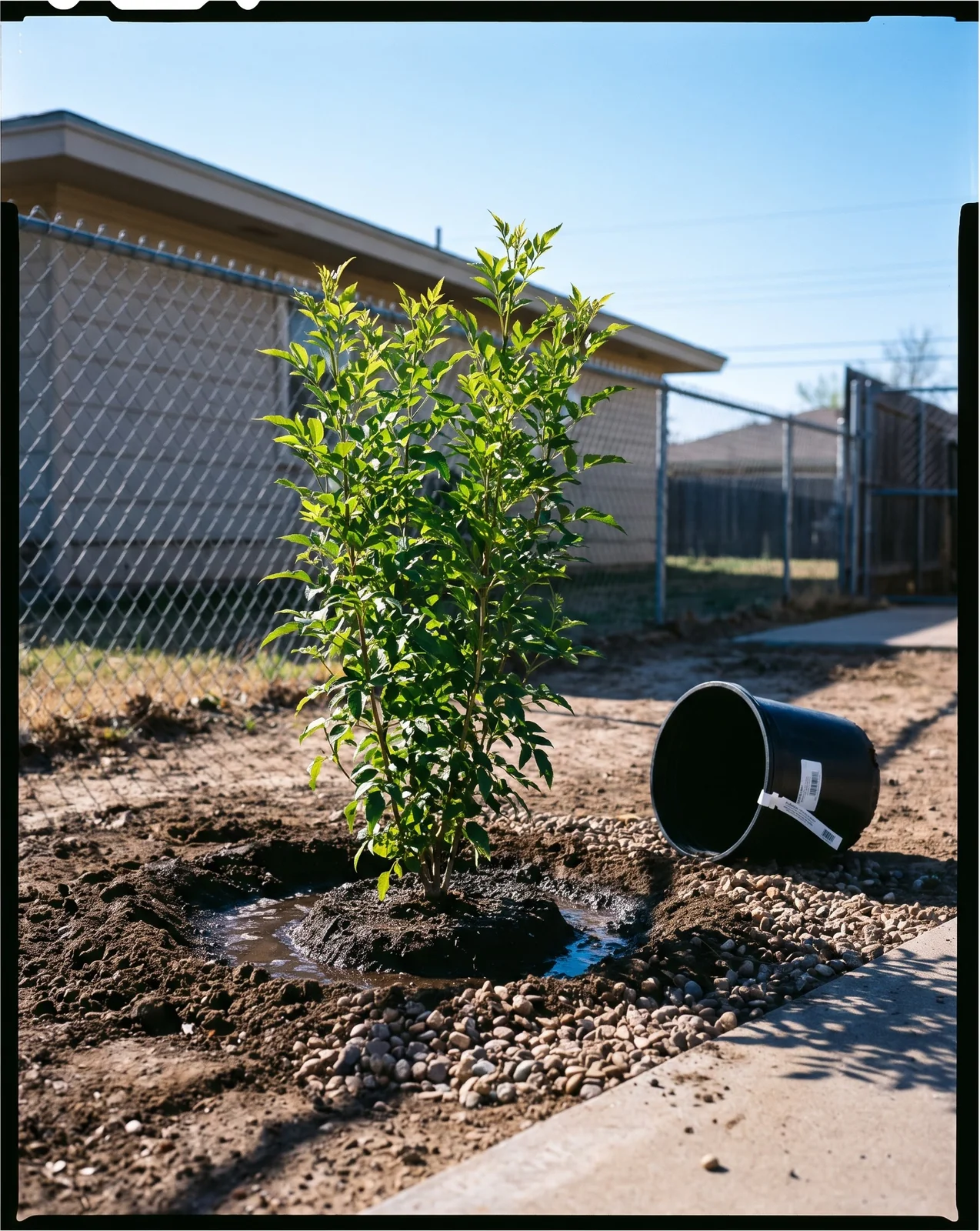
Plant esperanza in late winter or early spring, matching the window to your plant. A woody specimen goes in best in late winter while relatively dormant, but a potted plant should wait until after the last frost in early spring. Planting in spring gives the shrub many months of root growth before the first hard freeze. Timing follows your local frost date; around Fredericksburg in the Texas Hill Country, the official average last freeze is April 10.
How often to water esperanza
Water esperanza deeply, allow the soil to dry out between soakings, and treat the first season differently from the years that follow. During its first year, water the shrub regularly every week to 10 days, letting the ground dry between waterings. You can also water deeply every few days for the first few weeks, then gradually widen the intervals over the next five weeks until the roots establish. Once established, a thorough soaking once a week is plenty for a desert shrub, and running sprinklers several nights a week is far too much.
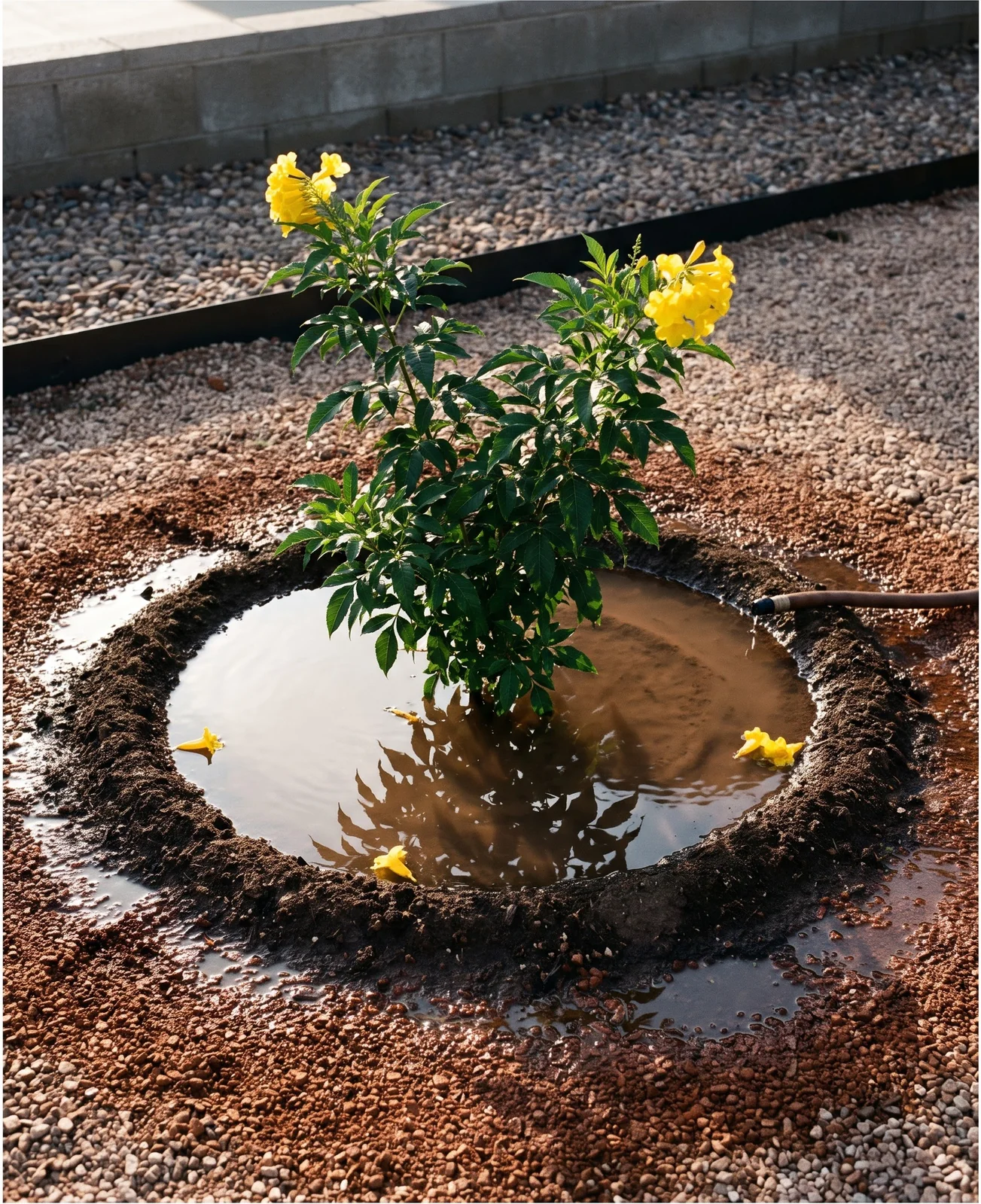
When and how hard to prune esperanza
Winter is the main pruning window, and how hard you cut depends on the variety you grow. Prune wild native forms back hard in winter to remove old seed pods and frost-bitten foliage and to prompt fresh spring growth. Dwarf varieties need far less shaping: the Kalama series requires minimal pruning, best done in late winter or early spring if you want to tidy it, while Chicklet Red needs noticeably less pruning than a full-size shrub. In Southern gardens, that late-winter pruning fits right alongside the yearly maintenance for crape myrtle.
Through the growing season, pruning becomes much lighter. Deadheading faded flowers prolongs the bloom, and the shrub tolerates light trimming as needed once it has flowered. Clear out dead wood after the spring bloom, and do light shaping whenever you wish. If you plan to save seed, gather the pods in late summer or fall once they lose their green color. If you are not saving seed, snip the pods off whenever you like to keep the shrub bushy and flowering.
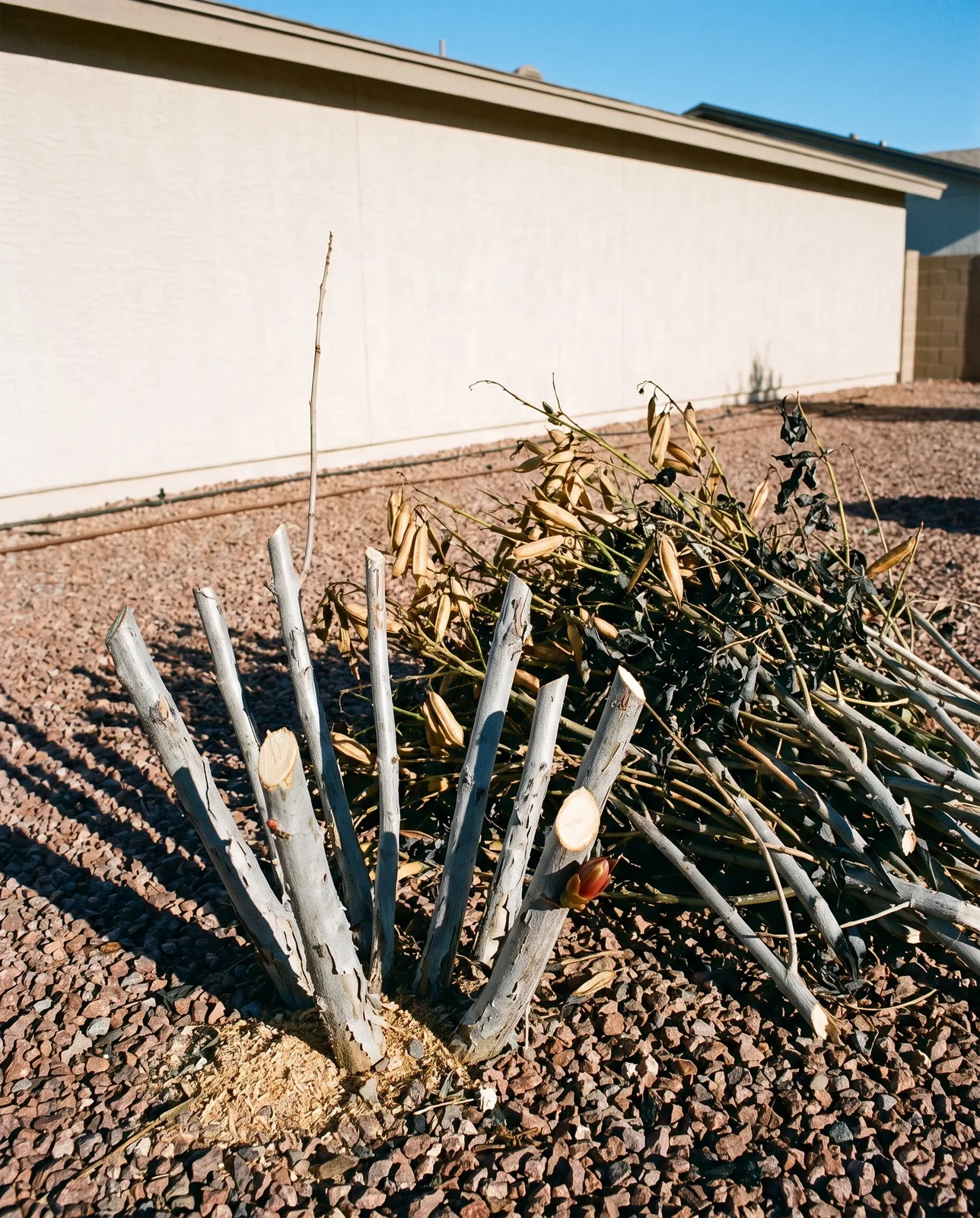
Growing esperanza in a pot
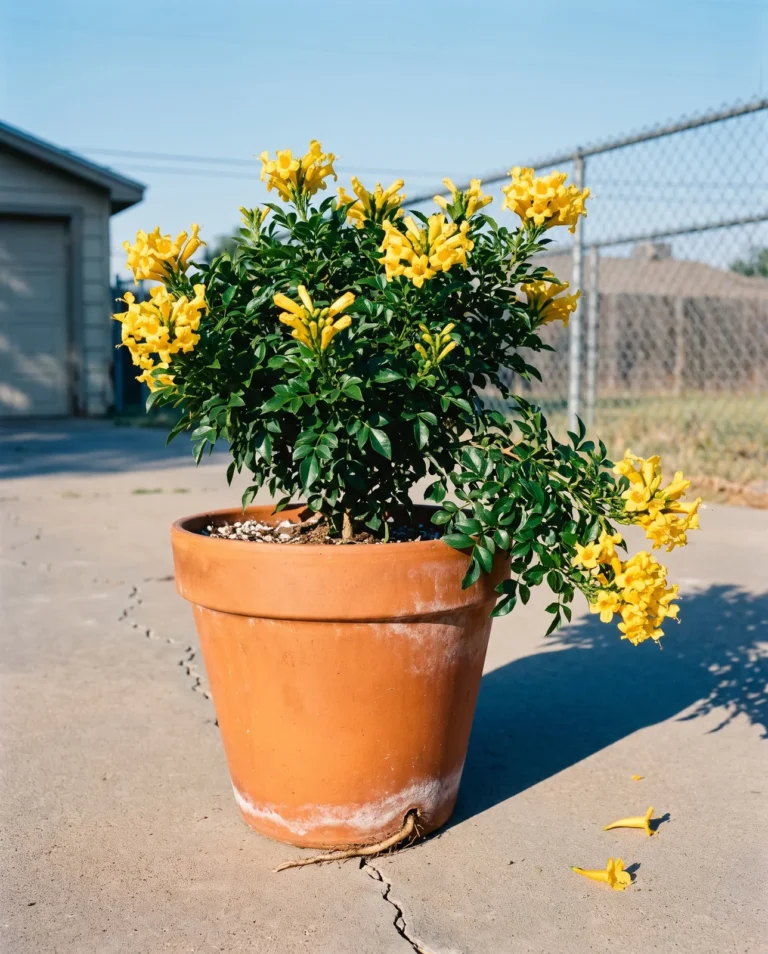
A container keeps the shrub well short of the size it reaches in open ground. In a pot or grown as an annual, Gold Star typically stops around 3 to 4 feet tall. Dwarf selections keep things compact: Chicklet Gold bears tubular yellow flowers from summer into fall and winters indoors as a houseplant in cool climates. Left unpruned, a standard plant can still reach roughly 7 feet in a 5-gallon pot. On a hot terrace, it takes baking summer sun in stride, and a container of hibiscus shares that bright space easily.
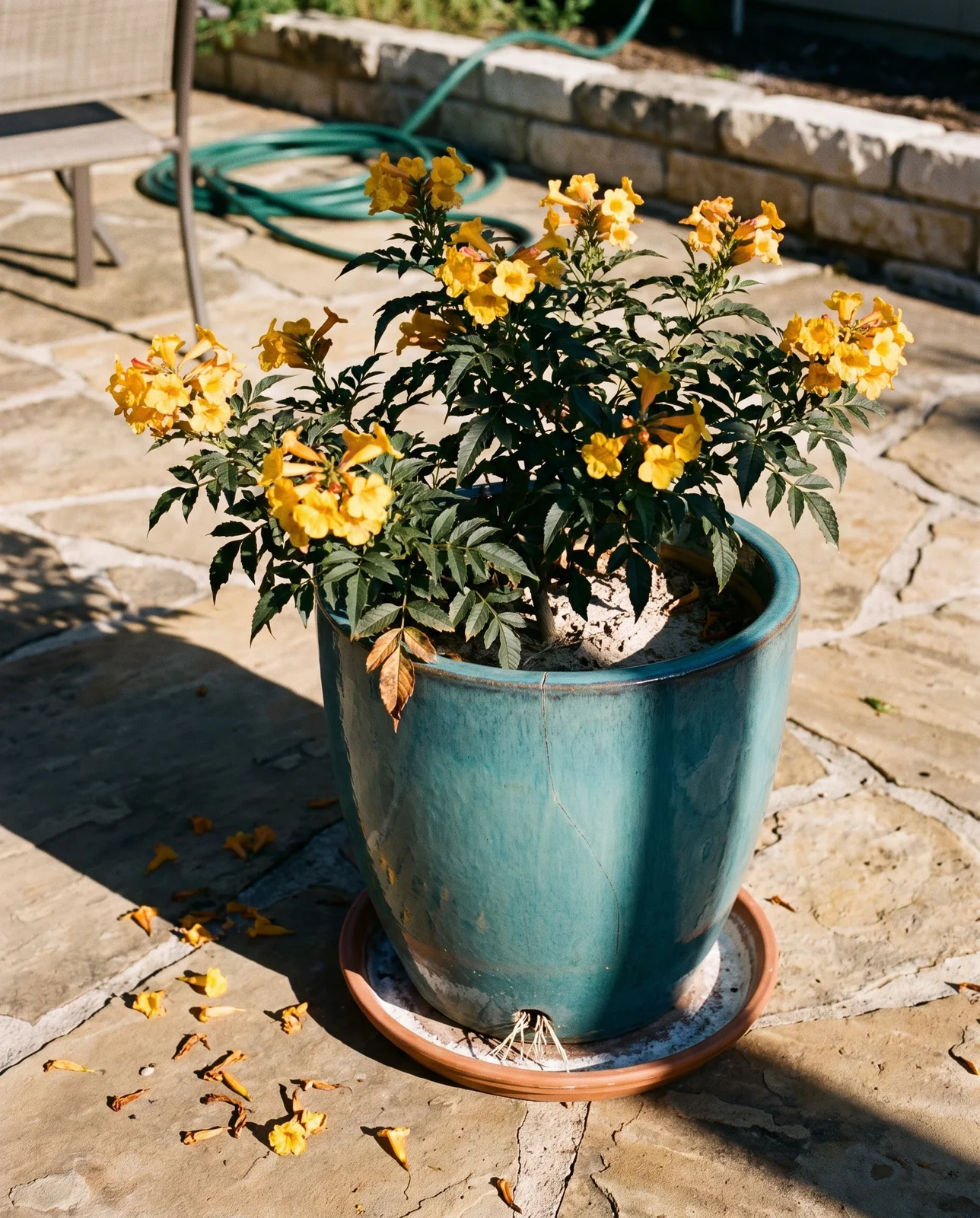
Growing esperanza north of its zone
North of its hardiness range, esperanza is grown either in a container brought indoors for winter or as a summer annual. In cold-winter areas, keep it in a pot and move it indoors to a bright, sunny room as a houseplant. Outside its hardiness range, Gold Star also works planted directly in garden beds as an annual. The shrub winters in the ground from zone 8 and warmer, while container culture suits both hot and cold climates. A container of bougainvillea winters well in that same sunny indoor spot.
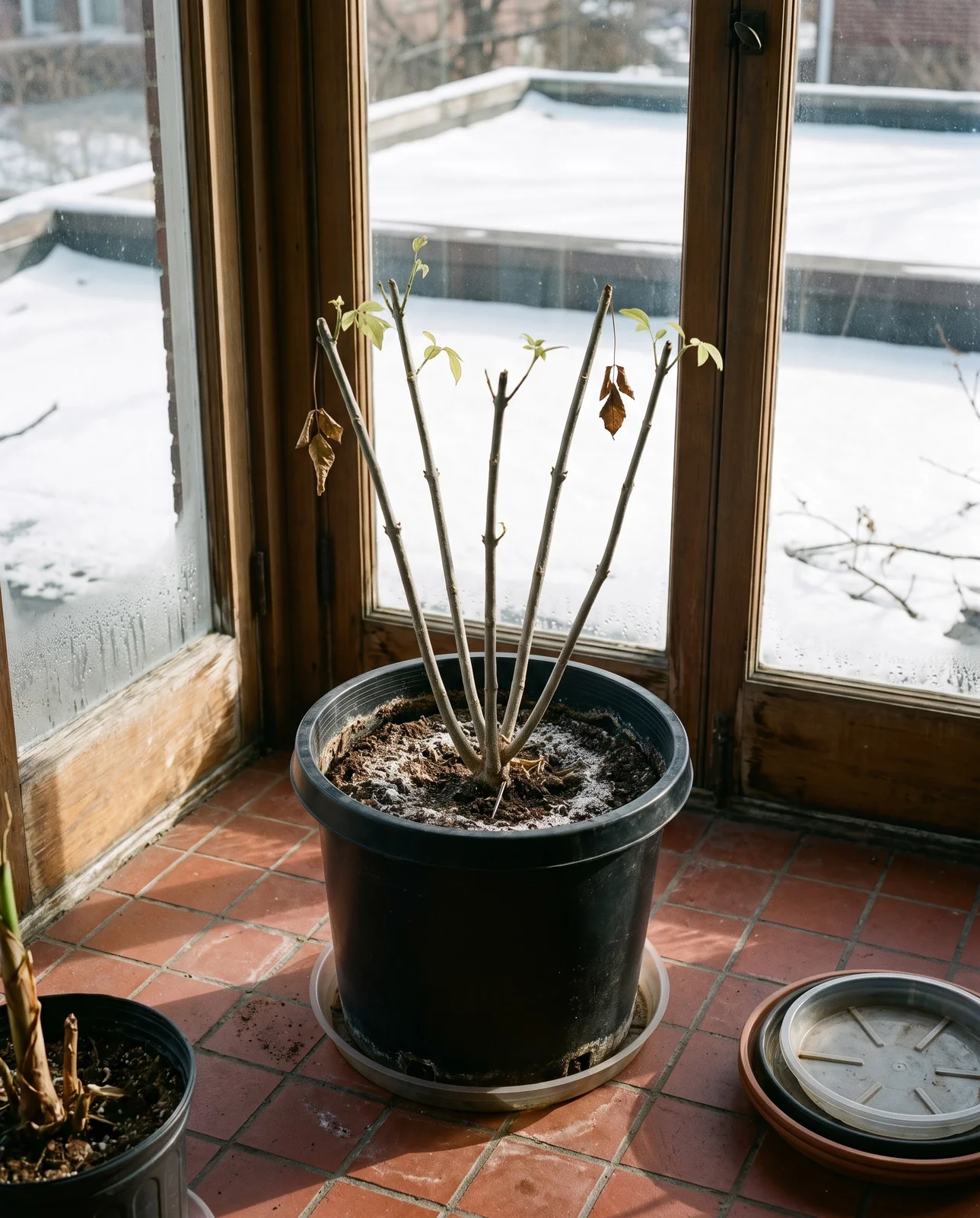
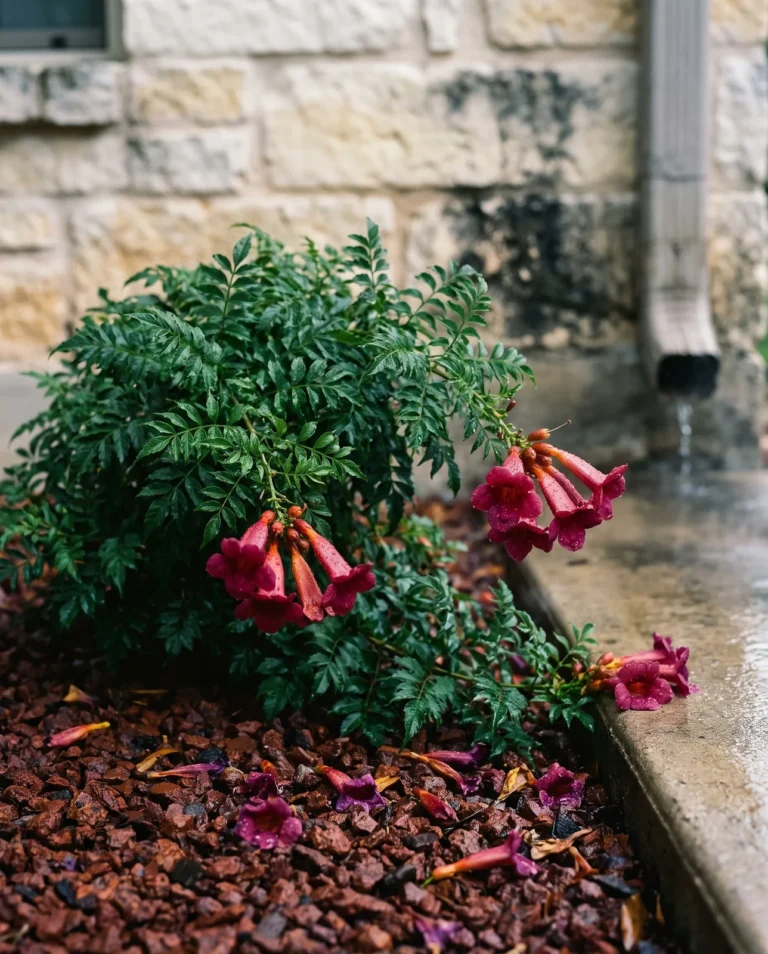
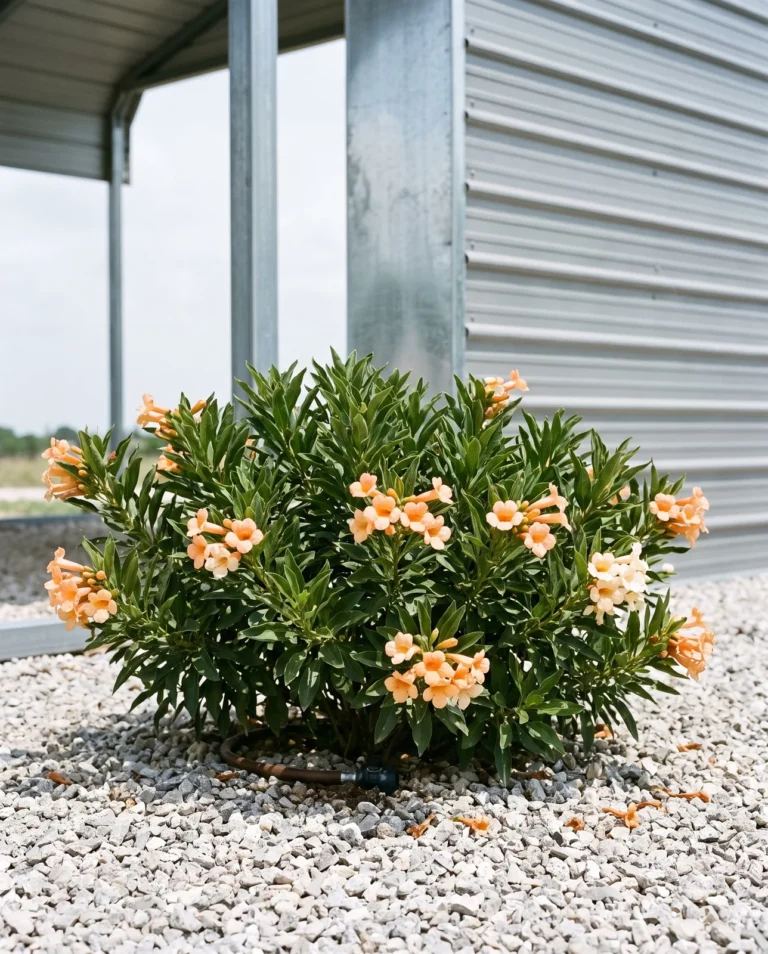
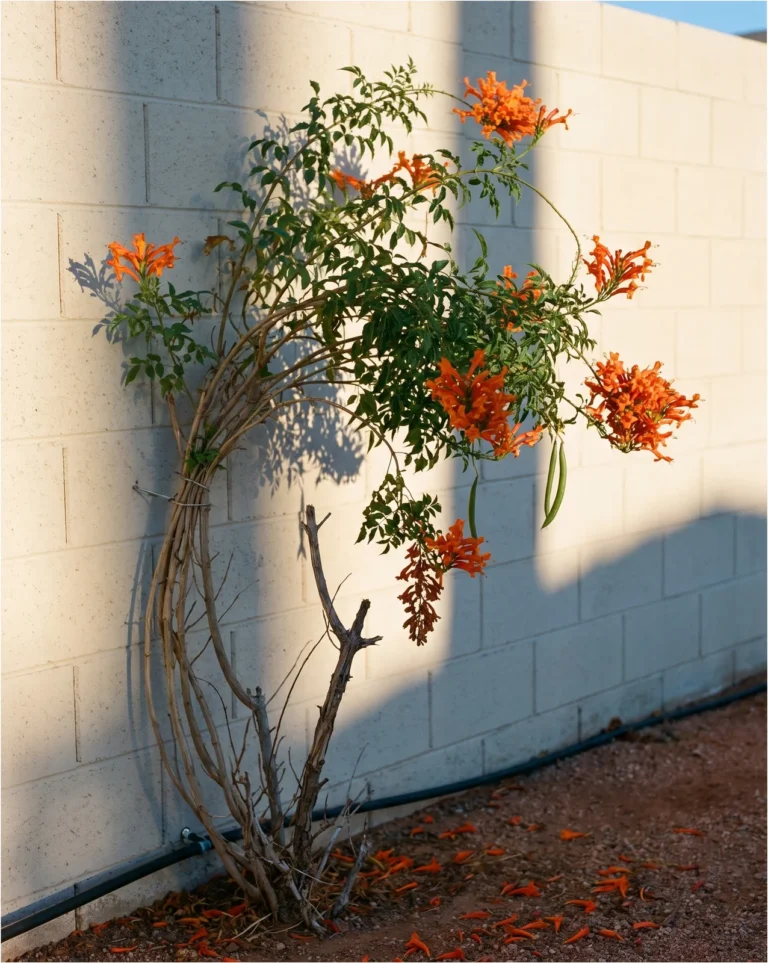
The named selections and what separates them
A look at the common selections, compared by flower color, growth habit, and breeding history.
Hummingbirds, bees and the insects it feeds
Hummingbirds visit the yellow trumpets through the day, joined by bees, butterflies, and moths, while browsing wildlife and small mammals feed on the seeds and leaves. The foliage feeds caterpillars too, serving as a larval host for both the plebeian sphinx moth and the dogface butterfly. Gold Star keeps that supply going from early summer until frost, offering nectar long after spring perennials have finished.
How fast esperanza grows
Esperanza grows at a moderate to medium pace, putting on substantial woody growth in a single season. Propagate the shrub from soft cuttings or from seeds gathered in late summer or fall once the pods are no longer green, and seedlings typically flower within two years.
How much sun esperanza needs
Esperanza blooms best in full sun, though it also thrives in part shade with low water and dry soil, enduring both heat and cold. It tolerates slight shade, and its thin leaves may droop at midday even while the flower show continues. That modest flexibility has limits, and the plant will not thrive in a shaded bed.
The soil esperanza wants
Esperanza thrives in lean, fast-draining ground, growing well in rocky, limestone-based, sandy, sandy loam, and medium loam soils. Gold Star proves widely adaptable, taking soils from slightly acidic to alkaline. Sharp drainage is essential, because waterlogged ground damages the roots and turns the foliage yellow.
How big it gets and how far apart to plant it
A standard yellow bells or Gold Star shrub reaches about 4 to 6 feet tall and wide, while the dwarf Kalama types typically measure 18 to 24 inches across. Those dwarf selections can exceed their labels, reaching 36 to 40 inches tall in open sun without fertilizer. Give shrubs generous spacing so they do not crowd one another as they fill out.
What to expect, year by year
How the shrub develops over its first seasons, from initial planting to recovery after a hard winter.
The first season centers on root establishment. Set plants out in spring to give them months of root growth before winter cold arrives. Shrubs raised from seed take a little longer, typically blooming within two years. When grown in a pot or treated as an annual, Gold Star typically tops out around 3 to 4 feet tall.
An established shrub blooms over a long season, flowering steadily from June or early summer until the first frost. It adds new growth at a medium pace through the heat, building the sturdy wood that will carry next year's blossoms.
Pruning hard in winter clears away frost-damaged foliage and old seed pods while spurring fresh growth. If the roots come through winter undamaged, the shrub regrows from the base in spring. Flowers can go missing during recovery, and a plant returning from a freeze may produce a full head of leaves without opening a single bloom.
Four things gardeners repeat about esperanza
Four common beliefs about esperanza that mislead home growers.
The myth: A plant that will not bloom needs feeding.
The reality: High-nitrogen fertilizer produces lots of leaves with few or no blooms, much as it does on lawn grass. Extra feeding harms a struggling shrub, because a plant should never be fertilized while under stress, and failing to bloom is itself a symptom of distress.
The myth: One zone number covers esperanza.
The reality: Hardiness depends on which selection you plant. The wild western form withstands cold down to zone 7 and 0 degrees Fahrenheit, while other selections are hardy to zone 10 only. Match your winter temperatures to the specific cultivar tag.
The myth: Yellow leaves mean it is getting too much water.
The reality: Whole leaves yellowing evenly from the lowest foliage up usually means water is not reaching the root ball, even on an established drought-tolerant shrub. Too much moisture causes the same yellowing: watering twice a day in poorly drained soil drowns the roots and leads to chlorosis. Check the soil moisture several inches down before changing your watering routine.
The myth: It froze to the ground, so it is dead.
The reality: During a harsh winter, the shrub may die back to the ground, but cutting away the dead top lets it regrow from the base in spring if the roots were undamaged by cold. A returning plant may spend that season carrying foliage without opening a single bloom.
FAQ
Is esperanza the same plant as yellow bells and Tecoma stans?
Yes. Tecoma stans is the botanical name, and yellow bells is the same shrub under another name, along with yellow elder, yellow trumpetbush and shrubby trumpet flower. Related orange-flowered plants often share those common names, so check for Tecoma stans when you shop for one.
Why is my esperanza not blooming?
Check what the plant has been fed first. High-nitrogen fertilizer encourages heavy green leaves with few or no blooms, much as it does on lawn grass. Lawn fertilizer drifting into the bed causes the same trouble. Sun exposure and the timing of your last pruning cut come next.
When should I cut back my esperanza?
Prune in winter. Cut wild western forms back hard during winter to clear away old seed pods and frost-damaged foliage and spur fresh growth. Dwarf selections need minimal trimming, though late winter or early spring is best if you want to shape them. Any dead wood is usually cleared away after the spring bloom.
How often should you water esperanza?
Water every week to 10 days during the first year, letting the soil dry out between waterings. Once established, watering once a week is plenty for a desert shrub like this.
Will esperanza come back after a freeze?
It can regrow from the roots. If a harsh winter kills the top growth, cut the stems to the ground, and the shrub will regrow in spring if cold did not damage the roots. Returning and flowering are separate matters, though: a frozen plant can return in full foliage yet produce no blooms that season.
Do hummingbirds like esperanza?
Yes, hummingbirds visit readily, and they share the shrub with butterflies, moths, small mammals and browsing wildlife. The plant also feeds caterpillars as a larval host for the plebeian sphinx moth and the dogface butterfly.
Do esperanzas do well in pots?
Yes, they do well in pots, though they stay smaller than in the ground. Grown in a container or as an annual, Gold Star typically reaches only 3 to 4 feet tall. Compact dwarf selections suit containers especially well, and you can keep them as houseplants or seasonal annuals in cooler climates.
How fast does an esperanza plant grow?
It grows at a moderate, medium pace once established in the ground. If you start a plant from seed, seedlings typically bloom within two years.
Is esperanza toxic to dogs and cats?
The ASPCA does not list esperanza under any common or botanical name, so there is no official toxicity rating for dogs or cats. Treat the shrub as unlisted, and check with your veterinarian if your pet chews on it.
Is Orange Jubilee the same thing as esperanza?
Orange Jubilee is a distinct cultivar with orange flowers, grown alongside varieties like Sunrise with its copper-veined yellow blooms. Orange-flowered shrubs sold as esperanza or trumpet bush can also be Tecoma fulva, a related species that shares those same common names.
Interesting tips
- The thin leaves may droop at midday while the flower show continues, so check the soil before reaching for the hose.
- Seedlings lift and move easily, and they will bloom within two years.
- Gold Star is highly pest resistant, but on plants kept indoors, watch for spider mites and whiteflies.
Related Guides & Flowers
Oleander
The other Sun Belt shrub grown for months of bloom on hot, dry ground.
Plumeria
The tropical shrub cold zone gardeners carry through winter in a pot.
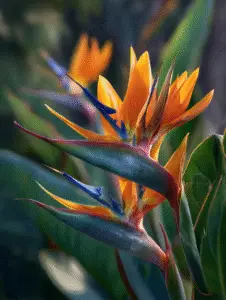
Bird of paradise
Another warm climate plant grown for the shape of its flower.
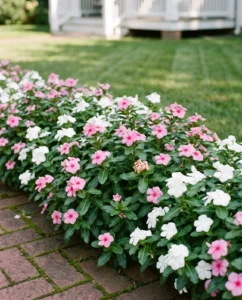
Vinca
The heat and drought annual that fills the same beds through a Southern summer.
Enjoying our flower guides? Add YourFlowersGuide as a preferred source on Google. It helps more readers find us.
Add to Preferred Sources