Mother's Day Flowers Guide | Step-by-Step
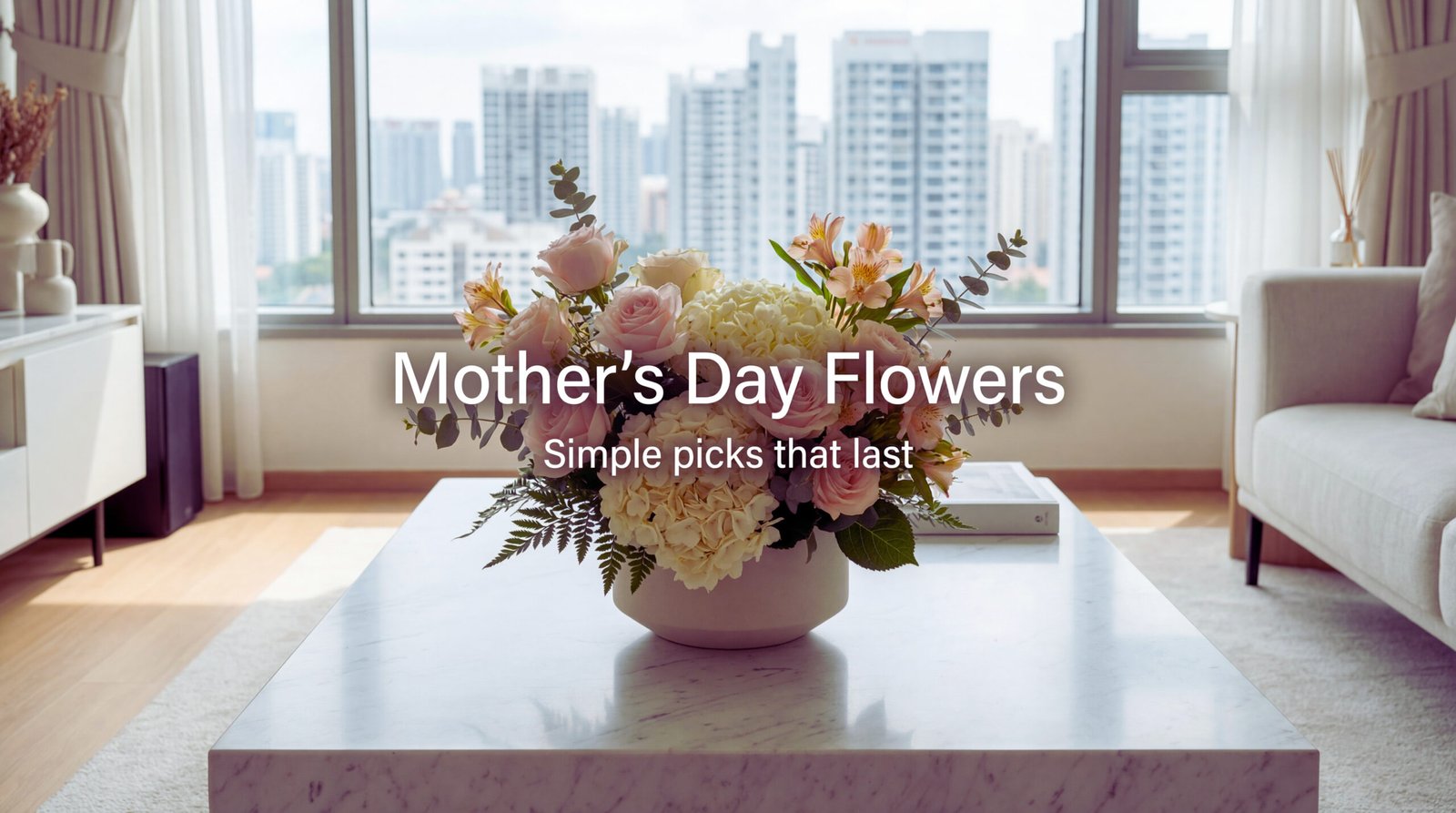
Mother’s Day flowers are easier to get right with a clear plan and a few smart defaults. This guide walks through what to buy, how to style it, and how to avoid common mistakes. The goal is a gift that looks great today and stays enjoyable for days.
Mother’s Day gifting works best when the flowers match the receiver’s everyday style and the reality of where the gift will live. A soft, classic bouquet feels right for many moms, while a cleaner, modern mix can be perfect for someone who likes a simple home. For classic and widely loved picks, Roses and Peonies read as instantly special, and Tulips or Hydrangea keep the look fresh without feeling fussy. When the day is busy, familiar flowers are also easier to find in good quality.
For seasonal and easy-to-find choices around Mother’s Day, Tulips, Daffodils, Ranunculus, and Lilacs often show up in grocery stores and florists, and they look great even in smaller bunches. Seasonal does not have to mean delicate. A few sturdy stems in season can still feel thoughtful, especially with a simple color plan.
For long-lasting winners, Alstroemeria, Chrysanthemums, and Carnations are known for good vase life, which matters when the flowers need to look good for several days. Add texture with Spray roses or a few stems of Eucalyptus or other greenery so the bouquet stays full as it opens and shifts. This is a smart way to make a mid-range budget look more generous.
For low-fragrance or allergy-friendlier options, lean toward flowers that read clean and lightly scented like Tulips, Hydrangea, Orchids, Ranunculus, and Gerbera daisies. If sensitivity is unknown, skip strongly perfumed blooms and ask for any visible pollen to be minimized. Many bouquets can be designed to look lush without relying on heavy scent.
Budget-smart picks are not “cheap” when styled well. Carnations, Daisies, Alstroemeria, and Spray roses can look elevated with a tighter palette and a clear focal point. Potted plant gifts are another strong value for someone who does not want a vase project, and Phalaenopsis orchids, Kalanchoe, African violets, and spring Azaleas bring color for weeks with simple care. For a grow-it-yourself angle, a packet of Zinnia or Sunflower seeds, or a small pot of herb starts, feels personal when paired with a note about where to place it and when to water.
If unsure, choose this simple combo:
- Tulips + Alstroemeria in soft pinks and whites
- Add one bunch of greenery for shape and fullness
- Choose a medium vase-friendly size, not an oversized armful
- Keep fragrance light unless it is clearly wanted
Table of Contents

The Step-by-Step Plan
Mother’s Day flowers feel easier to choose when the gift is treated like a small project with a clear finish line. First pick the gift path: cut flowers for instant impact, a potted plant for longer enjoyment, or a grow-it-yourself start for a personal touch.
Next, decide what matters most today. Is the priority a “wow” look, a low-fragrance bouquet, or a gift that travels well to work or a hospital? Think about the receiver’s routine and space, not just favorite colors. If the mom loves arranging, loose stems wrapped in paper can be a fun gift. If the mom wants zero fuss, an already-arranged bouquet or a neat orchid pot is more likely to get enjoyed. When shopping in a grocery store, choose fewer varieties that look fresh rather than a mixed bunch with tired leaves.
- Set the delivery or handoff time, then back up at least a day for shopping or florist ordering.
- Choose the gift path: bouquet, potted plant, or starter kit, based on how much care the receiver wants.
- Pick a simple color direction (two main colors plus one neutral) to avoid a mixed, messy look.
- Decide the size by the vase or space, not by the price tag, and aim for a medium, table-friendly bundle.
- Select one focal flower (like Roses or Tulips) and one supporting flower (like Alstroemeria).
- Add greenery for shape and fullness, and ask for a rounded, easy-to-place silhouette.
- If fragrance or allergies are a question, skip strongly scented blooms and keep visible pollen minimal.
- If pets are in the home, avoid high-risk choices and ask for safer swaps before the bouquet is tied.
- Write the message in one clear sentence that matches the relationship and the mood.
- Plan care: a clean vase, fresh water, and a quick trim are more important than fancy additives.
For a $30-$75 budget, keep the design tight and spend on freshness, not on lots of different flower types. For an office or hospital setting, choose a smaller arrangement and prioritize low scent and easy transport.

Color Palettes That Always Work
Color is the quickest way to make Mother’s Day flowers feel intentional. A good palette also helps a budget bouquet look polished, because the eye reads it as a plan.
Blush and Cream feels tender and classic, with a calm, warm mood. It suits a mom who likes timeless decor or soft makeup tones. Pair Roses or Tulips with white supporting flowers and airy greenery. The common mistake is adding too many extra colors, which turns gentle into busy.
Peach and Soft Green reads sunny but not loud, like a fresh morning. It works well for a practical mom who prefers clean spaces and light neutrals. Think peach Carnations or Ranunculus with soft green accents like eucalyptus or bells of Ireland, and keep the whites quiet in the background. A kraft paper wrap or a simple glass vase matches this palette well. The common mistake is going too orange, which can feel more fall than spring. Another mistake is mixing in bright neon greens, which can overpower the flowers.
Pink and Berry brings a playful, cheerful mood and looks great in photos. It fits a mom who likes bold accessories or bright lipstick, and it also works for “mom friends” and teachers. Mix pink Roses with berry-toned Alstroemeria or chrysanthemums for staying power. The common mistake is choosing a dark burgundy without lighter pinks, which can read heavy for Mother’s Day.
Yellow and White signals gratitude and warmth without needing a fancy flower list. It is a strong choice for grandma, a stepmom, or anyone who likes a bright kitchen vibe. Combine yellow Tulips or daisies with crisp whites and simple greenery for contrast. The mistake is letting the bouquet go all yellow, which can feel flat, so keep white as the anchor.
Lavender and Ivory feels thoughtful and slightly modern, with a gentle, calming mood. It suits a mom who likes spa colors or soft sweaters, and it can look expensive even at mid-range size. Use lavender stock or lisianthus with ivory roses or ranunculus, and keep greenery minimal for a clean look. The mistake is mixing lavender with strong red, which usually clashes and pulls the palette off course.

Bouquet Styles and Sizes (What Looks Expensive vs Budget)
Bouquet style changes how expensive the same flowers look. A loose, garden-style bouquet with mixed textures feels romantic and high-end, but it can also look messy if the colors are not controlled. A tighter, round bouquet with one main color looks cleaner and often photographs better, which is why it is a safe choice for Mother’s Day.
Size should match the home and the vase. A small bouquet can feel premium when the stems are high quality and the design is intentional, while a very large bouquet can feel awkward on a small table. For most homes, a medium bouquet that fits a standard vase looks generous without taking over the room. If the gift is going to work, a compact arrangement that stays stable in a car and fits on a desk is usually better than a long, wide bouquet.
When in doubt, pick smaller and cleaner.
A premium look without a premium price comes from structure. Choose one focal flower, one long-lasting supporting flower, and greenery, and keep the palette tight. Ask the florist to place the focal blooms slightly higher and to hide filler flowers inside, so the bouquet reads full from the outside. Even a grocery store bundle can be improved by removing damaged leaves and rewrapping it in simple paper with a clean ribbon.
Potted plants also have styles. A basic orchid or violet looks more like a gift when it is in a clean cachepot or wrapped neatly, and the top of the pot is finished with moss or small stones to hide the soil. For a grow-it-yourself gift, presentation matters more than the seed packet. A small container, a scoop of potting mix, and a short care note turn a cheap item into something that feels personal.
Small upgrades that read premium:
- Use one standout focal flower type instead of four random kinds
- Add greenery with shape (eucalyptus, ruscus, or salal)
- Choose an odd number of focal stems in small bouquets
- Swap bright cellophane for kraft paper or a simple vase
- Include a card with one clear sentence and the delivery date
By Recipient (Ideas That Match the Relationship)
Mom usually appreciates a gift that feels personal, even when the flowers are common. A cut bouquet is often the easiest win, especially with a soft palette and one clear focal flower like Roses or Peonies. Add supportive stems such as Alstroemeria or Spray roses so it stays full for days. If the mom loves plants, a Phalaenopsis orchid in a clean pot works as a long-lasting alternative. Message: “Happy Mother’s Day, Mom. Love you.”
Grandma often does best with something easy to handle and easy to enjoy. A compact bouquet of Tulips or Daisies in a short vase works well, and a potted African violet or Kalanchoe can keep blooming with simple water. Choose softer fragrance when possible, and keep pollen minimal by avoiding open, dusty centers. If the gift will be delivered, pick sturdy stems that will not bruise in transit. Message: “Thinking of you today and always.”
Mother-in-law gifts feel safest when they are tasteful and not overly personal. A medium arrangement in whites and blush with Roses, Hydrangea, or Ranunculus reads polished and respectful. Keep the shape neat, add greenery for structure, and avoid novelty items that could feel like a joke. A potted orchid is also a strong choice when taste is uncertain. Message: “Happy Mother’s Day. Wishing you a lovely day.”
New mom benefits from low-effort and high comfort. Choose a smaller bouquet that fits on a nightstand, with low-fragrance flowers like Tulips, Hydrangea, or Ranunculus. Avoid heavy pollen and avoid very tall stems that can tip a vase during busy days. If a plant is preferred, pick something forgiving like Kalanchoe rather than a fussy flowering plant. Message: “You are doing an amazing job. Happy Mother’s Day.”
Partner who is a mom often deserves a gift that feels a little more special than the default. A cut bouquet with a romantic focal point like Peonies or garden-style Roses can carry that message, and a deeper accent color in a mostly soft palette keeps it adult and modern. Pair it with a simple vase so the gift is ready to display. For a grow-it-yourself twist, add a small pot of herb starts or easy seeds as a “future” gift that keeps giving. Message: “Happy Mother’s Day. You make our home better every day.”
Teacher or mentor figure works best with an easy, modest bouquet or a small plant, such as Tulips and Daisies or an African violet. Message: “Thank you for all you do. Happy Mother’s Day.”

By Setting (Home, Office, Hospital, Event Venue, Outdoor)
Setting changes what “best flowers” means, because the same bouquet can behave very differently on a kitchen table versus a front desk. Plan for where it will sit, how it will travel, and who will have to move it.
Home gifts can be a little fuller and more relaxed. A medium bouquet that fits a standard 8-10 in (20-25 cm) vase is usually the sweet spot, and loose stems can be perfect if the mom enjoys arranging. Deliver or hand it over early in the day so it can be placed in water quickly. If the home has pets or small kids, keep the vase stable and avoid very tall stems that can topple.
Office gifts should be compact, sturdy, and low-scent. Choose a shorter arrangement that fits on a desk and does not drip during travel, and consider a florist-arranged piece in a container so no vase is needed. Flowers with heavy pollen or strong fragrance can bother coworkers, so avoid very perfumed blooms and keep pollen minimal. Delivery timing matters more at work, so aim for mid-morning on a weekday and include the recipient’s desk location if possible.
Hospital settings usually call for the simplest, lowest-fragrance option. Many units prefer smaller arrangements and may restrict strong scents, open pollen, or large vases, so a compact bouquet in a container or a small potted plant is often safest. Choose clean-looking flowers like Tulips, Roses, or an orchid, and avoid flowers known for heavy scent or messy pollen. Make the card message short and readable, and include the recipient’s full name and room details to reduce delivery delays. If there is any doubt, choose the smallest arrangement and keep fragrance very light.
Event venue and outdoor gifting needs transport thinking. For brunches, ceremonies, or outdoor photos, pick a bouquet that can handle a short time out of water and use a flower bag or box so stems do not bruise in the car. Wind and sun can dry flowers fast, so keep the bouquet shaded and avoid very delicate blooms if it will be held for a while. A potted orchid or kalanchoe can be easier to carry than a large bouquet, and it is less likely to wilt during the event.
Fragrance, Pollen, and Allergy Notes (Always Include)
Fragrance can be a gift, but it can also be the fastest way for flowers to become a problem in a small room. Some people love a scented bouquet, while others get headaches or feel irritated around strong perfume. When the preference is not known, it is safer to treat fragrance as optional, not required.
When in doubt, keep fragrance light.
A low-fragrance direction starts with flower choice and design. Use cleaner blooms like Tulips, Hydrangea, Ranunculus, Gerbera daisies, and many Orchids, and build fullness with greenery instead of strongly scented accents. Skip heavily perfumed flowers and avoid adding scented extras near the bouquet. If a scented flower is important, keep it to one or two stems so the scent stays soft rather than filling the room. This approach also tends to be easier on a tight budget.
If allergy sensitivity is unknown, choose structure over scent. Ask the florist for flowers with minimal visible pollen and request that any obvious pollen-bearing parts be removed when possible. At home, place the bouquet away from vents and avoid shaking blooms that drop pollen. A simple pollen tip is to remove leaves below the waterline and keep the water clean, because old water can smell and make the whole arrangement feel “stronger” even when the flowers are mild.
A safe default bouquet plan is a medium, rounded mix built around Tulips or Roses, supported by Alstroemeria or chrysanthemums, and finished with greenery. It looks celebratory, it travels well, and it usually avoids the strongest fragrance triggers. If the gift is going into a shared space, keep the size modest and add a note that the flowers can be moved to a more open area if needed.

Pet Safety and Toxicity (Short, Practical)
Pet safety matters on Mother’s Day because flowers often end up on coffee tables, low counters, and bedside stands. Some popular blooms can be toxic if chewed, and cats in particular can get into trouble fast.
The safest approach is to assume a curious pet might nibble, even if the household says the animal “never touches plants”. If there are cats, avoid lilies entirely, since they are widely treated as a high-risk choice. Bulb flowers like Tulips and Daffodils can also cause problems if a pet chews plant parts, so swap them out when pet safety is a priority. A practical swap logic is simple: replace higher-risk blooms with sturdier, commonly lower-risk flowers, and use greenery to keep the bouquet full and celebratory. Keep the arrangement in a heavier vase that is hard to tip, and pick a placement the pet cannot reach. Clean up fallen petals or leaves the same day, because those are the pieces pets often mouth first. When ordering, ask for a tighter, lower arrangement that does not hang over the vase edge. If the home has multiple pets, a small orchid on a high shelf is often easier to manage than a large mixed bouquet.
Safer alternatives (still use common sense and keep out of reach):
- Roses (watch thorns)
- Gerbera daisies
- Orchids
- Snapdragons
- Sunflowers

Care Tips to Extend Life (Cut Flowers + Potted Gifts + Starter Plants)
Flowers last longer when the first 24 hours are handled well. Most “flower problems” come from dirty water, crushed stems, or heat, and those are easy to avoid with a few simple habits.
Cut flowers
Start with a clean vase and cool, fresh water. Trim 1-2 in (2-5 cm) off the stems at an angle so they can drink well, and remove any leaves that would sit below the waterline. Keep the bouquet out of direct sun and away from heat sources like ovens and radiators, and do not park it next to a fruit bowl. Change the water every day or two, and give stems a quick re-trim if they look limp. Avoid overcrowding the vase, because tight stems bruise and rot faster, and do not top off cloudy water without dumping and rinsing the vase first.
Potted gifts
Most potted flowering gifts fail from overwatering, not underwatering. Check soil moisture with a finger, water only when the top inch feels dry, and never let the pot sit in standing water inside a decorative cover. Give bright, indirect light unless the plant tag says otherwise, and keep it away from drafts. If blooms fade, pinch or trim spent flowers so the plant can focus on new growth.
Grow-it-yourself starters (first 2 weeks)
Keep the first two weeks simple and consistent. Use a small pot with drainage and a light potting mix, keep the surface evenly damp but not soggy, and place it in bright light. If starting from seed, label the pot and thin crowded sprouts early so stems do not stretch and flop. Move seedlings to a slightly larger pot once roots fill the starter container, and introduce a little outdoor sun gradually if they will be planted outside.
Day-1 care:
- Put flowers into clean water within 2 hours of receiving them
- Remove any leaves below the waterline
- Trim stems 1-2 in (2-5 cm) at an angle
- Keep away from direct sun, heat, and ripening fruit
- Refresh water the next day

FAQ + Common Mistakes
When should Mother's Day flowers be ordered?
Ordering a few days ahead is safer for delivery and popular flowers. For pickup, buying the day before can work if the bouquet goes into water right away.
What is the safest "can't miss" bouquet?
A medium, rounded mix of Roses or Tulips with Alstroemeria and greenery works in most homes and offices. Keep to two main colors and one neutral.
How can a $30-$75 budget look generous?
Buy more stems of fewer varieties and use long-lasting support flowers. A clean wrap or a simple vase improves the look immediately.
What if allergies are a concern?
Choose a low-fragrance mix and avoid blooms with lots of visible pollen. If sensitivity is unknown, treat “mild” as the default.
Are potted plants a good Mother's Day gift?
Yes, especially for someone who likes plants or does not want to arrange stems. Choose a plant that matches the light in the home.
What is best for a hospital or shared space?
Go smaller and lower scent, ideally in a container or as a modest potted plant. Include clear recipient details to prevent delivery delays.
Can flowers be shipped long-distance?
Shipped bouquets can work when they are opened and hydrated quickly. Choose sturdy, common varieties and keep the design simple.
What should the card say if words are hard?
One clear sentence is enough. Mention appreciation and match the tone to the relationship.
Common timing mistakes include ordering too late for a preferred window, leaving flowers in a hot car, or gifting blooms without time to get them into water. Small delays add up, and heat is the fastest way to shorten vase life.
Style mistakes usually come from trying to add everything. Too many colors, too many flower types, and too much filler make even expensive stems look chaotic. A tight palette and one clear focal flower almost always reads better.
Allergy, pet, and care mistakes happen when assumptions are made. Bringing strong fragrance into an office, choosing pollen-heavy blooms for a small room, or sending lilies to a cat home can turn a kind gift into a problem. Dirty vases, leaves in the water, and never changing water shorten vase life quickly.
A Mother’s Day flower gift does not need to be complicated to feel meaningful. Pick the path that fits the mom and the setting, keep the palette simple, and handle care on day one. The result is reliable, beautiful, and easy to repeat every year.
Written by: Your Flowers Guide editorial team
We are a small independent group of flower lovers who research and review each guide using trusted horticultural and educational sources. Learn more about us