Contents

Petunia

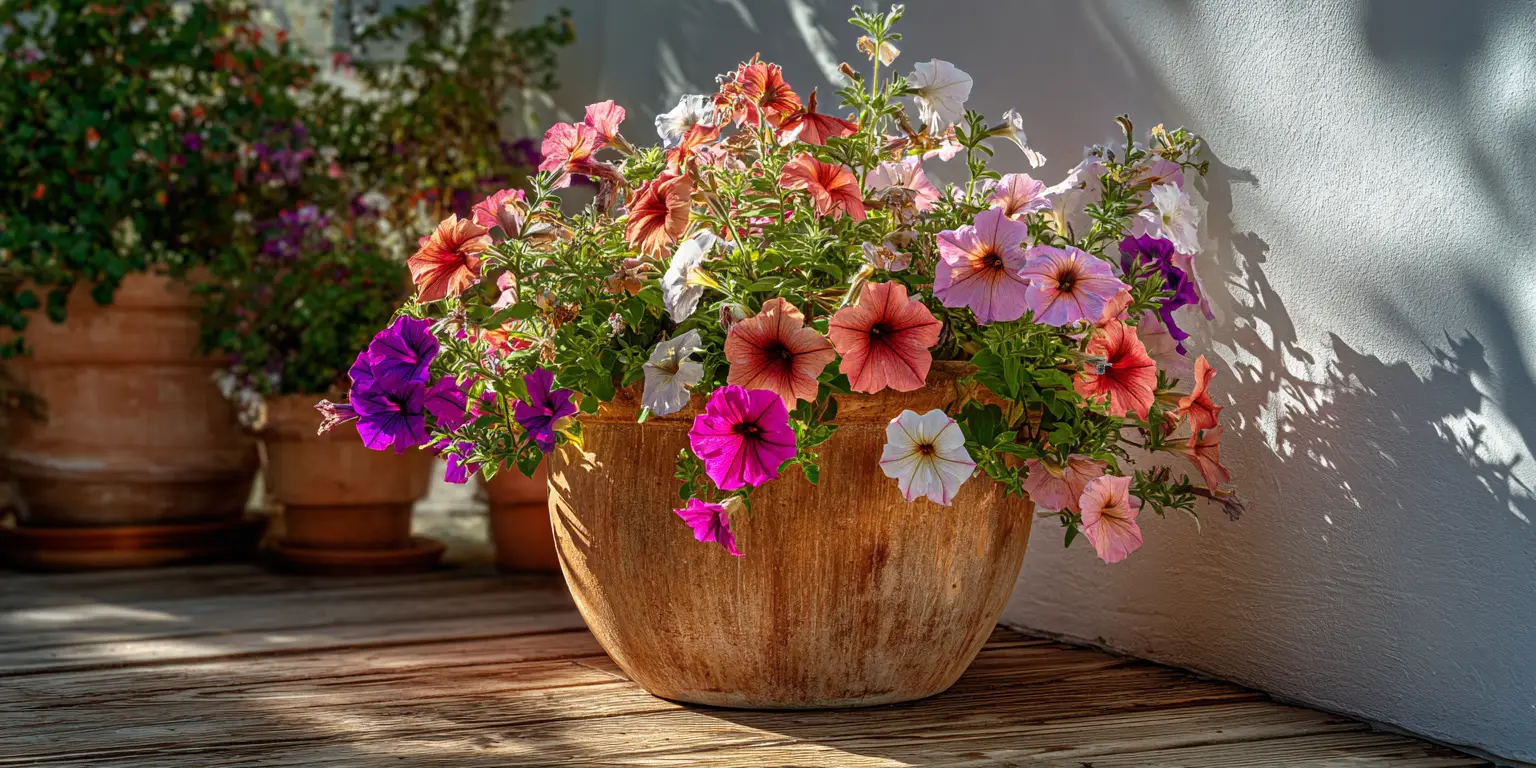
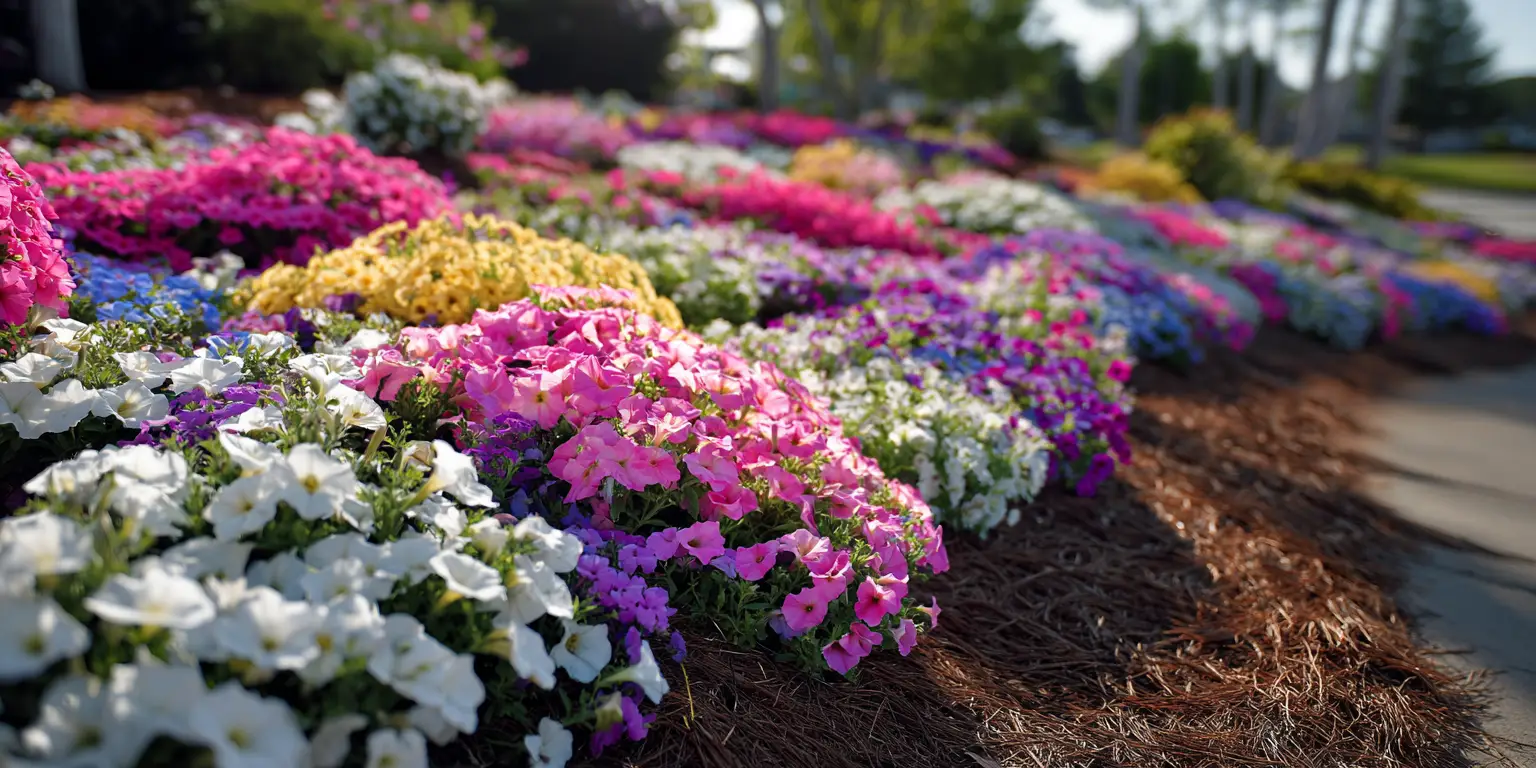
Petunias are popular flowering plants known for their brilliant, trumpet-shaped blooms and long-lasting display in gardens and containers. They are among the most beloved summer annuals, carpeting garden beds and spilling from hanging baskets with continuous color. Petunia flowers come in nearly every hue imaginable – you can find red, pink, yellow, white flowers, even violet-toned blue flowers and varieties so deep purple they appear as black flowers. This wide color range, including solids, bicolors, and patterns, makes petunias versatile for any design scheme. Gardeners often mass-plant them for a vibrant carpet of color, or mix them with other annuals like cosmos and zinnias for a dynamic, season-long flower show. Petunias have a mounding to trailing habit and bloom profusely from late spring until frost, providing reliable summer cheer. They are relatively easy to grow and care for, which contributes to their popularity in home gardens. While petunias are technically tender perennials, they are usually grown as annuals in most climates due to their sensitivity to cold. With proper care, these plants will reward you with non-stop blooms and even attract butterflies and hummingbirds to your garden.

Petunia Flower
Infographic of petunia (Petunia) showing plant size and care basics. Height 0.5 to 1.5 ft (0.15 to 0.46 m) and spread 1 to 3 ft (0.30 to 0.91 m). USDA zones 10 to 11 as a tender perennial, commonly grown as an annual in USDA 7. Best in full sun to part shade with medium water needs and well drained soil at pH 6.0 to 7.0. Fragrance rated 1 on a 0 to 3 scale. Color chips include white, cream, blush pink, pink, magenta, red, lavender, purple, deep purple, blue violet, yellow, and near black.
Petunia

A clear, step-by-step guide to soil, planting, watering, feeding, pruning, and winter care. Includes zone timing, container tips, companions, and quick fixes for common problems.

Bouquet Ideas

Explore simple, beautiful bouquet ideas for the home, gifts, and special occasions from romantic mixes to clean, minimal styles. Each idea includes suggested flower combinations, color palettes, and sizes, with photos for quick inspiration.

🌱 Taxonomy and origin

Petunias belong to the genus Petunia in the nightshade family (Solanaceae), making them relatives of plants like tobacco, tomatoes, and peppers. The genus comprises around 20 species native to South America, particularly Argentina, Brazil, and surrounding regions. The name “petunia” comes from an indigenous Tupi-Guarani word petun meaning “tobacco,” a nod to their botanical kinship. European explorers first noted wild petunias in the 16th century, but it wasn’t until the 19th century that specimens were brought back to Europe for cultivation. Two species in particular – the white-flowered Petunia axillaris and purple Petunia integrifolia (sometimes called P. violacea) – were introduced to gardeners and subsequently cross-bred. Nearly all modern garden petunias are hybrids derived from those early species, collectively known as Petunia × atkinsiana (synonym P. × hybrida). Plant breeders in the late 1800s and beyond eagerly hybridized petunias to develop new colors and larger blooms. Today, hundreds of cultivated varieties and series exist. Petunias are typically grouped by flower size and growth habit (such as Grandiflora, Multiflora, Milliflora, and spreading types), reflecting the rich horticultural history behind these flowers. Despite the diversity of modern hybrids, all petunias share the same basic care needs and their origin as sun-loving South American bloomers.

🌸 Bloom time

Petunias are prized for their extensive bloom season. In most regions they begin blooming in late spring (often shortly after planting out in May) and continue flowering prolifically through the summer and into autumn until the first frost. Each individual flower may last just a few days, but the plants continually produce new blossoms, keeping the display going. With attentive care – including regular feeding and removal of spent blooms – petunias will reliably provide color all season. They are often dubbed “continuous bloomers” because unlike some perennials that have one main flush, petunias keep flowering steadily for months. Peak bloom occurs in the warmth of summer when long days and ample sunshine fuel their growth. Garden petunias can slow down in the extreme heat of midsummer in very hot climates, but many newer cultivars are bred for heat tolerance to maintain flowering even then. As day length shortens in fall, petunias may taper off slightly but will generally bloom until cold weather stops them. Like zinnias and cosmos, which also flourish in summer, petunias ensure a constant splash of color. Deadheading (removing the faded flowers) helps channel the plant’s energy into new buds for an even longer bloom period, though some newer petunia varieties are self-cleaning and drop old flowers on their own. By planting petunias, gardeners can enjoy a vibrant, season-long floral display from spring straight through to the end of the growing season.

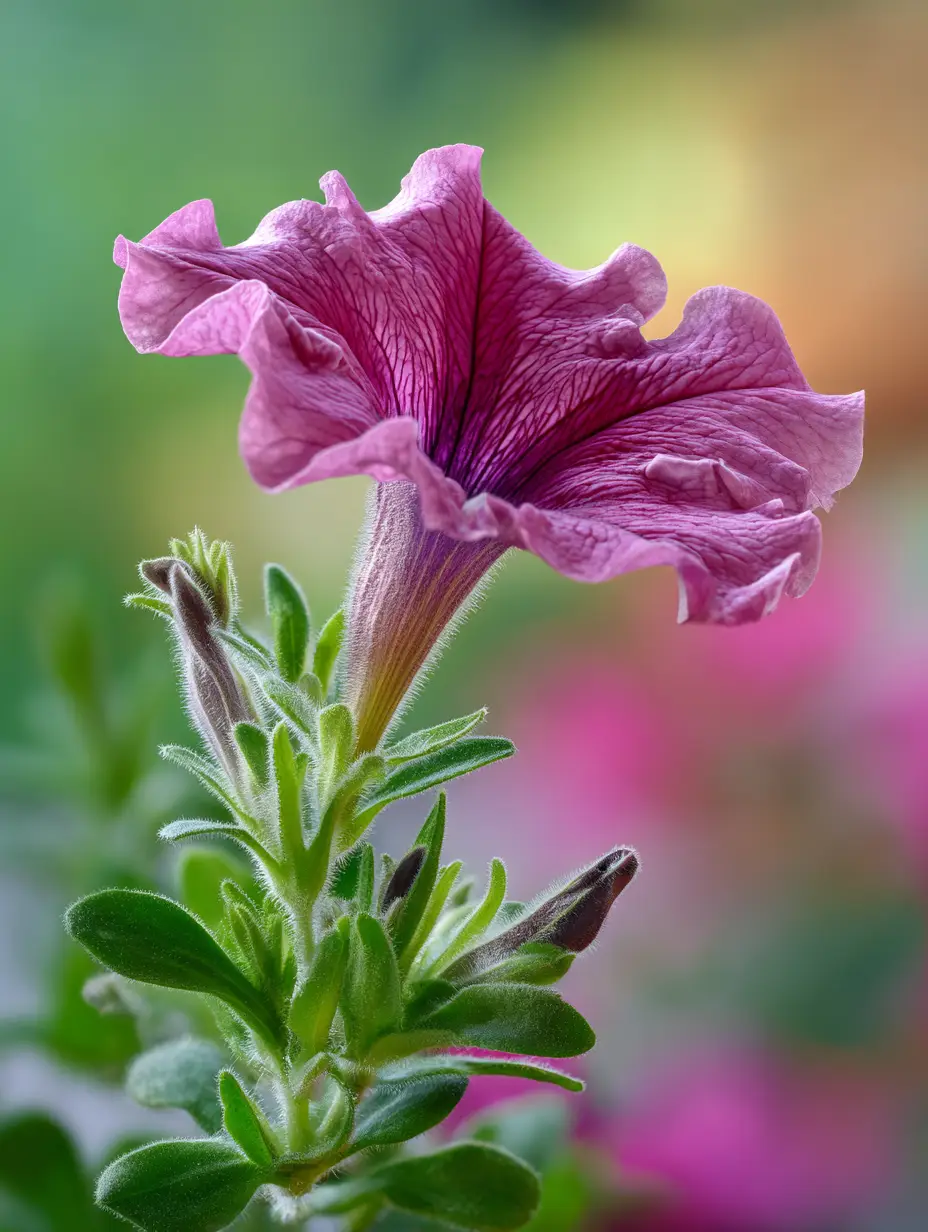
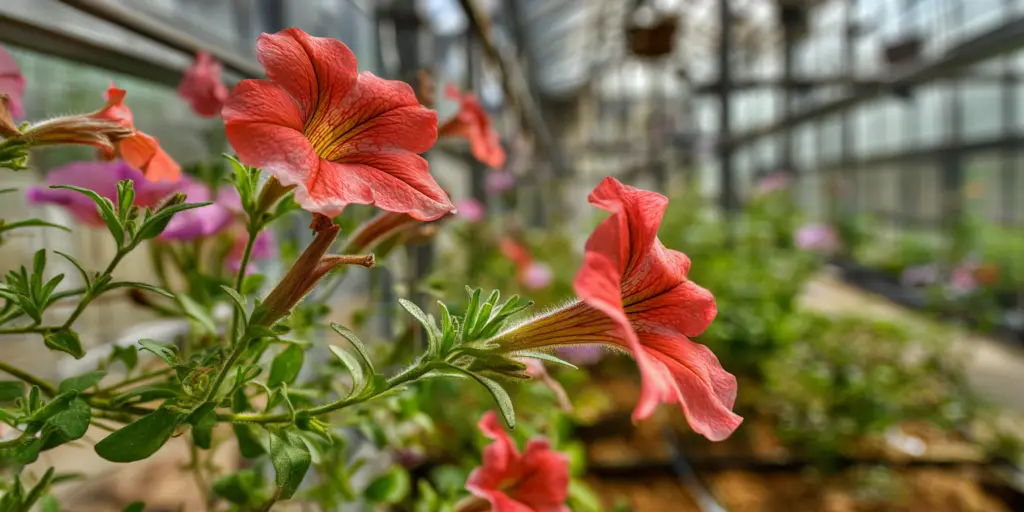
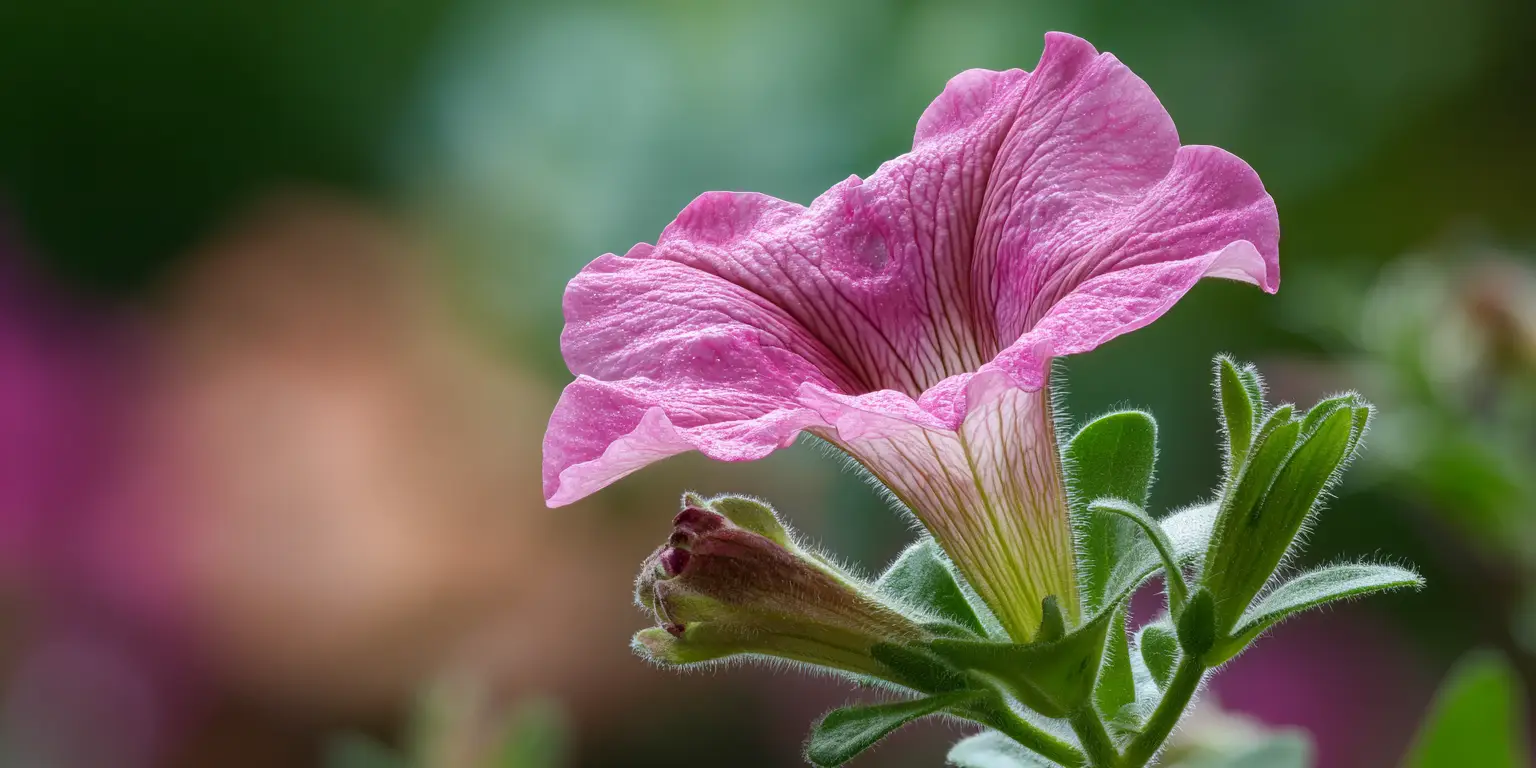
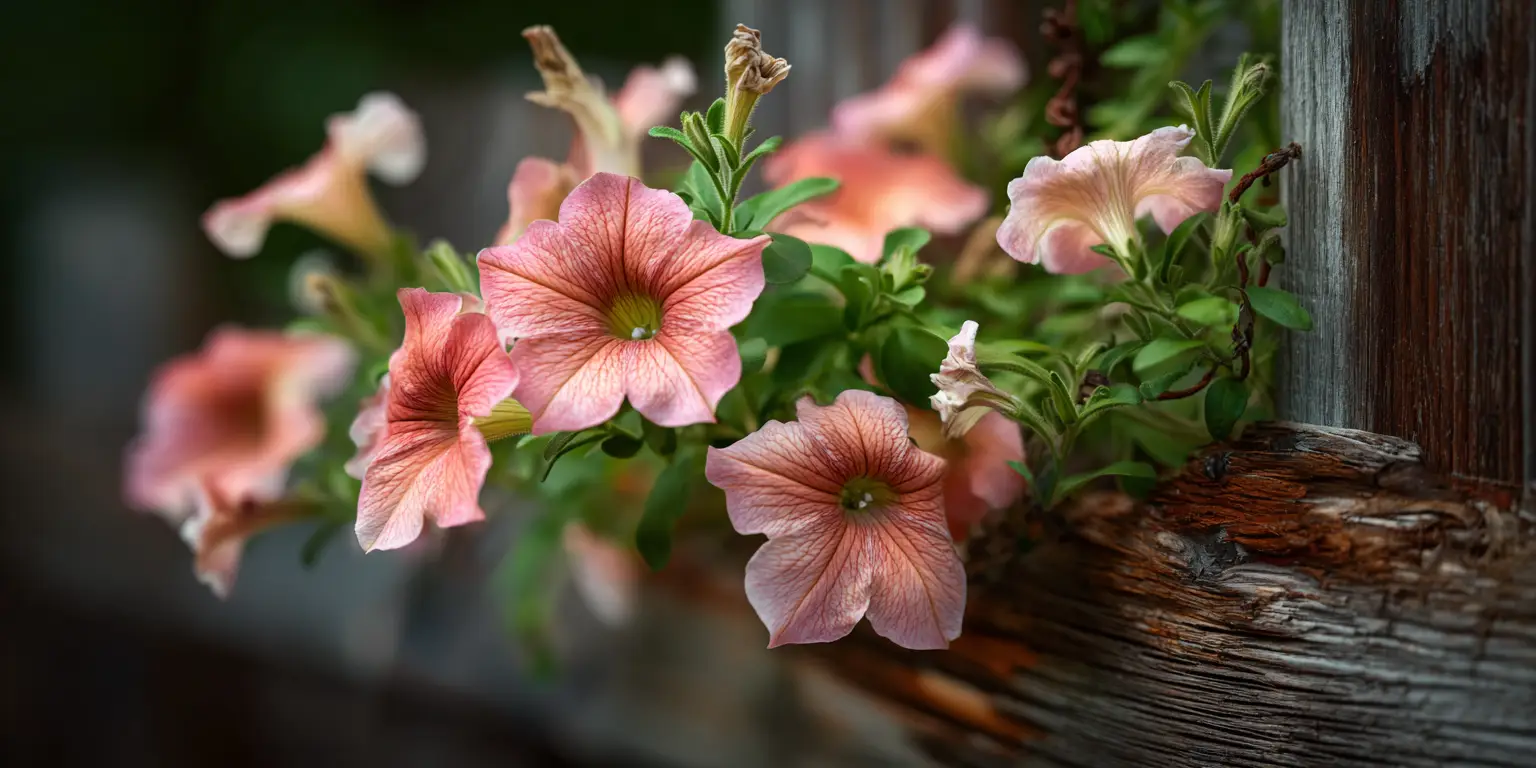
Petunia bloom with bud, soft background bokeh.

📏 Height and spread

Petunia plants have a low to medium stature, with most varieties growing between 6 and 18 inches tall (15 to 45 cm). The mature height depends on the type: compact bedding petunias may stay on the shorter end (under 1 foot), while trailing or vining types can reach the higher end, especially if they spill downward from baskets. In terms of spread, petunias can cover a surprisingly broad area for their size. A single plant can spread about 12 to 36 inches wide (30 to 91 cm) or even more, again varying by cultivar. “Spreading” or “wave” petunia varieties are particularly known for their horizontal growth, quickly covering ground or overflowing containers with a cascade of blooms. Upright grandiflora types tend to form more mounded shapes about a foot across. Petunias have branching, sprawling stems that can intertwine and create a dense mat when planted in masses. This makes them excellent for use as a floral groundcover or the front edge of a border. In hanging baskets and window boxes, their stems will trail over the sides. Despite their spreading nature, petunias are not invasive and do not have running roots; they stay where you plant them. When designing a garden bed, allow at least 12 inches between petunia plants (18 inches for larger varieties) so they have room to fill out. Given their moderate height, petunias are often placed toward the front of mixed plantings. They pair well with taller background plants – for example, a row of petunias can be planted in front of larger blooms like sunflower or hollyhock to cover bare ground and provide a colorful skirt below the taller stalks. Overall, expect petunias to form low, bushy mounds or spreading carpets of foliage covered in flowers, rather than tall upright clumps.

☀️ Light

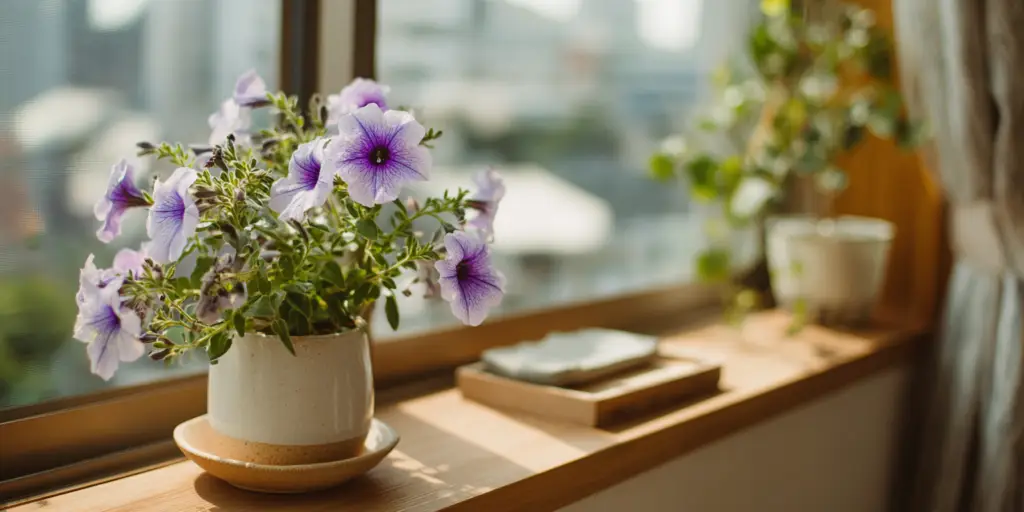
Petunias thrive in full sun and require plenty of light to perform their best. Aim to provide at least 6 hours of direct sunlight per day for abundant flowering. In fact, the more sun petunias receive (up to a point), the more profusely they tend to bloom. A sunny location also helps keep plants compact and bushy. In partial shade or areas with less than about 5 hours of sun, petunias will survive but may become leggy, stretching for light, and they will produce fewer flowers. Blooms that do appear in shadier conditions often won’t be as robust or numerous. It’s best to avoid heavy shade for this plant – in deep shade petunias will flower sparsely and the foliage growth will be thin and weak. Morning sun with light afternoon shade can be acceptable, especially in very hot climates, but generally full sun (including intense midday sun) is ideal. Petunias are sun-loving annuals much like a sunflower; they are adapted to open, bright environments. When growing petunias in containers, placing them on a sunny patio or windowsill ensures they get the illumination they need. If starting petunias indoors from seed, provide strong light (a bright south-facing window or grow lights) to prevent seedlings from getting spindly. Overall, choose the sunniest spot available for planting petunias – the reward will be healthier plants and a profusion of flowers.

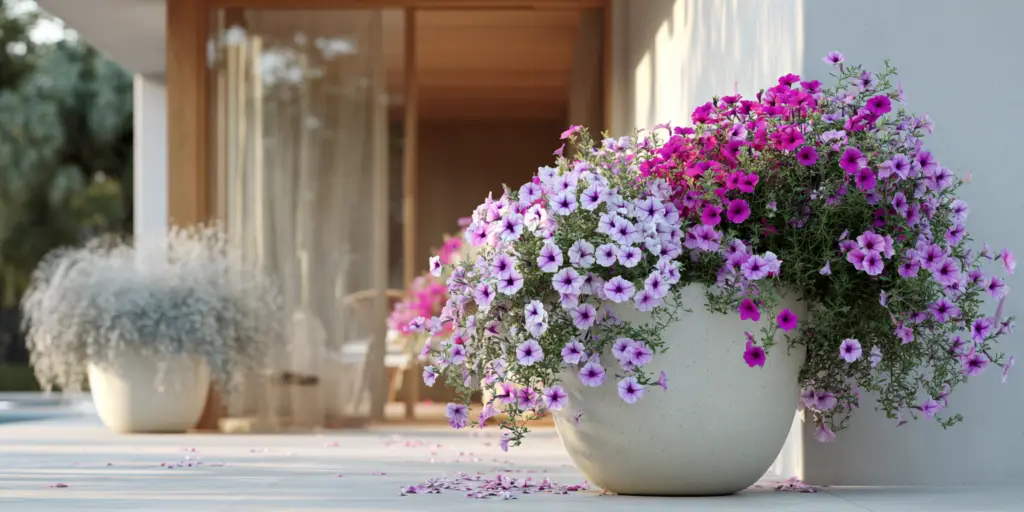
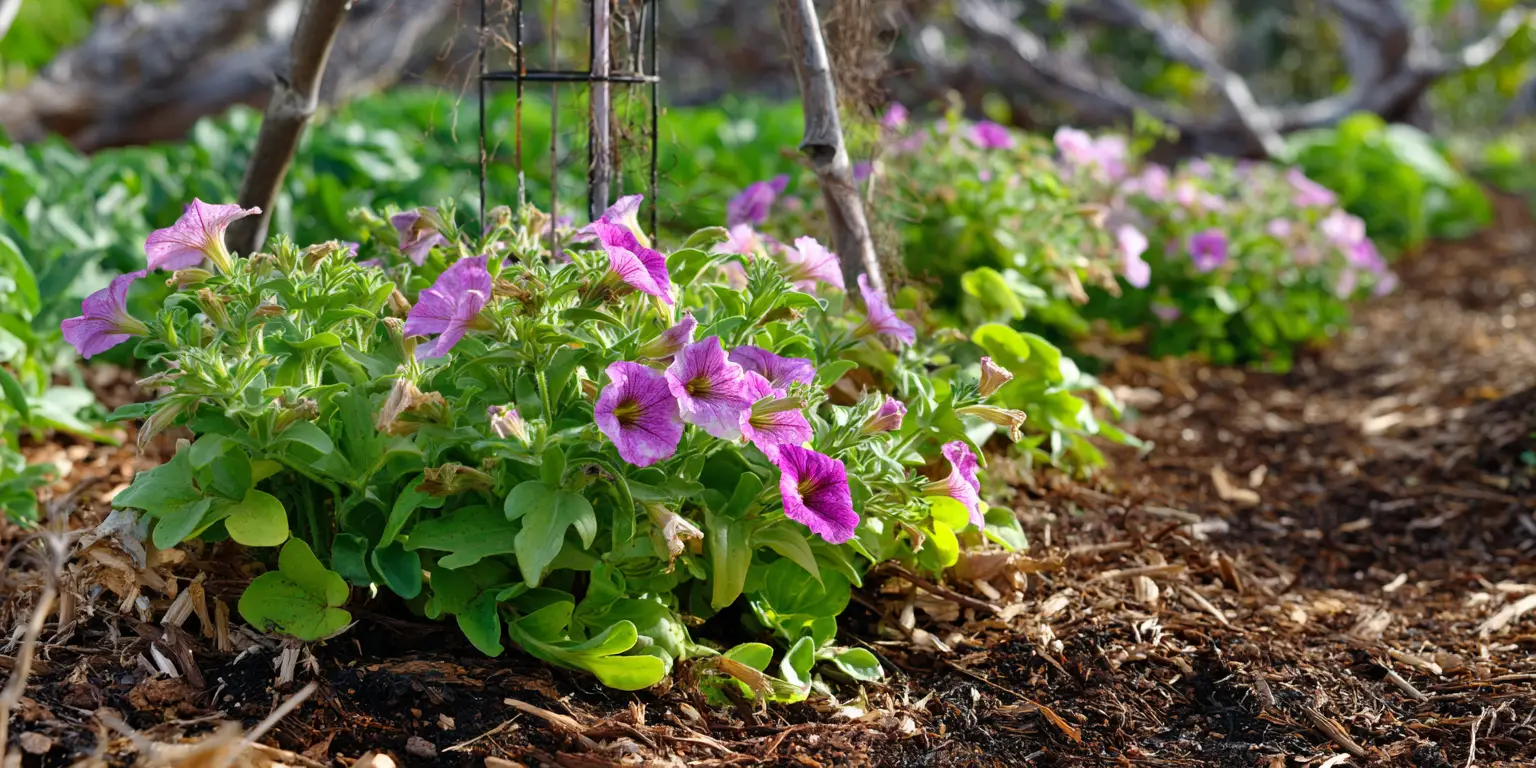
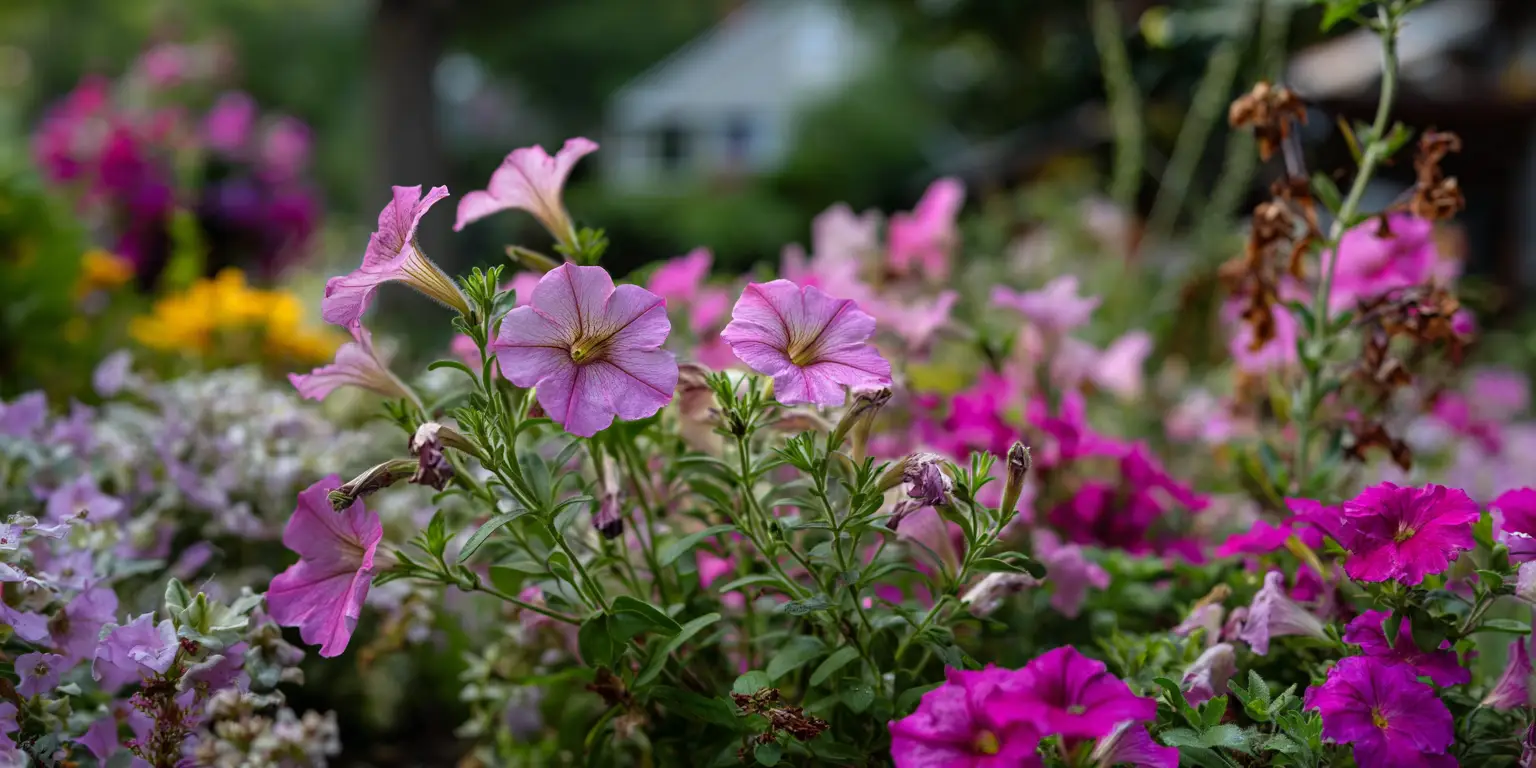
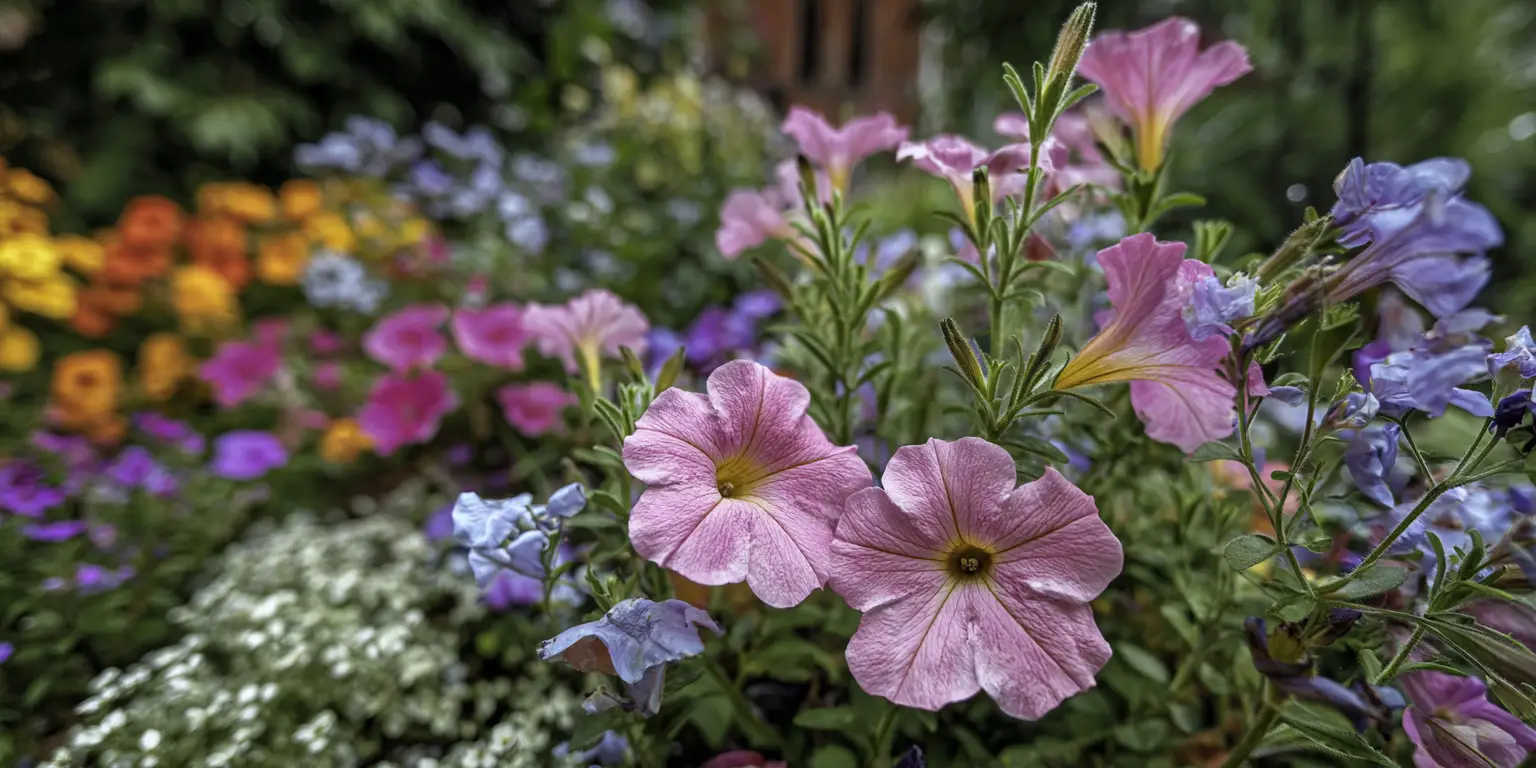
Mixed petunias in garden bed, various pinks.

💧 Water

Consistent moisture is key to keeping petunias happy, but they do not like to sit in waterlogged soil. Water petunias regularly, aiming for a balance where the soil stays evenly moist but never overly soggy. In garden beds, about 1 to 2 inches of water per week (from rainfall and/or irrigation) is typically sufficient once plants are established. This translates to a deep watering roughly once every 7-10 days if no rain falls, ensuring the water penetrates down to the root zone. In the heat of summer, especially in containers or hanging baskets, petunias often need more frequent watering – sometimes every day or two – because potting mix dries out faster and the plants are actively growing. Check the soil by touch; water when the top inch feels dry. Avoid shallow, frequent sprinklings which encourage surface roots. Instead, water thoroughly each time so that the roots grow deeper. Petunias have moderate drought tolerance for short periods; they can handle a bit of dryness better than some thirstier flowers like impatiens. You may notice a petunia wilt dramatically if it dries out, but it often perks up quickly after a good drink. Still, try not to let them wilt too often, as repeated stress will reduce flowering and vigor. On the other hand, overwatering can lead to root rot and other issues – their roots need air circulation in the soil. Always plant petunias in well-drained soil and empty excess water from saucers under pots. Watering in the morning is preferred so foliage can dry off during the day; this helps prevent fungal diseases on leaves and petals. By providing a steady supply of moisture without flooding the plant, you’ll support continuous blooms and healthy growth all season.

🌍 Soil and pH

Petunias prefer a well-drained soil that is light and fertile. In the garden, a loose loamy or sandy soil enriched with organic matter provides an ideal growing medium. Good drainage is critical because petunia roots will rot if they sit in water for too long. If your native soil is heavy clay or tends to stay soggy, consider planting petunias in raised beds or containers, or amend the ground soil with compost, fine bark, or sand to improve drainage. While petunias are not extremely fussy about soil fertility, they do best in moderately rich soil with a supply of nutrients to support their rapid growth and flowering. Too-rich soil (excess nitrogen) can lead to lots of leafy growth at the expense of flowers, so avoid over-fertilizing the ground prior to planting; instead, feed lightly as they grow (see Fertilizer in care tips). In terms of soil pH, petunias thrive in slightly acidic to neutral conditions. A pH around 6.0 to 7.0 is considered optimal. They can tolerate mildly alkaline soil up to about 7.5, but at higher pH levels certain nutrients (like iron) become less available, and petunias may show signs of deficiency (such as yellowing between the veins of leaves, a condition called chlorosis). Gardeners with very alkaline soil should amend with organic matter or sulfur to bring the pH down into the 6-7 range, which will keep petunias greener and more robust. Similarly, extremely acidic soil (below pH 5.5) isn’t ideal for petunias, though that is less common in ornamental beds. As a comparison, hydrangea macrophylla (bigleaf hydrangea) famously changes bloom color based on soil pH, reflecting how pH can influence nutrient uptake; while petunias don’t change color that way, they do appreciate a similar slightly acidic environment for best growth. In summary, plant petunias in light, well-draining soil and aim for a neutral to faintly acidic pH. If those conditions are met, your petunias will readily root in and flourish.

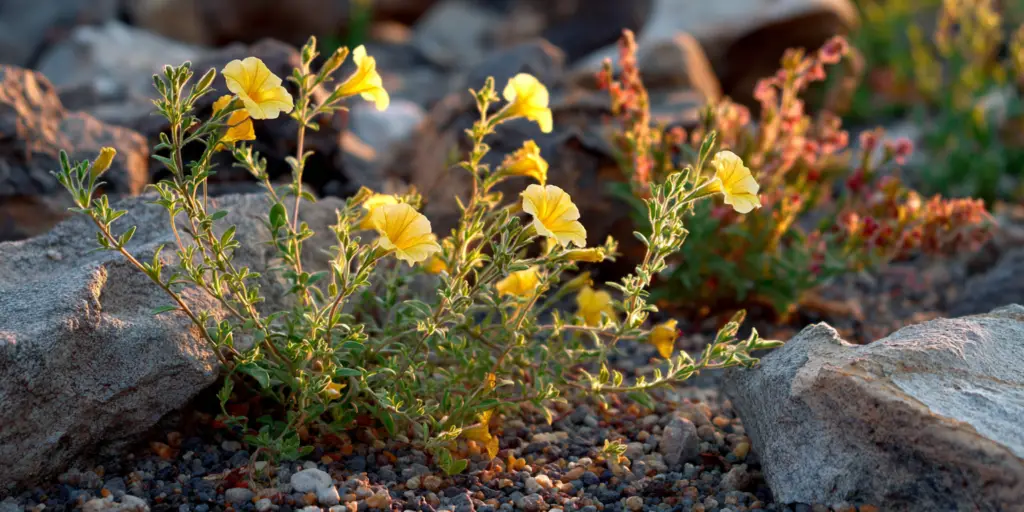
Petunia bloom with bud, soft background bokeh.

❄️ USDA hardiness

Because petunias originate from warm climates, they are not cold-hardy in most regions. USDA hardiness zones 10 to 11 are generally the only areas where petunias can survive year-round as perennials. In these frost-free or semi-tropical zones, petunias may live for multiple years, blooming on and off throughout the warm months. In all other zones (zones 9 and colder), petunias are treated as annuals, meaning they complete their life cycle in one growing season. Even a light frost (around 32°F or 0°C) will typically kill or severely damage petunia plants. Gardeners in zone 9 might occasionally overwinter petunias if winter is exceptionally mild and frost-free, but this is not reliable unless protective measures are taken. As soon as temperatures regularly drop near freezing, petunias begin to decline. For this reason, you should plant petunias outdoors only after all danger of frost has passed in spring. They are usually one of the later annuals to go out into flowerbeds (often in late April or May in temperate zones) because they simply cannot handle cold nights. If an unexpected frost is forecast after planting, cover the petunias with frost cloth or bring containers indoors overnight to prevent cold injury. In autumn, the first frosts will blacken and wilt petunia foliage, marking the end of their season in cooler regions. Some gardeners in cold climates take cuttings or bring potted petunias indoors before frost to try to save them for next year (placing them in a sunny window or greenhouse). However, the plants can become leggy and are often less vigorous the second year, so many people replant fresh petunias each spring. Peonies, by contrast, are an example of hardy perennials that survive freezing winters and return every year – petunias do not share that hardiness, emphasizing their role as a seasonal plant in most gardens. Essentially, unless you live in a tropical climate, expect to re-grow or replant petunias annually, and enjoy them as a summer treasure that won’t survive the winter chill.

🌼 Propagation and longevity

Petunias are most commonly propagated by seed, although they can also be propagated from cuttings. Growing from seed allows gardeners to start many plants relatively inexpensively, but it requires some care because petunia seeds are extremely small – as fine as dust. If sowing seeds, start them indoors 8 to 10 weeks before the last frost date for your area (for example, sow in late winter to have seedlings ready by spring planting time). Scatter the seeds on the surface of a sterile potting mix and press them in gently without covering, because petunia seeds need light to germinate. Keep the seed tray or pots in a warm location (around 70-75°F, or 21-24°C) and maintain consistent moisture by misting or bottom-watering; do not let them dry out. With proper warmth and moisture, germination usually occurs in 5-14 days. Seedlings are tiny at first and grow slowly, so patience is required. Many gardeners find it easier to purchase young petunia plants or start seeds under controlled conditions, given the seeds’ finicky nature. By contrast, large-seeded annuals like morning glories can be direct-sown outdoors, but petunias’ dust-like seeds make indoor sowing or buying transplants the better route. For prized cultivars or to propagate clones, stem cuttings can be taken. To propagate by cuttings, snip a healthy 2-3 inch non-flowering shoot from an established petunia, remove the lower leaves, and insert it into moist rooting media. Provide high humidity (cover with a clear dome or plastic bag) and bright indirect light. Cuttings can root in a couple of weeks and then be potted up – this method is often used to overwinter favorite petunia varieties or multiply a plant without seeds (many hybrid petunias are sterile or won’t come true from seed).

In terms of longevity, petunias are short-lived perennials at best. In ideal warm conditions (such as a greenhouse or tropical climate), a petunia plant might live 18 to 24 months, sometimes a bit longer, before it becomes exhausted or woody and blooms less. In practical outdoor gardening, they are usually grown as annuals and discarded or composted when they stop thriving. Even in frost-free regions, gardeners often replace petunias after 2 years with fresh plants because the old ones tend to decline in vigor. Petunias can self-seed in the garden occasionally – you might find volunteer seedlings the next year from dropped seeds. These offspring usually don’t match the hybrid parent (they often revert to smaller, simpler blooms, typically purple or white), but it can be a fun surprise. Overall, propagation is straightforward by seed if you plan ahead, and taking cuttings is an option for the enthusiast. Just remember that as seasonal bloomers, petunias are not meant for multi-year longevity in most garden scenarios, aside from preserving special varieties through winter.

👃 Fragrance

While petunias are primarily grown for their visual impact, some varieties do offer a pleasant fragrance. The scent of petunia blooms is typically a sweet, light perfume, often noticeable during the evening and early morning hours. This is especially true for older varieties or those with white or pale lavender flowers. In fact, the wild parent Petunia axillaris has a strong sweet fragrance at night, which in nature helps attract nocturnal pollinators like hawk moths. Many modern petunia hybrids still carry some of this trait. You might find that a cluster of white petunias or light purple petunias emits a gentle, honey-like aroma when you walk by, particularly after sunset when the air is still. The intensity of fragrance can vary widely among cultivars – some newer petunias have been bred mainly for color or form and have little to no scent, whereas certain heirloom or special series petunias are quite scented. Generally, the large grandiflora types and the white flowers or blue/lavender shades tend to be the most fragrant, whereas tiny milliflora types or very double-flowered petunias might not smell strong. Don’t expect petunias to perfume an entire garden like jasmine or gardenias might; the smell is subtler and you usually notice it when you are nearby or tending the plants. It’s a sweet bonus for the gardener’s experience. On warm summer evenings, the light fragrance of petunias can be a delight, adding another dimension to their appeal beyond the vibrant colors. If fragrance is important to you, look for cultivars marketed as scented, or simply plant some light-colored petunias known for their aroma. Overall, while not all petunias are notably fragrant, many will pleasantly surprise you with a delicate scent to complement their showy blooms.

⚠️ Toxicity and pet safety

Gardeners with pets or children will be happy to know that petunias are generally non-toxic. According to the ASPCA and other sources, Petunia species are not poisonous to dogs, cats, or horses. Unlike some of their nightshade family relatives (such as tobacco or certain types of brugmansia which contain harmful alkaloids), petunias do not have known toxic compounds that would cause serious illness if accidentally ingested. This means if a curious cat nibbles a petunia flower or a dog chews on a stem, it should not result in poisoning. Petunias are considered a safe choice for planting in yards and gardens frequented by pets. They’re also safe around young children, aside from the general caution that eating any ornamental plant in large quantities might cause mild stomach upset. The most one might see is a bit of vomiting or diarrhea if an animal eats a lot of any plant material, but petunias are not known to have any specific toxin. Their leaves and stems are slightly sticky and hairy, which probably deters most animals from consuming much anyway. In fact, petunias are deer resistant – deer usually leave them alone, likely due to that fuzzy, sticky foliage. One related note: because they are so safe, petunias can be a great alternative to plants that are beautiful but toxic. For example, some lilies and foxgloves are dangerous to pets, whereas petunias can provide color without that worry. Even roses, which are a classic safe flower (ignoring the thorns), could be swapped out for a mass of petunias in a spot where you want color and pet-friendliness. Always encourage pets not to graze on garden plants as a habit, but in the case of petunias, you can plant with peace of mind that they are a pet-safe choice.

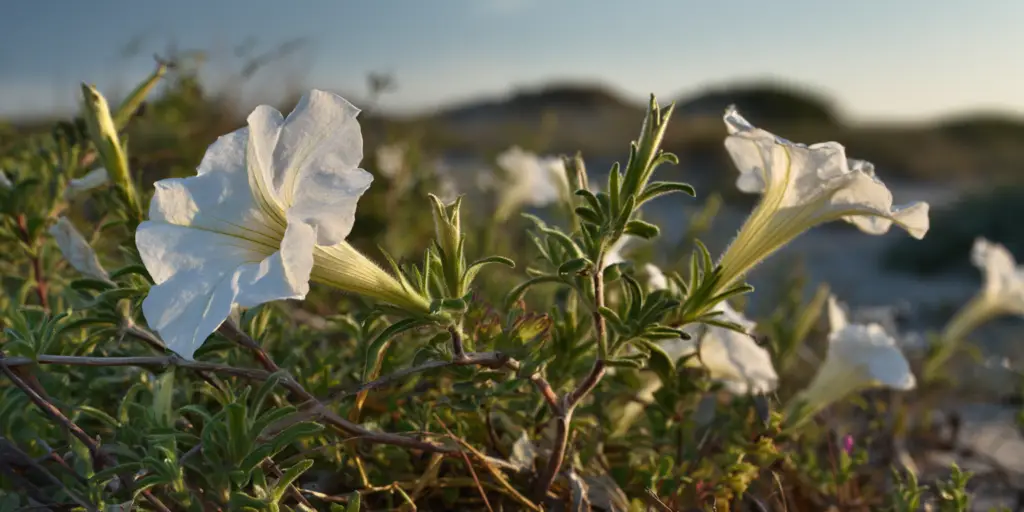
Petunia Flower

🌿 Vase life

Petunias are not commonly used as cut flowers, and for good reason: their vase life is relatively short. If you cut petunia stems and place them in water, the blooms will generally last only around 4 to 6 days before wilting, and sometimes less in warm conditions. The flower petals are thin and delicate, bruising easily and losing water quickly once detached from the plant. Some florists or gardeners have had moderate success extending petunia vase life by cutting them early in the morning, immediately placing them in cool water with floral preservative, and keeping the arrangements cool. Under ideal conditions, you might stretch their life to about a week, but typically their appearance declines within a few days. There are a few specialty petunia varieties (often bred in Europe) marketed for cut flower use, with sturdier stems and slightly longer-lasting blooms, but these are exceptions. Because of their short-lived nature in bouquets, petunias are not a staple of occasion flowers for formal events or floristry. You’re unlikely to see petunias in wedding bouquets or professional arrangements, where flowers such as carnations, roses, or tulips that can last a week or more are preferred. Petunia blooms also tend to close up or flop if they don’t get light, which is another challenge in arrangements. However, you can enjoy petunias as a casual cut flower at home by picking a few stems for a small vase – they’ll add a splash of color and a light fragrance to a table for a short time. Some people also use petunia blossoms as edible decorations (petunia flowers are edible) floating in drinks or as garnish, but that’s a more niche use. In summary, expect only a temporary display from petunias once cut. They truly shine best on the live plant. If you need long-lasting cut blooms for a special occasion, petunias aren’t the top choice, but in the garden they’ll provide continuous beauty all season which you can enjoy in situ.

🐛 Pests and diseases

Petunias are generally easy to grow, but like any garden plant they can be bothered by certain pests and diseases. Keeping an eye on your petunias will help catch any issues early. Here are some common problems and how to manage them:

  • Insect Pests: Aphids are small sap-sucking insects that may cluster on new petunia growth or the undersides of leaves. They can cause distorted growth and leave behind sticky honeydew. A strong water spray or insecticidal soap can control aphids. Caterpillars, especially the tobacco budworm (the larva of a moth), are notorious for chewing holes in petunia flower buds and petals. If you notice buds with tiny holes or ragged blooms, check for small greenish caterpillars; hand-pick and destroy them, or use an organic BT spray if infestations are heavy. Slugs and snails may munch on lower leaves or young petunia plants, leaving irregular holes and shiny slime trails; using slug bait or beer traps at soil level can reduce these pests. Spider mites can be an issue in hot, dry weather – they are tiny mites that cause fine speckling on leaves and sometimes webbing; spraying the foliage with water regularly or using miticides can help if they appear. Whiteflies and thrips are lesser issues but can occur, particularly in greenhouse or indoor conditions; yellow sticky traps and appropriate insecticides can manage these if needed.
  • Diseases: Petunia flowers and leaves are susceptible to fungal diseases, especially in wet or humid conditions. One common issue is gray mold (Botrytis cinerea), which causes flowers to become brown and covered in gray fuzzy mold, particularly during prolonged rainy weather. To prevent this, avoid overhead watering and remove spent blooms – good air circulation around plants also helps. Another disease is powdery mildew, a white powdery fungal growth on leaves that can occur later in the season or in crowded, shady conditions; if seen, trim affected parts and ensure better airflow, and apply a fungicide if it worsens. Root rot (caused by fungi like Pythium or Phytophthora) can strike if petunias are in waterlogged soil – stems will wilt and collapse as roots decay. The best prevention is excellent drainage and not overwatering; once rot sets in, affected plants usually must be removed. Petunias, being related to tobacco, can also contract viruses such as tobacco mosaic virus or tomato spotted wilt virus. Virus symptoms include strange color streaks or mottling on leaves and flowers, or stunted growth. Unfortunately, there’s no cure for viral diseases – infected plants should be discarded to avoid spread, and future control means managing insect vectors (like thrips which spread TSWV) and not handling tobacco around petunias (for TMV). The good news is that petunias have few serious persistent pests; many problems are sporadic or season-specific. Deer and rabbits typically leave them alone. To keep petunias healthy: plant them in well-drained soil, don’t overcrowd (to minimize disease spread), water at the base of the plant, and inspect them regularly. With these practices, your petunias will likely stay relatively problem-free, rewarding you with continuous blooms.

Flower photos

FAQ

Petunias are technically tender perennials, but most people grow them as annuals. In warm climates (zones 10-11) they can live multiple years, but in any region with frost or cold winters, petunias will not survive the winter outdoors. Gardeners in temperate zones replant petunias each spring after the last frost. Essentially, treat petunias as annual flowers unless you’re in a frost-free environment.

In cold climates, petunias will not come back after winter because freezing temperatures kill them. You’ll need to plant new ones each year. Occasionally petunias may self-seed – you might find some volunteer seedlings in the garden in the following summer, arising from seeds dropped by last year’s plants. However, these seedlings may not look the same as the parent plants (hybrids revert to basic types) and germination is hit-or-miss. In warm climates without frost, a petunia plant might continue growing into the next year, but even then they often decline after a couple of years. So generally, plan to replant rather than relying on petunias to return yearly.

Petunias do best with full sun exposure – at least six hours of direct sunlight each day. They can tolerate partial shade (for example, 4-5 hours of sun), but you’ll see fewer flowers and a leggy growth habit. In full sun, petunias stay dense and produce the most blooms. If you have a very hot climate, a little afternoon shade can help prevent stress, but overall, more sun equals more flowers for petunias. Avoid deep shade, as petunias will struggle there.

To encourage petunias to bloom continuously, a bit of routine maintenance and care goes a long way. First, make sure they are getting enough sunlight and regular water – drought or low light can reduce flowering. Deadhead the plants by removing spent flowers (pinch off the faded blooms along with the seed pod) to signal the plant to produce more buds instead of seeds. Some newer petunia varieties self-clean, but it never hurts to tidy them. Secondly, feed the plants periodically. Petunias are heavy bloomers and appreciate fertilizer; use a balanced, water-soluble fertilizer every couple of weeks, or a slow-release fertilizer in the soil, to replenish nutrients for continuous flowering. Also, if your petunias start to get lanky by mid-summer, don’t be afraid to prune them back. Shearing the stems by about one-third to one-half (and not removing all the foliage) will stimulate fresh, bushy growth and new flower buds. After cutting back, feed and water the plants well – within a week or two they’ll bounce back with renewed vigor. By deadheading, feeding, and occasional trimming, your petunias should bloom robustly from late spring until fall.

Many petunias benefit from deadheading, which means removing the old flowers once they wilt. Traditional large-flowered petunias (grandifloras) and double petunias definitely perform better with deadheading – it keeps them looking neat and encourages the plant to keep producing new flowers rather than putting energy into seed production. To deadhead, you can pinch or snip off the faded flower, making sure to remove the base where the seed would form. However, some modern petunia varieties (especially the smaller multifloras and millifloras, and certain trailing series) are marketed as “self-cleaning.” These varieties drop their spent petals on their own and don’t require manual deadheading to continue blooming. Even with self-cleaning types, you can still remove any unsightly spent blooms to tidy the plant, but it’s not as critical. In summary, while petunias can bloom without deadheading, you’ll typically get a better floral display and bushier plants if you make deadheading a regular practice for the types that need it.

Yellowing petunia leaves can have a few causes. One common reason is a nutrient deficiency, often nitrogen or iron. Petunias are fast growers and heavy bloomers, so they can deplete soil nutrients; if you haven’t fertilized in a while, the older leaves may yellow (nitrogen deficiency shows as uniform yellowing of lower leaves). Iron deficiency, often caused by soil that is too alkaline (high pH), shows up as young leaves that are yellow with green veins. If you suspect nutrient issues, try feeding with a balanced fertilizer that includes micronutrients, and ensure the soil pH is around 6.0-7.0 so the plant can access iron. Another cause can be over-watering or poor drainage – waterlogged roots can lead to a lack of oxygen and nutrient uptake, causing leaves to yellow and the plant to look limp. Make sure your petunias aren’t sitting in soggy soil and adjust watering if needed. Certain diseases, like root rot or viruses, can also cause yellow foliage, but if the yellowing is gradual and starting from the bottom, it’s more likely a nutrition or water issue. Check also for pests like spider mites or whiteflies, which in large numbers can sap juices and cause a speckled yellow look. By addressing the watering and feeding, most cases of leaf yellowing will improve. Trim off any very yellow, dying leaves, and new healthy green growth should resume once conditions are corrected.

If you notice your petunia flower buds or blossoms getting chewed up, with holes in petals or buds that never open properly, the culprit is often the tobacco budworm (also known as geranium budworm). This is a small green or brown caterpillar that specifically bores into flower buds of petunias (and geraniums). They typically feed at night, so you might not see them at first. To confirm, go out after dark with a flashlight and inspect the plants – you may find the tiny caterpillars inside the buds or on the stems. Hand-picking is an effective control if the infestation is light; simply remove and destroy any caterpillars you find. For heavier infestations, you can use an organic insecticide containing Bacillus thuringiensis (BT), which targets caterpillars, or spinosad, both of which are effective when the larvae ingest treated plant tissue. Another pest that eats petunia petals is the slugs/snails, usually leaving irregular holes and slime trails – these feed at night too. Slug bait or traps can help reduce their damage. Occasionally, rabbits or other critters might nibble entire petunia flowers or stems (rabbits generally prefer other plants, but when hungry they might sample petunias). If entire stems are clipped off, suspect a larger animal and use appropriate fencing or repellents. But if it’s primarily holes in buds and petals, the budworm caterpillar is the top suspect. Regular inspection and early intervention in mid-summer (when budworms tend to appear) will save your blooms.

Yes, petunias can attract hummingbirds and butterflies. Hummingbirds, in particular, are drawn to the trumpet-like shape of petunia flowers and the ample nectar they can contain. Red petunia varieties or those with vivid pink, orange, or purple colors seem to be especially attractive to hummingbirds (as red is a favorite hue for them), but hummers will visit any color petunia if they discover the nectar. They enjoy the wide, open petals which provide a good landing pad and the deep throat where nectar is available. Butterflies also visit petunias, though perhaps not as avidly as some native flowers or butterfly bush; still, petunias’ bright colors and scent can lure butterflies looking for nectar. You’ll often see smaller butterflies or skippers stopping by petunia beds. Additionally, petunia fragrance in the evening can attract night-flying moths. If you’re planning a pollinator-friendly garden, petunias make a fine addition alongside other butterfly favorites. They offer an easy nectar source and continuous blooms, which helps support these creatures through the summer. Just note that using pesticides on your petunias can deter or harm these beneficial visitors, so if you want to maximize their presence, opt for natural pest control methods when possible.

Absolutely. Petunias are excellent companion plants in flower beds and containers because they mix well with many other species and have a long bloom period. In garden beds, petunias’ low-growing, spreading habit makes them perfect to plant at the front of borders or as bedding edges, where they can complement taller plants behind them. They pair nicely with other summer bloomers like marigolds, zinnias, cosmos, and salvias – together creating a vibrant, layered display of color and form. Petunias also do well interplanted with spring-blooming bulbs. For instance, you can plant petunias in the same area where tulips or daffodils grew in spring; as those bulbs go dormant after blooming, the petunias will take over and provide color for the rest of the season. Petunias also work in front of perennial shrubs; you might border a bed of roses or line the edge of a peonies patch with petunias to add summer-long flowers after the roses and peonies have had their main show. In containers and hanging baskets, petunias are stellar companions to plants like geraniums, calibrachoa (million bells), sweet potato vine, or lobelia, to name a few. They can either trail or mound, filling in gaps and draping over edges. One thing to keep in mind is that petunias are fairly heavy feeders and don’t like to be crowded for root space, so give them adequate room and fertilization if pairing with other plants in the same pot. Also ensure their companions have similar sun and water needs (for example, petunias wouldn’t pair well with shade-loving impatiens, but go great with sun-loving sunflower or lavender). Overall, petunias are friendly neighbors in the garden and can be used creatively to ensure continuous color and to complement other flowers’ shapes and bloom times.

Interesting tips

  • Start early indoors: Because petunia seeds are so small and slow to start, begin them indors under lights well before the planting season. Remember not to cover the seeds – they need light to sprout. Patience is rewarded with a wider choice of varieties than what you might find at the garden center.
  • Pinch for bushiness: When petunia seedlings or transplants are about 4-6 inches tall, pinch off the tip of each stem to encourage branching. This will result in a fuller, bushier plant that produces more flowers. You can do this again if plants start getting lanky; periodic pinching or trimming keeps them compact.
  • Deadhead or shear mid-season: For the best appearance and continued blooming, remove spent flowers regularly. On varieties that are not self-cleaning, deadheading prevents seed formation and prolongs flowering. Additionally, if your petunias begin to look tired in midsummer (long stems with few flowers), shear them back by about one-half. This heavy pruning may leave the plant looking sparse for a week, but soon it will regenerate fresh growth and a flush of new blooms.
  • Fertilize regularly: Petunias are heavy bloomers and benefit from routine feeding. Use a balanced liquid fertilizer (for example, 10-10-10 or 20-20-20) at half-strength every week or two when watering, or apply a slow-release granular fertilizer at planting time (and again mid-season for long summers). Adequate nutrients ensure continuous flowering and healthy green foliage. Be careful not to over-fertilize with high nitrogen, which can reduce blooms – balanced feeding is best.
  • Watch the pH if leaves yellow: If you observe interveinal chlorosis (yellow leaves with green veins), your soil might be too alkaline, inhibiting iron uptake. Petunias prefer slightly acidic soil. You can treat the soil with soil acidifier or iron chelate to green them up, and check soil pH to keep it in the 6.0-7.0 range. This often fixes yellowing issues that aren’t related to watering or pests.
  • Scout for budworms: Keep an eye out for budworm caterpillars in summer. One way to monitor is to go out at dusk and inspect the blooms and buds for tiny holes or droppings. If you catch the infestation early, you can often control it by hand-picking. Consider planting morning glories or nicotiana nearby as decoy plants – some gardeners find budworms also go to those, and it can help in spotting the problem.
  • Combining with other plants: Use petunias to fill in gaps and provide color continuity in mixed plantings. For instance, after spring tulips and peonies finish blooming, you can have petunias ready to plant in those spaces to carry the torch of color through summer. Petunias also make a great foreground planting in front of taller shrubs like hydrangea macrophylla or roses, covering the base with blooms. In hanging baskets, try mixing petunias with trailing foliage plants (like ivy or dichondra) for a nice texture contrast. Their versatility means they complement many garden favorites.
  • Notable varieties: Consider trying different petunia types for varied effects. Grandiflora petunias have huge blossoms up to 4-5 inches across, great for showy displays (though they can be delicate in rain). Multiflora petunias have slightly smaller flowers but in greater number and better weather resistance – good for robust garden performance. Milliflora petunias bear masses of miniature blooms and stay tidy and small, ideal for edging or smaller pots. Spreading or Wave-type petunias are fantastic as groundcover or in baskets, rapidly covering large areas with flowers. By selecting a mix of types, you can enjoy big statement blooms as well as carpet-like coverage.
  • Petunias for occasions: While petunias aren’t traditional occasion flowers in bouquets due to their short vase life, you can still use them creatively for events. Potted petunias or window boxes overflowing with petunias can make lovely decorations for outdoor parties, weddings, or gatherings, providing bright informal color. After the event, they can continue to grow rather than ending up as cut flowers do. If you do cut petunias for a casual arrangement, pick them in the morning and keep them in cool water – they’ll look nice for a day or two as table accents.
  • Overwintering trick: If you have a favorite petunia (perhaps a unique color or a variety that performed exceptionally well), you can attempt to overwinter it. Before the first frost, take a few cuttings from the healthy tips and root them indoors, or transplant the whole plant into a pot to bring inside. Keep it in a bright spot (like a sunny window or under grow lights). It may not bloom much during winter and might even look scraggly, but come spring you can take more cuttings or plant it back out. This way, you carry your beloved plant into the next year. Many gardeners simply start fresh each year, but this can be a fun project for plant enthusiasts.
Related Guides & Flowers
  • Sweet Alyssum
    A classic edging and container filler with a low, spreading habit. Pairs well with petunias for soft texture, color contrast, and long seasonal bloom.

  • Impatiens
    One of the best alternatives when you want heavy flowering in part shade. Great for mixed porch pots where petunias struggle in low light.

  • Begonia
    Reliable for beds, borders, and containers with strong flower power and tidy foliage. A good swap-in for hot summers or shadier spots.

  • Geranium
    A staple container plant with bold color and sturdy structure. Works as a focal plant with petunias spilling around the edges.

  • Verbena
    A sun-loving bloomer that can trail or mound depending on type. Excellent for baskets and window boxes, similar seasonal use to petunias.

  • Marigolds
    Easy, heat-tough, and beginner-friendly for beds and borders. A practical companion plant when you want dependable color all season.

References
  • University of Minnesota Extension: Growing petunias
    Solid care basics including light, watering rhythm, and seasonal performance tips for home gardens and containers. 
  • Clemson Cooperative Extension: Petunia
    Practical growing guidance and common landscape use notes from an established extension program.
  • University of Florida IFAS: Petunias
    Warm-climate focused advice that helps with planting timing, sun needs, and keeping plants flowering longer.
  • Penn State Extension: Petunia diseases and problems
    Helpful for troubleshooting when blooms decline or foliage looks rough, with problem-focused guidance.
  • ASPCA Poison Control: Petunia
    Useful for a pet safety note, lists petunia as non-toxic to dogs, cats, and horses. 

Written by: Your Flowers Guide editorial team
We are a small independent group of flower lovers who research and review each guide using trusted horticultural and educational sources. Learn more about us