Fall planting runs on soil temperature and the date the ground freezes, not on a calendar month, which is why one national planting week cannot serve a northern garden and a Gulf Coast one at the same time. Bulbs set out too late in the north freeze before they root. The same bulbs set out too early in the south sit in warm soil and rot. Dividing perennials follows the same logic, with a window that shuts in early autumn in cold zones and stays open into late December in warm ones.
What follows sorts fall planting into four USDA zone bands, each with its own window, its own list of what goes in the ground now, and its own way of going wrong. A zone number tells you what survives your coldest night; it does not tell you which week to dig, so it has to be paired with a local first-frost estimate before any date means anything. Cold gardens are racing the freeze and need roots down before the soil locks up. Warm gardens are racing the opposite problem: ground that never gets cold enough to satisfy a tulip, which moves the chilling job into the refrigerator. Between them sit the transitional bands, where the outcome turns less on the calendar than on how deeply the bed was dug and how fast it drains. Last comes the honest limit, the point past which nothing goes in the ground until spring.
On this page 7 sections
- How to find your zone
- Zone 5b and colder: Upper Midwest, northern Great Plains, high-elevation Mountain West, interior New England
- Zone 6a-7a: Mid-Atlantic, Ohio Valley, coastal New England, inland Pacific Northwest
- Zone 7b-8a: coastal Carolinas and Georgia, North and Central Texas, Pacific Northwest coast
- Zone 8b-9b: Gulf Coast Texas, Deep South coast, Florida panhandle
- What is already too late, honestly
- FAQ
How to find your zone
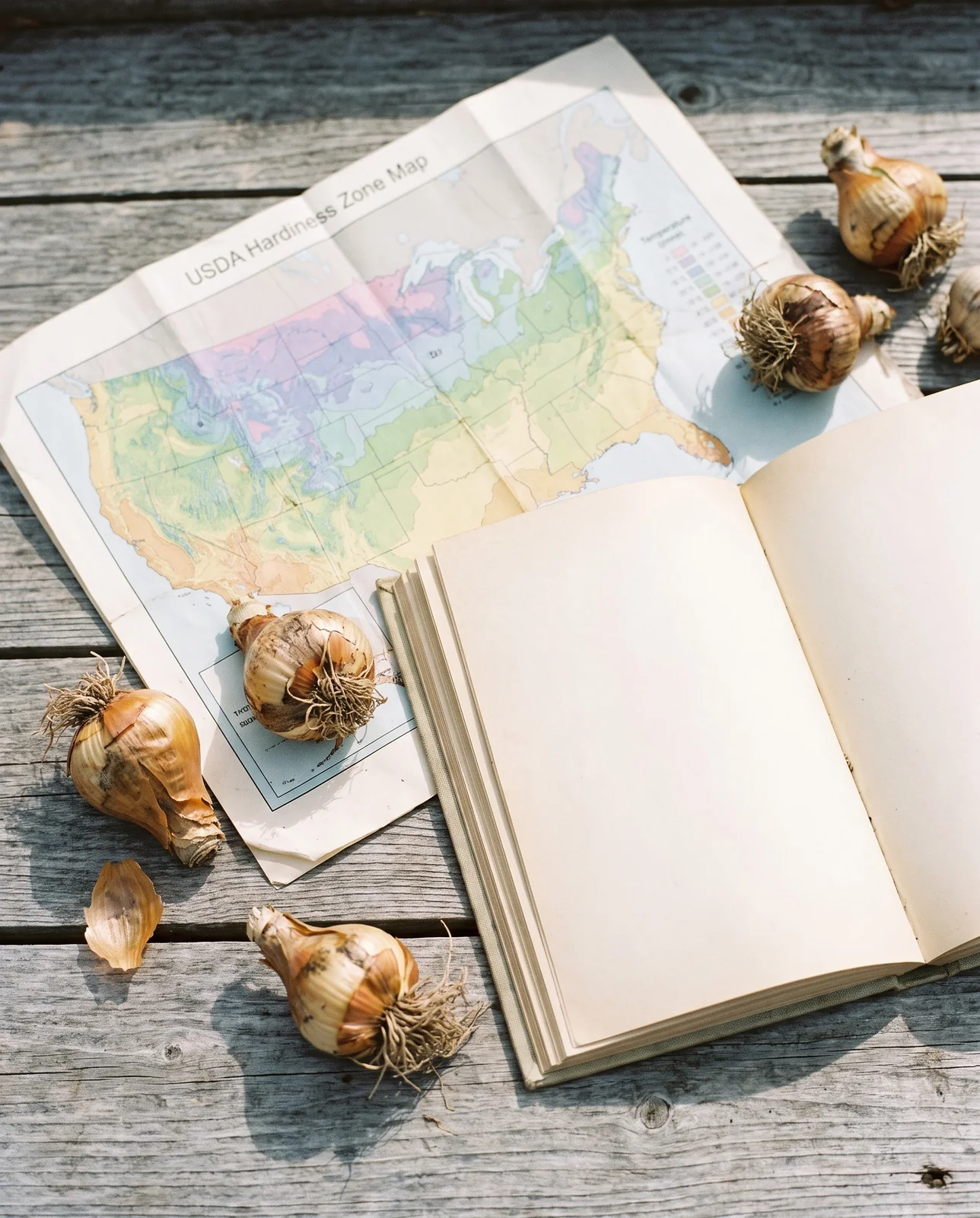
The USDA Plant Hardiness Zone Map is drawn from a single number: the average annual extreme minimum winter temperature, taken across decades of records. It cuts North America into full zones ten degrees Fahrenheit wide, and splits each of those into two half zones five degrees wide, labeled “a” for the colder half and “b” for the warmer one. Zone 7a averages a winter low between 0 and 5 degrees Fahrenheit, Zone 7b between 5 and 10. That number answers one question only, whether a perennial, shrub, or bulb can live through the coldest night your area expects. It says nothing about summer heat, soil moisture, or how many frost-free days the growing season gives you. Knowing your half zone rather than the round number is what keeps you from buying a plant rated for the band just above yours and losing it to root kill in the first hard freeze.
A hardiness rating is a starting point for autumn work, not a planting date. Two properties inside the same zone can run weeks apart in fall because of elevation, a large body of water nearby, or the way cold air pools in one yard and drains out of another. Pair the zone with historical first-frost figures for your own county and the schedule falls out of it: the zone tells you whether a dormant root system will live through midwinter, while the frost date tells you how many weeks of root growth are left before the ground closes. In fall that second number does most of the work, because the whole argument for planting perennials in fall is the extra time they get to settle in before active spring growth begins.
Find your regional planting window
Two checks decide which window applies: your USDA hardiness zone, then the zone band that matches your garden.
Zone 6a to 7a (Mid-Atlantic, Ohio Valley, Coastal New England, Inland Pacific Northwest): the window runs from early to mid-autumn. Divide perennials with 3 to 5 growing points; spade planting beds 8 to 10 inches deep and check soil drainage.
Zone 7b to 8a (Coastal Carolinas, Georgia, North and Central Texas, Maritime Pacific Northwest): the window spans October through late December. Plant spring bulbs as soil cools; select heat-tolerant perennials and keep crowns at the soil surface.
Zone 8b to 9b (Gulf Coast Texas, Deep South Coast, Florida Panhandle): the window extends from late autumn through winter. Pre-chill spring bulbs for 12 to 16 weeks at 40 to 50°F; leave hardy cannas and agapanthus in the ground.
Zone 5b and colder: Upper Midwest, northern Great Plains, high-elevation Mountain West, interior New England
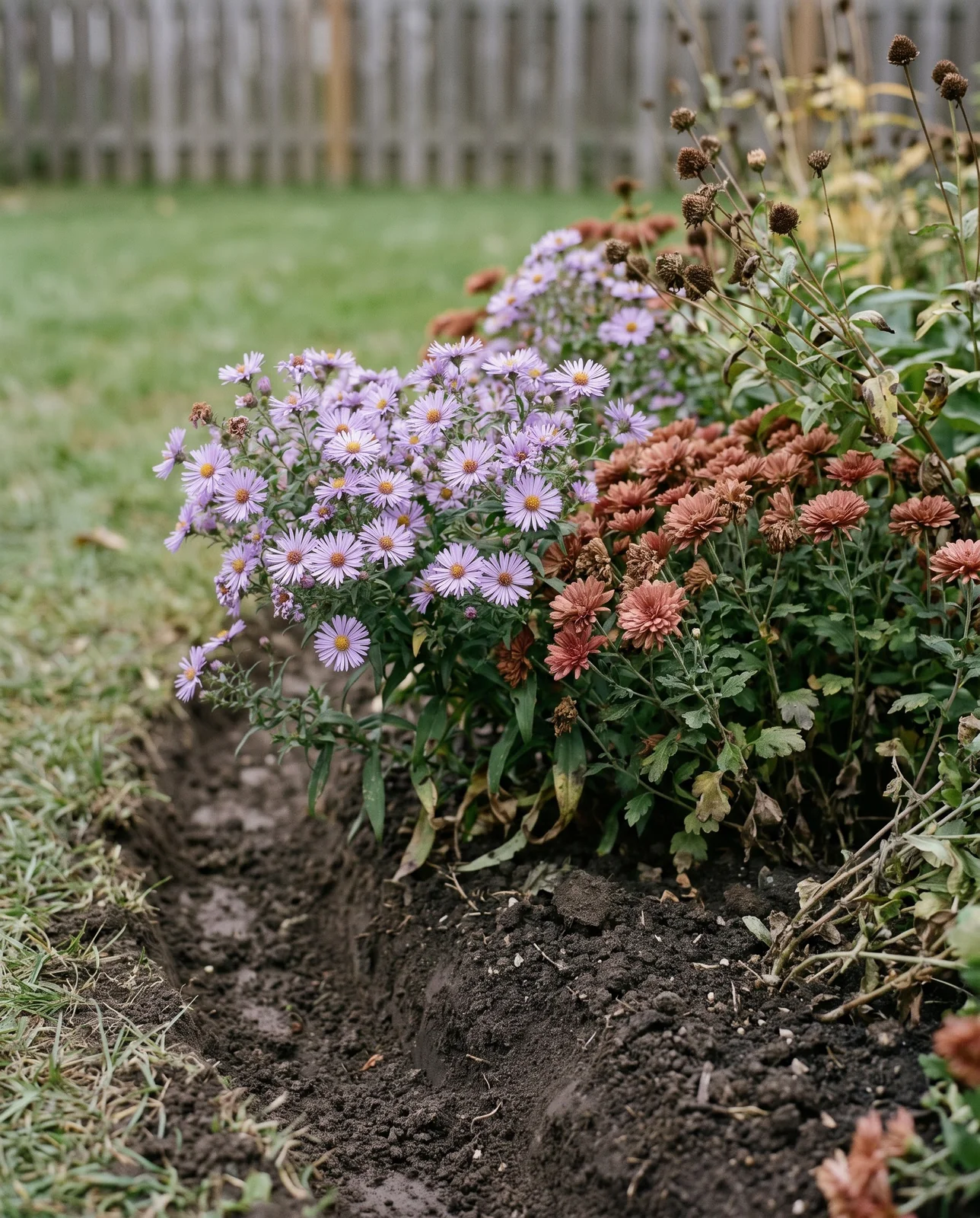
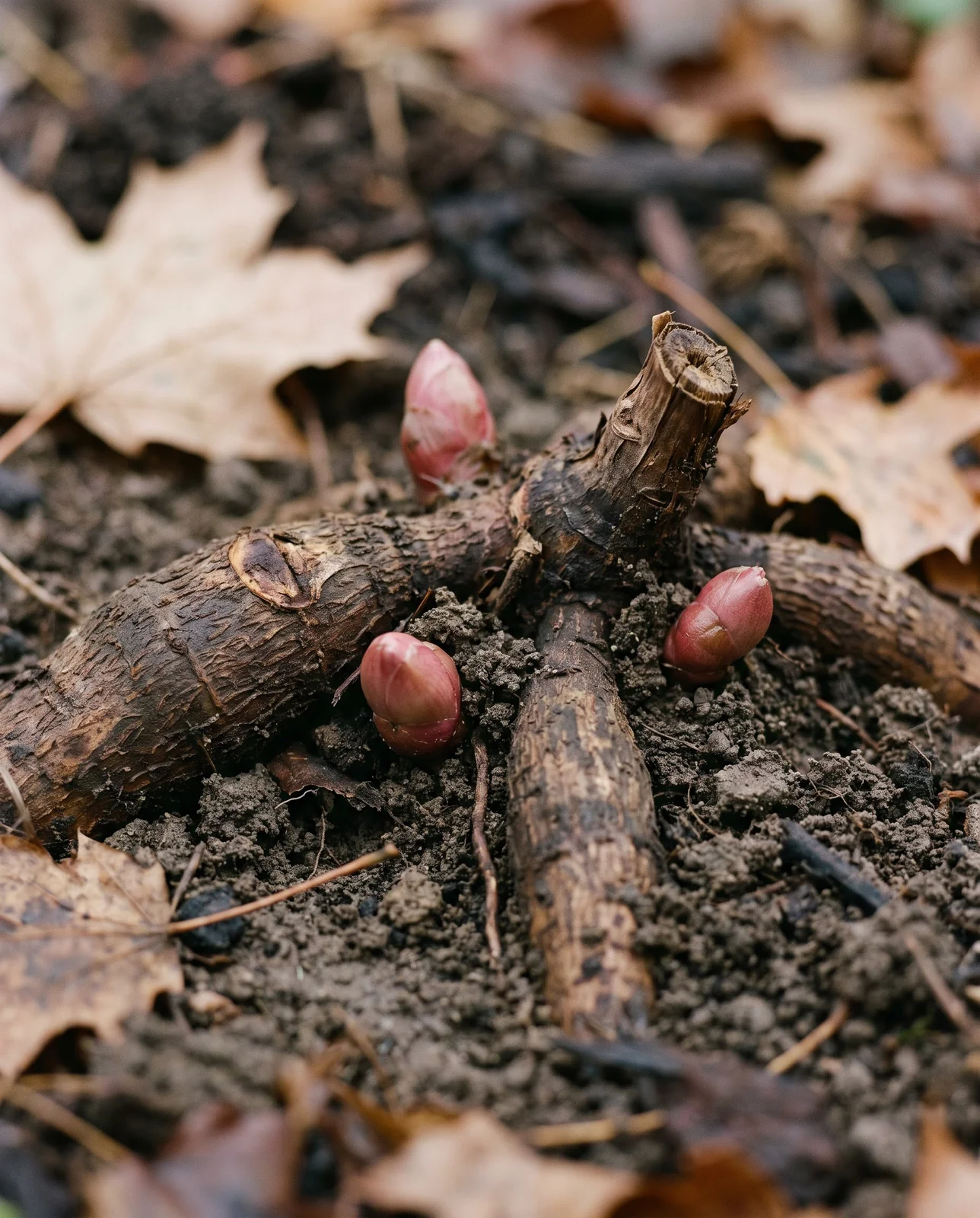
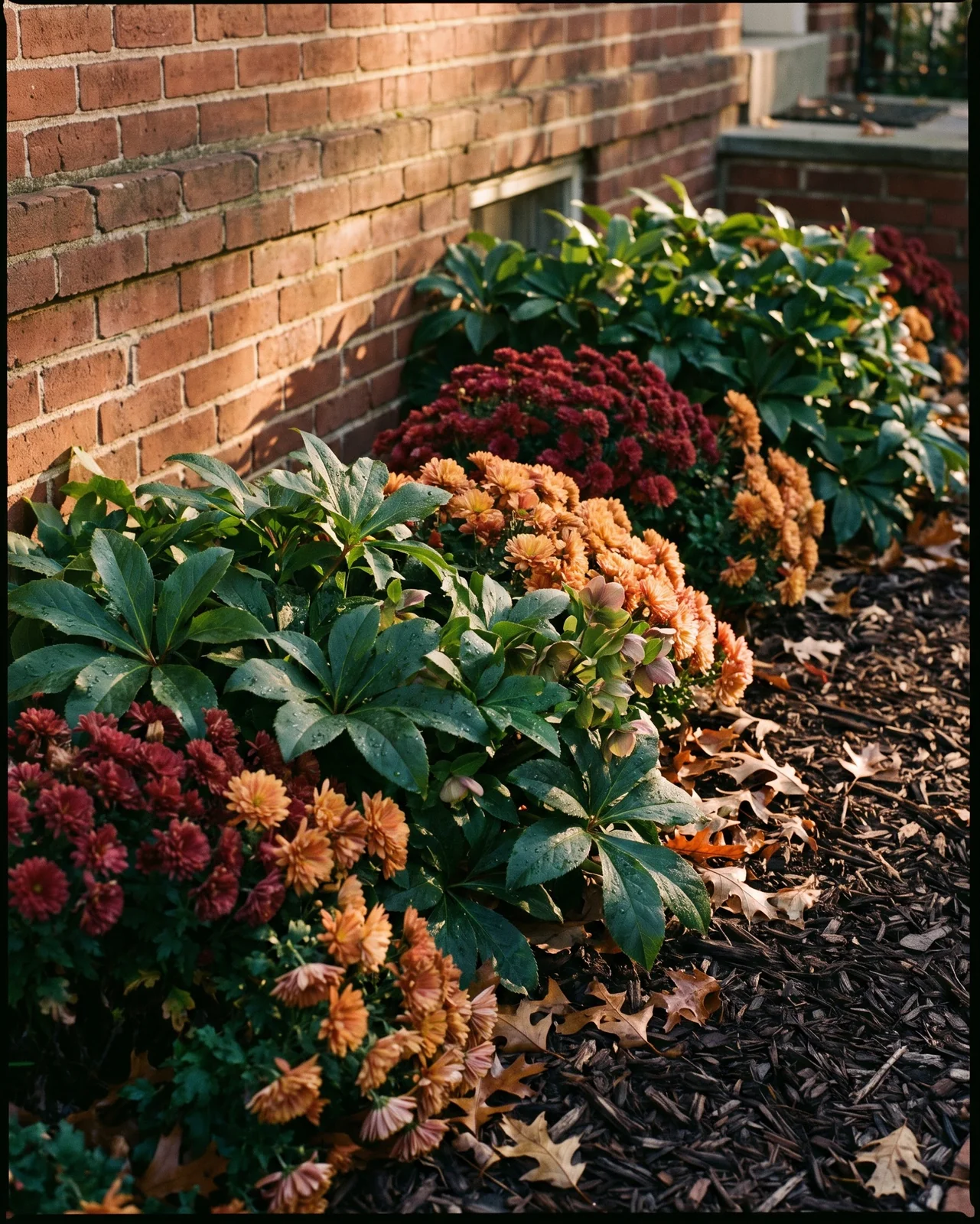
In Zone 5b and colder, autumn work runs against a hard stop no gardener negotiates with: the day the soil freezes. Perennials set out in early autumn root into ground that is still warm, and those few weeks decide whether a clump is anchored when the freeze arrives or sitting loose in cold dirt. Late bloomers such as chrysanthemum and winter-flowering hellebore belong in the ground promptly for that reason. Where the crown sits decides much of the rest. Bury it and you invite crown rot; leave it standing above the soil line and the tissue takes the full force of freezing wind. Dividing a crowded clump during this same early window renews it, as long as each piece carries three to five growing points to fund new roots before winter.
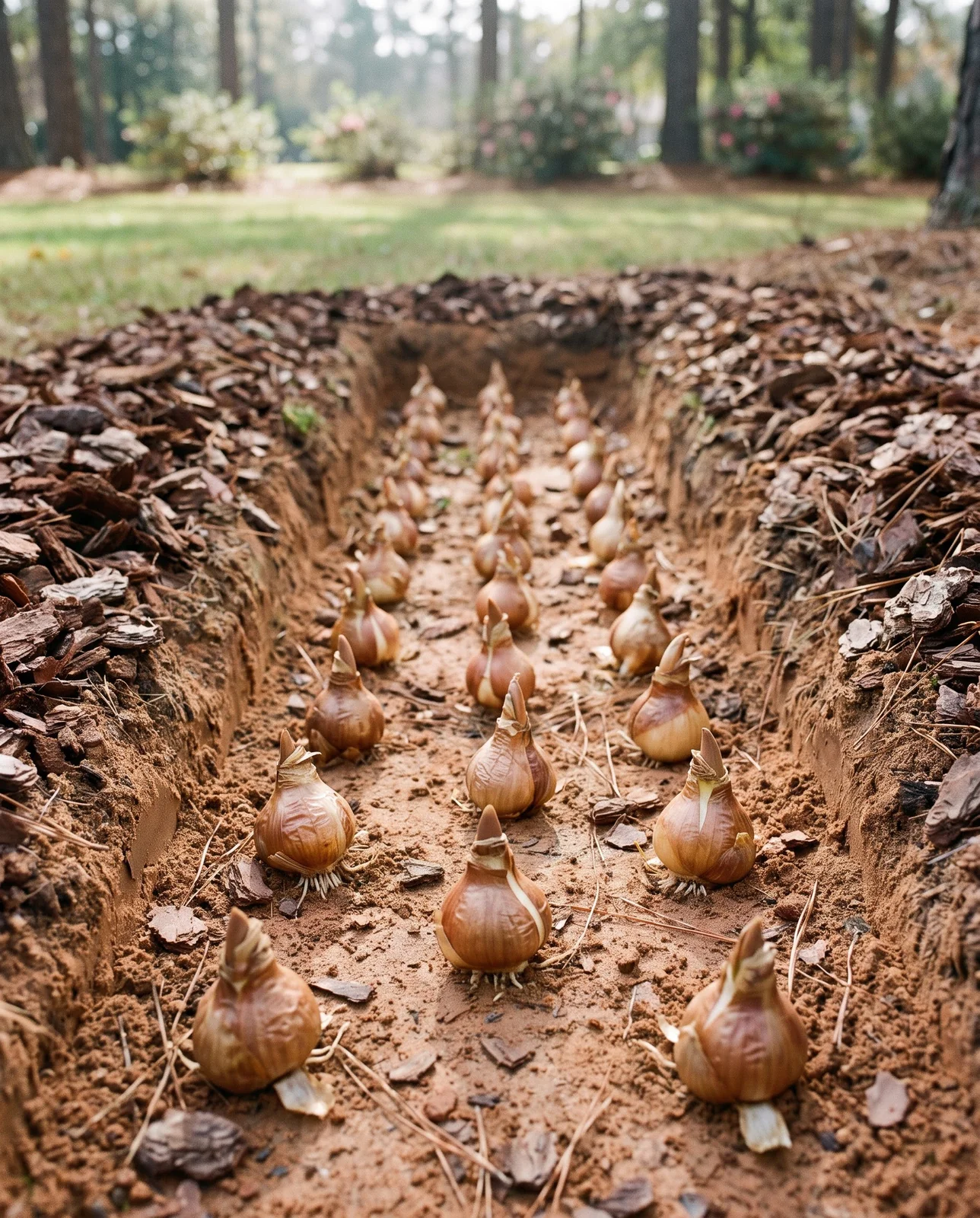
Bulbs go deeper in the north than most gardeners expect, and the depth works as insulation as much as anchorage. The rule measures from the top of the bulb to the soil surface: two to three times the bulb’s greatest diameter for anything two inches across or larger, three to four times for the small ones. Set that way, the flower bud already formed inside rides out freeze-thaw swings at a steadier temperature and a steadier moisture level than it would nearer the surface. The other half of a northern autumn is subtraction. Dahlias and gladiolus do not survive a northern winter in open ground, so the tubers and corms come up before hard freezing arrives and go into dry, cool storage until spring.
Zone 6a-7a: Mid-Atlantic, Ohio Valley, coastal New England, inland Pacific Northwest
The Mid-Atlantic, the Ohio Valley, coastal New England, and the inland Pacific Northwest share a transitional autumn: air that has already cooled sitting over soil that has not. That gap is the best working condition of the year for dividing established perennials, rooting stem cuttings, and settling hardy shrubs such as garden roses, because roots keep extending in warm ground while the tops have stopped drawing water at summer rates. A plant put in now spends those weeks building roots instead of fighting evaporation, which is what a spring planting spends them on. If you are taking late-season stem cuttings to overwinter under cover, trim healthy shoots to three to six inches and set them into clean rooting medium.
Bed preparation is what this band trades for its milder deadline. Spade perennial beds at least eight to ten inches deep, and work organic matter, lime, and fertilizer a full twelve inches down into bulb beds. Test drainage before anything goes in: dig a hole ten inches to a foot deep, fill it with water, let it empty, then fill it again the next day. Water gone in eight to ten hours or less is good enough for perennials and bulbs alike, and water still standing past that mark means the bed is not ready. Aim for a soil pH of 6.0 to 6.5 for herbaceous perennials and a slightly wider 6.0 to 6.8 for spring bulbs. Without a laboratory soil test, a complete fertilizer such as 8-8-8 or 10-10-10 goes in at 1.5 pounds per 100 square feet in perennial beds and 1 to 2 pounds per 100 square feet in bulb beds.
Zone 7b-8a: coastal Carolinas and Georgia, North and Central Texas, Pacific Northwest coast
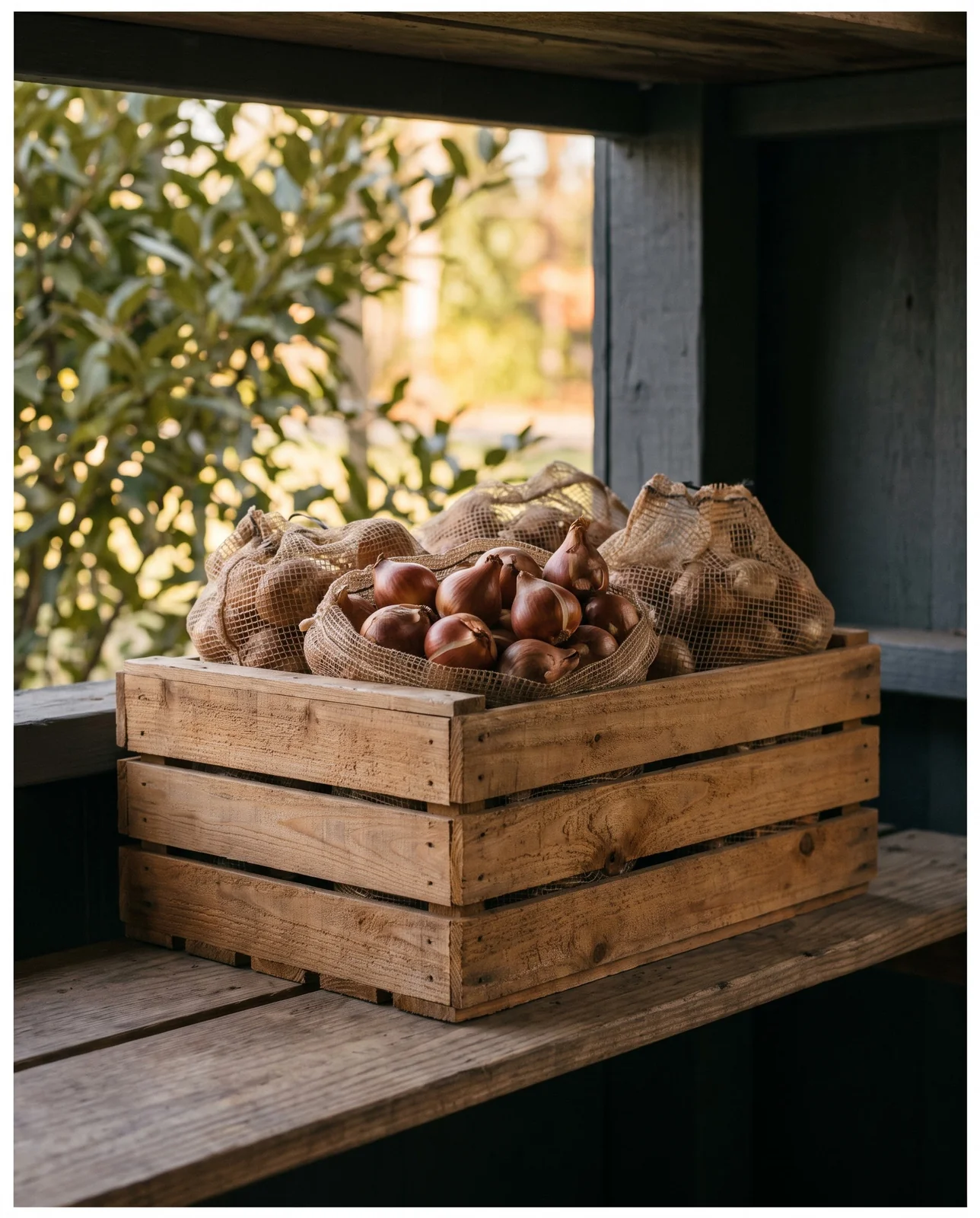
Autumn in the warm Southeast, interior Texas, and the maritime Northwest is long rather than urgent. University of Georgia Extension Bulletin B918 puts the window for spring-flowering bulbs such as daffodils at October through late December across most areas in that zone band, a run with no equivalent in the north, where the season simply ends when the ground freezes. The catch sits at the front of it: southern ground holds summer heat well into fall, and bulbs pushed into warm soil break into growth early and pick up fungal trouble. Give them a site with six to ten hours of direct sun a day and wait for the soil to cool rather than for the calendar to turn. Bulbs that arrive before the ground is ready keep best in a dry spot held at 60 to 65 degrees Fahrenheit. The number to watch is 70: above that, heat damages the flower bud already formed inside the bulb, and no planting date afterward recovers it.
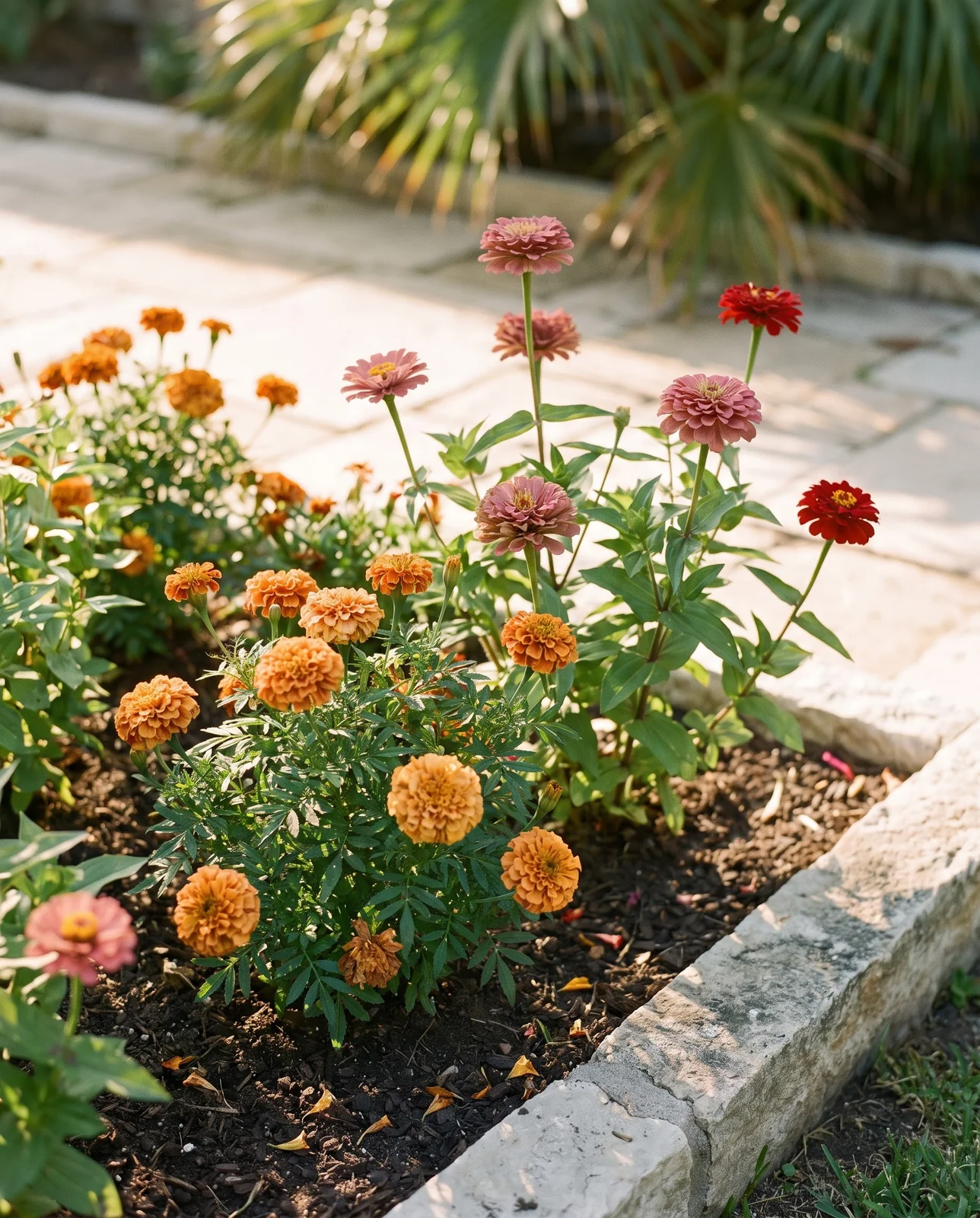
Choosing perennials for this band means judging summer, not winter. University of Georgia Extension Bulletin B944 names the limiting factors for perennials in the Southeast as heat tolerance and the diseases that prevail in hot, humid weather, which turns the usual hardiness question inside out. Cold-climate standards fail that test: garden peonies and oriental poppies are marginal in central Georgia and not recommended further south, while tree peonies and the tall Delphinium elatum types rarely succeed and are not recommended. The plants that hold up are the heat-adapted ones. Aster x frikartii carries lavender-blue flowers from June until frost, and Christmas rose, Helleborus niger, opens in November and keeps going into early spring. Planting depth stays as fussy here as it is in the north, for the opposite reason: set the crown at or just below the soil line, because a buried crown, or a heavy mulch that holds moisture against it, turns into crown rot quickly in warm, humid soil.
Zone 8b-9b: Gulf Coast Texas, Deep South coast, Florida panhandle
Along the Gulf Coast, the Deep South coastal plain, and the Florida panhandle, winter is a different season from the one the rest of this page describes, and spring runs ahead of it: bulbs flower two or more weeks earlier in Zone 9 than in Zone 7. What those mild winters do not deliver is cold. Most spring-flowering bulbs, tulips among them, need 12 to 16 weeks between 40 and 50 degrees Fahrenheit before they will build a flower stem, and University of Georgia Extension Bulletin B918 puts that treatment in ventilated packages in the bottom of a refrigerator, because the ground here will not do it. Skip the chilling and the bulb comes up on a stunted stem or drops its bud without opening. Even chilled and planted well, many tulip varieties do not persist over more than one season in the South, declining after their first flowering year.
Two smaller jobs belong to this band. Some autumn tubers want water before they want soil: soak Eranthis for 24 hours and Anemone blanda overnight before setting them out, while colchicums go in the day they arrive, since they will flower sitting on a shelf if you leave them there. The rest is a storage list that turns on one zone line. Canna rhizomes stay in the ground through Zones 8 and 9, but in Zone 7 they come up and winter at 45 to 50 degrees Fahrenheit. Dahlias are not reliably hardy outside Zone 9 unless heavily mulched. Agapanthus and Hymenocallis hold outdoors only in Zone 9, and where they cannot, Hymenocallis stores warm at 65 to 70 degrees while gladiolus corms want the opposite, 35 to 40.
Fall planting calendar by USDA zone band
Four zone bands, each with its own planting window, what goes in the ground now and the caution that matters most there.
What is already too late, honestly
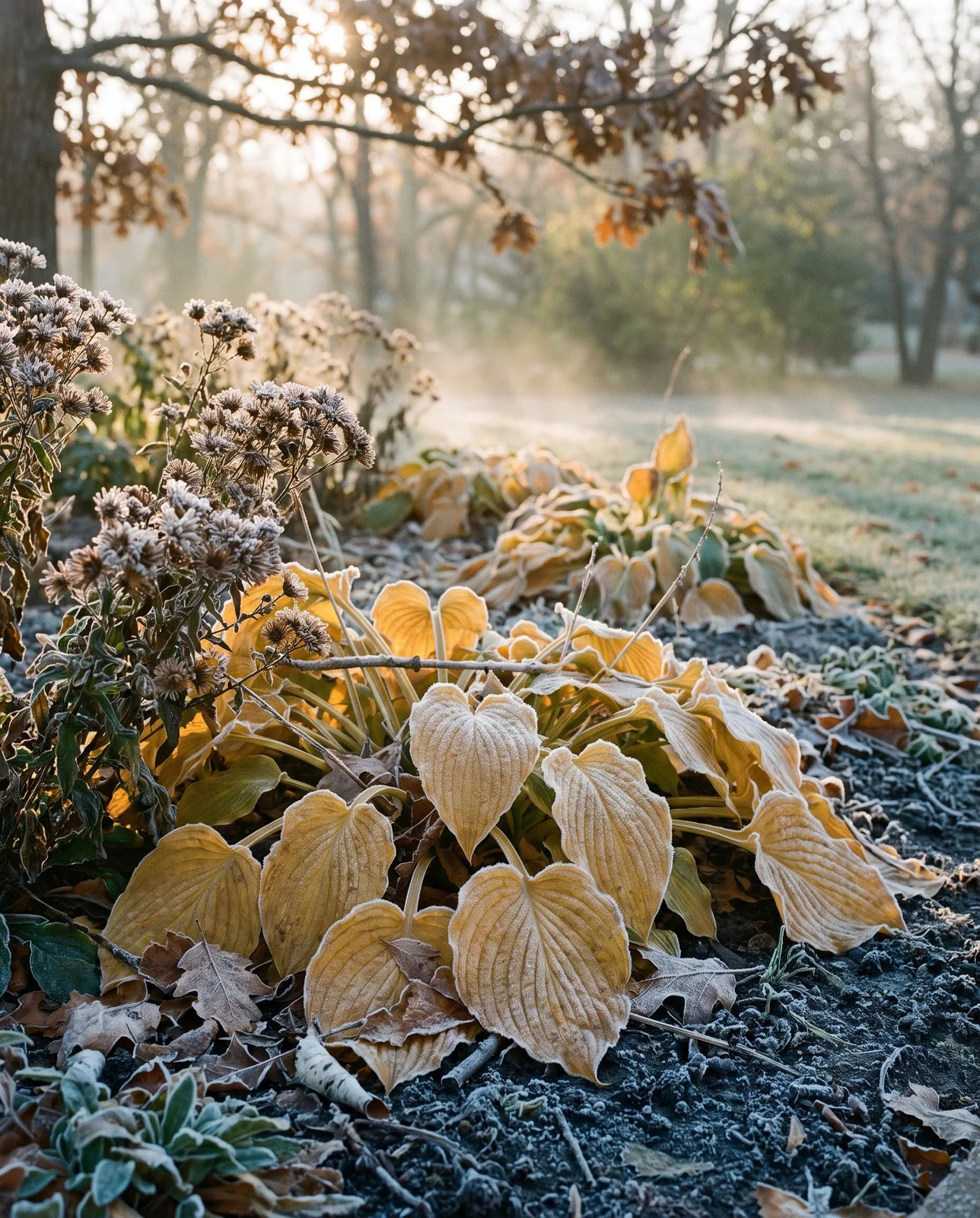
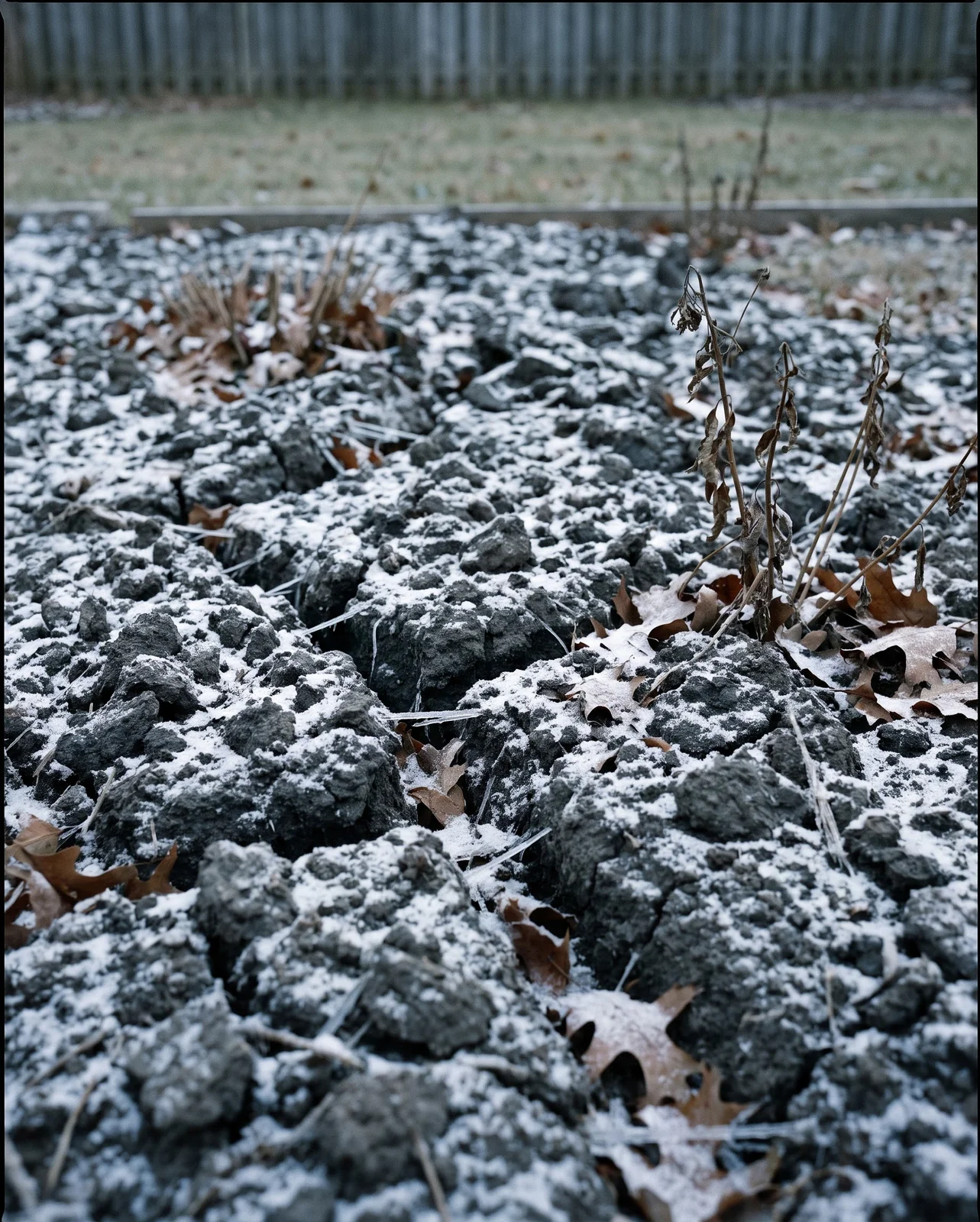
The season ends when the topsoil freezes solid, and it ends the same way in every band. Once a spade will not go in, bare-root perennials, fresh divisions, and dormant bulbs are finished outdoors for the year. Chopping a hole into frozen ground buys nothing: roots cannot push out into it, and the tissue that sits there all winter turns soft at the thaw. Leaving the bulbs in their bag has its own failure, because indoor storage above 70 degrees Fahrenheit kills the embryonic flower inside them. If you find unplanted bulbs after the beds have locked up, pot them instead and force them. Potted spring bulbs need 8 to 12 weeks of darkness at around 40 degrees Fahrenheit, which a cold frame, an unheated garage, a basement, or a refrigerator will supply, with the one condition that the potting soil itself must not freeze. That turns a missed window into flowers on a windowsill in early spring.
FAQ
What is the difference between USDA hardiness zone a and b?
The letter splits a zone in half. Each numbered zone covers a ten-degree Fahrenheit range of average annual extreme minimum winter temperature, and each half zone covers five degrees of that: “a” is the colder half, “b” the warmer. Zone 7a averages a winter low of 0 to 5 degrees Fahrenheit, Zone 7b of 5 to 10.
How deep should spring bulbs and perennial crowns be planted in fall?
Measure bulb depth from the top of the bulb to the soil surface. Bulbs two inches or more across go in two to three times their own diameter deep, and smaller bulbs three to four times. Perennial crowns work the other way, sitting at or just below the soil line. Bury a crown, or pile a heavy moisture-holding mulch over it, and it rots.
Why do spring bulbs fail to bloom in warm southern zones?
They never get cold enough. Most temperate spring bulbs need 12 to 16 weeks between 40 and 50 degrees Fahrenheit before they will break dormancy and push a flower stem up. In Zones 8b through 9b the ground stays too warm to supply that, so an unchilled bulb sends up stunted growth or aborts the bud without opening it. Giving them that stretch of cold in a refrigerator before planting is what gets around it.
Which summer bulbs must be dug up before winter?
In Zone 7 and colder, canna rhizomes come up and store at 45 to 50 degrees Fahrenheit, and gladiolus corms at 35 to 40. Dahlias are not reliably winter-hardy outside Zone 9 unless heavily mulched. Agapanthus and Hymenocallis stay outdoors only in Zone 9, and where they cannot, Hymenocallis stores warm, at 65 to 70 degrees.
How should unplanted bulbs be stored if planting is delayed?
Keep them dry at 60 to 65 degrees Fahrenheit. Anything above 70 does permanent damage to the flower bud already formed inside. Skip airtight containers, which trap moisture against the bulb, and plant colchicums the day they arrive: they will bloom on a shelf whether or not you get to them.
More About Best & Compare
Fall flower bed ideas: 3 plans for sun and shade
Best fall-blooming flowers
Best fall-planted bulbs for spring bloom
Best housewarming plant gifts
Best drought-tolerant flowers for full sun
Easiest flowers to grow for beginners
Best flowers to attract butterflies
Best flowers for containers
Best flowers for hanging baskets and window boxes