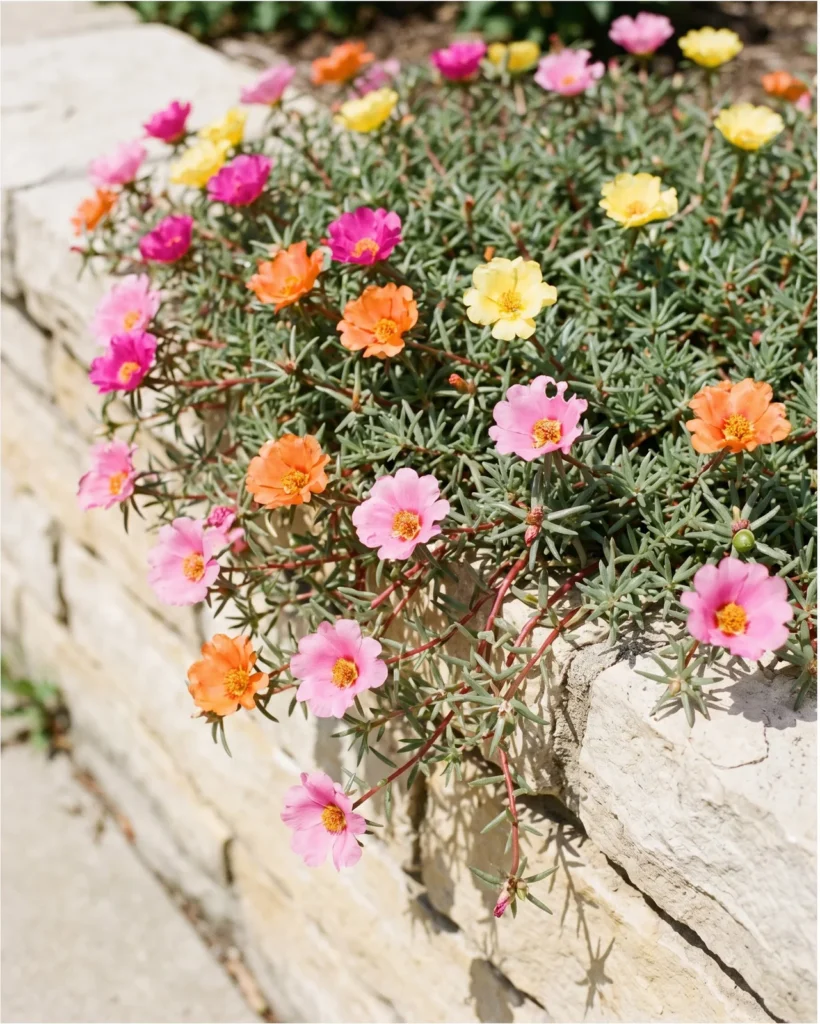
Two plants are called portulaca
Two different plants share the name portulaca: ornamental moss rose and common purslane. In everyday use, moss rose, purslane, and rose moss often refer to the genus as a whole. The first is common purslane, Portulaca oleracea, a low succulent weed often gathered or grown as a leafy vegetable. Because the names overlap, gardeners frequently confuse them and wonder whether moss rose and portulaca are the same plant. The flower grown for garden color is the second species, Portulaca grandiflora.
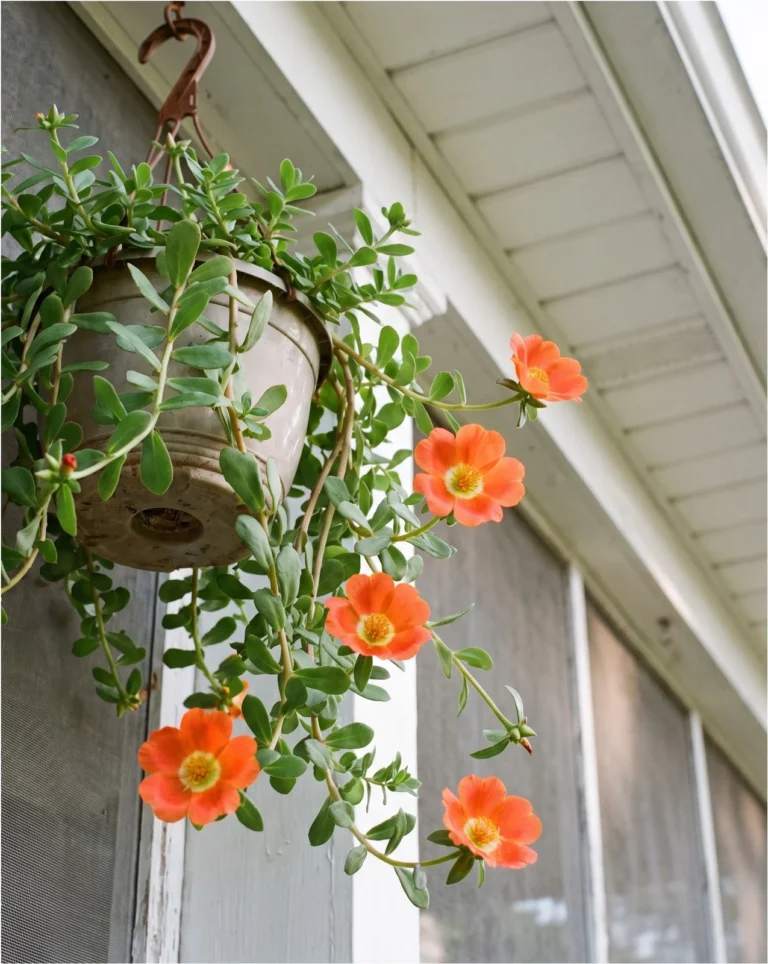
Three traits settle which plant you have: the flower, the height, and the leaf. The flower is the fastest tell. Moss rose opens ruffled blooms 1 to 1 1/4 inches across in red, orange, pink, white, and yellow. Common purslane bears tiny yellow flowers that reach only about a quarter of an inch wide. Height parts them as well: purslane can reach about 16 inches tall, while moss rose stays in a low mat. The leaves usually settle the question. Common purslane and its hybrids carry flat, spoon-shaped blades. Moss rose grows fleshy, needle-like leaves, though occasionally the two leaf shapes are reversed.
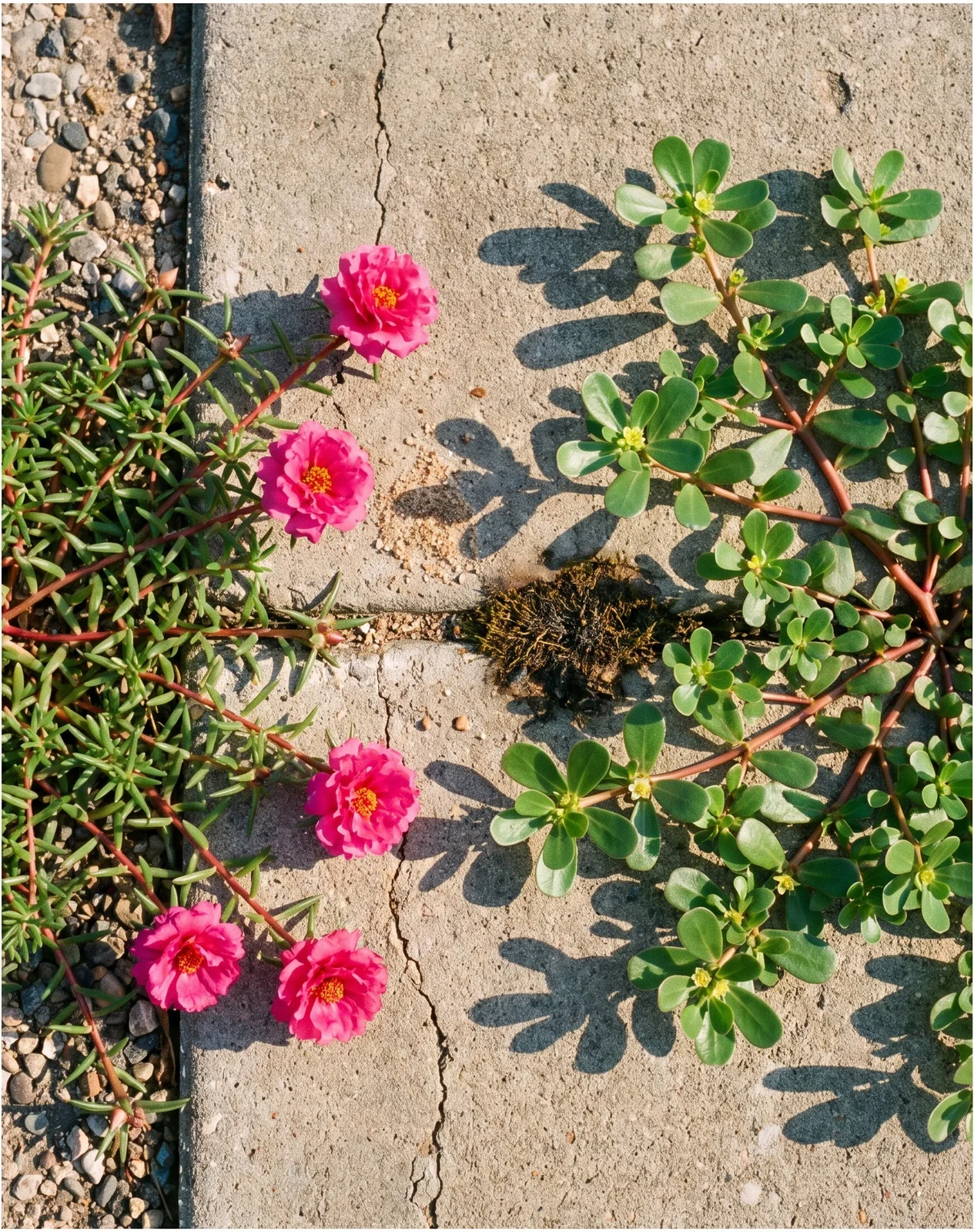
Moss rose or purslane, side by side
Five checks tell the two plants apart when a pot has no tag. Flower size is the quickest tell, followed by leaf shape and height.
A third name in the same rack
A third species shares the same rack and name. Wingpod purslane, Portulaca umbraticola, grows as an annual or short-lived perennial, while moss rose is grown as an annual. It reaches up to about 10 inches tall and divides into three recognized subspecies. Its leaves are much smaller and wider than those of other species, so it is easily confused with common purslane. Every part of the plant is edible, including the stems, leaves, flowers, and roots. In the plant trade the three names run together: plants are sold under all three species names, and many cultivars are likely hybrids. Moss rose has also been crossed with common purslane, wingpod purslane, and Portulaca villosa.
Plant tags show the confusion clearly. Inside the Mojave series, 'Tangerine II' and 'Fuchsia III' are sold under Portulaca oleracea, while 'Yellow II', 'Red II', and 'Pink' are labeled Portulaca umbraticola. The 'Fairy Tale' series is sold as P. grandiflora but carries the flat leaves typical of P. oleracea. When tags disagree, the plant itself settles the question. Ruffled, rose-like blooms at the stem tips point to moss rose, while unusually small, wide leaves point to wingpod purslane. Where the tag and the foliage disagree, trust the leaves.
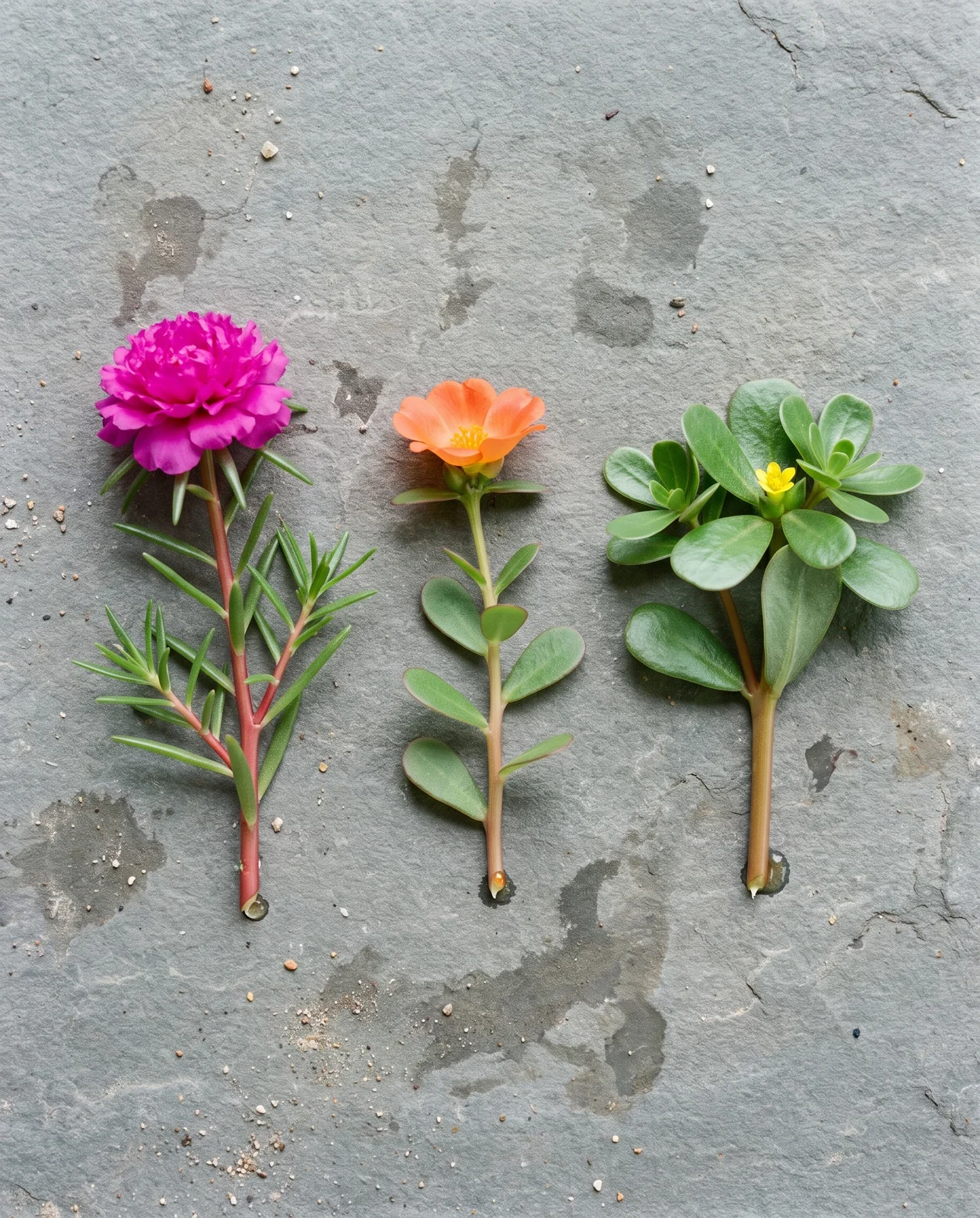
What moss rose is
Moss rose, Portulaca grandiflora, is a low succulent in the purslane family, grown as a heat-tolerant annual. It comes from the hot, dry plains of southern Brazil, Argentina, and Uruguay. That background explains what it wants in a garden. The botanical name grandiflora means large-flowered. Portulaca is the type genus of the purslane family, counting between 100 and 153 species across warm temperate and tropical regions. Despite its common name and rose-like blossoms, it is more closely related to carnations and cacti. It is also one of the few plants that uses both C4 carbon fixation and CAM pathways.
It carries many names: rose moss, sun rose, Mexican rose, table rose, rock rose, moss-rose purslane, and eleven o'clock. Seed packets often list purslane and moss rose as alternates on the same product. The genus name traces either to the Latin for little door, after the capsule lid, or to an older Latin name for purslane.
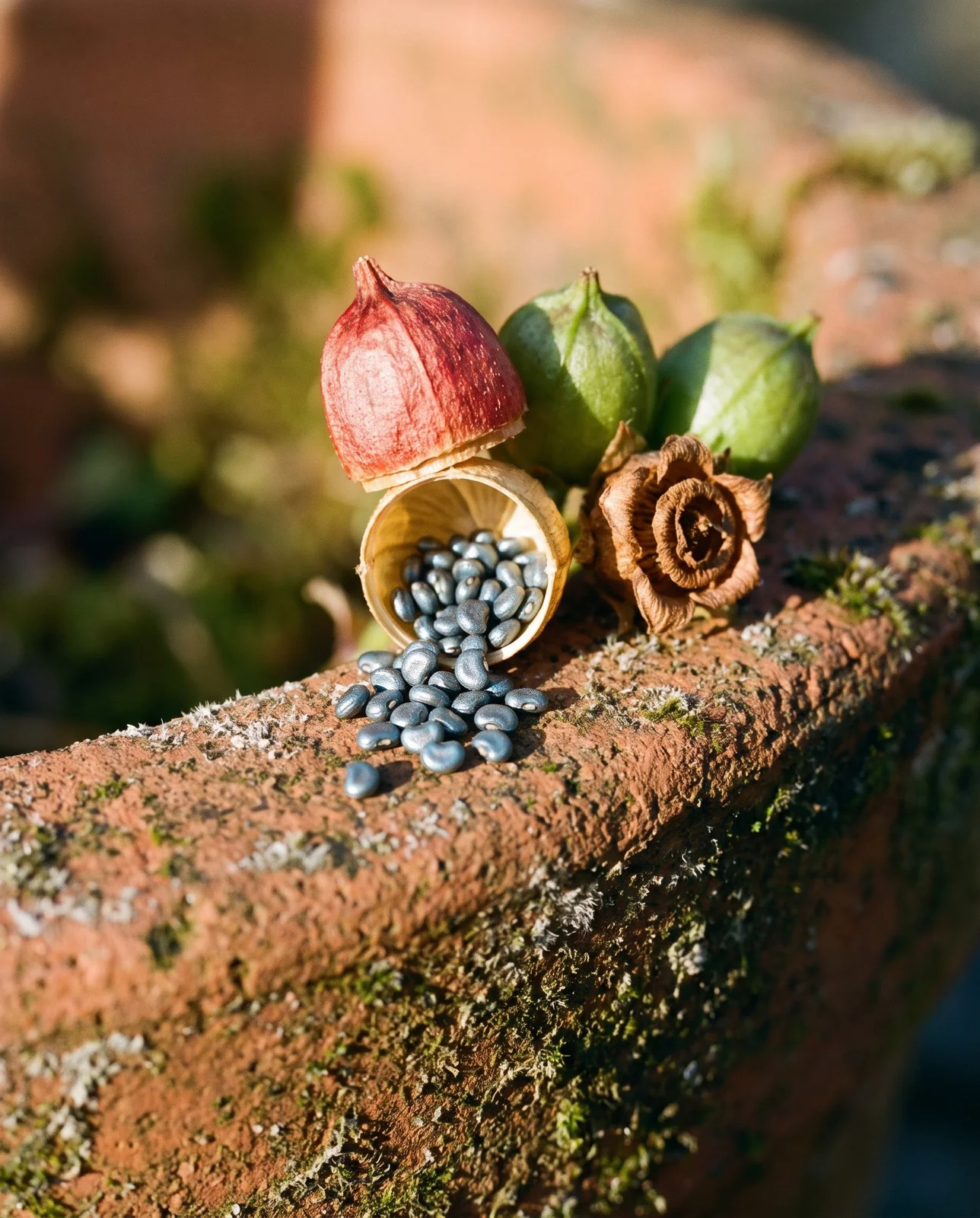
What moss rose looks like up close
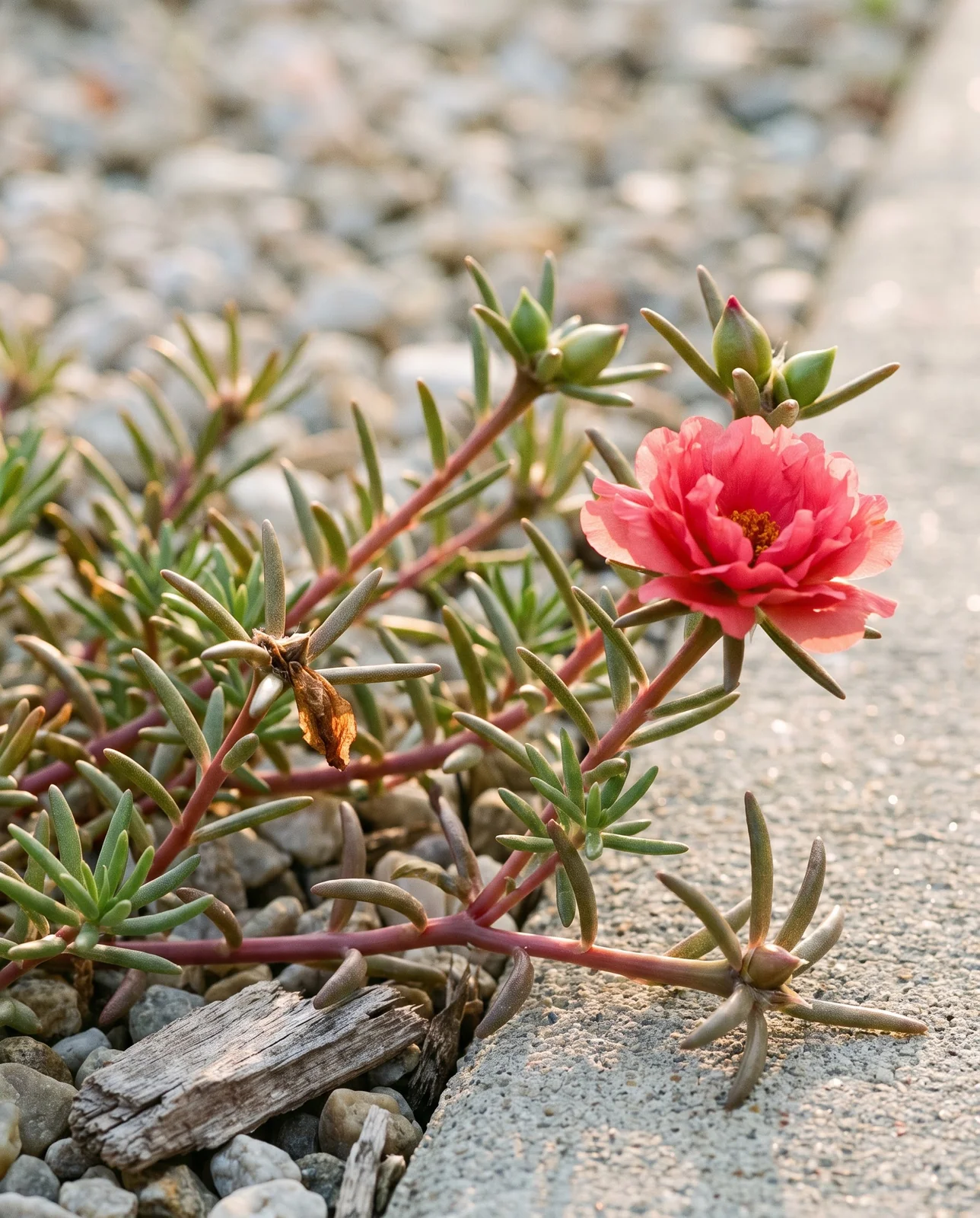
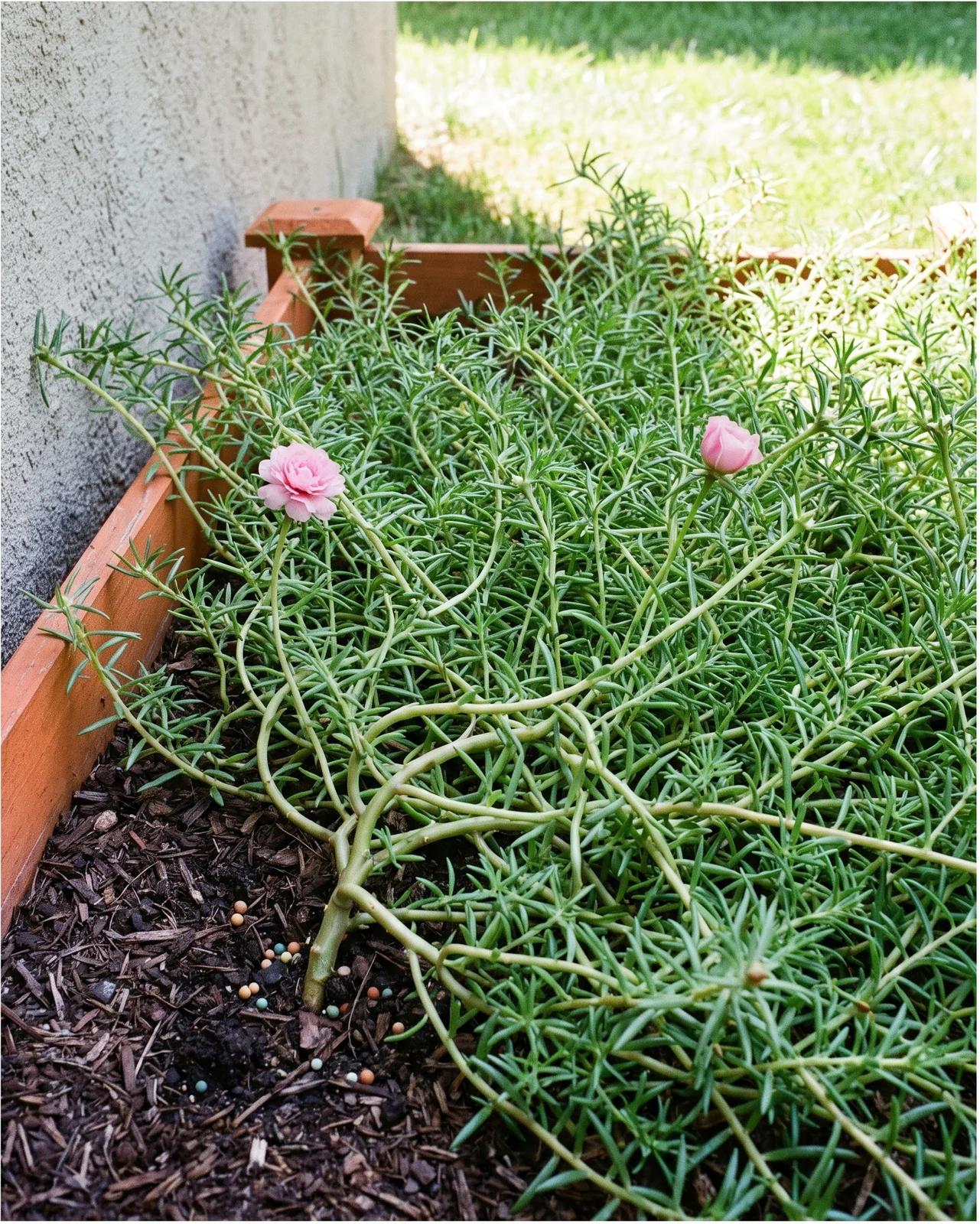
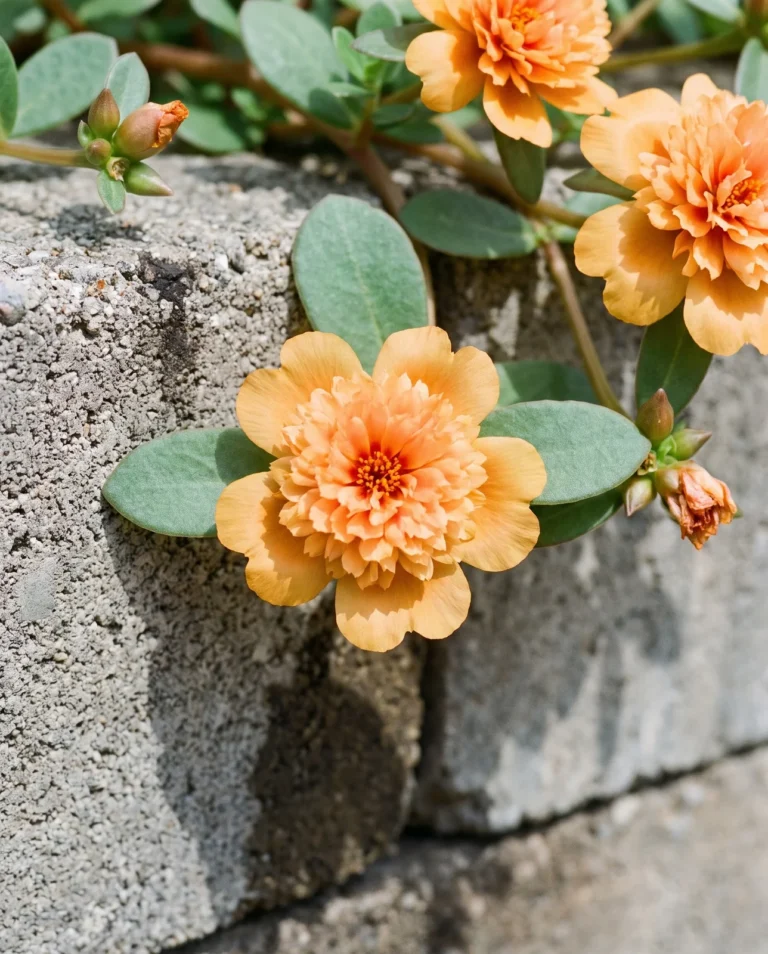
Up close, moss rose forms a low carpet of reddish, branched stems that lie flat or rise slightly at the ends. The leaves are fleshy, needle-like, and about an inch long, ending in ruffled, rose-like blossoms at the stem tips. A single plant grows 3 to 8 inches tall and spreads 6 to 12 inches wide, making a low mat. The color range is wide: yellow and gold, orange, pink, purple and lavender, red and burgundy, and white.
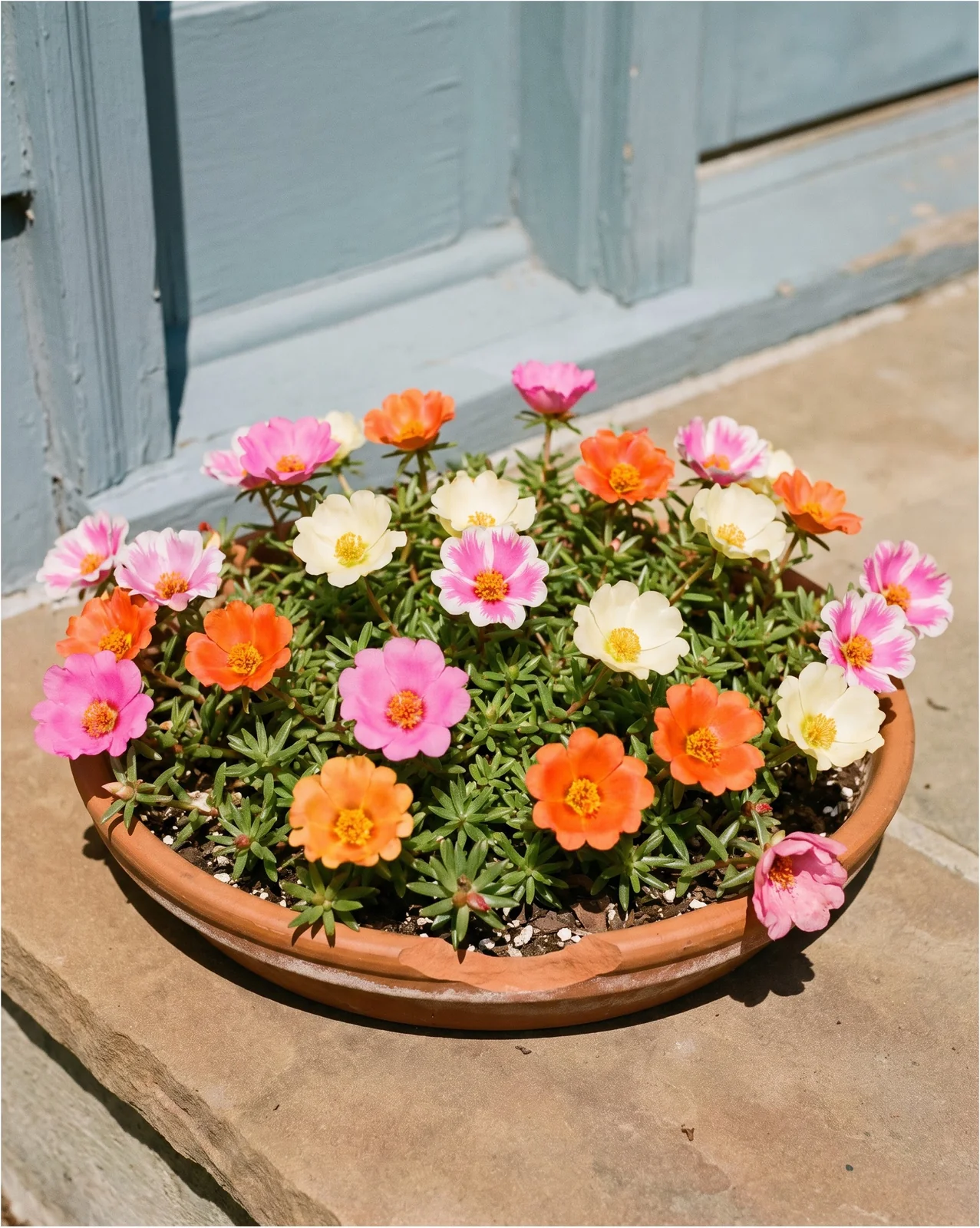
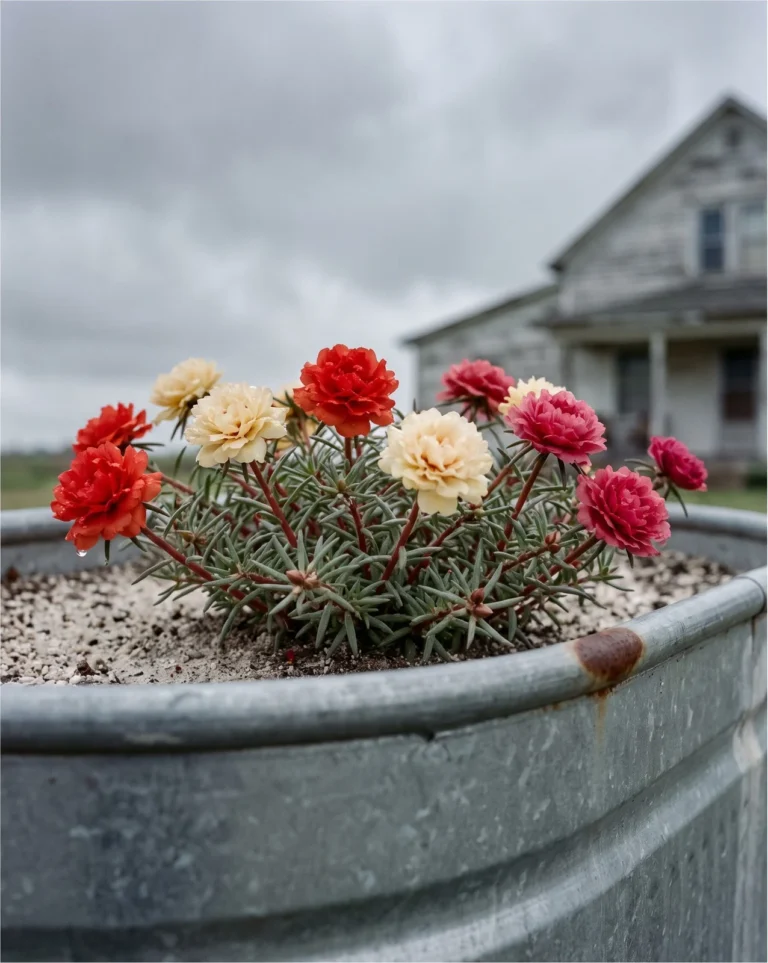
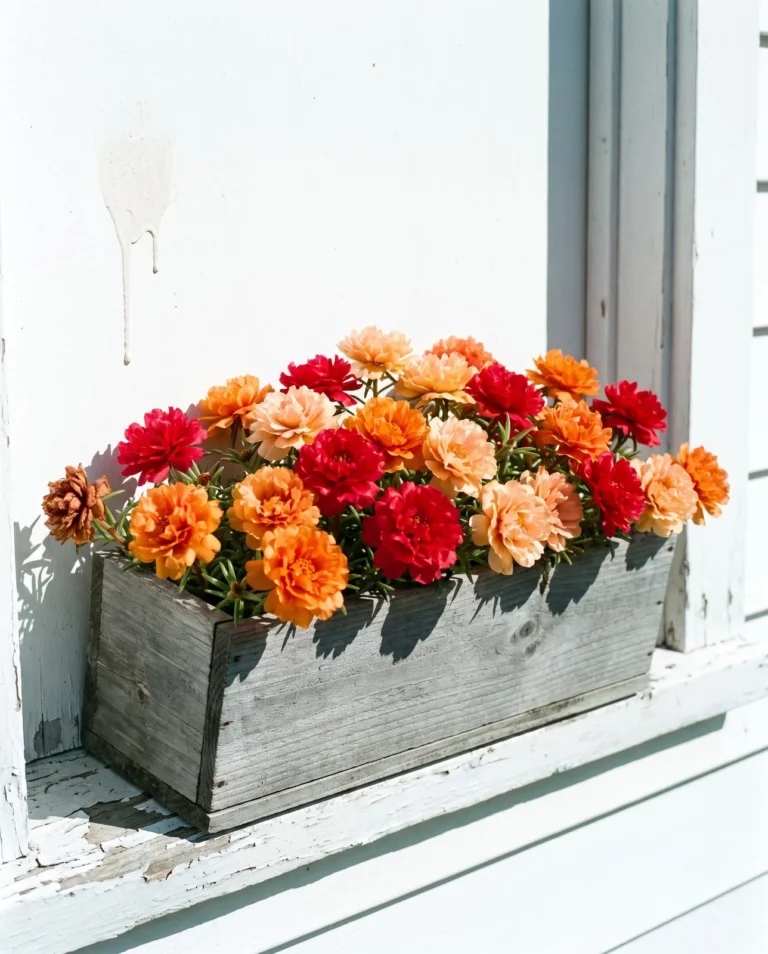
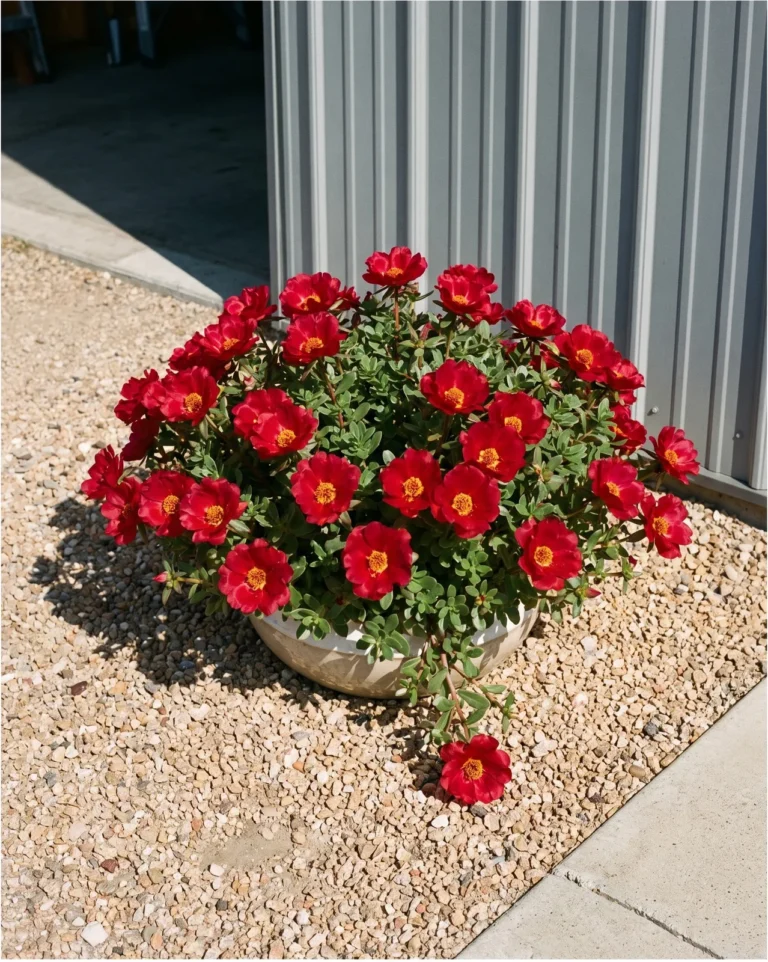
The wild species bears simple flowers with five paper-thin petals around 40 or more stamens and 5 to 8 stigmas. Modern selections add semi-double and double forms built with extra petals. Blooms can span 1 to 3 inches across depending on the variety. Two pots on the same bench can look like different plants. One opens single blooms around a prominent ring of 40 or more stamens, while the other packs ruffled petals like a small rose.
Why the flowers close
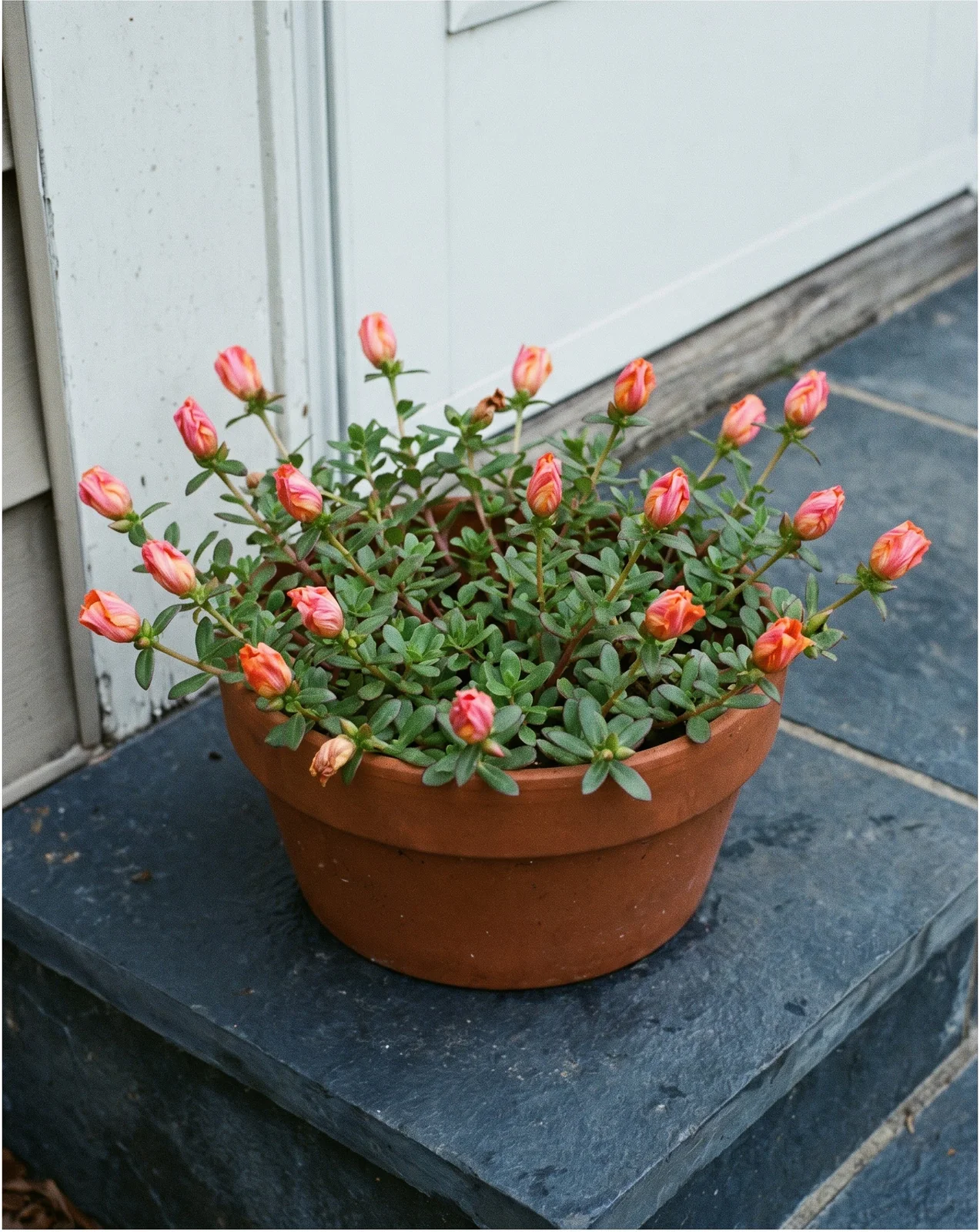
Moss rose flowers close whenever sunlight drops or the plant faces stress, so blooms that fold up by late afternoon are behaving normally. They shut from sundown to sunup and reopen the following morning. They also stay closed on cloudy or rainy days, and overcast skies, low light, or stress can trigger them to close early.
How long blooms stay open depends largely on the cultivar, because most newer hybrids remain open throughout the day. The vegetative Tequila series tolerates cool, moist weather slightly better than other varieties and is slightly less sensitive to day length. Seed-grown Happy Hour plants need less daylight to set buds, blooming earlier in the season. On a porch that loses direct sun by early afternoon or sits under regular cloud cover, choosing one of these series keeps flowers open longer.
Where to plant it, and the soil rule
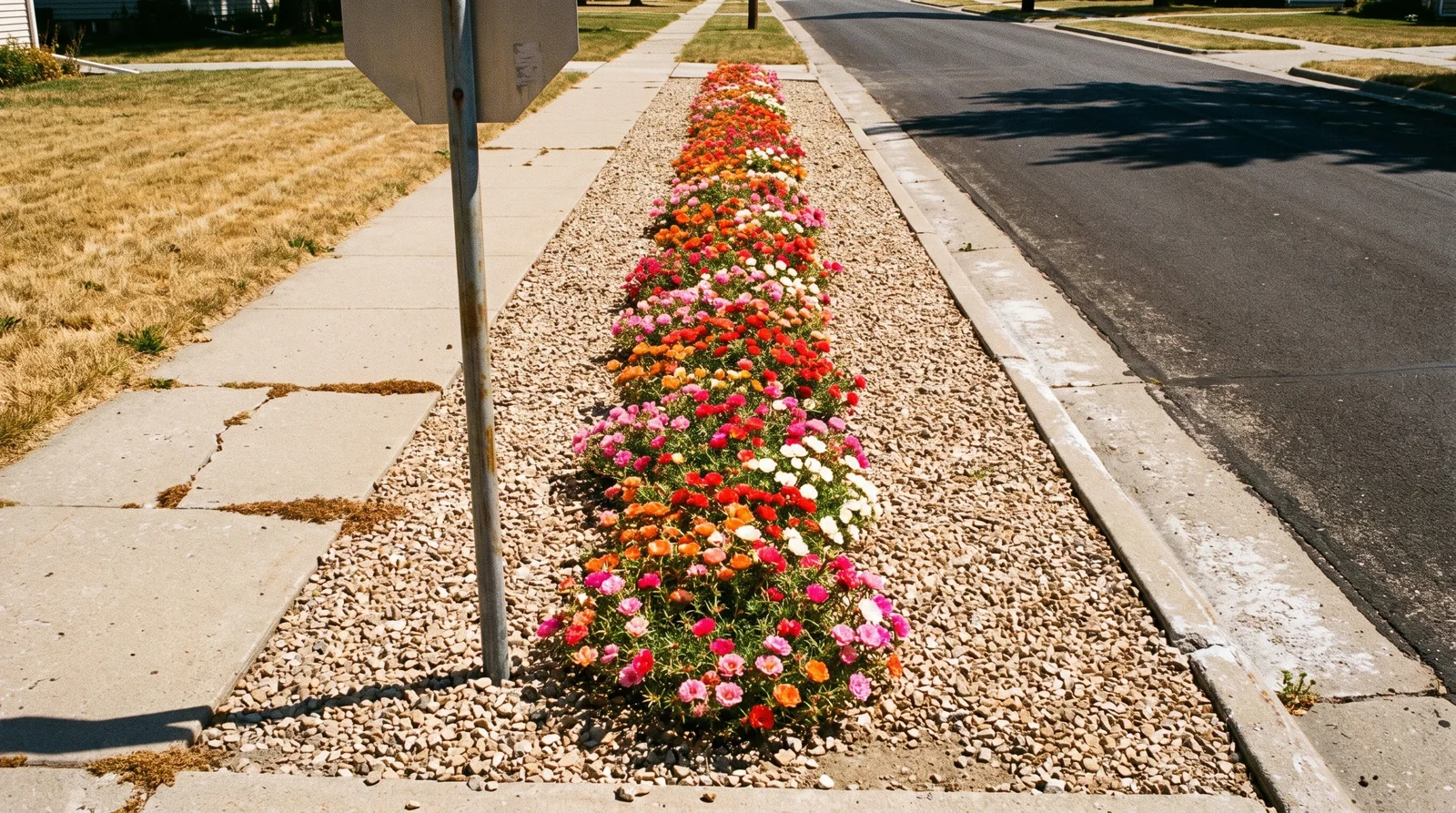
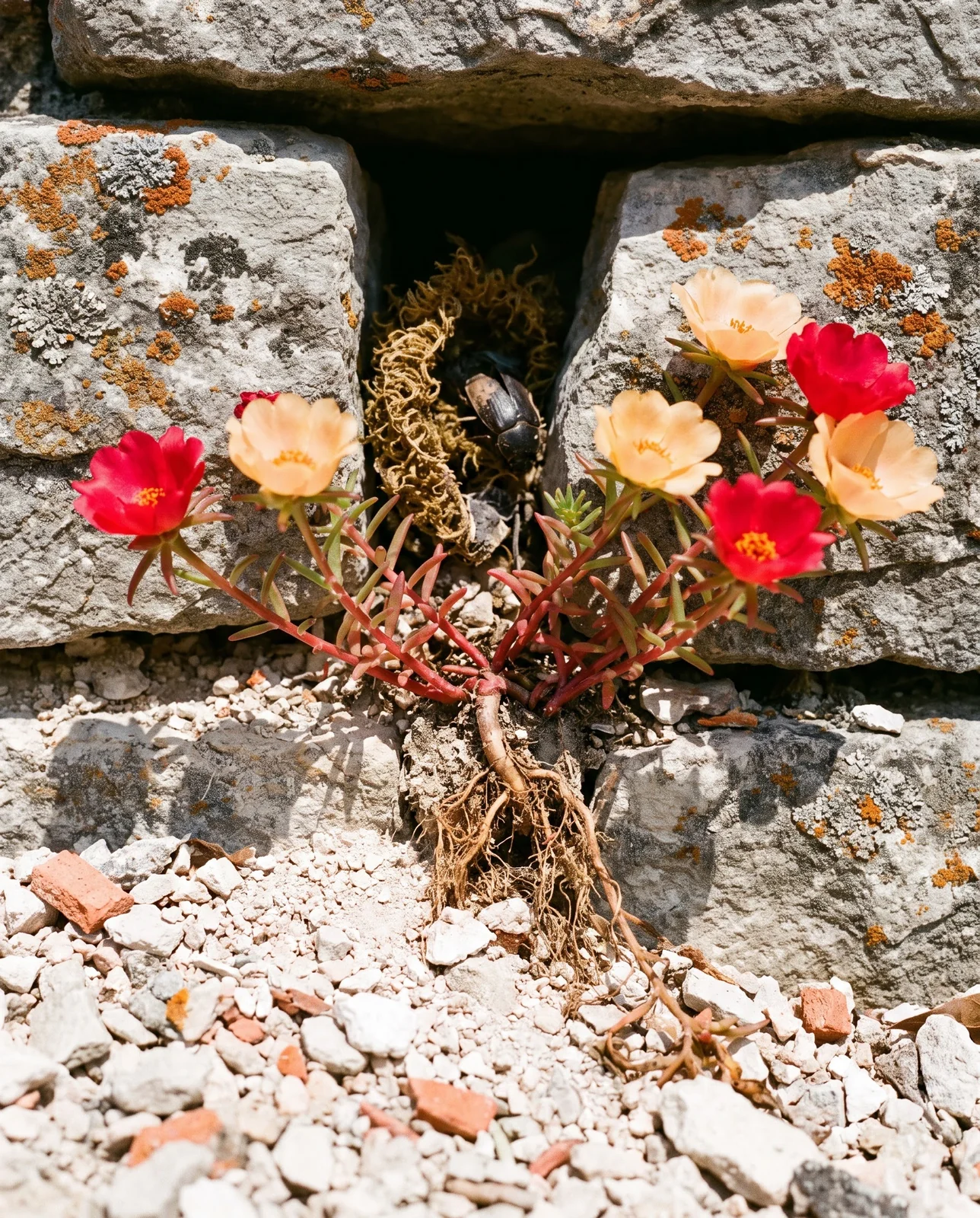
Plant moss rose in poor to average, well-drained soil in full sun, meaning 6 or more hours of direct sunlight every day. It is a good choice for lean, sandy, gravelly, or rocky areas, and suits poor, dry soils where many other plants struggle. Gravel strips, the top of a dry stone wall, and hot driveway edges give it the baking ground it shares with spreading sedum. What moss rose cannot take is water that stays, because stem and root rots can be a problem in wet soils.
Hold back the urge to enrich the bed. Portulaca generally prefers lean soil and needs little or no supplemental fertilizer, because rich soil or overfeeding can push leafy growth at the expense of flowers. Advice splits on this point: Mississippi State Extension treats both portulaca species as heavy feeders that need steady nutrition through the season to bloom best. Whichever approach you follow, fast drainage matters far more than fertilizer.
Why a moss rose will not bloom
A moss rose that produces leafy stems without flowers is usually reacting to shade, rich soil, or heavy feeding. It needs full sun to set buds, and best flowering comes with about 6 hours of direct light. Rich or soggy soil can also stop flowering. When a plant produces plenty of stems but few blooms, adding fertilizer usually makes it worse.
In containers, heavy potting soil traps water around the roots, but careful moisture monitoring avoids most rot problems. Heavy flowering comes from lean soil, plenty of sun, and sharp drainage so the plant never sits in cold, wet ground. Check these growing conditions before reaching for fertilizer or pruners. If a garden bed cannot deliver that much direct sun for moss rose, vinca grows well in the same hot, dry borders.
Work through a plant that will not flower
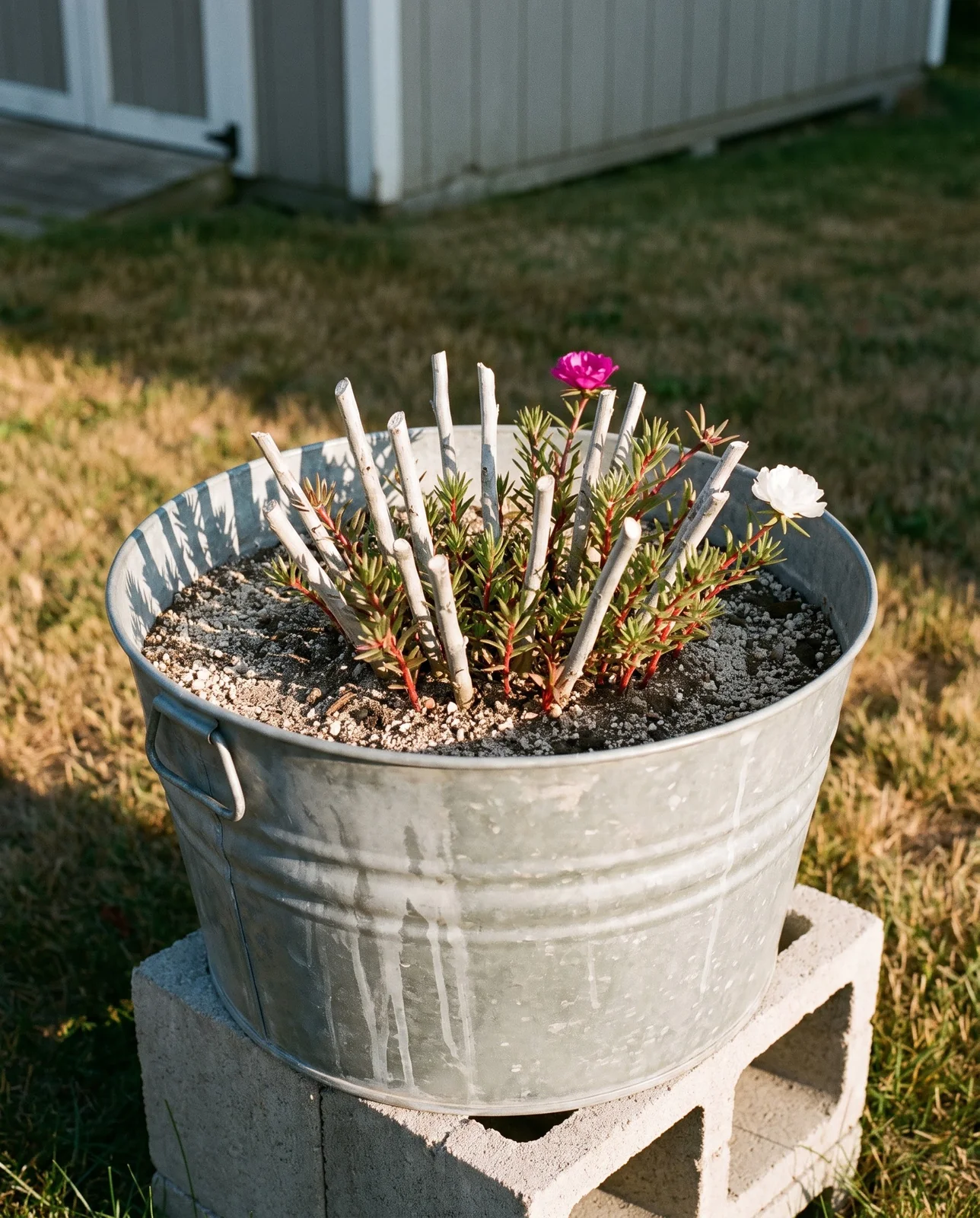
Follow these five checks in order before cutting stems, adding fertilizer, or repotting.
Leggy, or something else
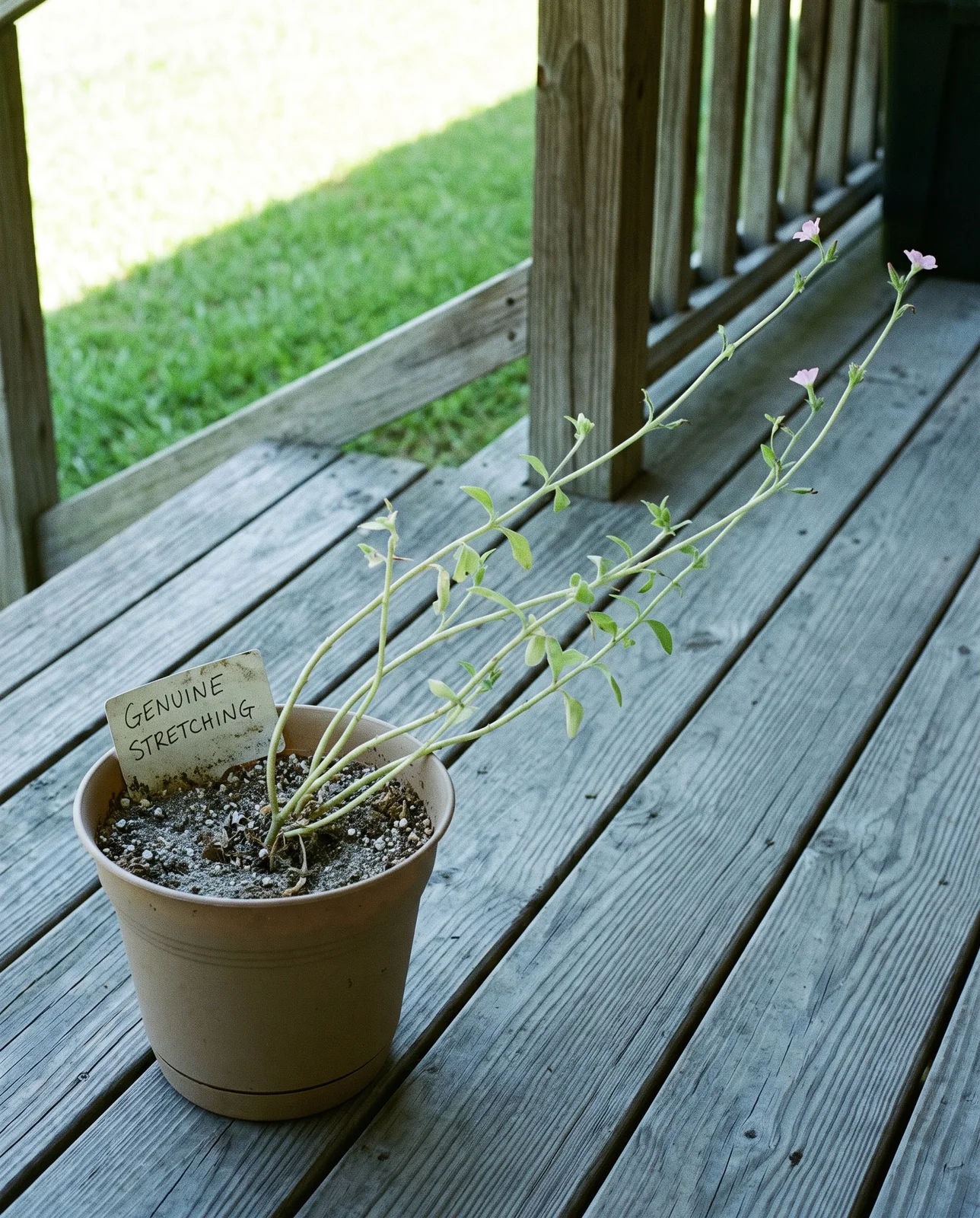
Stretched stems and cramped roots look similar from a distance, but the growth habit and soil reveal the difference. When the plant lacks light, it develops a leggy habit with fewer flowers that fail to stay open. You will see wide gaps along the stems as they reach toward the sun. Dense potting soil that restricts root growth can easily be mistaken for genuine legginess. Check the stem spacing and daily sun before pruning, and feel whether the mix drains freely.
If the plant is genuinely leggy, a midseason trim brings it back into shape. If stems start to look straggly, you can shear them back to encourage bushier regrowth and a fresh flush of flowers. You can cut overgrown plants back by up to half their size in midsummer. Follow that cut with a single, very light feeding to stimulate new growth. Pruning refreshes tired top growth, but it cannot help roots trapped in dense, compacted mix.
What actually goes wrong, in order
Moss rose faces very few pest or disease problems, with aphids, occasional slugs, and rot in poorly drained soil being the rare exceptions. Almost every failure traces back to heavy soil or excess water.
Symptoms: softening and collapse at the base of the plant. Cause: poorly drained soil that leads to crown rot, or soggy ground that brings stem and root rot. What to do: fix the drainage immediately and allow the soil to dry out between waterings.
Symptoms: lush leafy growth with few or no flowers. Cause: ground that is too rich or soggy, or excess fertilizer that drives foliage at the expense of flowers. What to do: stop adding fertilizer, move the plant to full sun, and keep the soil on the dry side.
Symptoms: long, bare stems between leaf clusters, with flowers that fail to stay open. Cause: insufficient sunlight, which leads to a leggy habit and fewer blooms. What to do: move the plant to a spot with full direct sun before trimming back any stretched stems.
Symptoms: clusters of tiny insects at tender stem tips, or chewed succulent leaves. Cause: aphids or slugs, which can occasionally trouble the plant, with aphids being the main insect to watch for. What to do: rinse aphids off with a sharp spray of water, and pick off any slugs feeding on low foliage.
What overwatering looks like on a succulent
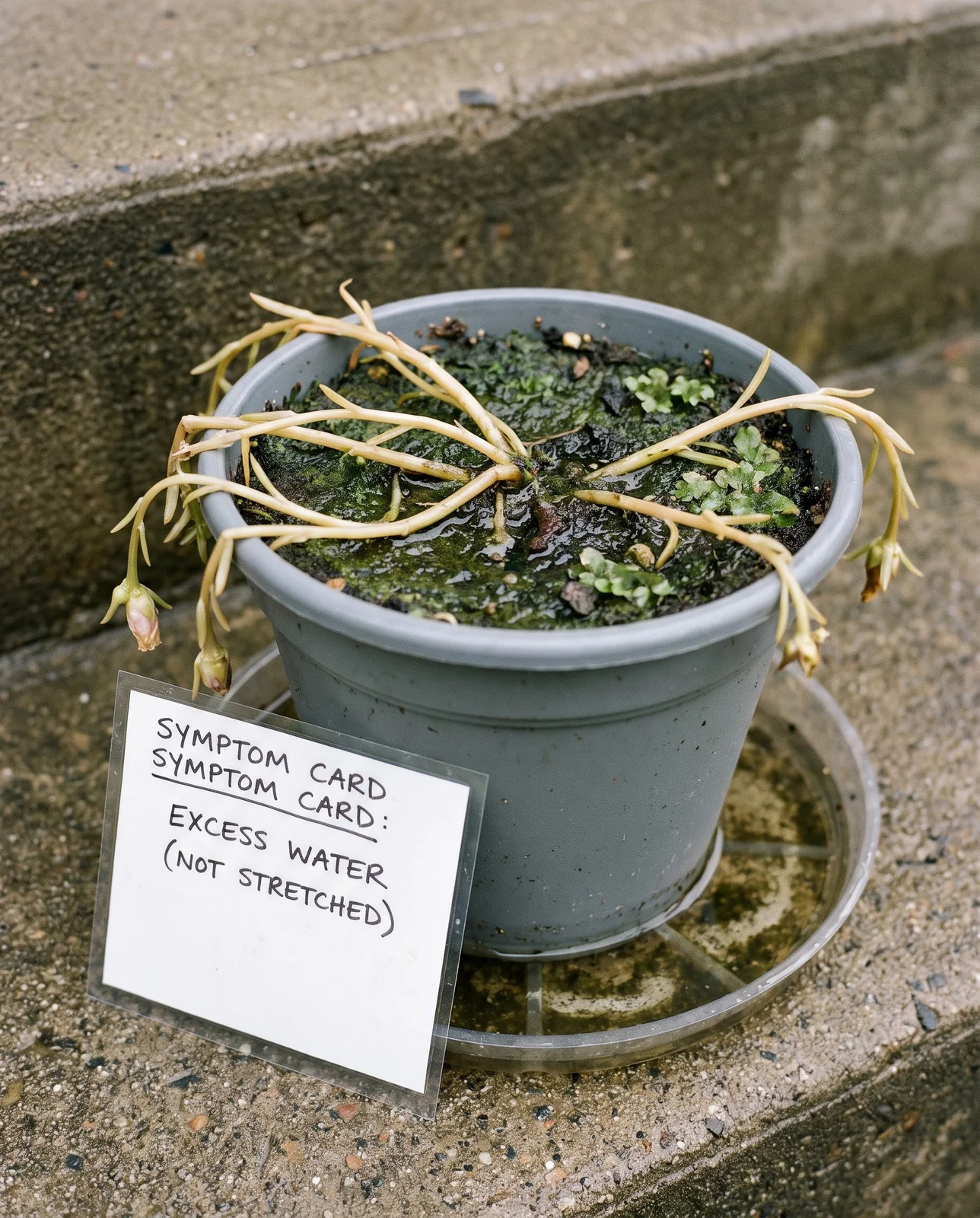
Overwatering shows up first in the stems, which often turn pale or yellowish on a plant that needs little water. Its overall water needs run dry to medium, and shallow roots make it especially prone to root rot if overwatered. In containers, heavy soil and water sitting in saucers speed up the damage. If stems turn pale and the soil feels damp beneath the surface, stop watering until the mix dries out completely.
Annual or perennial, and what the two zone ranges mean
Moss rose grows as a warm-season annual in most gardens, lasting as a perennial only where winter stays warm. The species can grow as a perennial in USDA zones 10 to 11, but lives as an annual elsewhere. Annual planting calendars run from zone 3a through zone 11b, with the general summer growing range spanning zones 2 to 11. The difference is straightforward: one range marks winter survival outdoors, while the other marks where a summer crop can bloom.
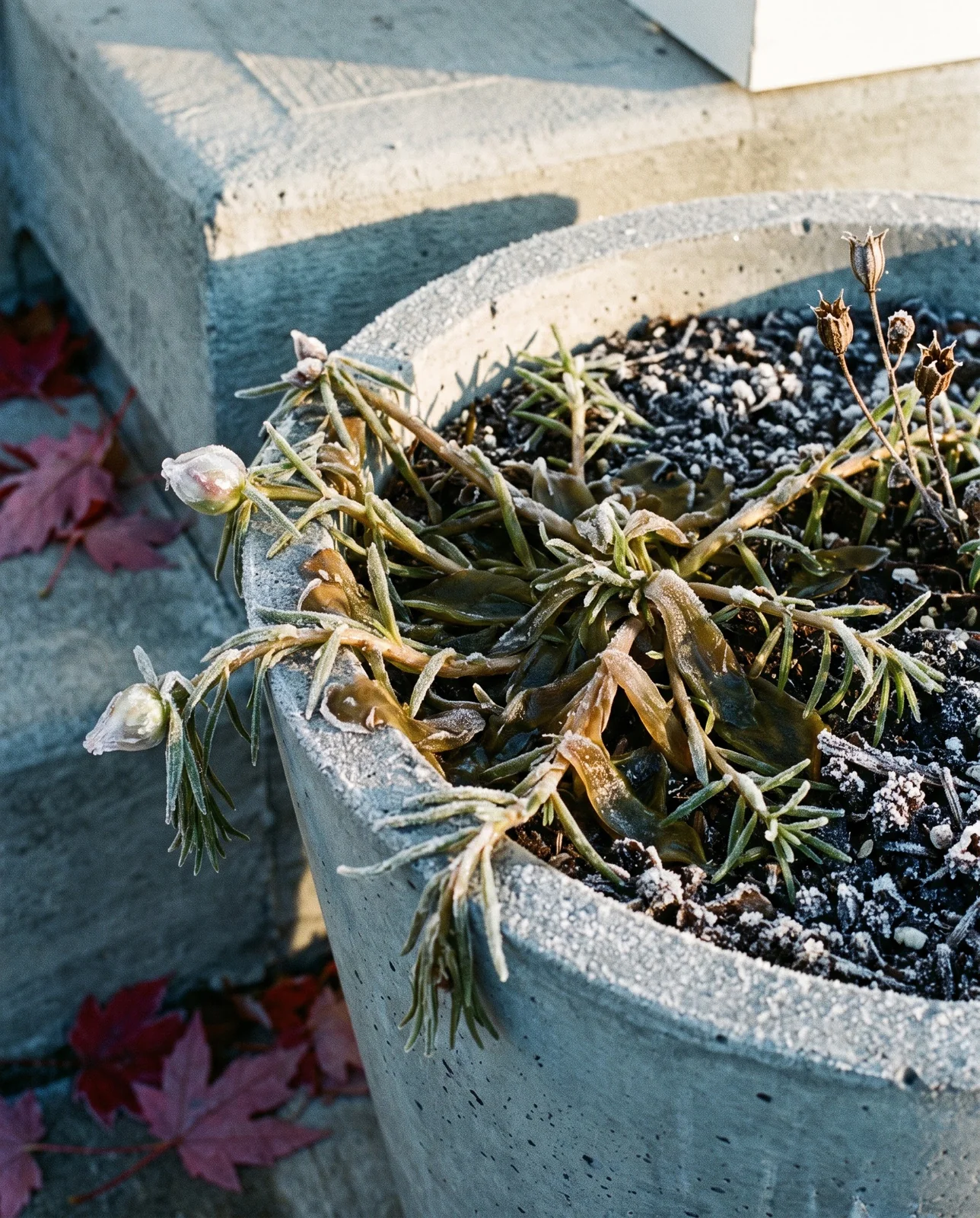
A narrower range of zones 6a through 10b applies to the wider portulaca genus. For moss rose specifically, freezing temperatures in northern areas knock the plants to the ground and finish the season. Where cold weather ends the display, gardeners replant each spring, and lantana fills the same sunny beds until frost arrives. In truly mild, frost-free climates, established plants can persist outdoors and keep growing into the next year.
Sowing moss rose and planting it out
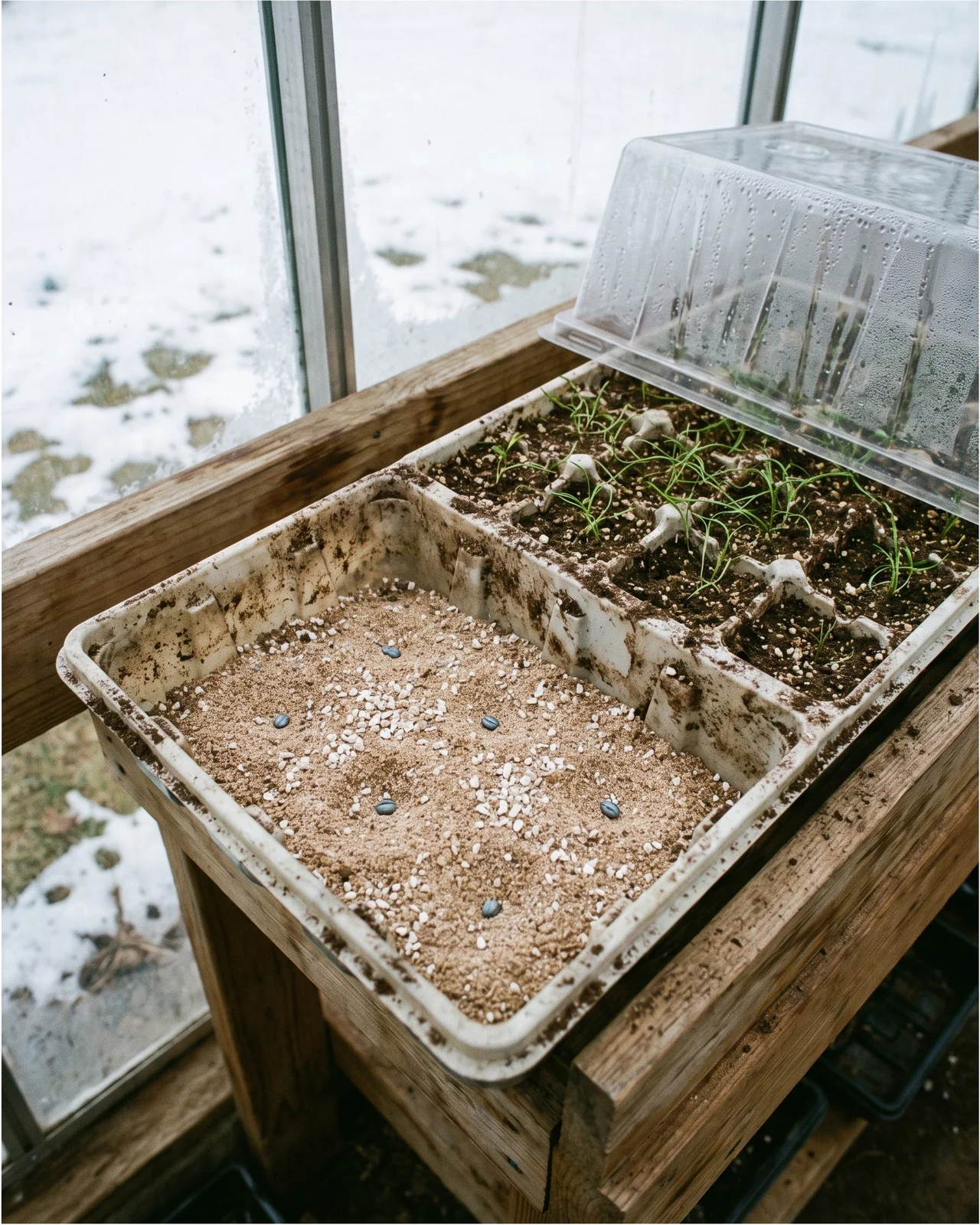
Moss rose starts easily from seed, but the tiny seeds need light and warmth to sprout. Press them onto moist soil and leave them uncovered, or add a thin layer of vermiculite to hold them in place. In soil warmed to 71 to 79 degrees Fahrenheit, seeds sprout in 3 to 5 days. After they emerge, keep the seedlings in an average temperature of 65 to 76 degrees. When sowing directly outdoors, wait until the soil temperature reaches 75 degrees or above.
Start seeds indoors 6 to 8 weeks before your average last frost date, or scatter them outdoors once frost has passed. Thin the young seedlings so they stand 3 inches or more apart. Handle them with care during planting, as moss rose does not take well to transplanting. Sowing directly into warm garden soil or patio bowls avoids that disturbance and lets roots develop without interruption.
It comes back by itself, from seed
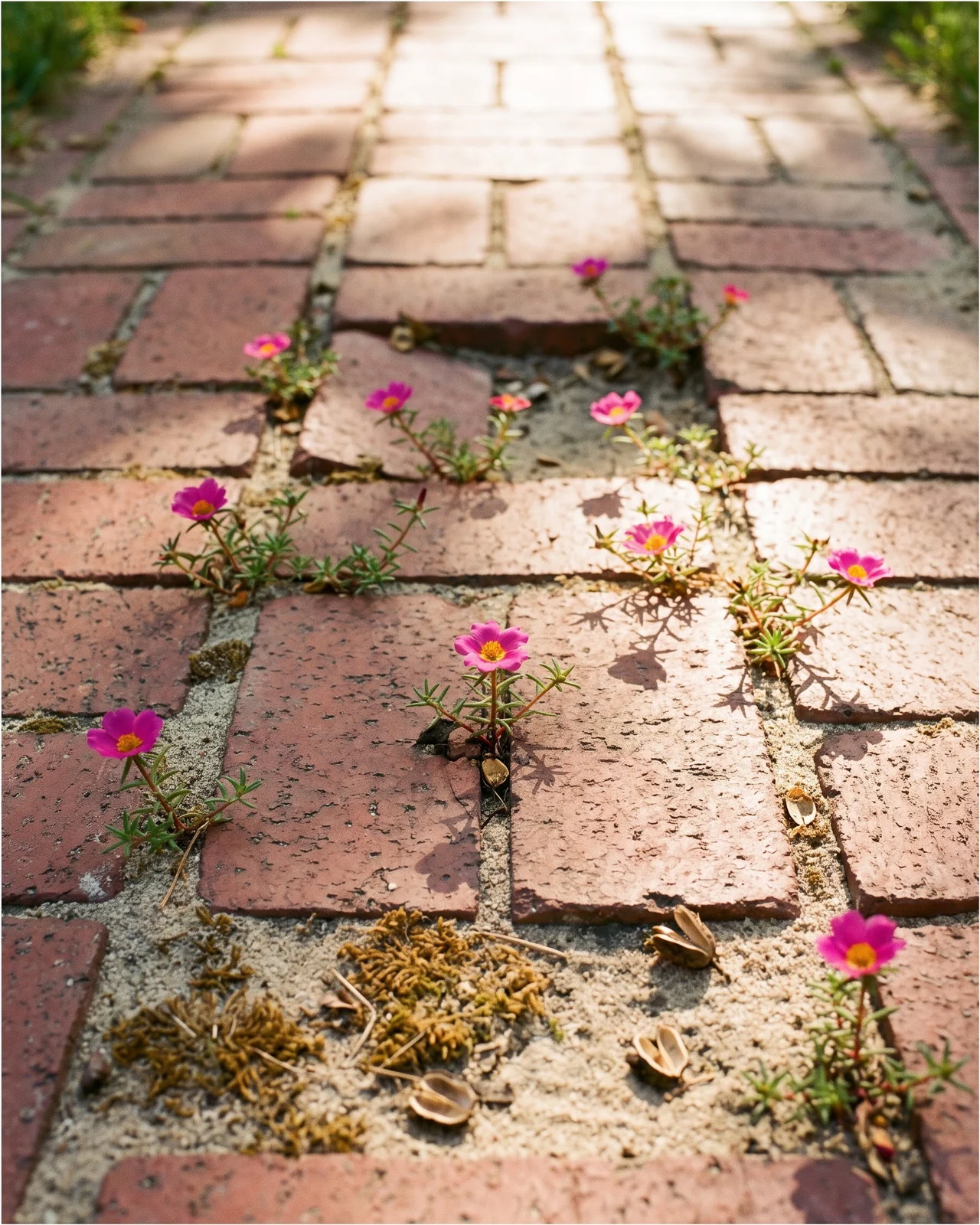
Moss rose returns year after year by dropping its own seed before winter. As flowers fade, rounded seed capsules about 1/8 to 1/4 inch across split open to scatter tiny seeds. Even where hard frosts knock parent plants down in northern gardens, self-sown seedlings may come up the following spring. In the ground, it can return every year and spread so reliably that you may begin to think of it as a perennial. It self-seeds without becoming invasive, and deadheading spent flowers quickly stops volunteers if you prefer a tidy bed.
Containers, bowls and hanging baskets
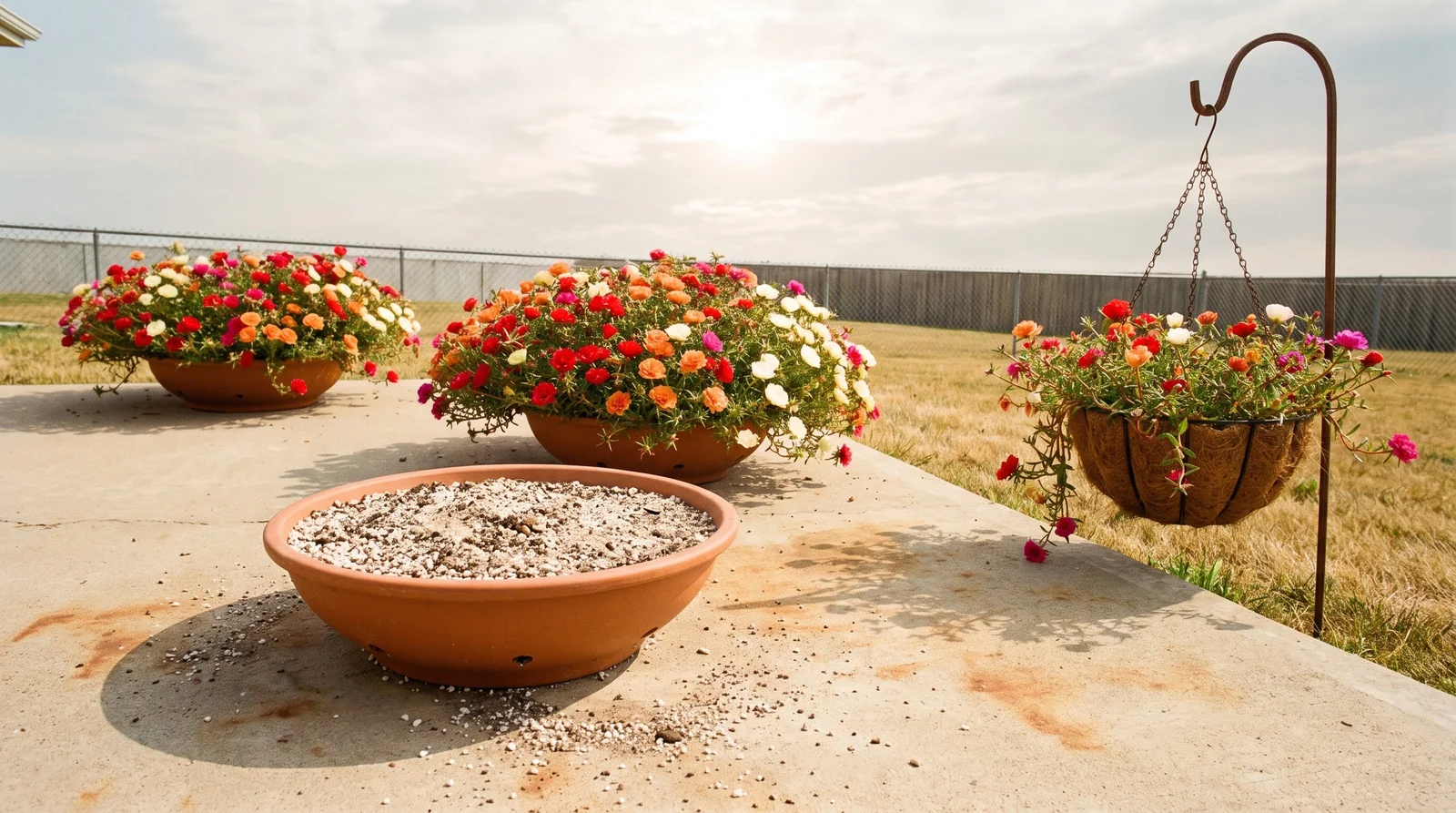
In a container, potting mix decides how the summer goes. Use an all-purpose potting mix with added perlite for sharp drainage. Three plants in a 10 to 12-inch pot fill the rim nicely by midsummer without crowding the roots. Drainage holes matter far more than pot size or material. Standing water in a saucer quickly brings on root rot, but plastic, glazed clay, or metal all work well once water can drain freely.
Heat is where this plant belongs. It suits the hot spots that exhaust ordinary container flowers, from concrete steps to sunny metal railings. Pairing it with a petunia in the same bowl rarely works, because moss rose prefers lean soil while petunias demand steady moisture and regular feeding. Hanging baskets work just as well, because wind and sun dry them out quickly, and fast drying is what keeps these succulent roots healthy.
Watering a succulent annual
Water moss rose based on how the soil feels, and treat a container differently from open ground. The plant has high drought tolerance, so let the soil or container mix dry moderately between waterings and avoid excessive watering. It prefers dry conditions but flowers best with some moisture. In sharp drainage, keeping the root zone consistently moist, just not waterlogged, can bring out the fullest flush of flowers. Soggy ground is what causes trouble. After a wet week, the best move is to do nothing: hold off on water and feeding, and let the soil dry out on its own.
Is moss rose poisonous to people or pets
Two questions sit behind this heading, and each has its own answer. People frequently ask whether moss rose is poisonous to humans. The bitter leaves keep it from being an edible green, though the seeds can be eaten raw or cooked. Much of the confusion comes from mixing up moss rose with its wild cousin, common purslane, which often volunteers in vegetable gardens and ends up on the dinner table. Wild purslane leaves contain high levels of oxalates, with measurements between 671 and 869 mg per 100 g of fresh weight and roughly 23,450 mg per kg. That warrants caution for anyone prone to kidney stones. Those high oxalate numbers belong to the wild salad green, while garden moss rose is grown purely for its flowers.
For pets, portulaca requires real caution. The ASPCA lists portulaca as toxic to dogs, cats, and horses, caused by soluble calcium oxalates. Signs of poisoning include depression, muscle weakness, and diarrhea, as well as tremors, salivation, and rare kidney failure. That warning covers moss rose under the botanical name of wild purslane, grouping it with aliases like rock moss and pusley. Purslane is likewise listed in the portulaca family with the same soluble oxalates. Whichever portulaca you grow, keep the pots safely away from grazing animals.
Series and mixes worth telling apart
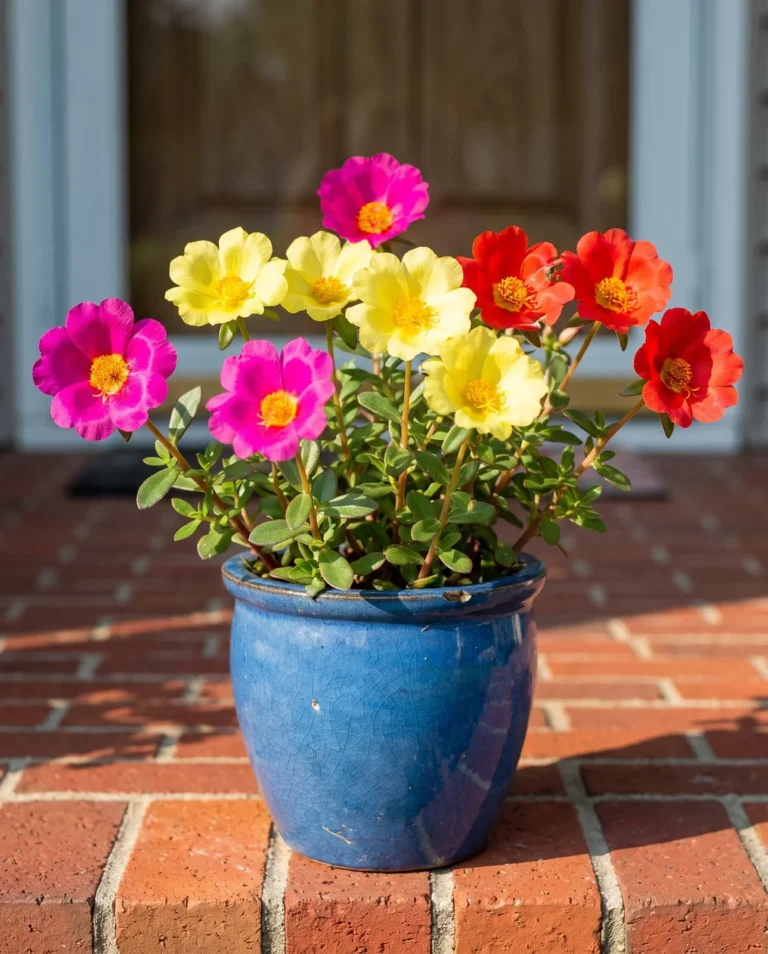
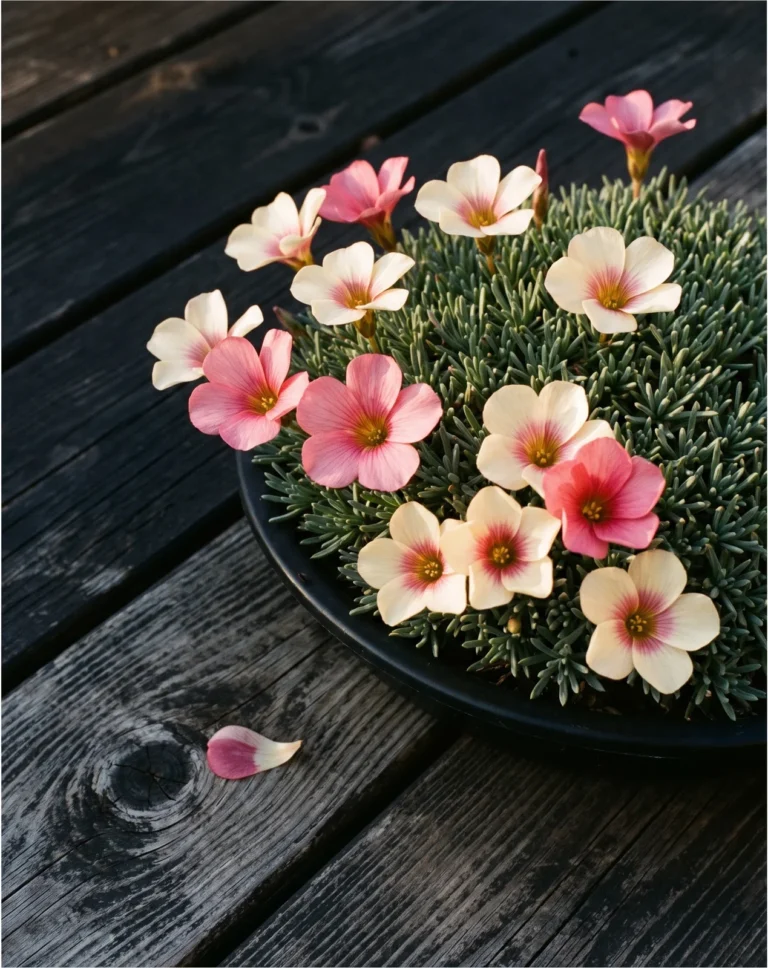
A plant tag tells you flower size, petal form, and how long the blossoms stay open each afternoon. Both seed-grown strains and cutting-raised series sit among the warm-season flower types at most garden centers.
Growing more from cuttings
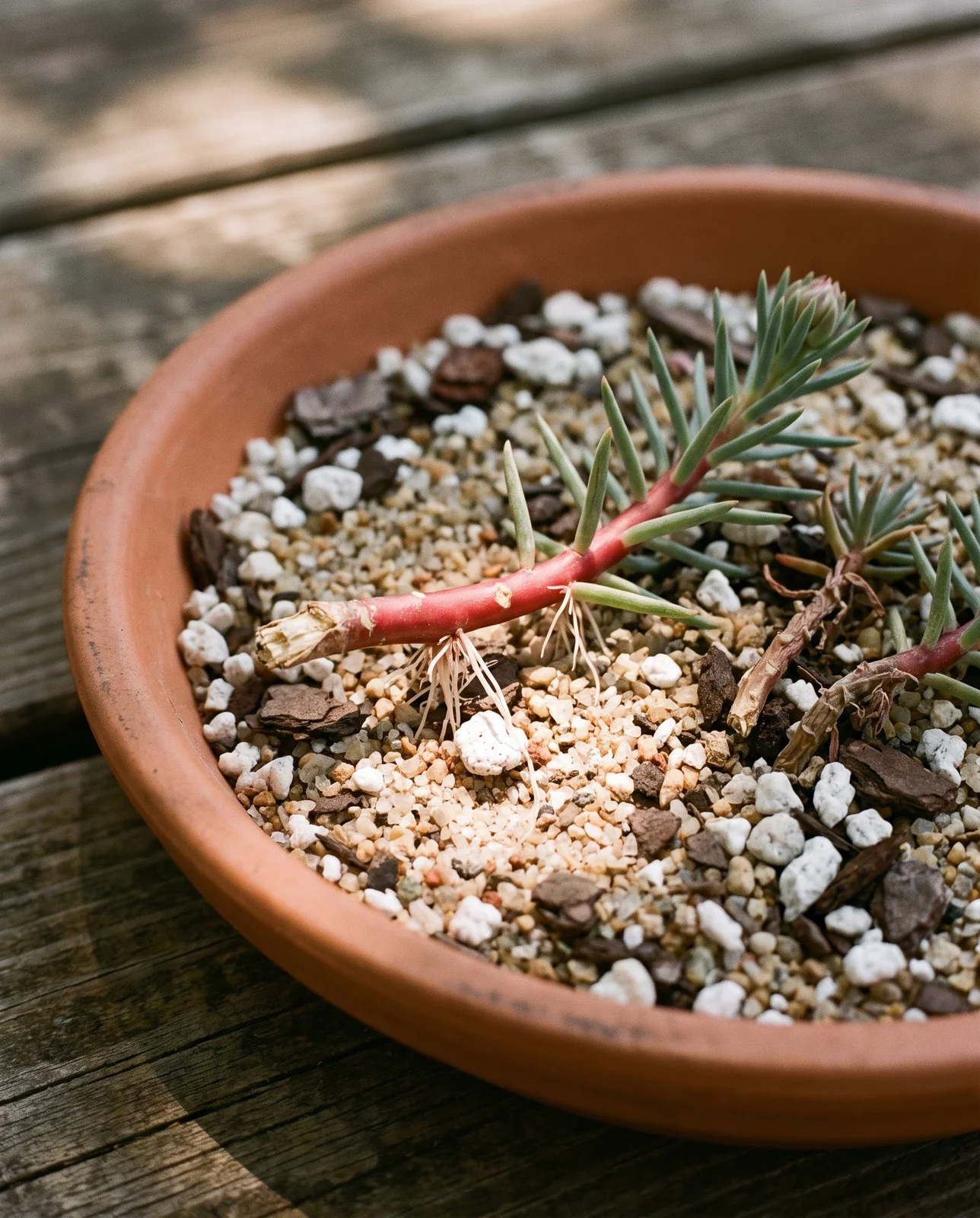
A broken stem can easily become a new plant. You can propagate moss rose from both seed and stem cuttings. Many varieties grow from seed, sold in single colors or in mixtures, while newer selections are propagated from cuttings. Rooting a piece takes the same care as growing the mature plant. Set the cutting into a gritty, fast-draining potting mix and water sparingly. A stem snapped off while moving a basket is often all you need.
How much sun it needs
Direct sun decides how well moss rose flowers. Give it at least 6 to 8 hours of direct sunlight each day to keep buds forming and flowers opening steadily. Some gardens manage on 5 to 6 hours of direct sun if the soil drains quickly and you water only when the top layer dries. When a plant stalls, moving it into 8 or more hours of full sun usually coaxes it back into flower. Watch where shadows fall through the season, because a bright spot in June can lose its sun by September.
Height and spread
Moss rose stays close to the ground. Plants generally grow 3 to 9 inches tall and spread 6 to 12 inches wide. Space them 8 to 12 inches apart in beds, and they will close into a dense carpet within months. Larger cutting-raised selections can reach 14 to 16 inches tall and 16 to 18 inches across. Along path edges, stone borders, or shallow bowls, the plant forms a low mat that spreads wider than it climbs.
What to expect through one season
A full season of growth, told in the order it unfolds.
Spring is about waiting for real warmth. Start seeds indoors 6 to 8 weeks before your average last frost, or sow directly outside once frost has passed. For direct sowing, wait until the soil warms to 75 F or above.
The first flowers open in June, and fresh blossoms keep coming until frost arrives. Within a few months of planting, the spreading stems close together into a dense, unbroken carpet.
Late summer rewards a light hand with the hose. As temperatures drop, keeping the soil on the dry side encourages blooms well into fall. A hard frost ends the display quickly. The plant readily self-seeds for next spring without turning invasive, though deadheading spent flowers will stop any volunteers.
Four things people repeat about portulaca
Four claims that follow this plant around, and what actually happens in the garden.
The myth: Portulaca and purslane are two names for one plant.
The reality: The name portulaca covers two different plants. Moss rose is Portulaca grandiflora, a heat-tolerant annual, while common purslane is Portulaca oleracea. Common purslane is a low-growing succulent weed often treated as a leafy green or garden vegetable, also called little hogweed or pursley.
The myth: Purslane is edible, so moss rose must be edible too.
The reality: Edibility depends on the species you have. The tender succulents sold as moss rose or purslane include some species that are edible. All parts of common purslane are edible raw or cooked, and every part of wingpod purslane is edible, including the stems, leaves, flowers and roots. Whether moss rose itself is edible is unsettled: the plant is often considered inedible because of its bitter taste, but its seeds can be eaten raw or cooked.
The myth: Closed flowers mean the plant is dying.
The reality: The flowers simply open and close with the sun. They stay shut from sundown to sunup and do not open on cloudy or rainy days, though most newer hybrids remain open through the day. A plant that folds up by evening and blooms again the next morning is healthy and normal.
The myth: Feed it and it will flower harder.
The reality: You can feed portulaca regularly or leave it alone. The plants can be treated as heavy feeders that require adequate nutrition throughout the season for best flowering. They also grow well in lean conditions with little or no supplemental fertilizer, since rich soil or overfertilizing may push foliage growth at the expense of flowers. If a plant is growing lots of stems but few blooms, avoid adding more fertilizer, because heavy feeding usually makes it worse.
FAQ
Are moss rose and portulaca the same plant?
Portulaca is the botanical genus, and the name covers two different species. Moss rose, Portulaca grandiflora, is the flowering ornamental, while common purslane, Portulaca oleracea, is a low-growing succulent weed often treated as a leafy green.
Is moss rose poisonous to humans?
Whether moss rose is edible is unsettled. The plant is considered inedible because of its bitter taste, though its seeds are edible raw or cooked. Common purslane is the edible relative, with all parts of the plant edible raw or cooked.
Is portulaca toxic to cats and dogs?
Portulaca is toxic to dogs, cats and horses because of soluble calcium oxalates. Those warnings apply the botanical name of common purslane to moss rose as well, so pet owners should treat both plants as toxic.
Does portulaca come back every year?
It can, though any return comes from dropped seed. The plant self-seeds without becoming invasive, and self-seeded plants may come up the following year even where freezing temperatures knock plants to the ground.
Do portulaca need to be deadheaded?
No, moss roses do not need deadheading. Deadheading will deter self-seeding, however, which helps if you prefer not to have volunteer plants return.
What month to plant moss rose?
The right month depends on your local climate, since planting follows frost dates and warm ground. Start seeds indoors 6 to 8 weeks before your average last frost date, or direct sow outside once frost has passed. For direct outdoor sowing, wait until the soil temperature reaches 75 degrees Fahrenheit or above.
Does portulaca do better in pots or in the ground?
It grows well in both, provided the soil has sharp drainage. When planting in pots, use an all-purpose potting mix with added perlite for extra drainage. Set 3 plants in a 10 to 12 inch container.
What can be planted with portulaca in a container?
Pair it with companions that share a love of hot sun. Moss rose combines well in containers with other plants that also thrive in hot, sunny sites, such as nasturtium and zinnia.
How long do portulacas last?
In most gardens it lasts one season, growing as a heat-tolerant annual that blooms from June until frost. In zones 10 to 11, it can be grown as a perennial.
Does portulaca like sun or shade?
It needs full sun to flower well. Aim for a spot that receives at least 6 to 8 hours of direct sunlight. In some gardens it gets by on 5 to 6 hours of sun, while getting a non-flowering plant to bloom can take 8 hours or more.
Interesting tips
- Deer rarely bother portulaca. It is not favored by deer in most places and is somewhat deer resistant, because deer do not prefer to eat it.
- Common purslane opens its flowers singly for only a few hours on sunny mornings. If you spot a plant in bloom at midday in a paving crack, take a second look before you pull or eat it.
- When clearing purslane out of paving, be careful not to confuse it with spotted spurge, a toxic lookalike with flat leaves and milky, irritating sap from a different genus.
Related Guides & Flowers
Zinnias
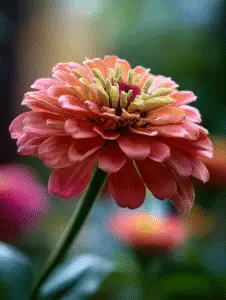
The full sun bedding annual named as a container partner for moss rose.
Marigolds
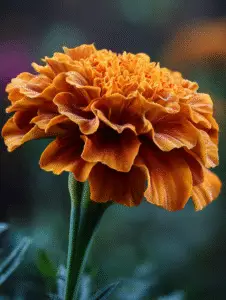
Another heat season annual for dry, sunny edges and hot borders.
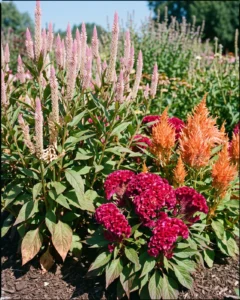
Celosia
A summer annual that holds up in the same baked containers.
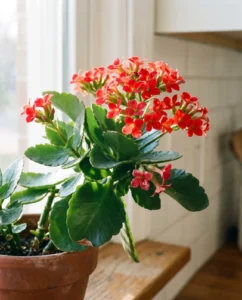
Kalanchoe
A flowering succulent with the same dislike of standing water.
Enjoying our flower guides? Add YourFlowersGuide as a preferred source on Google. It helps more readers find us.
Add to Preferred Sources