Contents
Petunia
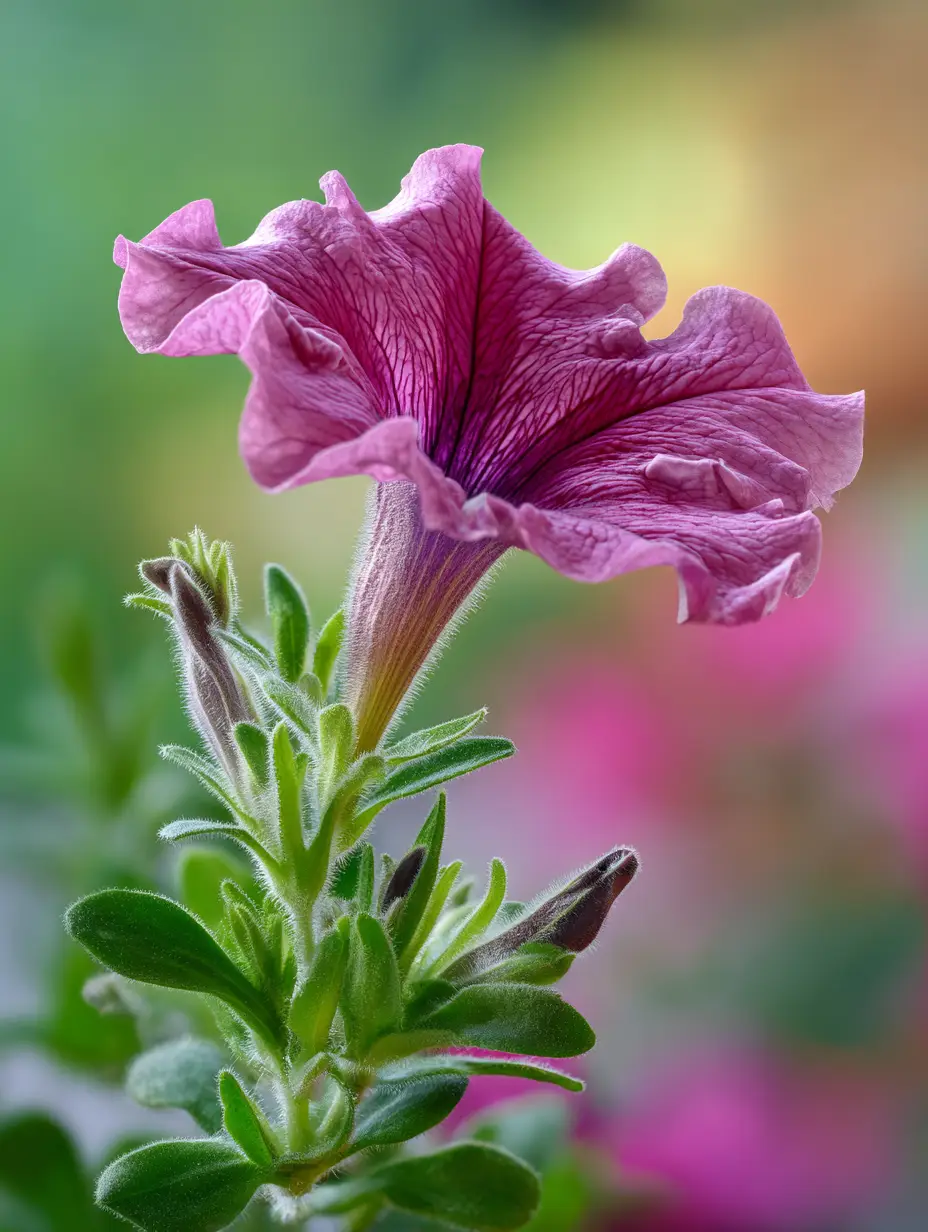
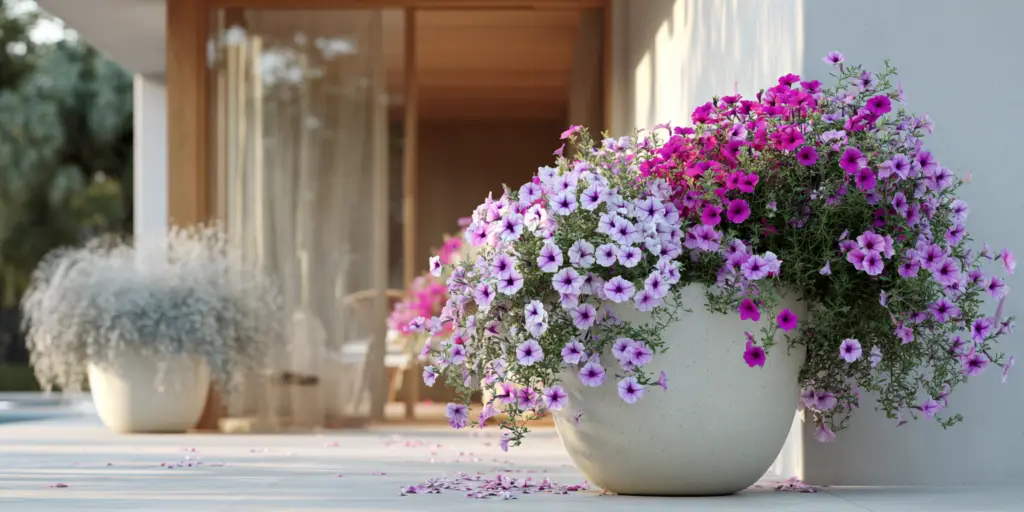
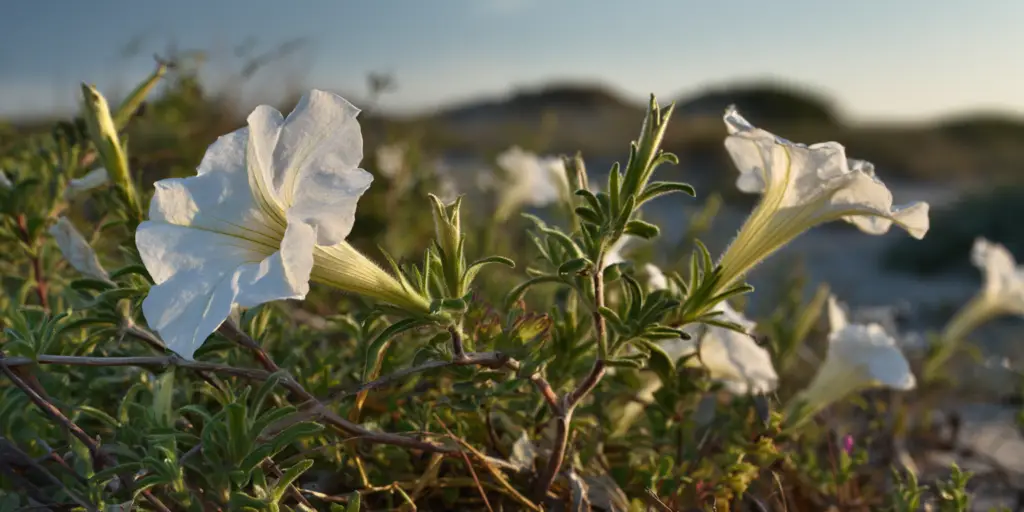
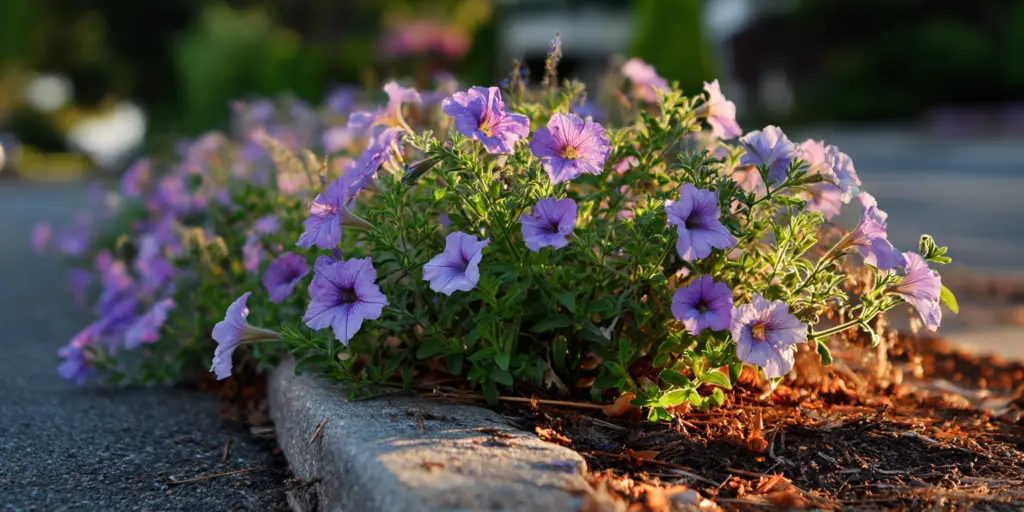
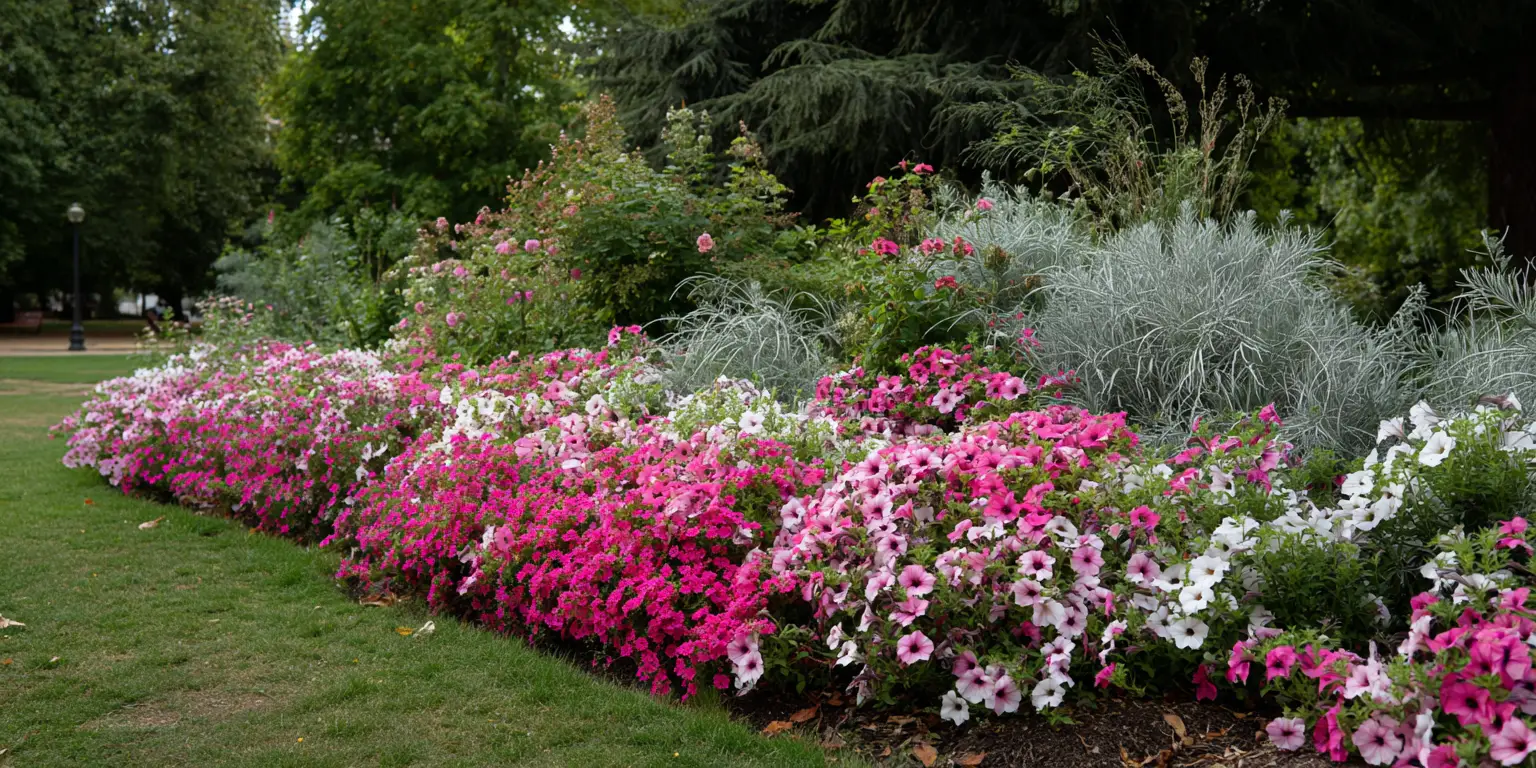
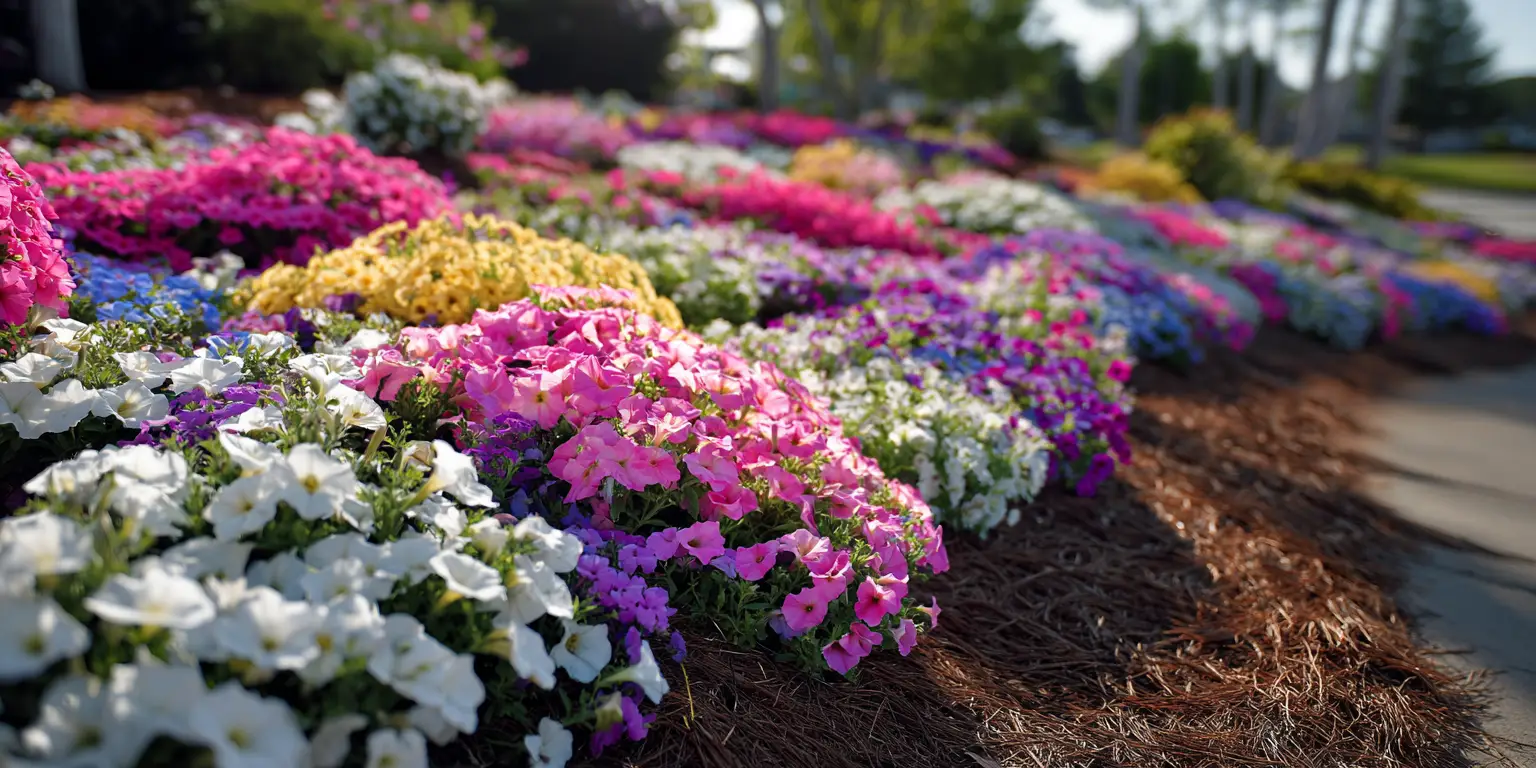
Petunias are popular flowering plants with trumpet-shaped blooms that keep coming for months. They work just as well in garden beds as they do in pots and hanging baskets, where the stems spill over the edge. You can find petunias in red, pink, yellow, white, and many shades of purple and blue, including varieties so dark they read as black. Some are solid, others are striped, veined, or bicolored, so they fit almost any color plan. Plant them in a mass for a carpet of color, or mix them with other annuals like cosmos and zinnias for an easy summer mix. In most climates they are grown as annuals because they do not handle frost. Give them sun, water, and a little feeding, and they will flower from late spring until cold weather ends the show. Their open blooms can also draw butterflies and hummingbirds.
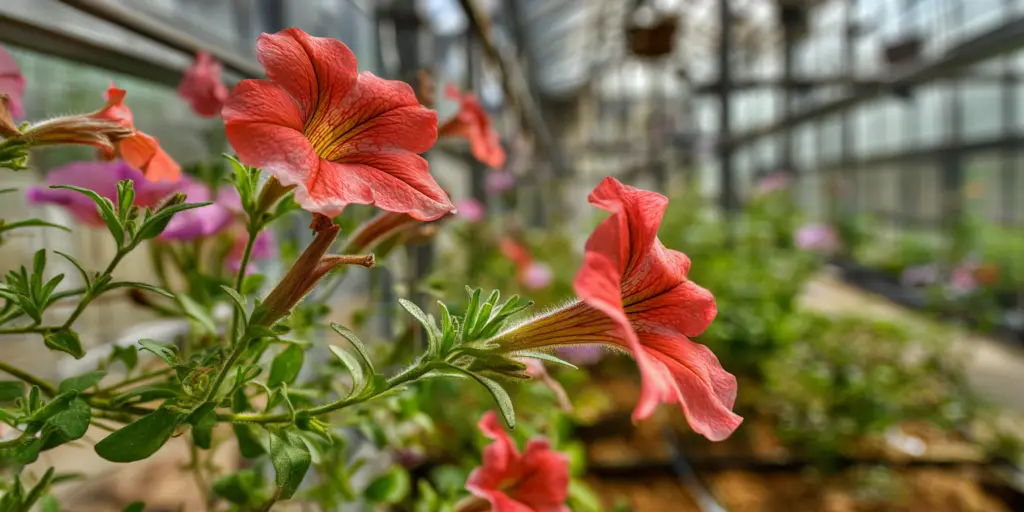
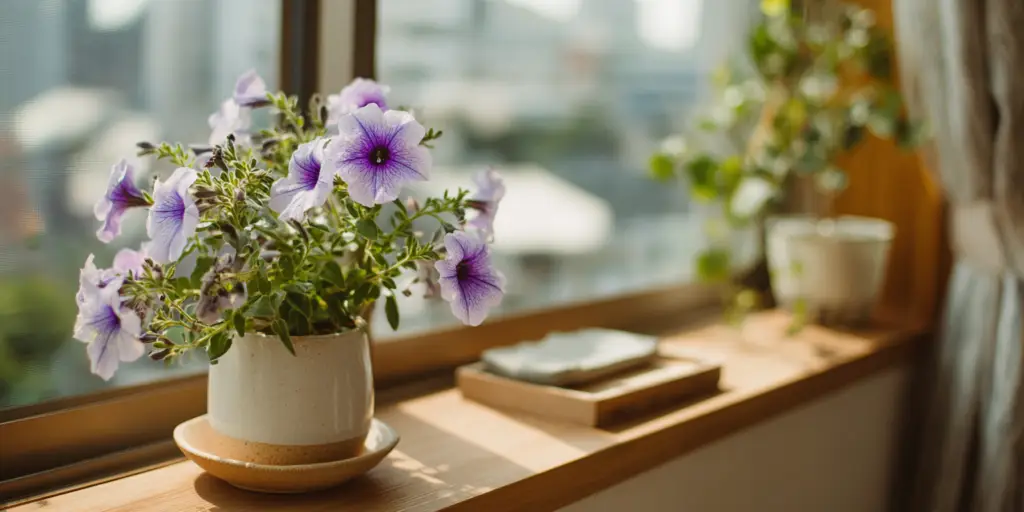
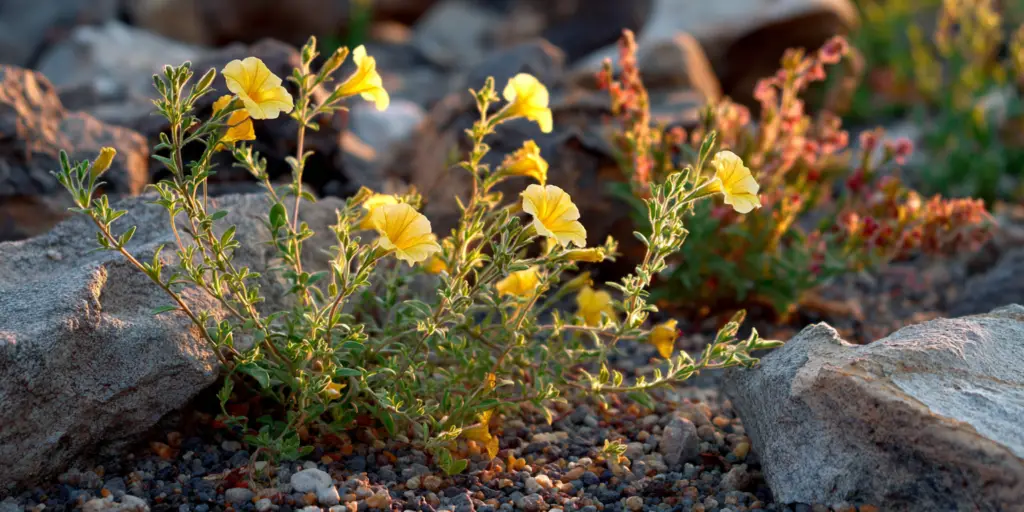
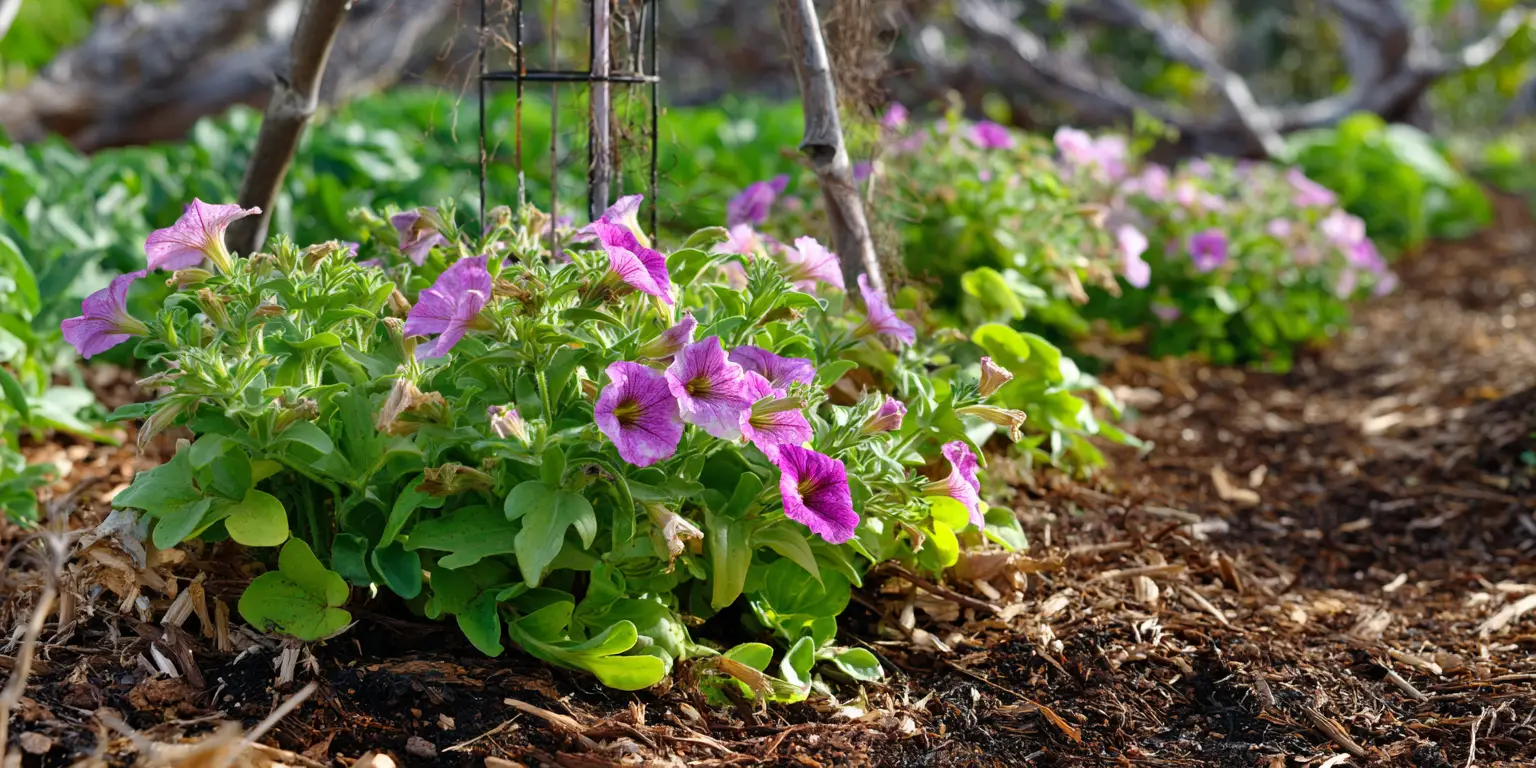
A clear, step-by-step guide to soil, planting, watering, feeding, pruning, and winter care. Includes zone timing, container tips, companions, and quick fixes for common problems.

Bouquet Ideas
Explore simple, beautiful bouquet ideas for the home, gifts, and special occasions from romantic mixes to clean, minimal styles. Each idea includes suggested flower combinations, color palettes, and sizes, with photos for quick inspiration.
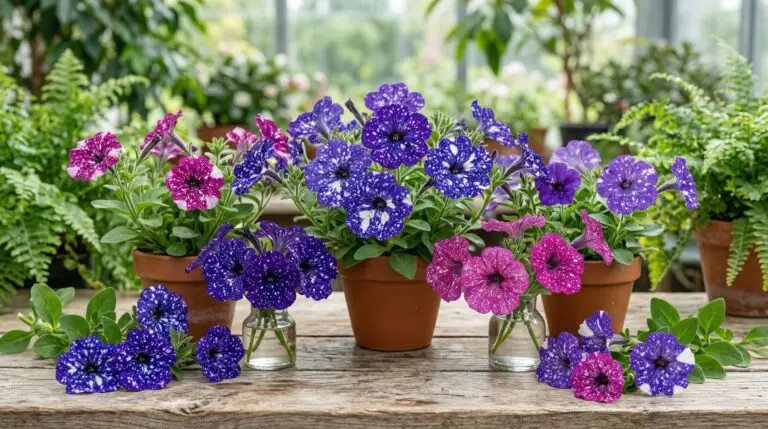
Night Sky petunia and the novelty varieties that look like galaxy flowers
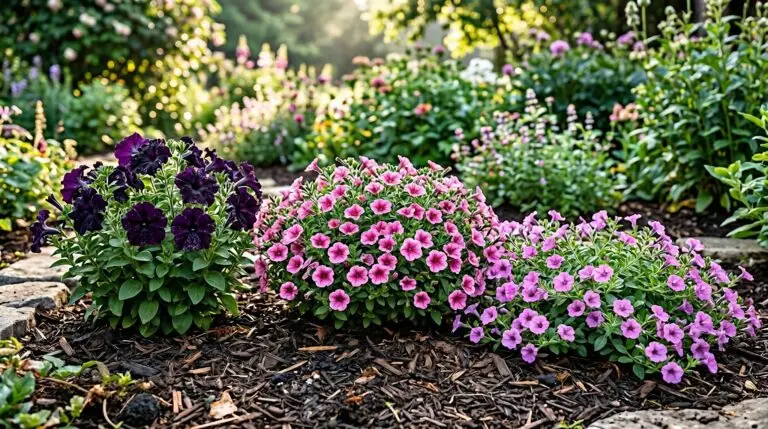
How to grow petunias for explosive color in hanging baskets containers and garden beds
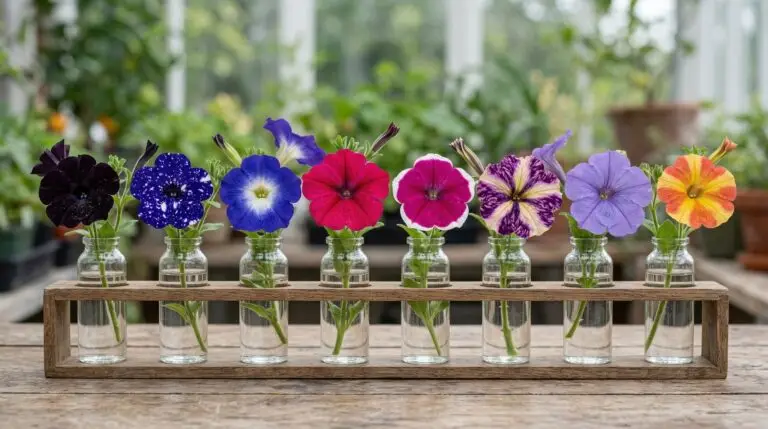
Supertunia and Surfinia versus regular petunias and why branded varieties outperform
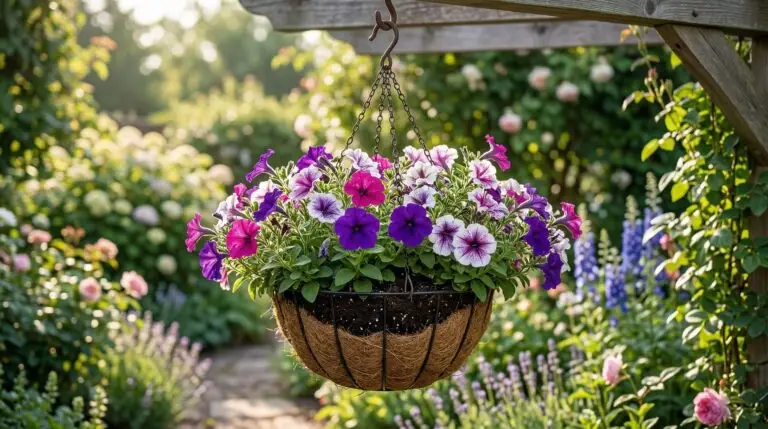
Growing petunias in hanging baskets for cascading waterfalls of summer color
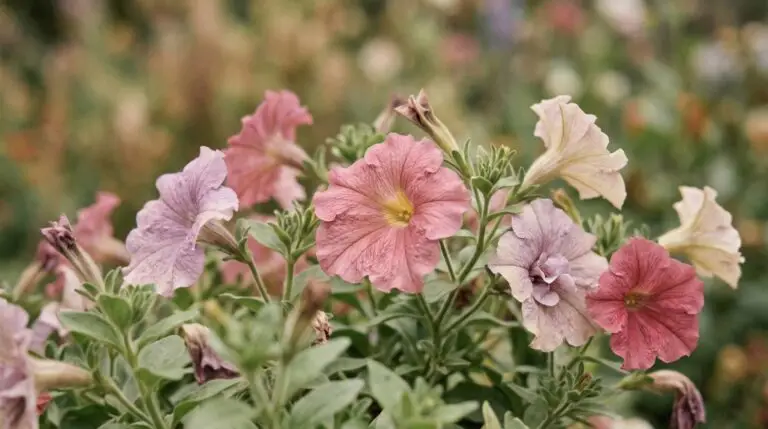
Petunia flower meaning and why this humble bloom represents desire and comfort
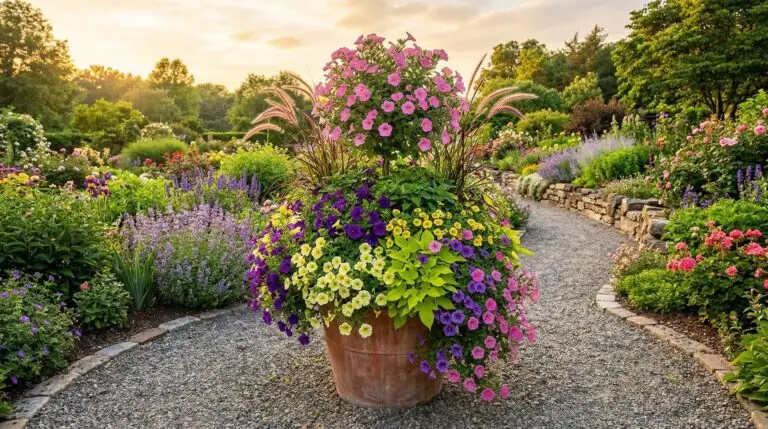
Companion plants for petunia: what to grow and what to avoid
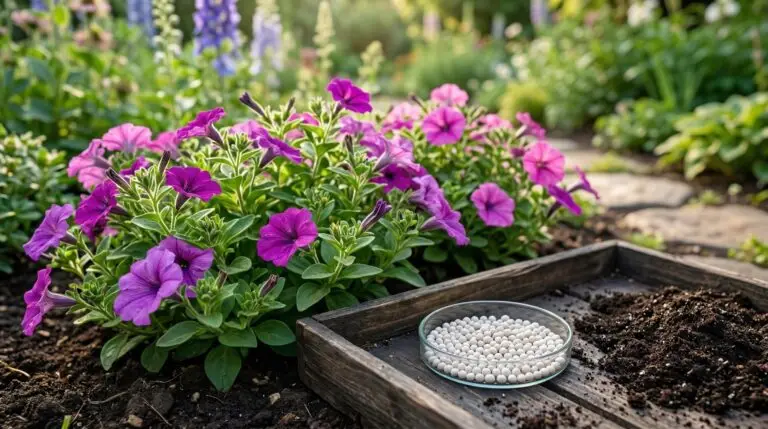
Growing petunias from seed and the tiny seeds that need light and patience to germinate
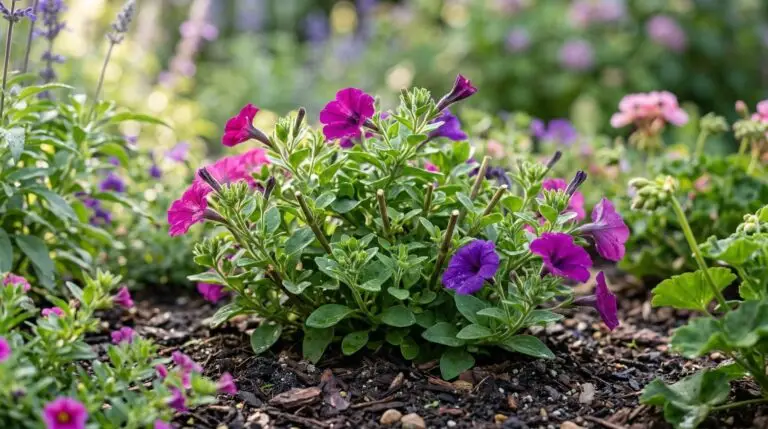
Why petunias get leggy and scraggly by midsummer and the hard cutback that saves them
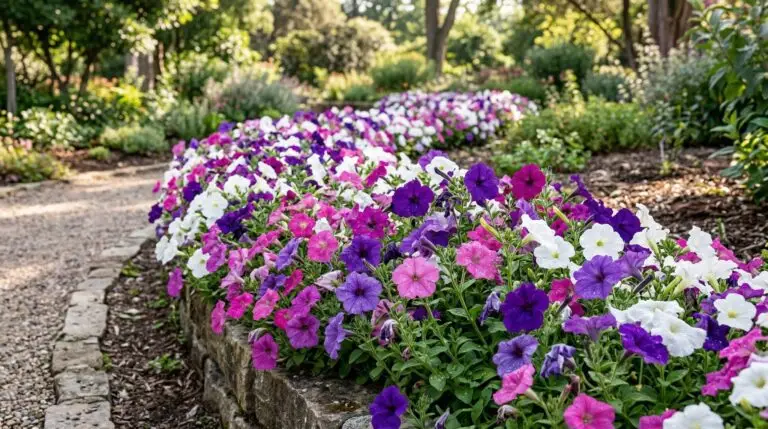
Best petunia varieties from cascading Wave to dramatic Black Velvet
🌱 Taxonomy and origin
Petunias belong to the genus Petunia in the nightshade family (Solanaceae). They are related to plants like tobacco, tomatoes, and peppers. There are about 20 wild Petunia species, mostly from South America (especially Argentina and Brazil). The name “petunia” comes from a Tupi-Guarani word for tobacco, which is why the family connection is often mentioned. Wild petunias were described by European botanists centuries ago, but the garden forms took off in the 1800s after plants reached Europe. Two parent species mattered most: the white-flowered Petunia axillaris and the purple Petunia integrifolia (sometimes listed as P. violacea). Most modern garden petunias trace back to crosses between these, commonly grouped under Petunia × atkinsiana (also written as P. × hybrida). Since then, breeders have focused on flower size, color, and plant habit. That is why you will see types such as Grandiflora, Multiflora, Milliflora, and spreading or trailing forms, even though the basic care is similar across them.
🌸 Bloom time
Petunias bloom for a long stretch. In many areas they start in late spring and keep going through summer until the first frost. Each flower lasts only a few days, but new buds open steadily, so the plant looks like it is always in bloom. Regular watering and occasional feeding help them stay productive. Deadheading can extend the show on older types, while many newer varieties drop spent flowers on their own. In very hot weather, flowering may slow for a bit, then pick up again when nights cool. If you want reliable summer color, petunias deliver the same way zinnias and cosmos do.
📏 Height and spread
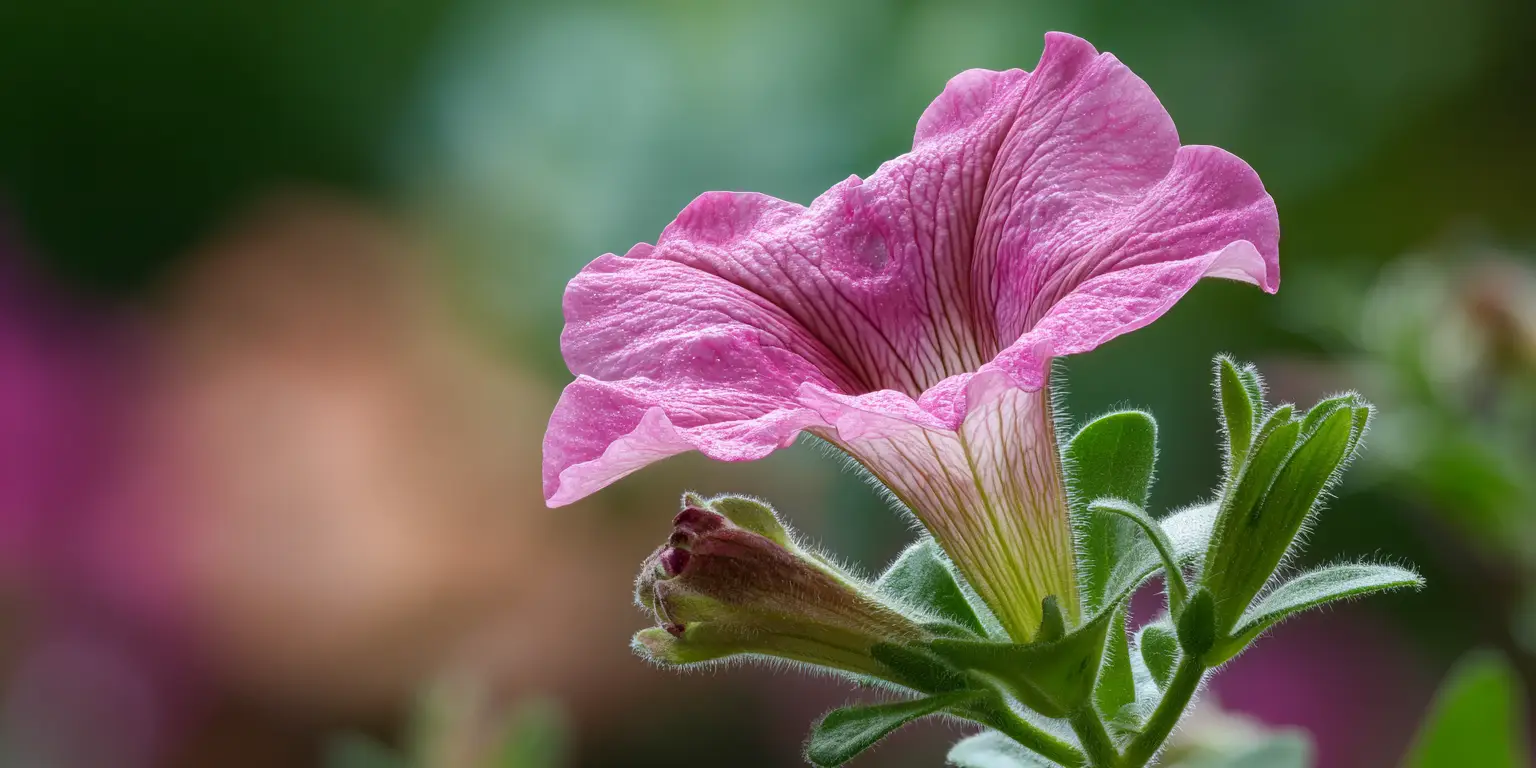
Most petunias grow 6 to 18 inches tall (15 to 45 cm). Compact bedding types stay shorter, while trailing types can reach the upper end, especially when they hang over a pot. Width varies even more: many plants spread 12 to 36 inches (30 to 91 cm) depending on the cultivar. Spreading “Wave” types are bred to run outward and cover ground or spill from baskets. Upright grandiflora forms usually make a rounded mound about a foot across. Petunias branch freely and can knit together into a dense mat when planted in groups, which is why they work well at the front of borders and along edges. Give them room to fill in: about 12 inches between plants is a good baseline (18 inches for larger, vigorous varieties). They are not invasive and do not send out running roots, so they stay where you plant them. In mixed beds, petunias are often used as a low layer in front of taller plants like sunflower or hollyhock.
☀️ Light
Petunias want sun. Plan on at least 6 hours of direct light a day for strong growth and lots of flowers. With less than about 5 hours, plants still grow, but they stretch, look looser, and bloom less. Deep shade is a poor fit. In very hot climates, light afternoon shade can reduce stress, but a bright spot is still best. Containers do well on a sunny patio, balcony, or windowsill. If you start seeds indoors, give seedlings strong light so they do not get leggy.
💧 Water
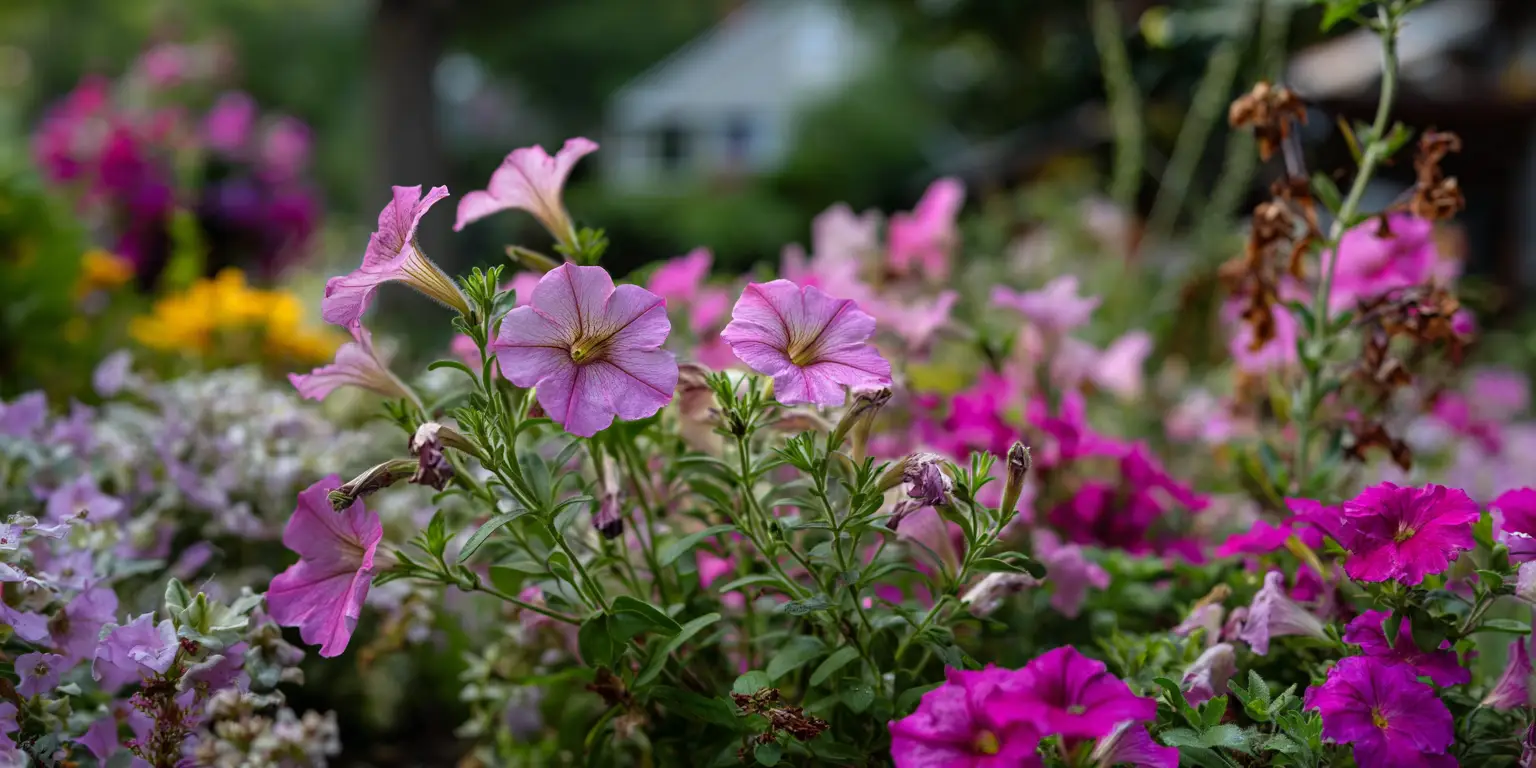
Petunias like steady moisture, but they hate soggy soil. Water enough to keep the root zone lightly moist, then let the surface dry a bit before the next watering. In beds, 1 to 2 inches of water per week from rain or irrigation is often enough once plants are established. In containers, especially in summer heat, you may need to water every day or two because potting mix dries quickly. Check with your finger: water when the top inch feels dry. When you water, soak thoroughly so roots grow down instead of staying near the surface. Petunias can bounce back after a short dry spell, but frequent wilting reduces bloom. Overwatering is just as hard on them and can lead to root rot. Water at the base in the morning when you can, and avoid soaking the flowers and leaves in the evening.
🌍 Soil and pH
Petunias do best in light, well-drained soil with some fertility. A loose loam or sandy soil mixed with compost is ideal. Drainage matters most. If soil stays wet, roots rot. If you have heavy clay, grow petunias in raised beds or containers, or work in compost and fine bark to open the soil. Petunias are not extremely picky, but they bloom better when nutrients are available. Too much nitrogen pushes leafy growth, so go easy on rich manure or high-nitrogen fertilizer. A soil pH around 6.0 to 7.0 suits them well. In very alkaline soil, iron becomes harder for plants to use, and you may see yellow leaves with green veins. Adding organic matter can help, and in stubborn cases gardeners use sulfur or an iron product to correct chlorosis. In short, aim for good drainage, moderate fertility, and a slightly acidic to neutral pH.
❄️ USDA hardiness
Petunias come from warm climates, so they are not cold-hardy. They can live as tender perennials in USDA zones 10 to 11, where winters are mild and frost is rare. In most other zones, they are grown as annuals because even a light frost can kill them. Plant outdoors after the danger of frost has passed. If a late cold snap is forecast, cover plants or move containers inside overnight. In fall, the first frost usually ends the season. Some gardeners try to save a favorite plant by taking cuttings or bringing a pot indoors, but most people start fresh each spring.
🌼 Propagation and longevity
Most petunias are grown from seed, though cuttings also work. Seeds are tiny, so starting them indoors is easier than direct sowing. Begin 8 to 10 weeks before your last expected frost. Sprinkle seeds on the surface of a sterile mix and press them in. Do not cover them because they need light to germinate. Keep the tray warm (around 70 to 75°F / 21 to 24°C) and evenly moist. Seeds usually sprout in about one to two weeks, then seedlings grow slowly at first. Many gardeners buy transplants instead, which is perfectly fine for most beds and containers. For a specific cultivar, you can take cuttings: snip a 2 to 3 inch non-flowering tip, remove the lower leaves, and stick it into moist rooting mix. Cover lightly to hold humidity and keep it in bright, indirect light. Cuttings often root in a couple of weeks and can be potted up. This is a common way to carry a favorite variety through winter.
Even where they can survive, petunias are not long-lived plants. In warm, protected conditions they may last a year or two, but they usually get woody and bloom less with time. In most gardens they are treated as seasonal plants and replaced when they fade. Petunias sometimes drop seed and you may see a few volunteers the next year. Seedlings do not always resemble the parent plant, especially if it was a hybrid.
👃 Fragrance
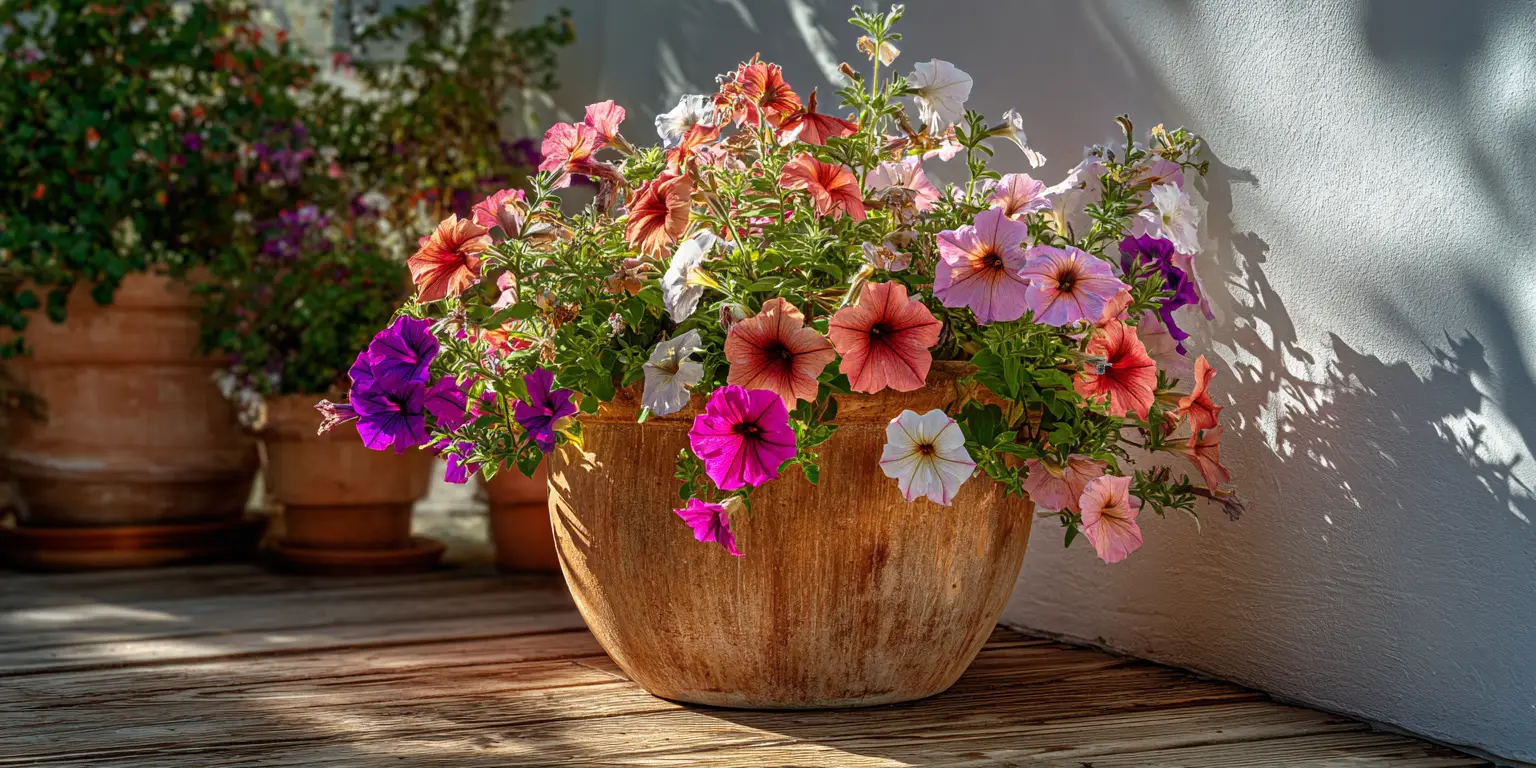
Not every petunia is fragrant, but some have a noticeable scent, especially in the evening. The fragrance is usually sweet and light, and it tends to be strongest in white and pale lavender flowers. One wild parent, Petunia axillaris, is known for a stronger night scent that attracts moths, and some modern hybrids still carry that trait. Other varieties have little to no fragrance because breeding has focused on color, flower form, and weather tolerance. Do not expect the whole garden to smell like jasmine or gardenia. The scent is more of a close-up bonus when you walk past or sit near a container. If fragrance matters, choose varieties sold as scented and include a few light-colored petunias where you will notice them in the evening.
⚠️ Toxicity and pet safety
Petunias are generally considered non-toxic for household pets. The ASPCA lists Petunia species as non-poisonous to dogs, cats, and horses. If an animal eats a lot of any plant, it can still cause mild stomach upset, but petunias are not known for serious toxicity. Their slightly sticky, hairy foliage also discourages most grazing. If you garden where pets roam, petunias are a practical choice compared with many ornamental plants that are genuinely poisonous.
🌿 Vase life
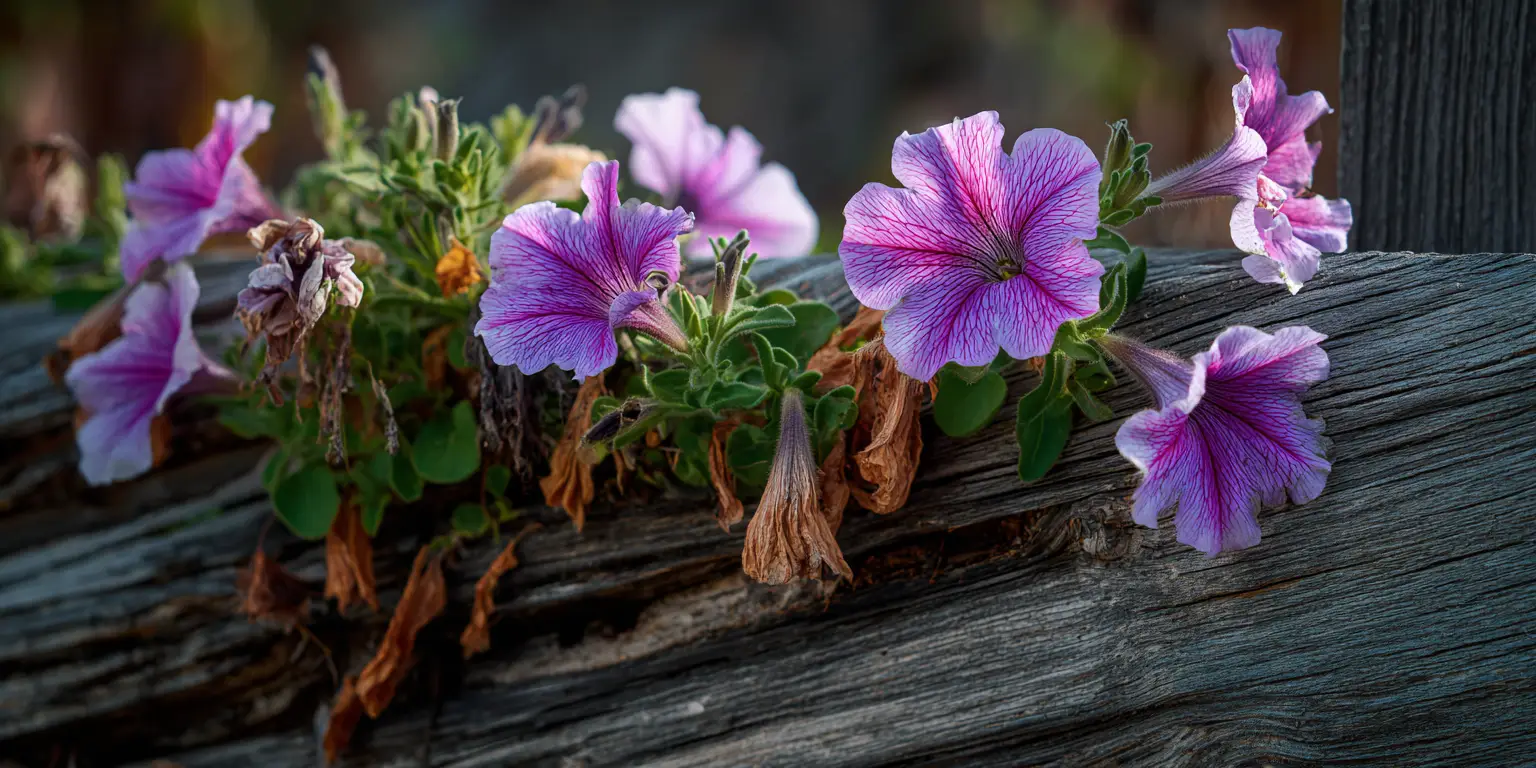
Petunias are rarely used as cut flowers because they do not last long in a vase. The blooms bruise easily and usually fade within a few days once cut. If you want to try them indoors, cut stems in the morning, place them straight into cool water, and keep the arrangement out of heat and direct sun. They can be fun in a small, casual vase for a day or two, especially if you want to echo the colors outside. For longer-lasting arrangements, flowers like carnations, roses, or tulips are more dependable. Petunias look their best on the plant, where new flowers keep opening.
🐛 Pests and diseases
Petunias are usually straightforward, but a few pests and diseases show up now and then. A quick look over the plants once or twice a week helps you catch problems early. Here are common issues and what to do:
- Insect pests: Aphids may cluster on tender growth and leave sticky residue. A strong spray of water or insecticidal soap is often enough. Budworms chew holes in buds and petals. Look for damage at dusk and pick caterpillars by hand, or use Bt if the problem is heavy. Slugs and snails chew ragged holes and leave slime trails, especially on young plants. Traps or bait can help. In hot, dry spells, spider mites can cause pale speckling and fine webbing on leaves. Rinsing foliage and increasing humidity helps, and miticides are a last resort. Whiteflies and thrips sometimes appear, especially on plants grown indoors or in greenhouses. Sticky traps and targeted treatments control them.
- Diseases: In wet or humid weather, petunias can pick up fungal problems. Gray mold (Botrytis) turns flowers brown and fuzzy. Remove spent blooms, improve airflow, and avoid overhead watering. Powdery mildew looks like a white coating on leaves. Thin crowded plants and treat if it spreads. Root rot is usually tied to poor drainage or overwatering. Once plants collapse, removal is often the only option, so prevention matters most. Petunias can also be affected by viruses such as tobacco mosaic virus or tomato spotted wilt virus, which may cause mottled leaves, streaked flowers, or stunted growth. Remove and discard infected plants to limit spread, and manage insects like thrips that can carry disease. Overall, good drainage, spacing, and base watering prevent most problems.
FAQ
Are petunias annuals or perennials?
Petunias are tender perennials, but in most places they are grown as annuals. In warm climates (zones 10-11) a plant can survive and grow on, but anywhere with frost it will die outside. For most gardeners, that means planting in spring and replacing them the next year.
Do petunias come back every year on their own?
In cold climates, no. Freezing weather kills the plant, so you will need to replant. Sometimes petunias drop seed and you may get a few volunteer seedlings the next season, but hybrids do not always come true and germination is unpredictable. In frost-free areas, plants can carry over, though they often look tired after a couple of seasons.
How much sun do petunias need?
Full sun is best. Aim for at least 6 hours of direct light a day. They can handle partial shade, but you will get fewer flowers and longer, looser stems. In very hot regions, a bit of afternoon shade can help, but avoid deep shade.
How do I keep my petunias blooming all summer?
Start with sun and water. Petunias bloom more when they are not stressed by drought or shade. Feed regularly, especially in containers, with a balanced fertilizer. Deadhead older types by pinching off faded flowers and the small seed pod at the base. Many modern varieties are self-cleaning, but a quick tidy still helps. If plants get long and sparse midseason, cut them back by about one-third to one-half, then water and feed. They usually fill back in and flower again within a week or two.
Do petunias need to be deadheaded?
It depends on the type. Large-flowered and double petunias look better and bloom longer if you remove spent flowers. Many smaller-flowered and some trailing series shed old blooms on their own and keep going without much deadheading. Even with self-cleaning types, pinching off a few tired blooms can keep containers looking neat.
Why are my petunia leaves turning yellow?
Yellow leaves often come from watering or feeding issues. Petunias use nutrients quickly, especially in pots, so a balanced fertilizer can help. If new leaves turn yellow but the veins stay green, the soil may be too alkaline for iron uptake. Too much water or poor drainage can also turn leaves yellow and limp. Check soil moisture, make sure the pot drains freely, and look for pests like spider mites or whiteflies if the yellowing is speckled.
What is eating the flowers or buds of my petunias?
Holes in buds and shredded petals are often caused by budworm caterpillars. They feed at night and hide in the buds, so check with a flashlight at dusk. Pick them off by hand, or use Bacillus thuringiensis (Bt) or spinosad if damage is widespread. Slugs and snails can also chew petals, usually leaving slime trails. If whole stems are clipped, look for a larger animal, but most petunia flower damage is from caterpillars.
Do petunias attract hummingbirds or butterflies?
They can. Hummingbirds visit petunias for nectar, especially in red and bright pink shades, and butterflies may stop by as well. Petunias are not the top nectar plant in every region, but they provide a steady food source because they bloom for so long. If you want more visitors, avoid broad-spectrum insecticides and mix petunias with other pollinator-friendly flowers.
Are petunias good companion plants in the garden?
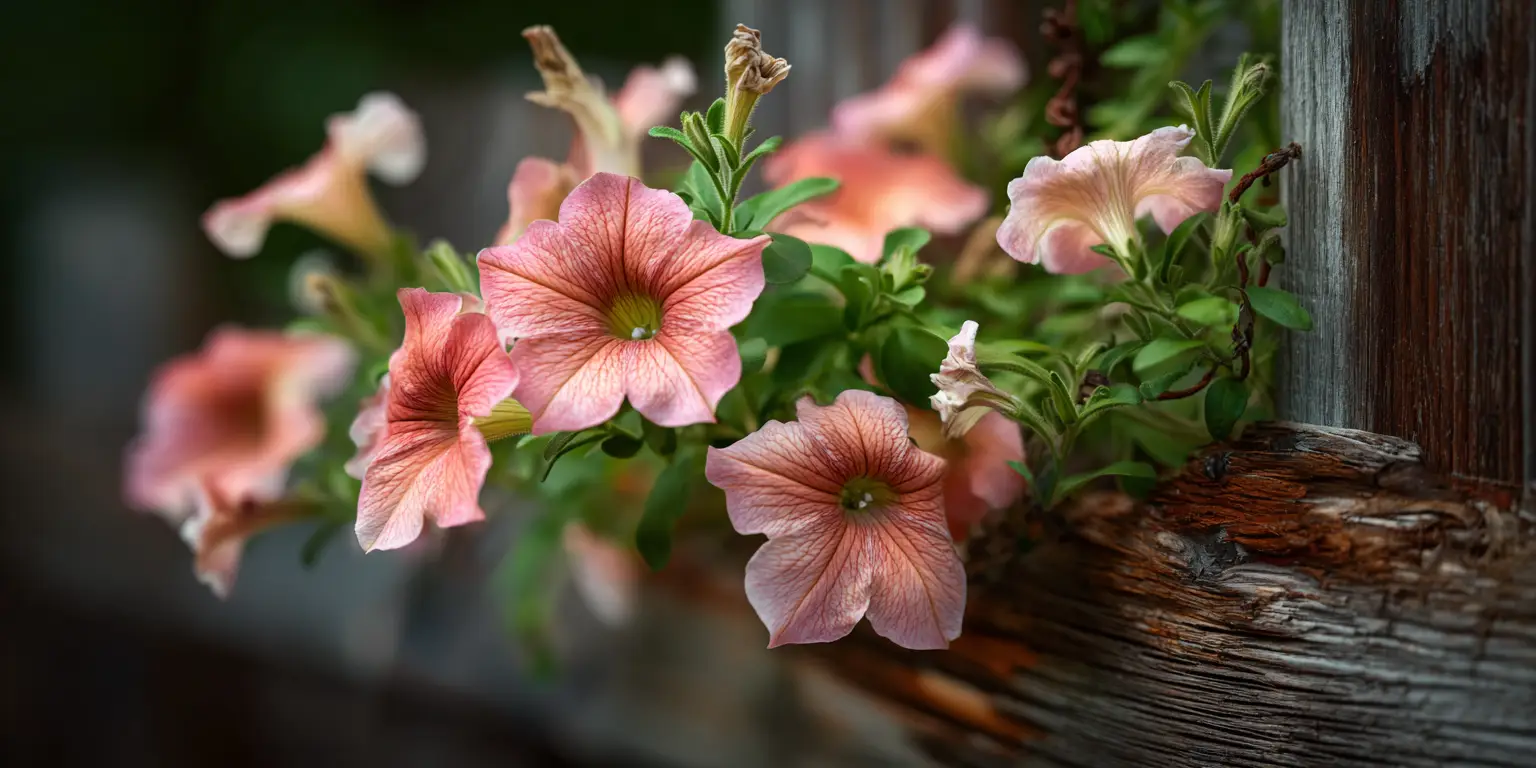
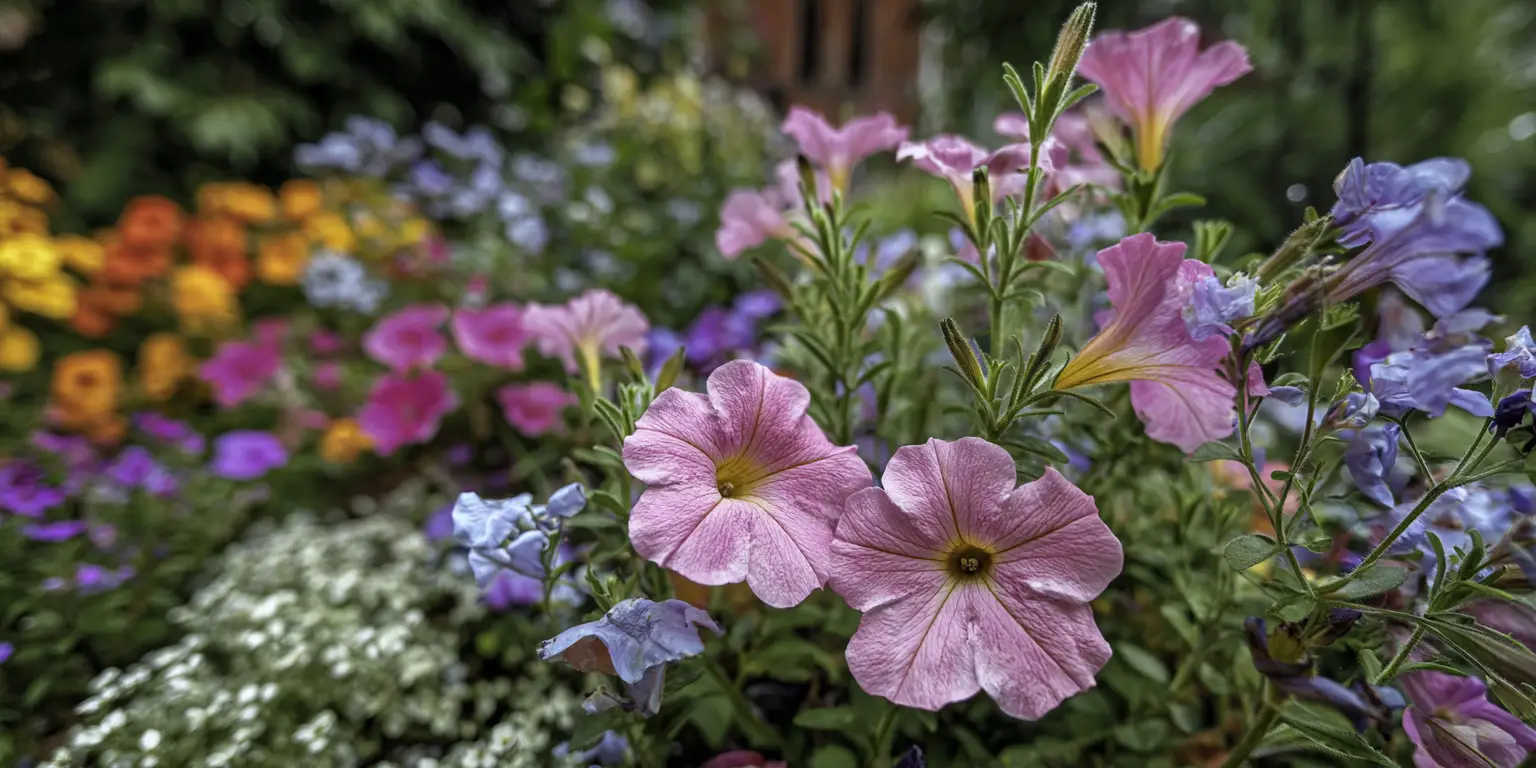
Yes. Petunias are easy fillers in beds and containers because they stay low and bloom for months. Use them at the front of borders, along edges, or to cover spaces left by spring bulbs after they fade. They pair well with sun-loving annuals like marigolds, zinnias, and salvias, and in pots they mix nicely with geraniums, calibrachoa, and trailing foliage plants. Give them enough root space and keep up with feeding so they do not run out of nutrients in crowded containers.
Interesting tips
- Start early indoors: Petunia seed is tiny and slow, so starting indoors under lights gives you a better success rate. Press seed onto the surface and leave it uncovered, since it needs light. It takes patience, but you get access to more varieties than most garden centers carry.
- Pinch for bushiness: When seedlings or transplants reach 4 to 6 inches, pinch the tip to encourage branching. It keeps plants fuller and can reduce midseason legginess.
- Deadhead or shear mid-season: Remove faded flowers on types that are not self-cleaning. If plants get long and thin in midsummer, shear them back by about half. They look rough for a few days, then put on fresh growth and new buds.
- Fertilize regularly: Petunias bloom hard, so they need food. Use a balanced liquid fertilizer every week or two, or mix in a slow-release fertilizer at planting time. Avoid going heavy on nitrogen, which pushes leaves instead of flowers.
- Watch the pH if leaves yellow: Yellow leaves with green veins often point to iron being tied up in alkaline soil. Petunias do best around pH 6 to 7. An iron product can green them up, and organic matter helps over time.
- Scout for budworms: Budworms show up as holes in buds and ragged petals. Check plants at dusk and pick off caterpillars early. If you need a spray, Bt works best when caterpillars are small.
- Combining with other plants: Petunias are handy for filling gaps after spring flowers fade. They also make a clean edge in front of shrubs like Hydrangea macrophylla or roses. In baskets, pair them with trailing foliage such as ivy or dichondra for contrast.
- Notable varieties: Grandiflora petunias have the largest blooms, but heavy rain can damage them. Multiflora types have smaller flowers and handle weather a bit better. Milliflora petunias stay compact and cover themselves with small blooms. Spreading or Wave types run outward quickly and work as groundcover or in baskets. Mixing types gives you both big flowers and broad coverage.
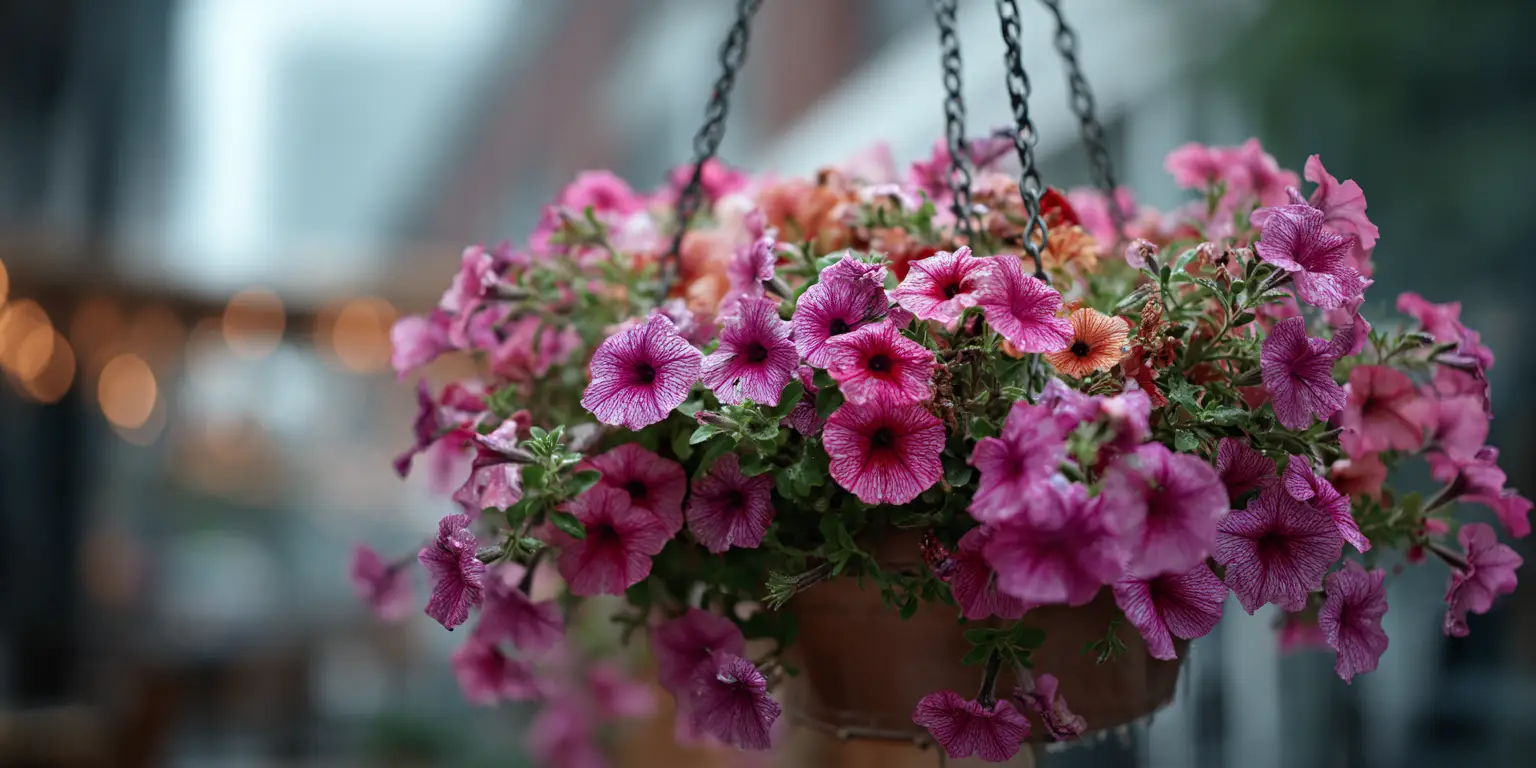
- Petunias for occasions: They are not a classic bouquet flower, but potted petunias, window boxes, and hanging baskets make easy decorations for patios, parties, or outdoor weddings. After the event, you still have a living plant. If you cut a few stems for a casual vase, treat it as a one- or two-day accent.
- Overwintering trick: If you want to save a favorite color, take a few cuttings before frost and root them indoors, or pot up the whole plant and bring it inside. Keep it in bright light. It may look scruffy over winter, but you can take fresh cuttings in spring and start again.
Related Guides & Flowers
- Sweet Alyssum
A classic edging and container filler with a low, spreading habit. Pairs well with petunias for soft texture, color contrast, and long seasonal bloom. - Impatiens
One of the best alternatives when you want heavy flowering in part shade. Great for mixed porch pots where petunias struggle in low light. - Begonia
Reliable for beds, borders, and containers with strong flower power and tidy foliage. A good swap-in for hot summers or shadier spots. - Geranium
A staple container plant with bold color and sturdy structure. Works as a focal plant with petunias spilling around the edges. - Verbena
A sun-loving bloomer that can trail or mound depending on type. Excellent for baskets and window boxes, similar seasonal use to petunias. - Marigolds
Easy, heat-tough, and beginner-friendly for beds and borders. A practical companion plant when you want dependable color all season.
References
- University of Minnesota Extension: Growing petunias
Solid care basics including light, watering rhythm, and seasonal performance tips for home gardens and containers. - Clemson Cooperative Extension: Petunia
Practical growing guidance and common landscape use notes from an established extension program. - University of Florida IFAS: Petunias
Warm-climate focused advice that helps with planting timing, sun needs, and keeping plants flowering longer. - Penn State Extension: Petunia diseases and problems
Helpful for troubleshooting when blooms decline or foliage looks rough, with problem-focused guidance. - ASPCA Poison Control: Petunia
Useful for a pet safety note, lists petunia as non-toxic to dogs, cats, and horses.
Written by: Your Flowers Guide editorial team
We are a small independent group of flower lovers who research and review each guide using trusted horticultural and educational sources. Learn more about us