
Morning glories grown on vertical string trellises outside south-facing windows reduce indoor temperatures by blocking radiant heat before it hits the glass. A morning glory shade operates on a simple thermodynamic principle called evapotranspiration. As the leaves release moisture into the air, they actively cool the microclimate immediately surrounding the window. This approach is significantly more effective than internal blinds, which only stop sunlight after it has already entered the building and converted into trapped heat. The Japanese have utilized this method for decades, referring to it as the green curtain. By planting traditional climbing species like Ipomoea nil alongside bitter melon, they create temporary summer insulation that dies back exactly when winter solar gain becomes desirable again.
A dense morning glory screen can lower the surface temperature of an exterior wall by up to twenty degrees Fahrenheit during peak summer heat. This reduction in thermal mass heating translates directly to lower air conditioning demands and measurable energy savings. The vines grow aggressively enough to cover a standard first-floor window entirely within six weeks of germination. Unlike permanent architectural overhangs or awnings, a vine sun shade requires no structural permits and costs only the price of seeds and twine. You must plant the seeds densely, spacing them about four inches apart in a continuous trough or long planter box at the base of the target wall. Sparse planting is the most common reason these living screens fail to provide adequate shade.
Contents 4 sections
The mechanics of a living green curtain
These vines consume massive amounts of water when tasked with covering a large vertical plane in full sun. You need to water the planter boxes deeply every morning, ensuring the soil remains consistently moist but never waterlogged. A standard potting mix dries out too quickly for a functional green curtain, so you should amend your soil with compost and vermiculite to increase water retention. If the leaves wilt during the hottest part of the afternoon, the cooling effect stops completely because the plant halts transpiration to conserve moisture. Applying a thick layer of shredded bark mulch over the soil surface prevents rapid evaporation and keeps the root zone stable. Feed the plants with a balanced liquid fertilizer every two weeks, as the confined root space of a planter box rapidly depletes available nutrients.
While morning glories provide excellent diurnal coverage, you might want to extend the visual interest and cooling effect into the evening. Mixing the seeds with a night-blooming moonflower creates a screen that remains active and fragrant after the sun goes down. Moonflowers share the exact same soil, water, and support requirements, making them an ideal companion in the planter box. You can also interplant with a lightweight summer-blooming clematis to add different foliage textures and root shading. The morning glory vines will naturally use the other plants as additional climbing structures, weaving a tighter and more impenetrable barrier against the sun. This density is exactly what you want for maximum heat deflection on a severe south-facing exposure.
Installing string support systems for windows
The support system for your vines must be completely detached from the actual siding of your house. Morning glories climb by twining their stems around thin vertical supports, and they will force their way under vinyl siding or into wood joints if given the opportunity. The safest method involves running a horizontal tension wire across the top of the window frame and anchoring it to the brick or structural framing. Drop individual lengths of natural jute or sisal twine from this top wire down to the planter box. Anchor the bottom of each string securely to the box itself using heavy staples or tied around a lower tension wire. Space the vertical strings exactly four inches apart to match your seed spacing, creating a uniform grid for the vines to ascend.
Avoid using smooth nylon rope or fishing line for your vertical supports. The twining stems of morning glories struggle to grip slick synthetic materials, causing the heavy vines to slide downward during high winds or heavy rain. Rough natural fibers provide the necessary friction, and they offer the distinct advantage of being completely biodegradable at the end of the season. When the first frost kills the vines, you simply cut the strings at the top and bottom and throw the entire tangled mass into the compost pile. You must keep the strings taut during the initial installation. Loose strings will whip against the window glass in the wind, potentially damaging the delicate growing tips of the vines before they can establish a strong vertical anchor.
Managing growth and preventing structural damage
Despite what many sources claim, morning glories do require active management to form a proper sun screen. Left to their own devices, the vines will race straight to the top of the strings and bundle together in a heavy, tangled mass, leaving the lower half of your window completely exposed. You must pinch off the growing tips of the main stems when they reach about three feet tall. This forces the plant to push out lateral branches, filling in the horizontal gaps between your vertical strings. As these side shoots grow, manually weave them horizontally through the strings once or twice a week. This deliberate training creates a dense, uniform shield of foliage rather than a few isolated vertical ropes of green.
You have to monitor the outer boundaries of your green curtain to prevent the vines from escaping onto the permanent structure of your home. Morning glories will eagerly wrap around gutters, downspouts, and nearby shrubs if they run out of vertical string. Check the perimeter of your installation weekly and ruthlessly prune away any tendrils reaching toward your roofline or siding. The plants respond well to aggressive pruning, and removing rogue stems simply redirects the plant’s energy back into the main foliage screen. If you live in a region where morning glories are considered invasive, you must remove the spent flowers daily before they form seed pods. Dropped seeds will overwinter in the soil and turn a controlled window screen into a permanent weed problem in your foundation beds.
Timing and species selection for optimal shade
Standard garden center morning glories are often Ipomoea purpurea, which produces smaller leaves and takes longer to establish a dense canopy. For a highly effective morning glory shade, you should source seeds of the Japanese morning glory, Ipomoea nil, which has been selectively bred for enormous leaves and aggressive climbing. These larger leaves overlap like shingles on a roof, creating a solid barrier against solar radiation. You must nick the hard seed coats with a file and soak them in warm water for twenty-four hours before planting. This scarification process guarantees nearly total germination within three days, giving your green curtain a rapid start. Plant the seeds outdoors only after the soil temperature has reliably reached sixty-five degrees, as cold soil will cause the seeds to rot before they sprout.
The natural life cycle of the morning glory perfectly aligns with residential heating and cooling needs. In late summer, the dense foliage blocks the intense heat, but as autumn approaches, the lower angle of the sun means you actually want that solar radiation to warm your house. The vines naturally begin to yellow and drop leaves just as the weather cools, gradually letting more light through the window. Once the first hard freeze hits, the plant dies completely and immediately stops blocking the sun. You should pull the dead vines down the very next day to maximize your winter solar gain. This cyclical, self-regulating nature makes annual vines superior to permanent architectural shading for seasonal climate control.
More About Morning Glories
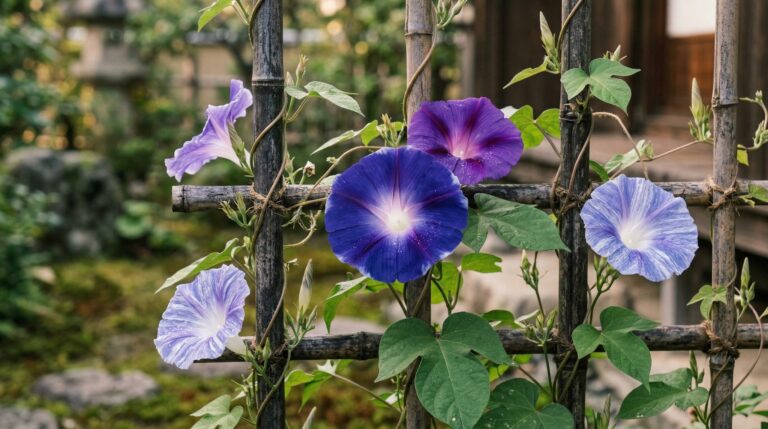
Morning glory flower meaning and the Japanese art of training these blooms to perfection
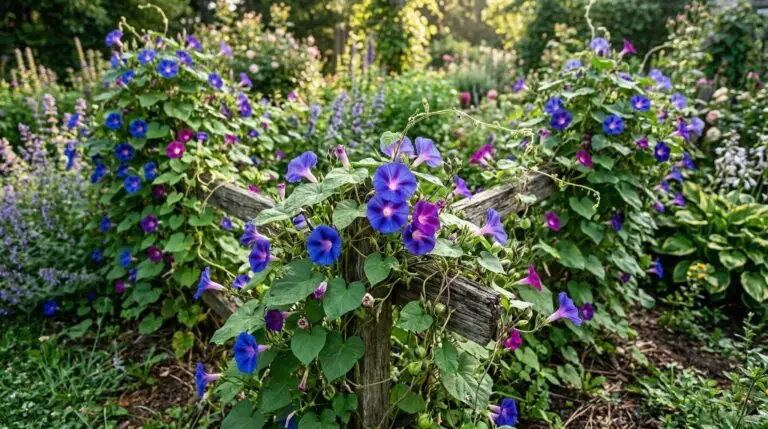
How to control invasive morning glory and stop it from taking over your garden
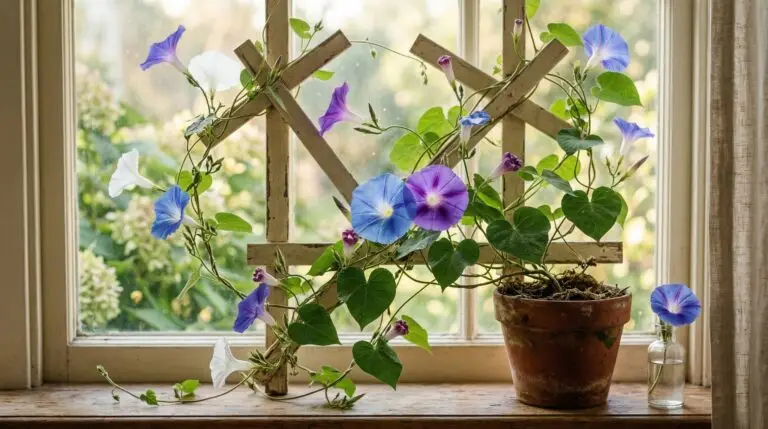
Why morning glory flowers only last one day and the daily renewal that makes them special
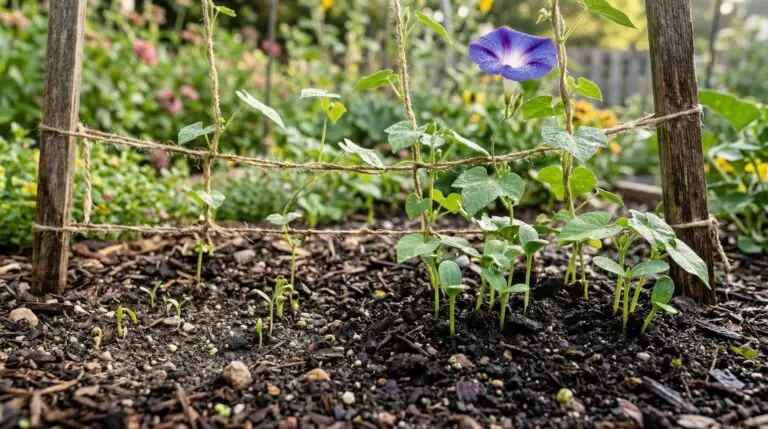
Growing morning glories from seed with the easy soak-and-plant method
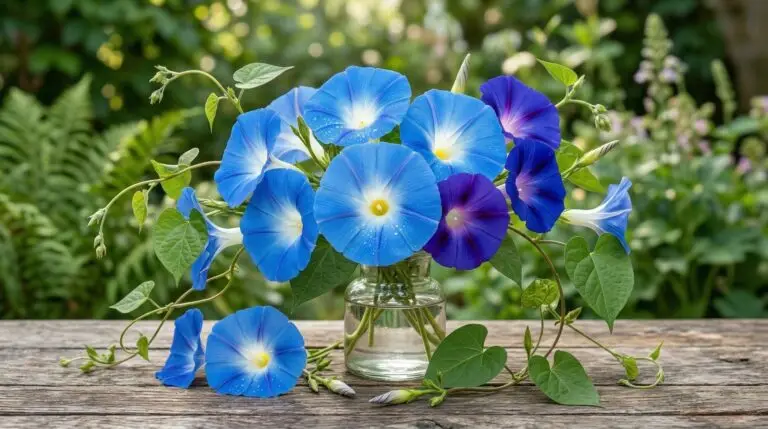
Best morning glory varieties from classic Heavenly Blue to rare chocolate Knowlian’s Black
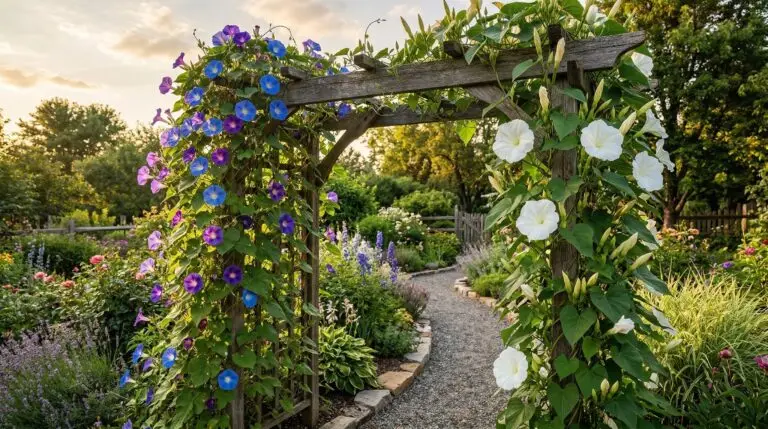
Morning glory companion plants: what to grow, what to avoid

Training morning glories on fences mailboxes and trellises for vertical garden magic
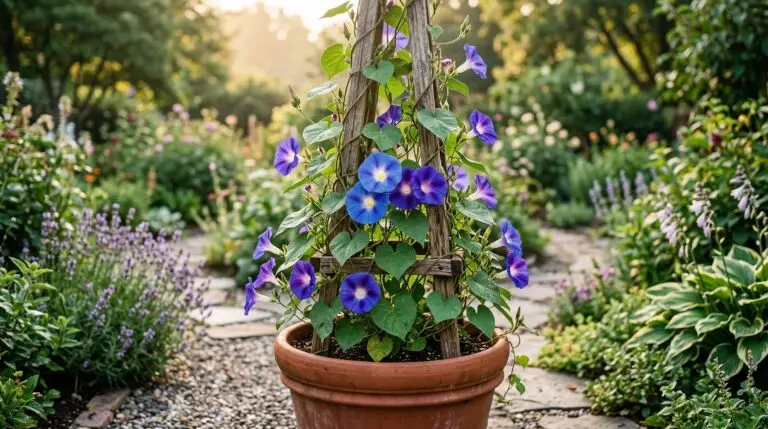
Growing morning glories in containers for balcony vines that bloom all summer
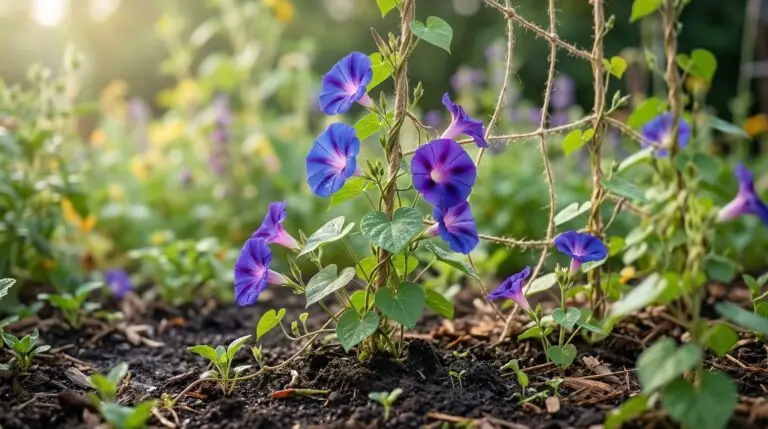
How to grow morning glories for a cascade of trumpet flowers that greet the sunrise
Enjoying our flower guides? Add YourFlowersGuide as a preferred source on Google. It helps more readers find us.
Add to Preferred Sources