Halloween flowers are the dark-toned blooms that carry an October display: near-black tulips and dahlias, bronze and purple garden mums, and the snapdragon seed capsules that dry into small skulls. None of them is truly black. No cultivated flower makes a black pigment, and what looks pitch black on a porch at dusk is saturated burgundy, maroon, or deep purple absorbing nearly all the light that lands on it. Florists sell plenty of ordinary stems under gothic names, but the varieties worth buying get their depth from pigment rather than from dye or spray paint.
That leaves three practical questions for the last week of October: which flowers actually hold the color, what a display costs to build, and whether any of it is safe with a dog underfoot and children at the door. A porch piece faces nights that can slide toward freezing and turn open dahlia petals black by morning, while a dining centerpiece only has to look right for one evening but sits within reach of everyone at the table. What follows covers the cultivars that read as black and why they do, the snapdragon seed pods shaped like skulls, three builds sorted by where they sit and what they cost, the pumpkin vase without the rot, a cutting and ordering schedule counting back from October 31, and which blooms are toxic around pets and which one is not.
On this page 7 sections
The flowers that actually read as black
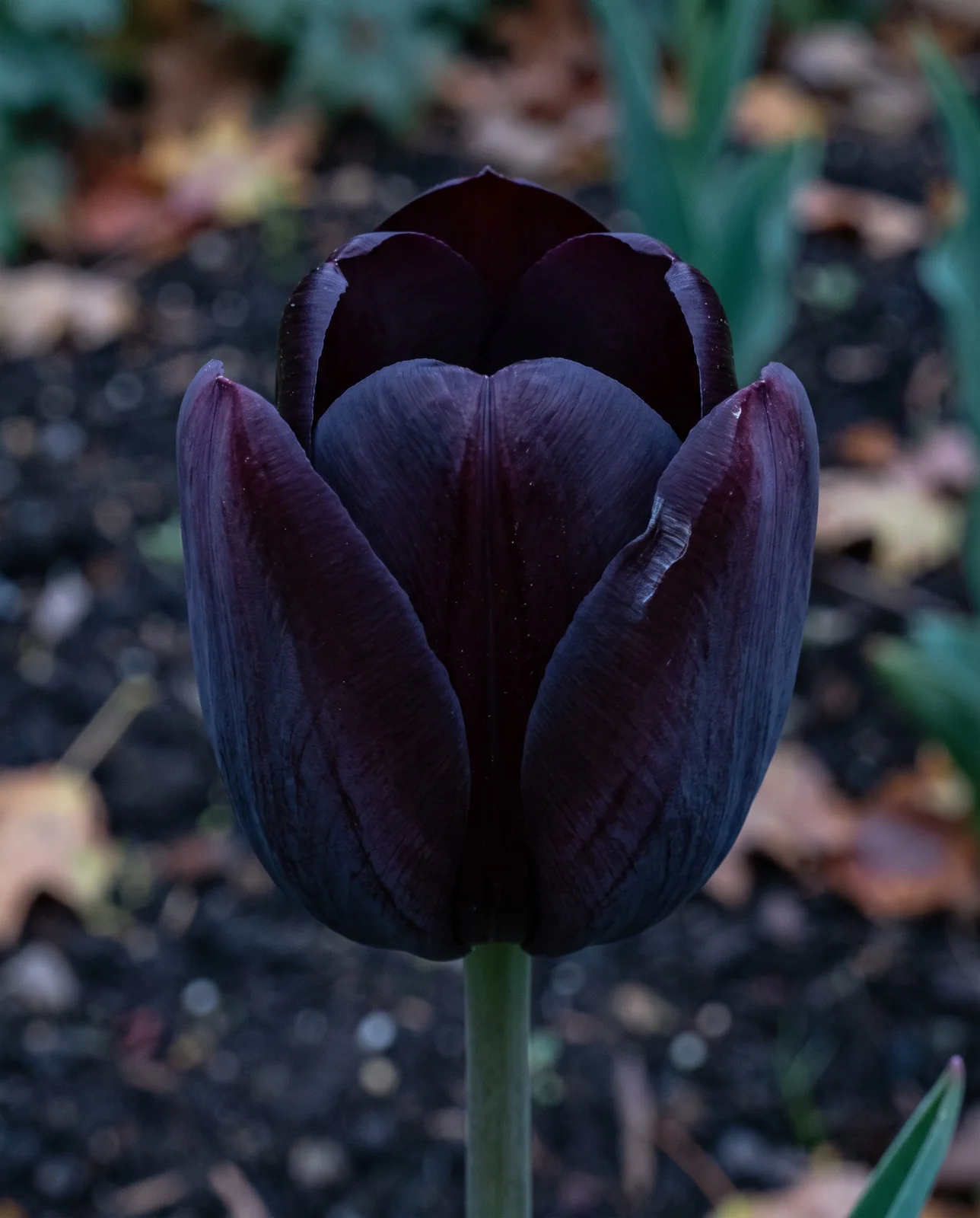
No breeder has ever produced an absolute black petal, because plants lack the genetic code to manufacture a pure black pigment. The color comes instead from anthocyanin pigment concentrated to the point where a petal reflects almost nothing back. Light decides what you see. Under direct sun the true undertone surfaces, dark red or violet, and the flower reads as plum or oxblood rather than black. Under an overcast autumn sky, in shade, or by lamplight after dark, that same petal closes to a flat velvet black with a surface no dyed or spray-painted stem reproduces. For the wider range of near-black varieties there is a full list of black flowers, and the meanings attached to the color are collected under dark flower meanings.
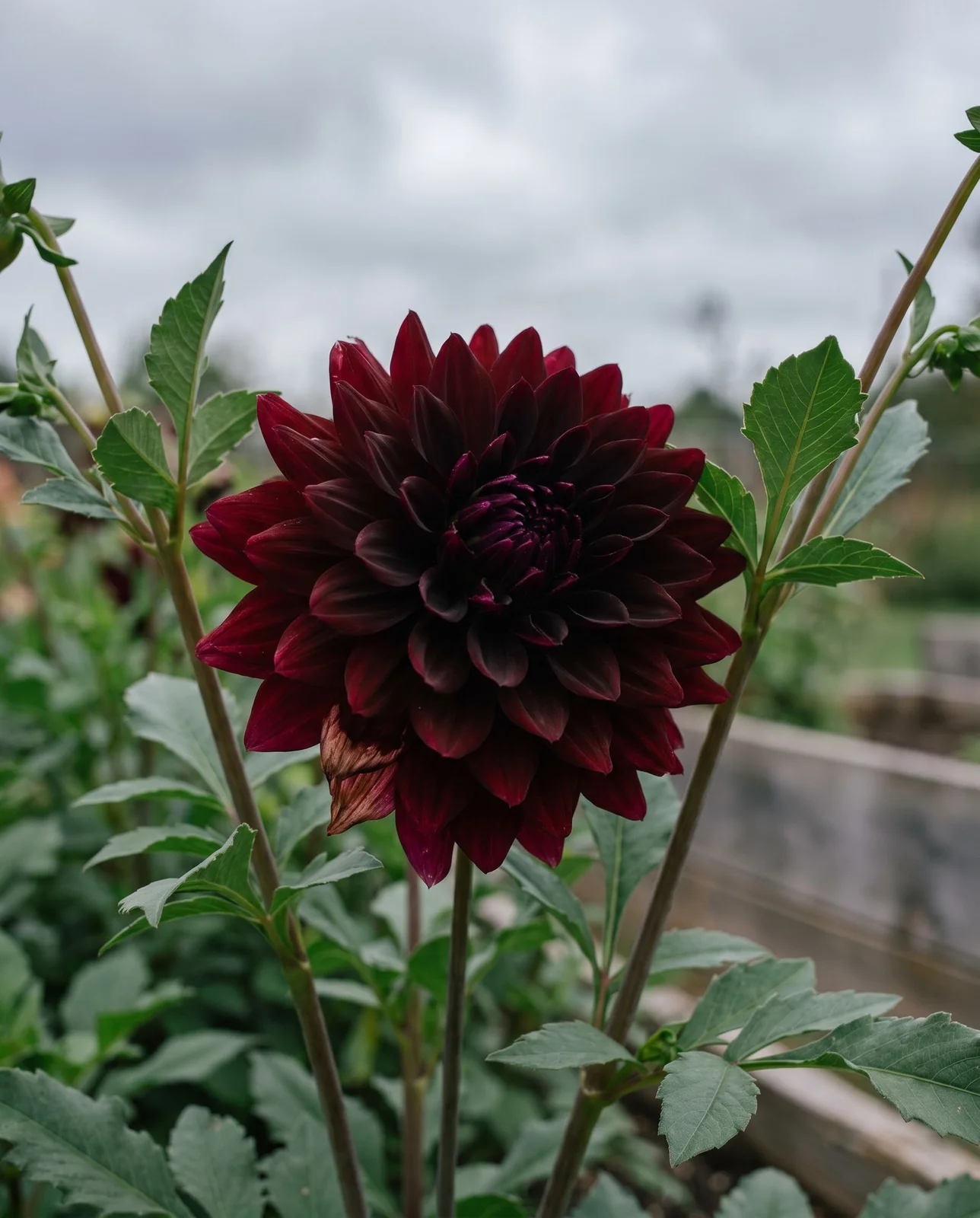
Two cultivars do most of the work. The Queen of Night tulip opens a single deep maroon-purple cup that goes near-black in cool light, and it comes from a genus NC State Extension still files under a “Black” color tag, even though the same entry notes that tulips produce neither true black nor true blue pigment, stand anywhere from 4 to 28 inches, and are hardy through zones 3a to 8b. The Arabian Night dahlia is the autumn counterpart, a double decorative head in velvet red deep enough to read black in shade, and one of the 29 groups the American Dahlia Society sorts dahlias into by flower size and form. NC State, for its part, files dahlia colors under red and burgundy rather than black, which is a fair description of what the flower does in daylight. Hardy in zones 7a to 10b and blooming from late summer to first frost, it is the one of the pair you can cut from your own garden in October, while dark tulips arrive as florist stems out of their season.
Dark botanical cast for seasonal arrangements
Four plants carry the near-black look used in Halloween arrangements. None produces true black pigment; each reads dark through pigment concentration and low light rather than a black colorant.
Skull seed pods and other real oddities
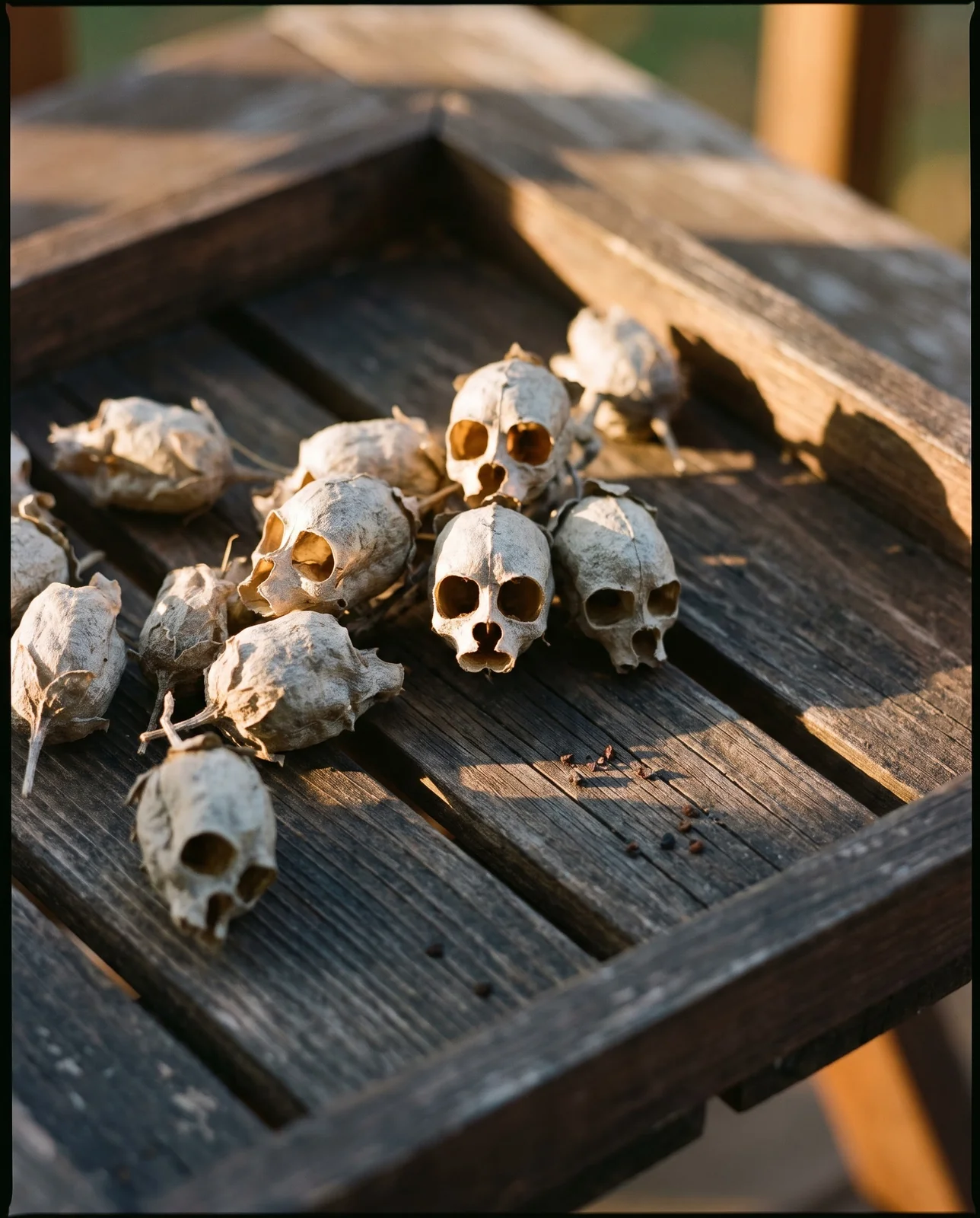
The oddity is real, and it grows in ordinary flower beds. When Antirrhinum majus, the common garden snapdragon, finishes flowering in late summer and drops its petals, the green seed vessels left along the central spike harden into dry, woody capsules. NC State Extension describes that fruit as short-beaked and half hidden by the calyx lobes. As the capsule dries, three pores open near the apex to release seed, and because the flower is bilaterally symmetrical they land as two large openings side by side above a single central one, which is exactly the arrangement of two eye sockets over a nasal cavity. Held up at arm’s length, a spike of them reads as a row of small weathered skulls, and nothing about it came out of a costume aisle. How to harvest and dry them is covered start to finish on the page about the dried snapdragon seed pods that look like skulls.
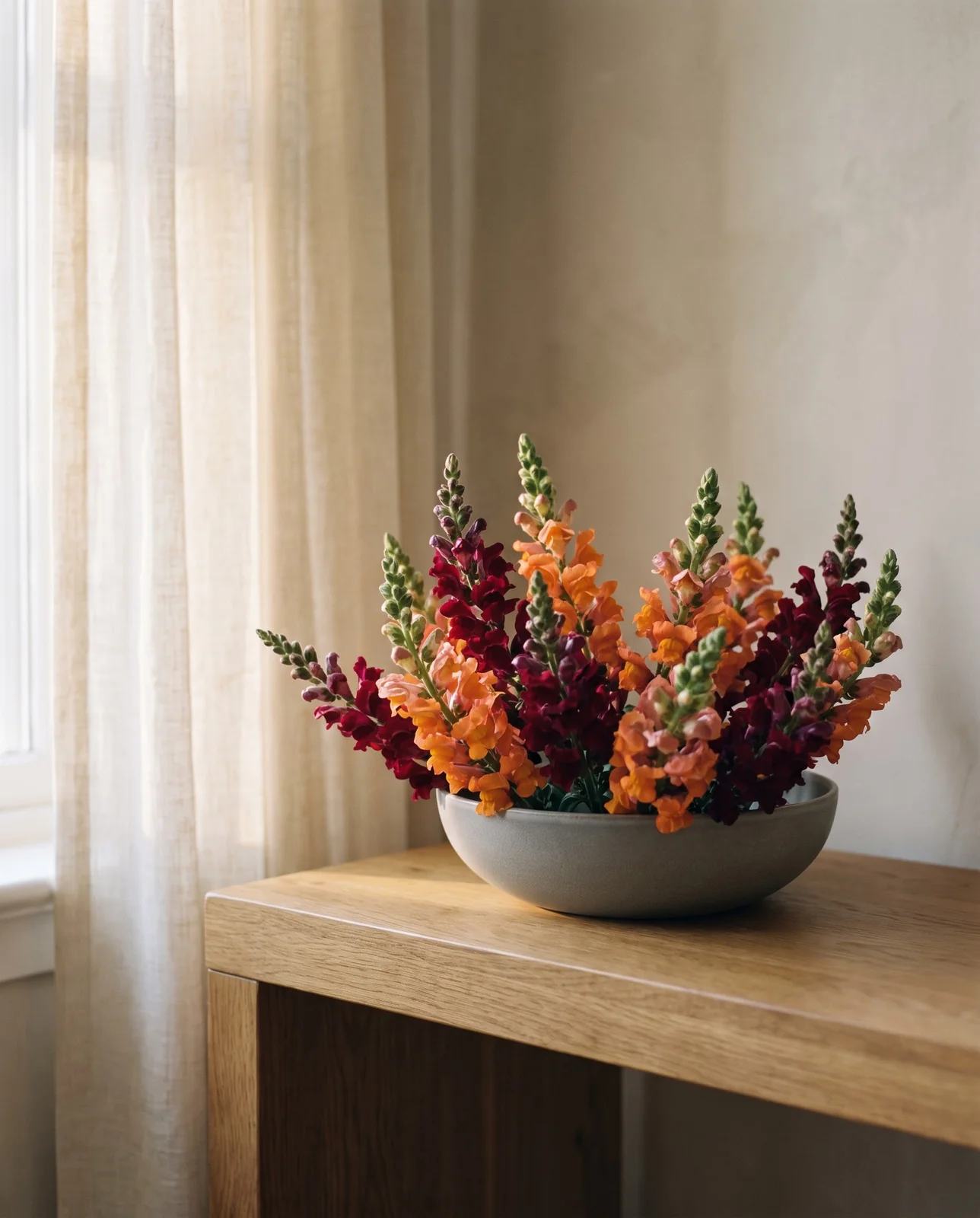
Snapdragons are grown as annuals across most of the country, though NC State Extension notes they are perennial in USDA Zones 7a through 10b. They hold little drought tolerance and languish through summer heat, then push fresh growth and a second flush of bloom as nights cool in autumn. That timing is what puts flowering spikes and dried seed heads in the same bed on the same day in October, so one pass with the shears fills both jobs. Fresh stalks add a strong vertical line to an arrangement, and the flowers themselves are non-toxic and edible, slightly bitter, which is enough to make them a garnish on a seasonal platter as well as a stem in the vase. Deer seldom damage the plants in outdoor garden settings.
Three arrangements by budget
A commercial florist package for the holiday runs $70 or more, often built on synthetic dyes or a generic supermarket formula. The three builds below run $15 to $45 in materials and separate on one question: where the piece sits. Anything on a porch or a front step has to take wind and a night that may drop close to freezing, so it runs on potted plants and dried material. Anything indoors can use cut stems in soaked floral foam, which look better and hold for days. Potted nursery stock and stems cut from your own beds both carry denser petals and stronger stalks than a pre-arranged bundle.
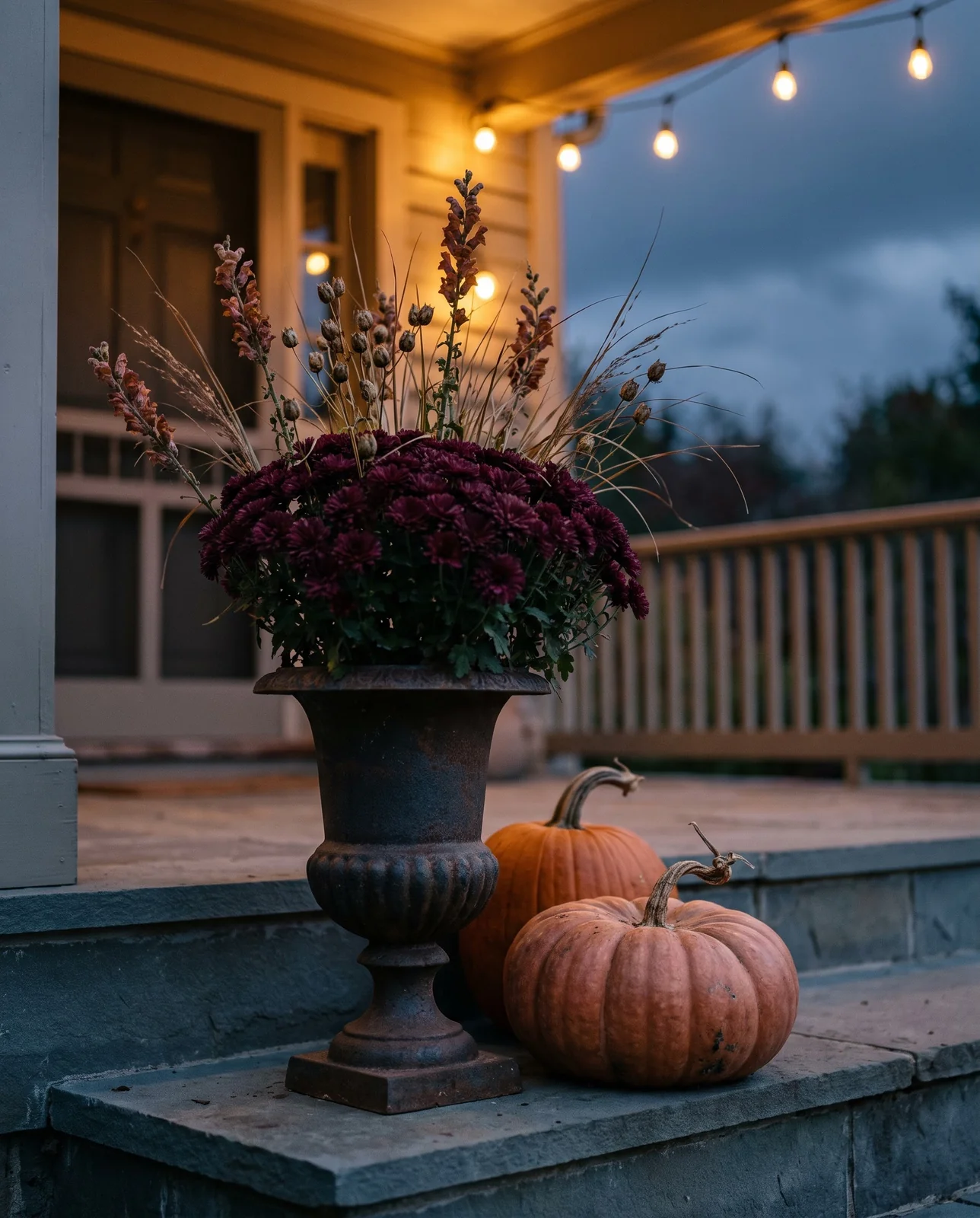
Tier 1: the weather-tolerant porch urn, $15 to $25. Built for covered porches, front steps, and entry tables where a cold draft or a light frost would finish tender cut flowers. Materials: one 2-gallon potted dark purple or bronze garden mum (Chrysanthemum x morifolium), five to seven dried snapdragon skull stalks, and three small heirloom pumpkins or gourds. Drop the potted mum straight into a weathered metal or stone urn so the root ball sits above cold concrete. Push the dried stalks vertically into the mum’s dense canopy so the capsules hover 4 to 6 inches above the foliage. Set the gourds around the base to anchor the container visually. Mums form mounds 1 to 3 feet tall and take cool autumn nights across zones 5a to 9b, so this build holds two to three weeks outdoors on light watering.
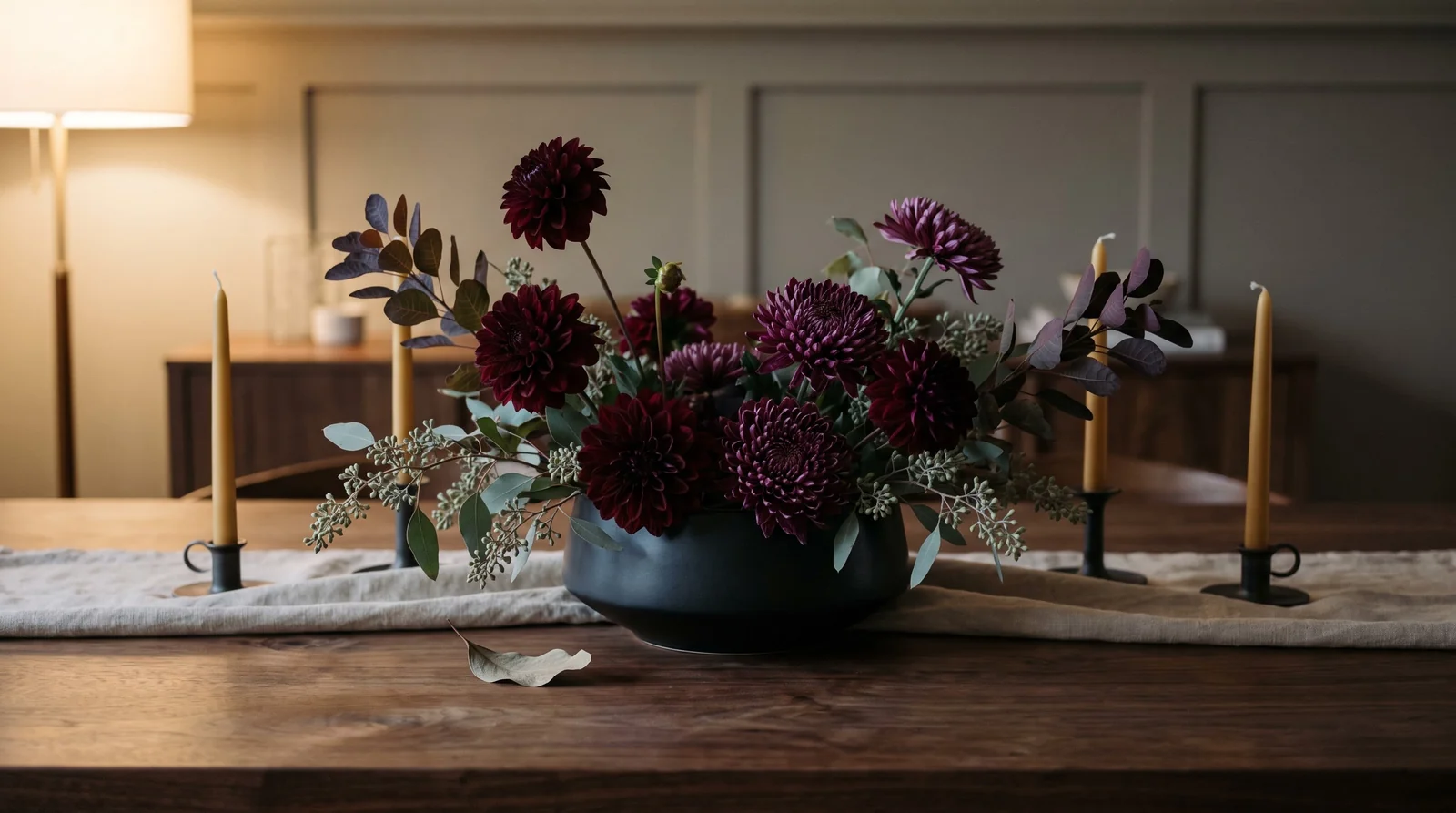
Tier 2: the gothic dining centerpiece, $30 to $45. Low profile, built for a table where guests look at it from seated height. Materials: a wide shallow ceramic bowl, half a block of soaked floral foam, six stems of ‘Arabian Night’ dahlia, four stems of dark bronze mum, several seeded eucalyptus sprigs, and two unlit charcoal taper candles in glass holders. Wedge the soaked foam into the bowl, run the eucalyptus in first to lay a horizontal foliage base, then set the dahlia heads low against the rim where they hide the mechanics. Fill the gaps between them with bronze mums and a few upright skull pods for texture. Leave the candles unlit: dried plant material and open flame at table height do not belong together. Cut stems in foam hold peak form for 4 to 6 days indoors at normal room temperature.
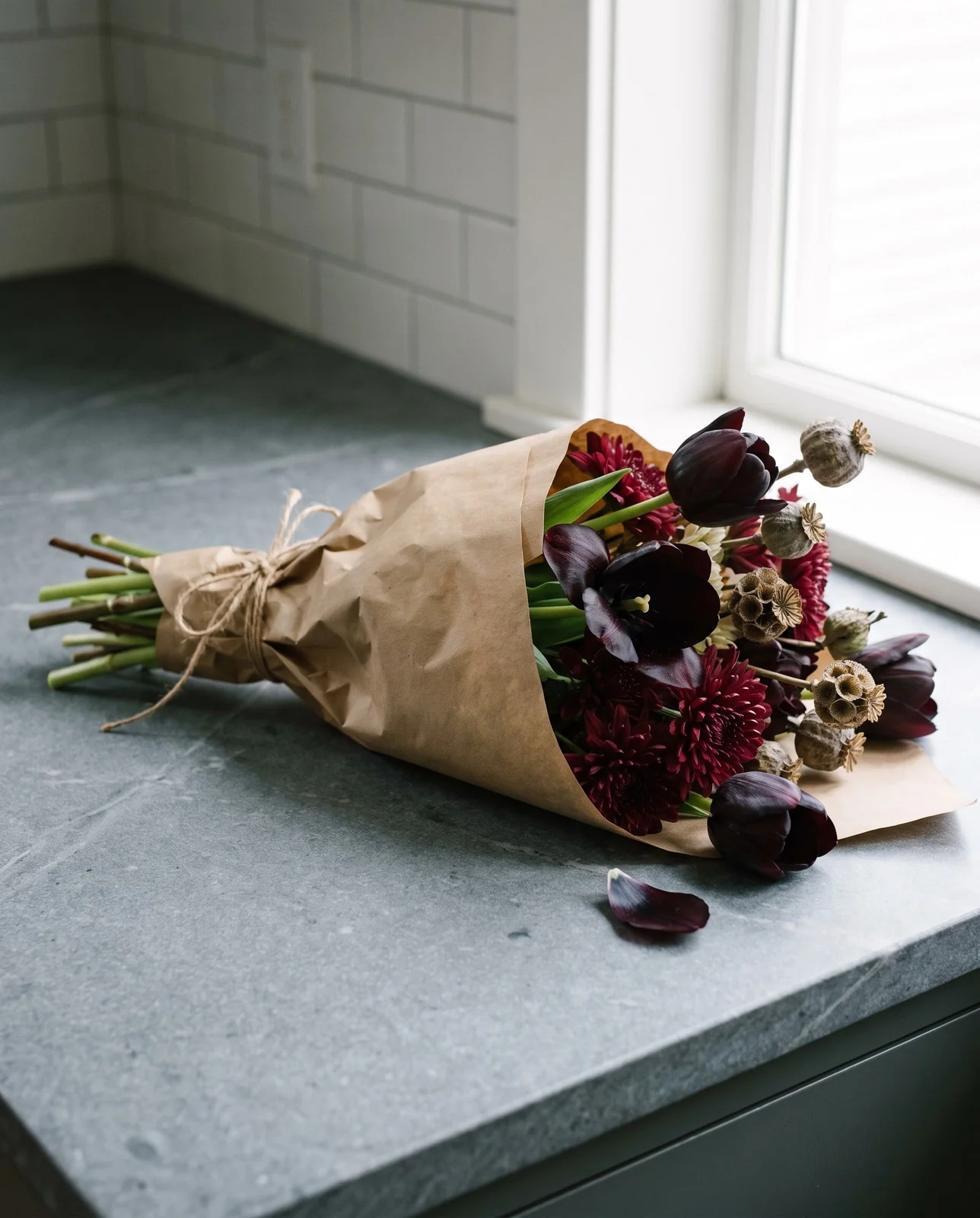
Tier 3: the hand-tied host bouquet, $20 to $35. Portable, made to hand over at the door or drop into a tall vase on a mantle. Materials: ten stems of dark ‘Queen of Night’ tulip, five stems of dark purple mum, several stems of dark burgundy cotinus foliage, floral tape, and heavy matte brown kraft paper. Strip every leaf that would sit below the waterline, since submerged foliage is what fouls vase water. Assemble the stalks in a spiral hand-tie with the dark tulip heads spread evenly across the crown, then bind the tie point with floral tape. Cut the ends clean at 45 degrees, wrap the lower stalks in damp paper towel inside a plastic sleeve, and fold the kraft paper around the bunch with black twine. Set in fresh water with floral preservative, it holds 5 to 7 days.
Which build fits your night
Two questions decide the build: where the display will live, and how long it needs to hold up.
The pumpkin vase, done right
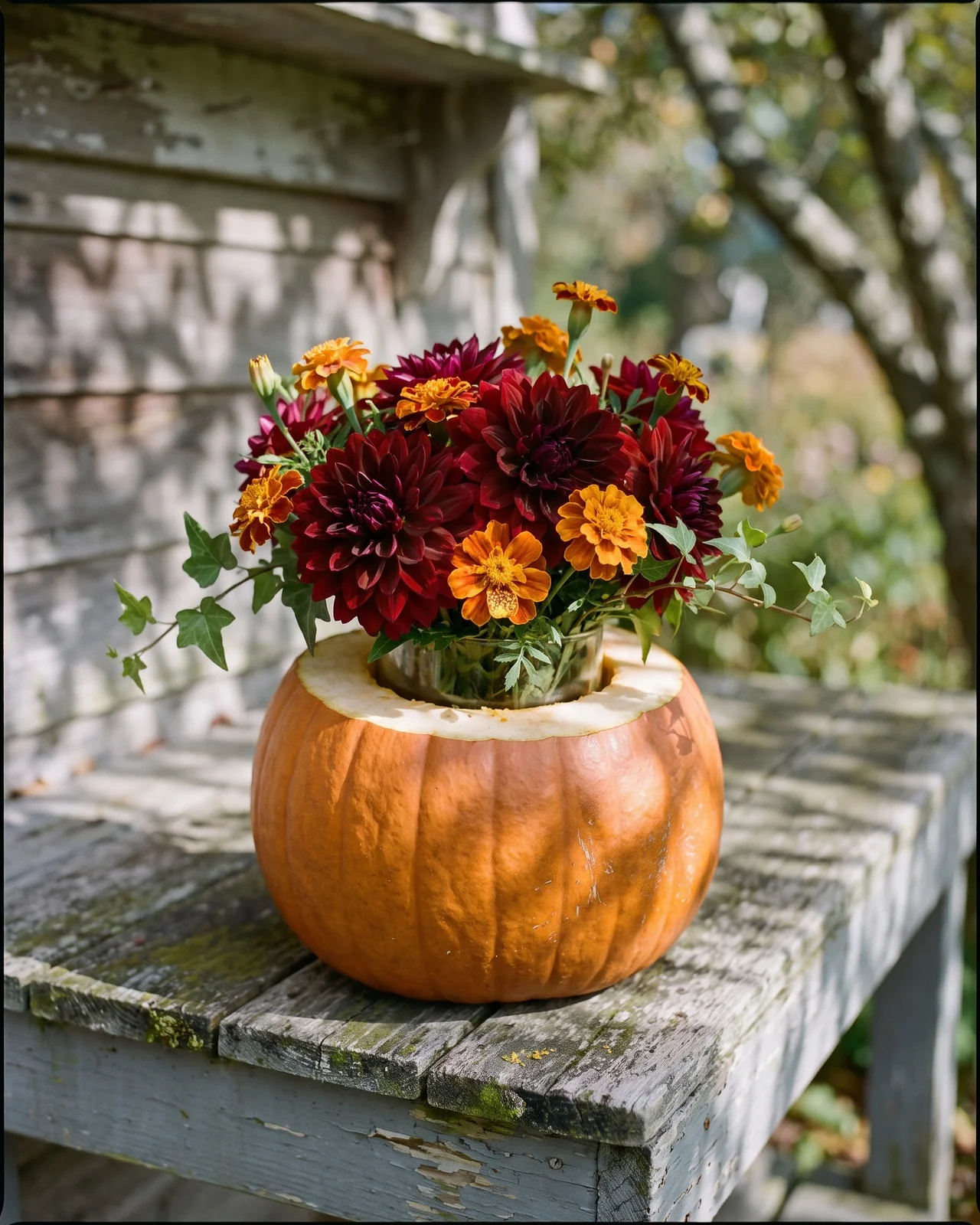
A carved pumpkin makes a good vase and a fast disaster. Wet floral foam or bare stems pressed against raw pumpkin flesh start bacterial and fungal rot almost at once, and the shell turns soft, slippery, and sour within 48 to 72 hours. Moisture also works out through the porous cut rind and leaves rings on table linen, while the stems sit in water that is already fouled. The fix is a barrier between the gourd and the water: nothing wet touches the pumpkin itself.
Cut a circular opening in the top of a medium pie pumpkin or a Cinderella pumpkin, sized slightly wider than the cup or tumbler going inside. Scrape out the seeds and loose fiber with a metal spoon until the inner wall is smooth and firm, since leftover pulp is what feeds the mold. Drop in a plastic container, a cut-down bottle, or a heavy glass tumbler so its lip sits level with or just below the carved rim. Fit a trimmed block of pre-soaked floral foam into that inner vessel, or fill it with fresh water and floral preservative. Then set the dark dahlias, mums, and dried pods into the liner alone, never through it into the flesh. With the water and the decomposing stem ends held off the raw gourd, the pumpkin stays solid and free of mold for 5 to 8 days indoors. Full step-by-step assembly techniques and container variations carry over into our detailed pumpkin arrangement guide.
Timeline: cutting and ordering to last through October 31
The date is fixed, so the whole schedule runs backward from October 31, and the flowers that carry the display are the ones a single cold night can end. Dahlia tuberous roots and tender stems take severe tissue damage below 25 degrees Fahrenheit, per NC State Extension, and well before that threshold a hard freeze turns open petals black and limp by morning. Kept mulched and watered, dahlias bloom from late summer straight through to that first frost. Garden mums flower in autumn by nature, but a sudden frost still browns exposed petal tips and ruins the outer heads on a plant left standing. Watch the overnight forecast through the last week of October and cut on the clear evening before a cold night. In zones colder than 7 the tubers have to come up in fall anyway, dried without washing and stored in vermiculite or dry sand at 35 to 45 degrees Fahrenheit.
For homegrown stems, cut 24 to 48 hours before the event, early in the morning while the stalks are still turgid, using sterilized shears and a clean angled cut, then move them straight into deep cool water in a shaded room away from sun and drafts. For florist stems, order 10 to 14 days out, which is what it takes to secure specialty dark cultivars such as ‘Queen of Night’ tulips and dark decorative dahlias from wholesale shipments. Schedule the pickup for October 29 or October 30. That gives the flowers a full day in fresh water to rehydrate and open to their peak diameter on the night, and it keeps them short of the five-day mark where cut arrangements begin dropping petals.
October cutting and ordering schedule
Six dated steps carry a dark-flower Halloween display from florist order to winter breakdown.
Keeping kids and pets safe around the display
Three of the four flowers on this page are toxic to pets, and the fourth is the one to reach for when the house is full. The ASPCA lists tulips as toxic to dogs, cats, and horses, on toxic principles that include tulipalin, given as Tulipalin A and B, along with glycoproteins and allergens. NC State Extension records the same picture from the plant side, stomach pain, salivation, depression, diarrhea, sweating, nausea, and vomiting, with the highest concentration of toxins residing in the bulb. Garden mums (Chrysanthemum x morifolium) carry the same ASPCA rating, toxic to dogs, cats, and horses, on pyrethrins, sesquiterpene lactones, alantolactone, and guaianolide. Swallowed, they show in an animal as vomiting, diarrhea, hypersalivation, and incoordination, while contact with the foliage can bring on contact dermatitis and skin rashes in pets and in people with sensitive skin.
Dahlias sit lower on the same scale. Both bodies list them as toxic too, but the recorded signs are mild gastrointestinal upset and dermatitis in dogs, cats, and horses, and the two disagree on the cause: NC State names phototoxic polyacetylene compounds, while the ASPCA leaves the toxic principle as unknown. The phototoxic half is worth knowing for the gardener as much as the pet, since handling tubers and foliage repeatedly in sunlight can trigger skin irritation in humans.
If cats, dogs, or small children have the run of the house, the snapdragon is the answer. NC State Extension tags Antirrhinum majus as non-toxic to cats, dogs, and horses, the fresh blossoms are edible and bitter enough to discourage a second bite, and the dried skull capsules pose no chemical hazard if handled or chewed. A bowl built from snapdragons, their seed pods, and non-toxic greenery gets the full gothic look with nothing on the poison list. Where mums, tulips, and dahlias do go into a display, put them up high: a porch bracket, a mantle, a shelf. Keep the two places a dog or a toddler reaches without trying, the floor-level entry pieces and the dining table, on snapdragons and gourds.
FAQ
What flowers are traditionally used for Halloween arrangements?
Dark purple and bronze garden mums, ‘Arabian Night’ dahlias in deep velvet red, ‘Queen of Night’ tulips in near-black maroon, orange marigolds, and dried snapdragon seed pods shaped like skulls.
Are there real black flowers that grow naturally?
None are truly black. No flower makes a black pigment. The cultivars sold as black carry anthocyanin concentrated far enough that the petal reflects almost no light, so it reads black in shade, under an overcast sky, or by lamplight, and shows its real dark red or purple in full sun.
How do you stop a pumpkin vase from rotting quickly?
Scrape the cavity clean of every trace of pulp, then set a plastic cup or a glass tumbler inside it. Soaked floral foam or water goes in that cup only, so nothing wet touches the cut pumpkin flesh. Handled that way the shell stays firm for 5 to 8 days indoors.
Are garden mums and dahlias poisonous to pets?
Yes. The ASPCA and NC State Extension both classify mums and dahlias as toxic to cats and dogs. Mums act through pyrethrins and sesquiterpene lactones and bring on vomiting, diarrhea, and incoordination. Dahlias are milder, causing gastrointestinal upset and dermatitis.
What are the dried pods that look like skulls?
They are the dried seed capsules of the common garden snapdragon, Antirrhinum majus. Once the petals drop and the capsule dries on the spike, three seed pores open near the top, two side by side above one, which reads as a pair of eye sockets over a nose.
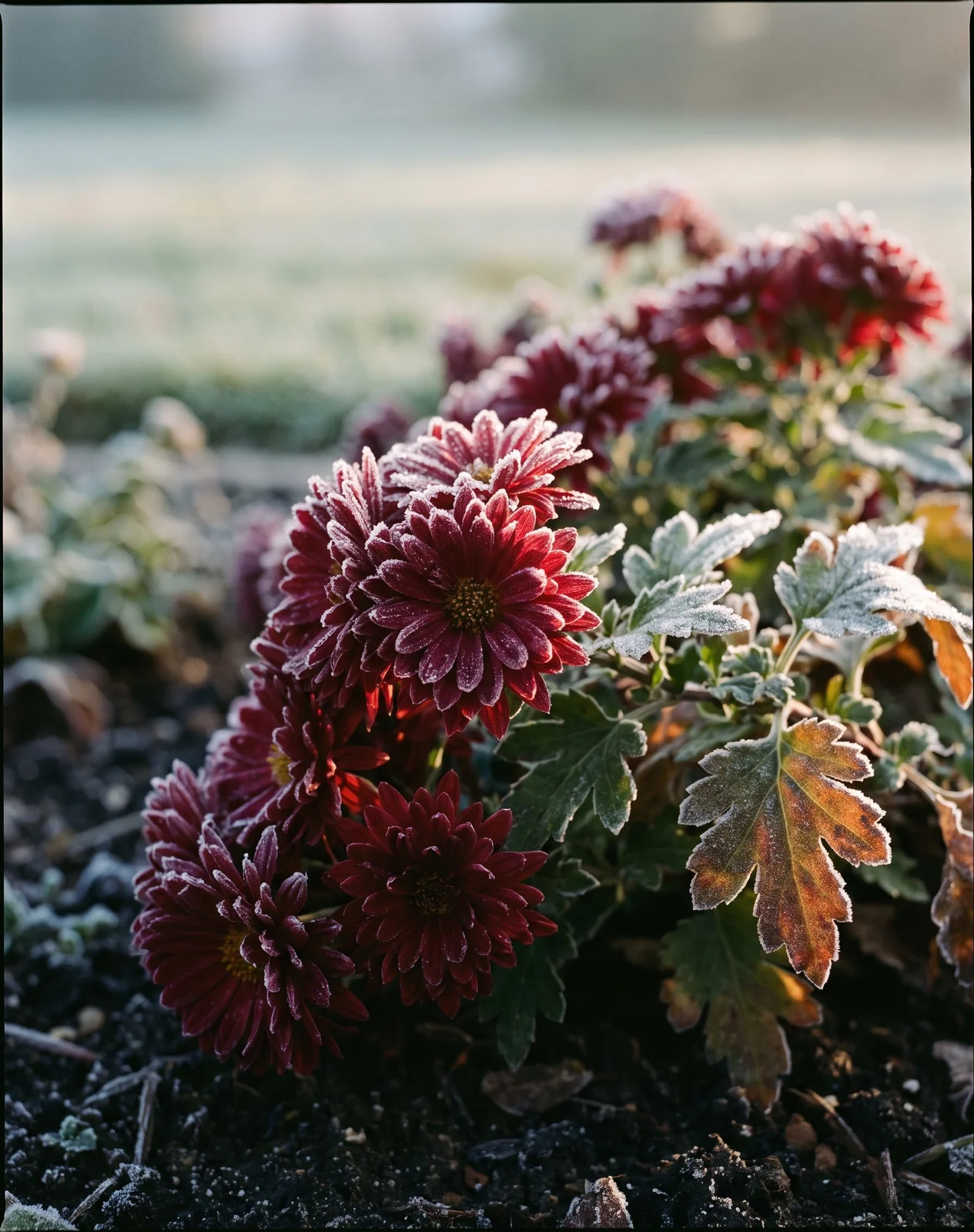
More About Occasion flowers
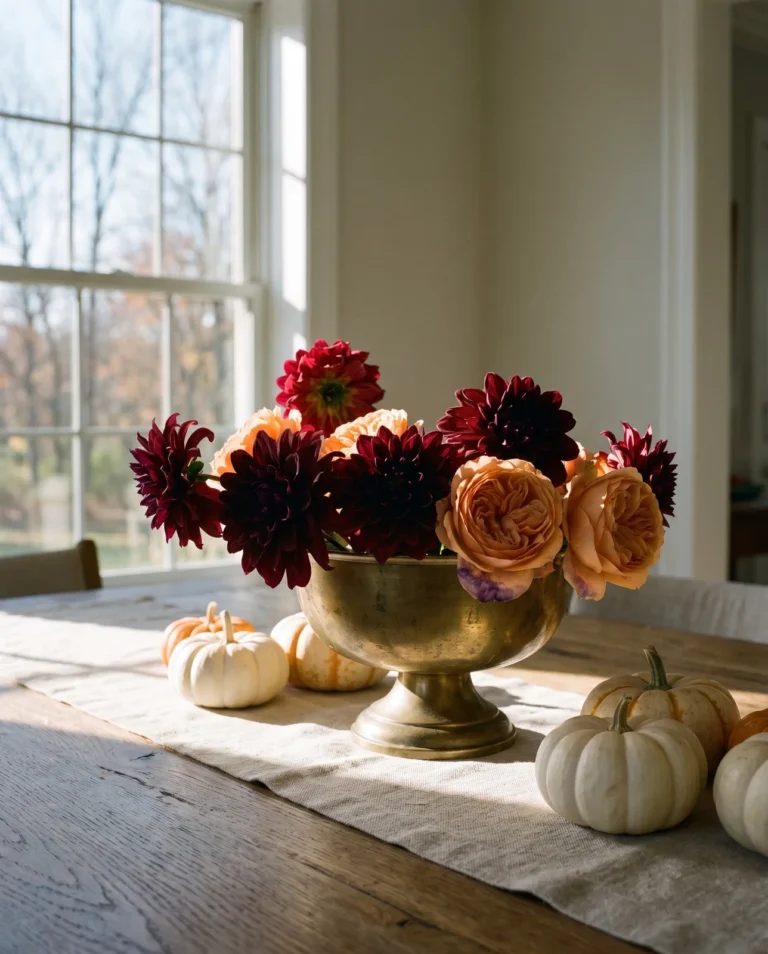
Thanksgiving flowers: centerpieces you build yourself
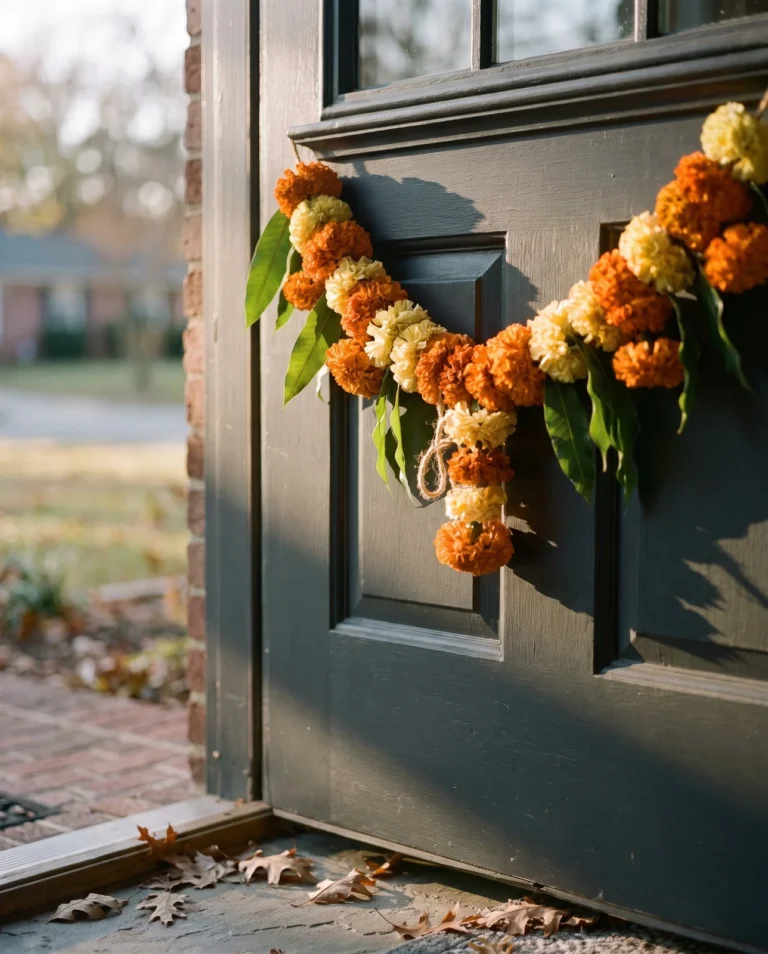
Diwali flowers: marigold garlands and DIY toran
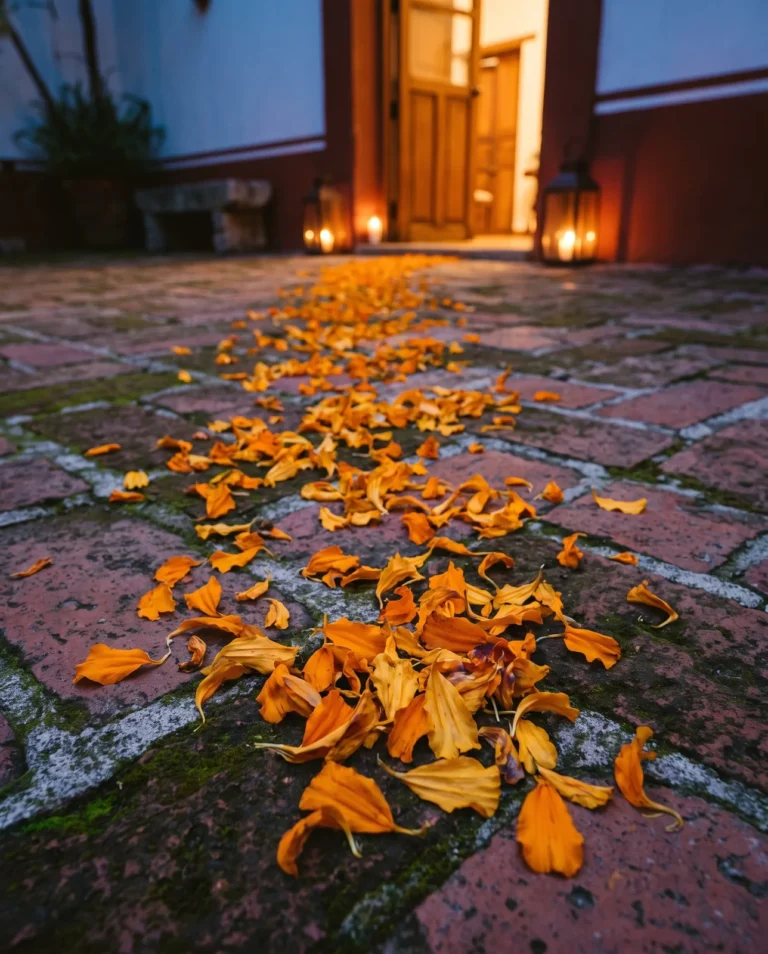
Dia de los Muertos flowers and what each bloom means
Homecoming corsage and boutonniere guide
Fall bouquet from your garden: what to cut and how
Fall wedding flowers by month, color, and budget
Friendship flowers

Thank you flowers
Get well flowers
Enjoying our flower guides? Add YourFlowersGuide as a preferred source on Google. It helps more readers find us.
Add to Preferred Sources