September is the month when the last of the summer garden and the first of the true fall lineup flower at the same time. Dahlias, cannas, and crapemyrtle are still running while asters, garden chrysanthemums, upright sedums, goldenrod, spider lilies, and fall crocuses open behind them. Warm afternoons keep the heat-tolerant annuals producing, cool nights push the cold-hardy perennials into bud, and the same few weeks are the last comfortable planting window before the ground starts to close.
What you do with that window depends on where the first frost sits on your calendar. In the north, anything set out now is racing a hard freeze, and a couple of weeks either way decides whether a potted mum is one season of color or a plant that returns. Across the southern zones, the break in extreme heat opens the main autumn planting season for cool-weather bedding and groundcovers. Florist coolers turn over on the same schedule, from pastel summer stems to field-grown dahlias and sunflowers. What follows covers what is flowering in each part of the country, what belongs in the ground this month and what should wait, the one maintenance job worth doing, what a September bouquet actually contains, and the birth flower of the month.
On this page 6 sections
What’s blooming in September, region by region
What is in bloom in September changes by region, and the frame for those differences is the USDA Plant Hardiness Zone Map, which sorts growing areas by extreme minimum winter temperature into 10-degree zones and 5-degree half zones. Northern gardens meet the first light frosts of the season, which turn plants toward seed, while in the South the drop out of extreme summer heat brings on a second flush of flowering instead.
Northeast and New England
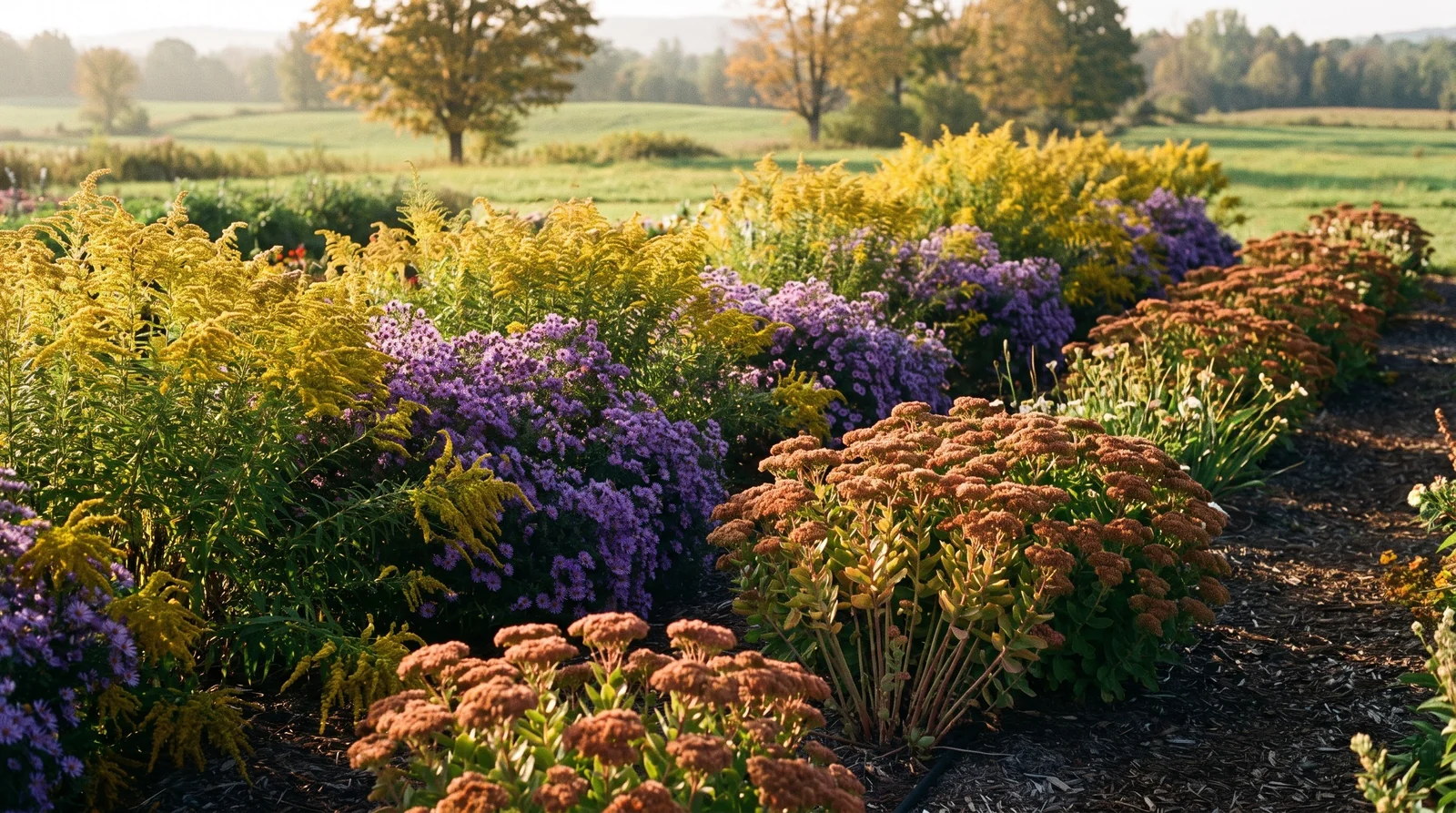
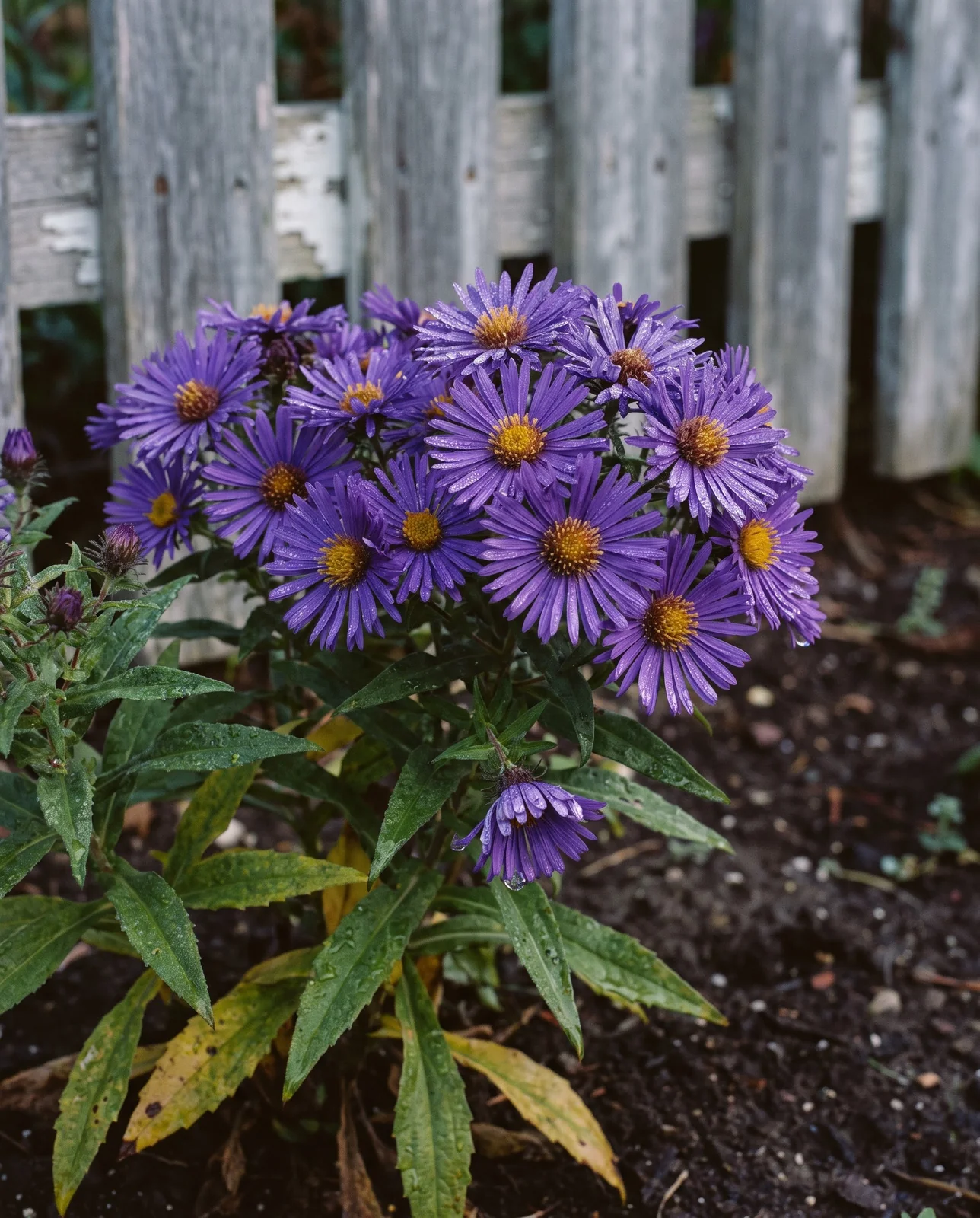
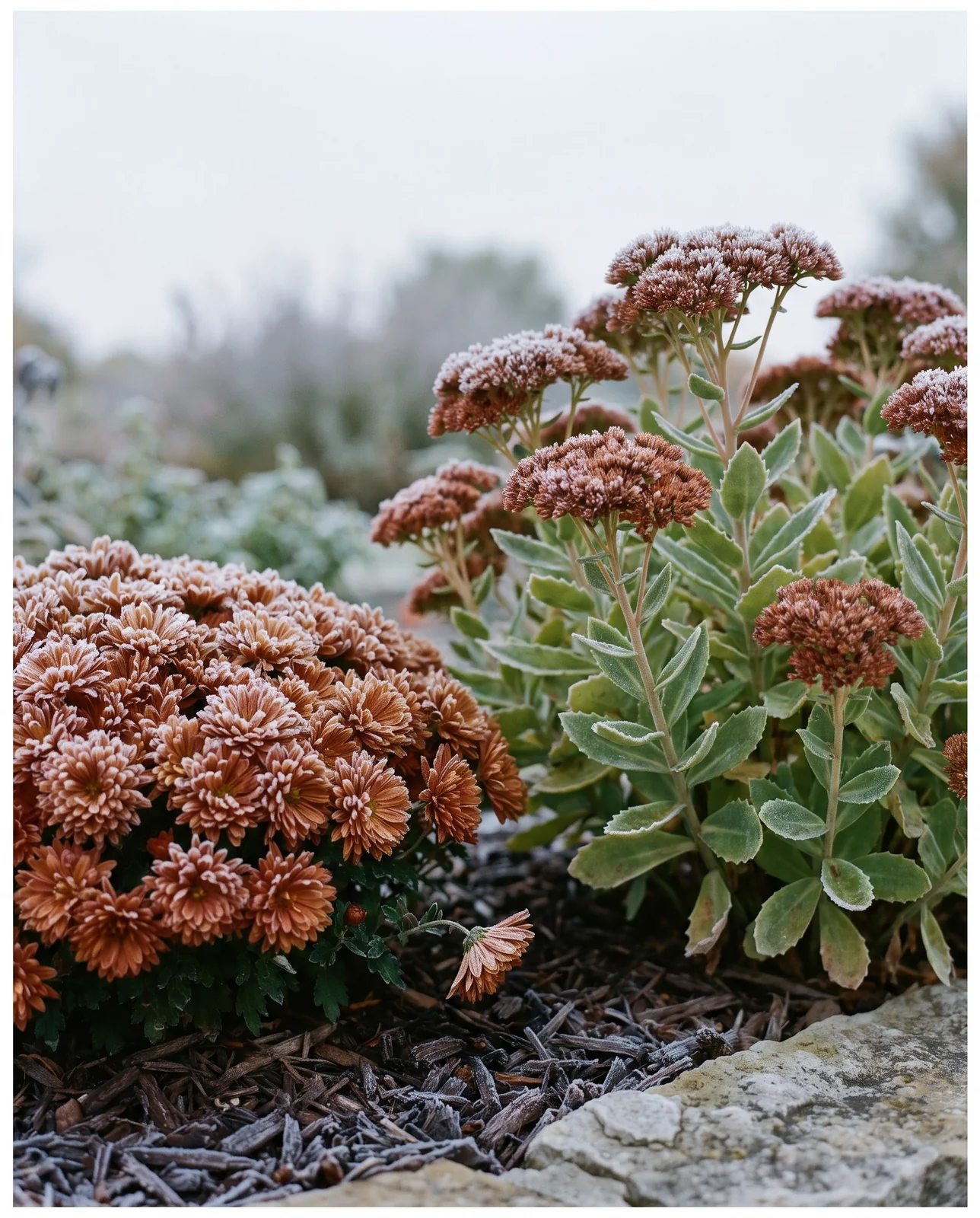
Native asters carry the late-season borders through the Northeast, opening dense clusters of blue and purple composite heads alongside upright sedums. In damp meadow edges and low ground that stays moist, bottle gentian holds deep blue tubular flowers that never open at the tip. Goldenrods and native Joe Pye weed stand behind the fading summer perennials and keep nectar moving for pollinators until the hard freezes of early October.
Midwest
Midwestern borders tip toward cold-tolerant composites and late stonecrops as the daylight hours drop away. The Chicago Botanic Garden puts the root-establishment window for asters and chrysanthemums at four to six weeks of active root growth in the soil before the region’s first killing frost. Upright sedum cultivars, late composites, and Joe Pye weed hold their color and their shape against drying autumn wind while the annuals go over under cool nights.
Southeast
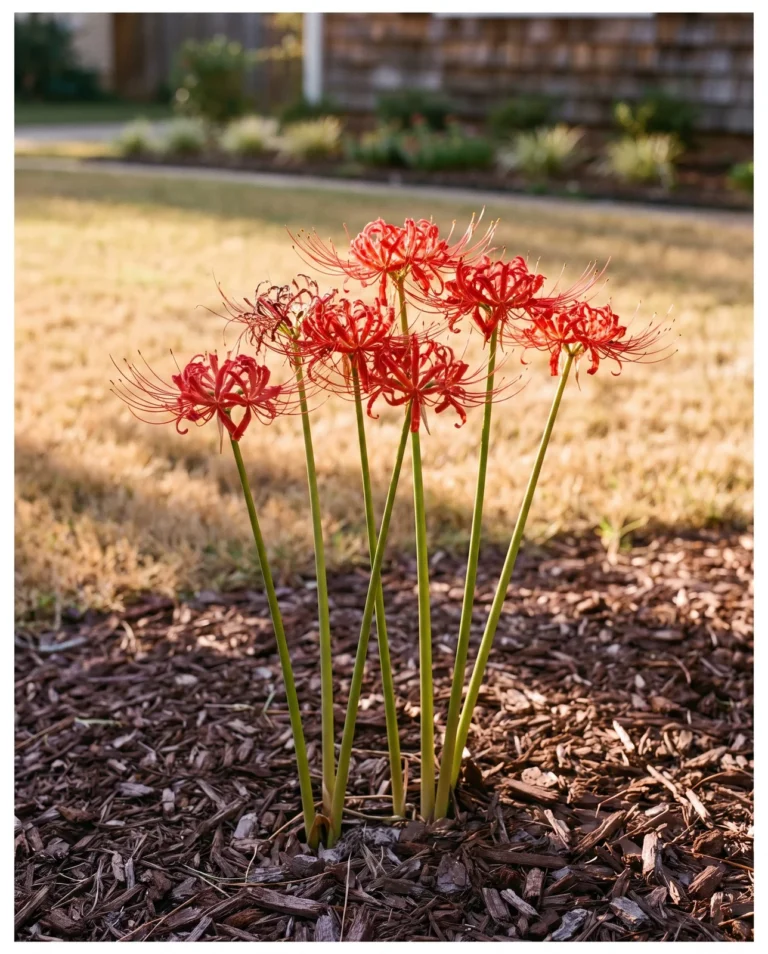
Warm soil and long afternoons in the Southeast let midsummer tropicals and classic autumn perennials flower together, and county extension records across North Carolina show how varied that late-season roster gets from one microclimate to the next. NC State Extension in Caldwell County records as September bloomers crapemyrtle, rose-of-Sharon, dahlias, canna, ginger lily, chrysanthemum, spider lily, fall crocus, liriope, sedum, goldenrod, and Joe Pye weed. Neighboring Alexander County adds helenium, Japanese anemone, bluebeard, tickseed, lavender, Russian sage, and sasanqua camellia, spanning September into October. Two names on those lists behave unlike anything else in the bed: spider lilies and fall crocuses come up out of bare ground and flower with no foliage at all, unattached spots of color under woodland canopy and along mixed shrub borders.
Pacific Northwest
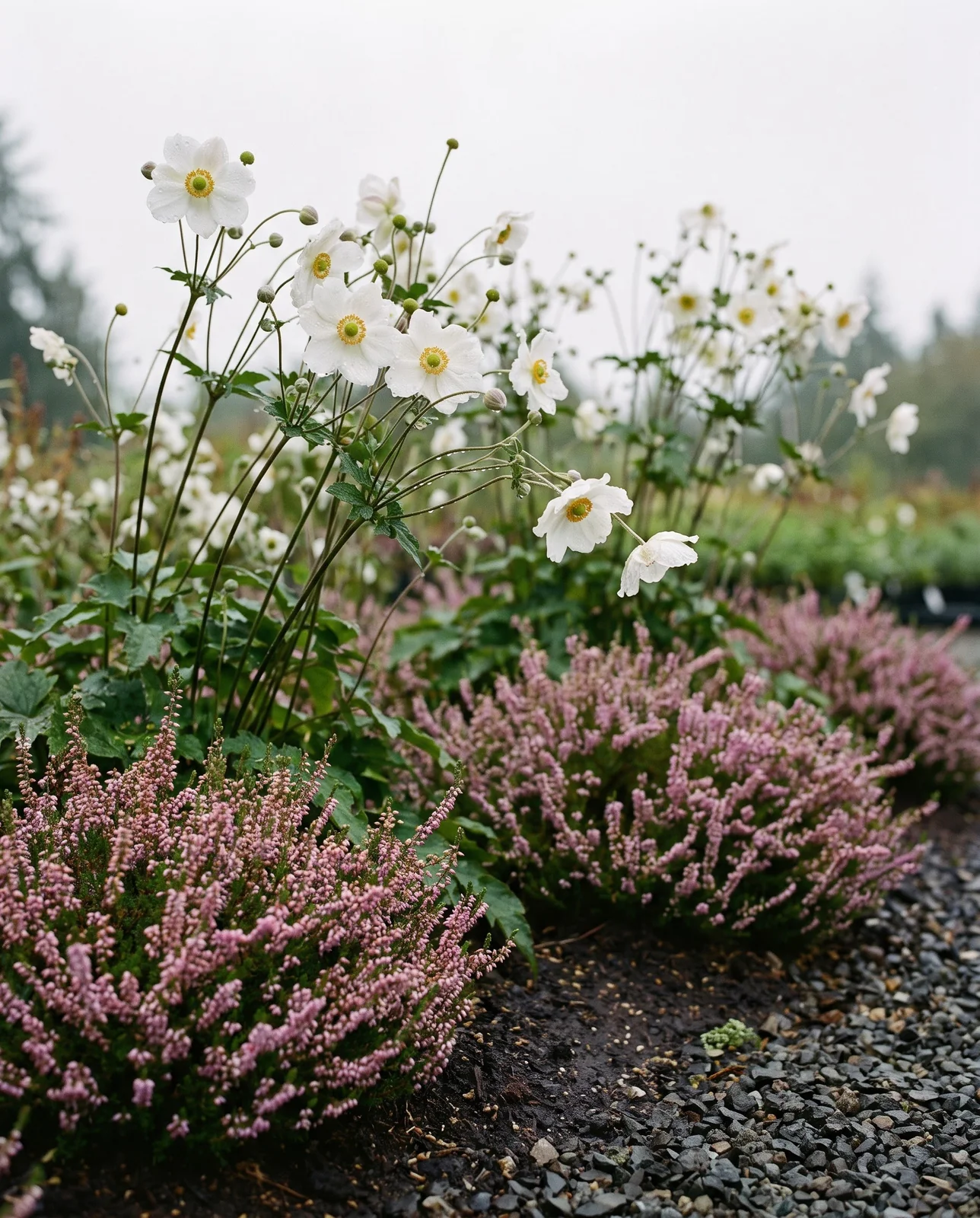
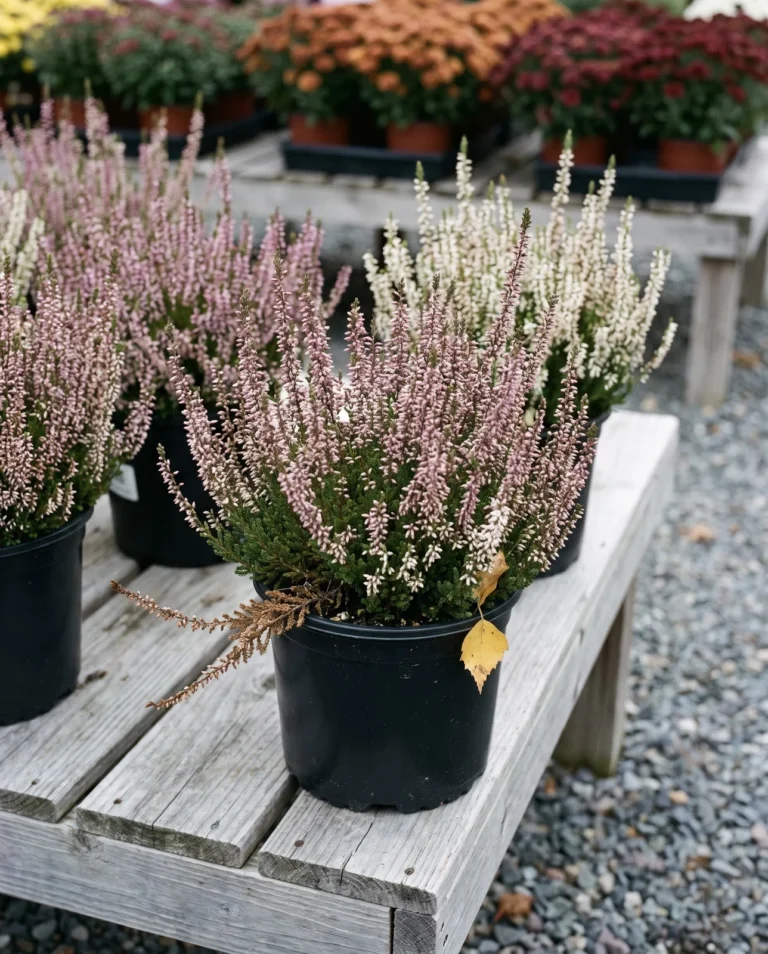
Maritime conditions in the Pacific Northwest let late-summer perennials keep flowering without the sudden temperature drops inland gardens get. Japanese anemones carry clean white and pink flowers on wiry stems above low foliage, and summer-flowering heathers form dense mats of purple and magenta along border edges. Nurseries supply fresh violas, pansies, and Autumn Joy sedum to replace heat-exhausted summer annuals in containers and courtyard beds.
South and Southwest
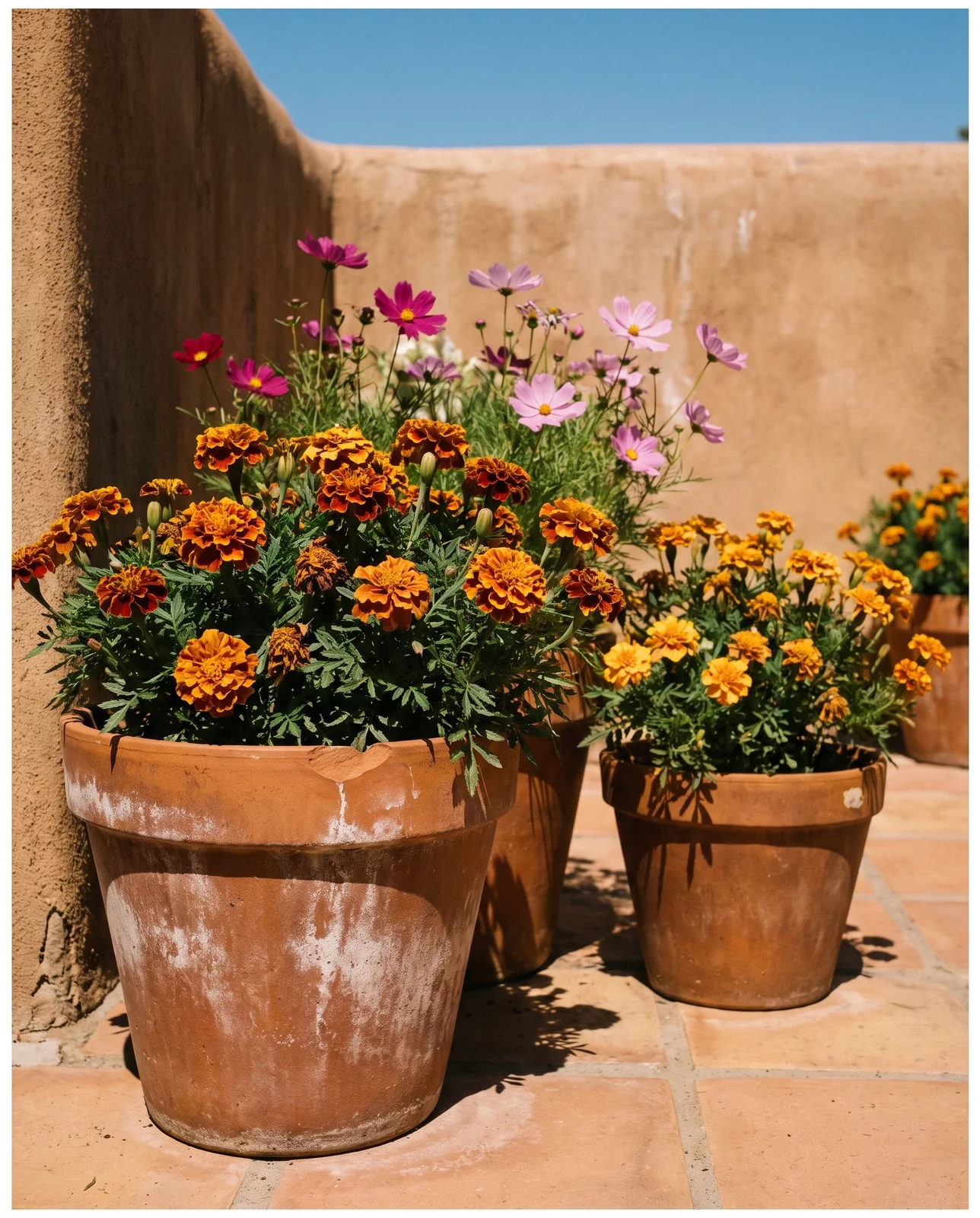
In USDA zones 9 through 11, the break in summer heat opens a second productive window for flowering annuals and warm-climate perennials. Marigolds, cosmos, nasturtiums, and autumn-blooming anemones throw heavy flushes of container color across patio settings. Potted garden mums hold saturated bronze, orange, and gold through the autumn months where frost never arrives.
September blooms and plantings, by US region
Five regional profiles, gathered from extension sources: what is actively flowering or newly planted in September, and the condition that sets each region’s calendar.
What to plant now
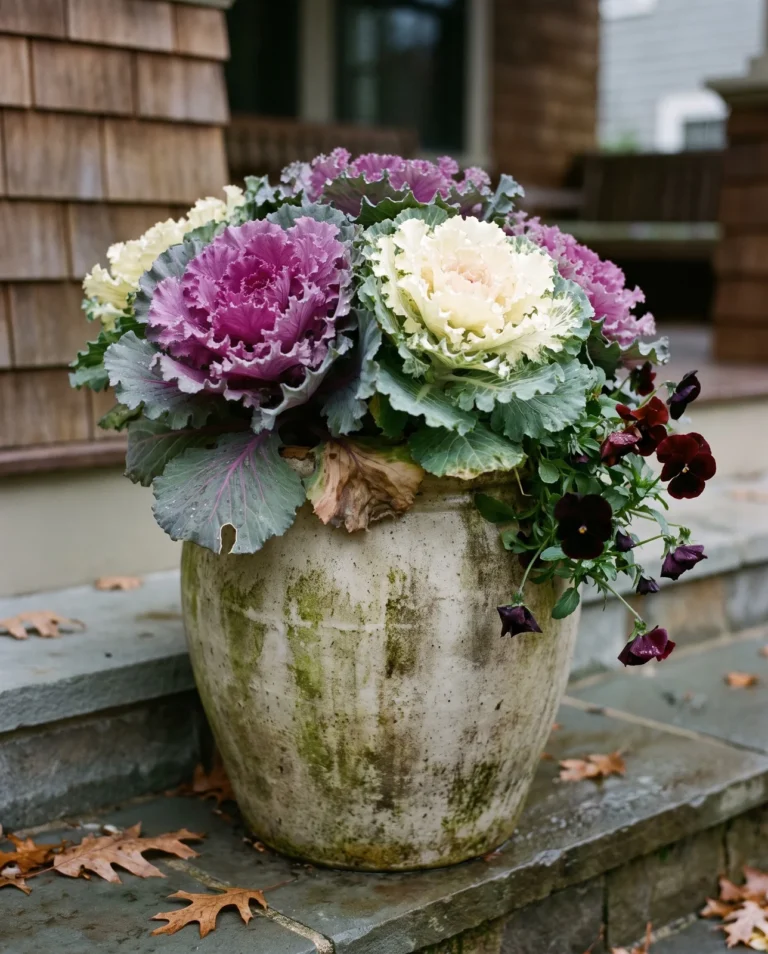
September is the main window for setting out cool-season annuals, groundcovers, and hardy perennials. The catch with the mums and asters stacked outside every garden center is the one the Chicago Botanic Garden names: plants bought in bloom in September are frequently greenhouse-grown and not necessarily cold-hardy, and planting them early in the month is what buys the four to six weeks of root growth they need to survive winter freezes. Pansies go in now for the same reason. NC State Extension puts them in the ground in September so the roots take hold and the color runs through autumn, winter, and into spring. Groundcovers also build durable root networks in September’s moderate temperatures. Whatever comes out of a pot, break the root ball open before it goes in the hole, especially if the plant is pot-bound, or the roots keep circling instead of spreading into the surrounding soil. Cool-season patio containers can be refreshed with ornamental cabbage and kale, asters, and pansies.
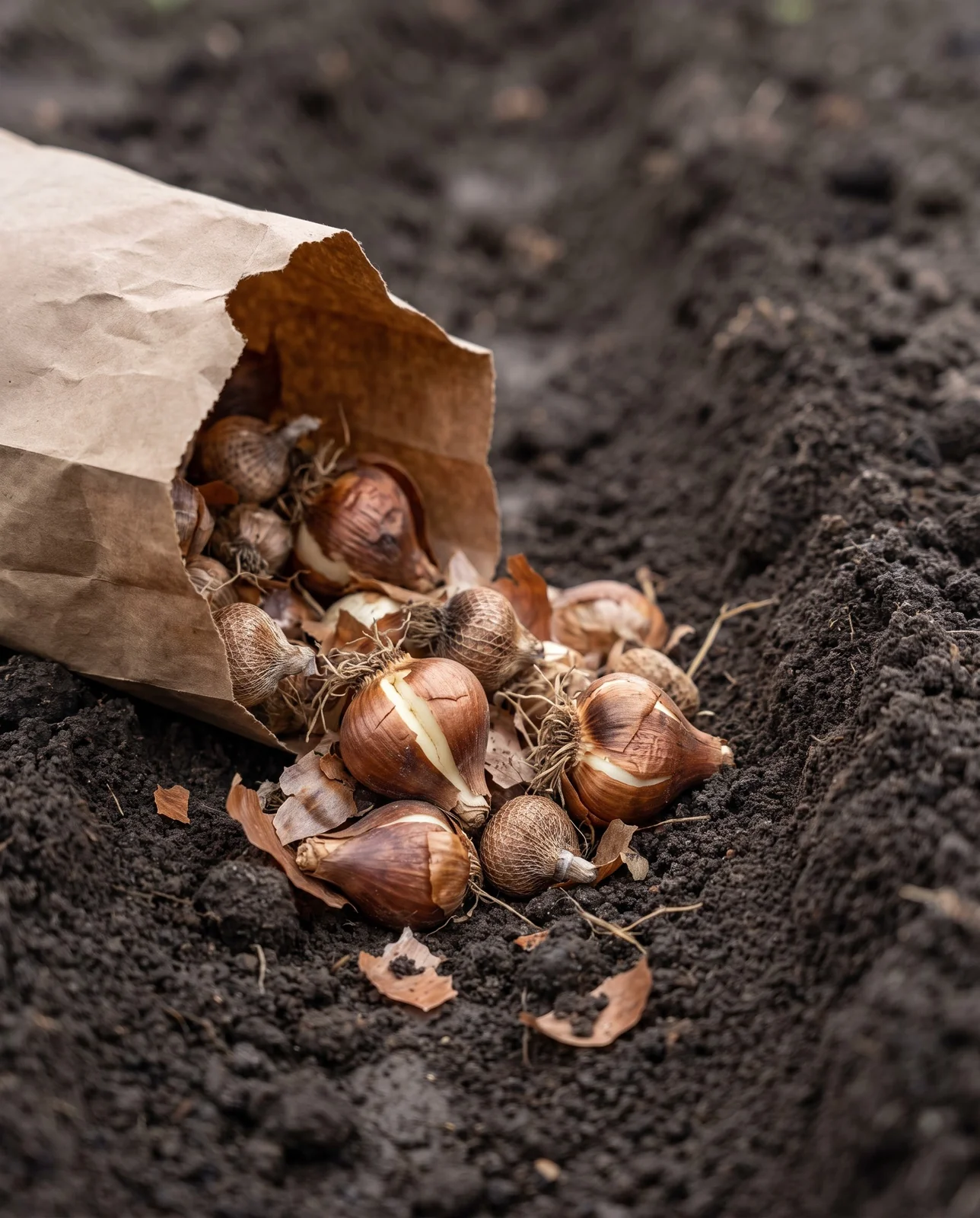
NC State Extension calls autumn the best season to plant and transplant most trees, shrubs, and perennials. Perennials, spring-flowering bulbs, and peonies get divided and replanted from September to early October, once the foliage begins dying back. Depth is the part people get wrong with peonies. Set the crown so the buds, the eyes, sit about an inch below the soil surface, because a peony planted deeper than that will not form flower buds. Daffodils and other spring-blooming bulbs can be divided now, and new spring bulbs bought this month go in through October and into November, as long as the ground is unfrozen and workable. Broadleaved and needled evergreens move best early in September. Anything woody and newly planted wants a deep soak at planting and once a week until the ground freezes solid.
September planting and care thresholds, in order
Four thresholds pace the season from early September into November: three calendar windows and one temperature trigger, since soil and air temperatures do not move on the same schedule.
This month’s one task
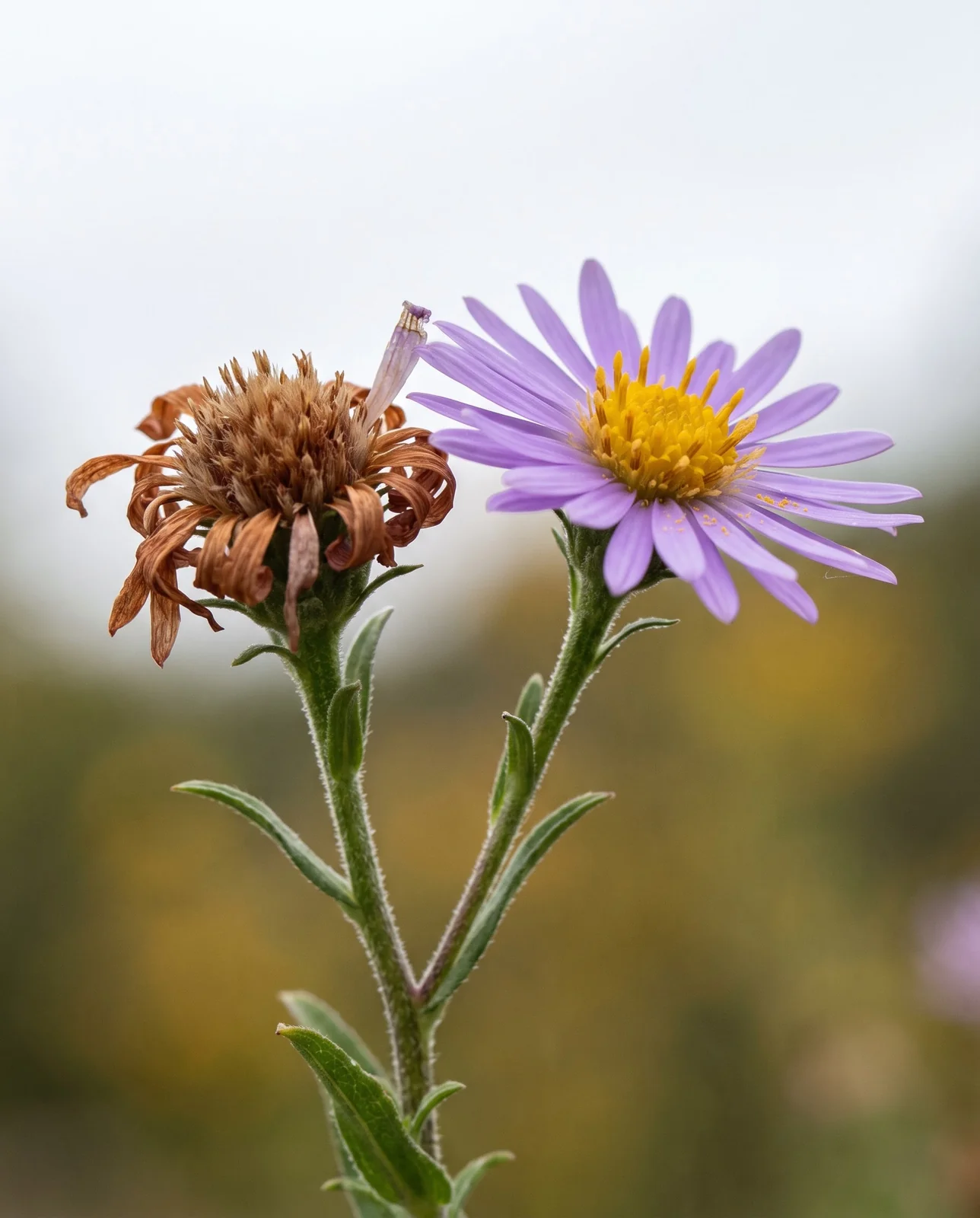
The one job worth doing systematically in September is deadheading, across annual and perennial beds alike. Utah State University Extension lists deadheading the spent blossoms of perennial and annual flowers as a September task, both to keep plants tidy and to stimulate more late-season bloom. Pulling spent flowers off dahlias, roses, asters, and chrysanthemums stops the plant from spending stored energy on seed and pushes those reserves back into roots and into flowers that carry to frost. What deadheading does not mean is cutting green perennial foliage to the ground. The Chicago Botanic Garden draws that line clearly: take the spent blooms, but leave stems and leaves standing until they have completely lost all green color, because green tissue is still building the carbohydrate store the plant lives on over winter. Seed heads of coneflower, black-eyed Susan, and sedum stay up as well, for winter shape and for the birds.
Shrubs are the exception to the urge to tidy everything at once. NC State Extension in Caldwell County warns flatly against pruning landscape shrubs in September or October, because cutting woody plants in late summer pushes out tender new growth that cannot harden off before freezing weather arrives, and pruning a spring-flowering shrub in autumn cuts away the flower buds it set over the summer, taking next spring’s display with it. NC State Extension in Onslow County allows the narrower version, removing dead, diseased, or broken branches as sanitary work while holding anything structural for late winter or early spring. Two smaller jobs round out the month: keep three to four inches of mulch around landscape plantings, and raise the mower by half an inch in mid-September so the turf banks energy against winterkill.
What’s in the florist’s cooler this month
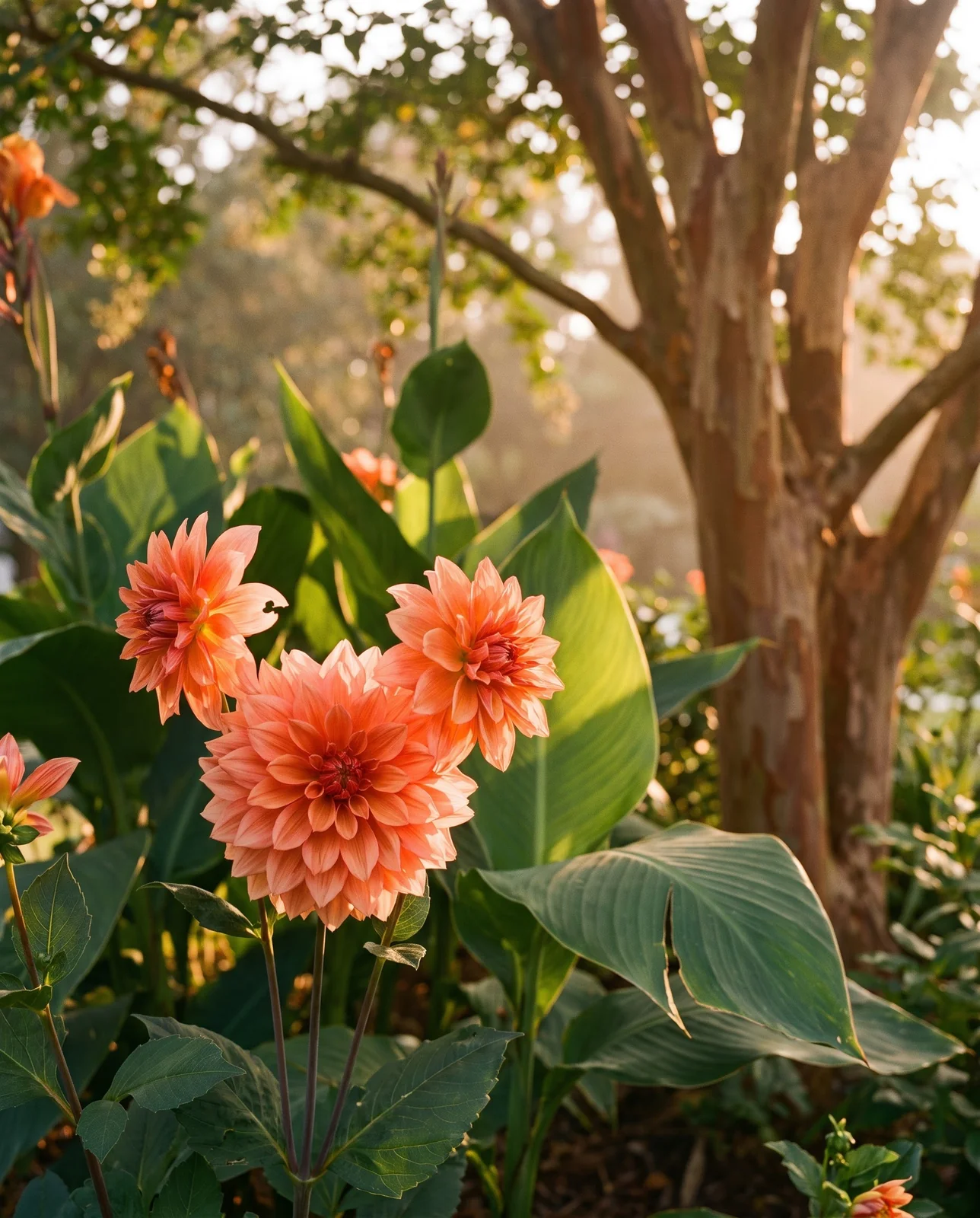
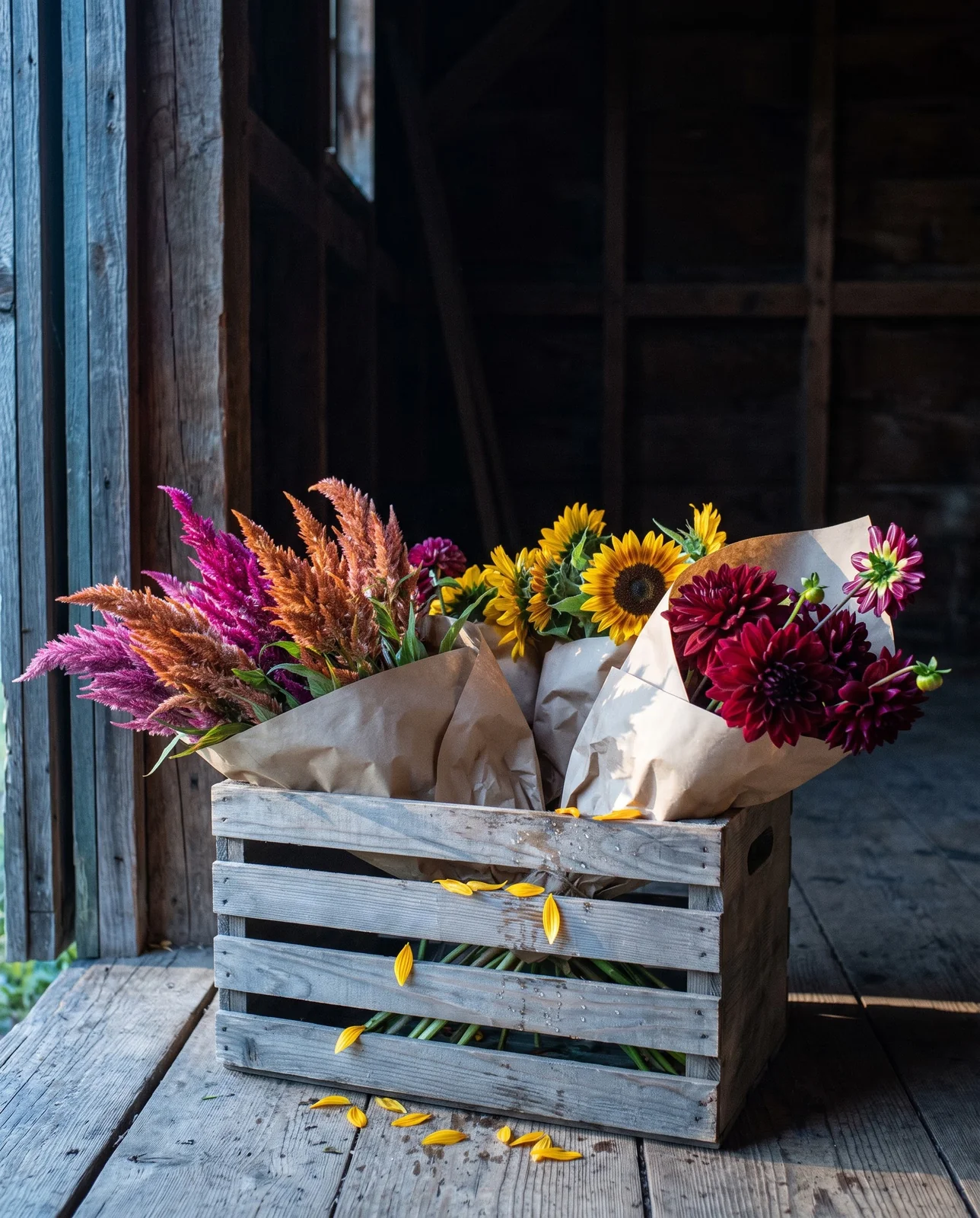
Florist coolers change over in September, away from soft pastel summer cuts and toward saturated autumn shades and field-grown texture. Locally grown dahlias reach their seasonal peak this month, and they carry an arrangement as the focal flower: large, formal heads in burgundy, terracotta, peach, and plum. Field-grown sunflowers, celosia plumes, and outdoor chrysanthemums bring the structure and the slightly rough texture that greenhouse imports cannot match.
Around those, florists work the cool-weather staples, roses, carnations, and alstroemeria, in deep gold, burnt orange, copper, and dark red. Autumn accents fill the gaps: seeded eucalyptus, hypericum berries, and branches of tinted foliage, which build a heavier, longer-lasting centerpiece than a summer bouquet. Cuts harvested locally reach the cooler fresher, and it shows in stem hydration and vase life.
September birth flower
The primary September birth flower is the aster, with the morning glory serving as the traditional alternate. The name comes from the ancient Greek word for star, for the way the ray florets radiate around a golden central disk. Folklore ties the flower to Astraea, the star maiden, whose tears were said to scatter stardust across the earth and come up as star-shaped blooms. The older color language splits the meaning further: white asters for purity, purple for wisdom, pink for devotion, red for strong feeling.
The morning glory earns the alternate slot for its trumpet-shaped flowers, which unfurl in the first morning sunlight and close again by afternoon. One caution goes with growing it: morning glory seeds carry naturally occurring alkaloids and are toxic if a pet or a small child swallows them.
FAQ
What flowers bloom naturally in September?
The September list mixes late-summer perennials with the first of the cool-season flowers: asters, chrysanthemums, upright sedums, dahlias, goldenrods, Japanese anemones, crapemyrtle, spider lilies, fall crocuses, cannas, and Joe Pye weed.
What flowers should I plant in September?
Start with cool-season bedding, pansies and violas, then move on to containerized perennials, garden chrysanthemums, asters, groundcovers, and evergreens. September into early October is also the window for dividing and replanting peonies and spring-flowering bulbs such as daffodils.
What flowers are in season for florists and bouquets in September?
Locally grown dahlias, outdoor sunflowers, celosia plumes, and field chrysanthemums are at their peak. Florists build around them with roses, carnations, and alstroemeria in bronze, copper, burgundy, and deep gold.
What is the official birth flower for September?
The aster is the primary birth flower for September, carrying meanings of wisdom, purity, and devotion. The morning glory is the recognized traditional alternate.
Is September too late to plant perennials and mums?
No, but plant early in the month rather than late. The Chicago Botanic Garden counts four to six weeks of root growth before the first hard freeze as what a chrysanthemum or an aster needs to establish cold hardiness and come through a northern winter.
Why should you avoid pruning landscape shrubs in September?
Cutting shrubs in late summer pushes out tender growth that cannot harden off before winter frost, so it sustains cold injury. On spring-flowering shrubs it costs more than that: the flower buds formed over the summer are already on the stems, and pruning strips next spring’s blooms along with them. Limit yourself to dead, diseased, or broken limbs.
More About Types of flowers
November flowers: what’s still blooming, by zone
October flowers: what’s blooming and what to plant now
Spider lily (Lycoris radiata): care and bloom guide
Heather plant care: is it a perennial or fall decor
Flowers that bloom in winter: true bloomers by zone
Ornamental kale care: why it won’t turn color yet
Fall flowers: the full list by color, zone, and bloom time
Enjoying our flower guides? Add YourFlowersGuide as a preferred source on Google. It helps more readers find us.
Add to Preferred Sources