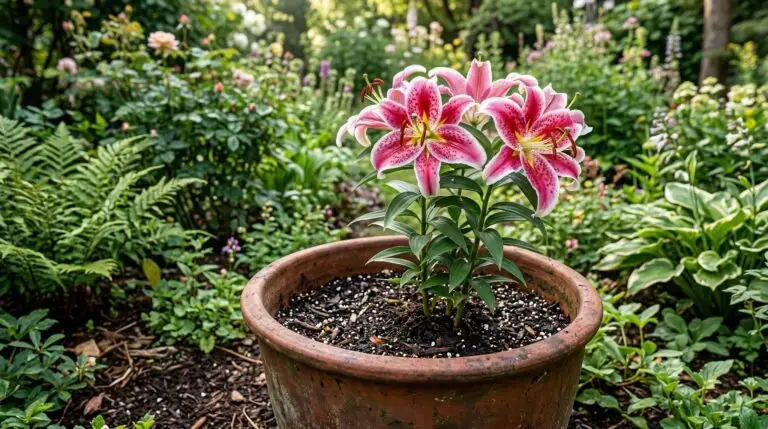
Lily meaning and lily colour meanings, honestly explained
The strange thing about a lily is that the same flower turns up at a wedding and at a funeral, and means something true in both places. A white lily can stand for a bride's purity and for a soul at rest, and nobody is being inconsistent when it does. At its core a lily means purity, devotion, and renewal, and the colour you choose tunes that core into something more specific. White is purity and sympathy, pink is admiration and prosperity, orange is confidence and pride, yellow is gratitude and good cheer. Below is the honest reading of each lily colour, why one bloom can carry both joy and grief, what a lily tattoo usually says, and where the meaning came from, with a clear note on which parts are old custom and which are softer modern convention.
Worth heading off one source of confusion before we go further. Lily is also a common girl's name, so a fair number of searches are really after a name's meaning rather than a flower's. This guide is about the bloom. The name is simply borrowed from it, and it carries the same gentle associations of purity and beauty that the flower does.
What a lily means at its core
Whatever colour you land on, the lily comes back to purity, devotion, and renewal underneath. That trio is old and remarkably steady. In the Victorian language of flowers the lily stood for majesty and purity, and the white lily in particular was read as the restored innocence of the soul, which is a large and serious idea for one flower to hold. The renewal note is part of why lilies belong at Easter, when the white trumpet lily is everywhere, and part of why they suit both new life and farewell. A flower that means a soul made clean again can comfort the grieving and celebrate the newborn with the same petals.
What a lily does not carry, on its own, is a light or casual message. It is a formal, dignified flower, and people feel that even when they cannot name it. That gravity is why the lily settled so naturally into sympathy work and into sacred art rather than into a quick birthday bunch. The flower itself is also worth a real-world caution that has nothing to do with symbolism: true lilies are widely reported to be highly toxic to cats, with the petals, pollen, and even vase water named as hazards, so the loveliest sympathy arrangement may be the wrong gift for a home with a cat. If a cat lives where the flowers will, the safest move is to confirm the specific risk with the ASPCA or a vet before sending anything. If you want the plant rather than the meaning, how it grows, the types, and how to keep one alive, our full guide to how to grow lily sets out that side and the pet-safety detail.
What each lily colour says
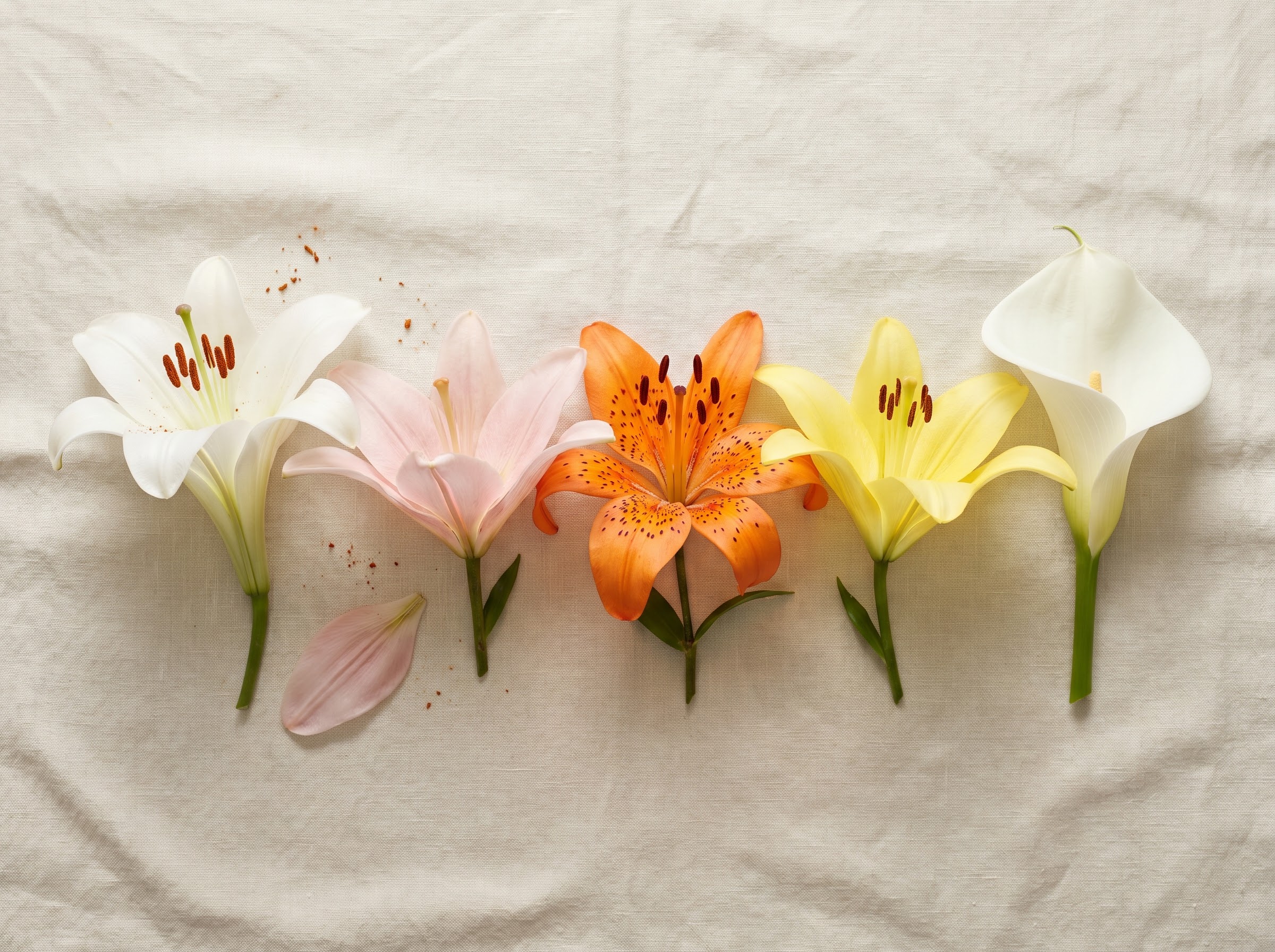
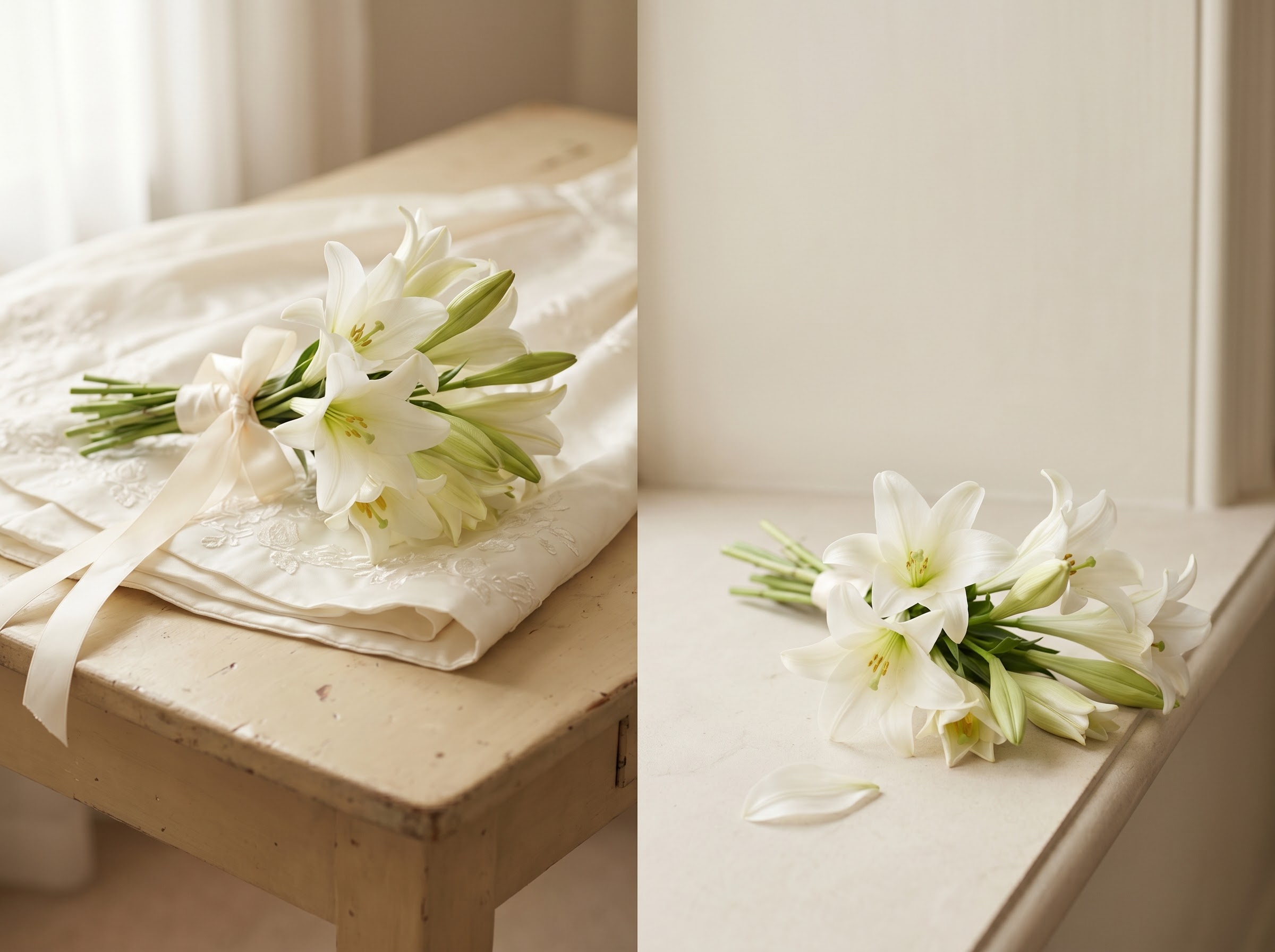
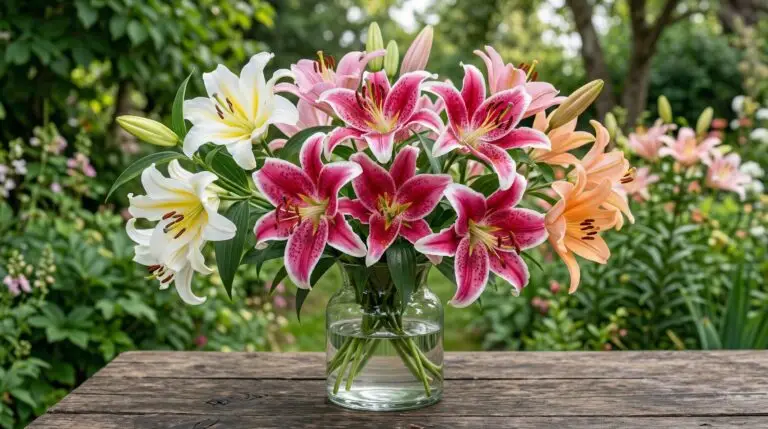
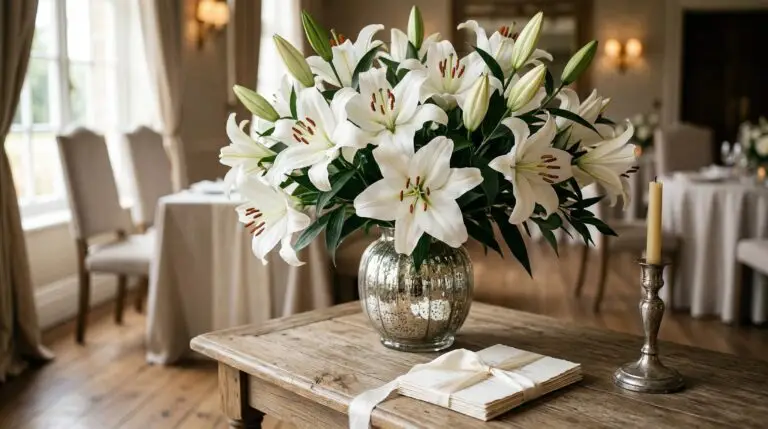
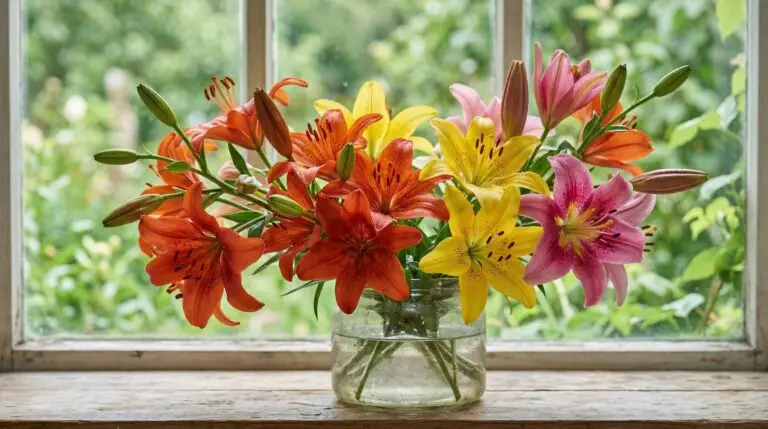
White is the lily everyone pictures, and it does the most work. A white lily means purity and innocence, which is why it suits weddings and christenings, and it means sympathy and remembrance, which is why it is the leading funeral and sympathy flower in much of the world. The white trumpet lily in particular reads as a soul restored to innocence, a meaning that lets it console a mourner and bless a bride without contradiction. The setting decides which note you hear, so context does more work with the white lily than with any other colour here. Pink lilies are warmer and easier. They carry admiration and prosperity, a gentle, complimentary message that says you think well of someone and wish them abundance, which makes them a graceful choice for a celebration or a thank-you without any of white's solemnity.
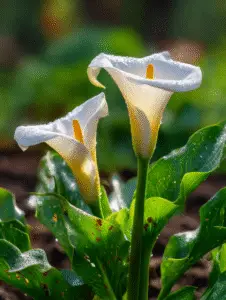
Orange lilies, the tiger lily chief among them, turn the volume up. They read as confidence, pride, and even wealth, a bold and slightly showy message rather than a tender one, well suited to congratulating someone on a win or admiring a person who carries themselves with assurance. Yellow lilies are the cheerful ones, traditionally tied to gratitude and gaiety, a sunny thank-you with no romantic weight, which makes them a good way to brighten a friend's day or thank someone warmly. The calla lily sits a little apart from the rest of the family, since it is not a true lily botanically, but it is read alongside them and carries magnificent beauty and overwhelming devotion. That is why it appears so often in both bridal bouquets and funeral sprays, and we cover it in full in our calla lily meaning guide.
If it helps to see the whole family at a glance, the table below lays out the common reading for each lily colour next to a plain note on how it tends to land. Read the note before you commit to a colour, since with the white lily especially the setting can flip the message from celebration to condolence.
| Lily colour | Common meaning today | Note |
|---|---|---|
| White | Purity, innocence, sympathy, and remembrance | The wedding lily and the funeral lily at once. The setting decides which. |
| Pink | Admiration and prosperity | Warm and complimentary, with none of white's solemnity. A safe celebration gift. |
| Orange (tiger) | Confidence, pride, and wealth | Bold and a little showy rather than tender. Good for congratulations. |
| Yellow | Gratitude and good cheer | A sunny thank-you with no romantic weight. Brightens a friend's day. |
| Calla | Magnificent beauty and overwhelming devotion | Not a true lily, but read with them. Suits weddings and funerals alike. |
Giving a lily, in love and in friendship
Nobody reaches for a lily to declare passion, and it is honest to say so. Its meanings cluster around purity, devotion, and admiration rather than desire, so a lily reads more as deep regard than as romantic heat. That said, devotion is a real and serious kind of love, and a lily can carry it beautifully. The calla lily's overwhelming devotion is the closest the family comes to a romantic statement, which is exactly why it turns up in so many wedding bouquets. For a friend or someone you admire, pink or yellow lilies say it well, with pink leaning toward admiration and prosperity and yellow toward warm gratitude. Either says warmth without ever tipping into romance, which is most of the reason they make such easy gifts.
How myth, the Bible, and culture built the meaning
The lily's reputation for purity is genuinely ancient, which is part of why it feels so settled. In Greek myth the lily was said to spring from the milk of Hera, queen of the gods, which tied it to the divine and the maternal from the start. The Victorians who built out the elaborate language of flowers inherited a flower that already carried weight, and they fixed it as majesty and purity rather than inventing a meaning from nothing. That wider language was older than the Victorian parlor that made it famous, with its roots reaching back to China, Egypt, and Assyria long before the British took it up, and the version Britain settled on owed a good deal to French hands.
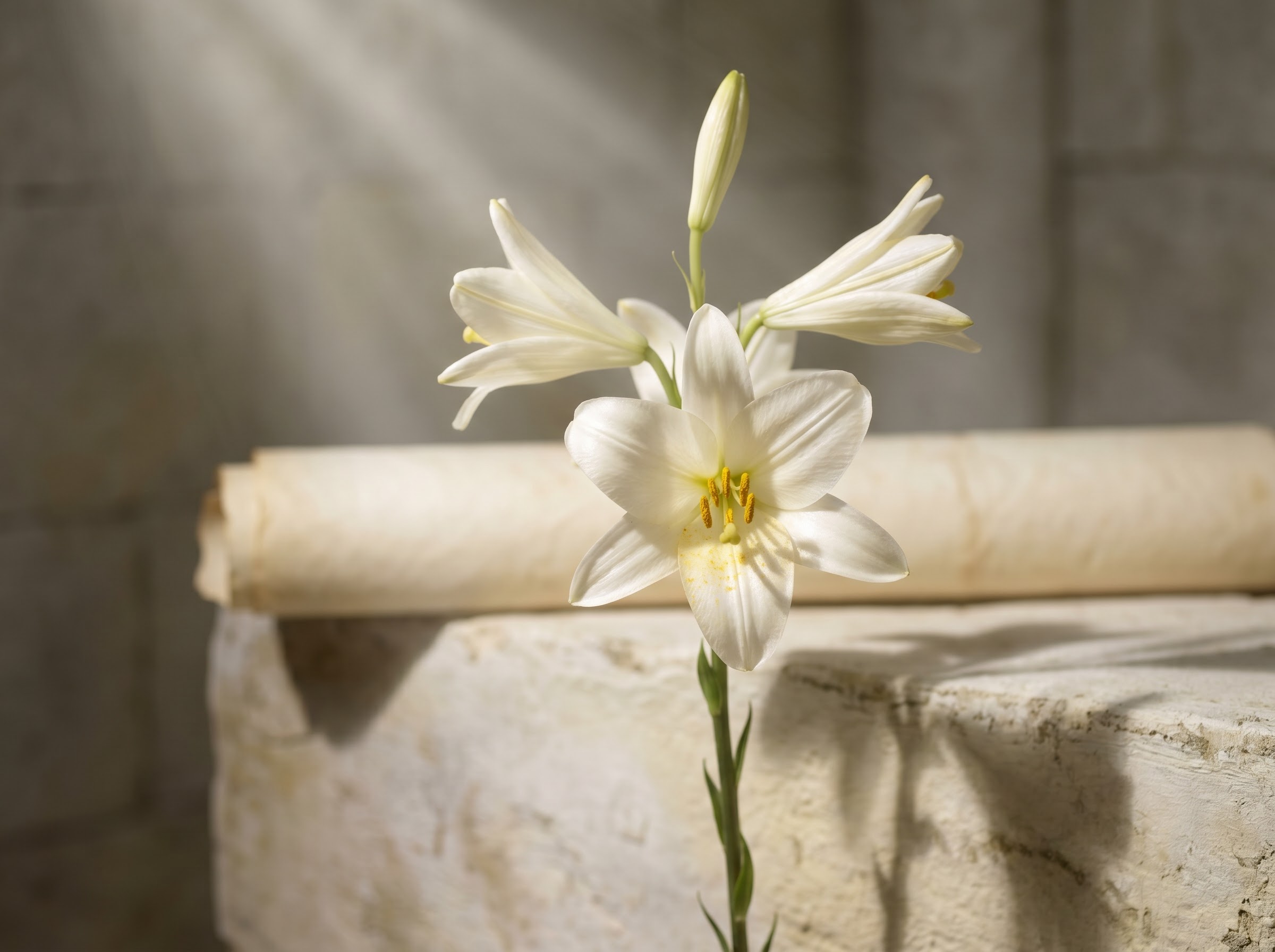
The lily's deepest associations, though, are religious. In Christian art the white Madonna lily became a symbol of the Virgin Mary's purity, which is the single biggest reason the white lily reads as innocence to this day. People often search for the lily in the Bible, and here a careful answer helps. The Bible does mention lilies, including the famous "lilies of the field" that "neither toil nor spin," but scholars are not certain which actual flower those passages meant, since the word covered several blooms in the ancient Near East. So the lily's Christian meaning is real and strong, but it grew mostly through centuries of art and devotion rather than from a single botanical verse. Worth flagging too: the lily of the valley, a separate plant with its own tender meaning of returning happiness, is sometimes pulled into these Bible discussions even though it is a different flower, and we keep the two apart in our lily of the valley meaning guide. In China, by contrast, the lily is a wedding gift that wishes a couple a hundred years of love, a warm and entirely unfunereal reading that shows how much culture shapes the flower. The lily's sacred and soul-related readings sit alongside the other blooms people reach for in worship and reflection, gathered in our guide to spiritual flower meanings.
Lily tattoo meaning
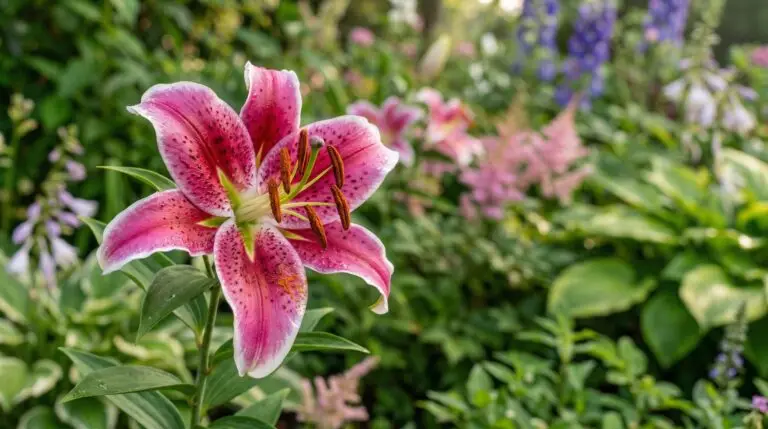
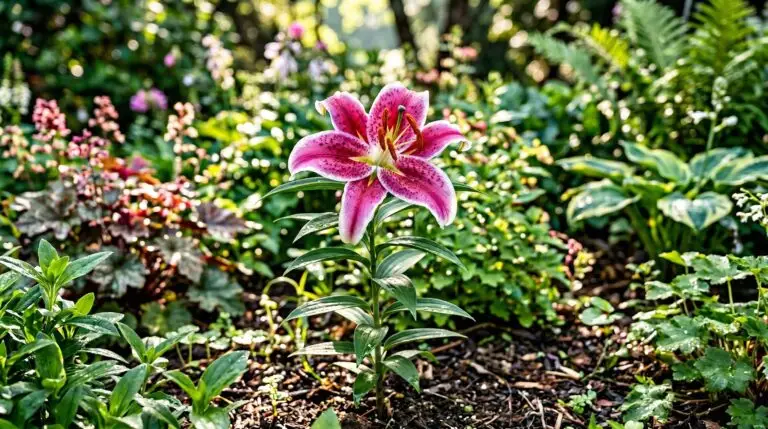
As a tattoo the lily usually means purity, motherhood, and renewal, which carries the flower's old associations straight onto skin. It is a common memorial piece for a mother or grandmother precisely because of that motherhood and renewal note, and the white lily's link to a soul at rest makes it a gentle choice for remembering someone. The specific type changes the accent. A calla lily tattoo leans toward elegance and grace, a fitting choice for someone drawn to the flower's clean, sculptural line. A stargazer lily, the dramatic pink-and-white kind, reads more as ambition and aspiration, a bolder and more aspirational piece. None of this is a fixed code, so the meaning you bring to the tattoo matters more than any chart, but those are the readings most people recognize. Our broader guide to flower tattoo meanings sets the lily alongside the other popular choices.
What the Victorians made of it, and what changed since
The lily is unusual in that its core meaning barely moved. Where a chrysanthemum can mean cheerful welcome in one country and grief in the next, the lily's majesty and purity carried forward almost untouched across time, and the modern reading of purity, devotion, and renewal is plainly the same idea in newer words. What did shift is the lily's center of gravity. The Victorians prized it most as a symbol of the pure soul and of dignity. Today the strongest single association, at least in much of the West, is sympathy and funerals, so the same flower that once mainly signaled innocence now mainly signals consolation. The meaning did not change so much as the occasion it attaches to did.
Why two occasions claim the same flower
The genuine tension with the lily is not between centuries but between occasions, and it is worth naming plainly. The lily reads as joyful purity at a wedding and as the classic flower of mourning at a funeral, and both readings are correct. Sources do not so much disagree as describe a flower that genuinely lives in two worlds, with colour and setting deciding which one you are in. White at a graveside means sympathy; white at an altar means innocence. This is also why a white lily can be the wrong sympathy gift in some homes and the right one in others, since cultural habits differ on which flowers belong at a funeral at all. A horticulture note from Iowa State University Extension puts the underlying reason gently, pointing out that the meanings come from many overlapping sources and that a single bloom can end up holding more than one of them. The lily living at once on the altar and at the graveside is about as plain as that gets.
Choosing a lily, and what to say on the card
Match the colour to the moment and the lily rarely misfires. For sympathy, white lilies are the steady choice, and a card line as simple as "Holding your family close" carries the weight without straining for words. For new parents, white or pink lilies suit the note of new life, with something like "Welcome, little one" on the card. For a celebration or a warm thank-you, reach for pink or yellow, with pink saying admiration and yellow saying bright gratitude. For a wedding, the calla lily's devotion is hard to beat. The one place to pause is a home with a cat, where any true lily is a serious hazard rather than a kind gift, so it is safer to choose a different flower there.
No authority signs off on any of this, and the lily makes that plain. Even its purity reading, about as steady as floriography gets, is convention rather than rule, and the wedding-versus-funeral split shows how readily setting can override the flower. So lean confidently on the well-worn readings, white for purity and sympathy, pink and yellow for warmth, and treat the finer shades as helpful custom rather than law. What keeps the lily's purity meaning solid is nothing more than how long and how widely people have read it that way, repeated until it behaves like a rule that nobody ever wrote down. If you want to see how the whole language was put together and why it keeps drifting, the meaning of flowers hub is the place to go.
- Cornell University, Written in Petals: The Language of Flowers, on the history of floriography.
- Iowa State University Extension, Flowers and Their Meanings, on why sources disagree.

More About Lily
Lilies as magnificent cut flowers and how to arrange them without staining everything
Oriental lilies for intoxicating fragrance that fills the garden on summer evenings

Planting lilies in layers with spring bulbs for a succession of blooms from March to August

Companion plants for lilies that support tall stems and extend the garden season
Lilies in wedding flowers and the timeless elegance of white Casablanca arrangements
How to grow true lilies for towering fragrant blooms that crown the summer garden
The red lily beetle invasion and how to protect your lilies from this destructive pest
Best lily varieties from elegant Oriental Stargazer to towering Orienpet tree lilies