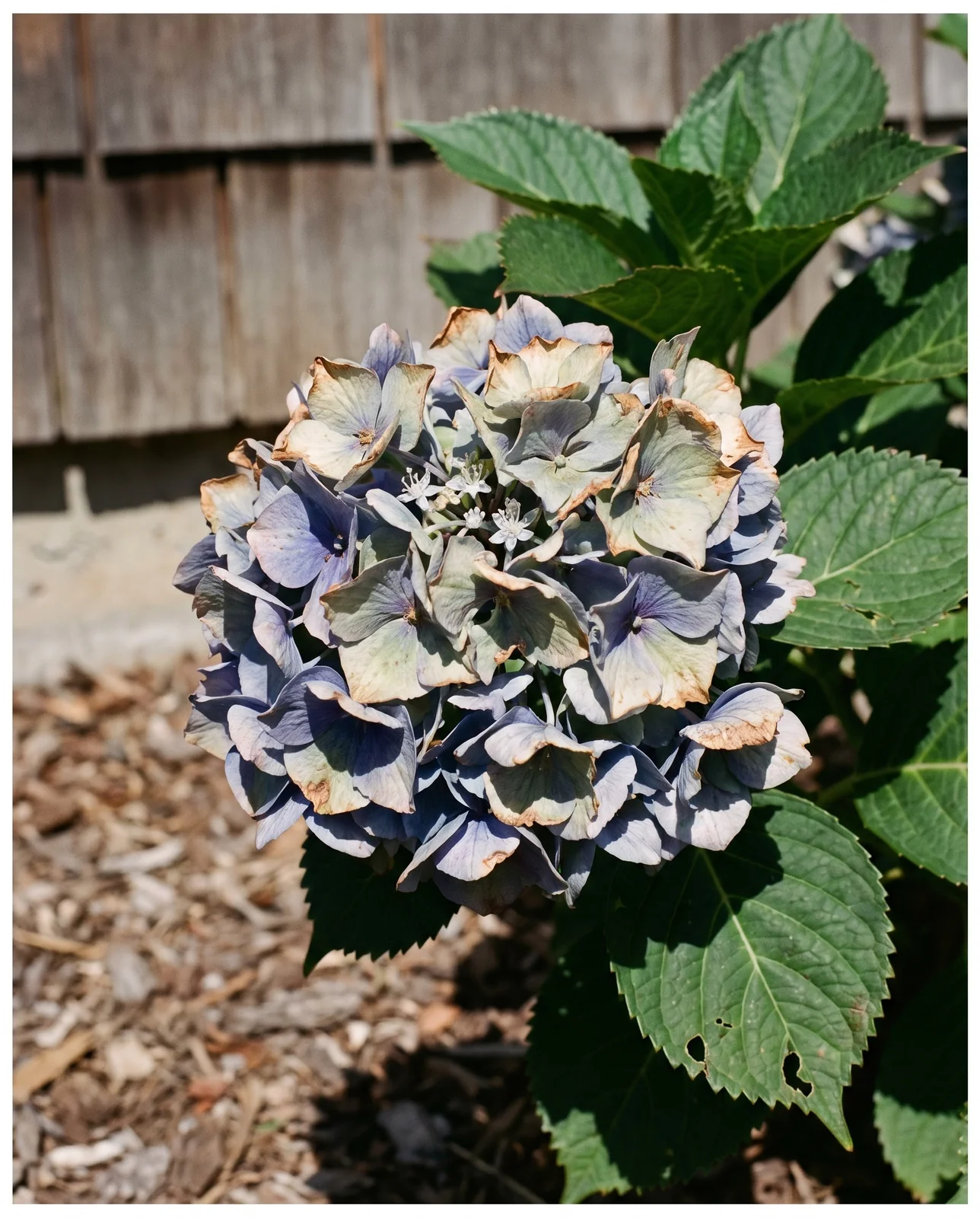
The colorful parts of a hydrangea bloom are modified sepals rather than soft true petals, firm enough that a head cut at the right moment dries without falling apart and keeps its shape instead of folding in on itself. That moment comes late in the season, not at peak bloom. The florets have to feel slightly crisp, close to tissue paper, before they leave the shrub. Cut earlier and the head shrivels into a brown fist within days; leave the stems in direct sun and the color bleaches out before the water is gone.
People keep these heads for a home display or as keepsakes from special celebrations, where the flower’s meaning of gratitude and heartfelt emotion is part of the point. Florists tend to suggest preservation powders for the job; the most dependable method needs nothing beyond a clean vase and a shallow pool of water. That leaves one more thing to know, because a stem cut at the papery stage can still wilt within hours indoors: the plant seals its own cut with a sticky resin that shuts off water uptake in a head made of dozens of small florets. What follows covers the texture and color cues that mean a bloom is ready, why freshly cut stems collapse and the moves that revive them, the water-evaporation method step by step, hanging as the faster alternative, what happens to color along the way, preserving a wedding bouquet, and where to put the finished arrangement when there are pets in the house.
On this page 8 sections
- Reading the bloom: papery texture and color cues
- Why freshly cut blooms collapse (and how to fix stem sap)
- The water-evaporation method step by step
- Hanging upside down to air-dry
- Color shifts during drying: what changes and what stays
- Preserving wedding bouquets and keepsake arrangements
- Dried hydrangeas and household pet safety
- FAQ
Reading the bloom: papery texture and color cues
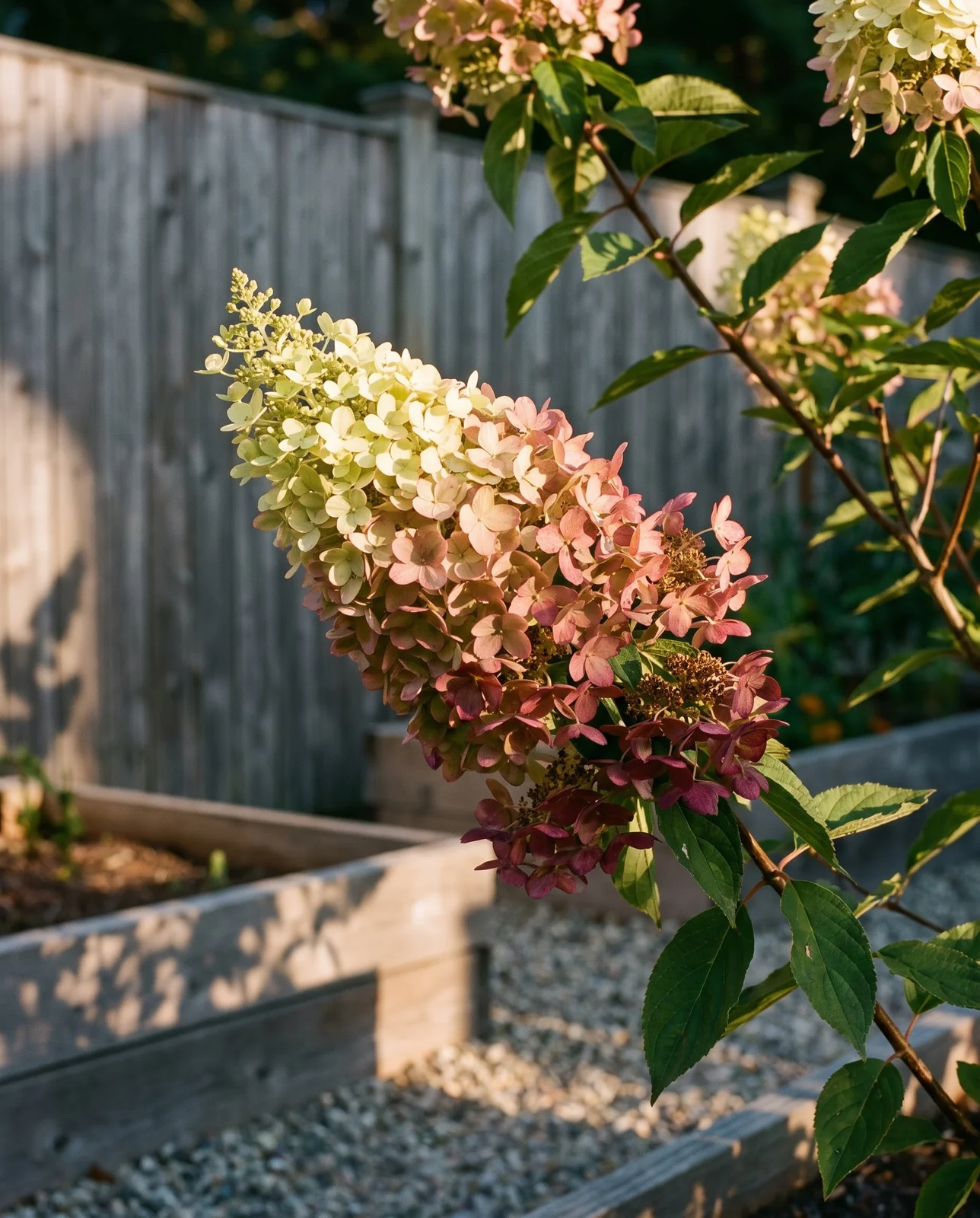
The most common way to lose a batch of dried hydrangeas is to cut them when they look their best in a fresh vase. A bloom at peak midsummer flowering is full of water and its cell walls are still soft, so the sepals lose that water through transpiration faster than they can stiffen and go limp before any of the structure sets. Heather Sherwood, senior horticulturist at the Chicago Botanic Garden, puts the drying harvest in late summer and early autumn instead, once the flowers have started to age on the shrub. The test is done with fingers rather than eyes. Run them over the florets: a bloom that is ready feels slightly crisp, close to tissue paper, where a fresh one feels cool and fleshy. White varieties give a second signal, a light green tint appearing in the top or center florets. Colored mopheads soften out of their bright summer hue instead, often picking up green or mottled antique tones as they go.
Species differ in what they show. Panicle hydrangea (Hydrangea paniculata) blooms later than the smooth types, often flowering into July, and its cone-shaped heads turn from creamy white to pink or dusty burgundy while still on the stem, which makes that color shift the harvest signal in itself. Oakleaf hydrangea (Hydrangea quercifolia), hardy to USDA zone 5, carries coarse, veined foliage and large panicles that firm up as the white florets turn tan or pinkish brown. What none of them forgive is waiting too long: a head that has already wilted and browned on the shrub has lost the cell structure drying depends on, and no amount of care indoors brings it back. For pruning limits and general shrub timing outside the scope of drying, the hydrangea care guide covers it, and the short version is that bigleaf pruning has to be finished before August 1 or next season’s buds go with the cuttings.
Why freshly cut blooms collapse (and how to fix stem sap)
Even a bloom cut at the right papery stage can go limp within hours of coming indoors. A hydrangea head is dozens of small florets, all evaporating at once, which gives it far more surface area to lose water through than a single-flowered stem. At the same time the plant seals its own wound: cutting the stem triggers a sticky resin at the cut site that plugs the vascular opening and blocks uptake, so evaporation carries on with nothing coming up to replace it. The old advice for woody stems is to smash the base with a hammer. Chicago Botanic Garden trials got the opposite of the intended result, with the smashed-stem hydrangea wilting completely by Day 3, because crushing the base destroys the xylem tubes that carry water up the stalk. Horticulturist Jason Toth cuts at a sharp 45-degree angle with bypass pruners instead, which widens the wound and exposes more xylem to the water.
Two moves fix a stem that is already blocked. Dip the bottom inch into boiling water for a few seconds, which dissolves the resin plug and clears the air lock out of the capillaries without touching the tissue higher up. If the head itself has gone soft, submerge the whole flower in a basin of tepid water for half an hour. Sepals take up water through their own surface as well as through the stem, so a wilted but structurally intact bloom re-inflates like a balloon and can go into the drying vase afterward.
Post-harvest hydrangea collapse triage
The water-evaporation method step by step
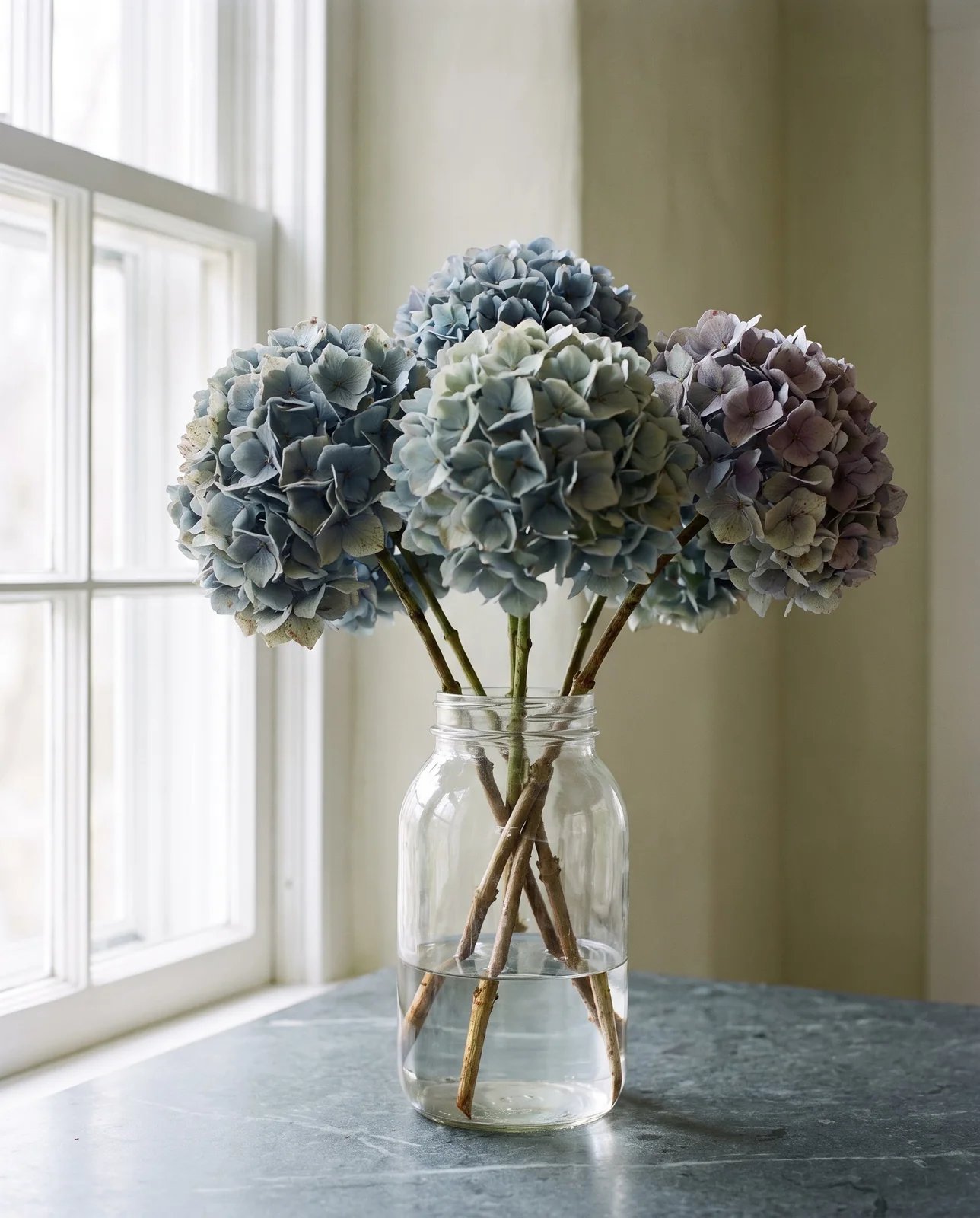
Water-evaporation is the most reliable method for mophead and panicle heads, and drying a flower in water is less strange than it sounds. A small, fixed reservoir lets moisture leave the head at a slow, even rate, which gives the cell walls in the sepals time to harden around the shape they already hold. Open-air drying pulls that water out faster, and speed is what makes sepals crimp inward. Start by stripping the foliage off the harvested stems. Leaves keep transpiring, and any that sit in water will rot, so keep none at all or at most one small leaf near the flower head. Cut the woody stems to suit the vessel, leaving enough length that air can move around the base of each head, and make the cut clean and angled.
Set the stems in a clean glass vase holding one to two inches of fresh water and no more. A deep vase feeds bacteria and rots the stems long before the drying finishes. Space the stems loosely so air moves between the heads, because crowded heads trap humidity in the gaps and that is where mold and brown patches start. Put the vase in a warm room out of direct sun, away from heating vents, and away from damp rooms such as a bathroom; a quiet table or shelf in filtered light suits it. Over roughly two weeks the shallow water disappears on its own. Do not top it up. As it goes, the heads dry standing where they are, holding their round form on stems that stay straight instead of drooping.
Harvest and drying window by USDA zone
Hanging upside down to air-dry
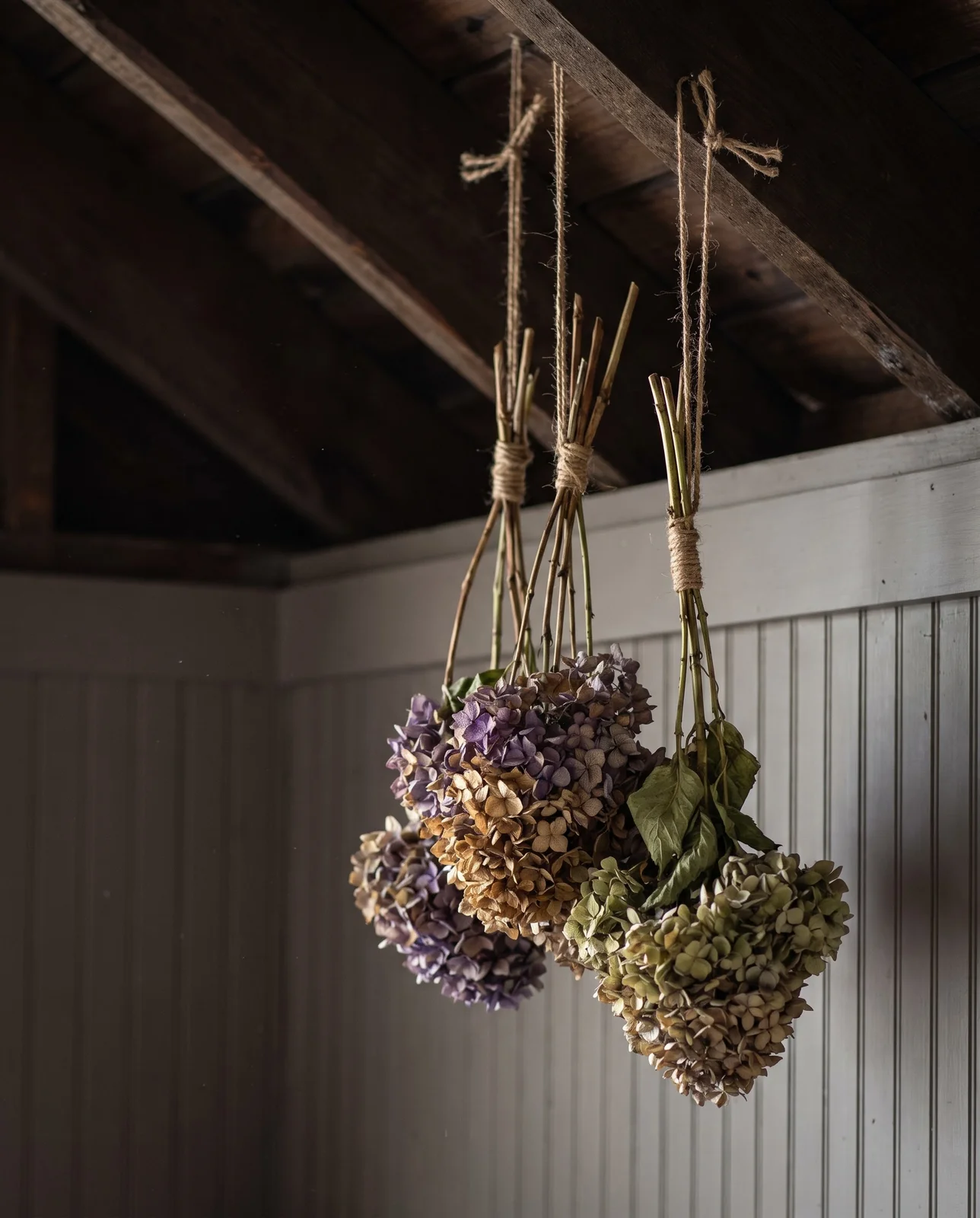
Hanging is the alternative when counter space is short or the stems are long, as they are on panicle types (Hydrangea paniculata). Upside down, gravity holds the heavy head directly over the woody stalk, so the stem dries straight instead of setting into a curve. Strip every leaf off the branches, group three to five stems, and secure them near the base with a rubber band. A band beats twine or string here because stems shrink as they lose water: the elastic contracts with them and the bundle stays tight, rather than loosening until stems slip out onto the floor.
Hang the bundles from rafters, a clothes drying rack, or wall hooks somewhere dry, dark, and ventilated. A stagnant hot attic and a damp basement both fail, in opposite ways, since poor air movement is what lets fungal mold take hold. Darkness matters more than most people expect: light breaks down the anthocyanin and chlorophyll pigments that carry the color, so a bundle hung in a bright room loses color faster as it dries. Leave them undisturbed for one to three weeks, until the central stem snaps cleanly instead of bending.
Color shifts during drying: what changes and what stays
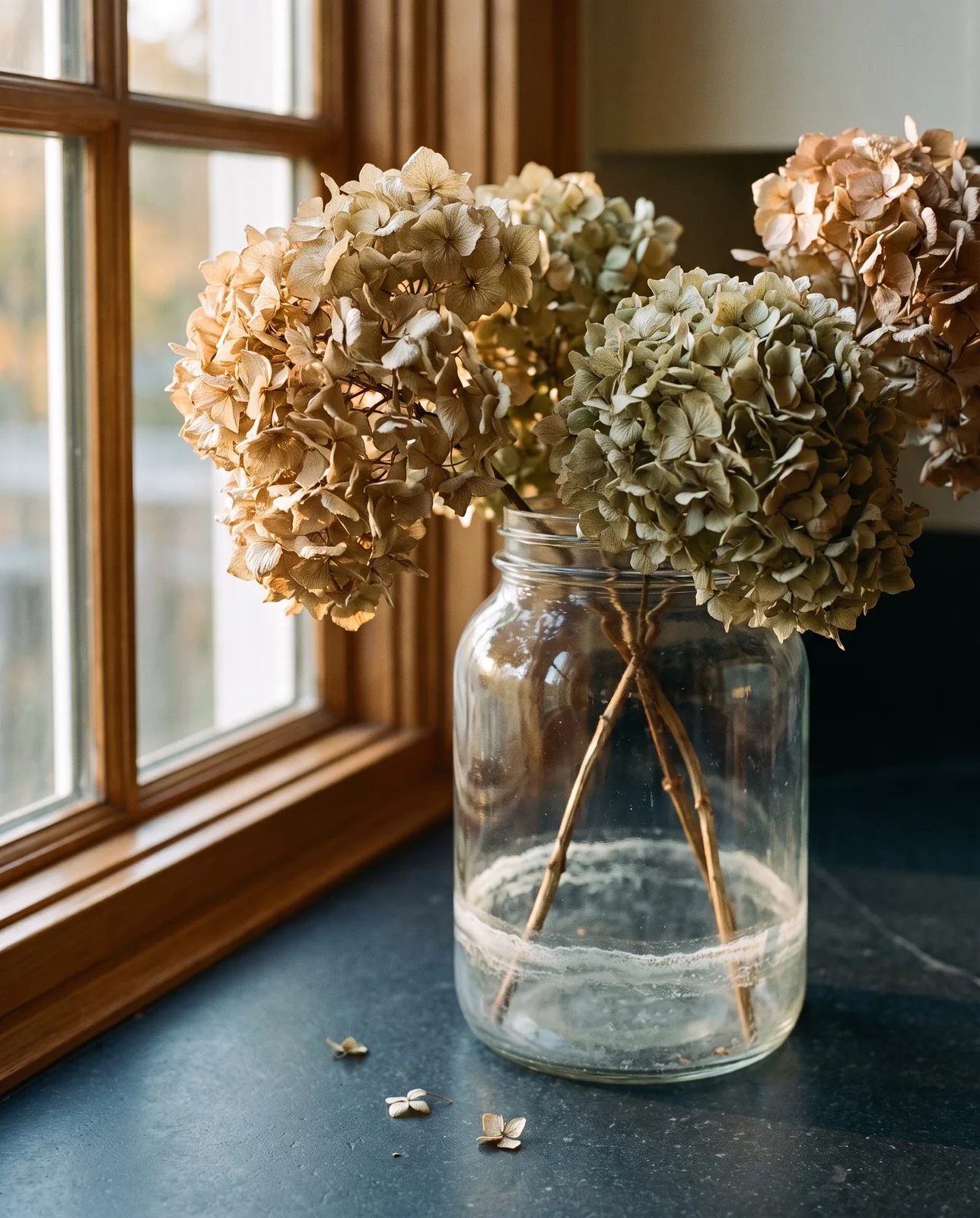
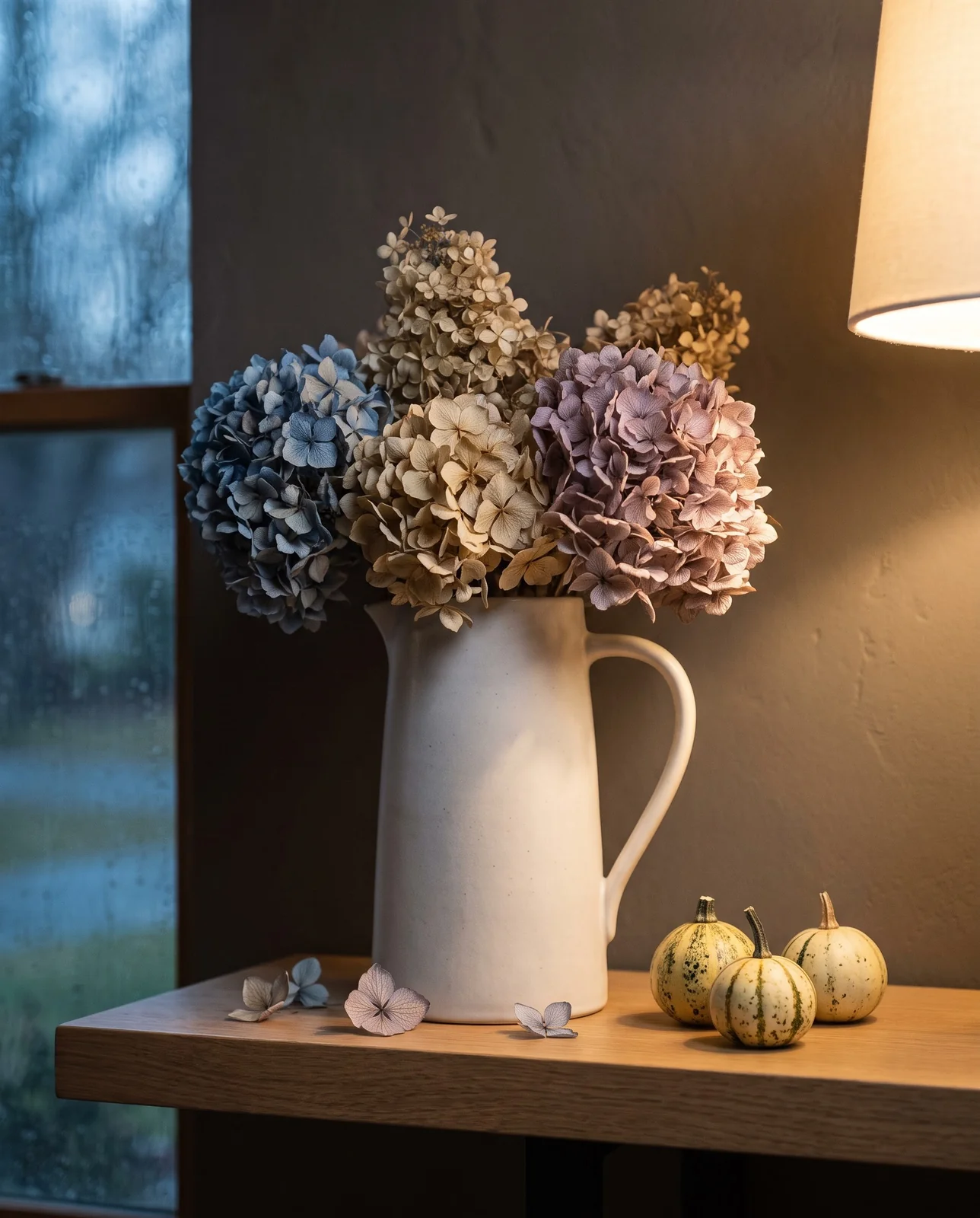
Drying changes hydrangea color without erasing it. What you keep is an antique stage of the bloom rather than its midsummer hue, because saturation drops as the sepals lose water. Electric blues settle into slate, denim, or dusty teal. Deep purples go smoky lavender. Saturated pinks move toward dusty rose, mauve, or parchment tan. White heads rarely dry pure white, landing on soft celadon, chartreuse, or warm cream instead.
The persistent myth is that vinegar, food coloring, or some additive in the vase water can push a dried head from pink toward blue. Color in Hydrangea macrophylla cultivars such as Nikko Blue or Endless Summer is settled long before harvest, and it is settled at the roots. Clemson Cooperative Extension traces the mechanism to aluminum compounds inside the sepals: acidic soil between pH 5.0 and 5.5 releases aluminum and the flowers come out blue, while soil at pH 6.0 and above locks that aluminum away and they come out pink. Iowa State University Extension gives the regional version of the same rule, noting that bigleaf hydrangeas in Iowa’s naturally alkaline soils come out purplish-pink. Once the stem is severed, that chemistry is fixed. Drying sets and holds whatever pigment balance the sepals carried at the moment of cutting. It cannot turn pink into blue, and it cannot bring back a head that already bleached to gray on the shrub.
Color changes during hydrangea drying
The myth: Adding vinegar, alum, or dye to vase water can turn pink dried hydrangeas blue.
The reality: False. Sepal color is set by aluminum taken up at the roots under a given soil pH while the plant is still growing. A severed stem cannot change the aluminum already locked into its cells.
The myth: Drying hydrangeas in complete darkness preserves 100 percent of their fresh summer color.
The reality: False. Losing moisture mutes the pigment into antique, dusty, or green tones on its own. Darkness prevents the extra bleaching that light adds, but the softening happens either way.
The myth: White hydrangeas dry into pure, paper-white floral heads.
The reality: False. White sepals pick up chlorophyll as they age on the shrub, so they dry to soft lime green, chartreuse, or vintage cream.
Preserving wedding bouquets and keepsake arrangements
Hydrangeas are a staple of bridal arrangements, and a bouquet is worth drying for the same reasons a garden head is, with one complication. Flowers that arrive as hydrangeas as wedding flowers were assembled at peak bloom, soft and full, which is the opposite of the stage that dries well; a bouquet put together from a broader wedding flowers guide has the same problem. Work on it as soon as the ceremony is over. Take the bouquet apart, pull off the floral wire and tape, and look at every stem. Where the sepals still feel soft, recut the tip at an angle and stand it in water mixed with standard floral preservative. Among the liquid treatments compared in Chicago Botanic Garden vase trials, floral food alone held up best, staying crisp through Day 7.
Give the stems several days in fresh water and let the sepals stiffen on their own, then move them into a shallow vase with an inch of water and let that evaporate the same way a garden cutting would. Kept away from sunny windows and out of humid display cabinets, keepsake heads hold together for years instead of shattering.
Dried hydrangeas and household pet safety
A dried arrangement is a long-lived centerpiece, and where it sits matters once there are animals in the house. NC State Extension rates Hydrangea macrophylla as low-severity toxicity for humans, cats, dogs, and horses; the toxic principle is a group of cyanogenic glycosides called hydracyanosides, present through the stems, leaves, and dried sepals alike. Drying does not take them out, and it leaves the head exceptionally light, airy, and brittle. The rustle of dry sepals and the debris that falls from them are what pull a curious cat or dog in, and eaten in quantity that tissue causes nausea, stomach pain, vomiting, and sweating.
Put dried heads on a high mantel, a secure wall sconce, or a tall shelf rather than a coffee table or an entryway console within easy reach. Sweep the floor under the arrangement now and then, since the florets that drop are what a pet finds first.
FAQ
How long do dried hydrangeas last?
A year or more, kept indoors out of direct sunlight and away from high humidity. Heads dried slowly in evaporating vase water hold their structure longer and shed fewer sepals than ones hung to dry in open air.
Can you dry hydrangeas in a microwave?
No. A hydrangea flower head is far too dense for it. The heat scorches the outer florets black and brittle while moisture is still trapped in the thick woody stalk at the center.
Should you spray dried hydrangeas with hairspray or floral sealer?
A light pass of matte floral sealant or unscented aerosol hairspray binds loose sepals together, cuts the shedding, and gives some protection against humidity in the room. It does nothing for structure: a bloom harvested too early has already collapsed, and no spray reverses that.
Which hydrangea species dry best for arrangements?
Panicle hydrangea (Hydrangea paniculata), oakleaf hydrangea (Hydrangea quercifolia), and the mophead cultivars of bigleaf hydrangea (Hydrangea macrophylla) give the most durable dried heads. Lacecap cultivars dry relatively flat, which suits pressed floral work better than a rounded vase display. Smooth hydrangea (Hydrangea arborescens), which survives cold winters well into Minnesota, dries well too if the white domes are cut once they turn pale jade green.
Can you dry hydrangeas using silica gel or vegetable glycerin?
Silica gel suits individual florets and small clusters: three to six days in an airtight container, and past six days the sepals turn excessively brittle. Glycerin is a different matter. University of Florida IFAS Extension treats glycerin absorption as a technique for preserving evergreen foliage rather than floral sepals, and on hydrangea it shifts the whole head to a uniform tan or bronze tone.
More About Hydrangea macrophylla
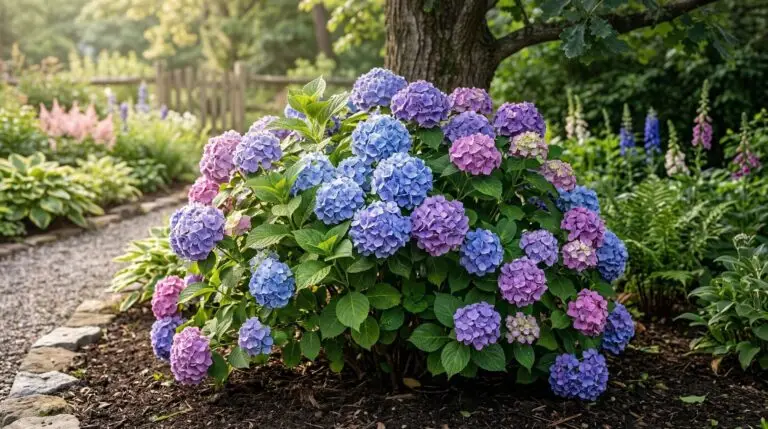
How to grow hydrangeas for massive flower heads that dominate the summer garden
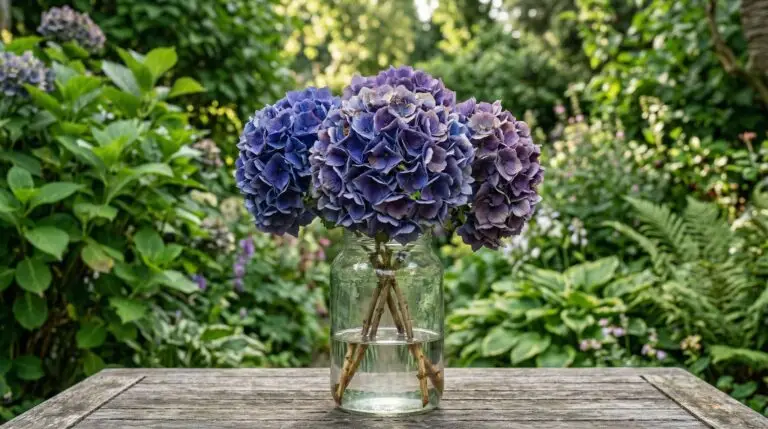
Drying hydrangea flowers for beautiful arrangements that capture summer all year
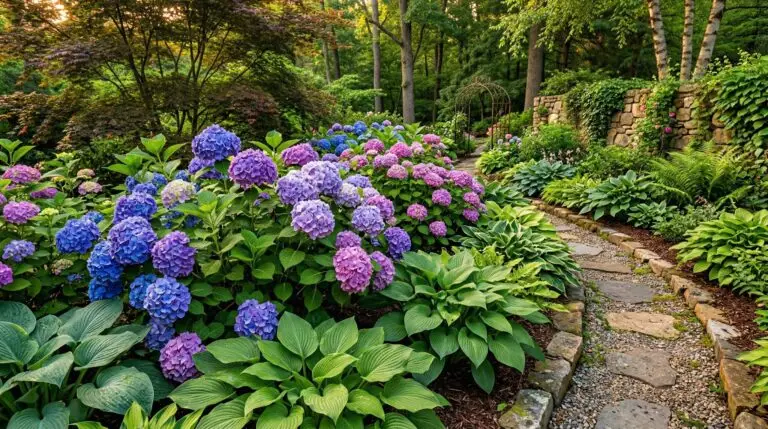
Companion plants for hydrangeas: what to grow and avoid
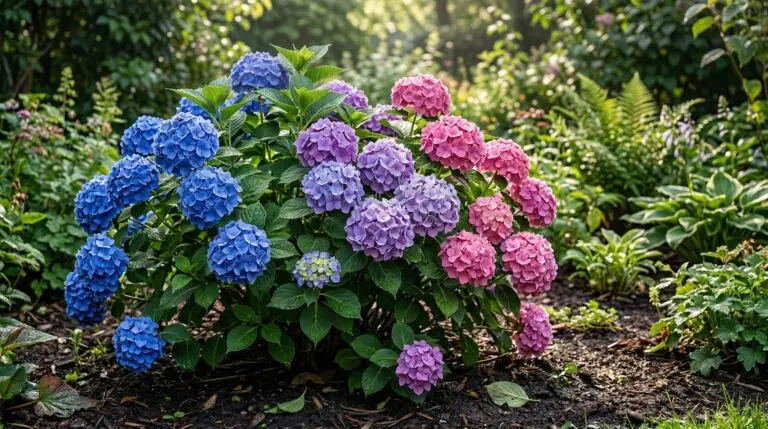
How to change hydrangea color from pink to blue and the soil science behind it
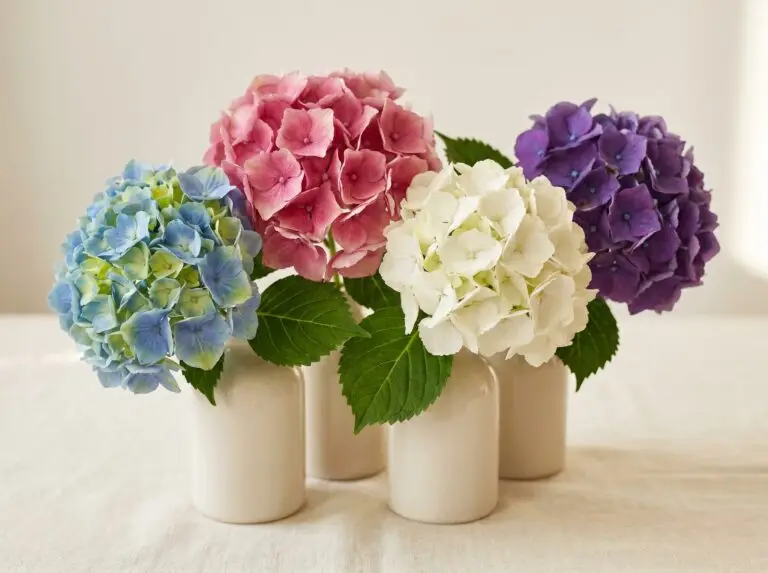
Hydrangea meaning, by colour and across the centuries, honestly explained
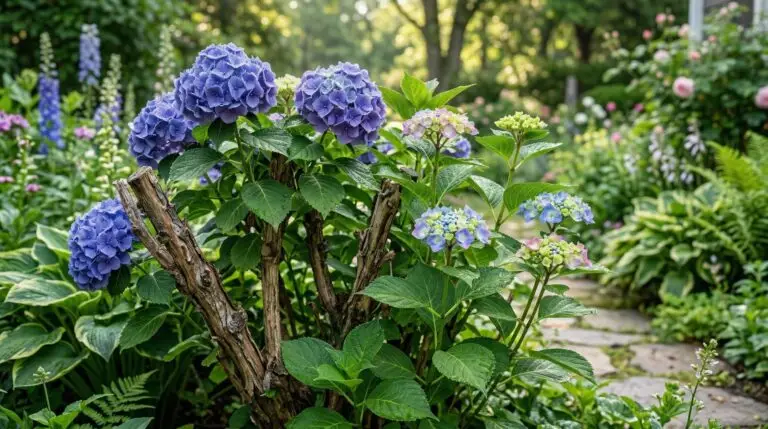
Why hydrangeas do not bloom and the pruning mistakes that remove all the flower buds
Growing hydrangeas in containers for stunning patio and doorstep displays
Best hydrangea varieties from classic Nikko Blue to reblooming Endless Summer
Pruning hydrangeas correctly and which type you have determines when you cut
Hydrangeas in wedding flowers and why brides love these lush romantic blooms
Enjoying our flower guides? Add YourFlowersGuide as a preferred source on Google. It helps more readers find us.
Add to Preferred Sources