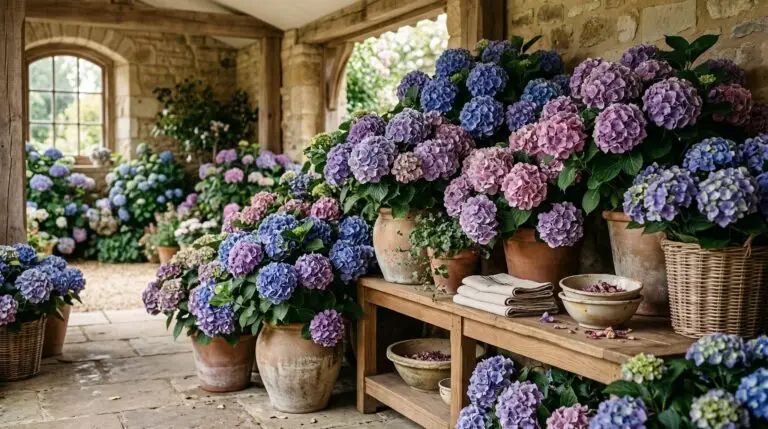
Hydrangea meaning, by colour and across the centuries, honestly explained
Few common flowers have swung as far across the centuries as the hydrangea. Today those big summer mopheads say something warm and a little vulnerable: heartfelt, genuine emotion, and above all gratitude, the kind of thank-you that means "I noticed, and I understood." A century and a half ago the same flower meant almost the opposite. Victorian lists read it as coldness, heartlessness, even boastfulness. So if you have found one source calling hydrangea a tender gesture and another calling it an insult, you are not confused; you have simply caught a flower mid-shift. Below you will find the modern meaning, what each hydrangea colour says, how it reads in love and as a gift, the strange Victorian reading and how it reversed, and an honest note on which version to actually trust when you hand someone a bunch.
Among flowers whose meaning has reversed rather than merely drifted, the hydrangea is about as stark as it gets, and that is what makes it worth a careful read. It is the flower where you most need someone to tell you plainly which reading is live and which is a museum piece. The short version is that the warm modern meaning is the one that counts now. The longer version, and why the old one lingers, is worth the few minutes.
What a hydrangea means today
Give a hydrangea now and you are saying thank you, sincerely and from somewhere real. The modern meaning centers on heartfelt, genuine emotion and gratitude, often pointed specifically at understanding: thank you for getting it, thank you for being there, thank you for grace I did not have to ask for. That is a gentler and more grown-up message than the headline romance of a red rose. It suits the people you are quietly grateful to rather than wildly in love with, which is a much larger group than romance usually gets credit for.
Part of why the flower carries that weight is its sheer abundance. A single hydrangea bloom is not one flower at all but a dense head of dozens of small ones, so even a few stems read as generous and full. That fullness reads, fairly or not, as feeling that overflows a little. The plant is a summer flower, at its showiest in the warm months, which is also when most of the occasions it suits tend to land: graduations, anniversaries, the season of thank-you notes and quiet milestones. No authority ever ruled on any of this, because the language of flowers never had one, but it is the reading nearly everyone giving or receiving hydrangeas now actually uses.
Hydrangea colour meanings, one by one
Hydrangea is unusual because its colour is not just a symbol, it is chemistry you can read off the plant. The same shrub can bloom blue in acidic soil and pink in alkaline soil, with purples and in-between shades where the ground sits in the middle. So a hydrangea's colour says something about where it grew as much as what it means, and that physical honesty gives the colour meanings a grounding most flowers cannot offer, where the shade has to be chosen for you rather than grown into. If you want to see how colour shifts a flower's message more broadly, our guide to flower colour meanings sets the hydrangea's shades alongside the rest. Here is how each shade is usually read.
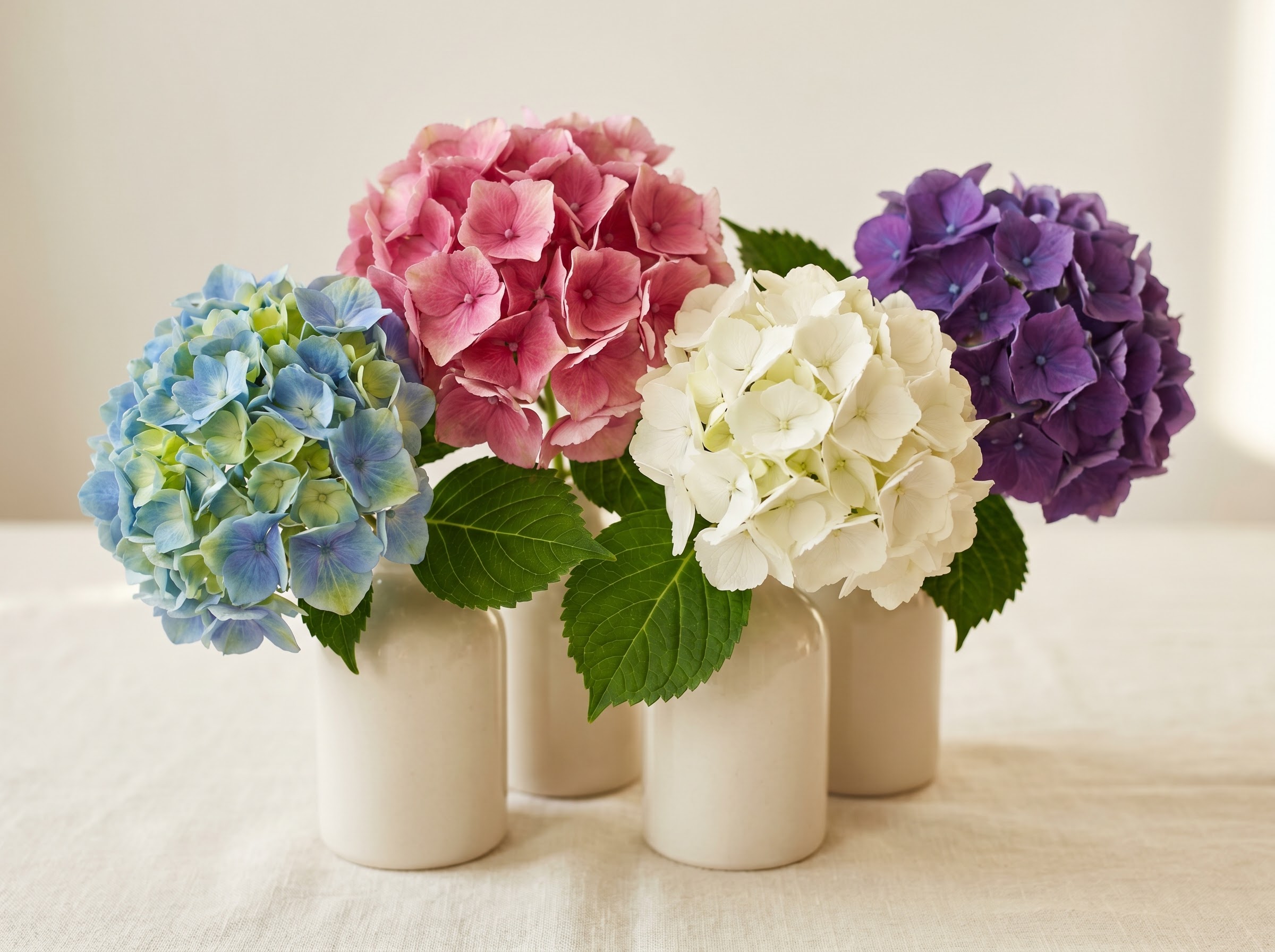
Blue is the most specific and the most useful to know. A blue hydrangea traditionally carries apology and a request for forgiveness, which is a rare and genuinely handy thing in the flower world, since very few flowers offer a clean way to say sorry. There is a quiet logic to it too, in that blue is a cooler, more humble colour than a bright declaration, and the bloom only turns blue when the soil is acidic, as if the flower itself had to be brought low to earn the shade. Pink hydrangeas turn the other way, toward heartfelt emotion and romance, the warmest reading in the family and the one closest to a love message. White hydrangeas read as purity and grace, the wedding-friendly shade, though they also carry a faint echo of the old boasting meaning, which is why white is the colour where the flower's split personality shows through most. Purple hydrangeas are read as abundance and pride, a richer and more celebratory note, fitting for the deep abundant heads they grow on.
Here is the whole hydrangea-colour family in one place, with the meaning most people use today and a plain note on how settled each one is. The note is the part worth reading, because hydrangea is a flower where some meanings are solid and others are softer custom.
| Hydrangea colour | Common meaning today | How solid it is |
|---|---|---|
| Blue | Apology and a request for forgiveness | The most useful and widely repeated. One of the few clean "I am sorry" flowers. |
| Pink | Heartfelt emotion and romance | Warm and close to a love message. The most romantic shade of the family. |
| White | Purity and grace, with a hint of boasting | Wedding-friendly, but the colour where the old "showing off" reading still lingers. |
| Purple | Abundance and pride | Celebratory and rich. A softer, less standardized custom than blue or pink. |
Giving hydrangeas to a partner, a friend, or family
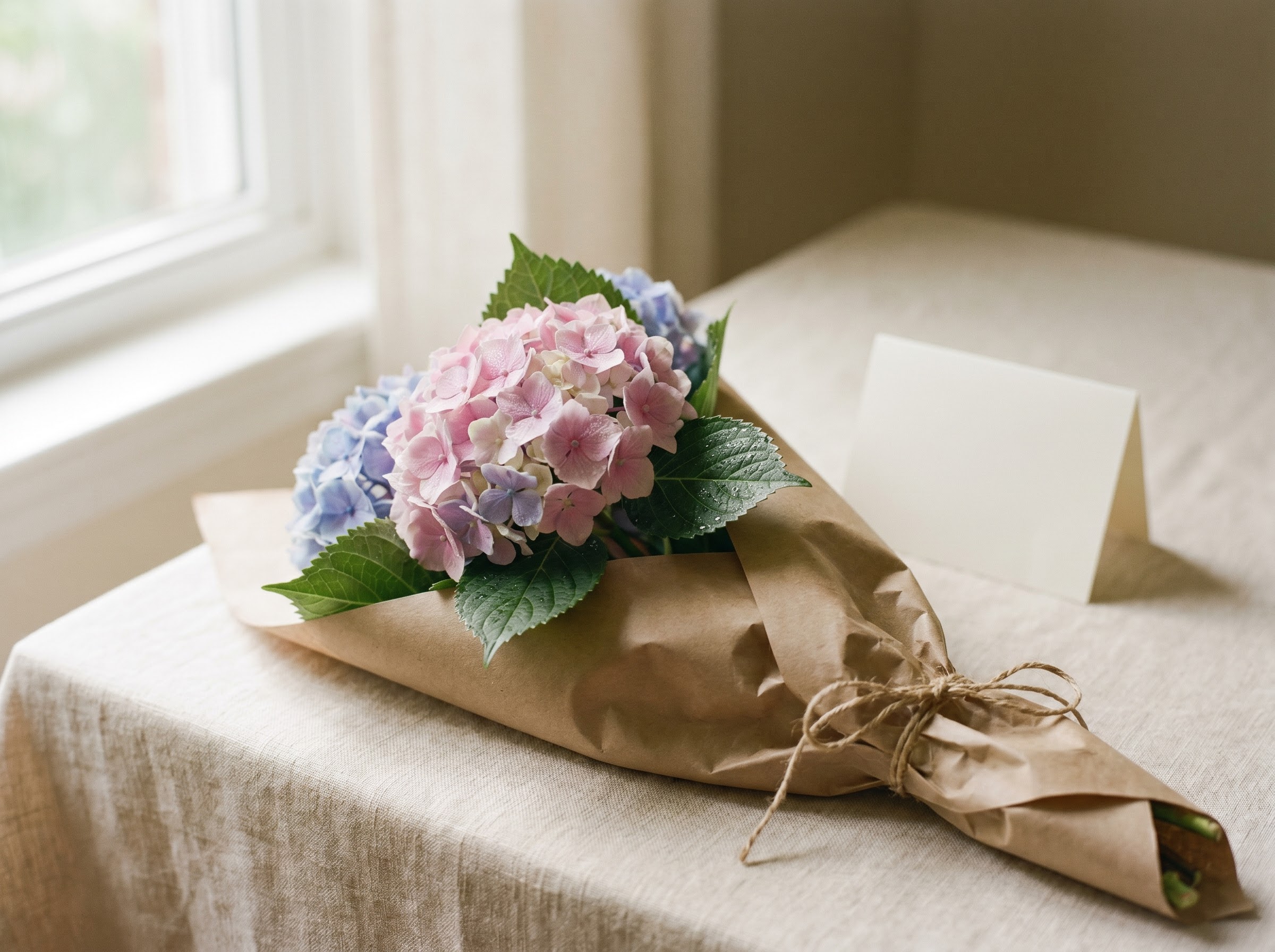
As a love flower the hydrangea is sincere rather than swept-away. Pink hydrangeas are the colour to reach for if you want a romantic edge, since they read as heartfelt emotion and tip toward affection, but even then the flower says deep feeling more than burning passion. That makes it a thoughtful choice for an anniversary, for a partner you have been with long enough that gratitude has become its own kind of romance, or for the early, careful stage of liking someone when a dozen red roses would be too loud. It is the flower of love that has settled and looked around and decided to say thank you for this.
For friendship and family the hydrangea is close to ideal, precisely because its core message is gratitude rather than romance. A bunch given to a friend who showed up when it mattered, to a parent, to a mentor, or to someone whose understanding you want to acknowledge lands as warm and genuine without any awkward romantic charge. The one colour to choose with intent is blue, because of its apology meaning; sending blue hydrangeas to a friend you are not apologizing to is unlikely to cause real confusion, but if you specifically want to say sorry, blue is the shade that says it. For most warm, grateful, non-romantic gestures, any colour works and the feeling carries. Our wider guide to what flowers mean by feeling lines hydrangea up against the other flowers people reach for when gratitude or an apology is the real message.
How an insult turned into a thank-you
Here is where the hydrangea earns its reputation as the strangest flower in the book. In the Victorian language of flowers, hydrangea did not mean gratitude at all. It meant frigidity, heartlessness, and boastfulness, a small bouquet of insults. The traditional explanation is botanical: those huge, showy flower heads were said to set very little seed, so the plant struck the Victorian imagination as all flashy display and no substance, beauty that produced nothing, vanity without fruit. Whether or not that holds for every modern garden cultivar, it is the reason the old lists handed down, and it gave the flower a cold, vain character that sat oddly on something so lush.
That meaning has almost entirely reversed. The showiness that once read as empty boasting now reads as generous, overflowing feeling, the very thing that makes hydrangea such a natural thank-you. The European flower language the Victorians inherited was largely assembled in France before it became a British craze, and meanings like this one drifted as they crossed countries and decades, until the flower came out the other side meaning roughly the opposite of where it started. The white hydrangea is the one shade where the two readings still brush against each other, since its purity meaning and the faint old "showing off" note share the same pale bloom. For everyday giving, though, the warm modern meaning has won, and the Victorian insult survives only in old reference books and as a piece of trivia. The same kind of reversal shows up across the tradition; our hub on the meaning of flowers walks through how and why these meanings were invented and kept shifting.
The honest caveat, and the Japan and China questions
Hydrangea is the flower where being honest about the sources matters most, because this is where they split hardest. Iowa State University Extension, surveying flowers and their meanings, notes that a single bloom is often read different ways by different sources and can carry several meanings at once. Hydrangea pushes that to an extreme, a single plant holding gratitude and coldness in the same entry depending on which century you are reading. So treat the warm modern reading as the live one, lean on the blue-equals-apology meaning because it is widely repeated and genuinely useful, and hold the rarer colour customs more lightly.
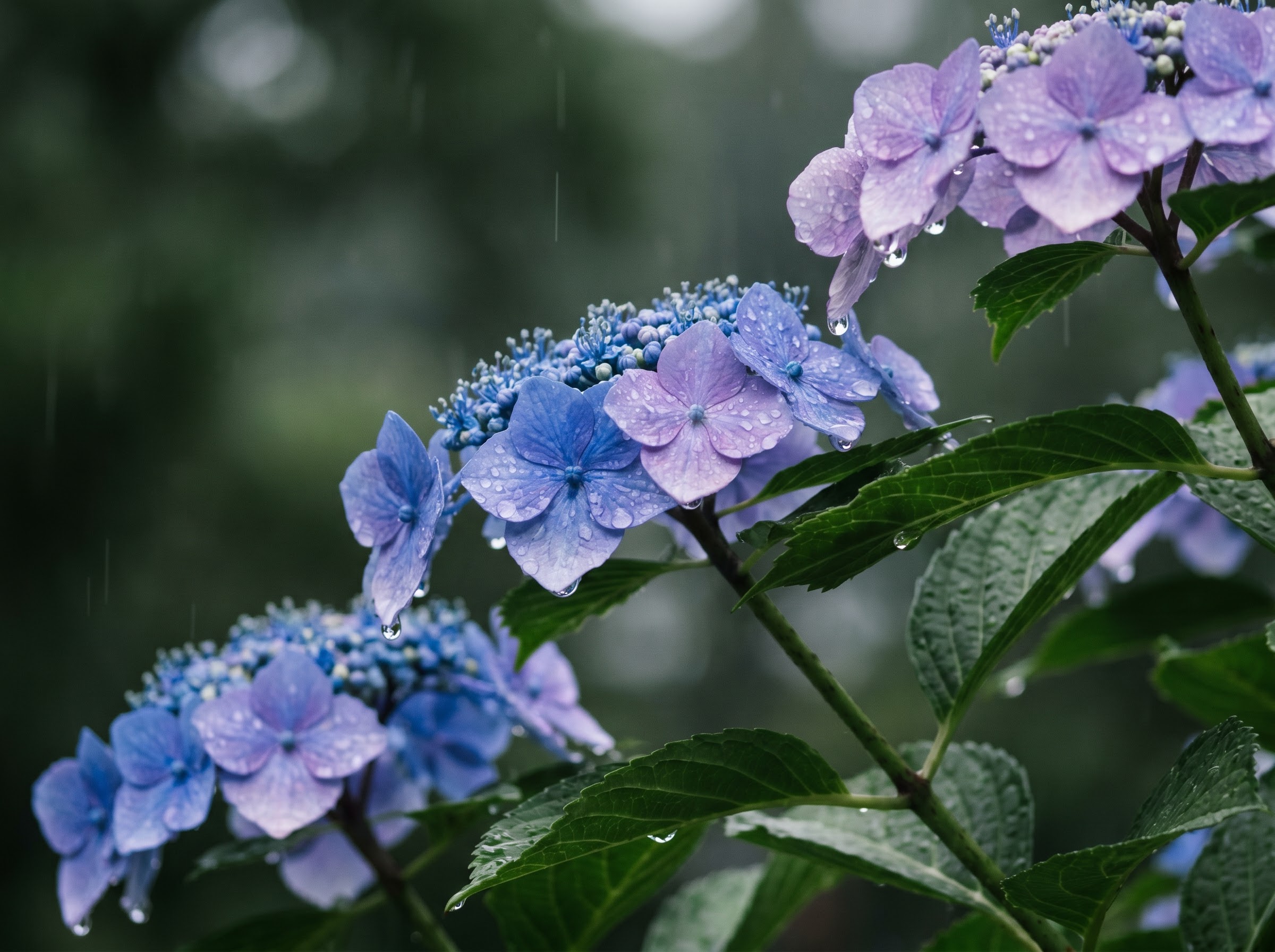
People also search for what a hydrangea means in Japan and in China, and honesty is the better service here than a confident invention. The flower is closely associated with Japan, where it is a familiar sight of the rainy early-summer season and goes by the name ajisai, and it turns up often in writing about heartfelt emotion and apology. We are not going to attach a precise, quotable cultural meaning to it that we cannot trace to a solid source, and the same goes for any specific Chinese reading, which we will not invent. What is safe to say is that the gratitude-and-apology family of meanings travels well and is not a purely Western idea, while the exact symbolic claims vary by source and should be treated as soft until you can check them against something authoritative.
When hydrangeas say it best, and what to write
Give hydrangeas when the feeling is gratitude or a quiet sorry rather than grand romance. They suit a thank-you for real kindness, an anniversary that has mellowed into appreciation, a get-well or a thinking-of-you, and any moment where you want to say something heartfelt without shouting it. Summer is their natural season, when the heads are biggest and the plants are everywhere, so they are easiest to find and freshest then. Pick pink if you want a romantic warmth, white for grace and weddings, purple for celebration and abundance, and blue when the message is specifically an apology.
For the card, keep it as plain as the flower is generous. To say thank you, something like "I noticed, and I am grateful" matches the hydrangea's real meaning better than anything flowery. To apologize with blue hydrangeas, "I understand, and I am sorry" says exactly what the colour already says, which is the whole point of choosing it. The flower is doing the heavy lifting; the note just names the feeling out loud. And if you want the plant itself rather than its meaning, our guide to how to grow hydrangea covers the soil, the colour-shifting chemistry, and the care that keeps those heads coming back each summer.
- Cornell University, Written in Petals: The Language of Flowers, on the history of floriography.
- Iowa State University Extension, Flowers and Their Meanings, on why sources disagree.
More About Hydrangea macrophylla
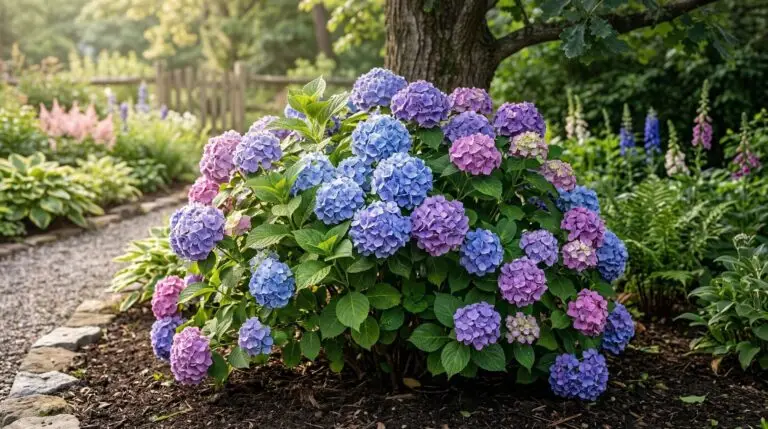
How to grow hydrangeas for massive flower heads that dominate the summer garden
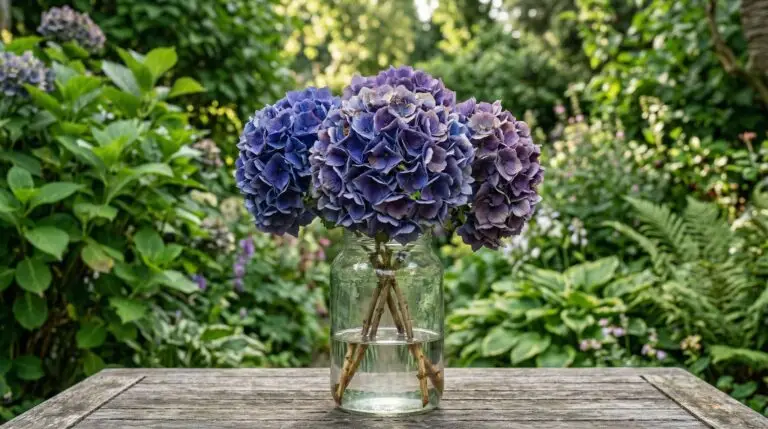
Drying hydrangea flowers for beautiful arrangements that capture summer all year
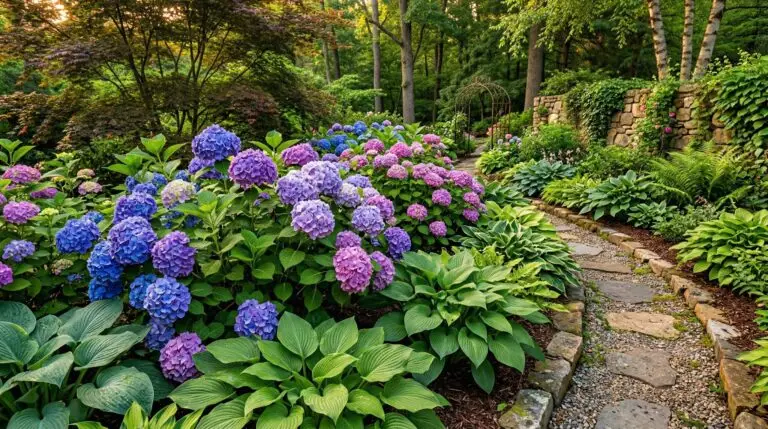
Companion plants for hydrangeas: what to grow and avoid
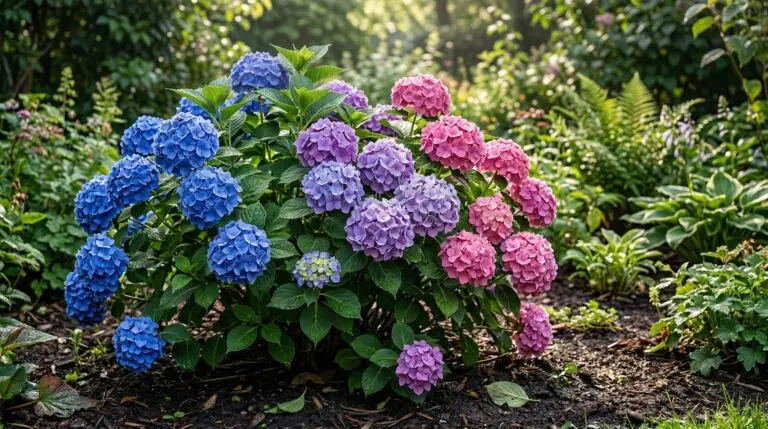
How to change hydrangea color from pink to blue and the soil science behind it
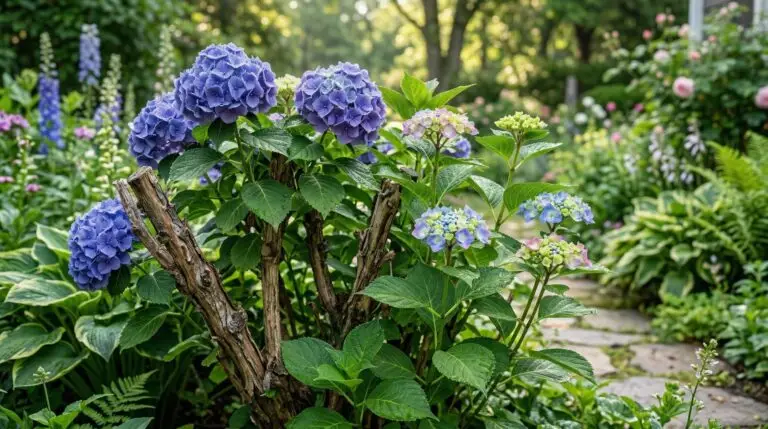
Why hydrangeas do not bloom and the pruning mistakes that remove all the flower buds
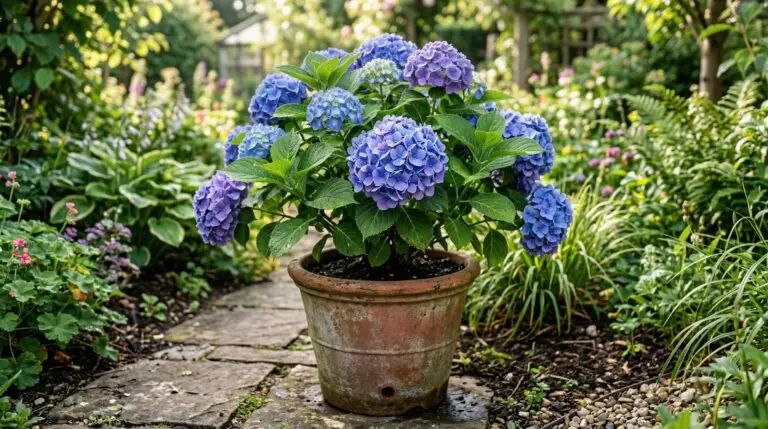
Growing hydrangeas in containers for stunning patio and doorstep displays
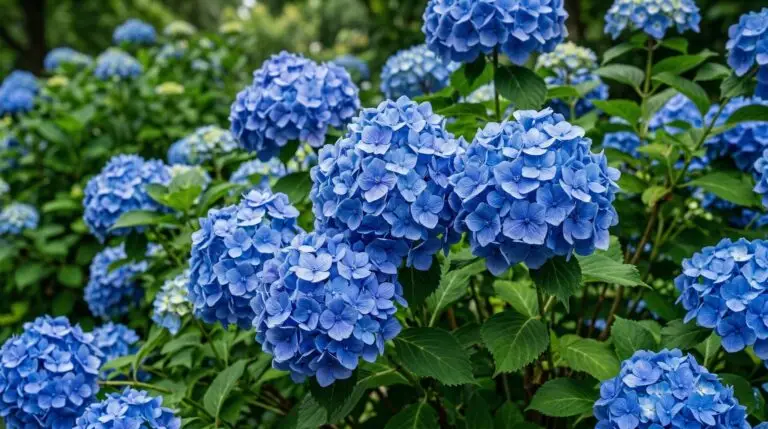
Best hydrangea varieties from classic Nikko Blue to reblooming Endless Summer
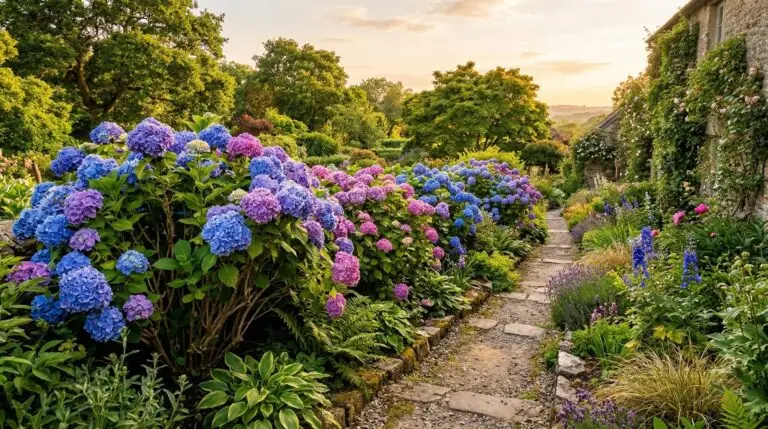
Pruning hydrangeas correctly and which type you have determines when you cut