The meaning of flowers
Find what a flower really says before you send it, wear it as a tattoo, or just settle a question. The honest version is what each one means today, the older reading underneath, and where the meaning quietly flips.
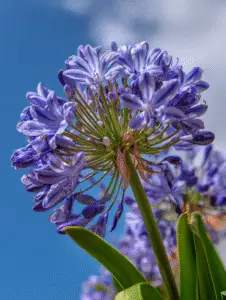 AgapanthusAgapanthus praecoxAgapanthus is traditionally read as love letters and secret affection, an association that fits its botanical name, which comes from the Greek words for love and flower.
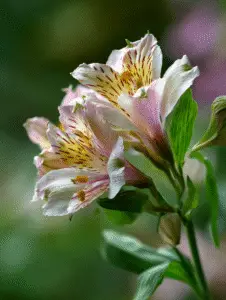 AlstroemeriaAlstroemeria aureaToday the alstroemeria, or Peruvian lily, is read as a flower of devotion and lasting friendship, with its twisted leaves often taken as a sign of the ties that hold people together.
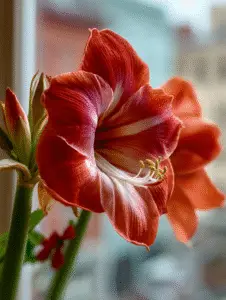 AmaryllisHippeastrumThe amaryllis stands for pride and striking beauty, and it is often given to mark an achievement.
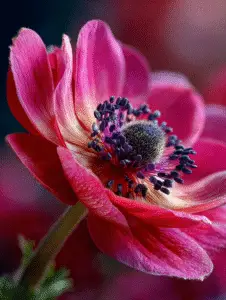 In-depthAnemoneAnemone coronariaThe anemone stands for anticipation and protection against ill will, a hopeful but watchful flower for new beginnings and uncertain love; it also keeps a thread of fragility and forsaken love.
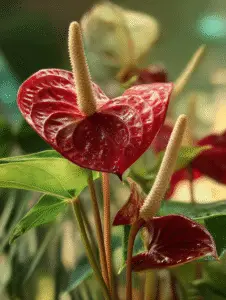 AnthuriumAnthurium andraeanumThe anthurium stands for hospitality and a warm, generous welcome, with its glossy heart-shaped spathe also read as love and desire.
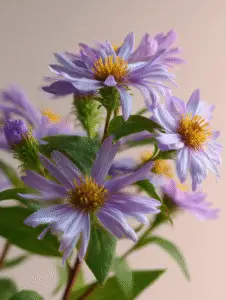 AsterAster amellusAsters are traditionally read as a token of love, patience, and wisdom, and they double as the September birth flower.
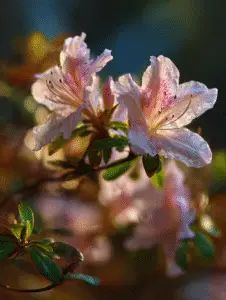 AzaleaRhododendron spp.The azalea is the "take care of yourself for me" flower, a gentle wish for someone's wellbeing rather than a romantic declaration.
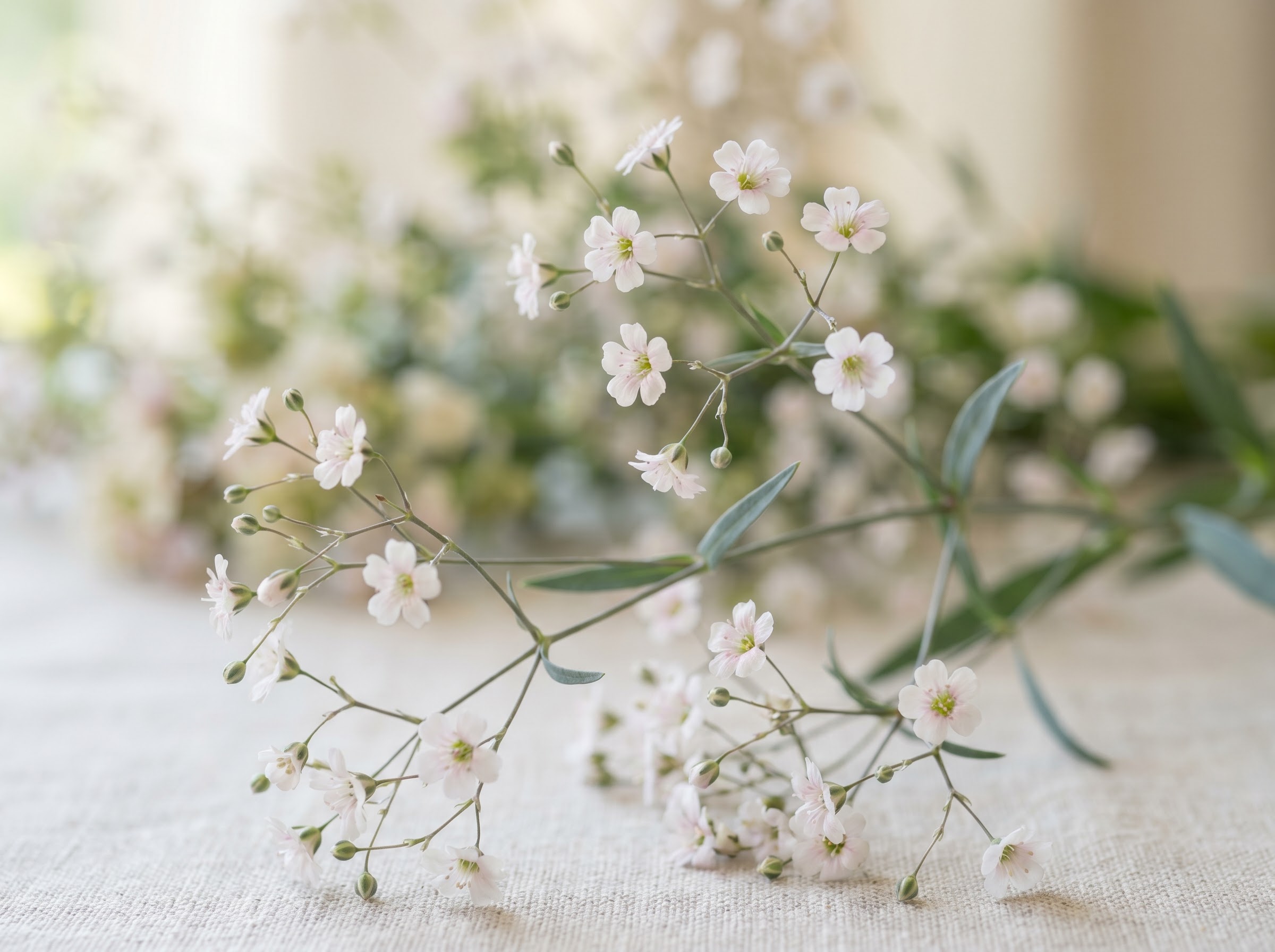 Baby's breathIt traditionally stands for everlasting love, innocence, and purity, which is why it turns up so often in wedding work and new-baby bouquets.
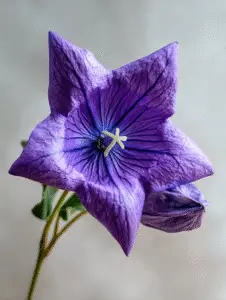 Balloon flowerPlatycodon grandiflorusIt is given a meaning of honesty and unchanging, everlasting love, with older lists adding obedience.
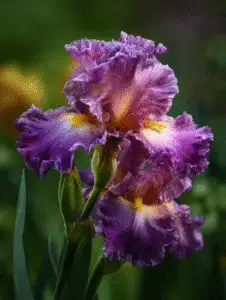 Bearded irisIris germanicaThe iris traditionally carries faith, hope, wisdom, and valor, and it is often read as a flower that "carries a message."
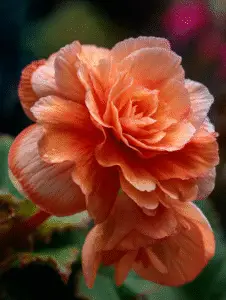 BegoniaBegonia x semperflorensBegonia is usually read as individuality and gratitude, a nod to someone one of a kind.
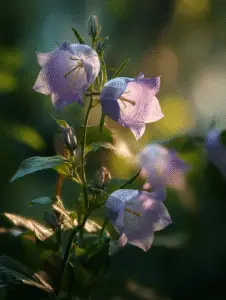 BellflowerCampanula spp.The bellflower (Campanula) usually stands for gratitude and constancy, a quiet way of saying "thinking of you."
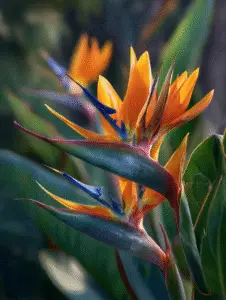 Bird of paradiseStrelitzia reginaeToday it is usually read, in florist tradition, as joyful freedom, anticipation, and faithfulness, fitting for a striking tropical flower shaped like a bird about to take flight.
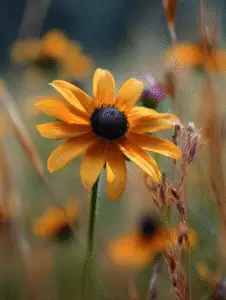 Black-eyed SusanRudbeckia hirtaA cheerful flower of encouragement, given to say "keep going" to someone who is working toward something.
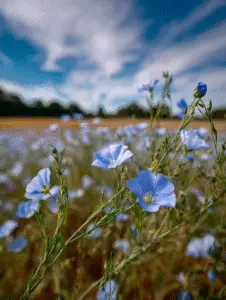 Blue flaxLinum perenneBlue flax is traditionally read as gratitude and the quiet comforts of home, a way of saying 'I feel your kindness.'
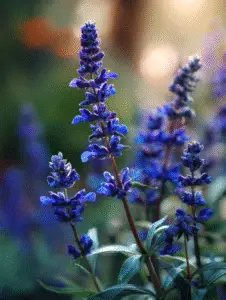 Blue salviaBlue salvia carries the message "I think of you," paired with the older sense of wisdom and esteem that sage has long stood for.
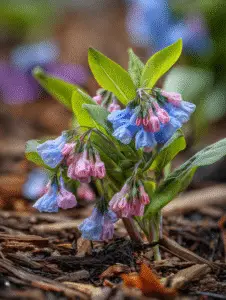 BluebellThe bluebell is most often read as humility and constancy, a quiet, faithful kind of love rather than a showy one.
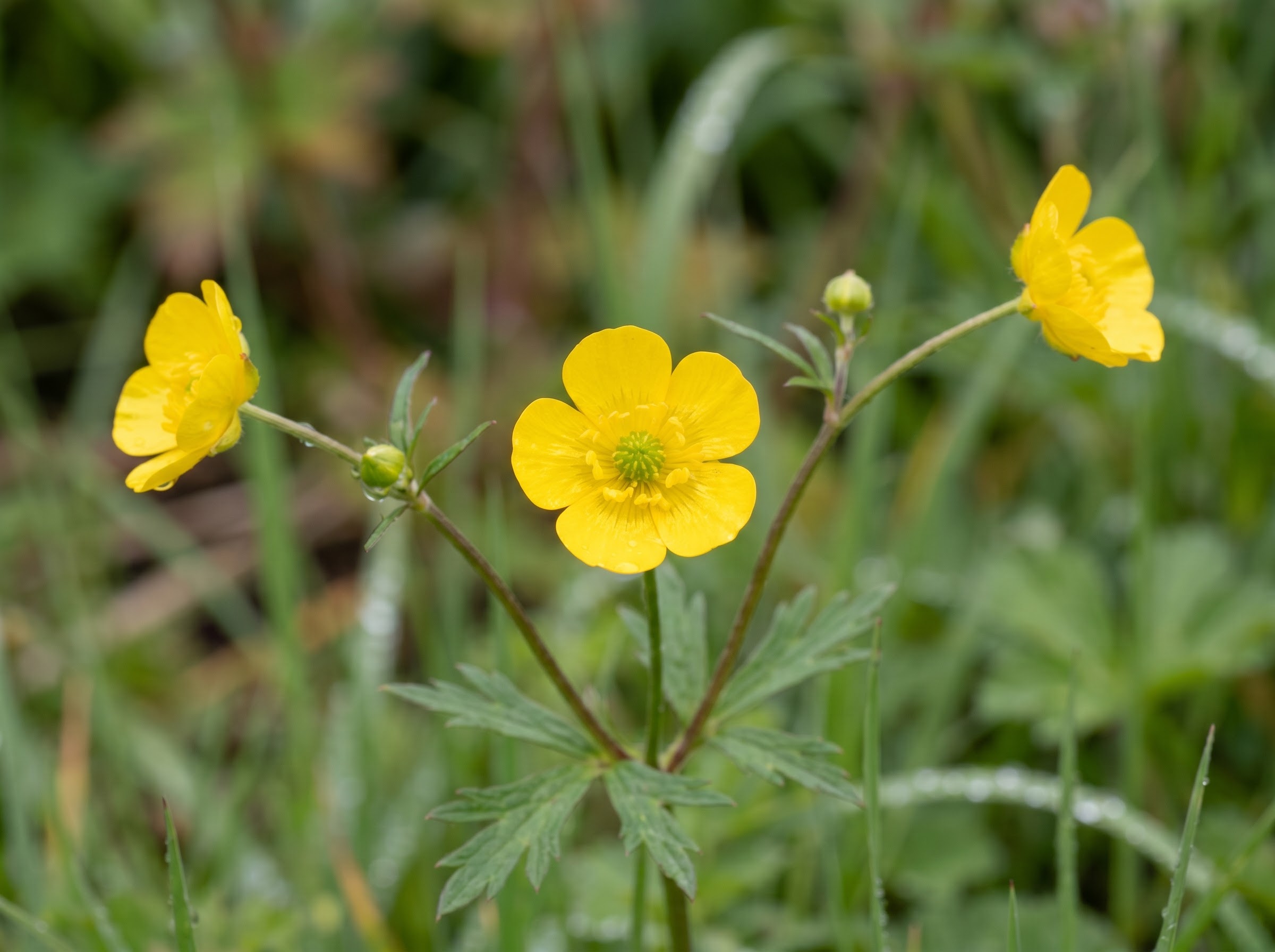 ButtercupIn today's flower lists the buttercup stands for sunny, childlike cheer and a lighthearted "you are charming," though this is a soft, decorative reading rather than a fixed rule.
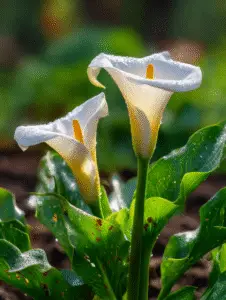 In-depthCalla lilyZantedeschia aethiopicaA calla lily means magnificent beauty, purity, and overwhelming, give-yourself-completely devotion, plus rebirth, the renewal note that lets the same flower suit both a wedding and a funeral with the occasion deciding which side shows.
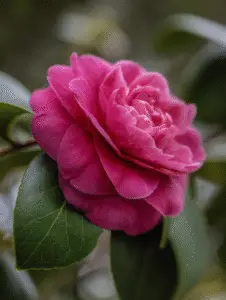 CamelliaCamellia japonicaThe camellia stands for deep admiration and devoted, perfecting love, the feeling of holding someone in high and lasting regard.
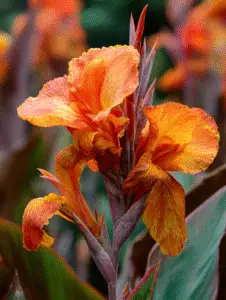 Canna lilyCanna x generalisToday the canna mostly reads as what it looks like, a bold, confident, tropical statement, rather than carrying a settled symbolic message.
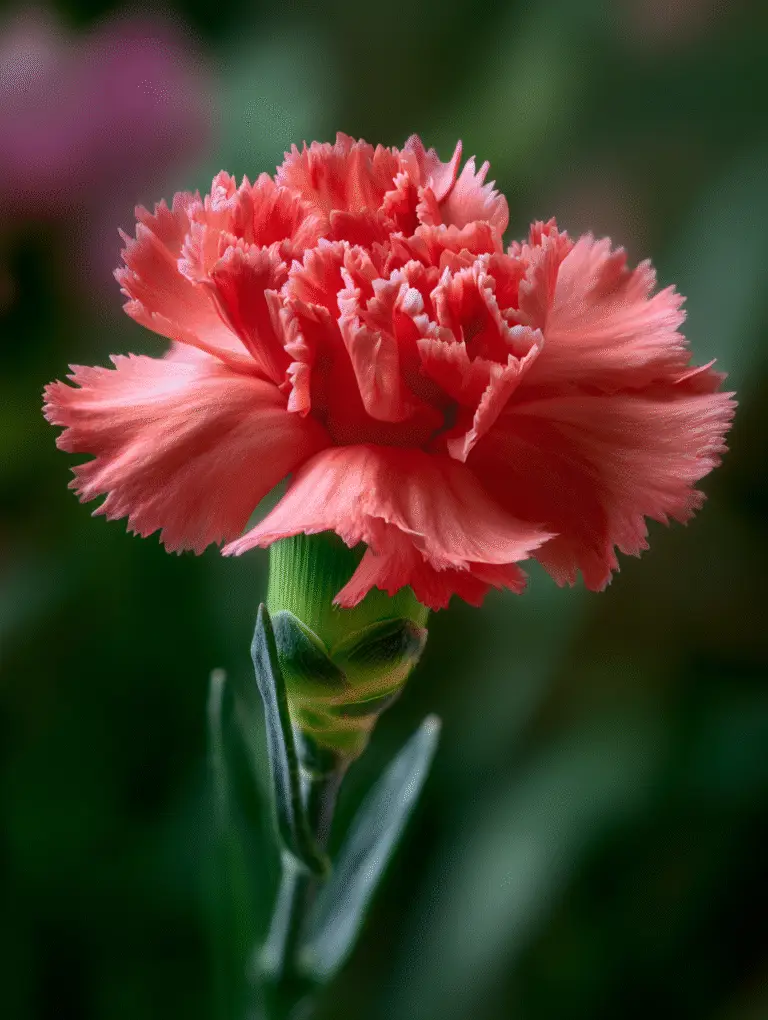 In-depthCarnationDianthus caryophyllusLove, fascination, and distinction, in a gentle, devoted register rather than romantic fire. It is the classic worldwide Mother's Day flower, the emblem of steady, durable affection you feel for family and the people who have been good to you for years.
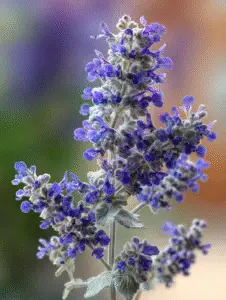 CatmintNepeta x faasseniiCatmint traditionally stands for charm and a light, intoxicating happiness, the giddy kind of affection that goes straight to your head.
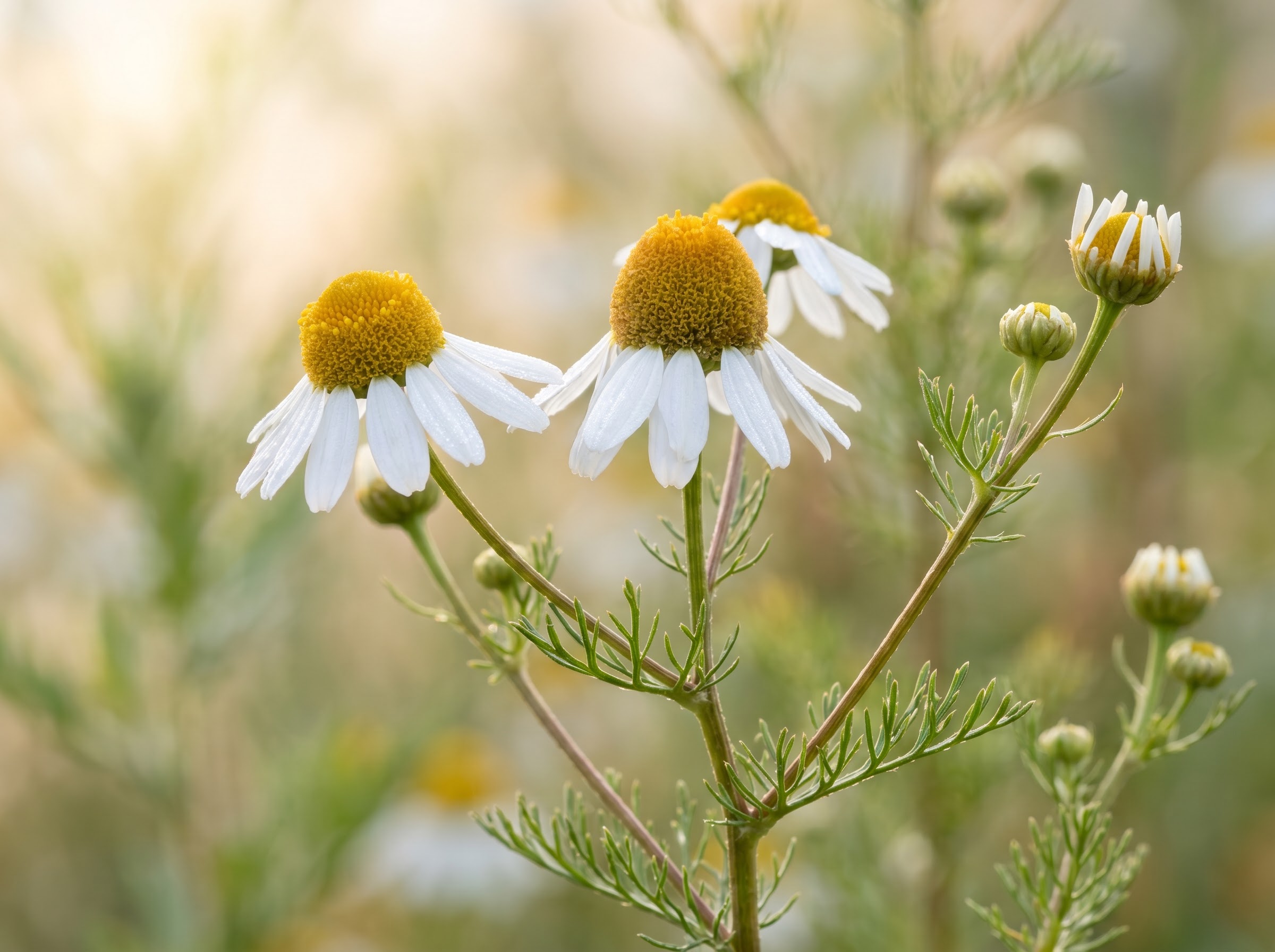 ChamomileChamomile traditionally stands for patience through a hard time and quiet strength, which is why it reads naturally as a get-well or "rest and recover" flower today.
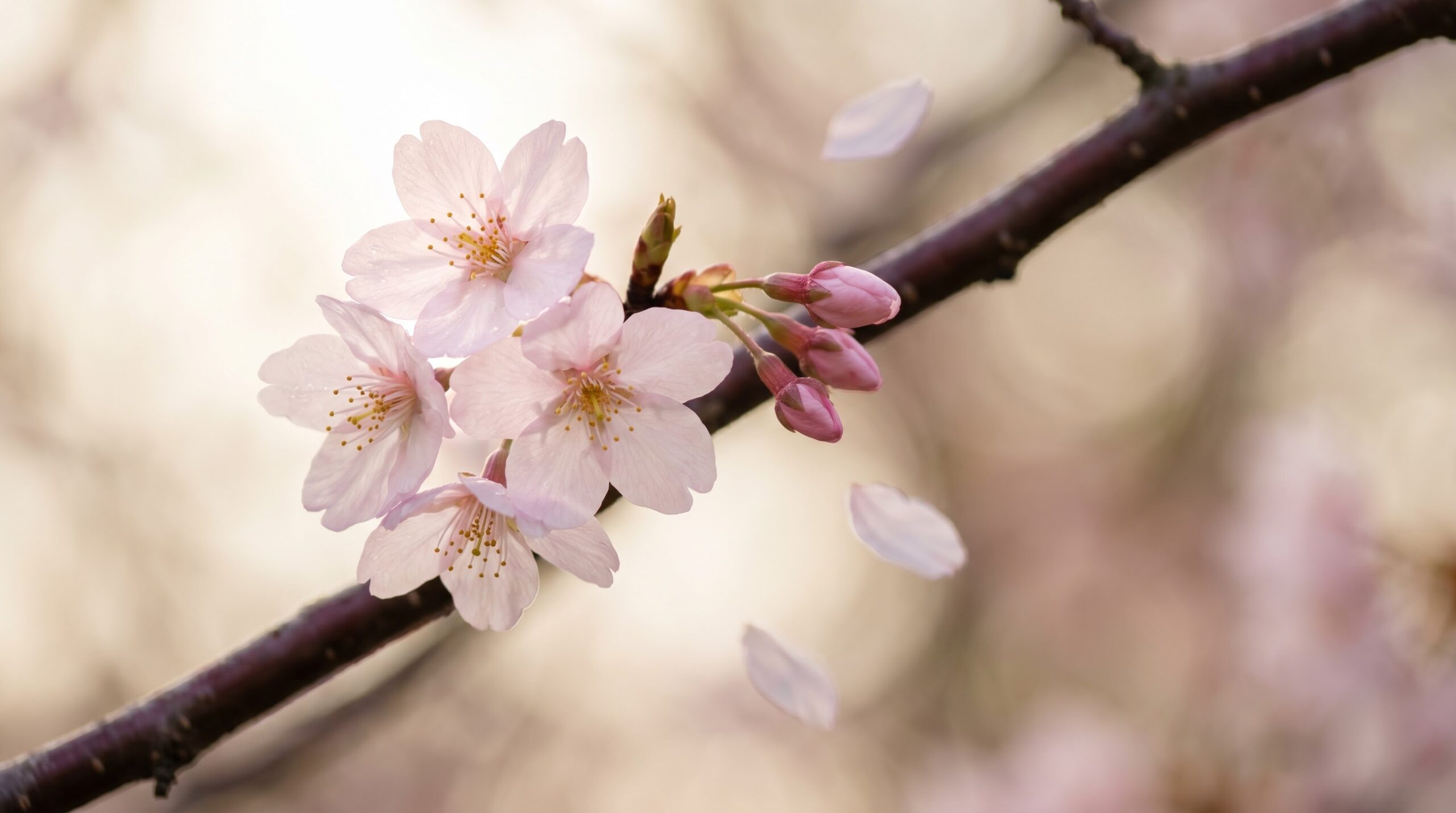 In-depthCherry blossomThe beauty and brevity of life caught in one breath: a flower that is dazzling and gone in about two weeks, so it stands for renewal and spring and for a gentle, fleeting kind of love rather than grief.
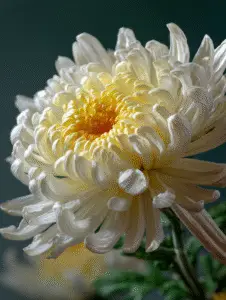 In-depthChrysanthemumChrysanthemum × morifoliumAt its core the chrysanthemum means long life, friendship, joy, and loyalty, but the reading flips by country: warm longevity and good cheer across Asia and the United States, and a funeral and remembrance flower across much of Europe.
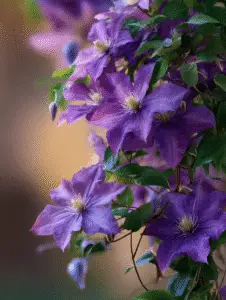 ClematisClematisClematis traditionally stands for mental beauty and a clever, inventive mind.
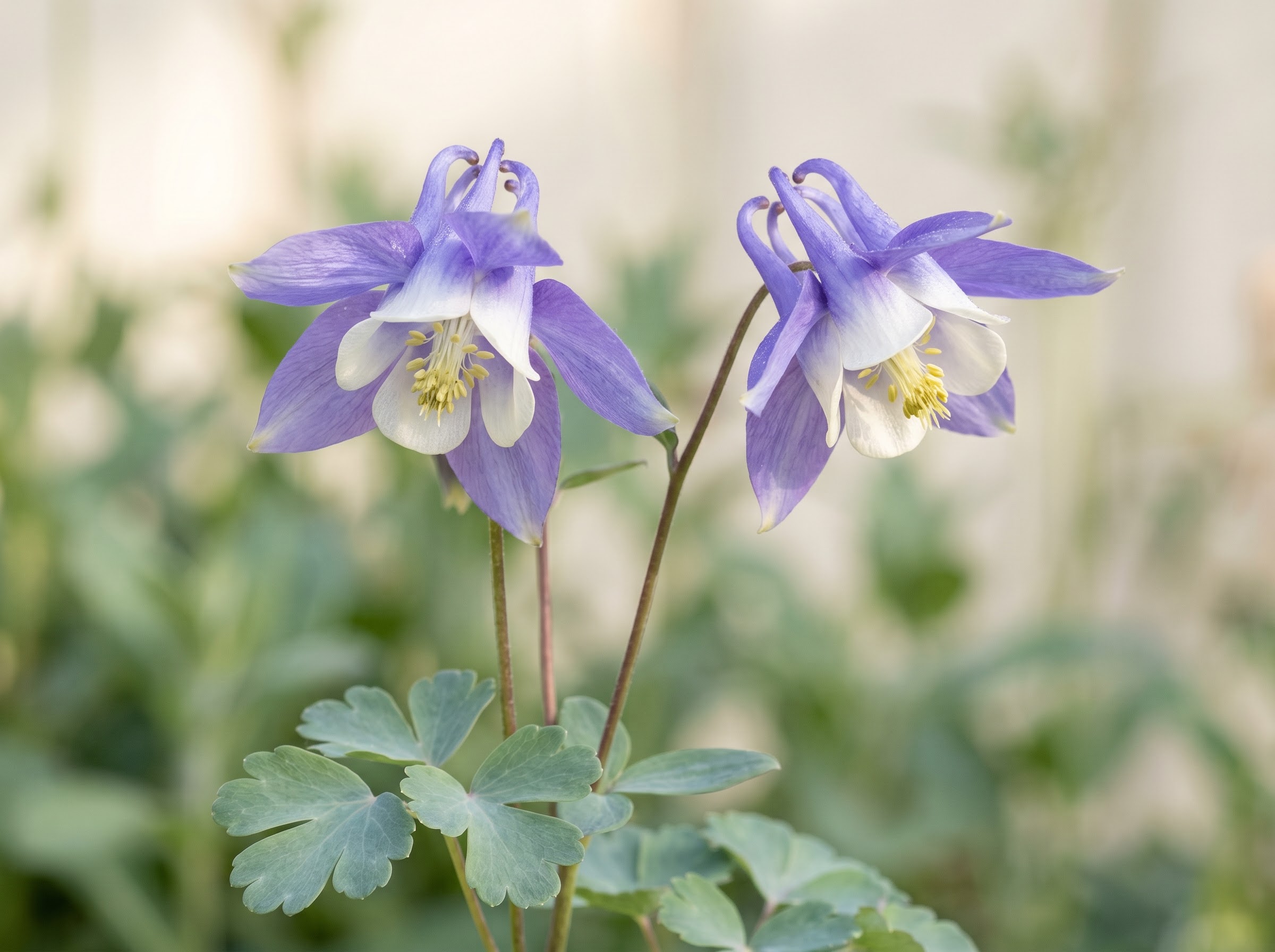 ColumbineToday columbine is usually read as a flower of courage and quiet aspiration, though older flower books gave it almost the opposite sense, so the meaning depends entirely on which tradition you follow.
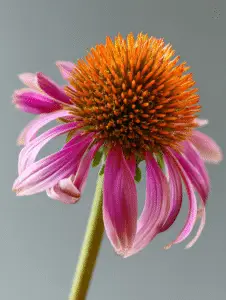 ConeflowerEchinacea purpureaToday the coneflower usually stands for strength, health, and healing, an association that grows straight out of echinacea's long real-world use as a medicinal plant.
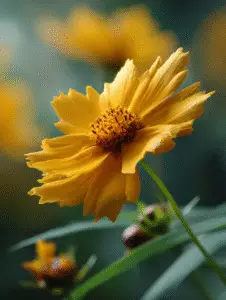 CoreopsisCoreopsis grandiflora / C. lanceolata / C. verticillataCoreopsis is the cheerful daisy, traditionally read as good spirits and a love that strikes at first sight.
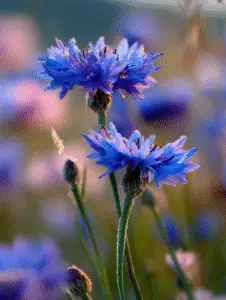 CornflowerCentaurea cyanusThe cornflower stands for hope in love and quiet devotion, the small blue flower a hopeful suitor once wore to show his feelings.
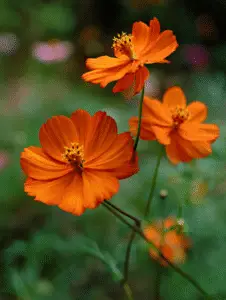 CosmosCosmos bipinnatusCosmos traditionally stands for order, harmony, and peace, an association often traced to its name, from the Greek kosmos for a beautiful, well-ordered whole.
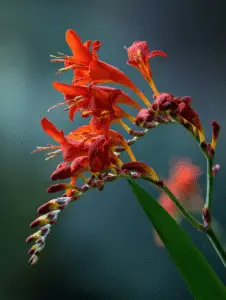 CrocosmiaCrocosmia × crocosmiiflora / Crocosmia 'Lucifer'In today's casual flower language its fiery red-orange sprays are read as bold confidence and warmth, a "go and shine" kind of energy, though this is a recent garden-trend reading rather than an old tradition.
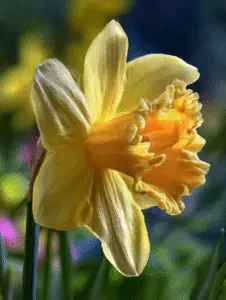 In-depthDaffodilNew beginnings, rebirth, and hope. As one of the first flowers to push up after winter, the daffodil reads as a corner being turned: recovery, a fresh chapter, the relief of a long wait ending. It is a flower of warm affection and good wishes rather than romance.
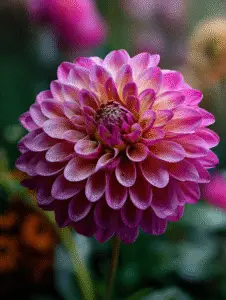 DahliaDahlia pinnataIn modern floriography the dahlia is usually read as dignity, elegance, and a graceful, lasting bond that stays committed under pressure.
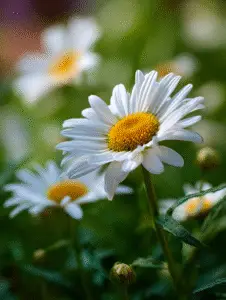 In-depthDaisyGerbera jamesoniiInnocence and purity above all, plus a loyal, faithful kind of true love and the idea of new beginnings, which grows out of the flower opening with the morning light. Gentle and positive throughout, with no dark reading, which makes it safe to give almost anyone.
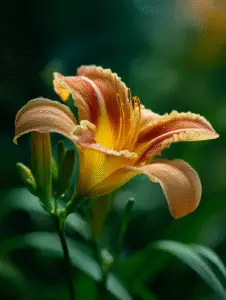 DaylilyHemerocallisToday the daylily is most often tied to motherhood and devotion, drawing on a Chinese tradition in which it was given to mothers as the flower that eases their worries.
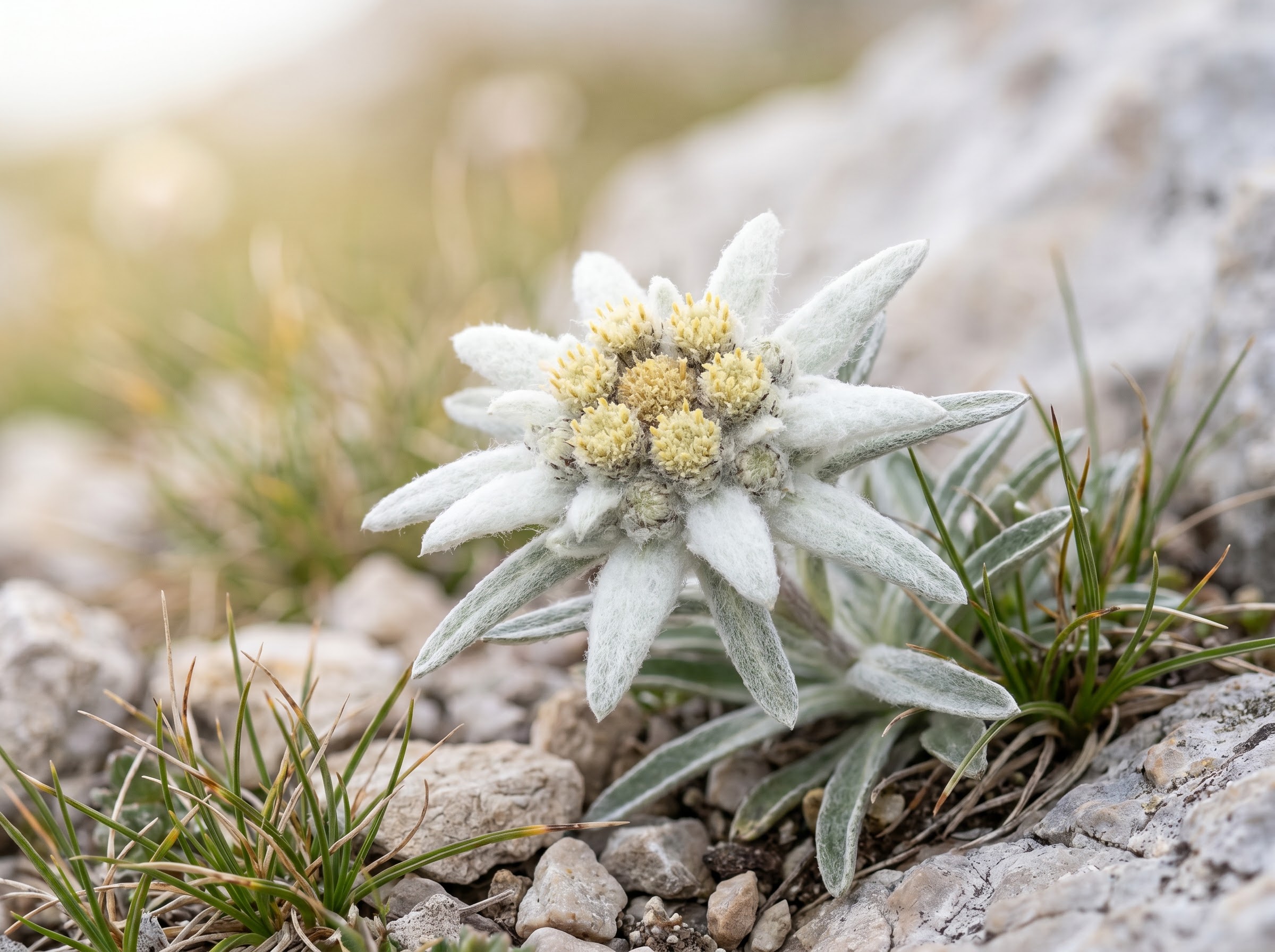 EdelweissEdelweiss is traditionally read as courage and devoted, daring love, a meaning tied to the way it grows on high alpine cliffs, where reaching it was once taken as proof of bravery. This is alpine folk tradition rather than a securely documented floriography entry, so it is best treated as a charming custom, not settled fact.
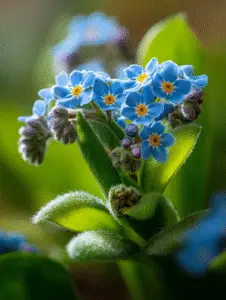 Forget-me-notMyosotis sylvaticaRemembrance, faithful love, and a quiet promise not to forget, a meaning carried in the flower's own name across many languages.
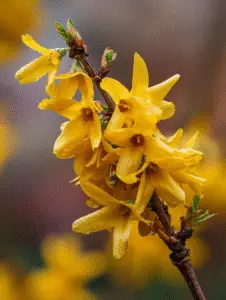 ForsythiaForsythia × intermediaForsythia stands for anticipation and the first promise of spring, the feeling of good things on the way.
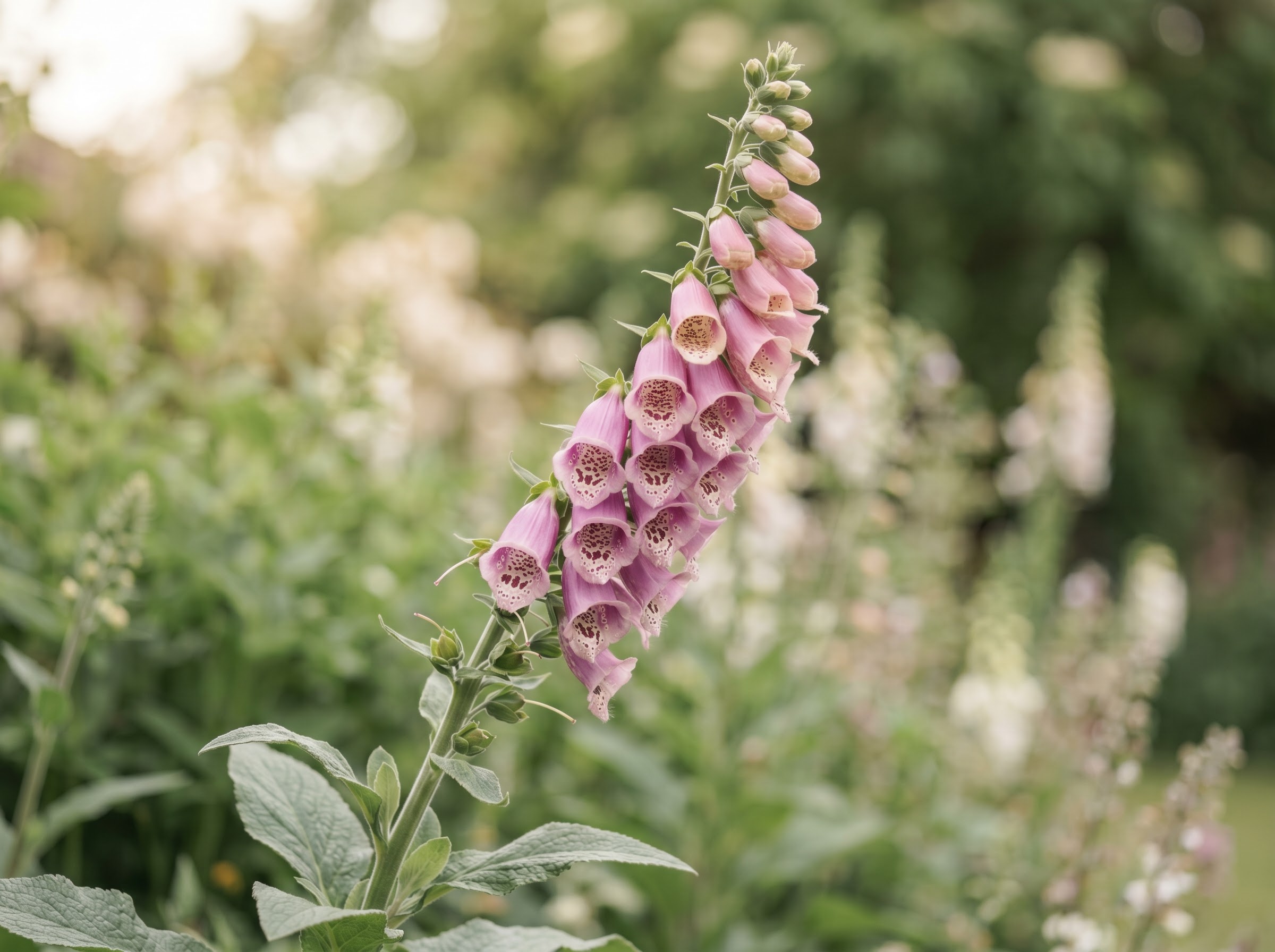 FoxgloveFoxglove traditionally stands for insincerity, an odd note for a flower that looks so stately and protective, and one worth remembering since every part of the plant is genuinely poisonous.
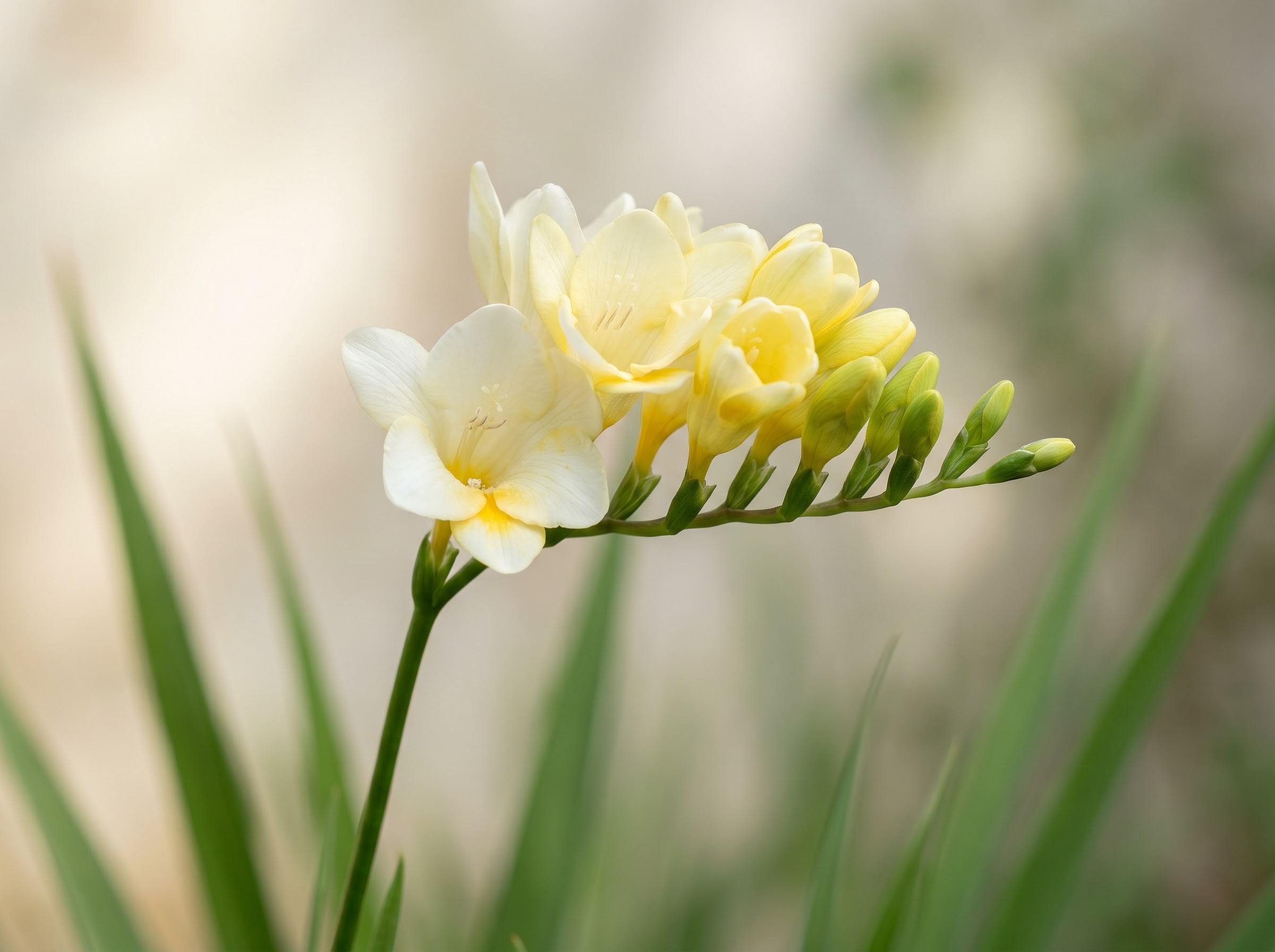 FreesiaFreesia traditionally stands for trust and friendship, the kind of innocent, faithful bond you give to someone you rely on.
 GardeniaGardenia jasminoidesThe gardenia traditionally carries a quiet, unspoken love along with purity and sweetness, the kind of bloom that says "you are lovely" without saying it out loud.
 GentianGentiana acaulis (Stemless/Trumpet Gentian); genus GentianaGentian is traditionally given to say you love someone through their sadness, and to honor a person's quiet, intrinsic worth.
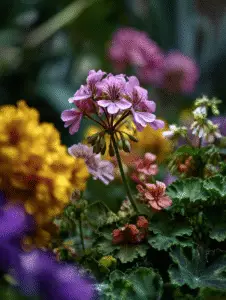 GeraniumPelargonium x hortorumToday the geranium usually reads as steady, easygoing friendship, with a side note of good health and gentle comfort.
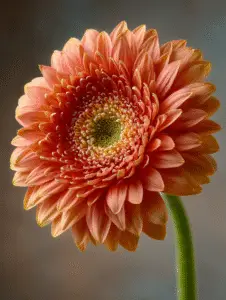 Gerbera daisyGerbera jamesoniiThe gerbera daisy stands for cheerfulness and innocent joy, which is why it reads as a happy, low-stakes flower to give.
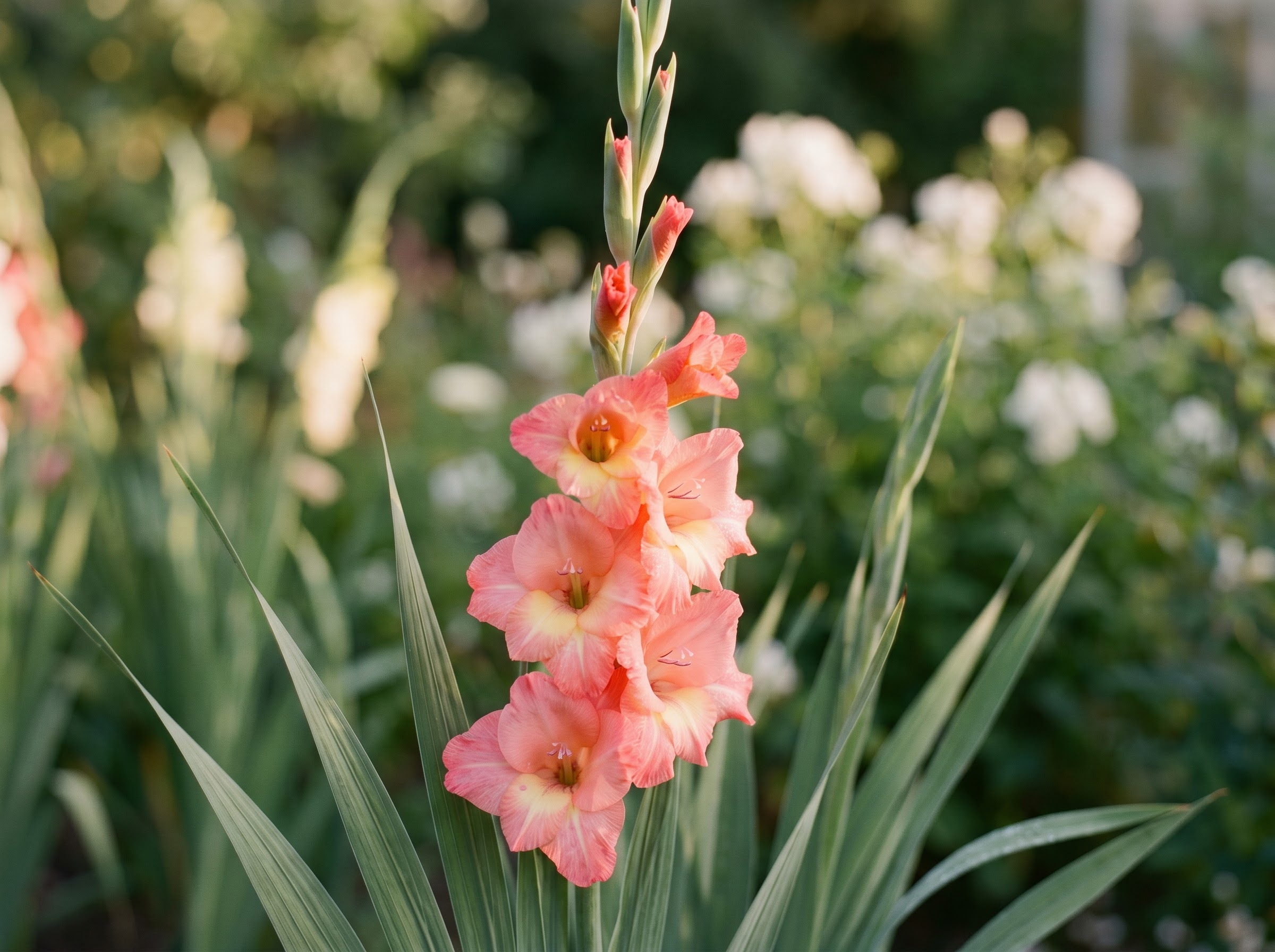 GladiolusToday the gladiolus is most often read as a flower of strength of character, integrity, and honor, and its old "sword lily" lore adds the romantic note "you pierce my heart."
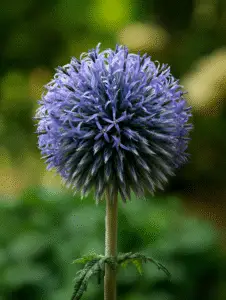 Globe thistleEchinops ritroThe globe thistle stands for resilience, protection, and a kind of independent, prickly strength, borrowing the old thistle meaning of standing your ground.
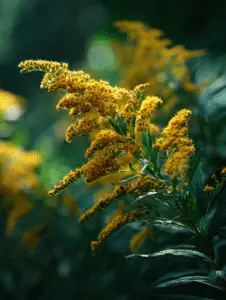 GoldenrodSolidago canadensis (Canada goldenrod); genus SolidagoGoldenrod traditionally carries encouragement and the sense that good fortune is on its way, which makes it a quiet way to wish someone luck before something big.
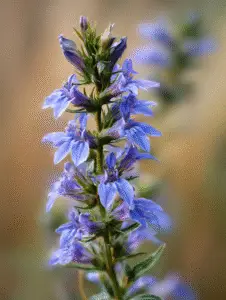 Great blue lobeliaLobelia siphiliticaLobelia is most often read today as distinction and quiet dignity, a flower for someone who stands apart.
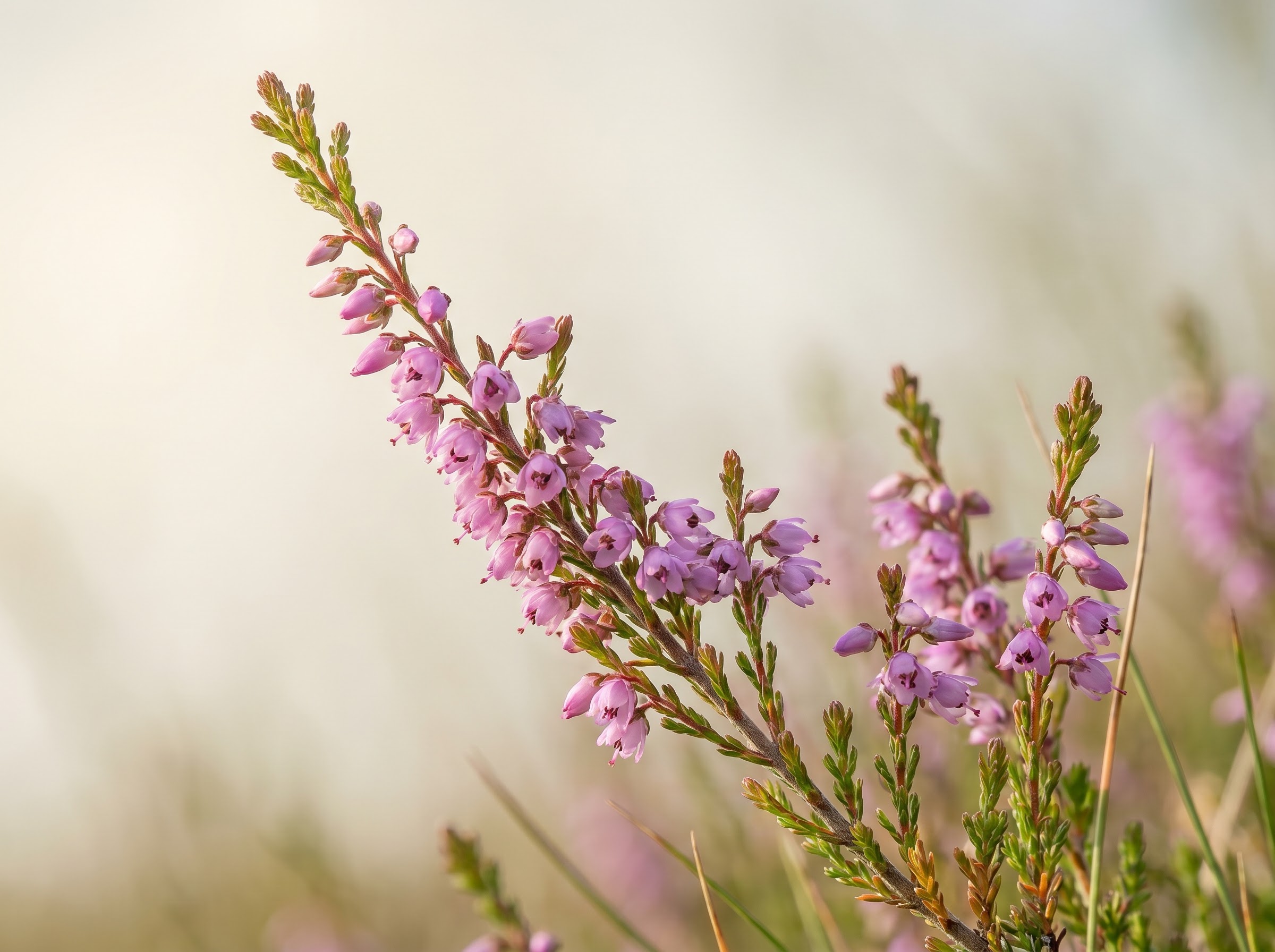 HeatherHeather is given today as a small token of admiration and good luck, and the white kind is the one people single out as a charm for protection and wishes.
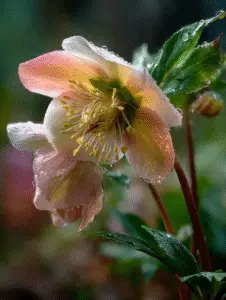 HelleboreIn modern florist and gift use, hellebore tends to stand for calm, serenity, and quiet hope, partly because it blooms in the dead of winter when little else does.
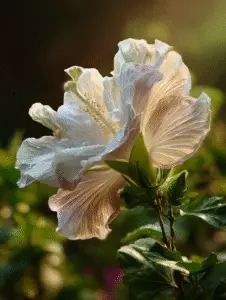 HibiscusHibiscus rosa-sinensisHibiscus is read today as a flower of delicate beauty and bright, fleeting joy, and in some Pacific island cultures a worn bloom can quietly signal whether someone is romantically available.
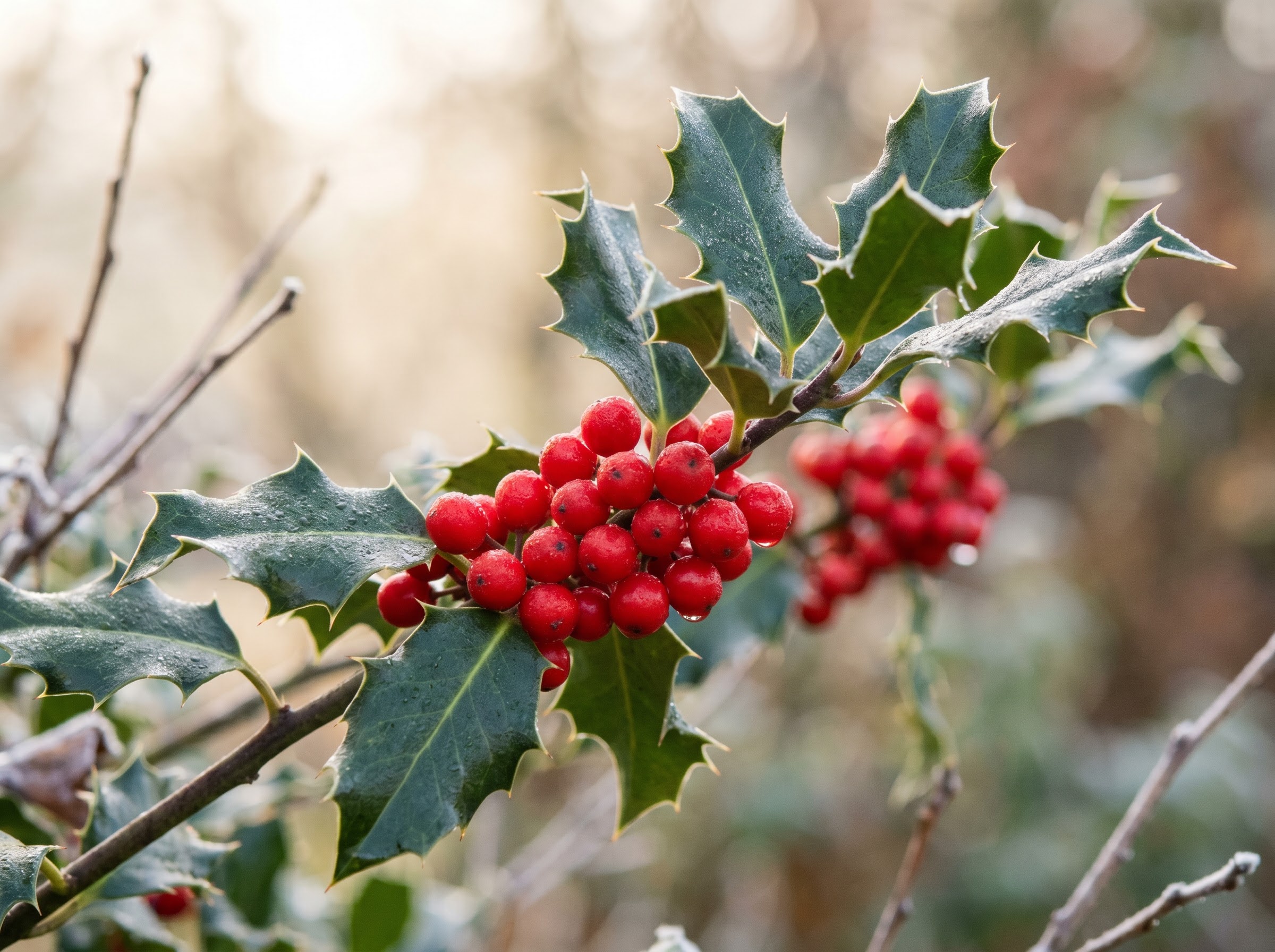 HollyHolly stands for protection, defense, and a warm, well-guarded home, with a sense of foresight that carries through the darkest part of winter.
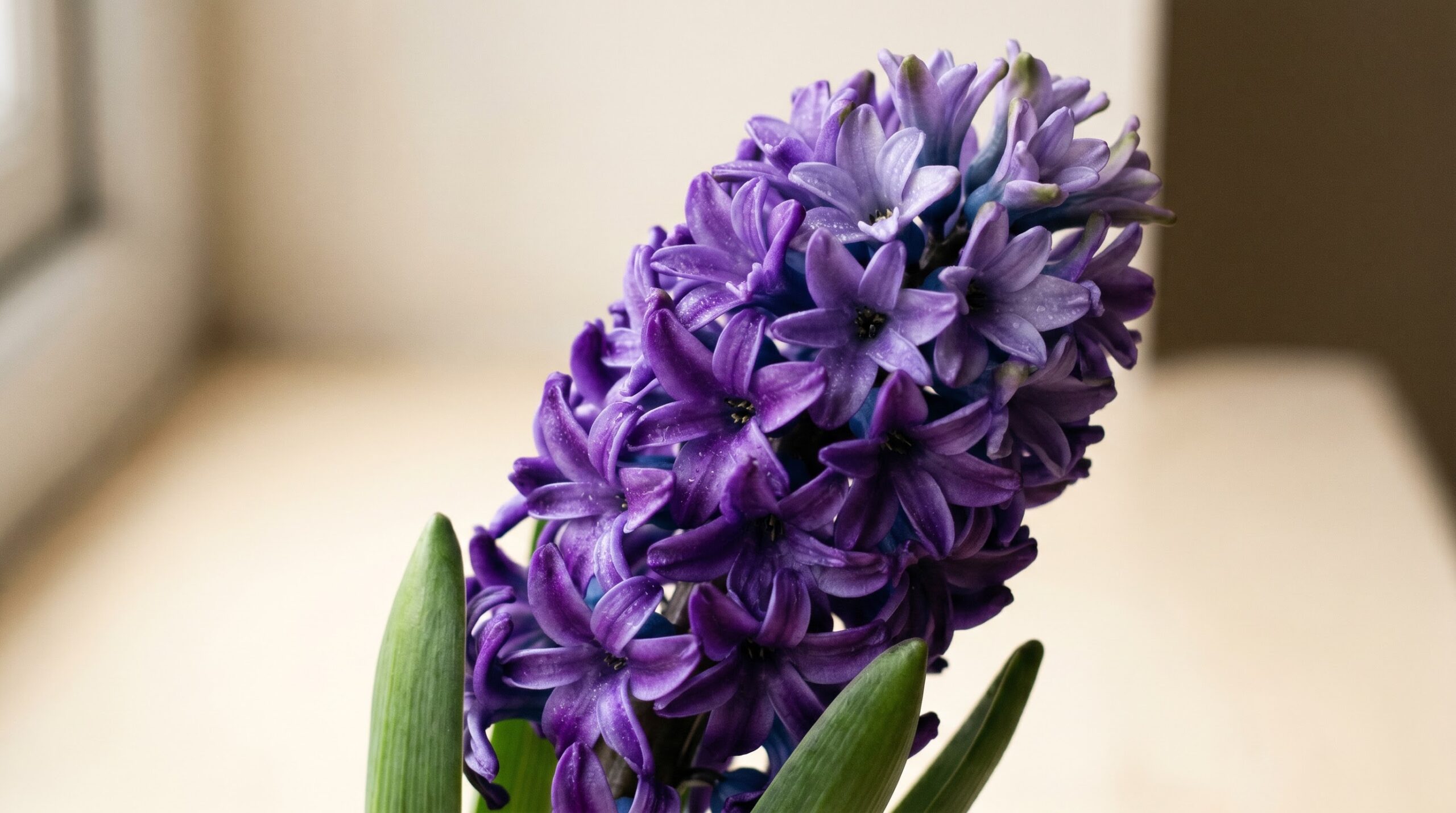 In-depthHyacinthAt its core the hyacinth means playfulness and sincerity, a fresh, fragrant spring flower; the purple kind is the classic flower of apology, while the colour decides whether the message lands as playful or sorrowful.
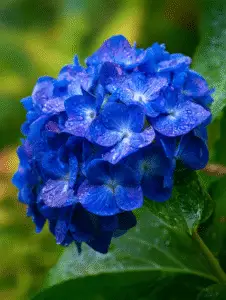 In-depthHydrangeaHydrangea macrophyllaToday a hydrangea says thank you, sincerely and from somewhere real: heartfelt, genuine emotion and gratitude, often pointed specifically at understanding ("thank you for getting it"). It reads as warm, settled appreciation rather than grand romance, which suits the people you are quietly grateful to.
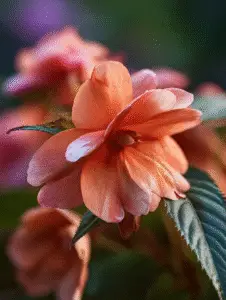 ImpatiensImpatiens wallerianaToday impatiens reads mostly as a friendly, homey flower, with florist and almanac lists tying it to motherly love and a warm welcome, while its older, more literal sense of impatience still lingers.
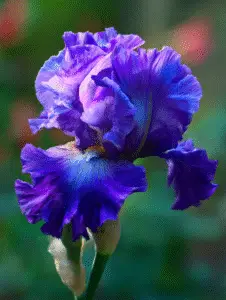 In-depthIrisIrisFaith, hope, wisdom, and courage, with the older idea of a message running underneath, which is why an iris suits good news, encouragement, and congratulations more than romance.
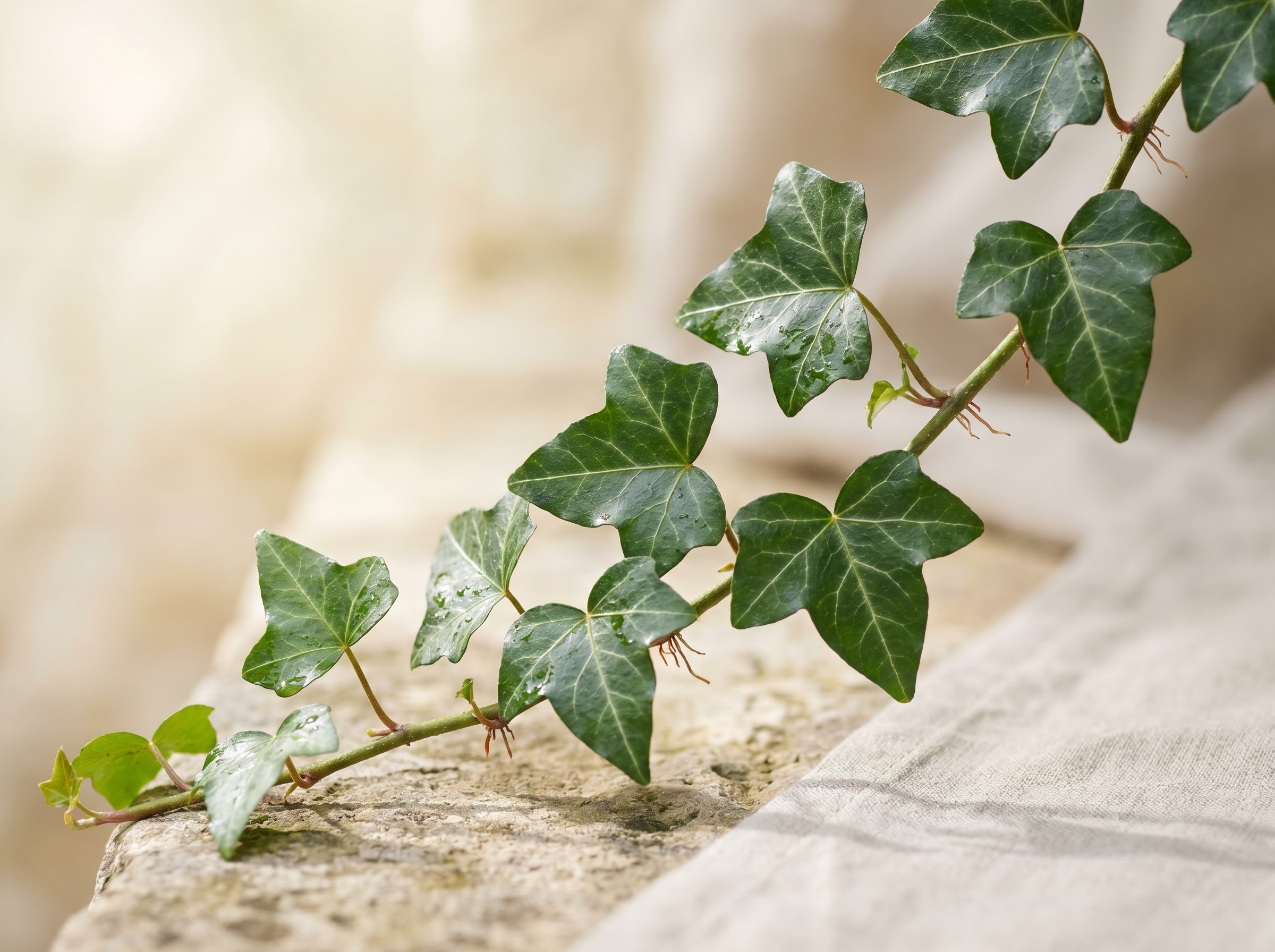 IvyIvy traditionally means fidelity, friendship, and lasting attachment, its clinging evergreen growth read as a bond that holds fast and endures.
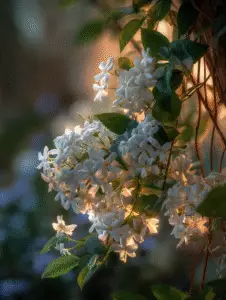 JasmineJasminum officinaleJasmine traditionally stands for love, sweetness, and sensual attachment, with the white kind read as grace and modesty.
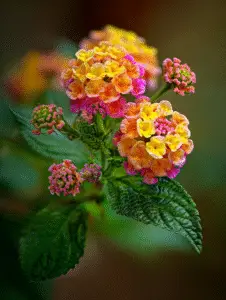 LantanaLantana camaraLantana stands for rigor and standing firm, a polite way to say a mind is made up; in everyday gifting today it reads mostly as bright, cheerful color rather than a fixed message.
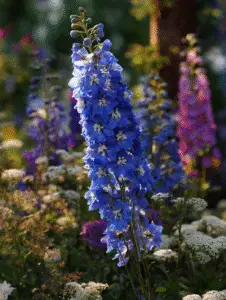 Larkspur (Delphinium)Larkspur traditionally signals an open heart and lighthearted affection, and today it is best known as the July birth flower.
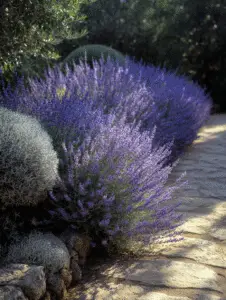 In-depthLavenderLavandula angustifoliaCalm above all: serenity, rest, healing, and a soft, steady devotion, the love of long care rather than sudden passion, carried with a quiet grace. Lavender is more a mood than a fixed message, and the mood is one of settling, slowing, and being looked after.
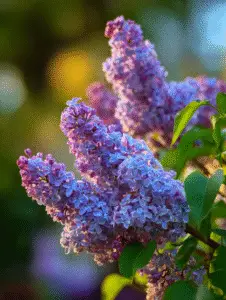 LilacSyringa vulgarisToday the lilac is read as the flower of first love, with its scent often standing in for the nostalgia and the fresh, hopeful start of spring.
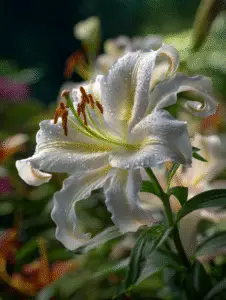 In-depthLilyAgapanthus praecoxAt its core a lily means purity, devotion, and renewal, with the colour tuning the message; the white lily is the leading sympathy and funeral flower across much of the world.
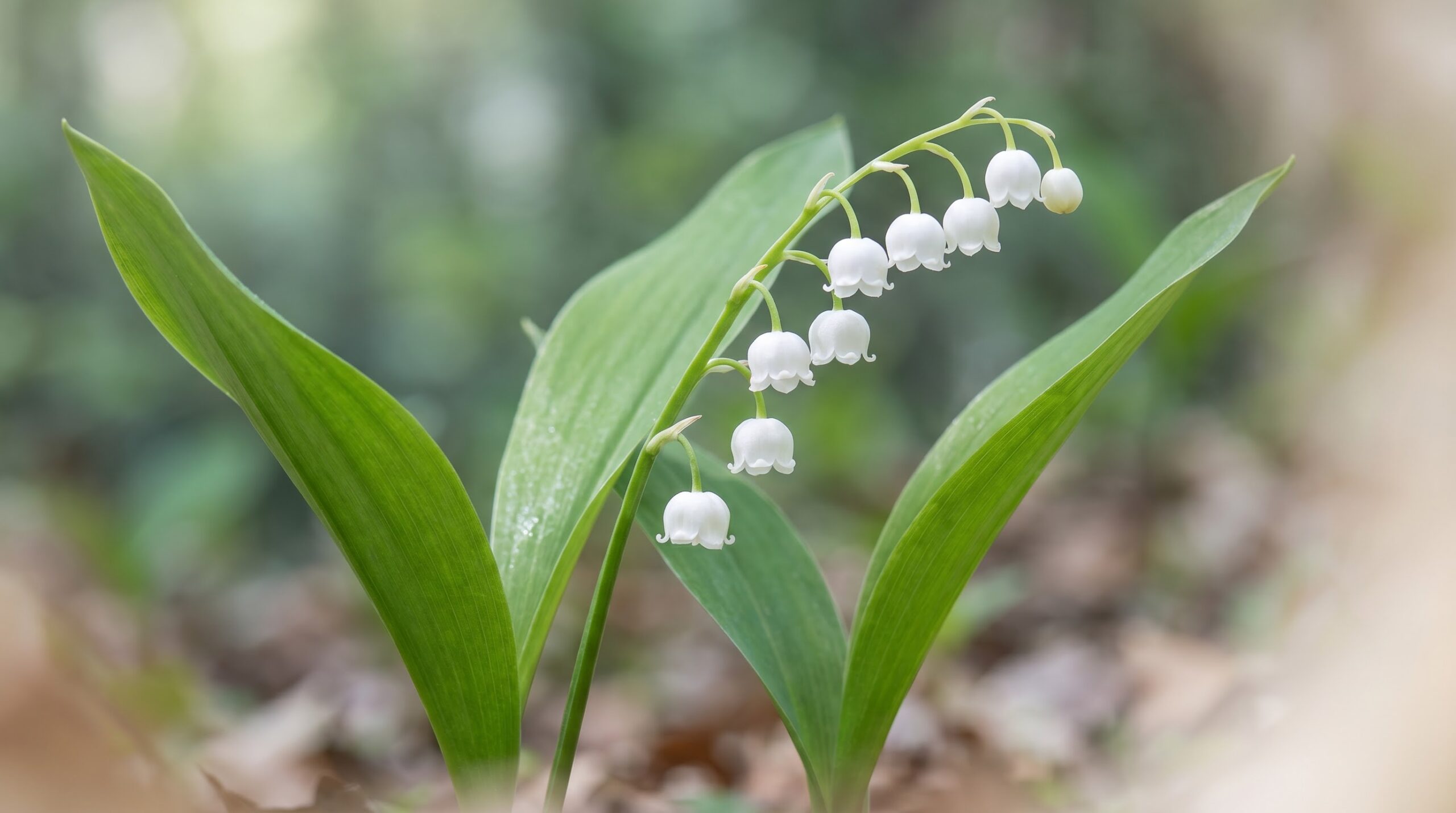 In-depthLily of the valleyThe return of happiness, with sweetness and humility close behind, and at its warmest the sentiment "you have made my life complete." Blooming in spring around May after winter, it reads as joy coming back; it is one of the few flower meanings nearly everyone agrees on.
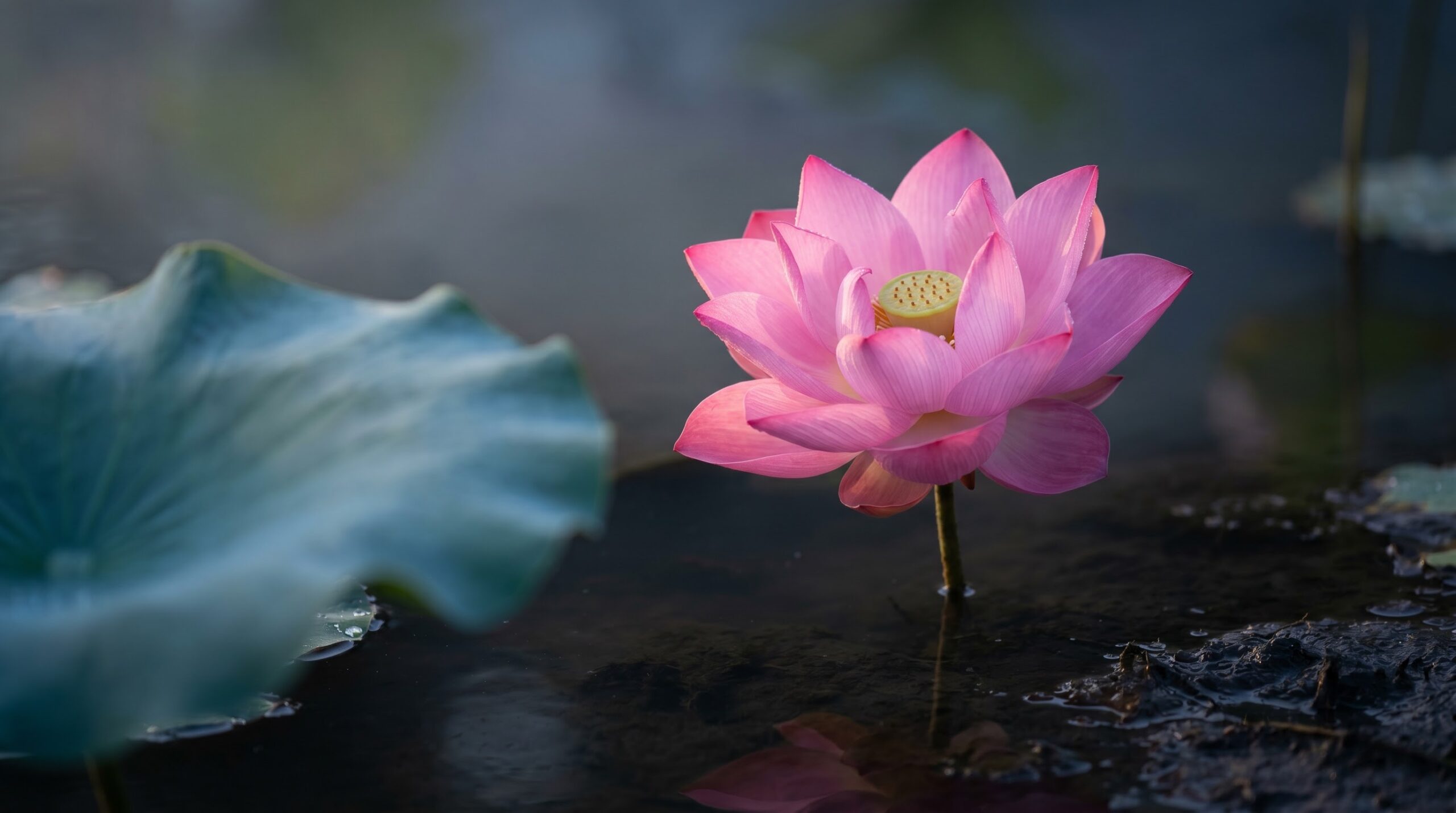
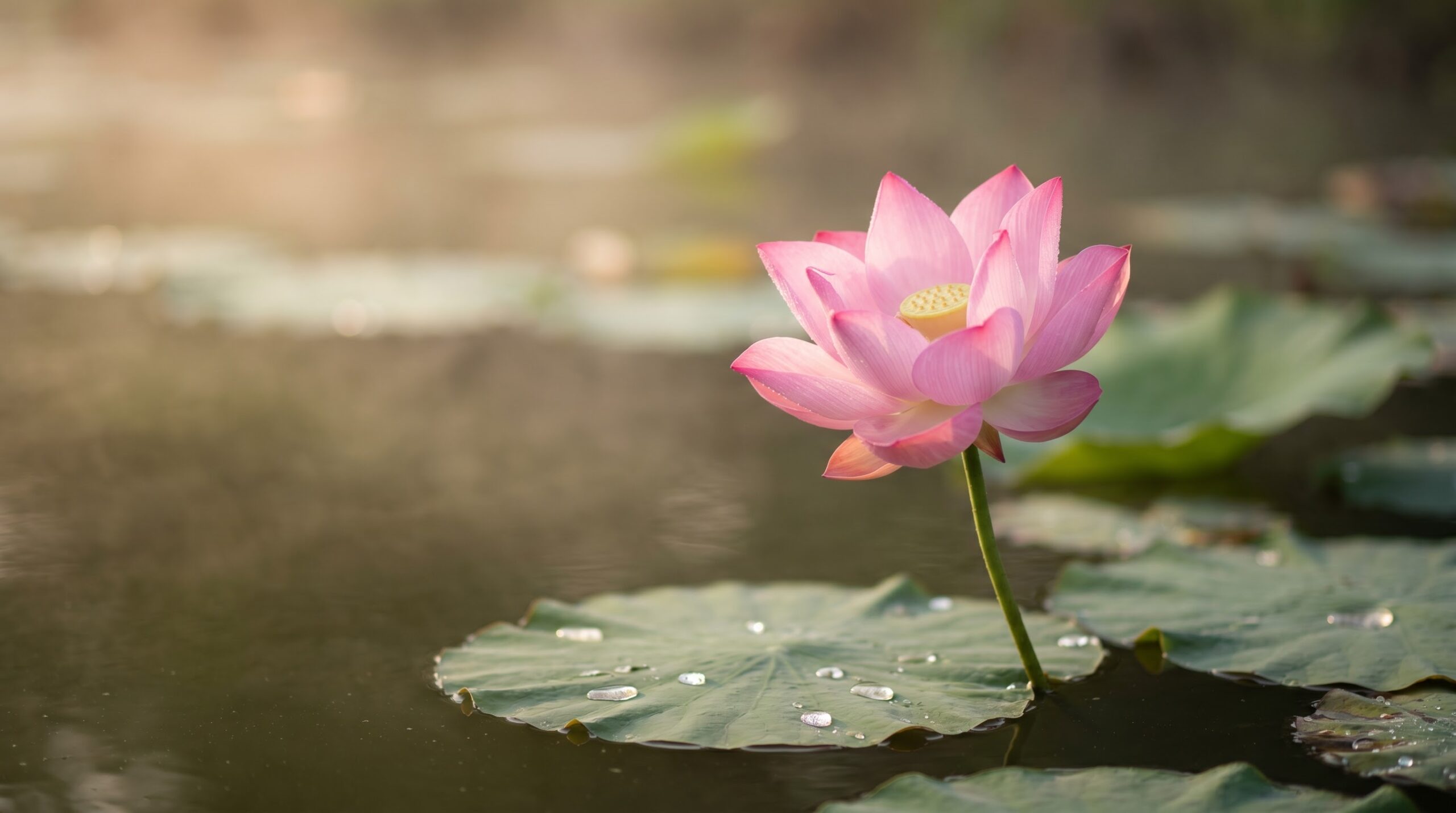 In-depthLotusPurity, enlightenment, and rebirth. The lotus roots in pond mud, pushes up through murky water, and opens a flawless bloom at the surface, so it reads as rising clean above hardship. From that grow its everyday senses of resilience, peace, healing, and fresh starts.
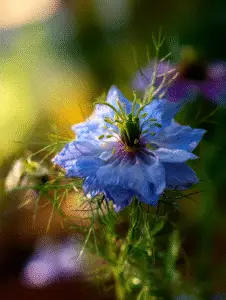 Love-in-a-mistNigella damascenaIt traditionally stands for mystery and the sweet bewilderment of new love, a gentle way of saying "you puzzle me."
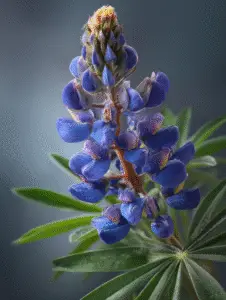 LupineLupinus polyphyllus (and Russell hybrids, Lupinus × hybridus)Lupine is traditionally tied to imagination and admiration, with a side note of inner strength and a happiness that comes from within.
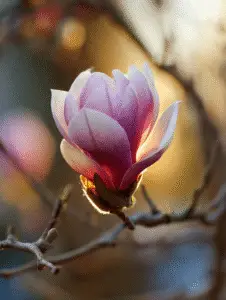 In-depthMagnoliaMagnolia grandifloraDignity, nobility, and perseverance: a quiet, composed strength that holds steady through hard seasons. In the American South it softens into gentle beauty, gentility, and grace. It reads as a flower of admiration and respect more than romance.
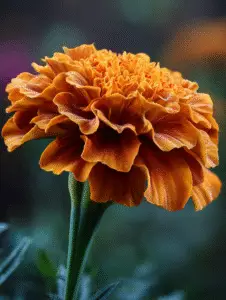 In-depthMarigoldTagetes erectaToday a marigold most often means warmth, creativity, and the sun, with a strong thread of remembrance running underneath. It is a cheerful, low-drama gift of brightness rather than a romantic flower.
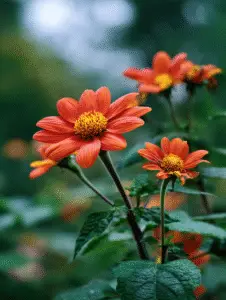 Mexican sunflowerTithonia diversifolia (page main text) / T. rotundifolia (page infographic)The Mexican sunflower takes its cue from the common sunflower, standing for adoration and warmth and that bright, generous, sun-following energy.
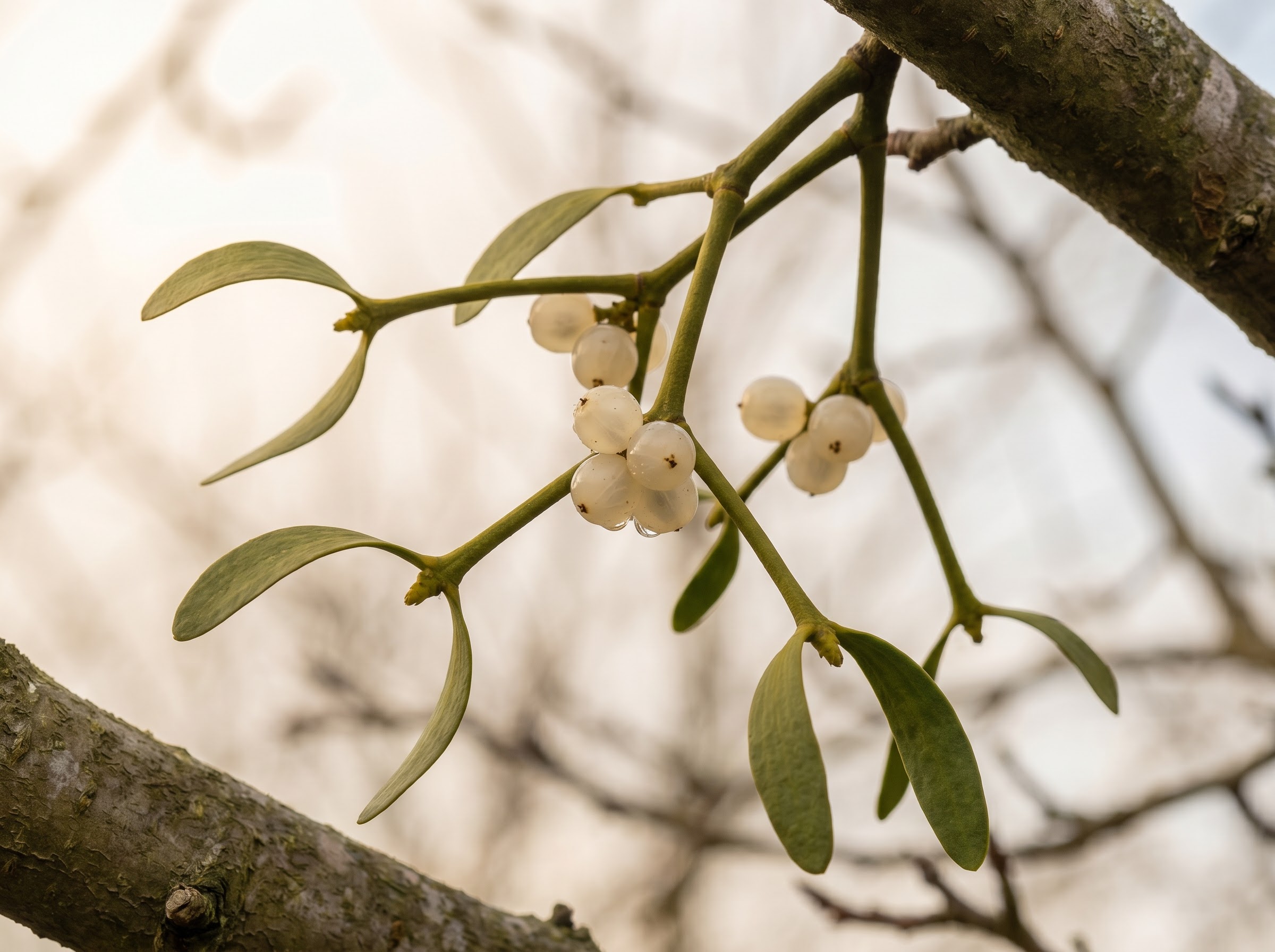 MistletoeToday mistletoe reads as a holiday invitation to affection, the sprig you kiss beneath at Christmas, with an older thread of love and resilience that endures through winter.
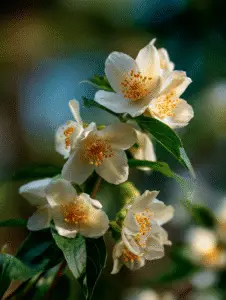 Mock orangePhiladelphus coronarius / P. x virginalisIt is usually tied to memory, nostalgia and brotherly affection, carried by a scent that smells like orange blossom without being citrus.
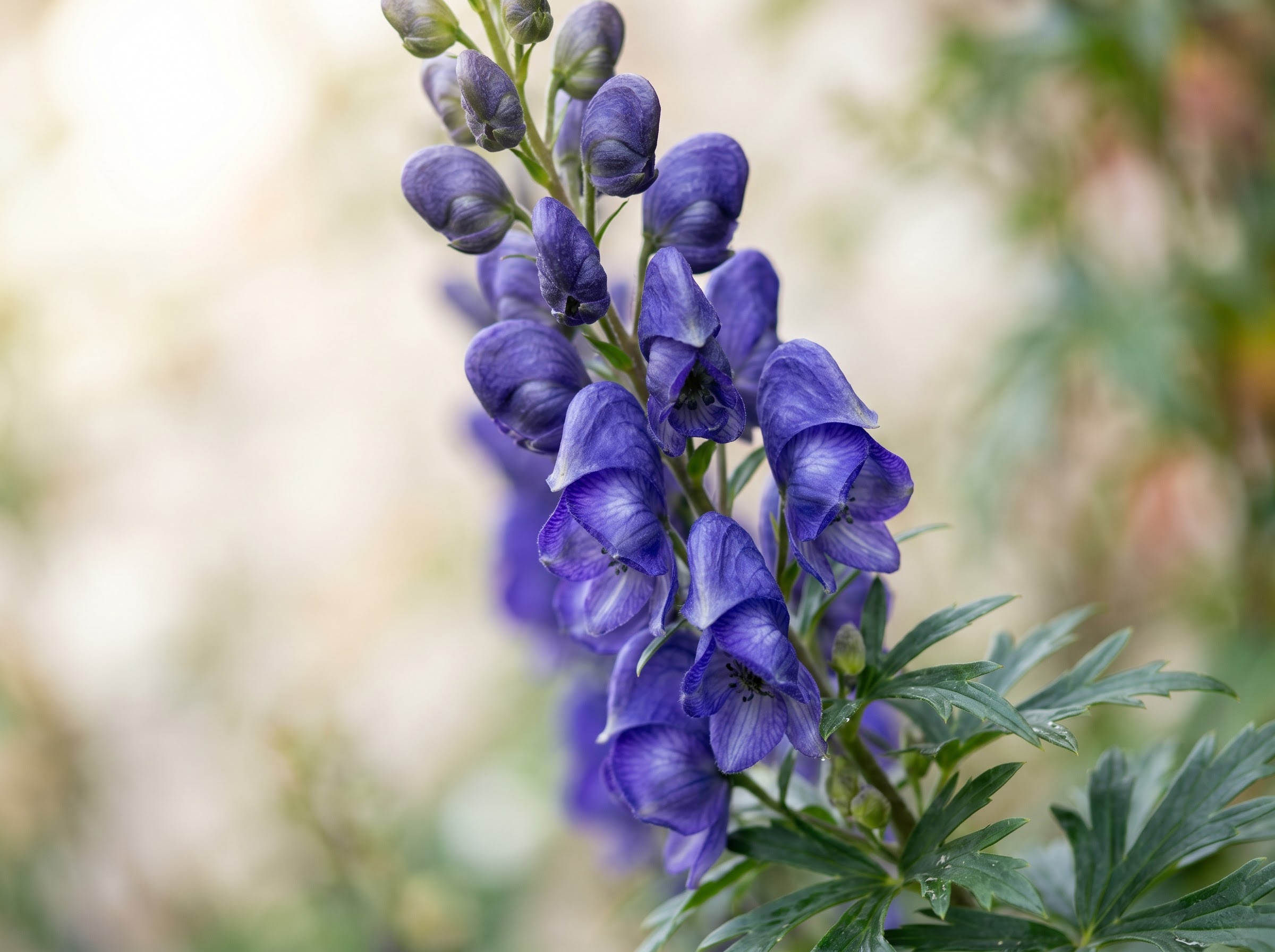 MonkshoodMonkshood is read as a blunt warning, a way of saying that danger or a hostile presence is close, a reputation it earned because the plant itself is one of the most poisonous things you can grow.
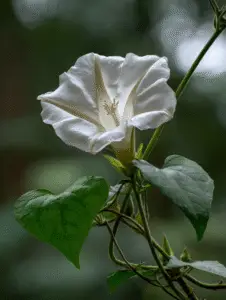 MoonflowerIpomoea albaTraditionally a flower of dreaming love, mystery, and the night, since its huge white blooms open only after dark.
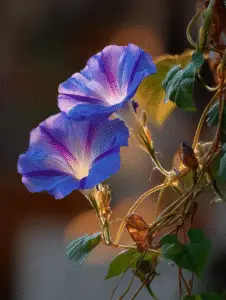 Morning gloryIpomoea purpurea / Ipomoea tricolorAffection, and the bittersweet idea that beauty is fleeting; each bloom opens and fades within a single morning, so it often stands for love that does not last or is not returned.
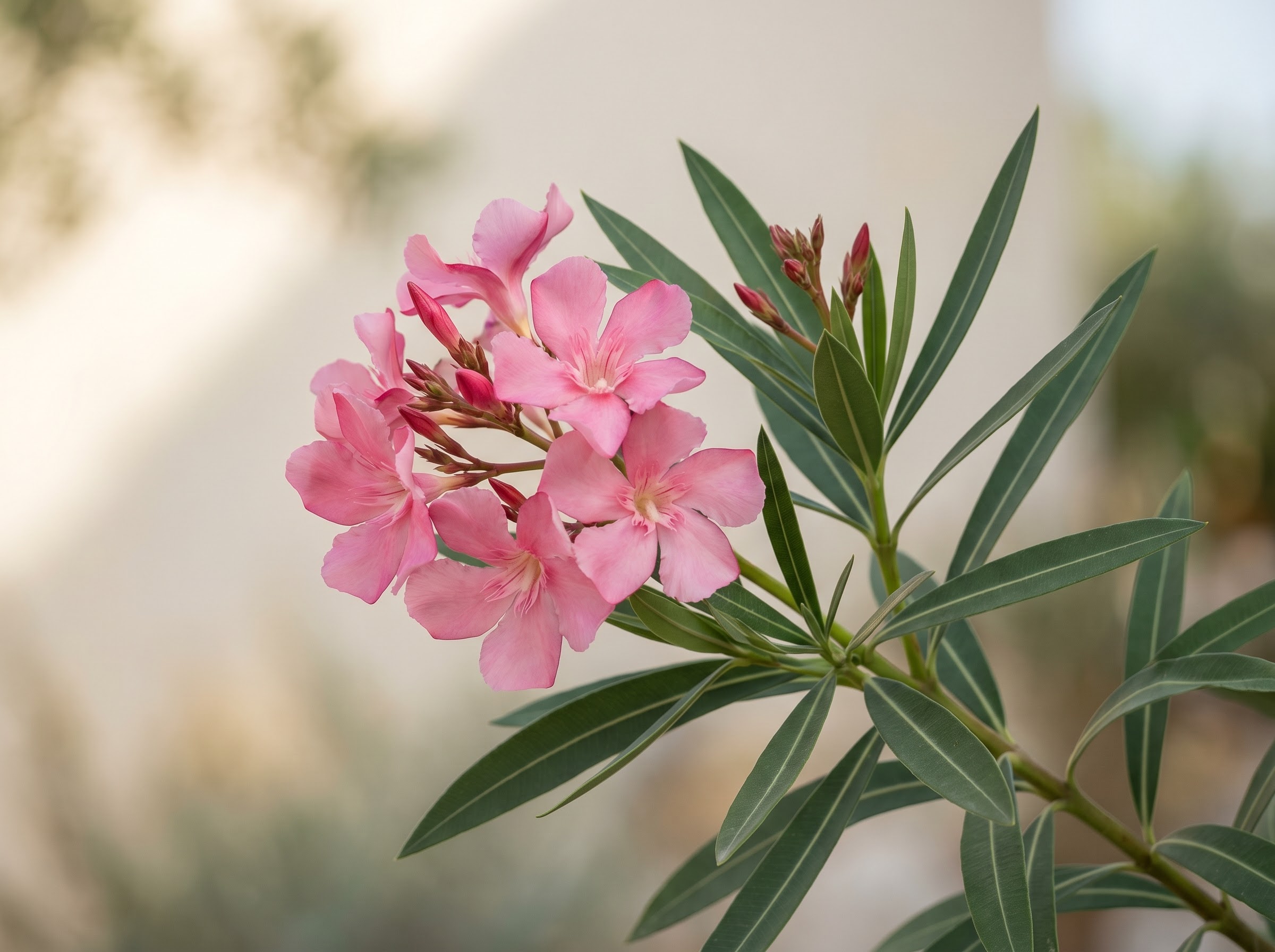 OleanderA beautiful warning: oleander traditionally says "caution" or "be careful," fitting for a showy shrub that is poisonous in every part.
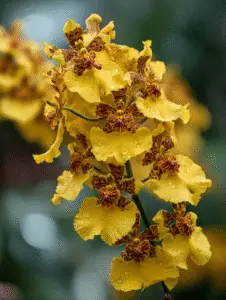 Oncidium orchidOften read as joy, playfulness, and lighthearted charm, a meaning that grows straight out of its common name, the "dancing lady" orchid, whose ruffled lip looks like a figure mid-twirl.
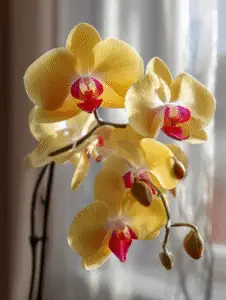 In-depthOrchidOncidiumLove, luxury, beauty, and strength, read as refined admiration more than open passion: the gift you give to say someone is rare and remarkable rather than simply that you love them.
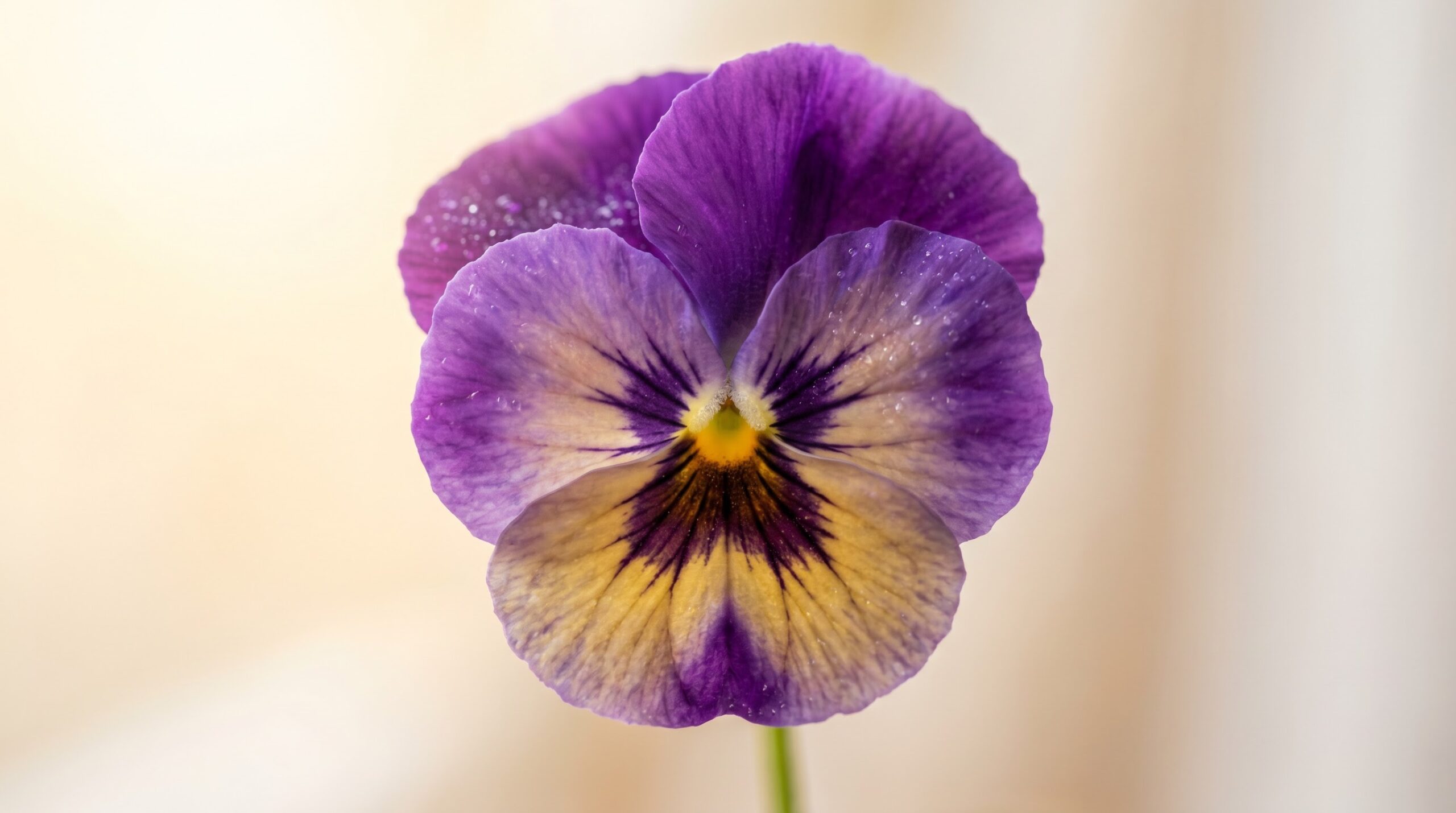 In-depthPansyLoving thoughts and remembrance, the message "I am thinking of you," a tender, missing-you kind of thinking aimed at one particular person. The name comes from the French pensee, meaning "a thought," so the symbolism is built into the name rather than layered on later.
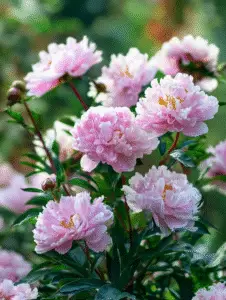 In-depthPeonyPaeonia lactifloraA wish for a happy, prosperous, love-filled life: romance, prosperity, good fortune, and a happy marriage. It is one of the most requested wedding flowers, and people also give it for engagements, anniversaries, and congratulations.
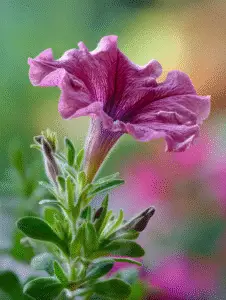 PetuniaPetunia x hybridaThe petunia is usually read as a soothing, comforting presence, the sense that someone's company puts you at ease.
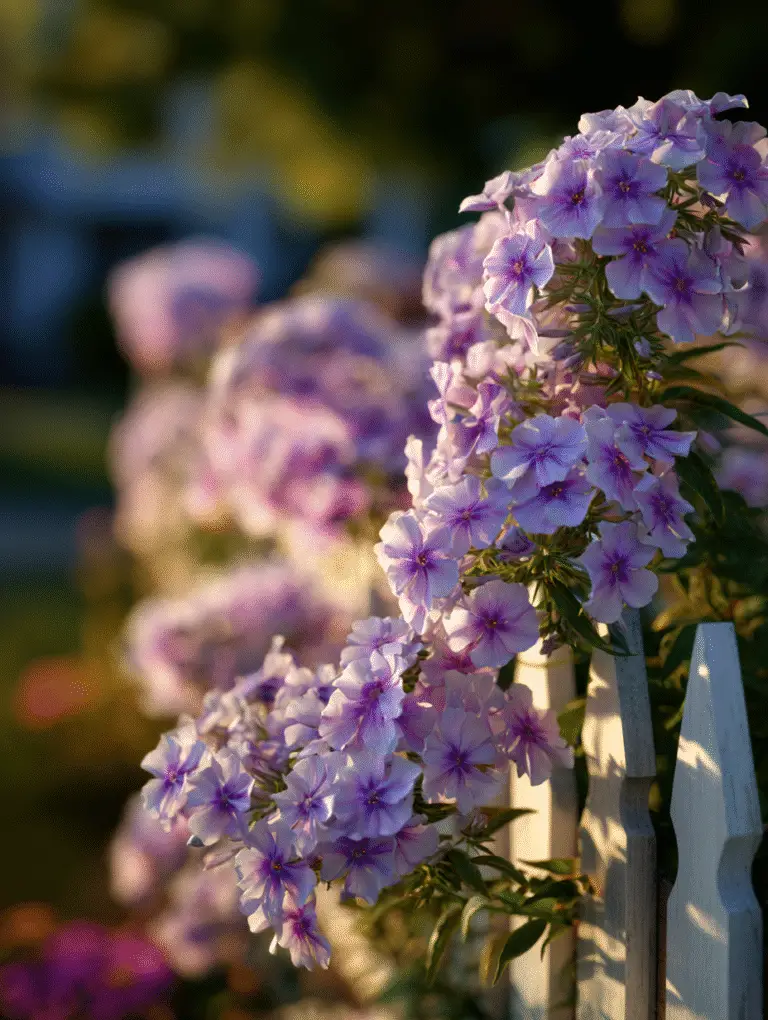 PhloxPhlox paniculataPhlox traditionally stands for harmony, unity, and partnership, summed up by the old phrase "our souls are united"; it is also linked to sweet dreams.
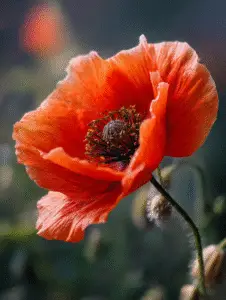 In-depthPoppyPapaverA poppy means remembrance and consolation, and the red poppy in particular is the flower worn and laid down to honor those who died at war; underneath that it carries an older, softer sense of restful sleep, dreams, and imagination.
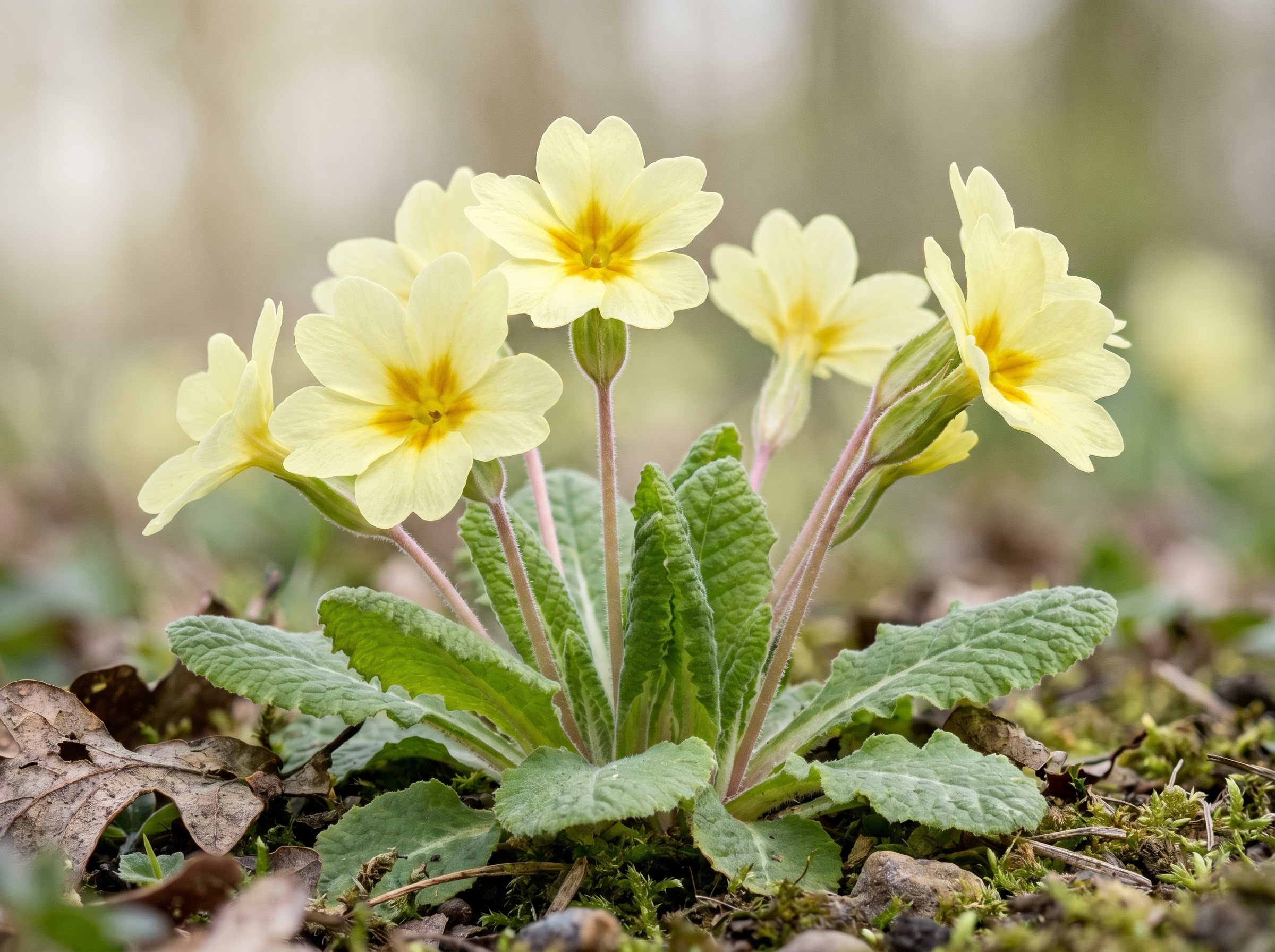 PrimroseThe primrose is the flower of young love and early devotion, traditionally read as a bashful, tender "I can't live without you."
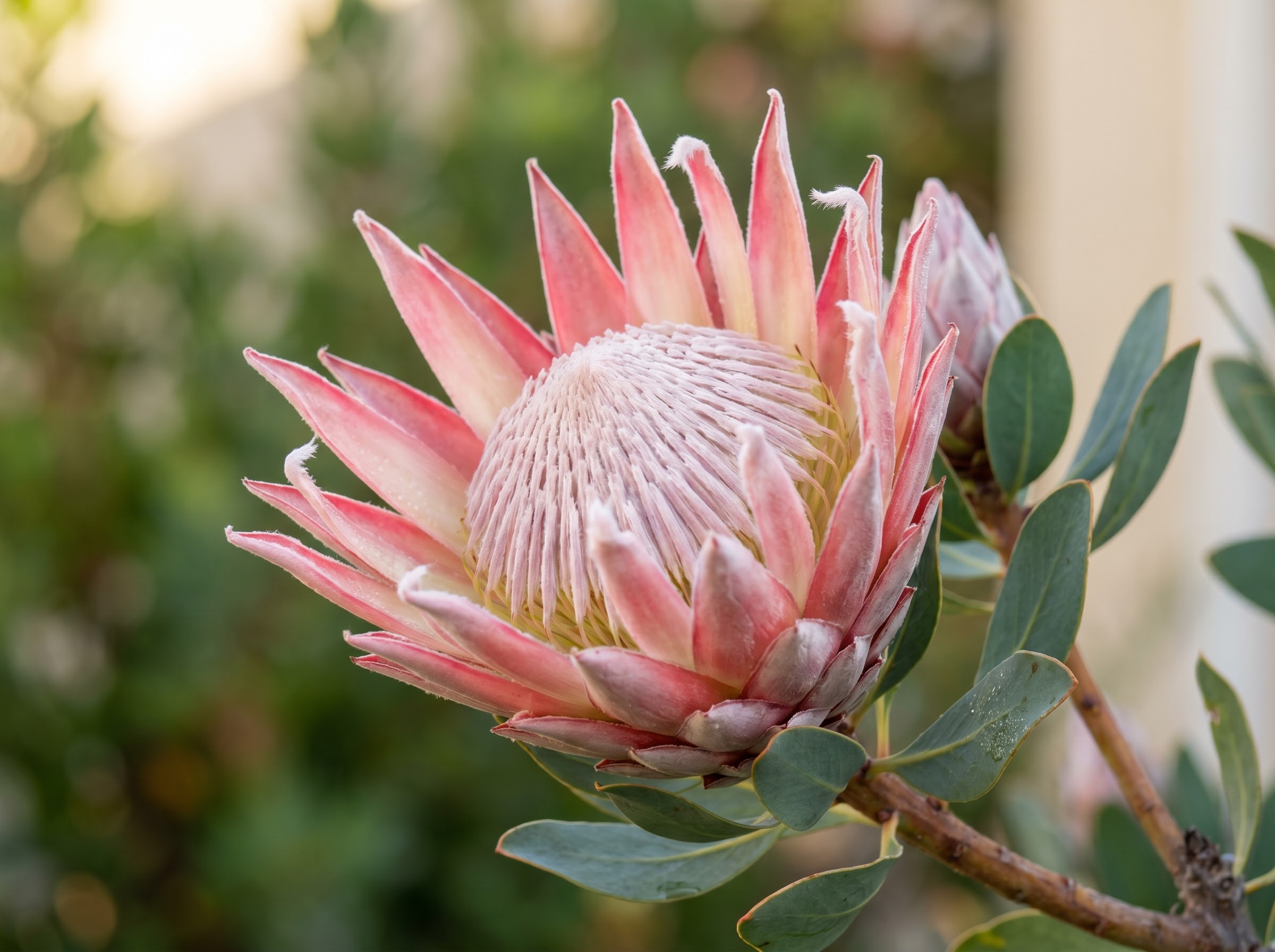 ProteaToday protea is most often read as a flower of courage, transformation, and resilience, a daring bloom for someone moving through change.
 RanunculusRanunculus asiaticusThe ranunculus says you are charming and radiant, a way of telling someone they dazzle you.
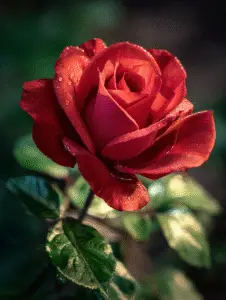 In-depthRoseRosaLove in nearly every form, with the precise message set by the colour you choose. A rose on its own carries love, beauty, and deep feeling, then waits for the colour to finish the thought.
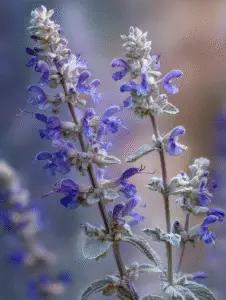 Russian sageSalvia yangii (syn. Perovskia atriplicifolia)In today's casual flower language it is read as calm, clear-headed wisdom and a settled, peaceful home, a meaning carried over from the older symbolism of sage rather than from any documented tradition of its own.
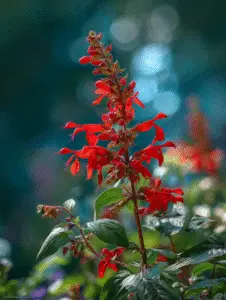 Scarlet sageSalvia coccineaScarlet sage traditionally signals energy, high esteem, and the pledge "forever mine," but this is a Victorian-list reading, not a fixed fact.
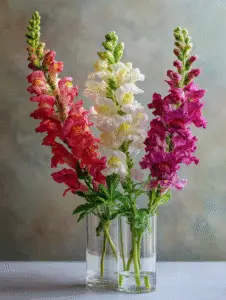 SnapdragonAntirrhinum majusThe snapdragon is usually read as graceful strength, the idea of holding yourself together with poise when things are hard.
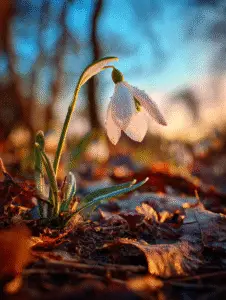 SnowdropGalanthus nivalisAs the first flower to push through the snow, the snowdrop is widely read today as hope and consolation, a sign of rebirth after a hard stretch.
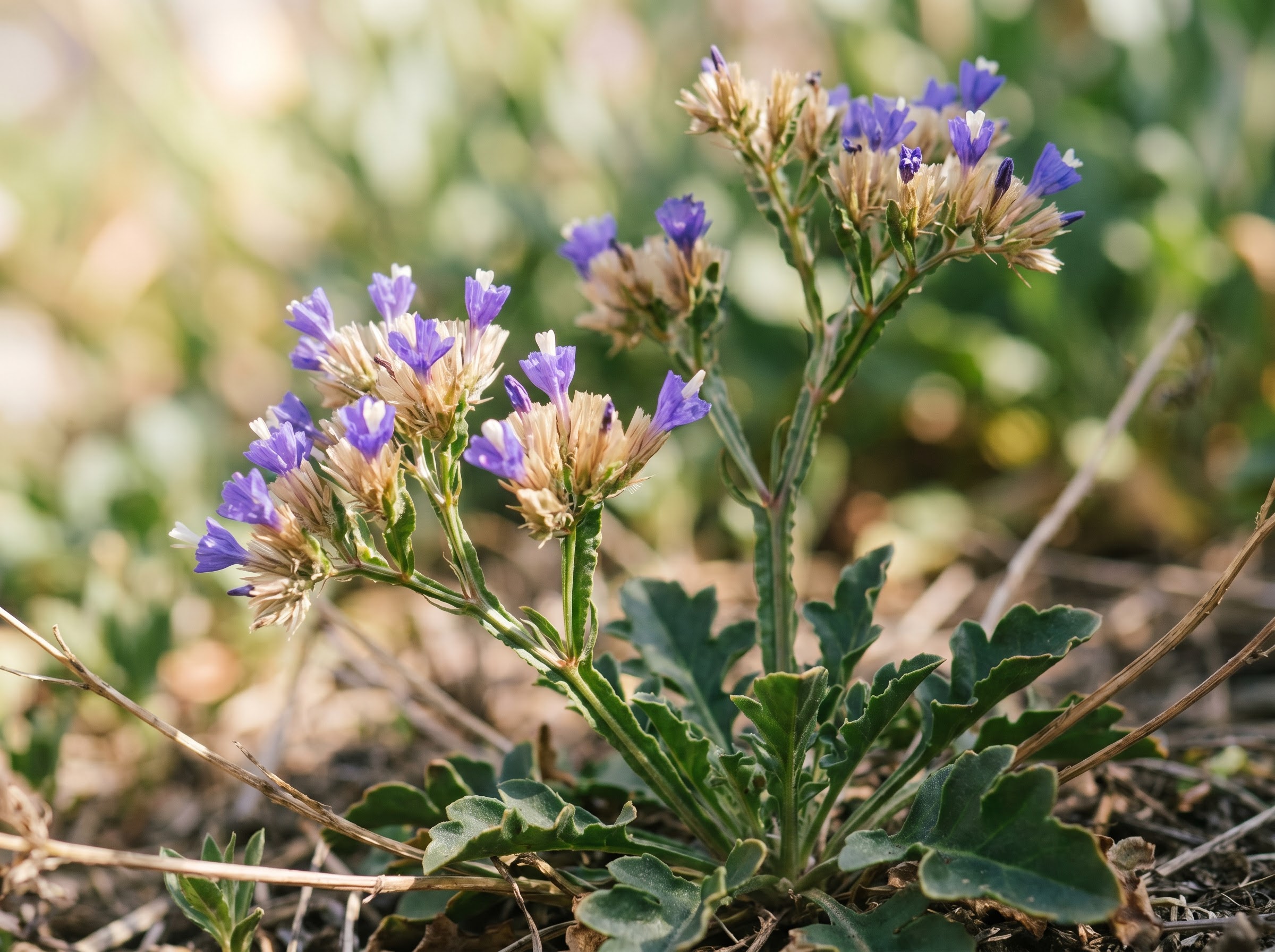 StaticeStatice (sea lavender) traditionally stands for remembrance and lasting sympathy, a reading that fits a bloom prized for drying and keeping its color long after it is cut.
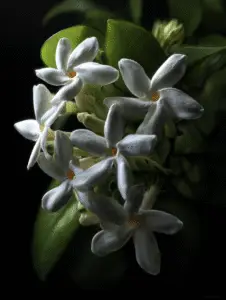 StephanotisStephanotis floribundaStephanotis is traditionally read as happiness in marriage, which is why its waxy, sweetly scented white stars have long been a favorite in bridal bouquets. Treat this as a florist and bridal convention rather than a verified historical fact.
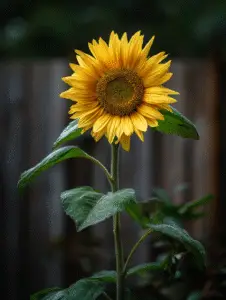 In-depthSunflowerHelianthus annuusAdoration, loyalty, and warmth, with a strong thread of happiness and positivity. Because the young flower turns to follow the sun (heliotropism), it reads as faithful, steady devotion, the kind that keeps facing what it loves, and as sunshine in plant form. Notes of resilience and a long, bright life ride along with it.
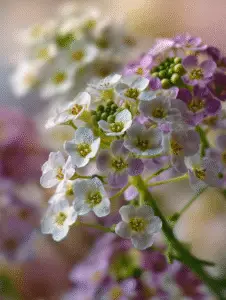 Sweet alyssumLobularia maritimaSweet alyssum traditionally stands for worth beyond beauty, the idea that a person's real value is quieter and deeper than how they look.
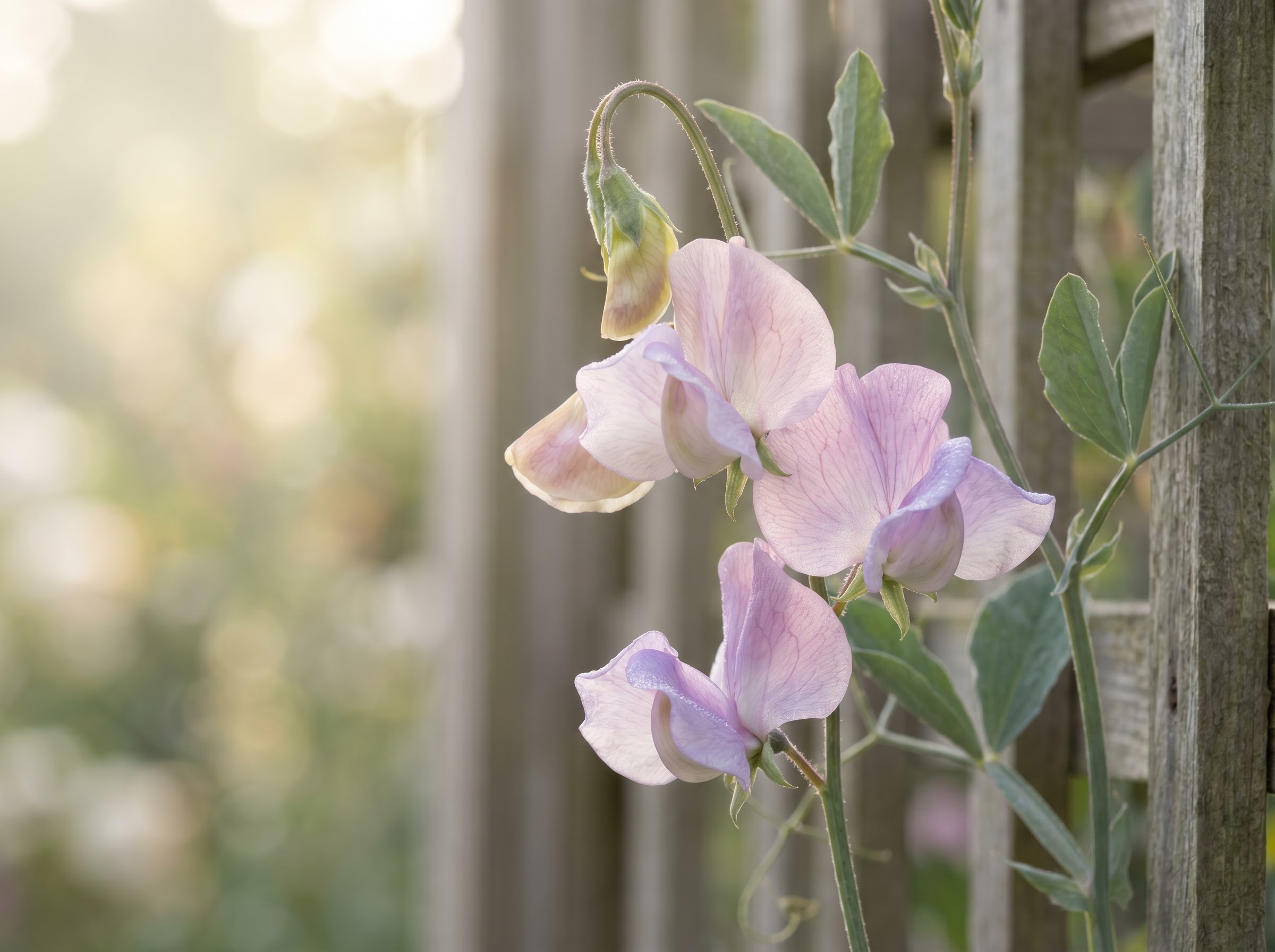 Sweet peaSweet pea is the flower of blissful pleasure and grateful goodbyes, the bloom people reach for to say "thank you for a lovely time" as they part on warm terms.
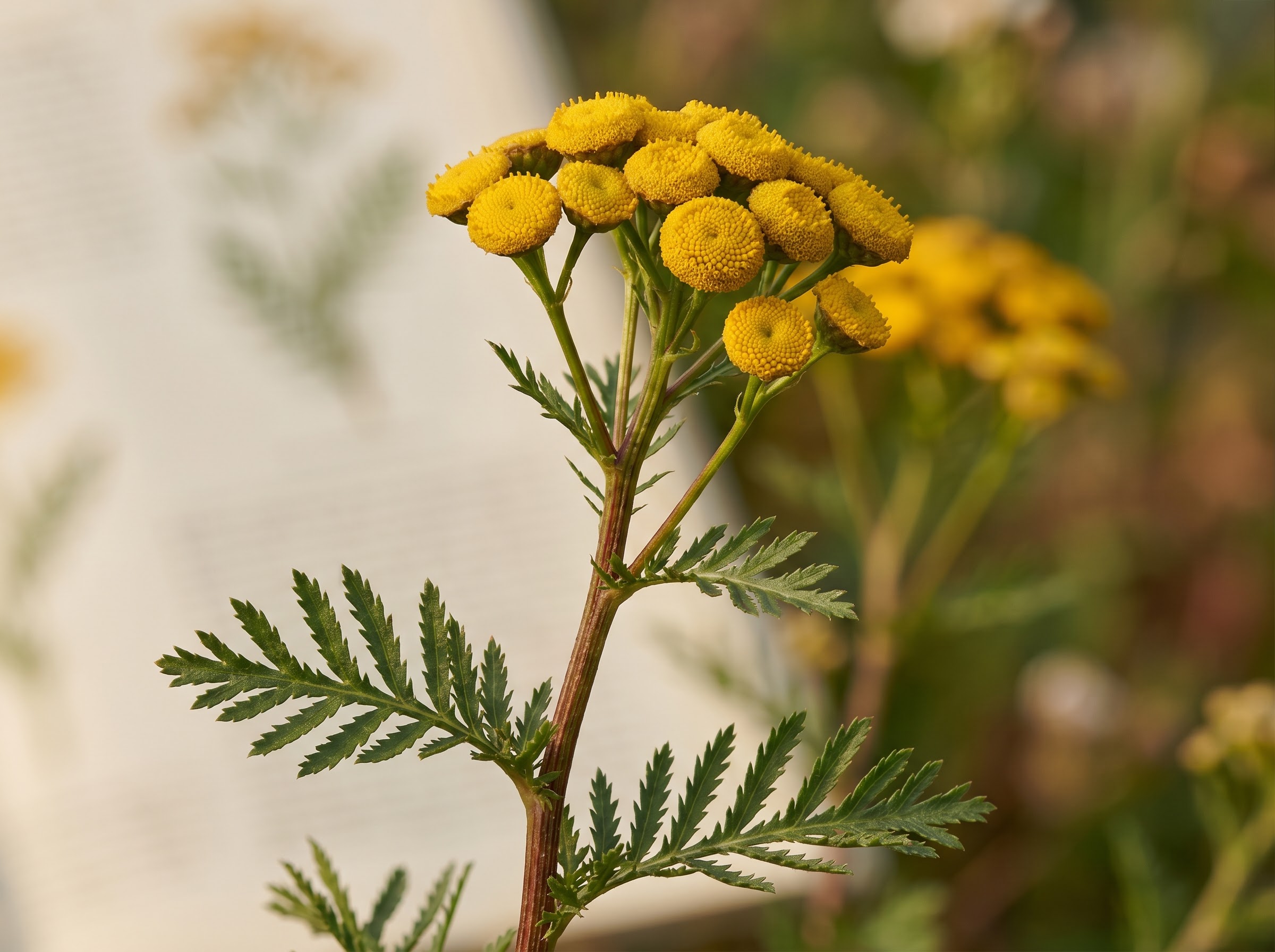 TansyIn the old language of flowers tansy carries an unusually hostile meaning, traditionally read as a declaration of war or open defiance, which makes it one of the rare flowers given as a deliberate snub rather than a kindness.
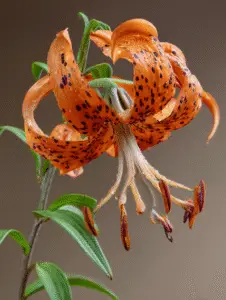 Tiger lilyLilium lancifoliumThe tiger lily traditionally stands for confidence, pride, and bold self-assurance, a flower given to celebrate someone who stands out.
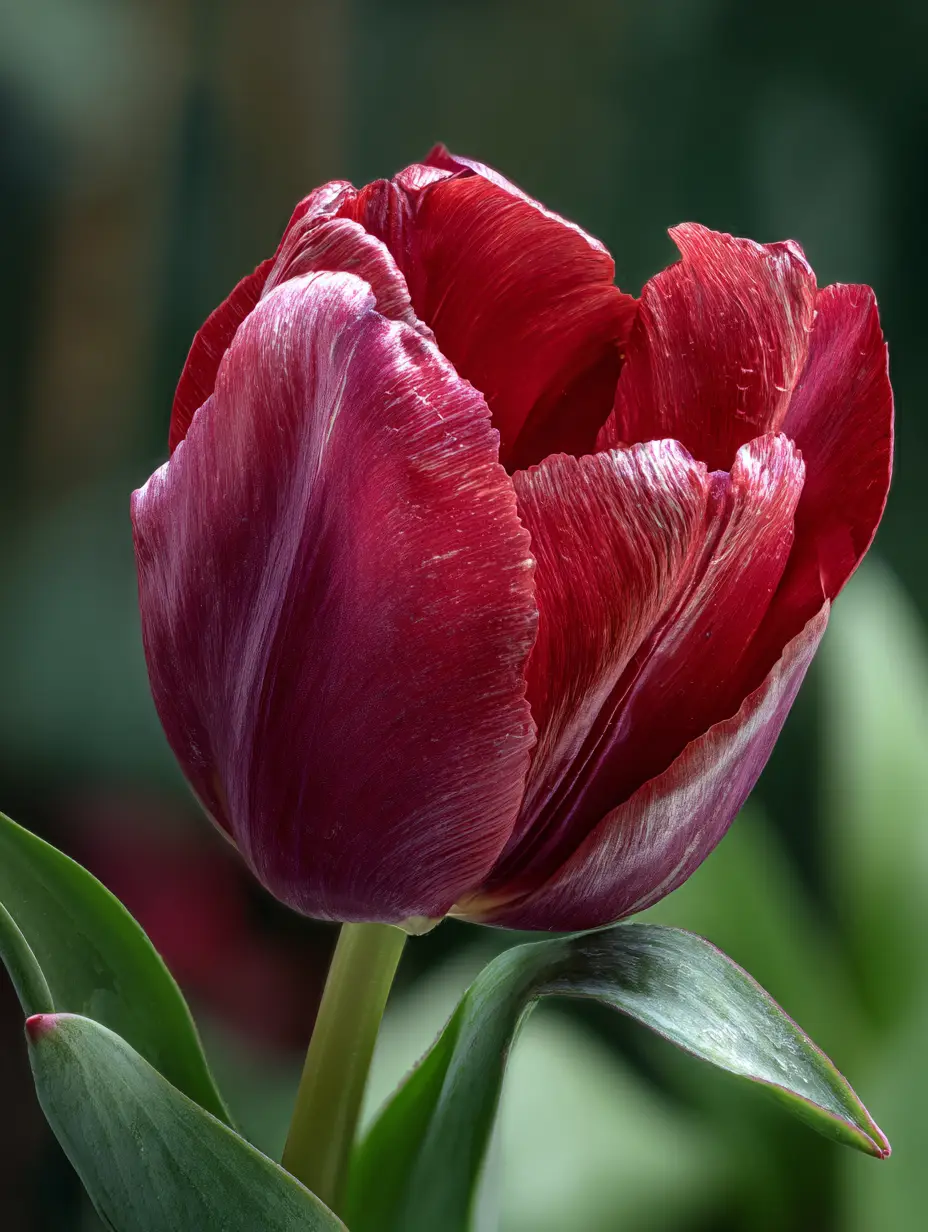 In-depthTulipTulipa spp. (incl. Tulipa gesneriana hybrids)A tulip means love: a deep, perfect, uncomplicated love stated plainly rather than performed, a sincere declaration you can give a partner, parent, or close friend, with the colour naming the kind of love meant.
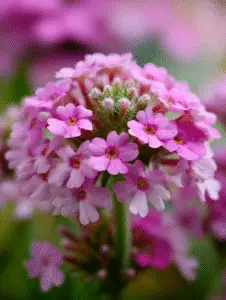 VerbenaVerbena x hybridaVerbena (vervain) is traditionally tied to healing and protection, with creativity a softer, less-documented strand. The reading is often linked to an old reputation as a sacred herb of enchantment and prayer.
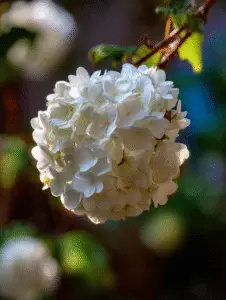 ViburnumViburnum spp. (genus; principal species include V. opulus, V. carlesii, V. x burkwoodii, V. plicatum, V. dentatum)Viburnum stands for pride and "thoughts of heaven," with its snowball blooms and winter berries read as quiet, remembering beauty.
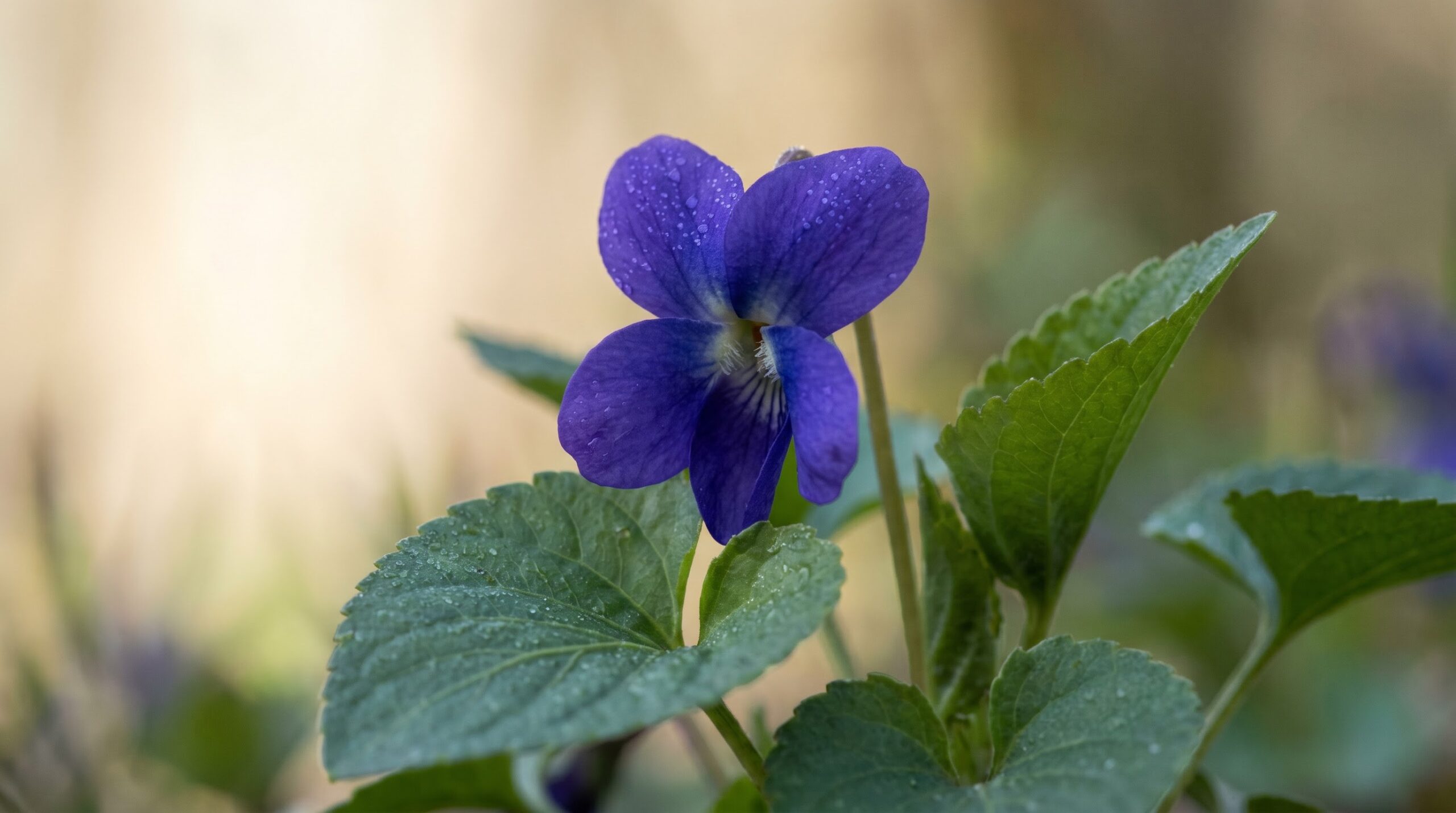 In-depthVioletFaithfulness and modesty: a humble, loyal love that says "I will always be true," the devotion that stays rather than the one that dazzles.Virginia bluebellsMertensia virginicaVirginia bluebells stand for humility and constancy, a quiet and faithful kind of devotion.
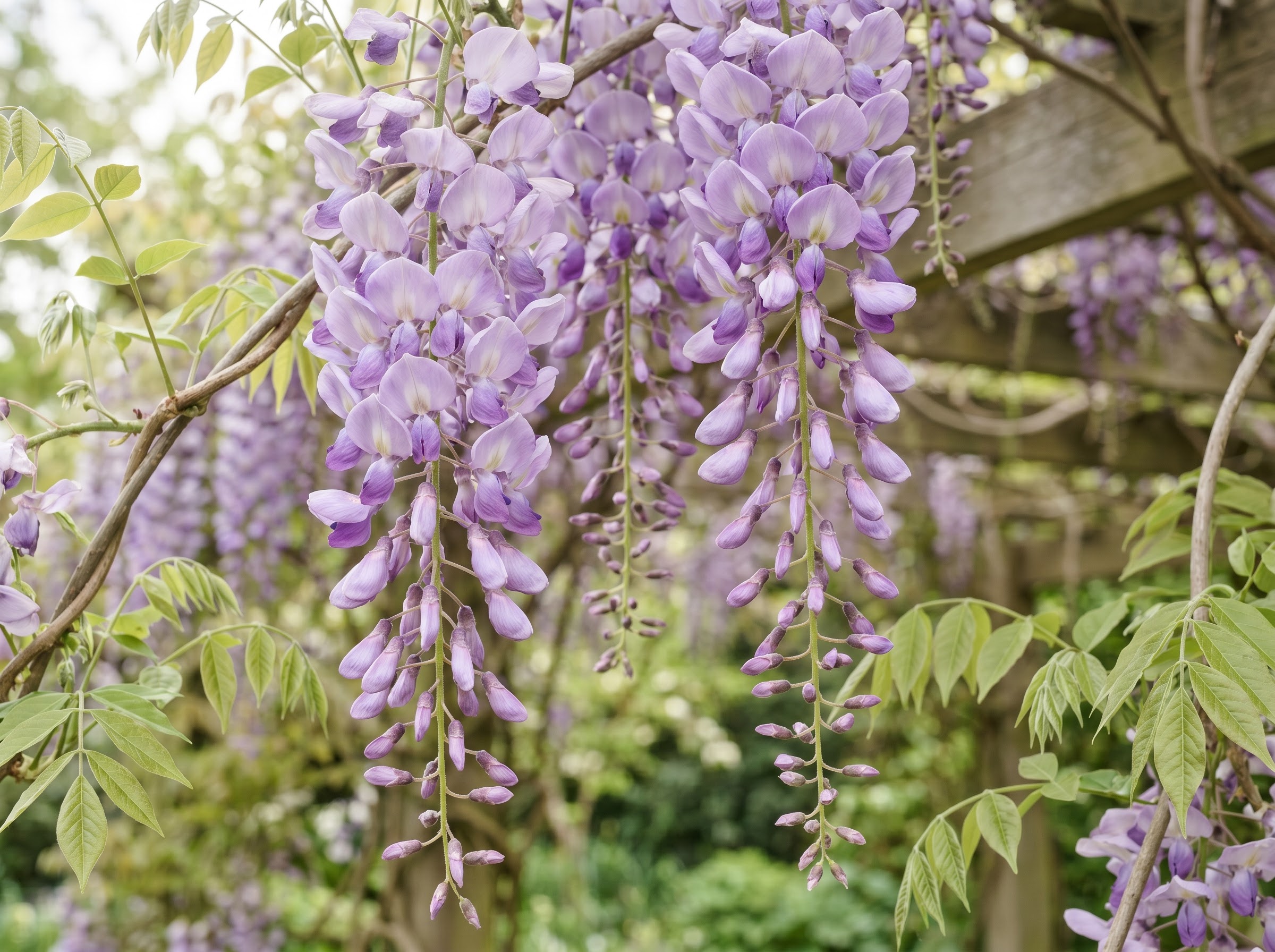 WisteriaWisteria is traditionally read as steadfast, enduring love and devotion, a bond that deepens over time, an idea tied to the way its woody vines cling and live for generations.
 YarrowAchillea millefoliumToday yarrow is most often read as a flower of healing and courage, with a tradition of standing for protection and everlasting love.
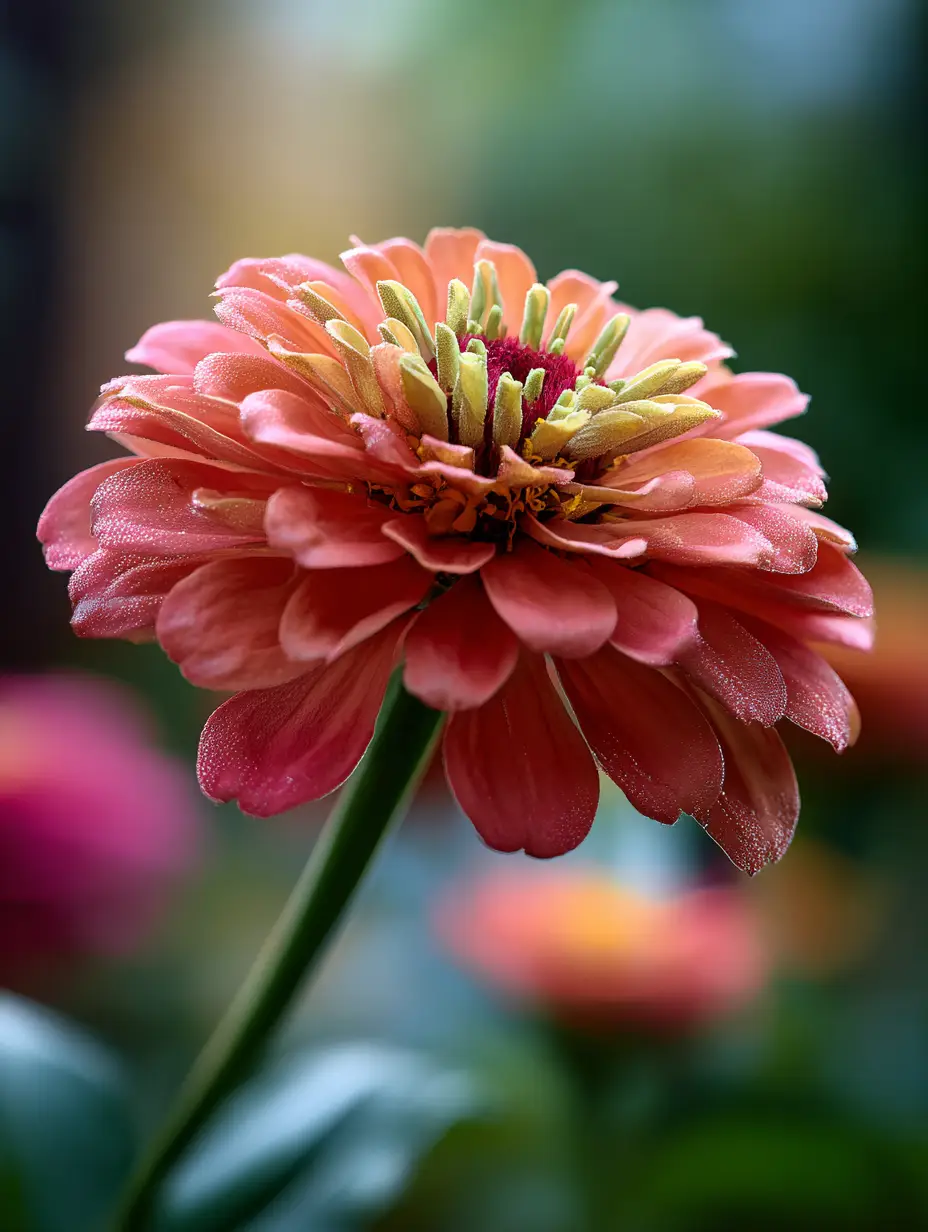 ZinniaZinnia elegansA flower for thinking of someone who is far away; it traditionally says "I am thinking of you" and stands for lasting affection between friends.
Read more by theme
The catalog above answers most questions in a click. When you want the fuller picture, these eight guides take one angle at a time, with the history, the colour rules, and the honest caveats laid out in full.
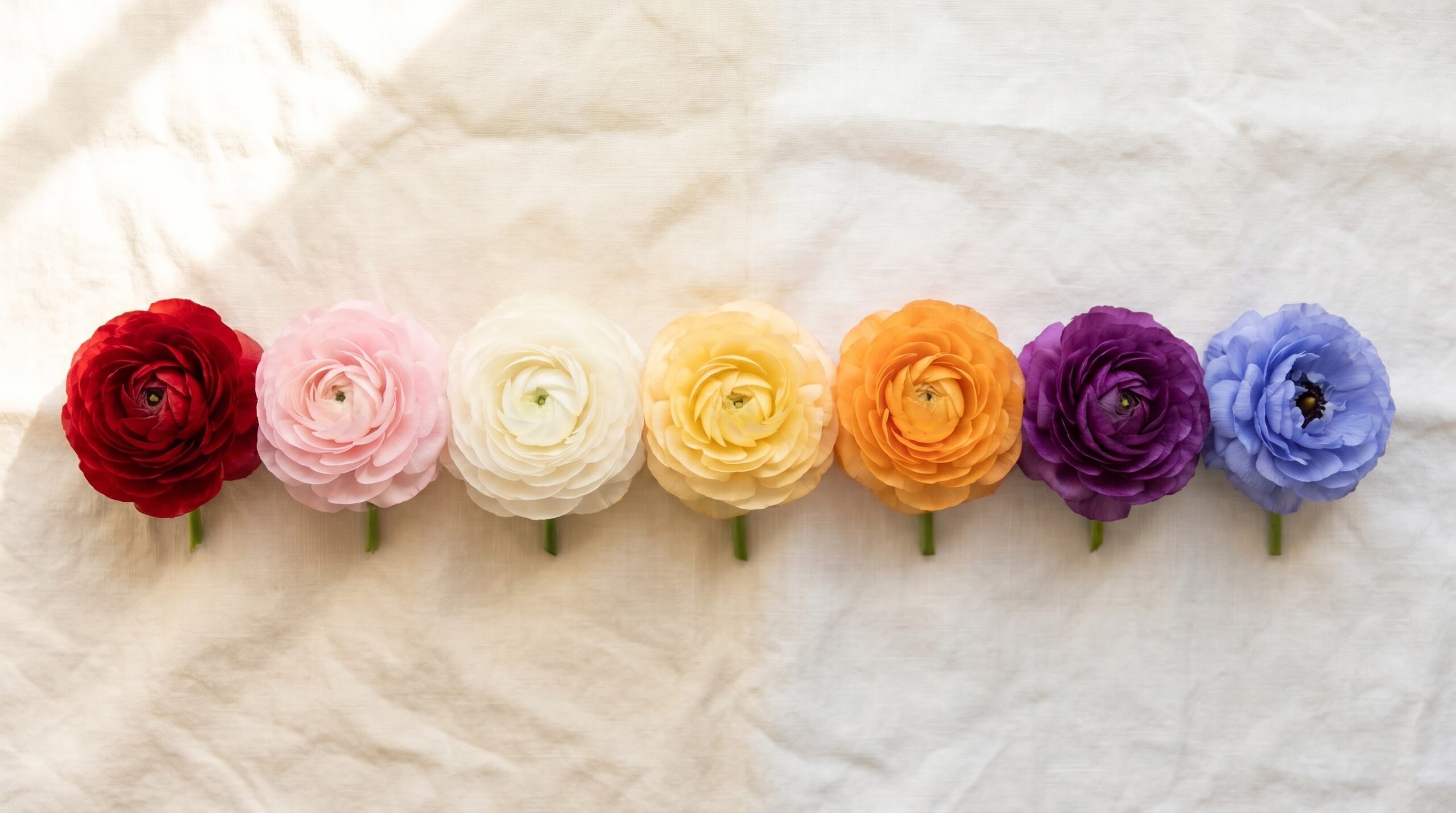 Flower colour meaningsWhat each colour says, and where a border quietly flips it.Read the guide →
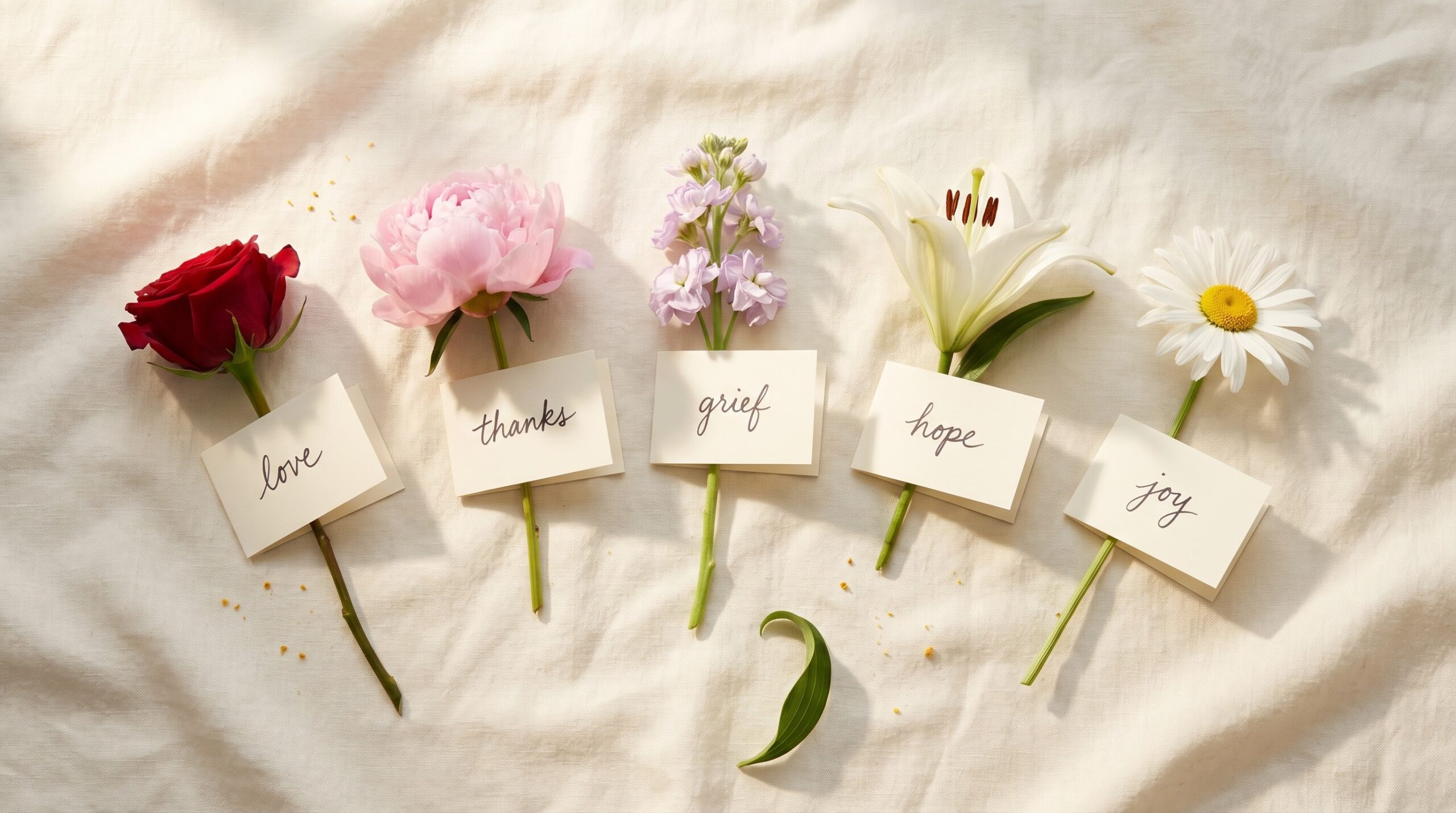 What flowers mean by feelingThe right flower for an emotion, including the hard ones to say.Read the guide →
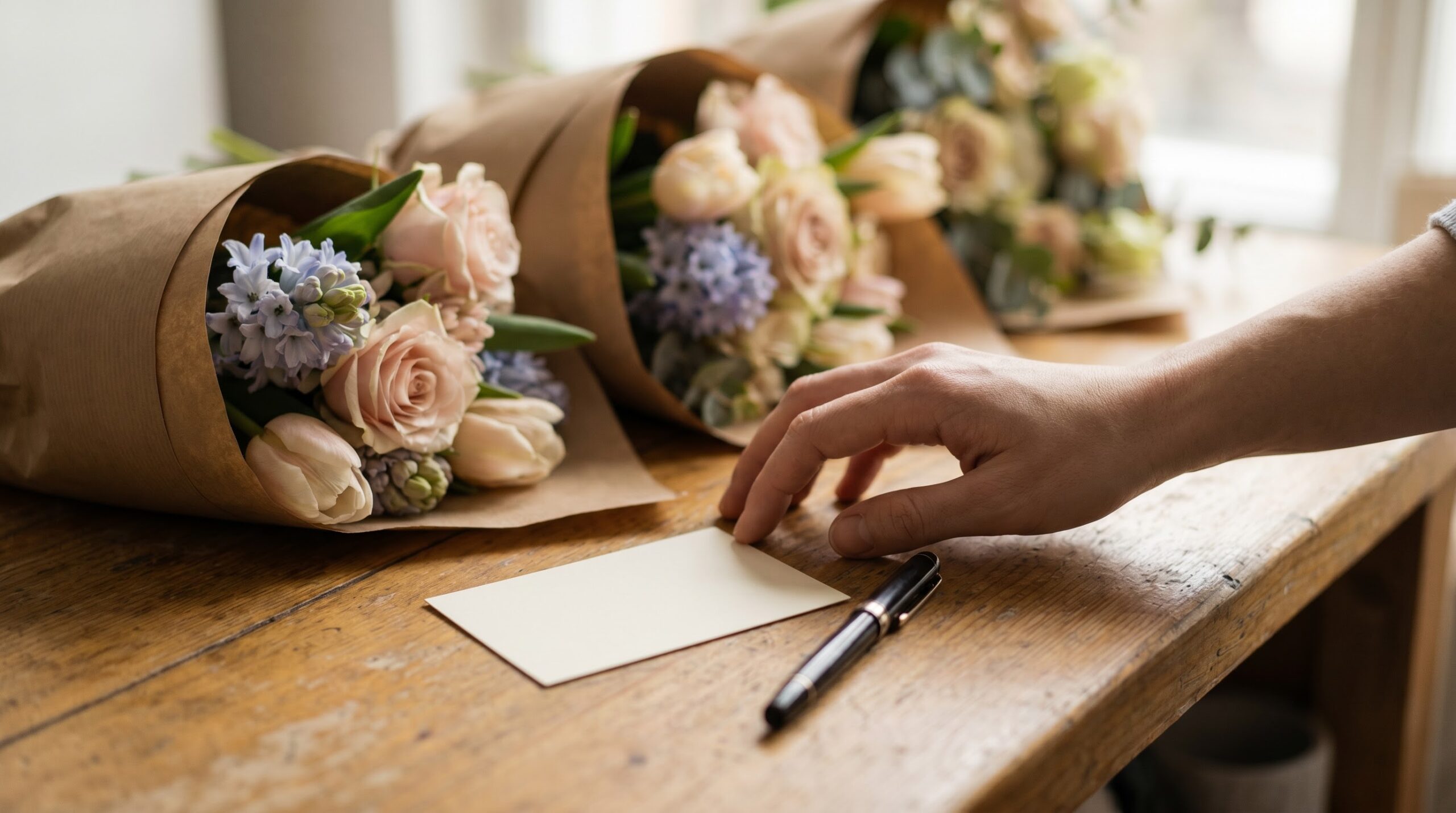 Flower meanings by occasionWhat to send, what to avoid, and what to write on the card.Read the guide →
 Flower tattoo meaningsWhat each flower says in ink, by colour and by placement.Read the guide →
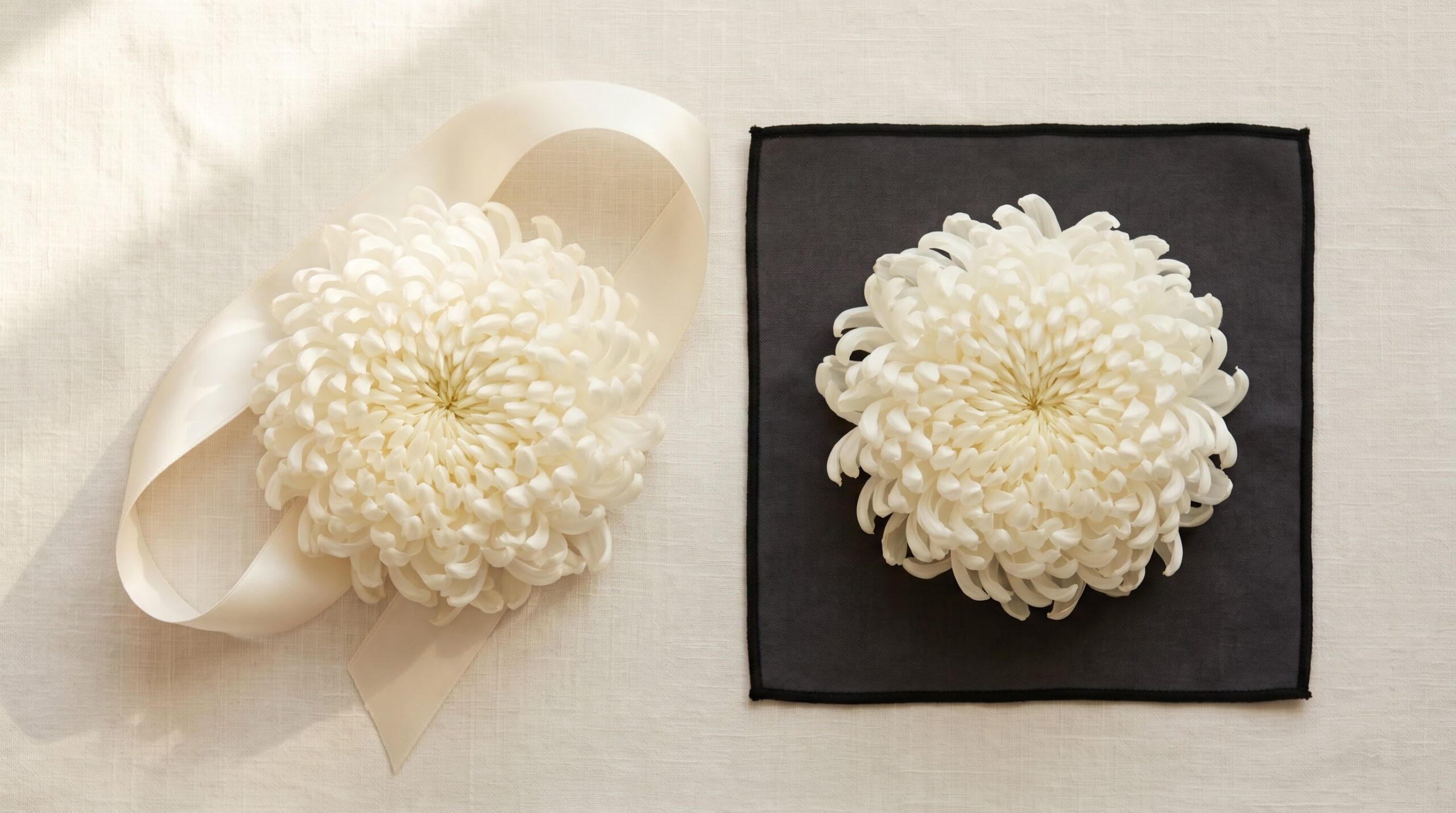 Flower meanings around the worldHow Japan, China, and Egypt read the same flower differently.Read the guide →
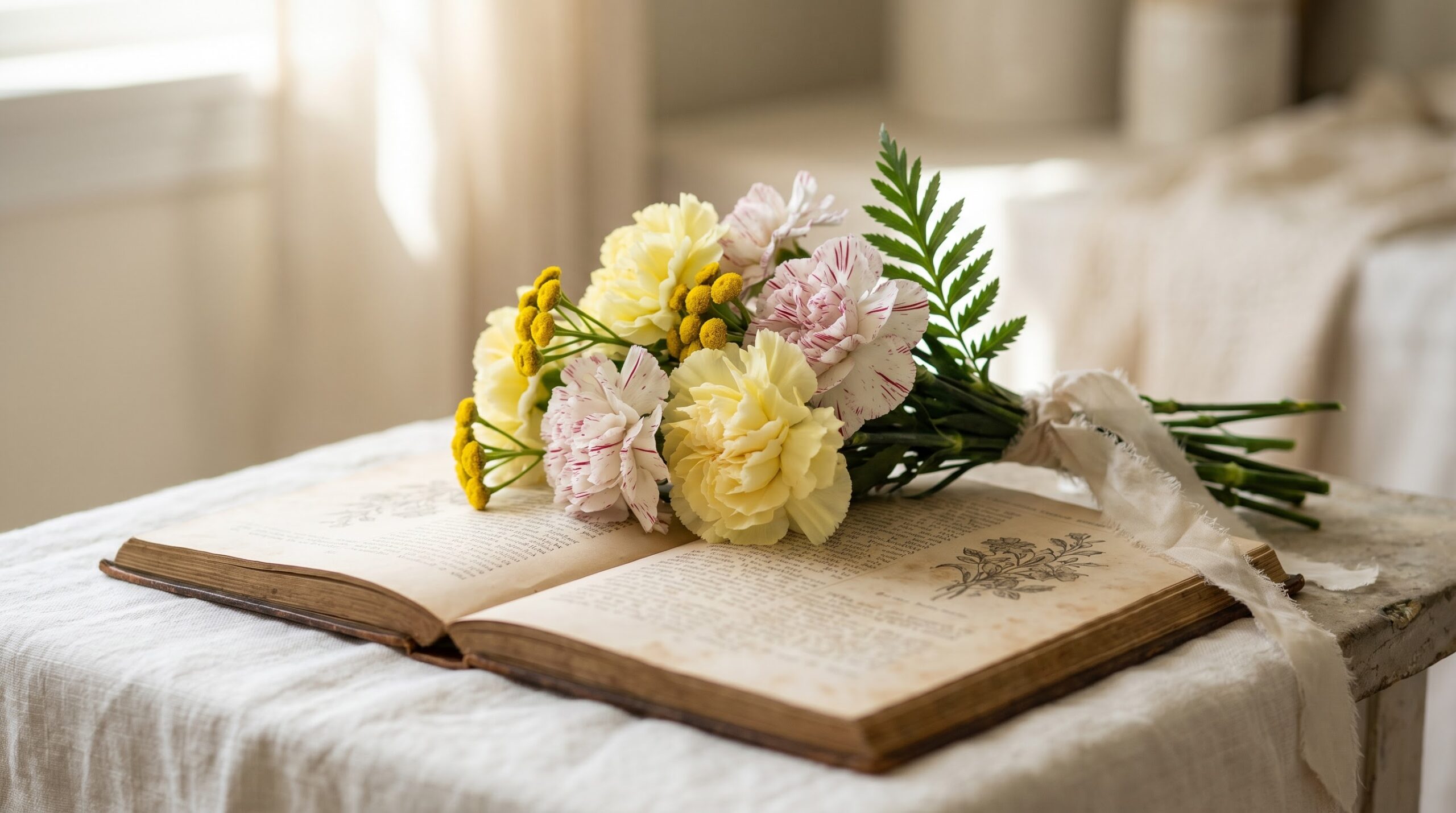 Dark and negative meaningsThe warning flowers and polite insults, handled tastefully.Read the guide →
 Spiritual flower meaningsThe intuitive and symbolic readings, framed honestly.Read the guide →
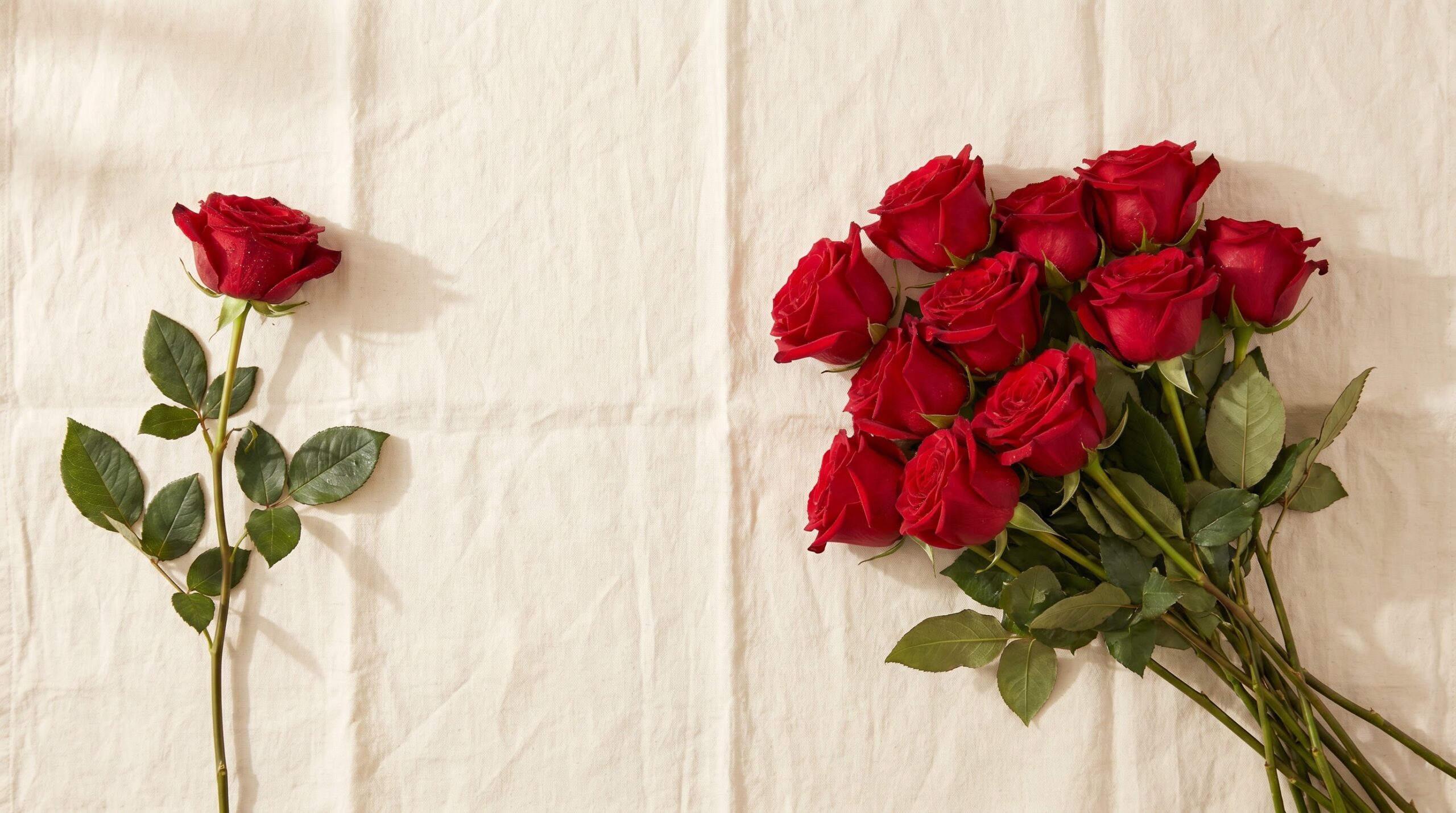 What the number of roses meansWhat a single stem, six, a dozen, or two dozen quietly signal.Read the guide →
Is there a real dictionary of flower meanings?
No, and the honest sources say so plainly. Iowa State University Extension, when it lists common flowers and their meanings, adds that there are multiple sources with this information, and sometimes flowers can have multiple meanings. That is the quiet admission most florist blogs leave out. The language of flowers was never standardized by anyone with the authority to standardize it. It was assembled by writers and publishers, each copying and tweaking the last, which is exactly why your search returns a small pile of confident, contradictory answers.
So this guide does something different. For each flower it separates what the meaning usually is today from what the old Victorian lists said, names the spots where reasonable sources disagree, and tells you when colour or country changes the answer. You get the full picture instead of one shaky line, and you can decide for yourself which reading you want to send.
How to read a flower's meaning
Three things decide what a single flower says: era, colour, and culture. A meaning has a modern reading, the one a friend would assume today, and often an older Victorian one underneath it, and the two can point in opposite directions. Colour can reinforce a meaning or flip it, since a carnation is affectionate in general yet a yellow one was listed as disdain. And culture is the strongest lever of all: a chrysanthemum reads as joy and long life across much of Asia and the United States, and as a strict funeral flower across much of Europe. Read any flower through those three lenses and the contradictions stop being confusing and start being information.
Where the language of flowers actually came from
The romantic story is that flower meanings are an ancient secret code, and that Europe learned it from the harems of Turkey. The first part is partly true and the second is mostly a myth. Sending messages with flowers is genuinely old, with roots in the symbolism of China, Egypt, and Assyria, according to Cornell University's exhibition on the subject. What spread through 18th and 19th century Europe, though, was a later invention dressed up as something ancient.
The Turkish origin is the part that does not hold up. Cornell, drawing on research by Dr. Brent Elliott of the Royal Horticultural Society, notes that the European systems are often traced to a Turkish source, but what actually existed in Turkey used many more objects than flowers and worked as a memory aid for lines of poetry rather than a flower code. The system Europeans came to call the language of flowers was largely built in France, then carried into Britain where it became a Victorian craze and was printed, expanded, and contradicted in book after book. Knowing it was a publishing fashion, not a sacred tradition, is exactly what frees you to use the meanings loosely and honestly.
The meanings people argue about
A handful of flowers cause almost all the confusion, and they are worth settling directly. The yellow rose is the famous one: older lists read it as jealousy, while the modern reading is warm friendship. The poppy gets the opposite treatment, often called the flower of death when its real weight is remembrance and consolation. The deepest split belongs to the hydrangea, heartfelt gratitude today and coldness in Victorian language. When a flower has a meaning worth arguing about, this guide tells you which reading to trust and why, rather than averaging the two into something bland.
The questions people ask
It is real as a tradition people have used for centuries, and not real as a fixed or official code. It was popularized as a publishing fashion in 19th century France and Britain, not handed down as ancient law, which is why the meanings vary.
Because no single authority ever set them. Each old book copied and revised the last, meanings shifted between the Victorian era and now, and colour and country pull them in different directions.
Red roses are the strongest and clearest, with tulips, peonies, and carnations close behind. For love without the full romantic weight, a pink rose or a peony softens it.
In Victorian language it could, but today a yellow rose means friendship and joy, and that is how almost everyone reads it now.
Hyacinth, tulips, and hydrangea, kept soft rather than celebratory, paired with a short sincere note. The flower opens the door; the words do the actual apologizing.
Flower meanings are a tradition, not a fixed code. We separate today's reading from the Victorian one, flag where sources disagree, and lean on Cornell University and Iowa State Extension for the history. Researched and reviewed by the YourFlowersGuide team.